Guilin 2026: book the Li River cruise early and let the karst do the work
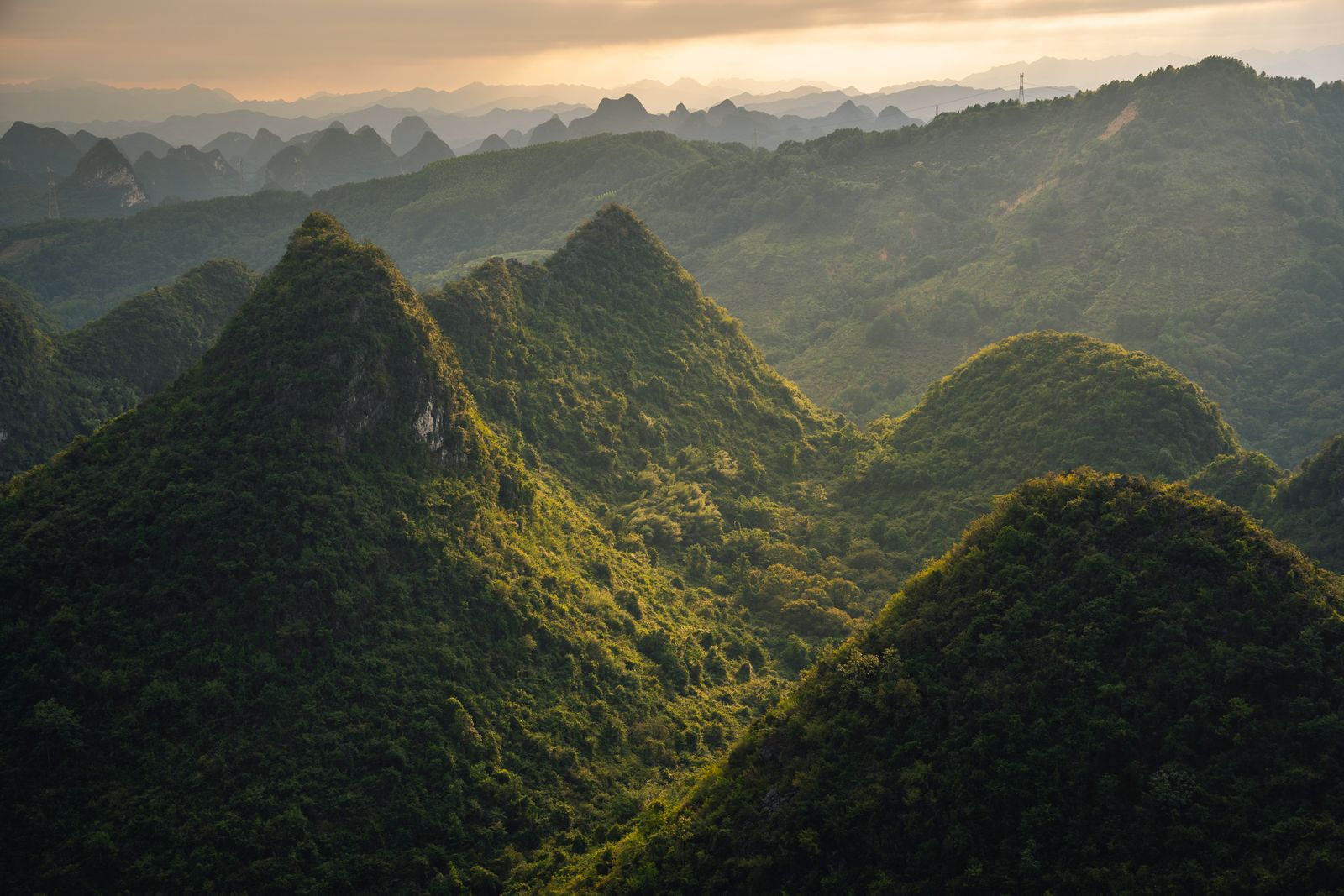
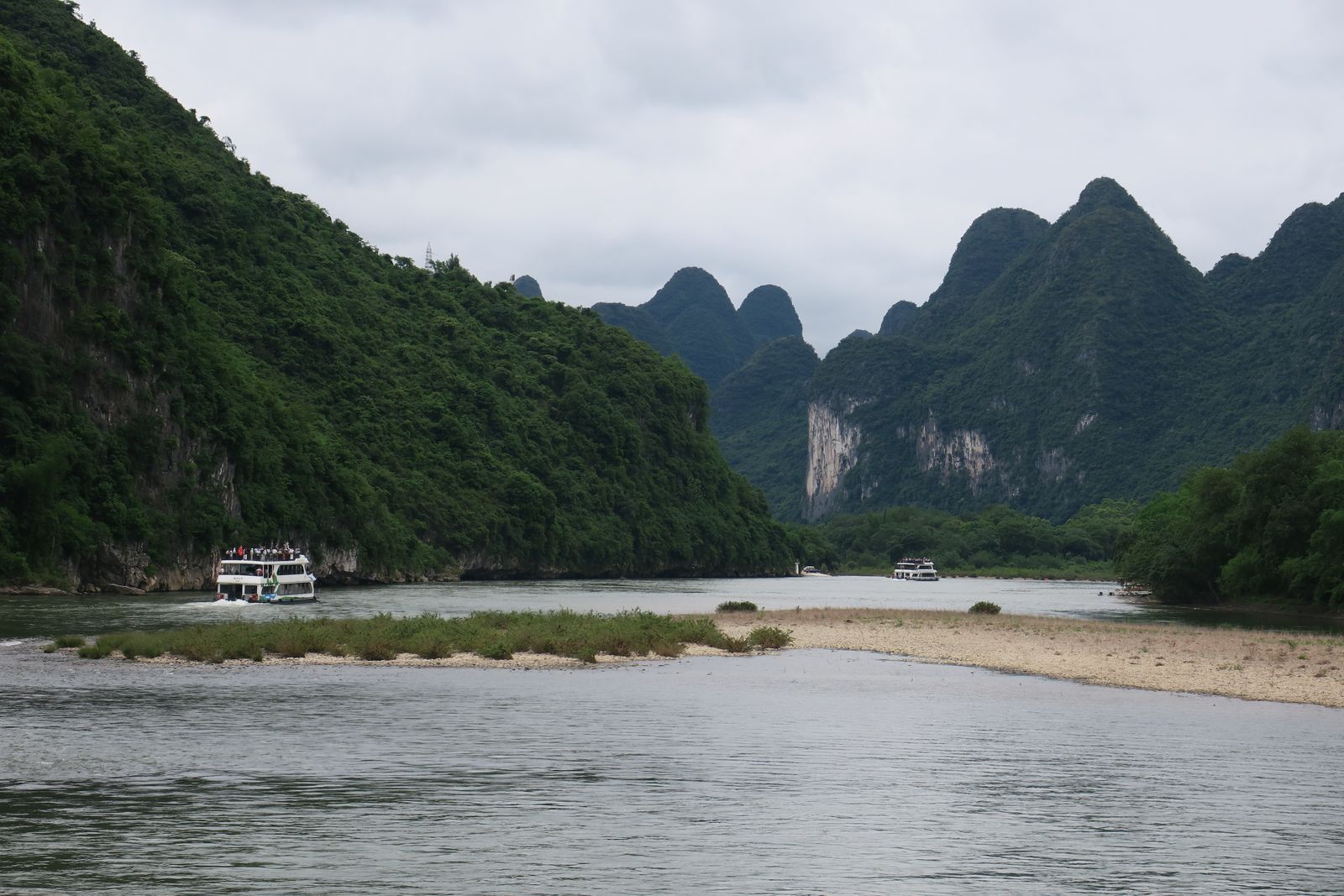
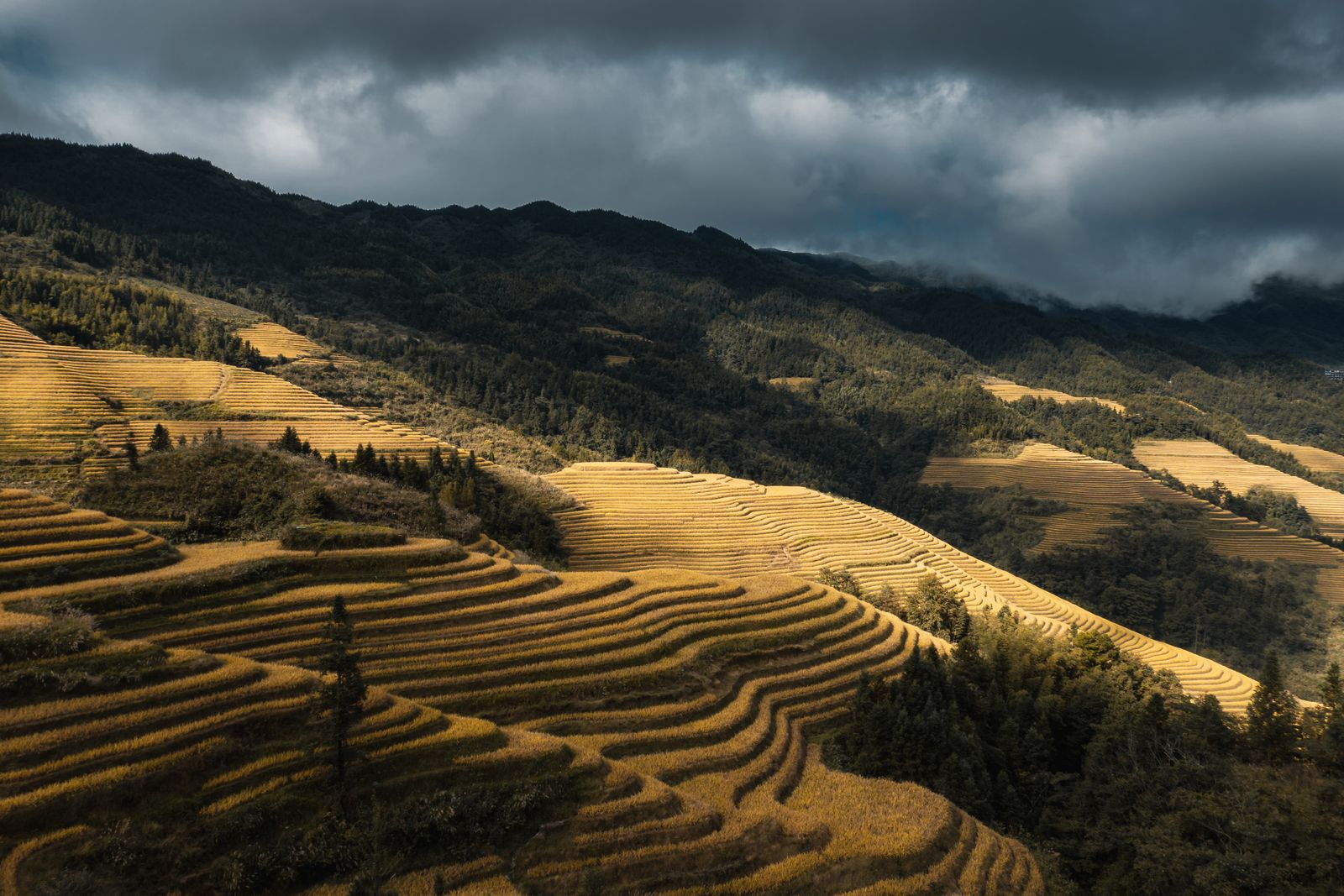
Guilin is the easiest scenic escape in southern China and the hardest to picture from a map. The draw is the limestone landscape itself: a 4-hour cruise down the Li River to Yangshuo, the lit-up Sun and Moon Pagodas at night, and the Longji Rice Terraces an hour and a half north. Below you will find the history, the food, where to sleep, what to buy, every major sight with its own guide, how to get around, and 1/2/3-day plans written for foreign visitors arriving by high-speed train or via Guangzhou.
History & culture
Guilin's story begins in 214 BC, when the Qin dynasty cut the Lingqu Canal to join the Yangtze and Pearl river systems and posted a garrison among the karst hills. The name 'Guilin' — 'forest of sweet osmanthus' — is recorded by the Han era, and the settlement became a Tang-dynasty (618–907) prefecture prized for its river port and mild climate.
From the Tang through the Ming, Guilin grew into a scholarly and trade centre on the route into Guangxi. The Ming Jingjiang princes built their walled seat, the Princes' City, at the foot of Solitary Beauty Peak, and generations of poets and painters came to sketch the same limestone peaks that draw visitors today. The region was also a frontier where Han administration met Zhuang, Yao and Dong communities.
In the 20th century Guilin was a wartime refuge and a base for resistance forces, and its scenery made it a postcard symbol of China abroad long before mass tourism. Today the greater Guilin travel area — the city, Yangshuo county and the Longji terraces — is one of China's most established foreign-visitor destinations, organised around the Li River landscape rather than monuments.
Best time to visit Guilin
Guilin is a year-round destination, but the most comfortable light and weather fall in spring and autumn, when the hills are green and the Li River is full. Summer is hot and busy; winter is grey but crowds thin out.
Cuisine of Guilin
Signature dishes worth seeking out — prices are typical per-person or per-dish ranges, not fixed quotes.
-
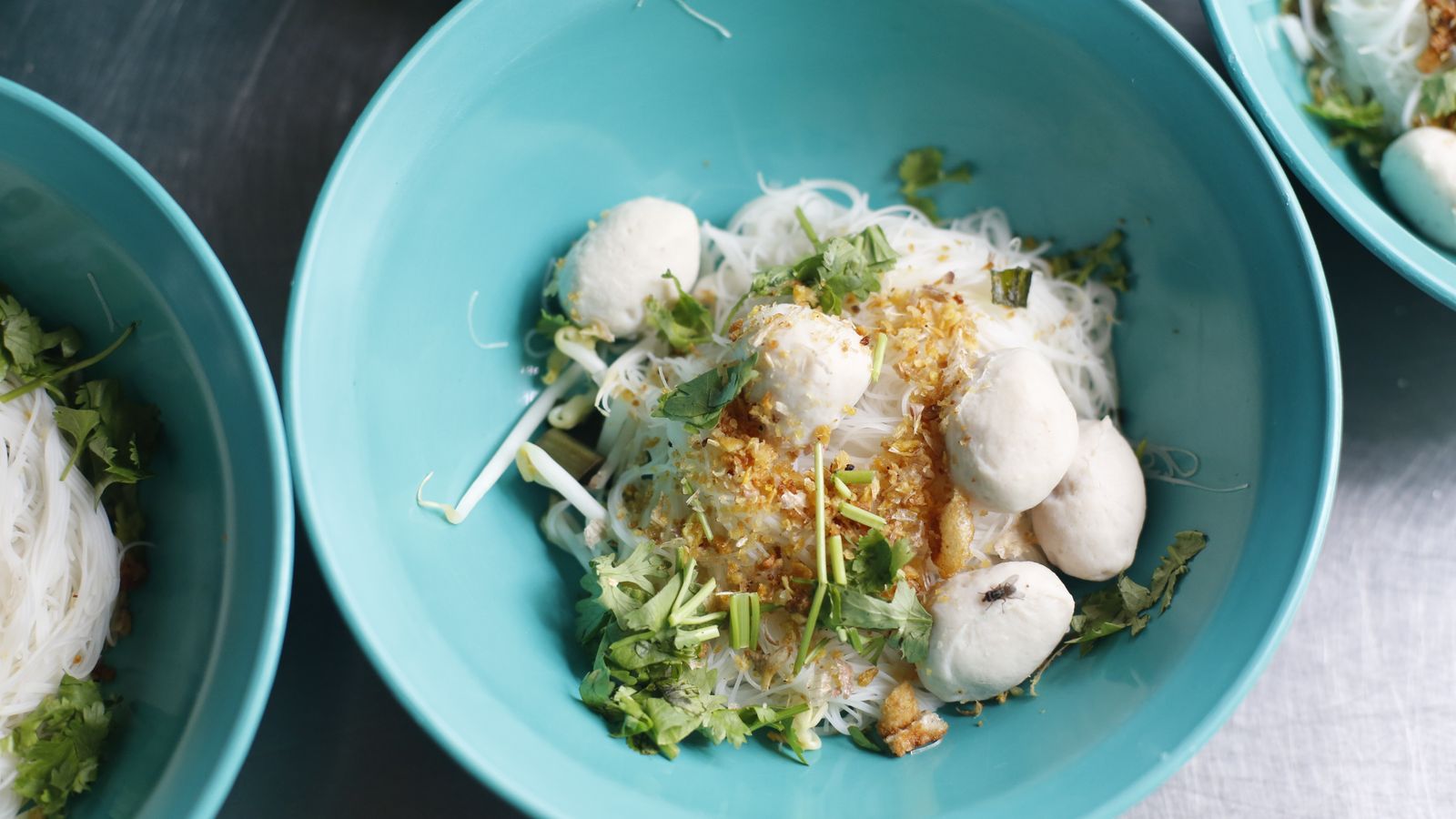
Guilin Rice Noodles (Guilin mifen)
The city's signature breakfast: slippery rice noodles in a savoury broth, topped with fried peanuts, pickles, braised meat and a spoon of chilli. Sold at every corner shop for a few dollars; order 'mifen' and add your own toppings.
-
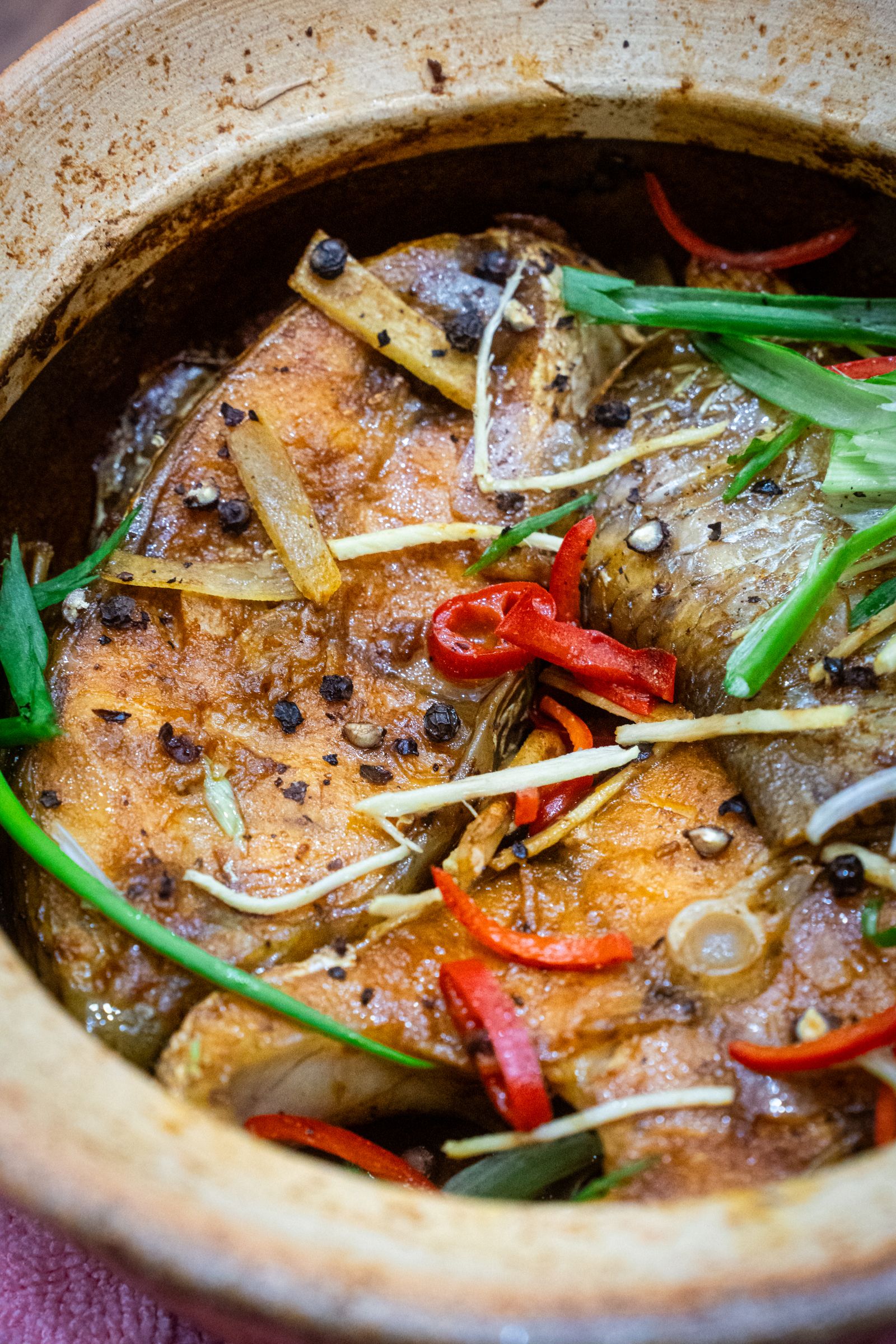
Beer Fish (Pijiu yu)
A Yangshuo speciality of fresh Li River fish braised with tomatoes, ginger and a splash of beer, leaving a tangy, slightly sweet sauce. Best eaten in Yangshuo or Xingping for about $8–15 a plate.
-
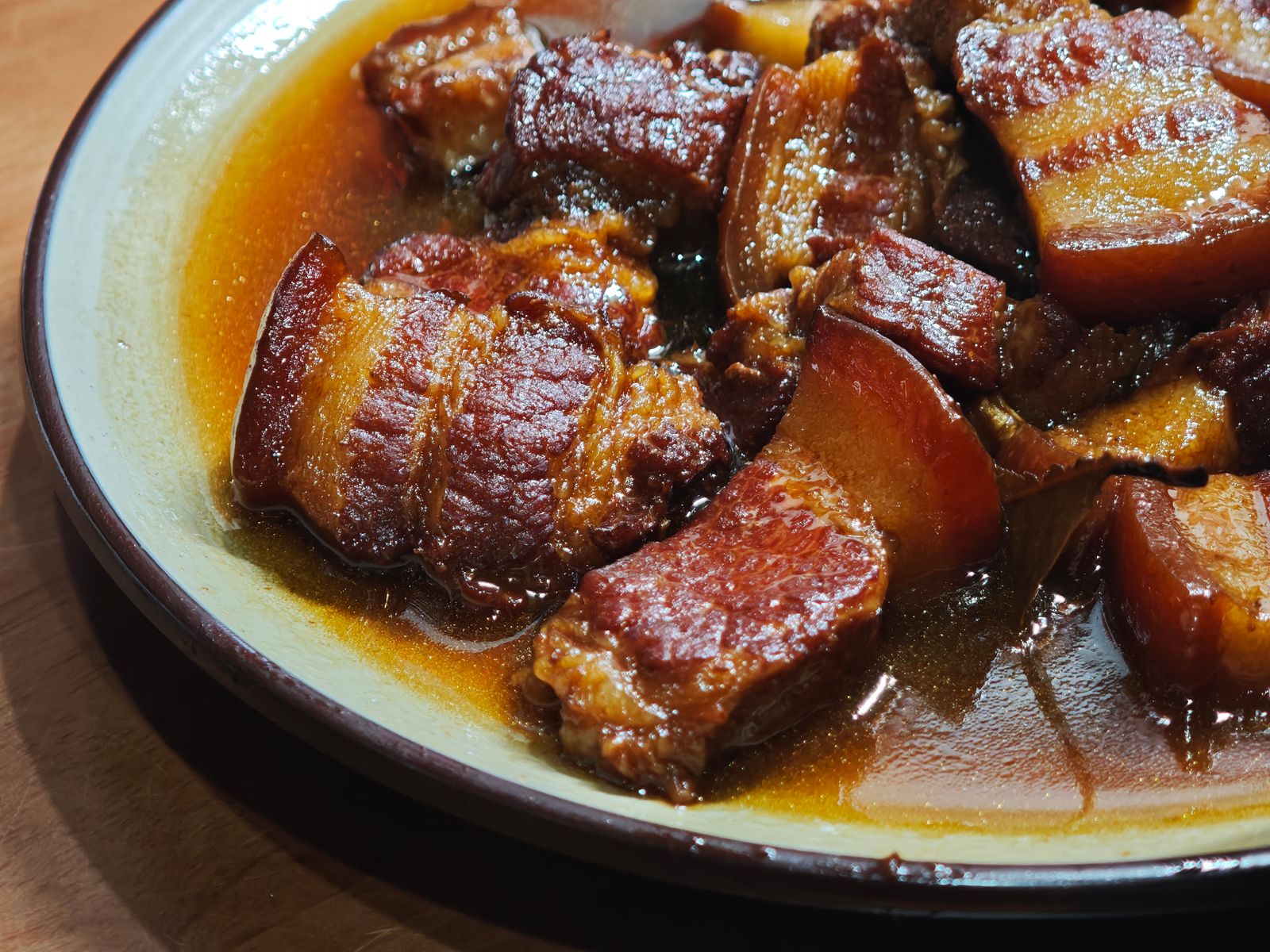
Lipu Taro Pork (Lipu yu kourou)
Layered steamed pork belly and taro from Lipu county, braised until the fat turns glassy and the taro melts. A banquet dish found in better restaurants for around $10–18.
-
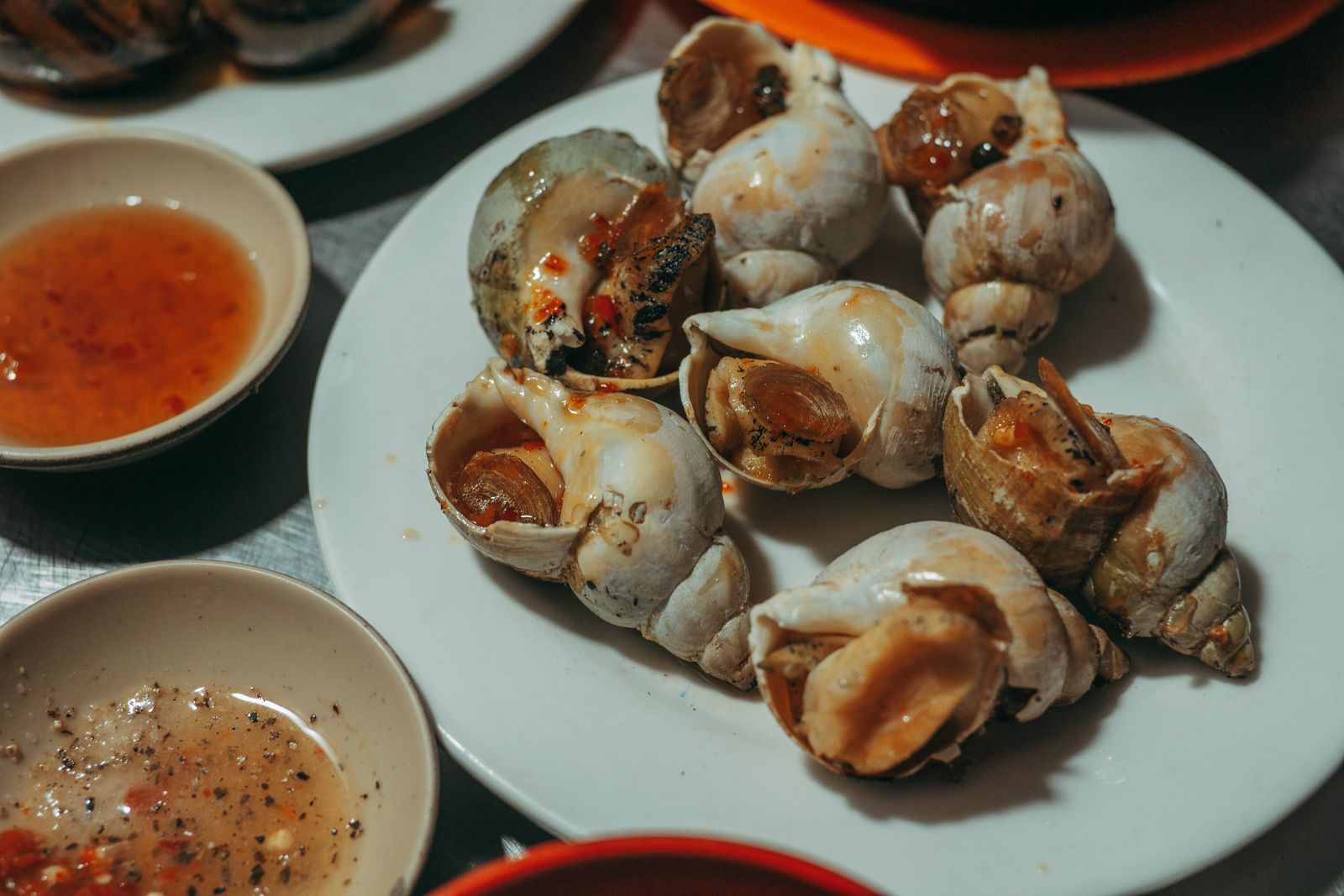
Stuffed River Snails (Niang tianluo)
River snails stuffed with minced pork and herbs, simmered in broth — a cheap, addictive Guilin street snack, usually a dollar or two a bowl.
-
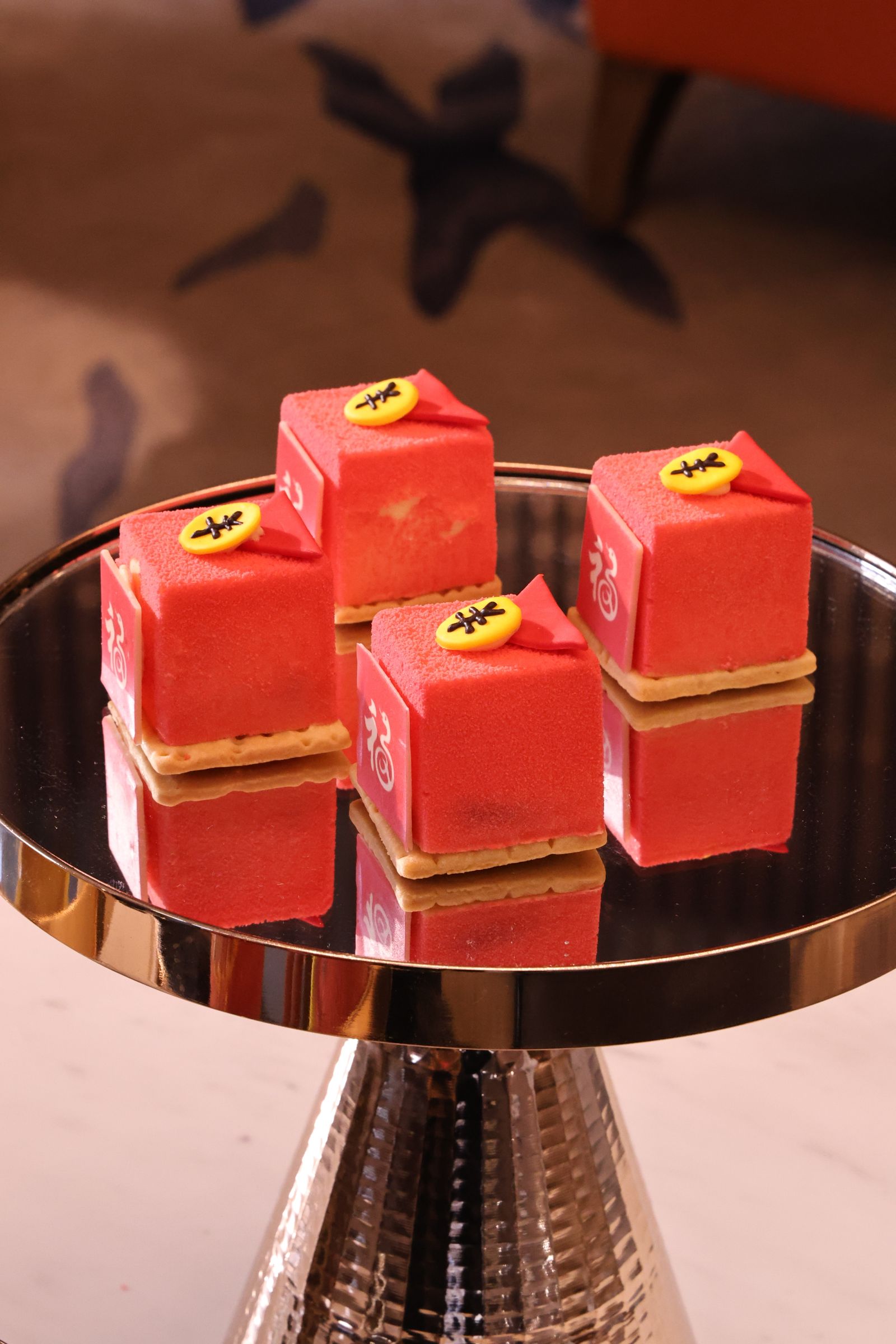
Osmanthus Cakes & Tea (Guihua gao)
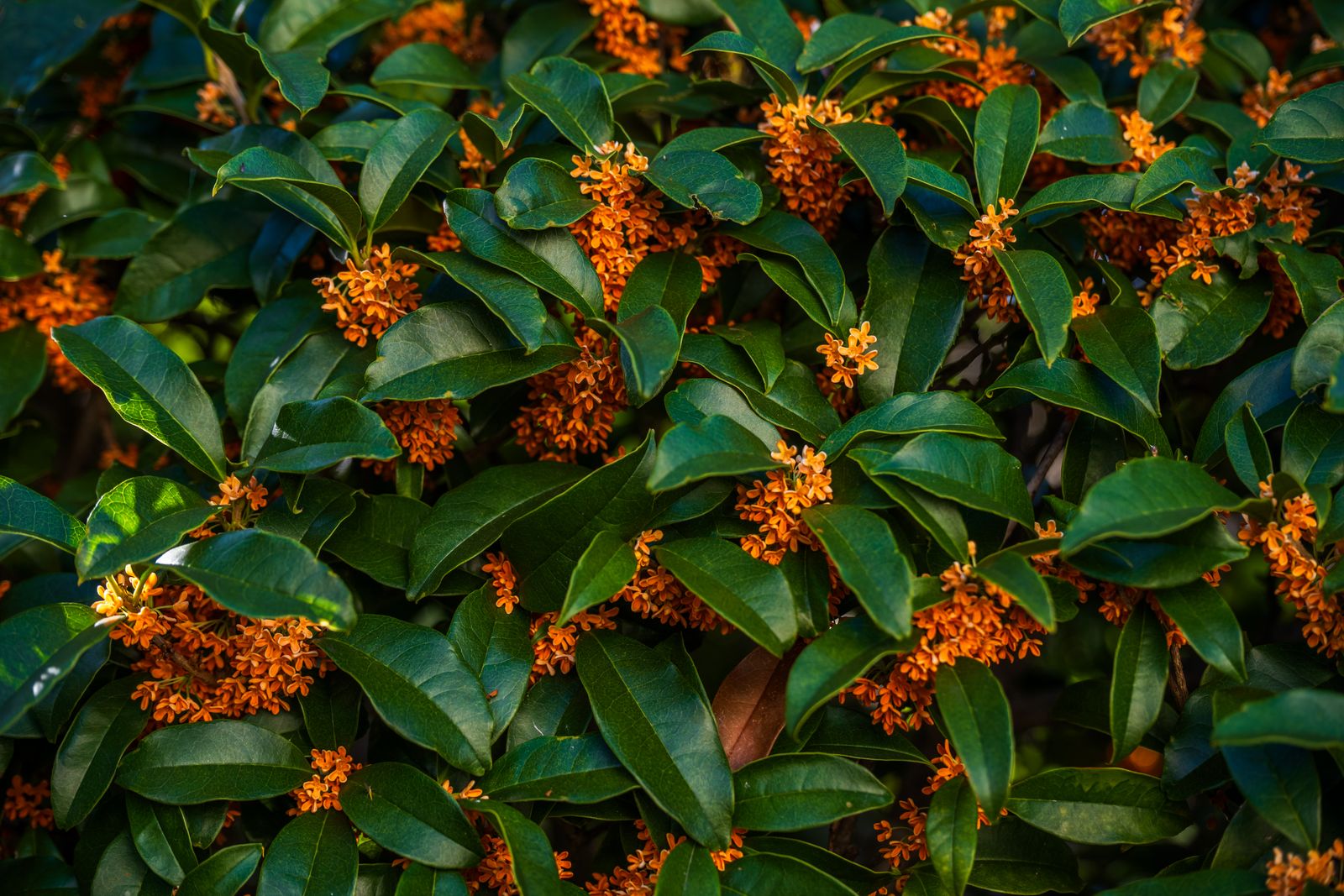
Sweet, floral osmanthus blossoms scent Guilin's cakes, jellies and tea. A box of osmanthus cakes makes an edible souvenir at $3–6; the tea is lighter and cheaper.
Every major sight — with its own guide
Right after the food above, here are the sights — each one links to its own full guide (what to see, how to get there, facilities and the best season). Names follow each sight's official English signage.
Yangshuo
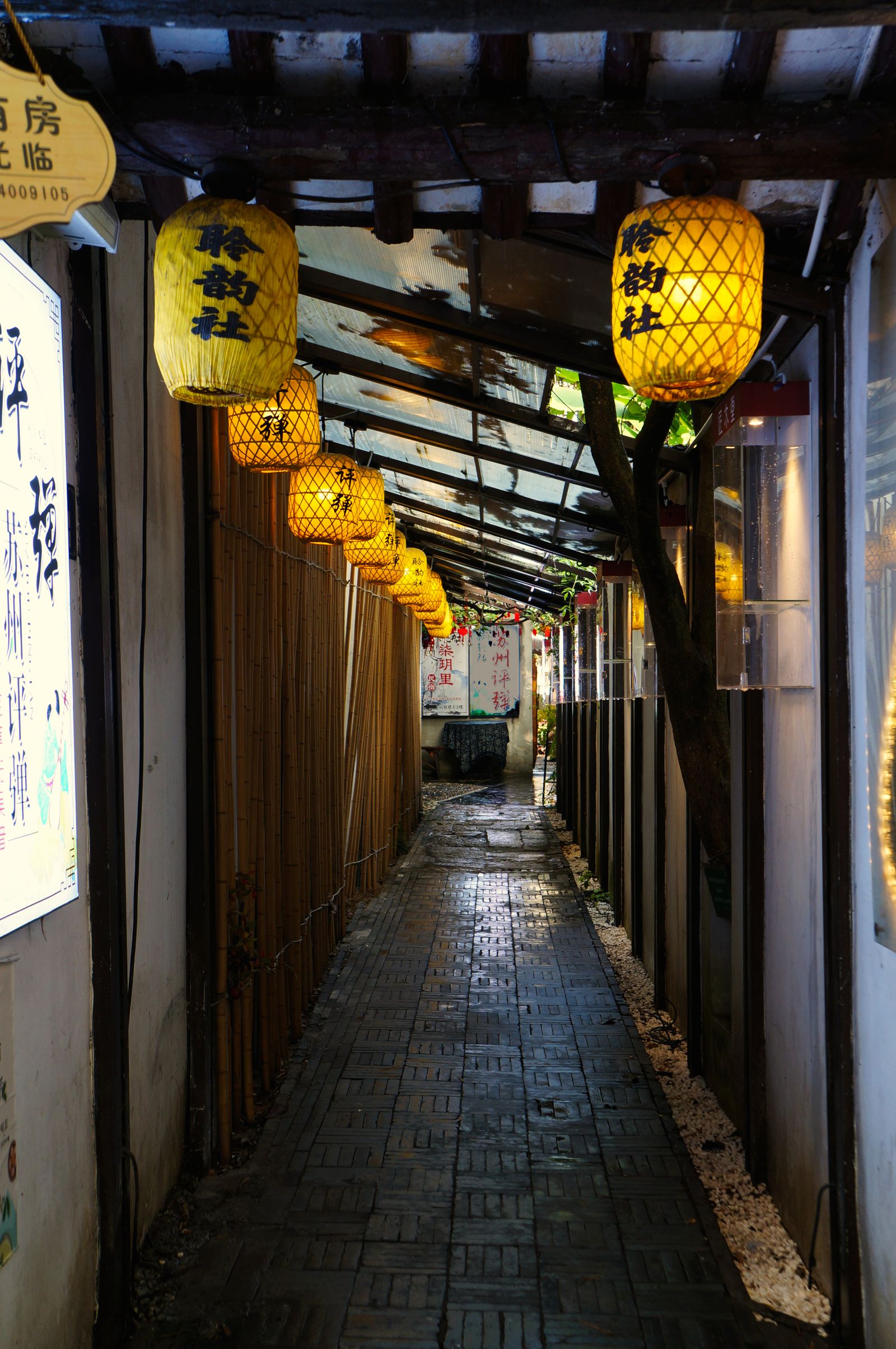
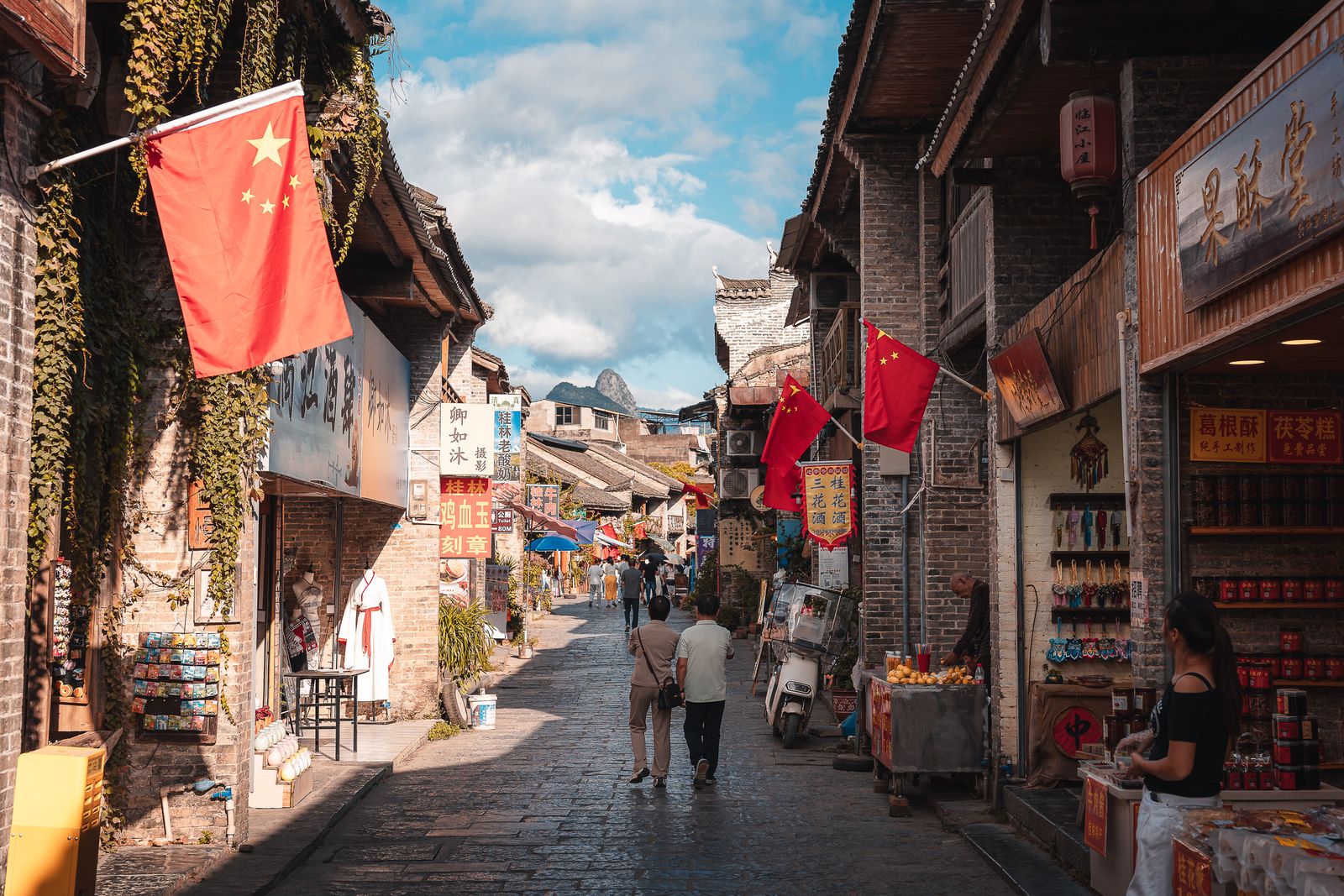
Yangshuo West Street 阳朔西街
The lively pedestrian spine of Yangshuo town — cafes, bars, street food and tailors set against a backdrop of karst towers.
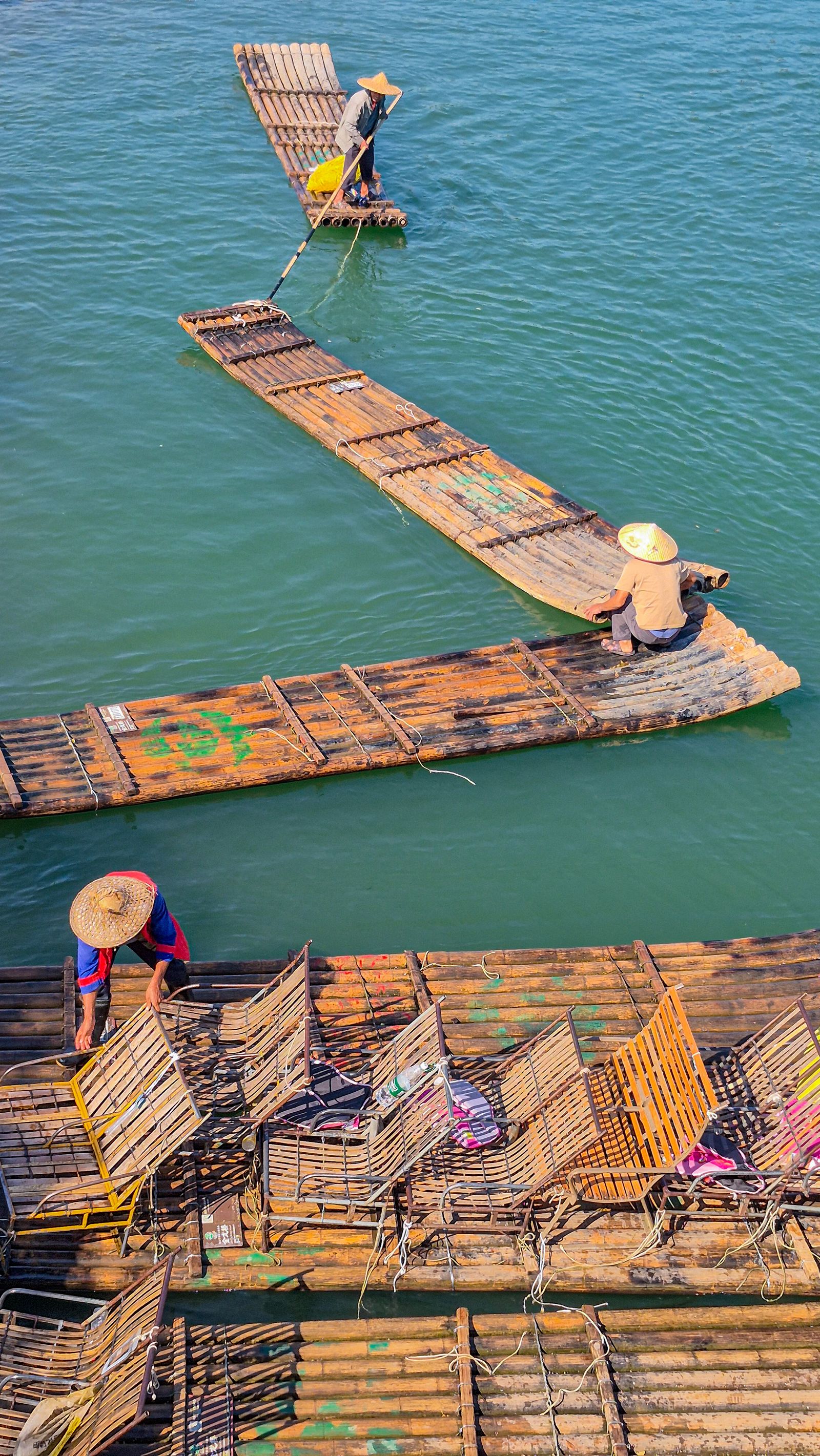
Yulong River 遇龙河
A quieter tributary of the Li River near Yangshuo, famous for bamboo-raft drifts between the peaks — the most relaxing ride in the region.
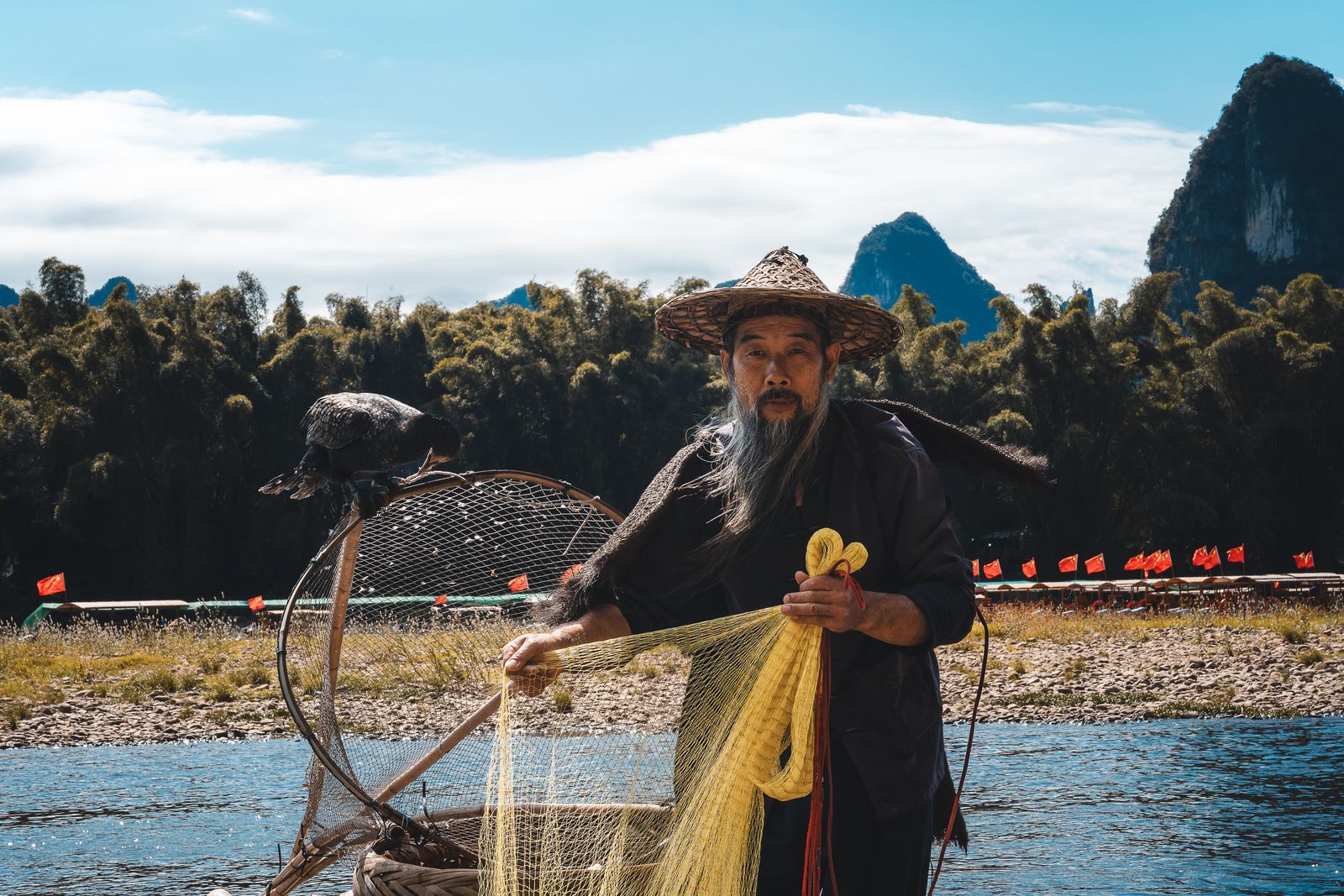
Xingping Ancient Town 兴坪古镇
A riverside village on the Li River whose bend appears on the old 20-yuan note — the best place to photograph the classic karst-and-fisherman view.
Impression Liu Sanjie 印象·刘三姐
Zhang Yimou's open-air night spectacle on the Li River near Yangshuo, with hundreds of performers on a natural stage of water and peaks.
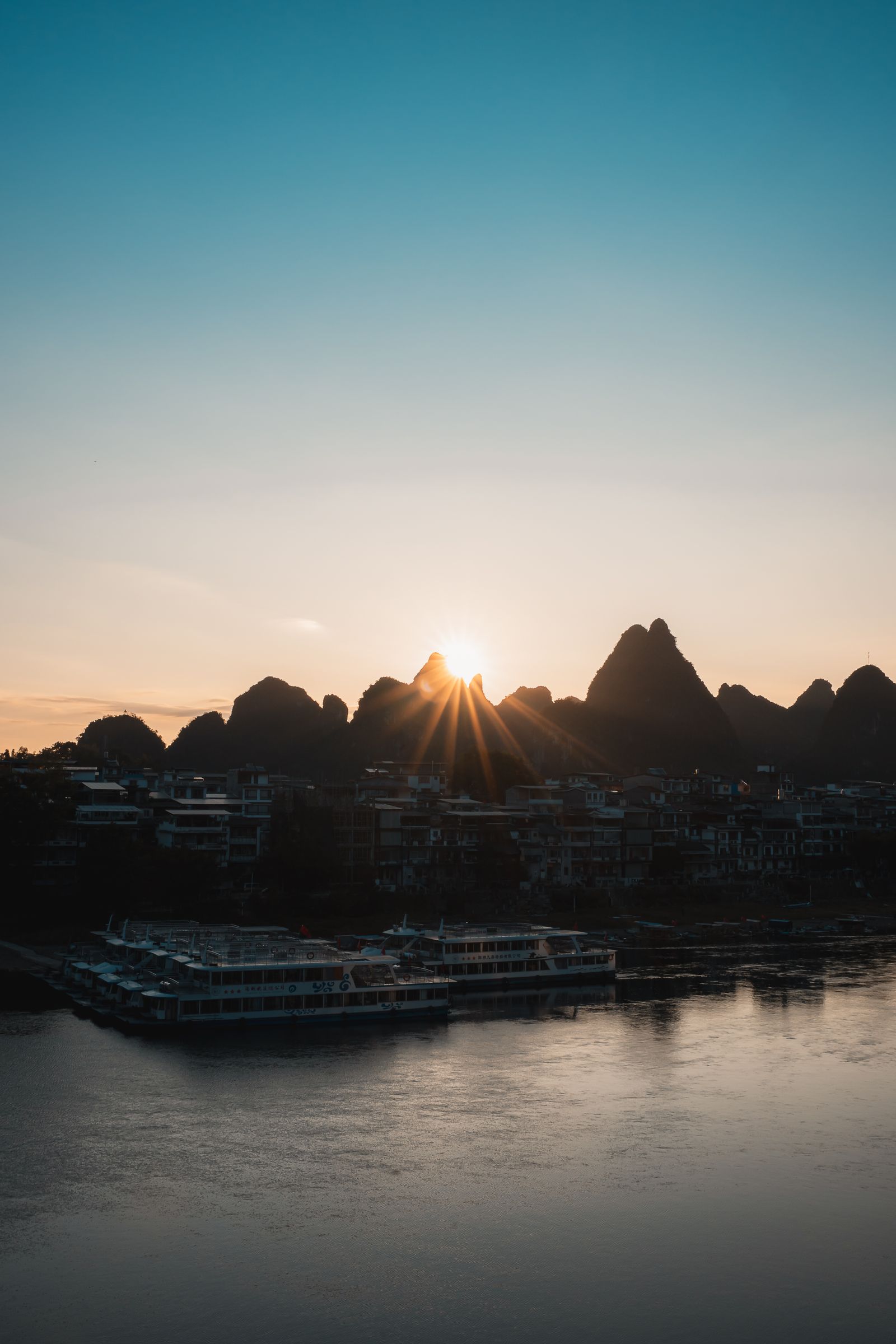
Xianggong Mountain 相公山
A short climb above the Li River bend that rewards you with the most famous sunrise and sunset panorama in the whole Guilin area.
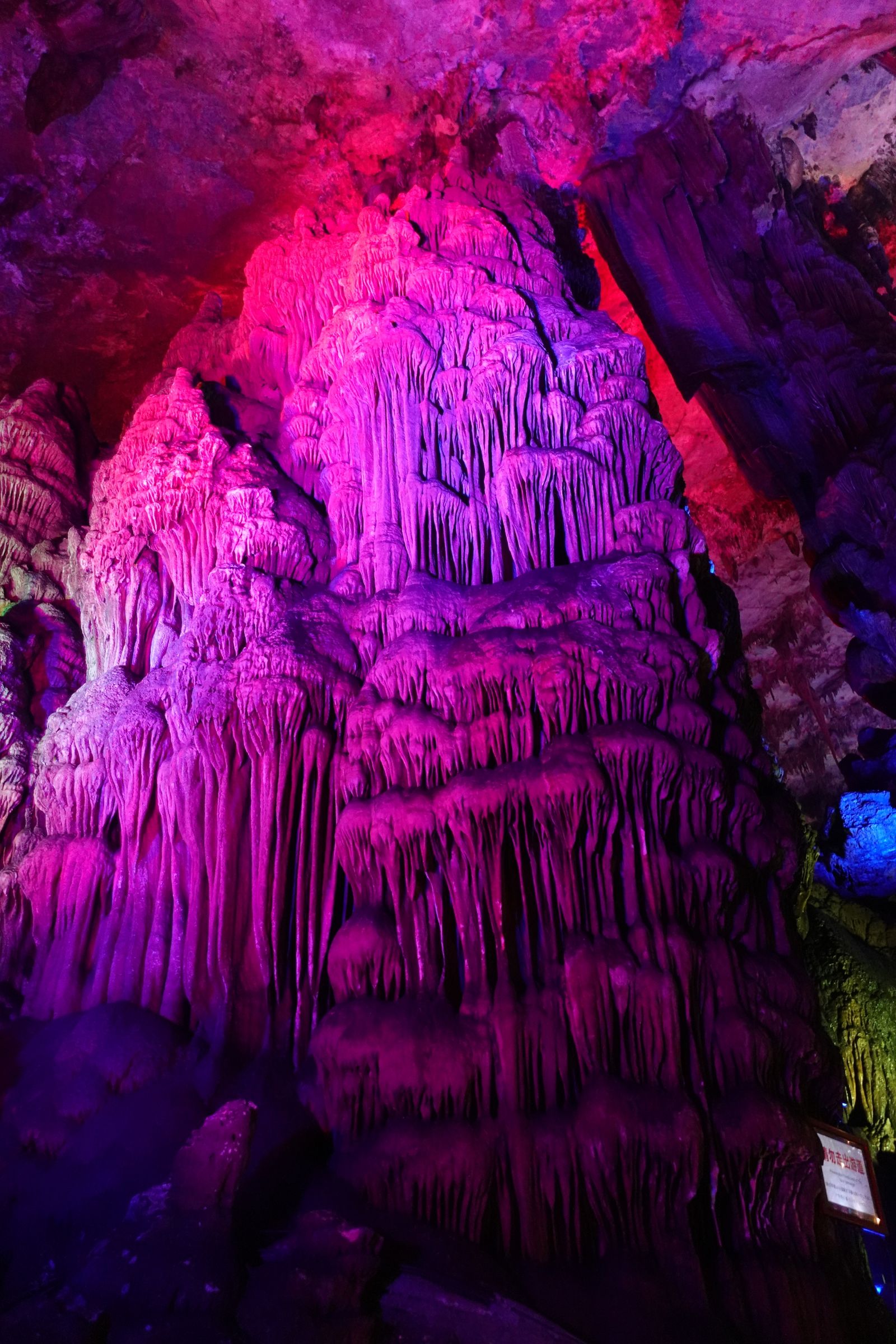
Silver Cave 银子岩
A vast karst cave south of Yangshuo filled with white stalactites that gleam like silver; a cooler, less crowded alternative to Reed Flute Cave.
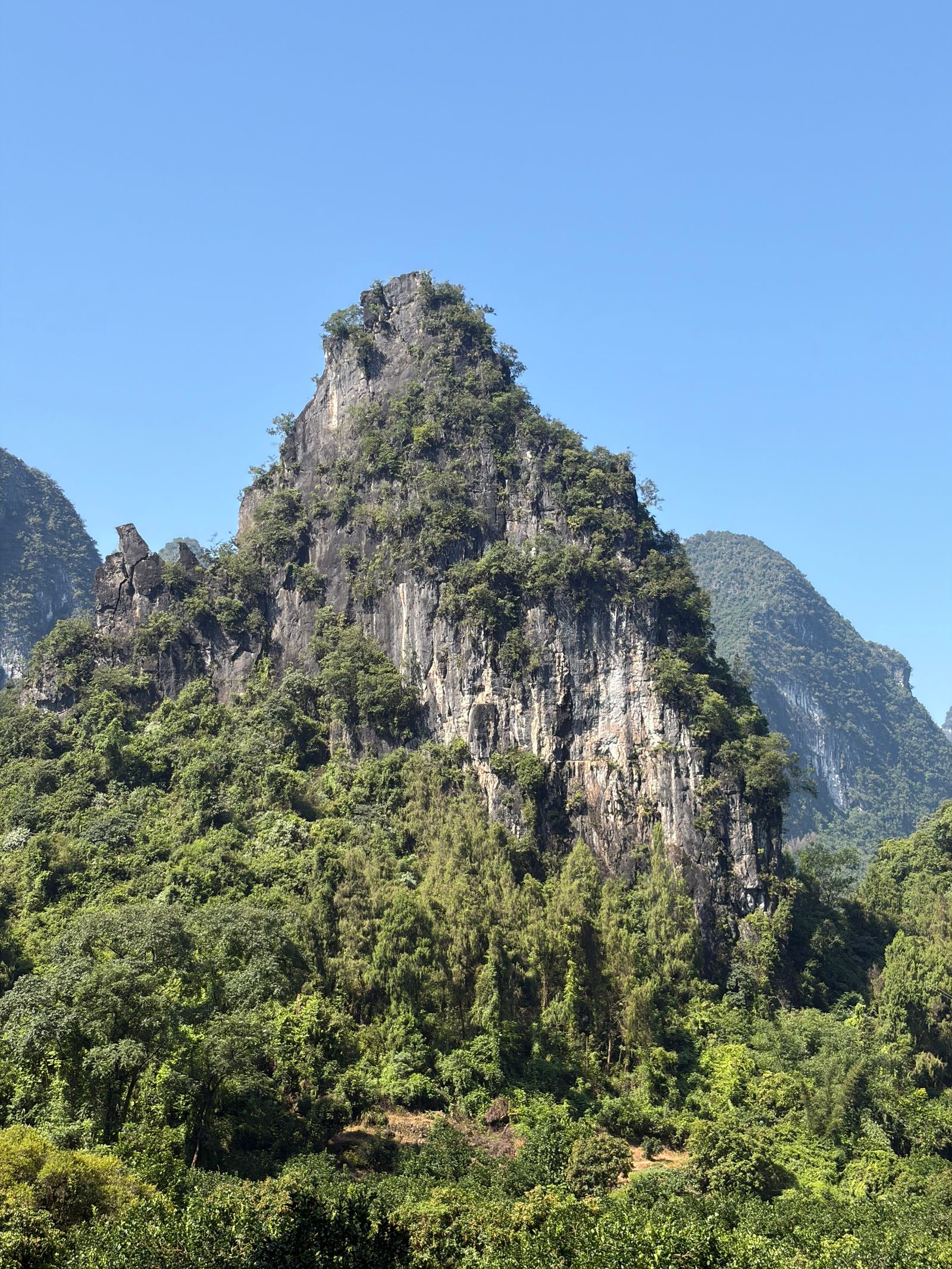
Moon Hill 月亮山
A karst peak south of Yangshuo pierced by a round 'moon' arch; a short hike to the top gives a through-the-hole view of the countryside.
Guilin City
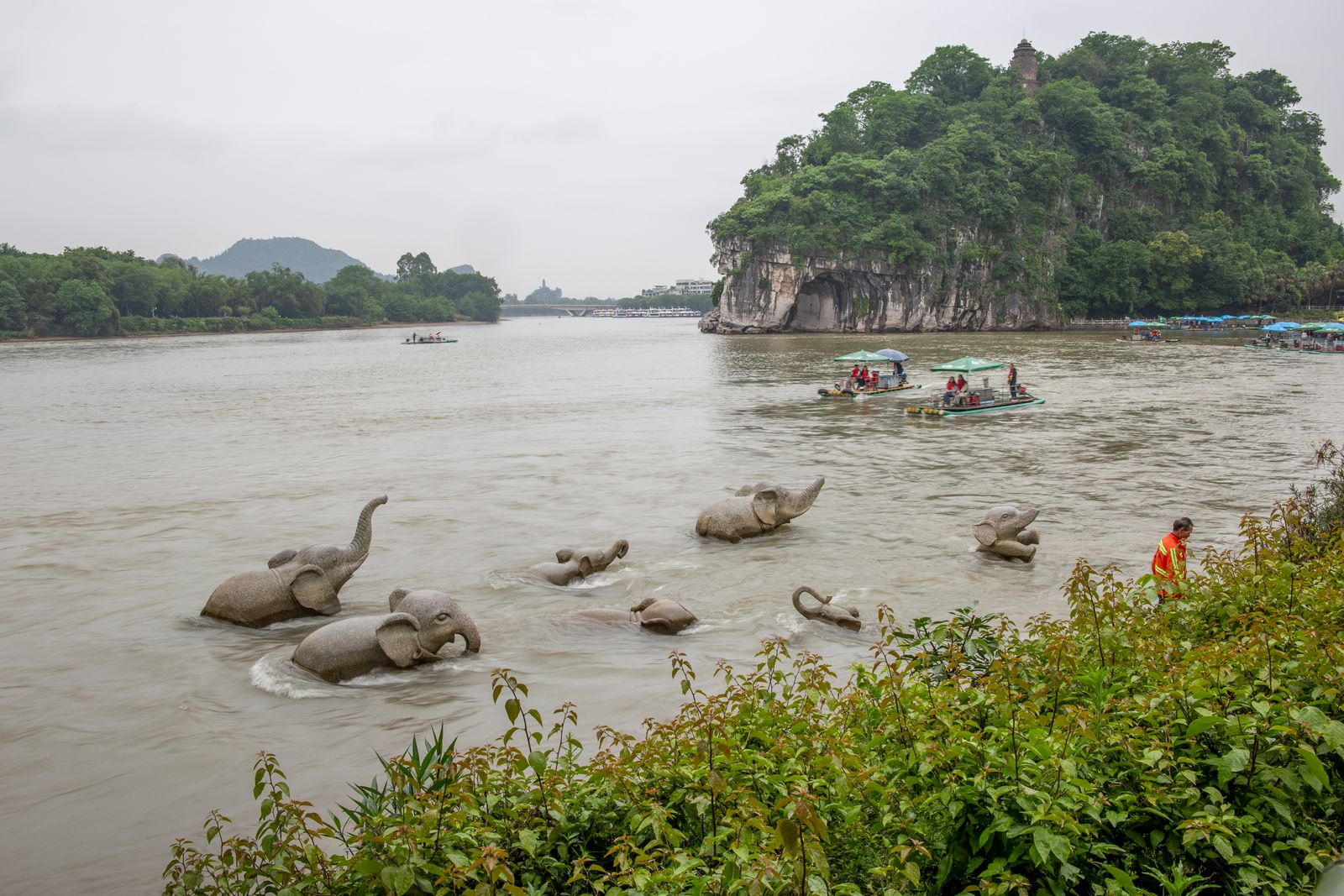
Elephant Trunk Hill 象鼻山
Guilin's city emblem: a limestone hill whose arch looks like an elephant drinking from the Li River. Small, central and free with a timed slot.

Reed Flute Cave 芦笛岩
A 240-million-year-old limestone cave lit with coloured lights, full of stalactite 'palaces' — an easy, cool half-day escape north of the centre.
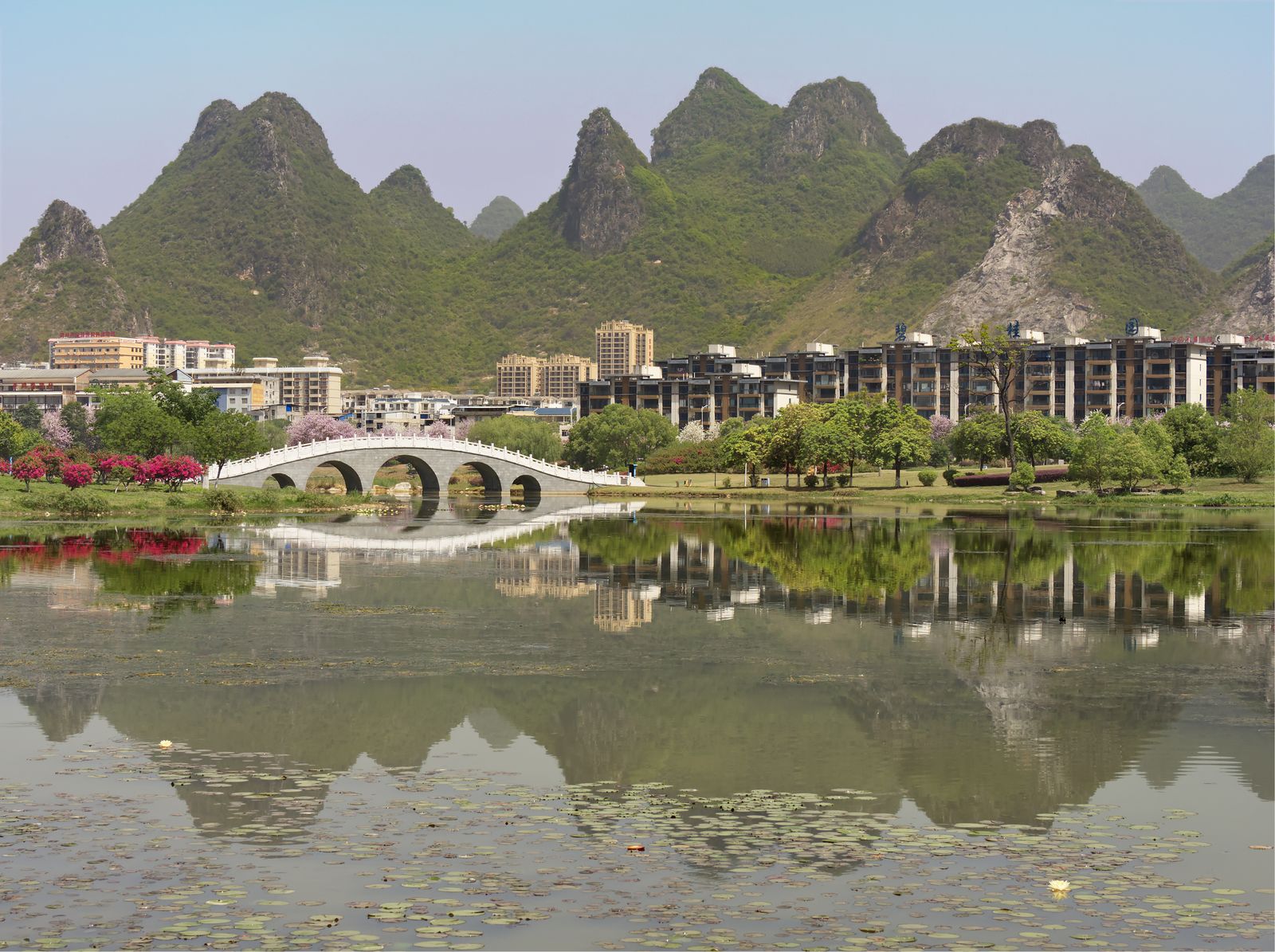
Seven Star Park 七星公园
Guilin's largest central park, with karst crags, a cave, a small zoo and the Seven Star Cave — an easy green half-day close to the city.
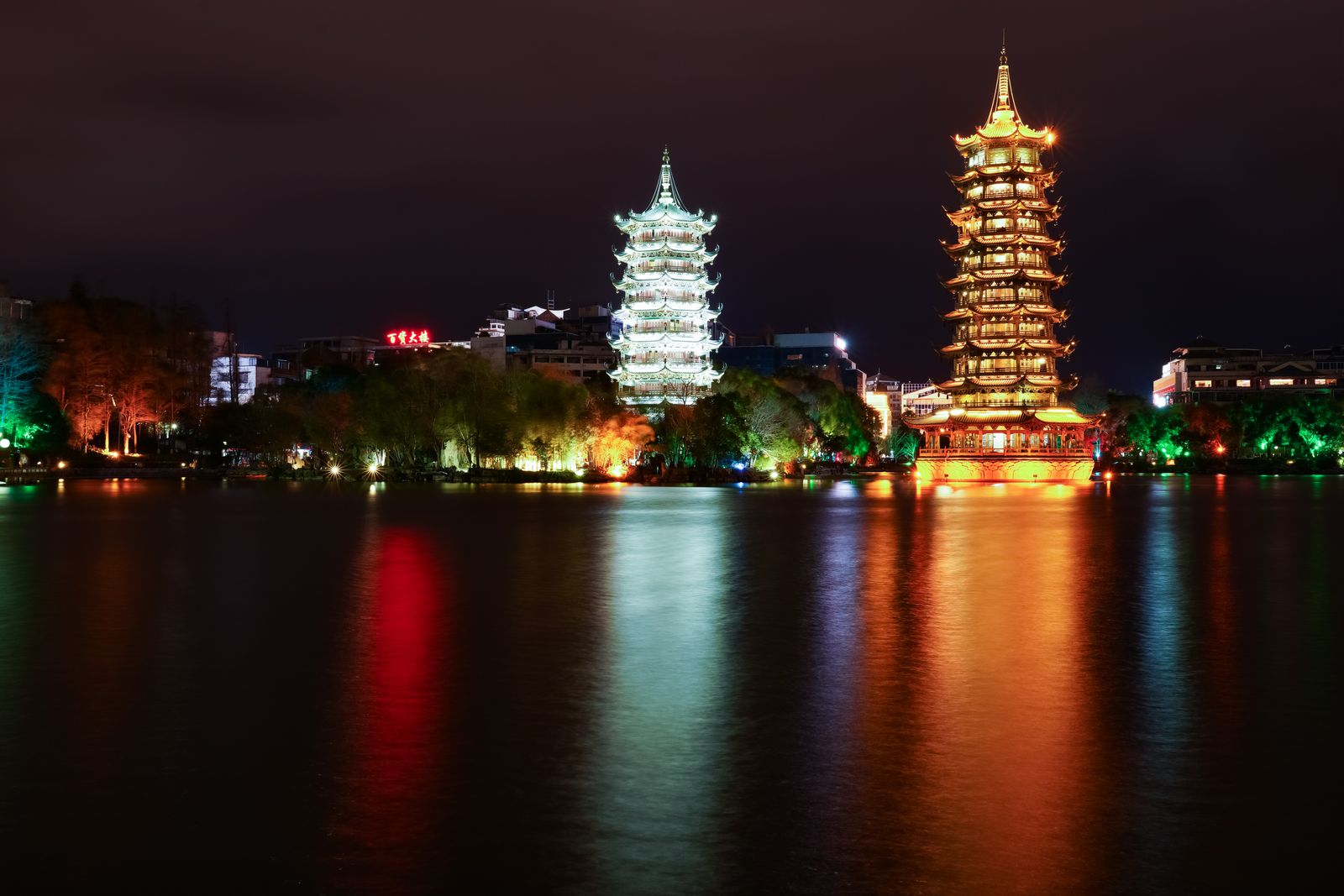
Sun and Moon Pagodas 日月双塔
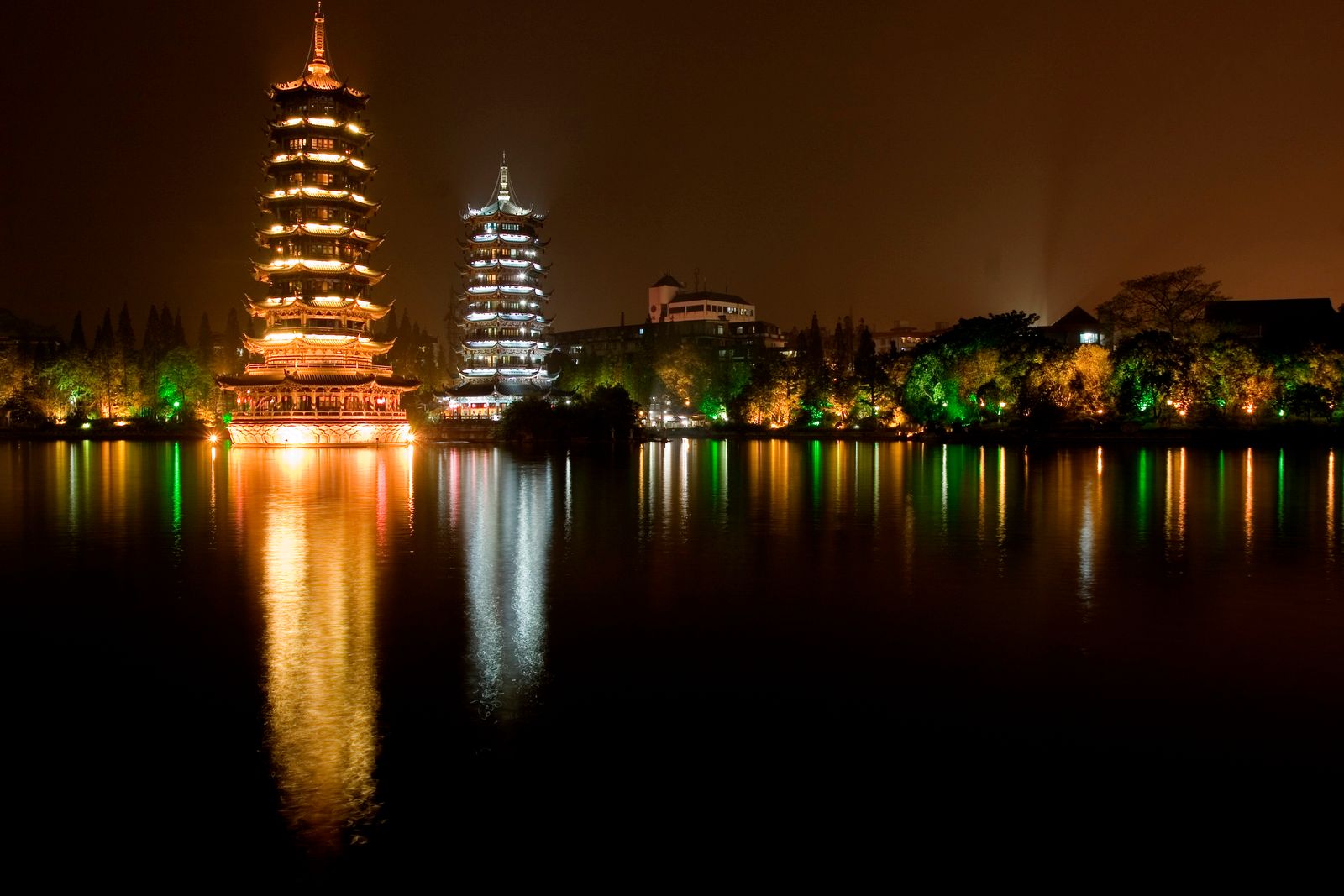
Two illuminated pagodas on Shanhu Lake in the city centre, best seen glowing at night — Guilin's most photographed after-dark scene.
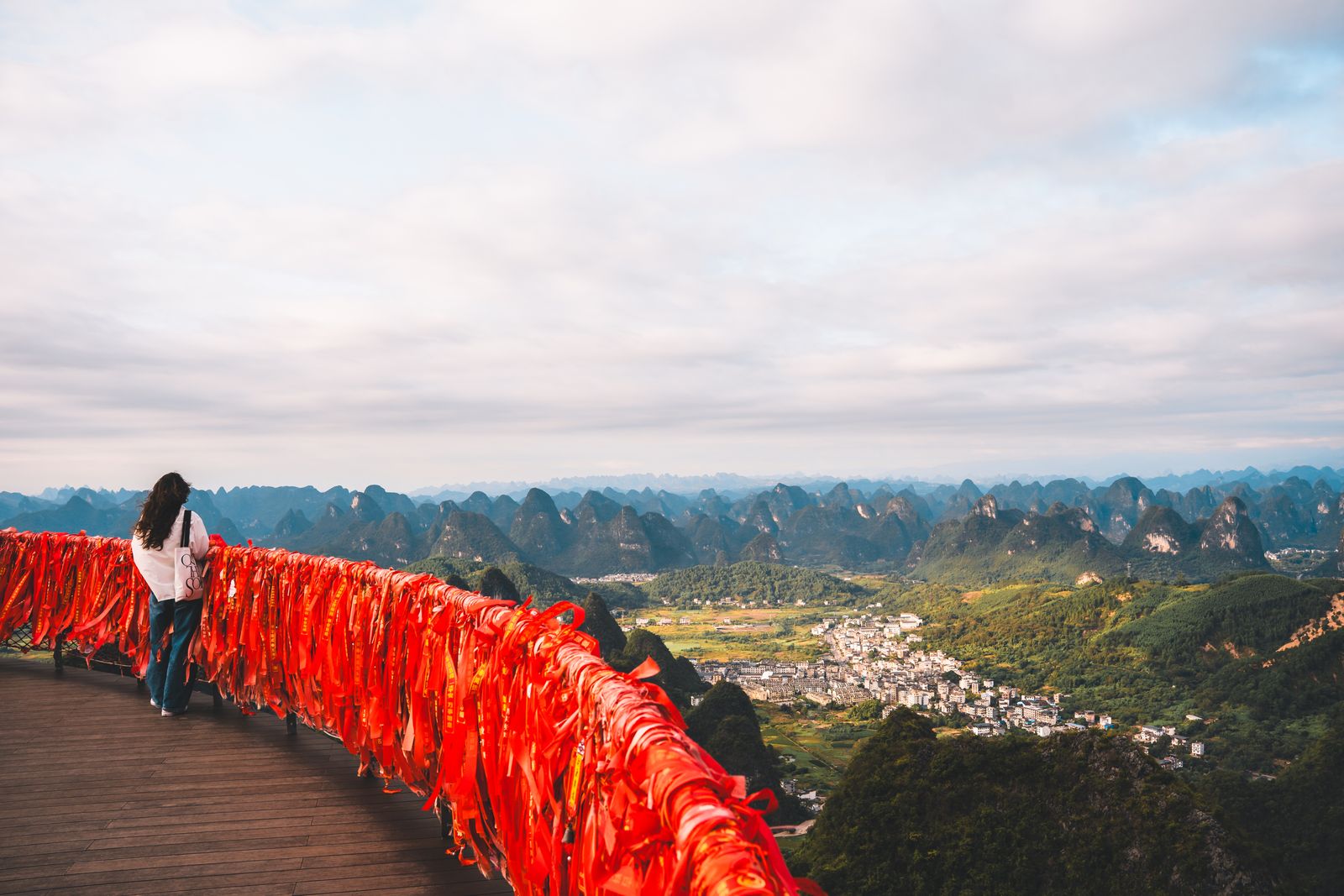
Fubo Hill 伏波山
A riverside crag a short walk north of the centre, with caves, cliff inscriptions and a clear overlook back over the city and the Li River.
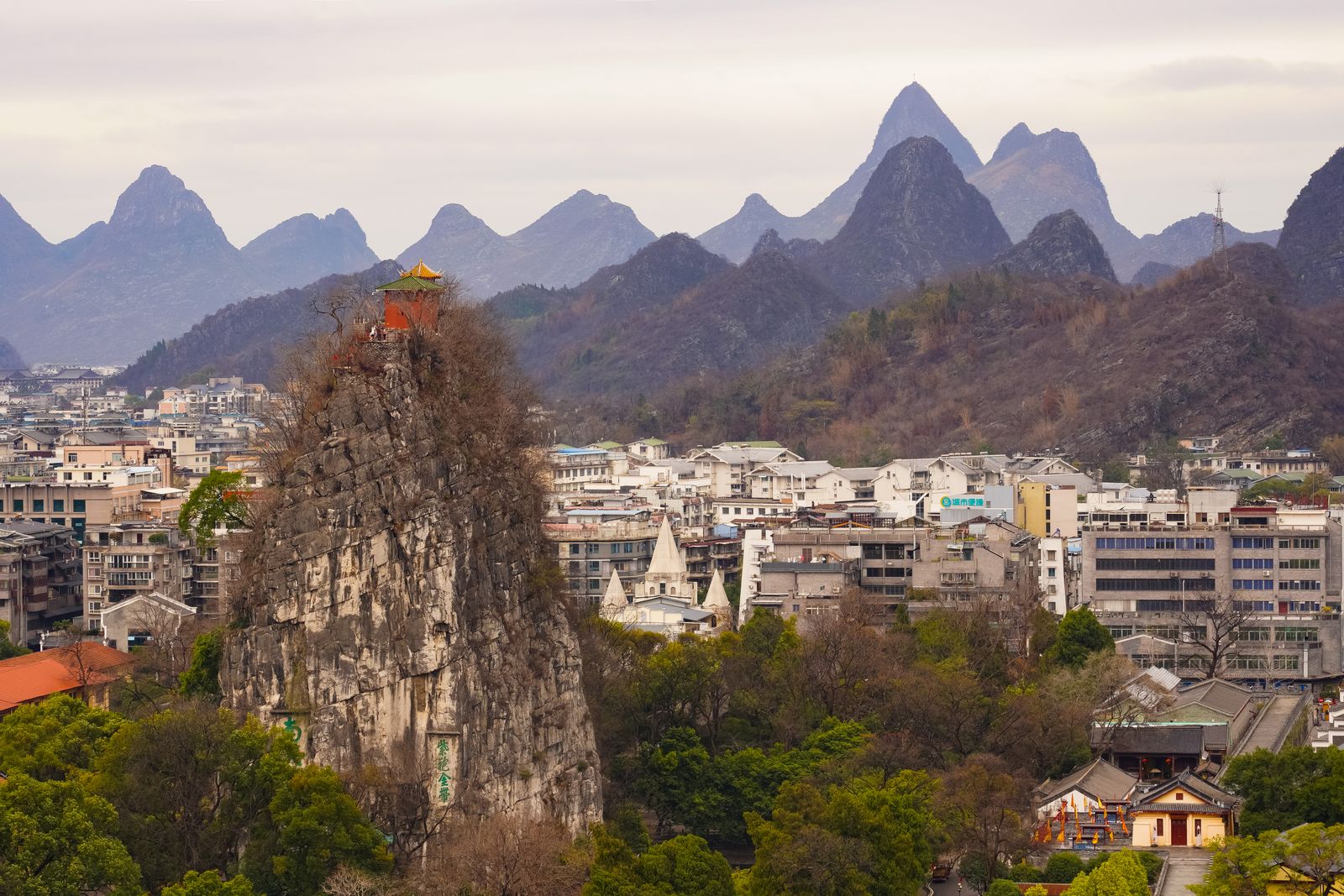
Jingjiang Princes' City 靖江王城
The walled Ming-dynasty princely seat at the foot of Solitary Beauty Peak, with a moat, a small palace and the climb up the peak itself.
Two Rivers and Four Lakes 两江四湖
The city's linked water system — the Li River, the Peach Blossom River and four lakes — circled by lit bridges and best seen on a night cruise.
Where to stay in Guilin
Guilin and Yangshuo fill up during the October National Day holiday and Chinese New Year, and prices can double. International cards work at chains, but carry some cash for small guesthouses. In Yangshuo, stay in or near West Street so you can walk everywhere.
Hostels & budget guesthouses
$12–25 / nightDorm beds and simple private rooms near the train station and Yangshuo's West Street. Clean, social, often with bike hire.
Mid-range 3-star hotels
$35–70 / nightReliable comfort with breakfast and English-friendly front desks, clustered around the city centre and along the Li River.
Upscale 4-star hotels
$80–140 / nightRiverside and garden properties with pools and concierge help for cruise bookings; popular with tour groups.
Luxury 5-star resorts
$160–320 / nightTop international-brand hotels in Guilin and Yangshuo with spa, river views and airport transfers.
Souvenirs & local crafts
Easy to pack, easy to explain at customs — and far cheaper at a supermarket than at a scenic stall.
-
Osmanthus products (Guihua)
Dried osmanthus blossoms, scented tea and sweet preserves capture Guilin's city flower. Light, cheap and easy to pack.
-
Guilin Sanhua Liquor (Sanhua jiu)
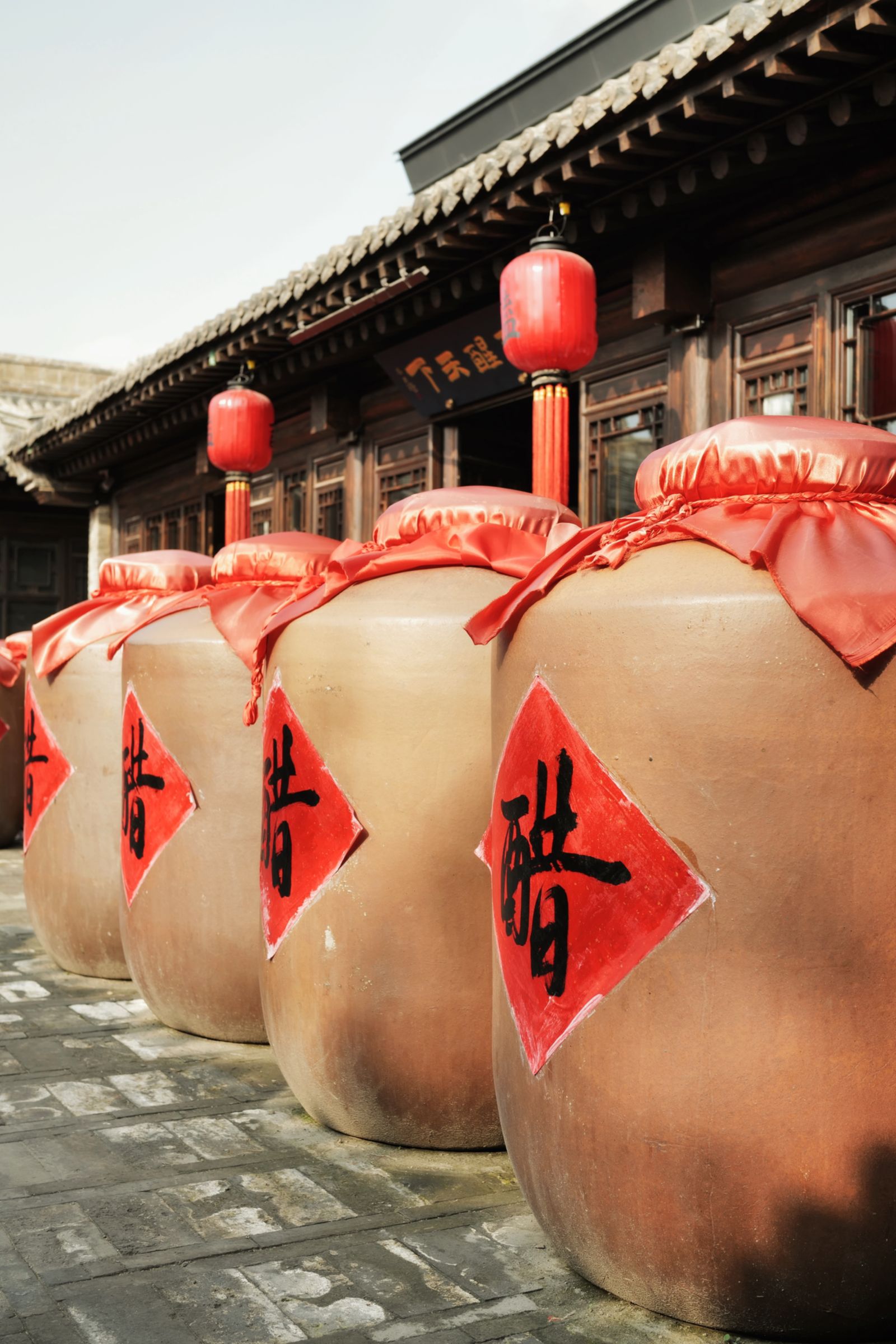
A clear, three-times-distilled rice liquor that has been made in Guilin for centuries. Sold in labelled gift bottles at the airport and shops.
-
Zhuang brocade (Zhuang jin)
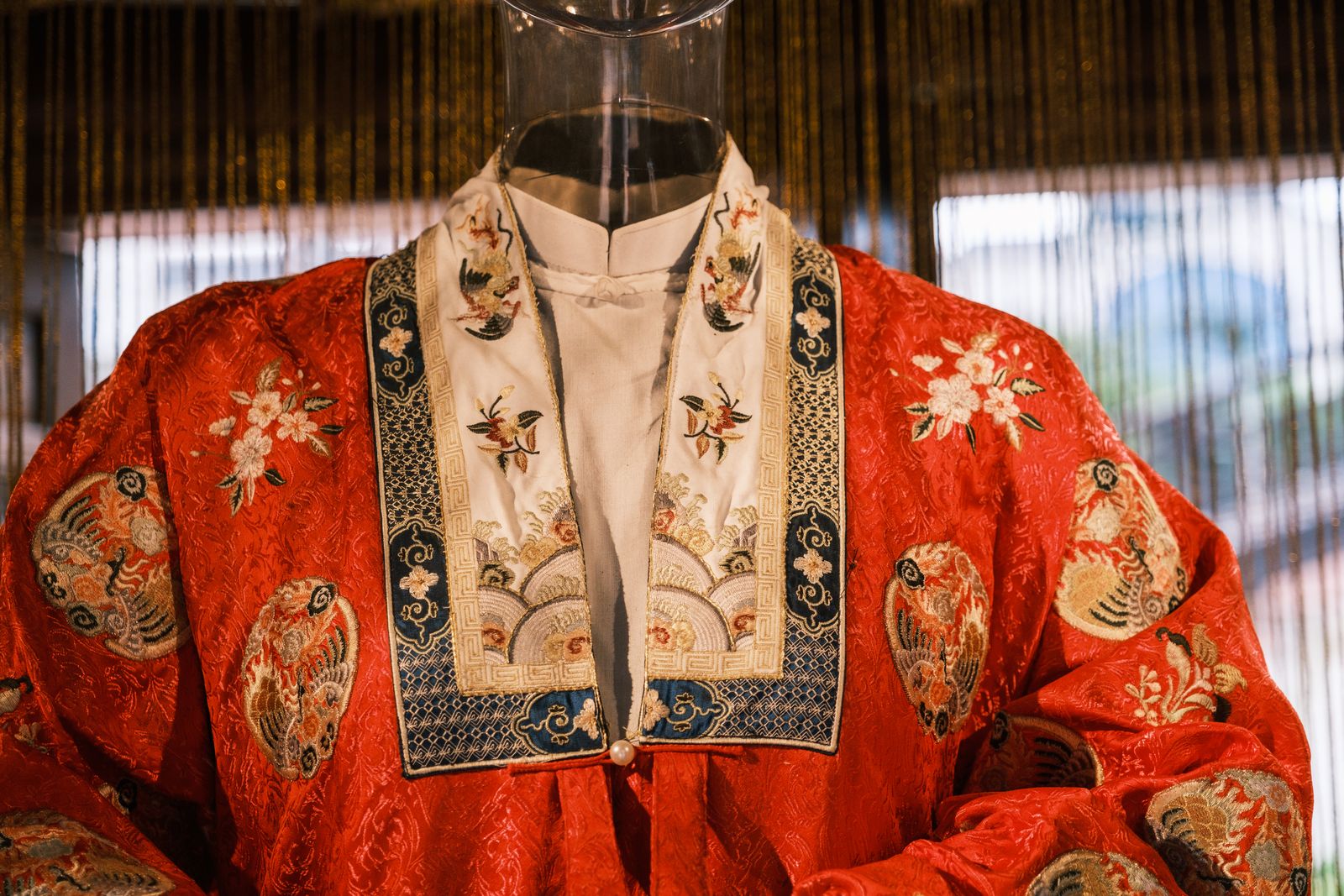
Brightly patterned hand-woven cloth from the Zhuang minority, made into bags, wall hangings and cushion covers.
-
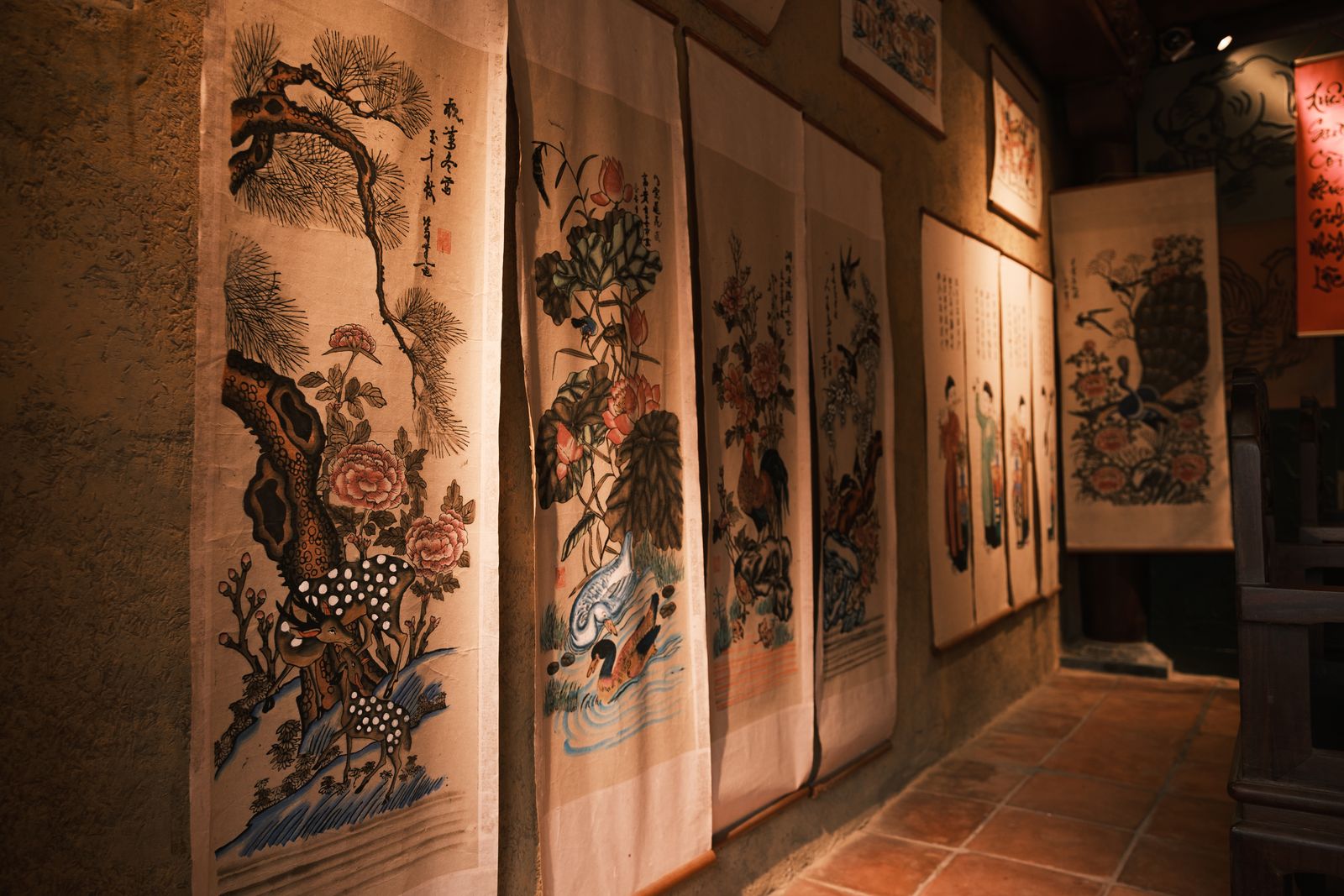
Landscape paintings (Shanshui hua)
Ink-and-wash scrolls of the Li River peaks, ranging from tourist keepsakes to serious works. A scroll rolls up small for the flight home.
-
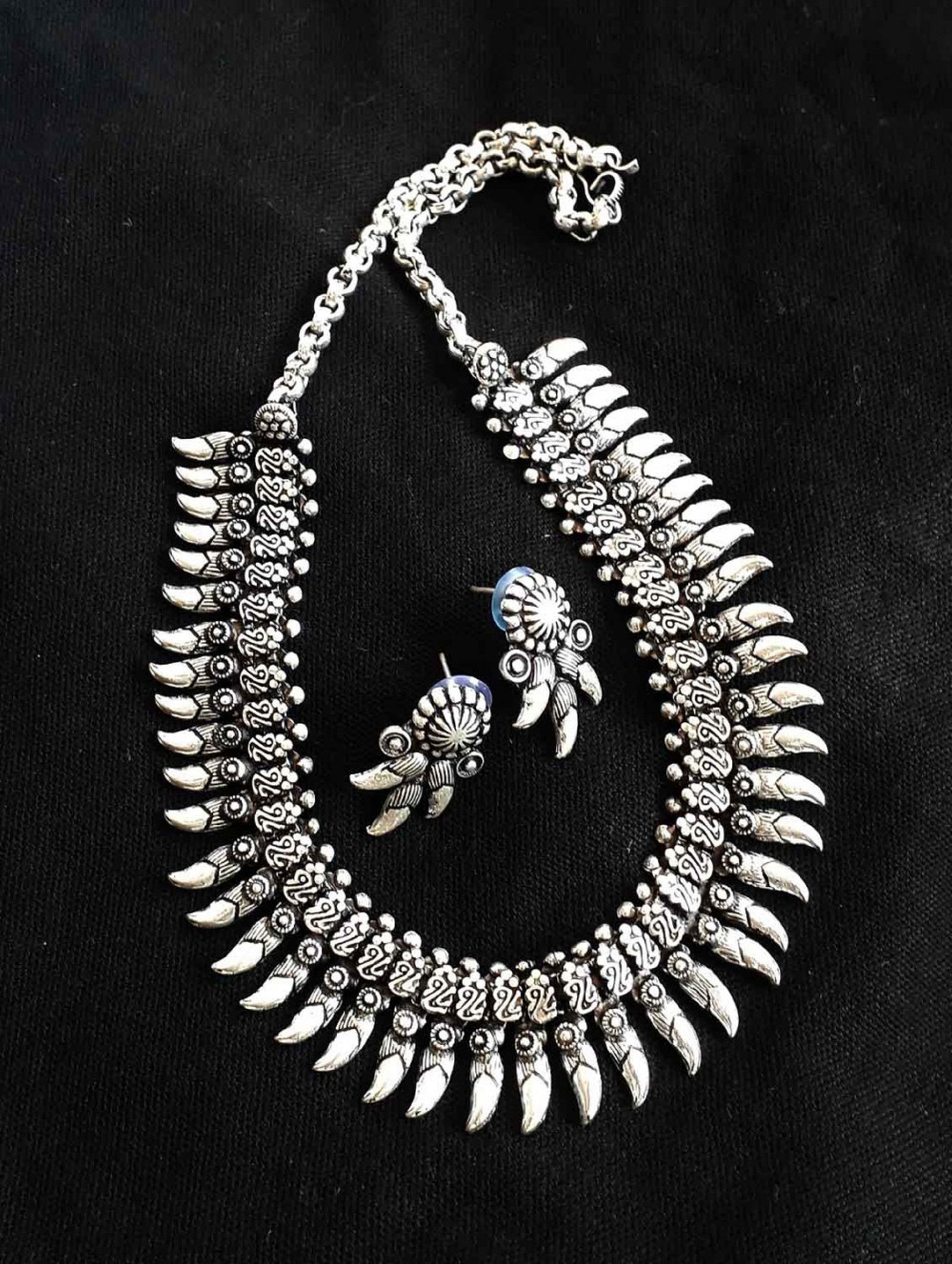
Silver jewellery
The Miao, Yao and Dong minorities of Guangxi are known for heavy hand-made silver. Look for stamped, heavier pieces rather than plated souvenirs.
Getting around Guilin
Guilin is easy to reach by high-speed rail from southern China's big cities and has a flat, compact centre you can cross by metro, bike or on foot. Yangshuo and Longji need a bus or private transfer.
- High-speed rail
- Guangzhou ~2.5–3 hShenzhen ~3 hChangsha ~3 hNanning (Guangxi capital) ~3.5 hGuiyang ~2.5 hDirect HSR also links Guilin to Kunming and Wuhan
- Long-distance bus
- Long-distance buses run to Yangshuo (~1.5 h), the Longji terraces (~3–4 h, change at Longsheng) and nearby towns. The Guilin–Yangshuo bus is cheap and frequent.
- Metro & bus
- Guilin has a small metro (Lines 1 and 2) covering the centre and the railway stations; fares are about $0.40–1.00. It is the easiest way to dodge traffic.
- Taxis
- Taxis start around $1.80 and are metered. Agree a price for county trips, e.g. to the Reed Flute Cave for about $6–10.
- Ride-hailing
- DiDi runs inside Alipay and WeChat; bind an international card. In Yangshuo and Longji, DiDi is thinner, so agree a fare with a local driver.
- Shared bikes
- Shared bikes and e-bikes are everywhere in the city; Yangshuo is especially pleasant to cycle between the river and the karst hills.
- Intercity carpool
- Ride-share vans and private cars between Guilin, Yangshuo and Longji can be arranged through hotels and hostels — cheaper than a solo taxi and more flexible than the bus.
Plan your 1, 2 or 3 days in Guilin
Pick the length of your stay. Each plan is its own page, anchored at the city centre and written from real traveller itineraries — including splits for sightseeing, shopping, landscape, families and older travellers.
Guilin in 1 Day
A tight city loop: Elephant Trunk Hill, Reed Flute Cave, the Sun and Moon Pagodas and a night cruise on the Two Rivers and Four Lakes.
Read the plan → 2-dayGuilin in 2 Days
Day 1 in the city, Day 2 out to Yangshuo for the Li River scenery, West Street and a bamboo raft on the Yulong River.
Read the plan → 3-dayGuilin in 3 Days
Add a full day trip to the Longji Rice Terraces, or split Yangshuo and Longji across three nights for the classic Guilin landscape.
Read the plan →Frequently asked questions
- Do I need a visa to visit Guilin?
- Guilin follows China's general entry rules. Many nationalities can now use the 240-hour visa-free transit or the unilateral visa-free policies; check the current list before you fly and keep your passport valid for six months.
- What is the best way to see the Li River?
- The classic option is the 4-hour motorised cruise from Guilin to Yangshuo; book a 3-star or 4-star boat at least a day ahead. If you are short on time, take a smaller boat from Yangshuo up to Xingping, or train to Xingping and walk the riverside.
- Is the Li River cruise free for foreign visitors?
- No. The cruise is paid and real-name registered against your ID. The 3-star boat is about $30 and the 4-star about $51 including lunch; the 'free' stories refer to city parks, not the cruise.
- When is the best season to visit Guilin?
- April–May and September–November bring the clearest light and greenest hills. Avoid the first week of October and the summer school break if you dislike crowds; winter is quiet but can be grey.
- How many days do I need in Guilin?
- Two full days cover the city and Yangshuo; three lets you add the Longji Rice Terraces without rushing. One day is enough for the city highlights if that is all you have.
- Can I use foreign cards and payment apps in Guilin?
- International cards work at hotels and larger shops, but you will want Alipay or WeChat Pay with passport binding for metros, DiDi, snacks and tickets. Set them up before you arrive and link a card.
- Is Guilin walkable and safe?
- The centre is flat and very safe to walk; Yangshuo and Xingping are also easy on foot or by bike. Watch for slippery boat piers and steep paths at the hill parks.
- What should I pack for Guilin?
- Light rain gear — it drizzles often in spring — plus good walking shoes and a jacket for cave visits; Reed Flute Cave and Silver Cave hold a steady 18–19°C. Bring insect repellent for the countryside in summer.
Page last reviewed: 2026-10-17.