Tianjin 2026: The Tianjin Eye, Concession Streets & a Free Museum Strip on a 1–3 Day Plan
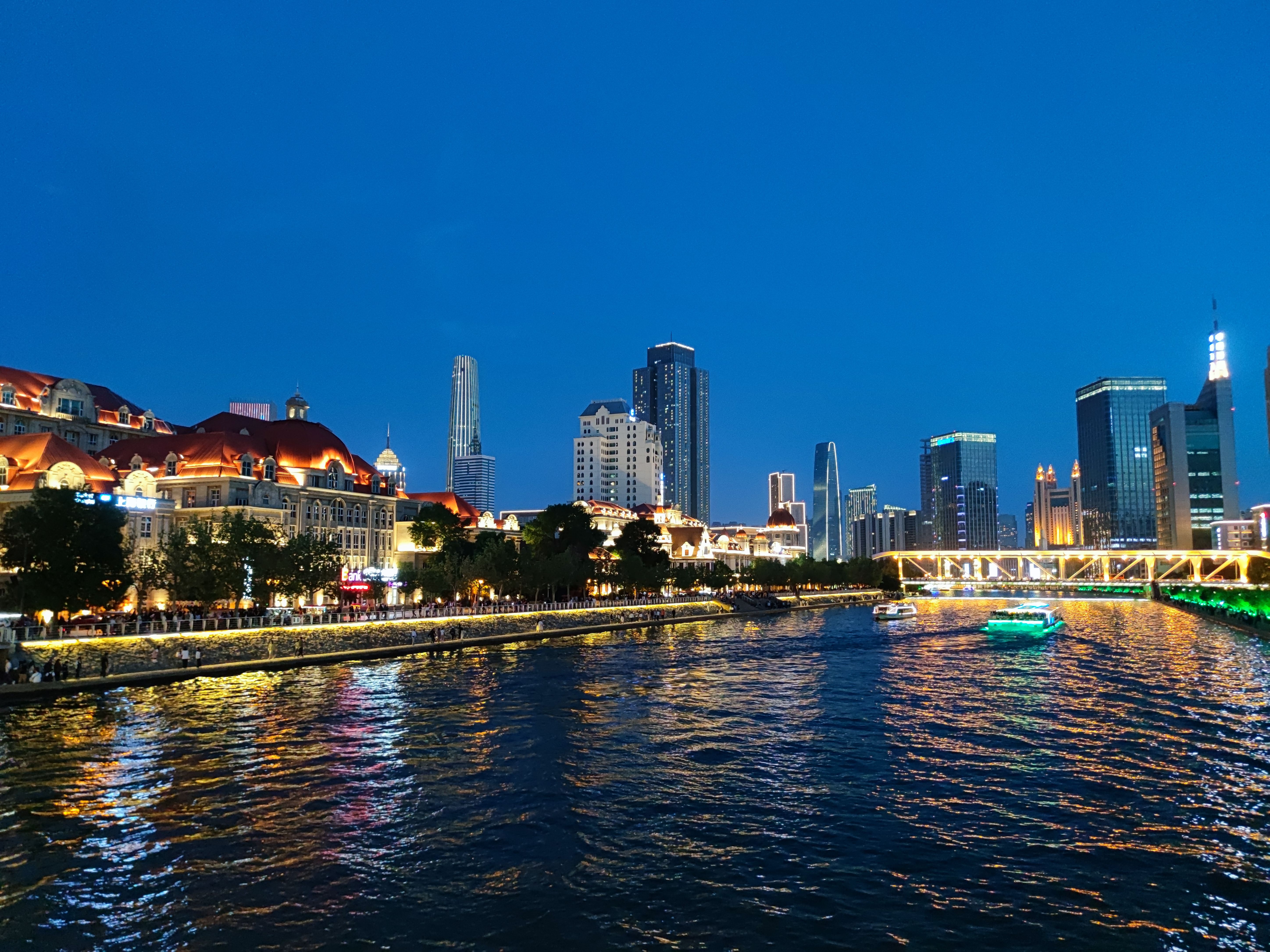
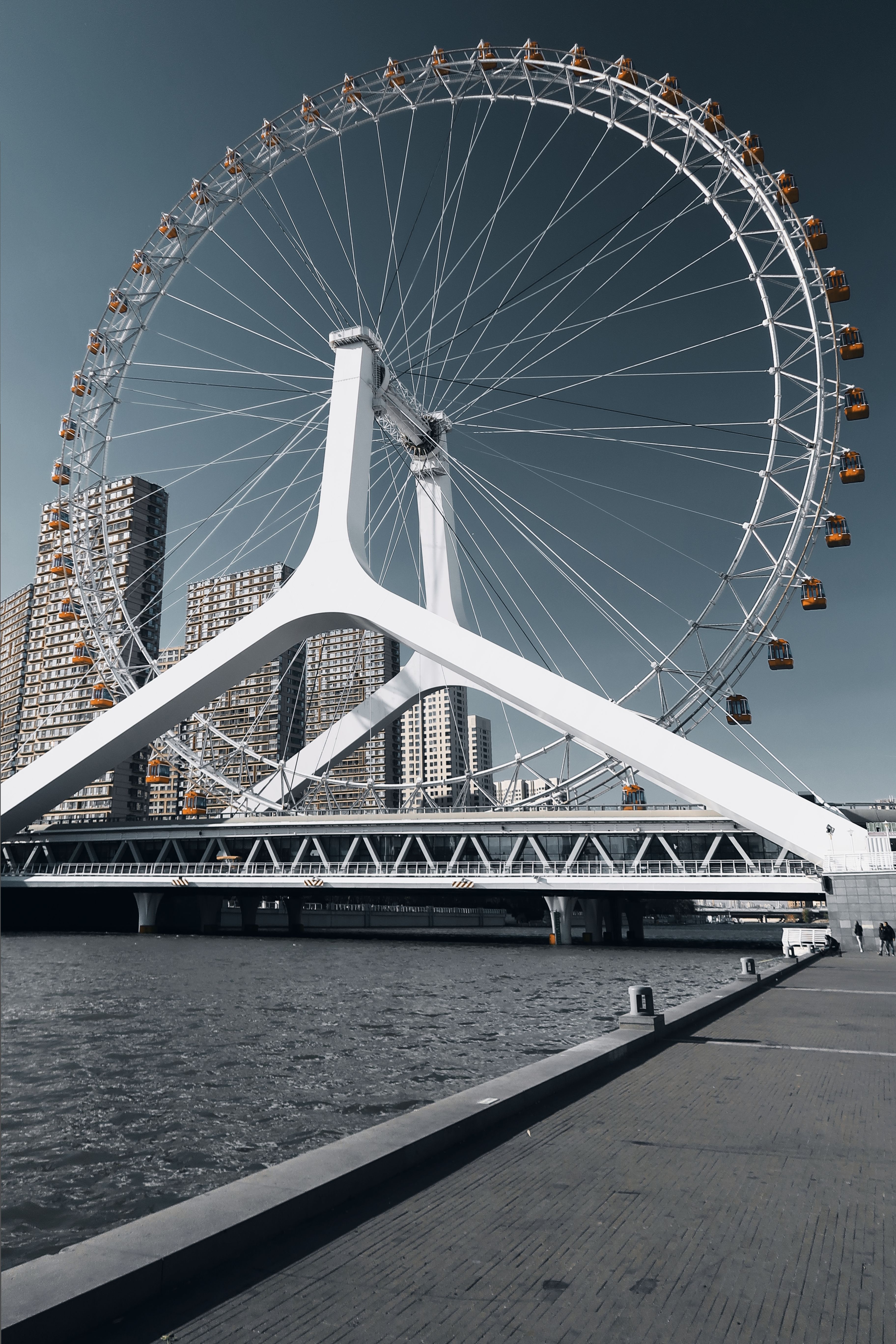
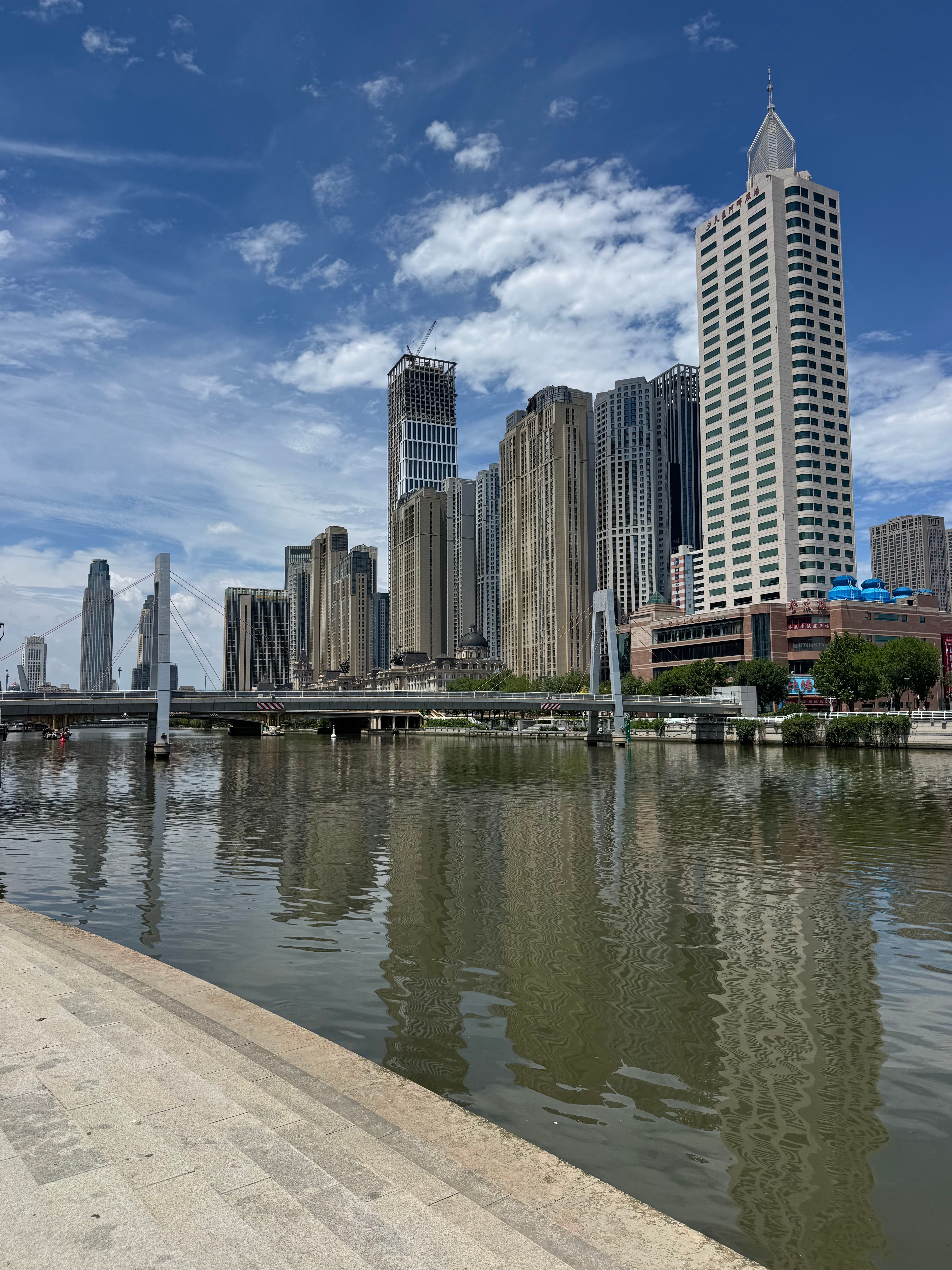
Tianjin sits an easy high-speed hop from Beijing, on the Haihe River, where a giant riverside ferris wheel meets blocks of Italian, British and French concession architecture. The core is flat, cheap and walkable, with free museums, a lively night-cruise and a Great Wall section two hours north. You can see the highlights in a day or stretch to three with the Jizhou mountains and walls.
History & culture
Tianjin grew as a port and military town guarding the sea approach to Beijing, and from 1860 it was carved into foreign concessions — British, French, German, Italian, Russian, Japanese and others — whose villas and churches still line the core today.
It was a Treaty Port and a base for reform and trade, and later a stage for the Republican era and the last Qing emperor Puyi, who lived in the city at Jingyuan. That layered past is why Tianjin looks unlike any other Chinese city.
Today Tianjin is a major port and one of the four direct-controlled municipalities, proud of its blunt local dialect, its street food (Goubuli buns, jianbing) and a walkable riverfront that turns into a light show after dark.
Best time to visit Tianjin
Tianjin has four clear seasons and is best in mild, dry weather; the river and the European streets photograph well in calm light.
Cuisine of Tianjin
Signature dishes worth seeking out — prices are typical per-person or per-dish ranges, not fixed quotes.
-
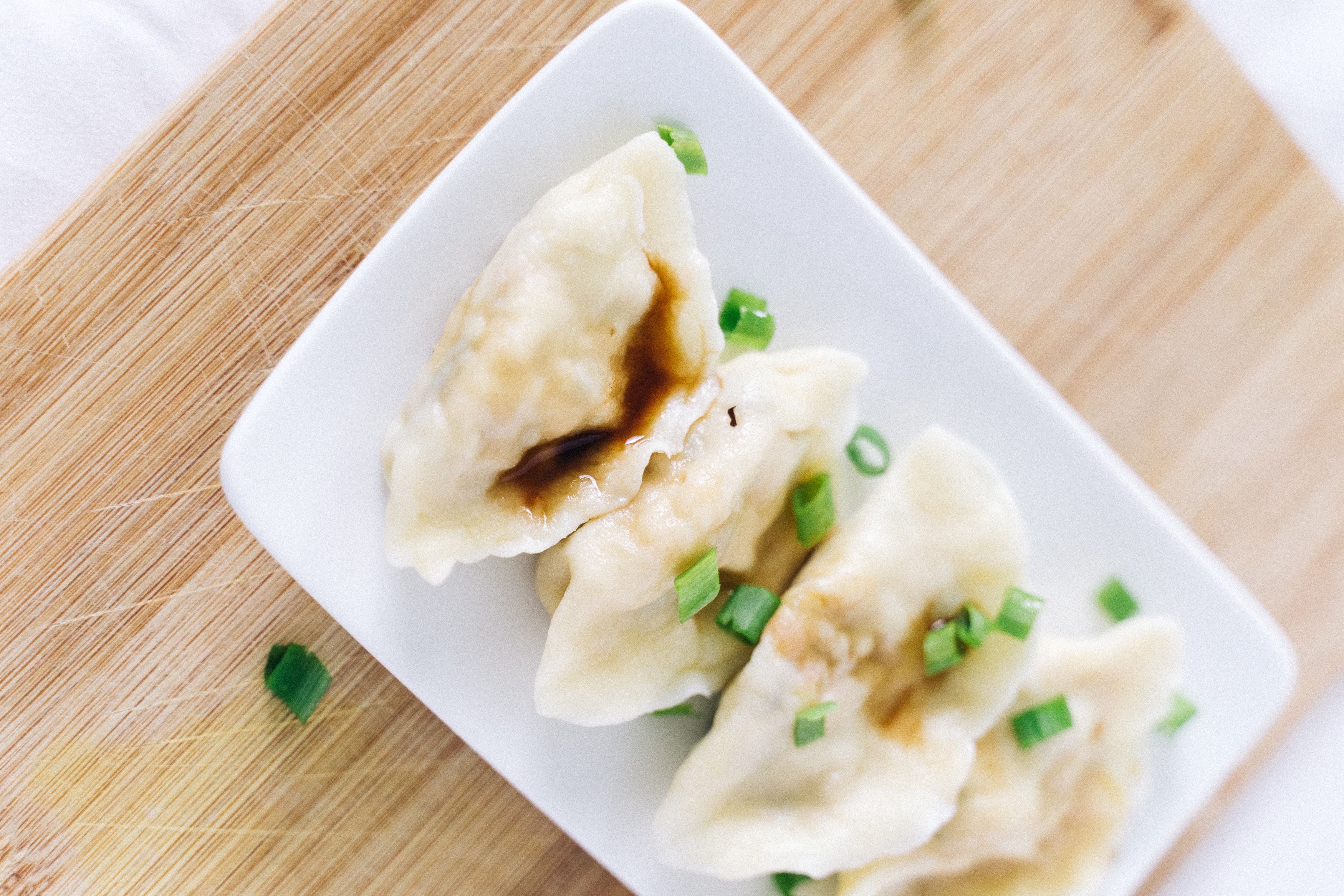
Goubuli Baozi
Tianjin’s famous steamed pork buns with a pleated top, sold since 1858 — soft, savoury and best eaten fresh at a downtown branch. About $3–6 a basket.
-
Jianbing
A Tianjin street crepe of mung-bean batter, egg, crisp biscuit and savoury sauce, folded hot on a griddle — the classic breakfast grab-and-go. About $1–2 each.
-
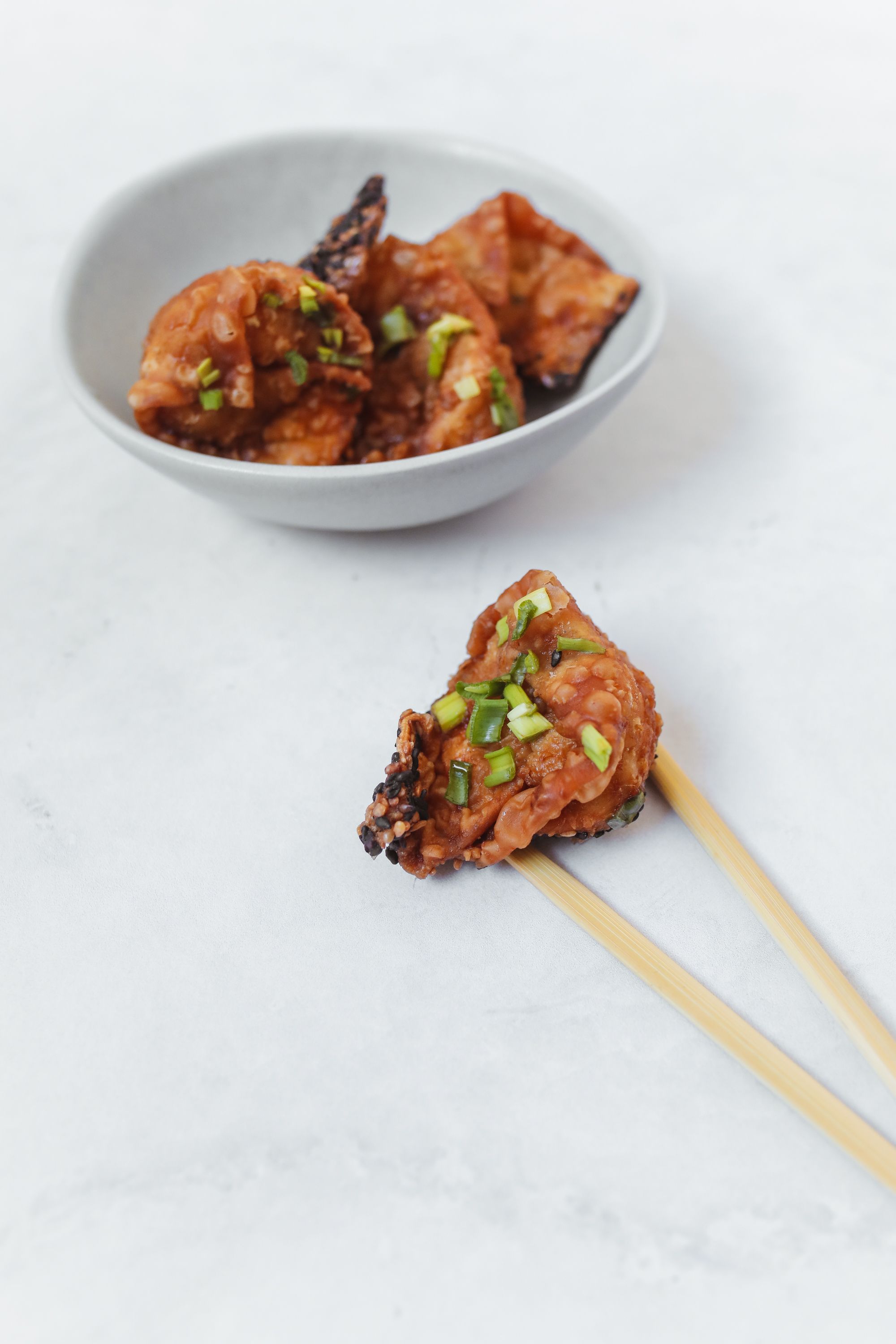
Guifaxiang Mahua
Tianjin’s fried dough twist (mahua), braided and crisp, sweet or savoury, sold boxed as a snack or souvenir. A small bag is about $2–4.
-
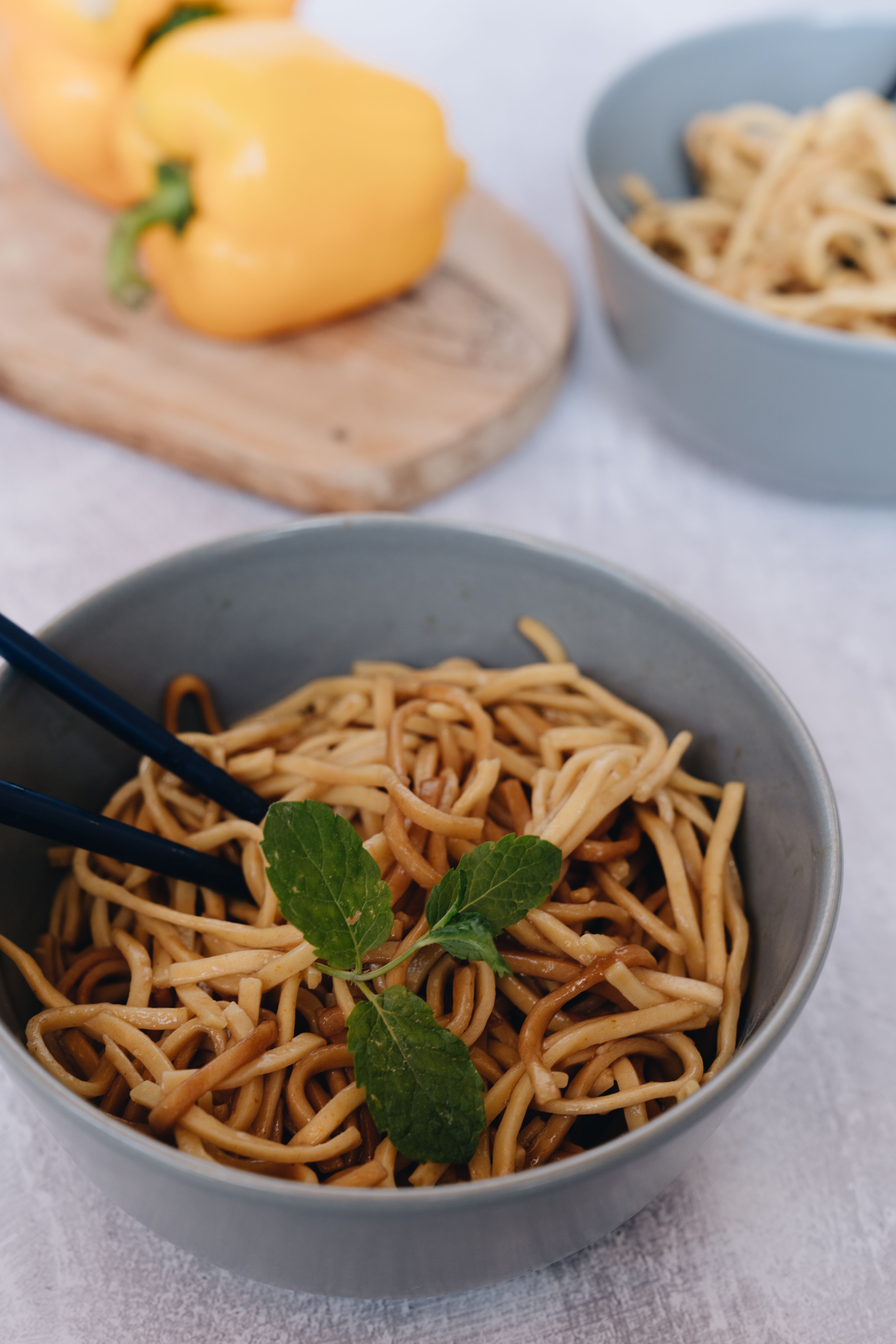
Tianjin Noodles
Wheat noodles in a thick zhajiang or "da lu" gravy with vegetables — a hearty local staple found in cheap neighbourhood shops. About $2–5 a bowl.
-
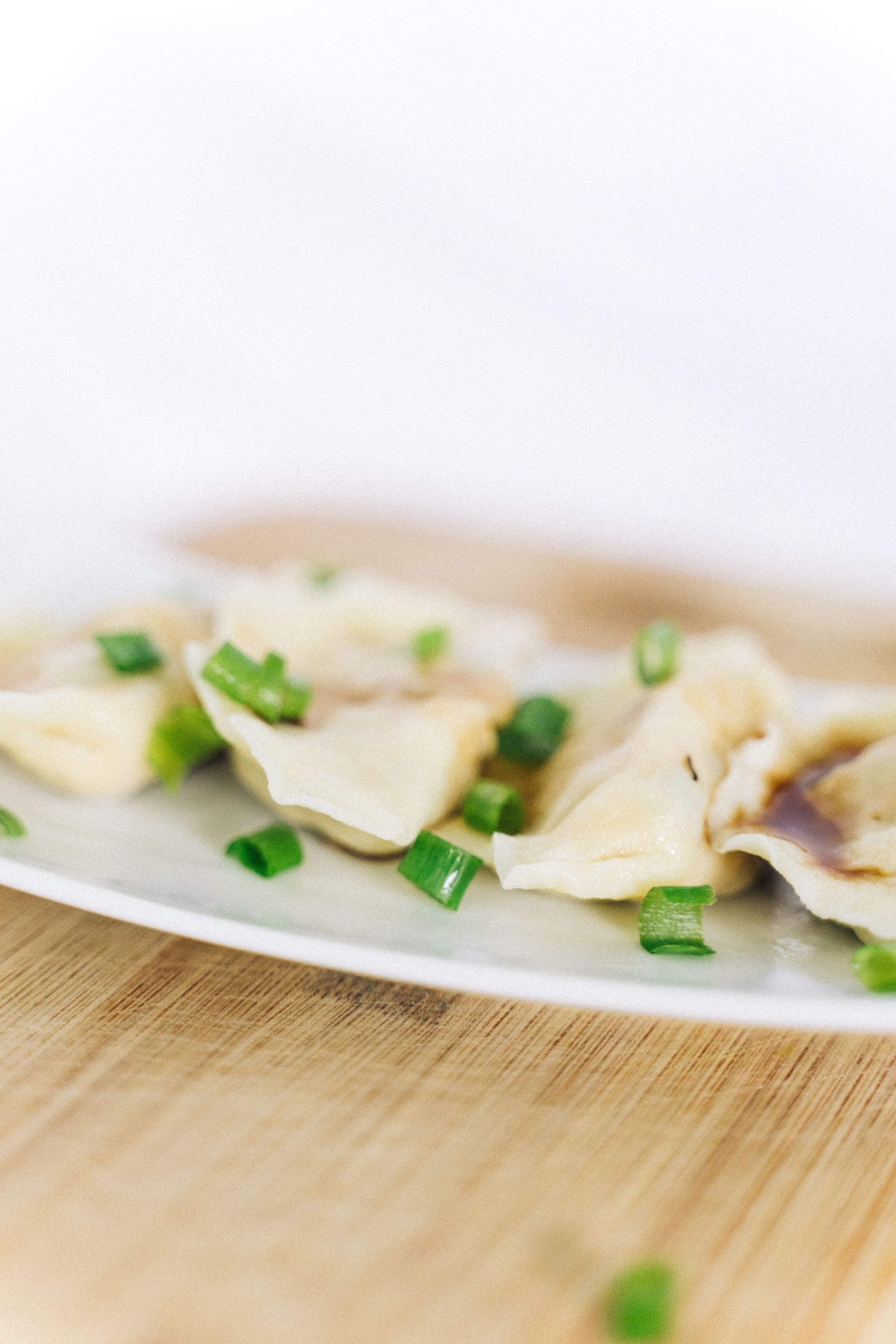
Shui Jiao
Boiled dumplings (shui jiao) with pork, shrimp or vegetable fillings, dipped in vinegar — a cheap, filling Tianjin meal any time of day. About $3–7.
Every major sight — with its own guide
Right after the food above, here are the sights — each one links to its own full guide (what to see, how to get there, facilities and the best season). Names follow each sight's official English signage.
Haihe River
City core
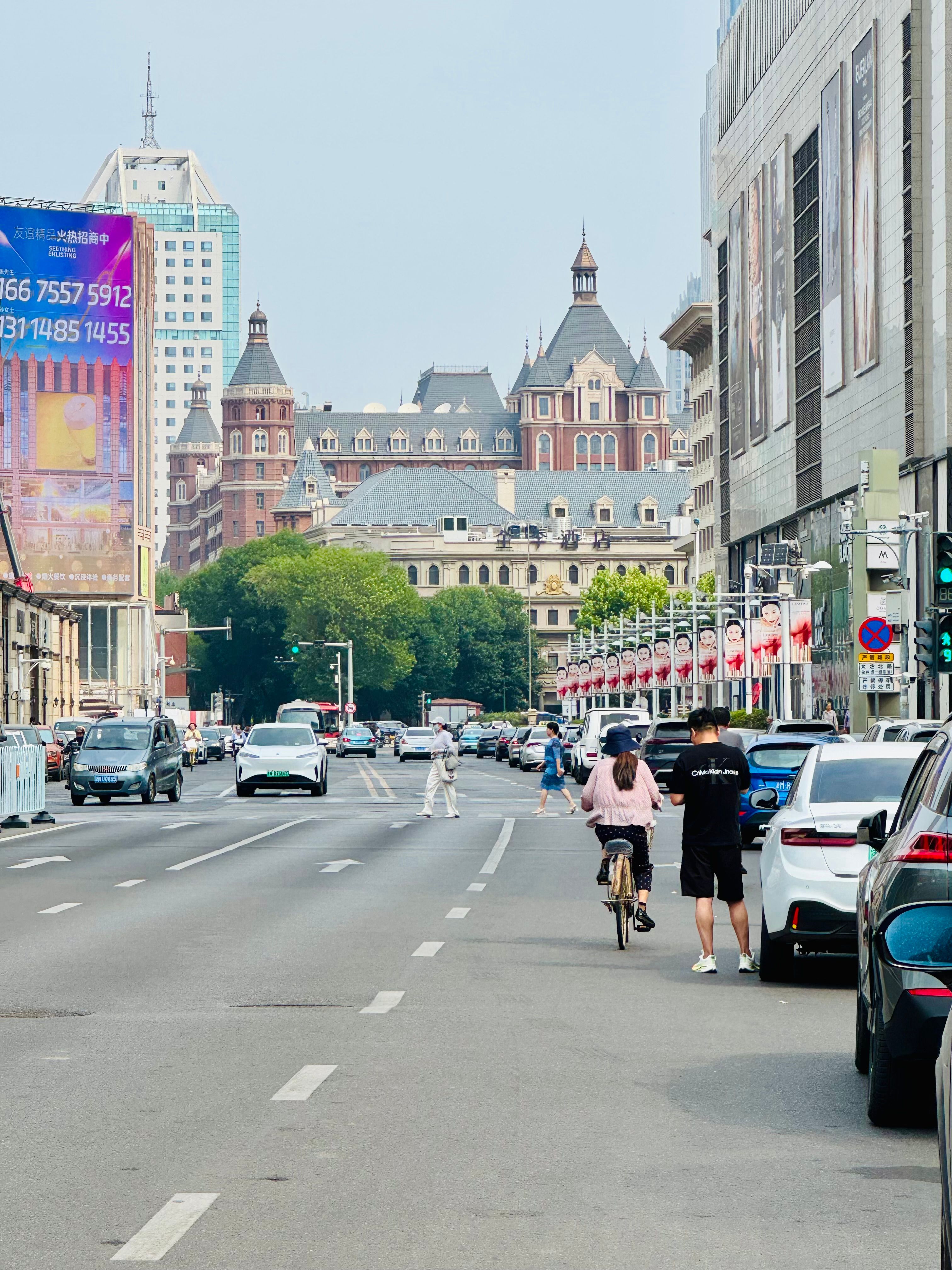
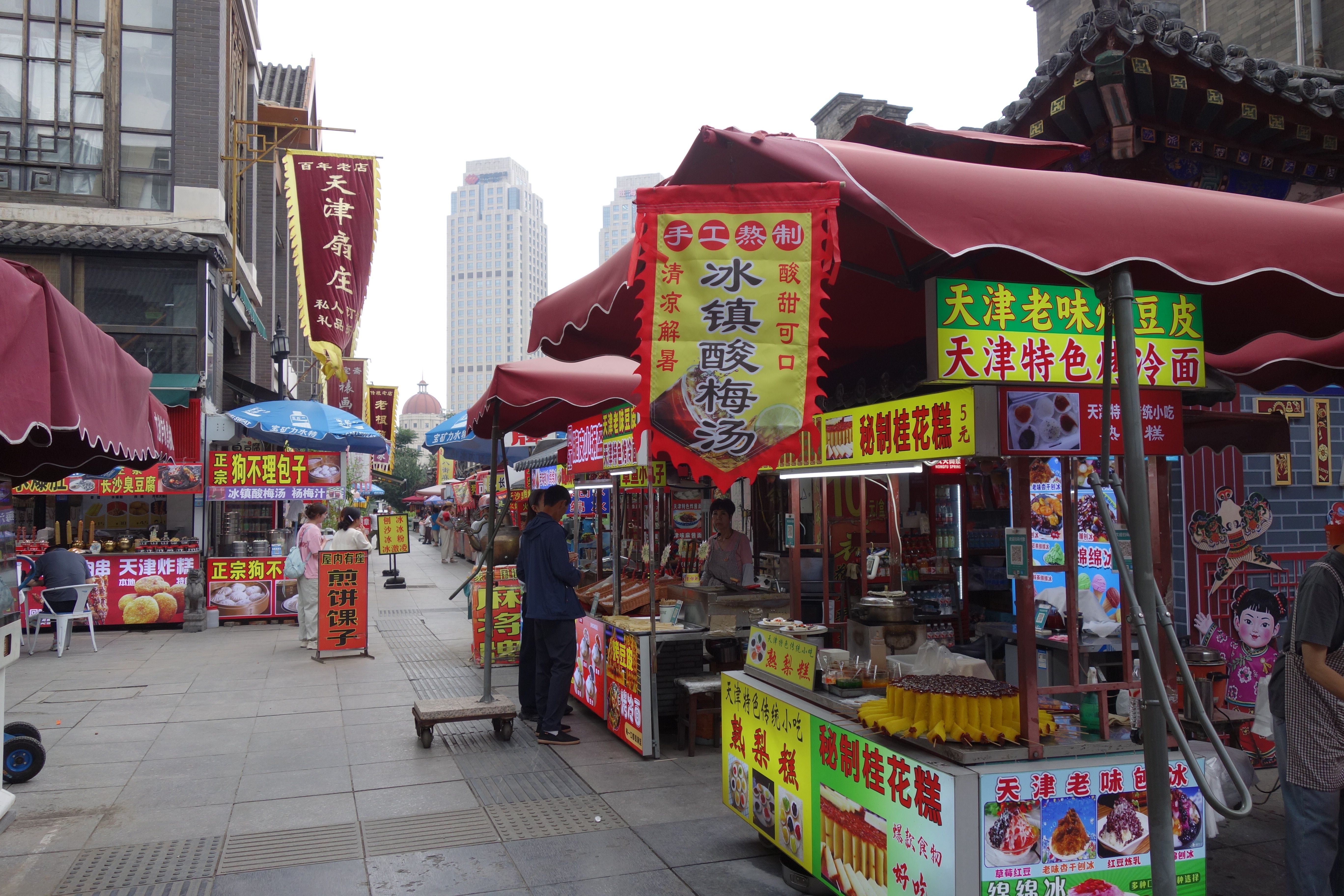
Ancient Culture Street 古文化街
A free 687 m pedestrian street of Qing-style shops, snacks and the Tianhou Palace, the liveliest old-town walk in the core.
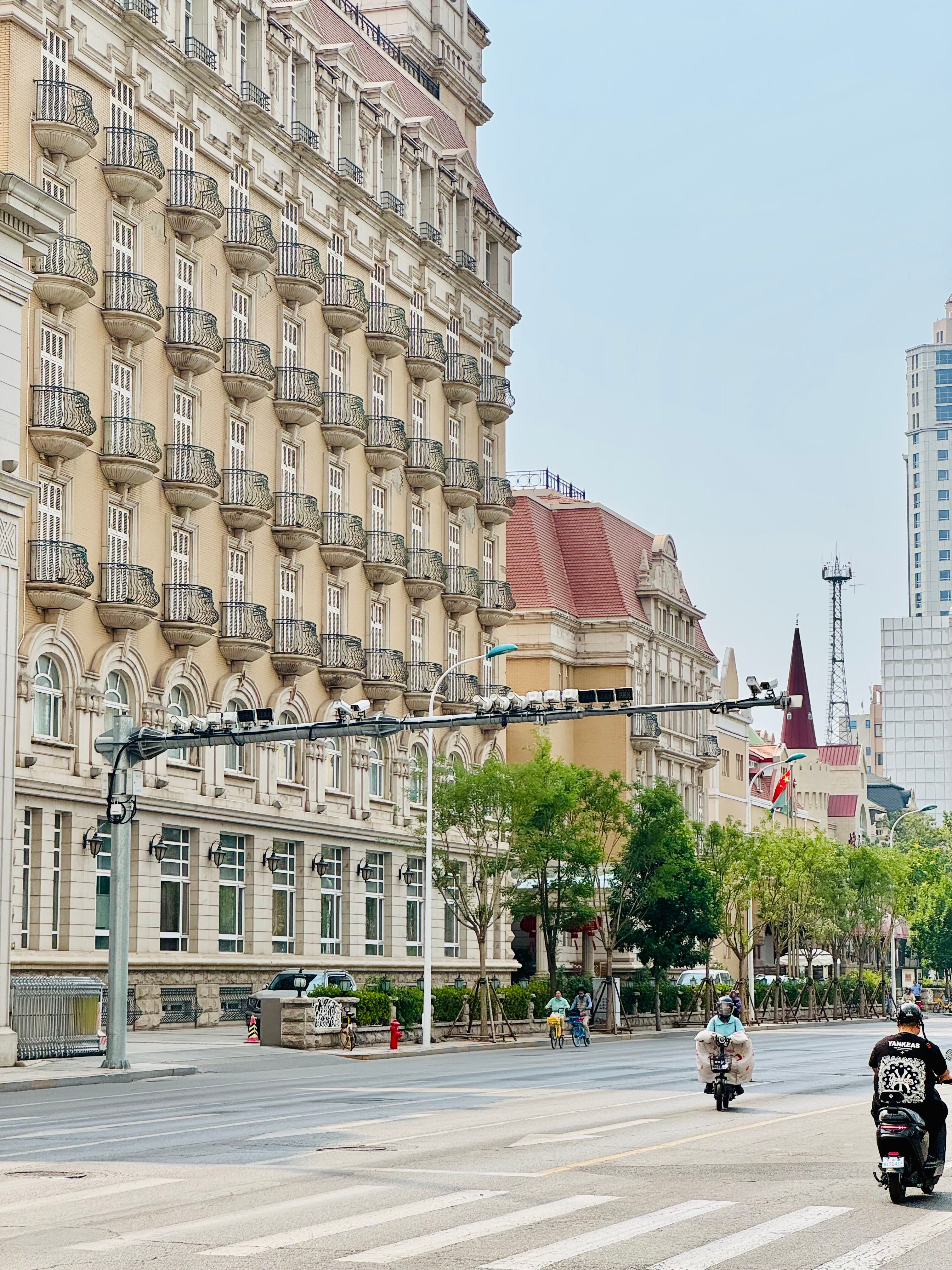
Italian Style Town 意大利风情区
A grid of restored Italian villas, squares and cafés — the only preserved Italian concession quarter in China, best after dark.
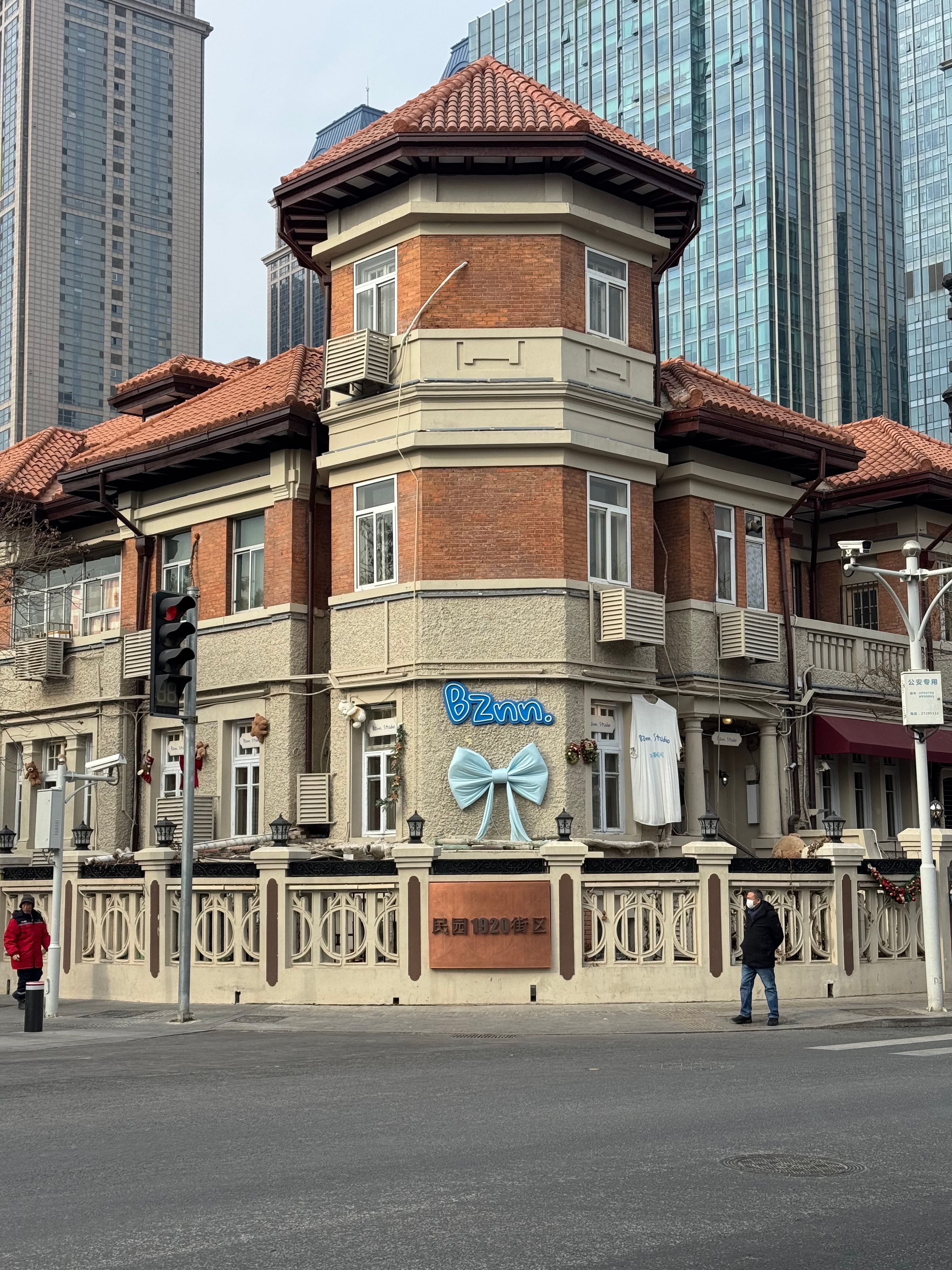
Five Great Avenues 五大道
A leafy grid of about 2,000 European villas from the concession era — the best flat architecture walk in the city.
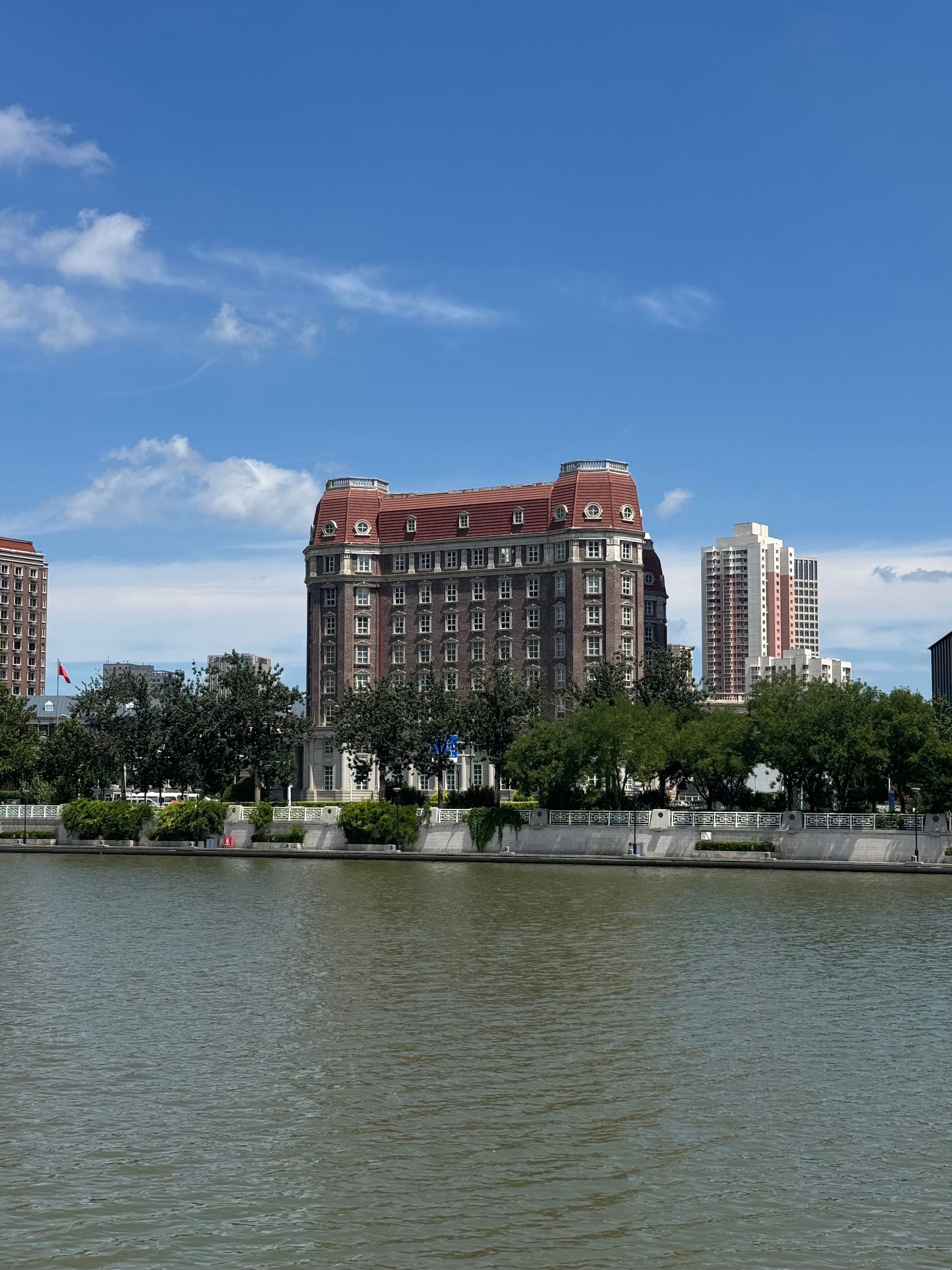
Porcelain House 瓷房子
A mansion covered inside and out with millions of porcelain shards, vases and ceramics — gaudy, weird and unforgettable.
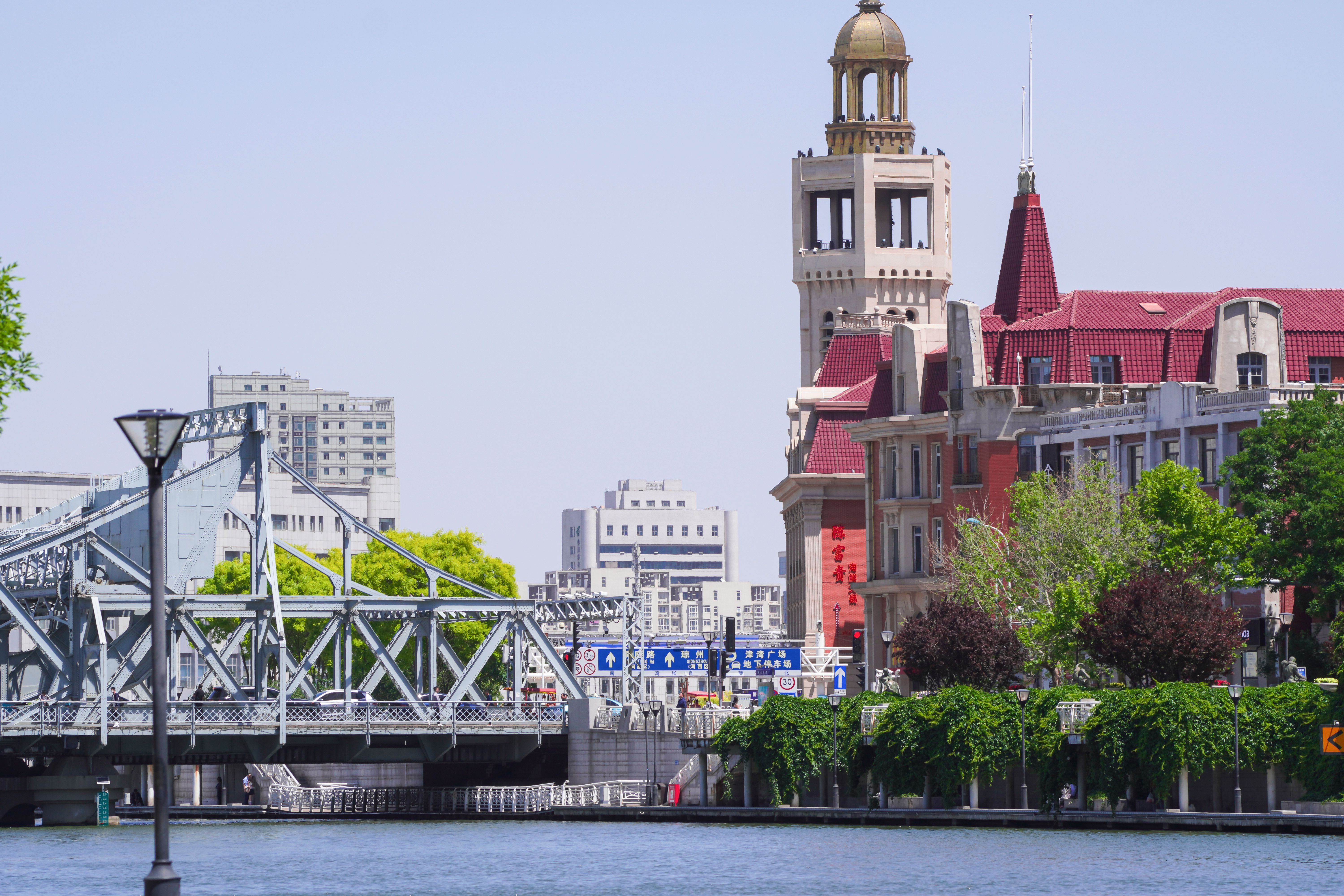
Xikai Church 西开教堂
A large Catholic church near Binjiang Road with twin towers and a calm interior — the city’s main Sunday Mass in French-Roman style.
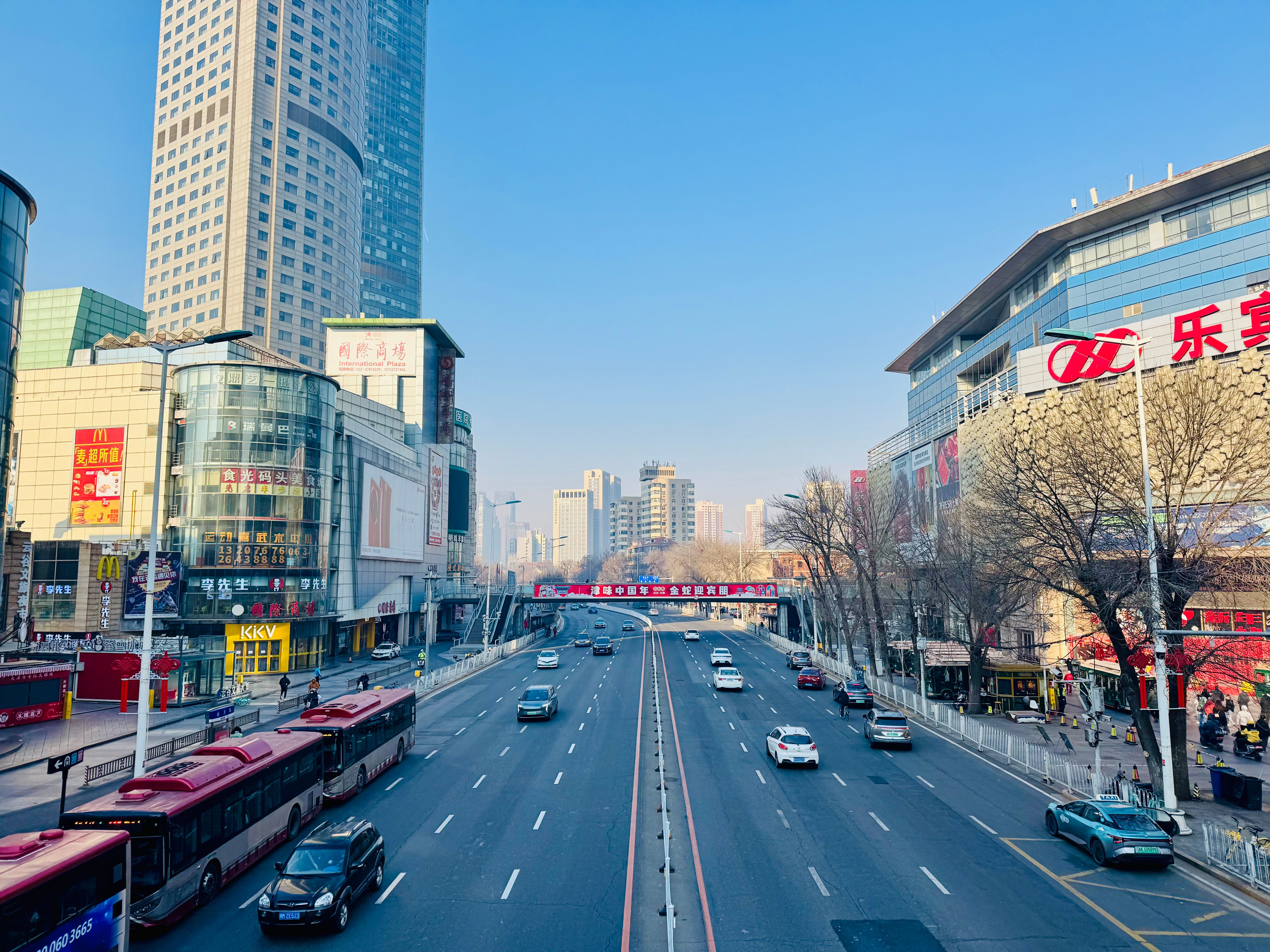
Binjiang Road 滨江道
The main shopping promenade by Xikai Church — malls, street food and the busiest pedestrian energy in the core.
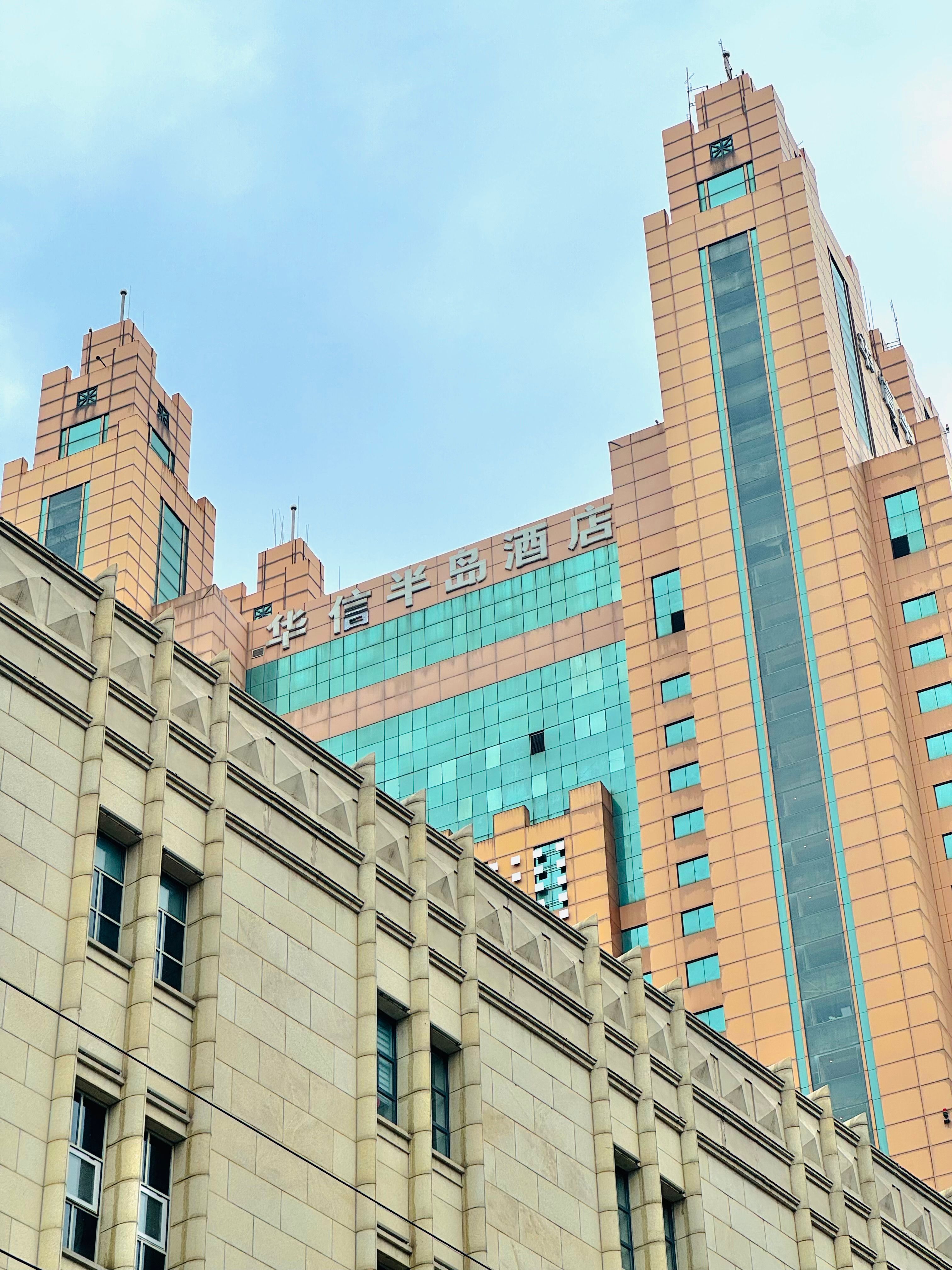
Guangdong Guild Hall 广东会馆
A 1907 southern-Chinese opera hall with a fine wooden stage and carvings, now a small theatre museum near the old town.
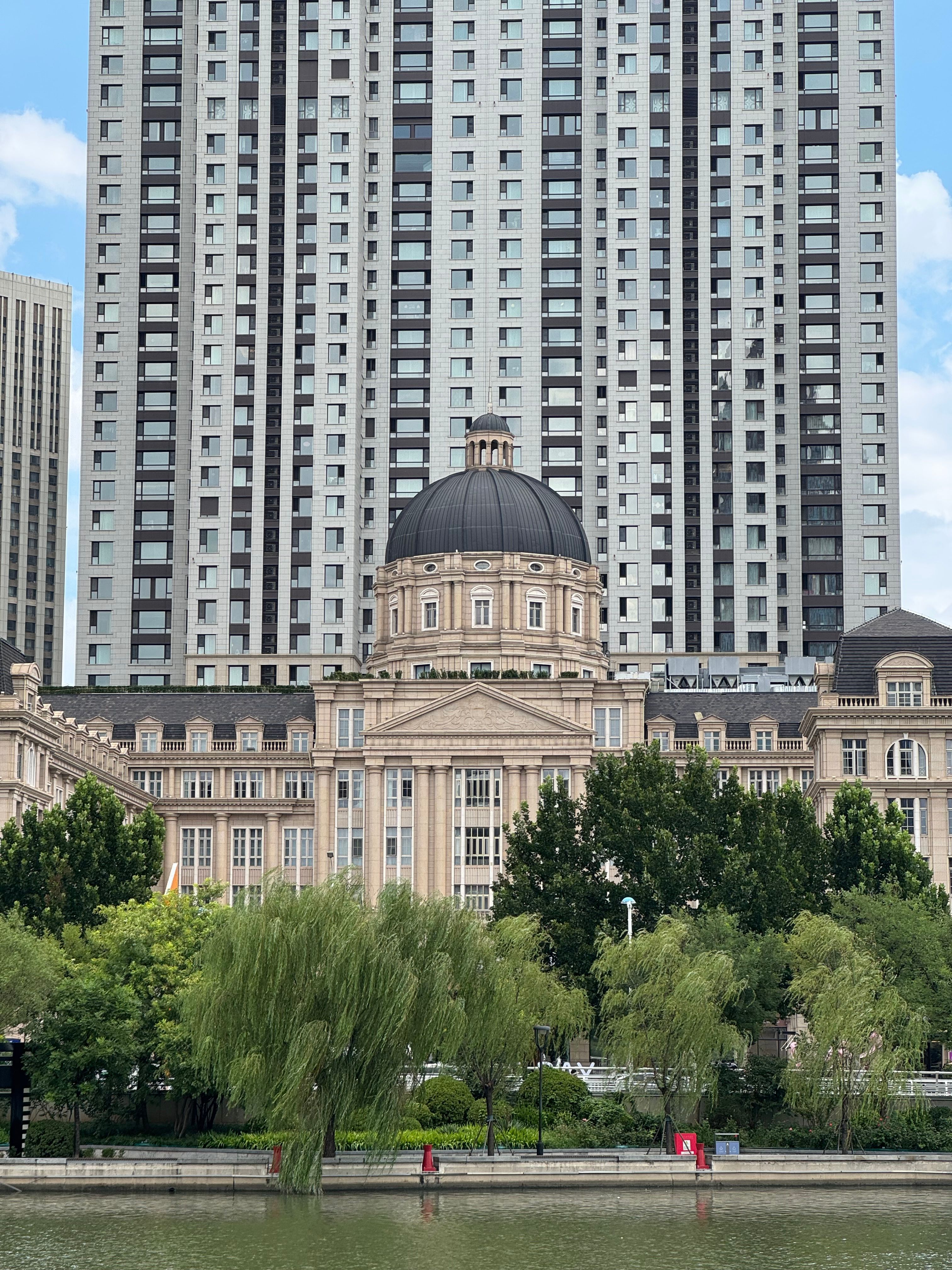
Jingyuan 静园
The former residence of the last Qing emperor Puyi — a restored Republican-era villa with period rooms and a quiet garden.
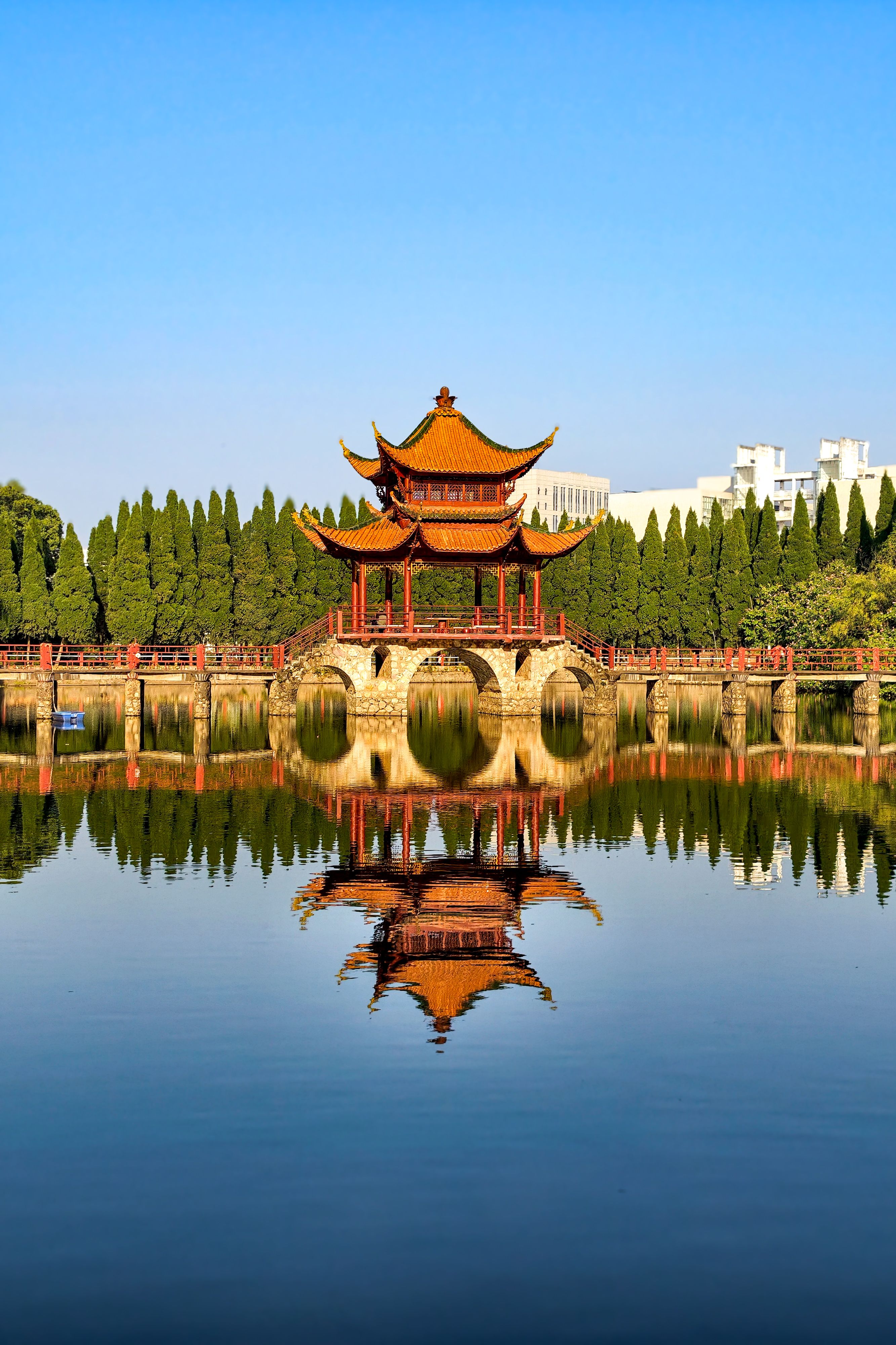
Drum Tower 鼓楼
The rebuilt city-gate drum tower by the old town, a simple landmark square to frame your Ancient Culture Street walk.
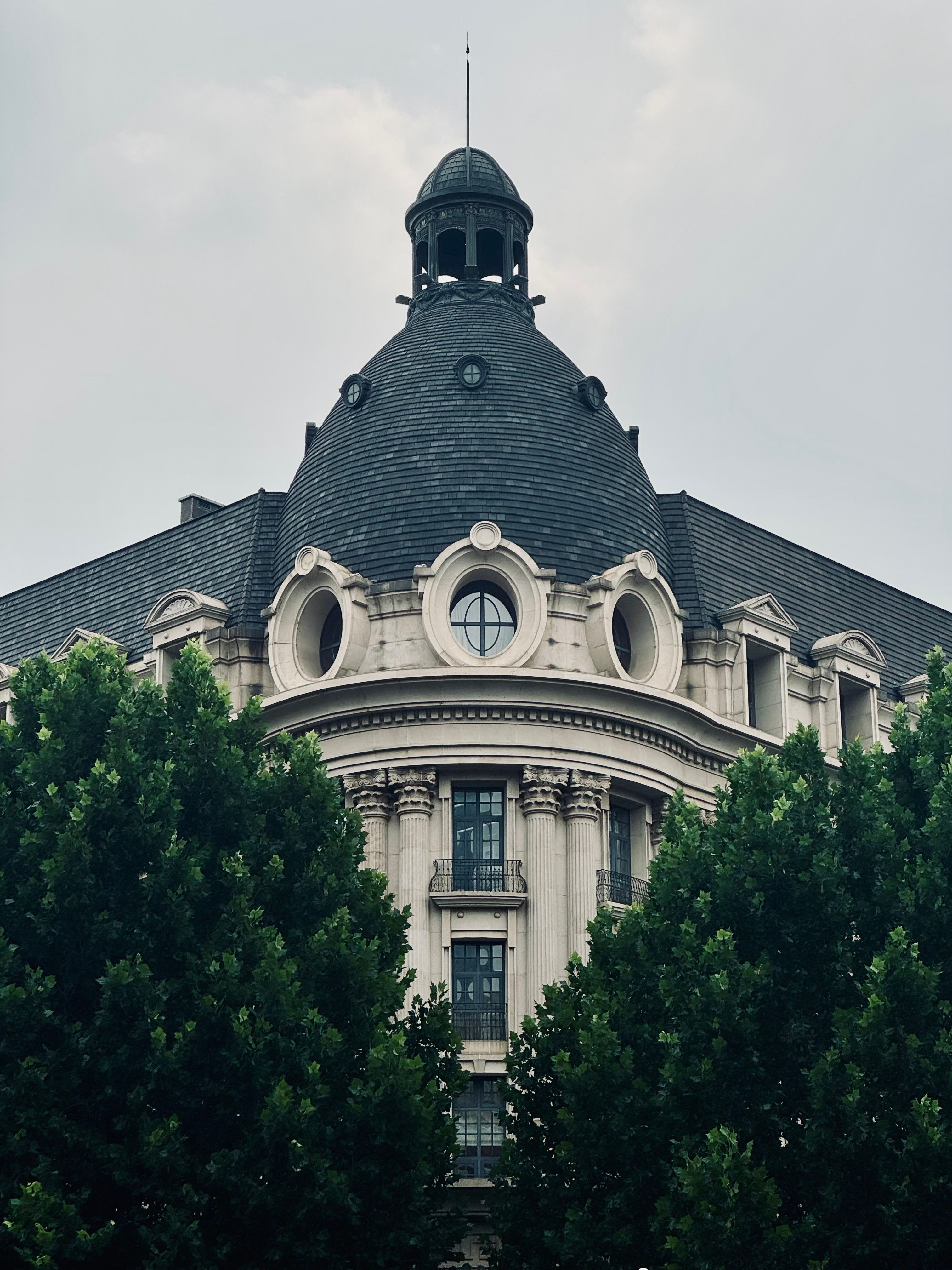
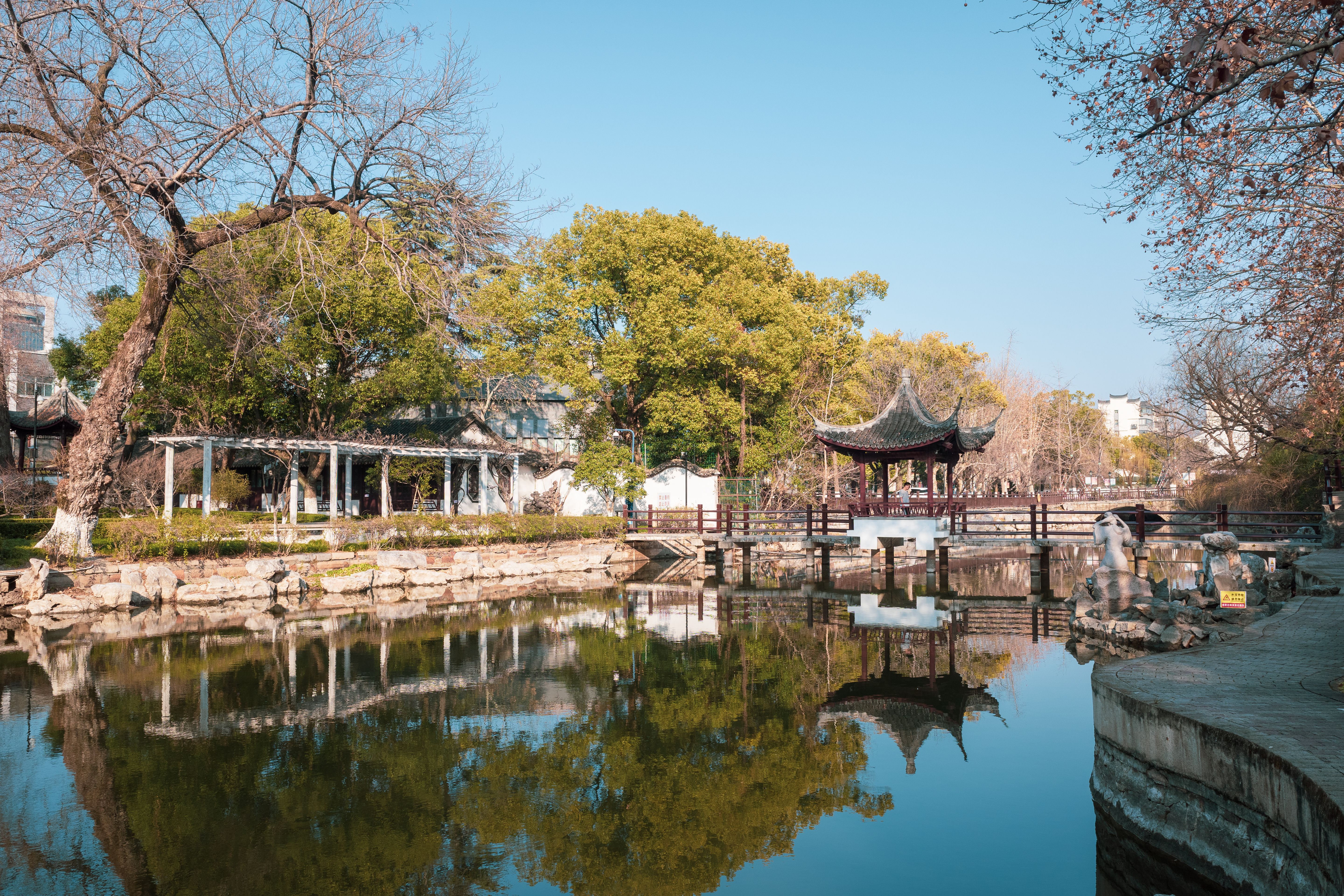
Jizhou
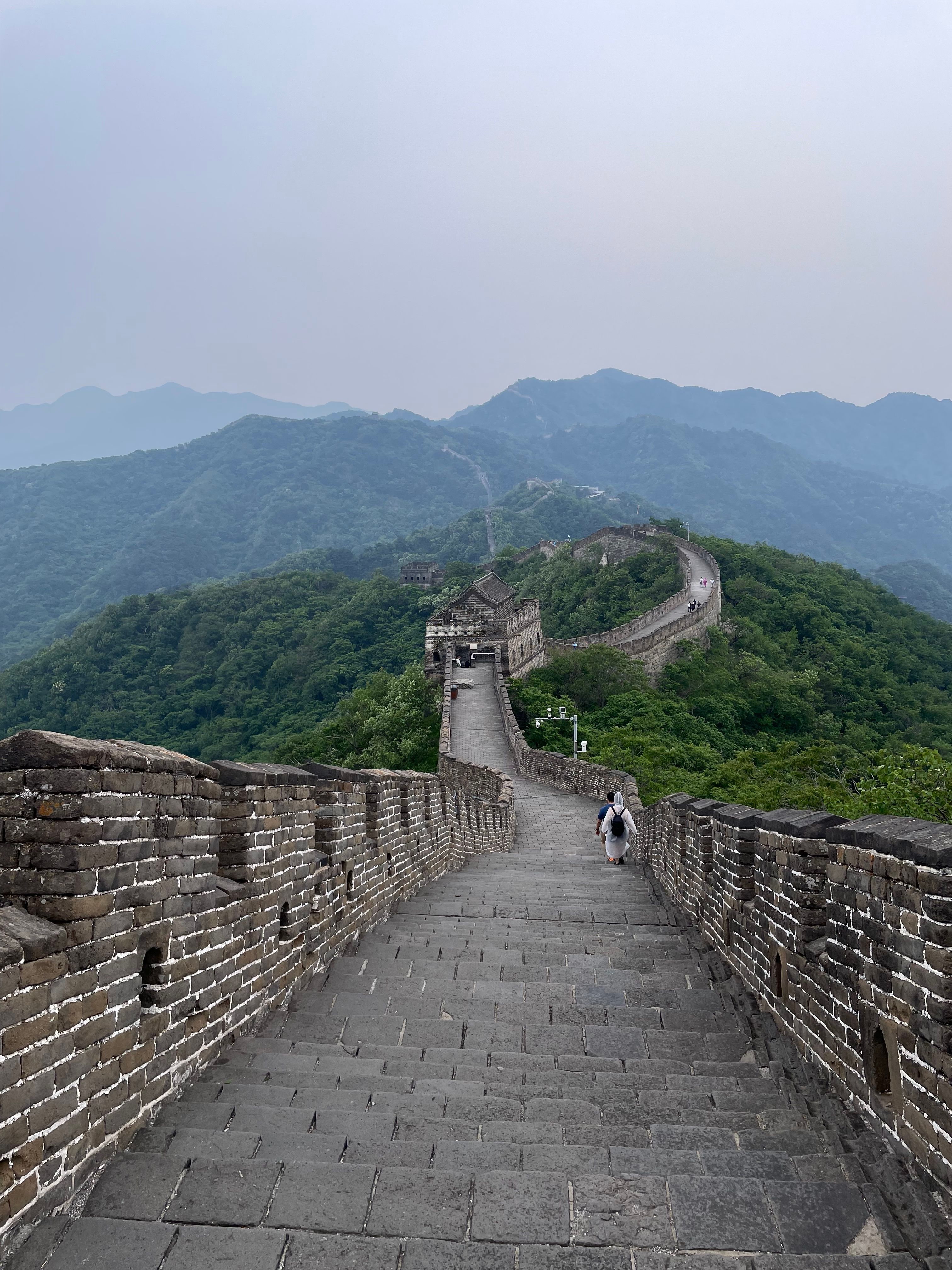
Huangyaguan Great Wall 黄崖关长城
A restored, dramatic Great Wall section in the Jizhou hills, two hours north — far quieter than Badaling and good for a hike.
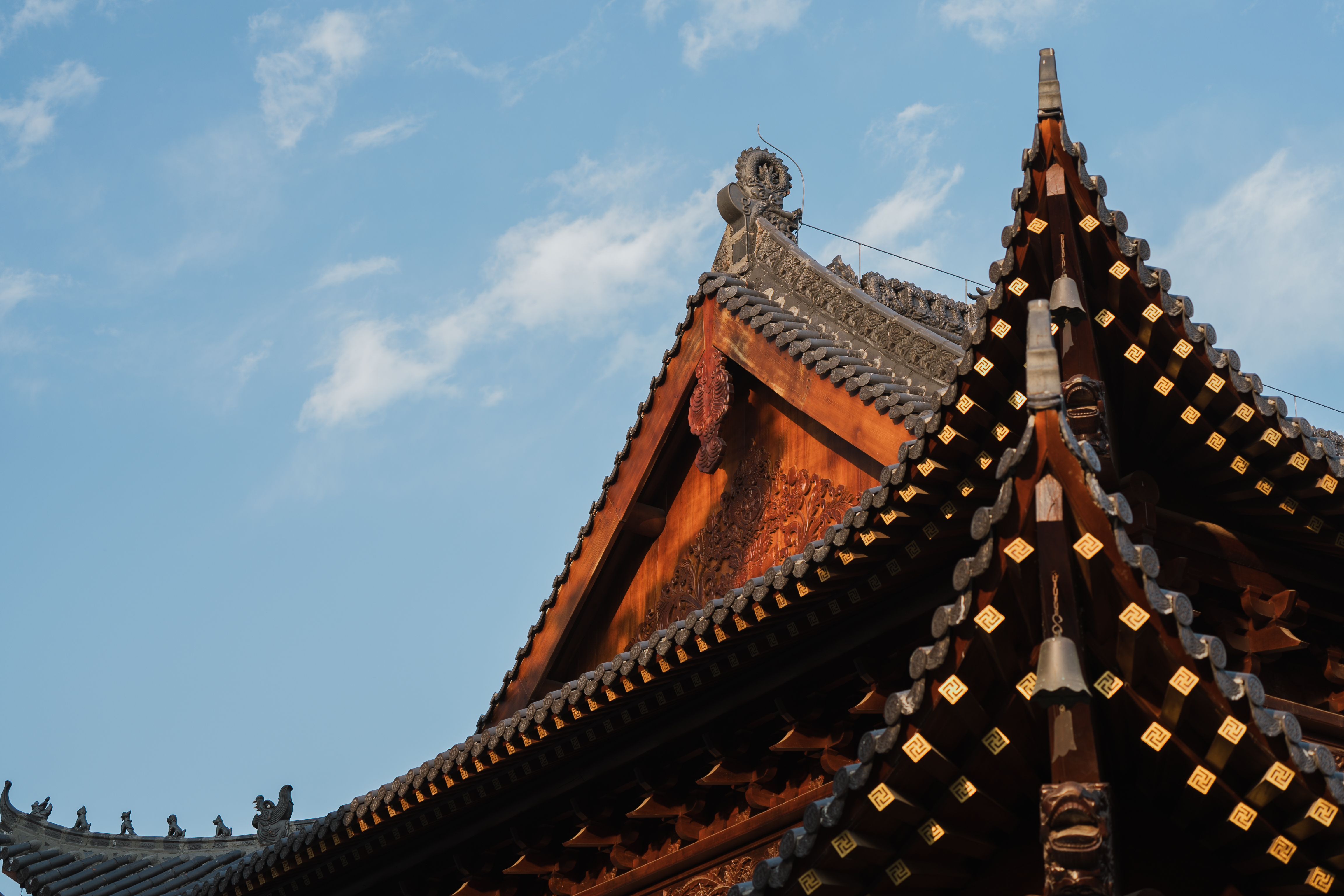
Dule Temple 独乐寺
An 11th-century Liao-era temple in Jizhou with one of China’s tallest wooden pavilions and a huge clay Guanyin — a rarity.

Panshan Mountain 盘山
A forested mountain southwest of Jizhou with temples, waterfalls and a cable car — “the first mountain east of Beijing.”
Where to stay in Tianjin
Rates are for a standard double room in 2026. Book through international platforms or Alipay; riverfront rooms cost more. Confirm the USD price at booking, as rates swing in peak season.
Luxury (riverfront)
$110–260 / nightFive-star towers along the Haihe and around Binjiang Road with river or skyline views and spas.
Upper mid-range
$55–110 / nightInternational-brand and smart Chinese hotels near the Italian Town and the train station, walkable to the core.
Mid-range
$32–55 / nightClean business hotels 10–20 minutes from the riverfront by metro, good value for couples and families.
Budget
$18–32 / nightOlder hotels and guesthouses near Ancient Culture Street and the stations, basic but central.
Hostels
$12–18 / nightA few social hostels near the core popular with backpackers, dorms and privates.
Souvenirs & local crafts
Easy to pack, easy to explain at customs — and far cheaper at a supermarket than at a scenic stall.
-
Yangliuqing Woodblock Prints
Tianjin’s folk New Year pictures from the Yangliuqing tradition — bright, lucky-themed woodblock art, easy to roll and pack. Buy in museum shops and the culture street.
-
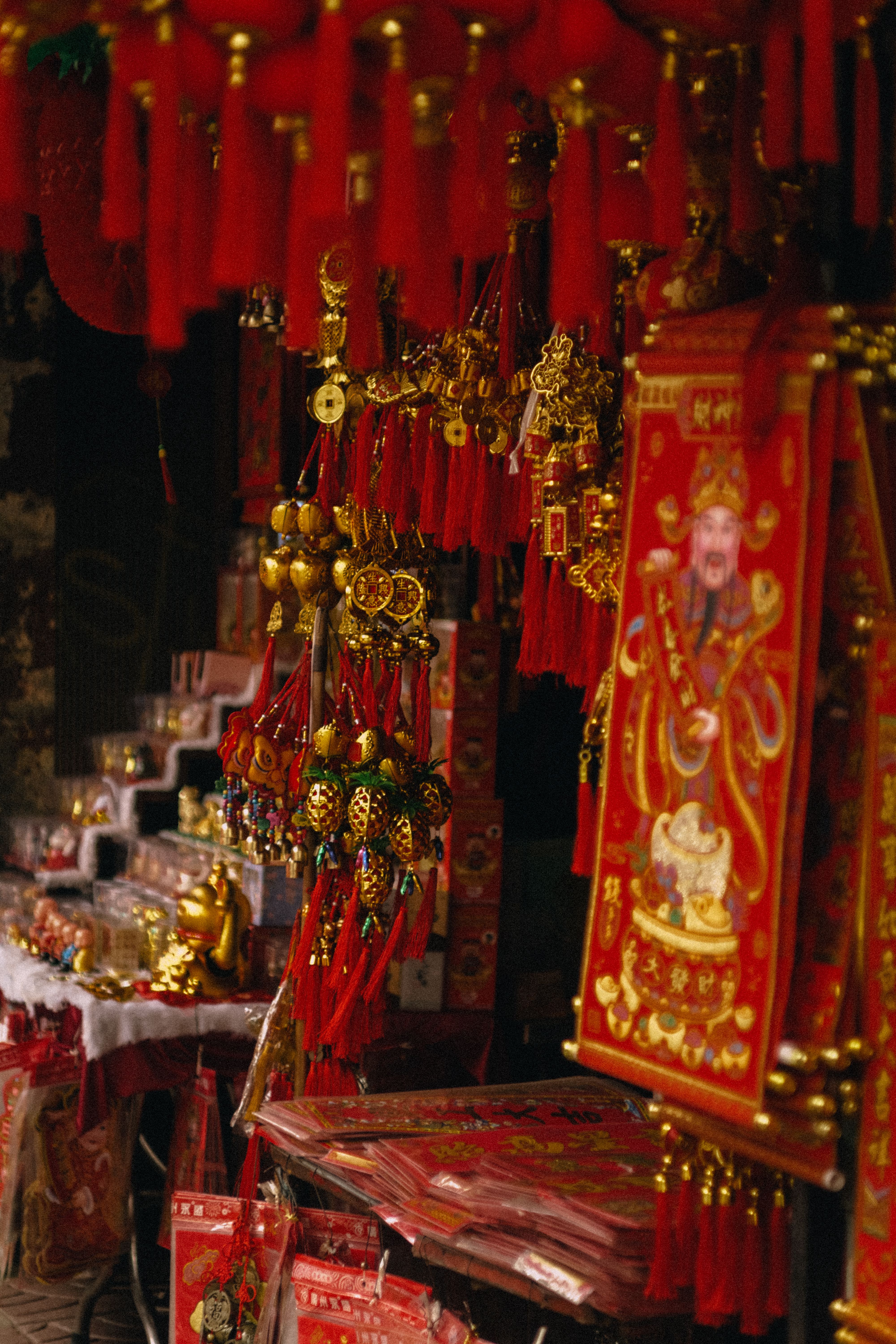
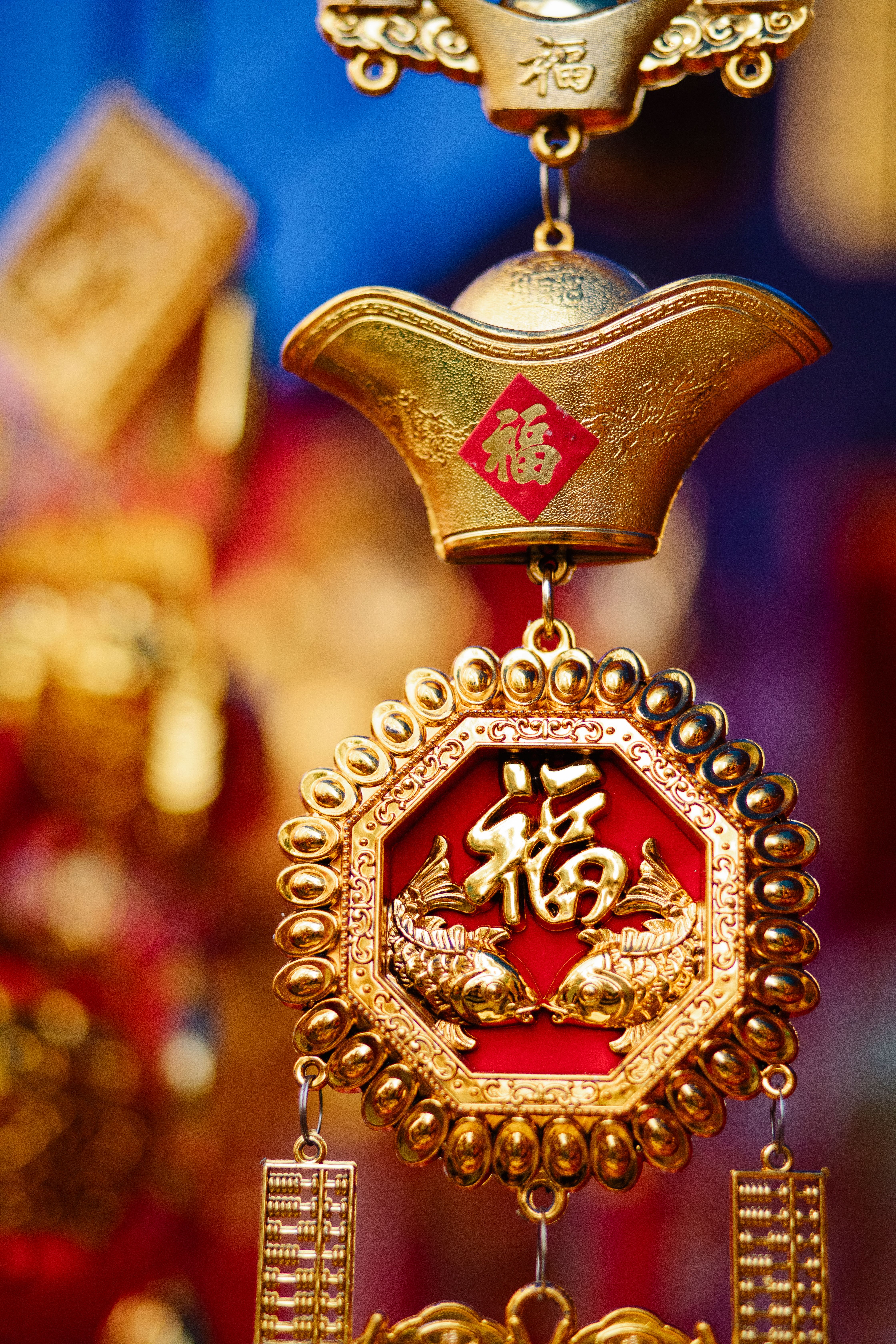
Lucky Charms & Folk Crafts
Red-and-gold charms, knotwork and small carvings sold in the old-town stalls — cheap, lightweight and genuinely local.
-
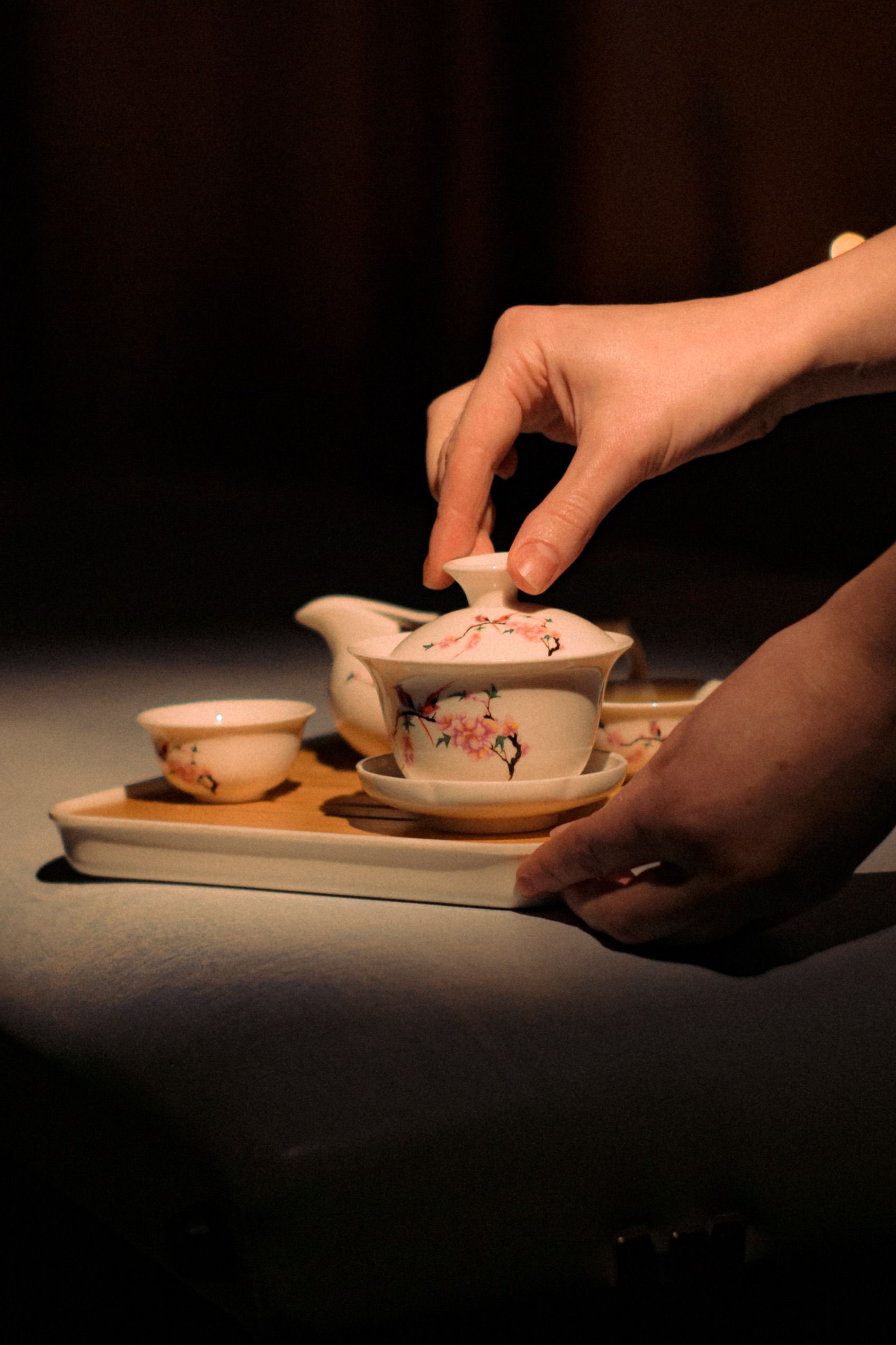
Chinese Tea
Boxed oolong, green and flower teas from northern China shops — light, long-keeping and a safe gift to carry home.
-

Folding Fans
Painted silk or sandalwood folding fans, a classic northern-China craft that packs flat and photographs well.
-
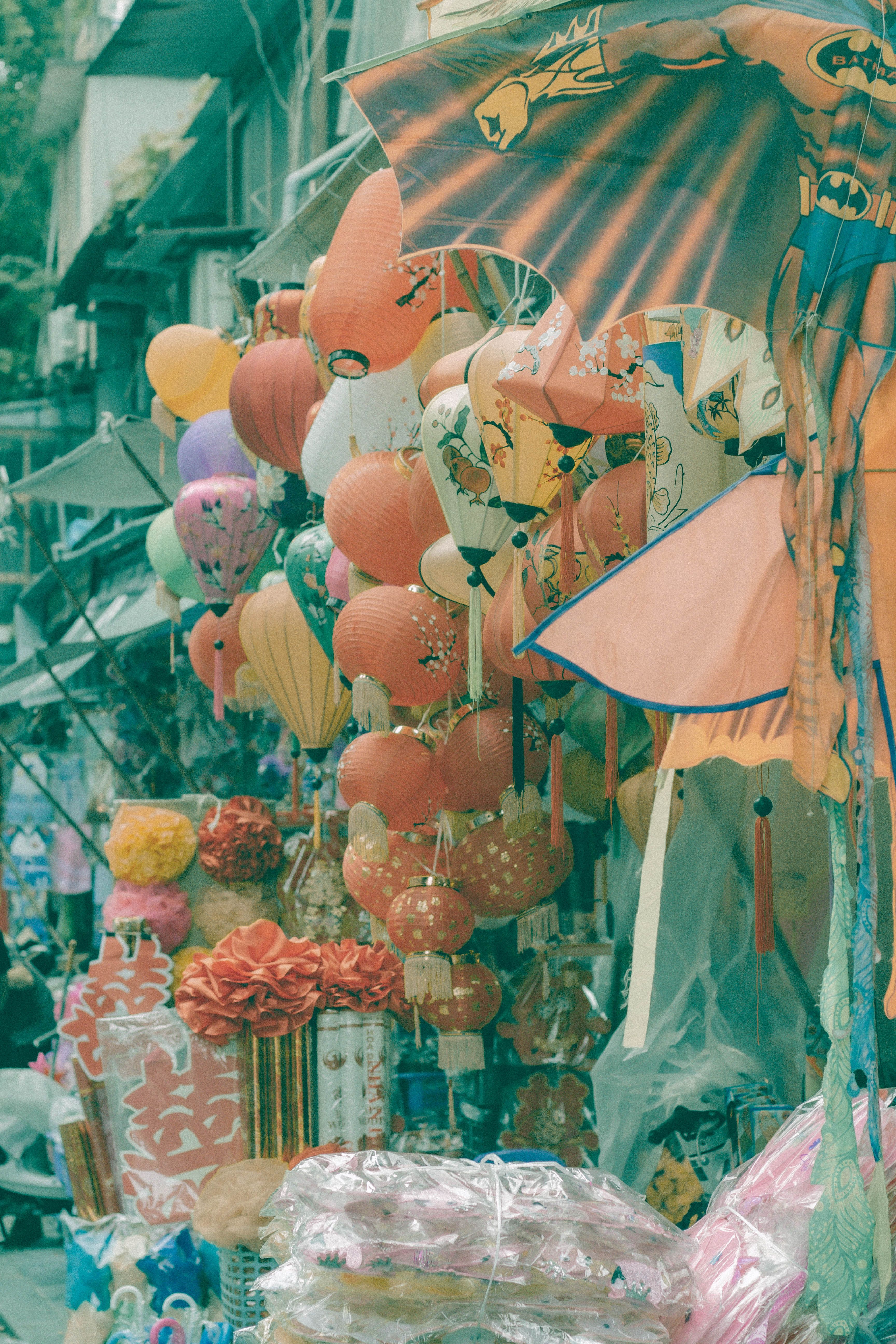
Paper Lanterns
Small red paper lanterns and string lights from the festival markets — a cheerful, packable Tianjin keepsake.
Getting around Tianjin
Tianjin is flat and metro-connected; the riverfront, the concession streets and the museum strip are reachable without a car. Set up Alipay for the metro QR and DiDi before you arrive.
- High-speed rail
- Tianjin Railway Station (Tianjin Zhan) sits in the city core by the Haihe and the Italian Town; Tianjin South (Tianjin Nan) handles many Beijing/Shanghai high-speed trains.High-speed rail reaches Beijing in about 30 minutes ($6–9) and Shanghai in about 5–6 hours; the city is an easy half-day trip from the capital.
- Long-distance bus
- Airport shuttles run from Tianjin Binhai International Airport to the city (about 40–60 min, $4–7); long-distance coaches serve nearby towns and the Jizhou sights.
- Metro & bus
- Around 10 lines cover the core, the museums and the stations; buy a single ticket or use the Alipay metro QR. Trains run roughly 06:00–23:00.
- Taxis
- Taxis start around $2 and are metered; flag one on the street or call via the DiDi app inside Alipay.
- Ride-hailing
- DiDi (inside Alipay) is the easiest way to hail a car with an English map and card payment; prices match taxis.
- Shared bikes
- Shared bikes (Alipay Haibike / Meituan) are ideal around the flat river loop and the Five Avenues grid.
- Intercity carpool
- Ride-pooling apps exist but are less useful for foreign visitors; for Jizhou (Great Wall, Panshan) book a driver or join a tour from the station.
Reservations & real-name booking
China runs a real-name, timed-entry reservation system for major sights. Foreign passports are accepted on the official WeChat mini-programs and booking sites — but during China's travel boom, popular slots vanish within minutes of release, so book the moment the window opens. See the full system on the reservations guide.
- Tianjin Eye — up to 3 days ahead · reservation required (Real-name, one ticket per passport per day; bring the original document.)
Plan your 1, 2 or 3 days in Tianjin
Pick the length of your stay. Each plan is its own page, anchored at the city centre and written from real traveller itineraries — including splits for sightseeing, shopping, landscape, families and older travellers.
Tianjin in 1 Day
A tight riverfront loop of the Tianjin Eye, Ancient Culture Street and the concession streets with optional food and family routes.
Read the plan → 2-dayTianjin in 2 Days
Day one on the Eye, the streets and a river cruise; day two the museums and a Jizhou Great Wall run.
Read the plan → 3-dayTianjin in 3 Days
Add a full Jizhou day — Huangyaguan Great Wall and Dule Temple or Panshan — to the core plan.
Read the plan →Frequently asked questions
- Do I need a visa for Tianjin?
- Tianjin Binhai International Airport and the Beijing-Tianjin rail link fall under China’s 144-hour visa-free transit scheme for eligible nationalities flying on to a third country; otherwise arrange a Chinese visa before you travel. Check the current list with a consulate.
- How many days should I spend in Tianjin?
- One full day covers the Tianjin Eye, Ancient Culture Street, the Five Avenues and a river cruise. Two to three days let you add the museums and a Jizhou Great Wall or mountain day trip at a relaxed pace.
- Is Tianjin walkable?
- Yes. The core is flat and the riverfront, the concession streets and the main shops are close together; shared bikes and the metro fill any gaps. Most first-time visitors walk more than they ride.
- When is the best time to visit Tianjin?
- April to May and September to October have the best weather and light. Avoid the May Day and National Day holidays if you dislike crowds and higher hotel rates; winter is cold but quiet.
- How do I get to Tianjin from Beijing?
- High-speed rail from Beijing South to Tianjin or Tianjin South takes about 30 minutes and costs roughly $6–9. Trains run all day, so you can even visit as a long day trip from the capital.
- Can I visit the Great Wall from Tianjin?
- Yes. Huangyaguan Great Wall is about 110 km north in Jizhou, roughly a two-hour drive or bus ride, and is far less crowded than the Beijing sections. Pair it with Dule Temple or Panshan in the same trip.
- How do I pay for things in Tianjin?
- Set up Alipay with an international card and passport verification before you arrive; it runs the metro QR, DiDi ride-hail and most shops. Carry some cash for tiny stalls and the old-town snack carts.
Page last reviewed: 2026-10-17.