Quanzhou Travel Guide 2026: The Chinese Port That Connected the World
Quanzhou was the greatest port in the world in the Song and Yuan dynasties — Marco Polo's Zayton — and in 2021 UNESCO inscribed 22 of its sites as 'Quanzhou: Emporium of the World in Song–Yuan China'. The old city is a living museum: a Buddhist temple whose stone twin pagodas have stood since the 1200s beside China's oldest surviving Islamic mosque, a Mazu temple where the fleets were blessed, and two of the finest ancient bridges in China. Beyond the old town: a mountain Laozi carving, a fishing village of oyster-shell houses, and a Ming dynasty sea wall. Below: the best time, the history, the food, where to stay, every major sight with its own guide, transport, and 1/2/3-day plans.
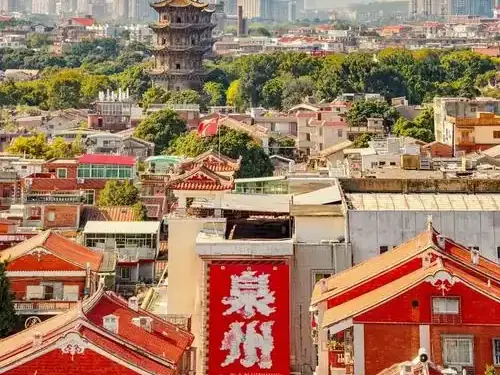
History & culture
Quanzhou was founded as a prefecture in the Tang dynasty and by the Song had become one of the great ports of the world. Maritime trade brought Arabs, Persians, Indians and Southeast Asians, and the city's 22 UNESCO-listed sites record the whole chain of that commerce: the docks, the ships, the kilns that made the export porcelain, the bridges and roads that carried the goods inland, and the temples of every faith that came with the traders.
The Song-Yuan emporium was run by a Shipping Office (shibosi) that managed the world's busiest eastern port; its ships carried silk, porcelain and Quanzhou's own stone to India, Arabia and East Africa, and brought back spices, gems and religions. Marco Polo and Ibn Battuta both passed through — Zayton in their accounts.
That tolerance left a city of rare religious layering: the Buddhist Kaiyuan Temple with its twin Song stone pagodas, the Qingjing Mosque of 1009 — China's oldest surviving mosque in Arab style — the Daoist Laojun carving, a Hindu temple's stones and the world's only surviving Manichaean temple at Cao'an, all inside one city.
The Ming sea bans and the silting of the harbour diminished the port, but the old city kept its bones — arcade streets, temples and bridges — while Fujian's people emigrated from here across the海峡 to Taiwan and Southeast Asia, making Quanzhou the ancestral home of a large share of the overseas Chinese world.
Modern Quanzhou is Fujian's economic powerhouse — stone-cutting, textiles, Dehua porcelain and Anxi tea — and repeatedly China's happiest city to eat in; the heritage core was listed by UNESCO in 2021 as a cultural World Heritage site.
Best time to visit Quanzhou
Quanzhou sits on the Fujian coast at about 5–50 m in a humid subtropical zone: warm, wet and mild, with long humid summers and short, damp winters.
Budget for Quanzhou: hotels from $18 a night, average ticket $$5.1 — see the full cost breakdown, or start from a ready-made route.
Cuisine of Quanzhou
Signature dishes worth seeking out — prices are typical per-person or per-dish ranges, not fixed quotes.
-
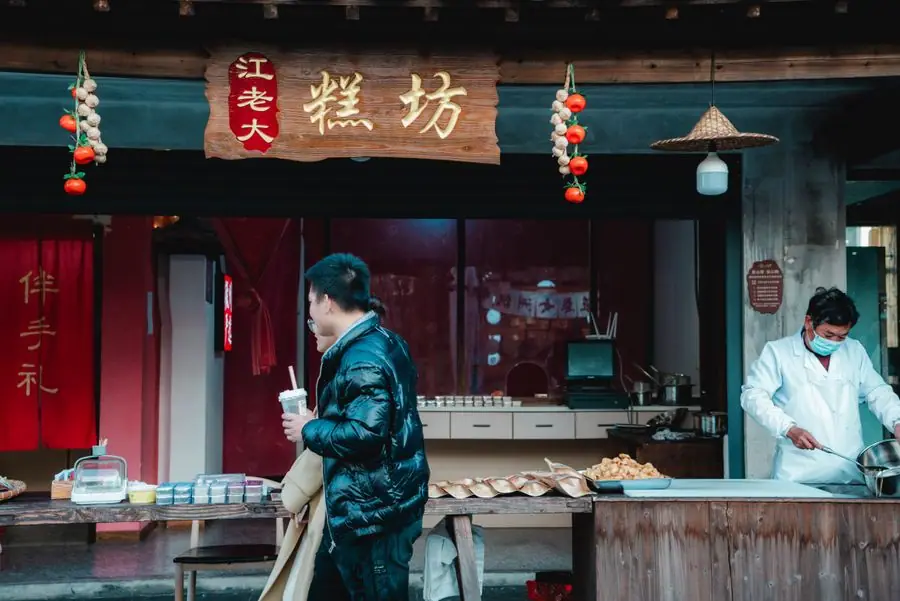
Mianxian hu — thread-noodle porridge (Mian xian hu)
Quanzhou's breakfast institution: hair-thin noodles in a thin, savoury broth, topped with vinegar pork, a youtiao and a ladle of pepper — eaten standing up in the old-town lanes from dawn.
-
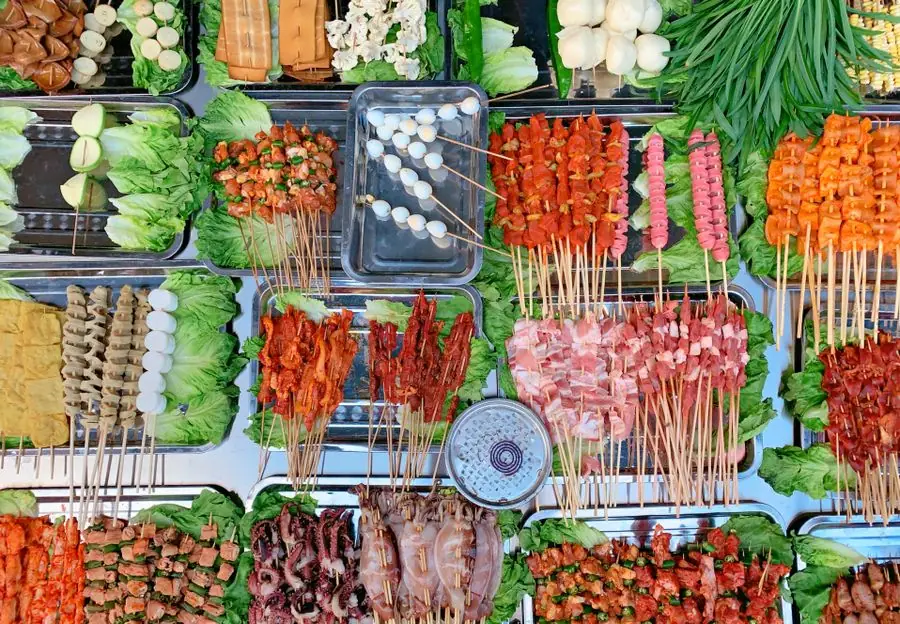
Quanzhou rou zong — sticky-rice dumplings (Shao rou zong)
Heavy Fujian-style zongzi: glutinous rice wrapped around pork belly, chestnuts, shrimp and mushroom, boiled and served with a sweet-chilli sauce. The old-town shops by East Street are the classics.
-
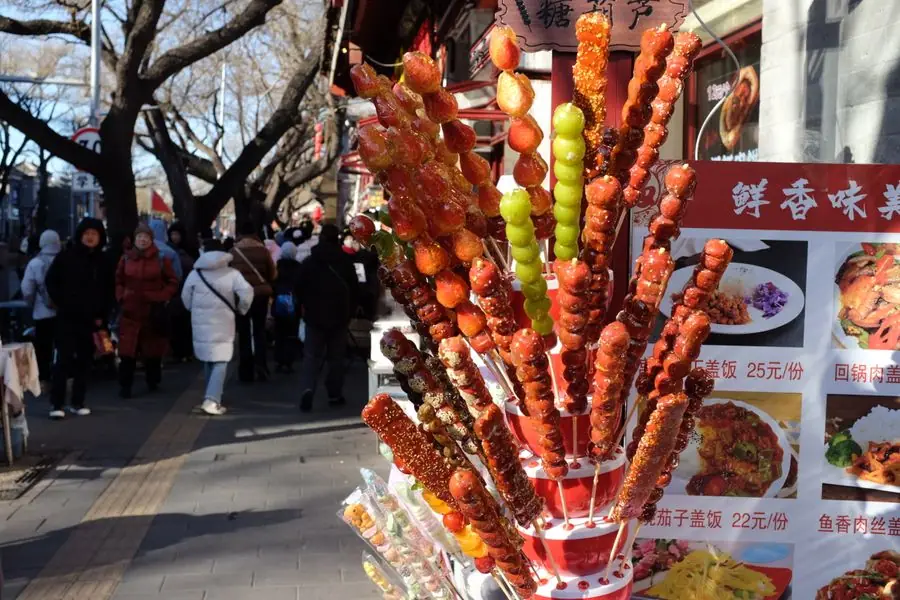
Beef soup (Niu rou geng)
Clear, thickened beef broth with tender slices and a shake of ginger — eaten over rice with a pickled vegetable plate. A local lunch staple, best in the old-town beef-soup shops.
-
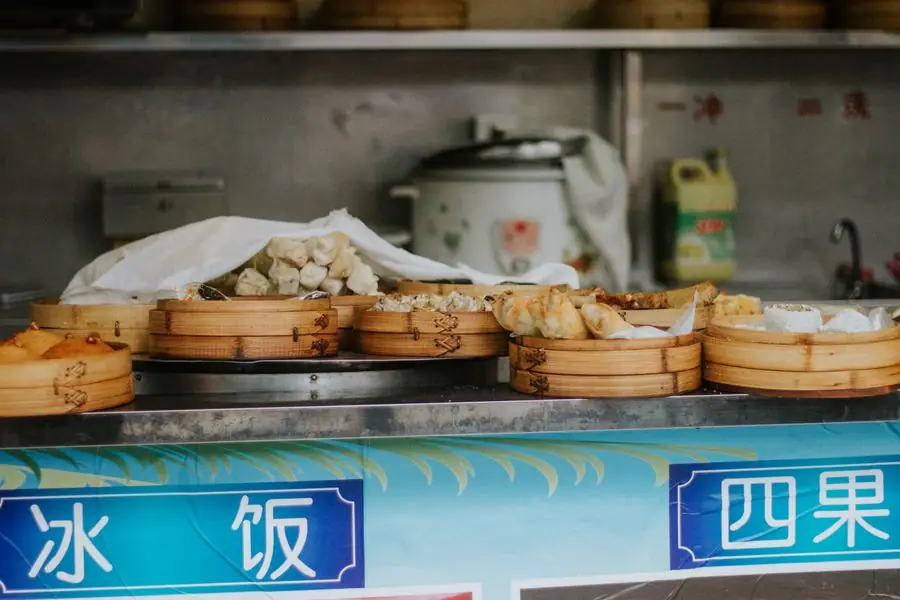
Ginger duck (Jiang mu ya)
A winter dish: duck stewed for hours with old ginger and sesame oil until the meat falls apart; the streets around the temples smoke with it from October to March.
-
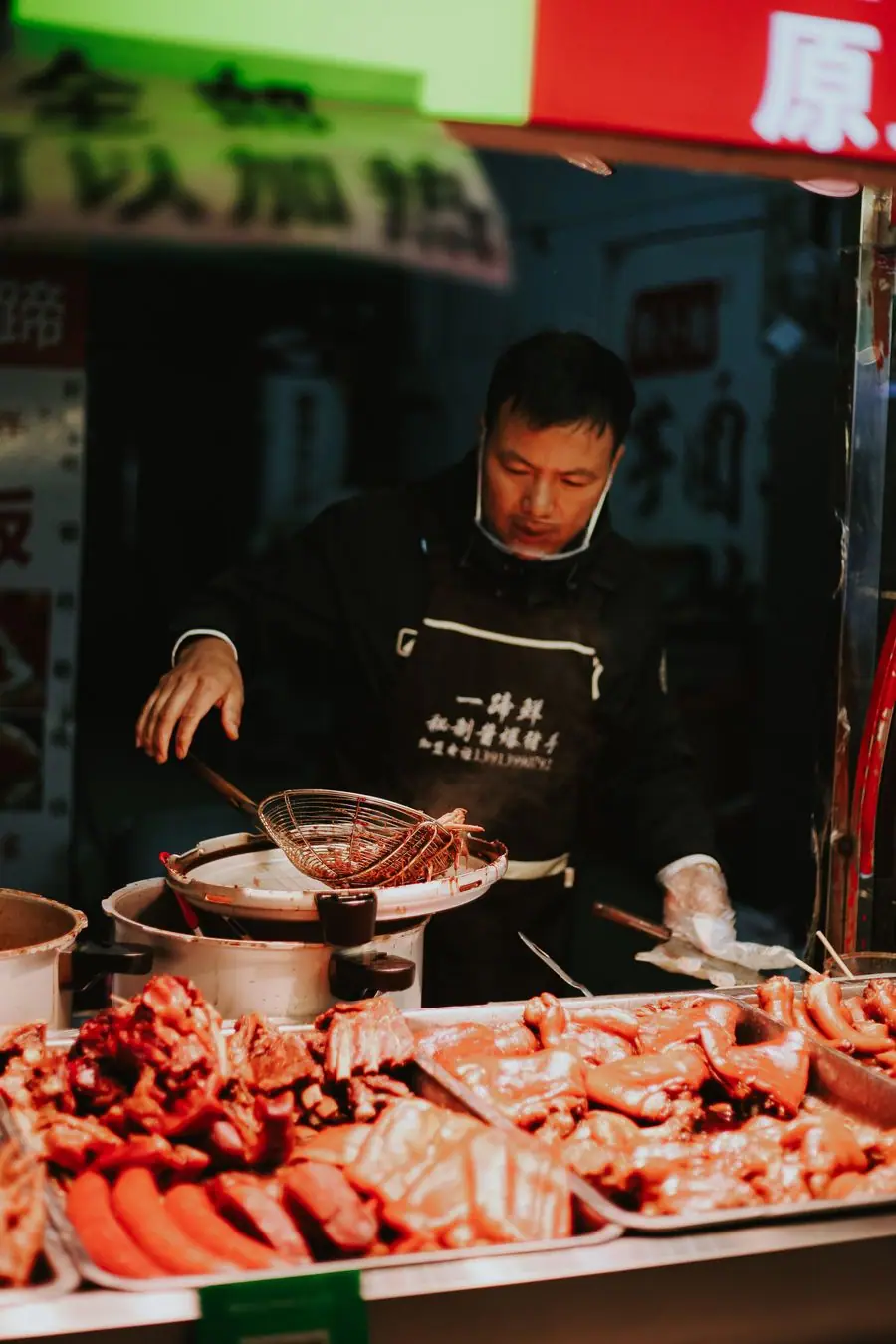
Sea-worm jelly (Tu sun dong)
The infamous Minnan cold dish: a peppercorn-mint jelly set from marine worms, chilled and eaten with mustard and vinegar. Anhai town makes the archetype — look past the ingredient and it is clean, crunchy and cold.
Every major sight — with its own guide
Right after the food above, here are the sights — each one links to its own full guide (what to see, how to get there, facilities and the best season). Names follow each sight's official English signage.
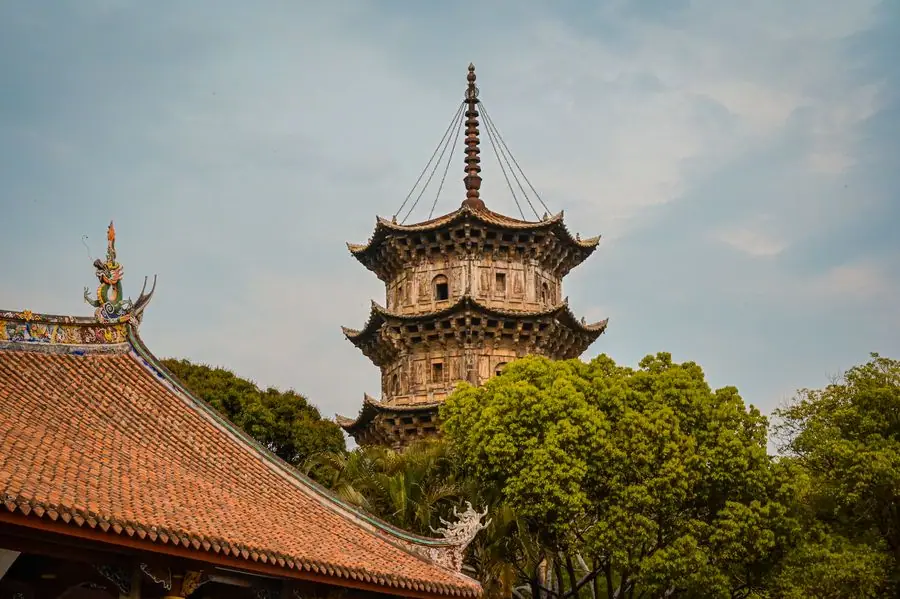
Tumen Street, old town, ~1.5 km
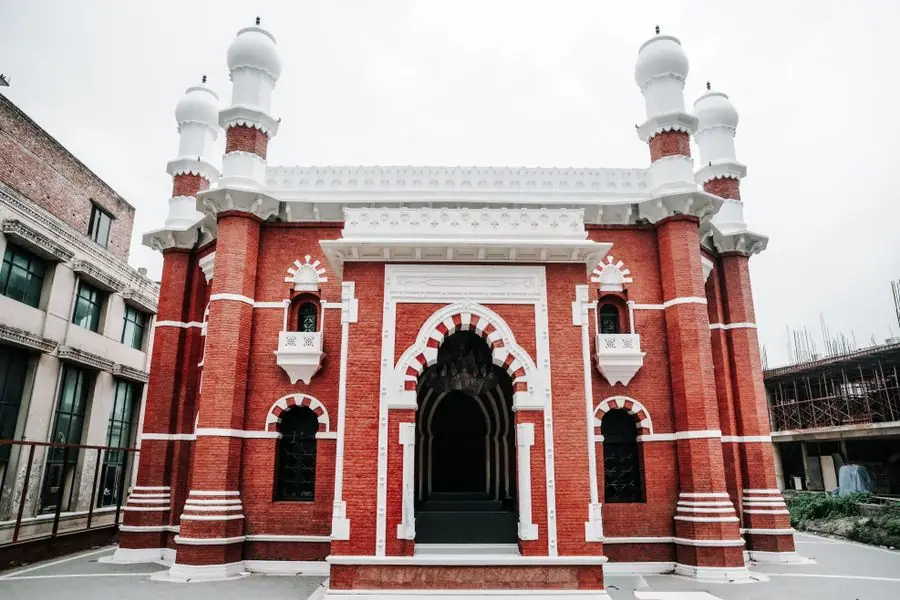
Qingjing Mosque 清净寺
Founded in 1009, China's oldest surviving mosque built in Arab style — a granite gate and arcade walls that would not be out of place in the Middle East, standing in a Fujian lane as the stone record of the Song port's Arab and Persian traders.
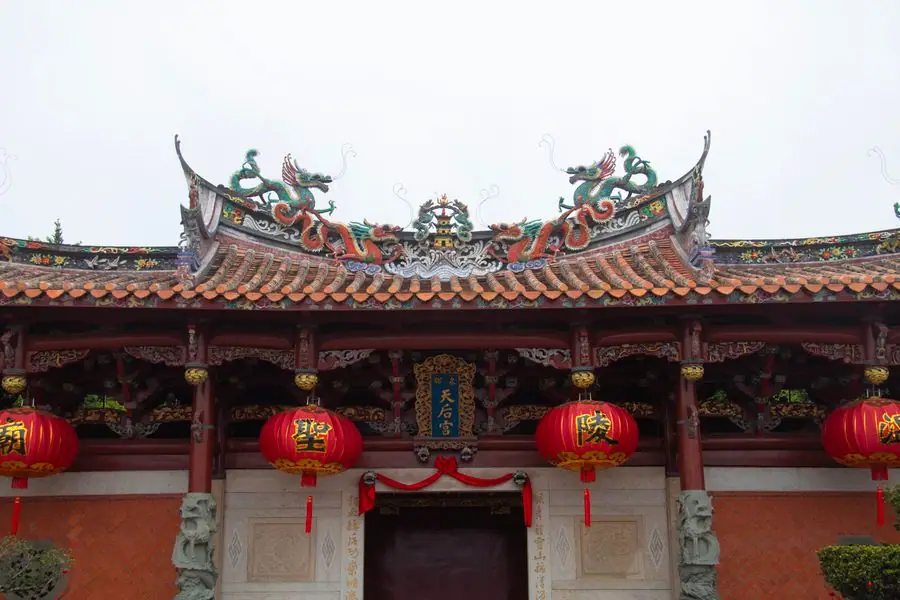
Tonghuai Guandi Temple 通淮关岳庙
The most incense-heavy temple in the city: a Ming-Qing cult complex to Guan Yu and Yue Fei, wrapped in carved stone, sweeping tile roofs and the smoke of a thousand coils — the living religious heart of the old town, a few lanes from the mosque.
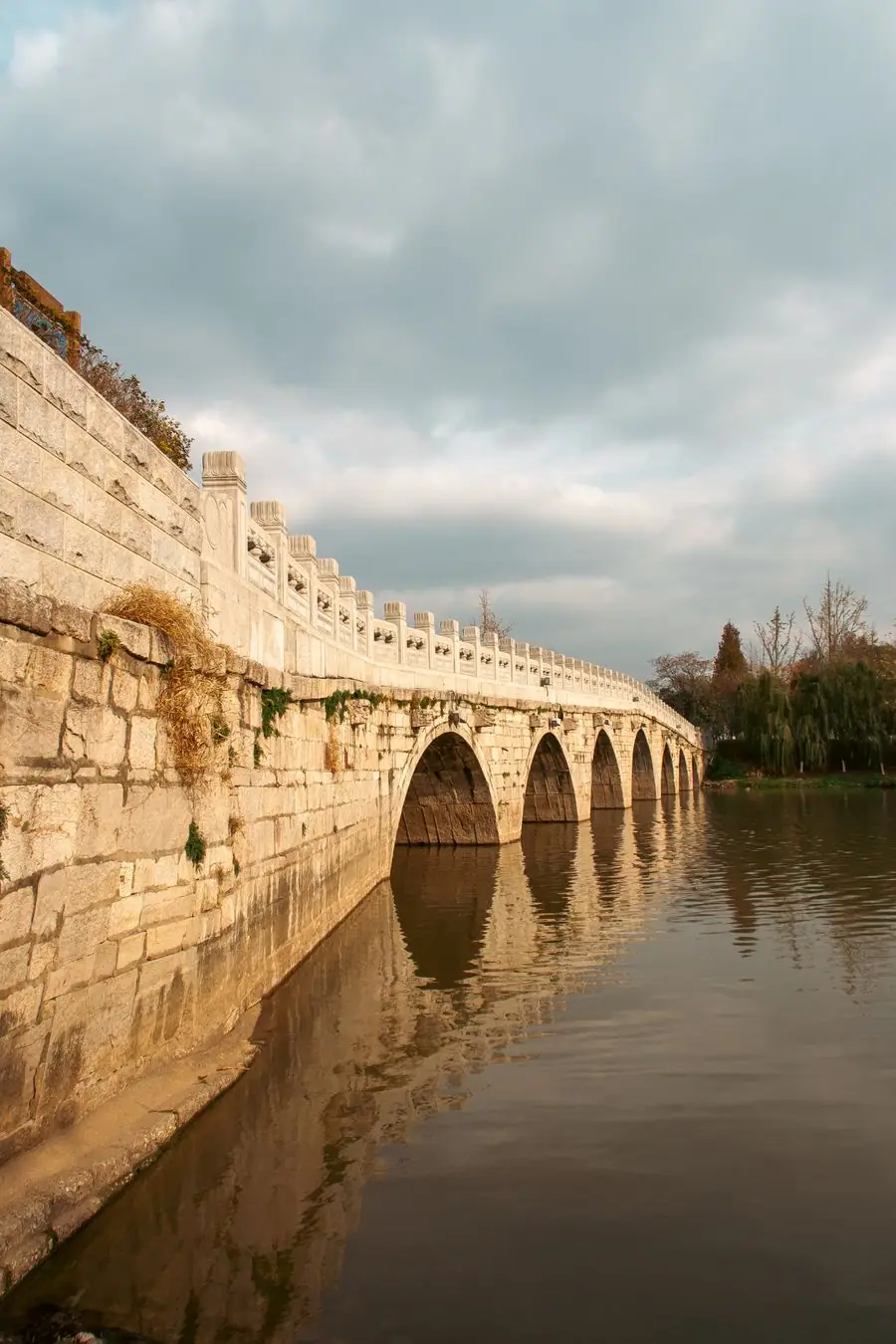
Luoyang River estuary, Hui'an/Luojiang, ~10 km NE
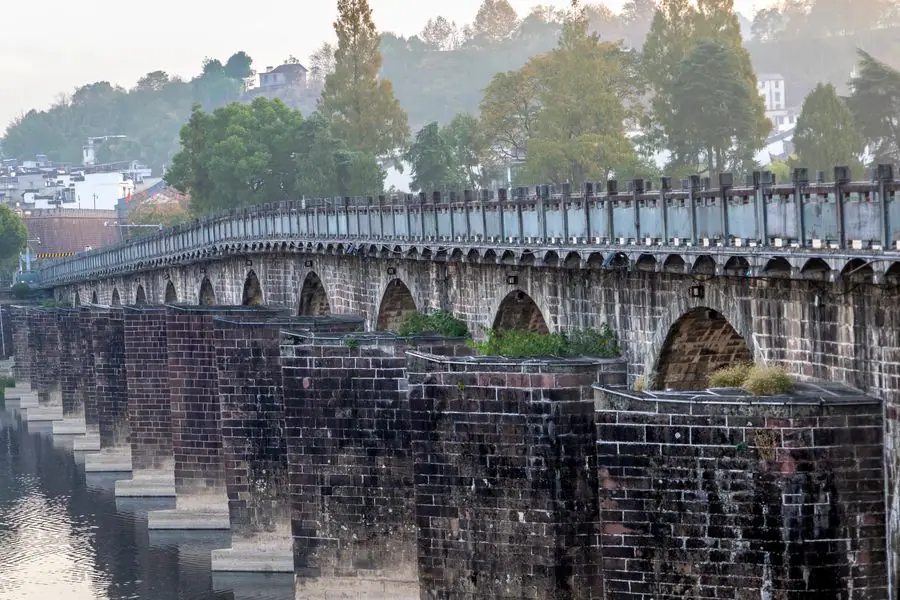
Anhai town, Jinjiang, ~30 km SW
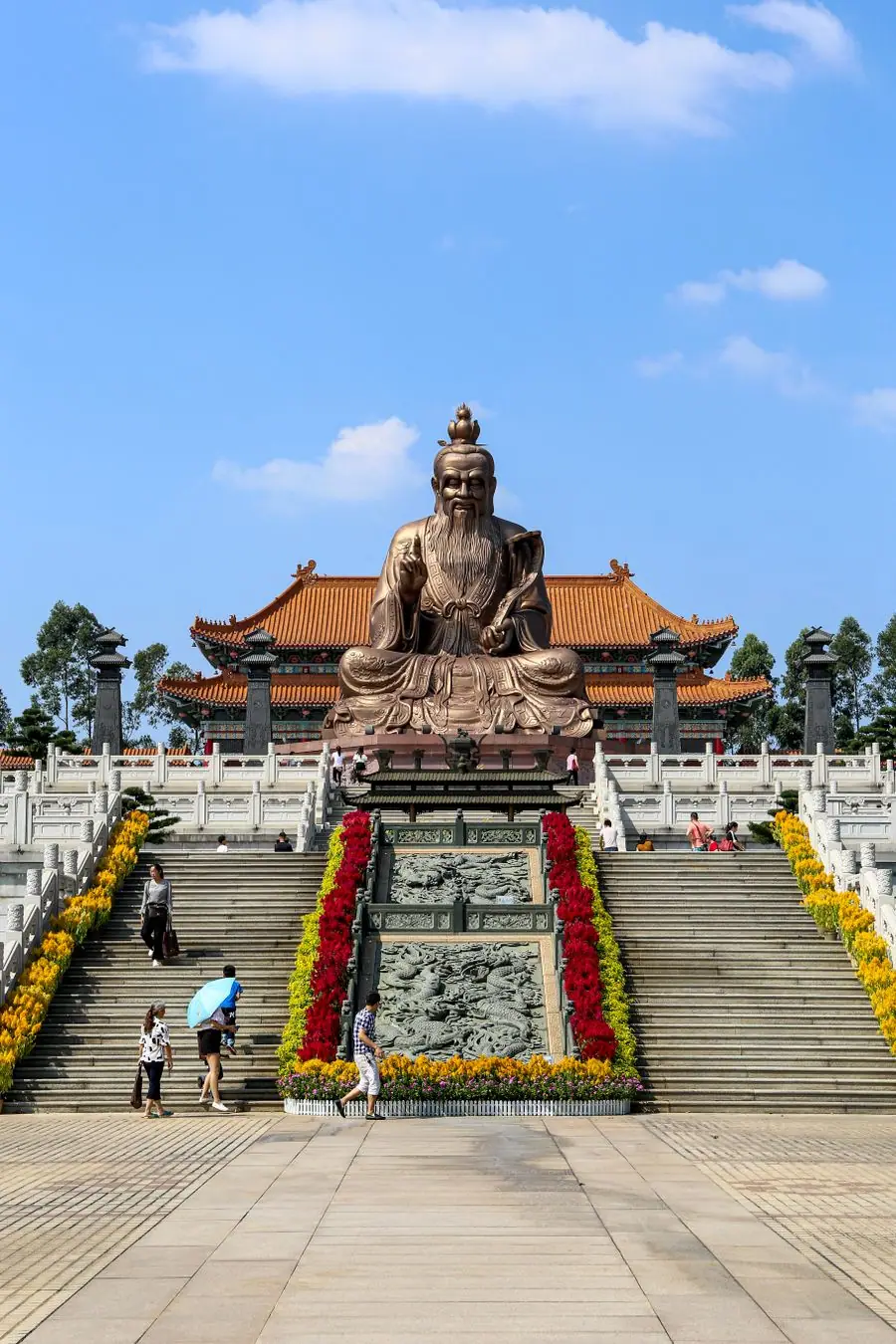
Qingyuan mountain, ~3 km N of the old town
Xunpu, Donghai, Fengze, ~10 km SE
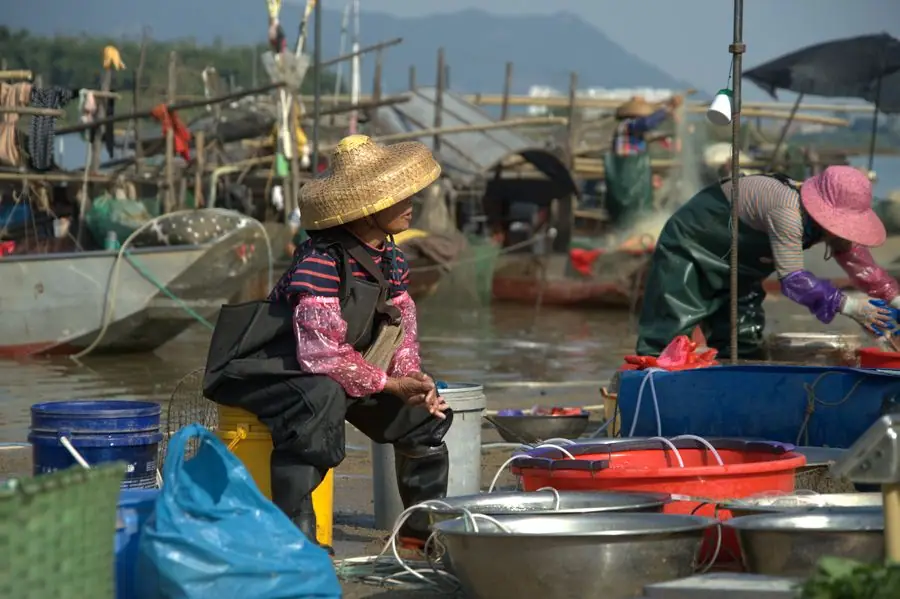
Chongwu town, Hui'an, ~55 km SE
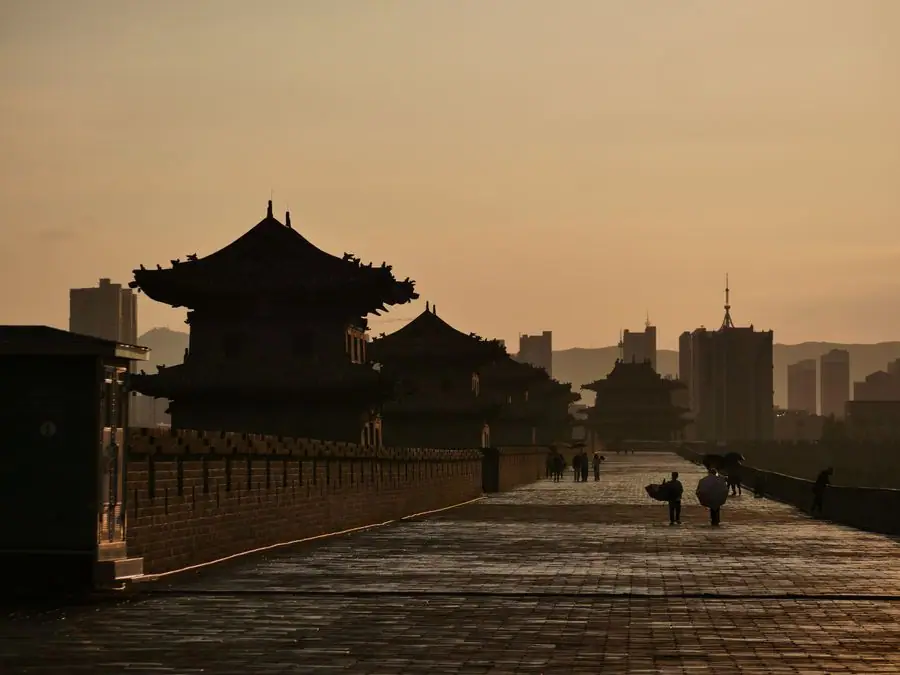
Huabiao hill, Jinjiang, ~20 km S
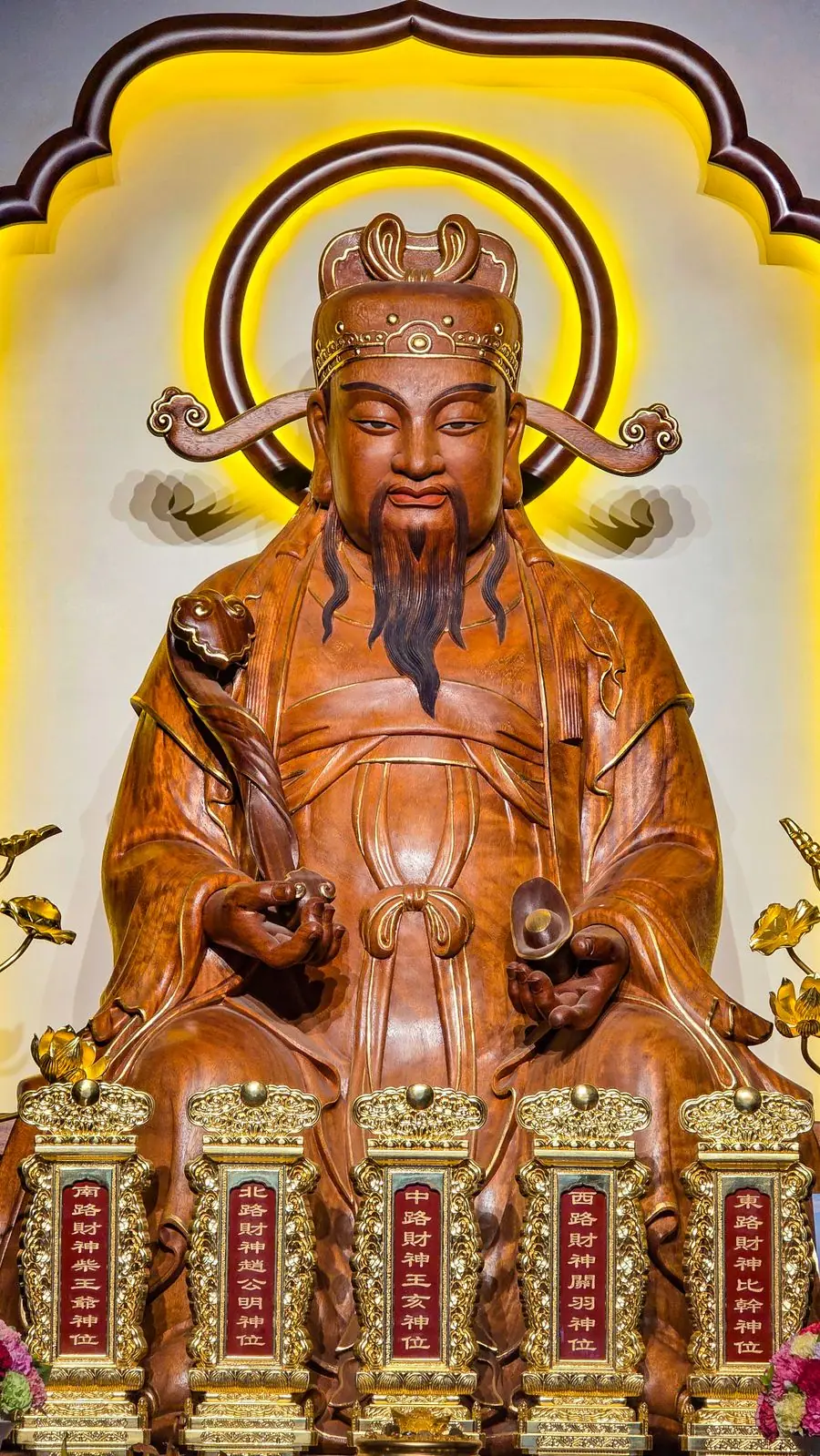
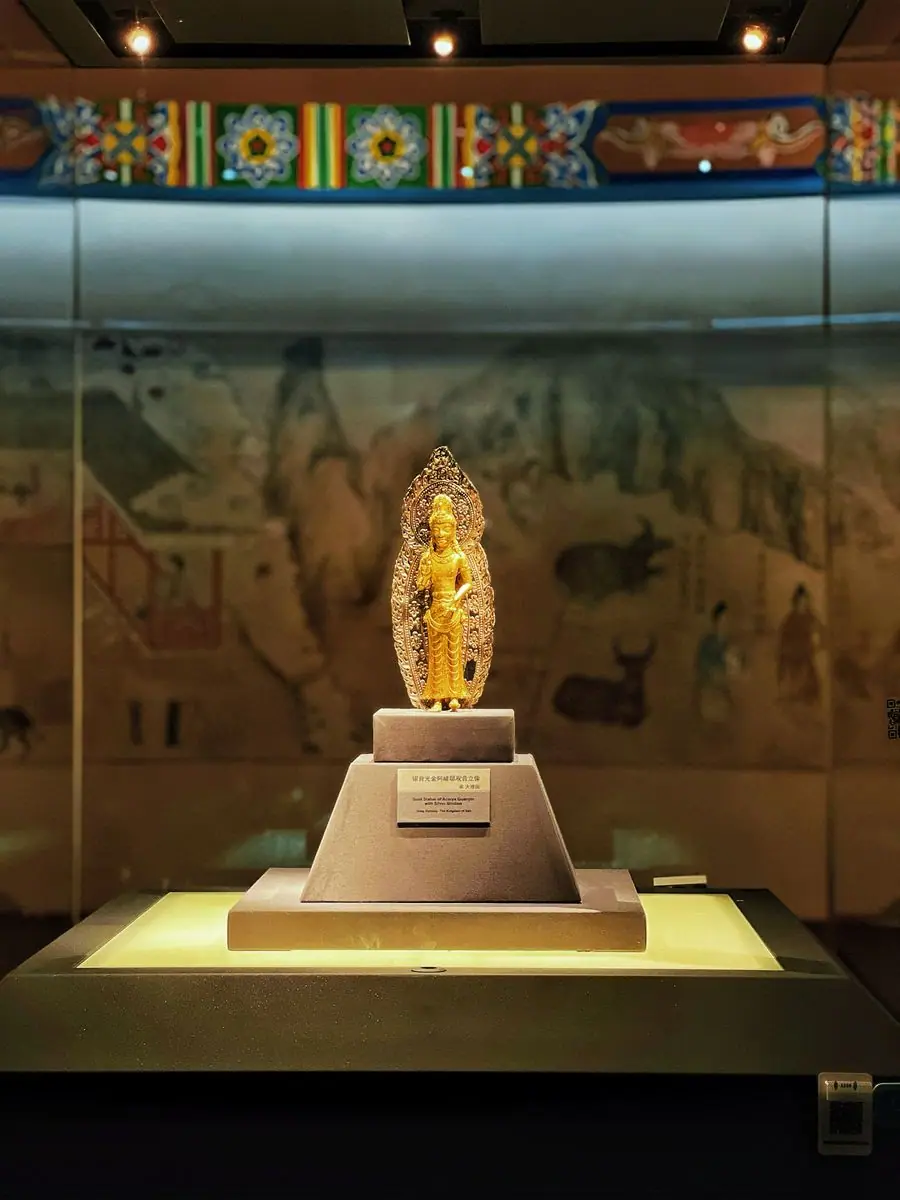
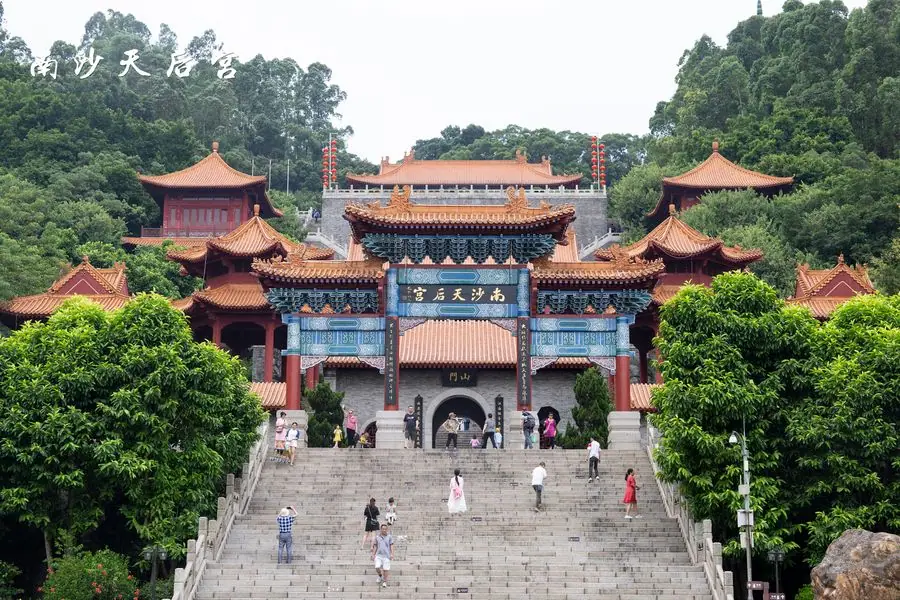
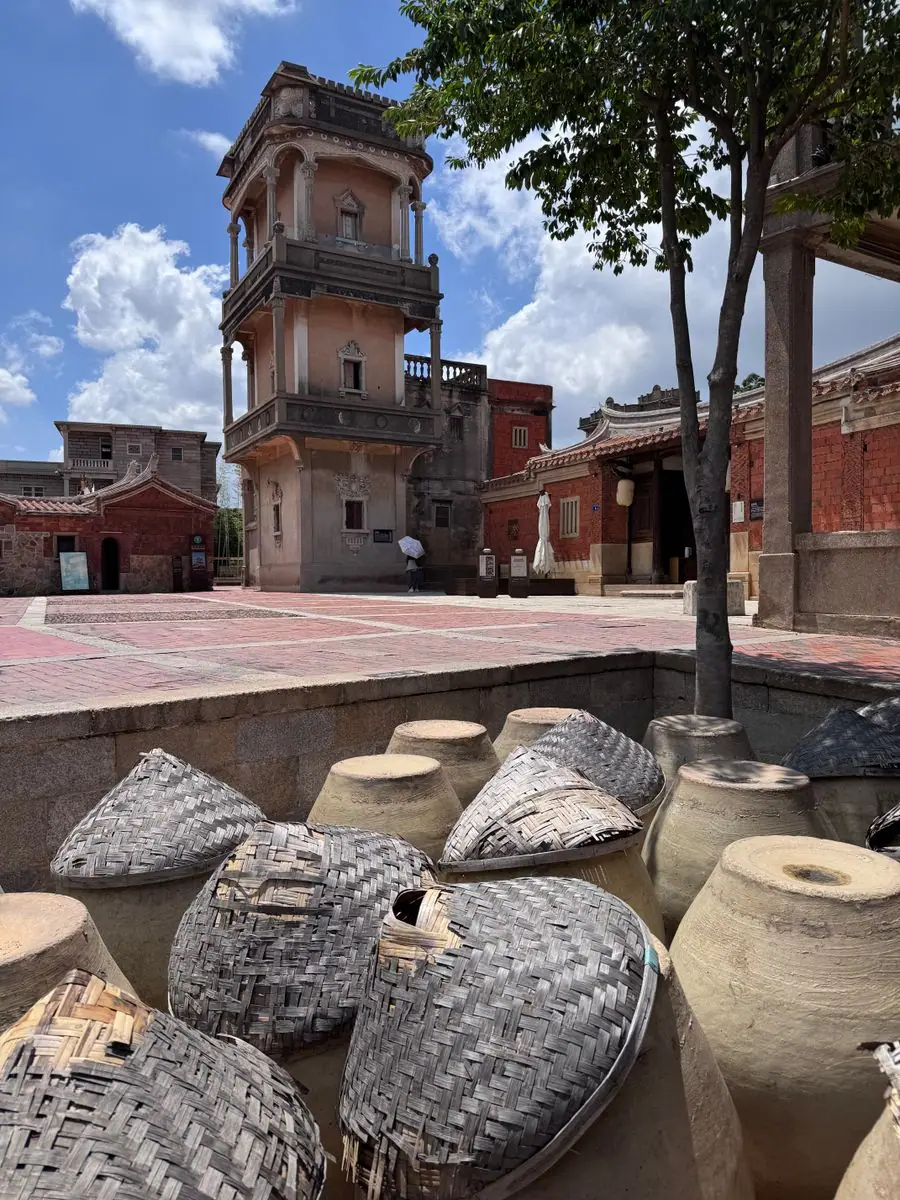
Beiqing East Road, Fengze, ~4 km NE
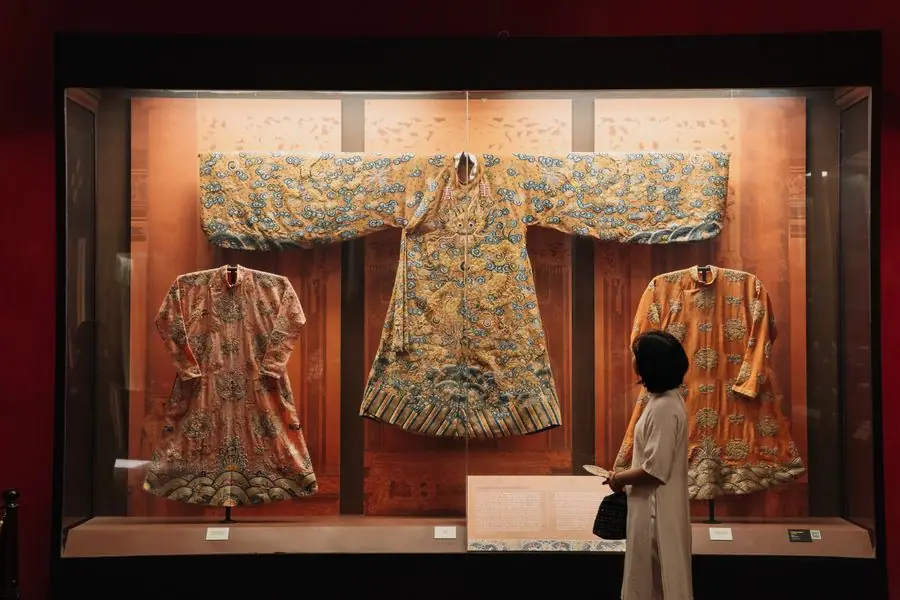
Tumen Street area, old town, ~1.5 km
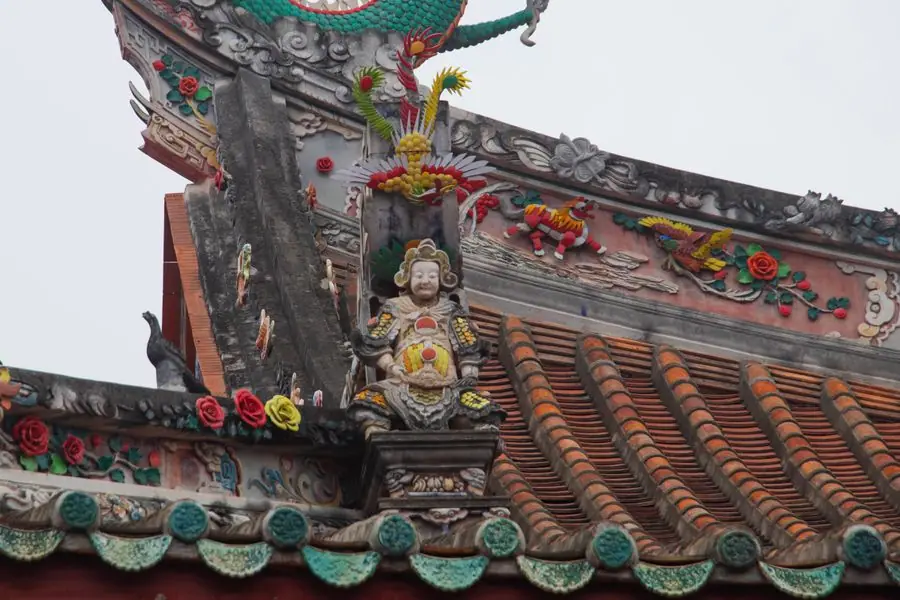
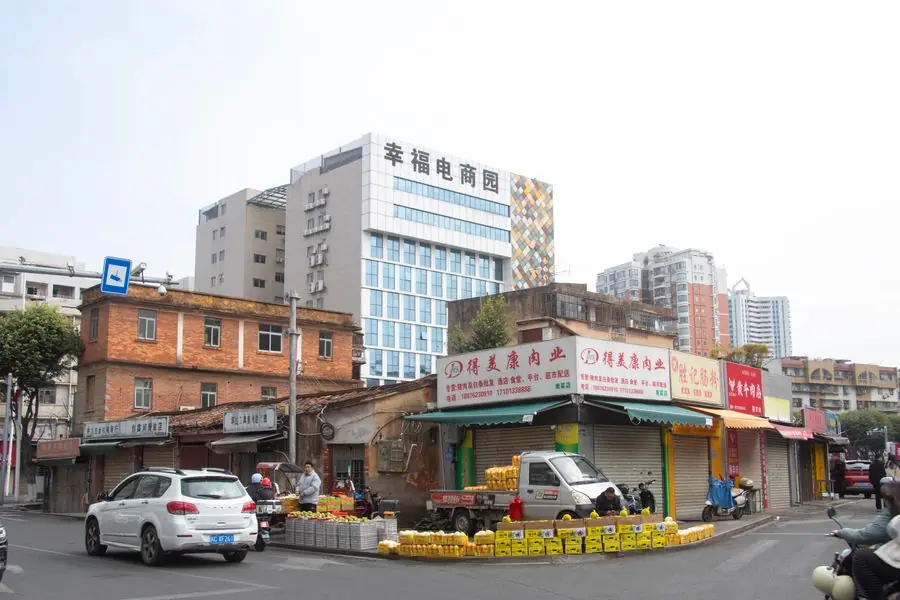
Where to stay in Quanzhou
Stay in the old town around West Street (Xi Jie) and the Bell Tower — the Kaiyuan Temple, the mosque, the temples and the food streets are all walkable, and the city's 'little white' shuttle buses run from there. The Fengze district (the modern centre, 3–4 km east) has the bigger business hotels; Jinjiang (south, by the airport and HSR) suits late arrivals and early flights.
Budget
$18–32 / nightChain hotels (Hanting, JI, 7 Days) around the Bell Tower, West Street and the stations, plus guesthouses in the old lanes; clean doubles and foreign-passport registration is routine at the chains.
Mid-range
$42–85 / nightJI Hotel, Vienna and local full-service hotels in the old town and Fengze — the sweet spot, walkable to the temples and the food streets.
Splurge
$99–197 / nightThe Quanzhou Hotel and the international chains in the new CBD — pools, buffet breakfasts and the most comfortable beds in the city.
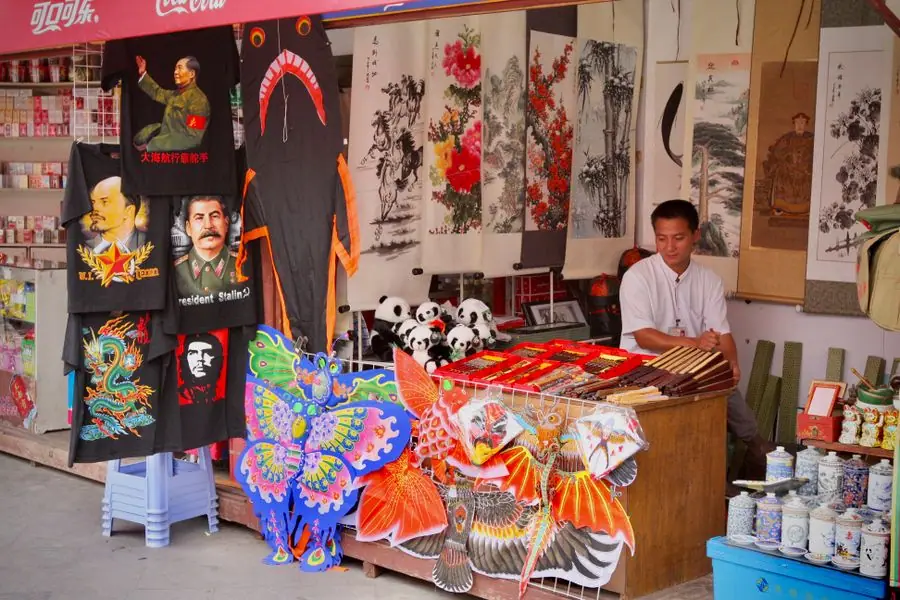
Souvenirs & local crafts
Easy to pack, easy to explain at customs — and far cheaper at a supermarket than at a scenic stall.
-
Dehua white porcelain (Dehua bai ci)
The 'Blanc de Chine' of the Ming kilns — milky white Guanyin and modern studio ware, fired in the county west of the city. Buy from named workshops; Dehua is an easy day trip for ceramics fans.
-
Anxi Tieguanyin oolong (An xi tie guan yin)
The famous iron-Bodhisattwa oolong grown in Anxi county's hills, sold by the jin in the old tea houses; taste before buying and ask for the roast level.
-
Yongchun aged vinegar (Yong chun lao cu)
The dark, sweet-aged vinegar of Yongchun county, aged in clay jars for years — a Fujian kitchen staple sold in bottles and sampler sets.
-
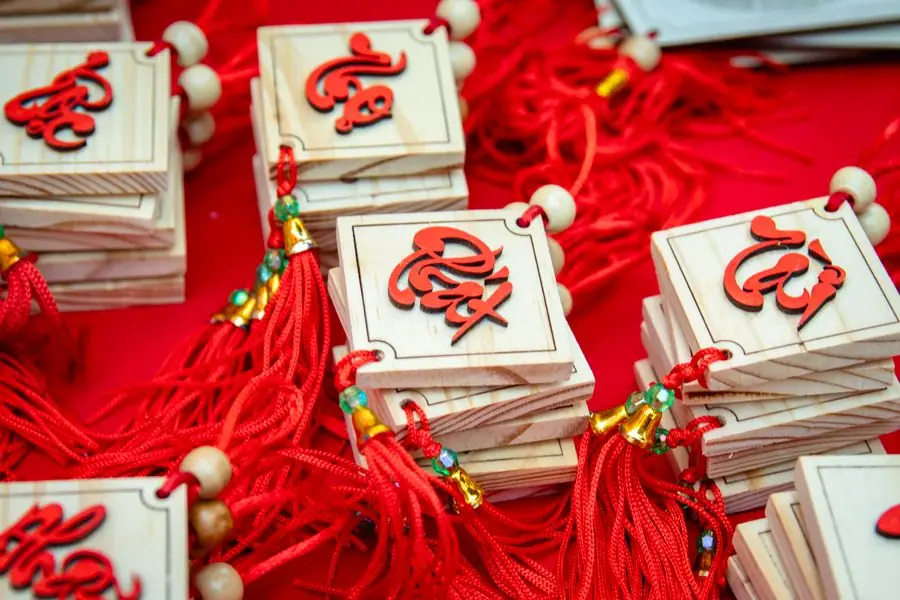
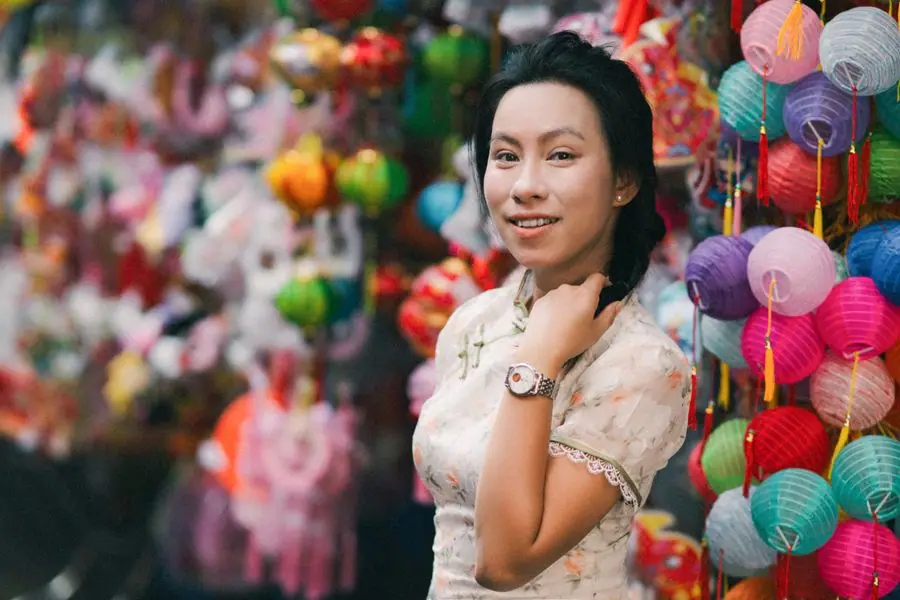
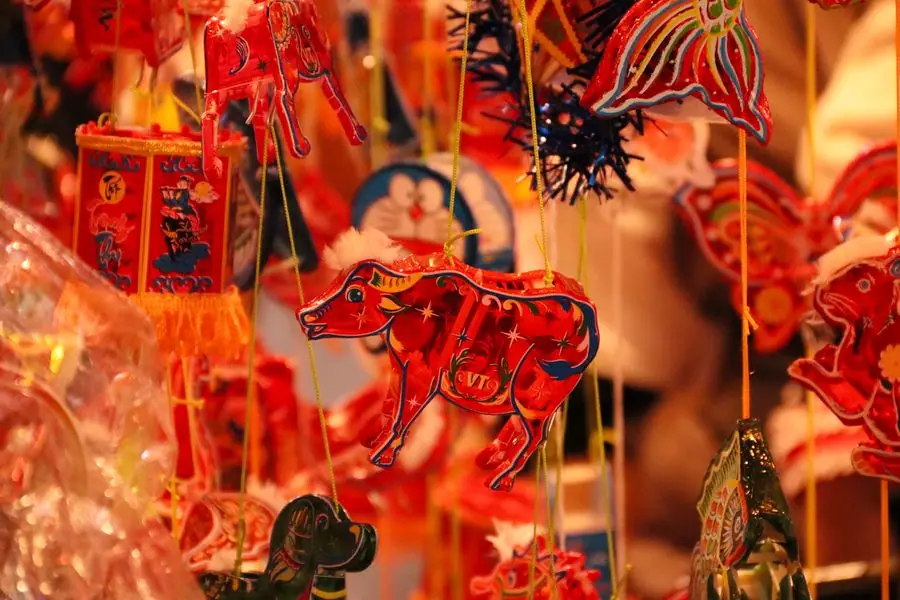
Quanzhou lanterns (Quan zhou hua deng)
The paper-cutting and carved lanterns of the intangible-heritage list, from the old-town lantern shops; flat-packed festival designs travel well.
-
Yuanhetang candied fruit (Yuan he tang mi jian)
The old Quanzhou brand's preserved plums, olives and loquats — the city's classic edible souvenir, sold in gift boxes across the old town.
Getting around Quanzhou
Quanzhou is a hub city: Jinjiang airport, two high-speed rail stations and expressways all sit within half an hour of the old town.
- High-speed rail
- Quanzhou station is the closest to the old town — a 15–20 min taxi or the K198 bus to the Bell Tower. Quanzhou South station (on the Fuzhou–Xiamen high-speed line) and Jinjiang station are further out. Fuzhou is about 40 min, Xiamen 20–30 min, Shenzhen about 2.5 h and Shanghai about 4.5–5 h by high-speed train.
- Long-distance bus
- City buses and the old town's 'little white' shuttle buses (about $0.30 / RMB 2, hail-and-ride) cover the heritage core; long-distance buses reach the county cities — Jinjiang, Shishi, Hui'an's Chongwu — for the outlying sights.
- Metro & bus
- No metro in Quanzhou yet — the city runs on buses, the little-white shuttles, taxis and ride-hail.
- Taxis
- Taxis are cheap and metered; the airport is about $4–7 (RMB 30–50) to the old town, Quanzhou station about $3–4 (RMB 20–30). Agree out-of-town fares (Anping Bridge, Chongwu, Cao'an) before setting off.
- Ride-hailing
- DiDi is the default for the airport, the stations and cross-town runs, and works well for the Jinjiang and Hui'an sights.
- Shared bikes
- Shared bikes and e-scooters are everywhere in the flat old town and along the waterfront; the mountain and the far bridges are not for them.
- Intercity carpool
Plan your 1, 2 or 3 days in Quanzhou
Pick the length of your stay. Each plan is its own page, anchored at the city centre and written from real traveller itineraries — including splits for sightseeing, shopping, landscape, families and older travellers.
Quanzhou in one day: the UNESCO old town
Dawn at Kaiyuan Temple's twin pagodas, then the Qingjing Mosque, the Guandi and Tianhou temples and the Confucian Temple on one walkable loop; finish with a puppet show and dinner on the arcade streets.
Read the plan → 2-dayQuanzhou in two days: old town + the coast
Day two runs the coast: Xunpu village's oyster-shell houses and flower garlands in the morning, Luoyang Bridge's oyster-cured piers at low tide in the afternoon.
Read the plan → 3-dayQuanzhou in three days: the prefecture beyond
Add Qingyuan Mountain's Laojun carving at dawn, then choose: Anping Bridge and Wulin village in Jinjiang, or Chongwu's Ming sea wall and the Hui'an stone country.
Read the plan →Frequently asked questions
- When is the best time to visit Quanzhou?
- March–May and September–November are warm and mostly dry. Summer is hot, humid and typhoon-adjacent — good for museums and afternoon storms; winter is cool, quiet and the cheapest for rooms.
- Do I need a visa for Quanzhou?
- Good news: Quanzhou Jinjiang Airport is one of China's 240-hour visa-free transit ports, so eligible nationals (57 countries, transiting to a third country) can enter visa-free and stay up to 10 days anywhere in Fujian province. Otherwise arrange a Chinese visa in advance; check the current qualifying list with a consulate before booking.
- Is Quanzhou walkable?
- The UNESCO old town is: the Kaiyuan Temple, Qingjing Mosque, Guandi and Tianhou temples, the Confucian Temple and the food streets all sit within a 2 km core, and the $0.30 (RMB 2) 'little white' shuttle buses fill the gaps. The outlying sights — the bridges, Xunpu, Chongwu — need a taxi, bus or tour.
- How much do the sights cost?
- Almost nothing — 18 of the 22 UNESCO sites are free, including Kaiyuan Temple, Luoyang Bridge, Anping Bridge, the Tianhou and Guandi temples and the Confucian Temple (reserve the museums a day ahead online). The paid ones are small: Qingjing Mosque is $0.40 (RMB 3), Qingyuan Mountain $9.90 (RMB 70) and Chongwu's sea wall $5.35 (RMB 38).
- How many days do I need?
- Two days is the sweet spot: one for the old town loop, one for Xunpu village and Luoyang Bridge. Add a third for Qingyuan Mountain, Anping Bridge and Chongwu, or a Dehua porcelain day trip.
- How do I get to Quanzhou?
- High-speed rail to Quanzhou station (15–20 min by taxi to the old town) is easiest — Fuzhou is about 40 min and Xiamen 20–30 min. Jinjiang airport is 20–30 min by taxi, or take the K602/K603 airport buses.
Page last reviewed: 2026-11-02.