Wulin Traditional Village 2026: Tickets, How to Visit & Tips
A village of red-brick Minnan courtyard houses built from the 1900s by returned Fujian emigrants — the overseas-Chinese who made good in the Philippines and Southeast Asia and came home to build in a hybrid of home tradition and colonial detail.
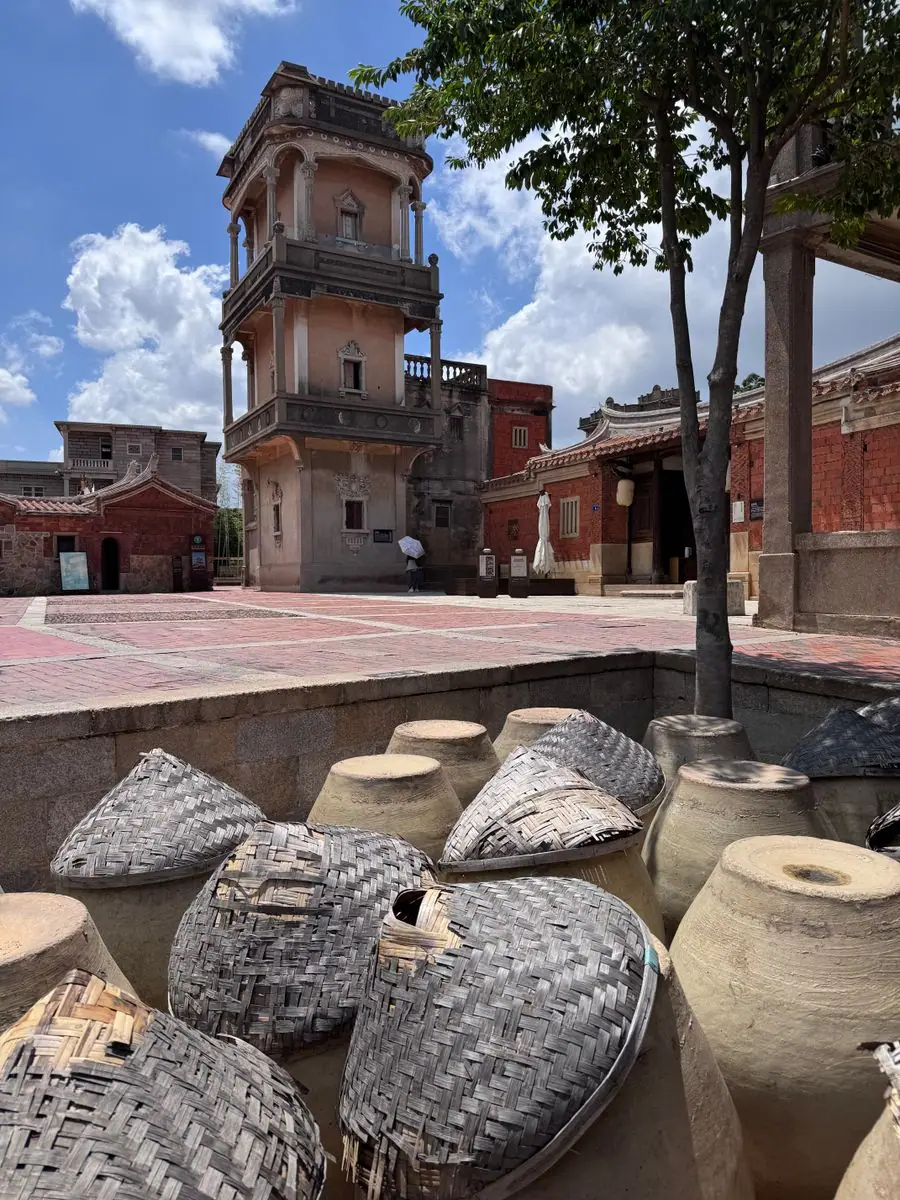
Wulin Traditional Village (梧林古村落) is one of the headline sights in Quanzhou. A village of red-brick Minnan courtyard houses built from the 1900s by returned Fujian emigrants — the overseas-Chinese who made good in the Philippines and Southeast Asia and came home to build in a hybrid of home tradition and colonial detail.
Intro: why go
Wulin is the emigrant half of the Quanzhou story: the same families who filled the port’s ships came back and built these houses, and the village reads like a museum of Minnan-overseas architecture.
Tickets & booking
About $4.23 (RMB 30) for the preserved core. Verify the exact price on site before you go.
How to visit
Enter the preserved core, walk the main lane past the grand courtyard houses and the church, then the side lanes and the village well.
Facilities
Car park, cafes and toilets in the village; marked walking lanes.
Best season
Spring and autumn; the courtyards are shaded in summer heat.
Getting there
About 15 km south in Jinjiang — a $4–7 (RMB 30–50) taxi or the Jinjiang bus.
Tips
- Combine with Anping Bridge and Cao’an on the same Jinjiang loop
- The hybrid Chinese-Spanish gables are the architectural highlight
- A quiet weekday morning beats a weekend visit
Frequently asked questions
- Who built the village?
- Local families enriched by emigration to the Philippines and Southeast Asia in the late Qing and Republic, who came home and built red-brick courtyard houses mixing Minnan tradition with the styles they had lived under abroad.
Page last reviewed: 2026-11-02. Ticket seasons and crowd seasons are different things — this page states both where they differ.