Hohhot Travel Guide 2026: Temples, the Grassland & a 1–3 Day Plan
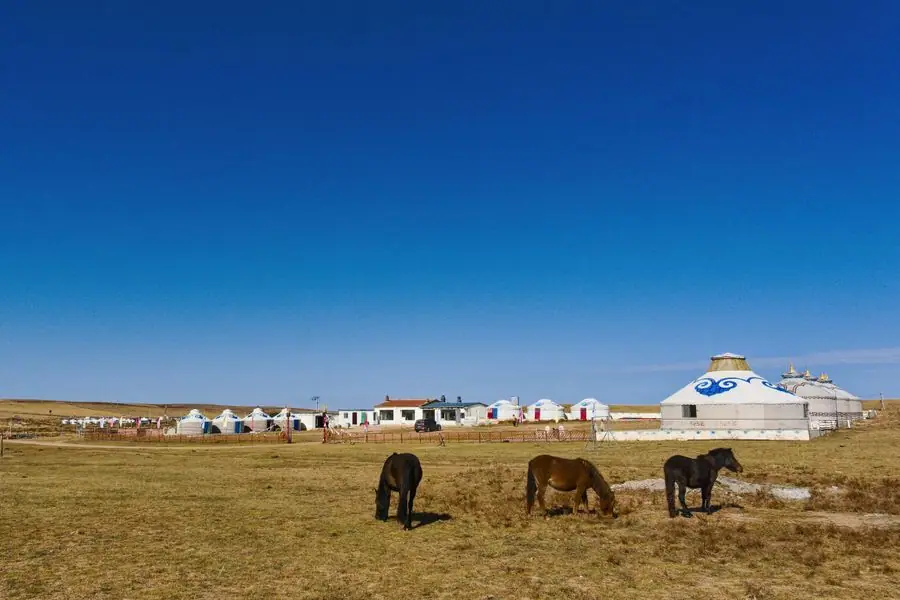
Hohhot — 'Blue City' in Mongolian — is where the grassland meets the city. Inside the old town, Tibetan-style temples with white walls and golden roofs sit beside a 300-year-old Muslim quarter and a Qing princess mansion; an hour out, the grass runs flat to the horizon under yurts and horse lines. Come for the temples and the mutton, stay for the sky.
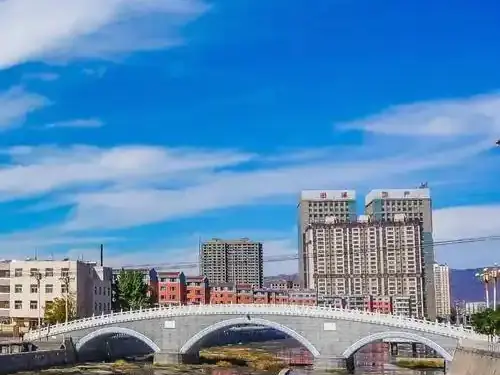
History & culture
Hohhot was founded in 1557 by Altan Khan, the Tumed Mongol ruler who made peace with the Ming and built the first Dazhao Temple to house a silver Buddha; the city grew around that temple and its market. The name is Mongolian for 'Blue City' — blue for the sky, the steppe and the Mongol colour of the eternal heaven. Chinese settlers arrived in force in the Qing, and the walled Suiyuan city was laid out in the 1700s as a garrison town north of the old Mongol quarter.
The old town is a rare double religious core. The Mongol quarter west of the drum tower holds the great temples — Dazhao, Xilitu Zhao and the Five Pagoda Temple — where Tibetan Buddhism has been practised since Altan Khan's time, and where the 1579 meeting between Altan Khan and the Dalai Lama's teachers made the city a Tibetan Buddhist centre. A few blocks east, the Muslim quarter around the Qingzhen Great Mosque has served Hui merchants on the caravan routes since the Kangxi era, its lanes still full of lamb skewers and sesame cakes.
Through the Qing and Republic the city was the commercial hinge between the agricultural plains and the pasture: tea, hides and cashmere moved through its markets. After 1949 it became the capital of the Inner Mongolia Autonomous Region, and the grasslands that fed the old caravan trade now feed China's cashmere and dairy industries — the region around Hohhot is the country's largest producer of both.
Today Hohhot is a modern regional capital of three million with a working metro, and the base most travellers use for the grassland reserves to the north and east. The temples are living monasteries, the old quarter is a working neighbourhood rather than a stage set, and the summer grass is close enough for a genuine day trip on horseback.
Best time to visit Hohhot
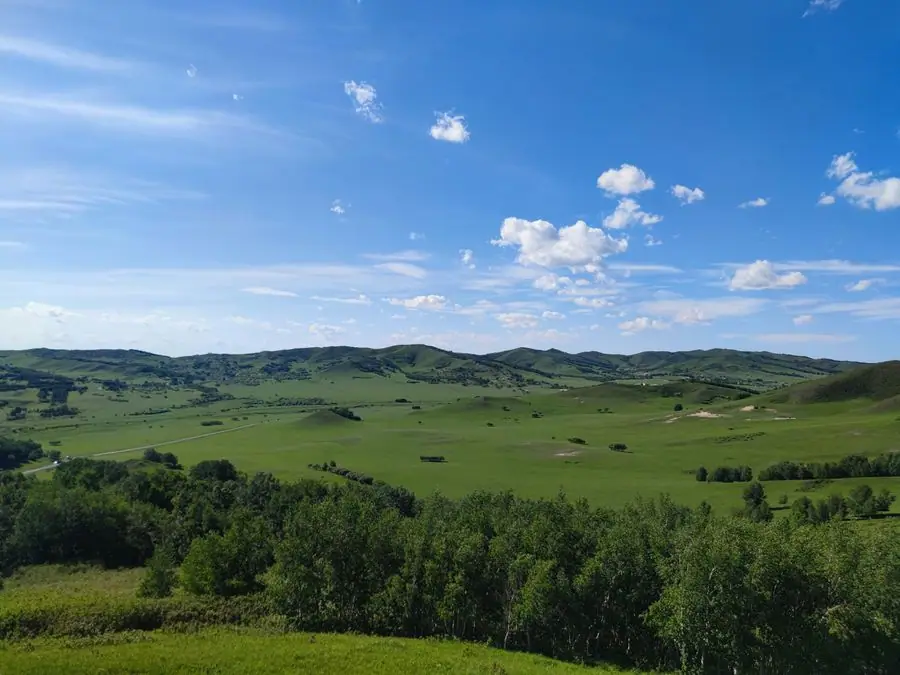
Hohhot has a dry continental climate: short warm summers, long cold winters and big day-night temperature swings. Seasons here are about the grass — the whole point of coming is green.
Budget for Hohhot: hotels from $25 a night, average ticket $$6.57 — see the full cost breakdown, or start from a ready-made route.
Cuisine of Hohhot
Signature dishes worth seeking out — prices are typical per-person or per-dish ranges, not fixed quotes.
-
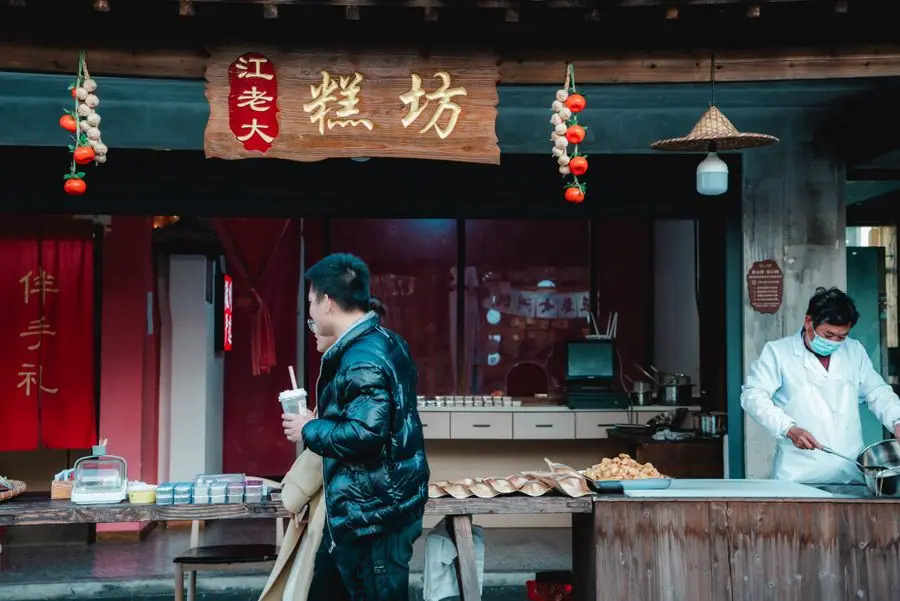
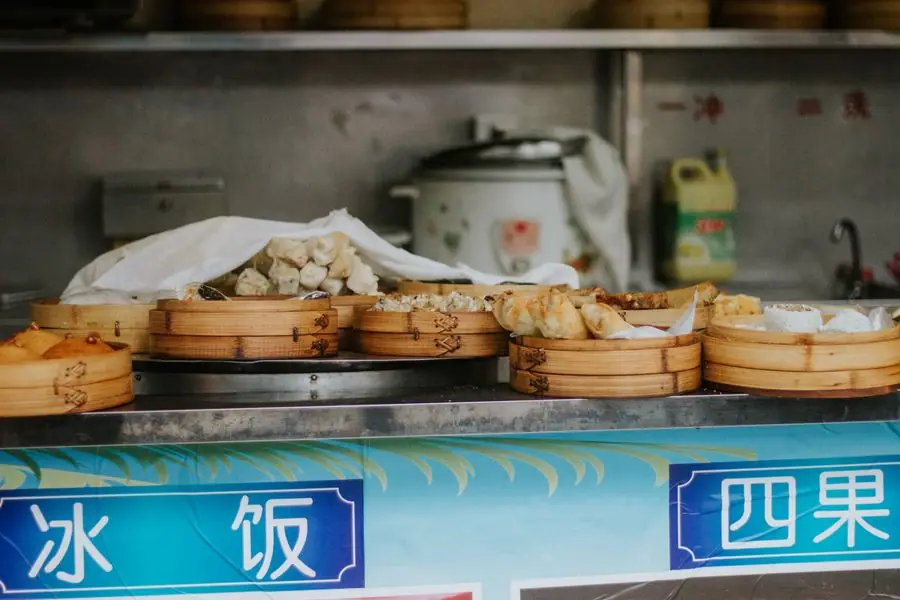
Hohhot shaomai
Thin-skinned steamed dumplings of lamb and onion, shaped like pomegranate mouths and served by the basket — dipped in vinegar and chilli oil at the old teahouses, the city's breakfast institution.
-
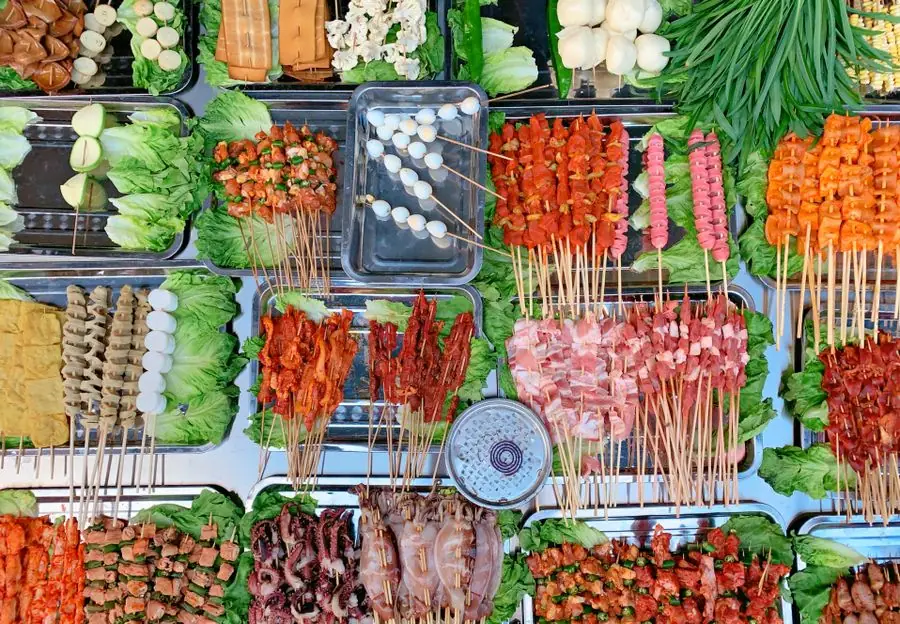
Instant-boiled mutton
Copper-pot hotpot: paper-thin frozen lamb slices dipped for seconds in boiling water with ginger and goji, then rolled in sesame sauce — the classic Inner Mongolian winter feast.
-
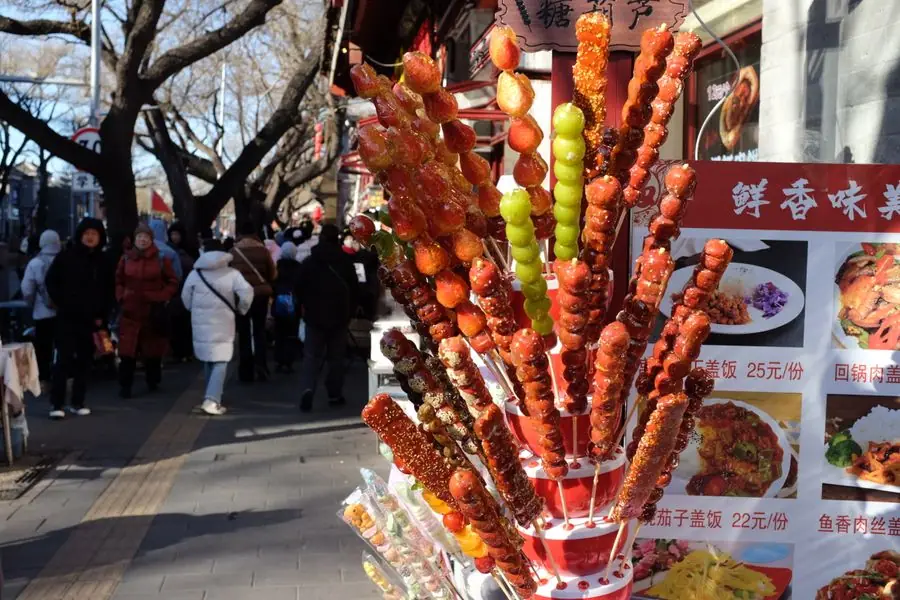
Salted Mongolian milk tea
Brick tea boiled with milk and salt, churned with millet and a spoon of milk skin — the daily drink of the steppe, served refillable in every Mongolian restaurant.
-
Grilled lamb skewers
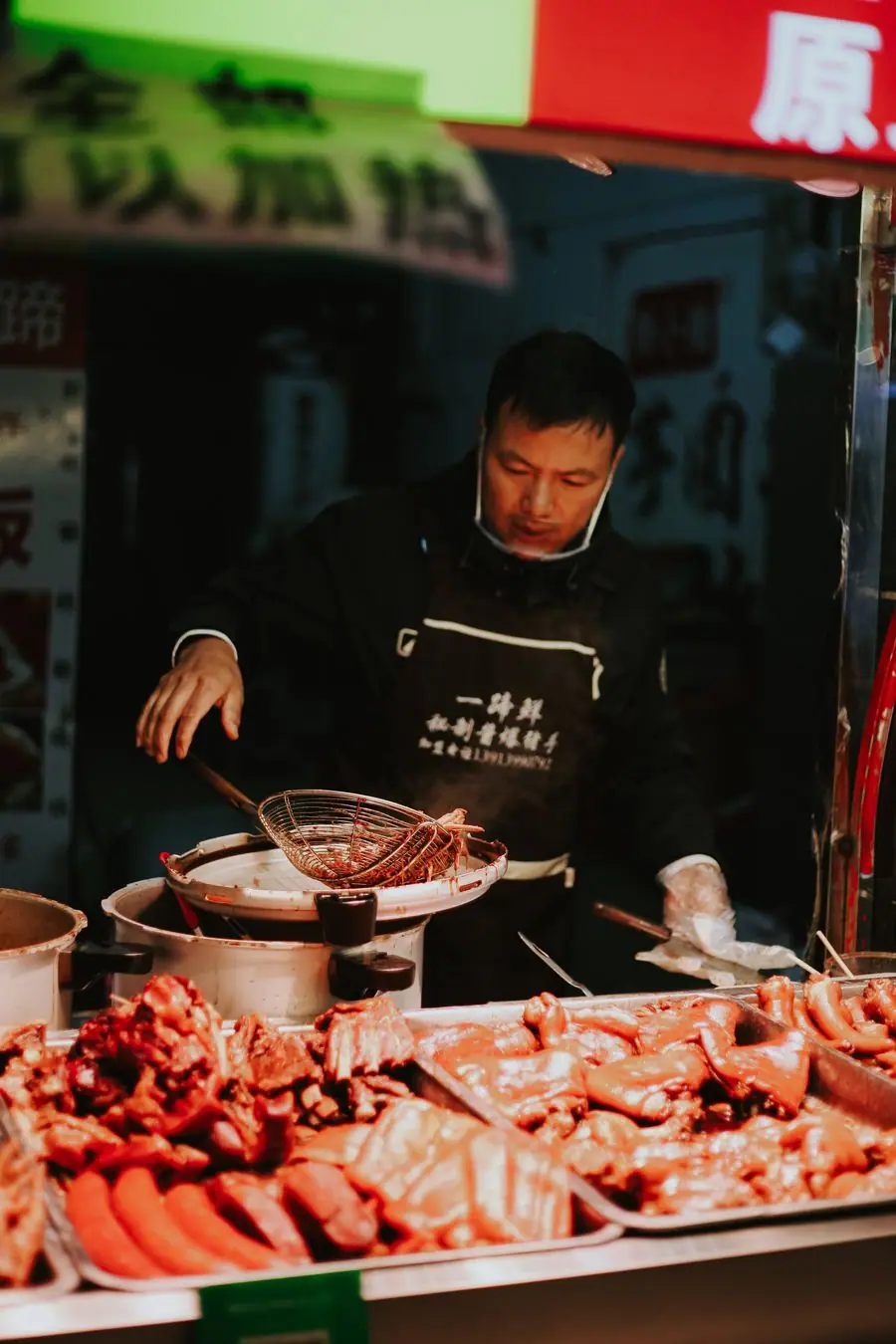
Charcoal-grilled lamb dusted with cumin and chilli, sold by the string along the Muslim quarter's night streets — the definitive Hohhot street snack.
-
Milk skin (naipizi)
The dried skin that forms on boiled milk, eaten plain with sugar or dried into cheesy sheets — a sweet, rich Mongolian snack sold by weight in the markets.
Every major sight — with its own guide
Right after the food above, here are the sights — each one links to its own full guide (what to see, how to get there, facilities and the best season). Names follow each sight's official English signage.
Old town
Dazhao Temple 大召寺
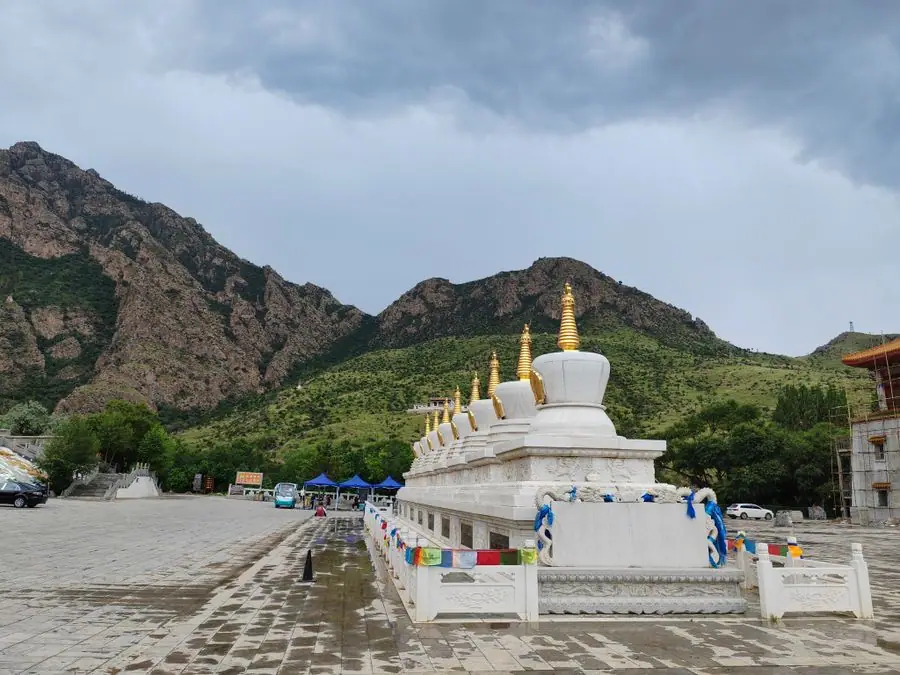
Hohhot's founding temple, built in 1557 by Altan Khan around a 2.5 m silver Buddha — white walls, a golden roof, a great prayer hall and the city's liveliest pilgrimage circuit, right on the edge of the old food streets.
Xilitu Zhao 席力图召
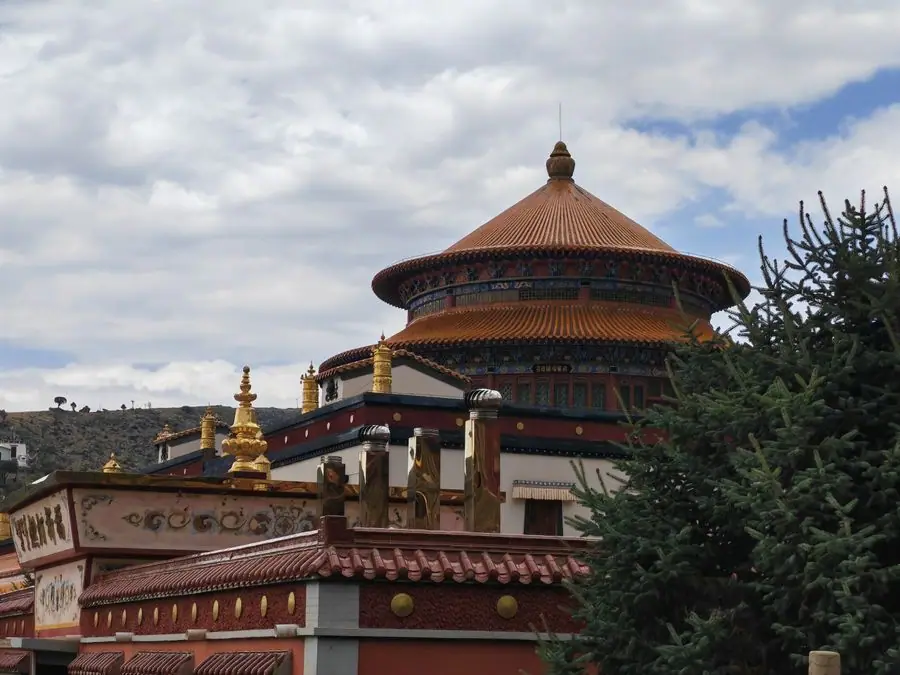
The largest functioning monastery in Hohhot, a working Gelug complex of halls, courtyards and prayer wheels where the Dalai Lama's third incarnation once studied — calmer and more monastic than the tourist flow at Dazhao.
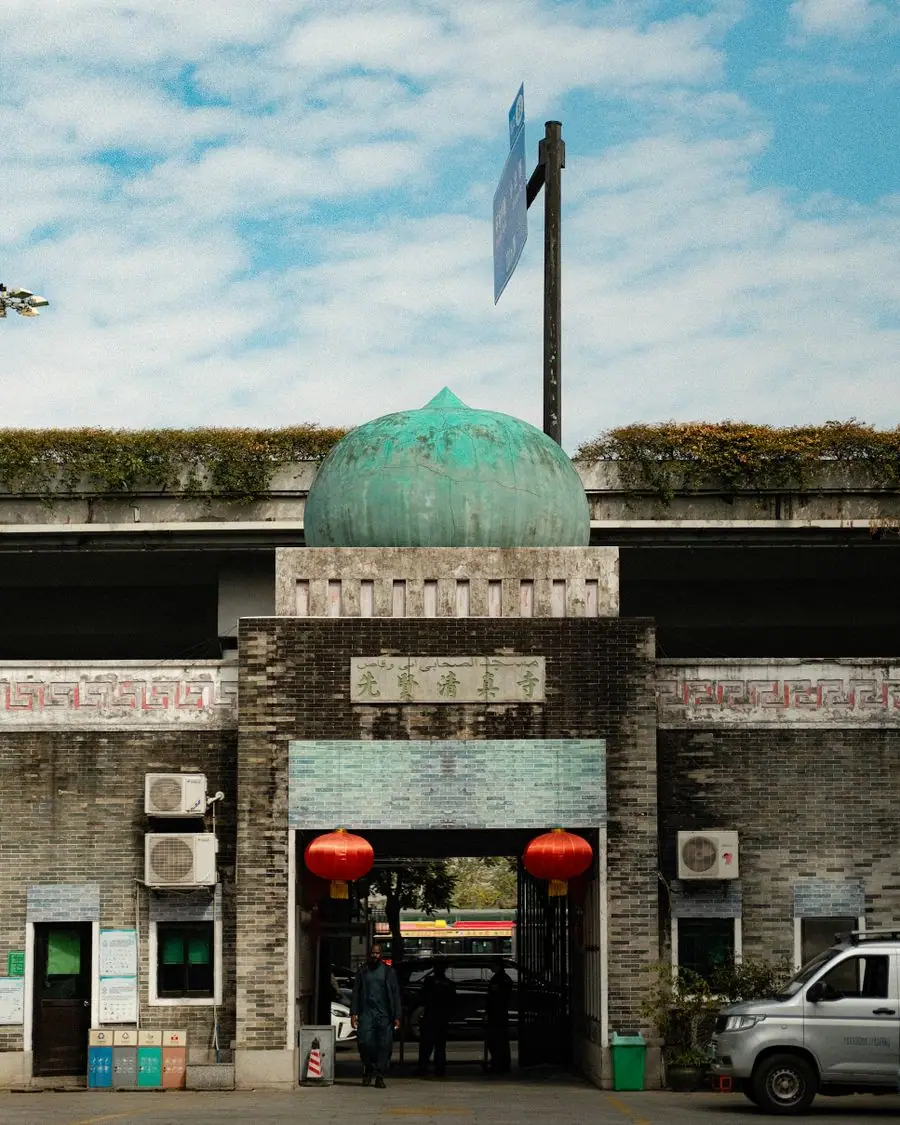
Saishang Old Street 塞上老街
The rebuilt old street behind Dazhao Temple — red lanterns, timber shopfronts and a night market of lamb skewers, milk tea, shaomai and Mongolian crafts, the old town's evening stage.
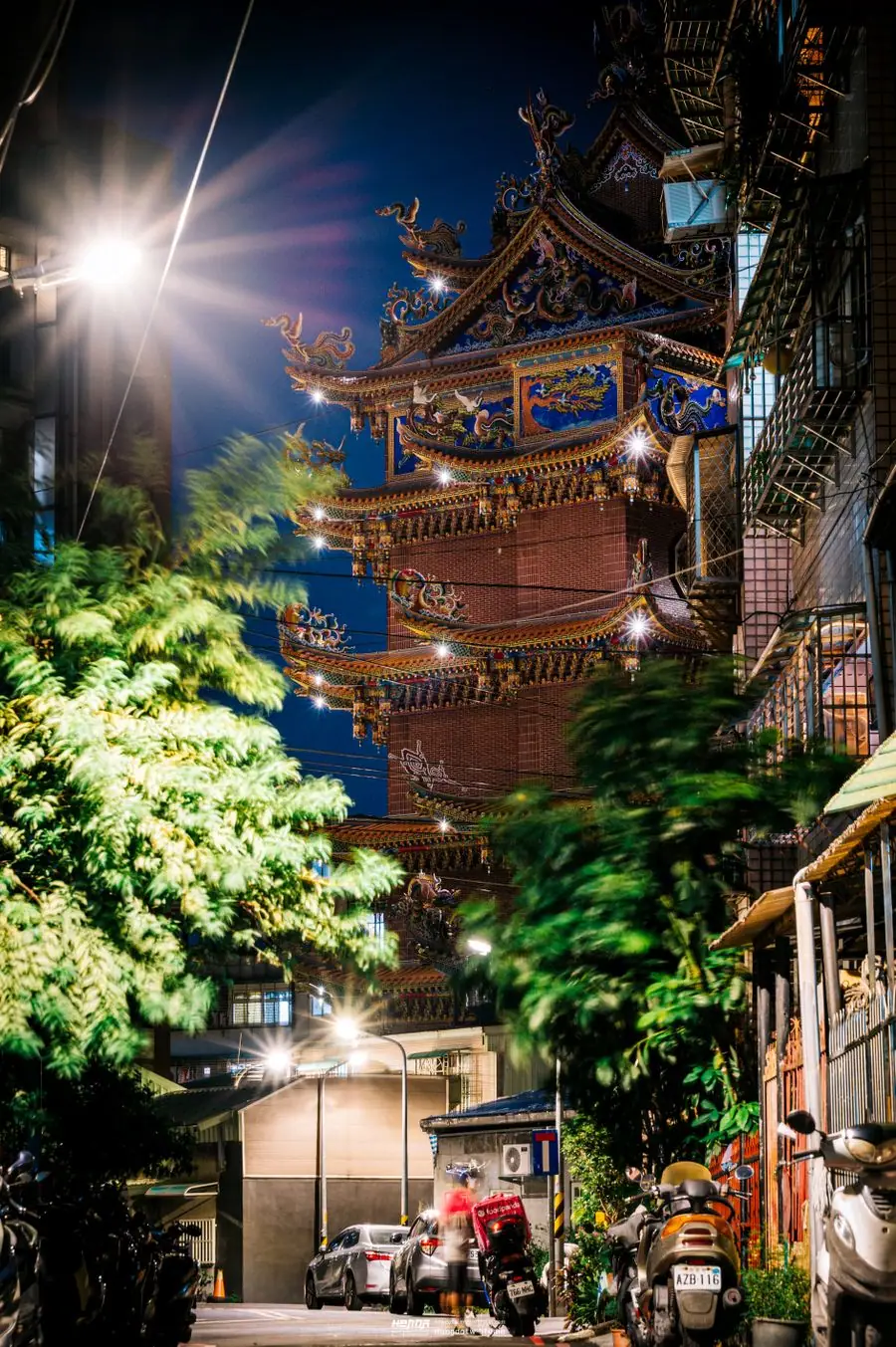
Hohhot Confucius Temple 呼和浩特孔庙
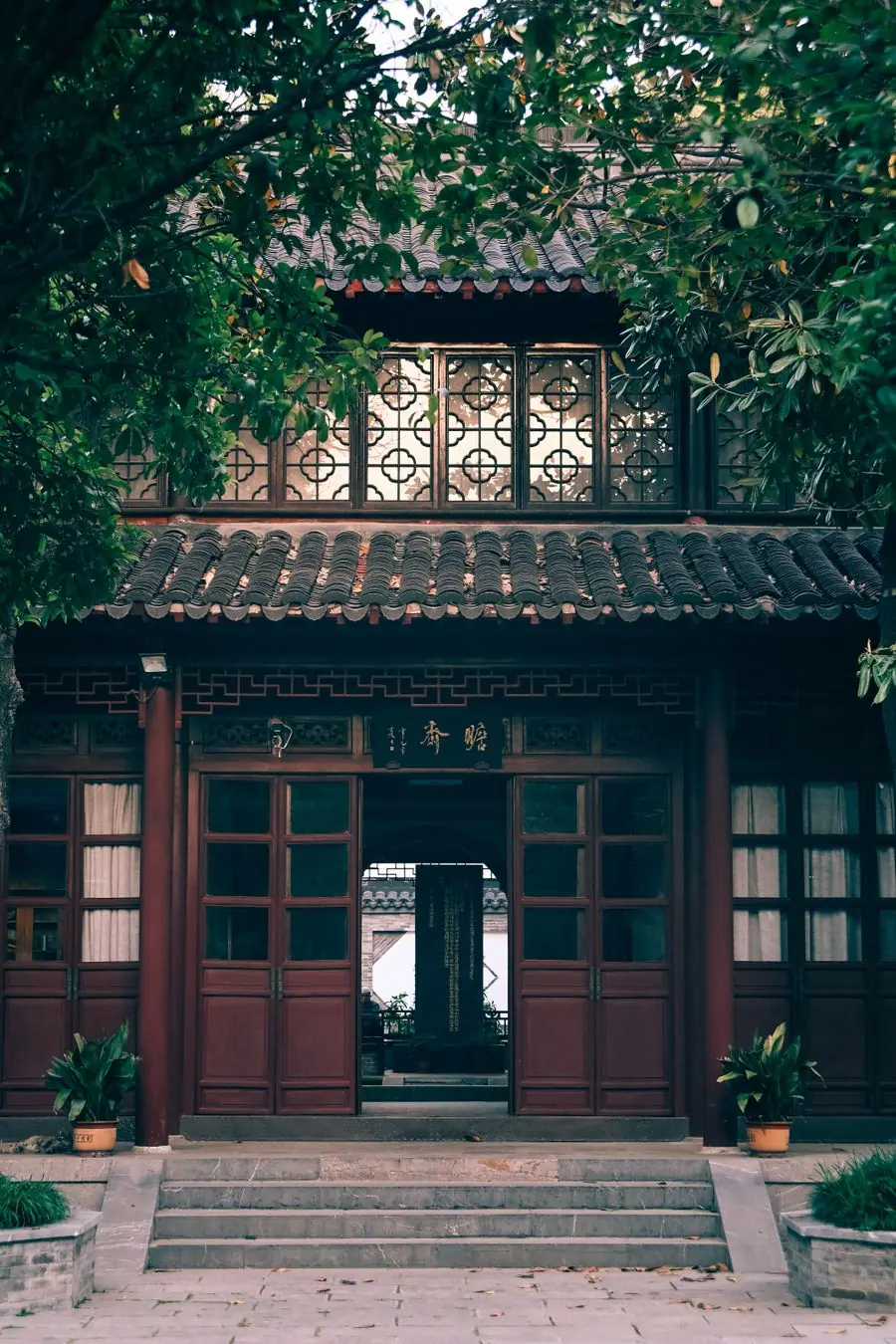
The city's Confucian temple in the old town, a Qing courtyard complex of halls, steles and a great gingko — the plains-side counterpart to the Tibetan temples a few blocks away.
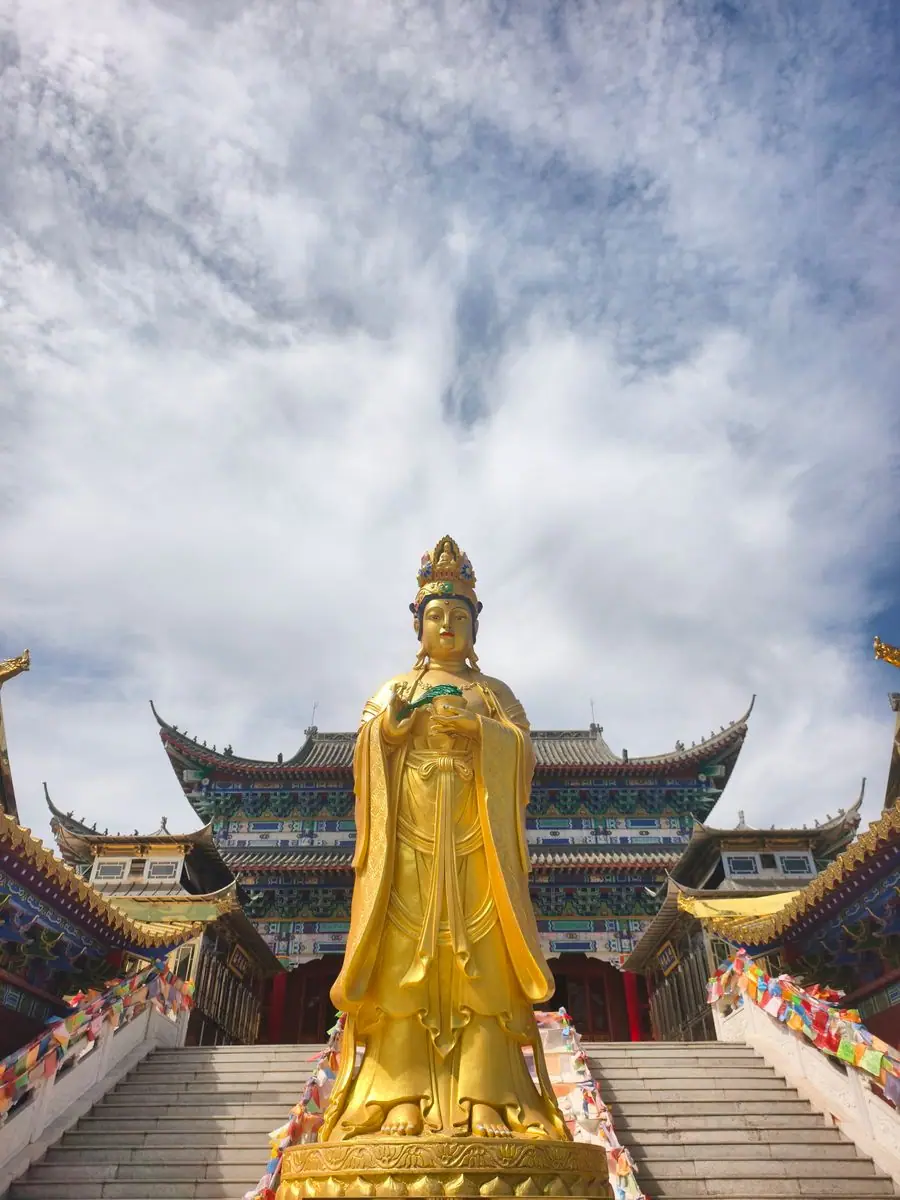
South
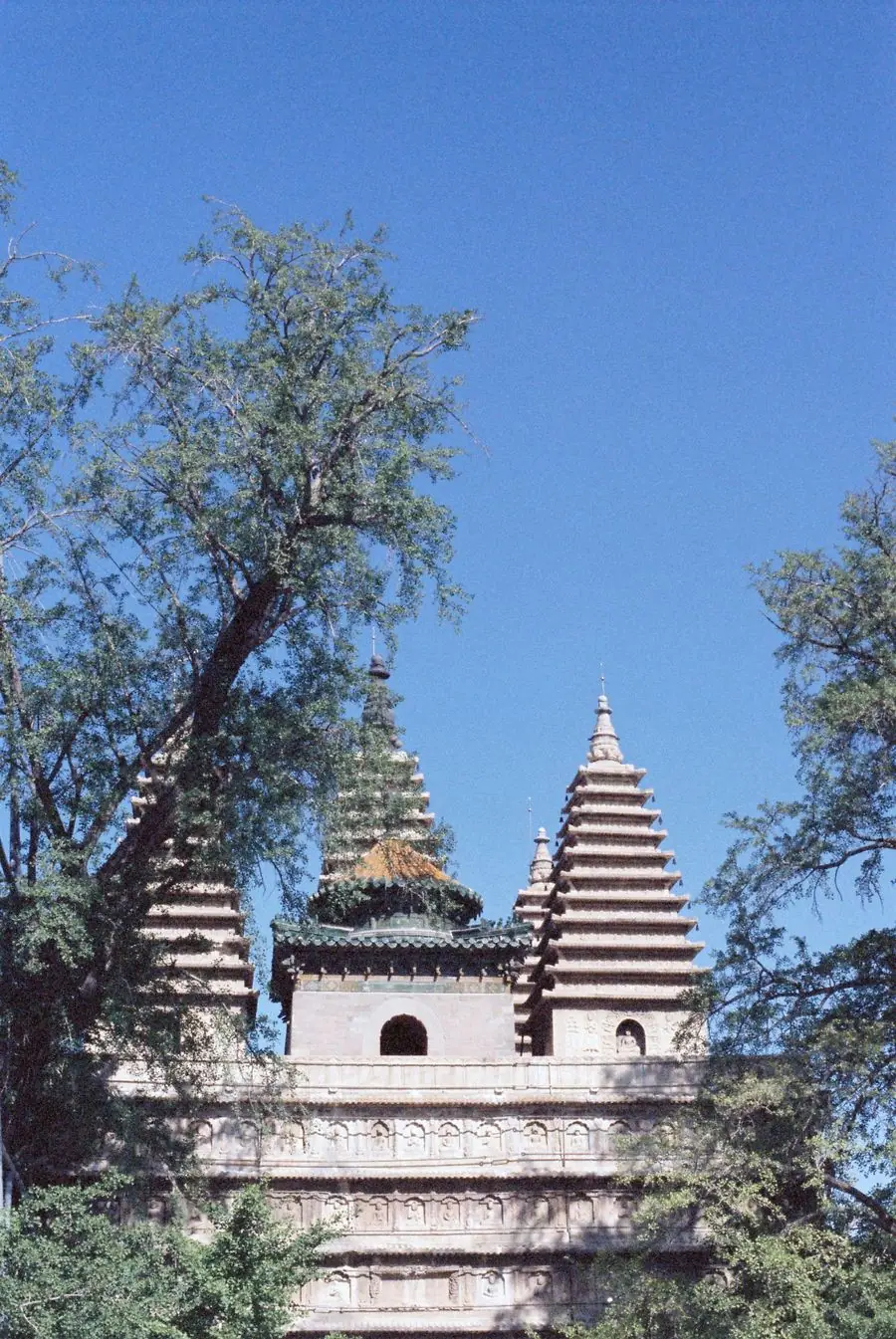
Wudang Zhao (Five Pagoda Temple) 五塔召
A 1732 temple whose rear hall is a five-storey diamond-throne pagoda of glazed brick — five small stupas on a tall base, covered in Mongolian, Tibetan and Sanskrit inscriptions, with three rare celestial-map engravings on the rear wall.
Zhaojun Tomb 昭君墓
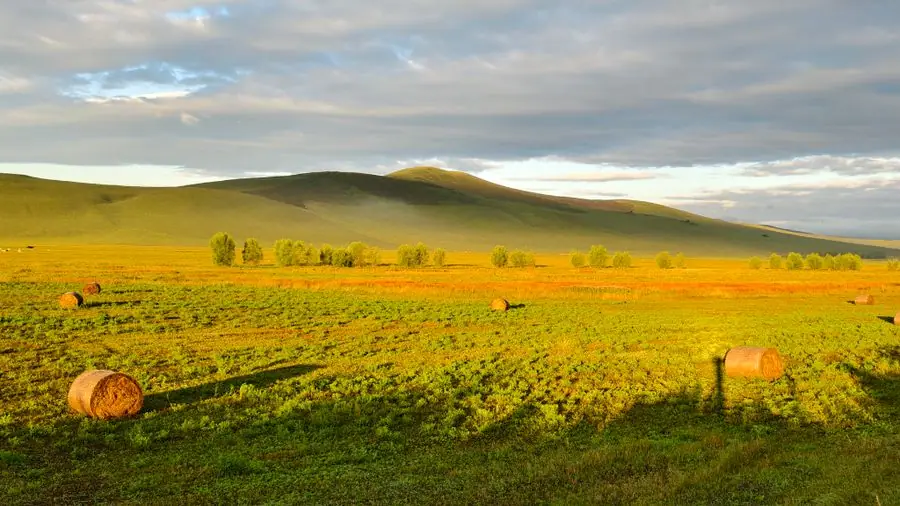
The mound said to hold Wang Zhaojun, the Han palace woman married to a Xiongnu chanyu in 33 BC — a green grass-covered tumulus on the plain south of the city, with a museum and a yearly frontier festival.
Southwest — Ordos (day trip)
North — Xincheng
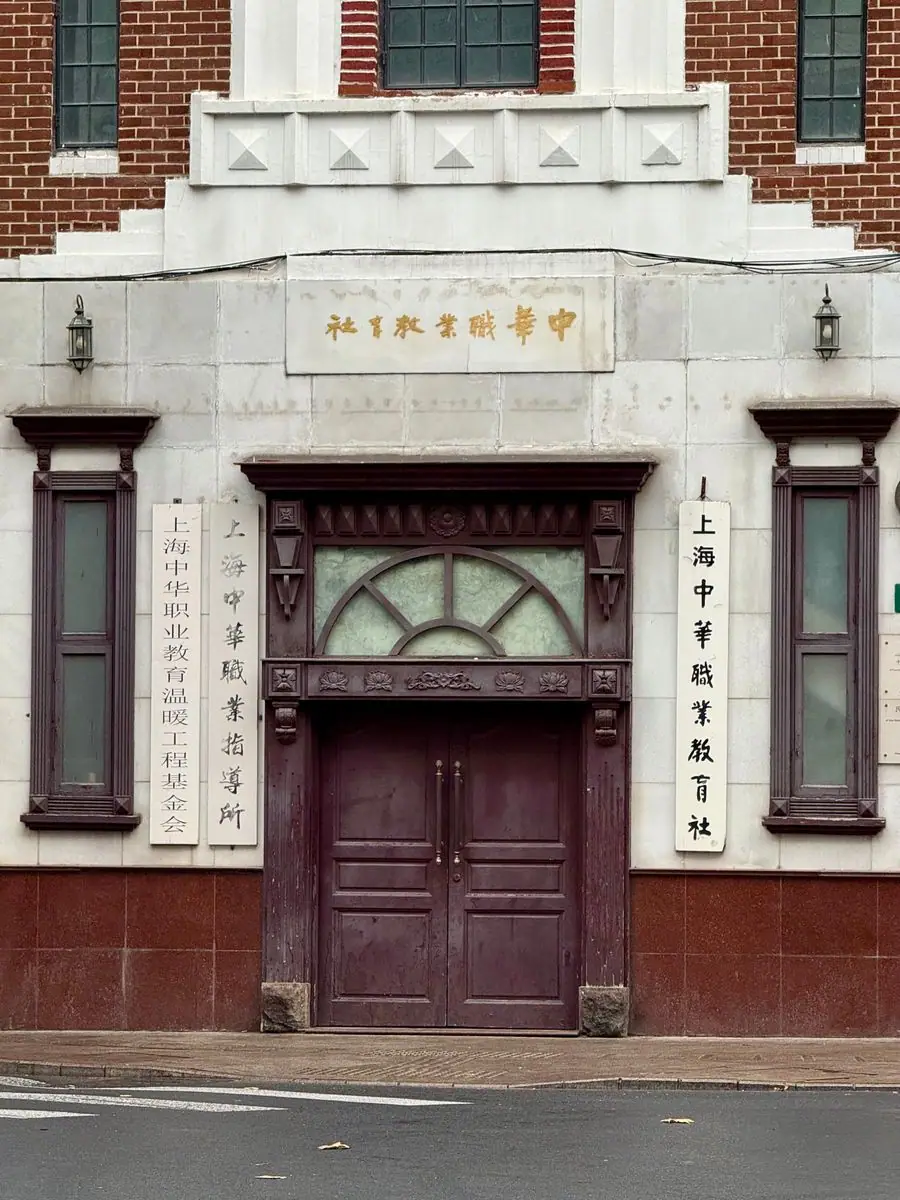
Princess Mansion (Heshuo Kejing Gongzhu Fu) 和硕恪靖公主府
The only surviving Qing-dynasty princess mansion in the region — a walled courtyard complex built in 1703 for a Manchu princess married to a Mongol prince, now a museum of Qing-Mongol court life.
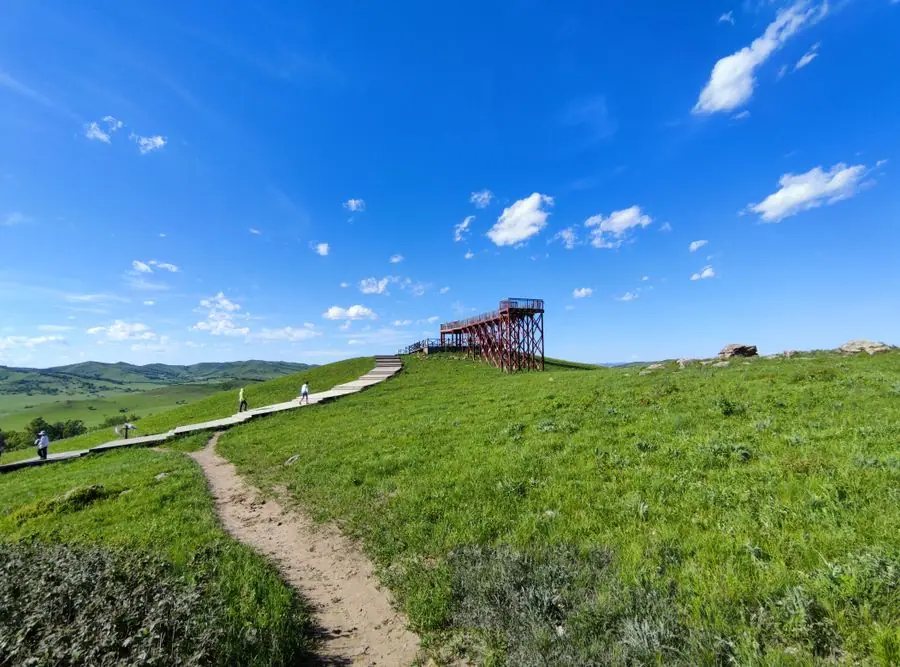
Naobao Village 恼包村
A model village north of the city that rebuilt itself as a steppe-themed destination — courtyards, craft workshops, a lake boardwalk and winter ice lanterns, a local weekend outing rather than a historic site.
Southwest — Tumed Left Banner
Where to stay in Hohhot
Rates are for a standard double room in 2026. Stay in the old town near Dazhao Temple for the temples and the food streets, or around Xincheng for the metro and newer hotels — 20 minutes apart. Confirm the USD price at booking.
Budget
$25–45 / nightChain hotels and guesthouses around the old town and the railway station; clean doubles with kettles and 24-hour hot water. The cheapest beds are within walking distance of Dazhao and the Muslim quarter.
Mid-range
$60–120 / nightWell-kept business hotels along Xinhua Avenue and near Xilitu Zhao — the best value for travellers who want the metro on the doorstep and a mutton hotpot restaurant downstairs.
Upper mid-range
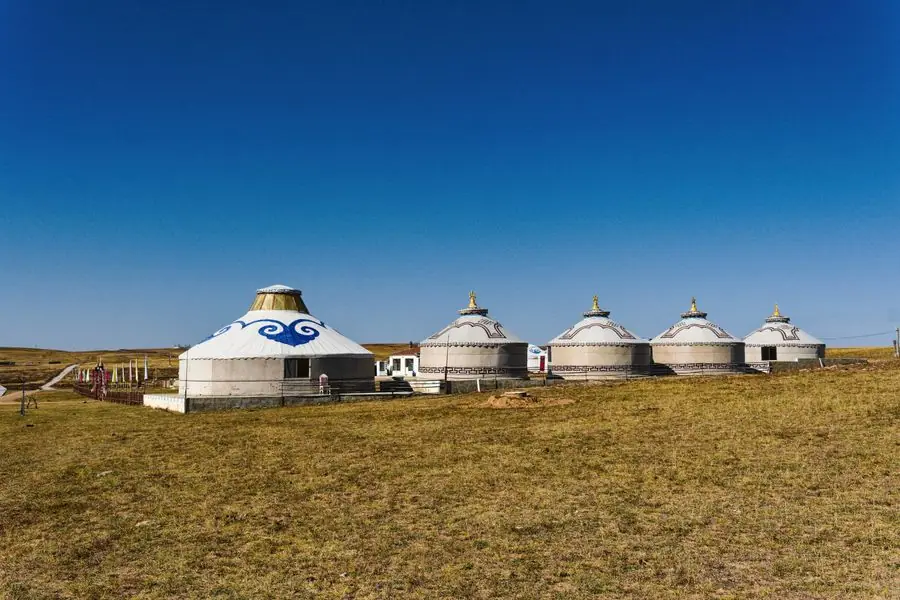
$130–250 / nightNewer towers with gyms and buffets in the Xincheng business district, plus Mongolian-themed resorts on the grassland edge that throw in a yurt night and a horse ride.
Luxury
$280–500+ / nightInternational-brand hotels clustered around the CBD and the convention centre; grassland luxury camps with private yurts and en-suite bathrooms run similar money in high summer.
Souvenirs & local crafts
Easy to pack, easy to explain at customs — and far cheaper at a supermarket than at a scenic stall.
-

Inner Mongolia cashmere
The region around Hohhot is China's largest cashmere producer — sweaters, scarves and throws from the local mills cost a fraction of city boutiques.
-
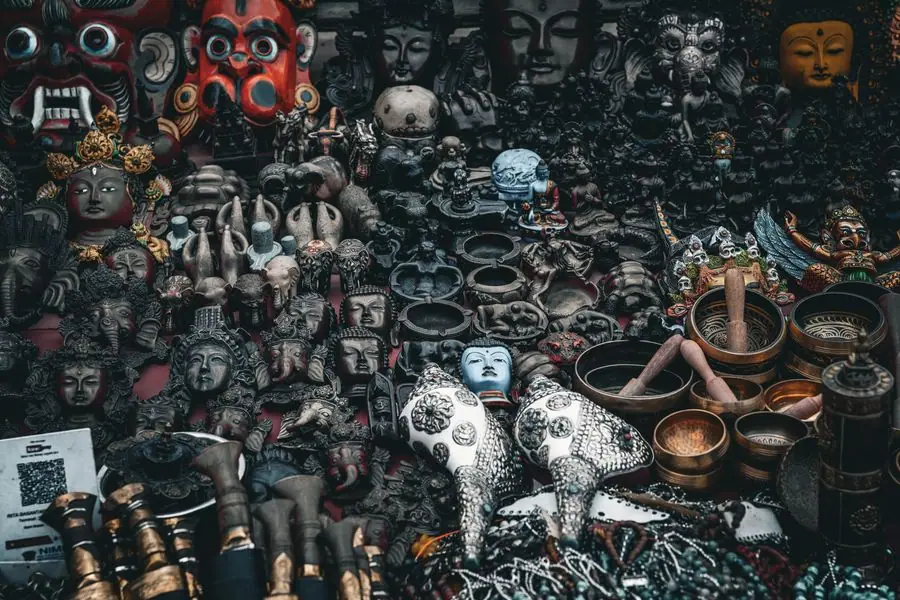
Mongolian silver ornaments
Heavy silver belt buckles, amulet boxes and turquoise-inlaid jewellery in the old-town silver shops; check the hallmark and bargain politely.
-
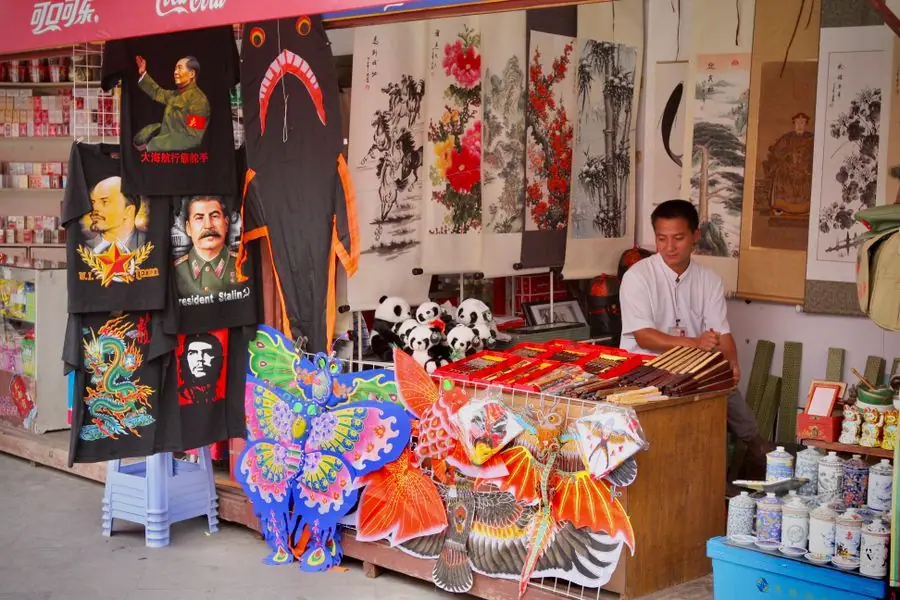
Mongolian knife
The traditional steel knife in a decorated sheath, still carried as a man's tool on the steppe — airport security will not let you fly with it, so plan to ship it.
-
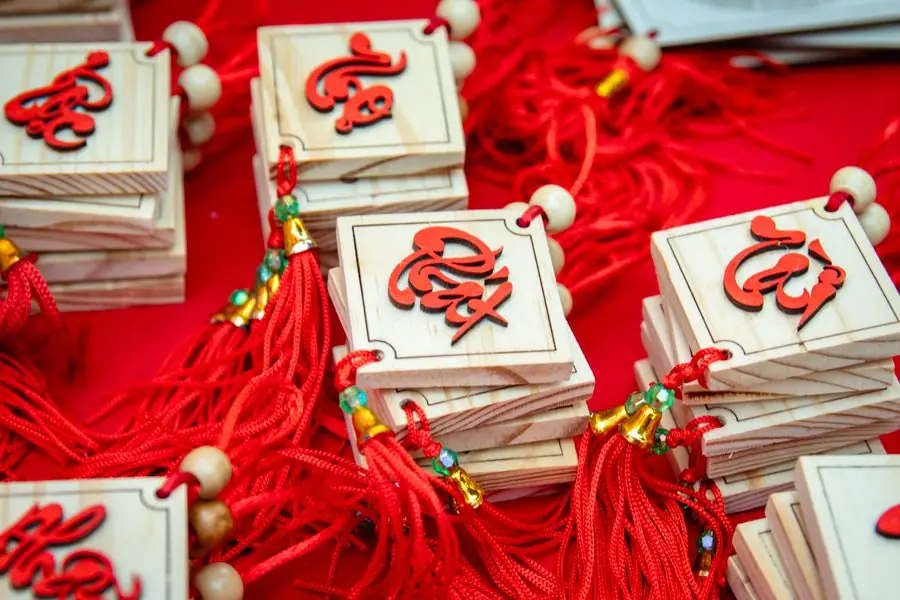
Milk products
Dried milk skin, milk curd and sweet milk wine from the grassland dairies — vacuum-packed versions travel well.
-
Felt crafts
Hand-pressed felt slippers, hats and wall hangings in steppe patterns, made by the township cooperatives on the grassland edge.
Getting around Hohhot
Hohhot is a rail and air hub for the whole region: high-speed trains reach Beijing in about 2.5 hours, the metro covers the city core, and every grassland day trip runs on chartered cars from the old town.
- High-speed rail
- Hohhot East Station is on the Beijing–Lanzhou and Hohhot–Nanning lines — trains to Beijing take about 2.5 hours and to Baotou about an hour; buy real-name tickets with your passport through 12306 or a travel app.From the stations, metro Line 1 or a DiDi reaches the old town and Dazhao Temple in 20–30 minutes.
- Long-distance bus
- Long-distance buses run from the central bus station to the grassland banners, Togtoh and Ordos; the airport shuttle links Baita International Airport (about 15 km east) to the city.
- Metro & bus
- Hohhot has two metro lines crossing at Xinhua Avenue; Line 1 links the railway station, the old town and the CBD. QR payment through Alipay works with a linked foreign card.
- Taxis
- Ride-hailing
- DiDi works citywide for the temples and the old quarter; for the grassland, Hasu Lake and the Genghis Khan Mausoleum, hire a private car with driver (about $70–120 per day) — the standard way to do a day trip.
- Shared bikes
- Shared bikes and e-bikes cover the flat city core and the old town lanes; the grassland camps rent horses and, in some places, ATVs.
- Intercity carpool
- Day-trip minibuses to Huitengxile and the northern grasslands leave from the old town's tour bus points each summer morning — cheap but rigid on timing; most foreign travellers prefer a hired car.
Plan your 1, 2 or 3 days in Hohhot
Pick the length of your stay. Each plan is its own page, anchored at the city centre and written from real traveller itineraries — including splits for sightseeing, shopping, landscape, families and older travellers.
Hohhot in one day: temples, mutton and the old town
The old-town triangle — Dazhao Temple, Xilitu Zhao and the Great Mosque — plus Wudang Zhao and a mutton hotpot dinner on Saishang Old Street.
Read the plan → 2-dayTwo days: the city and the grassland
Day one covers the temples and museum; day two is the run north to Huitengxile for the green grass, a yurt night and a horse ride.
Read the plan → 3-dayThree days: grassland and the great bend
Adds the southwestern loop — Zhaojun Tomb, Hasu Lake and the Yellow Bend at Togtoh — or swaps in the Genghis Khan Mausoleum day trip.
Read the plan →Frequently asked questions
- Do I need a visa to visit Hohhot?
- Foreign visitors need a Chinese visa (or to qualify for the 240-hour visa-free transit / unilateral visa-free entry where applicable). Hohhot is fully open to foreign tourists; carry your passport for real-name ticketing and hotel check-in.
- When is the grassland green?
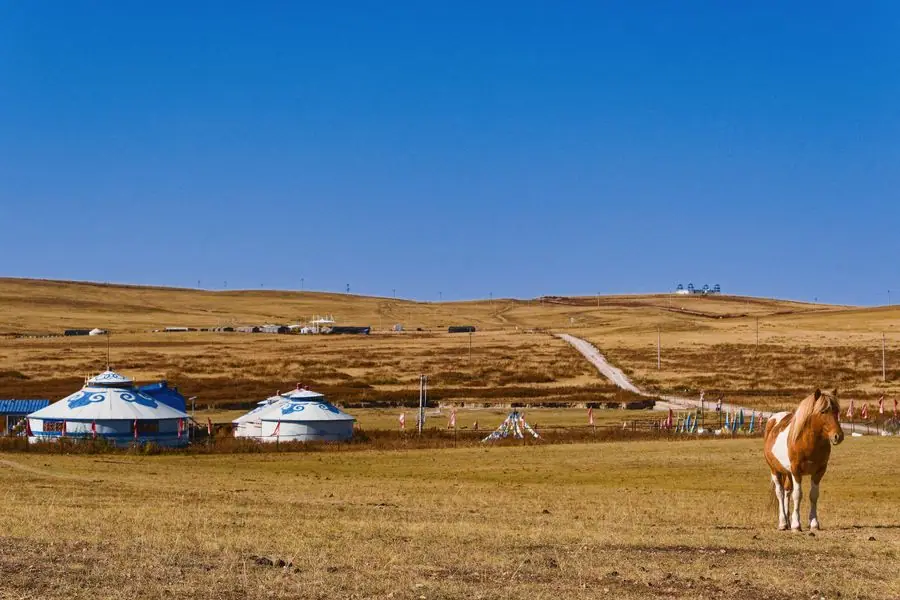
- July and August are the green months; June is patchy and September turns gold. The yurt camps run June–September only.
- How do I get from Beijing to Hohhot?
- High-speed trains from Beijing take about 2.5 hours; there are also daily flights to Baita International Airport. Book real-name rail tickets with your passport through 12306 or a travel app.
- Is Hohhot good for vegetarians?
- It is hard — the local cuisine is built on lamb and dairy. The Muslim quarter and the bigger hotels have noodle and vegetable dishes, and the museum café is a reliable fallback.
- Can I use Alipay/WeChat Pay and cards in Hohhot?
- Alipay and WeChat Pay with a linked foreign card work almost everywhere including street stalls; international cards work at hotels and larger restaurants. Carry a little cash for village stops.
- How many days do I need in Hohhot?
- One day for the old town's temples and food streets; two days to add the grassland; three days if you want the Genghis Khan Mausoleum or the Yellow Bend loop.
Page last reviewed: 2026-11-02.