Zhaojun Tomb 2026: Tickets, How to Visit & Tips
The mound said to hold Wang Zhaojun, the Han palace woman married to a Xiongnu chanyu in 33 BC — a green grass-covered tumulus on the plain south of the city, with a museum and a yearly frontier festival.
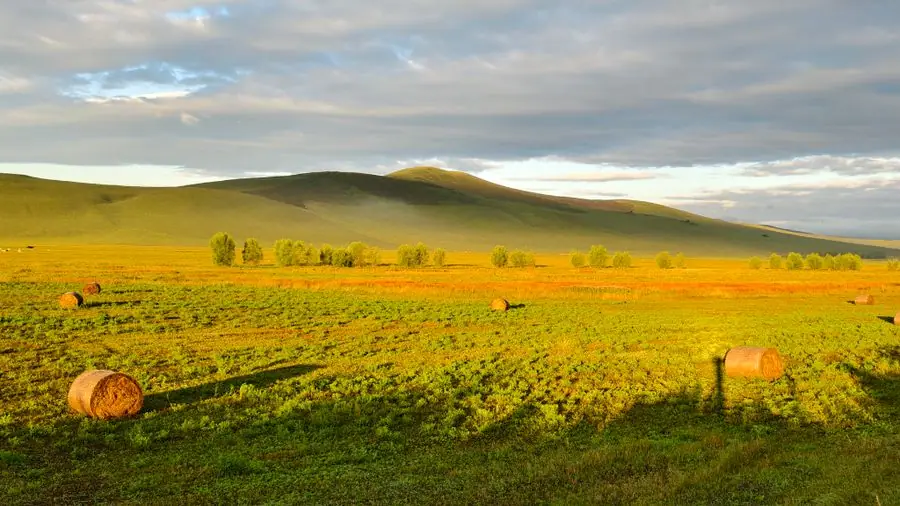
Zhaojun Tomb (昭君墓) is one of the headline sights in Hohhot. The mound said to hold Wang Zhaojun, the Han palace woman married to a Xiongnu chanyu in 33 BC — a green grass-covered tumulus on the plain south of the city, with a museum and a yearly frontier festival.
Intro: why go
It is the most famous historical site on the Hohhot plain — the story of Zhaojun is the founding myth of Han-steppe diplomacy, and the mound’s setting on the open grass explains the poetry.
Tickets & booking
About $7–10; verify at the gate
How to visit
Walk the path up the mound for the view south over the plain, then the museum and the steppe-culture exhibitions; one hour.
Facilities
Museum, toilets and a small café at the gate; the mound path is steep but short.
Best season
June–September when the mound is green; winter visits are windswept but empty.
Getting there
9 km south of the old town — a 20-minute DiDi, usually paired with Wudang Zhao.
Tips
- The climb is short but hot in summer — go in the late afternoon.
- The museum’s costumes and saddlery are the real draw, not just the mound.
- Combine with Wudang Zhao 6 km north for one southern half-day.
Frequently asked questions
- Who was Wang Zhaojun?
- A Han-dynasty palace woman sent to marry a Xiongnu chanyu in 33 BC — one of the Four Beauties of China and a symbol of Han-steppe marriage diplomacy.
- Is the tomb really hers?
- The mound is the traditional site; the historical record is uncertain, but the tomb and its museum have been the honoured site for nearly two thousand years.
Page last reviewed: 2026-11-02. Ticket seasons and crowd seasons are different things — this page states both where they differ.