Zhengzhou Travel Guide 2026: Shaolin, the Yellow River and the Heart of Henan
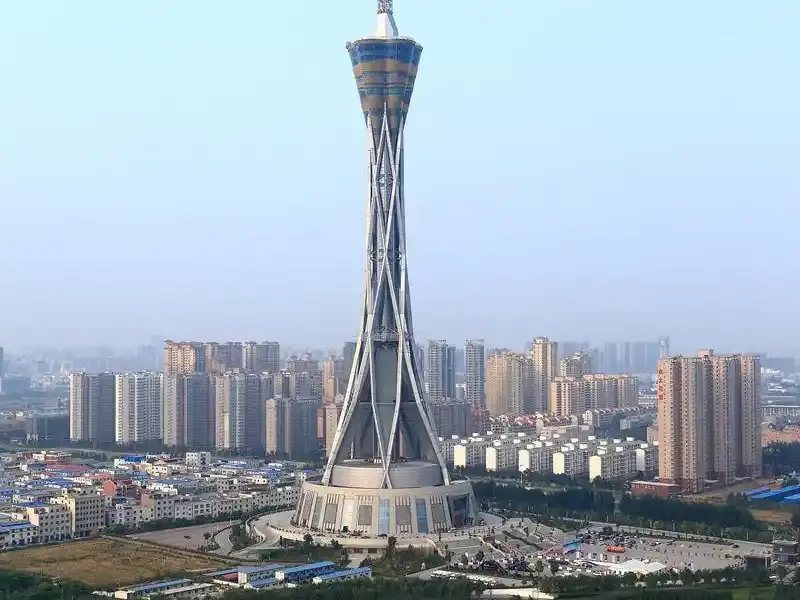
Zhengzhou is the capital of Henan and the gateway to the Central Plains — the cradle of Chinese civilisation. Most visitors use it as the base to reach the Shaolin Temple and Mount Song, but the city itself holds the Henan Museum (one of China's great provincial museums), the 3,600-year-old Zhengzhou Shang city ruins, the Yellow River scenic park with its giant Yan-Huang emperors statue, and the Erqi Memorial Tower that anchors the modern centre. Below: the best time, the history, the food, where to stay, every major sight with its own guide, transport, and 1/2/3-day plans.
History & culture
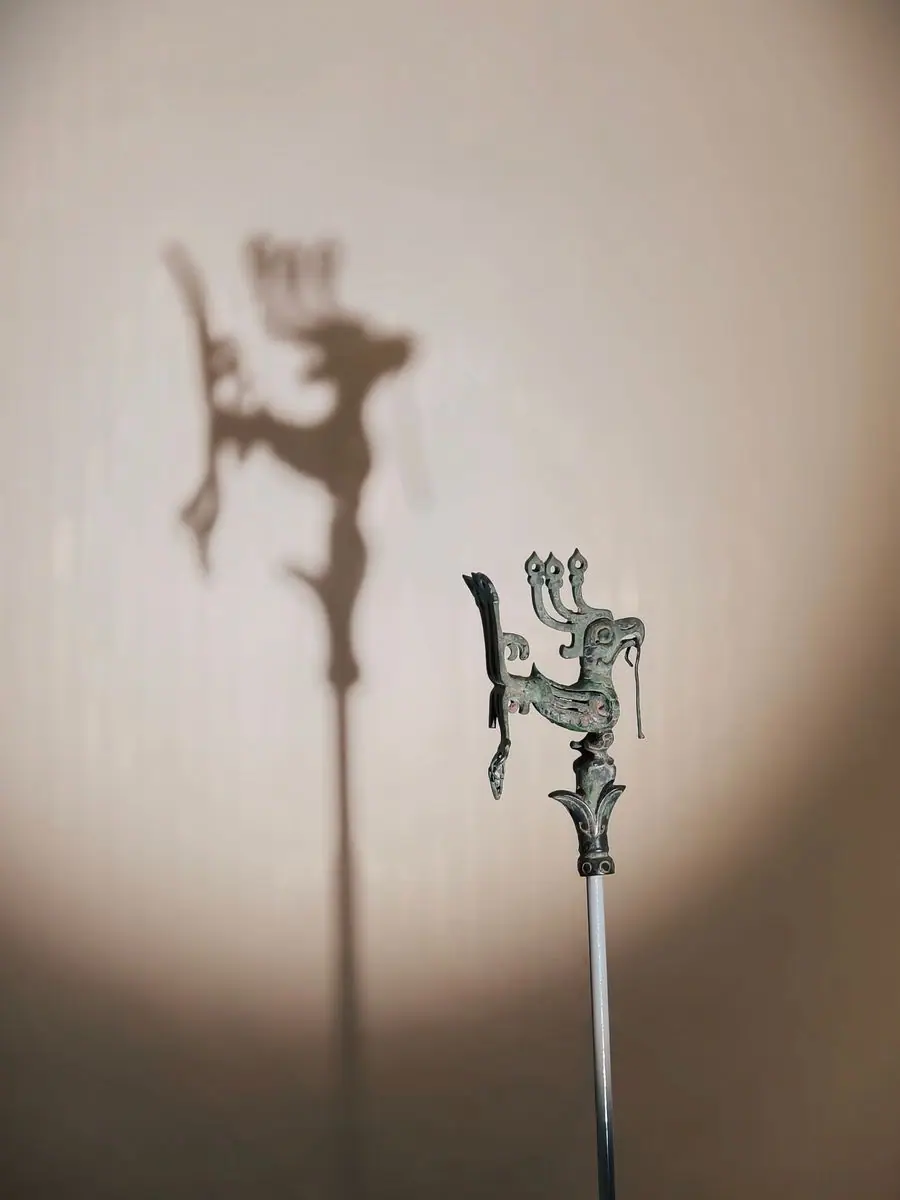
Zhengzhou's deepest claim is the Shang city ruins in the centre of town — the remains of a capital of the Shang dynasty (about 1600–1046 BC), with a 7 km earthen wall still standing and a museum displaying bronze, jade and pottery from the site. It is one of the oldest continuously identified city sites in China, and the reason Zhengzhou is officially a 'National Historical and Cultural City'.
Through the imperial era Zhengzhou was a county market town on the Yellow River plain, overshadowed by the nearby capitals of Luoyang, Kaifeng and Anyang. The turning point came with the railway: the Beijing–Wuhan and Lianyungang–Lanzhou lines crossed here in the early 1900s, and Zhengzhou became a junction. In 1954 it replaced Kaifeng as the capital of Henan, and the rail hub identity has defined it ever since.
The modern city is built on that rail wealth — a grid of broad avenues, the Erqi Memorial Tower (raised in 1971 over the site of the 1923 railway workers' strike), and a skyline of new business districts such as the Zhengdong CBD with its 'Big Corn' tower. Meanwhile the surrounding province supplies the headline sights: the Shaolin Temple and Mount Song at Dengfeng, the Songyang Academy and the Gaocheng Astronomical Observatory (part of the UNESCO 'Centre of Heaven and Earth' property), and the Yellow River that bounds the city to the north.
Best time to visit Zhengzhou
Zhengzhou has a temperate continental climate with hot, humid summers and cold, dry winters; spring and autumn are the most comfortable.
Budget for Zhengzhou: hotels from $14 a night, average ticket $$10.62 — see the full cost breakdown, or start from a ready-made route.
Cuisine of Zhengzhou
Signature dishes worth seeking out — prices are typical per-person or per-dish ranges, not fixed quotes.
-
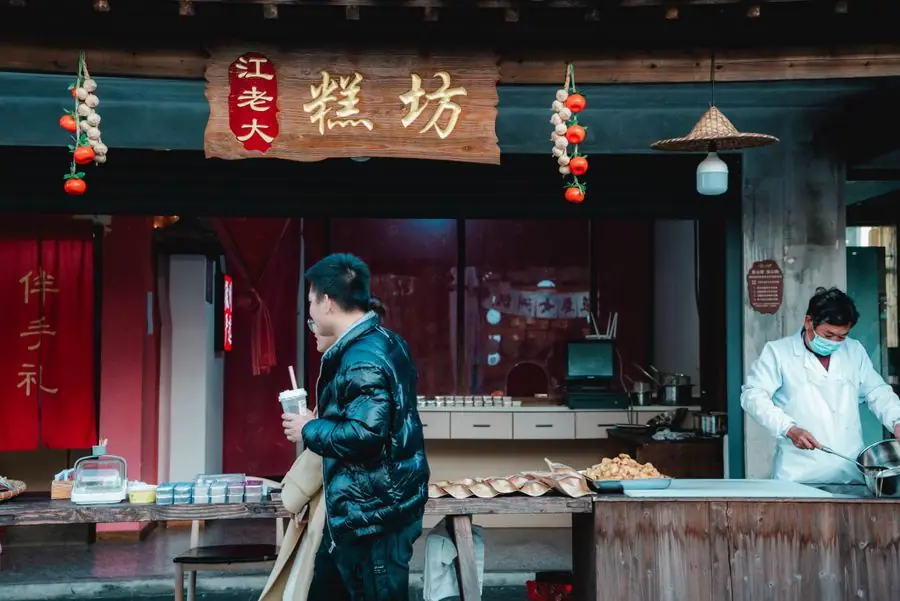
Henan huimian (braised noodle soup)
Zhengzhou's signature bowl — wide wheat noodles in a rich mutton or beef broth, topped with greens and chili, sold at famous houses such as Heji and Xiaoji. Cheap, warming and unmistakably local; eaten for lunch or a late dinner.
-
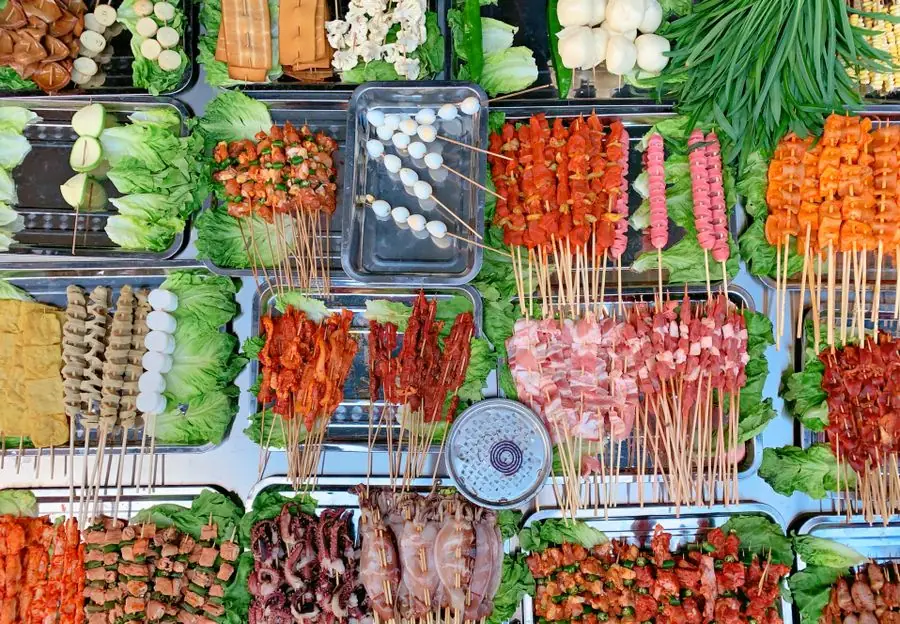
Hulatang (peppery spicy soup)
A thick, peppery Henan breakfast soup of shredded meat, gluten, daylily and starch, spiked with black pepper and sesame — the Fang Zhongshan and Xiaoyao Town chains are the well-known versions; pair it with youmo (fried bread).
-
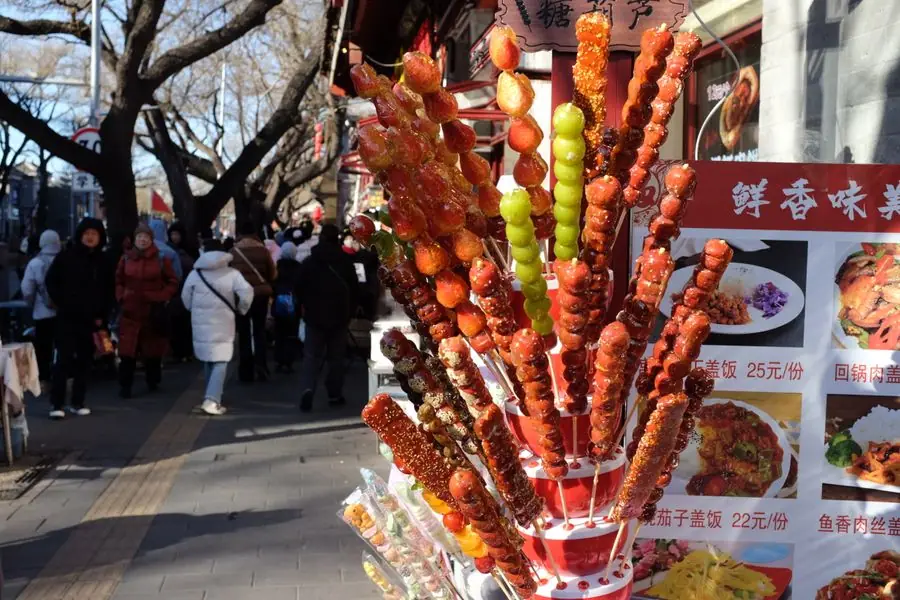
Guantangbao (soup dumplings)
Pork-and-jelly dumplings that burst with hot broth when bitten — the Kaifeng style that is hugely popular in Zhengzhou's breakfast and night-market scene; eat carefully, the soup is scalding.
-
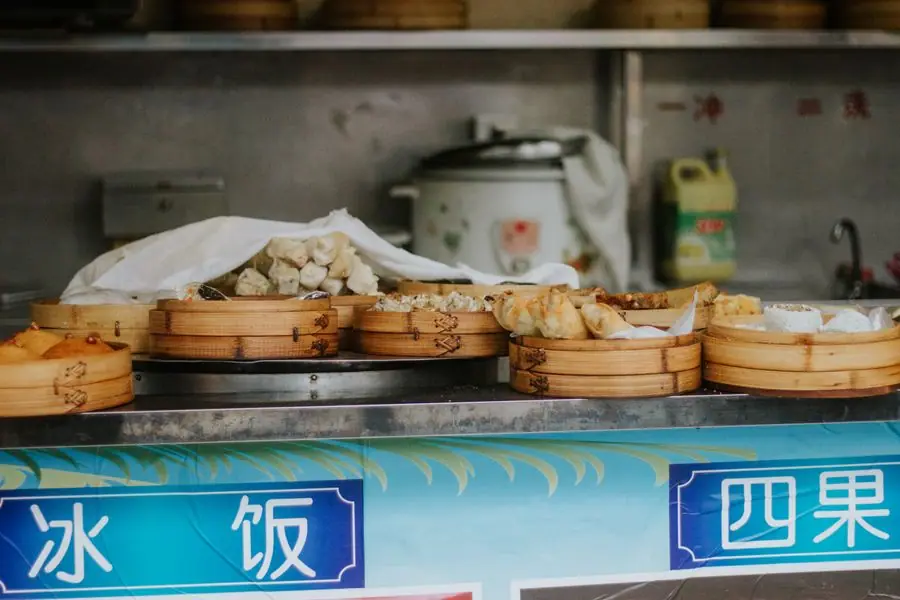
Braised Yellow River carp
The local honour dish — a Yellow River carp braised with scallions and sweet soy, tender and sweet, served whole at Henan restaurants; a nod to the river that borders the city.
-
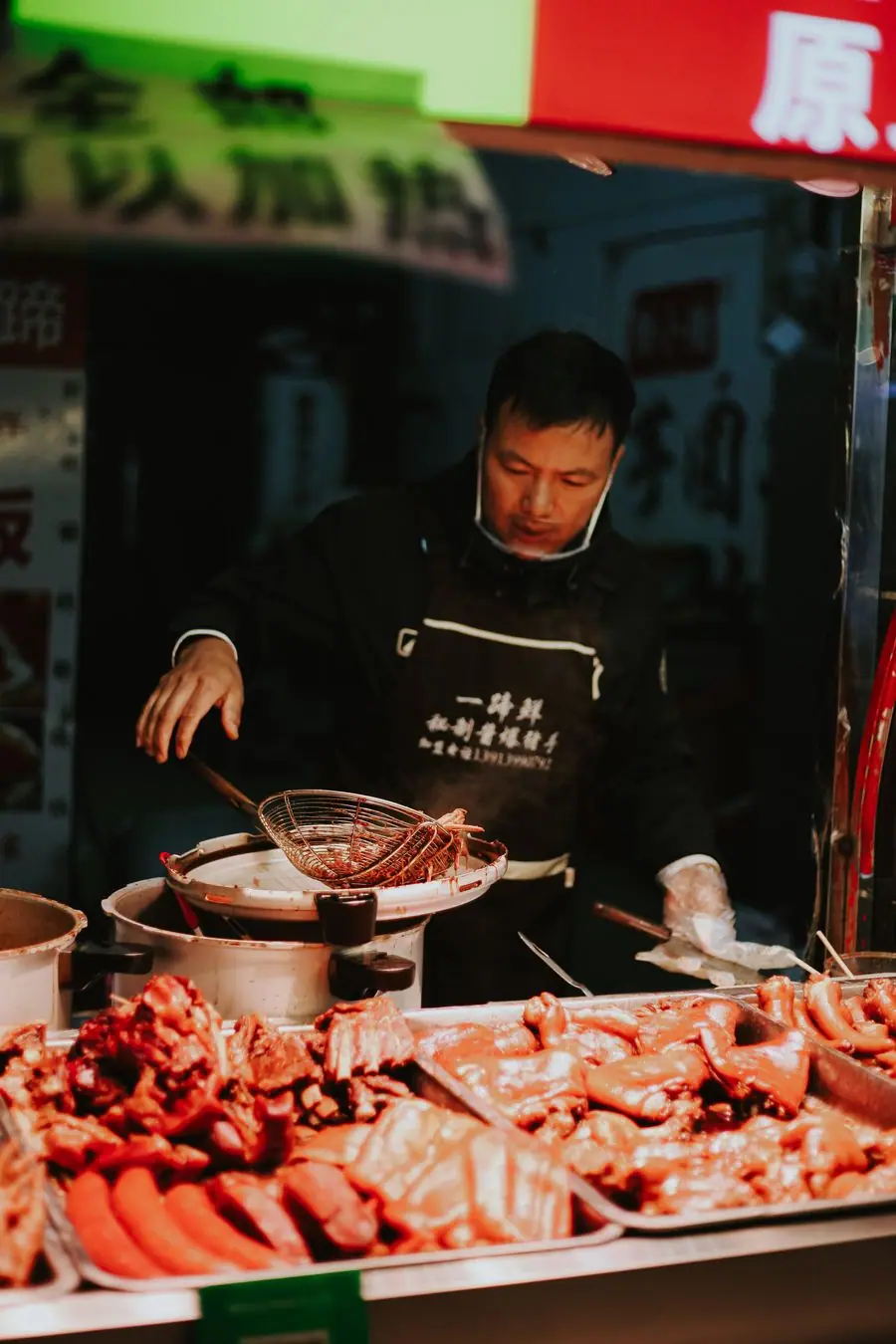
Menbing (braised flatbread strips)
A Zhengzhou working-lunch classic — strips of baked flatbread braised with cabbage, bean sprouts, pork or egg in a savoury sauce; cheap, filling and found at every neighbourhood eatery.
Every major sight — with its own guide
Right after the food above, here are the sights — each one links to its own full guide (what to see, how to get there, facilities and the best season). Names follow each sight's official English signage.
Dengfeng, ~85 km SW of the centre
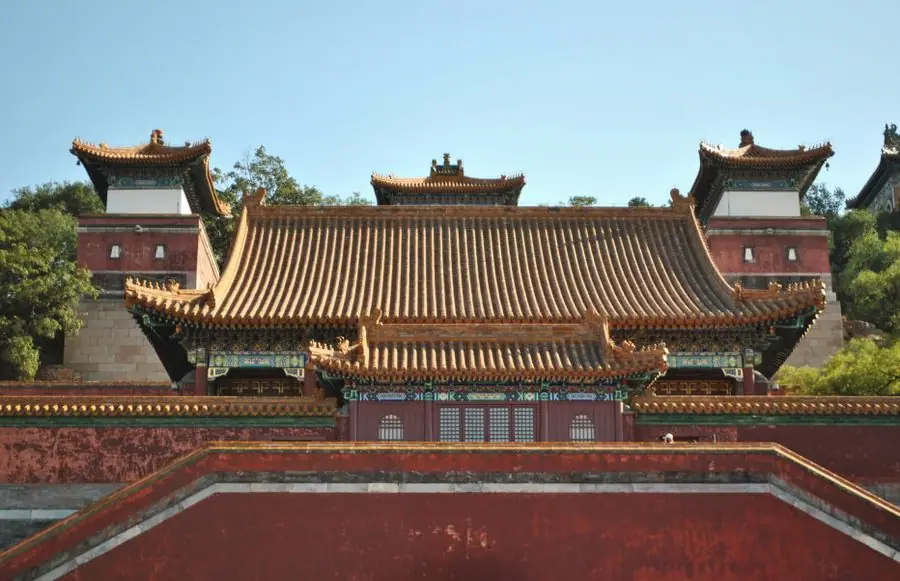
Shaolin Temple 少林寺
The cradle of Chan (Zen) Buddhism and of kung fu, at the foot of Mount Song. The Shaolin Temple is where the monk Bodhidharma is said to have meditated and where the legendary fighting monks trained; today you see the temple halls, the forest of 200+ stone pagodas (the Pagoda Forest) where abbots are buried, the daily kung-fu demonstrations, and the nearby Dharma Cave. It is the single biggest reason foreign visitors come to the Zhengzhou area, and a working Buddhist monastery as well as a UNESCO-listed site within the 'Centre of Heaven and Earth' property.
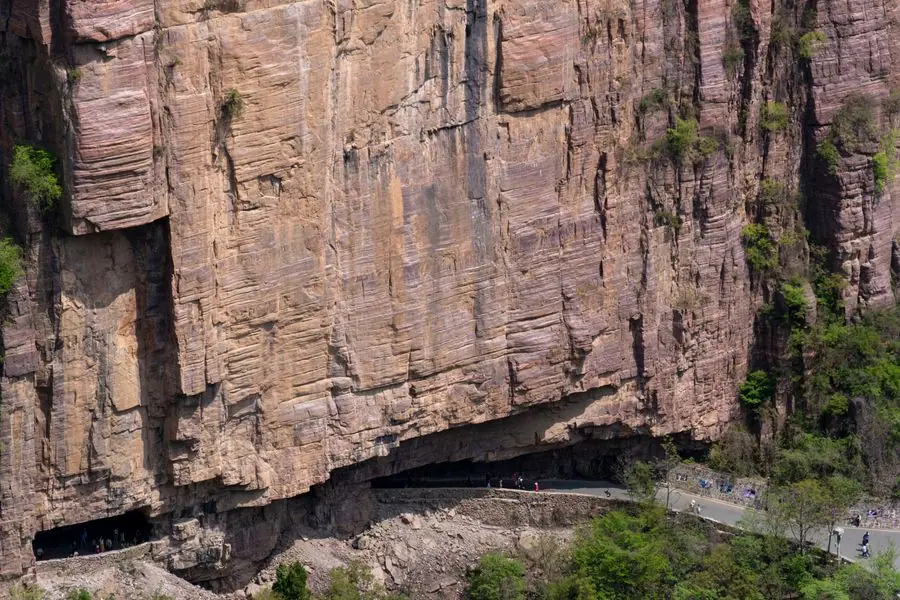
Mount Song (Songshan) 嵩山
The central of China's Five Great Mountains and the backdrop to the Shaolin Temple. Mount Song is a ridge of forested peaks with cliffside paths, the 'Three Emperor Village' walk, the Luya waterfall and sweeping views over the Dengfeng basin. It is part of the UNESCO 'Centre of Heaven and Earth' property along with the Shaolin Temple, Songyang Academy and the Gaocheng Observatory, so a Songshan hike pairs naturally with the cultural sites below.
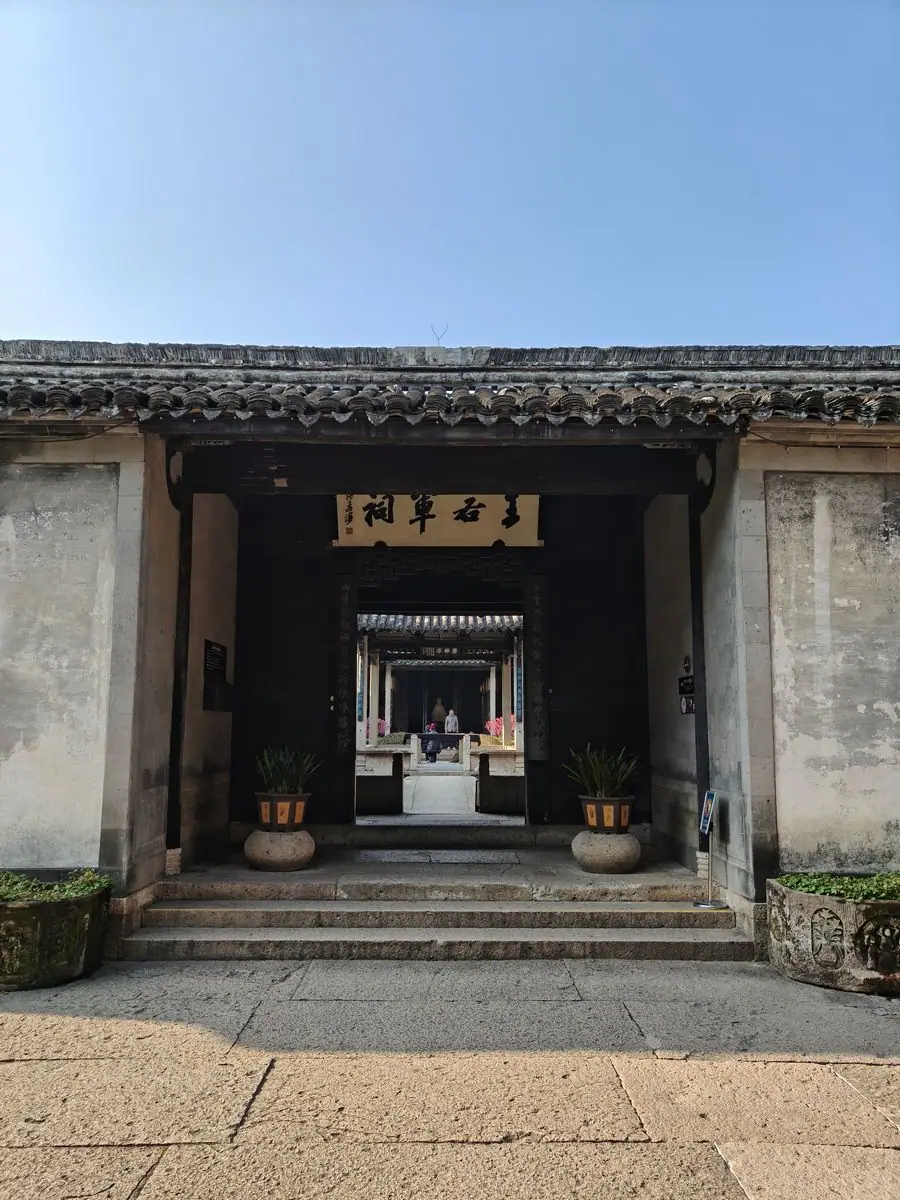
Songyang Academy 嵩阳书院
One of the four great academies of classical China, at the foot of Mount Song. Founded in the Tang and flourishing under the Song, Songyang Academy is a quiet walled compound of lecture halls, a Confucian shrine and ancient cypress trees, where Neo-Confucian masters once taught. It is part of the UNESCO 'Centre of Heaven and Earth' property and a gentle, scholarly counterpoint to the busy Shaolin Temple nearby.
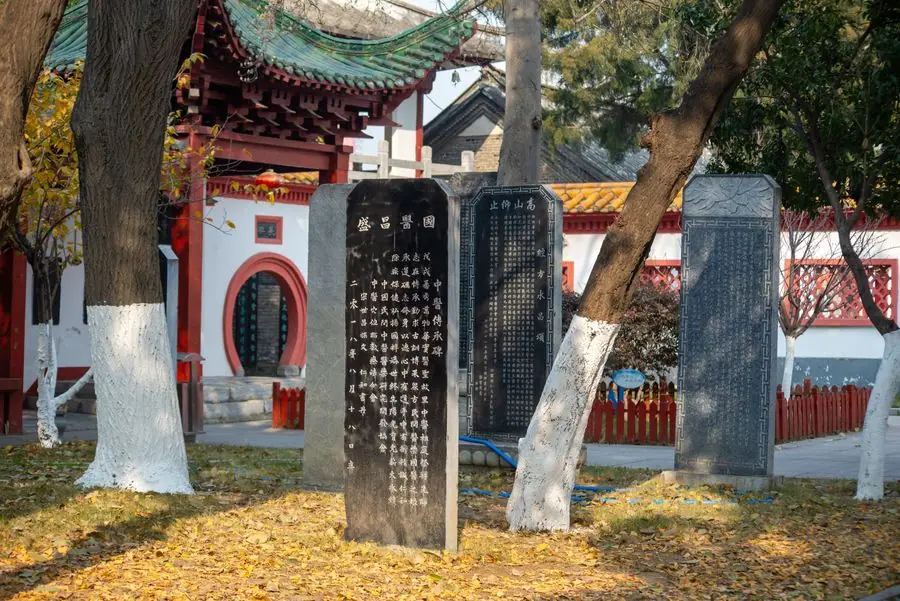
Gaocheng Astronomical Observatory 观星台
The earliest surviving astronomical observatory in China and a key part of the UNESCO 'Centre of Heaven and Earth' property. Built in 1276 by the astronomer Guo Shoujing of the Yuan dynasty, the Gaocheng platform was used to measure the shadow of the sun and fix the calendar — the basis of the 'Centre of Heaven and Earth' claim that Dengfeng sits at the middle of the world. It is a modest, evocative stone platform and gateway rather than a grand building.
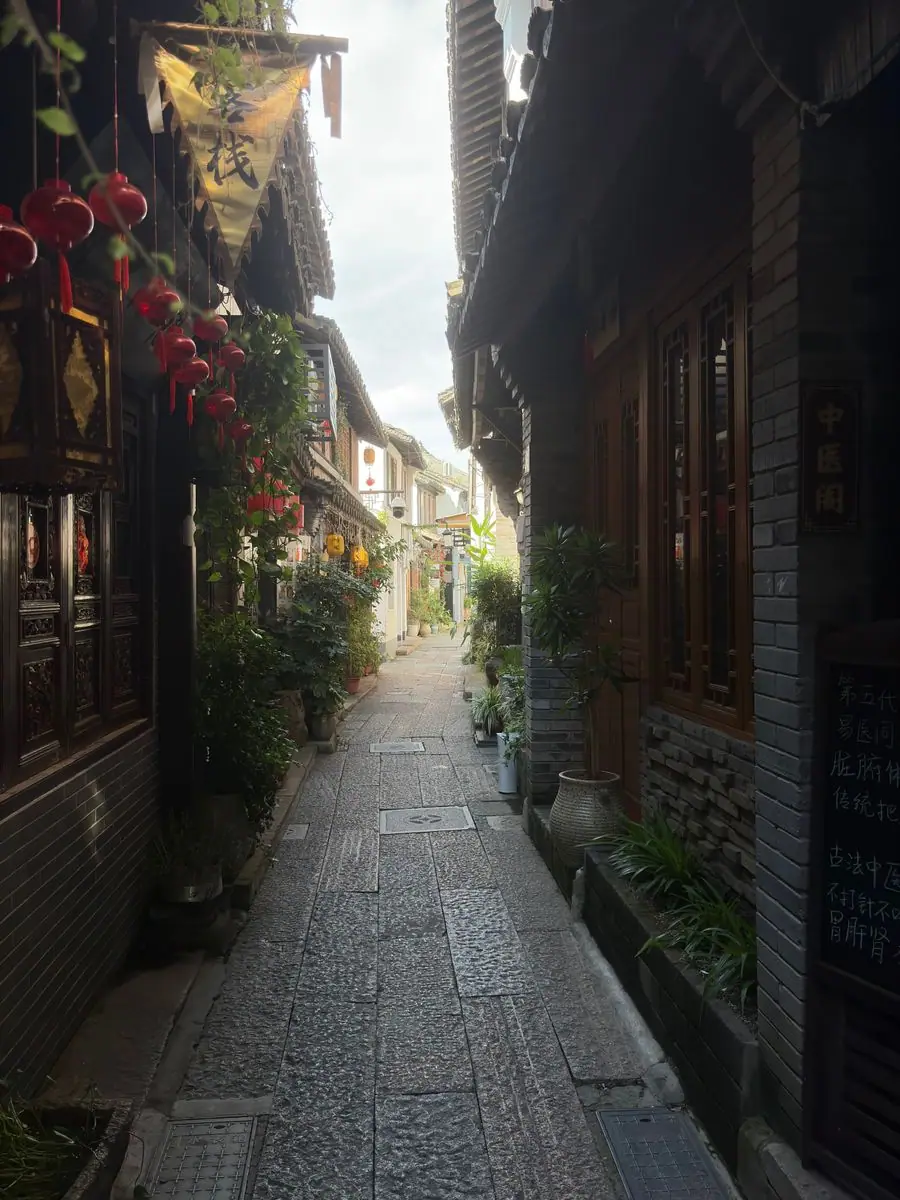
Guancheng / eastern ring, ~12 km SE of the centre
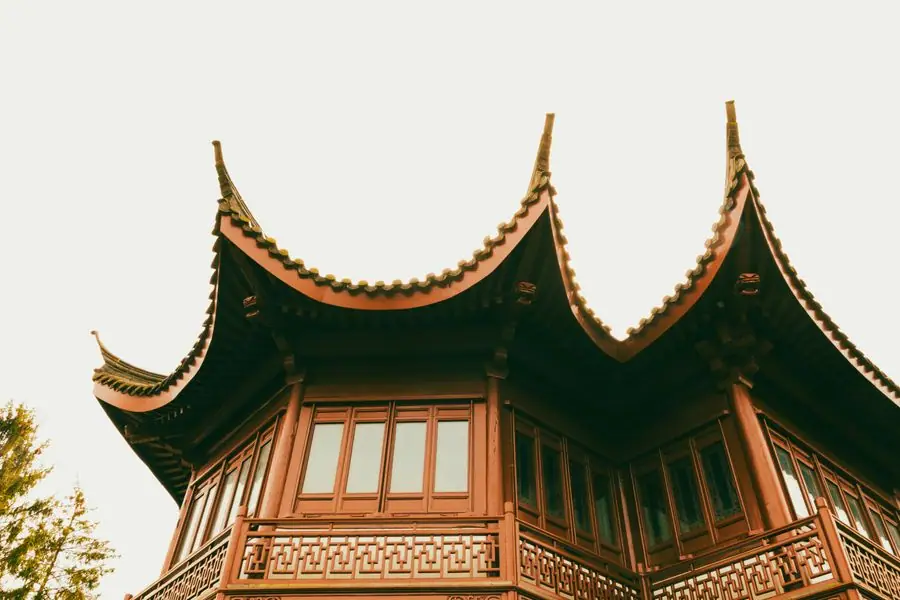
Gongyi, ~60 km SW of the centre
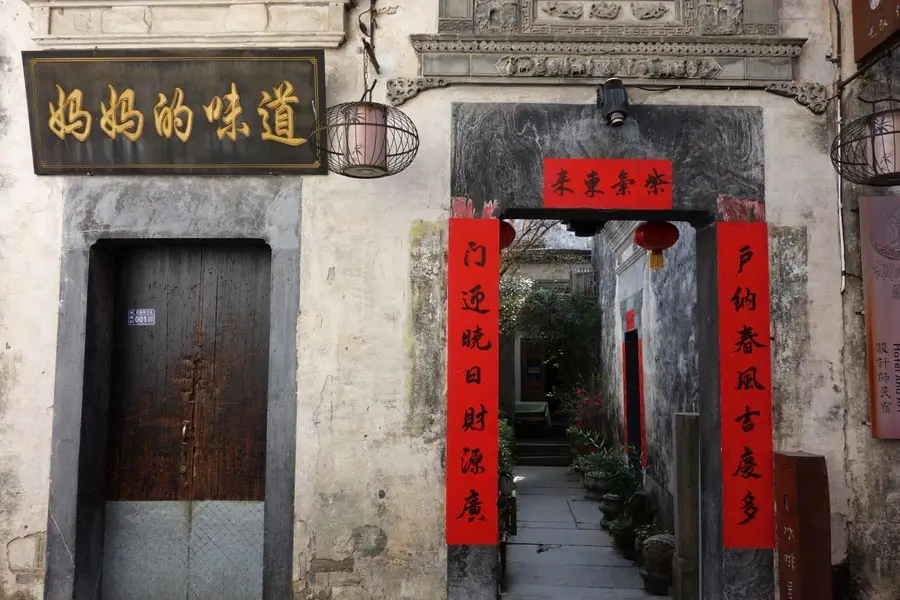
Kang Baiwan Manor 康百万庄园
The 'millionaire Kang' estate — a vast walled compound of the Kang merchant family of Gongyi, built across the Ming, Qing and Republican eras and once one of the richest households in Henan. The manor spreads over dozens of courtyards with carved woodwork, a riverside location and the family motto ('leave surplus') that made its fortune. It is a quieter, less-visited great mansion than the famous Shanxi estates, and a good half-day from Zhengzhou.
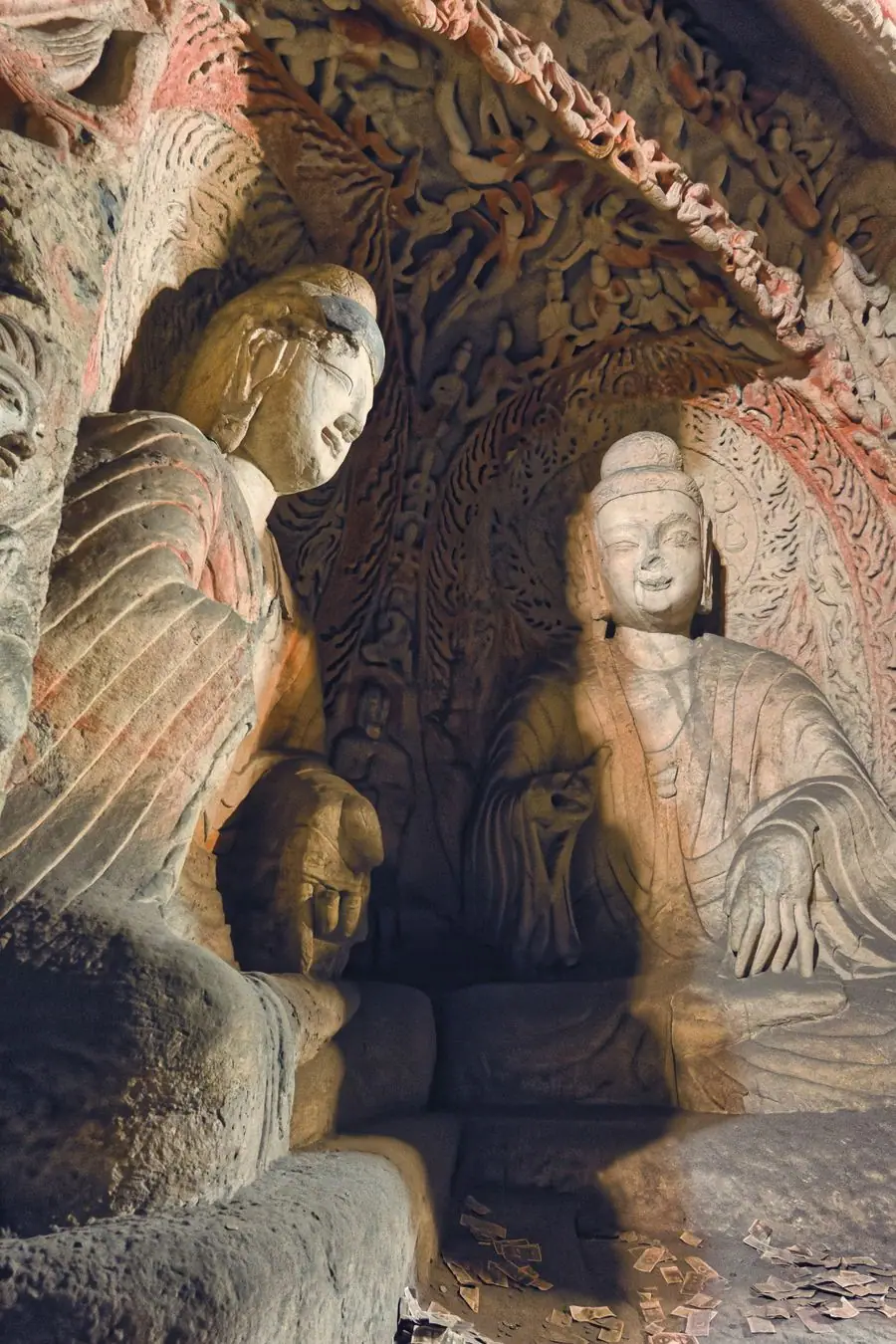
Gongxian Grottoes 巩县石窟
A modest but refined Northern Wei dynasty Buddhist cave site at Gongyi — smaller and quieter than the famous Longmen or Yungang, but with beautifully preserved reliefs, the 'flying apsaras' (feitian) carvings and a central pillar cave. Carved from the 5th–6th centuries, the Gongxian Grottoes are an easy, uncrowded Half-day from Zhengzhou and pair naturally with the Kang Baiwan Manor nearby.
Zhongyuan district, ~9 km W of the centre
Where to stay in Zhengzhou
Stay around Erqi Square and the old centre — the museums, the railway stations, the night-market streets (Dehua, Renmin, Jiankang) and the metro are all close. The Zhengdong CBD (by the high-speed Zhengzhou East station and the 'Big Corn') is the modern, high-end choice and convenient for trains; the areas near the Henan Museum and the Shang city ruins are quieter and good for a museum-focused stay.
Budget
$14–28 / nightChain hotels (Hanting, JI, 7 Days) around Erqi Square and the stations, plus guesthouses near the museum quarter; clean doubles and foreign-passport registration is routine at the chains.
Mid-range
$35–70 / nightAtour, Vienna and full-service hotels downtown and by the East station / CBD — the sweet spot; Erqi-view or river-view rooms cost a little more.
Splurge
$85–170 / nightThe international chains and new business hotels in the Zhengdong CBD (JW Marriott, Le Méridien) — pools, CBD views and the corporate crowd, steps from the high-speed station.
Souvenirs & local crafts
Easy to pack, easy to explain at customs — and far cheaper at a supermarket than at a scenic stall.
-

Jun porcelain (Jun ci)
The famous Henan kiln ware from Yuzhou — glazes that 'change colour in the kiln' into blues and purples with spontaneous crackle. Sold at the Henan Museum shop and the big markets; the cultural gift of the province.
-
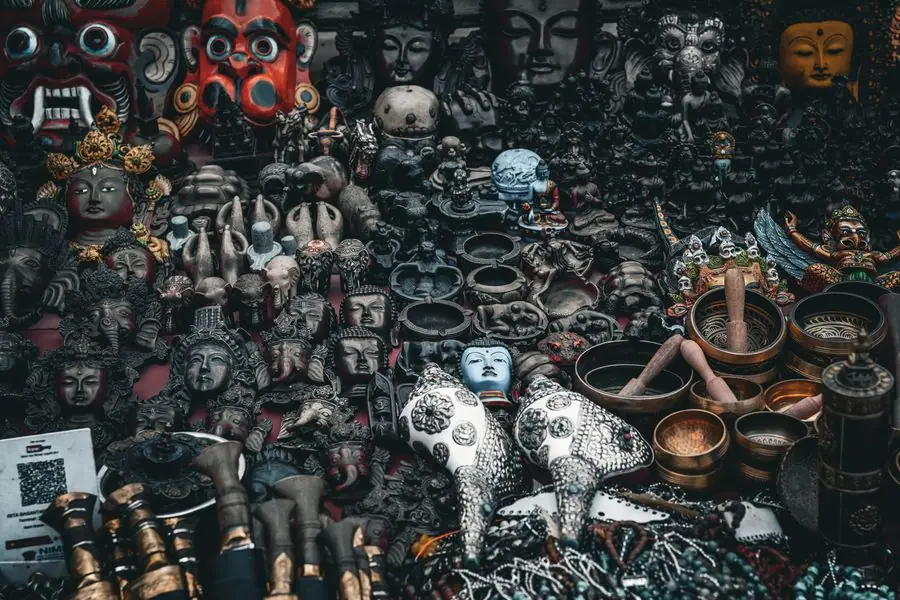
Bian embroidery (Bian xiu)
The fine silk embroidery of Kaifeng (Henan) — figural and landscape panels, framed or as purses; lighter and easier to pack than porcelain.
-
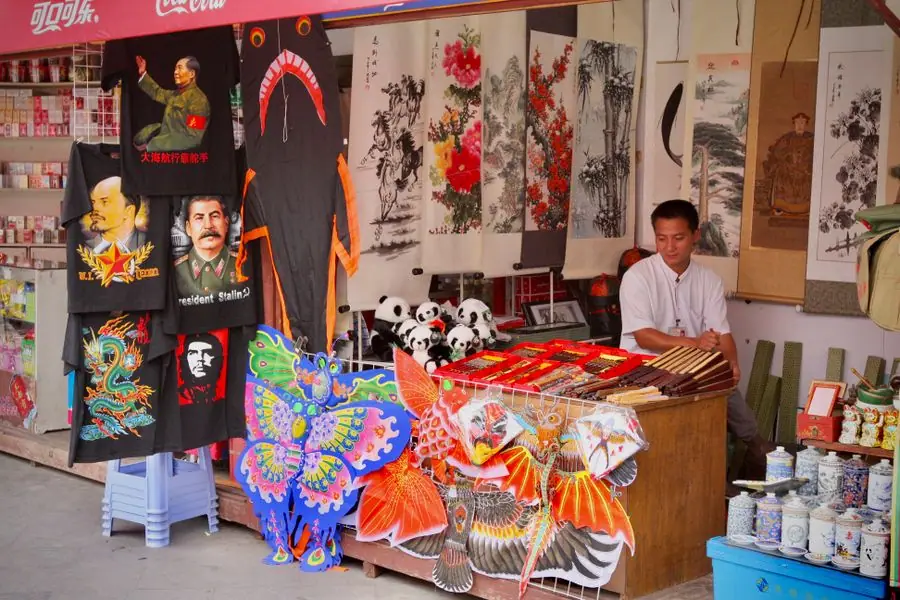
Tang tri-colour (Tang sancai)
Glazed horses, camels and figures in the Luoyang tradition — the touristic Henan ceramic, from tiny fridge magnets to serious reproductions.
-
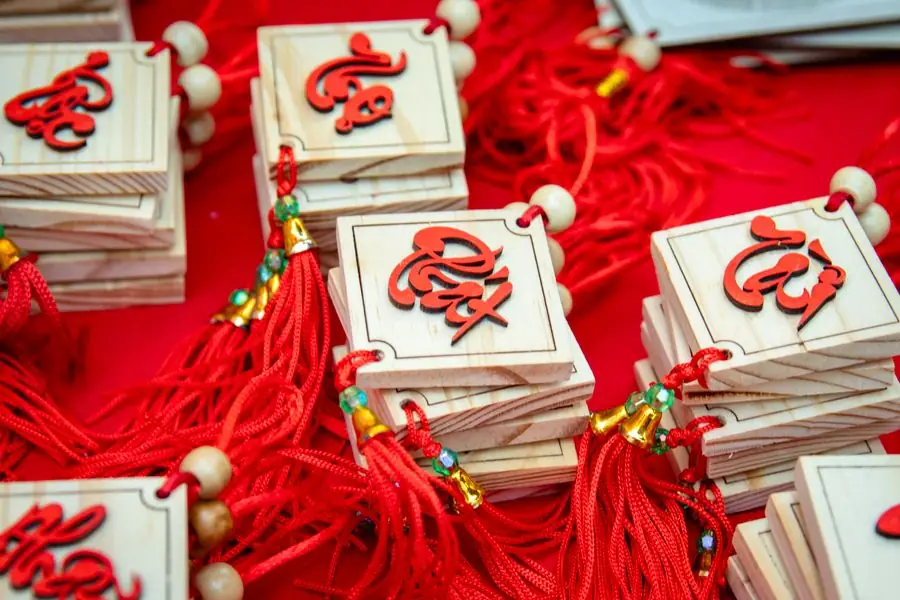
Chengni inkstone
A Yellow-River silt inkstone, a traditional scholar's tool fired from river clay — a small, packable Henan craft for the calligraphy-minded.
-
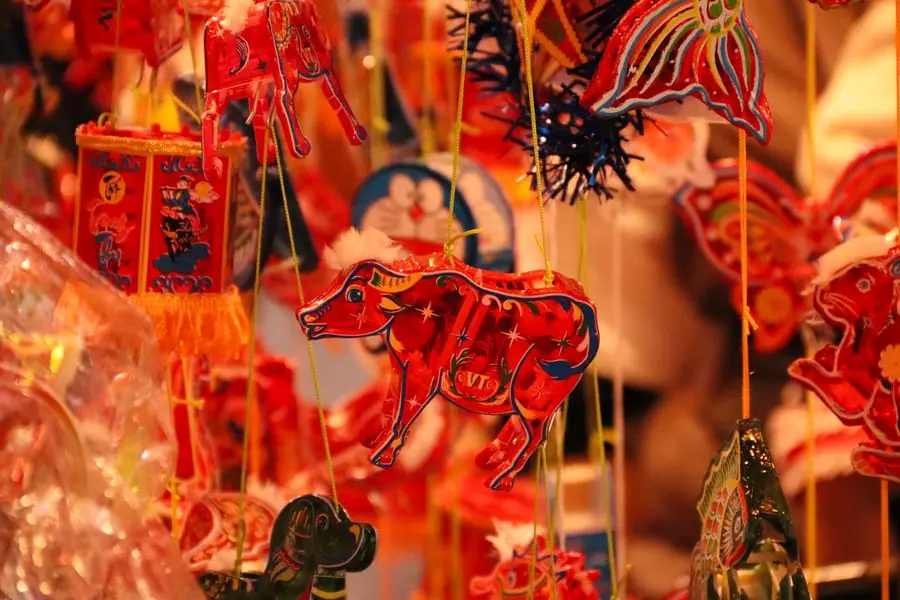
Xinzheng red dates (Hong zao)
The dried red dates of Xinzheng (Zhengzhou's county) — sweet, chewy and bagged at the markets; the easy edible souvenir from the city's own countryside.
Getting around Zhengzhou
Zhengzhou is one of China's biggest rail hubs and an air gateway to Henan; the city itself runs on metro, bus and taxi, while Shaolin and the outer sites need a car, tour bus or the high-speed train.
- High-speed rail
- Zhengzhou East is a national high-speed hub: Beijing West about 2.5 h, Xi'an North about 2 h, Wuhan about 1.5 h, Shanghai about 4–5 h, Guangzhou about 5–6 h. Zhengzhou station (city centre) and Zhengzhou East both have HSR; allow a metro or taxi ride to your hotel.
- Long-distance bus
- City buses are cheap (about $0.28 / RMB 2) and reach the Henan Museum, the Shang city ruins, Erqi Square and the Yellow River park; long-distance buses run to Dengfeng (Shaolin), Kaifeng, Luoyang and the county towns.
- Metro & bus
- Zhengzhou metro (lines 1–10+) covers the centre, the East station and the CBD; use Alipay / WeChat 'transit' pass. Line 1 runs past the Henan Museum and the East station.
- Taxis
- Taxis are metered from about $1.13 (RMB 8); the airport, both stations and the centre are short rides apart.
- Ride-hailing
- DiDi is the default for the Shaolin / Songshan day trips and the Gongyi sites (Kang Manor, Gongxian Grottoes) — they are spread out and a booked car is easiest.
- Shared bikes
- Shared e-bikes cover the flat centre between Erqi Square, the Shang city ruins and the museum quarter; the centre is walkable.
- Intercity carpool
- High-speed trains and intercity buses link Zhengzhou with Kaifeng, Luoyang, Anyang and the rest of Henan; for Shaolin many visitors take the tourist shuttle or a booked car.
Plan your 1, 2 or 3 days in Zhengzhou
Pick the length of your stay. Each plan is its own page, anchored at the city centre and written from real traveller itineraries — including splits for sightseeing, shopping, landscape, families and older travellers.
Zhengzhou in one day: museums and the old centre
Morning at the Henan Museum, then the Zhengzhou Shang city ruins and the Shangdu Ruins Museum, the afternoon at the Erqi Memorial Tower and a night-market stroll of Dehua Street, with Zhengzhou Museum as a free add-on.
Read the plan → 2-dayZhengzhou in two days: + Shaolin and Mount Song
Day two heads southwest to Dengfeng: the Shaolin Temple and its kung-fu show, the Pagoda Forest, and Songyang Academy or the summit of Mount Song — back in the evening, or overnight in Dengfeng.
Read the plan → 3-dayZhengzhou in three days: + the Yellow River and Gongyi
The third day takes the Yellow River Cultural Park (the Yan-Huang emperors statue) and, to the southwest, the Kang Baiwan Manor and the Gongxian Grottoes at Gongyi — or the immersive Only Henan · Drama Park in Zhongmu.
Read the plan →Frequently asked questions
- When is the best time to visit Zhengzhou?
- April–May and September–October are mild and dry, good for the city museums and the Songshan / Yellow River day trips. Summer is hot and rainy; winter is cold but fine for the indoor museums and the heated drama parks.
- Do I need a visa for Zhengzhou?
- Zhengzhou Xinzheng International Airport (CGO) is itself a participating port of China's 240-hour (10-day) visa-free transit scheme. If your nationality is among the 57 countries eligible for the 240-hour transit waiver and you continue to a third country, you can enter at Zhengzhou and stay in Henan (which includes Zhengzhou, Dengfeng, Gongyi and the Yellow River parks) for up to 10 days. Otherwise arrange a Chinese visa in advance; confirm the current qualifying list and ports with a consulate before booking. The city is also a major high-speed rail hub, so many visitors arrive from Beijing, Xi'an or Shanghai.
- What is Zhengzhou known for?
- Zhengzhou is the capital of Henan and China's rail hub — the launch point for the Shaolin Temple and Mount Song, and home of the Henan Museum, the 3,600-year-old Shang city ruins, the Yellow River scenic park and the Erqi Memorial Tower. It is the gateway to the Central Plains, the cradle of Chinese civilisation.
- How much do the sights cost?
- Many are free: the Henan Museum, the Zhengzhou Museum, the Shangdu Ruins Museum, the Yellow River Museum, the Erqi Memorial Tower and the Qianxi Plaza ('Big Corn'). The paid ones: the Shaolin Temple $11.27 (RMB 80), the Mount Song scenic area $11.27 (RMB 80), the Yellow River Cultural Park about $6.76 (RMB 48), Songyang Academy $4.23 (RMB 30), the Gaocheng Astronomical Observatory about $5.63 (RMB 40), the Zhongyuan (Futower) Tower $12.68 (RMB 90), the Kang Baiwan Manor $7.04 (RMB 50), the Gongxian Grottoes $3.94 (RMB 28) and Only Henan · Drama Park about $40.85 (RMB 290).
- How many days do I need?
- Two days covers the city (Henan Museum, the Shang ruins, Erqi Tower, the night markets) plus a Shaolin / Songshan day. Three adds the Yellow River park and the Gongyi sites, or the Only Henan drama park. Add a fourth for a Luoyang or Kaifeng side trip.
- How do I get to the Shaolin Temple and Mount Song?
- Both are at Dengfeng, about 80–90 km southwest. Take the tourist shuttle from Zhengzhou (about 1.5 h), a high-speed train to Zhengzhou–Dengfeng area plus a local bus, or a DiDi / self-drive via the Zhengzhou–Shaolin expressway (about 1.5 h). The Shaolin Temple, the Pagoda Forest, Songyang Academy and the Gaocheng Observatory are separate sites around Dengfeng; most visitors do Shaolin plus one or two in a Dengfeng day.
Page last reviewed: 2026-11-02.