Kang Baiwan Manor 2026: Tickets, How to Visit & Tips
The 'millionaire Kang' estate — a vast walled compound of the Kang merchant family of Gongyi, built across the Ming, Qing and Republican eras and once one of the richest households in Henan. The manor spreads over dozens of courtyards with carved woodwork, a riverside location and the family motto ('leave surplus') that made its fortune. It is a quieter, less-visited great mansion than the famous Shanxi estates, and a good half-day from Zhengzhou.
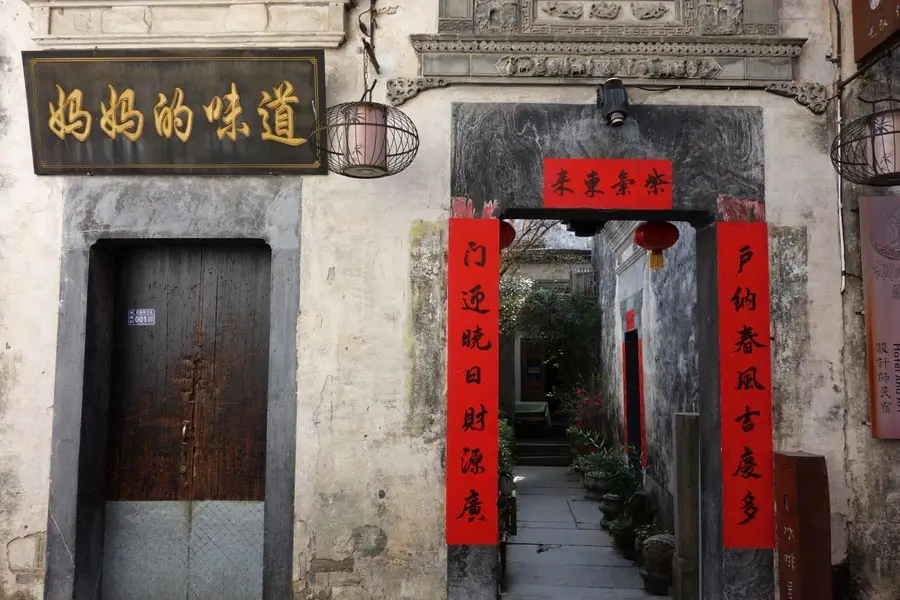
Kang Baiwan Manor (康百万庄园) is one of the headline sights in Zhengzhou. The ‘millionaire Kang’ estate — a vast walled compound of the Kang merchant family of Gongyi, built across the Ming, Qing and Republican eras and once one of the richest households in Henan. The manor spreads over dozens of courtyards with carved woodwork, a riverside location and the family motto (‘leave surplus’) that made its fortune. It is a quieter, less-visited great mansion than the famous Shanxi estates, and a good half-day from Zhengzhou.
Intro: why go
It is the great merchant mansion of Henan — a walled estate of the ‘millionaire Kang’ family spanning three dynasties, and far less crowded than the Shanxi estates.
Tickets & booking
The manor ticket is $7.04 (RMB 50); open about 08:00–17:30. Verify the current price on site.
How to visit
Walk the main courtyards, the riverside wall and the carved halls, and read the ‘leave surplus’ family motto; allow about 2 h.
Facilities
The courtyards, a shop, toilets and shade trees; compact and walkable.
Best season
Year-round; spring and autumn are most comfortable.
Getting there
About 60 km southwest at Gongyi, by high-speed train to Gongyi + taxi, or a DiDi / self-drive (about 1 h); pair with the Gongxian Grottoes.
Tips
- Pair it with the Gongxian Grottoes, also at Gongyi
- Look for the ‘leave surplus’ (liuyu) family motto
- Less crowded than the Shanxi estates — enjoy the calm
- A guide explains the Kang family rise and fall
Page last reviewed: 2026-11-02. Ticket seasons and crowd seasons are different things — this page states both where they differ.