Xi'an 2026: Terracotta Army, the City Wall & Muslim Quarter on a 1–3 Day Plan
Xi'an is the ancient capital where the Silk Road began, and the Terracotta Army still guards Qin Shi Huang's tomb. Walk the Ming City Wall, climb the Bell Tower and eat your way through the Muslim Quarter on a plan that fits one to three days.
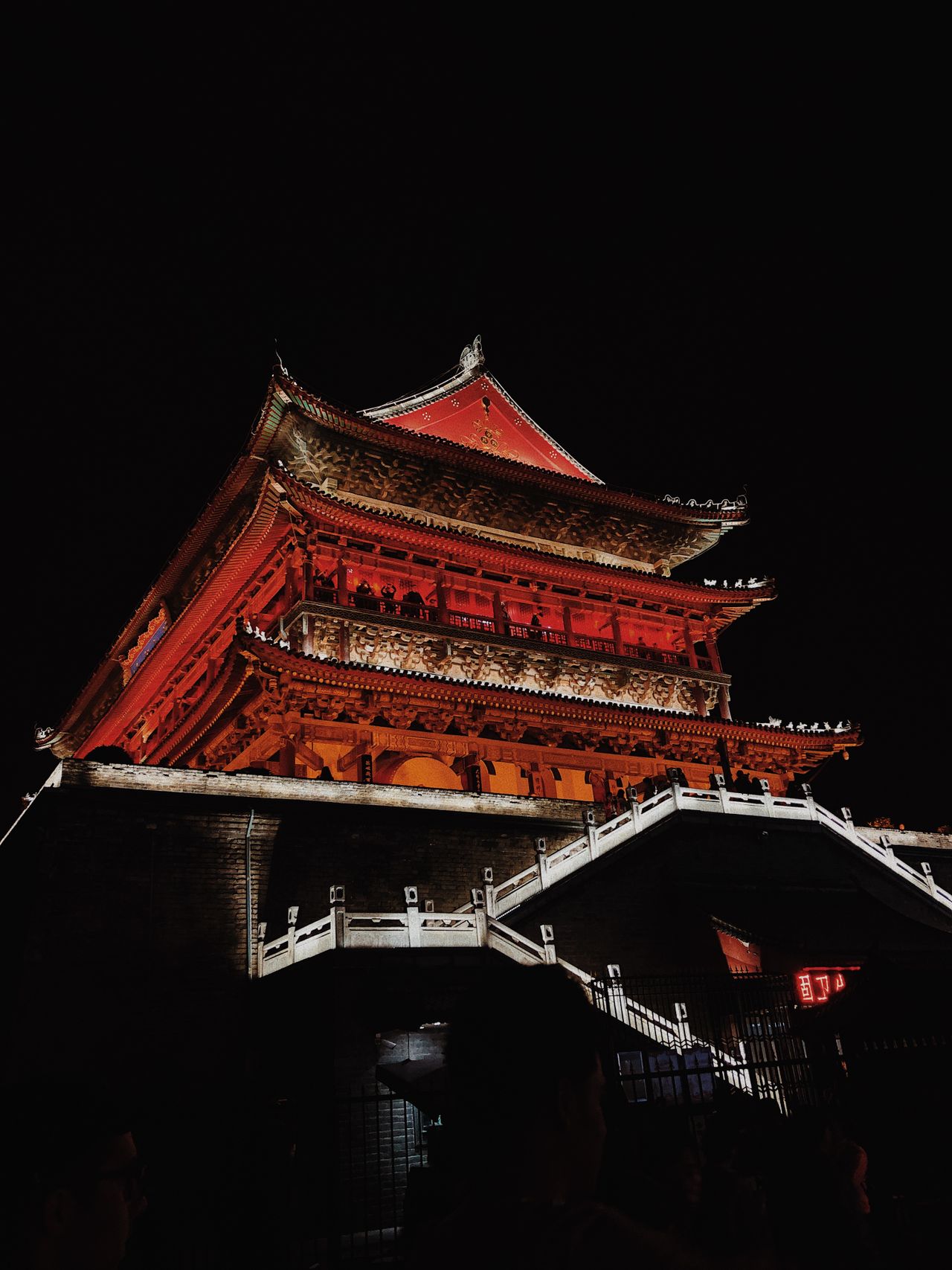
History & culture
Xi'an began as Chang'an, capital of the Zhou, Qin, Han and Tang dynasties, and the eastern start of the Silk Road more than 2,000 years ago.
The Tang-era city was the world's largest and most cosmopolitan capital, home to a million people and traders from across Asia before it fell in 904.
The Ming dynasty rebuilt the rectangular City Wall you walk today in 1370; the Terracotta Army, buried with Qin Shi Huang in 210 BC, was found by farmers in 1974.
Best time to visit Xi'an
Xi'an is best in mild spring and autumn; summers are hot and winters cold, but the city stays open and the Lantern Festival lights up the walls.
Cuisine of Xi'an
Signature dishes worth seeking out — prices are typical per-person or per-dish ranges, not fixed quotes.
-
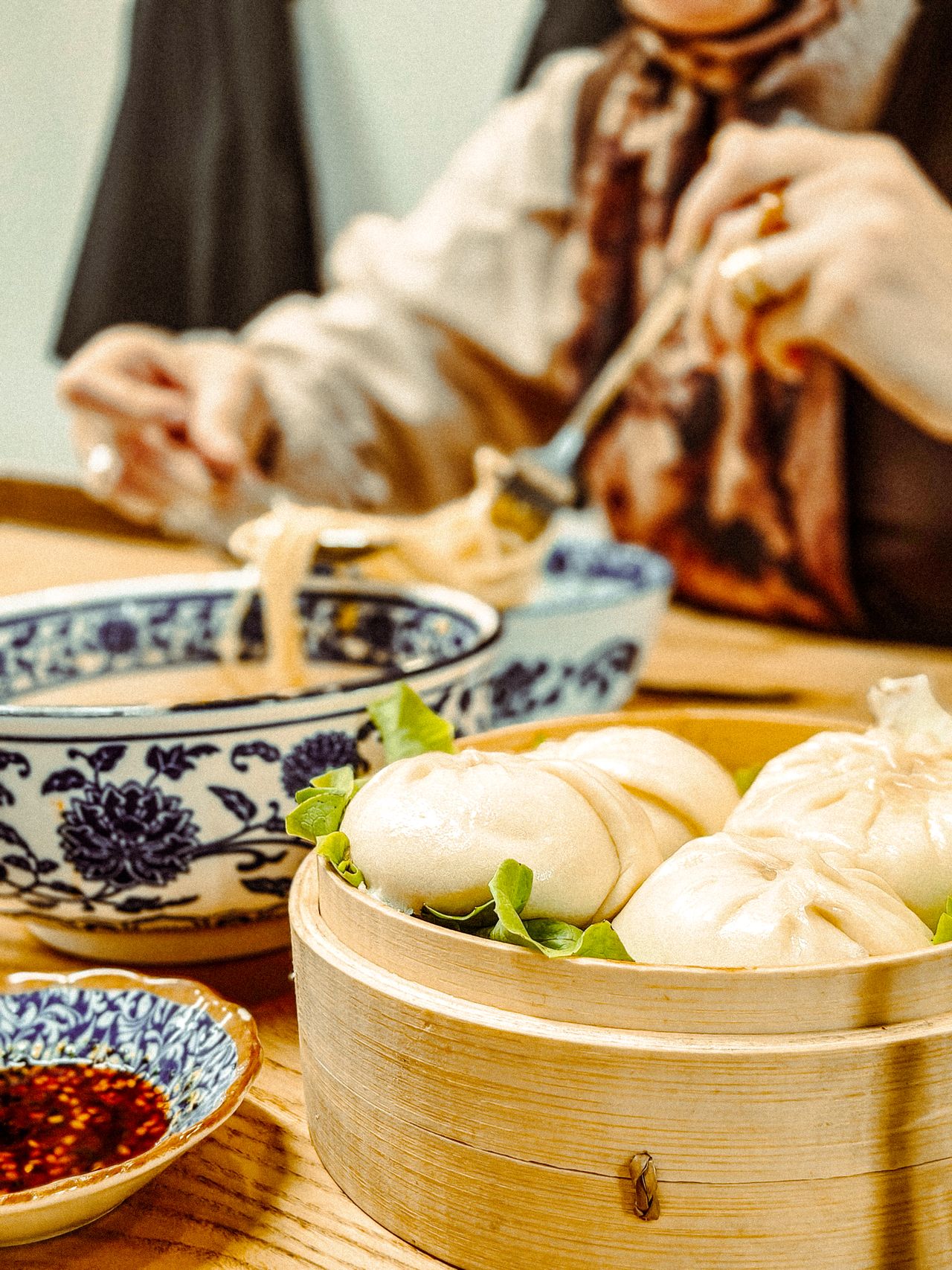
Roujiamo
A warm flatbread stuffed with braised pork, cumin and peppers; locals call it the Chinese hamburger and eat it on the street.
-
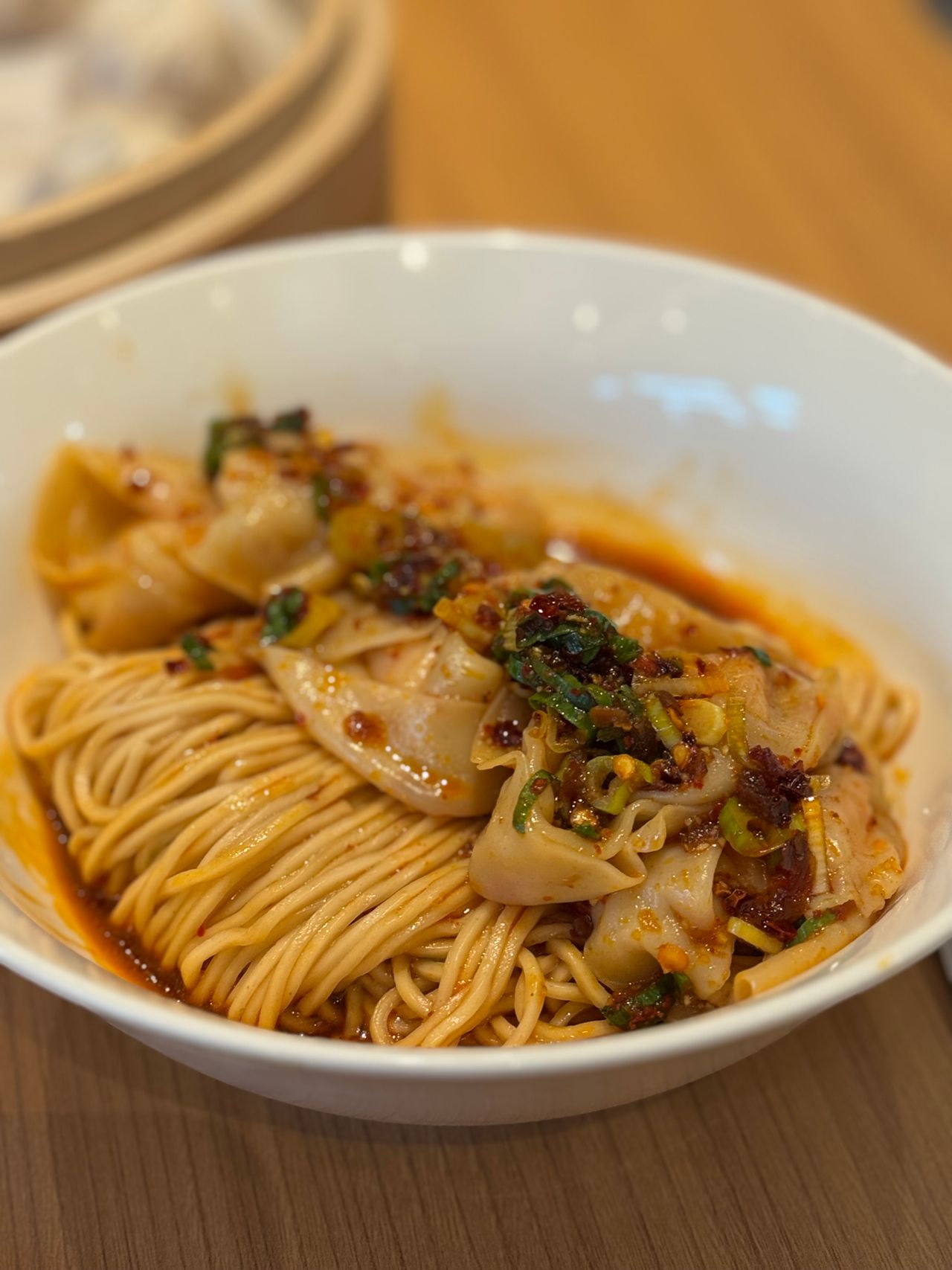
Biangbiang Noodles
Thick, belt-wide hand-pulled noodles in chilli oil, garlic and vinegar — a Xi'an signature written with the hardest character in Chinese.
-

Liangpi
Cold rice noodles with sesame, chilli and vinegar, a cooling street staple that beats the summer heat.
-
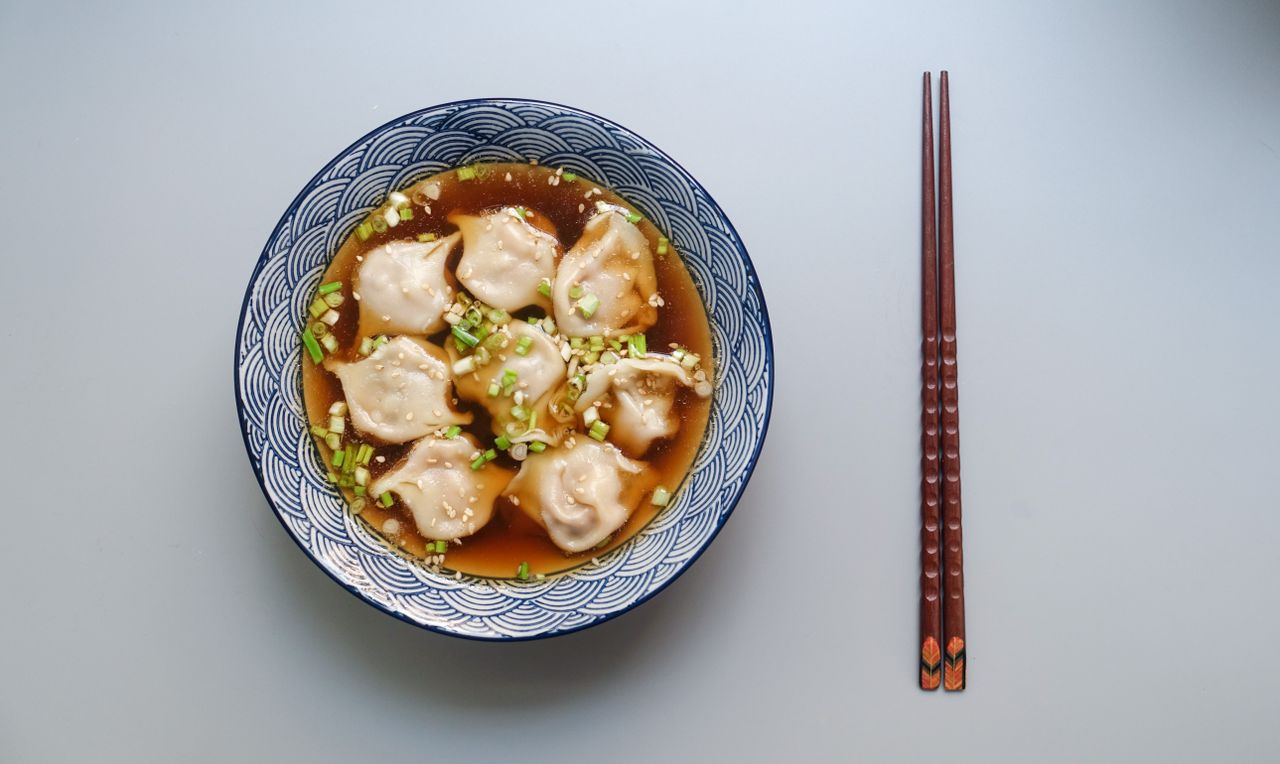
Yangrou Paomo
A mutton broth where you break flatbread into the bowl; the Shaanxi comfort dish best eaten in the Muslim Quarter.
-
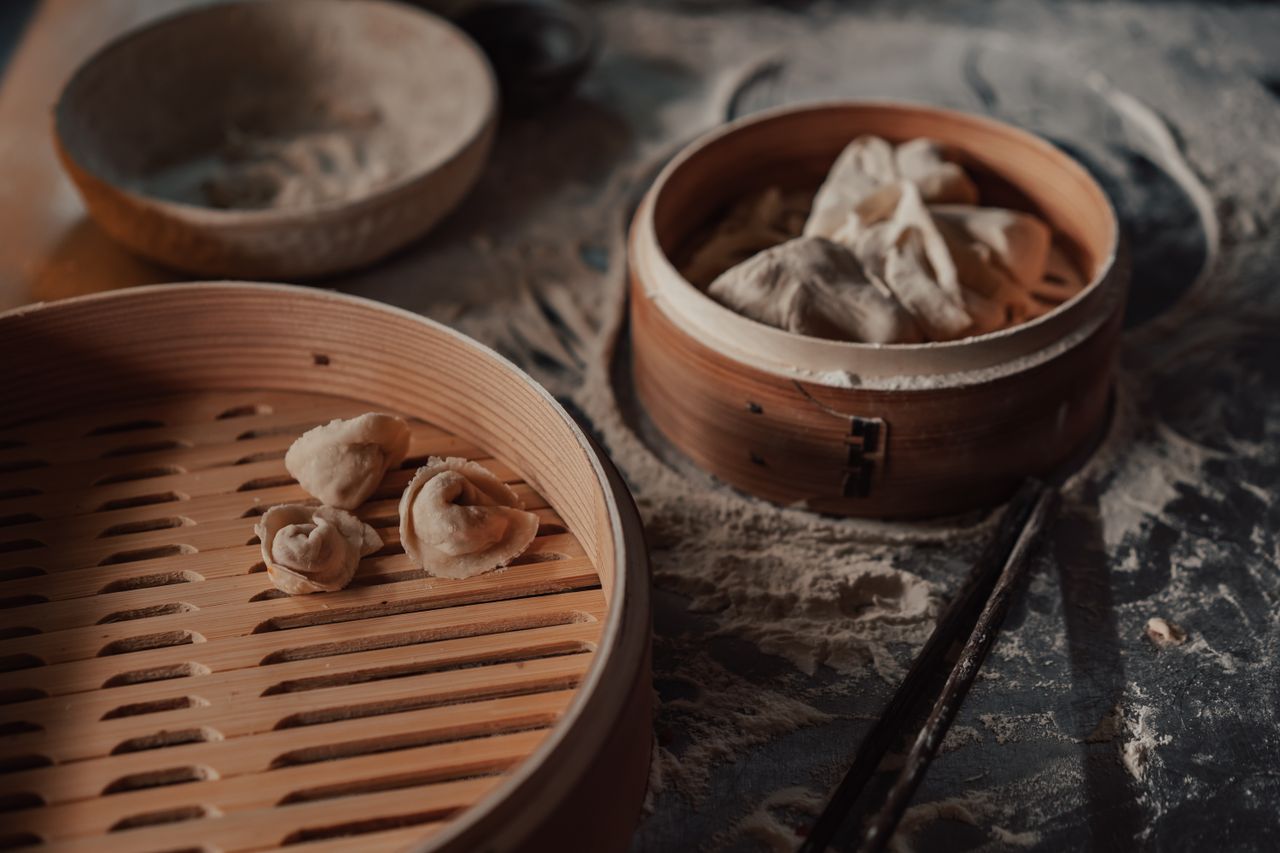
Jiaozi Dumplings
Steamed or boiled dumplings folded fresh and eaten with black vinegar across the city's night markets and halal shops.
-
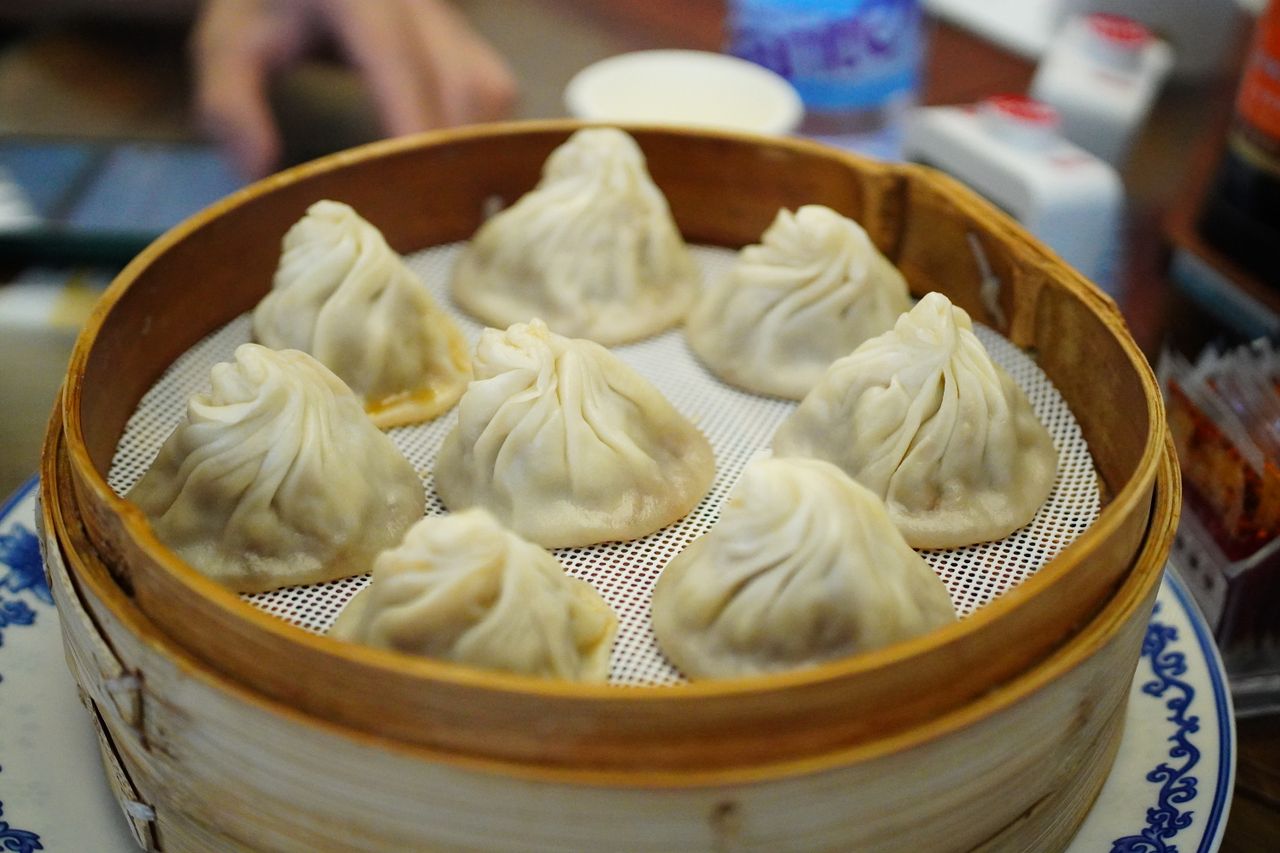
Soup Dumplings
Guantang baozi — steamed buns that burst with hot broth; a Xi'an breakfast and late-night favourite in the Muslim Quarter.
Every major sight — with its own guide
Right after the food above, here are the sights — each one links to its own full guide (what to see, how to get there, facilities and the best season). Names follow each sight's official English signage.
Lintong (east)
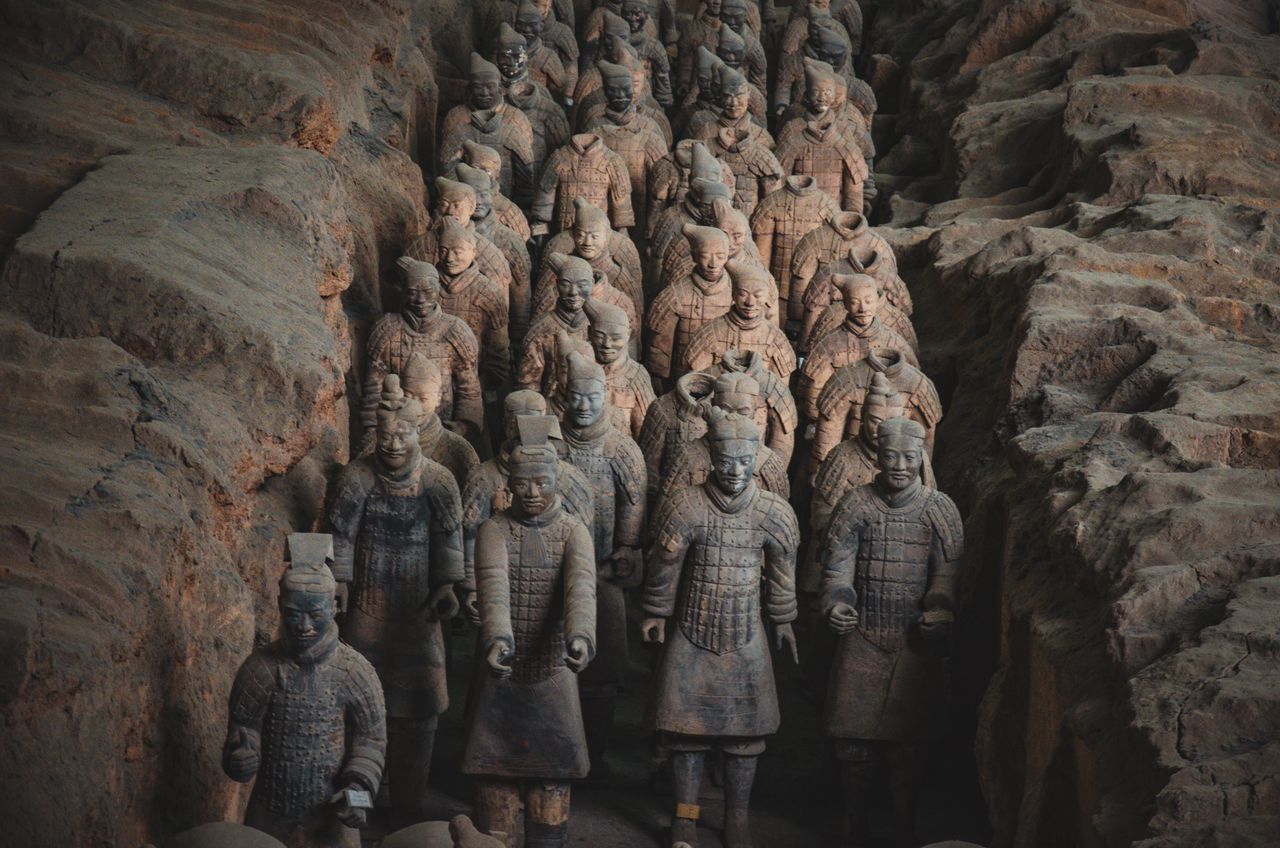
Terracotta Army 兵马俑
The life-size clay army buried with China's first emperor in 210 BC, found in 1974 and still being excavated east of the city.
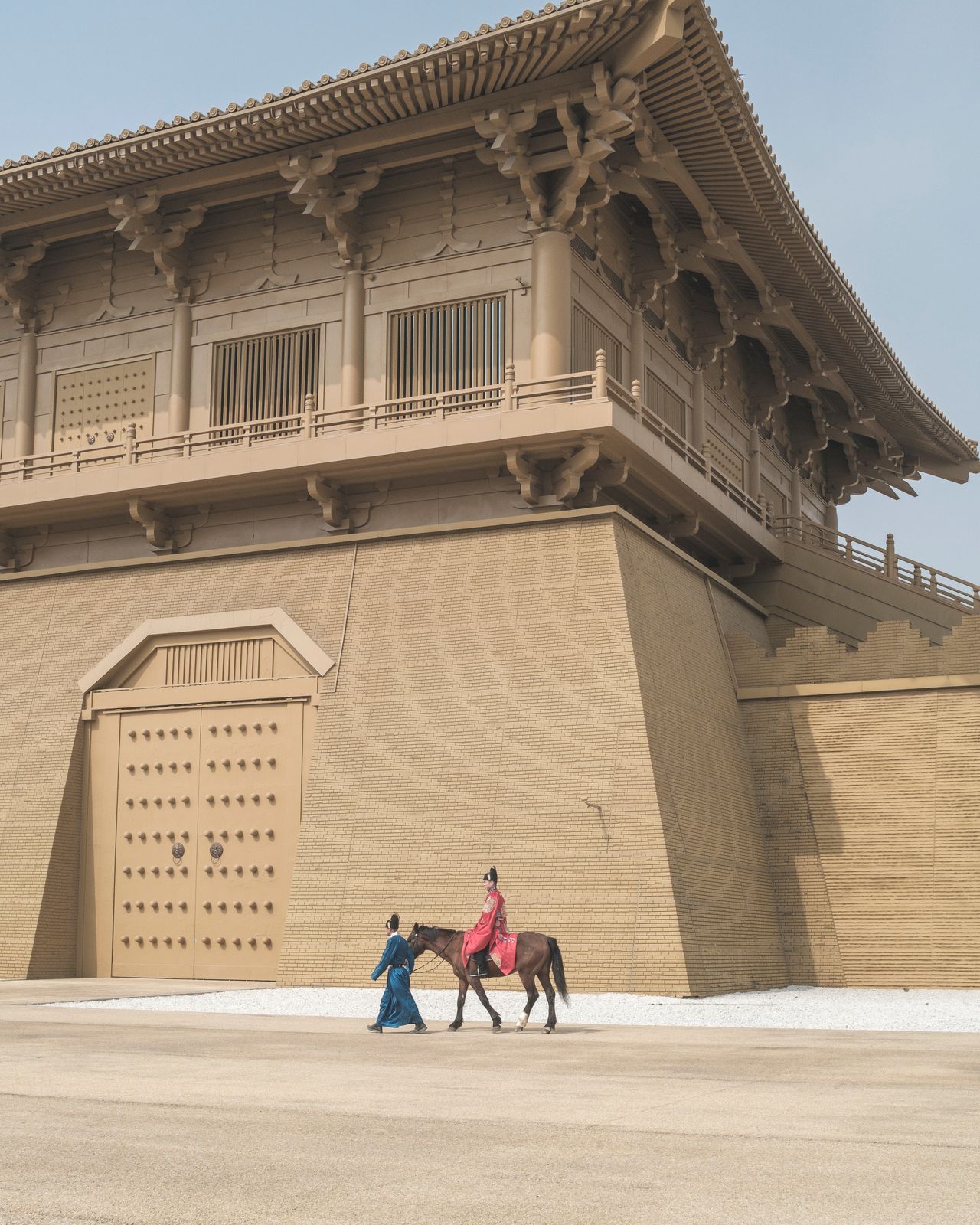
Huaqing Hot Springs 华清池
A Tang imperial spa east of the city, tied to the love story of Emperor Xuanzong and Yang Guifei, with the evening 《长恨歌》 show.
City core
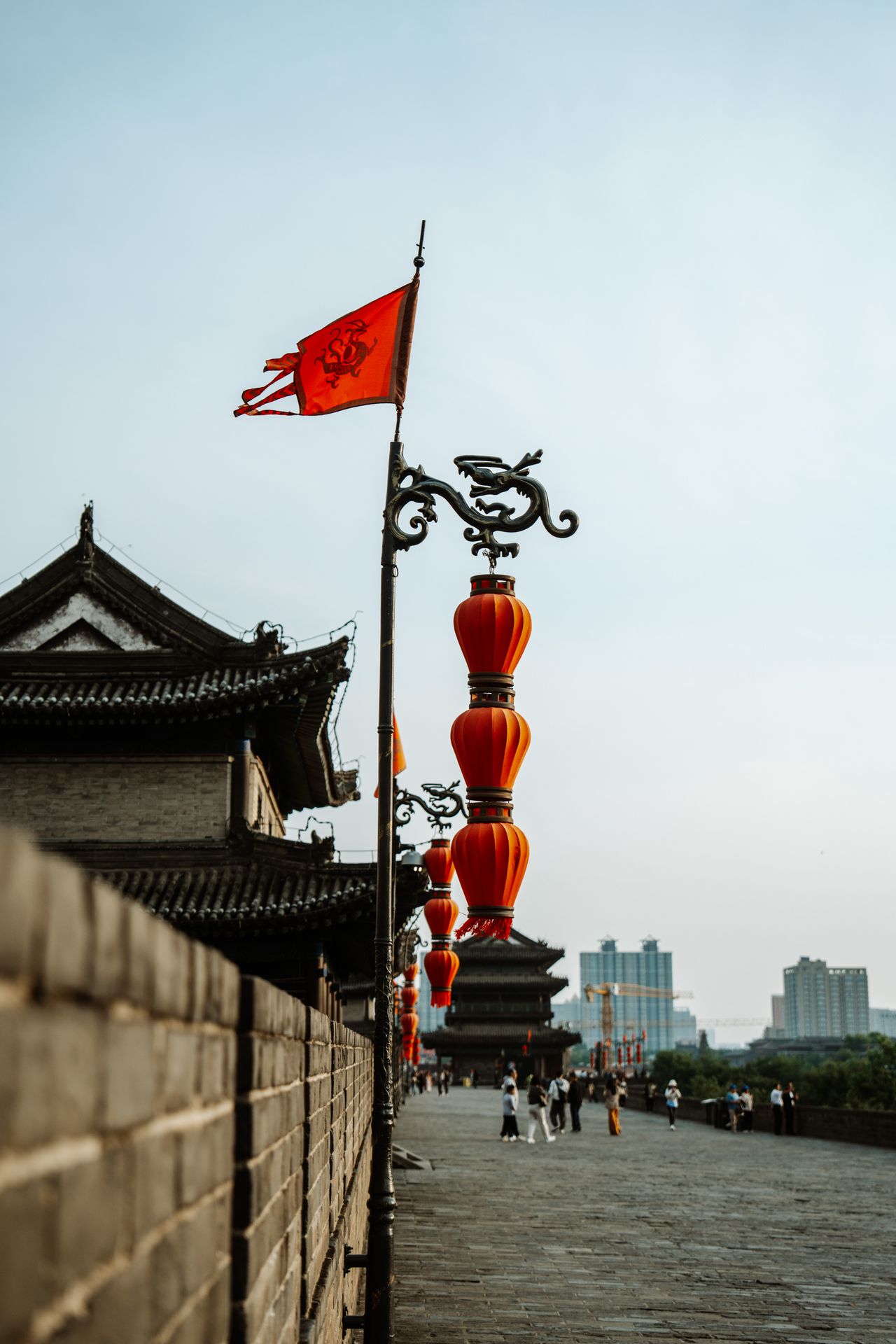
Xi'an City Wall 西安城墙
The most complete Ming-era wall in China, a 14 km rectangle you can walk or cycle on top with views over the old city.
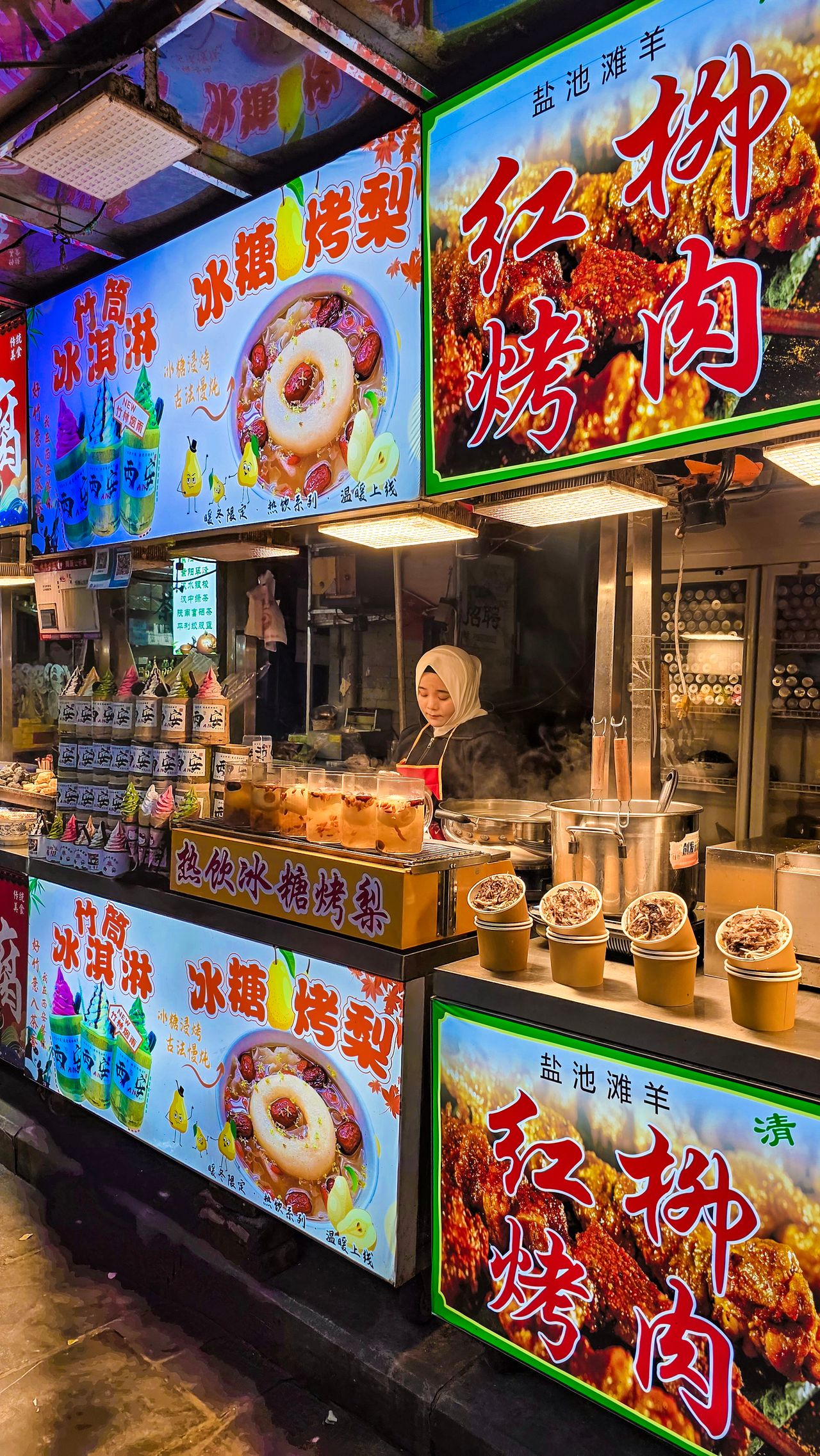
Muslim Quarter 回民街
The halal heart of Xi'an, a maze of lanes packed with noodle stalls, kebabs, sweets and the Great Mosque at its edge.
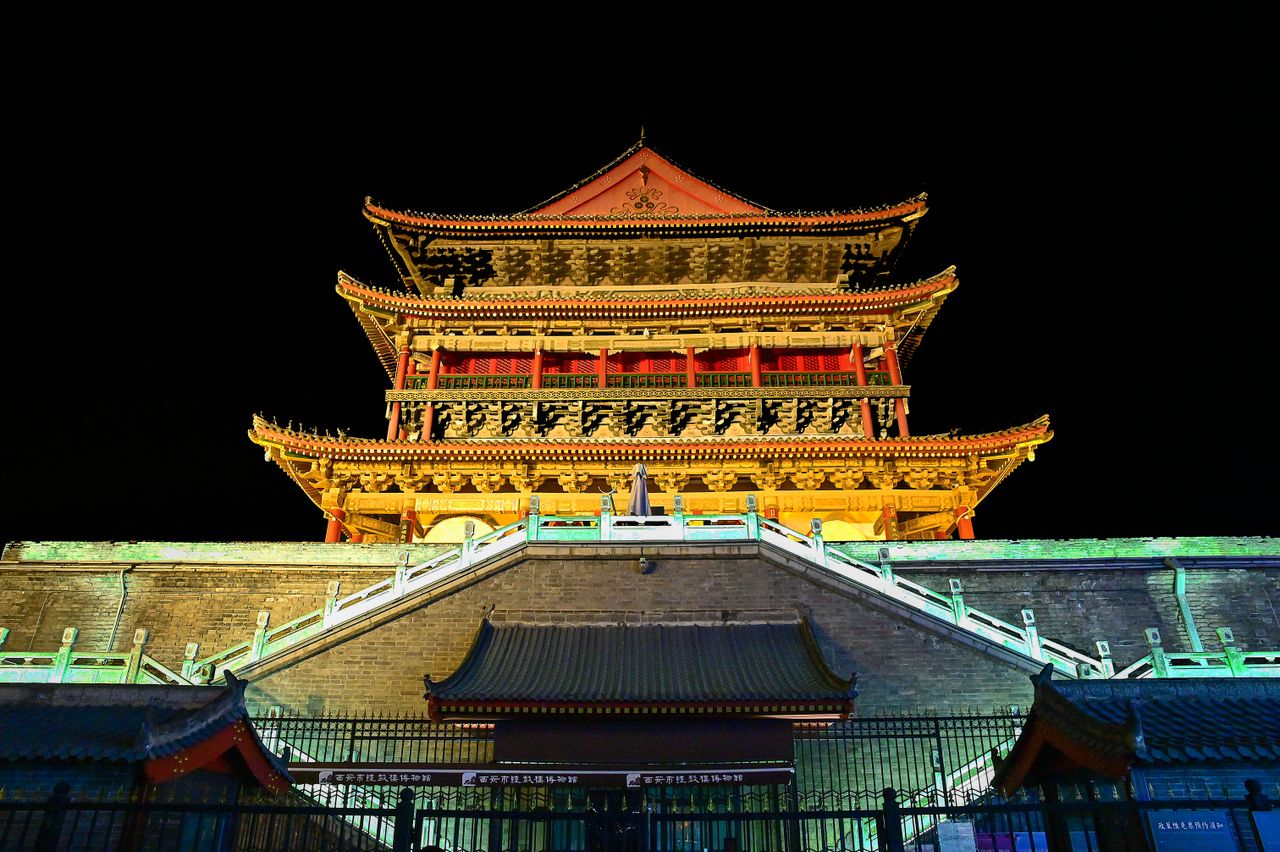
Bell Tower 钟楼
The Ming landmark at the exact centre of the walled city, a wooden tower you can climb for views over the four main avenues.
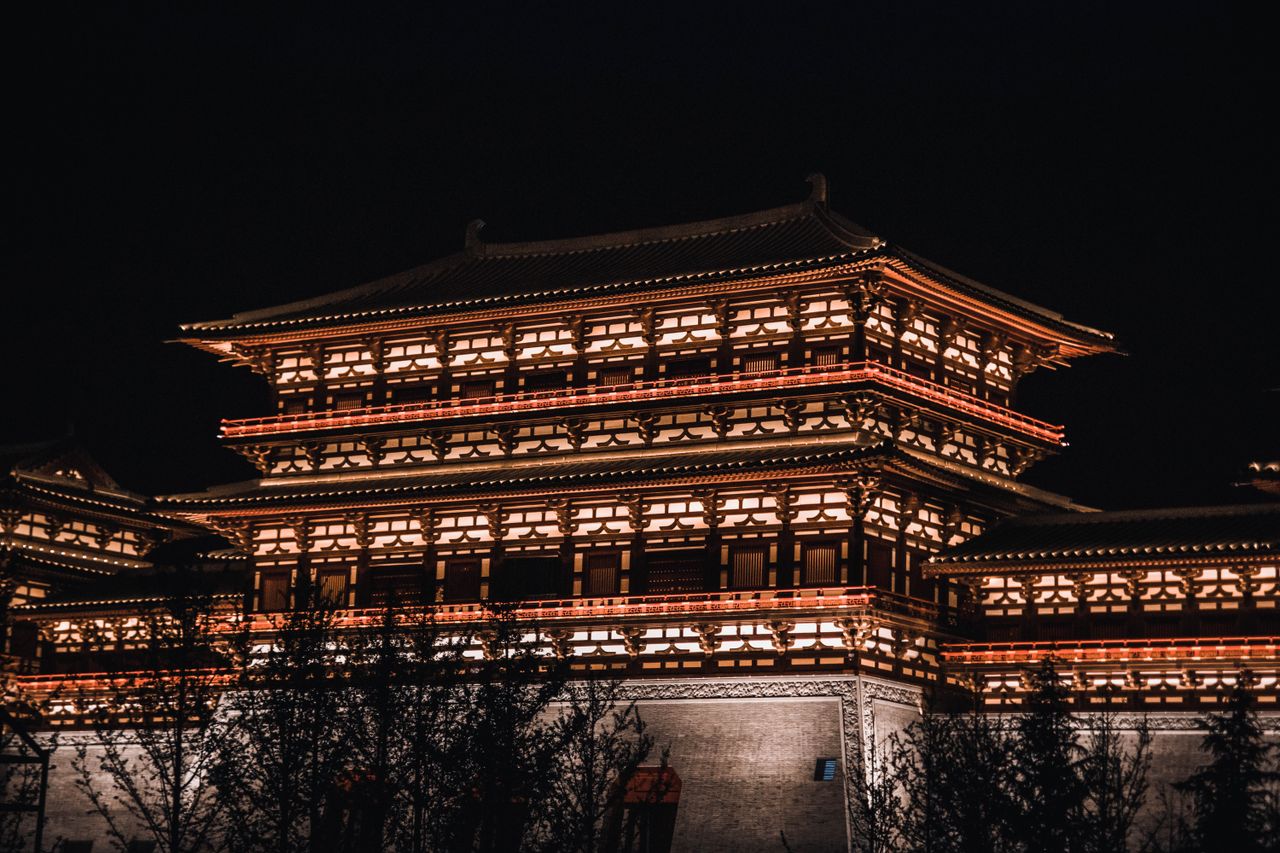
Drum Tower 鼓楼
The Bell Tower's twin to the west, a Ming drum tower above the Muslim Quarter with drum shows in the evening.
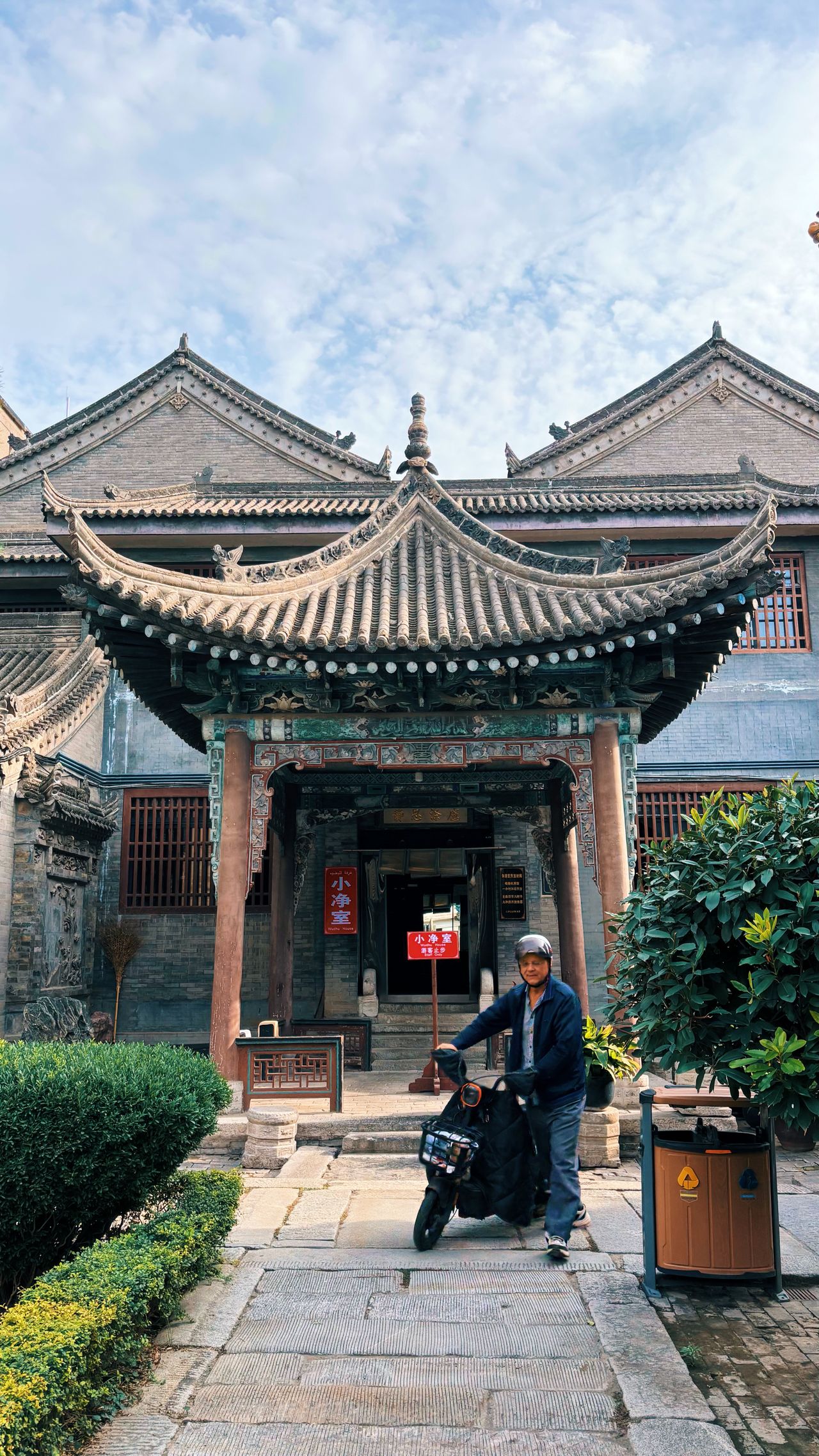
Great Mosque 西安大清真寺
A 1,400-year-old mosque built in Chinese temple style with pavilions and gardens, tucked inside the Muslim Quarter.
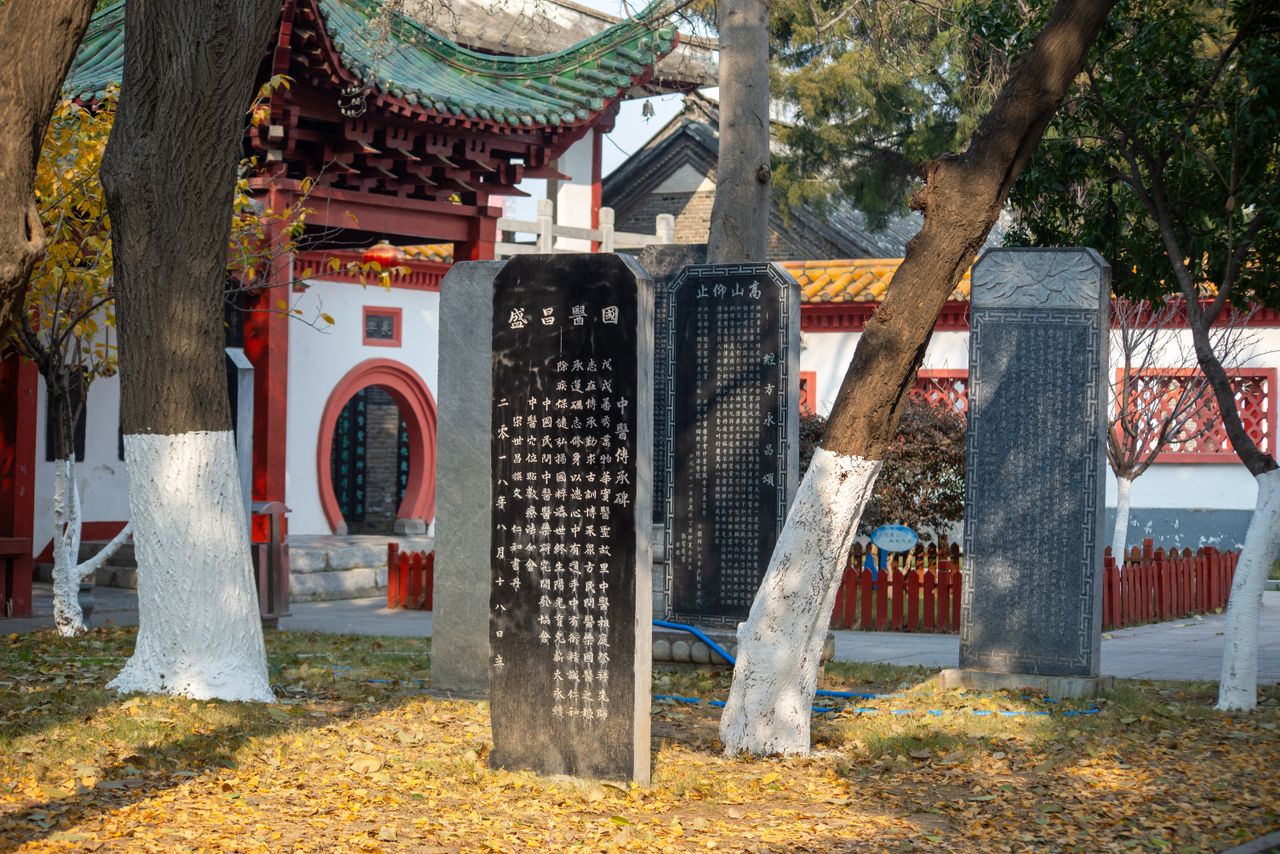
Forest of Steles Museum 碑林博物馆
A courtyard museum of 3,000 stone tablets carved with classical texts and calligraphy, the best place to see ancient Chinese writing.
Around Xi'an
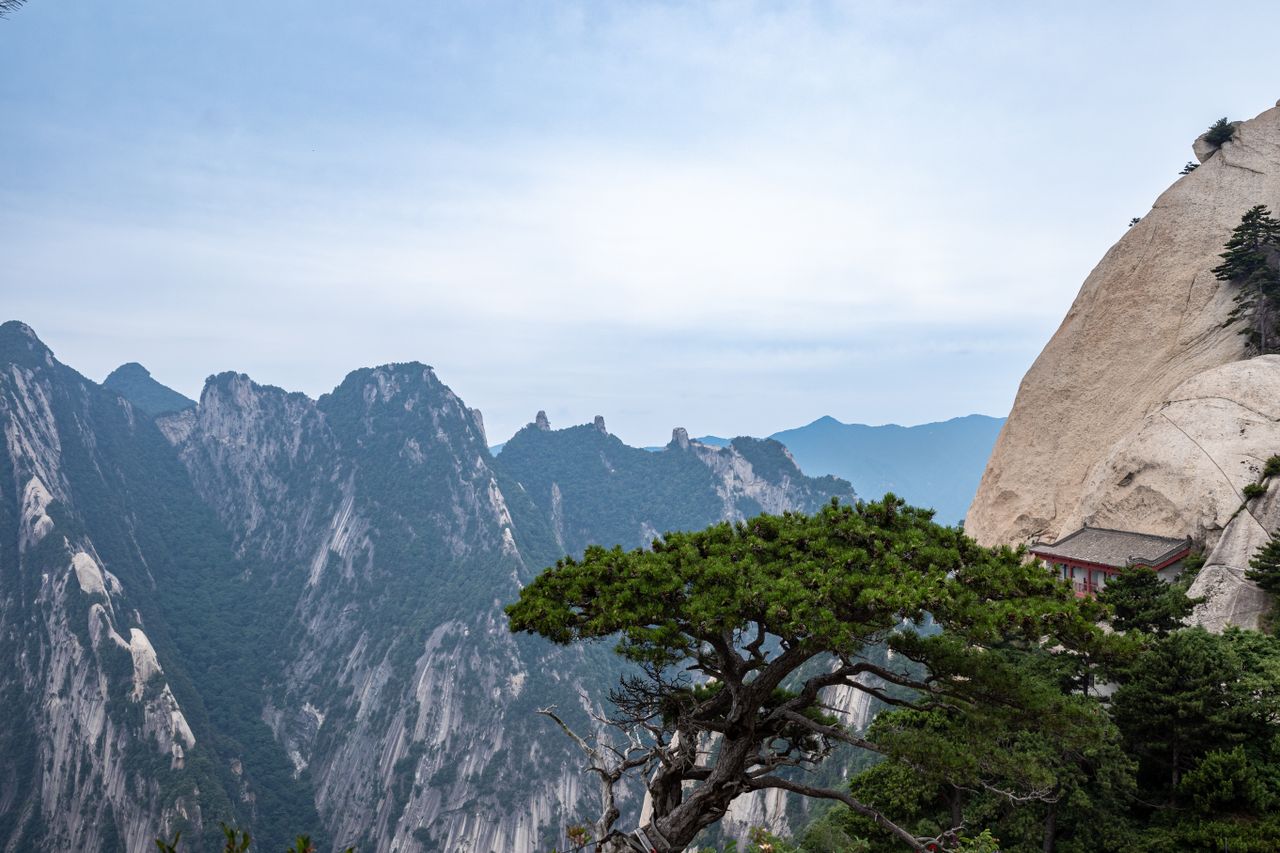
Mount Hua 华山
One of China's five sacred mountains, a near-vertical granite peak 120 km east and a classic, thrilling day hike or cable-car trip.
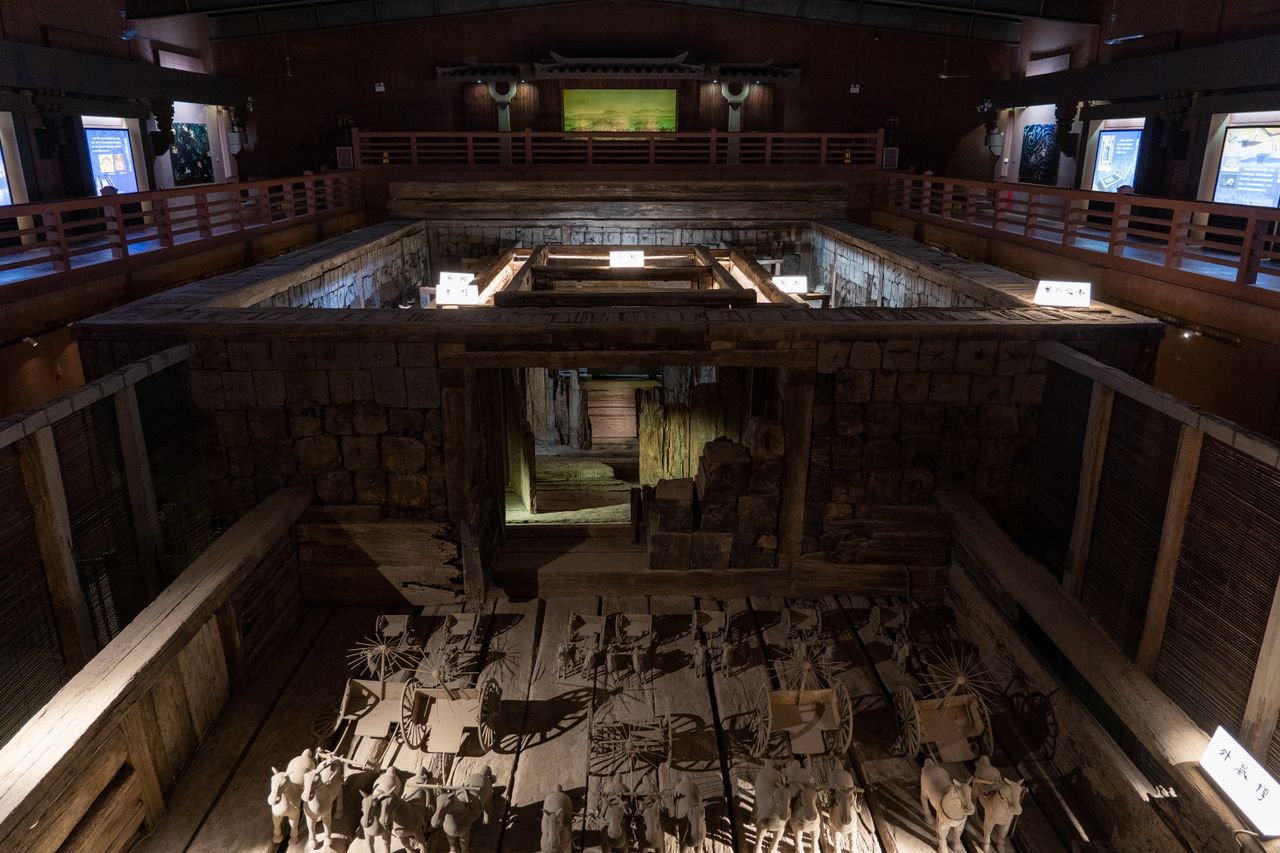
Banpo Museum 半坡博物馆
A Neolithic Yangshao village site with dug-out homes and pottery, about 10 km east and a short stop toward the Terracotta Army.
Qianling Mausoleum 乾陵
The joint tomb of Tang emperors Gaozong and Wu Zetian, 85 km west, guarded by a famous stone-sculpture spirit way.
South

Big Wild Goose Pagoda 大雁塔
A 1,300-year-old Tang pagoda built to house Buddhist scriptures, with gardens, fountains and night light shows south of the wall.
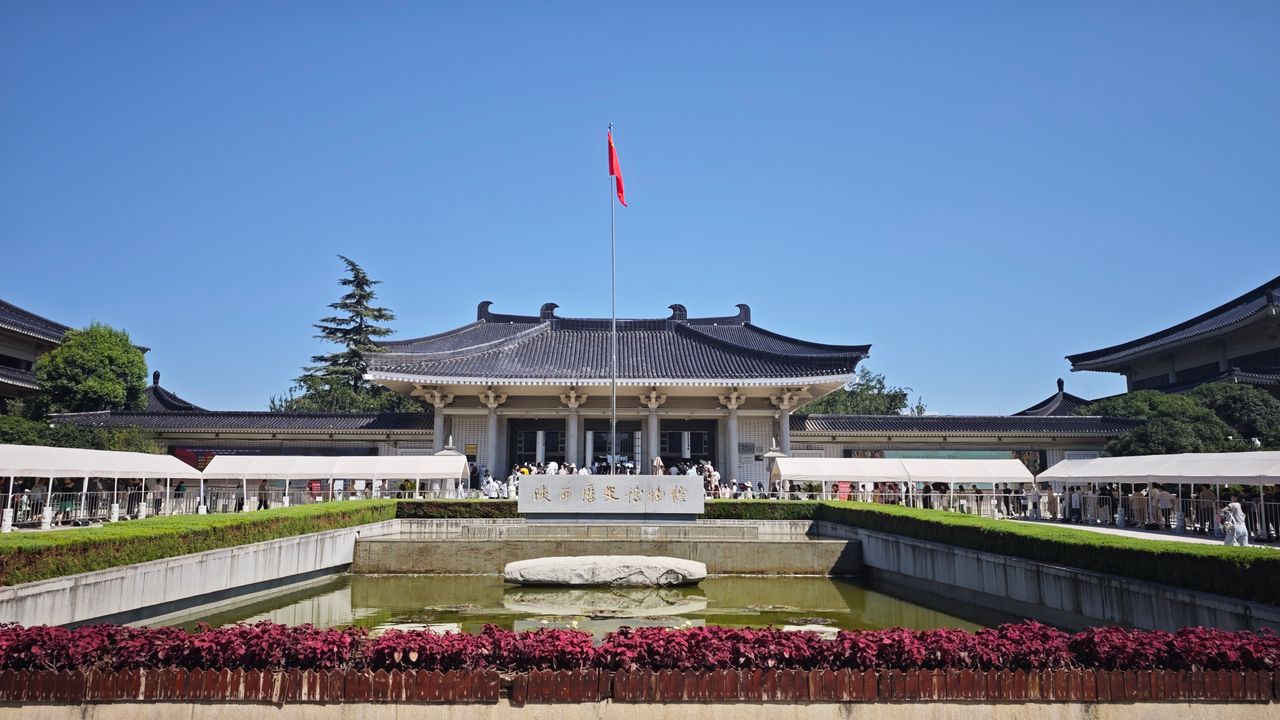
Shaanxi History Museum 陕西历史博物馆
The best museum for Silk Road and Tang treasures, free but only with a timed reservation released days ahead on WeChat.
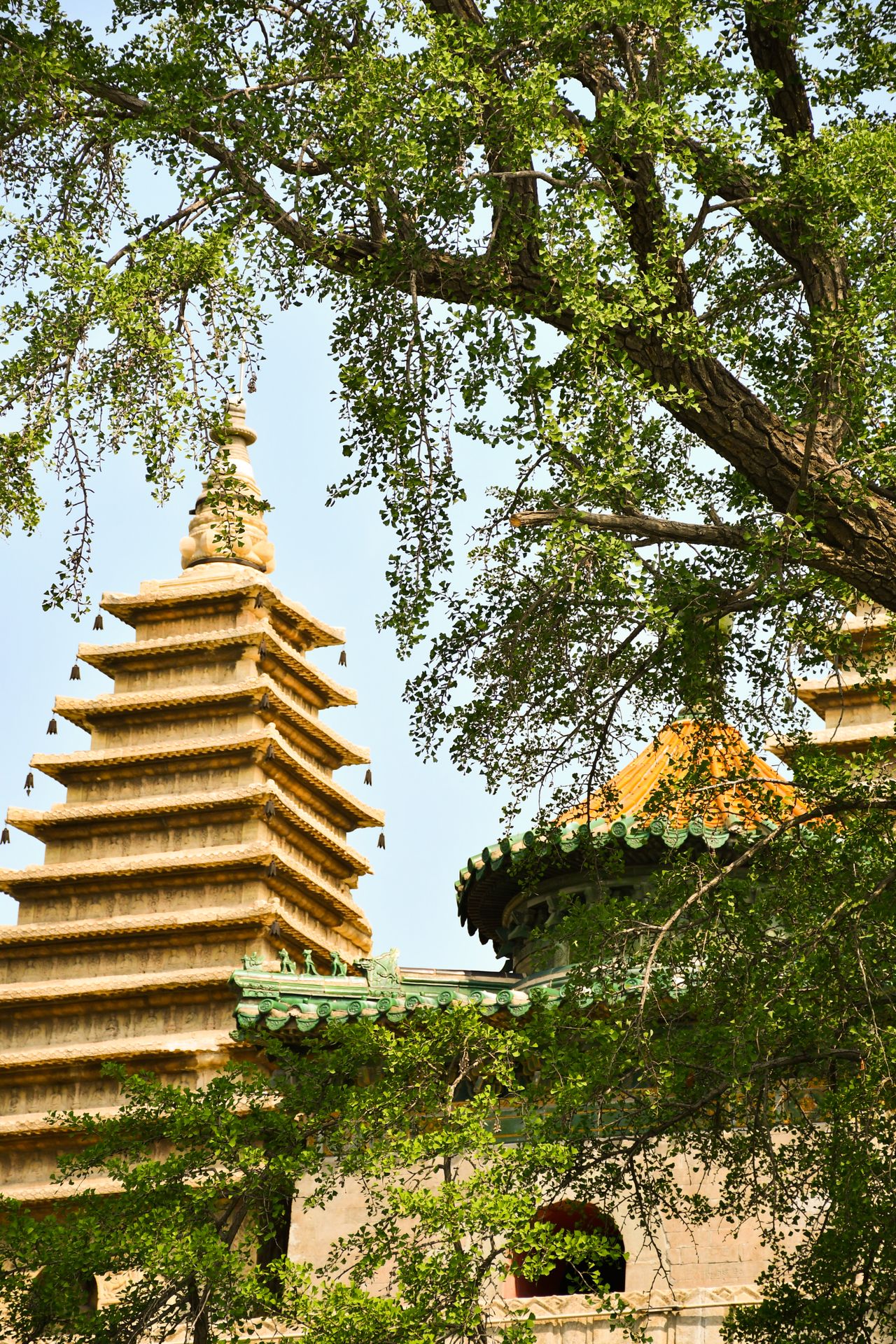
Small Wild Goose Pagoda 小雁塔
A quieter Tang pagoda beside the Xi'an Museum, set in gardens that survive the 1556 earthquake with a lean.
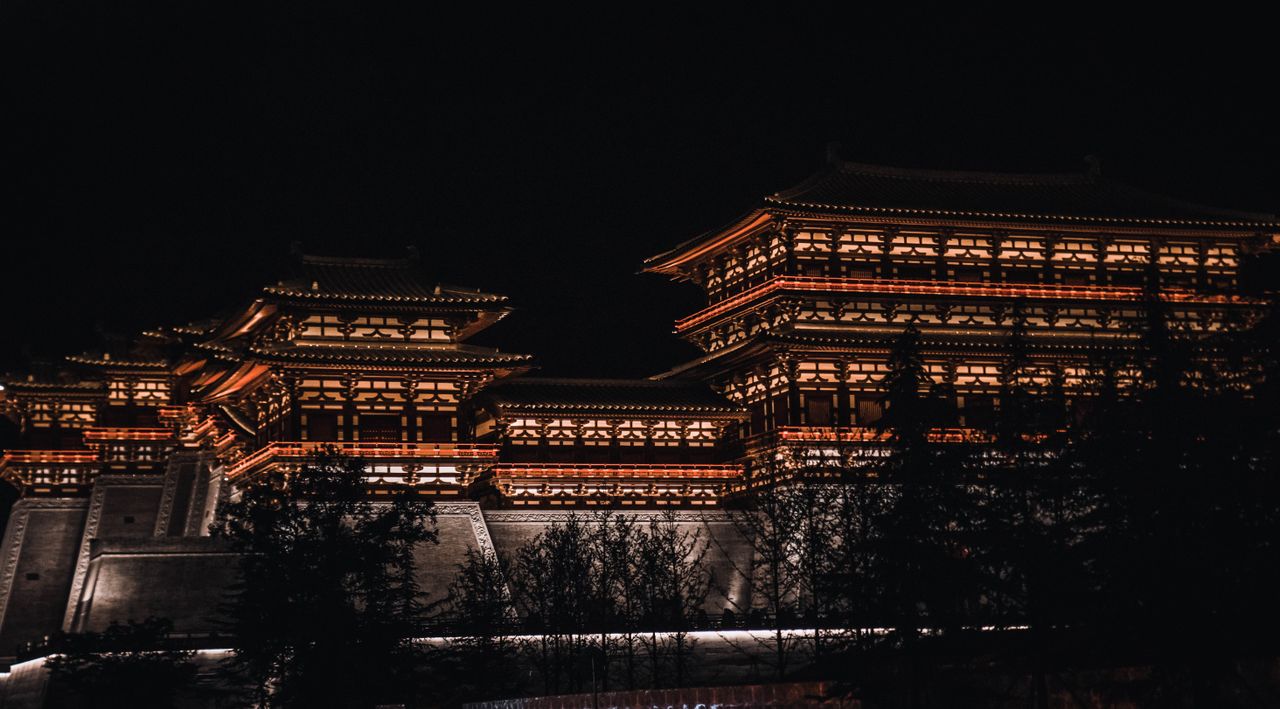
Tang Paradise 大唐芙蓉园
A rebuilt Tang-dynasty theme park of lakes, pavilions and night light and fountain shows south of the Big Wild Goose Pagoda.
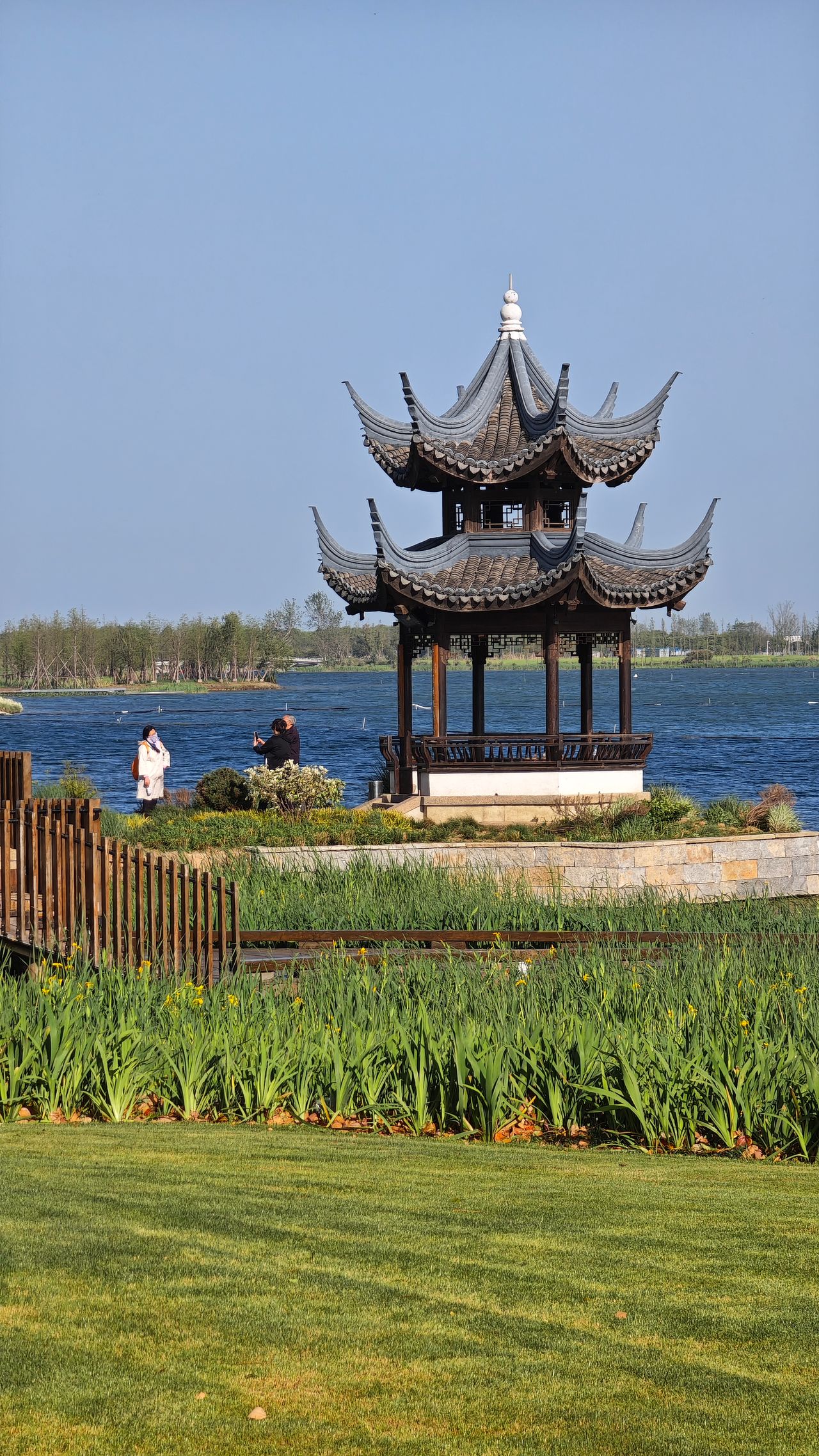
Qujiangchi Heritage Park 曲江池遗址公园
A free lakeside park on a Tang royal pond, with a pagoda view, walking paths and quiet space away from the crowds.
Where to stay in Xi'an
Rates are for a standard double room in 2026. Book through international platforms or Alipay; South Gate and Muslim Quarter rooms cost more. Confirm the USD price at booking, as rates swing in peak season.
Luxury (near the wall)
$110–280 / nightFive-star hotels inside or beside the City Wall, with courtyards and easy walks to the Bell Tower.
Upper mid-range
$55–110 / nightInternational-brand and well-run Chinese hotels around the South Gate and the rail station, 10–20 min from the core.
Mid-range
$30–55 / nightClean business hotels a short metro ride from the wall, good value and central enough.
Budget
$16–30 / nightGuesthouses and older hotels near the Muslim Quarter and the station, basic but steps from the food.
Hostels
$10–16 / nightSocial hostels popular with backpackers, mostly near the South Gate and the Muslim Quarter, dorms and privates.
Souvenirs & local crafts
Easy to pack, easy to explain at customs — and far cheaper at a supermarket than at a scenic stall.
-
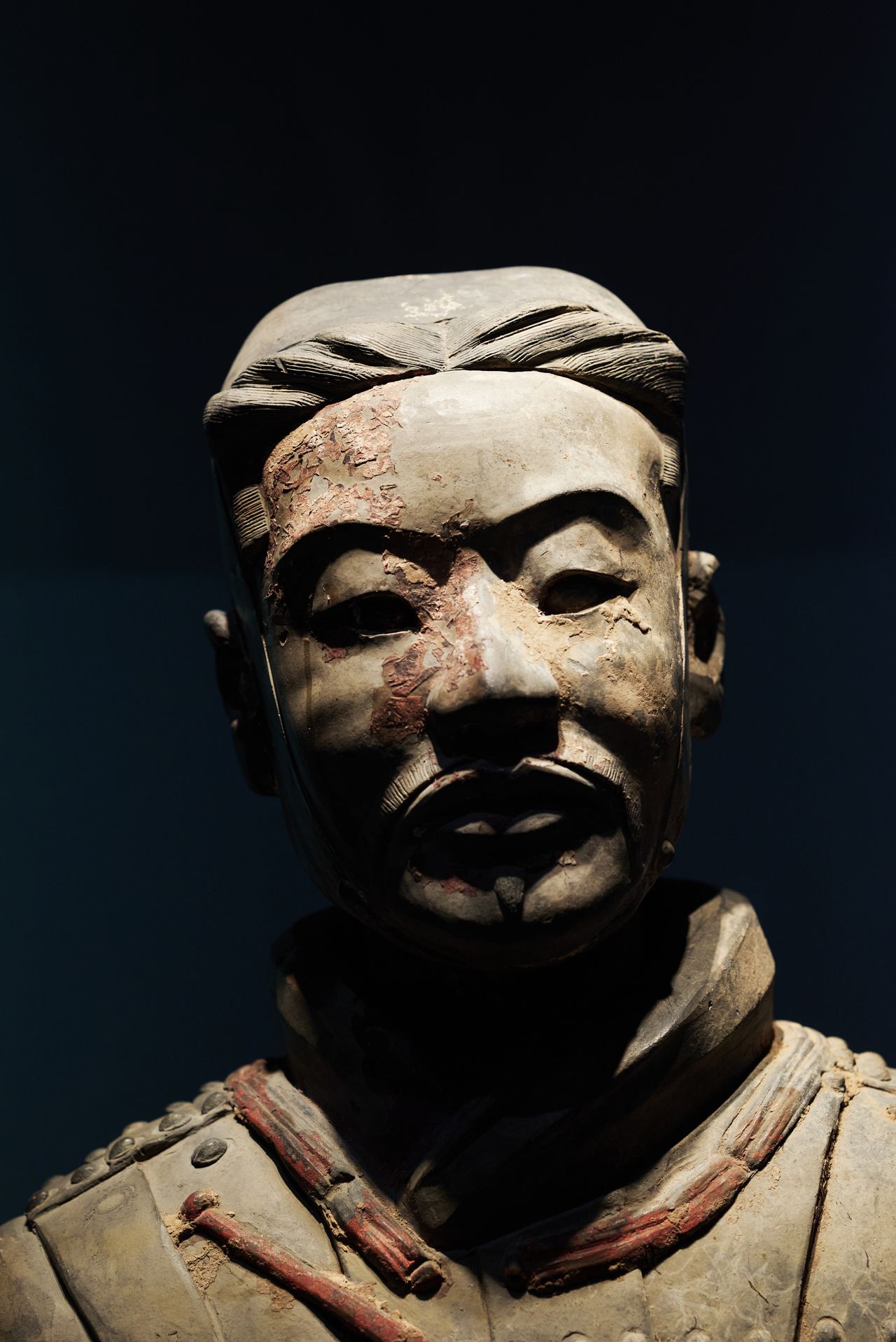
Terracotta Replicas
Mini warrior and horse figures cast from the pits, sold in every museum shop and the stalls near the army.
-
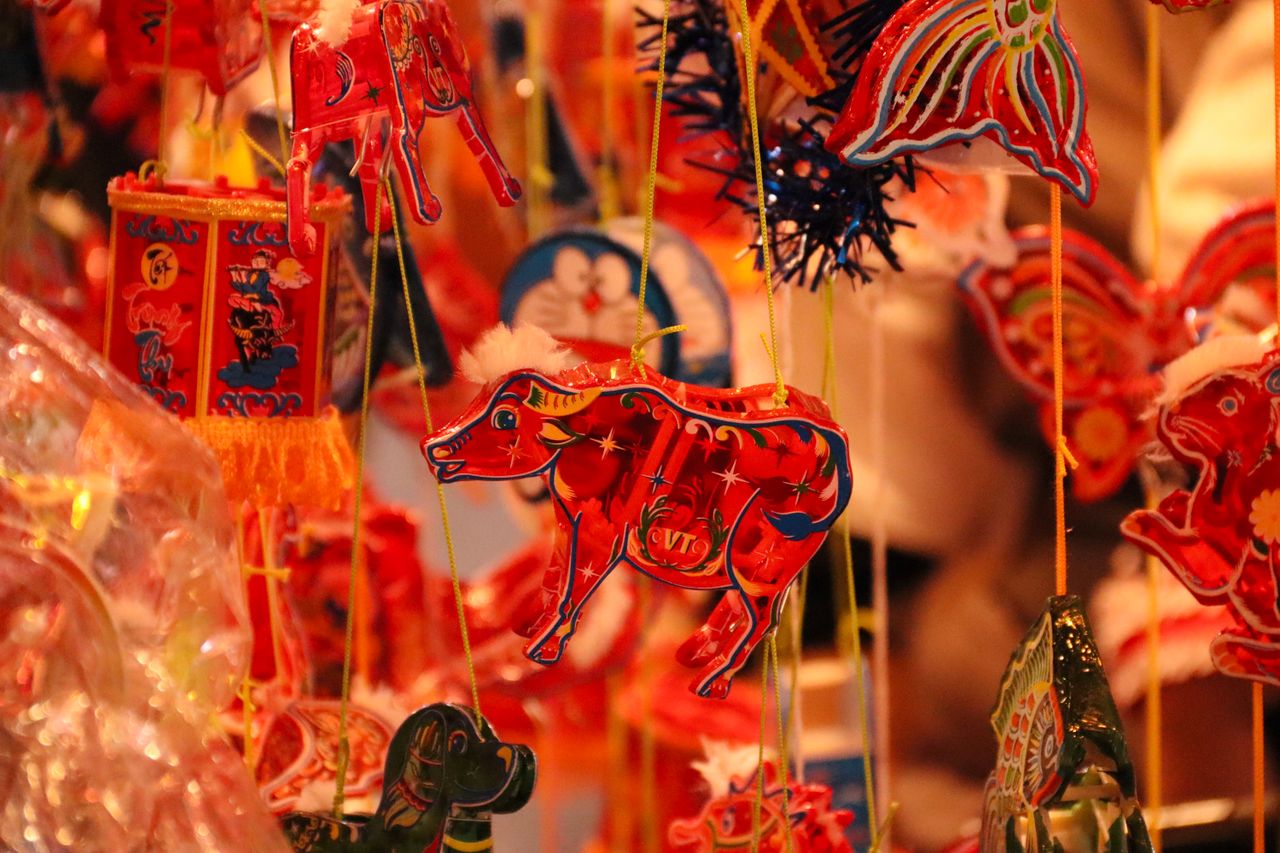
Paper-Cut Art
Red paper-cuts of animals and characters, folded and snipped by hand, a cheap, packable Xi'an keepsake.
-
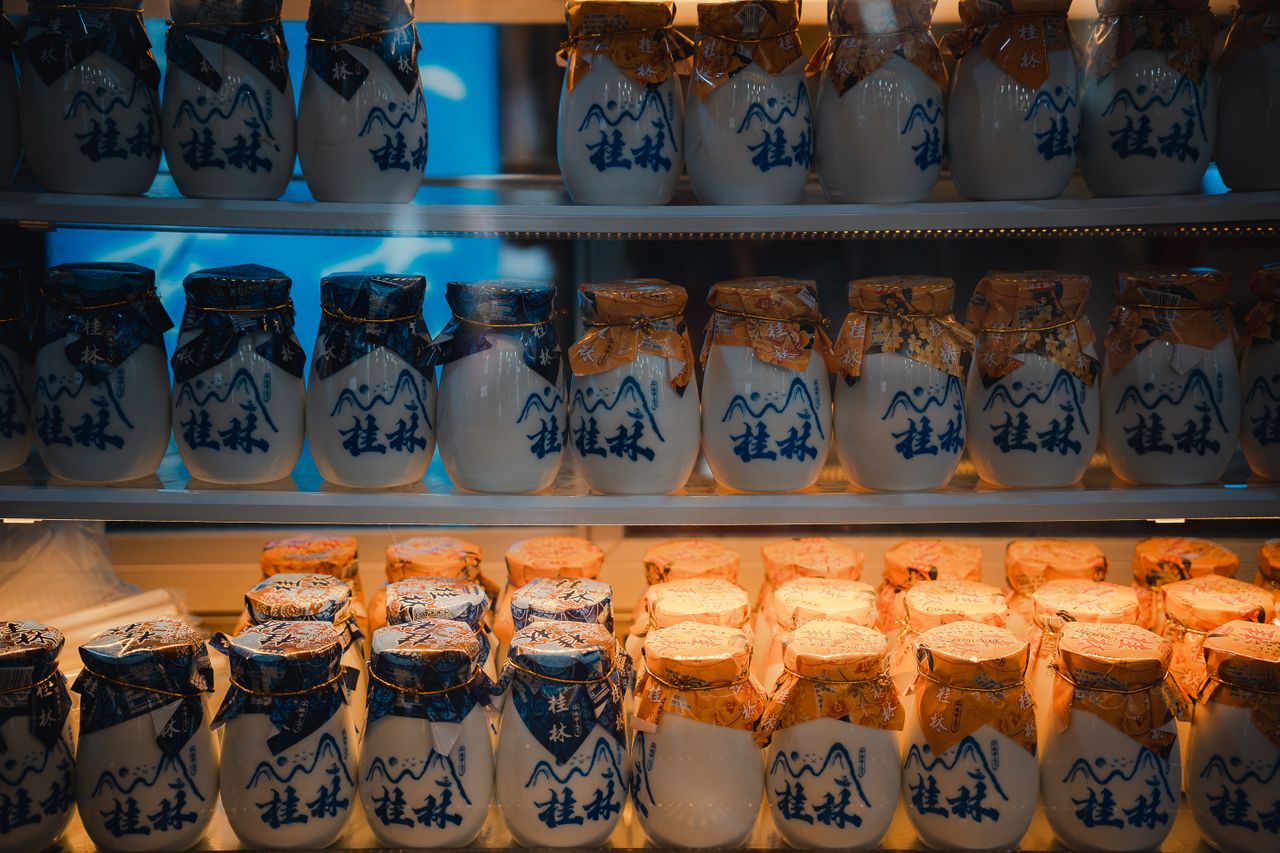
Shaanxi Ceramics
Blue-and-white and Tang-style sancai (three-colour) pottery from regional kilns, from tiny cups to full jars.
-
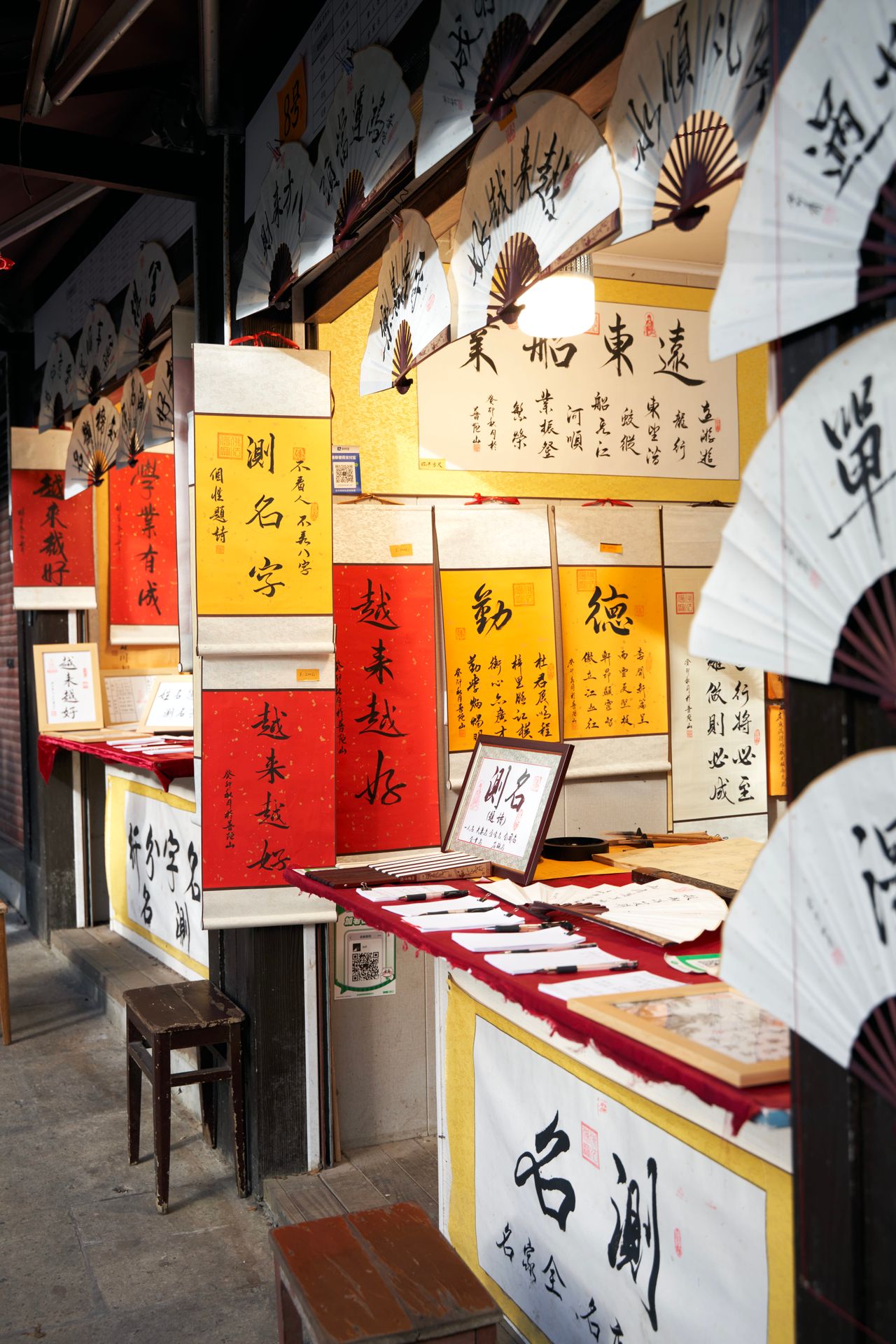
Calligraphy Sets
Brushes, ink stone and paper from the stele-copying tradition of the Forest of Steles; a real local craft.
-
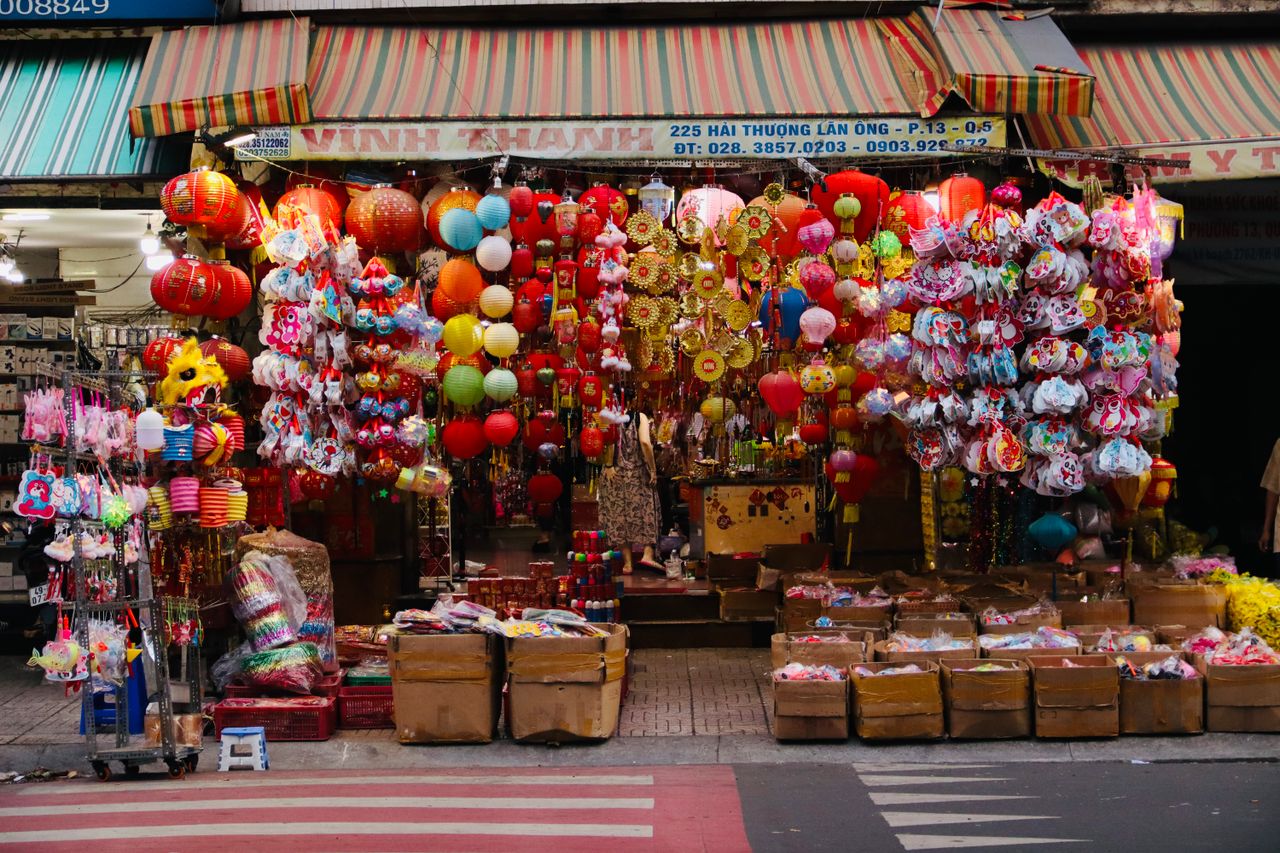
Lanterns & Knots
Red paper lanterns and Chinese knot tassels, hung across the Muslim Quarter and the wall at festival time.
Getting around Xi'an
Xi'an's old city is a rectangle inside the Ming Wall, with the Bell and Drum Towers at its heart; most sights are walkable or one metro stop apart. The Terracotta Army and Mount Hua sit well outside and need a morning trip.
- High-speed rail
- Xi'an North Railway Station is the high-speed hub; rail reaches Beijing in about 4.5–5.5 hours, Chengdu in about 3 hours and Zhengzhou in about 2 hours.The city also links by HSR to Luoyang (about 1.5 hours) for the Longmen Grottoes, an easy add-on day trip.
- Long-distance bus
- Airport buses run from Xi'an Xianyang International Airport to the city (about 40–60 min, $4–6); long-distance coaches serve regional sites such as Qianling.
- Metro & bus
- Nine lines cover the wall, the stations and the Big Wild Goose Pagoda; use the Alipay metro QR. Trains run roughly 06:00–23:00.
- Taxis
- Taxis start around $2 and are metered; flag one on the street or call via the DiDi app inside Alipay.
- Ride-hailing
- DiDi (inside Alipay) is the easiest way to hail a car with an English map and card payment; prices match taxis.
- Shared bikes
- Shared bikes (Alipay Haibike / Meituan) are great on the flat City Wall top and the ring roads; the wall rents its own bikes too.
- Intercity carpool
- Ride-pooling exists but is less useful for foreign visitors; for Mount Hua and Qianling, book a driver, join a tour or take the HSR/tour bus.
Reservations & real-name booking
China runs a real-name, timed-entry reservation system for major sights. Foreign passports are accepted on the official WeChat mini-programs and booking sites — but during China's travel boom, popular slots vanish within minutes of release, so book the moment the window opens. See the full system on the reservations guide.
- Shaanxi History Museum — 5 days ahead (slots released 17:00) · reservation required (Free but not ticket-free; one ID per day. No-shows are barred from rebooking for 180 days.)
Plan your 1, 2 or 3 days in Xi'an
Pick the length of your stay. Each plan is its own page, anchored at the city centre and written from real traveller itineraries — including splits for sightseeing, shopping, landscape, families and older travellers.
Xi'an in 1 Day
A tight loop of the Terracotta Army, the City Wall, the Muslim Quarter and the Bell and Drum Towers.
Read the plan → 2-dayXi'an in 2 Days
Day one on the army and the wall, day two on the museums, the pagoda and the Muslim Quarter.
Read the plan → 3-dayXi'an in 3 Days
Add Huaqing Palace or a Mount Hua day trip to the city and museum plan.
Read the plan →Frequently asked questions
- Do I need to book the Terracotta Army in advance?
- Yes. Real-name online reservation is mandatory for every visitor, including foreign passports, through the official site or WeChat account. The price is a flat $16.90 all year, and the gate does not guarantee same-day tickets.
- Is the Shaanxi History Museum free?
- Free, but never walk in. Reservations are mandatory and released on the museum's official WeChat account, usually a few days ahead at 17:00, one per ID per day. Visitors 65 and over may enter without a reservation.
- How many days do I need in Xi'an?
- Two full days cover the Terracotta Army, the City Wall, the Bell and Drum Towers, the Muslim Quarter and one museum. A third day adds Huaqing Palace, or Mount Hua as a day trip.
- How do I get to the Terracotta Army from Xi'an?
- The site is about 40 km east. Dedicated tourist buses run from the square by the main rail station, taxis and chartered cars are faster, and there is a free shuttle between the pits and Lishan Garden. Leave early — last entry is mid-afternoon off-season.
- When is the best time to visit Xi'an?
- April to May and September to October have the best weather and light. Avoid the May Day and National Day holidays if you dislike crowds and higher hotel rates. Winter is cold but quiet and good for photos.
- Can I visit Mount Hua as a day trip?
- Yes. Mount Hua is about 120 km east and reachable by high-speed rail to Huashan North in about 30–40 minutes, then a bus or taxi to the base. Most visitors take the cable car up and down; plan a full day.
- How do I pay for things in Xi'an?
- Set up Alipay with an international card and passport verification before you arrive; it runs the metro QR, DiDi ride-hail and most shops. Carry some cash for tiny stalls in the Muslim Quarter.
Page last reviewed: 2026-10-17.