Wutaishan 2026: Temples, the Five Terraces & a 1–3 Day Pilgrimage Plan
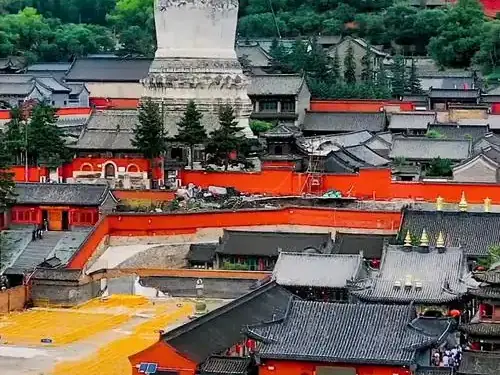
Wutaishan is a UNESCO World Heritage mountain of clustered Tibetan and Chinese Buddhist temples in Shanxi, built around the worship of Manjushri, the bodhisattva of wisdom. The temples sit in the valley at Taihuai, and five high meadows — the terraces — crown the ranges above. High-speed rail now reaches the area, the valley is walkable, and the ticket rules are simple: plan the altitude and the terraces, and the mountain is easy.
History & culture
Wutaishan is one of China’s Four Sacred Buddhist Mountains, revered for over 1,600 years as the earthly dwelling of Manjushri (Wenshu), the bodhisattva of wisdom. Monks from across Asia came to study and teach here, and the mountain became a meeting point of Chinese and Tibetan Buddhism.
The Tang dynasty (7th–9th century) was a golden age. Emperors patronised the mountain and founded or restored its great temples — Xiantong Temple traces its roots to this era — making Wutaishan a hub on the routes that linked the Buddhist worlds of China, Tibet and beyond.
Under the Qing dynasty (1644–1912), Manchu rulers who favoured Tibetan Buddhism poured resources into the mountain. Pusa Ding was made the administrative and ritual centre, and several temples were given imperial yellow roofs — the colour reserved for the court.
In 2009 Wutaishan was inscribed as a UNESCO World Heritage Site for its exceptional ensemble of Buddhist architecture, sculpture and painting built up over more than ten centuries, from the Tang to the Qing.
Best time to visit Wutaishan
Wutaishan’s valley sits near 1,700 m and the terraces rise to about 3,000 m, so it stays cool even in summer. June to October is the main season, with the clearest light and the greenest meadows for walking between temples.
Budget for Wutaishan: hotels from $10 a night, average ticket $$19 — see the full cost breakdown, or start from a ready-made route.
Cuisine of Wutaishan
Signature dishes worth seeking out — prices are typical per-person or per-dish ranges, not fixed quotes.
-
Wutaishan Vegetarian Feast (Su Zhai)
Temple-style Buddhist vegetarian cuisine — mock meats, fresh mountain vegetables and tofu, light and central to the pilgrimage experience.
-
Taihuai Bowl Jelly (Wan Tuo)
A savoury buckwheat jelly sliced and dressed with Shanxi vinegar, sesame and garlic — the village’s everyday snack.
-
Oat Noodles with Tai Mushroom
Local oat noodles (youmian) served with the prized Tai mushroom (taimo) that grows only on these mountains — earthy and seasonal.
-
Shanxi Knife-Cut Noodles (Dao Xiao Mian)
The famous Shanxi noodle, ribbon-cut from a loaf into boiling water and served with tomato, pork or mushroom sauce.
-
Mountain Tofu (Doufu)
Fresh soybean curd made in the valley, simmered, fried or braised — a staple side at local restaurants.
-
Braised Wild Mushrooms
The local Tai mushroom braised with vegetables and tofu in a light broth; best from summer to early autumn.
Every major sight — with its own guide
Right after the food above, here are the sights — each one links to its own full guide (what to see, how to get there, facilities and the best season). Names follow each sight's official English signage.
Taihuai (temple valley)
Xiantong Temple 显通寺
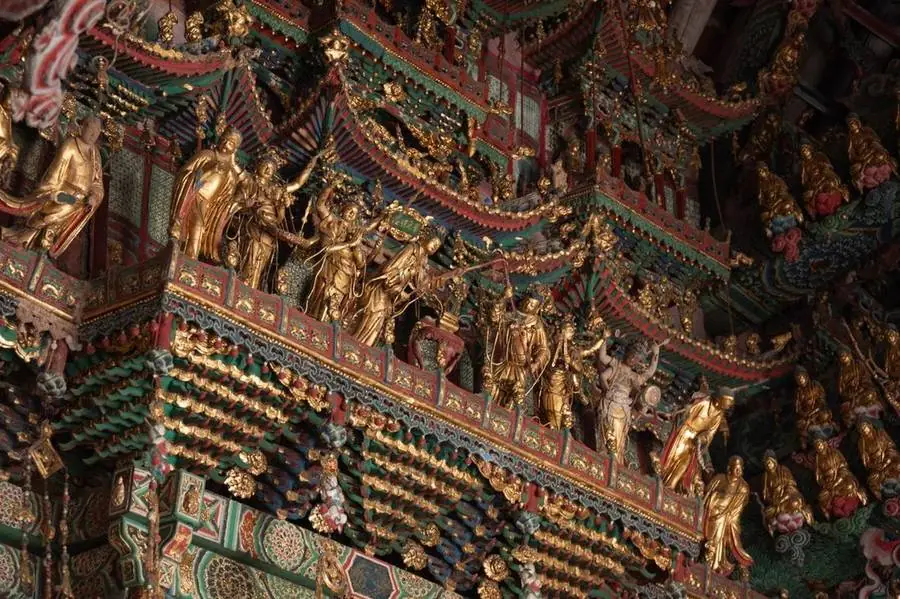
The largest and oldest temple in Wutaishan, a vast courtyard complex of bronze halls and antiquity at the heart of Taihuai.
Tayuan Temple 塔院寺
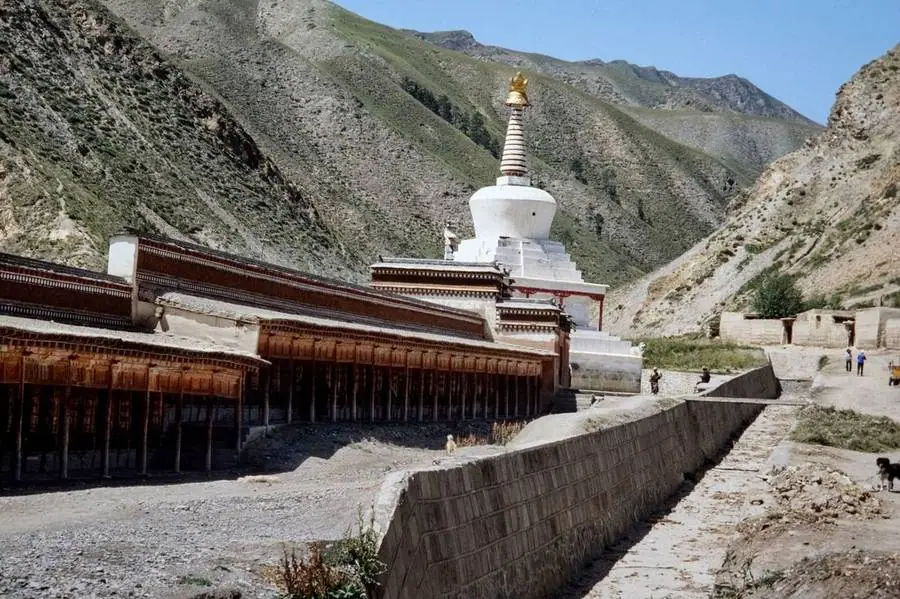
Home to the Great White Stupa, the 50 m white dome that is the visual symbol of Wutaishan and a must-see for every visitor.
Wuye Temple 五爷庙
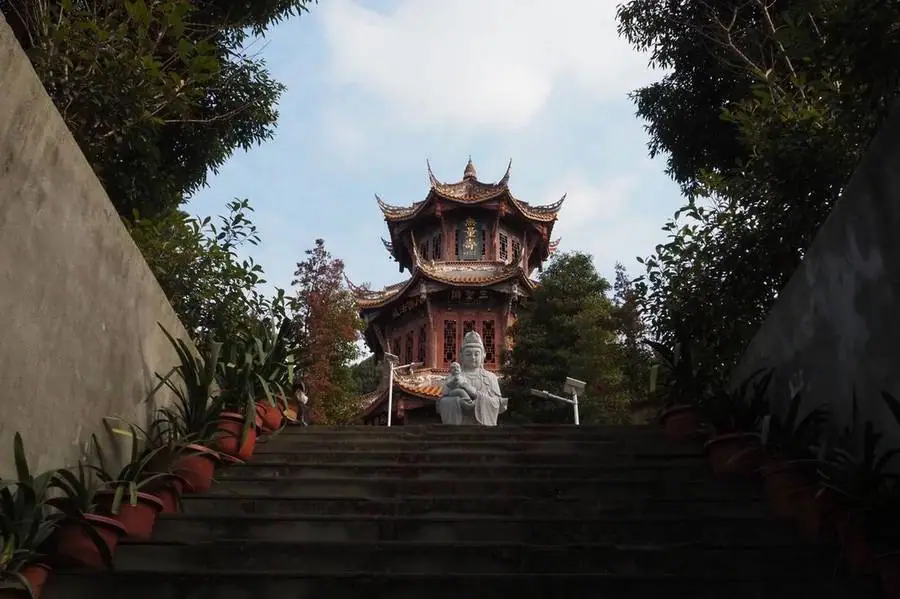
The busiest temple on the mountain, where pilgrims crowd to pray to the Lord of the Five Dragon Kings for fortune and good luck.
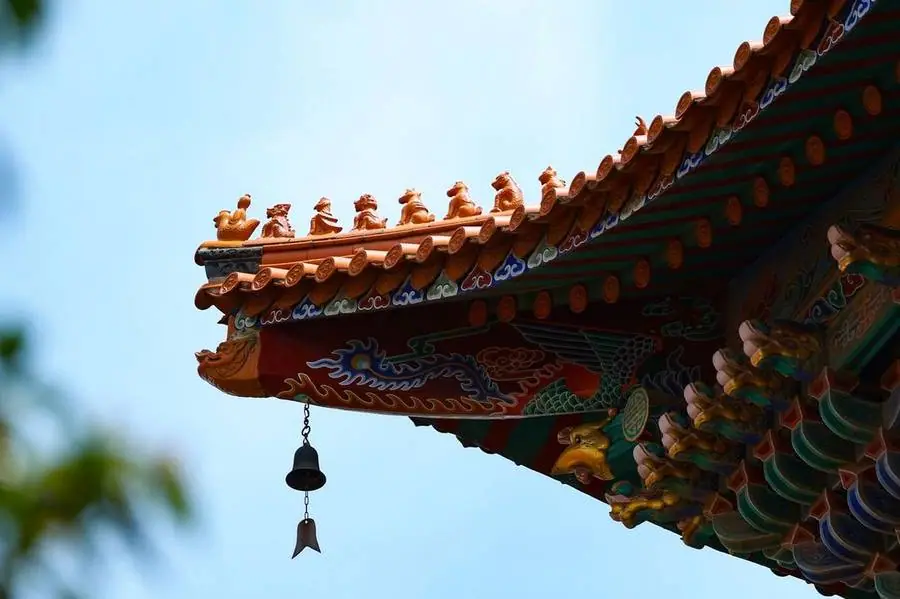
Shuxiang Temple 殊像寺
Famed for its towering clay statue of Manjushri, the bodhisattva of wisdom, gilded and seated in the main hall.
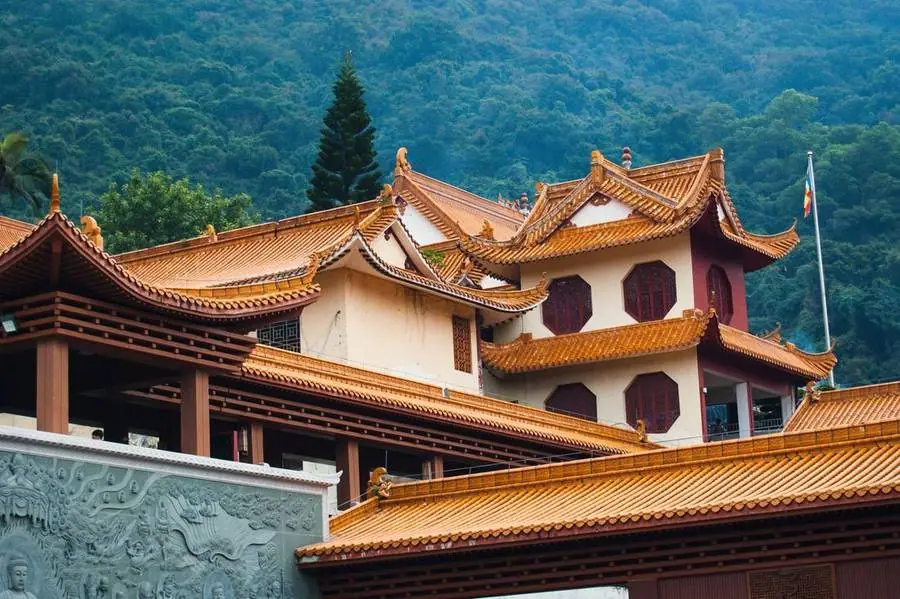
Luohou Temple 罗睺寺
A quiet central temple known for its revolving sutra cabinet and a famed ancient flowering tree.
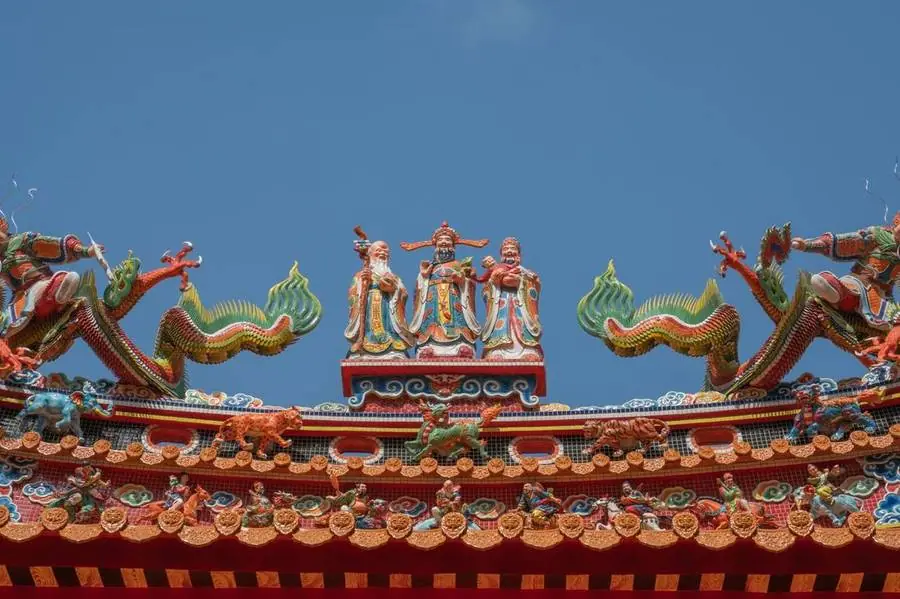
Yuanzhao Temple 圆照寺
A temple known for its white Indian-style stupa and a fine collection of Buddhist images near the valley centre.
Above Taihuai
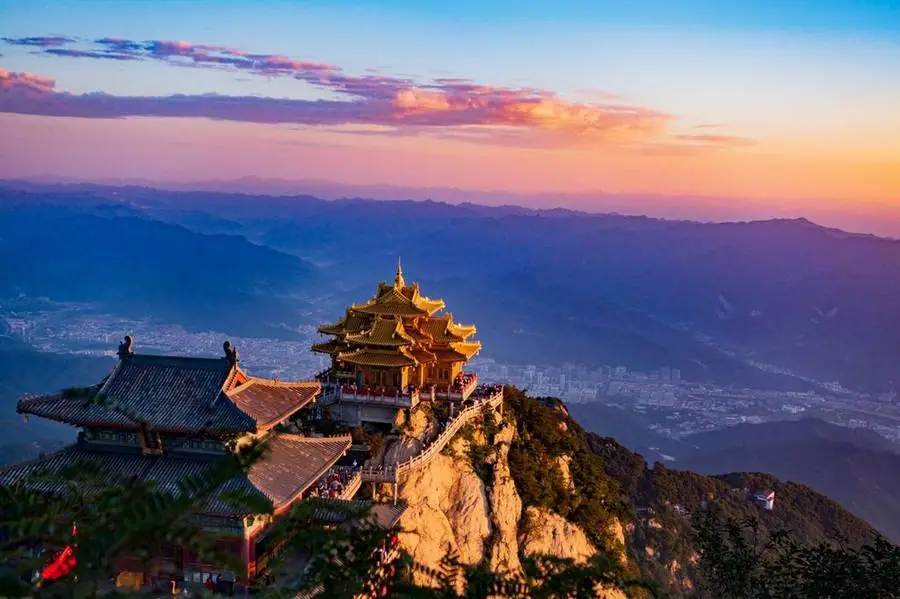
Pusa Ding (Bodhisattva Summit) 菩萨顶
The hilltop imperial temple with yellow roofs, the former ritual centre of the mountain and the best high view over Taihuai.
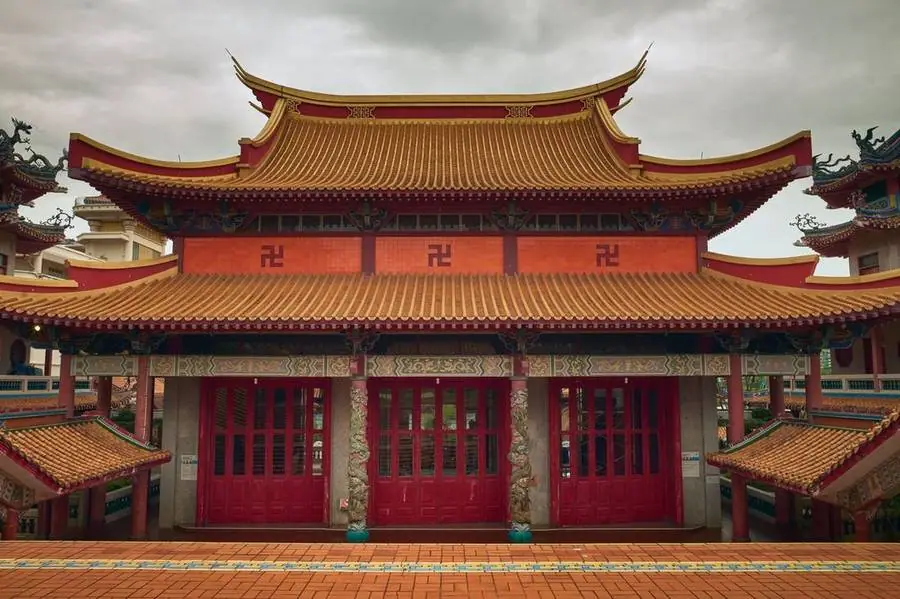
Guangzong Temple 广宗寺
A small imperial temple near Pusa Ding that preserves a Ming-dynasty robe said to have been granted by an emperor.
North of Taihuai
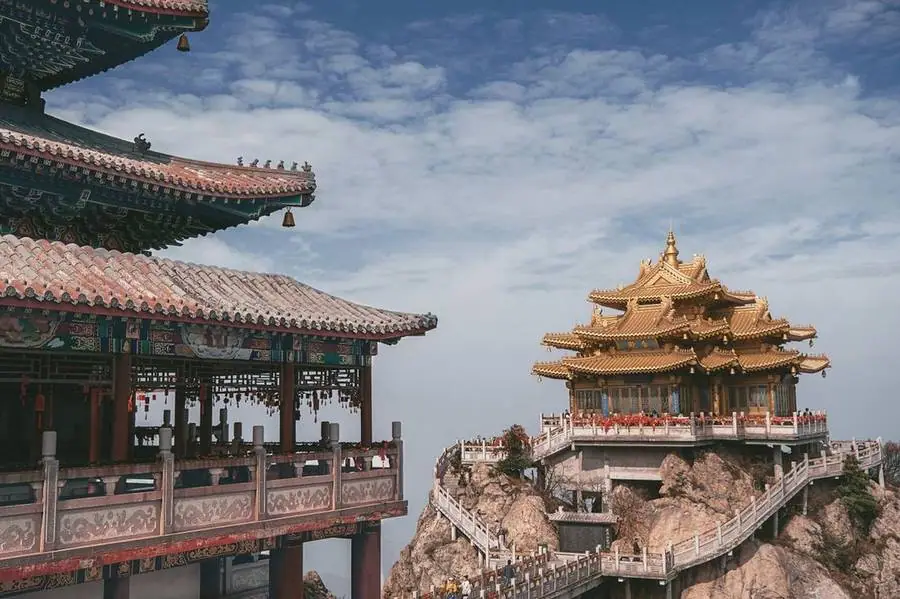
Dailuoding 黛螺顶
A hill temple reached by 1,080 steps or a cable car, packing miniature versions of the five terraces into one climb.
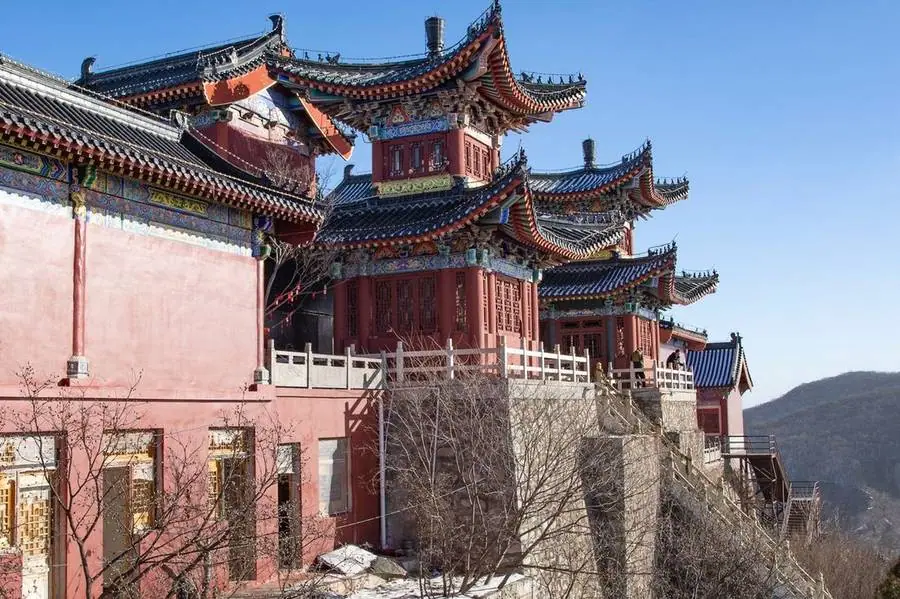
Bishan Temple 碧山寺
A sprawling temple north of the hub that has long hosted visiting monks from across the Buddhist world.
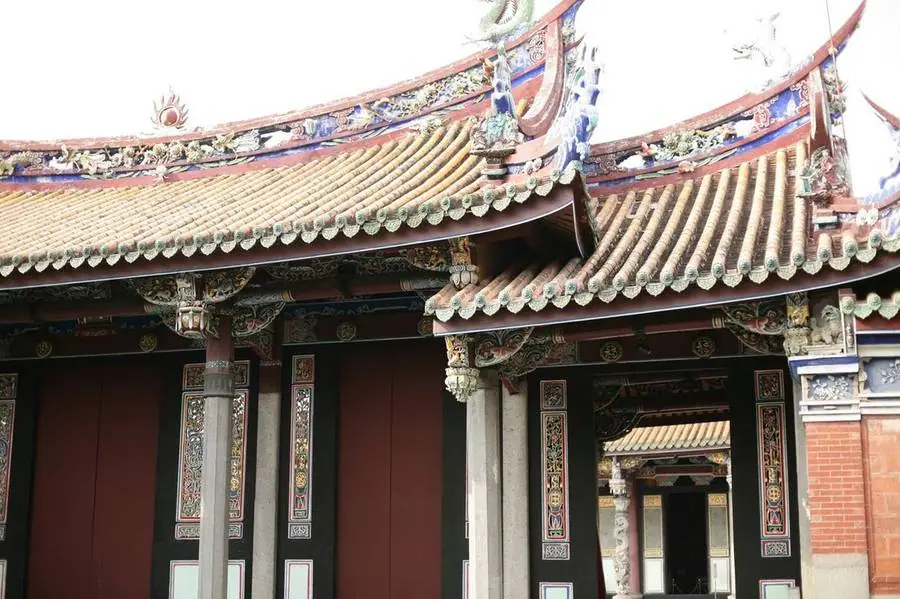
Guanghua Temple 广化寺
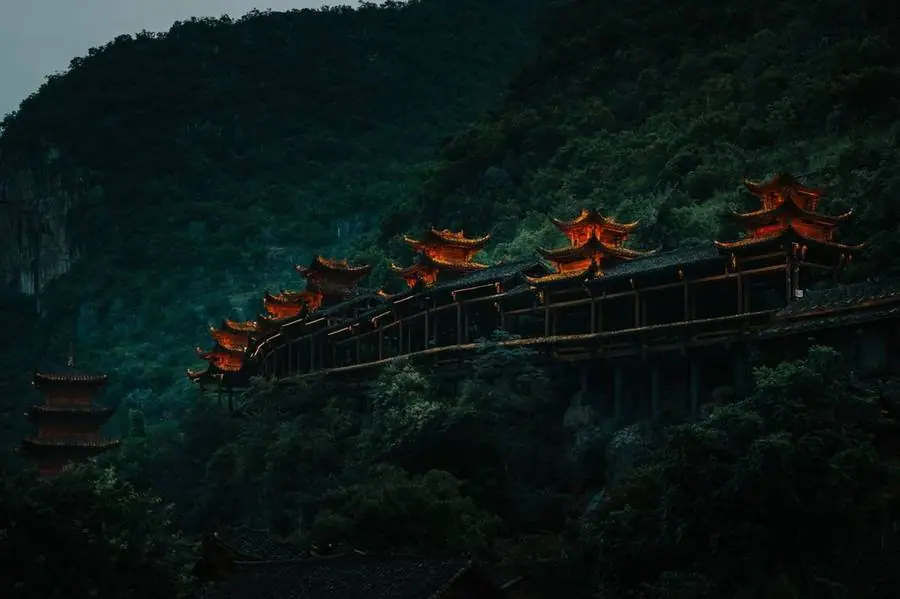
A northern temple beautifully lit at night, with a famous glazed-tile and dragon wall at its gate.
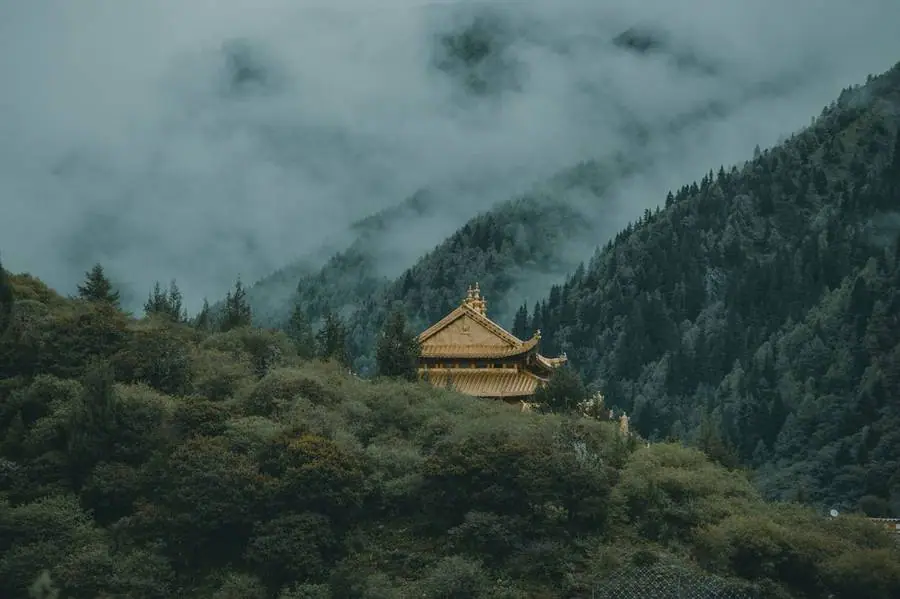
Shancai Cave 善财洞
A cave temple in the rocks where devotees pray to the boy-sage Shancai, set apart from the main cluster.
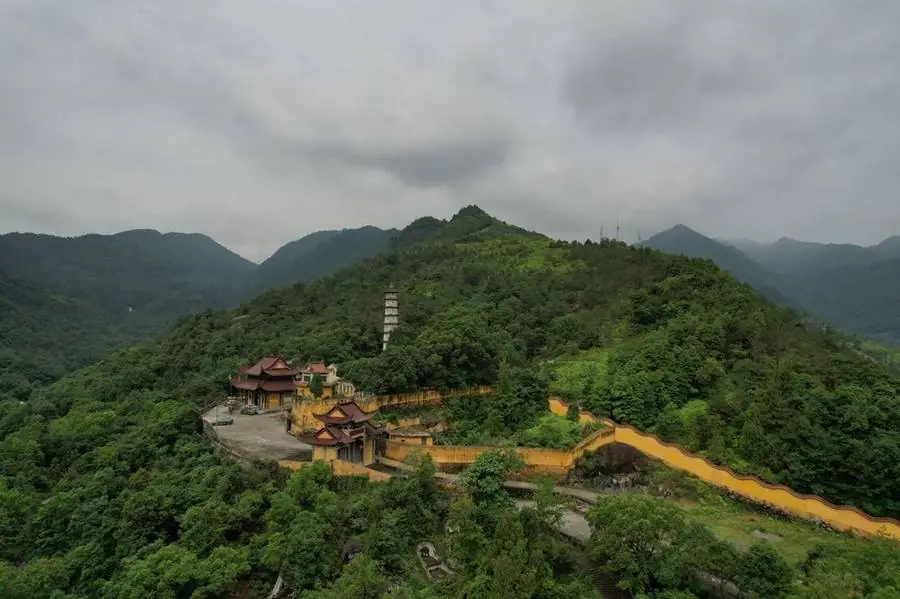
Mingyue Pool 明月池
A small hill temple built around a still mountain pool said to show the moon, calm and rarely crowded.
Five Terraces (high country)
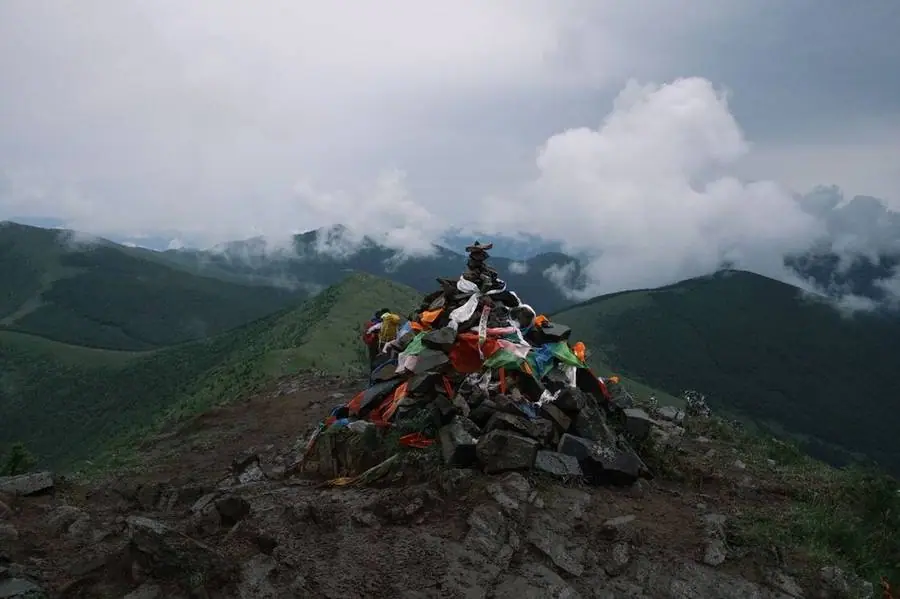
South of Taihuai
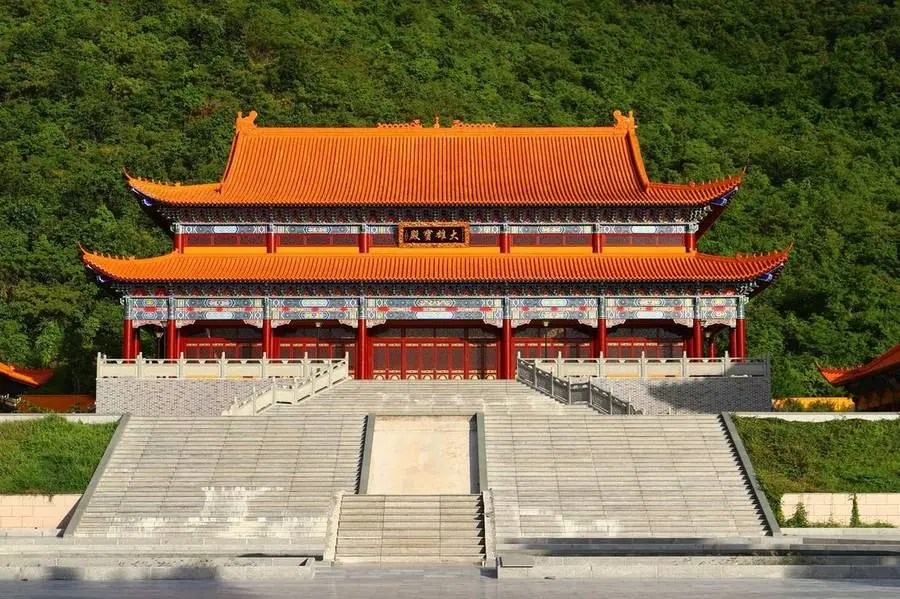
Where to stay in Wutaishan
Rates are for a standard double room in 2026. Taihuai is the base at about 1,700 m; rooms with heating matter in the cold season. Book ahead for Labour Day, National Day and the summer peak. Confirm the USD price at booking.
Luxury
$90–220 / nightResorts and temple-view hotels near Taihuai with heated rooms and spas, for the cool mountain nights.
Upper mid-range
$45–90 / nightComfortable hotels a short walk from the temple cluster, with lifts and good heating.
Mid-range
$25–45 / nightChinese business hotels in Taihuai, clean and central, an easy base for the valley.
Budget
$15–25 / nightFamily guesthouses in the village — simple doubles with character and a warm host.
Hostels
$10–18 / nightBackpacker hostels near the bus station, dorms and privates for pilgrims and travellers.
Souvenirs & local crafts
Easy to pack, easy to explain at customs — and far cheaper at a supermarket than at a scenic stall.
-
Prayer Beads (Nianzhu)
Buddhist mala beads in wood, seed or stone — the classic Wutaishan keepsake, blessed at a temple if you ask.
-
Incense & Offerings
Bundles of temple incense and paper offerings for the halls; buy near the gates and follow the burners on site.
-
Manjushri Statuettes
Small seated figures of Manjushri with his sword and book — the mountain’s patron bodhisattva, in brass or resin.
-
Buddhist Scrolls & Thangka
Scripture scrolls and small thangka paintings from the Tibetan-style monasteries, light to pack.
-
Tai Mushroom & Herbs
Dried Tai mushroom (taimo) and mountain herbs from the meadows — a practical, edible gift from the mountain.
Getting around Wutaishan
Wutaishan is centred on the walkable valley village of Taihuai; there is no metro, so you move on foot, by shuttle, taxi or a chartered car. The mountain air is thin, so pace travel and keep altitude in mind.
- High-speed rail
- The nearest high-speed station is Wutaishan Railway Station, about 50 km (1 hour by road) from Taihuai, on the Datong–Xi’an line; reach it from Beijing, Taiyuan or Datong with a change.Trains use real-name booking with a passport; buy through 12306 or a travel app and bring the same passport to the gate.
- Long-distance bus
- Long-distance coaches run to Taihuai bus station from Taiyuan, Datong and Xinzhou; book at the station or via apps. The ride from Taiyuan is about 2.5–3 hours.
- Metro & bus
- There is no metro in Wutaishan. The valley is pedestrian-friendly; get around on foot, shuttle or taxi.
- Taxis
- Taxis wait at the bus station and around Taihuai; short hops within the valley are cheap and metered or fixed-price.
- Ride-hailing
- DiDi runs in the region inside Alipay and may need a Chinese phone plan; coverage is thinner than in big cities, so agree the fare or use the app.
- Shared bikes
- Shared bikes and e-bikes suit the flat valley lanes, but the altitude makes longer rides tiring; the terraces need a vehicle, not a bike.
- Intercity carpool
- Chartering a car or joining a van in Taihuai is the standard way to reach the five terraces and the outlying temples; arrange a price and hours before you go.
Plan your 1, 2 or 3 days in Wutaishan
Pick the length of your stay. Each plan is its own page, anchored at the city centre and written from real traveller itineraries — including splits for sightseeing, shopping, landscape, families and older travellers.
Wutaishan in 1 Day
The central temples, the Great White Stupa, Pusa Ding and Dailuoding on a highlights loop.
Read the plan → 2-dayWutaishan in 2 Days
Day one on the central valley temples, day two Dailuoding, Nanshan and a terrace charter.
Read the plan → 3-dayWutaishan in 3 Days
Add the Five Terraces circuit, the northern cave temples and a slower pilgrimage pace.
Read the plan →Frequently asked questions
- Do I need a visa for Wutaishan?
- Wutaishan is not a 144-hour visa-free port, so arrange a Chinese visa before you fly unless you already qualify for visa-free entry through a major gateway. Check the current list with a consulate before booking.
- When is the best time to visit Wutaishan?
- June to October is the main season — cool and green, with July–August the busiest. April–May and September–October are clear and quiet. November–March is cold and sometimes snowy, and a few high roads and temples can close.
- How much is the Wutaishan ticket?
- The scenic-area ticket is about $19 in peak season (April–October) and about $17 in low season (November–March), and it covers most temples in the valley. Dailuoding’s cable car is about $7 each way. Treat these as estimates and verify on site.
- Will the altitude affect me?
- The valley sits near 1,700 m and the terraces rise to about 3,000 m. Most visitors are fine, but walk slowly, drink water and expect to tire faster on the high terraces; the gain is real.
- Can foreign passport holders visit?
- Yes. Wutaishan is open to foreign passport holders with no special restriction. Dress respectfully at the active monasteries — cover shoulders and knees, and ask before photographing inside halls.
- How do I reach the Five Terraces?
- There is no public bus to the high terraces. Charter a car or join a van in Taihuai for a full-day loop of the five meadows; arrange the price and hours before you leave.
- How many days do I need in Wutaishan?
- One day covers the central temples on a highlights loop. Two days add Dailuoding and Nanshan; three let you do the Five Terraces circuit and the northern cave temples without rushing.
Page last reviewed: 2026-11-02.