Xiantong Temple 2026: Tickets, Halls & How to Visit
Xiantong Temple is the largest and oldest temple in Wutaishan, a vast courtyard complex in Taihuai included with the scenic-area ticket. Here is how to walk its bronze halls.
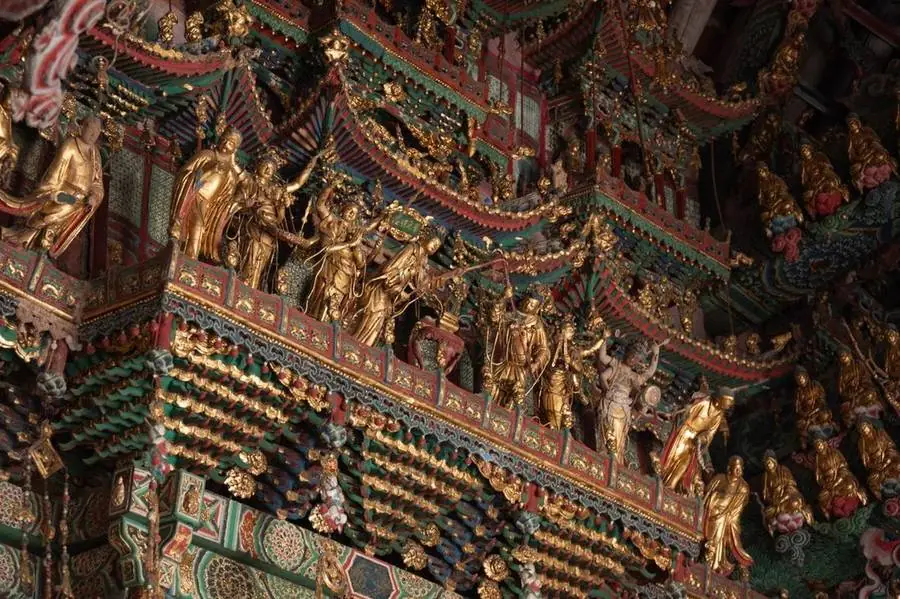
Xiantong Temple is the oldest and biggest temple on Wutaishan, a sprawling set of courtyards just behind the Great White Stupa in Taihuai. It is included with your scenic-area ticket, so you simply walk in and explore one of the mountain’s spiritual hearts.
Intro: why go
Xiantong claims the longest history of any temple on the mountain, with roots going back over a thousand years. Its scale is the draw: a central axis of halls, a rare bronze hall cast in the Ming era, and a towering stone arch at the entrance. The back courtyards open to quiet gardens where monks still chant — the best place on the mountain to feel the living monastery.
Tickets & booking
Entry is included with the Wutaishan scenic-area ticket (about $19 in peak season, April–October; about $17 in low season, November–March). There is no separate gate fee, so do not pay a tout for a temple ticket. Buy the scenic-area ticket once at the entrance to the valley, then show it at the temple. Verify the exact price on site.
How to visit
Walk in from the south gate and follow the central axis: the stone arch, then the main hall, the bronze hall, and the rear courtyards. The site is flat and paved, easy at a slow pace. Keep your voice low — this is an active worship space, not a museum.
Ticket season versus crowd season
Xiantong has no separate price season, but it has a clear crowd season. Spring Festival, Labour Day (May 1–5) and National Day (Oct 1–7) pack the central halls. The calm windows are weekday mornings in April–May and September–October, when the light on the courtyards is best.
Getting there
Xiantong sits about 0.5 km from the Taihuai village centre, inside the temple valley. From the bus station or your hotel, walk (10–15 minutes) or take the local shuttle to the Taihuai stop. The valley is pedestrian, so vehicles drop you at the edge.
The route through the site
Enter at the south stone arch, climb to the main hall (the largest wooden hall on the mountain), then detour to the bronze hall behind it. Loop through the rear courtyards for the quiet gardens, then exit toward Tayuan Temple and the Great White Stupa next door.
Mistakes that cost people a visit
- Rushing the back courtyards. The front halls are busy; the gardens are the reward.
- Visiting on a holiday. Labour Day and National Day make the axis a slow shuffle.
- Not dressing for the cold. At 1,700 m the courtyards are chilly even in summer.
- Forgetting the altitude. A slow walk beats a fast one; the gain adds up over a day of temples.
Frequently asked questions
- Is Xiantong Temple included in the Wutaishan ticket?
- Yes. Entry is included with the Wutaishan scenic-area ticket (about $19 peak season, $17 low season). You do not buy a separate ticket at the gate — verify the price on site.
- How long do you need at Xiantong Temple?
- Plan 1.5–2 hours. The complex is large, with several halls, a bronze hall and a stone arch; the back courtyards are the quietest part.
- Can you photograph inside the halls?
- Photography is fine in the open courtyards. Inside the halls, ask first and avoid flash; some shrines ask you not to photograph the main statues.
Page last reviewed: 2026-11-02. Ticket seasons and crowd seasons are different things — this page states both where they differ.