Shigatse 2026: Tashilhunpo, Everest & the High Tsang — a 1–3 Day Plan
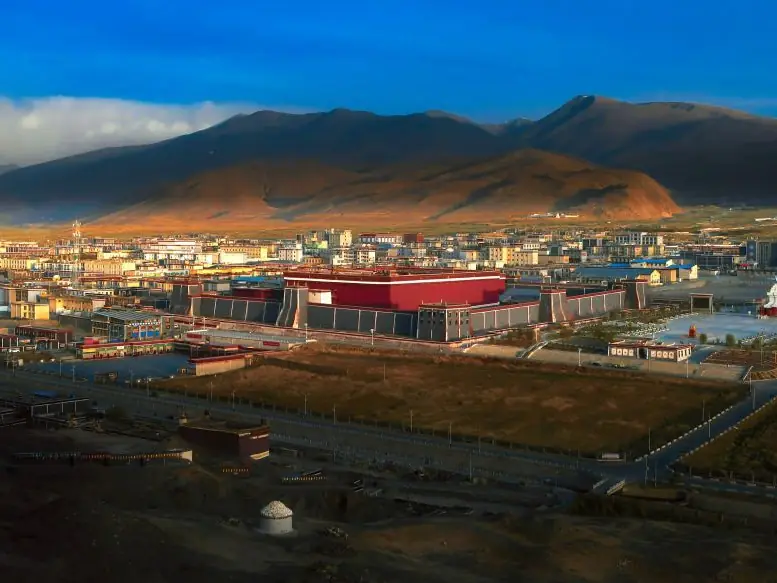
Shigatse (Xigazê) is Tibet's second city at 3,800 m — Tashilhunpo, the vast golden-roofed monastery of the Panchen Lamas, the rebuilt Shigatse Dzong, the road west to Yamdrok Lake and Gyantse, and the long south drive to Everest Base Camp beneath Qomolangma. Foreign visitors must hold a Tibet Travel Permit and travel with a licensed group, arranged through a China-licensed agency before arrival. Below: the permit rules, the best time, the history, the food, where to stay, every major sight with its own guide, and 1/2/3-day plans built around a guided tour.
History & culture
Shigatse — the classic Tibetan name is Samzhubzê, 'the fertile grave-mound' — is the capital of the old Tsang province, the land between Lhasa and the great ranges of the Himalaya. Its dzong, the hill fortress above the confluence of the Yarlung Tsangpo and the Nianchu, was the seat of the Tsang kings who ruled this half of Tibet in the 17th century, and the town grew beneath it as the natural capital of western Tibet.
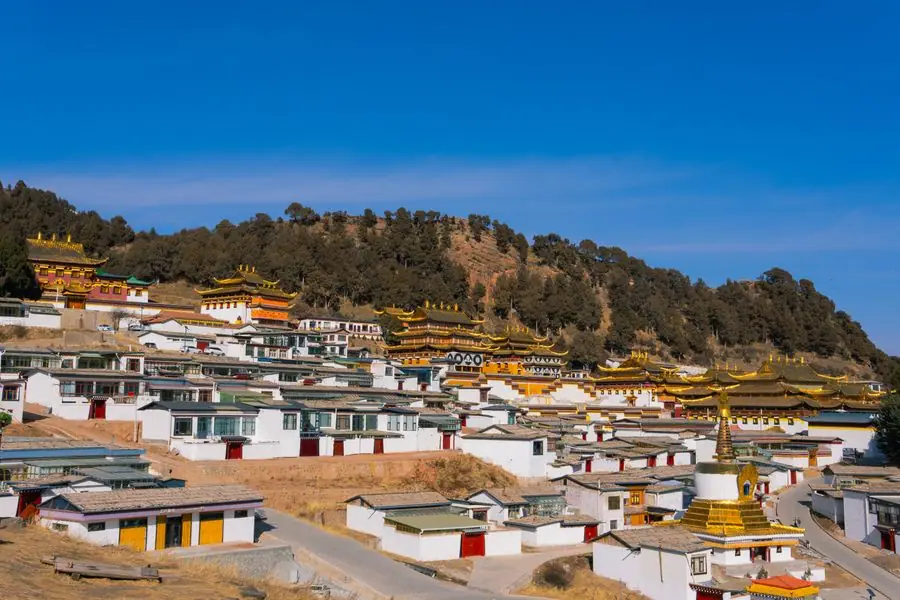
The city's soul is Tashilhunpo, founded in 1447 by Gendun Drup — the First Dalai Lama's own teacher — which became the seat of the Panchen Lamas, the second great line of Tibetan Buddhism. At its height the monastery held over 4,000 monks and the largest gilded statue in Tibet; the later Panchen Lamas made Shigatse their capital, and the monastery's chorten treasury still holds the embalmed body of the Fourth Panchen Lama.
Beyond the city, the prefecture holds the ancient Sakya school's grey fortress-monastery (the 'second Vajrasana'), the white stupas of Gyantse's Kumbum, the turquoise chain of Yamdrok, and the road south to Everest — the mountain the Tibetans call Chomolangma, Goddess Mother of the World. It is a land of high passes, border valleys and deep faith, and the mandatory guided-tour permit system means foreign visitors see it through a licensed agency's vehicle and driver.
Best time to visit Shigatse
Shigatse sits at 3,800 m on the high Tsang plain — intense sun, thin air, cold nights and a summer monsoon. The mountains decide the trip: clouds hide Everest for weeks at a time, and the passes close in deep winter snow.
Budget for Shigatse: hotels from $21 a night, average ticket $$9.62 — see the full cost breakdown, or start from a ready-made route.
Cuisine of Shigatse
Signature dishes worth seeking out — prices are typical per-person or per-dish ranges, not fixed quotes.
-
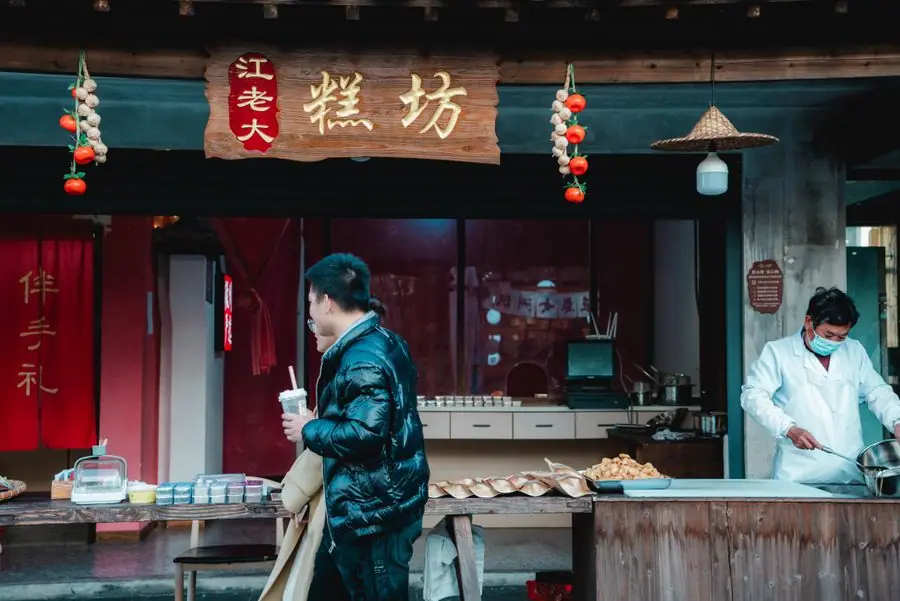
Yak butter tea (Suyou cha)
The high-plateau staple — strong brick tea churned with yak butter and salt, drunk all day at every table; the calories that make 3,800 m livable, and an acquired taste worth acquiring.
-
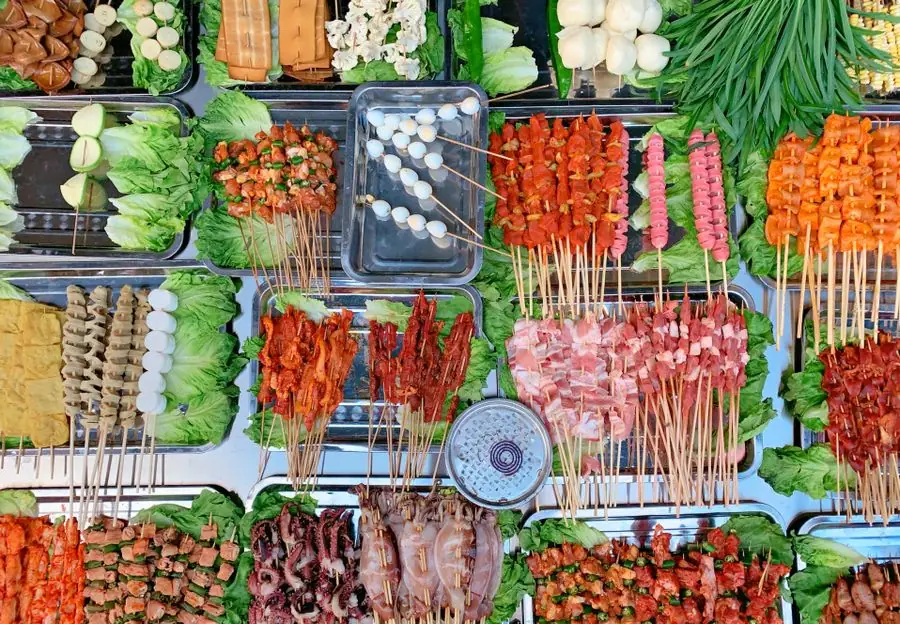
Tsampa (Zanba)
Roasted barley flour mixed with butter tea and kneaded by hand — the traveller's food of Tibet, filling, cheap and genuinely local.
-
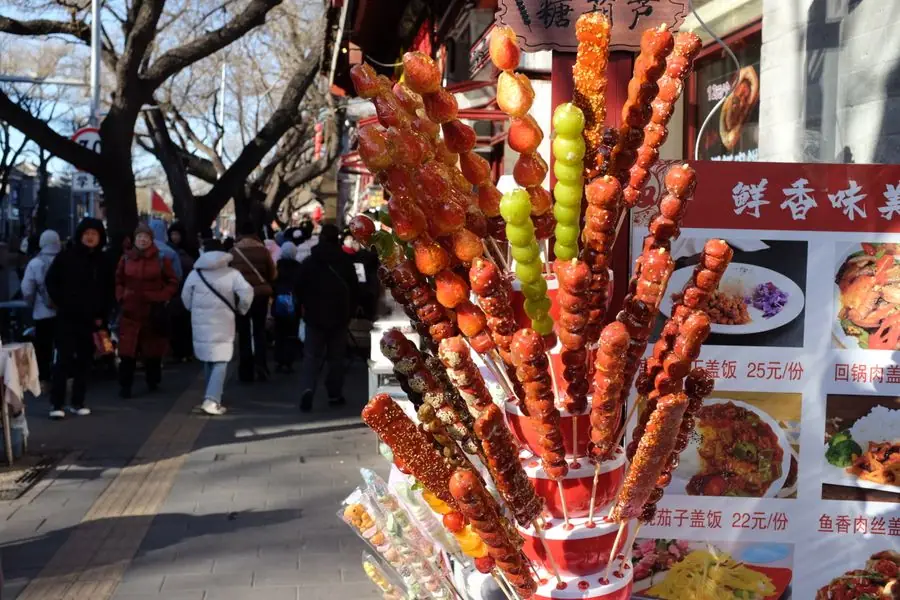
Hand-grabbed yak beef (Shouzhua maoniu)
Boiled yak meat eaten with the hands and dipped in spice — the feast dish of the plateau, leaner and gamier than lowland beef.
-
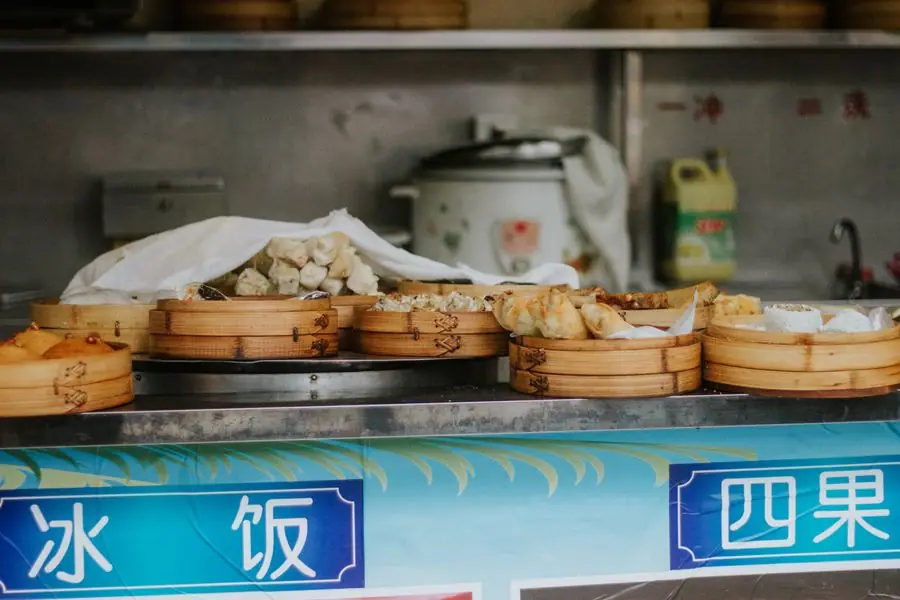
Pangbi (Pengbi)
The signature dessert of Shigatse — a cool, smooth buckwheat-and-pea-flour pudding set in small bowls and eaten with sugar; the one Tibetan sweet every traveller remembers, sold from market stalls.
-
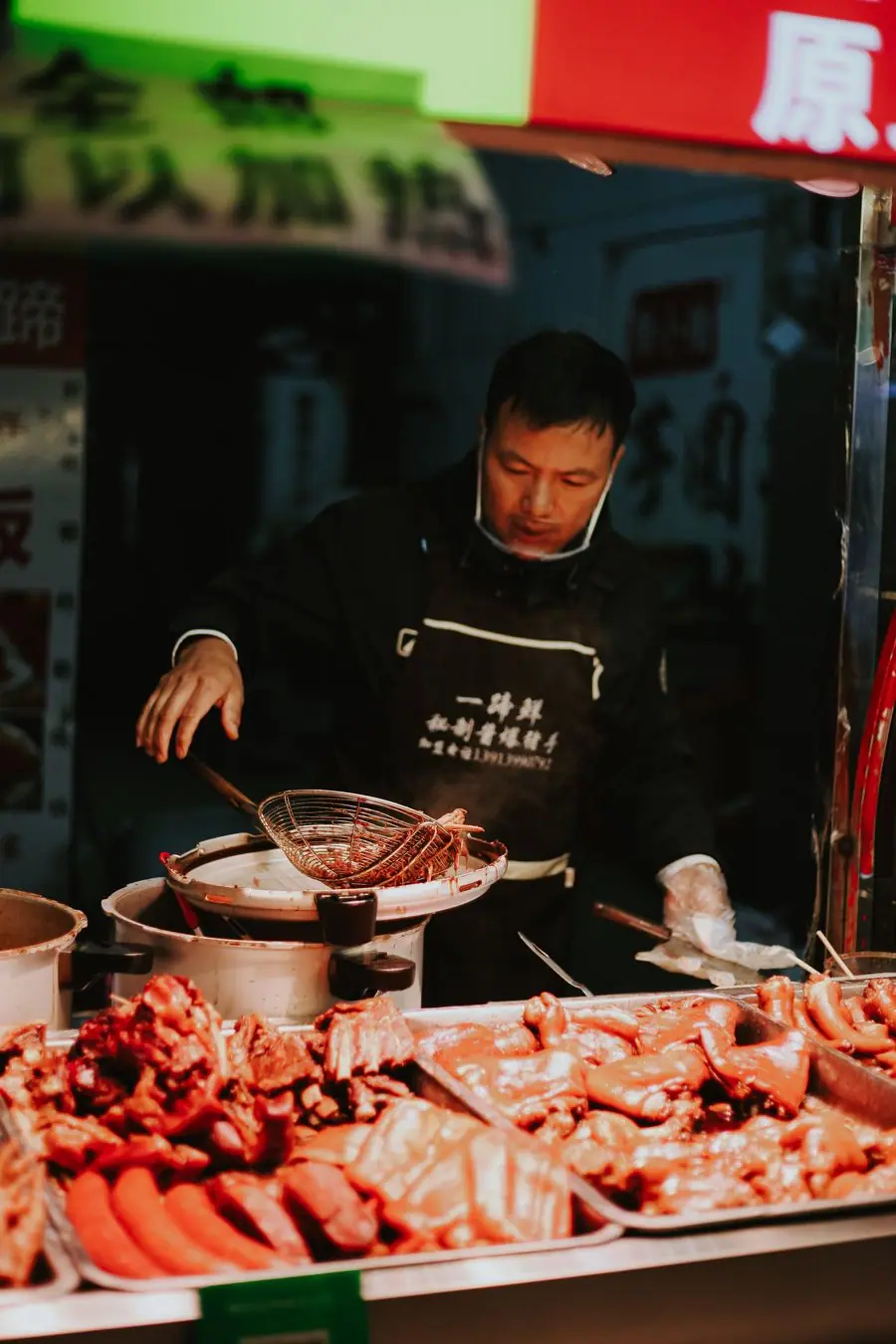
Highland barley wine (Qingke jiu / Chang)
The low, cloudy barley wine of the plateau — poured at every Tibetan table in Shigatse; the communal drink of toasts and festivals.
Every major sight — with its own guide
Right after the food above, here are the sights — each one links to its own full guide (what to see, how to get there, facilities and the best season). Names follow each sight's official English signage.
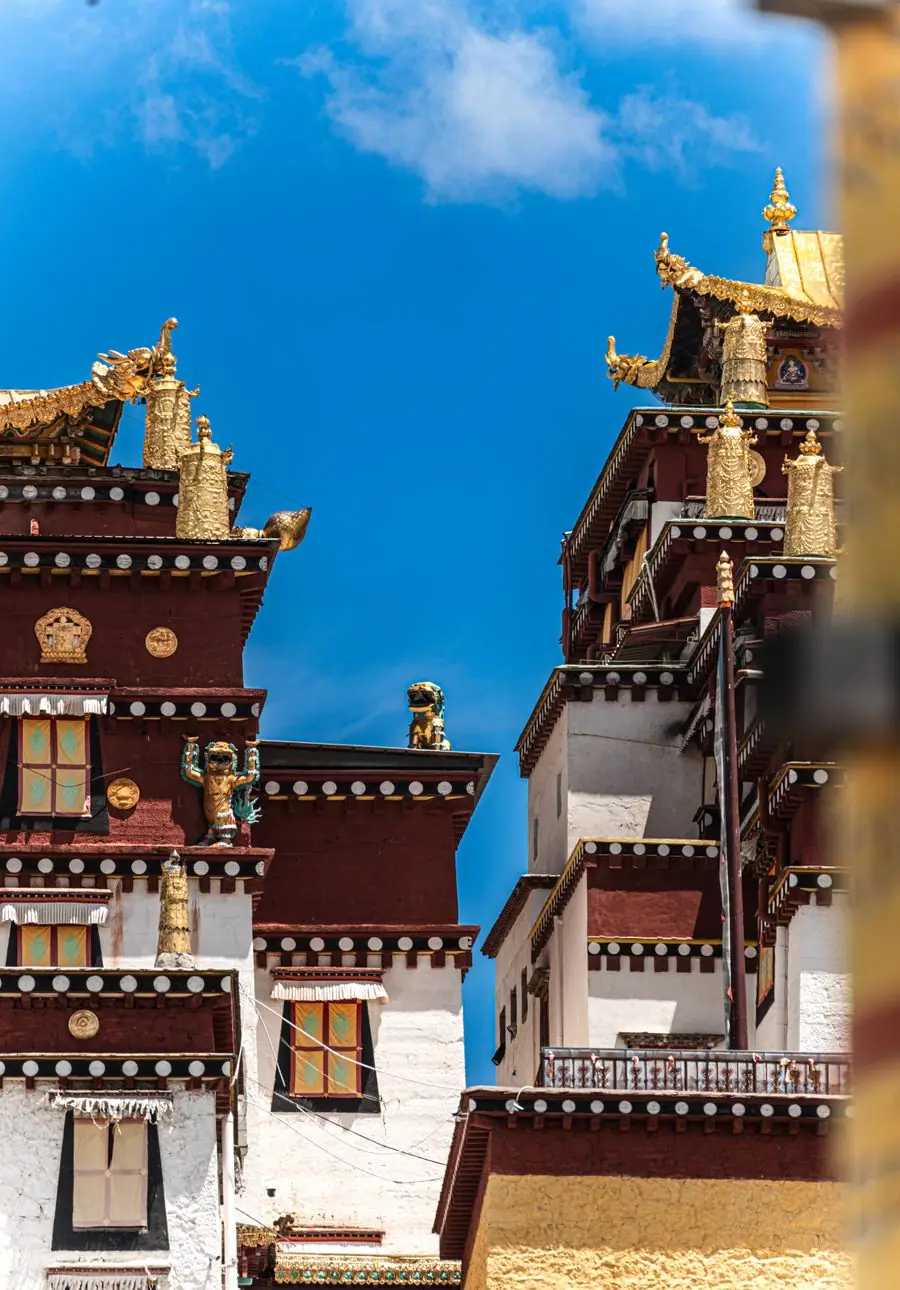
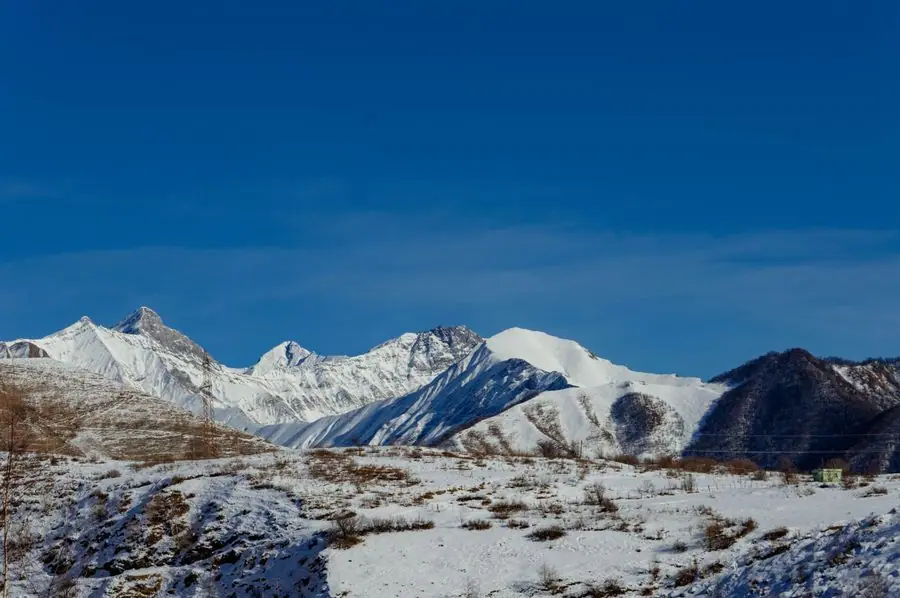
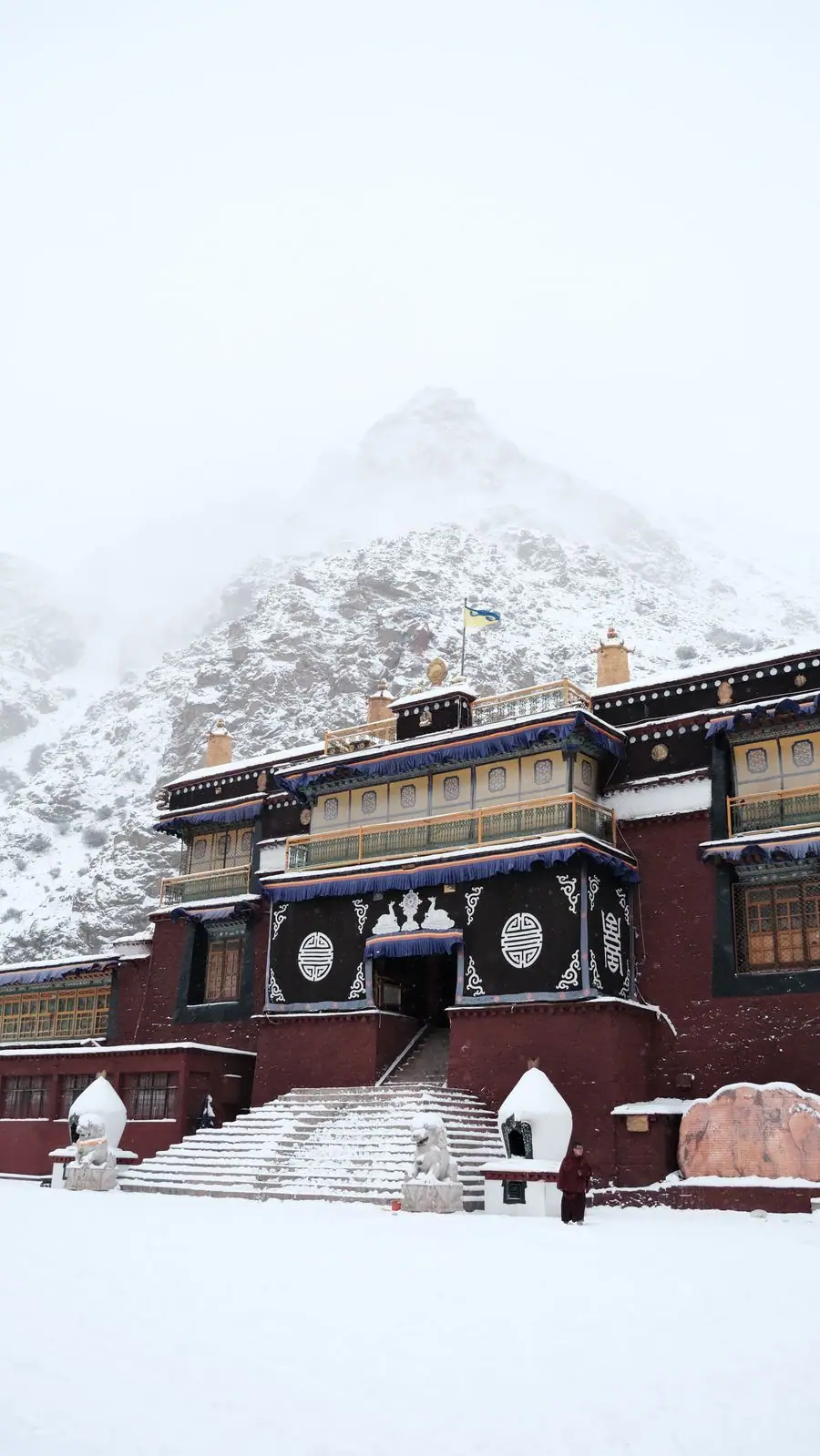
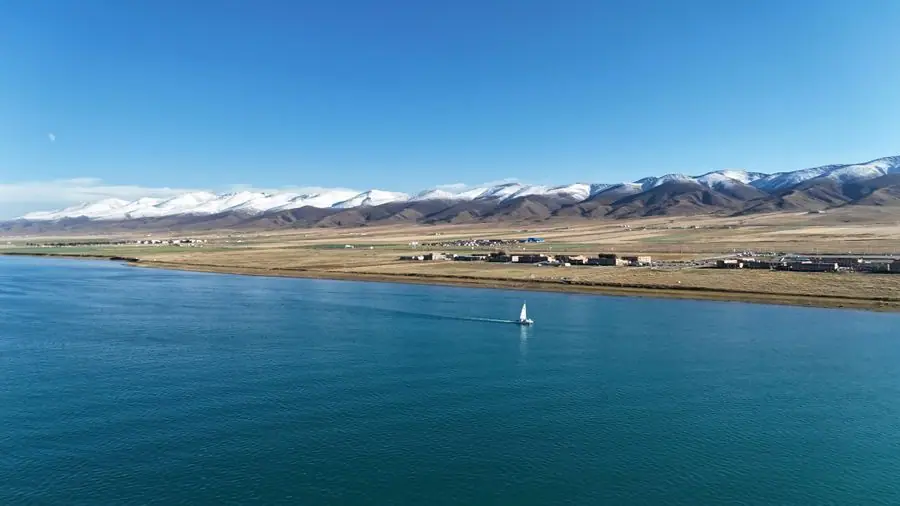
Gyantse town, ~90 km W of Shigatse
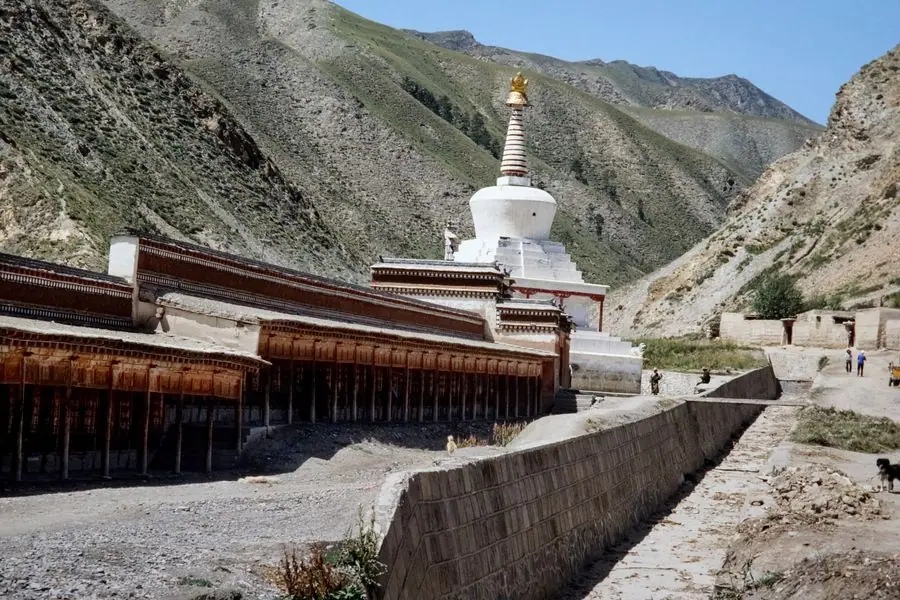
Palkhor Monastery & the Kumbum (Gyantse) 白居寺·十万佛塔
The monastery of Gyantse where the Sakya, Kagyu and Gelug schools worship side by side — famous above all for its Kumbum, the great nine-storey white stupa of 'a hundred thousand Buddha images', built in 1427 and still the finest of its kind in Tibet: 108 chapel-rooms stacked in a tapering cone of white and red, covered in murals of the finest Tibetan painting. A working monastery with rare cross-school tolerance, in the most beautiful small town of the high Tsang.
Foreign visitors need a Tibet Travel Permit and must join a licensed group tour — arrange the permit through a China-licensed travel agency before flying to Shigatse.
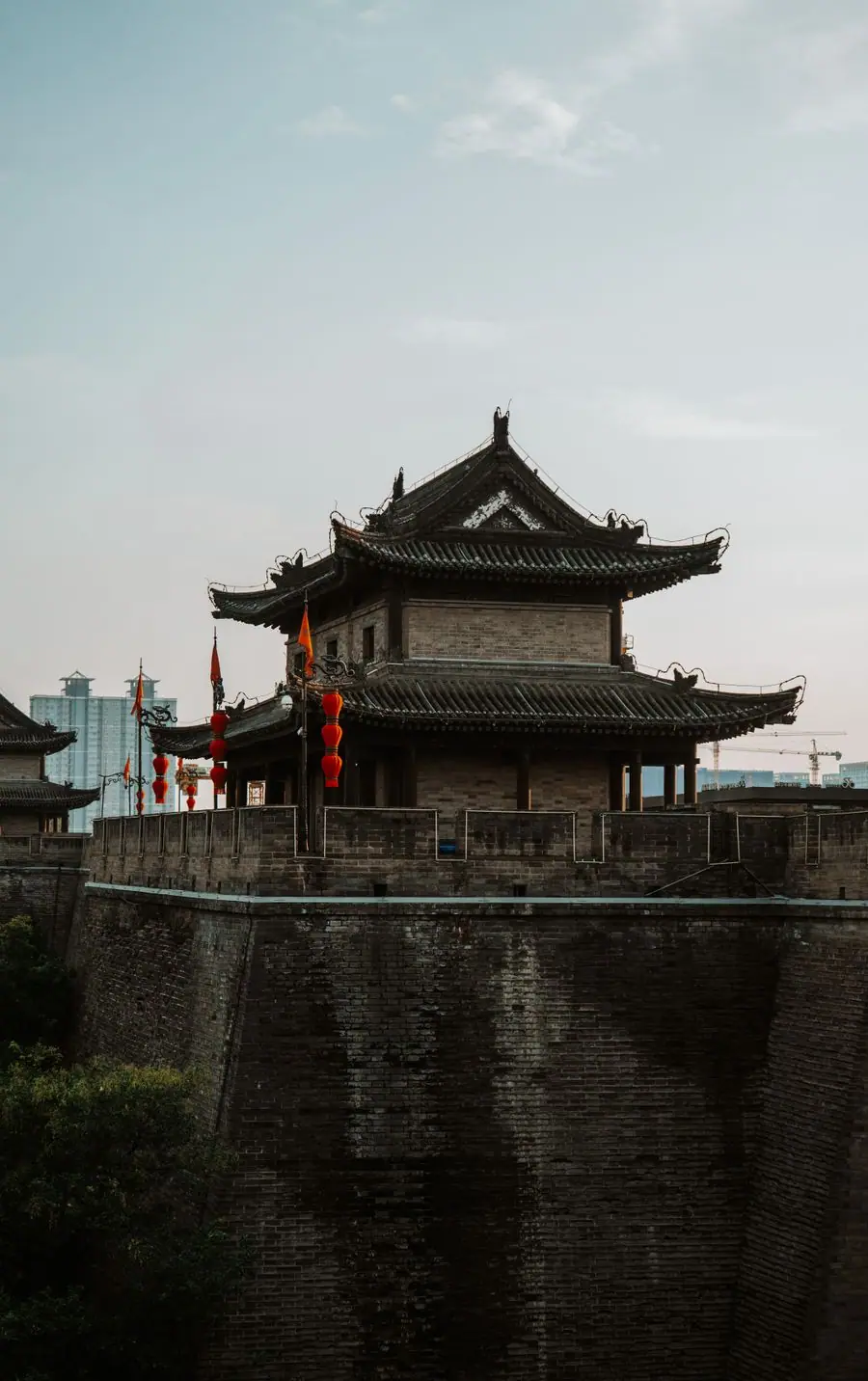
Gyantse Dzong (Gyantse Fortress) 江孜宗山古堡
The fortress of Gyantse — a stone dzong crowning the rocky hill above the town, built in the 14th century and the scene of the 1904 Younghusband expedition's bloodiest fight, when Tibetan defenders held these walls against the British. The climb up the ridge to the ruined walls is steep and short, and the view down over Gyantse's white houses, the Pelkhor chörten and the plains is the reward; one of the most dramatic hilltop ruins in Tibet.
Foreign visitors need a Tibet Travel Permit and must join a licensed group tour — arrange the permit through a China-licensed travel agency before flying to Shigatse.
Where to stay in Shigatse
Shigatse city has the prefecture's best hotels (stay 1–2 nights to acclimatise at 3,800 m); Tingri/New Tingri (~4,300 m) is the Everest-night stop — sleeping that high is a real risk, so many tours overnight at the EBC tent camp (~5,000 m) instead or push back to Tingri. Gyantse (~4,000 m) and Sakya are practical mid-stops. Winter closes many high-country guesthouses.
Budget
$21–42 / nightSimple guesthouses and chain hotels in Shigatse city, Gyantse and Tingri; heated rooms, shared or basic bathrooms — foreign-passport registration is routine.
Mid-range
$56–110 / nightThe better city hotels in Shigatse with oxygen supply and mountain views — the sweet spot at 3,800 m; book ahead in the autumn season.
Splurge
$140–280 / nightThe top hotels in Shigatse city with oxygen, heated floors and Tashilhunpo or dzong views; the Everest-night lodges at the tent camp cost more and are basic.
Souvenirs & local crafts
Easy to pack, easy to explain at customs — and far cheaper at a supermarket than at a scenic stall.
-
Tibetan incense (Zangxiang)
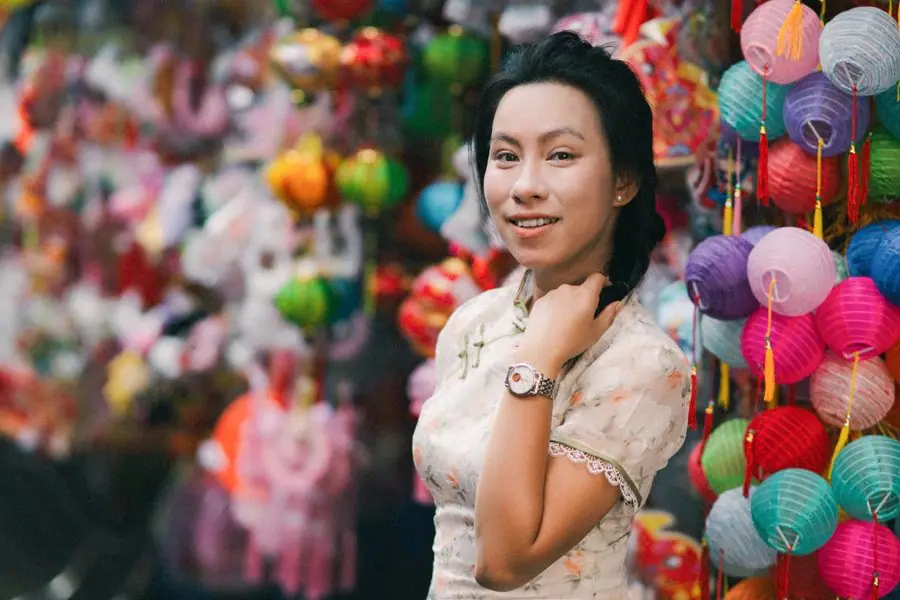
Hand-rolled monastery and household incense from plateau herbs — the classic packable souvenir, sold at the monasteries' workshops around Tashilhunpo.
-
Thangka paintings (Tangka)
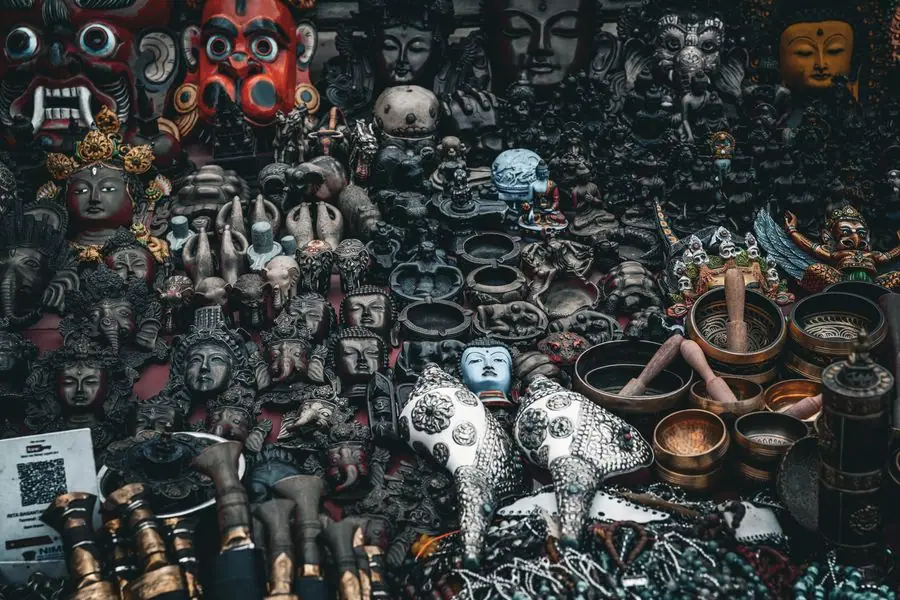
The painted religious scrolls of the Tibetan tradition — buy from a registered workshop; the fine mineral-pigment pieces are serious art and need careful packing.
-
Gyantse rugs & carpets (Zangtan)
The wool carpet weaving of Gyantse is famous across Tibet — thick, geometric, hand-knotted and genuinely made; the prefecture's finest textile souvenir.
-
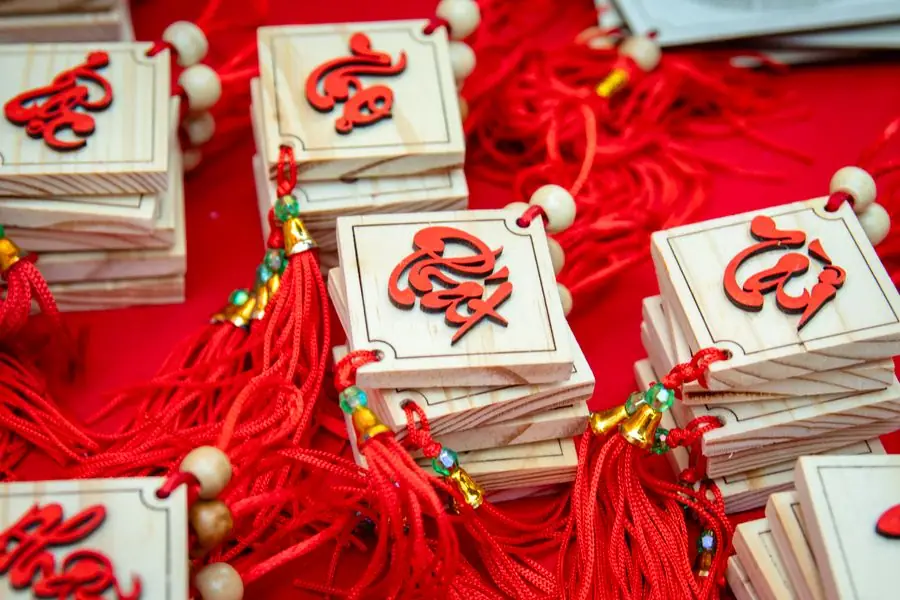
Dried yak meat (Maoniu rougan)
Air-dried yak strips — the high-protein travel snack of the plateau, sold everywhere; the lowland-friendly version of the plateau diet.
-
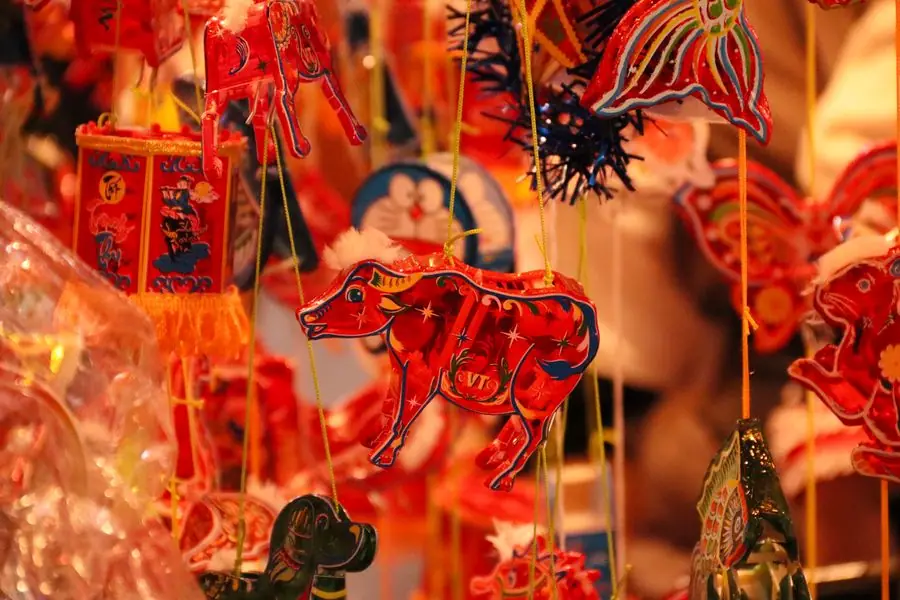
Pangbi dessert kits (Pengbi fen)
Packaged buckwheat-flour mix for the Shigatse pudding — the city's signature sweet, sold in the markets so travellers can make it at home.
Getting around Shigatse
Shigatse Peace Airport (RKZ) has flights to Lhasa (~1 h) and Chengdu; the Lhasa–Shigatse railway (opened 2014) reaches Shigatse station in about 3 h from Lhasa on the world's highest-section line. By road, the G318 runs 270 km west from Lhasa via Yamdrok and Gyantse (about 5 h), and the G219 runs south-west to Everest and Sakya.
- High-speed rail
- The Lhasa–Shigatse railway links Shigatse station with Lhasa in about 3 h — the practical, comfortable way in; tickets go through a licensed agency for foreign visitors.
- Long-distance bus
- There are no independent public buses for foreign tourists on the permit routes — the Tibet Travel Permit requires a licensed group tour with its own vehicle and driver, which is also the only practical way to reach Everest Base Camp and the border valleys.
- Metro & bus
- None.
- Taxis
- Taxis in Shigatse city are metered and cheap, but foreign visitors on a permit tour travel with their agency vehicle.
- Ride-hailing
- Not part of the permit-tour structure; city taxis cover in-town needs.
- Shared bikes
- Not practical at 3,800 m with permit-route restrictions.
- Intercity carpool
- Not applicable on permit routes; all transfers are arranged by the licensed agency.
Plan your 1, 2 or 3 days in Shigatse
Pick the length of your stay. Each plan is its own page, anchored at the city centre and written from real traveller itineraries — including splits for sightseeing, shopping, landscape, families and older travellers.
Shigatse in one day: Tashilhunpo & the Dzong
The acclimatising day: the golden roofs of Tashilhunpo, the rebuilt dzong above the city and the old-town lanes at 3,800 m.
Read the plan → 2-dayShigatse in two days: + Yamdrok & Gyantse
Day two runs the G318 west over Karo La to the turquoise chain of Yamdrok and the fortress town of Gyantse with its Kumbum.
Read the plan → 3-dayShigatse in three days: + Everest Base Camp
Give the third day to the headline: the long south drive on the G219 to Everest Base Camp beneath Qomolangma, sleeping at the tent camp or back in Tingri.
Read the plan →Frequently asked questions
- When is the best time to visit Shigatse?
- Late April–June and September–mid-October — clear skies for Everest, comfortable days and the golden autumn light. July–August is cloudy and muddy; November–March is cold but the clearest season for mountain views, though snow can close the high passes.
- Do I need a Tibet Travel Permit for Shigatse?
- Yes — all of the Tibet Autonomous Region is permit-controlled. Foreign visitors need a Tibet Travel Permit and must join a licensed group tour with a vehicle and driver, arranged through a China-licensed travel agency weeks ahead; independent travel is not permitted. The permit is checked at the airport, the railway station and on the road.
- How high is Shigatse, and is altitude sickness a risk?
- Yes, a real one. Shigatse sits at ~3,800 m, Gyantse at ~4,000 m, Tingri at ~4,300 m and Everest Base Camp at ~5,200 m. Arrive with at least a night or two in Lhasa (3,650 m) first, ascend gradually, drink water, avoid alcohol on the first days, and descend if symptoms worsen — the tour guide carries oxygen for emergencies.
- How much do the sights cost?
- Tashilhunpo is about $11–14 (RMB 80–100); Everest Base Camp about $25 (RMB 180) per person plus the mountain vehicle fee about $57 (RMB 405) per vehicle; Palkhor & Kumbum about $8 (RMB 60); Sakya about $6 (RMB 45); Shalu and Pala Manor about $6 (RMB 40) each; Gyantse Dzong about $4 (RMB 30); Yamdrok, Karo La, Rongbuk and the border valleys are free or small local fees. Most visitors pay through their licensed tour package. Verify on site.
- How many days do I need in Shigatse?
- One day for the city (Tashilhunpo and the dzong); two for the Yamdrok–Gyantse loop; Everest Base Camp needs its own two days out and back from Shigatse (or a night at the tent camp). A Lhasa–Gyantse–Shigatse–EBC tour is typically 7–10 days.
- Can I see Everest from Shigatse?
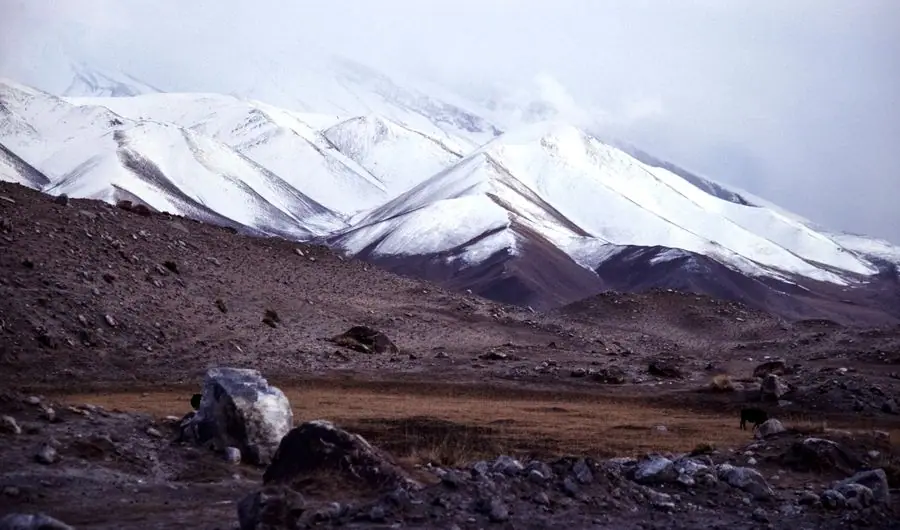
- Not from the city — Everest is about 330 km south-west. The classic view is from the north base camp (Rongbuk) side, reached on the G219 via New Tingri; the mountain shows itself best at sunrise, and cloud cover decides more than the calendar. Karo La and the Old Tingri viewpoint give long-distance glimpses on the way.
Page last reviewed: 2026-11-02.