Kashgar 2026: Old Town, Id Kah Mosque & the Karakoram Highway on a 1–3 Day Plan
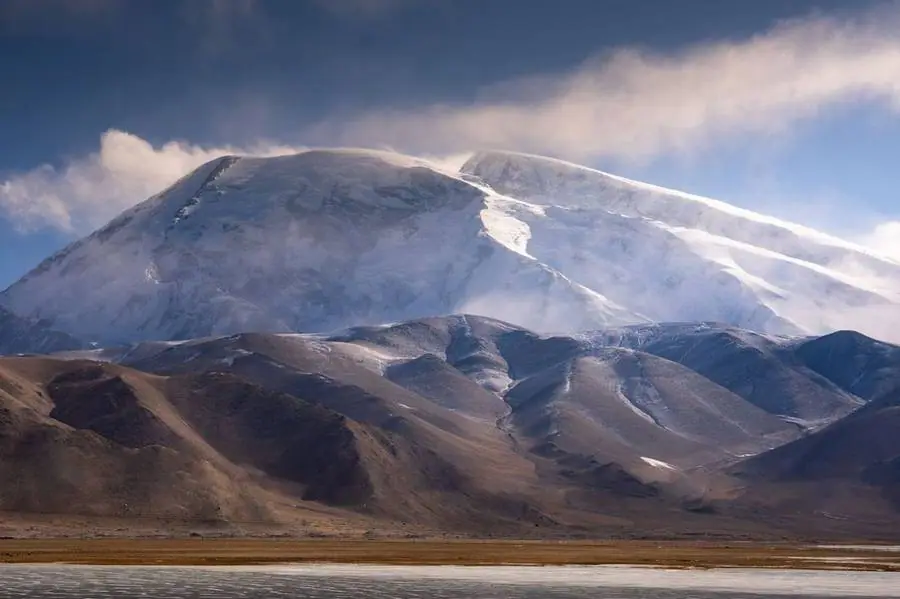
Kashgar is China’s westernmost major city, a living mud-brick old town where Uyghur craft, bazaars and the Id Kah Mosque set the rhythm. The Karakoram Highway starts here, running 190 km to Karakul Lake and the 7,546 m Muztagh Ata. Plan the Border Defense Permit, book a driver for the Pamir day, and the old town plus the highway fit a 1–3 day visit.
History & culture
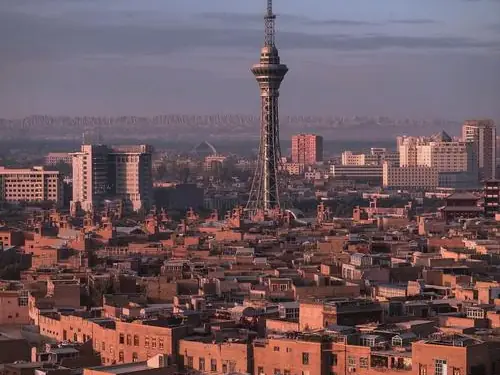
Kashgar has stood for more than 2,000 years where the Silk Road routes met at the foot of the Pamirs — the last major oasis before the Taklamakan. As the capital of the ancient kingdom of Shule it traded silk, tea and jade between China, Central Asia and India, and its weekly bazaars drew caravans from every direction.
The old town grew into one of Central Asia’s best-preserved mud-brick Islamic cities, a maze of lanes, courtyard homes and artisan quarters. The Id Kah Mosque was founded on the main square in 1442, and craft streets nearby still house coppersmiths, instrument makers and woodcarvers working as their families have for generations.
Kashgar was largely rebuilt and restored in the 2010s, and today it is again a travel hub: the Karakoram Highway runs south-west through the Pamirs to the Khunjerab Pass and Pakistan, past Karakul Lake and Muztagh Ata. Visitors come for the old-town life, the food and one of the world’s great border-highway day trips.
Best time to visit Kashgar
Kashgar sits at about 1,290 m at the edge of the Taklamakan Desert, so springs and autumns are mild and the Pamir Highway is usually open and snow-free.
Budget for Kashgar: hotels from $8 a night, average ticket $$4.75 — see the full cost breakdown, or start from a ready-made route.
Cuisine of Kashgar
Signature dishes worth seeking out — prices are typical per-person or per-dish ranges, not fixed quotes.
-
Kashgar Lamb Kebabs
Chunks of lamb grilled over charcoal with cumin and chilli — sold everywhere from bazaar grills to night-market stalls, best with fresh naan.
-
Uyghur Naan
The round, crisp tandoor bread stamped with patterns; buy it warm in the morning from the bazaar ovens — the everyday Kashgar staple.
-
Polo (Uyghur Pilaf)
Rice steamed with lamb, carrot, onion and oil — the Uyghur celebration dish, ladled from great pots at lunchtime.
-
Laghman Noodles
Hand-pulled noodles stir-fried with meat and vegetables in a saucy wok toss — hearty, cheap and everywhere in the old town.
-
Samsa (Baked Lamb Buns)
Tandoor-baked pastries filled with diced lamb and onion, crisp outside and juicy inside — the classic street snack.
-
Dried Fruit and Nuts
The bazaar’s mountain of walnuts, almonds, figs, raisins and dried apricots — taste first, then buy by the kilo to carry home.
Every major sight — with its own guide
Right after the food above, here are the sights — each one links to its own full guide (what to see, how to get there, facilities and the best season). Names follow each sight's official English signage.
Kashgar city centre
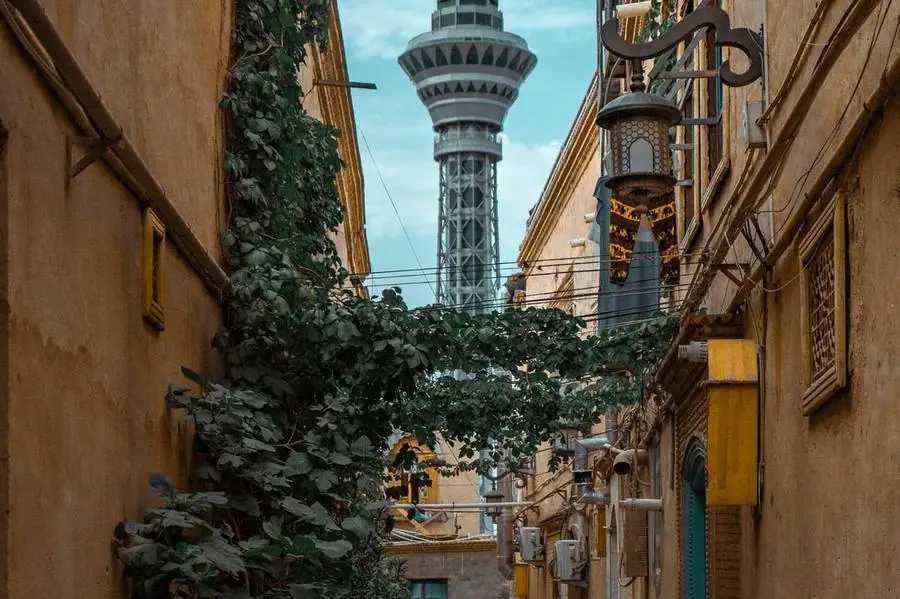
Kashgar Old Town 喀什古城
The living mud-brick maze of lanes, courtyard homes, bakeries and craft shops — Kashgar’s heart and the reason you came.
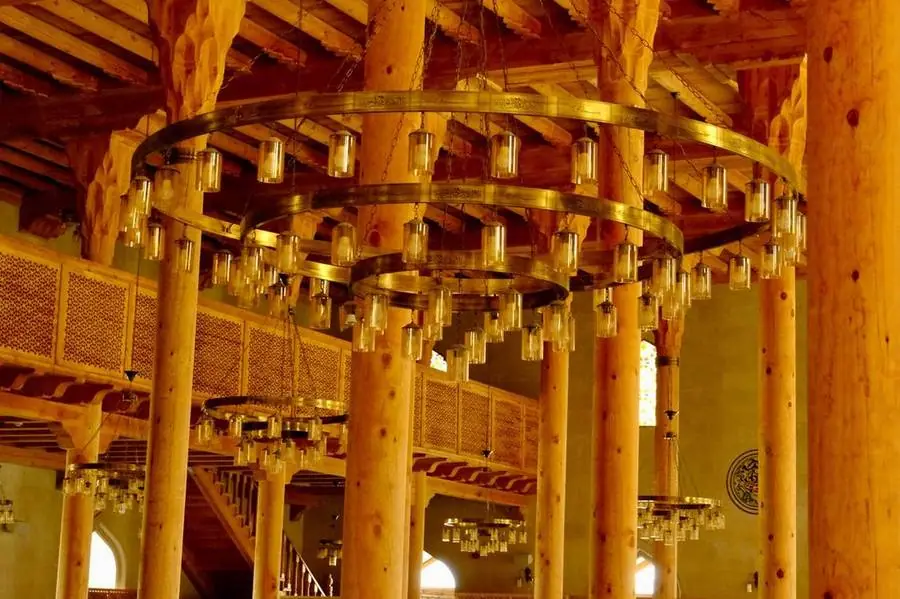
Id Kah Mosque 艾提尕尔清真寺
China’s largest mosque, on the Old Town’s central square since 1442 — the yellow-tiled gate and plaza are Kashgar’s emblem.
Open to foreign visitors outside prayer times; dress modestly and carry your passport — police checks around the square are routine in Xinjiang.
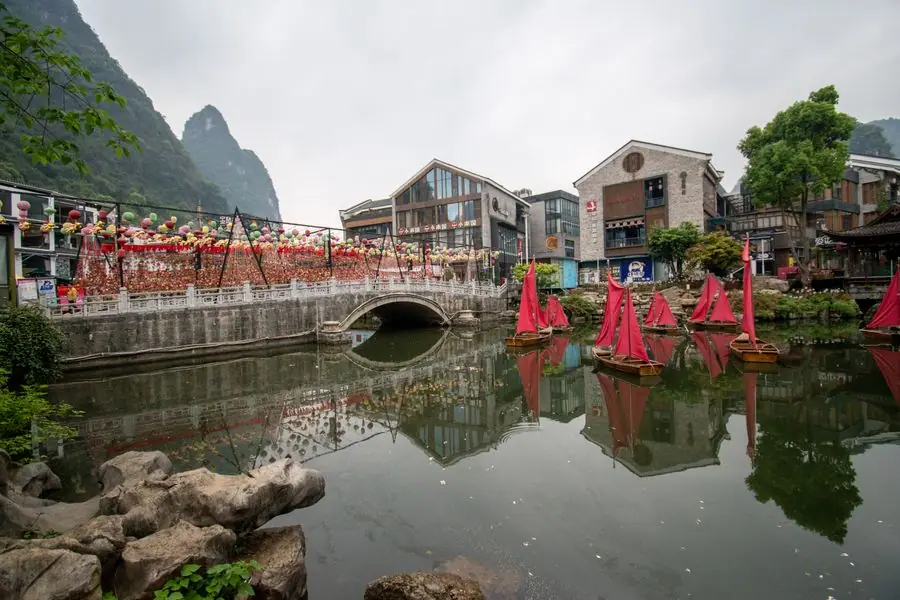
Kashgar Museum 喀什博物馆
The free regional museum of Silk Road artefacts, mummies and Uyghur culture — a cool, quiet intro before the old town.
Bring your passport for entry — registration is standard for foreign visitors in Xinjiang museums.
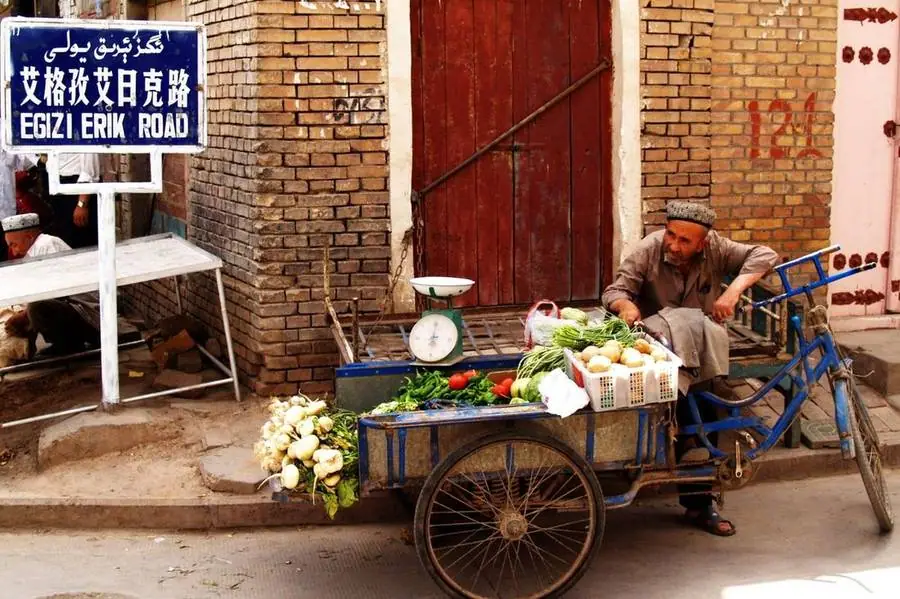
North-east of Kashgar
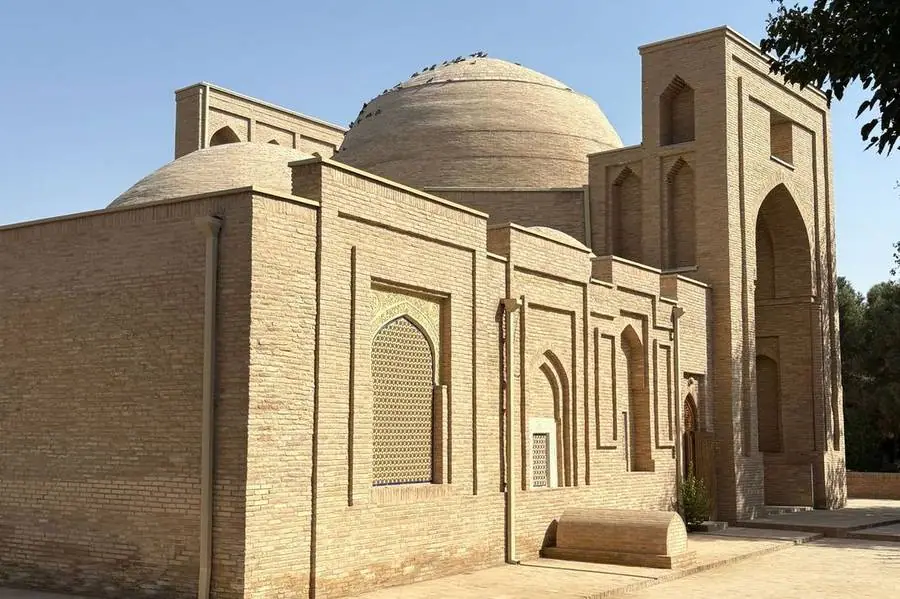
Karakoram Highway, Pamir
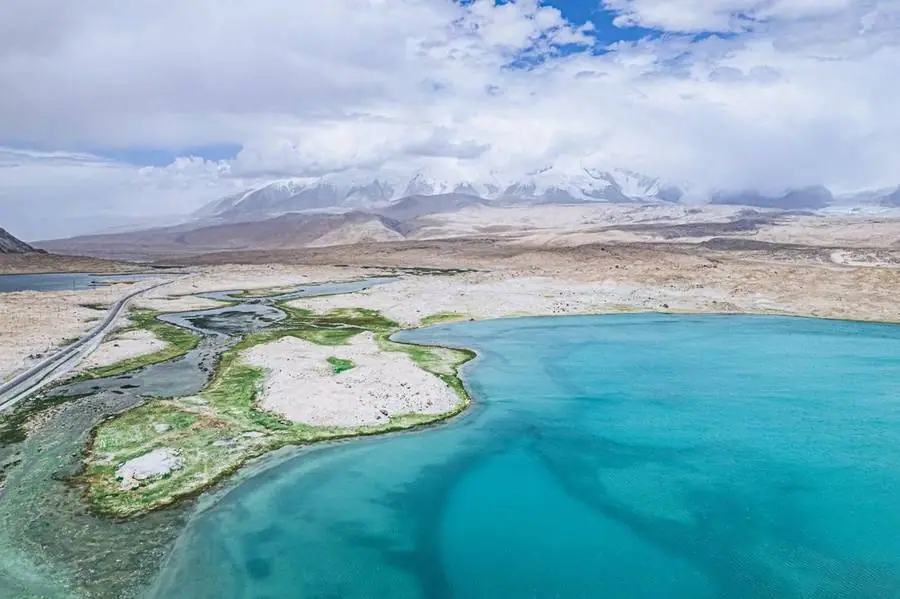
Karakul Lake 喀拉库勒湖
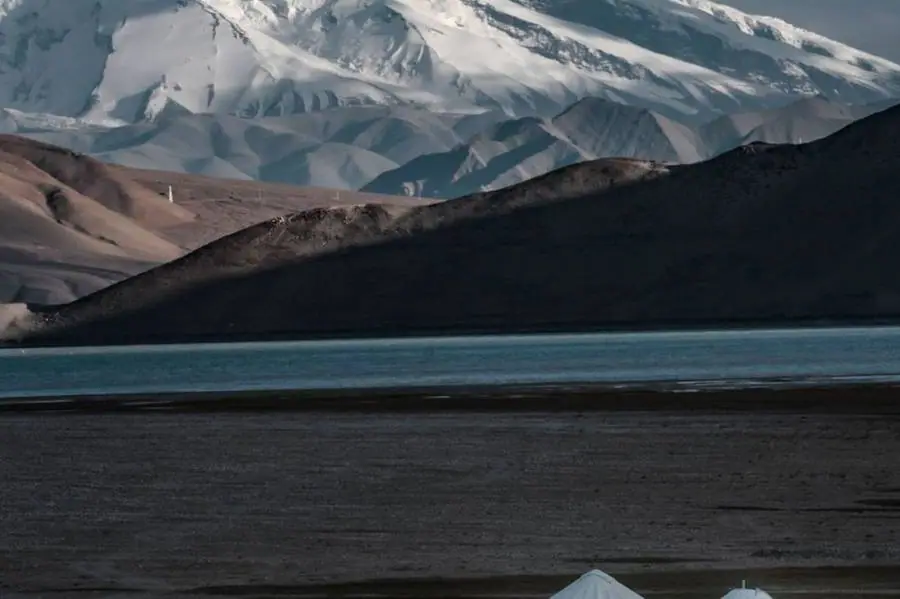
The 3,600 m alpine lake beneath Muztagh Ata on the Karakoram Highway — the single great Pamir day trip from Kashgar.
Past the Gaizi checkpoint you need a Border Defense Permit (边防证) — free, arranged in Kashgar the day before; expect passport checks on the way.
Baisha Lake (White Sand Lake) 白沙湖(白沙山)
A pale sand-dune lake on the highway about 160 km out — turquoise water against white dunes, a quick photo stop before Karakul.
Past the Gaizi checkpoint — carry your passport and Border Defense Permit.
Akto county, G314
Gaizi River Valley 盖孜河谷
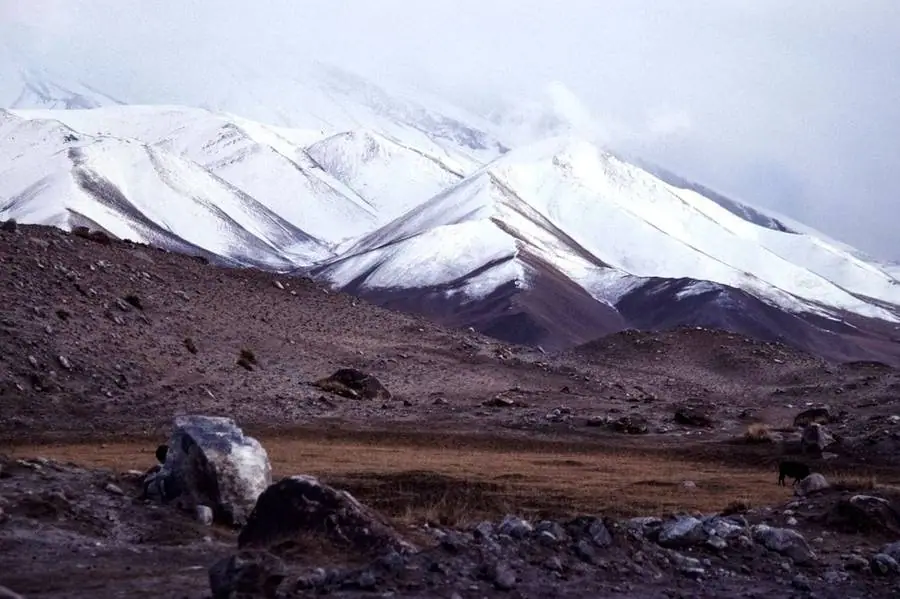
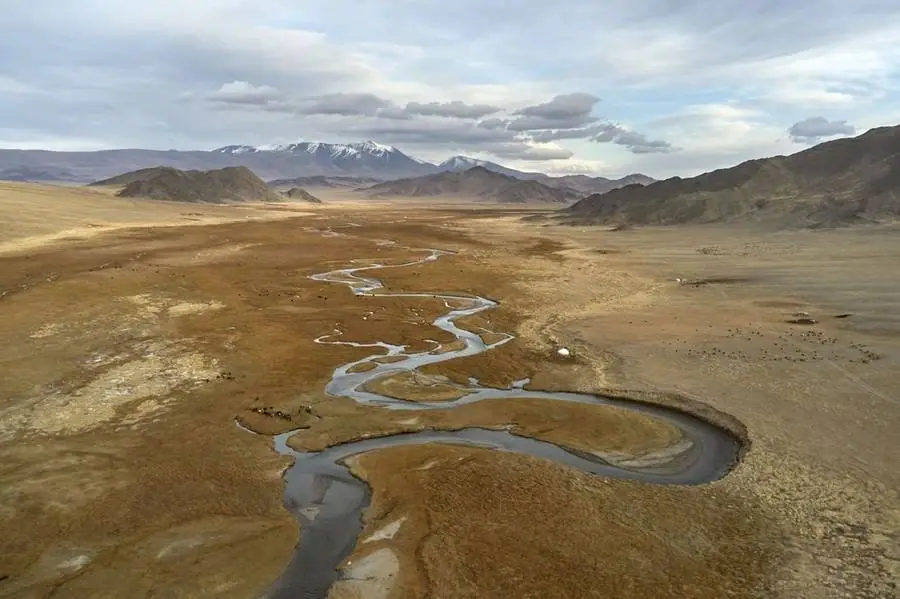
The dramatic gorge and river canyon where the highway leaves the desert and climbs into the Pamirs — your first big landscapes of the day.
The Gaizi border checkpoint sits here — the driver hands in passports and Border Defense Permits; stay in the vehicle when told.
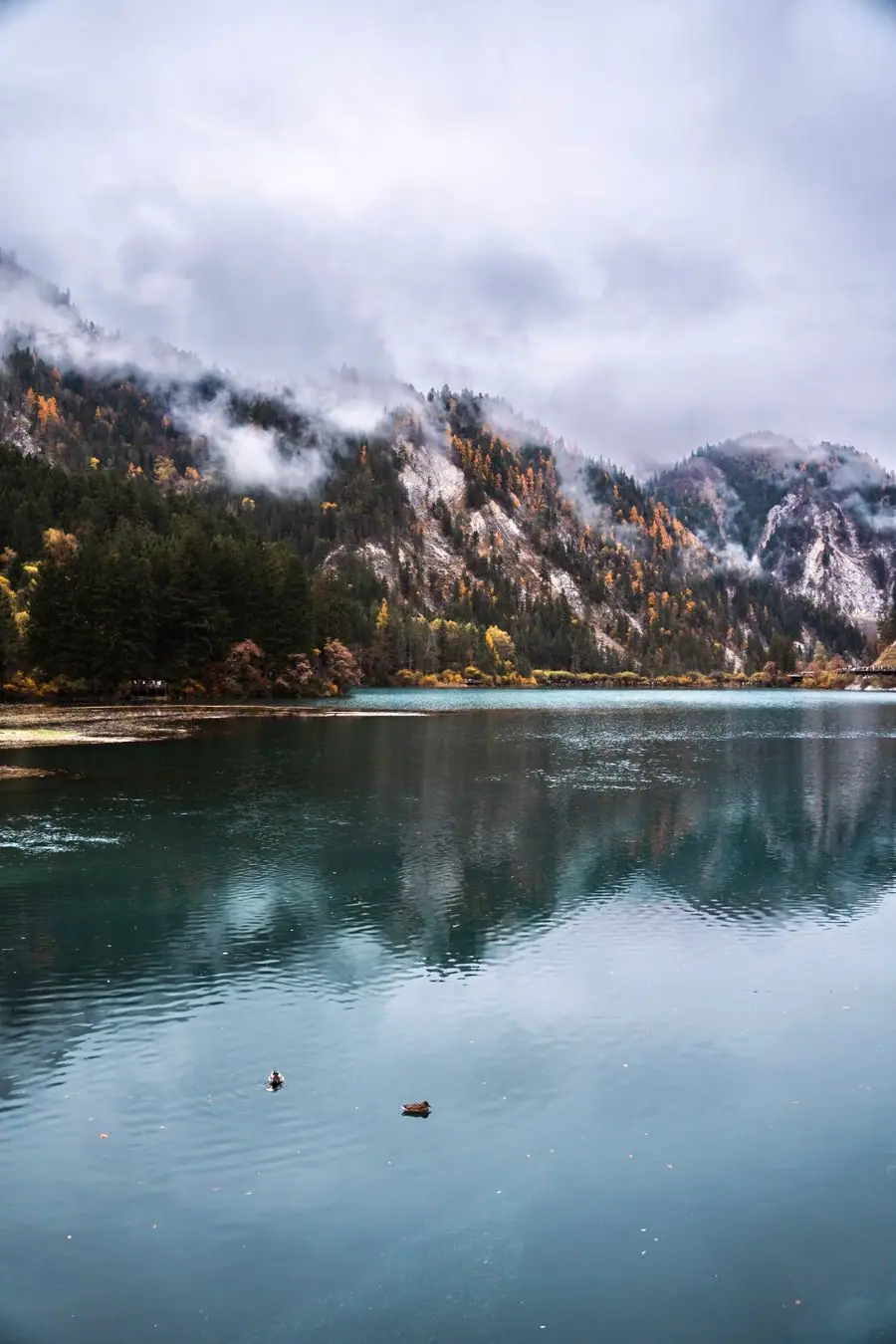
Oytagh Glacier Park 奥依塔克冰川公园
A forested Pamir valley with horse trails and a view of a low, walkable glacier tongue — a quieter alternative stop on the highway.
Beyond the Gaizi checkpoint — Border Defense Permit and passport checks apply.
Shufu county, south-west of Kashgar
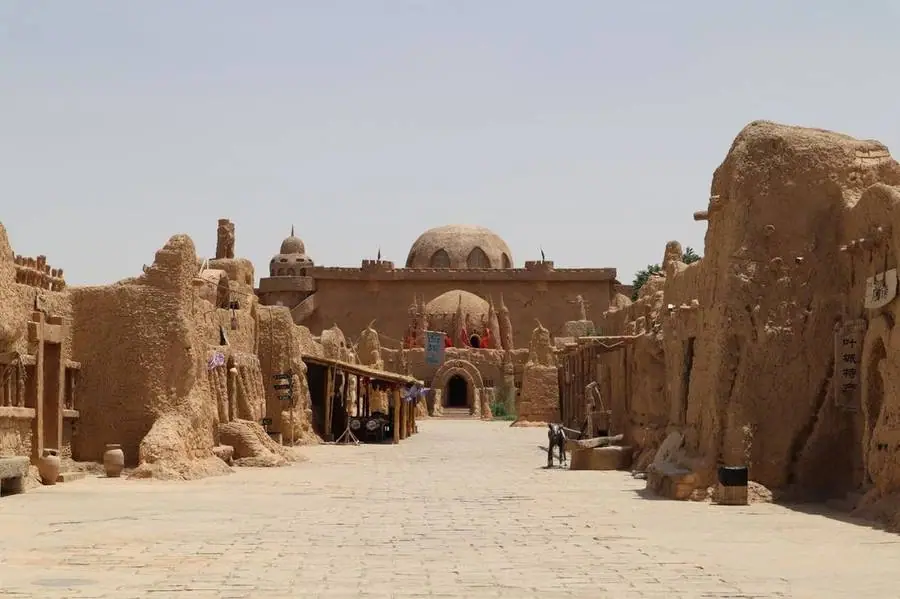
Kashgar Old Town
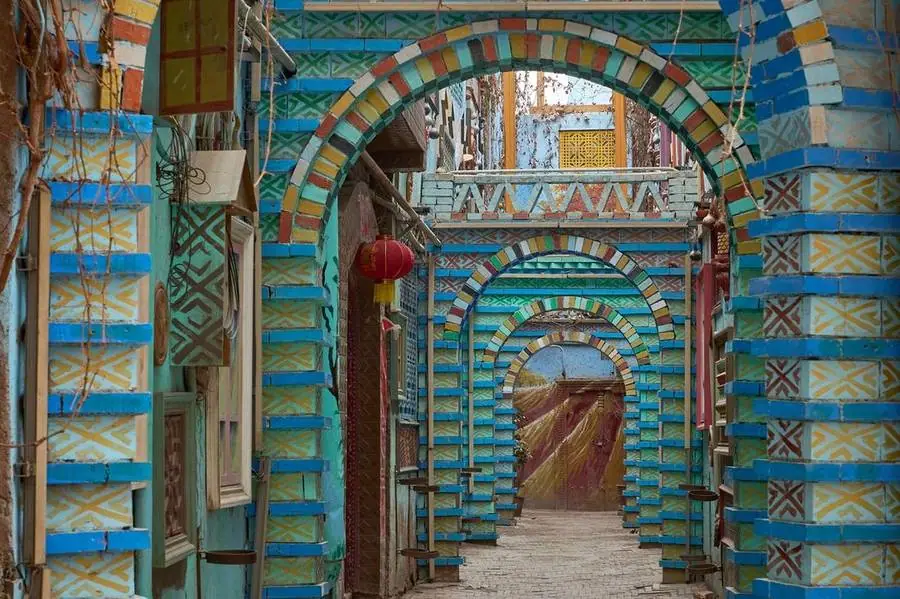
Kashgar Handicraft Street 喀什手工艺一条街
The Old Town’s artisan quarter — coppersmiths, woodcarvers and instrument makers at work in open-fronted workshops.
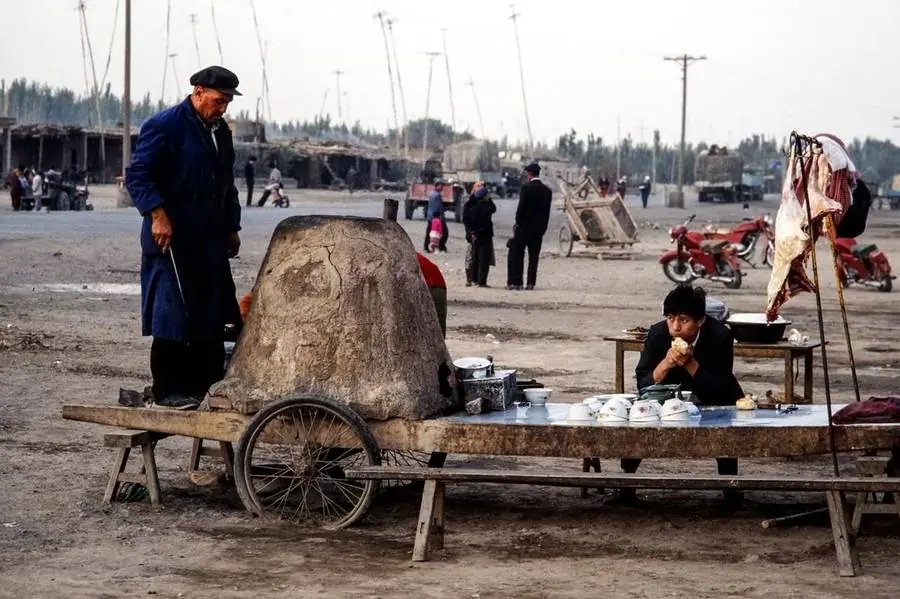
Kashgar Night Market 喀什夜市
The Old Town’s evening food streets — kebab grills, tandoor ovens and lamb broths under strings of lights after dark.
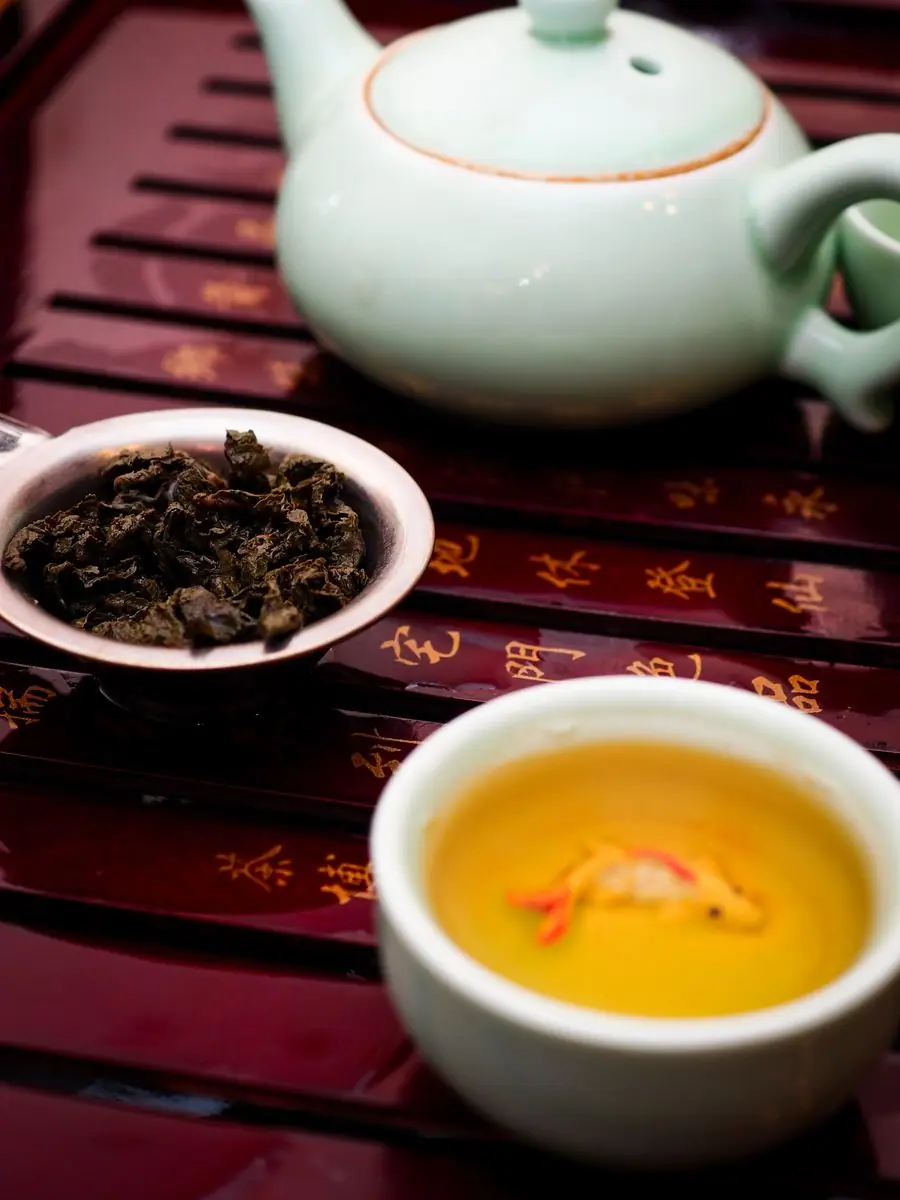
Kashgar Centuries-Old Teahouse 喀什百年老茶馆
The upstairs teahouse by Id Kah Square where old men drink tea, eat naan and trade news to live dutar music — the Old Town’s living room.
Where to stay in Kashgar
Rates are for a standard double room in 2026. Old Town guesthouses are atmospheric but cars cannot enter the lanes, so expect a short walk with bags. Book early for Labour Day, National Day and the summer Jul–Aug domestic season. Confirm the USD price at booking.
Luxury
$80–150 / nightThe city’s best five-star hotels in the new town, 10–15 minutes by car from the Old Town gates.
Upper mid-range
$40–80 / nightComfortable four-star hotels and styled courtyard guesthouses near the Old Town edges; $40–80 / night.
Mid-range
$22–40 / nightClean Chinese business hotels around Id Kah Square and the east bank; $22–40 / night.
Budget
$12–22 / nightSimple guesthouses in and around the Old Town with Uyghur character; $12–22 / night.
Hostels
$8–14 / nightBackpacker hostels near the Old Town that also arrange drivers for the Pamir Highway; $8–14 / night.
Souvenirs & local crafts
Easy to pack, easy to explain at customs — and far cheaper at a supermarket than at a scenic stall.
-
Doppa Caps
The embroidered square Uyghur skullcap in dozens of regional patterns — light, cheap and the signature Kashgar keepsake.
-
Atlas Silk
Shimmering tie-dyed silk fabric and scarves from Hotan’s workshops, sold by the metre in the bazaar textile halls.
-
Uyghur Carpets
Hand-knotted wool rugs with Central Asian motifs — from small prayer rugs to room-size pieces; check the knot count and buy from established shops.
-
Copperware
Hammered copper bowls, jugs and trays from the Old Town coppersmiths’ street — watch them being made, then ship or pack carefully.
-
Dried Fruit and Nuts
Vacuum-packed figs, walnuts, jujubes and dried apricots from the bazaar — the easiest souvenir to carry and share.
Getting around Kashgar
Kashgar has no metro. The Old Town core is walkable, the new town is flat and grid-planned, and the Pamir Highway day trips need a booked driver.
- High-speed rail
- Kashgar Railway Station sits about 4 km east of the Old Town. Regular and overnight trains connect to Urumqi in roughly 14–24 hours across the Tianshan — there is no high-speed rail to Kashgar yet.Trains use real-name booking with a passport through 12306 or a travel app; bring the same passport to the station and the gate.
- Long-distance bus
- The long-distance bus station near the railway station runs coaches to Tashkurgan, Atush, Yarkand and Hotan. Foreign travellers usually book a private driver for the Karakoram Highway instead.
- Metro & bus
- There is no metro in Kashgar. The Old Town is pedestrian; buses, taxis and DiDi cover the rest of the city.
- Taxis
- Taxis are cheap — short hops run $1.50–2.50. Some drivers do not use meters; agree the price first, and keep your passport handy for checkpoints.
- Ride-hailing
- DiDi works inside Alipay with an English map and card payment. Cars reach the Old Town edges and hotel doors, but not the car-free lanes.
- Shared bikes
- Shared bikes (Alipay Haibike / Meituan) suit the flat new-town streets; the Old Town lanes are for walking only.
- Intercity carpool
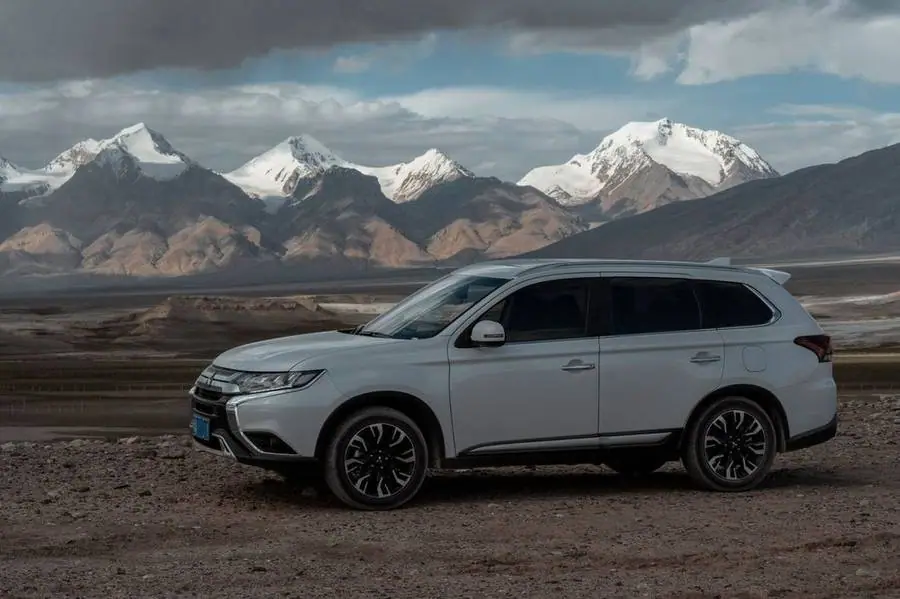
- For Karakul Lake and Tashkurgan, book a driver through your hotel, hostel or a registered tour. Every passenger must be listed with passport details, and the driver carries the group’s Border Defense Permits.
Plan your 1, 2 or 3 days in Kashgar
Pick the length of your stay. Each plan is its own page, anchored at the city centre and written from real traveller itineraries — including splits for sightseeing, shopping, landscape, families and older travellers.
Kashgar in 1 Day
The Old Town, Id Kah Mosque, the Grand Bazaar, the teahouse and the night market — the full city day.
Read the plan → 2-dayKashgar in 2 Days
Day one in the Old Town and bazaars, day two for the Abakh Khoja tomb, the museum and the craft streets.
Read the plan → 3-dayKashgar in 3 Days
Add the Karakoram Highway — Baisha Lake, Karakul Lake and Muztagh Ata, with an optional Tashkurgan extension.
Read the plan →Frequently asked questions
- Do I need a visa for Kashgar?
- Kashgar’s airport is not a visa-free transit port, so arrange a Chinese visa before you fly unless you already qualify through a gateway city. Check the current rules with a consulate before booking.
- Do foreigners need a permit for Karakul Lake and the Pamirs?
- Yes. Beyond the Gaizi checkpoint on the Karakoram Highway you need a Border Defense Permit (边防证). It is free, arranged in Kashgar a day ahead through your hotel, hostel or tour operator, and checked with your passport at the station.
- Is Kashgar safe for foreign travellers?
- Kashgar is calm and heavily policed. Expect routine passport and ID checks at stations, squares, checkpoints and hotels — carry your passport at all times and cooperate with checks, and travel runs smoothly.
- Is the Old Town of Kashgar free?
- Yes — the lanes are free to wander day and night. Individual sites such as the Id Kah Mosque (about $6.30) and the Abakh Khoja Mausoleum (about $4.20) charge separate admission. Verify prices on site.
- How many days do I need in Kashgar?
- Two days cover the Old Town, the bazaars, the teahouse and the Abakh Khoja tomb without rushing. Add a third for the Karakoram Highway day trip to Karakul Lake — most travellers call that day the highlight.
- When is the best time to visit Kashgar?
- May–June and September–October bring mild, clear weather on the highway. Summer (Jul–Aug) is hot in the city and busy with domestic tour groups. Avoid the May Day and National Day holiday weeks if you dislike crowds.
- How do I get to Karakul Lake?
- Book a driver or a small-group tour from Kashgar — about 190 km and 3.5–4 hours each way on the Karakoram Highway, with stops at the Gaizi gorge, Baisha Lake and the lake shore. The lake sits at 3,600 m, so go slowly and bring warm layers.
- What should I wear and how do I behave around the mosque?
- Dress modestly around Id Kah Mosque — covered shoulders and knees. Visit outside prayer times, keep your voice low in the courtyard and ask before photographing worshippers.
Page last reviewed: 2026-11-02.