Kashgar Grand Bazaar 2026: Sunday Bazaar Hours, Layout & How to Visit
Kashgar Grand Bazaar (Sunday Bazaar) is free to enter and busiest on Sunday. Halls of textiles, dried fruit, carpets and craft — here is how to work the largest market in western China.
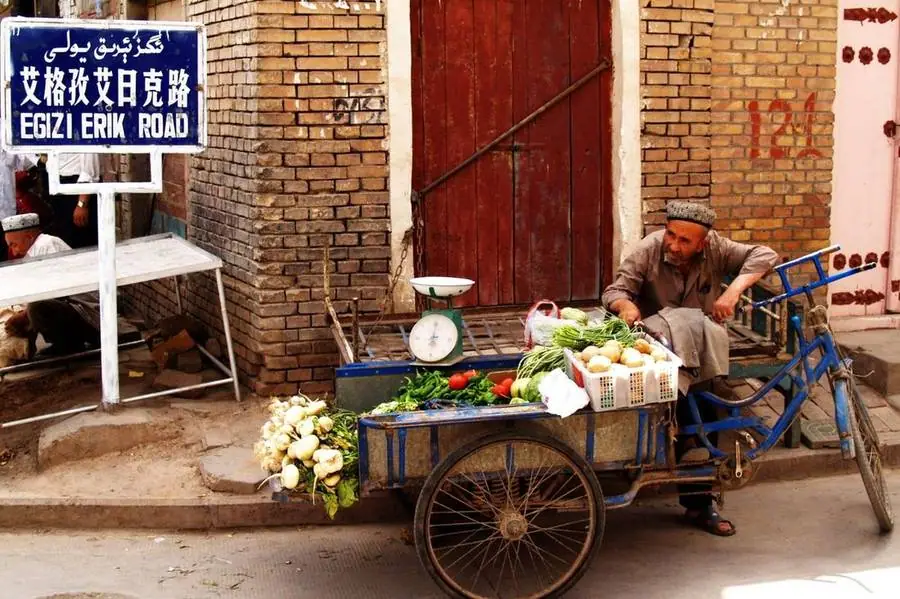
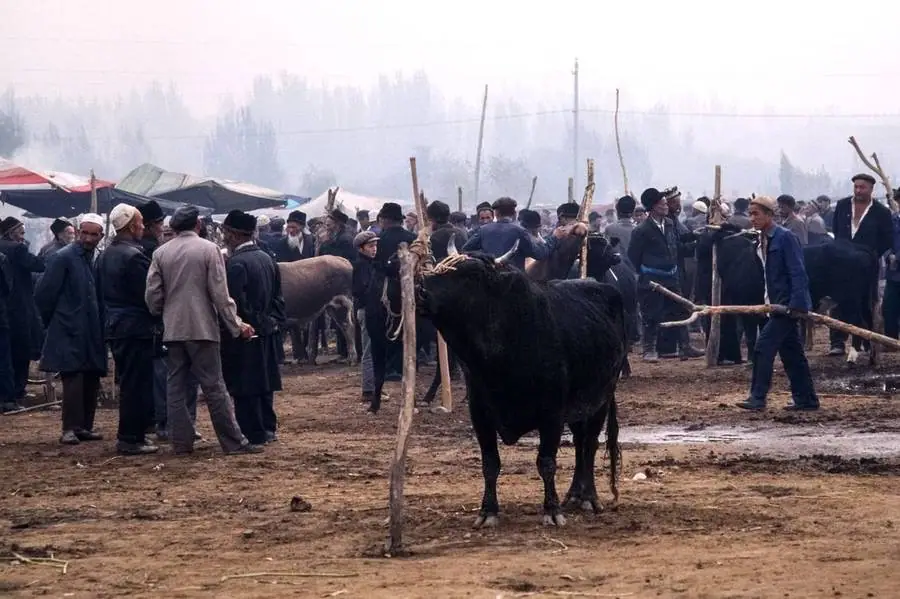
The Kashgar Grand Bazaar — locals call it the Sunday Bazaar — is one of the largest markets in Asia and the oldest trade tradition in the city. Halls of textiles, dried fruit, carpets and hardware spread over the east bank, and on Sunday the whole region comes to shop. This page explains the days, the layout and how to buy well.
Intro: why go
This is Kashgar’s 2,000-year-old trade heart, still working. You taste figs and walnuts by the kilo, watch traders argue prices in Uyghur, and see more doppa cap patterns in one aisle than anywhere else on earth. The famous livestock market on the northern edge adds donkeys, cattle and horse traders on Sunday — a raw, memorable scene.
Tickets & booking
Entry is free — no ticket, no booking. The livestock market on the edge of town is also free. Bring cash in small notes; card and Alipay coverage is patchy at food stalls. Everything else is pay-as-you-go.
How to visit
Come early — 09:00–11:00 has the best light, stock and temperature. Work the dried-fruit and nut aisles first, then textiles and caps, then carpets and copper. Bargain with a smile; walking away slowly is part of the ritual. Sunday adds the livestock market, about 20 minutes by taxi north.
Ticket season versus crowd season
There is no price season, but there is a hard crowd rhythm: Sunday is the peak, then Spring Festival, Labour Day (May 1–5) and National Day (Oct 1–7) push the aisles to a standstill, and summer Jul–Aug brings domestic tour groups. Weekday mornings outside those weeks are the calm window.
Getting there
The bazaar sits on the east bank, about 2 km from Id Kah Square — 10 minutes by taxi or a 25-minute walk across the river. The livestock market needs a taxi or DiDi, roughly 20 minutes from the Old Town.
The route through the site
Enter the main hall from the road side and take the dried-fruit aisle first — tasting is expected. Cross to the textile halls for Atlas silk and doppa caps, then the carpet and copper aisles at the far end. Finish with kebabs or samsa at the food stalls by the entrance.
Mistakes that cost people a visit
- Coming on a weekday expecting the Sunday scale. The halls trade daily, but the full spectacle — livestock included — is Sunday.
- Buying at the first price. Polite bargaining is normal; the first number is an opening move, not an insult.
- Skipping the food stalls. The tandoor bread and kebabs by the gate are half the reason locals come.
- Carrying a big bag. Aisles are tight — bring a small pack and cash in small notes.
Frequently asked questions
- Is the Kashgar Grand Bazaar free?
- Yes, entry is free and no ticket exists. You pay only for what you buy. Cash and Alipay both work at most stalls, but small vendors prefer cash.
- What day is the Sunday Bazaar?
- The whole market is at full scale on Sunday, when villagers from across the region come in. The halls still trade every day, so a weekday visit is quieter but well stocked.
- What should I buy at the bazaar?
- Dried fruit and nuts, doppa caps, Atlas silk and small carpets travel best. Taste before you buy by the kilo, and bargain politely — start around 60–70 percent of the first price.
Page last reviewed: 2026-11-02. Ticket seasons and crowd seasons are different things — this page states both where they differ.