Jiuzhaigou 2026: Turquoise Lakes, Waterfalls & Huanglong on a 1–3 Day Plan
Jiuzhaigou is a UNESCO karst valley of stepped turquoise lakes and tiered waterfalls under autumn foliage, with the travertine terraces of Huanglong a day trip south. A single valley ticket, a shuttle bus and fixed one-way routes keep the visit simple — plan the altitude, the season and the ticket and the lakes are easy.
History & culture
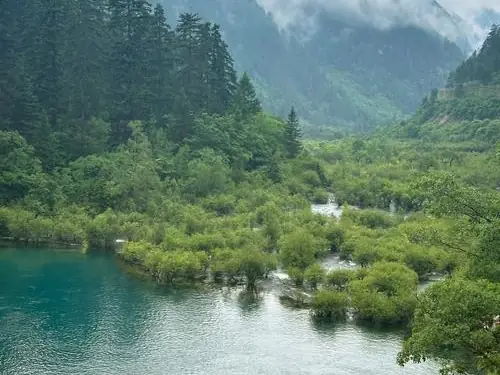
Jiuzhaigou means “Nine-Village Valley,” named for the nine Tibetan and Qiang villages once scattered through it. For centuries the valley was home to communities who farmed barley, herded yaks and treated the colourful lakes as sacred — a life that kept the forests intact.
The valley stayed remote until the 1970s, when logging roads first reached it. After heavy ecological damage, logging was banned in 1998 and the area was protected; UNESCO named Jiuzhaigou a World Heritage Site and Biosphere Reserve in 1992 for its rare karst lake system.
A 7.0 earthquake in 2017 damaged parts of the valley and its access road. After years of repair the scenic areas reopened with the lakes’ colours restored, and the reserve now runs as a tightly managed shuttle-bus loop with fixed one-way boardwalk routes.
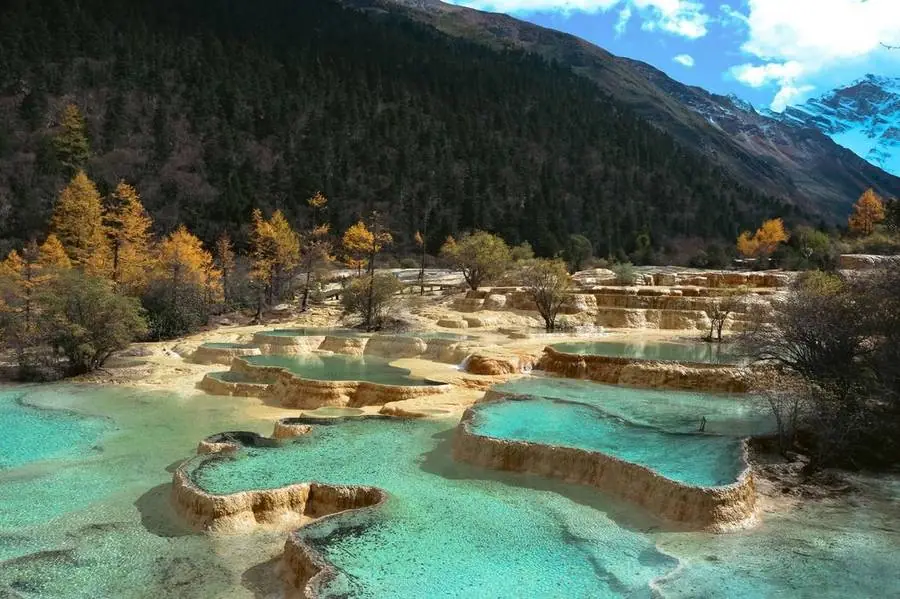
Huanglong, to the south near Songpan, was also listed as a UNESCO World Heritage Site in 1992 — for its travertine terraces, thousands of calcite pools in gold, turquoise and jade fed by mineral springs. The two reserves together form the region’s headline draw.
Best time to visit Jiuzhaigou
Jiuzhaigou sits at 2,000–3,000 m, so it stays cool; autumn gives the famous red-and-gold foliage and the clearest light on the lakes, while winter is quiet and cheap.
Budget for Jiuzhaigou: hotels from $12 a night, average ticket $$26.61 — see the full cost breakdown, or start from a ready-made route.
Cuisine of Jiuzhaigou
Signature dishes worth seeking out — prices are typical per-person or per-dish ranges, not fixed quotes.
-
Yak Beef (Beef Jerky)
Dried, spiced beef from the Tibetan plateau, sold by the bag in Zhangza Town — a salty, long-keeping snack for the altitude.
-
Butter Tea
Tibetan tea churned with yak butter and salt — savoury, warming and the local answer to the cold mountain air.
-
Tsampa
Roasted barley flour rolled with butter and dried curd into a dense, filling ball — the staple energy food of the plateau.
-
Highland Barley (Qingke) Wine
A mild, slightly sweet liquor made from hull-less Tibetan barley, poured at village tables and festivals.
-
Tibetan Momo
Steamed or fried dumplings with yak-meat or vegetable filling, a hearty meal after a day on the boardwalks.
-
Wild Mushroom Hotpot
A simmering pot of foraged highland mushrooms in a light broth — fragrant, mild and a cold-weather favourite.
Every major sight — with its own guide
Right after the food above, here are the sights — each one links to its own full guide (what to see, how to get there, facilities and the best season). Names follow each sight's official English signage.
Rize Valley (日则沟)
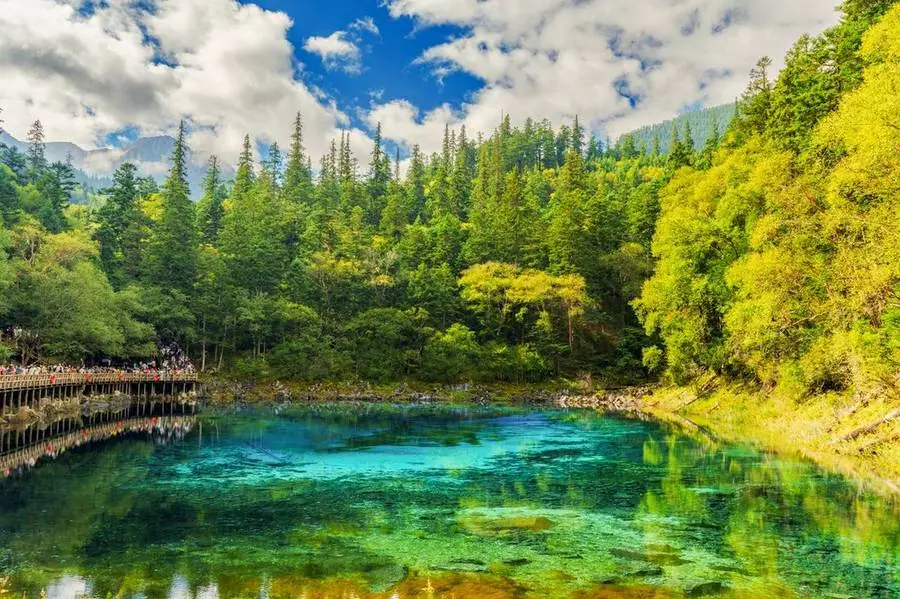
Five Flower Lake 五花海
The postcard of Jiuzhaigou — a shallow lake whose fallen trunks and mineral water glow turquoise, blue and amber at once. The single most-photographed spot in the valley, and the best reason to ride to the top of Rize Valley.
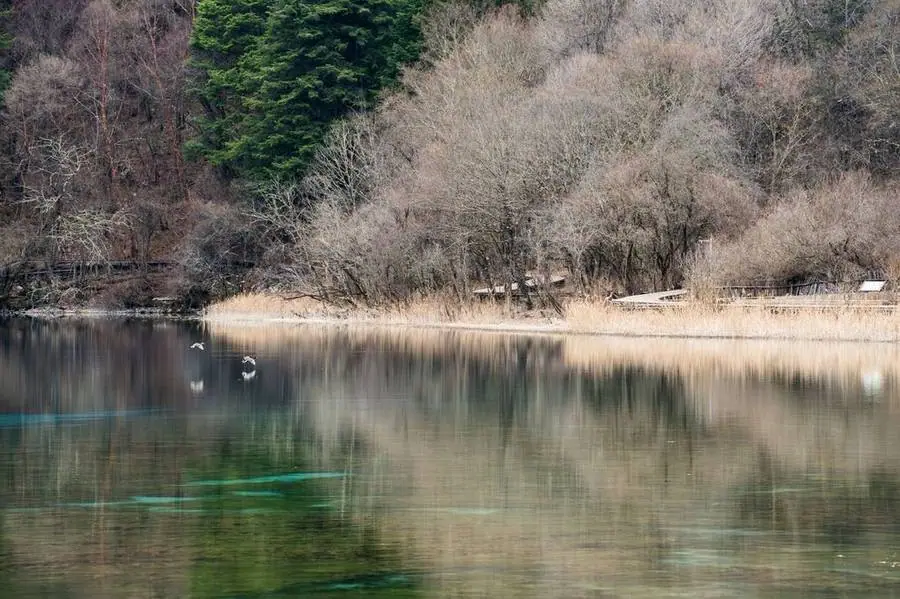
Panda Lake 熊猫海
A calm, tree-framed lake on the Rize branch, named for pandas once seen here. Its still surface and the small “Panda Waterfall” run-off make an easy, photogenic stop between the big sights.
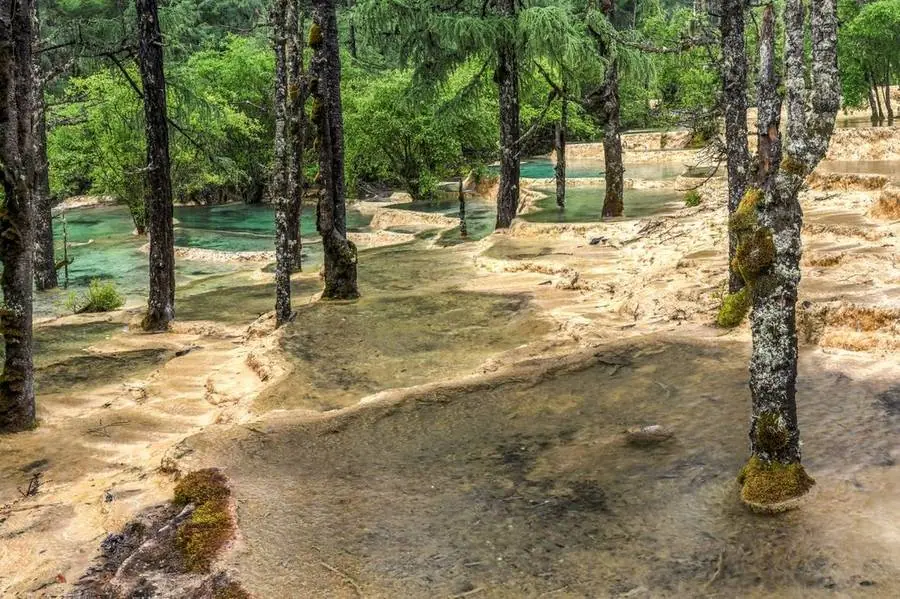
Pearl Shoal Waterfall 珍珠滩瀑布
The wide, glassy cascade where a shallow shoal of pebbles breaks the water into pearls before it drops — famous as a filming location and one of the valley’s loudest, brightest falls.
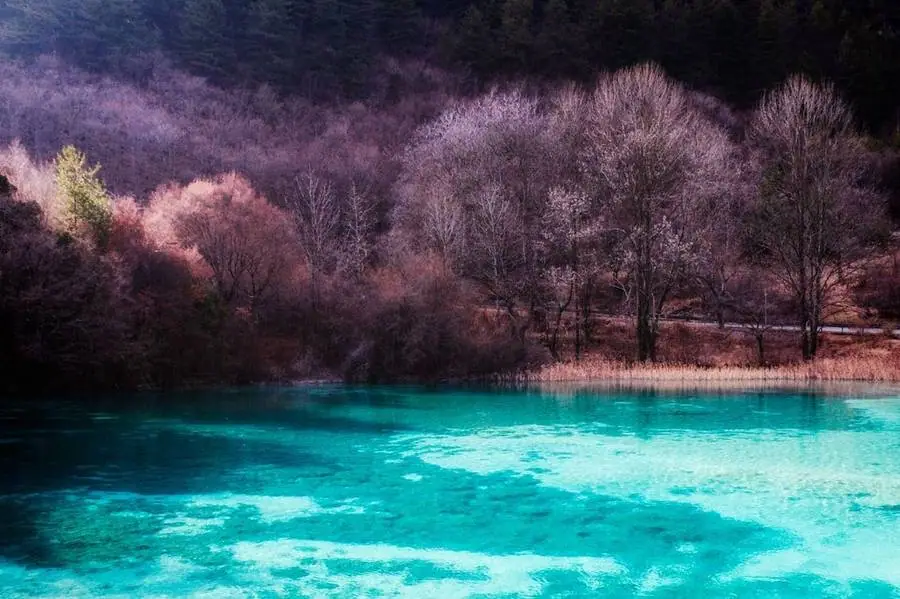
Mirror Lake 镜海
A long, windless lake that mirrors the surrounding peaks like glass — best at dawn before the breeze breaks the surface. A short boardwalk stop on the Rize branch below Nuorilang.
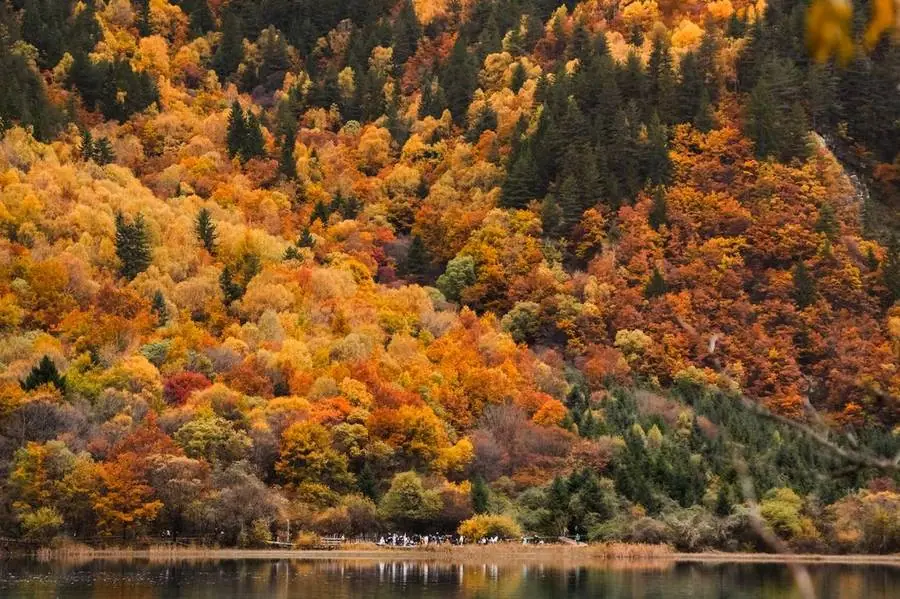
Arrow Bamboo Lake 箭竹海
A high, quiet lake on the Rize branch fringed with arrow bamboo — the panda’s favourite food, and the lake’s namesake. Calm water and fewer crowds make it a good breather near the top.
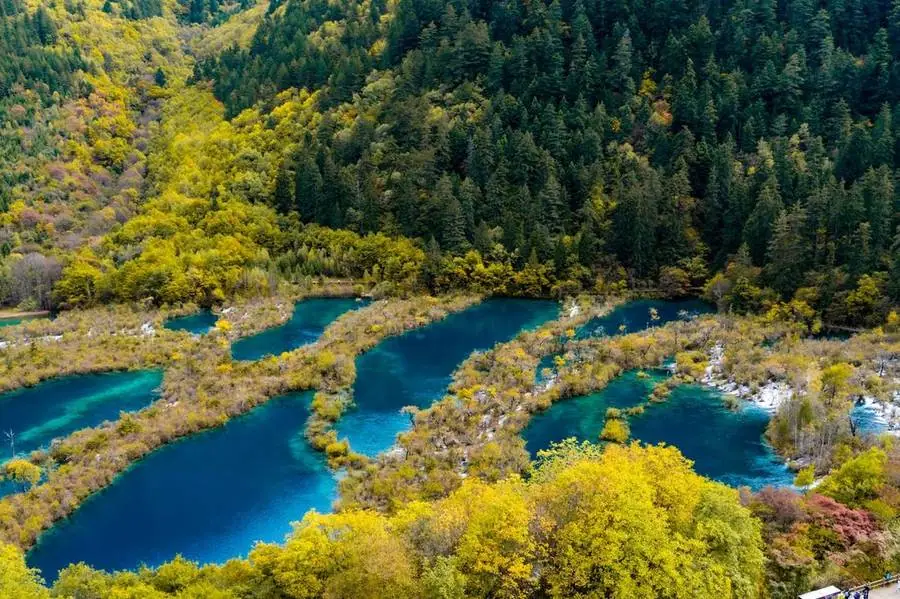
Primeval Forest 原始森林
The untouched spruce-and-fir forest at the top of the Rize branch, the highest and greenest point of the valley. A short boardwalk loop through the old trees before the lakes begin.
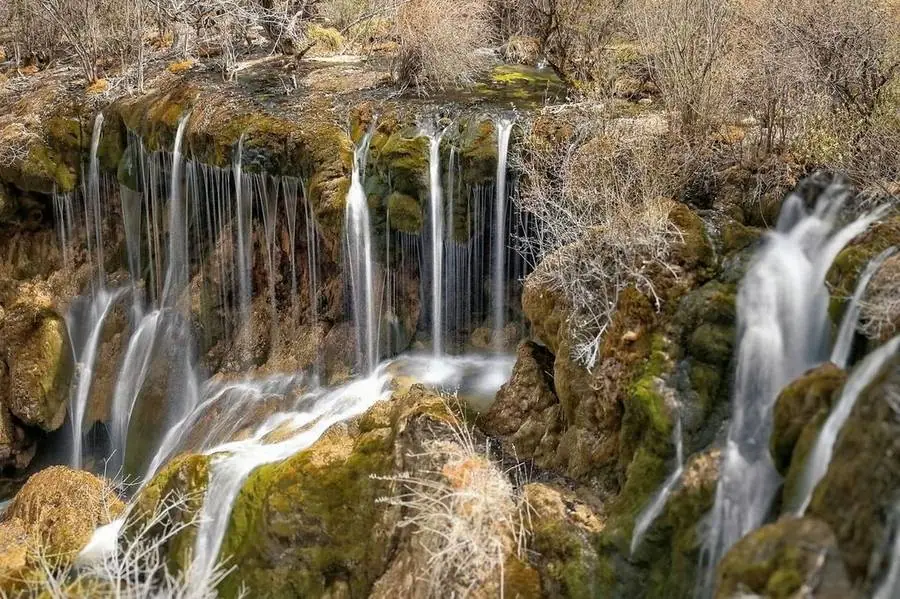
Zechawa Valley (则查洼沟)
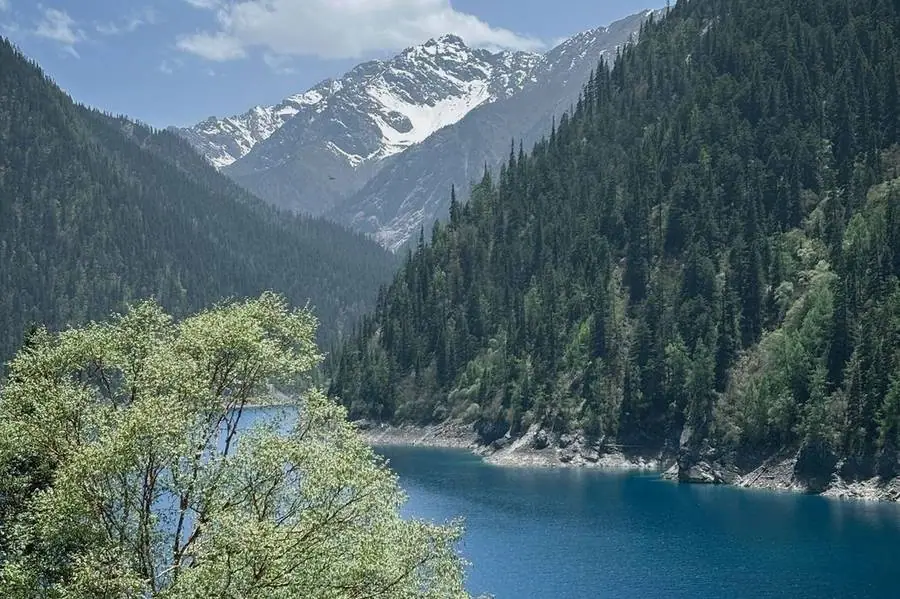
Long Lake 长海
The largest and highest lake in Jiuzhaigou, a long sheet of glacial water at the top of Zechawa Valley ringed by snow-dusted peaks. The end of the line for the shuttle and the quietest, most open view in the park.
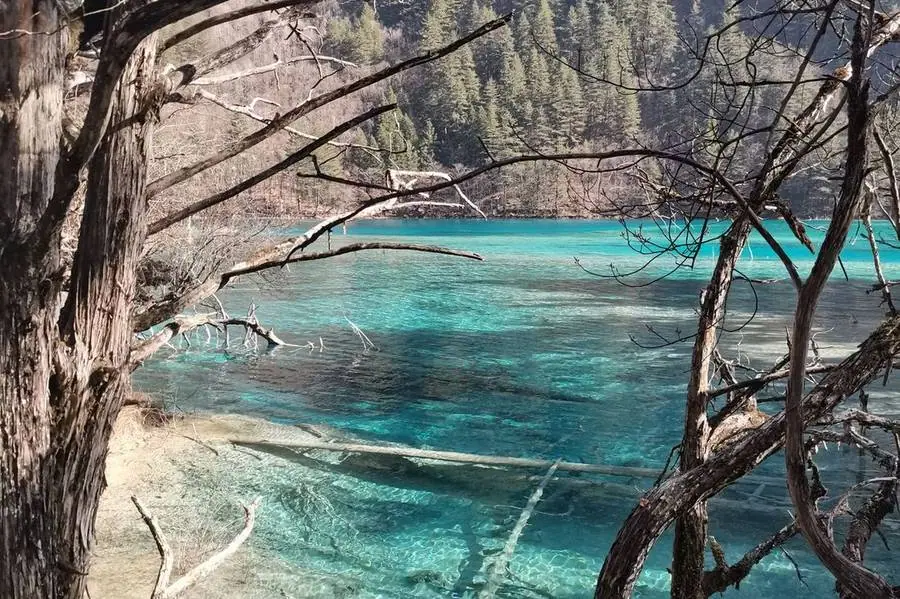
Five-Coloured Pool 五彩池
The smallest yet most vivid lake in the valley — a shallow, gem-like pool below Long Lake whose mineral bottom throws blue, green and violet at once. Small in size, huge in colour.
Shuzheng Valley (树正沟)
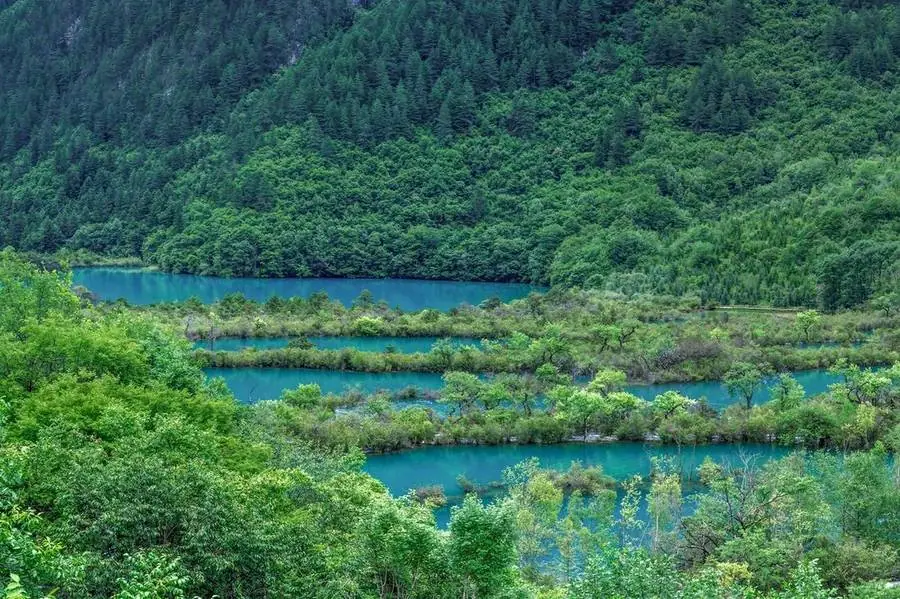
Shuzheng Lakes 树正群海
The string of tiered lakes nearest the entrance — more than 40 terraced ponds spilling into each other through wooden walkways and a classic hillside village. The first stop most visitors reach, and the easiest to walk slowly.
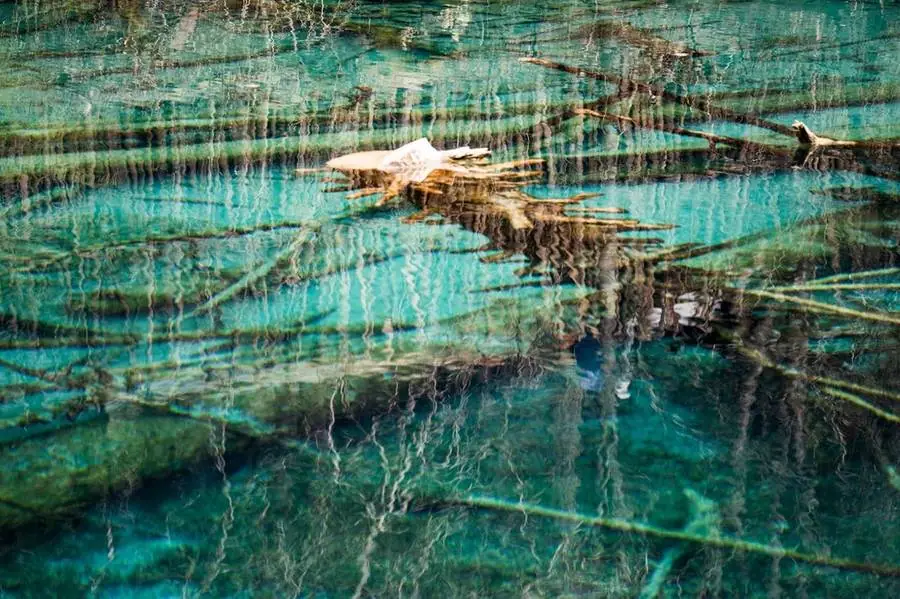
Rhinoceros Lake 犀牛海
One of the largest and most tranquil lakes in the valley, with a broad reflective surface and a lakeside walking path. Legend says a monk cured by its water rode a rhino here — the name stuck.
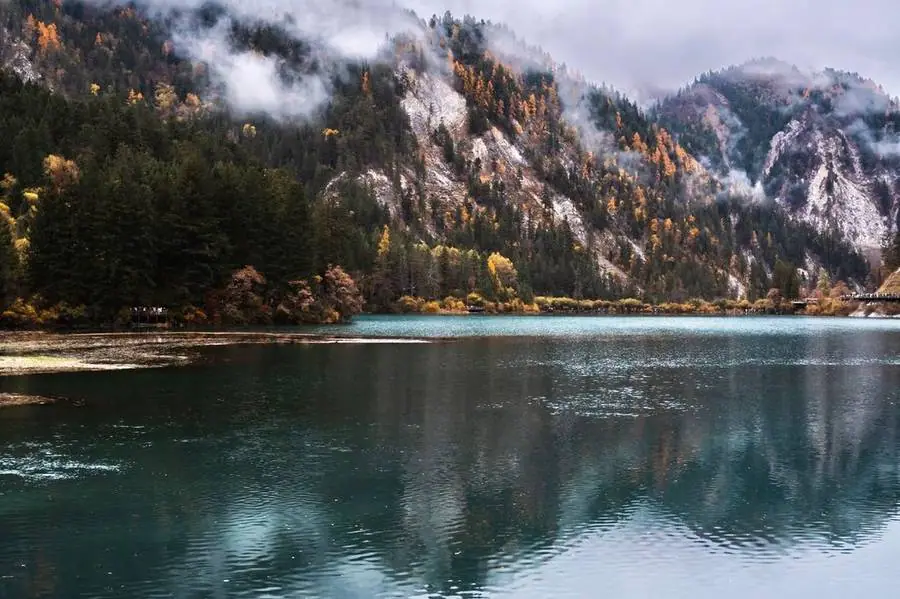
Swan Lake 天鹅海
A shallow, reed-edged lake on the Shuzheng branch where swans and waterbirds rest in season. Flat, easy and quiet — a calm half-hour between the busier stops.
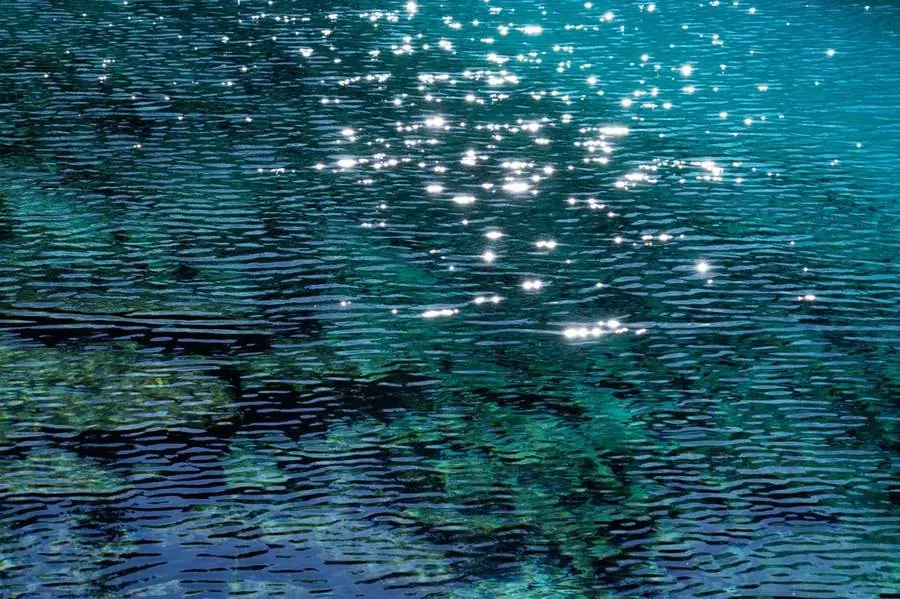
Sparkling Lake 火花海
A small lake whose surface catches the low sun in flecks of light at sunrise — the “spark” of its name. Rebuilt after the 2017 quake, it is a short, pretty stop on the Shuzheng branch.
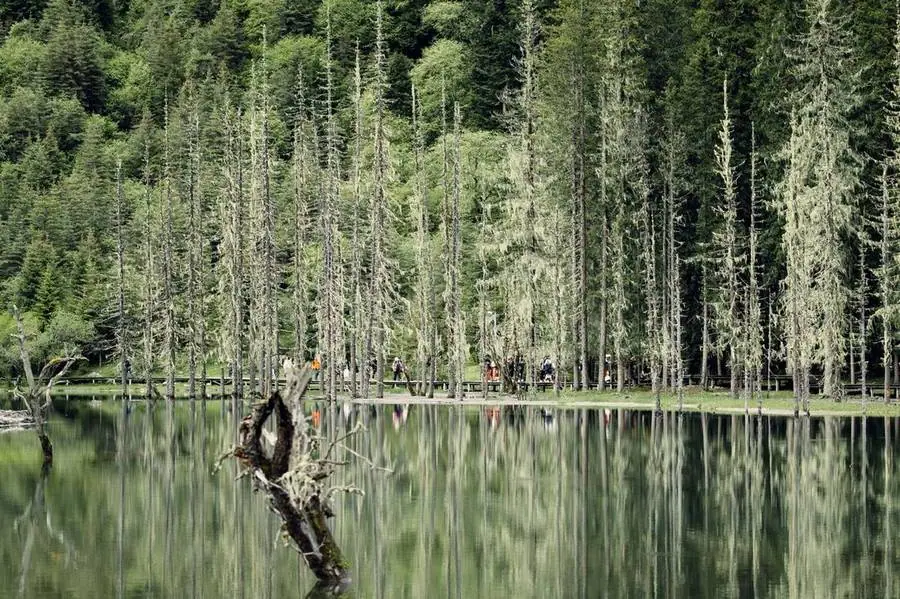
Reed Lake 芦苇海
A long, reed-fringed wetland near the entrance where a clear “jade ribbon” channel cuts through the grass. Flat boardwalk and easy birding — the gentle start or finish to the valley loop.
Where to stay in Jiuzhaigou
Rates are for a standard double room in 2026. Stay in Zhangza Town (the entrance area) to reach the gate at opening; rooms with a valley or mountain view cost more. The valley itself has no sleep-in lodging — you must leave by the last shuttle. Confirm the USD price at booking.
Luxury
$150–350 / nightInternational resorts near the valley entrance (around Zhangza Town) with mountain views, spas and altitude-ready rooms.
Upper mid-range
$60–120 / nightComfortable boutique and chain hotels a short walk or drive from the entrance gate; $60–120 / night.
Mid-range
$35–60 / nightChinese business hotels in Zhangza Town, clean and convenient for an early gate entry; $35–60 / night.
Budget
$20–35 / nightFamily guesthouses in Zhangza Town — basic doubles with character; $20–35 / night.
Hostels
$12–20 / nightSocial backpacker hostels near the entrance, dorms and privates for the early-bird crowd; $12–20 / night.
Souvenirs & local crafts
Easy to pack, easy to explain at customs — and far cheaper at a supermarket than at a scenic stall.
-
Tibetan Prayer Flags
Colourful windhorse-flag strings from the plateau — light, cheap and meaningful, hung for blessing.
-
Tibetan Silver Jewelry
Bracelets and earrings hammered by local silversmiths; buy from shops that certify the purity.
-
Thangka Paintings
Small scroll paintings of Buddhist motifs on cloth — a genuine, packable piece of Tibetan art.
-
Yak Wool & Felt
Hats, scarves and slippers spun from yak wool — warm and practical against the mountain chill.
-
Highland Barley (Qingke) Products
Roasted barley tea and qingke flour or liquor — an easy, light gift that travels well.
Getting around Jiuzhaigou
Jiuzhaigou has no metro or train station in the valley itself; you arrive by air, the new railway, or long-distance bus, then use the park shuttle bus inside. Zhangza Town at the entrance is compact and walkable.
- High-speed rail
- The Sichuan–Qinghai high-speed railway now reaches the area; the nearest station is Huanglongjiuzhaigou (黄龙九寨站), about 1 hour by road from the valley entrance. Verify the current station names and timetables before you book.Trains use real-name booking with a passport; buy through 12306 or a travel app and bring the same passport to the gate.
- Long-distance bus
- Long-distance coaches run from Chengdu (about 8–10 hours) and Songpan to the entrance bus station; many travellers also book a private car or join a tour from Chengdu.
- Metro & bus
- There is no metro in Jiuzhaigou. Inside the valley you ride the park shuttle bus; outside, you walk in Zhangza Town or take a taxi.
- Taxis
- Taxis and local cars run in Zhangza Town and to the entrance; agree a price or use the meter, as ride-hail coverage is patchy.
- Ride-hailing
- DiDi works loosely around the entrance but is unreliable deep in the valley; for Huanglong and the airport, book a driver or shuttle in advance.
- Shared bikes
- Shared bikes are scarce and the valley roads are for shuttles only — cycling is not how you see the sights here.
- Intercity carpool
- Ride-pooling apps are thin here; for Huanglong, the airport or a Chengdu transfer, book a driver, shuttle or join a tour rather than wing it.
Plan your 1, 2 or 3 days in Jiuzhaigou
Pick the length of your stay. Each plan is its own page, anchored at the city centre and written from real traveller itineraries — including splits for sightseeing, shopping, landscape, families and older travellers.
Jiuzhaigou in 1 Day
The valley highlights loop: Shuzheng, Nuorilang, Five Flower Lake and Long Lake, plus a Huanglong express.
Read the plan → 2-dayJiuzhaigou in 2 Days
Day one on the valley’s Rize and Shuzheng branches, day two the Zechawa branch plus Huanglong.
Read the plan → 3-dayJiuzhaigou in 3 Days
Add a full Huanglong day, the Tibetan villages and a slower pace across all three branches.
Read the plan →Frequently asked questions
- Do I need a visa for Jiuzhaigou?
- Jiuzhaigou’s airport is not a 144-hour transit port, so arrange a Chinese visa before you fly unless you already qualify for visa-free entry through a major gateway city. Check the current list with a consulate before booking.
- When is the best time to visit Jiuzhaigou?
- September–October brings cool, clear weather and the famous red-and-gold foliage, with mid-to-late October the peak colour. Spring (Apr–May) is mild and green; winter is quiet and cheap. Avoid Spring Festival, Labour Day and National Day if you dislike crowds.
- How do I get to Jiuzhaigou?
- Fly to Jiuzhaigou Huanglong Airport, take the new Sichuan–Qinghai railway to Huanglongjiuzhaigou station then a road transfer, or ride a long-distance bus from Chengdu (about 8–10 hours). Verify the current station and flight options before you book.
- Will the altitude affect me?
- The valley floor is about 2,000–2,500 m and Long Lake reaches near 3,000 m. Most visitors are fine, but walk slowly, drink water and skip heavy exercise on day one; the shuttle keeps walking short.
- How much is the ticket?
- The Jiuzhaigou valley ticket runs about $26.80 entry plus $12.70 shuttle bus (~$39.40) in peak season (Apr 1–Nov 15), dropping to about $22.50 off-season. Huanglong is separate, about $23.90 plus an optional cable car. Buy on the official app with your passport and verify exact prices on site.
- How many days do I need?
- One full day covers the valley highlights; two days lets you add Huanglong or revisit a branch at calm hours; three days gives the villages and a relaxed pace. A single day is enough for the headline lakes if you start at opening.
- Can foreigners visit Jiuzhaigou and Huanglong?
- Yes — both reserves are open to all foreign visitors with a passport. Book your ticket through the official app or gate with your passport details; no special permit is needed beyond a standard Chinese visa.
Page last reviewed: 2026-11-02.