Jiuzhaigou Tibetan Villages 2026: Tickets, Where to See & How to Visit
The Tibetan villages of Jiuzhaigou are wooden homes, prayer flags and barley fields beside the lakes. Here is how to see them and what to know.
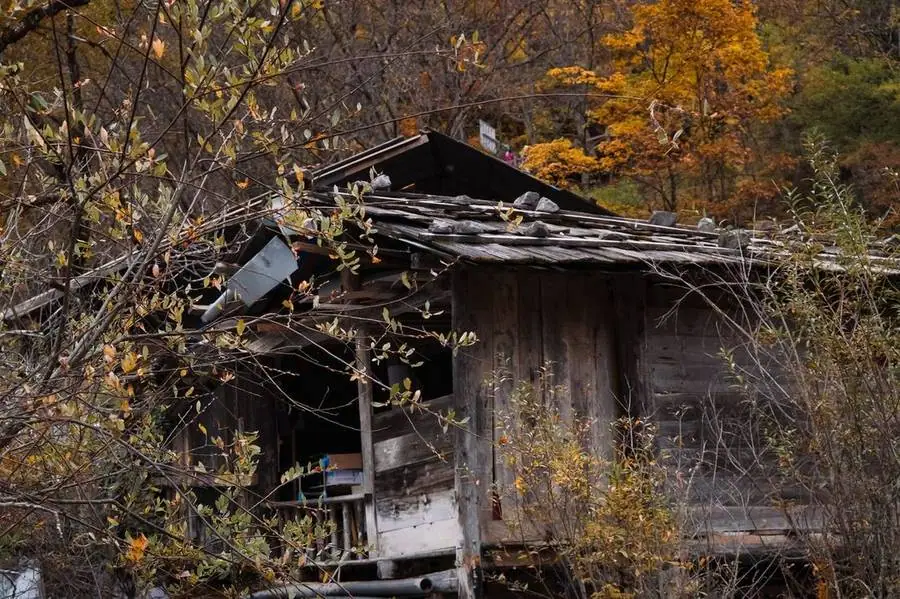
The Tibetan villages of Jiuzhaigou are the human layer beneath the scenery — wooden homes, prayer flags and barley fields set among the lakes. Still lived in by Tibetan and Qiang families, they give the valley its culture and its name.
Intro: why go
Jiuzhaigou means “Nine-Village Valley,” and the villages are why. You will not find big temples, but you will see timber houses, fluttering prayer flags and terraced fields beside the water. It is the cultural counterpoint to the lakes.
Tickets & booking
Viewing is free with the valley ticket: about $26.80 entry plus $12.70 shuttle bus (~$39.40) in peak season, about $22.50 off-season. Buy the valley ticket on the official app or gate with your passport; no separate village charge applies.
How to visit
See the villages from the park road and lower boardwalks as the shuttle passes, especially around Shuzheng and the entrance area. Some have small shops or tea houses at the edge. Allow 30–60 minutes if you stop to walk and look.
Ticket season versus crowd season
The valley’s priced season (peak Apr 1–Nov 15, cheaper off-season) is apart from the crowd season. Spring Festival, Labour Day (May 1–5) and National Day (Oct 1–7) crowd the shuttles; mid-October foliage adds more. Weekday mornings in spring or November are calmest.
Getting there
The villages line the lower valley near Zhangza Town and along the Shuzheng branch. Ride the shuttle and step off at a village stop, or view them from the road. You cannot drive inside the valley; the shuttle is included in your ticket.
The route through the site
From the entrance, the shuttle passes the first villages before Reed Lake and Rhinoceros Lake, then the larger Shuzheng Village on the way up. Loop back the same flat, one-way path for a second look at calm hours.
Mistakes that cost people a visit
- Treating them only as a photo backdrop. They are lived-in homes — keep distance and ask before photographing people.
- Assuming a ticket is needed. They are inside the valley ticket; no extra fee.
- Visiting at peak holiday hours. The lower stops crowd; early is better.
- Forgetting altitude. Near 2,000 m, pace day one and hydrate.
Frequently asked questions
- Do the villages need a separate ticket?
- No. They sit inside the one Jiuzhaigou valley ticket, about $26.80 entry plus $12.70 shuttle bus in peak season. Buy the valley ticket on the official app with your passport and verify the price on site.
- Can you go inside the villages?
- You view them from the park road and lower boardwalks; some have small shops and tea houses at the edge. The core homes are lived-in, so respect private space and ask before photographing people.
- Is this real Tibetan culture?
- Yes — the valley's nine villages are ethnic Tibetan and Qiang, with prayer flags, barley fields and wooden architecture. It is the cultural layer beneath the scenery.
Page last reviewed: 2026-11-02. Ticket seasons and crowd seasons are different things — this page states both where they differ.