Fenghuang 2026: Ancient Town, Tuojiang River & the Southern Great Wall on a 1–3 Day Plan
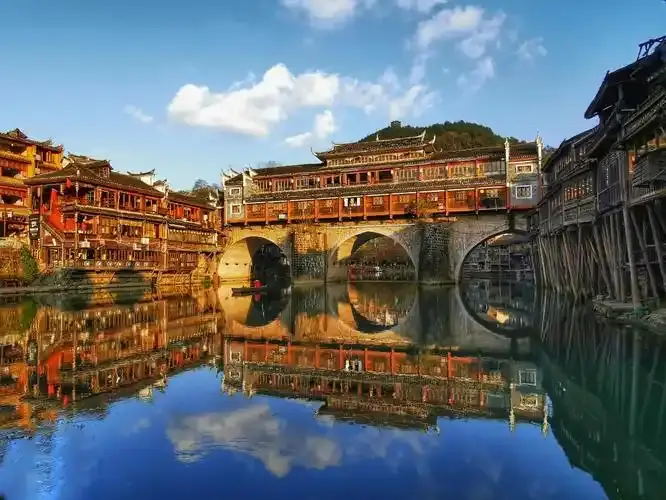
Fenghuang is a riverside Miao and Tujia old town in Hunan whose stilted houses and lit bridges mirror the Tuojiang River. It is the town Shen Congwen wrote about, best at dusk when the riverfront glows. Walkable lanes, a joint ticket and easy day trips make the town, the cave and the southern wall simple to plan.
History & culture
Fenghuang grew where the Tuojiang River bends through the Xiangxi highlands, a market and garrison town of the Miao and Tujia peoples on the edge of imperial China. The Qing court built walls and gates here to hold the frontier, and the town still keeps its grid of lanes, stone quays and timber houses on stilts above the water.
The town became famous through Shen Congwen, the writer born here in 1902 whose novels — above all Border Town — turned this quiet river settlement into a symbol of old rural China. His childhood among the boatmen, soldiers and minority villagers shaped a literary picture of Fenghuang that still draws readers and travellers today.
Through the 20th century Fenghuang stayed a modest county town, its stilt houses and clan halls little changed. In the 2000s it was restored and opened as a heritage tourism town, its riverfront lit at night and its lanes filled with guesthouses, while the nearby Southern Great Wall and Miao villages became day trips.
Best time to visit Fenghuang
Fenghuang sits in a Hunan river valley, warm and humid, so spring and autumn give the clearest light and the most comfortable walking along the water.
Budget for Fenghuang: hotels from $10 a night, average ticket $$13.2 — see the full cost breakdown, or start from a ready-made route.
Cuisine of Fenghuang
Signature dishes worth seeking out — prices are typical per-person or per-dish ranges, not fixed quotes.
-
Blood Duck (Xue Ba Zi)
The local signature dish — duck stir-fried with its own blood and chilli until dark and savoury, a Tujia and Miao countryside staple.
-
Sour Soup Fish (Suan Tang Yu)
River fish simmered in a sour fermented broth, the local answer to Guizhou sour hotpot, served bubbling at the table.
-
Rice Tofu (Mi Doufu)
A soft, jelly-like rice cake dressed with chili, vinegar and herbs — a cool Fenghuang street snack sold by the bowl.
-
Ciba (Pounded Glutinous Rice)
Sticky rice pounded into chewy cakes, rolled in sesame or soy, a festival food and warm old-town bite.
-
Smoked Bacon (Lachang)
Miao and Tujia pork smoked over wood fires, sliced into stir-fries and hotpots — salty, fragrant and long-keeping.
-
Ginger Sugar (Jiang Tang)
Hand-pulled ginger-flavoured brittle sold warm along the lanes, a sweet, spicy Fenghuang souvenir-snack.
Every major sight — with its own guide
Right after the food above, here are the sights — each one links to its own full guide (what to see, how to get there, facilities and the best season). Names follow each sight's official English signage.
Fenghuang Ancient Town
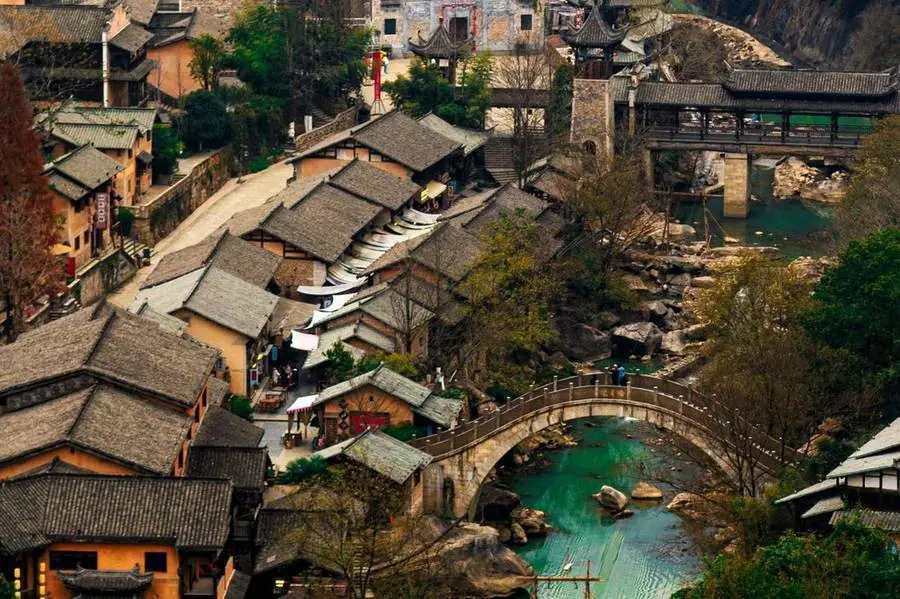
Fenghuang Ancient Town 凤凰古城
The riverside Miao-Tujia old town of stilted houses and lit lanes along the Tuojiang — Fenghuang’s heart and a half-day minimum.
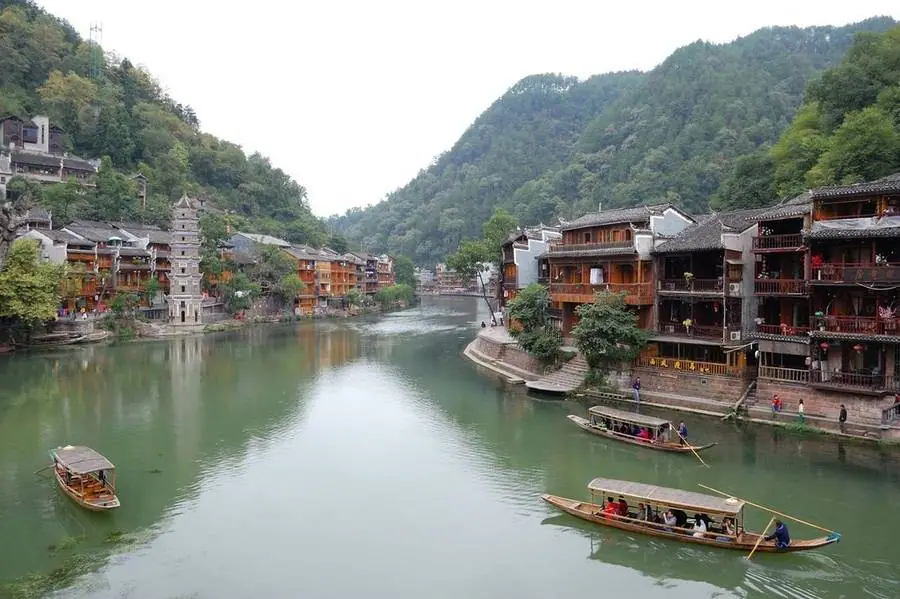
Tuojiang River 沱江
The green river that runs through the town, lined with stilt houses and crossed by stone stepping stones — take a boat at dusk.
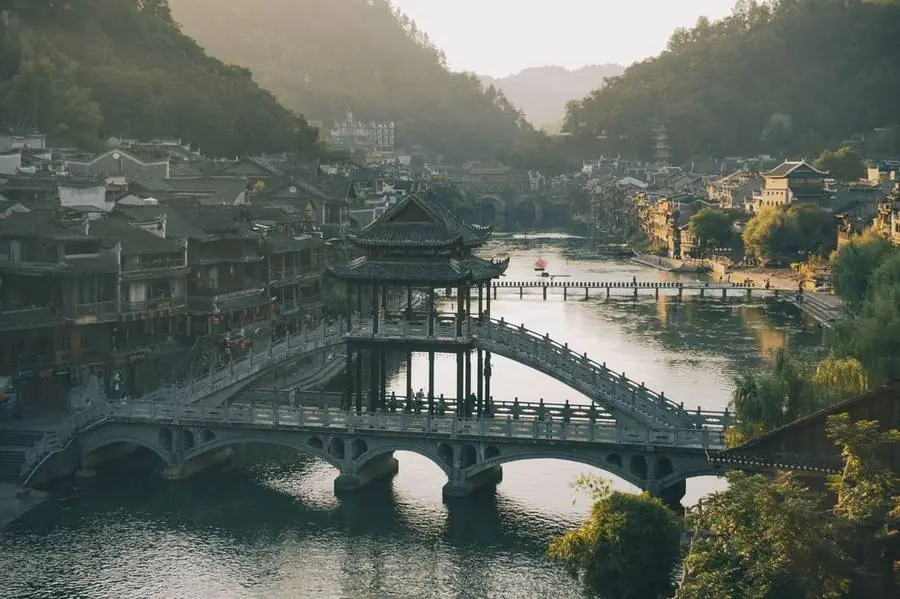
Hongqiao Bridge 虹桥
The two-tier covered bridge over the Tuojiang, the town’s landmark and the best elevated view of the lit riverfront.
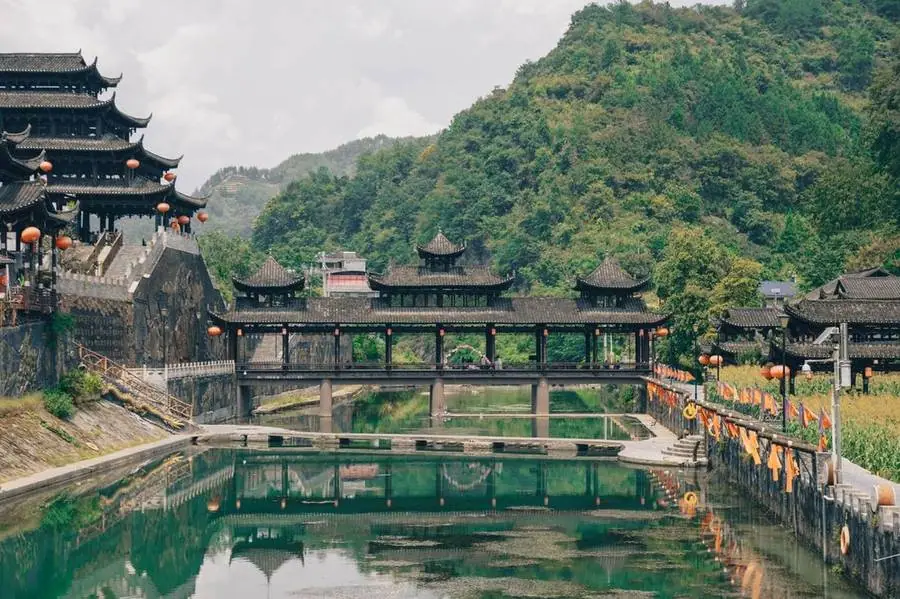
Shen Congwen Former Residence 沈从文故居
The restored timber home of the writer who made Fenghuang famous, now a small museum of his life and old Fenghuang.
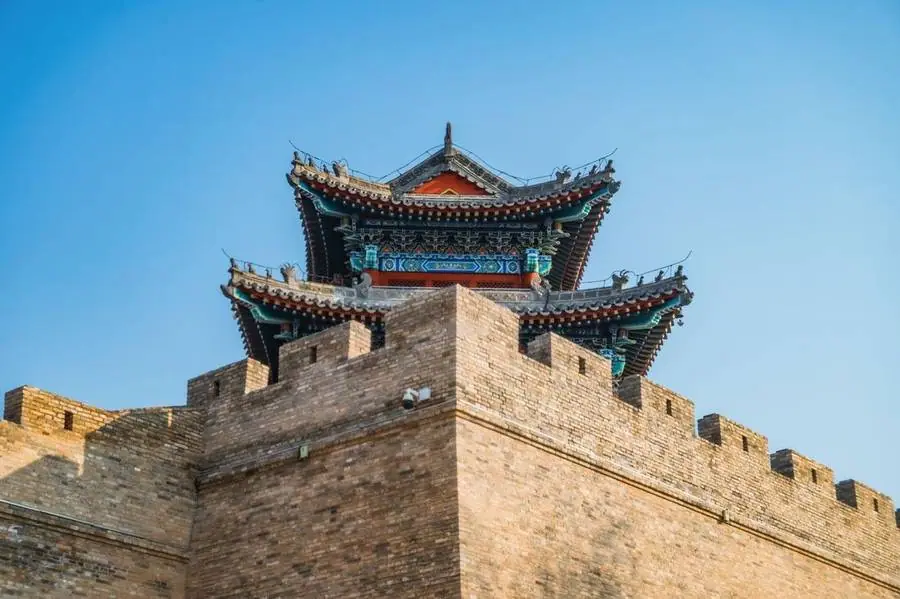
East Gate Tower 东门城楼
The best-preserved old-town gate tower, where you can walk a short stretch of wall above the river and the rooftops.
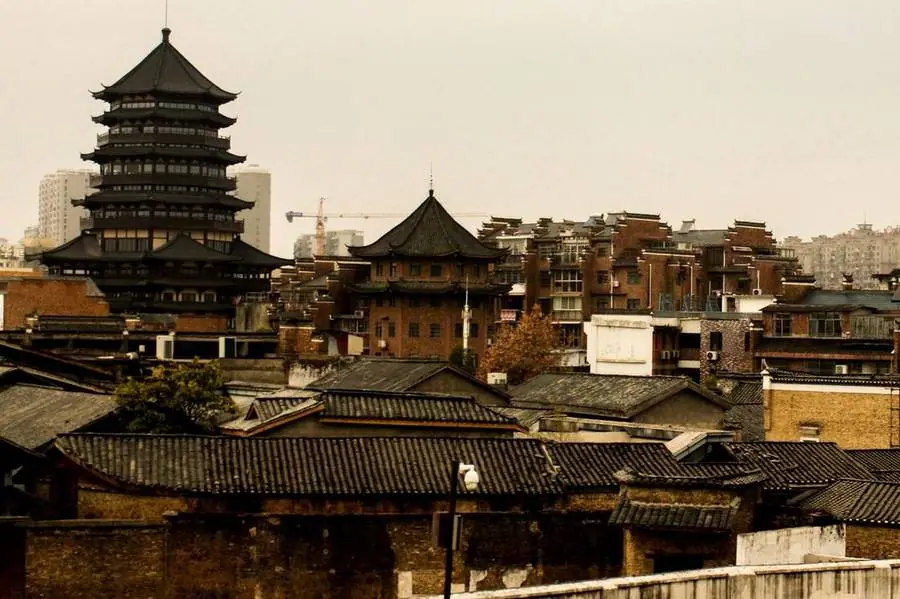
Xiong Xiling Former Residence 熊希龄故居
The childhood home of Fenghuang’s reformer-statesman Xiong Xiling, a quiet courtyard museum near the river.
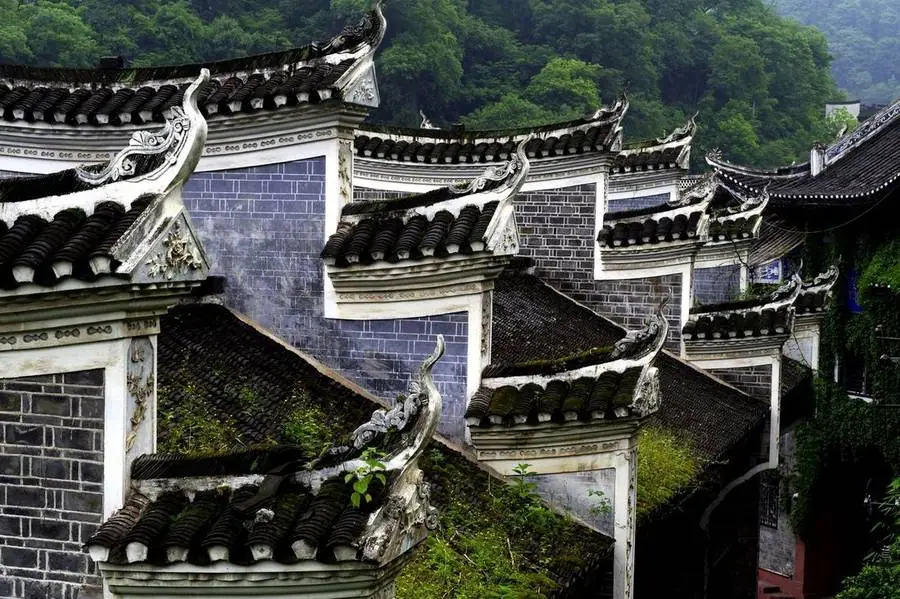
Yang Family Ancestral Hall 杨家祠堂
A Qing-era clan hall with a timber opera stage, the best place to see Fenghuang’s old guild and clan architecture.
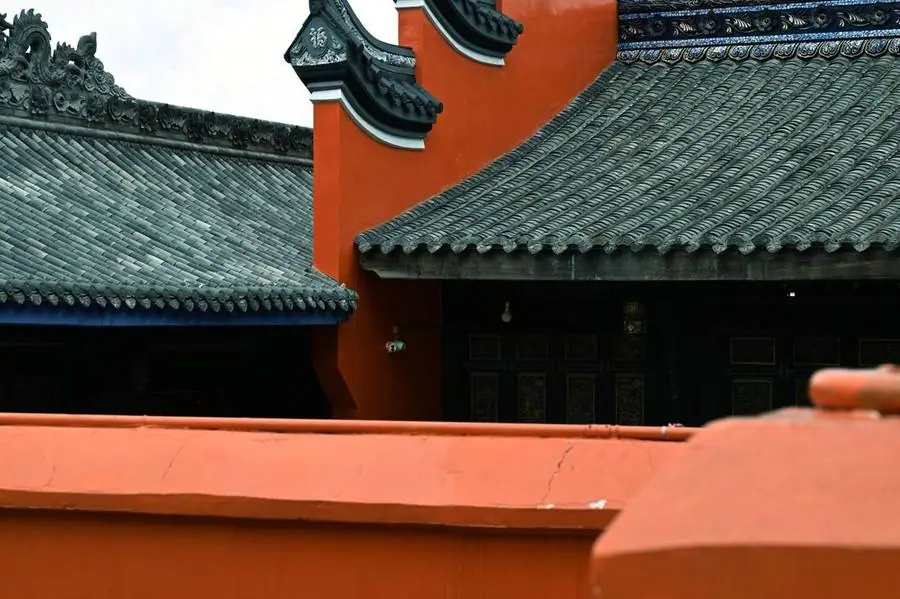
Wanshou Palace 万寿宫
A Jiangxi merchant guild hall by the river, rebuilt with a fine stage and carvings — a calm stop off the main lanes.
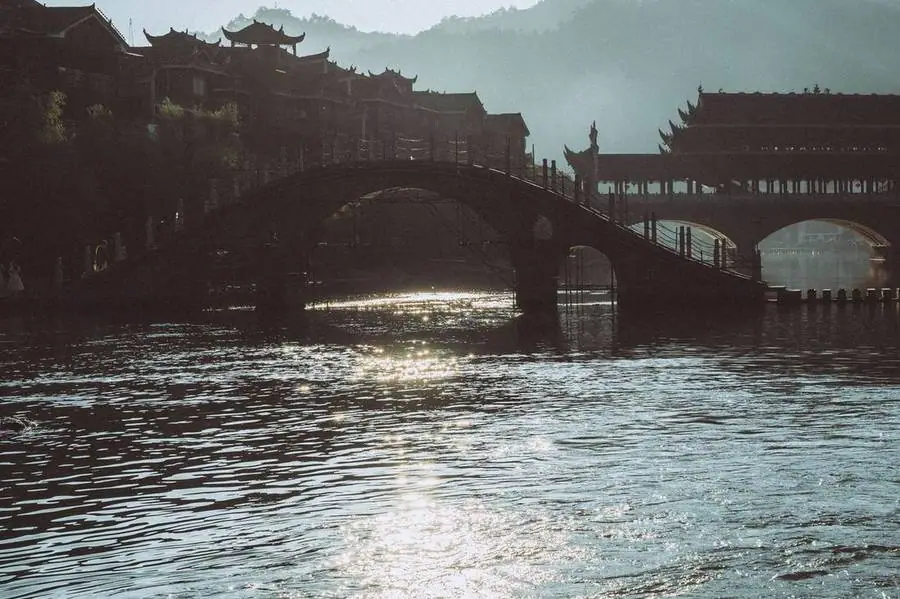
North Gate Tower 北门城楼
The north gate and its twin rows of stone stepping stones across the Tuojiang — the classic Fenghuang photo and a cool wade.
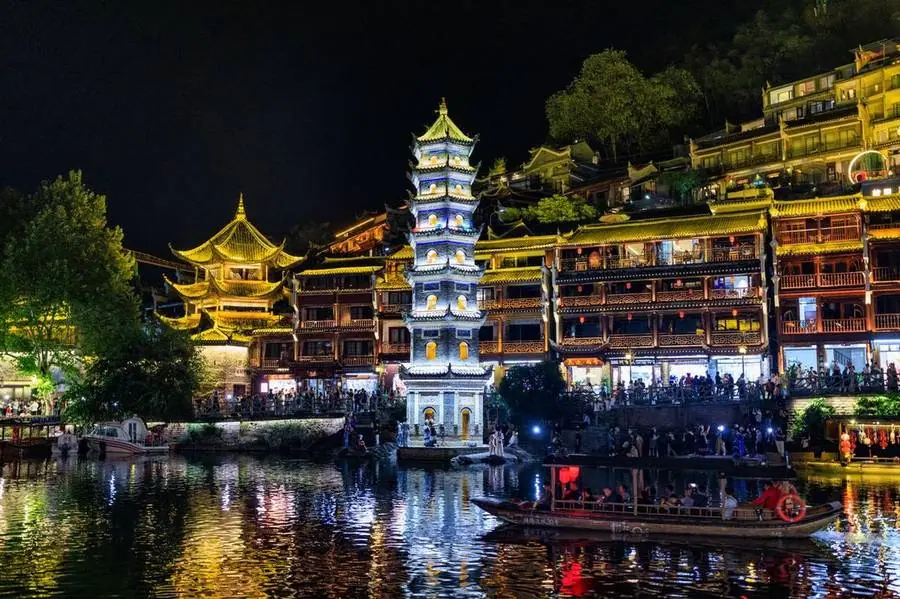
Tianwang Temple 天王庙
A hillside temple above the town, quieter than the riverfront, with a view over the rooftops and the river bend.
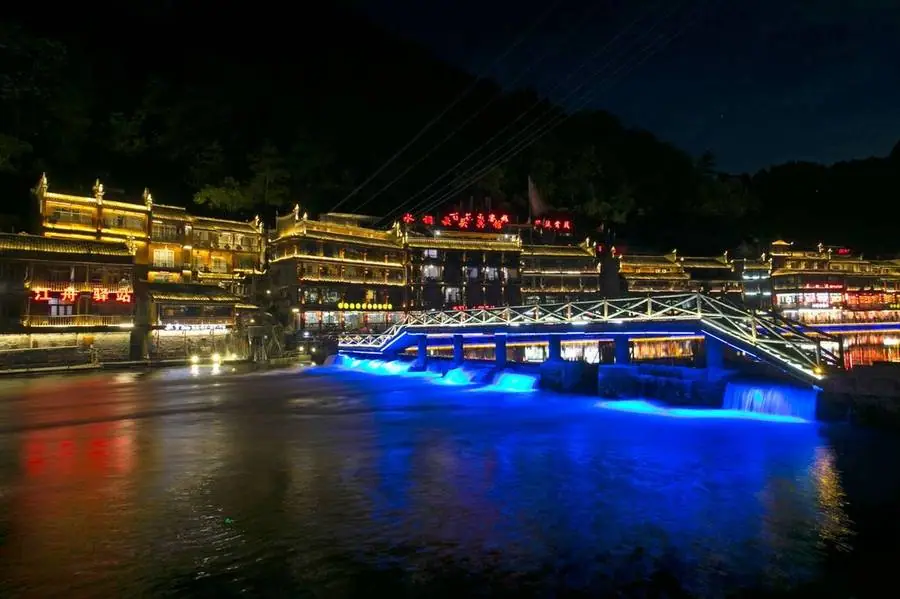
Border Town Live Show 《边城》实景演出
The large evening performance based on Shen Congwen’s Border Town, staged on a riverside stage with light and water.
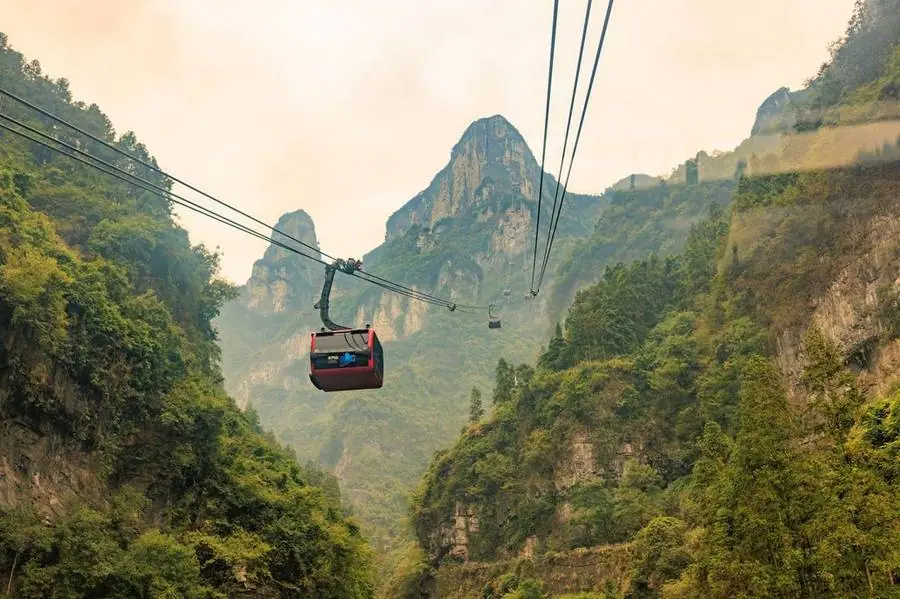
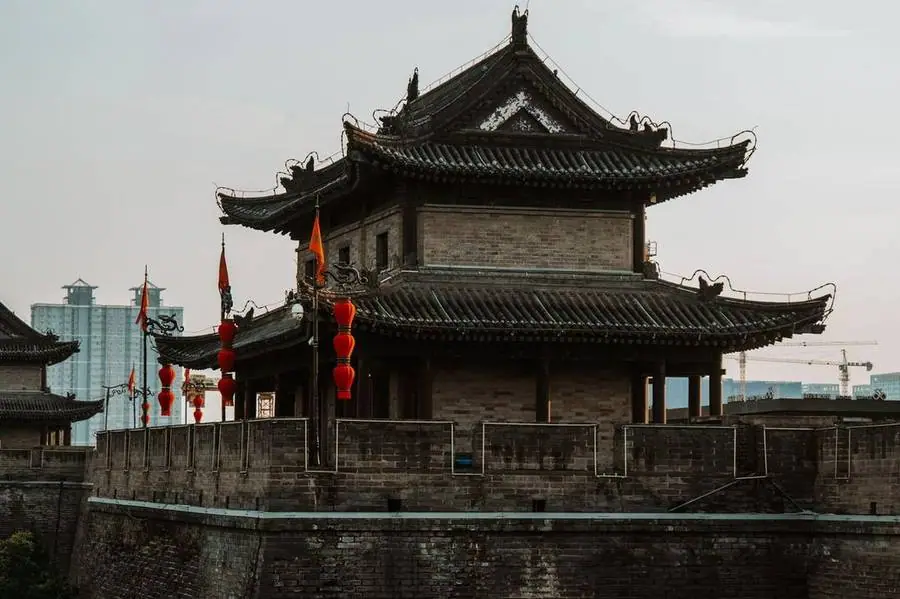
South of Fenghuang
West of Fenghuang
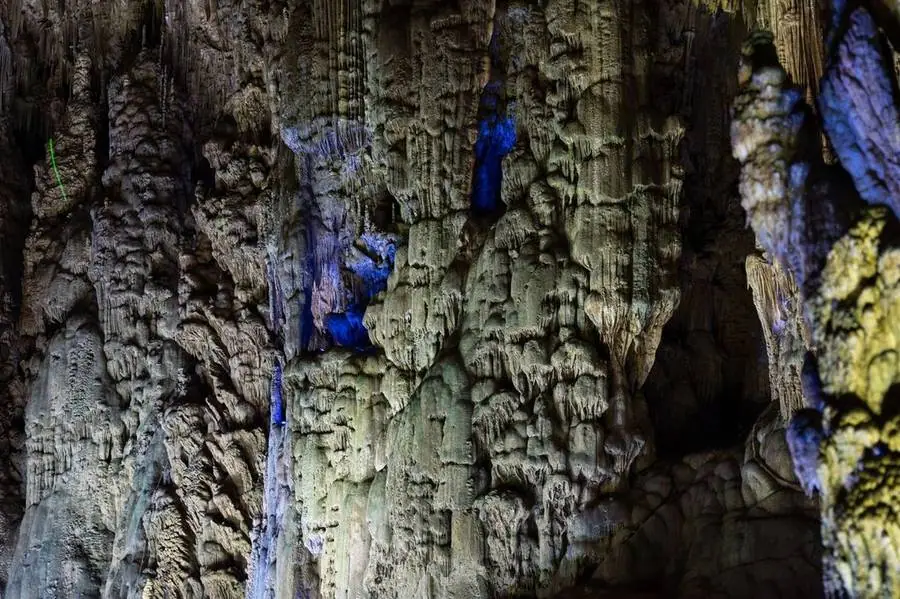
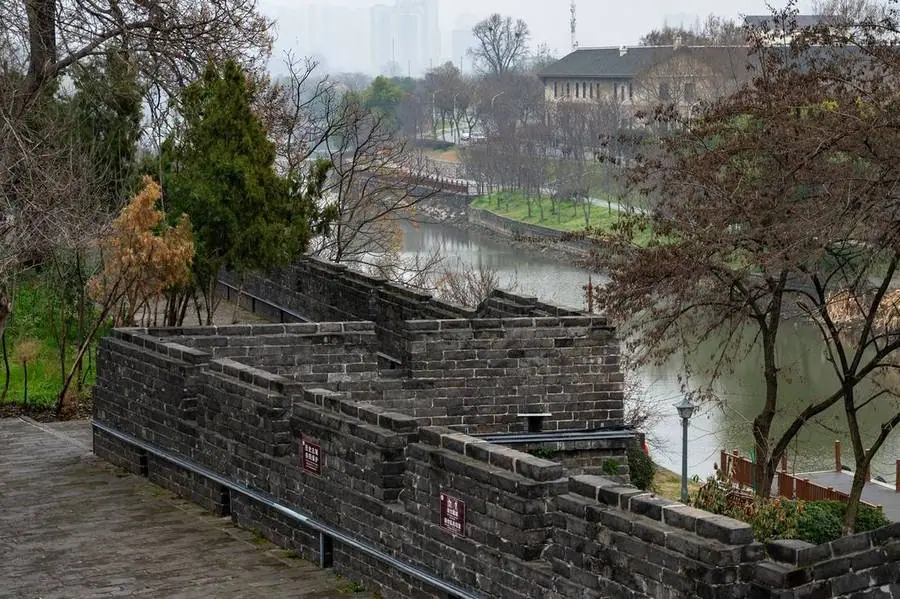
Where to stay in Fenghuang
Rates are for a standard double room in 2026. Rooms with a Tuojiang riverfront balcony cost more, especially at dusk-lit weekends. The old town is pedestrian, so a riverside inn means a short walk with your bags from the drop-off point; confirm the USD price at booking.
Luxury
$70–160 / nightBoutique riverside hotels and restored courtyard inns with balcony views of the lit Tuojiang, some with spa and breakfast.
Upper mid-range
$40–70 / nightRiverside guesthouses and comfortable hotels a short walk from the old town; good river or lane views.
Mid-range
$25–40 / nightClean Chinese hotels and inns near the gates and the bus station, plain but convenient.
Budget
$15–25 / nightFamily guesthouses inside the lanes — simple doubles with river or lane views.
Hostels
$10–15 / nightSocial backpacker hostels near the river, with dorms and privates.
Souvenirs & local crafts
Easy to pack, easy to explain at customs — and far cheaper at a supermarket than at a scenic stall.
-
Miao Silver Jewelry
Hand-hammered silver from Xiangxi Miao artisans — bracelets, earrings and headdresses, sold with purity marks in the old-town lanes.
-
Tujia Brocade (Xilankapu)
Bright woven cotton with geometric folk patterns, made by Tujia women — a light, packable textile.
-
Miao Embroidery
Colourful panels and pouches with flower-and-bird motifs, stitched by village women across Xiangxi.
-
Handmade Ginger Candy
Warm, spicy ginger brittle pulled by hand in the lanes — a sweet, edible gift unique to Fenghuang.
-
Wooden Lacquerware
Red-and-black lacquered boxes and combs from local workshops, small and easy to carry home.
Getting around Fenghuang
Fenghuang is compact and pedestrian at its core; the old town bans cars, so you walk or take a cart, while buses, taxis, DiDi and bikes cover the rest, and high-speed rail now links it to Changsha and Zhangjiajie.
- High-speed rail
- Fenghuang Gucheng Railway Station sits about 10 km from the old town on the Zhangjiajie–Huaihua high-speed line; Changsha is about 2 hours, Zhangjiajie about 1 hour.Trains use real-name booking with a passport; buy through 12306 or a travel app and bring the same passport to the gate.
- Long-distance bus
- Long-distance coaches run from Fenghuang bus station to Changsha, Zhangjiajie and other Hunan towns; book at the station or via apps.
- Metro & bus
- There is no metro in Fenghuang. The ancient town is car-free; get around on foot, by shuttle or by taxi.
- Taxis
- Taxis start around $1.50 and are metered; note the old town core is car-free, so you are dropped at the edge and walk in.
- Ride-hailing
- DiDi runs inside Alipay with an English map and card payment — the easiest way to hail a car without Chinese cash or a phone plan.
- Shared bikes
- Shared bikes (Alipay Haibike / Meituan) suit the flat riverside rides; the old-town lanes are for walking only.
- Intercity carpool
- Ride-pooling exists but is awkward for foreigners; for the Southern Great Wall, Huangsiqiao and the Miao villages, book a driver, shuttle or join a tour.
Plan your 1, 2 or 3 days in Fenghuang
Pick the length of your stay. Each plan is its own page, anchored at the city centre and written from real traveller itineraries — including splits for sightseeing, shopping, landscape, families and older travellers.
Fenghuang in 1 Day
The riverfront, the bridge, the residences and a river cruise, plus a cave or Miao-village route.
Read the plan → 2-dayFenghuang in 2 Days
Day one on the old town and the river; day two the Southern Great Wall or a Miao village.
Read the plan → 3-dayFenghuang in 3 Days
Add Qiliang Cave, Nanhua Mountain, Huangsiqiao and a second village loop to the town.
Read the plan →Frequently asked questions
- Do I need a visa for Fenghuang?
- Fenghuang has no 144-hour transit port, so arrange a Chinese visa before you fly unless you already qualify for visa-free entry through a major gateway like Beijing or Shanghai. Check the current list with a consulate before booking.
- When is the best time to visit Fenghuang?
- April–May and September–November bring mild, clear weather and the best river and lane walks. Summer (Jun–Aug) is hot and rainy; winter is cold but quiet, with the clearest lit-night photos. Avoid Labour Day and National Day if you dislike crowds.
- Is the Fenghuang Ancient Town free?
- Walking the old town is free, but a nine-site joint ticket (about $21) covers the residence museums, the clan halls, Wanshou Palace and the gate towers. Buy it at the gates or online; individual sites are not sold separately on busy days. Verify the fees on site.
- How do I get to Fenghuang?
- The high-speed Fenghuang Gucheng station is about 10 km out, with trains from Changsha (~2 hours) and Zhangjiajie (~1 hour). From the station take a shuttle or DiDi to the old-town edge, then walk in — cars cannot enter the core.
- How many days do I need in Fenghuang?
- Two full days cover the old town, the river cruise and one day trip (the Southern Great Wall or a Miao village) without rushing; a single day does the riverfront and the residences. Add a third for Qiliang Cave, Nanhua Mountain and Huangsiqiao.
- Can foreigners visit the Southern Great Wall and the Miao villages?
- Yes — the Southern Great Wall, Huangsiqiao, the Miao villages and the cave are open to foreign passport holders; bring your passport for real-name tickets. No special permit is needed for these sites around Fenghuang.
- What is Fenghuang best known for?
- Fenghuang is best known for its riverside stilt houses, the lit Tuojiang riverfront at dusk and Shen Congwen, the writer born here. The town is also a base for Xiangxi Miao and Tujia culture and the nearby Southern Great Wall.
Page last reviewed: 2026-11-02.