Fenghuang Ancient Town 2026: Tickets, Walking Route & How to Visit
Fenghuang Ancient Town is free to walk, with a nine-site joint ticket (about $21) covering the museums and halls. A riverside Miao-Tujia old town of stilt houses — here is how to walk it.
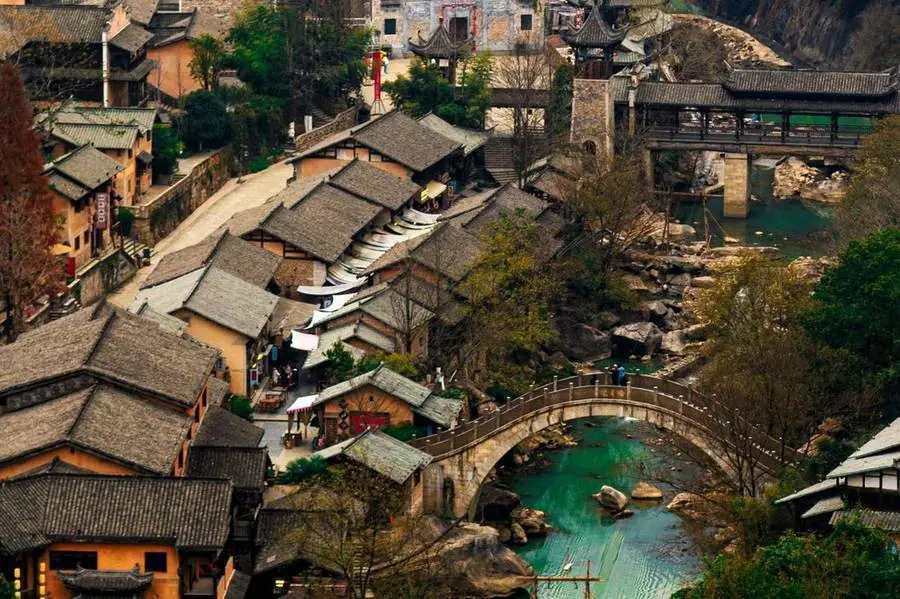
Fenghuang Ancient Town is the riverside heart of the trip and a living Miao-Tujia old town in Hunan. Its timber stilt houses, stone quays and lit lanes mirror the Tuojiang River, and it is the town Shen Congwen made famous in his novels. This page covers the three things that trip visitors up: whether it costs anything, how to walk it without backtracking, and how the free lanes fit with the ticketed sites inside the nine-site joint ticket.
Intro: why go
The town is not one square but a network of lanes between two gates, the river and the wooded hill behind. It is flat, paved and almost entirely pedestrian. You come for the architecture and the atmosphere, but also as the base for everything else in Fenghuang: the river cruise, the halls, the hill and the road out to the Southern Great Wall and the Miao villages are all a short walk or ride from here.
Tickets & booking
Entering and walking the old town is free, and there is no mandatory entry fee. What costs money is inside the old town: the nine-site joint ticket (about $21) covers the Shen Congwen and Xiong Xiling residences, the Yang Family Ancestral Hall, Wanshou Palace, the East and North Gate towers and a few small museums. Buy it at the gates or online; on busy days individual sites are not sold separately. None need advance booking for foreign visitors.
How to visit (no ticket needed for the lanes)
No booking exists for the town itself — you simply walk in. The car-free core means a taxi or DiDi drops you at an edge entrance (near Hongqiao or the North Gate) and you go on foot from there.
Ticket season versus crowd season
The old town has no priced season, but it has a clear crowd season. Spring Festival, Labour Day (May 1–5) and National Day (Oct 1–7) pack the riverfront and the bridges shoulder-to-shoulder. The genuinely calm windows are weekday mornings in April–May and September–November, with the best light on the water.
Getting there
From Fenghuang Gucheng Railway Station (~10 km out), a shuttle or DiDi reaches the old-town edge in 20–30 minutes; say your gate name, because cars cannot enter. The airport nearest is Tongren (about 35 km) or Zhangjiajie; allow 1–1.5 hours. Once inside, everything is walkable.
The route through the site
Start at Hongqiao, cross to the North Gate and the stone stepping stones, then wind the lanes south past the Shen Congwen and Xiong Xiling residences. Climb the East Gate Tower for the wall-and-river view, loop back via Wanshou Palace, and end on the riverbank at dusk when the fronts light up.
Mistakes that cost people a visit
- Arriving by car and expecting a door drop. The core is car-free; pack light or use the luggage carts at the gates.
- Assuming the joint ticket is mandatory. Only the listed sites need it; the lanes, the river and the bridges are free to enjoy.
- Skipping the dusk riverfront. Midday it is busy and flat; at dusk the lit stilt houses are the postcard shot of the whole trip.
- Visiting the residences at lunch. Small museums close for a midday break; go before 11:00 or after 14:00.
Frequently asked questions
- Is Fenghuang Ancient Town free?
- Walking the old town is free. A nine-site joint ticket (about $21) covers the residence museums, the clan halls, Wanshou Palace and the gate towers. Buy it at the gates or online and verify the price on site.
- How long do you need in Fenghuang Ancient Town?
- A first walk of the lanes and river takes 3–4 hours. A relaxed day with tea, photos and a cruise is better; the core is flat and car-free.
- Can you stay inside Fenghuang Ancient Town?
- Yes — guesthouses and courtyard inns sit inside the lanes. The town is car-free, so a driver drops you at the edge and you walk or take a cart in with your bags.
Page last reviewed: 2026-11-02. Ticket seasons and crowd seasons are different things — this page states both where they differ.