Diqing (Shangri-La) Travel Guide 2026: Monasteries, Kawagarbo & a 1–3 Day Plan
Diqing Tibetan Autonomous Prefecture in northwest Yunnan is the high-altitude Tibet-in-miniature: a ridge-top monastery the size of a small town, a sacred unclimbed snow mountain, plateau lakes, yak-butter tea and villages where black pottery is still thrown by hand. Almost everything sits above 3,000 m, so this guide leans hard on altitude pacing — the single thing that decides whether your trip works.

History & culture
Diqing means 'auspicious place' in Tibetan. For centuries this was a waystation on the tea-horse roads that carried tea north from Yunnan and horses south from Tibet, and the old towns of Dukezong and Benzilan grew rich on that trade. British writer James Hilton never visited, yet his 1933 novel 'Lost Horizon' fixed the name Shangri-La on this kind of hidden Himalayan valley so completely that Zhongdian county was officially renamed Shangri-La in 2001.
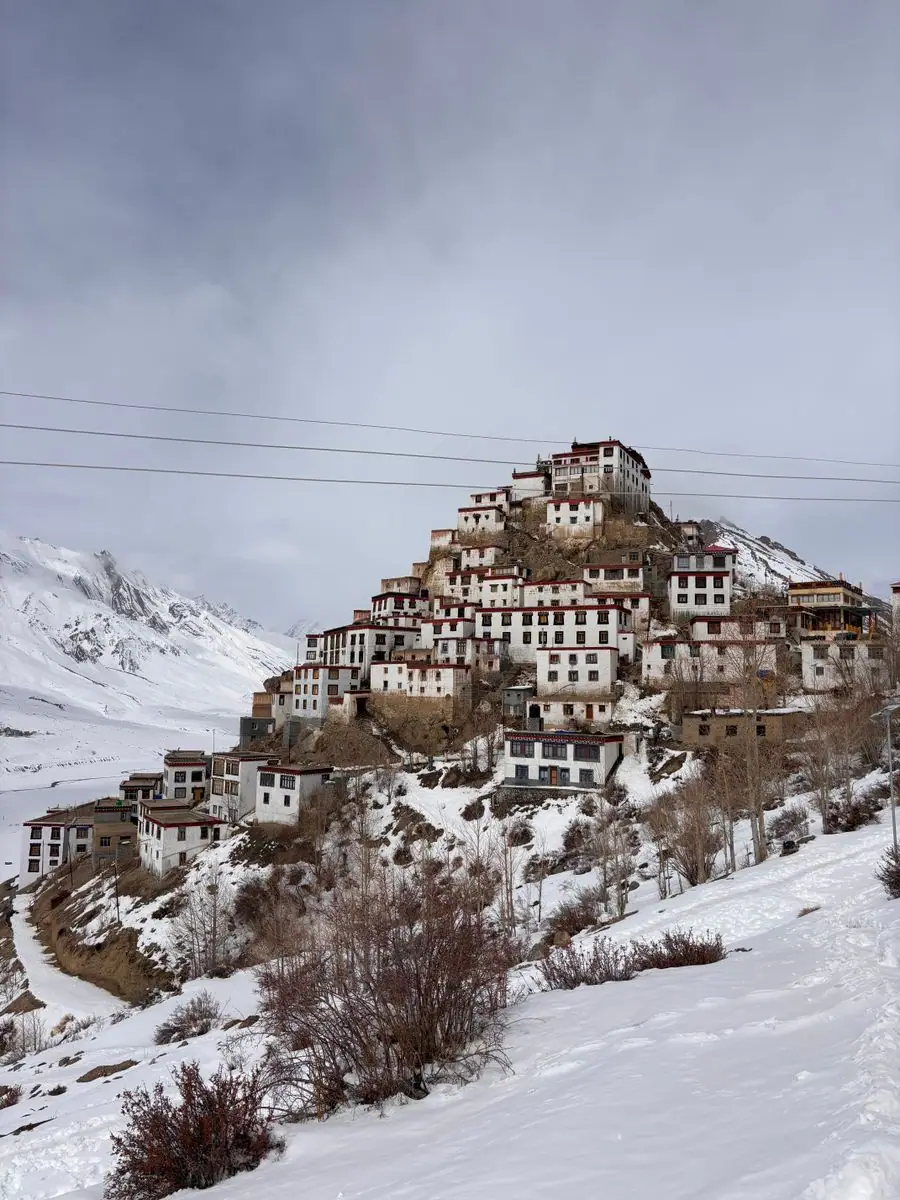
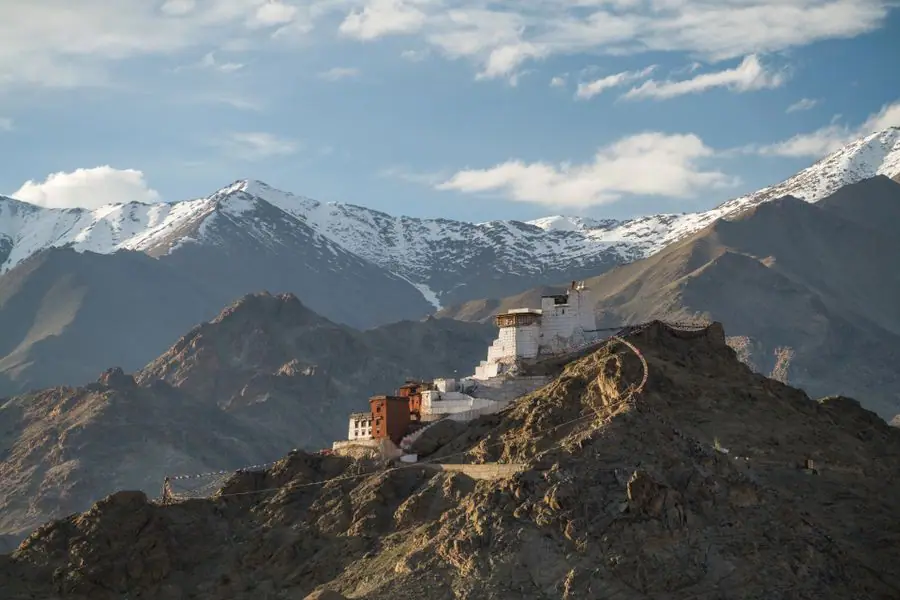
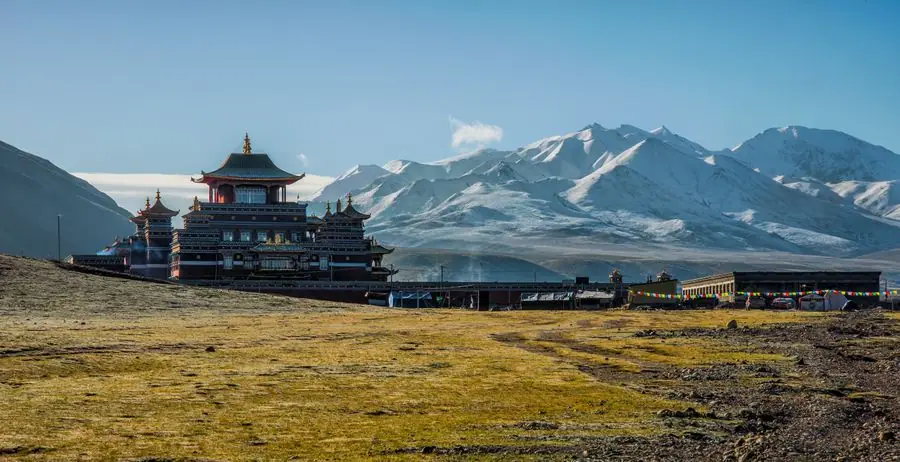
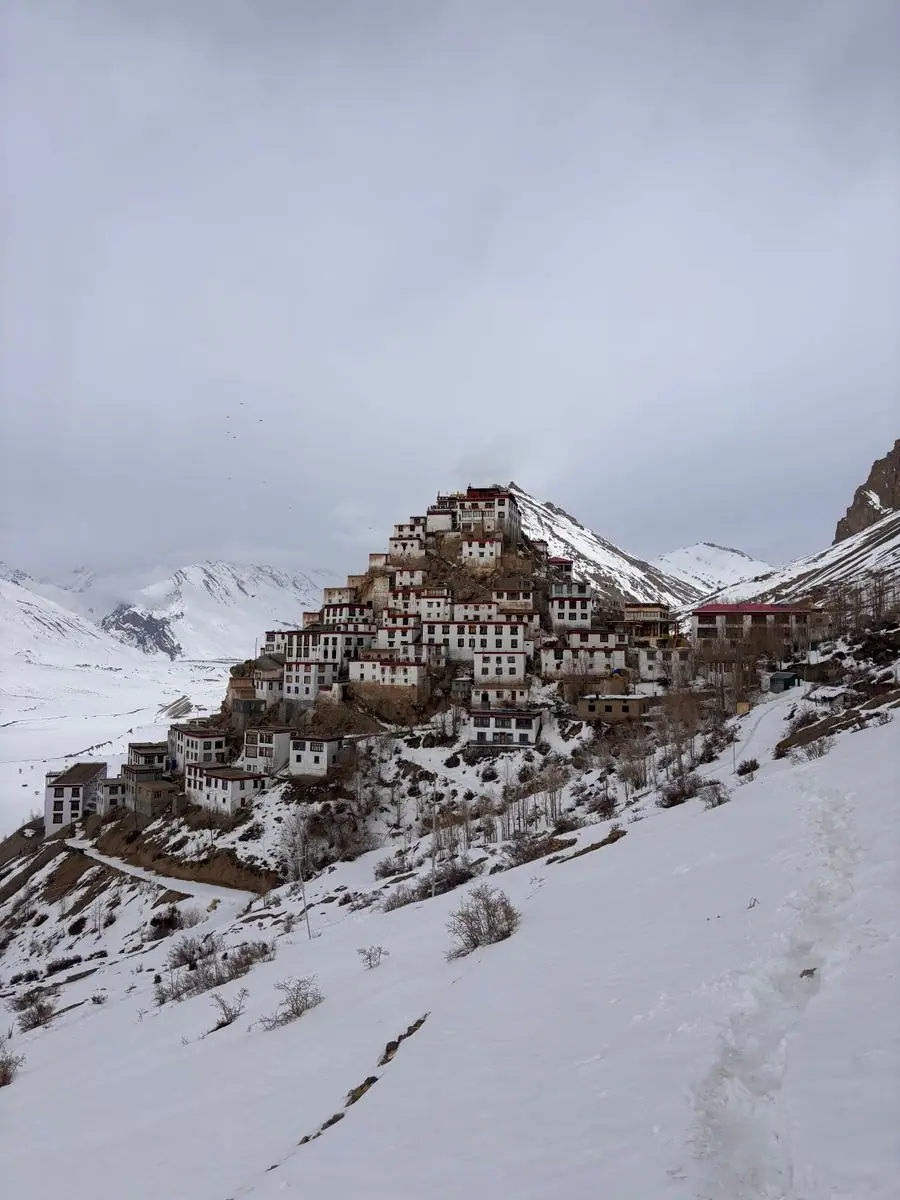
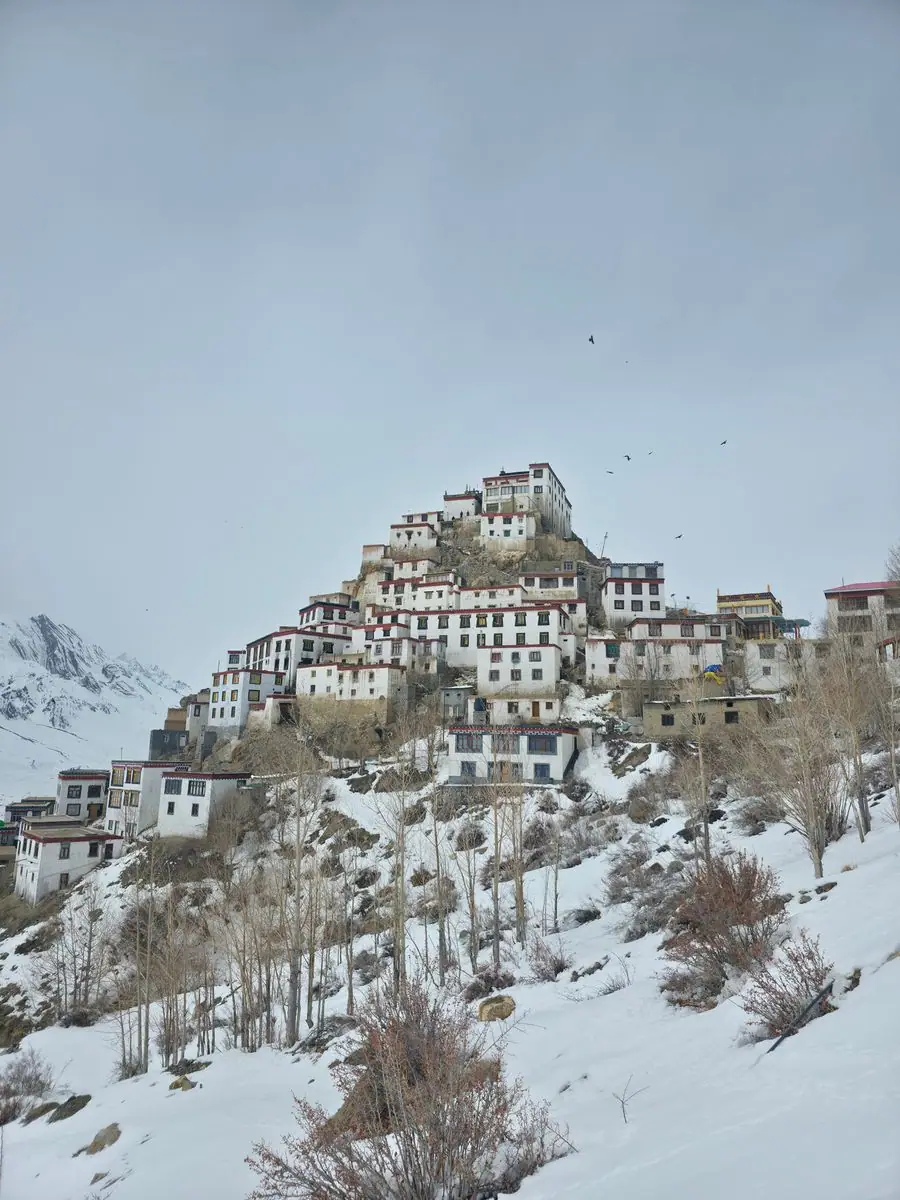
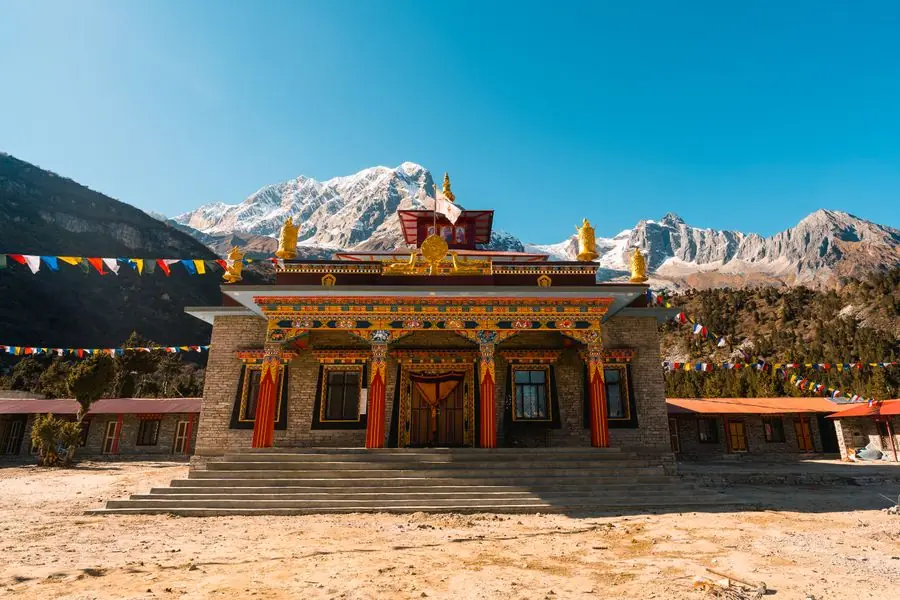
Religion shapes the landscape. Ganden Sumtseling Monastery, founded in 1679, is the largest Tibetan Buddhist monastery in Yunnan and still houses several hundred monks, its six main halls stacked up a hillside like a small Potala. Further west, Kawagarbo (Meili Snow Mountain) is one of the most sacred peaks in Tibetan Buddhism and is deliberately left unclimbed — climbing it has been banned since 2001 out of respect, and attempts before that all failed.
The region opened to tourism in the 1990s and changed fast. Zhongdian's old town burned in a 2014 fire and was largely rebuilt in timber and stone; Pudacuo became China's first national park in 2007; and the Lijiang–Shangri-La highway and railway put the prefecture within a day's travel of Kunming. The old tea-horse towns survive in the villages — Nixi, Benzilan, Cizhong — where Tibetan, Naxi and Catholic village cultures overlap in ways found nowhere else in China.
Today Diqing is the gateway to three of Yunnan's greatest trekking regions — Tiger Leaping Gorge, the Yubeng–Meili circuit and the Haba Snow Mountain approach — and a natural stop on the Yunnan loop between Lijiang and Deqin. Come for the monasteries and the snow mountain; stay for the highland light, which painters and photographers rate among the clearest in Asia.
Best time to visit Diqing (Shangri-La)
Shangri-La town sits at about 3,300 m with a highland climate: cool summers, sharp sunshine, cold nights and dry winters. Seasons here are about altitude comfort and road conditions more than temperature.
Budget for Diqing (Shangri-La): hotels from $25 a night, average ticket $$17.62 — see the full cost breakdown, or start from a ready-made route.
Cuisine of Diqing (Shangri-La)
Signature dishes worth seeking out — prices are typical per-person or per-dish ranges, not fixed quotes.
-
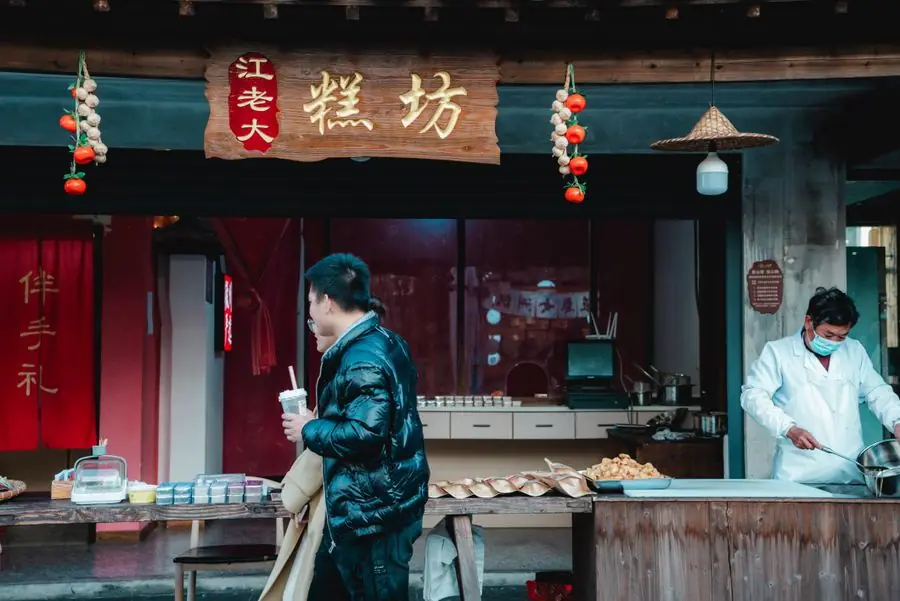
Yak butter tea
Salty tea churned with yak butter in a wooden cylinder until frothy — the high-altitude staple that keeps lips from cracking and hands warm. Served refillable in every teahouse.
-
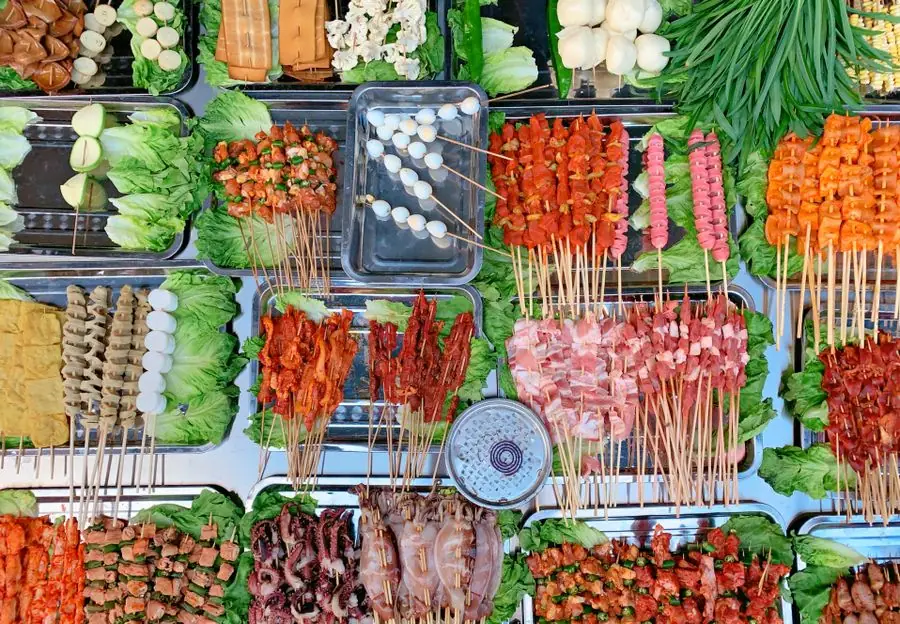
Tsampa
Roasted highland-barley flour worked with butter tea and a pinch of sugar by hand into dough balls — the trail food of the plateau, eaten with yogurt or stew.
-
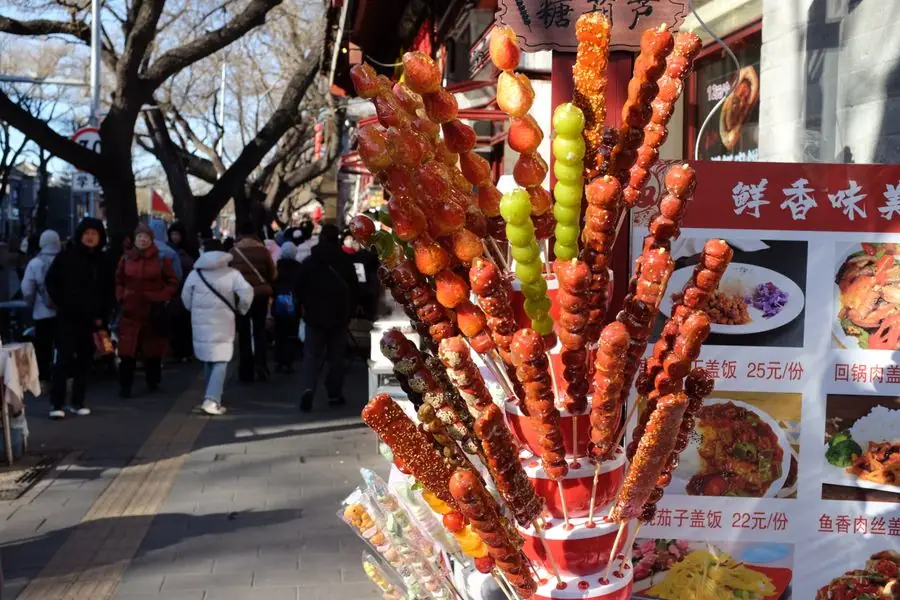
Yak hot pot
Yak ribs, brisket and tripe simmered with Tibetan herbs and root vegetables in a copper pot over coals — the cold-evening comfort dish of every Shangri-La restaurant street.
-
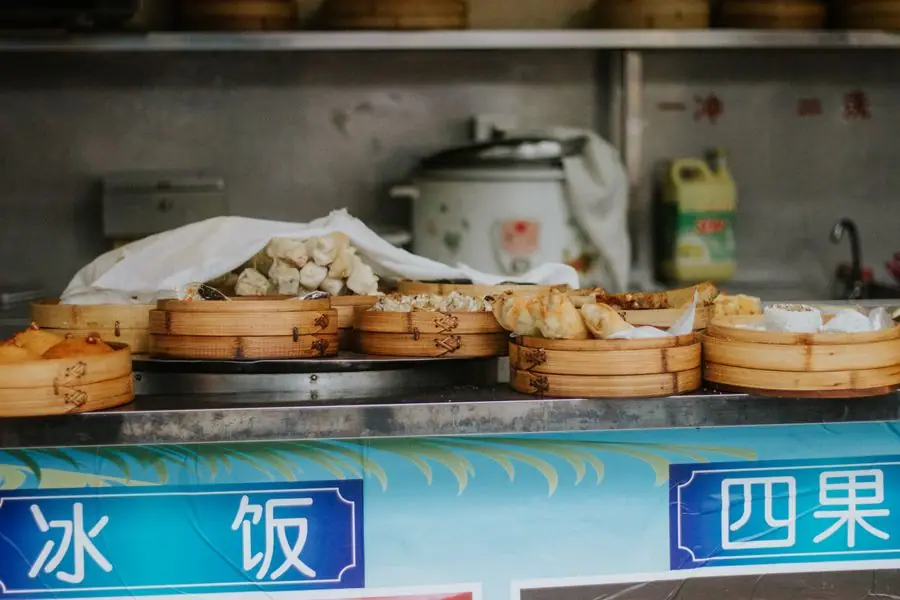
Pipa pork
A whole pig cured, pressed and dried into the shape of a pipa lute, a Nixi and Tibetan specialty — sliced thin and boiled with vegetables or stir-fried with peppers.
-
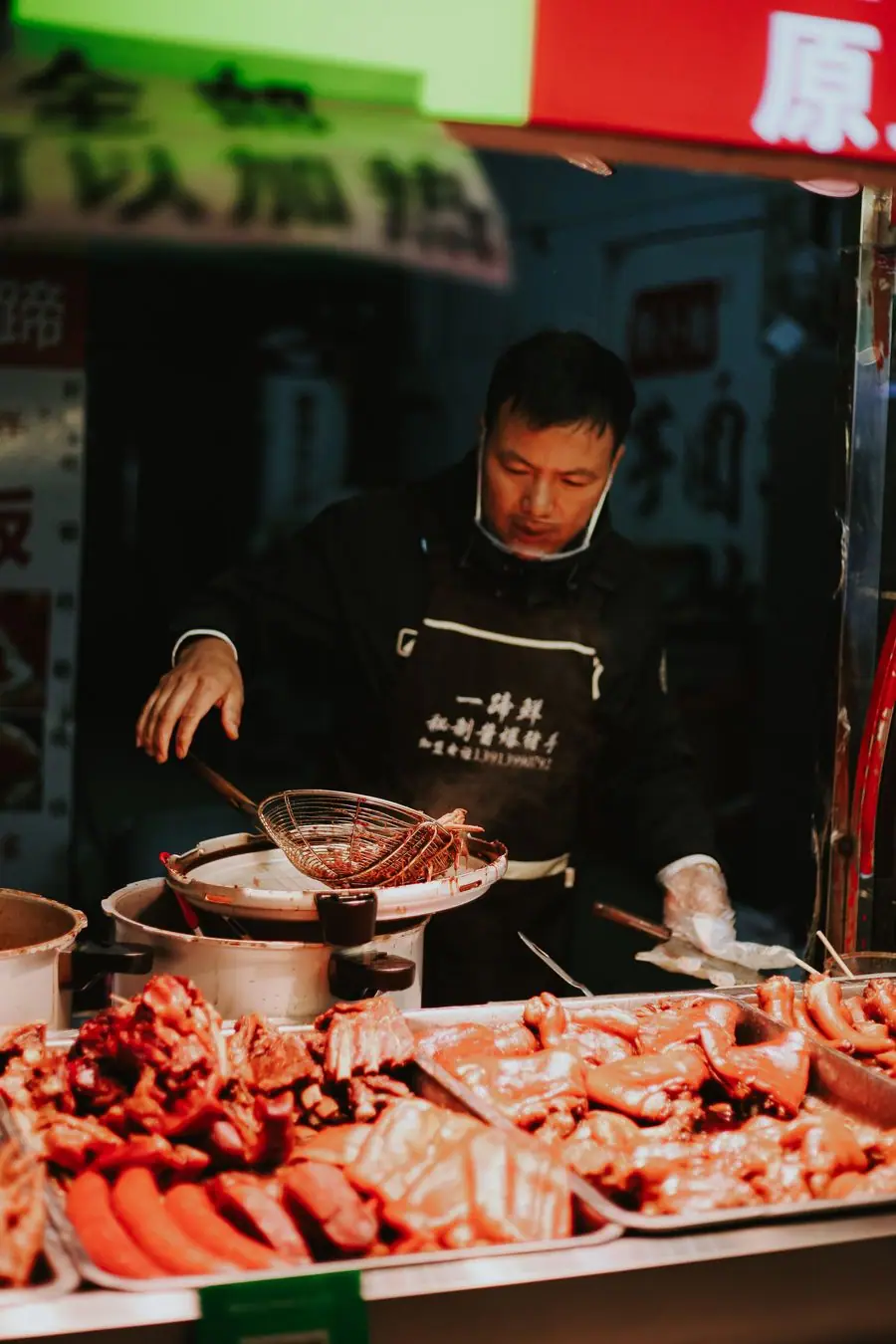
Highland barley wine
A low-alcohol brewing of highland barley, poured from a clay jug and sipped from small bowls; the standard welcome drink in village homes.
Every major sight — with its own guide
Right after the food above, here are the sights — each one links to its own full guide (what to see, how to get there, facilities and the best season). Names follow each sight's official English signage.
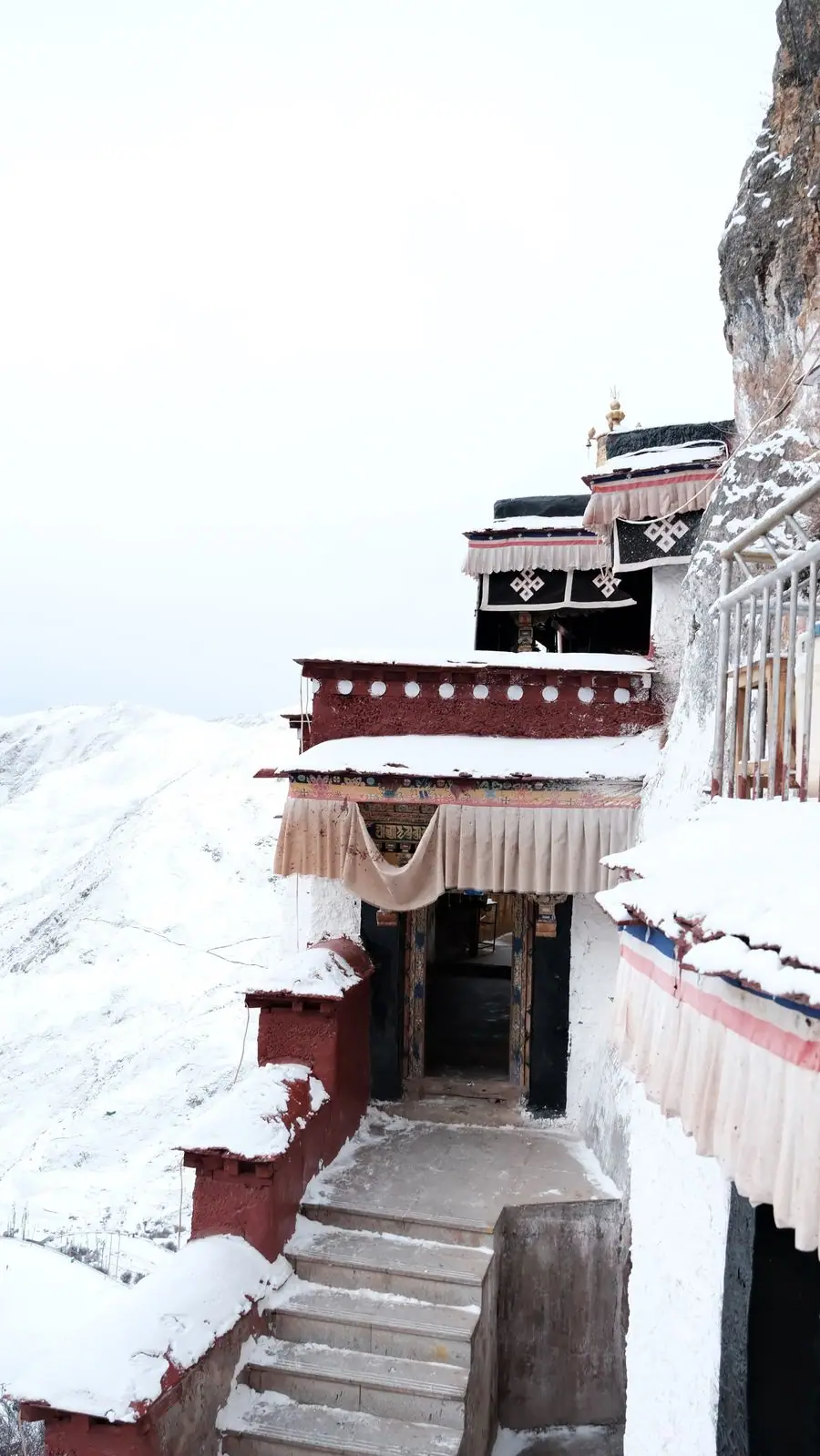
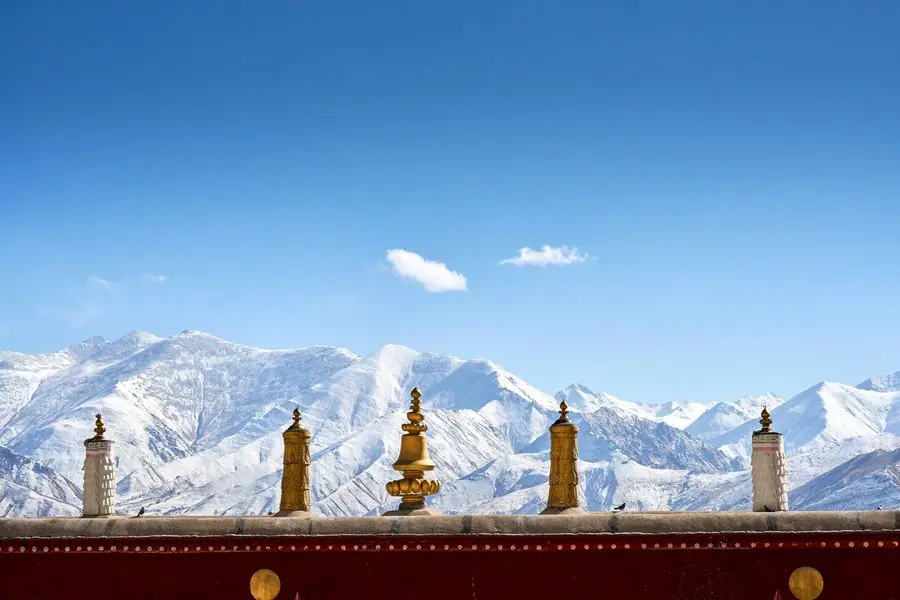
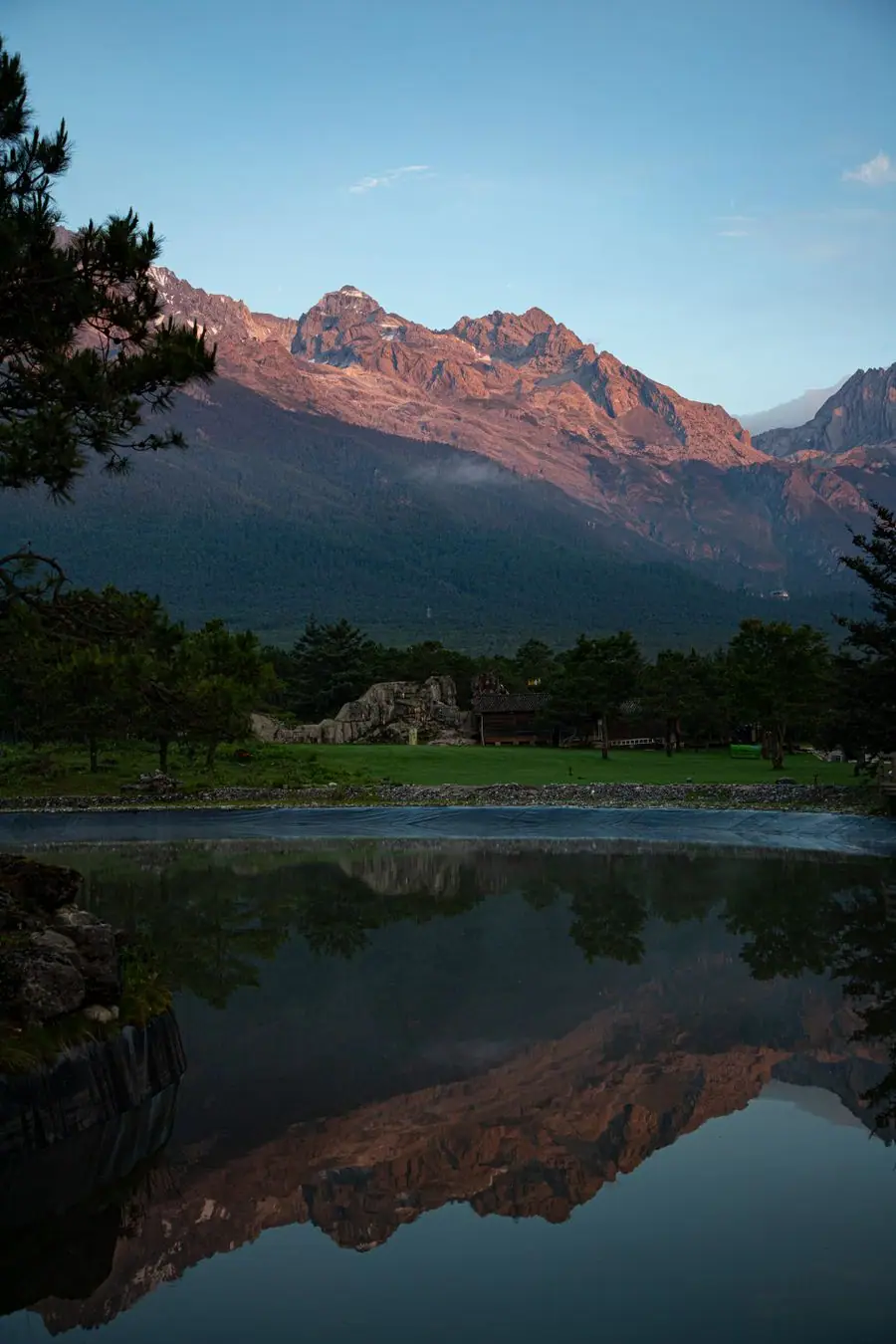
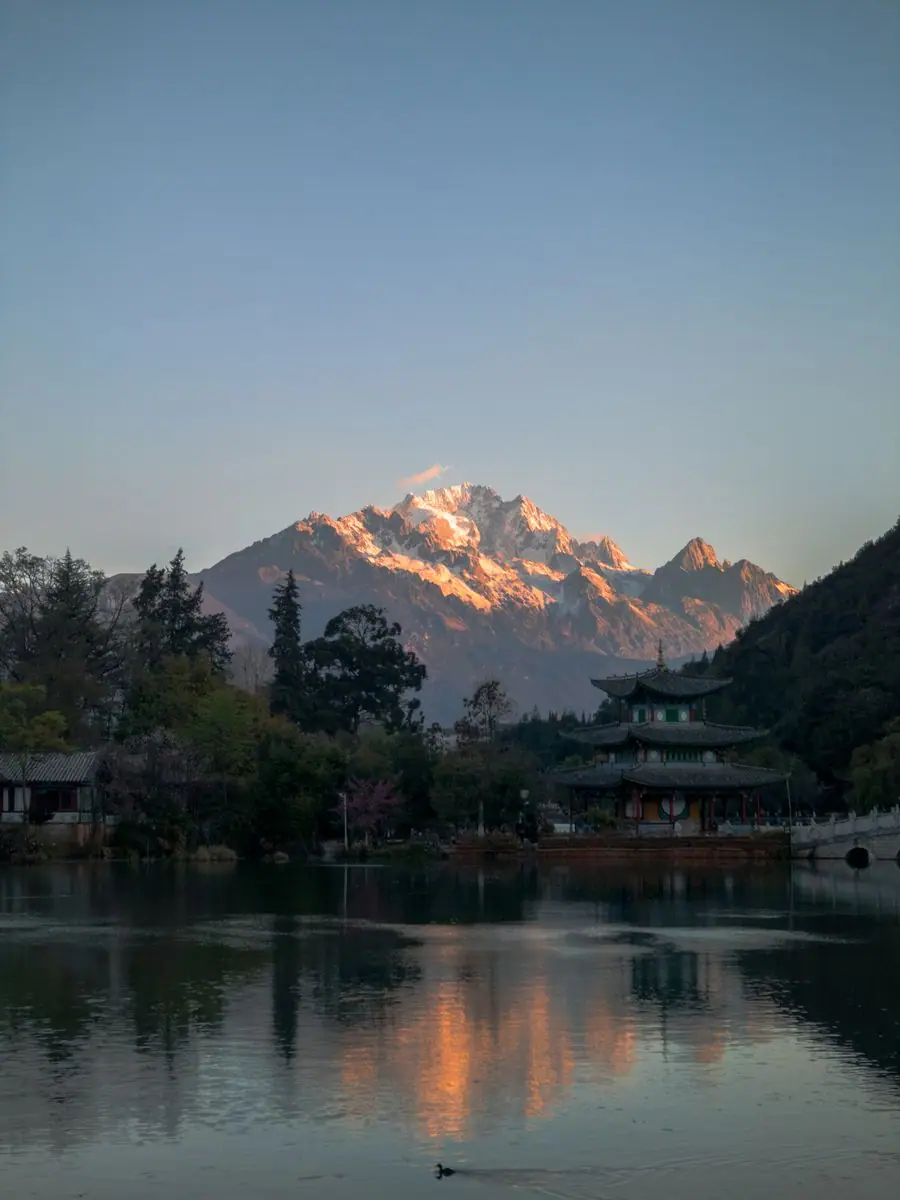
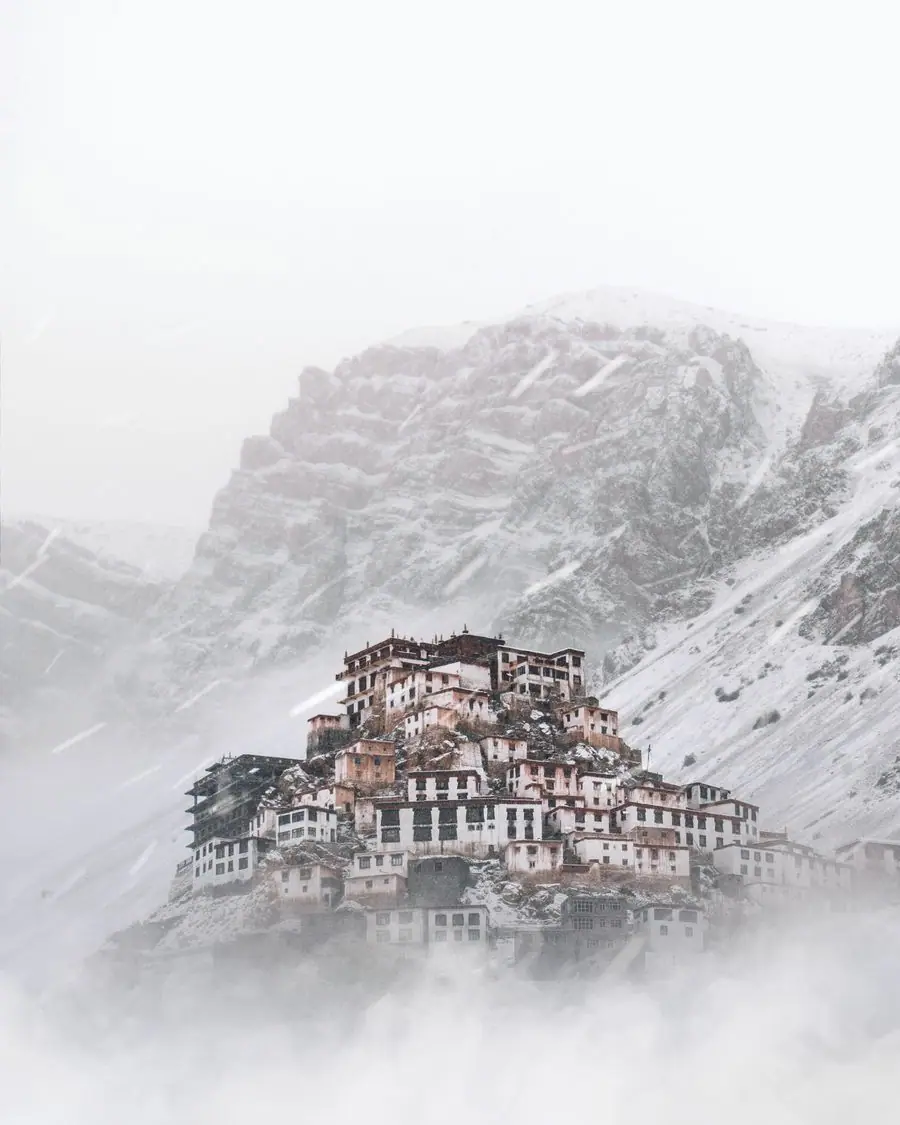
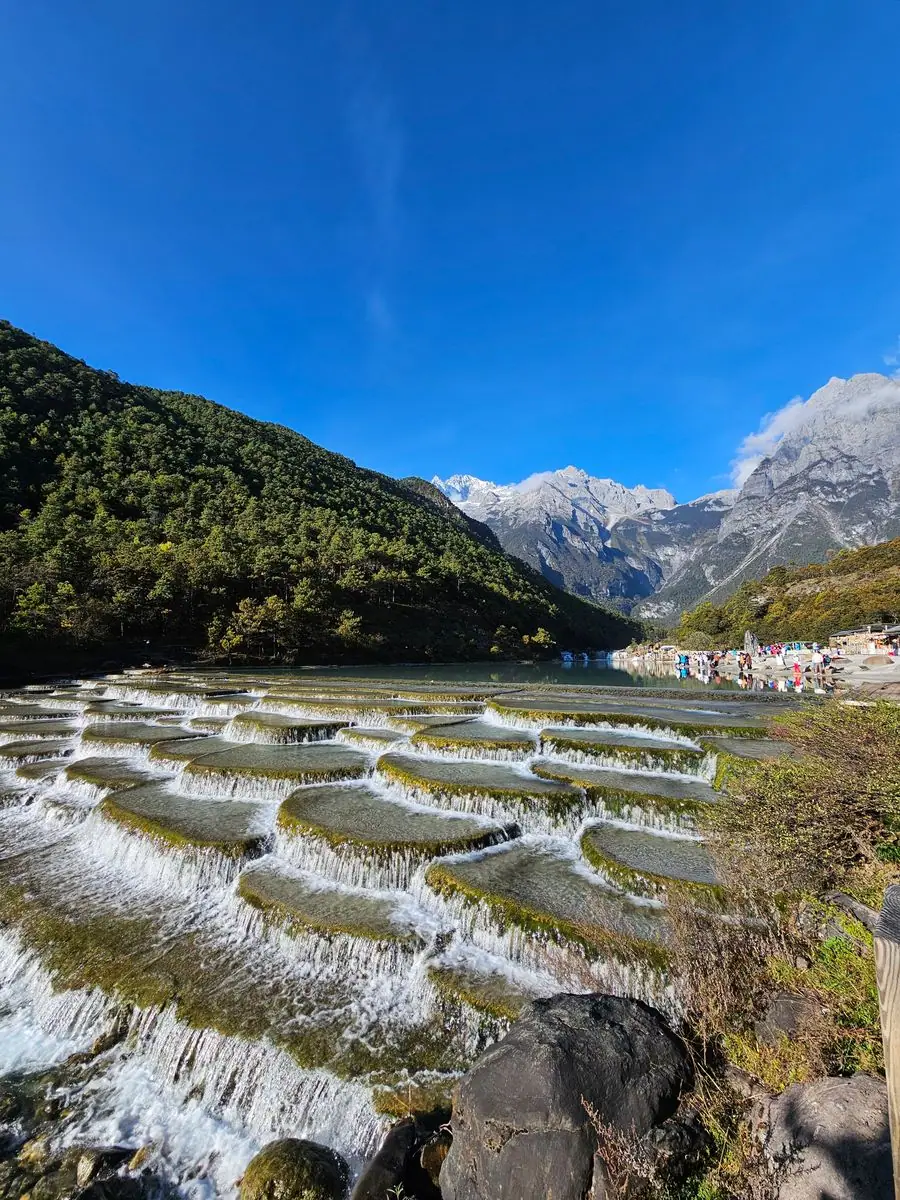
Southeast — Sanba Naxi village
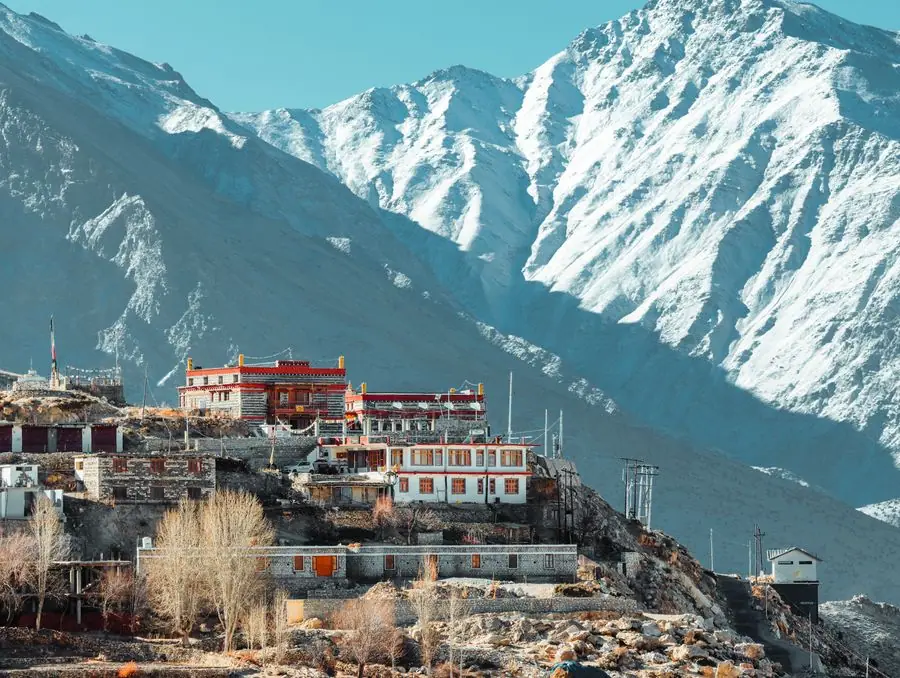
Deqin — Mingyong village
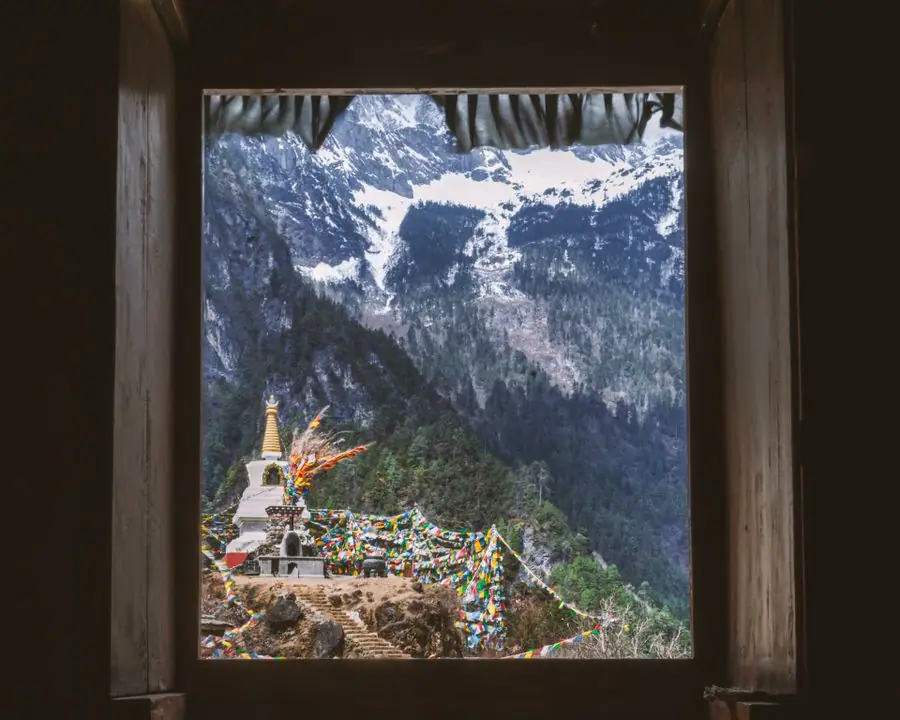
Deqin road — mountain pass
Where to stay in Diqing (Shangri-La)
Rates are for a standard double room in 2026. Stay inside Dukezong or the town core for your first two nights — walking distance beats a taxi at 3,300 m, and most hotels stock oxygen and humidifiers. Confirm the USD price at booking.
Budget
$25–45 / nightFamily guesthouses inside Dukezong's rebuilt lanes and small hotels on the town's main street; expect simple rooms, shared bathrooms at the low end and thick quilts. Oxygen cans and hot water are standard.
Mid-range
$60–120 / nightBoutique Tibetan-style hotels in and around the old town with insulated glazing, underfloor heating and a breakfast of tsampa, milk tea and eggs — the sweet spot for a first high-altitude night.
Upper mid-range
$130–250 / nightLarger resort hotels with oxygen-supplied rooms, restaurants serving yak hot pot, and spa or viewing terraces aimed at Kawagarbo viewers; several cluster near Napahai's eastern shore.
Luxury
$280–500+ / nightInternational-brand and design resorts with humidified oxygen, chauffeur service to the monastery and full-board altitude packages — worth it in deep winter when nights run well below freezing.
Souvenirs & local crafts
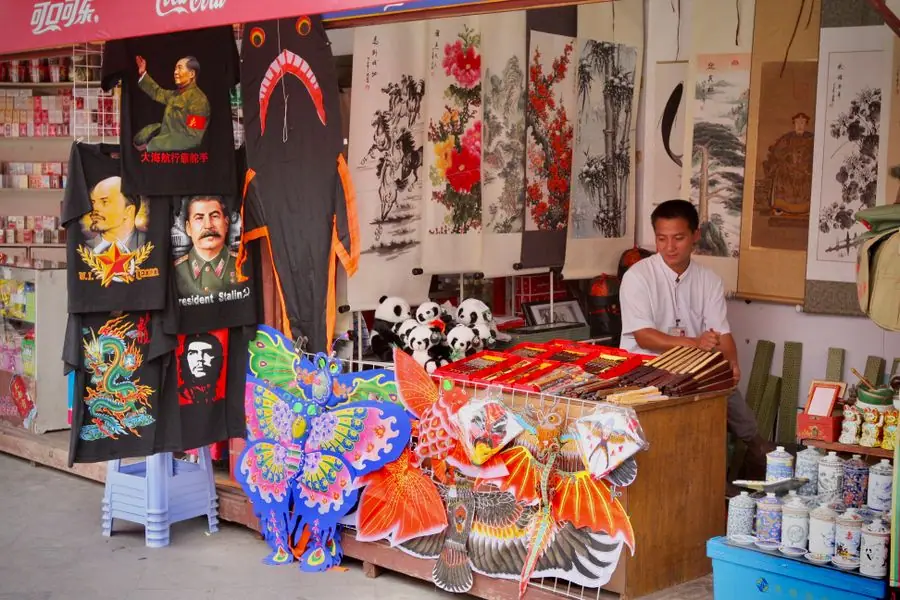
Easy to pack, easy to explain at customs — and far cheaper at a supermarket than at a scenic stall.
-

Nixi black pottery
Un glazed black pottery fired in the open kilns of Nixi village for generations — teapots, vases and braziers with a distinctive matte graphite finish.
-

Tibetan thangka
Mineral-pigment scroll paintings of Buddhas, mandalas and lineage masters, ground and brushed onto cotton over weeks; genuine workshop pieces come with the monastery's blessing.
-
Tibetan incense
Hand-rolled sticks and ropes of medicinal woods, saffron and herbs blended by monastic recipe — the clean, resinous smoke used in every prayer hall.
-
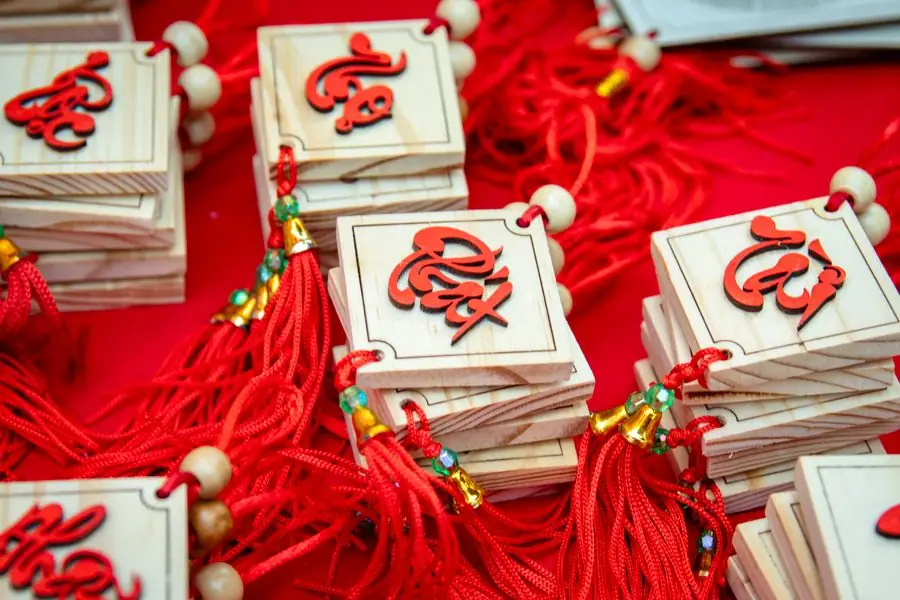
Tibetan silver ornaments
Heavy silver amulet boxes, belt buckles and inlaid turquoise jewellery made by township silversmiths; check the hallmark and bargain politely.
-
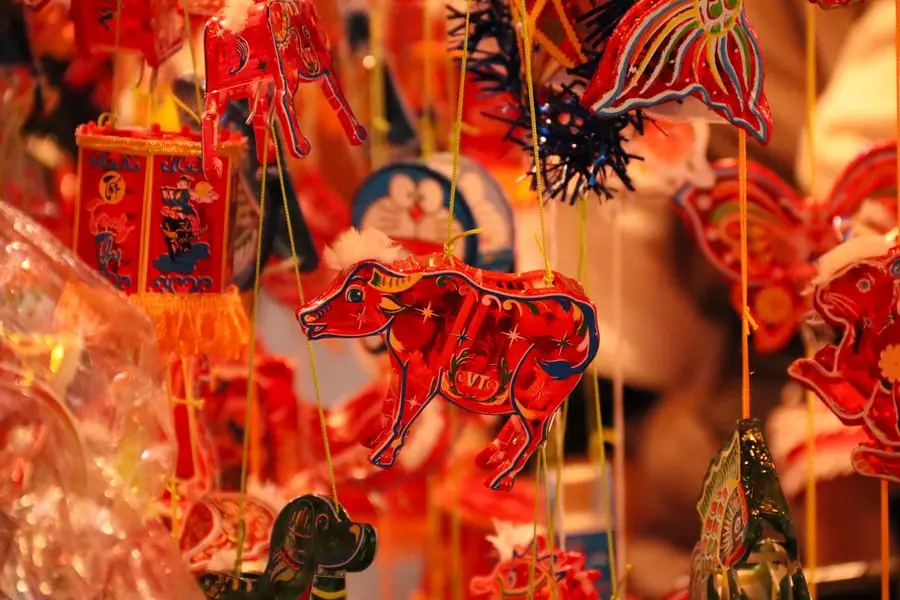
Highland barley products
Barley flour, roasted barley tea and bottled barley wine from the Deqin valley — light, high-altitude souvenirs that pack easily.
Getting around Diqing (Shangri-La)
Diqing has no high-speed rail; the gateway is Lijiang. Shangri-La has its own small airport, and the new Lijiang–Shangri-La railway plus the G214 highway make the prefecture a comfortable 3–4 hour hop from Lijiang or a 4-hour mountain drive.
- High-speed rail
- The Lijiang–Shangri-La railway reaches Shangri-La station in about 3.5–4 hours from Lijiang; buy real-name tickets with your passport through 12306 or a travel app, and note the altitude on arrival — the station sits above 3,200 m.From Kunming, an overnight train or a daytime flight is quicker than the long road; from Chengdu and Guangzhou there are direct flights to Diqing Shangri-La Airport in all but deep winter.
- Long-distance bus
- Long-distance buses run from Lijiang and Kunming to Shangri-La, and an airport shuttle links Diqing Shangri-La Airport (5 km from town, flights to Kunming, Chengdu, Chongqing, Guangzhou and Lhasa) to Dukezong. Within the prefecture, Deqen-bound buses and shared vans leave from the town station daily — book a day ahead in high season.
- Metro & bus
- Shangri-La has no metro; the town core is small enough to walk in half an hour.
- Taxis
- Ride-hailing
- DiDi works in the town core for taxis to Songzanlin, Napahai and Nixi; for the Deqin road and trailheads, hire a private car with driver (about $70–120 per day) — the standard way to chase Kawagarbo's sunrise.
- Shared bikes
- E-bikes and bicycles can be rented in Dukezong for the flat valley roads to Napahai; anything longer needs a car, and mountain roads at altitude demand experienced drivers.
- Intercity carpool
- Shared vans to Deqin, Feilai Temple and Haba leave the town station each morning; hikers heading to Tiger Leaping Gorge Qiaotou trailhead catch the early bus or a shared car.
Plan your 1, 2 or 3 days in Diqing (Shangri-La)
Pick the length of your stay. Each plan is its own page, anchored at the city centre and written from real traveller itineraries — including splits for sightseeing, shopping, landscape, families and older travellers.
Shangri-La in one day: monastery, lake and old town
The prefecture's three essentials — Ganden Sumtseling at its quietest, the Napahai wetland at golden hour, and Dukezong's prayer wheel at dusk. An easy first day that respects the altitude.
Read the plan → 2-dayTwo days: plateau lakes and the sacred peak dawn
Day one stays low and slow around town; day two is the long Deqin-road run to Feilai Temple for the Kawagarbo sunrise, with Benzilan and the pass wildlife en route.
Read the plan → 3-dayThree days: the Meili circuit
Adds the full Meili day — Feilai Temple dawn, Mingyong Glacier and the Yubeng trailhead — the classic Diqing deep-dive.
Read the plan →Frequently asked questions
- Do I need a visa to visit Diqing?
- Foreign visitors need a Chinese visa (or to qualify for the 240-hour visa-free transit / unilateral visa-free entry where applicable). Diqing is fully open to foreign tourists; carry your passport for real-name ticketing and hotel check-in.
- How do I deal with the altitude in Shangri-La?
- The town sits at about 3,300 m and Deqin at 3,400 m-plus. Take it easy for 48 hours, skip alcohol on day one, drink extra water, and descend if a headache worsens or breathing feels wrong at rest. Spend a first night lower down if you are arriving from sea level.
- What is the best time to see Kawagarbo's golden peak?
- The dry October–April window, especially November–December; plan at least two dawns and check the cloud forecast the evening before.
- Is Diqing suitable as a first stop in Yunnan?
- Better after Lijiang or Kunming — arriving straight from sea level at 3,300 m is the most common mistake. Lijiang is the usual gateway and sits 2,400 m.
- Can I use Alipay/WeChat Pay and cards in Shangri-La?
- Alipay and WeChat Pay with a linked foreign card work at almost all hotels, restaurants and shops; carry a little cash for village workshops and mountain guesthouses where signal drops.
- How many days do I need in Diqing?
- Two days covers town, Songzanlin and Napahai; three days adds the Kawagarbo sunrise run to Deqin; four to five days if you want the Yubeng trek or Tiger Leaping Gorge.
Page last reviewed: 2026-11-02.