Cizhong Church 2026: Tickets, How to Visit & Tips
A stone Catholic church from 1867 in a Tibetan village on the Mekong, with a Chinese-Tibetan Gothic facade, a working congregation and a century-old estate of French mission grapevines still pressed into local wine.
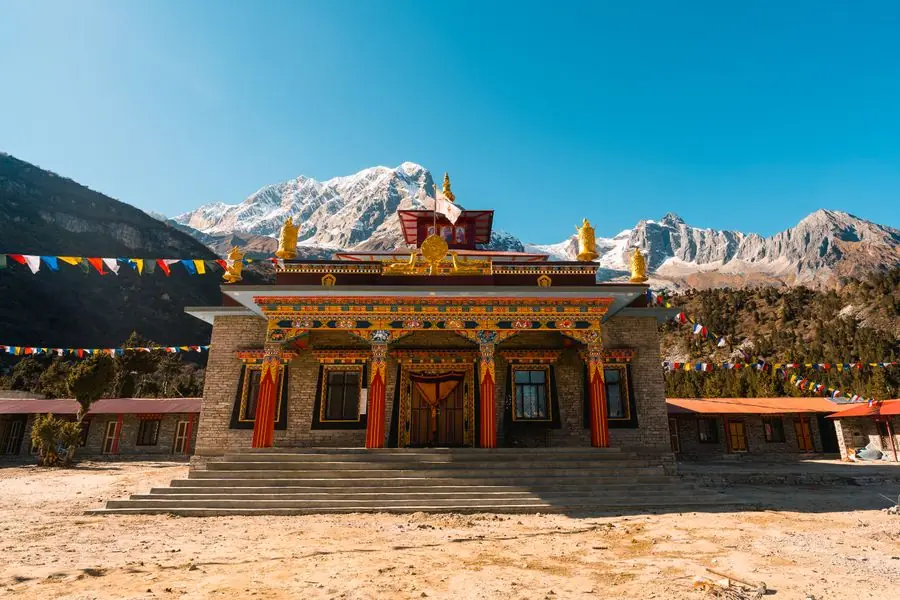
Cizhong Church (茨中教堂) is one of the headline sights in Diqing (Shangri-La). A stone Catholic church from 1867 in a Tibetan village on the Mekong, with a Chinese-Tibetan Gothic facade, a working congregation and a century-old estate of French mission grapevines still pressed into local wine.
Intro: why go
It is one of the strangest and most touching cultural hybrids in China — a Tibetan village that has sung Latin-mass hymns for 150 years and still bottles its own wine from the mission vines.
Tickets & booking
Free (donations to the church welcome) Verify the exact price on site before you go.
How to visit
Stop in the church, look over the nave and the Tibetan-style exterior detail, then taste the village wine at the mission guesthouse; the vineyard rows sit on the slope behind.
Facilities
A small church guesthouse and wine tasting; the village is a working Tibetan farming community — visit quietly and respectfully during services.
Best season
Year-round; the grape harvest and pressing run September–October.
Getting there
200 km from Shangri-La via the Deqin road and a side valley to Adong village — combine with a Feilai Temple overnight.
Tips
- Attend or observe Mass respectfully — it is a living church, not a museum.
- The village wine is small-batch; bottles are sold at the church guesthouse.
- The last 20 km is a narrow valley road — daylight hours only.
Frequently asked questions
- Who built Cizhong Church?
- French Catholic missionaries in 1867; the current stone building replaced an earlier chapel and has served Tibetan and Lisu families ever since.
- Is the church still active?
- Yes — a small Tibetan congregation still holds services, many in Tibetan with Latin hymns.
Page last reviewed: 2026-11-02. Ticket seasons and crowd seasons are different things — this page states both where they differ.