Zhangye Travel Guide 2026: Rainbow Mountains, the Giant Buddha & the Silk Road Oasis
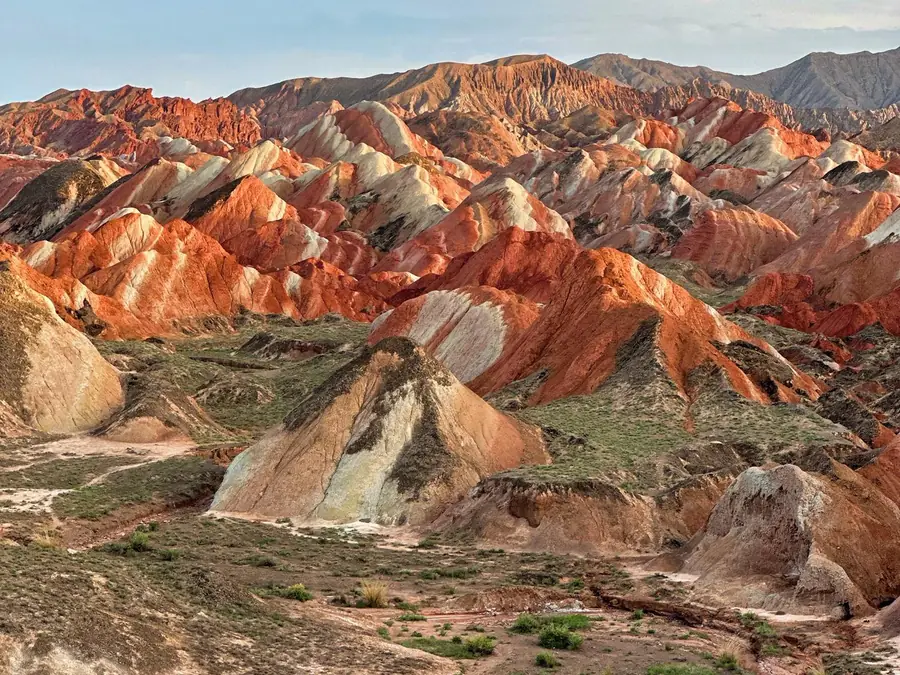
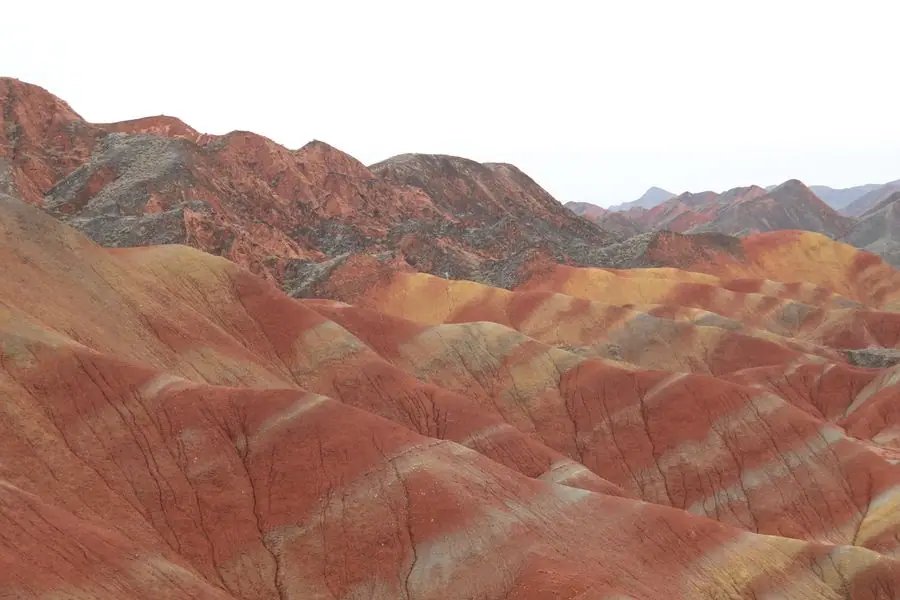
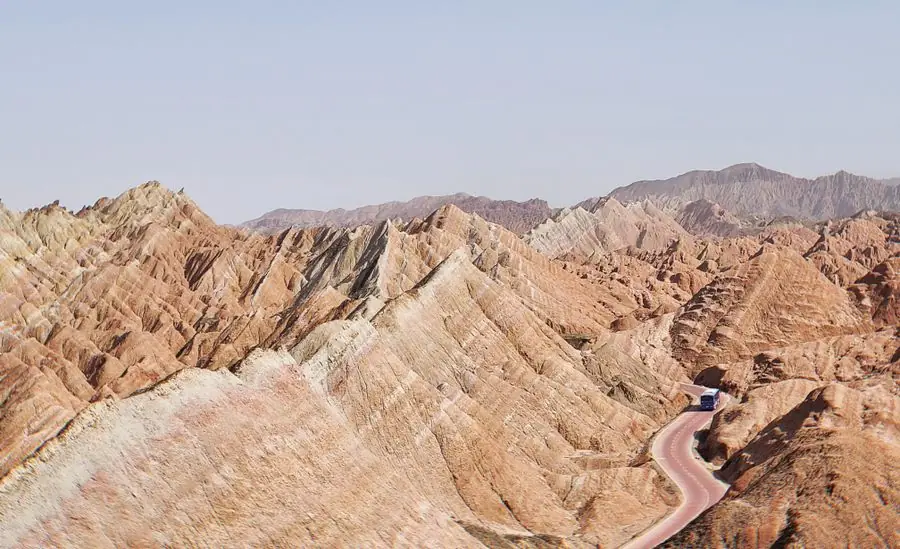
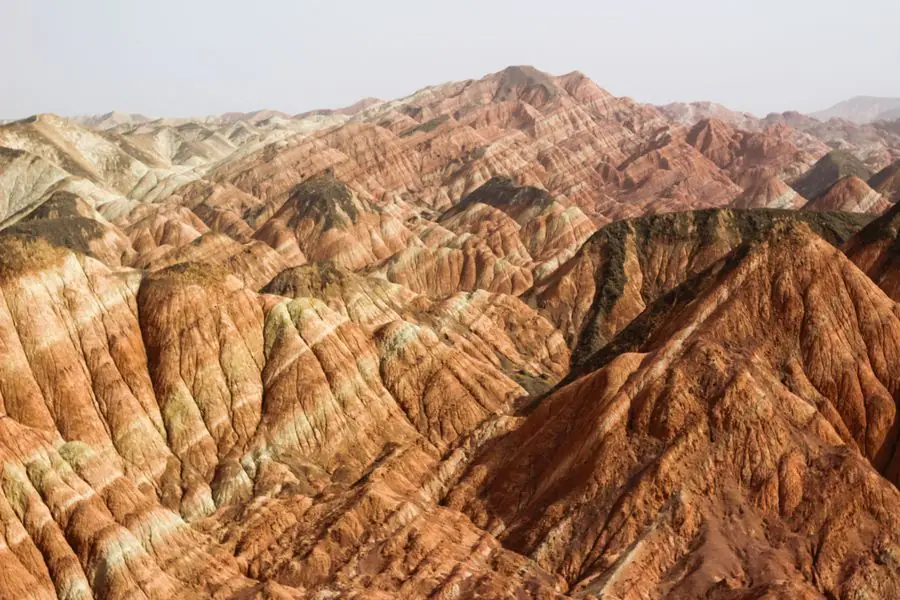
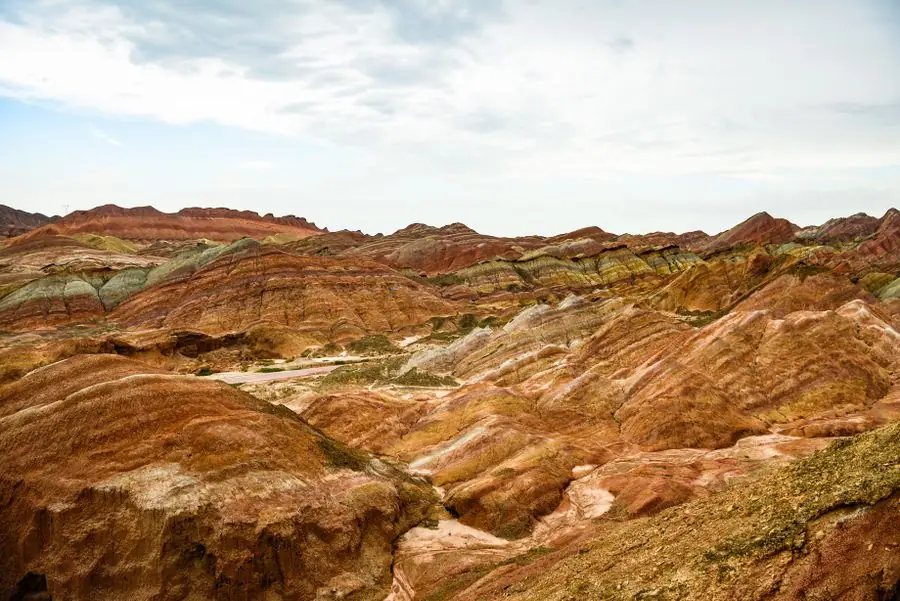
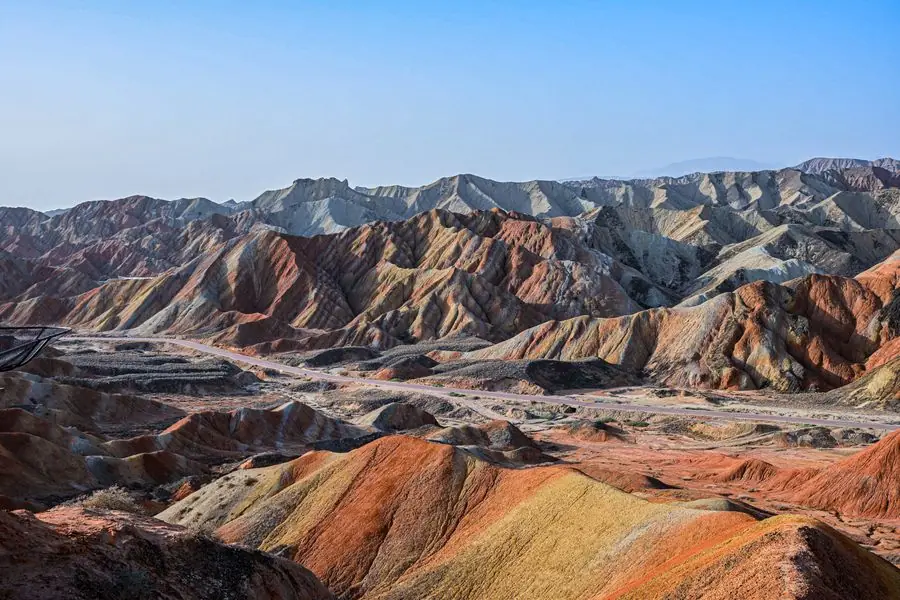
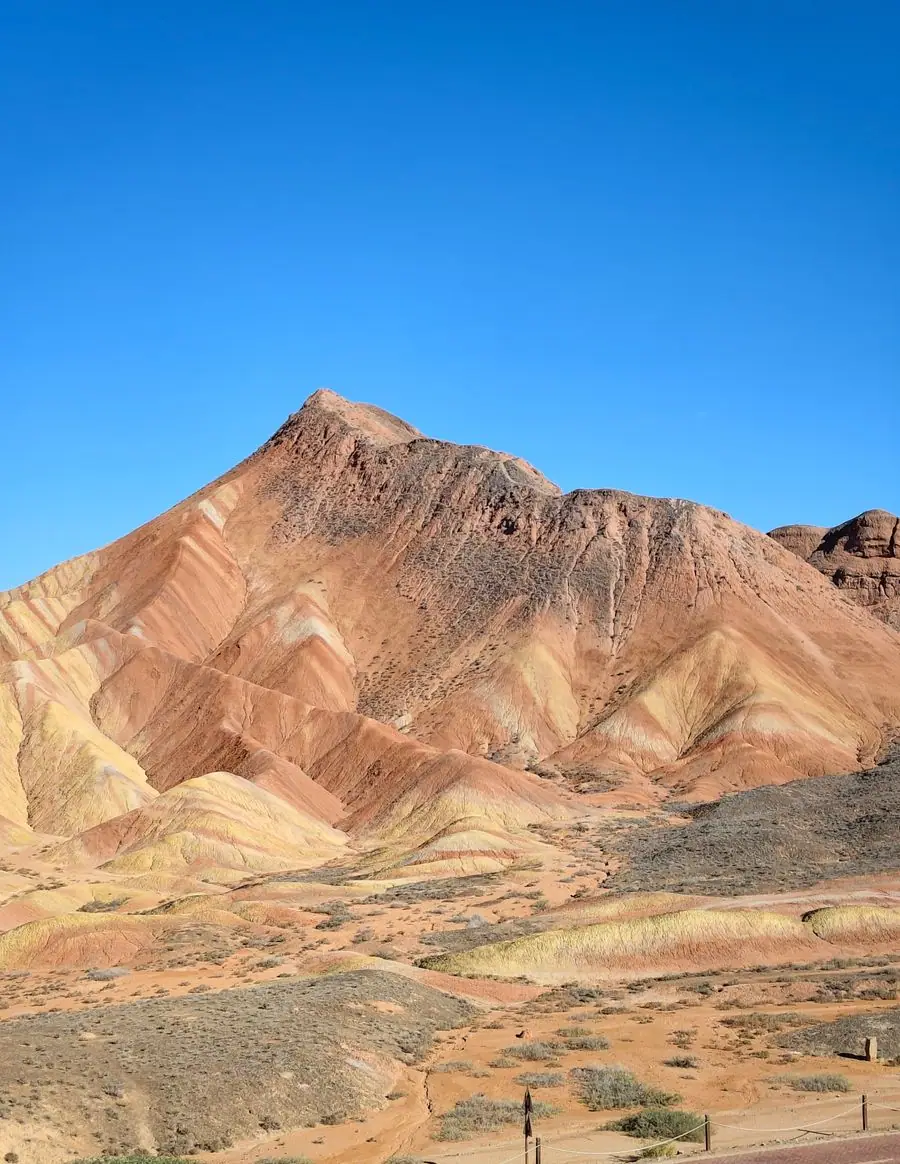
Zhangye — called Ganzhou for most of its history, and half the name of Gansu province itself — is the oasis city where the Hexi Corridor meets the Qilian Mountains. Han cavalry watered their horses here two thousand years ago, the Western Xia cut China's largest indoor reclining Buddha into a temple in 1098, and the striped Danxia ridges 40 km north became one of China's most photographed landscapes. Come for the rainbow mountains at sunset, the old town's temples, and the last green grass before the desert.
History & culture
The Han dynasty took the Hexi Corridor in 121 BC after General Huo Qubing's cavalry campaigns, and Zhangye became one of the corridor's four commandery seats. The name says the ambition: 'stretch the arms of the state to the west' — an agricultural colony and remount depot built on desert watered by the Hei River, facing the Xiongnu pastures of the Qilian. The Xiongnu lament over losing the mountains south of here is still quoted in China: lost the Yanzhi Mountain, and our women lost their colour.
Through the Northern and Southern Dynasties the town was known as Ganzhou — 甘州 — and from the 9th to the 11th century it was the capital of the Ganzhou Uyghurs, a Turkic kingdom that ran the middle corridor's trade until the Western Xia took the city in the 1030s. The Western Xia then built the great temple in 1098 that still holds the reclining Buddha, and the Yuan dynasty made Ganzhou a stop on Marco Polo's road west — his 'Campichus' is usually identified with this city.
The Ming rebuilt the corridor as a military frontier: Zhangye was the seat of the Gansu garrison command, walled, garrisoned and drilled, and the Zhenyuan drum tower still stands at the old town's centre from that age. Shanxi merchant bankers arrived with the Qing, ran the corridor's credit from their guild hall, and made Ganzhou the commercial hinge between Lanzhou and the western garrisons.
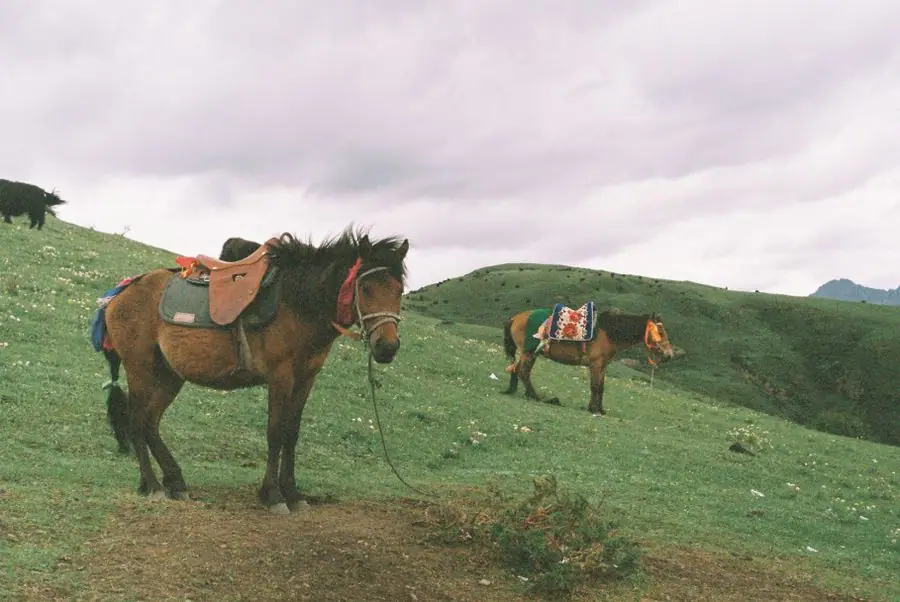
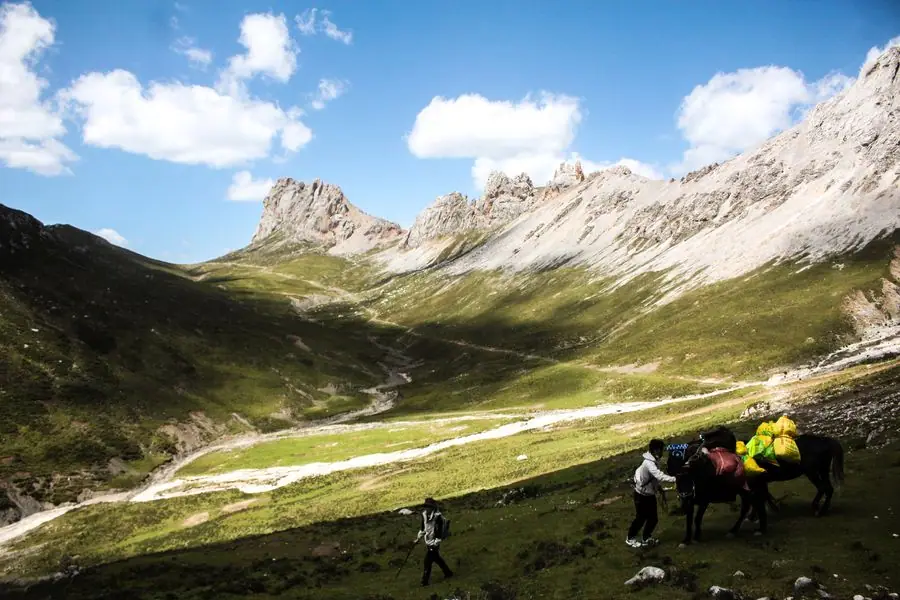
Modern Zhangye is a one-million-person oasis: half of China's hybrid corn seed is grown on its irrigated farmland — it is the country's seed base — and the high-speed railway put the old garrison town three and a half hours from Lanzhou. South of the city the Qilian valleys hold the Yugur, one of China's smallest ethnic groups, whose summer pastures at Kangle are an hour's drive from the Danxia.
Best time to visit Zhangye
Zhangye sits at about 1,450 m where the Hei River — China's second-largest inland river, fed by Qilian snowmelt — crosses the corridor. The climate is extreme-continental: dry, big day-night swings, fierce sun and almost no rain. The Qilian mountains south of the city decide the season more than the city itself.
Budget for Zhangye: hotels from $20 a night, average ticket $$6.44 — see the full cost breakdown, or start from a ready-made route.
Cuisine of Zhangye
Signature dishes worth seeking out — prices are typical per-person or per-dish ranges, not fixed quotes.
-
Beef 'small rice' (niurou xiaofan)
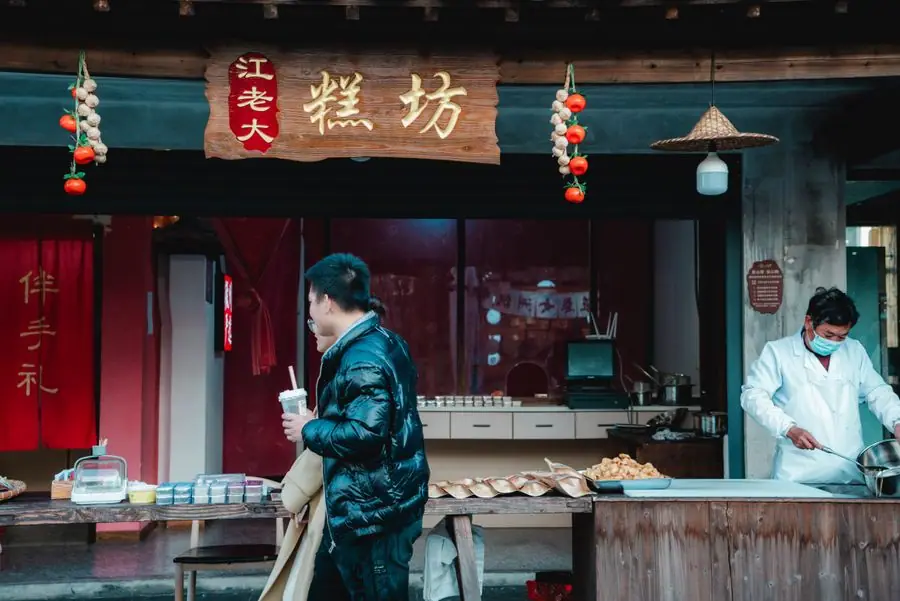
Zhangye's breakfast institution: small square-cut noodle pieces in a clear beef-and-offal broth with tofu and jelly noodles, eaten with a pickled chilli oil — a Ganzhou original, about $1.50–2.50 a bowl. The old-town shops by the Wooden Pagoda open at first light and sell out by mid-morning.
-
Cuoyuzi (fish-roe noodles)
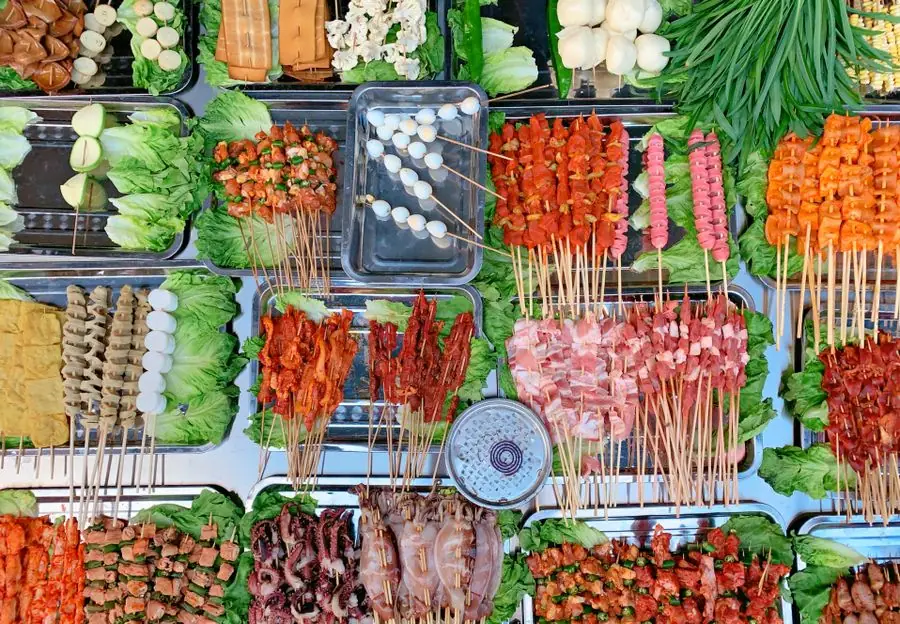
Short hand-rolled wheat noodles pinched into little fish shapes, stir-fried with lamb, tomato and peppers — a hearty northwest plate at about $2–4. The name is the shape; there is no fish in it.
-
Juanzi chicken
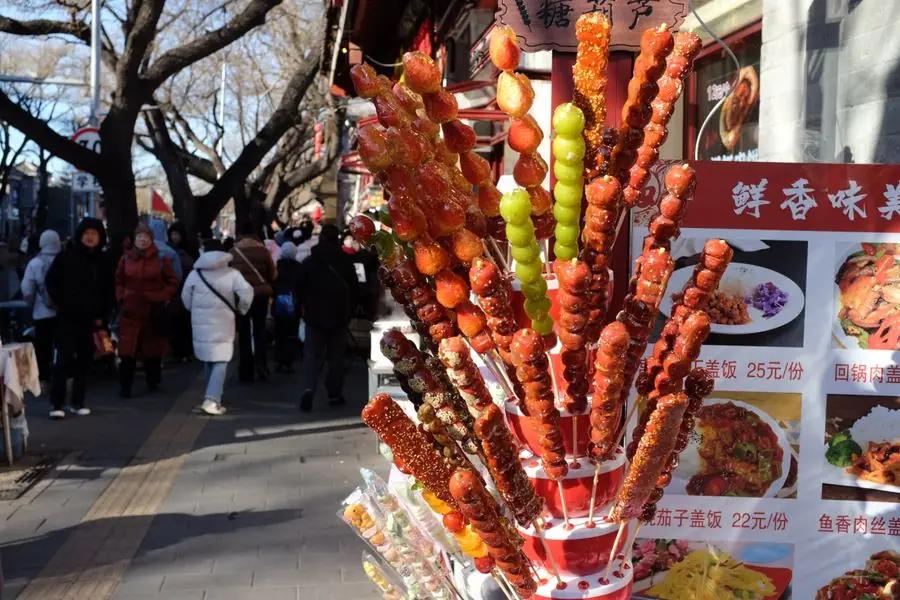
Free-range chicken stewed with potatoes and spices under a layer of rolled dough 'juanzi' that steams on top and soaks up the sauce — the corridor's party dish, about $8–12 for a pot feeding two to three. Best shared, with the rolls torn and dipped.
-
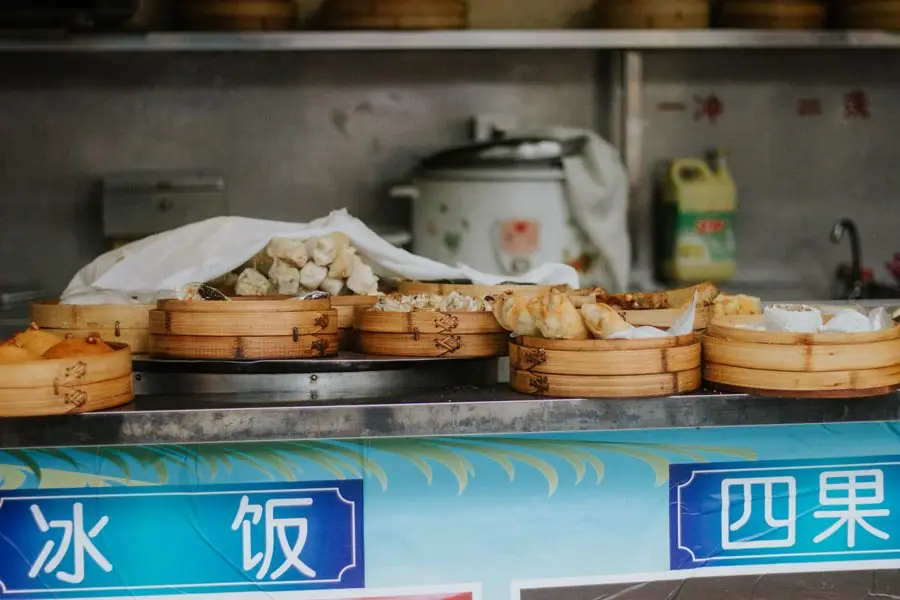
Stir-fried 'firecrackers' (chao paozhang)
Thumb-sized cuts of thick noodle stir-fried dry with lamb, celery and peppers until smoky — named because the pieces look like firecrackers. A local lunch standard at about $2–4, served with a bowl of broth on the side.
-
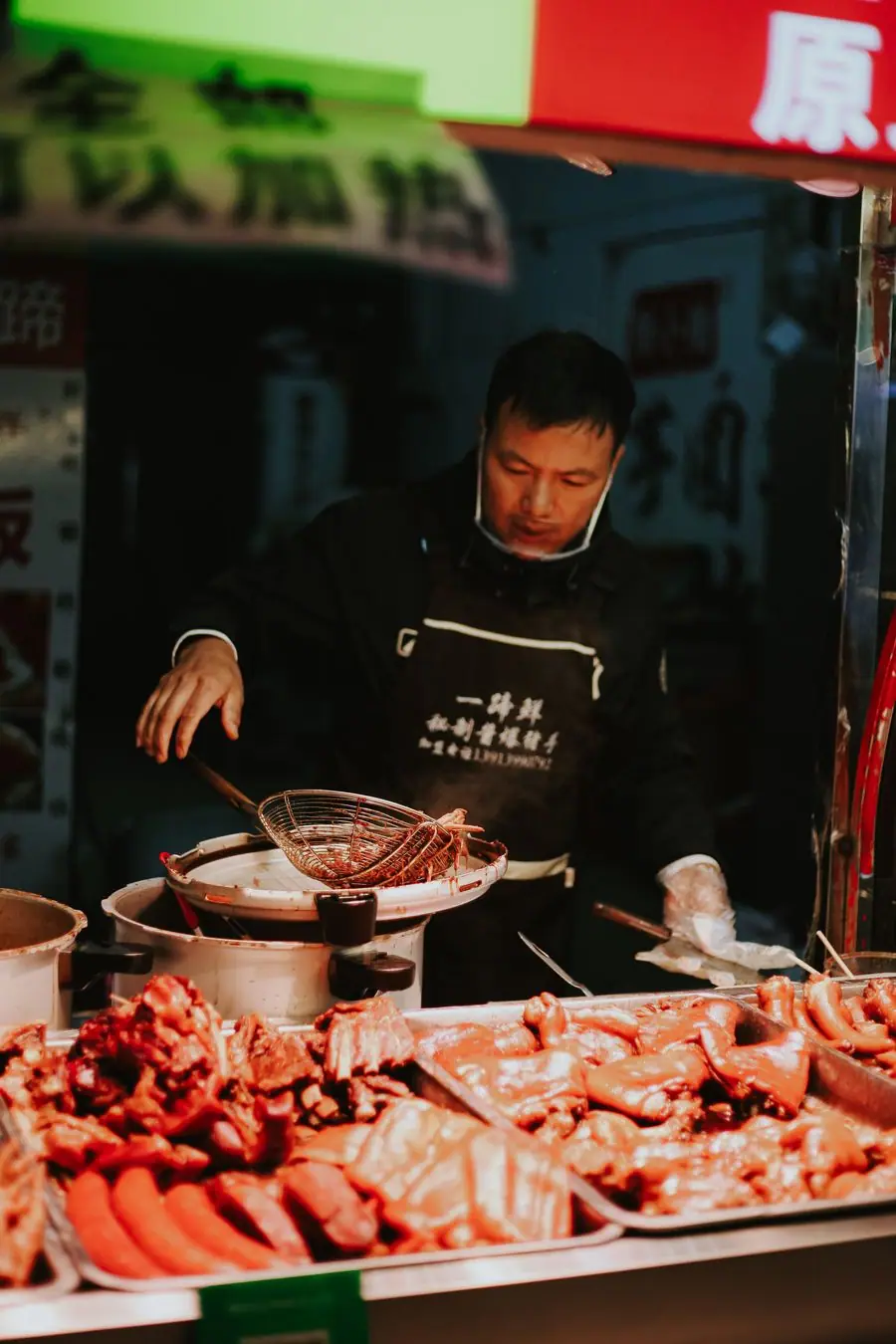
Apricot drink (xingpi shui)
The Hexi Corridor's summer cooler: dried Gansu apricots stewed into a tart amber syrup and served cold — about $0.50–1 a glass. Every night market and noodle shop pours it; it cuts the dust and the grease of the western diet.
Every major sight — with its own guide
Right after the food above, here are the sights — each one links to its own full guide (what to see, how to get there, facilities and the best season). Names follow each sight's official English signage.
Old town — Ganzhou
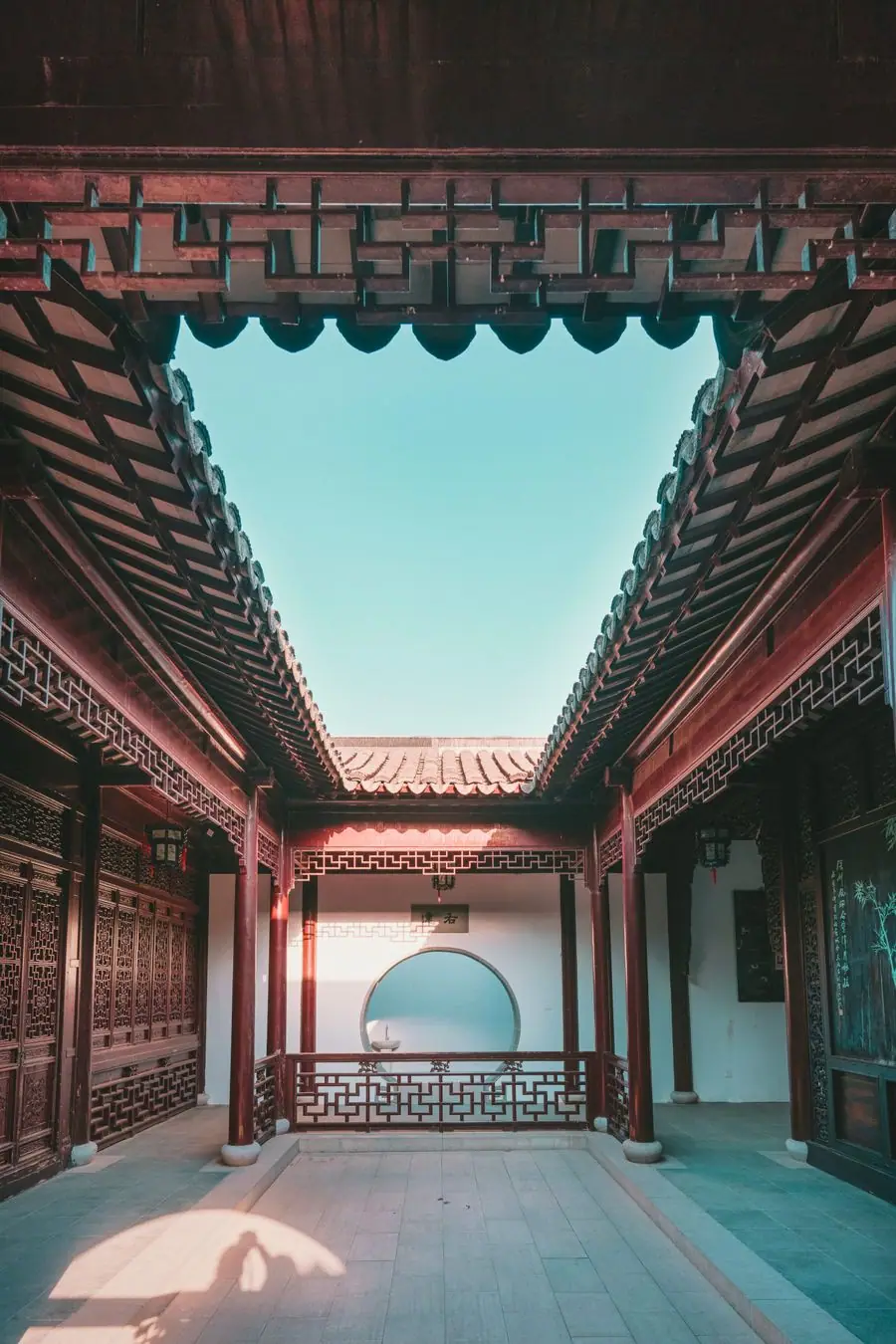
Zhangye Dafo Temple (Great Buddha Temple) 张掖大佛寺
The old town's great temple: founded in 1098 under the Western Xia, it holds China's largest indoor reclining Buddha — a 34.5 m lacquered wood colossus in its own hall — plus rare Buddhist murals and a small art museum in the rear courtyards.
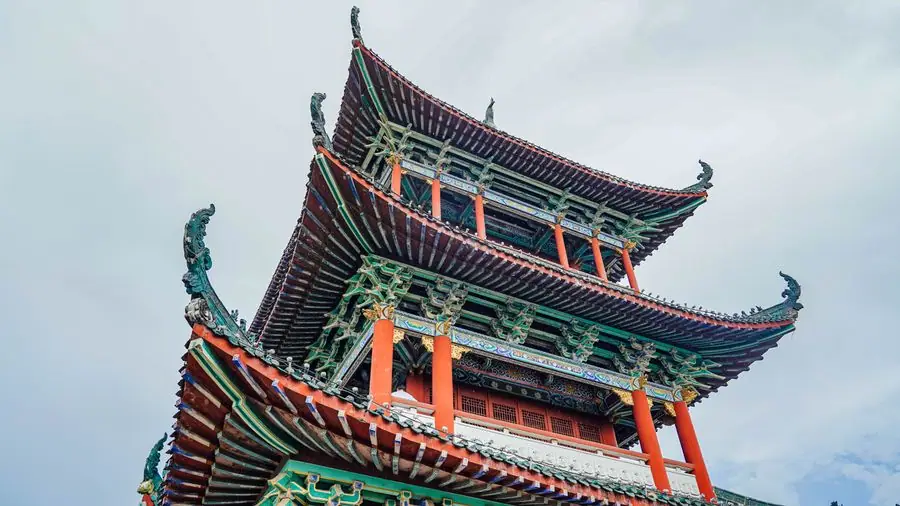
Zhangye Wooden Pagoda (Muta Temple) 木塔寺
A nine-storey timber tower in the old town — said to trace back 1,500 years to the Sui dynasty, the standing structure a 1926 rebuild on the ancient base — 33 m of carved brackets held together with mortise-and-tenon joints, not nails.
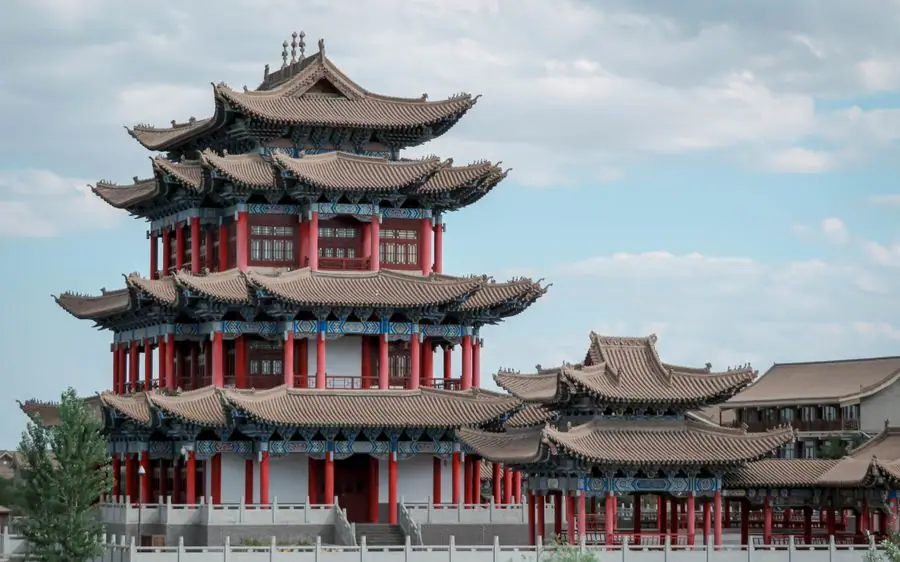
Zhenyuan Tower 镇远楼
The old town's drum tower at the central crossing — a Ming dynasty tower about 28 m tall that was the garrison town's clock and alarm, still standing where Ganzhou's four old streets meet. The square around it is the neighbourhood's evening living room.
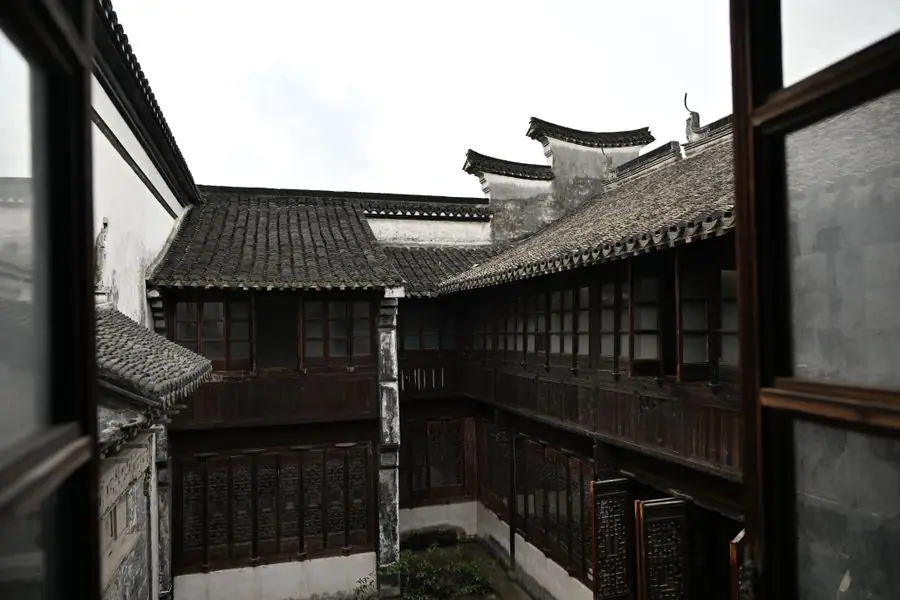
Shanxi Guild Hall 山西会馆
The Qing dynasty meeting house of the Shanxi merchant bankers who ran the corridor's trade — a walled courtyard compound with a stage, tucked into the old town. A small, quiet stop that explains who actually moved the goods and the credit along the Silk Road.
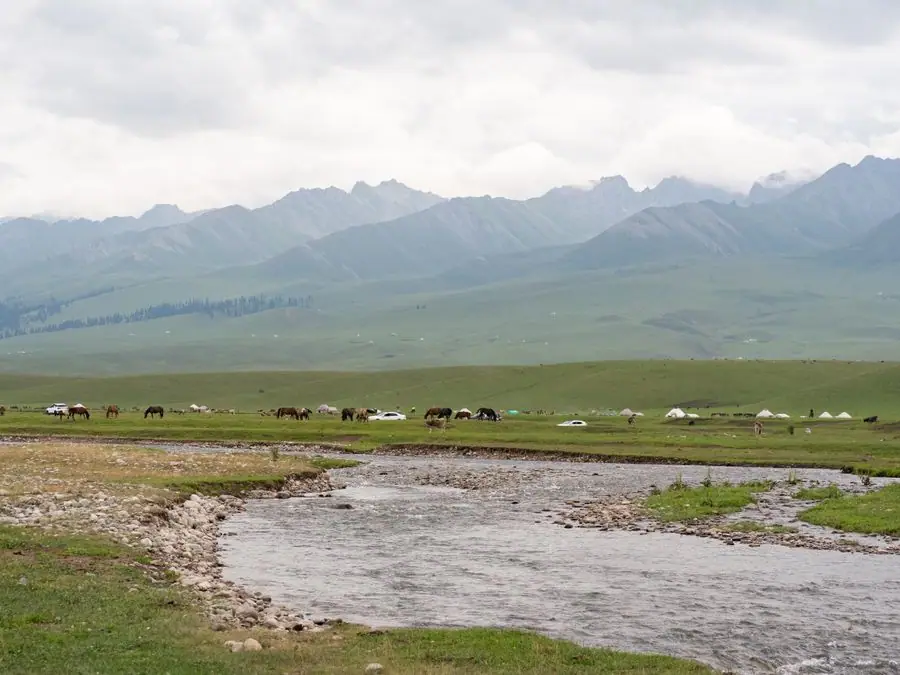
Shandan County — 150 km east
Shandan County — 105 km southeast
Where to stay in Zhangye
Two bases beat one: sleep in the city for the old-town temples, then spend one night in Linze (40 km north) to catch the Danxia at sunrise and sunset without a 90-minute round trip each way. Linze rooms spike in July–August and the first week of October — book ahead. Foreign passports register normally in Zhangye; no special restrictions, though carry the passport for train tickets and hotel desks.
Budget
$20–40 / nightChain hotels and guesthouses around the old town, the railway station and the bus corridors; clean doubles with kettles and 24-hour hot water. Foreign-passport registration works at the city's chains without fuss.
Mid
$50–100 / nightFull-service Chinese chains in the city centre and near the wetland park, walking distance to the old-town temples and the night markets; breakfast, decent AC and the best base for the Danxia day trips.
Top
$120–250 / nightThe city's international-brand hotels along the main avenues, with pools, gyms and the best service in town. For the Danxia, the real luxury play is a night in Linze near the geopark gates instead.
Souvenirs & local crafts
Easy to pack, easy to explain at customs — and far cheaper at a supermarket than at a scenic stall.
-

Qilian jade
Green and dark serpentine jade from the Qilian riverbeds, carved into trinket bowls, pendants and thumb rings in the city's jade shops — the corridor's classic stone, from a few dollars up. Buy from established shops and ask for a receipt.
-
Qilian yellow mushrooms
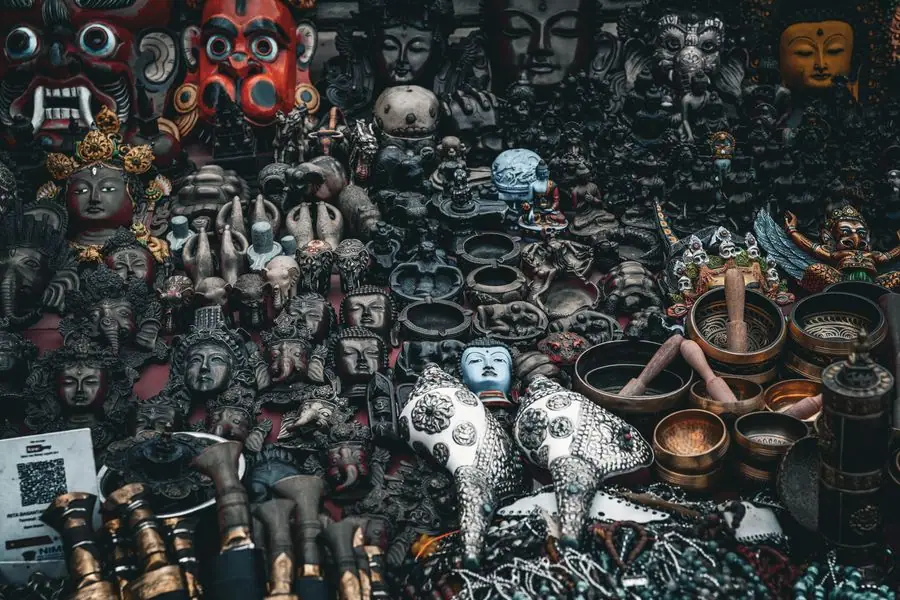
The golden alpine fungus picked on the Qilian's summer pastures, sold dried by weight — rich, earthy and prized in the northwest's soups. A small gift bag runs a few dollars; a good dried kilo is a serious buy.
-
Qilian ice wine
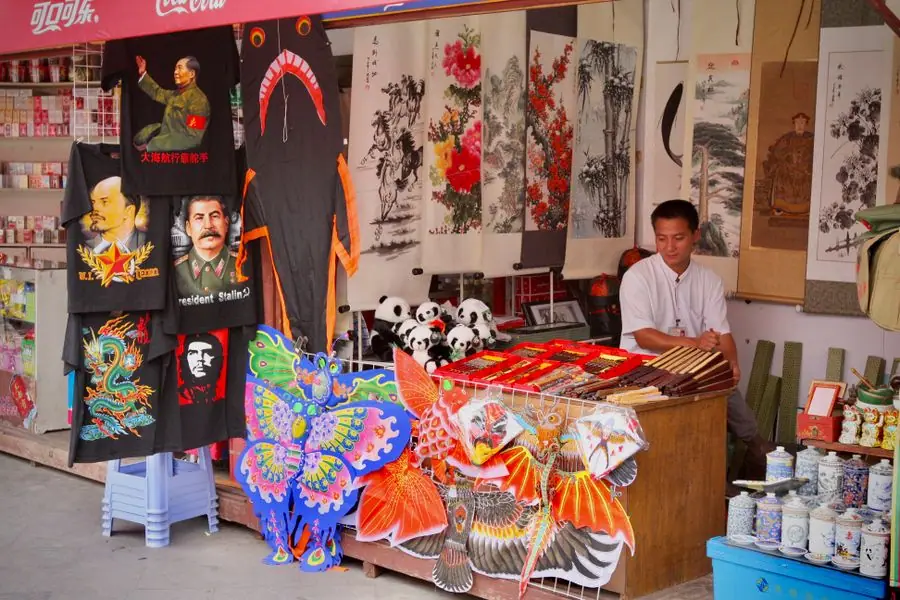
Ice wine pressed from grapes frozen on the vine in the Hexi Corridor's high-altitude vineyards, bottled by the region's Qilian wineries — golden, honeyed and genuinely local. Sold in the city's wine shops and supermarkets; travels fine.
-
Yugur felt embroidery
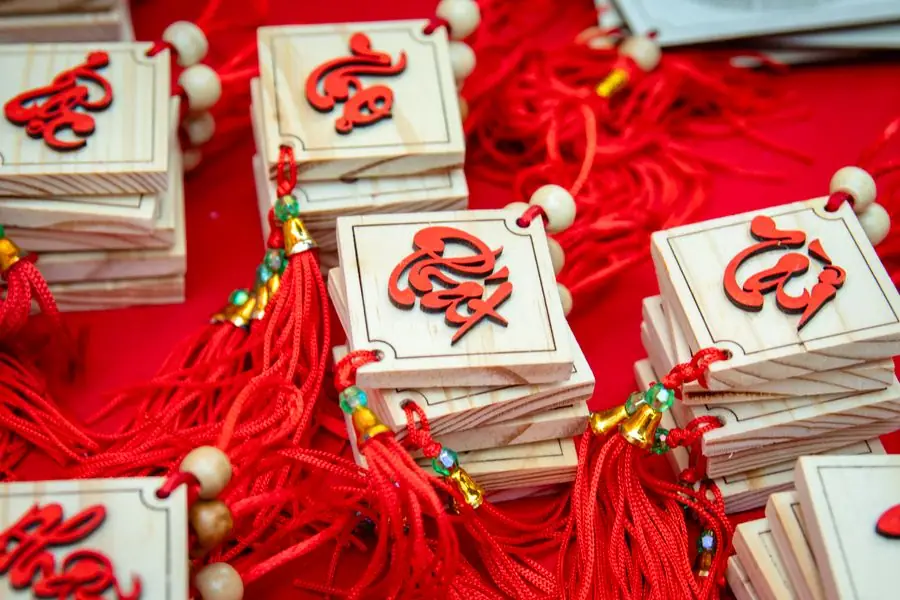
The appliquéd and embroidered felt work of the Yugur people — saddle bags, hanging strips and animal-pattern panels in saturated wool colours, made in the mountain townships south of the city. The most distinctive craft in the prefecture.
-
Linze small jujubes
The small, wrinkled red dates of Linze County, dried in the desert air along the Danxia road — sweet, cheap and the corridor's easiest snack to carry home. Sold by weight everywhere in the city's markets.
Getting around Zhangye
Zhangye is a compact, flat oasis city — the old town walks in half an hour — but every headline landscape sits 40–150 km out on corridor roads. Plan one city day and long driving days for the mountains and the geopark.
- High-speed rail
- Zhangye West station is on the Lanzhou–Xinjiang high-speed line: Lanzhou West about 3.5 h east, Jiayuguan South about 1.5–2 h west, and Urumqi roughly 5–6 h further on. The older Zhangye station in the city takes conventional trains. Buy tickets by real-name ID; foreign passports work at the station windows.
- Long-distance bus
- City buses cover the centre and the wetland park cheaply, and the west bus station runs corridor buses plus tourist shuttles toward the Danxia and Linze. For the mountain sights (Mati Temple, the grasslands, Shandan) public transport is thin — hire a car or join a day tour.
- Metro & bus
- No metro or light rail — Zhangye runs on city buses, taxis and DiDi, which is all a small oasis grid needs.
- Taxis
- Metered taxis start around $1.50 and cross-town runs rarely pass $4 — the practical way to cover the old town. Have destinations in Chinese; most drivers do not speak English.
- Ride-hailing
- DiDi works throughout the city and is the default, including the airport (about $8–12). For the Danxia, Mati Temple and the ranch, hire a car with driver — about $60–90 a day for the corridor roads.
- Shared bikes
- The centre is flat and dry with shared bikes across the districts — fine for the old-town-to-wetland corridor on a summer evening, though winter ice and summer midday heat rule it out.
- Intercity carpool
Plan your 1, 2 or 3 days in Zhangye
Pick the length of your stay. Each plan is its own page, anchored at the city centre and written from real traveller itineraries — including splits for sightseeing, shopping, landscape, families and older travellers.
Zhangye in one day: the old town temples and the wetland
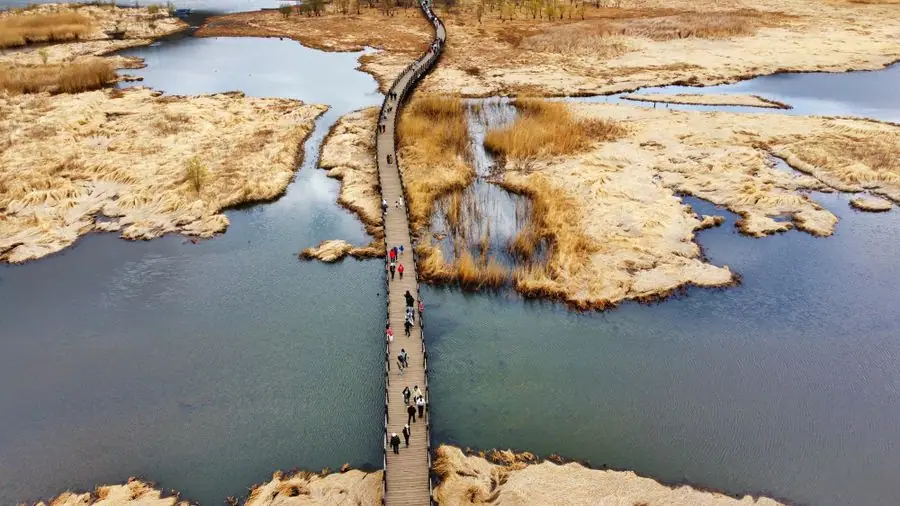
The Dafo Temple's reclining Buddha in the morning, the Wooden Pagoda and Zhenyuan Tower on the old-town walk, lunch on the noodle streets, and the reed boardwalks of the National Wetland Park for the late afternoon light.
Read the plan → 2-dayZhangye in two days: rainbow mountains and the old town
Day one is the old town — Dafo Temple, the Wooden Pagoda, Zhenyuan Tower and the wetland park at dusk. Day two is the Qicai Danxia at sunrise with the viewing decks, and the evening food streets back in town.
Read the plan → 3-dayZhangye in three days: Danxia, Mati Temple and the Qilian
Day one covers the old town temples and the wetland. Day two runs the Qicai Danxia at sunrise with an afternoon at Binggou. Day three drives south to the Mati Temple grottoes and, if time allows, up toward the Kangle grassland.
Read the plan →Frequently asked questions
- What is Zhangye famous for?
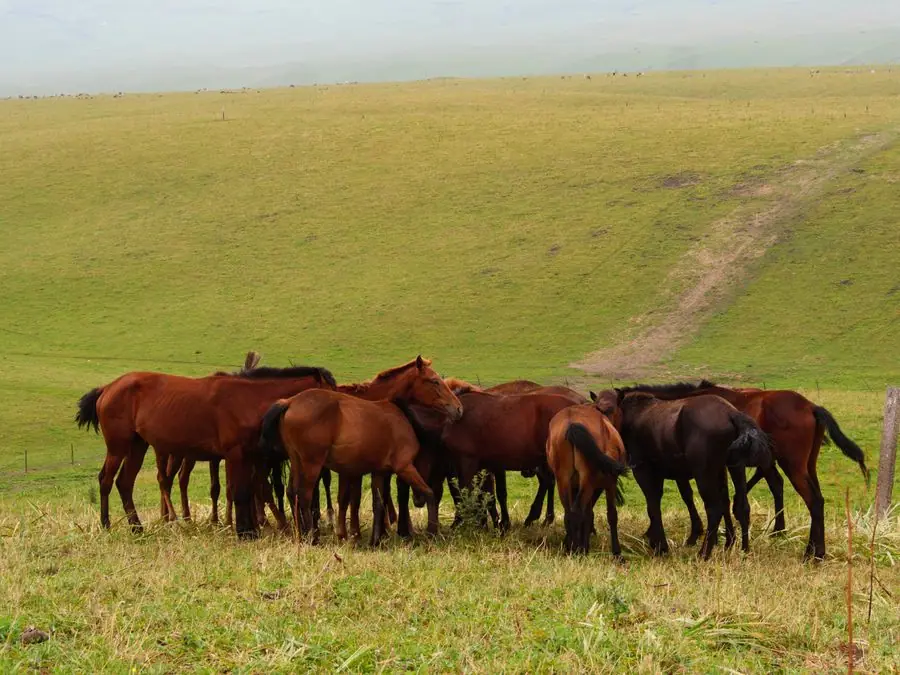
- The Qicai Danxia 'rainbow mountains' 40 km north, the Western Xia reclining Buddha at the Dafo Temple, the cliff grottoes of Mati Temple, and the Shandan horse ranch under the Qilian. It is also the corridor's seed base — more than half of China's hybrid corn seed is grown on its irrigated oases.
- How do I get to the Rainbow Mountains from Zhangye city?
- The Qicai Danxia geopark is 40 km north in Linze County, about an hour by car; in season, tourist buses run from the west bus station. The smart play is to stay one night in Linze and catch both sunset and sunrise.
- What is the best time to visit Zhangye?
- May to October, with September–October the sweet spot for clear air and thin crowds. The Danxia colours are strongest after rain and in low sun; July–August is greenest in the Qilian but busiest at the viewpoints.
- Can foreign travellers visit Zhangye normally?
- Yes — Zhangye is a normal domestic destination with no foreign-visitor restrictions. Hotels register foreign passports without issue; carry the passport for train tickets and hotel desks, and the usual visa-free transit and visa rules apply.
- How many days do I need in Zhangye?
- Two to three. One day covers the old town and the wetland; a second gives the Danxia its sunset and sunrise; a third allows the Mati Temple grottoes or a run south toward the Qilian grasslands.
- Can I combine Zhangye with Dunhuang and Jiayuguan?
- Yes — it is the classic Hexi Corridor run. High-speed rail links Zhangye West with Jiayuguan South in about 1.5–2 hours west and Lanzhou West about 3.5 hours east, so a Lanzhou–Zhangye–Jiayuguan–Dunhuang chain is straightforward.
Page last reviewed: 2026-11-02.