Yinchuan 2026: Western Xia Tombs, Helan Mountain & a 1–3 Day Plan
Yinchuan is the Yellow-River oasis at the foot of the Helan Mountain — capital of the Tangut Western Xia empire and today the gateway to the UNESCO-listed Western Xia Tombs, the Zhenbeibao film studio, the Helan Mountain petroglyphs and the lake-and-desert world of Shahu. It is also China's Muslim-heartland city, with a halal table built on lamb, eight-treasure tea and the country's best goji berries. Below: the best time, the history, the food, where to stay, every major sight with its own guide, and 1/2/3-day plans.

History & culture
Yinchuan sits on the Yinchuan Plain — the 'land of fish and rice on the frontier' — a green ribbon of Yellow-River irrigation at the eastern foot of the Helan Mountain, where the grassland and the desert meet. The Helan Mountain has sheltered this oasis for millennia and carved the region's identity.
The city's headline is the Western Xia (Xixia) dynasty (1038–1227), founded by the Tangut people, who made Yinchuan their capital. The Xixia Imperial Tombs — nine earthen pyramid-mounds 30 km west of the city — are the empire's necropolis and, as of July 2025, a UNESCO World Heritage site; with the Tangut script still only partly deciphered, the dynasty remains one of China's great historical mysteries.
After the Mongols (Genghis Khan died on campaign near here in 1227) conquered Xixia, the region passed through the Yuan, Ming and Qing, and from the 19th century became a centre of the Hui (Chinese Muslim) people. Today Ningxia is the Hui Autonomous Region, and Yinchuan's mosques, halal kitchens and the China Hui Culture Park reflect that living heritage.
Modern Yinchuan is a compact, green, fast-growing city and the transport hub of northwest China — reachable by air at its own 240-hour transit port, Yinchuan Hedong (INC), and by high-speed rail from Xi'an (about 3 h), Lanzhou and Hohhot.
Best time to visit Yinchuan
Yinchuan has a cold, arid continental climate — hot, dry summers (often 30°C+) and long, freezing winters. It is one of China's sunniest cities, but the desert edge means big day-night temperature swings.
Budget for Yinchuan: hotels from $14 a night, average ticket $$8.38 — see the full cost breakdown, or start from a ready-made route.
Cuisine of Yinchuan
Signature dishes worth seeking out — prices are typical per-person or per-dish ranges, not fixed quotes.
-
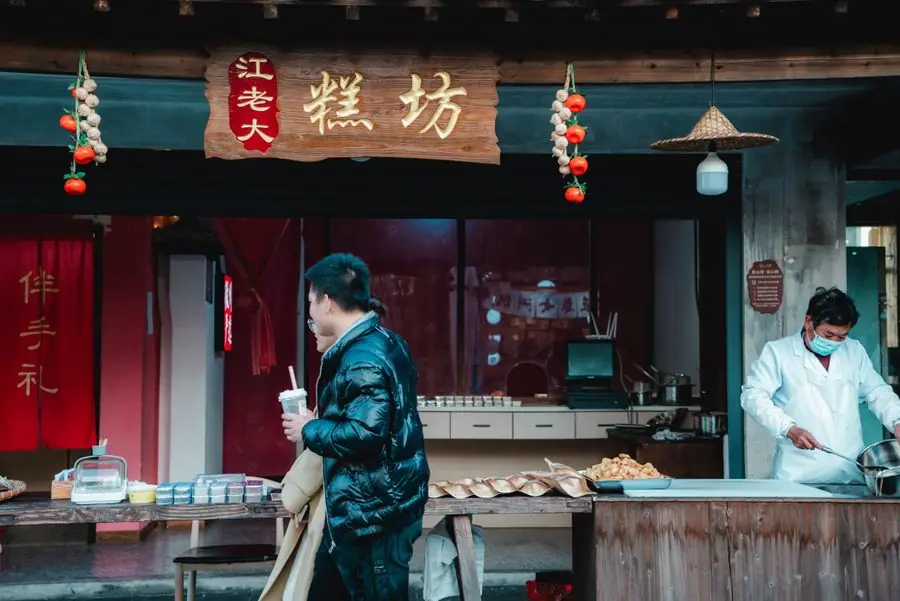
Hand-grabbed lamb (Shouzhua yangrou)
The signature of the Ningxia table — boiled or steamed Tan-sheep lamb eaten with the hands, dipped in salt and cumin, the clean, sweet meat that defines Yinchuan halal cooking. Best at the old-town halal restaurants.
-
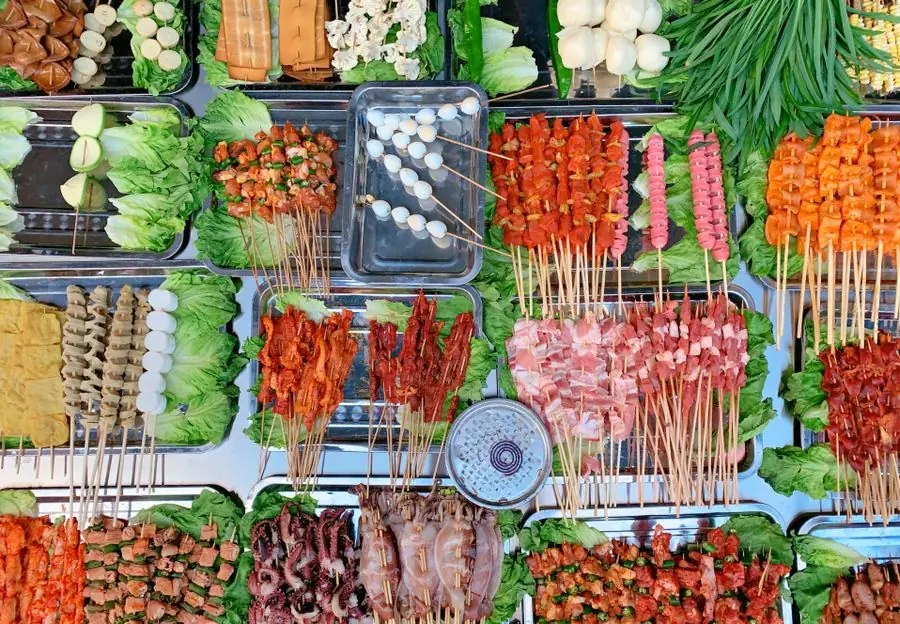
Mutton saozi noodles (Yangrou saozi mian)
A bowl of wheat noodles in a savoury mutton-and-vegetable sauce — the everyday Ningxia comfort food, cheap, filling and on every corner.
-
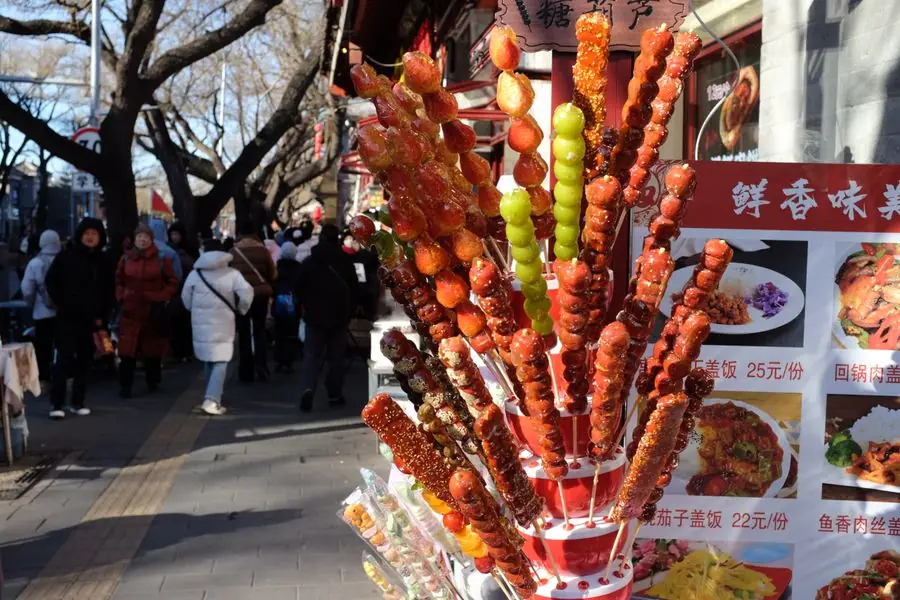
Eight-treasure tea (Babao cha)
The Ningxia welcome drink — green tea brewed with goji, red dates, raisins, sesame, chrysanthemum and rock sugar, served in a lidded glass and refilled all evening at the halal teahouses.
-
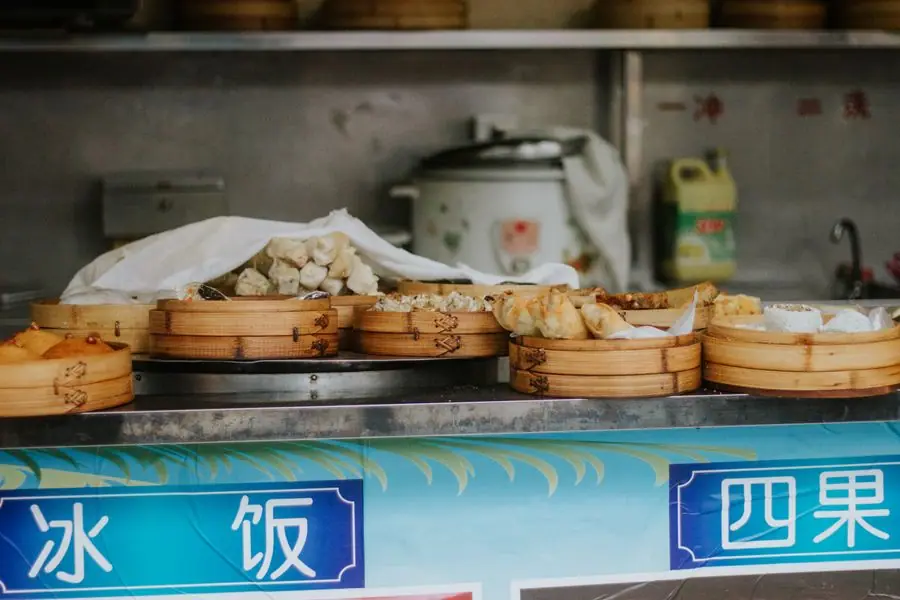
Stewed mutton offal (Hui yangza)
A warming bowl of mutton liver, stomach and blood stewed with cumin and chilli — the Hui street favourite, peppery and cheap.
-
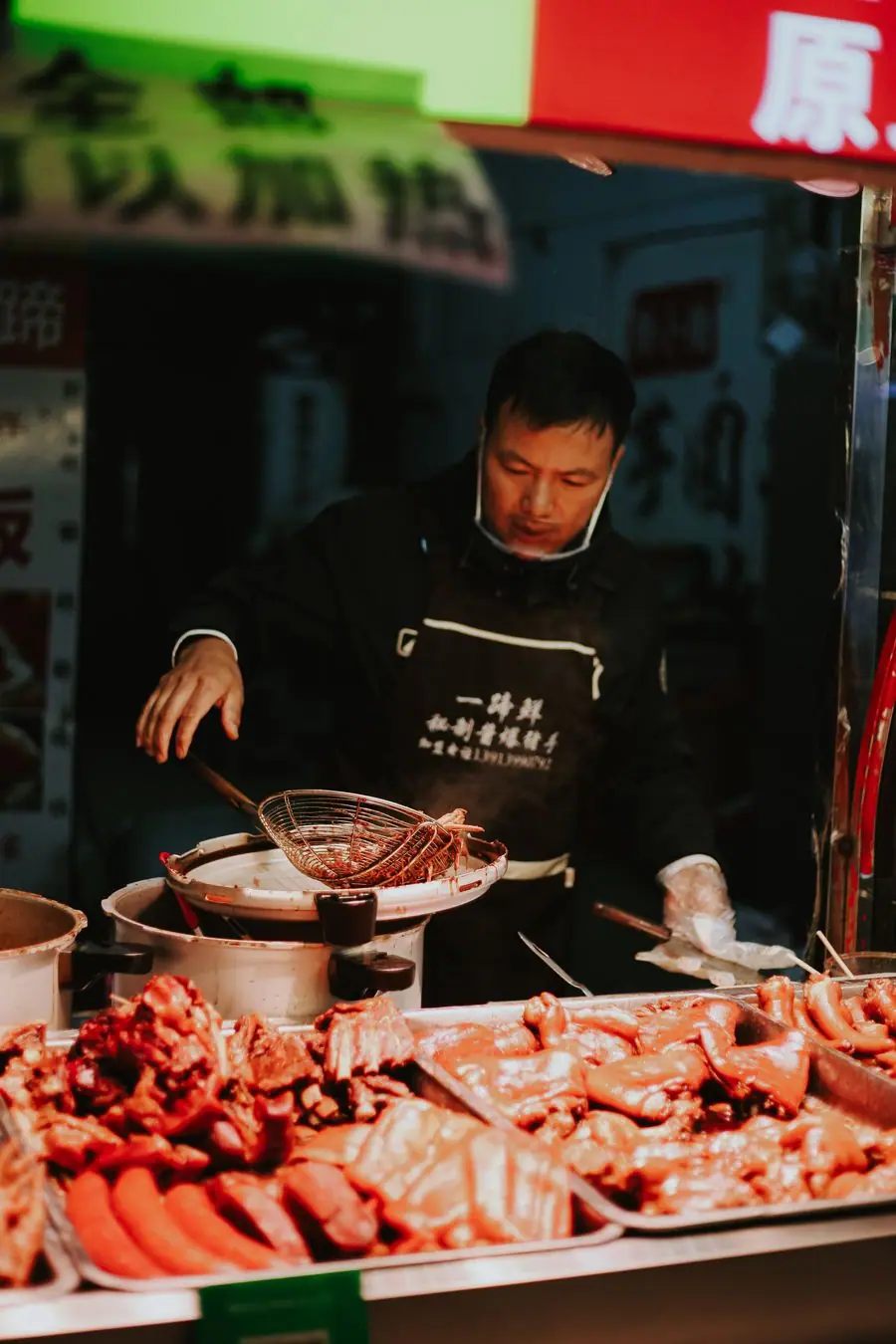
Ningxia cold noodle skin (Niangpi)
Chewy steamed wheat sheets in a garlicky, vinegary, chilli-oil dressing — the cold, savoury snack sold at every halal lane, a Ningxia take on Liangpi.
Every major sight — with its own guide
Right after the food above, here are the sights — each one links to its own full guide (what to see, how to get there, facilities and the best season). Names follow each sight's official English signage.
Pingluo, ~56 km N of the centre
Yinchuan city (centre)
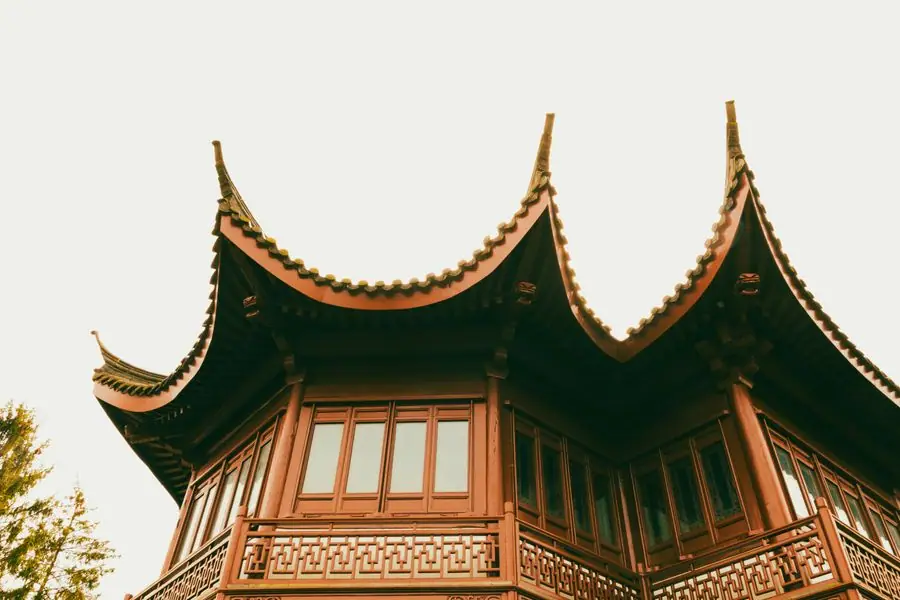
Chengtian Temple Pagoda 承天寺塔
An 11th-century (Western Xia-era) brick pagoda in central Yinchuan — an 11-storey, 64 m tower built by the Xixia and the oldest standing structure in the city, in a quiet temple compound. The easy, central 'pagoda in the city' and a tangible Xixia survivor.
Nan Guan Mosque (Nanguan Qingzhen Si) 南关清真大寺
The largest and most prominent mosque of Yinchuan — a Hui mosque with twin green domes and a tall minaret in the old city, the symbolic heart of the Muslim-heartland city and the clearest expression of Ningxia's Hui heritage. The exterior and courtyard are freely visited; the prayer hall is for worshippers.
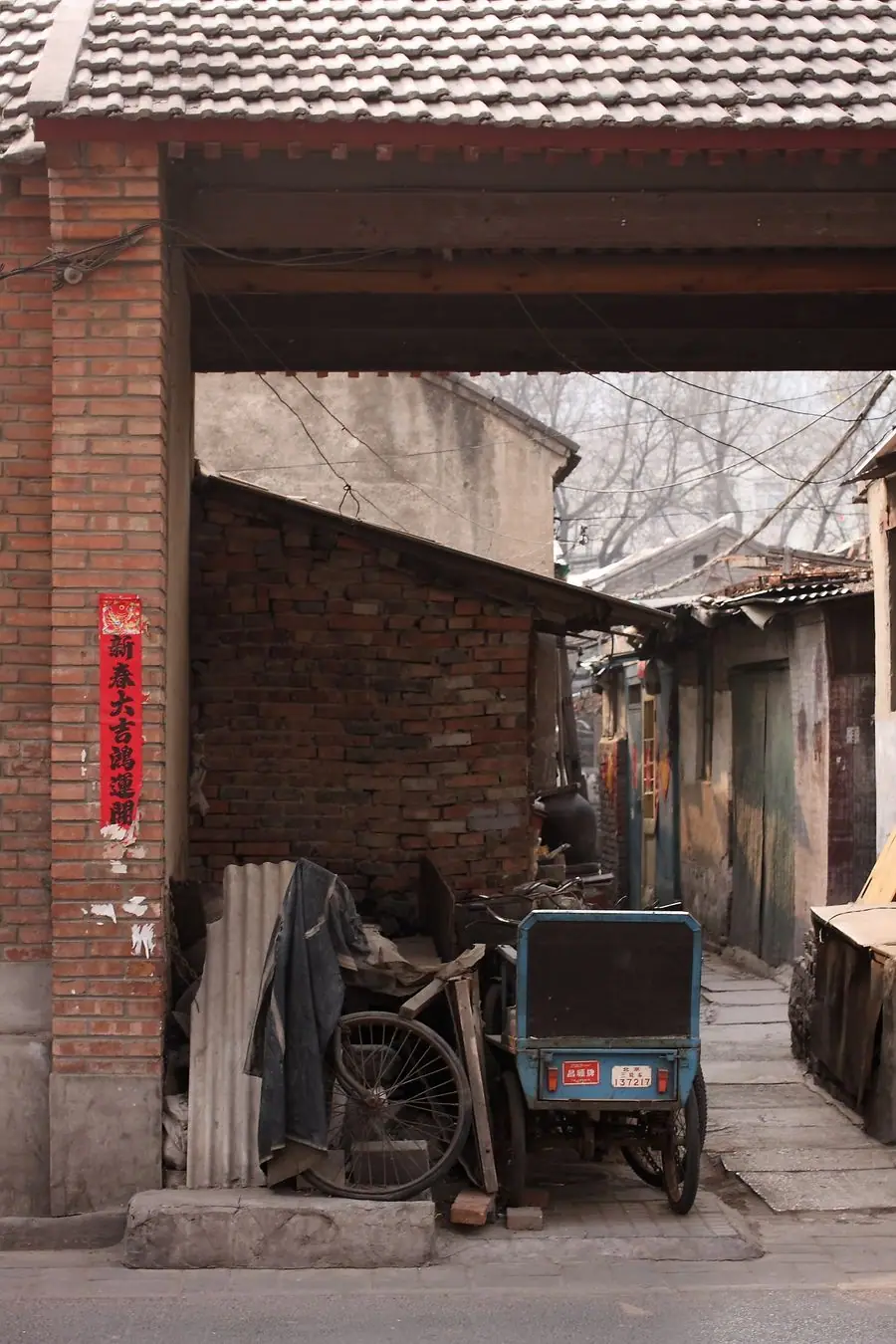
Drum Tower & Jiefang Street (Gu Lou) 鼓楼·解放街
The historic centre of Yinchuan — the Ming-era Drum Tower and the surrounding Jiefang Street and old lanes, the easy downtown stroll, the halal food crawl and the orientation point of the old city. The most local hour in town.
Yellow River, ~30 km E of the centre
Yinchuan city (east, ~10 km E)
Helan Mountain, ~40 km W of the centre
Where to stay in Yinchuan
Stay in the city centre (Xingqing district, around the South Gate / Jiefang Street and the stations) for food and transport; the new Jin Feng (developing) district by the Ningxia Museum and the high-speed station is modern and quiet; the scenic areas (Western Xia Tombs, the film studio, Shahu) are day trips from the city.
Budget
$14–28 / nightChain hotels (Hanting, JI, 7 Days) around the stations and the South Gate; clean doubles and foreign-passport registration is routine at the chains.
Mid-range
$35–70 / nightJI Hotel, Vienna and local full-service hotels downtown and by the new district station — the sweet spot; book ahead in the peaks.
Splurge
$85–170 / nightThe international chains and the new business hotels, including the Kempinski and the Yinchuan Hotel — city views and the corporate crowd.
Souvenirs & local crafts
Easy to pack, easy to explain at customs — and far cheaper at a supermarket than at a scenic stall.
-

Ningxia goji berries (Gouqi)
The best wolfberries in China grow on the Yellow-River irrigated fields around Yinchuan — bagged dried goji is the obvious, genuinely local, packable gift.
-
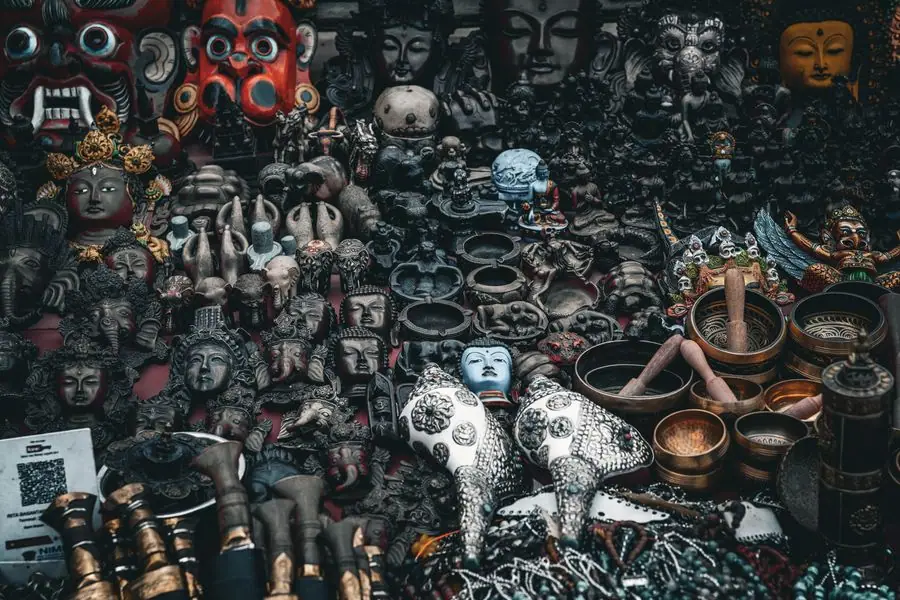
Helan stone inkstone (Helan shiyan)
The dark, finely-textured stone of the Helan Mountain, carved into inkstones and seals — a traditional, packable Ningxia craft.
-
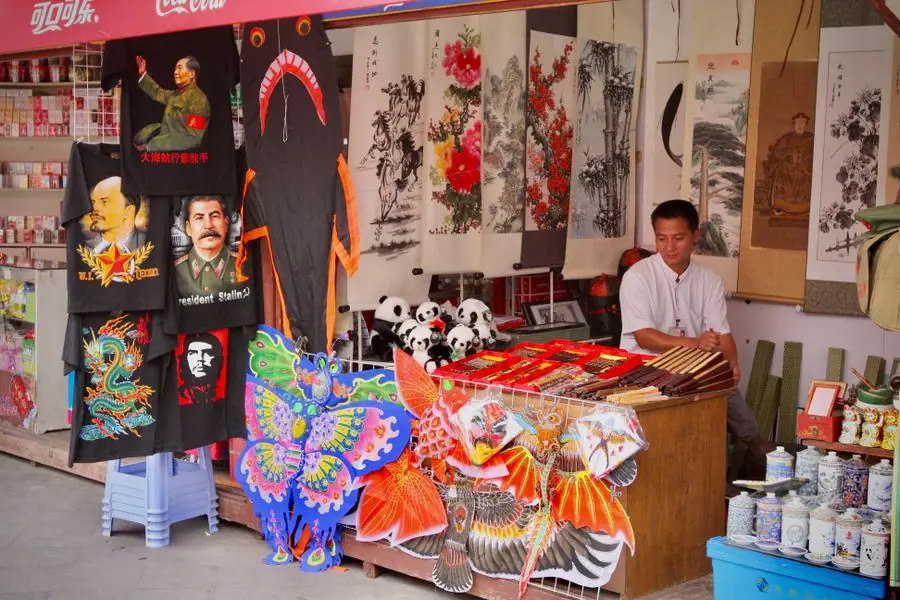
Helan Mountain wine
The east-foothills wine region (China's newest fine-wine district) — a bottle of local Cabernet or ice-wine is a modern, distinctive Ningxia souvenir.
-
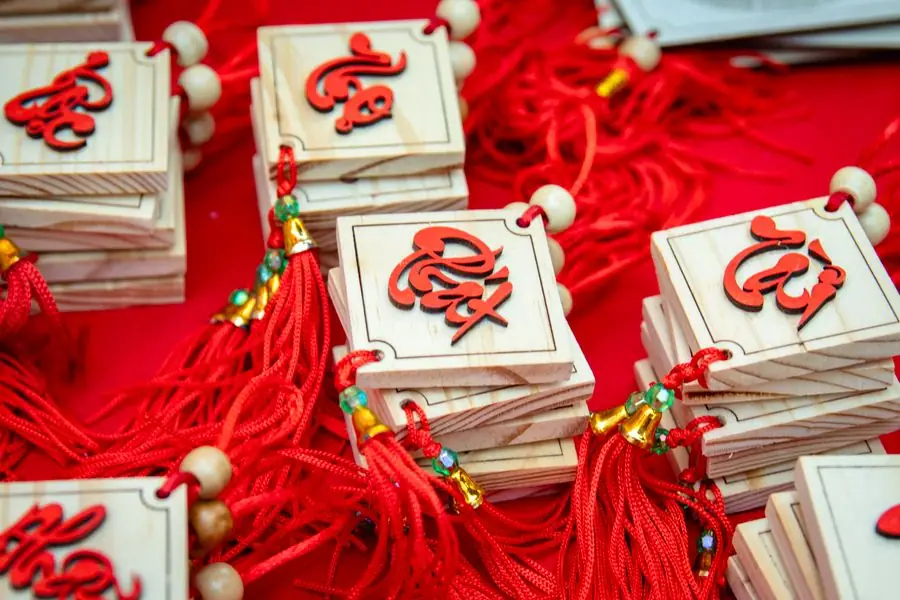
Tan-sheep fur & leather (Ermopí)
The soft 'two-fur' (ermao) lamb leather of the Ningxia plains — jackets, slippers and craft pieces, a warm, local keepsake.
-
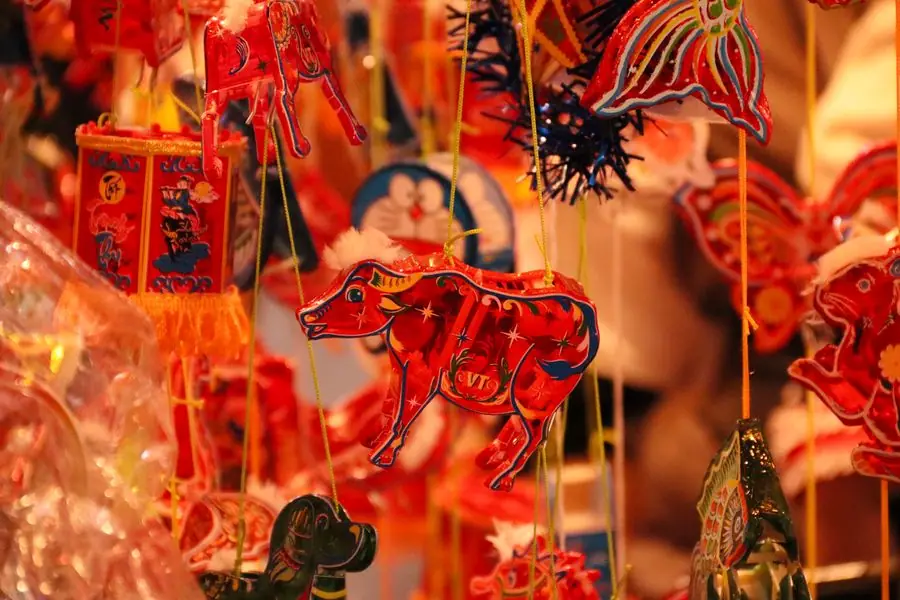
Hui handicrafts & tea gift sets
Embroidery, paper-cuts and the eight-treasure-tea gift boxes of the Hui people — light, pretty and genuinely from the Muslim-heartland city.
Getting around Yinchuan
Yinchuan Hedong International Airport (INC) is itself a participating port of the 240-hour transit scheme and has flights from Beijing, Shanghai, Guangzhou, Xi'an, Chengdu and Lanzhou; the high-speed rail links Yinchuan with Xi'an (~3 h), Lanzhou and Hohhot.
- High-speed rail
- Yinchuan Station is on the Yinchuan–Xi'an high-speed line (opened 2020): Xi'an about 3 h, Lanzhou about 3.5 h, Hohhot about 4 h, Baotou about 4.5 h. Add metro, bus or taxi to the centre.
- Long-distance bus
- Long-distance and tourist buses run from Yinchuan to the Western Xia Tombs, the film studio, Shahu, Shuidonggou and Zhongwei; within the city the buses are cheap (about $0.28 / RMB 2).
- Metro & bus
- Yinchuan has two metro lines (Line 1 and Line 2) covering the stations, the airport link and the centre — useful but limited, so the scenic areas still need a bus or booked car.
- Taxis
- Taxis are metered from about $1.13 (RMB 8); the centre is compact and cheap to cross.
- Ride-hailing
- DiDi is the default for the Western Xia Tombs, the film studio, Shahu and Shuidonggou — the region is spread out along the mountain and the river.
- Shared bikes
- Shared e-bikes are handy around the flat city centre and the riverfront; the old-town lanes are walkable.
- Intercity carpool
- The high-speed trains link Yinchuan with Xi'an, Lanzhou and Hohhot; within Ningxia a booked car or the tourist buses are easiest for the sights.
Plan your 1, 2 or 3 days in Yinchuan
Pick the length of your stay. Each plan is its own page, anchored at the city centre and written from real traveller itineraries — including splits for sightseeing, shopping, landscape, families and older travellers.
Yinchuan in one day: the Western Xia Tombs & city
The UNESCO Western Xia Tombs and the Zhenbeibao Film Studio at the foot of the Helan Mountain, back in the city for the Drum Tower and a halal dinner. The classic Yinchuan day.
Read the plan → 2-dayYinchuan in two days: + Helan Mountain & Shahu
Day two gives the Helan Mountain Rock Art and the Gunzhongkou pass, plus the lake-and-desert scenery of Shahu to the north — the mountain-and-water culture.
Read the plan → 3-dayYinchuan in three days: + Yellow River & Hui culture
Give the third day to the Shuidonggou prehistoric site and the Yellow-River ferry at Huangsha Guodu, plus the China Hui Culture Park and the Ningxia Museum — the river and the Muslim heritage.
Read the plan →Frequently asked questions
- When is the best time to visit Yinchuan?
- May–June and September–October are the best all-round months — warm, dry and clear for the tombs, the Helan Mountain and Shahu. July–August is hot but good for the desert lakes; April can be windy, and November–March is cold and quiet.
- Do I need a visa for Yinchuan?
- Yinchuan Hedong International Airport (INC) is itself a participating port of China's 240-hour (10-day) visa-free transit scheme. If your nationality is among the 57 countries eligible for the 240-hour transit waiver and you continue to a third country, you can enter at Yinchuan (INC) and stay within Ningxia (which includes Yinchuan) for up to 10 days. Otherwise arrange a Chinese visa in advance; confirm the current qualifying list and ports with a consulate before booking.
- What is the Western Xia Tombs?
- The Western Xia (Xixia) Imperial Tombs are the necropolis of the Tangut Western Xia dynasty (1038–1227) — nine earthen pyramid-mounds 30 km west of the city at the foot of the Helan Mountain, with 271 subordinate tombs. Inscribed as a UNESCO World Heritage site on 11 July 2025, they are the largest and best-preserved remains of the Xixia empire and one of China's most intriguing archaeological sites.
- How much do the sights cost?
- The Western Xia Tombs are about $9.86 (RMB 70) including the shuttle; the Zhenbeibao Film Studio about $14.08 (RMB 100); the Helan Mountain Rock Art about $8.45 (RMB 60); Shahu Lake about $14.08 (RMB 100, with boat); Shuidonggou about $10.56 (RMB 75); Huangsha Guodu about $10.56 (RMB 75, with ferry); the Gunzhongkou pass about $5.63 (RMB 40); Mingcui Lake about $4.23 (RMB 30); the Chengtian Temple Pagoda about $2.82 (RMB 20); the Haibao Pagoda about $1.41 (RMB 10); the Drum Tower about $2.82 (RMB 20); the China Hui Culture Park about $4.23 (RMB 30); the Ningxia Museum and the Nan Guan Mosque exterior are free. Verify the exact combo and price on site.
- How many days do I need?
- Two days covers the Western Xia Tombs, the film studio, the Helan Mountain rock art and the city sights. Three adds Shahu, Shuidonggou or the Yellow-River ferry. The city alone is a relaxed one-day highlight tour.
- Is the food in Yinchuan halal?
- Yes — Yinchuan is the capital of the Hui Autonomous Region, and the local cooking is halal: hand-grabbed lamb, mutton noodles, eight-treasure tea and the cold noodle skin are the staples, all prepared to Muslim dietary law. The halal restaurants and the night food lanes are the best cheap-eats in the city.
Page last reviewed: 2026-11-02.