Yili 2026: Nalati, Kalajun, Sayram Lake & a 1–3 Day Plan
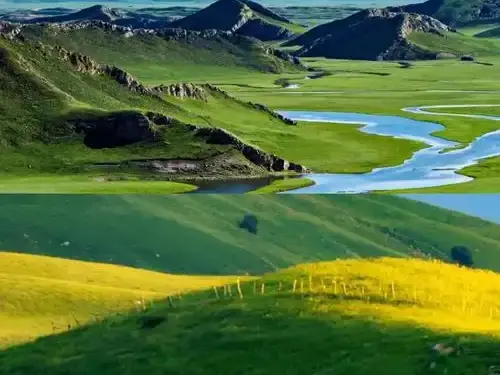
Yili is the green valley of the far west — the Ili River valley between the Tianshan snows, home to the great grasslands of Nalati and Kalajun, Sayram Lake, the Xiata glacier, Huocheng's lavender fields and the old lanes of Yining. June brings lavender and long light; July–September brings the grasslands at their greenest. Below: the best time, the history, the food, where to stay, every major sight with its own guide, and 1/2/3-day plans.
History & culture
The Ili valley is the wet green corridor of the west — the Ili River drains the western Tianshan into Lake Balkhash in Kazakhstan, and the valley's combination of snowmelt water and warm summers made it a garden among deserts, famous for its apples, horses and lavender.
The region was the land of the Kazakh nomads of the steppe north of the Tianshan and the oasis farmers of the south; in the 1760s the Qing settled the valley after the Zunghar wars, built the Huiyuan old city as the seat of the Ili General, and moved in Xibe, Solon and other garrison peoples whose descendants — Kazakh, Xibe, Uyghur, Han and others — still make the prefecture one of Xinjiang's most culturally mixed.
Yining (Gulja) grew as the river port of the west, with its Russian-influenced six-star street and the Kazanqi lanes; the grasslands south of the city — Nalati, Kalajun, Kuerdining — are the summer pastures of the transhumant Kazakh herders, and Kalajun–Kuerdining is inscribed as part of the Xinjiang Tianshan World Heritage site (2013).
Modern Yili is a standard, easy first stop in Xinjiang: Urumqi is ~8 h by road or ~1 h by air to Yining (NIT), the Friendship Highway runs west to Khorgas on the Kazakhstan border, and the whole grassland loop is a 4–6 day circuit.
Best time to visit Yili
Yili has a dry continental climate with a strong mountain twist — the valley floor is warm in summer, the Tianshan passes are cold year-round and the grasslands turn from green (June) to gold (September).
Budget for Yili: hotels from $14 a night, average ticket $$10.57 — see the full cost breakdown, or start from a ready-made route.
Cuisine of Yili
Signature dishes worth seeking out — prices are typical per-person or per-dish ranges, not fixed quotes.
-
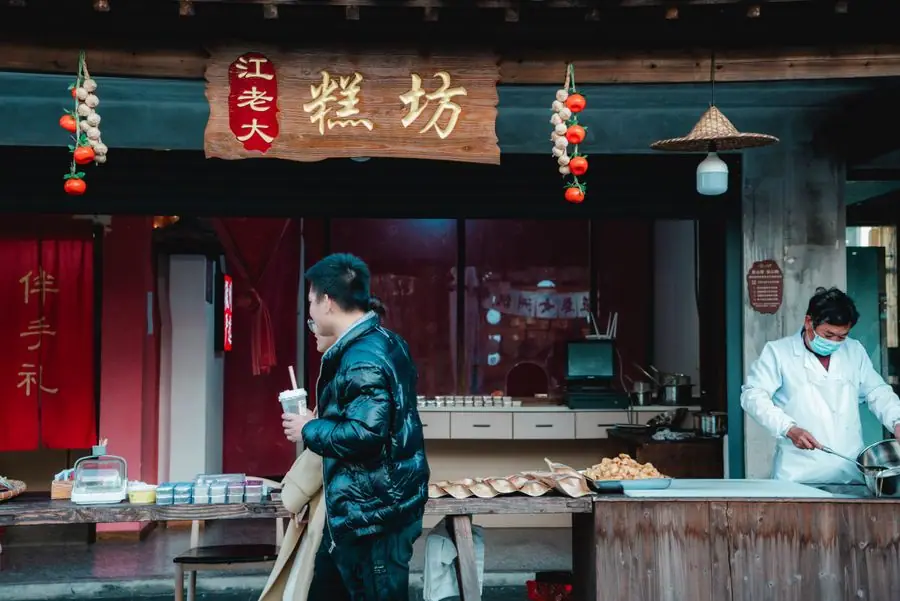
Xinjiang lamb skewers (Yangrou chuan)
The red-charcoal lamb skewers of the bazaar — cumin, chilli and salt over open coals, the street food that defines Xinjiang nights everywhere in Yili.
-
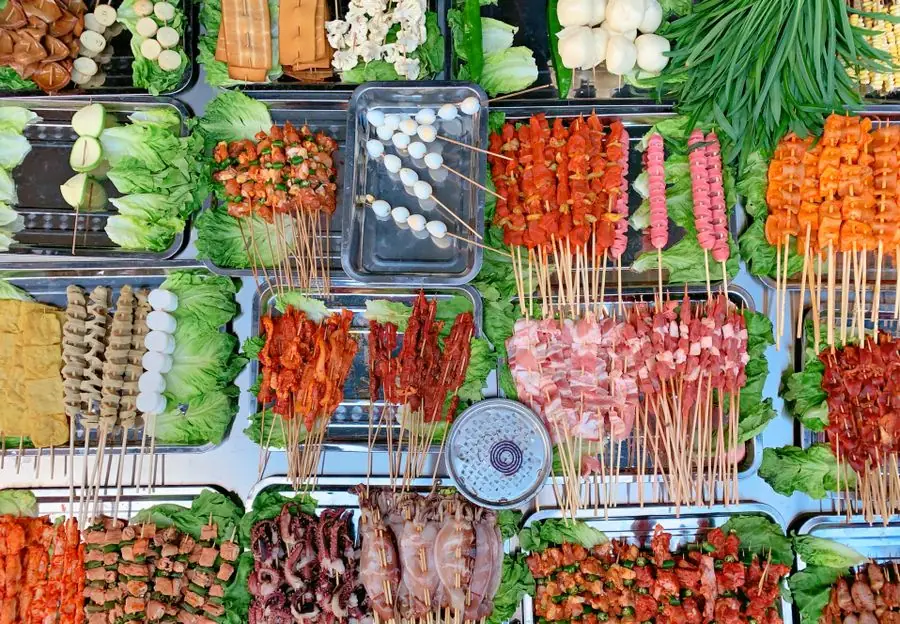
Big-plate chicken (Dapan ji)
The Xinjiang classic — chicken and potatoes stewed with peppers and belt noodles (beltish) wide enough to mop the sauce; a shared plate at every grassland restaurant.
-
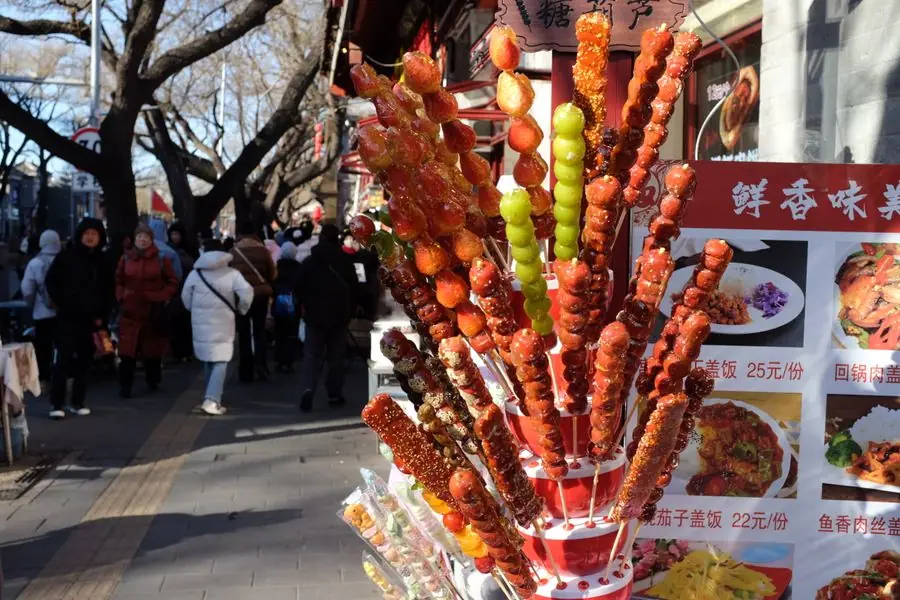
Roasted buns (Kaobaozi / samsa)
The tandoor-baked lamb-and-onion buns of the Xinjiang oven — crisp, juicy and sold by the bag at the Yining bazaar.
-
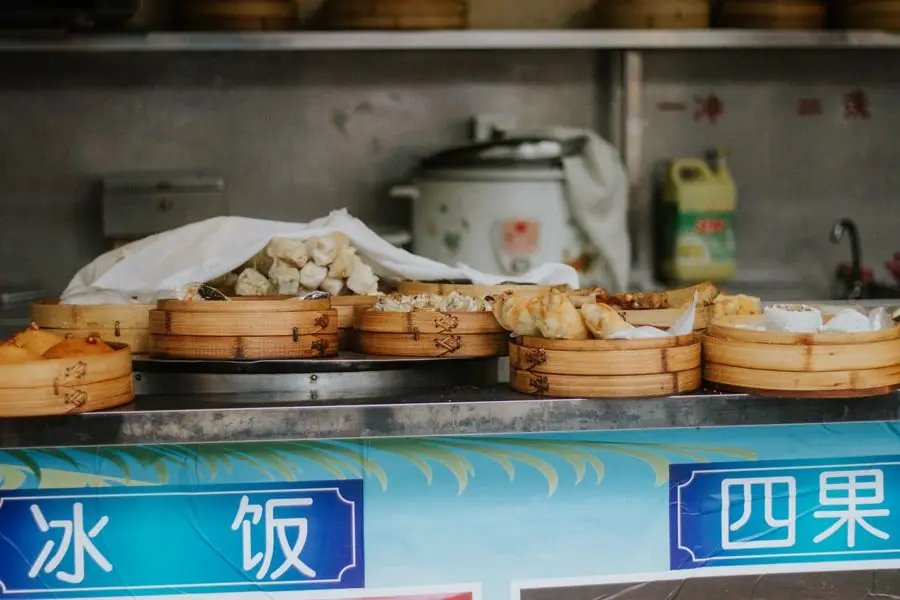
Kazakh horse-meat naren
The Kazakh herders' dish — boiled horse meat sliced over wide noodles with the broth; the genuine grassland food, found at the yurt camps and the Kazakh townships.
-
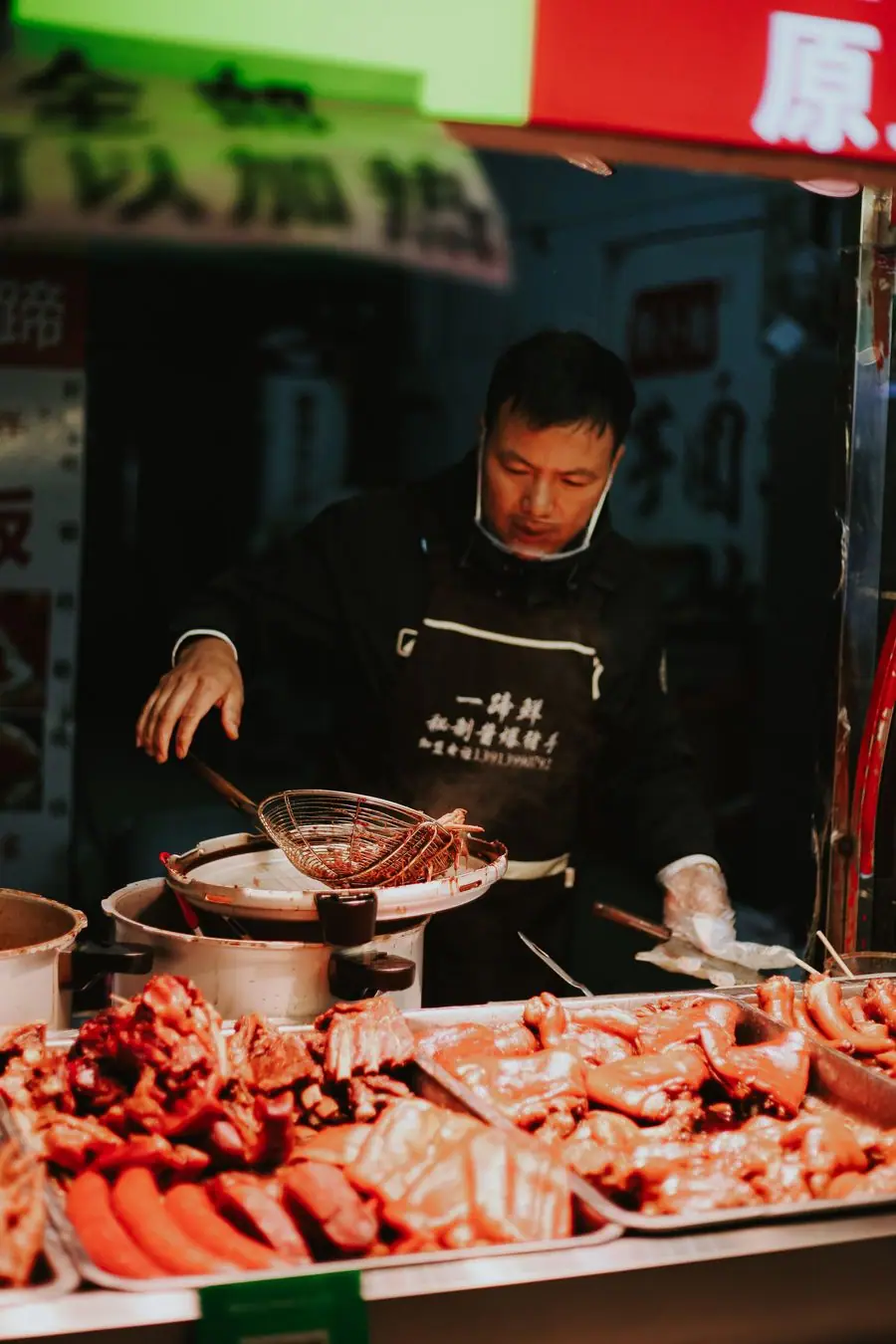
Xibe flatbread (Xibe dabing)
The large, soft unleavened flatbread of the Xibe people (the descendants of the Qing garrisons of the Qapqal Xibe autonomous county) — eaten with everything on the Yili table.
Every major sight — with its own guide
Right after the food above, here are the sights — each one links to its own full guide (what to see, how to get there, facilities and the best season). Names follow each sight's official English signage.
Xinyuan county (Gongliu), ~230 km E of Yining
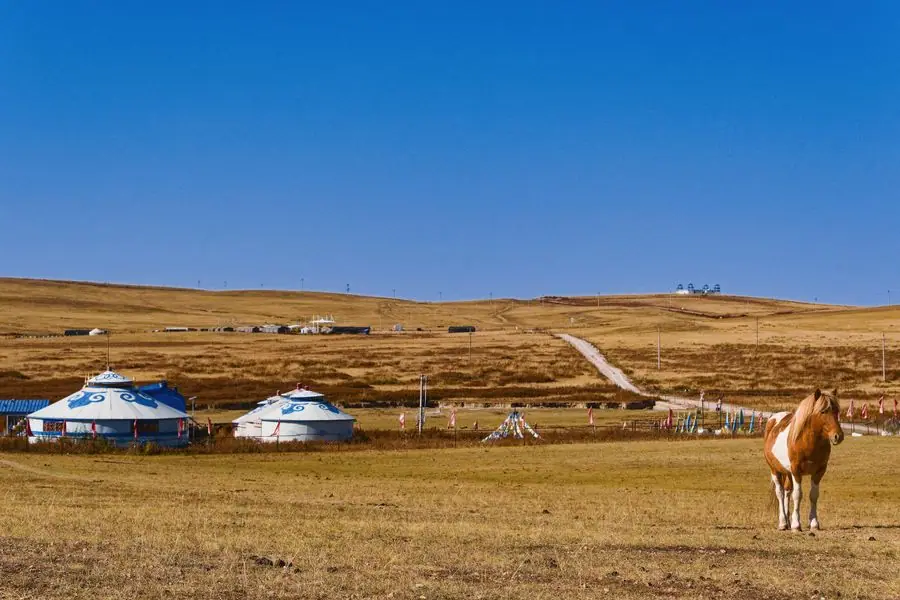
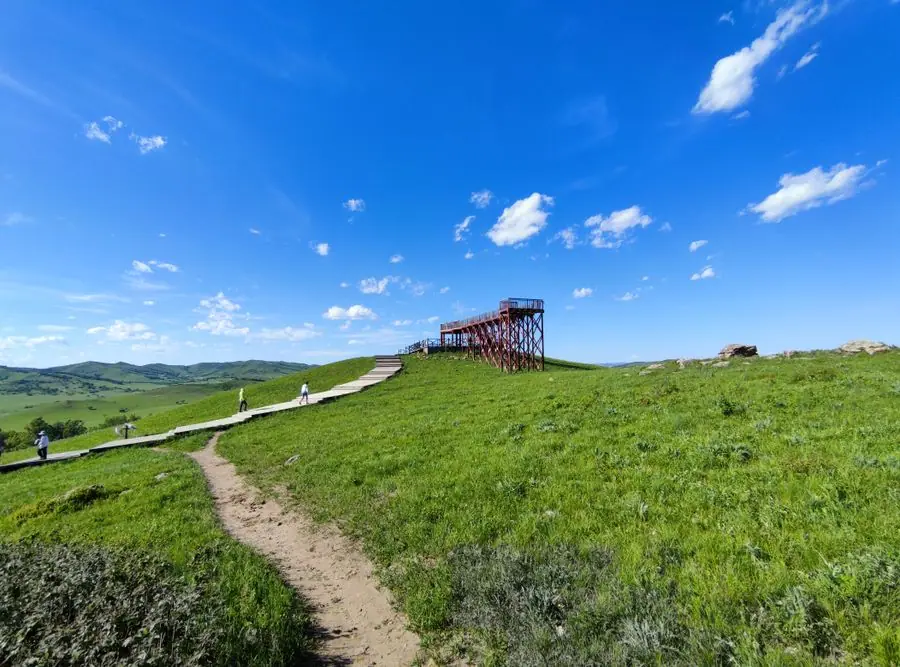
Tekes county, inside the Kalajun area
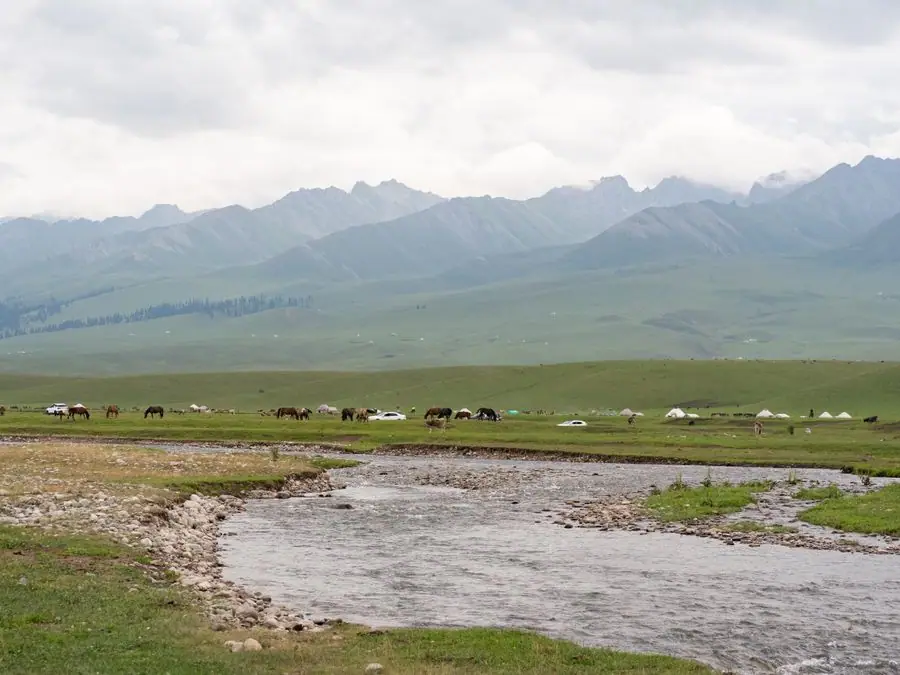
Gongliu county, ~300 km SE of Yining
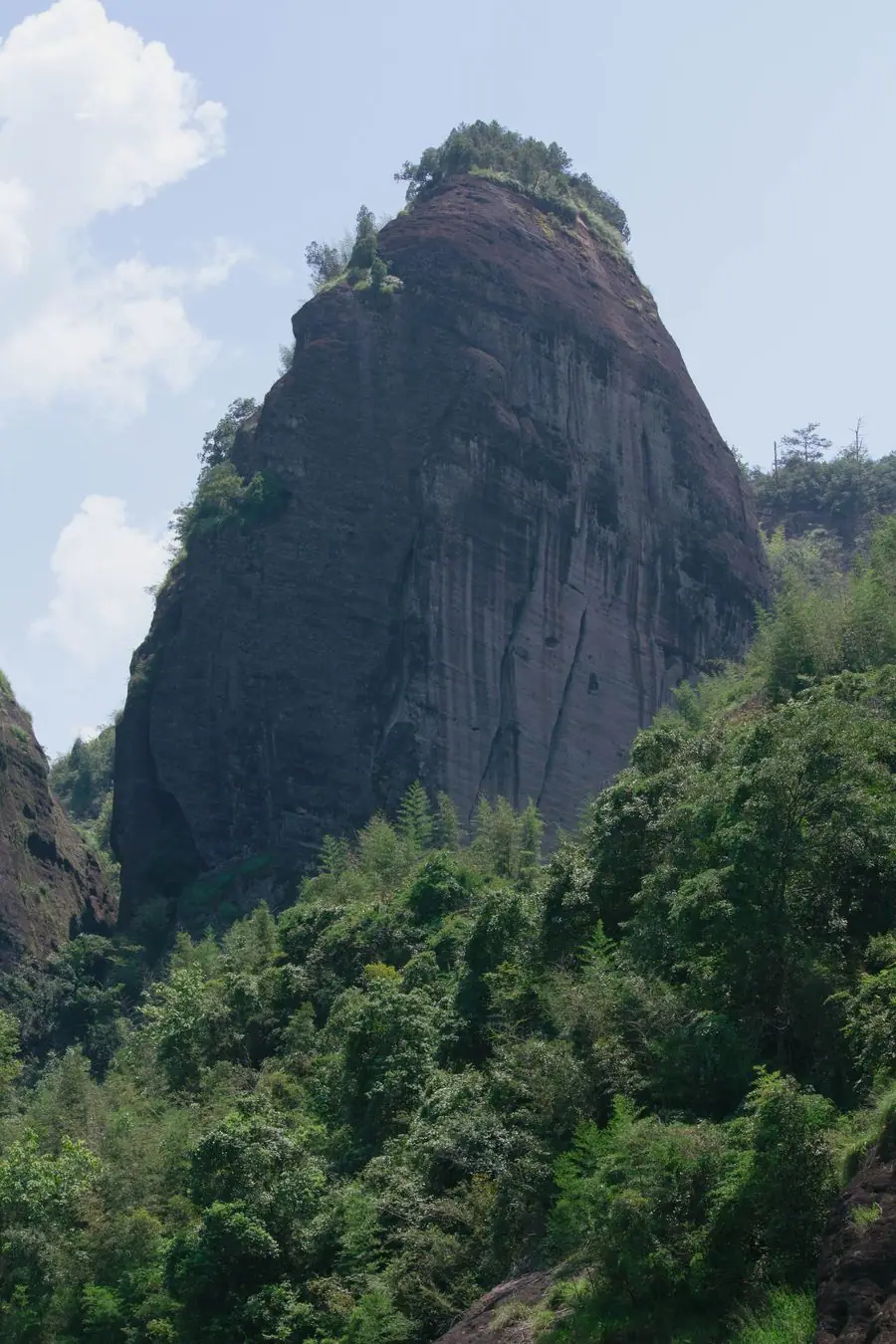
On the Urumqi road, ~420 km E of Yining

Bortala prefecture, ~450 km E of Yining, on the Urumqi road
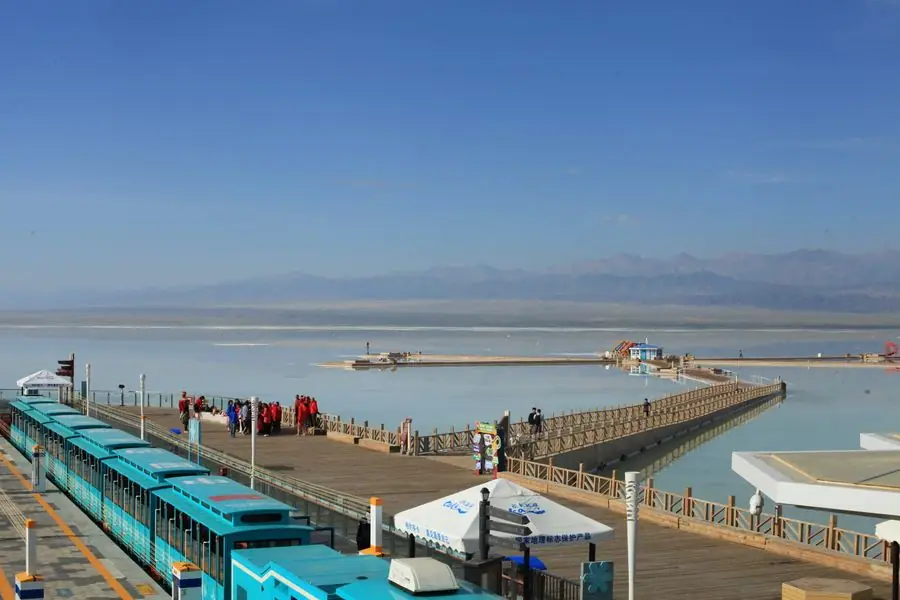
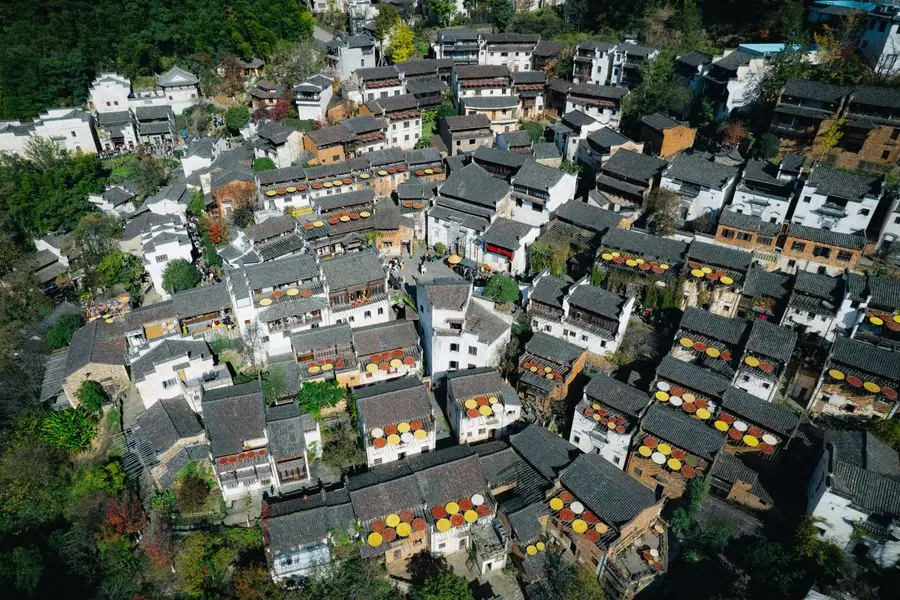
Tekes county, ~300 km SE of Yining (from Tekes)
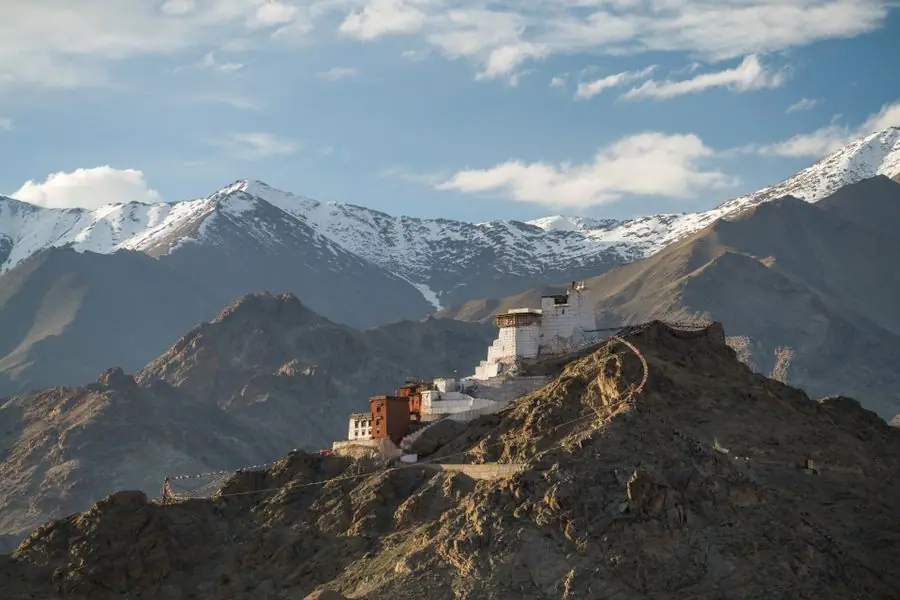
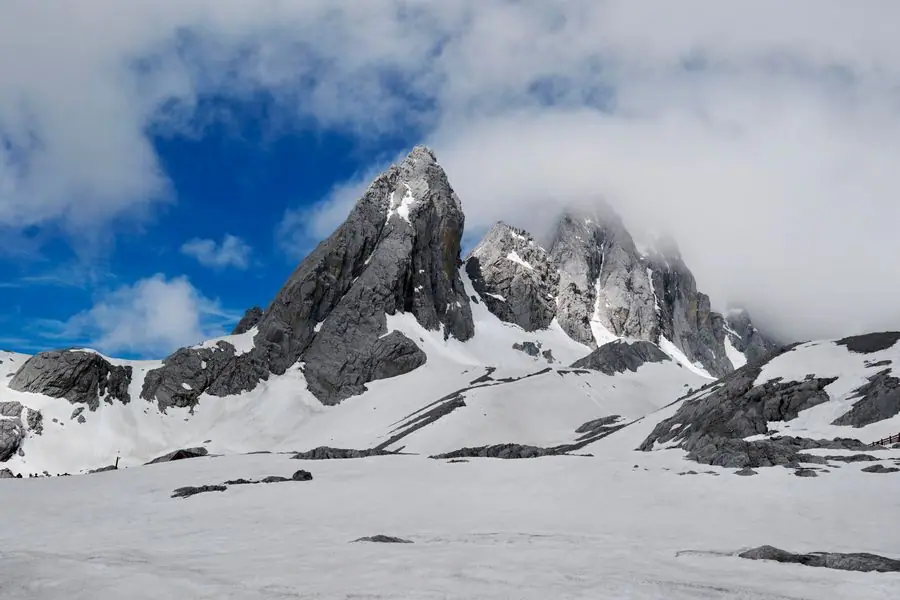
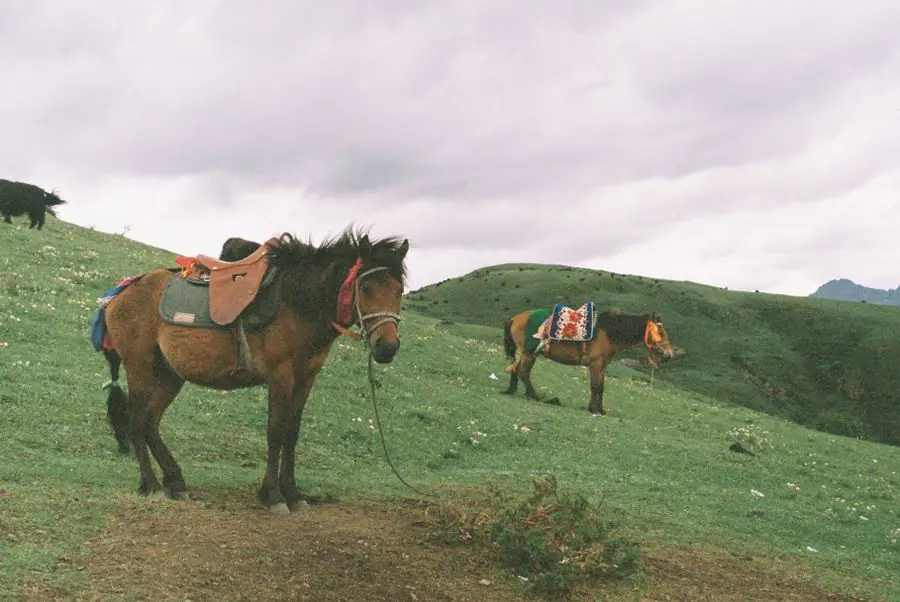
Huocheng county, ~50 km W of Yining
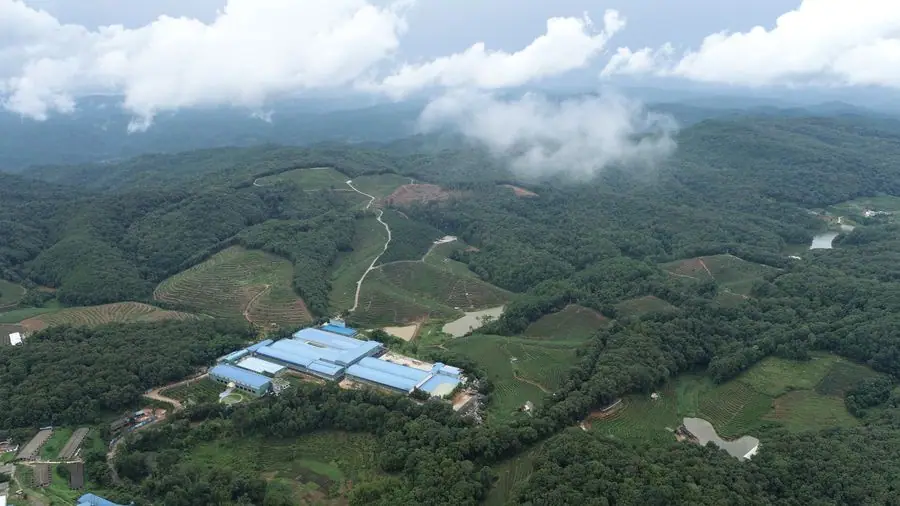
Yining city, ~5 km from the centre
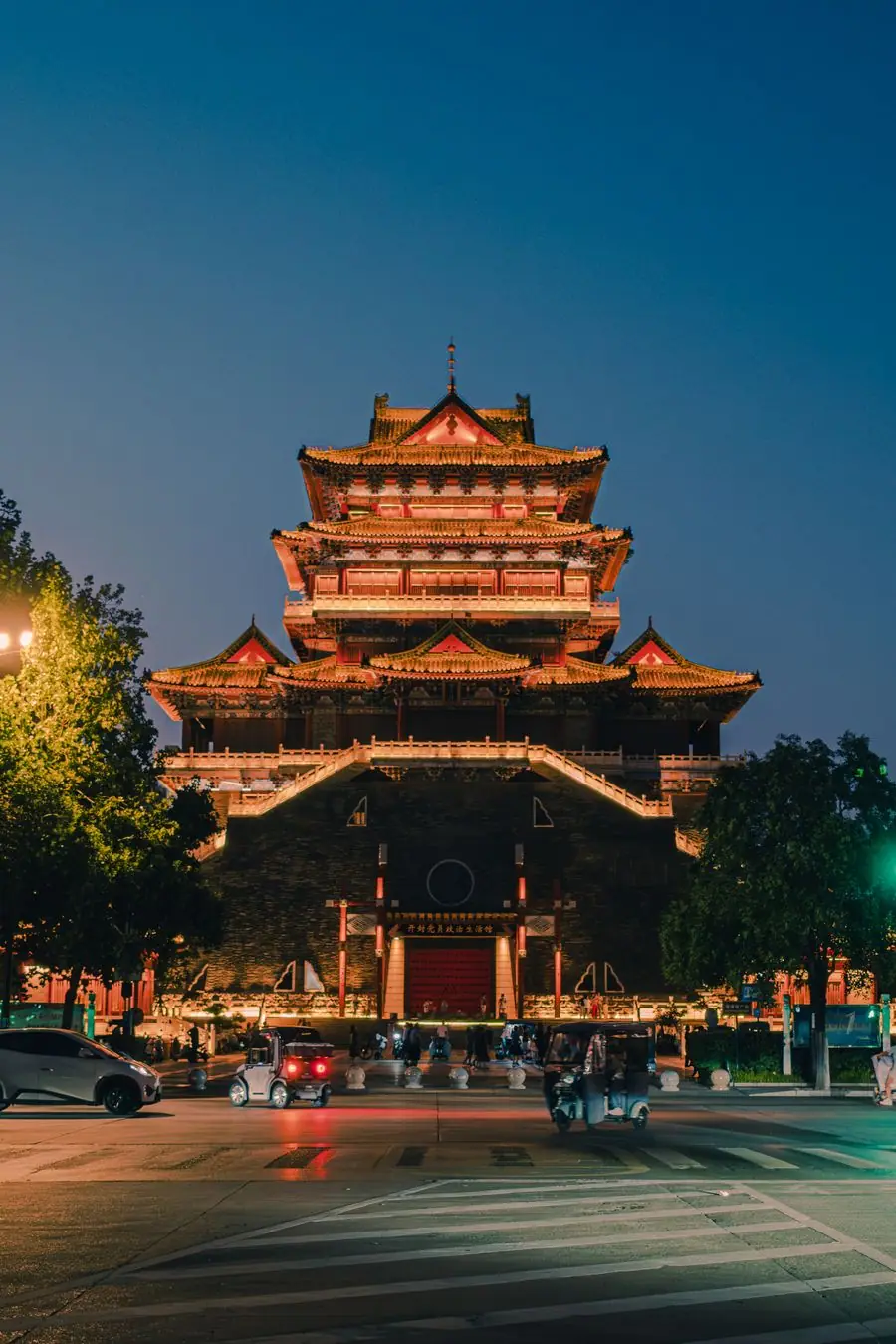
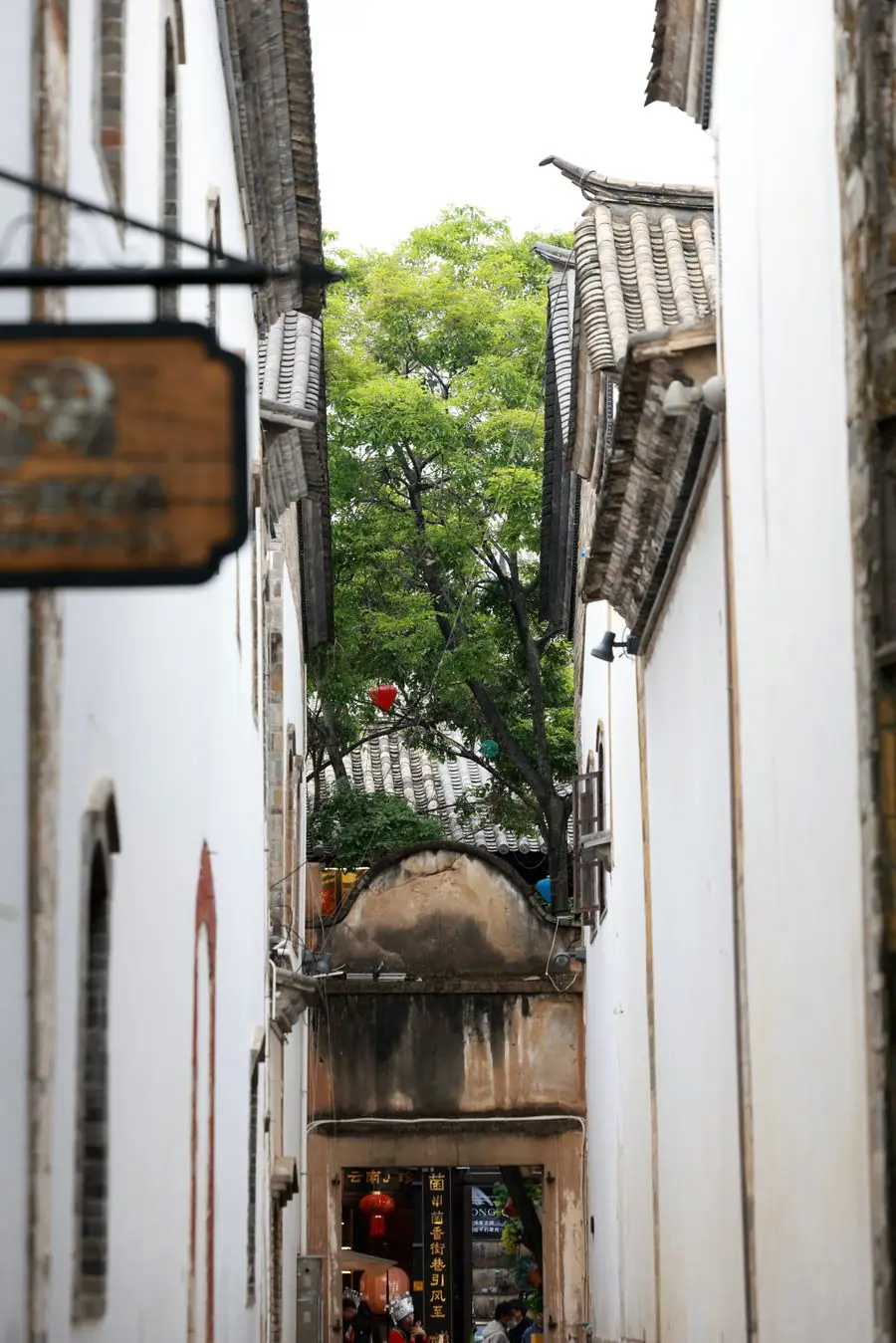
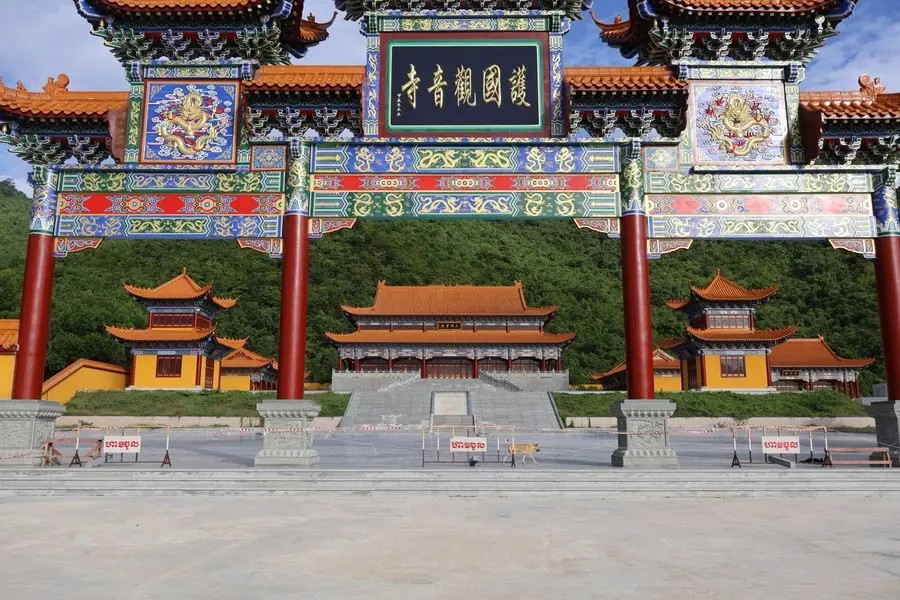
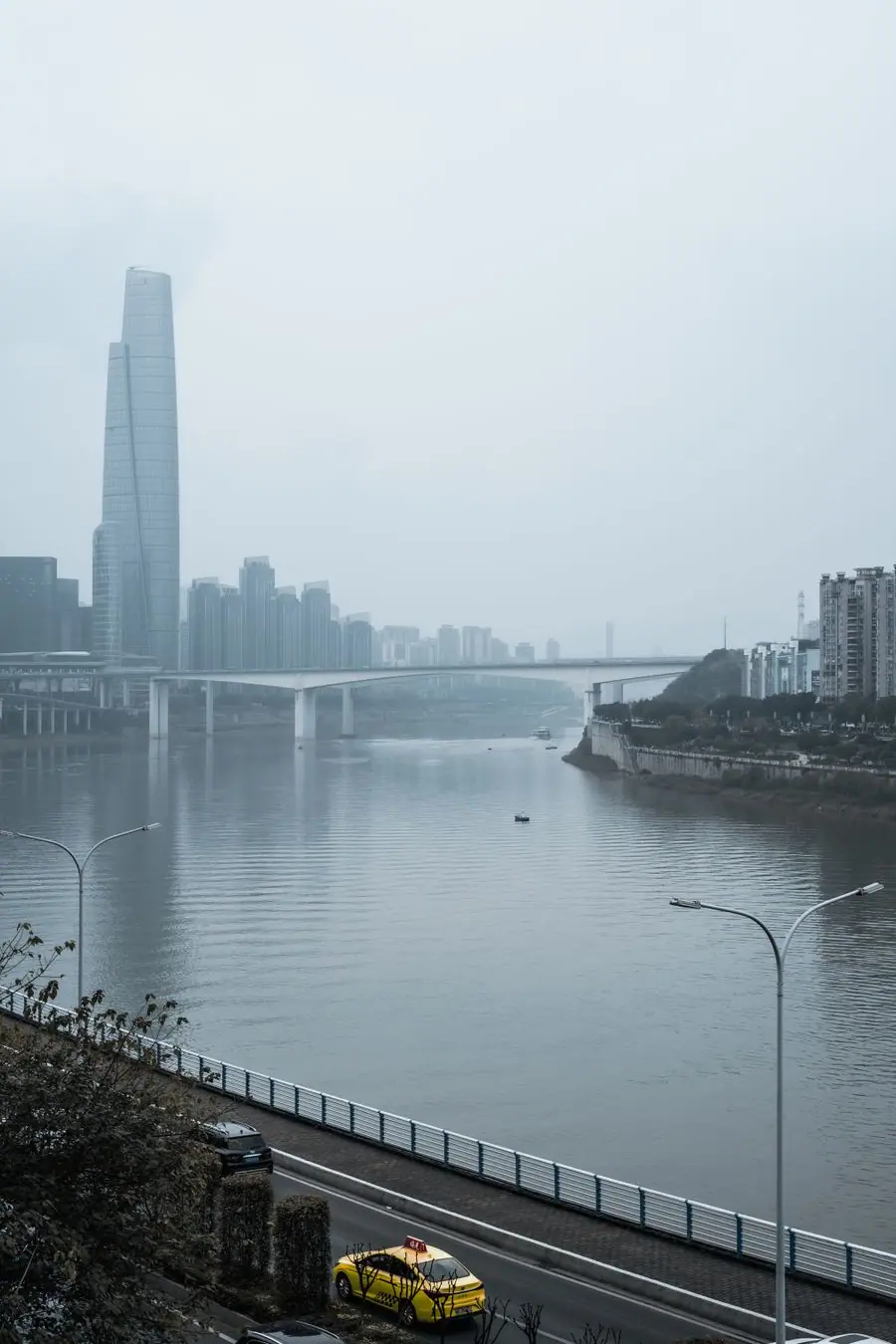
Where to stay in Yili
Base in Yining for the city and the west loop, Gongliu or the Nalati town for the grasslands, Zhaosu for Xiata. Yurt stays on the grasslands are the classic night — book the good ones ahead in summer.
Budget
$14–28 / nightChain hotels and guesthouses in Yining and the county towns; clean doubles, foreign-passport registration is routine.
Mid-range
$35–70 / nightThe better hotels in Yining and the grassland towns, plus the good yurt camps with private bathrooms — the sweet spot; book ahead in summer.
Splurge
$85–170 / nightThe international chains and the new resort hotels in Yining, plus the premium grassland resorts.
Souvenirs & local crafts
Easy to pack, easy to explain at customs — and far cheaper at a supermarket than at a scenic stall.
-

Lavender products (Xunyicao)
The Huocheng lavender industry — dried buds, sachets and essential oil from the 'Chinese Provence' fields; the genuinely local Yili gift.
-

Kazakh embroidery
The felt-and-wool embroidery of the Kazakh herders — wall hangings, saddle bags and hats, made in the grassland townships.
-
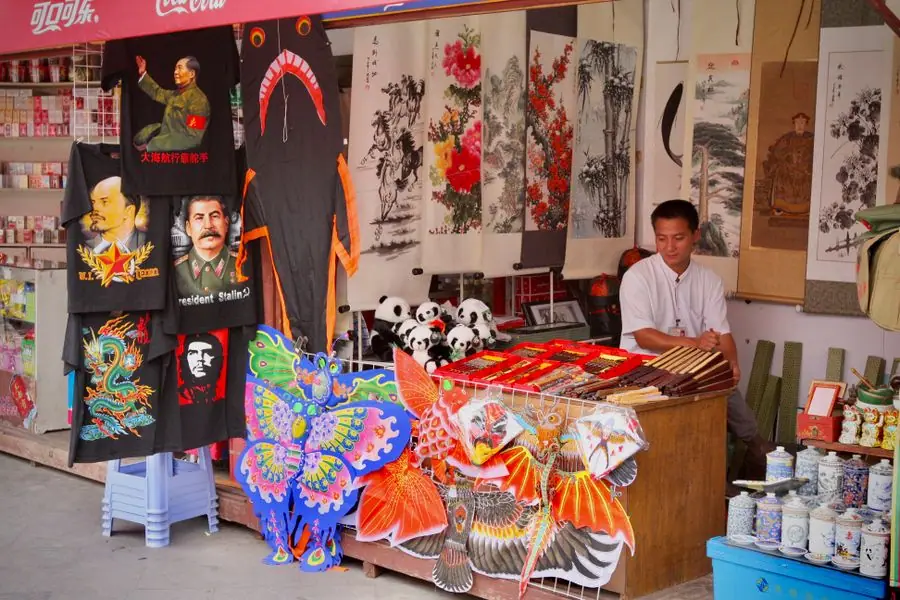
Yili liquor (Yili daqu / Xiao'erbulake)
The strong valley sorghum liquor of the Ili breweries — a distinctive, packable Xinjiang drink.
-
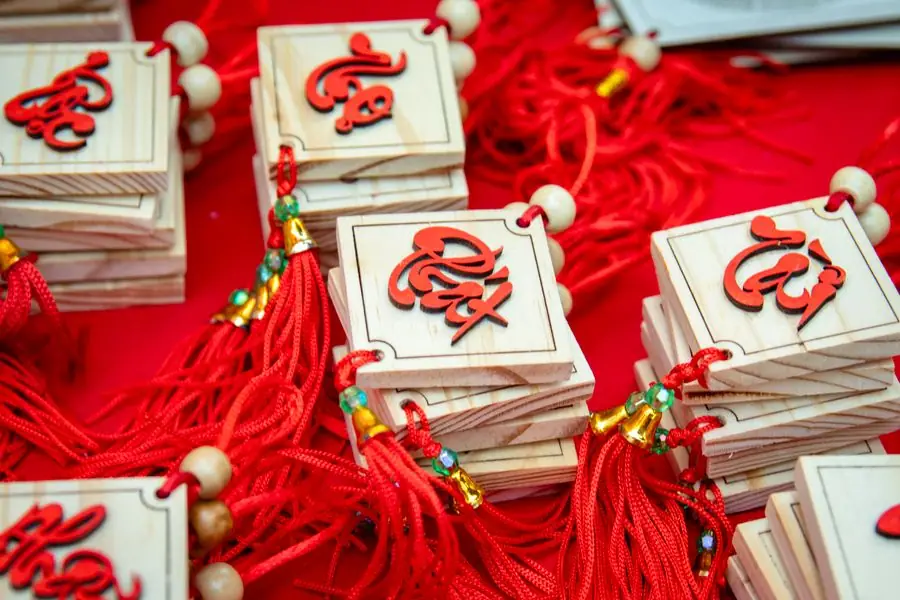
Dairy knots & milk products (Naimadai)
The dried milk curd and cheese knots of the Kazakh dairy — sour, dense and genuinely pastoral.
-
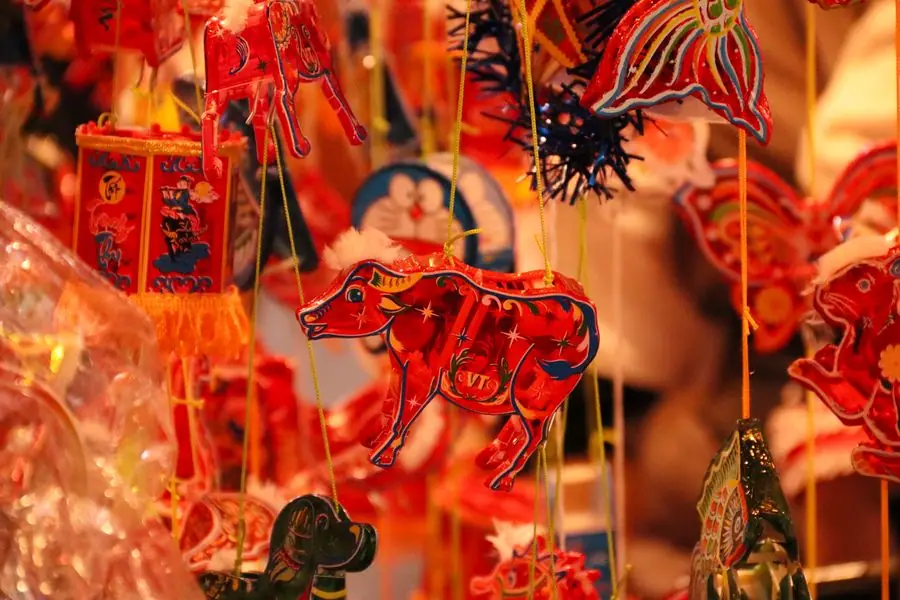
Liuxing Street hand-organ crafts
The accordion city of Yining — the Russian-family collection museum made Liuxing Street famous; small instrument models and Russian-style crafts are the local souvenir.
Getting around Yili
Yining Airport (NIT) has flights from Urumqi (~1 h), Beijing, Xi'an and Chengdu; the Lanzhou–Xinjiang high-speed rail ends at Urumqi, from where the trains and buses continue to Yining (~8–10 h by road, or the Yining train via the Jinghe line ~10 h). Urumqi Diwopu (URC) is the region's 240-hour transit port.
- High-speed rail
- The Jinghe–Yining–Khorgas line links Yining with Urumqi via Jinghe — a scenic mountain railway but slow (~10 h); most visitors fly.
- Long-distance bus
- Buses run from Yining's long-distance station to the grassland towns (Nalati, Tekes, Zhaosu, Gongliu) and to Khorgas; within the scenic areas the park shuttles and local vans do the work.
- Metro & bus
- None; taxis, DiDi and buses cover Yining city.
- Taxis
- Taxis in Yining are metered from about $1.13 (RMB 8) and cheap; the long legs to the grasslands need a booked car or a shared van.
- Ride-hailing
- DiDi works in Yining and the county towns; the scenic areas are done by park shuttle or a booked car.
- Shared bikes
- Bikes and e-bikes are handy in Yining city; the grasslands need horses or a 4x4.
- Intercity carpool
- Shared vans link Yining with the grassland towns; the park shuttles inside the scenic areas are included or cheap.
Plan your 1, 2 or 3 days in Yili
Pick the length of your stay. Each plan is its own page, anchored at the city centre and written from real traveller itineraries — including splits for sightseeing, shopping, landscape, families and older travellers.
Yili in one day: Yining & Kazanqi
The blue lanes of Kazanqi, the Russian-era Liuxing Street, the Huiyuan old city and the Yili River sunset — the cultural day of the valley.
Read the plan → 2-dayYili in two days: + Nalati grassland
Day two drives east through Gongliu to the Nalati grassland — the aerial pasture, the valley grassland and a yurt night.
Read the plan → 3-dayYili in three days: + Sayram Lake & Guozigou
The classic circle: Sayram Lake and the Guozigou viaduct on the way out, Nalati and the Tianshan road on the way back — the grassland heart of Yili.
Read the plan →Frequently asked questions
- When is the best time to visit Yili?
- June–September. June is the Huocheng lavender and the longest light; July–August is the greenest grassland and the wildflowers; September is the golden grass and the clearest snow peaks. May and October are quiet and cool; the high passes close in winter snow.
- Do I need a visa for Yili?
- If your nationality is among the 57 countries eligible for China's 240-hour (10-day) visa-free transit and you continue to a third country, you can enter at a participating port — Urumqi Diwopu (URC) is the region's — and stay within the permitted area for up to 10 days. Otherwise arrange a Chinese visa in advance. Khorgas and the border areas need a Border Defense Permit, free and arranged locally. Confirm the current rules with a consulate before booking.
- Is Sayram Lake part of Yili?
- No — Sayram Lake belongs to Bortala prefecture, but it sits directly on the road between Urumqi and the Ili valley (via the Guozigou valley), so it is the standard first or last stop on any Yili loop and is listed here as an en-route highlight rather than a Yili sight.
- How much do the sights cost?
- Nalati is about $19–35 (RMB 135–250) depending on the lines and cable car; Kalajun about $20–27 (RMB 140–190) with the shuttle; the KurSu canyon about $6–20 (RMB 40–140); Kuerdining about $8.45 (RMB 60); Sayram Lake about $11–14 (RMB 78–100) with the shuttle; Guozigou is free; Tekes is free to walk; Qiongkushitai about $8.45 (RMB 60); Xiata about $11–17 (RMB 78–120) with the shuttle; the lavender farms about $7–14 (RMB 50–100); Kazanqi, Liuxing Street and the Yili River are free; Huiyuan's yamen museum about $4.23 (RMB 30). Verify on site.
- How many days do I need in Yili?
- Two days covers Yining and Nalati. The full grassland loop — Sayram Lake, Guozigou, Nalati, Tekes/Kalajun, Xiata, Zhaosu — is 5–7 days by car. Yili pairs naturally with a Xinjiang circuit: Urumqi–Turpan–Kashgar or the Duku highway in season.
- What is the Duku Highway?
- The Duku (Dushanzi–Kuqa) highway crosses the Tianshan between northern and southern Xinjiang and is one of China's great scenic drives — but it usually opens only June–October (snow closes it otherwise) and it is a different route from the Ili loop; plan it as its own 3–5 day drive.
Page last reviewed: 2026-11-02.