Yantai Travel Guide 2026: Penglai, Changdao, Wine Country and the Shandong Coast
Yantai wraps the northern tip of the Shandong peninsula, where the Bohai Sea and the Yellow Sea meet and the fabled 'land of immortals' was supposed to float offshore. That legend built Penglai Pavilion, one of China's four great towers; the same coastline made a treaty port in 1861, a wine city in 1892 and the country's apple and fishing capital today. In one basin you can climb a Song-dynasty tower above a mirage horizon, ferry out to the Changdao island cliffs, walk the old consulate hill in the city, and taste the wine that started China's wine industry. Below: the best time, the history, the food, where to stay, every major sight with its own guide, transport, and 1/2/3-day plans.

History & culture
The Yantai shore was the edge of the Qi state in the Warring States period and the Zhifu peninsula the Chinese classics call the eastern end of the earth — Qin Shi Huang came east three times and climbed Zhifu Mountain, and the 'land of the immortals' the emperors hunted for was placed in these waters, off Penglai. That story is why the Song dynasty built a watchtower here in 1061: the Penglai Pavilion, where scholars came to watch for the mirage that rose out of the sea. Su Shi wrote his 'Ode to the Mirag' in the tower, and the Eight Immortals legend set its crossing-the-sea story on this coast. By the Ming the peninsula was a garrison frontier — the Suo City (Suochengli) inside modern Yantai was founded in 1398 as a Ming coast-defence unit.
The modern city starts in 1861, when the Treaty of Tianjin opened Yantai (then Chefoo) as a treaty port — the 1876 Chefoo Convention, settling the Margary affair, was signed here, and the British, French, German, Japanese and more raised consulates, churches and a customs house on the hill that is now Yantai Mountain. The port exported tung oil, peanuts and dried eggs west and brought missions, schools and the first foreign architecture in Shandong; the old town's arcades and the Danish consulate's mermaid statue are that century. The North Sea Navy's Beiyang Fleet anchored at Liugong Island off neighbouring Weihai, and lost there in 1895.
Yantai's other founding is wine. In 1892 the Nanyang consular official Zhang Bishi bought two plots of wasteland on the Yantai hill and founded Changyu — the Zhangyu Wine Company — planting imported vines and digging the cellars that still hold the oak barrels, making this the birthplace of China's wine industry; the old winery is now a museum. The same decades built the port into a railway terminus and a fishing and apple economy: Qixia apples, Changdao abalone and scallops, and the Jiaodong kitchens that made Yantai one of the homes of Shandong cuisine.
After 1949 Yantai became one of China's earliest open coastal cities — a 1984 'open city', a wine and apple export base, and today a prefecture of seven districts and eight county-level cities stretched along the peninsula from Penglai to Longkou and Haiyang. The old consulate hill, the Ming garrison lanes and the Song tower are protected; the economy is ports, wine, apples, fishing, petrochemicals and the tourist traffic the 'coast of immortals' has always drawn. Yantai Penglai International Airport and the Qingdao–Rongcheng high-speed line make it the hub for the whole Shandong peninsula coast.
Best time to visit Yantai
Yantai has a temperate monsoon maritime climate: four clean seasons, a sea breeze that keeps summers bearable, and winters that are cold but drier than inland Shandong.
Budget for Yantai: hotels from $14 a night, average ticket $$10.68 — see the full cost breakdown, or start from a ready-made route.
Cuisine of Yantai
Signature dishes worth seeking out — prices are typical per-person or per-dish ranges, not fixed quotes.
-
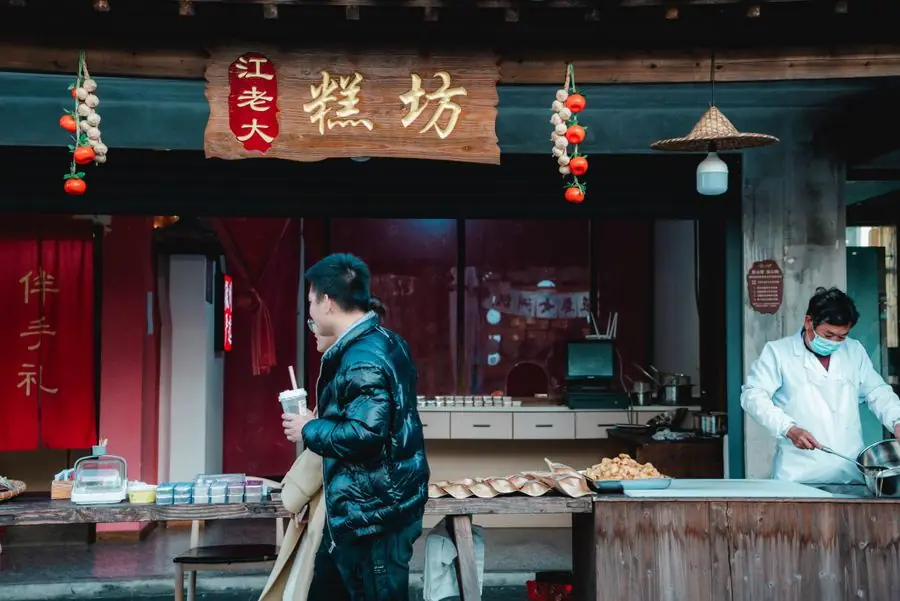
Mackerel dumplings (Bao yu shui jiao)
The Jiaodong classic and Yantai's signature dish: minced mackerel beaten with pork fat and chives into a soft, almost soup-filled dumpling, boiled and eaten with vinegar and garlic. Every local restaurant makes them; the old-town houses near Suochengli are the institutions.
-
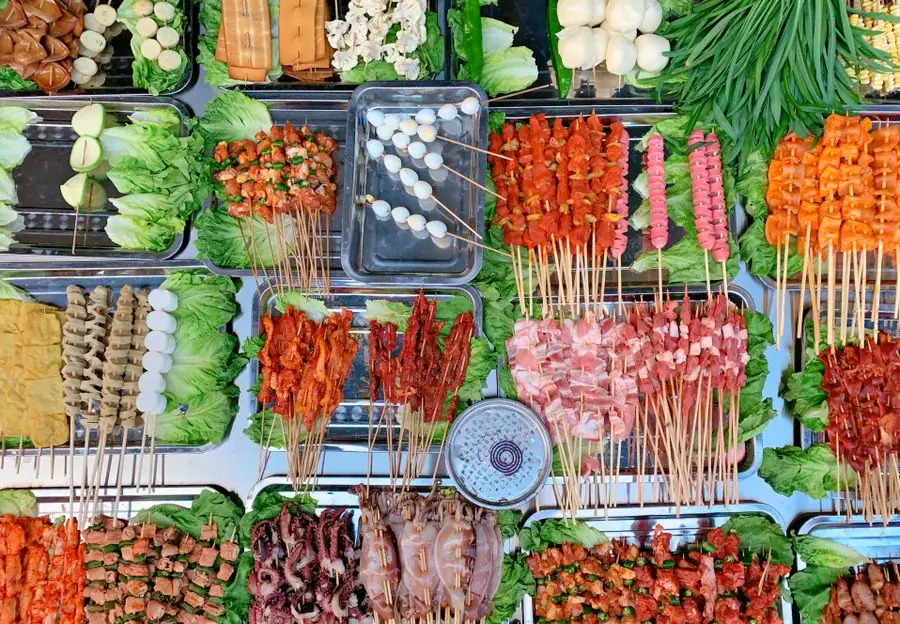
Sea-intestine rice (Hai chang dao fan)
The Shandong peninsula showpiece: sea intestines stir-fried with scallion and garlic, then folded over hot rice with a little soy — the sea-intestine-and-scallion technique of Jiaodong cooking, rich, savoury and a little slippery. A local favourite for family meals and banquets.
-
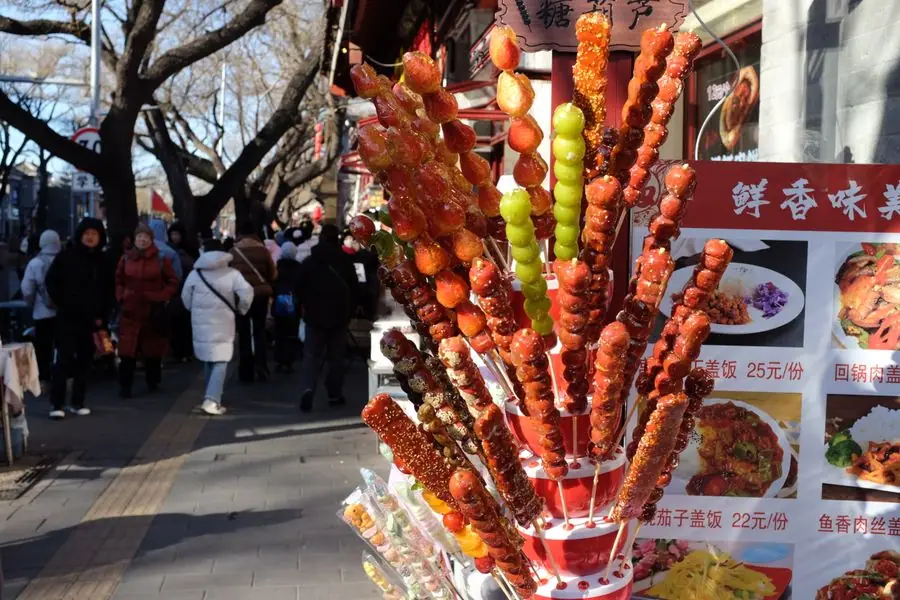
Yantai menzi (San xian men zi)
The old-town street food: a cake of sweet-potato starch cut into cubes, griddled until a crust forms, then finished with garlic juice, sesame sauce, chilli oil and a dressing of shrimp, meat and vegetables. Sold from stalls and small shops since the port days — eat it hot from the griddle.
-
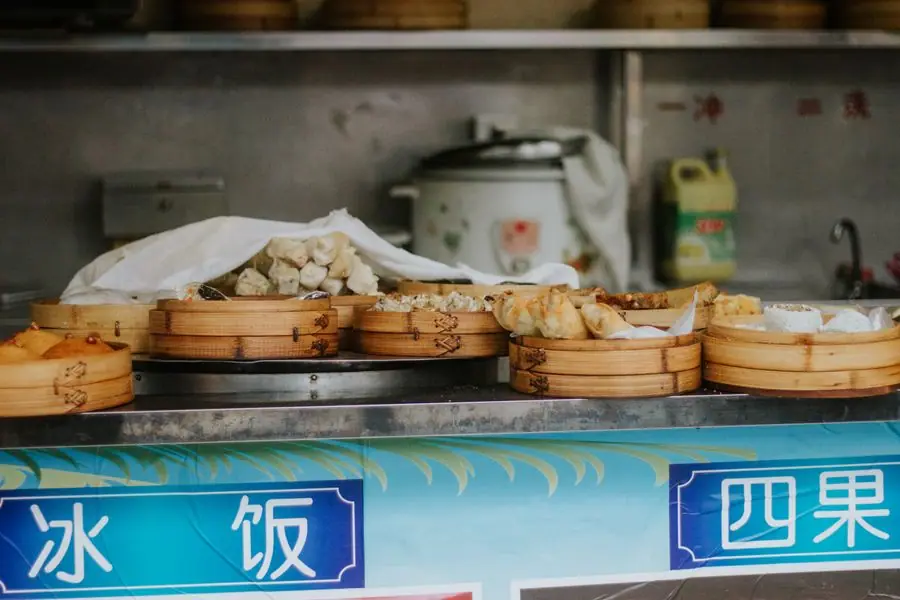
Seafood dumpling soup (Hai xian ge da tang)
The home cooking of the coast: a thick soup of wheat-flour 'dumplings' (ge da) pulled by hand, with shrimp, clam, squid and cabbage. Every harbour family has a version; it is the warming bowl after a day on the islands.
-
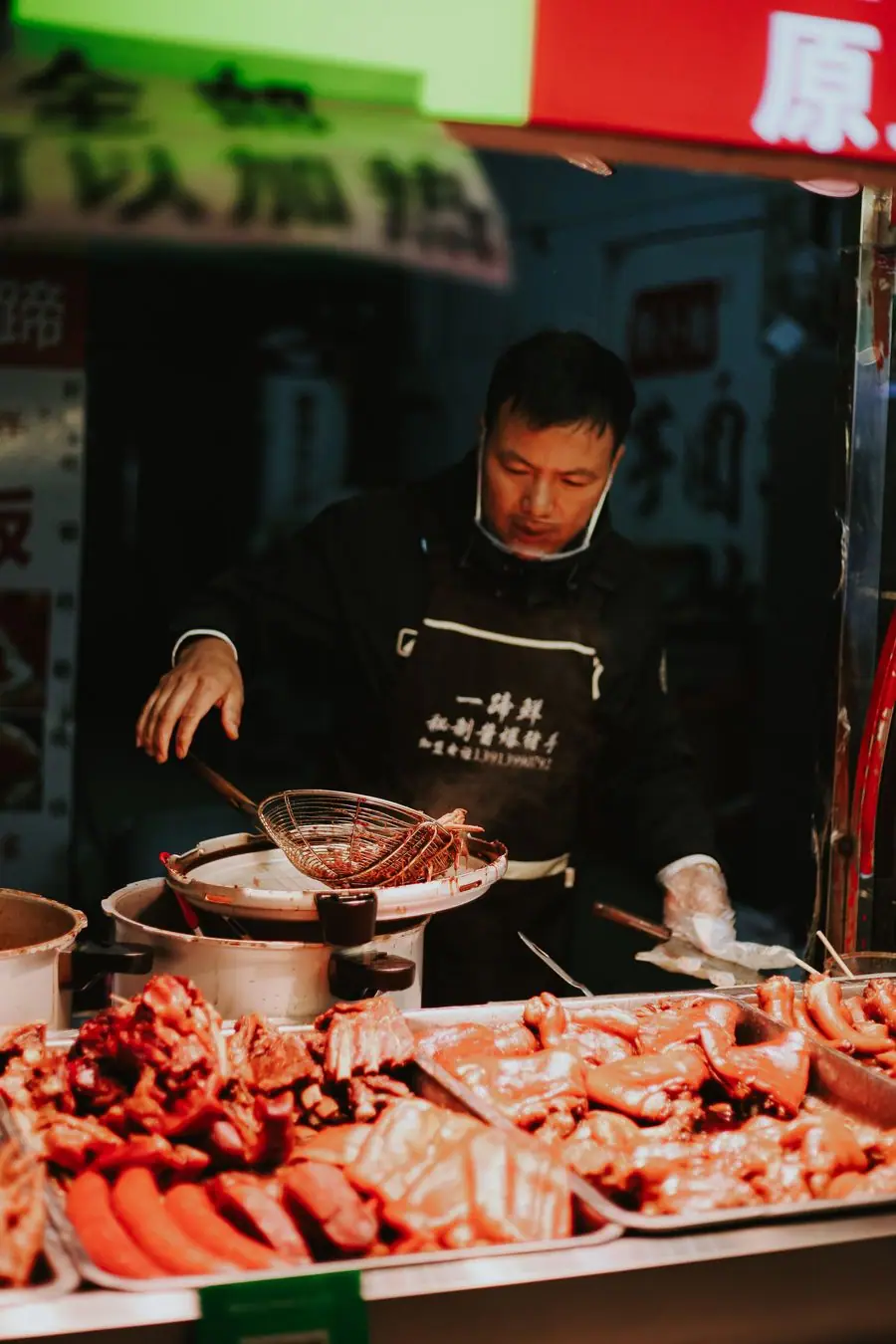
Fushan noodles (Fu shan da mian)
Fushan, now a district of Yantai, is the hometown of Shandong hand-pulled noodles — the school that trained half of Beijing's noodle masters. The noodles come in a dozen shapes (the thin 'kou mian', the flat 'pi jian'), served with seafood or with the sweet-and-sour yellow-croaker of the Jiaodong kitchen.
Every major sight — with its own guide
Right after the food above, here are the sights — each one links to its own full guide (what to see, how to get there, facilities and the best season). Names follow each sight's official English signage.
On the seashore cliff at the north of Penglai district, about 75 km north-west of downtown Yantai
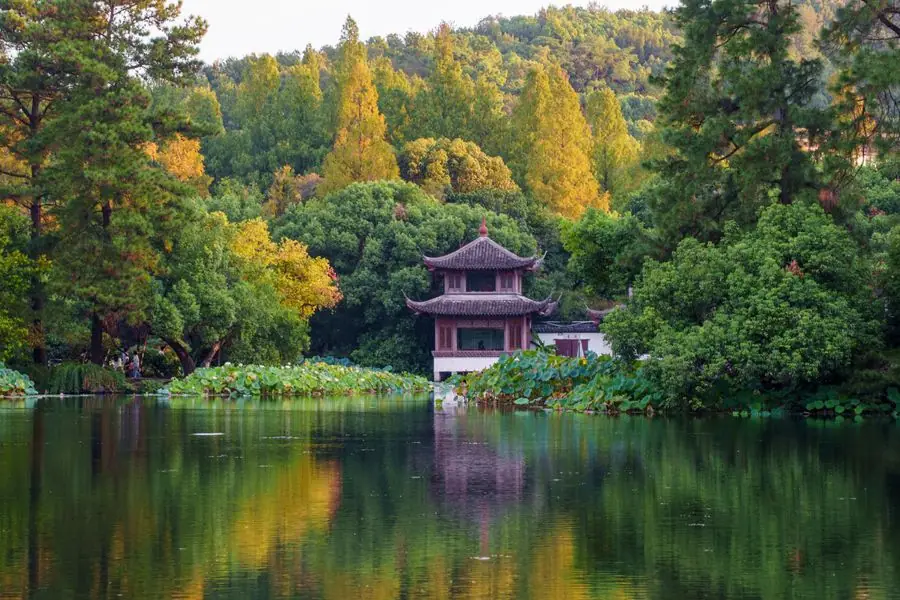
On the north-east coast of North Changshan Island, Changdao, reached by ferry from Penglai
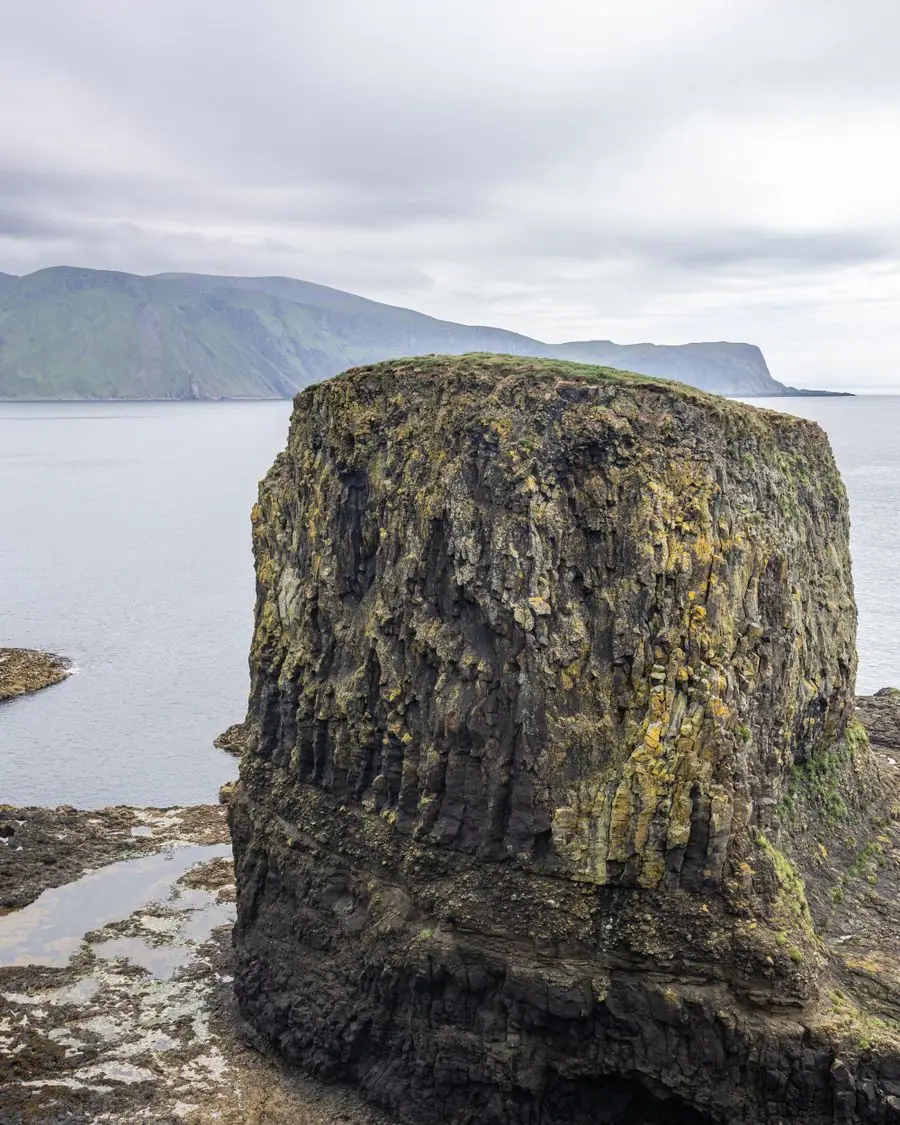
On the north-east corner of North Changshan Island, Changdao, about 2 km from Jiuzhang Cliff
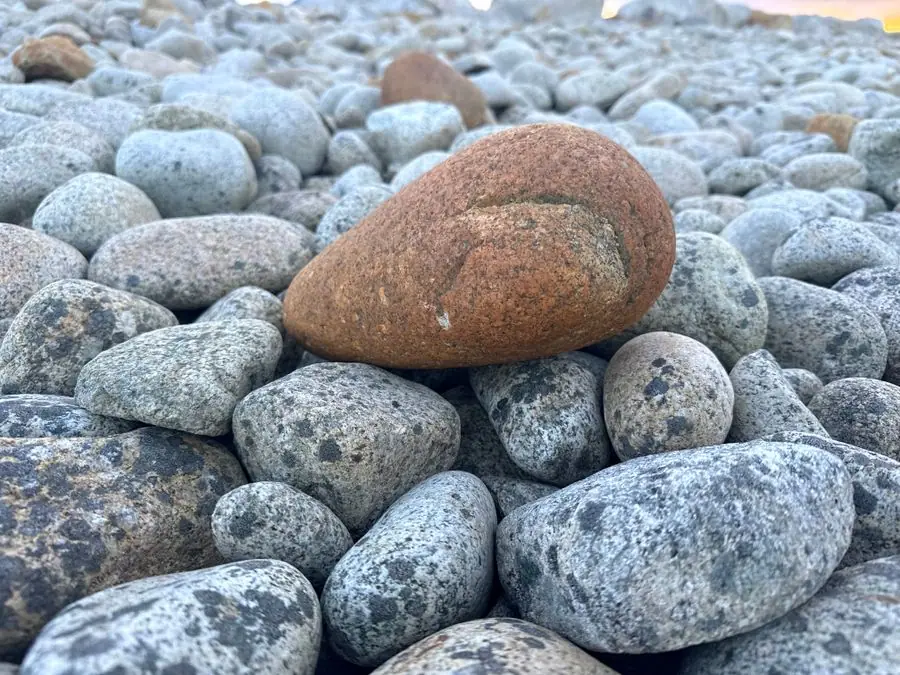
On South Changshan Island, Changdao — the Linhai park on the south coast and Fengshan, the island's high point, just inland

On the headland at the mouth of the old harbour, Zhifu district, about 2 km from the old town
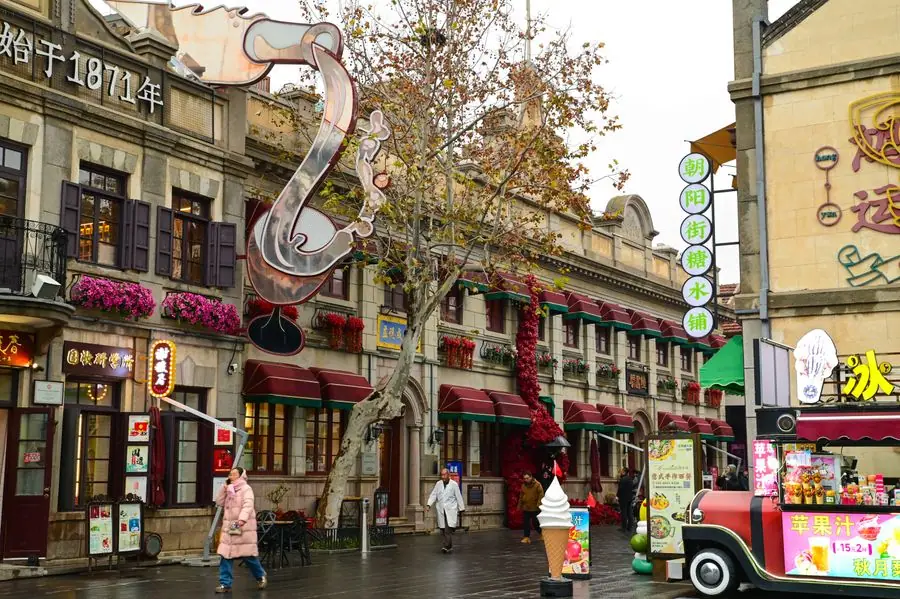
Off the coast of Muping district, about 20 km north-east of downtown Yantai, joined by a causeway
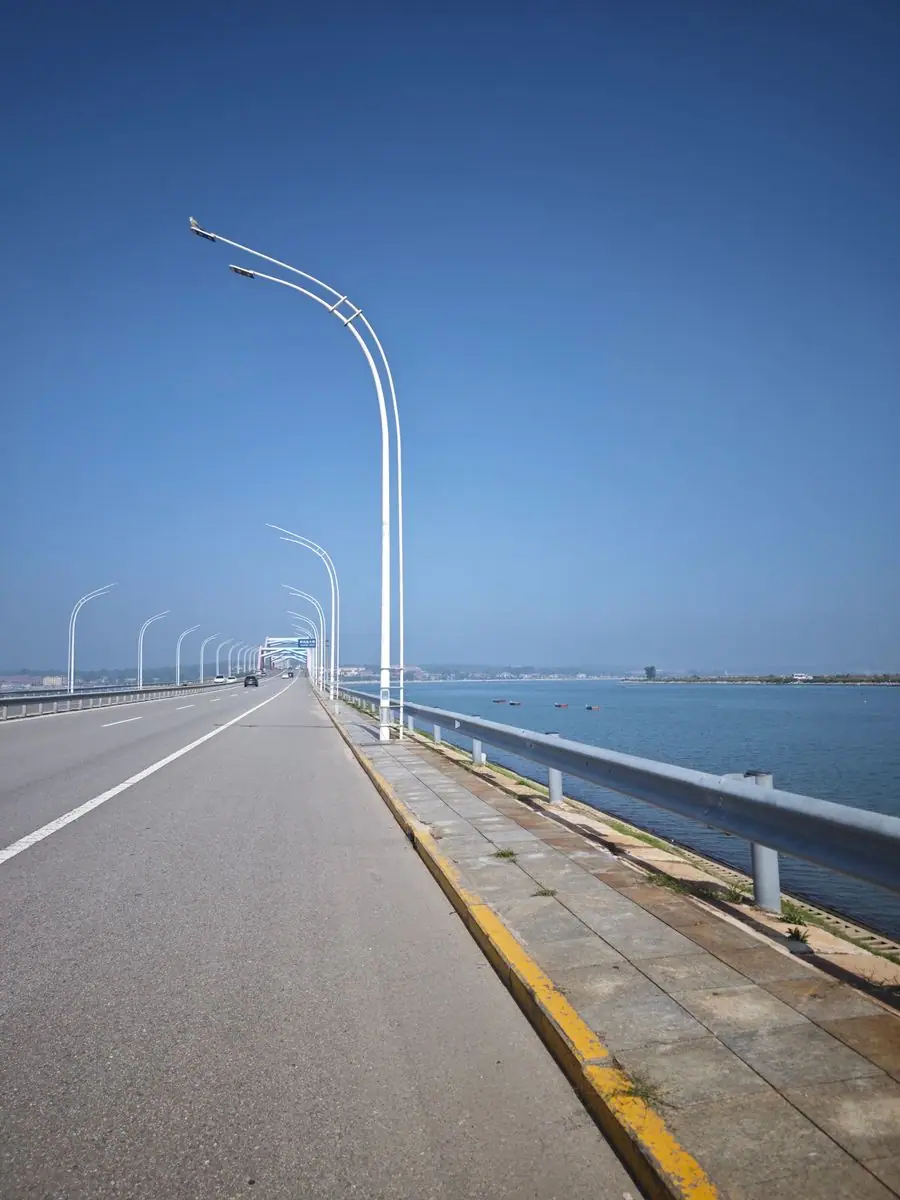
On the coast of the Yantai development zone (Yantai Economic and Technological Development Area), about 30 km west of downtown

On Ma Road (Da Ma Lu) in the Zhifu district, about 3 km east of Yantai Mountain
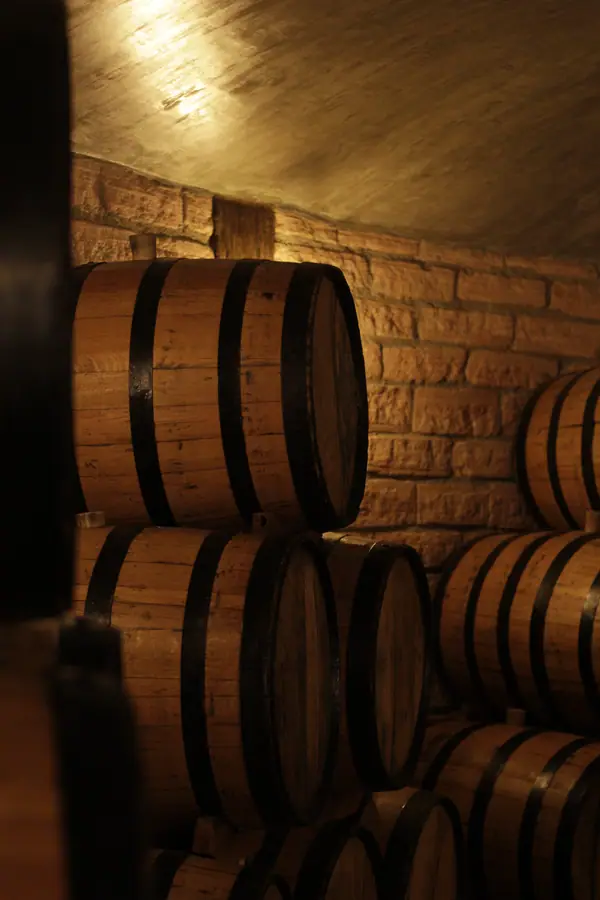
In Qixia, a county-level city under Yantai, about 70 km south-west of downtown
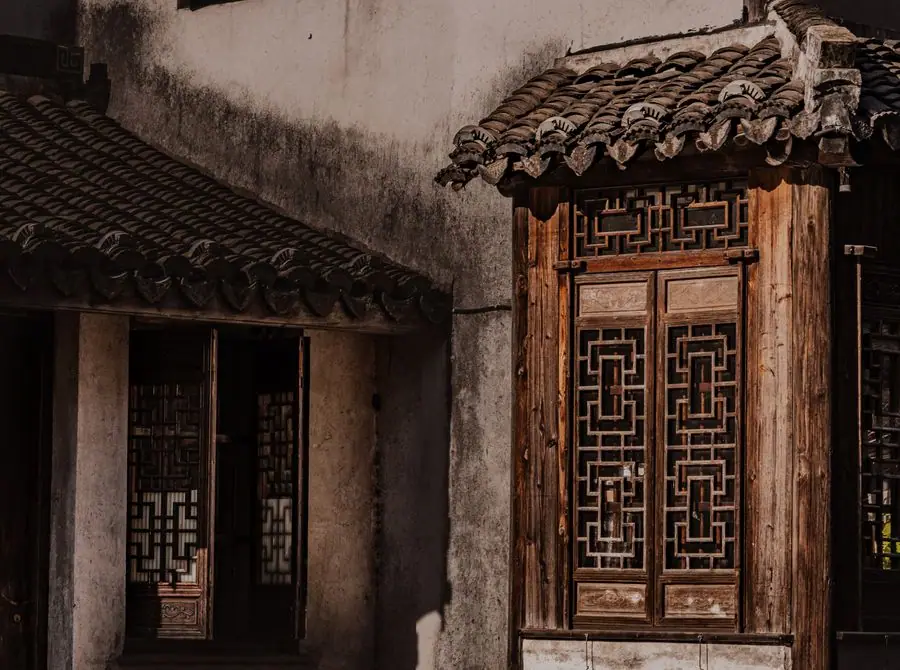
On the coast road in Penglai district, about 75 km north-west of downtown Yantai
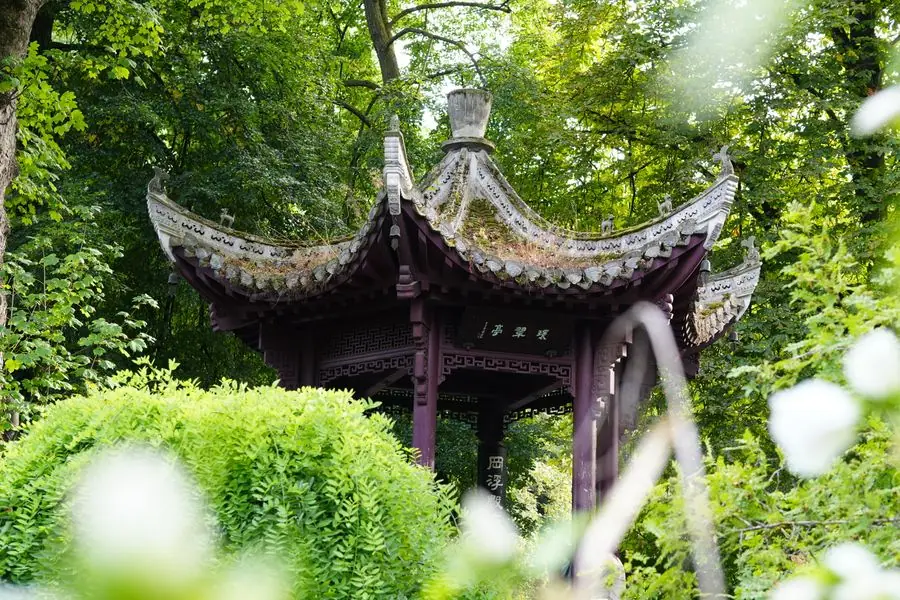
On the Haibin Road coast in Penglai district, about 75 km north-west of downtown Yantai
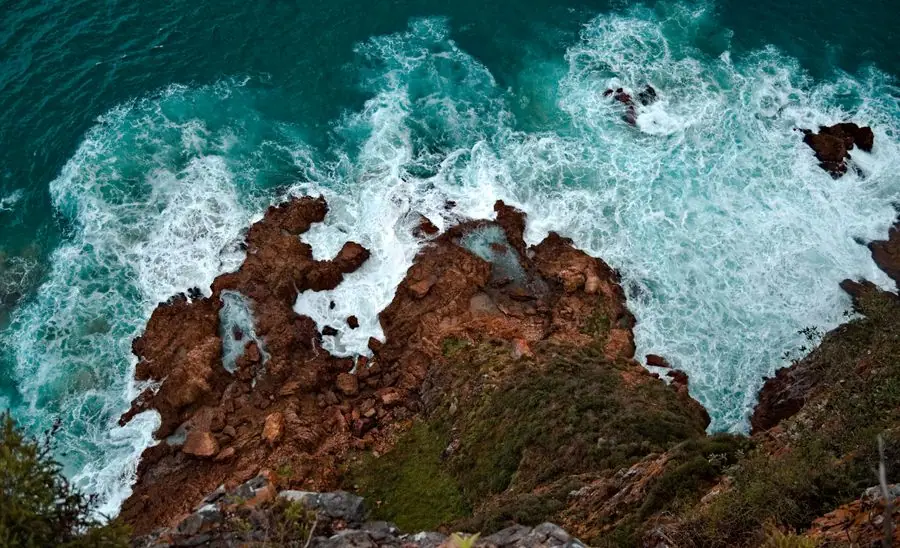
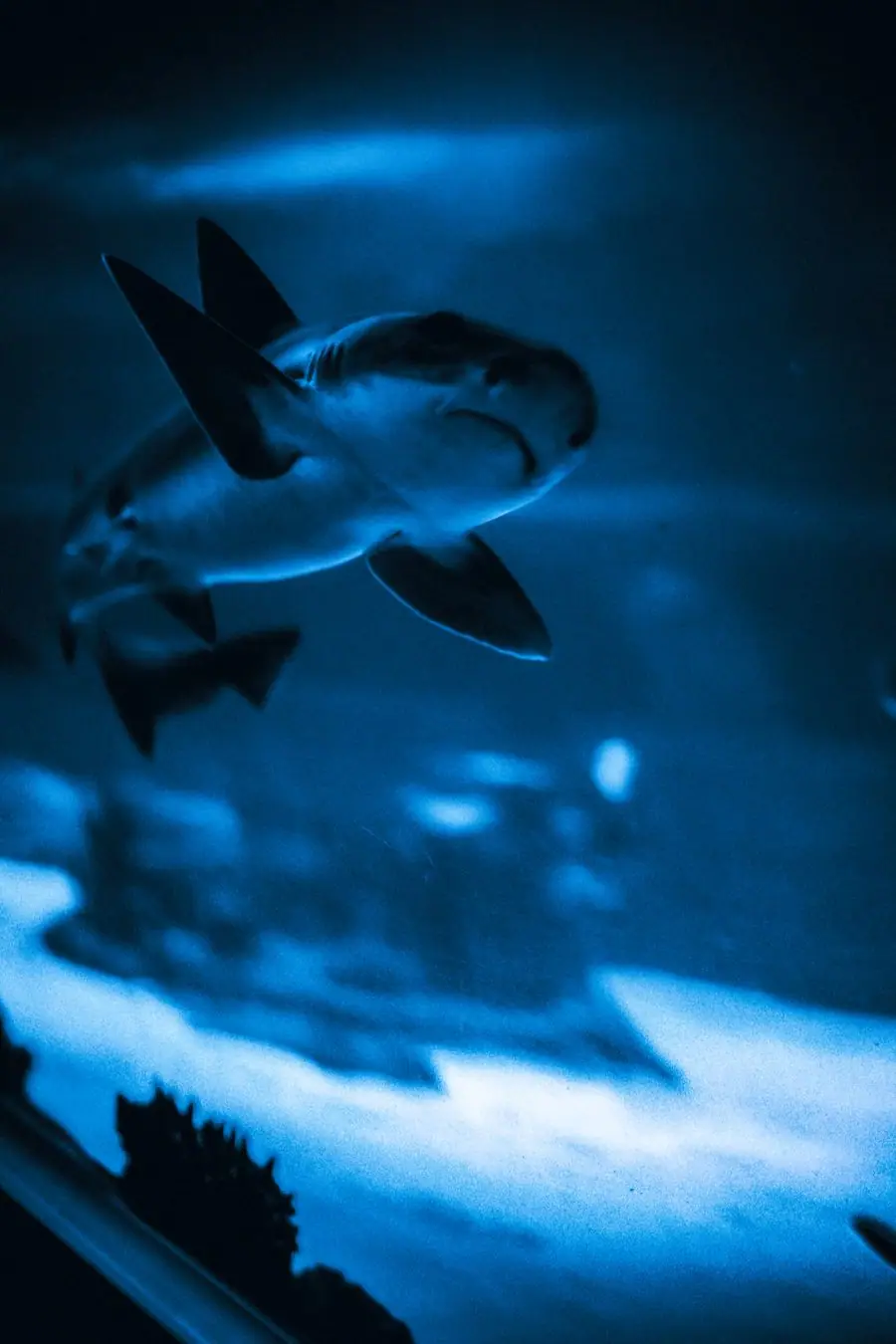
In the Kunyu Mountain National Nature Reserve, about 45 km south-east of downtown Yantai in Muping
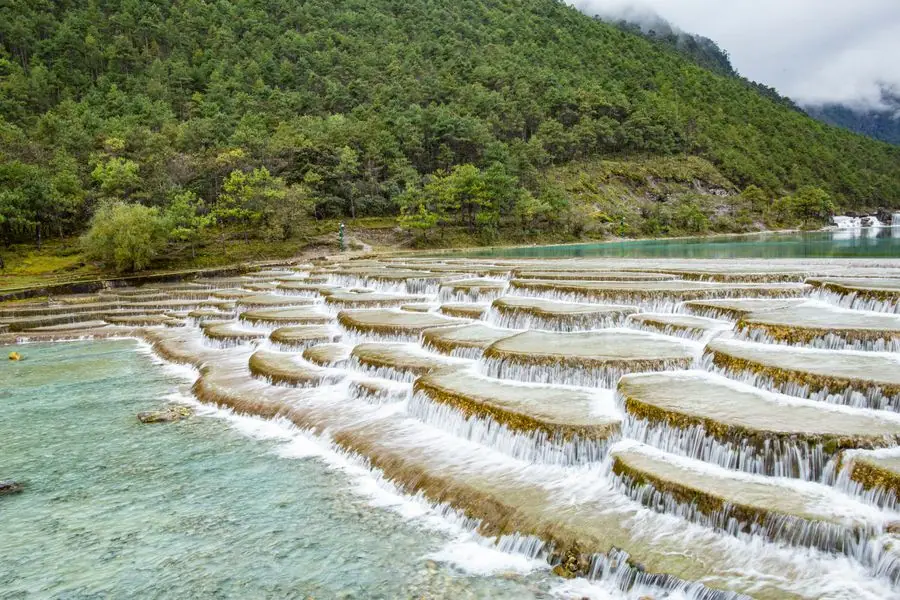
On Binhai Middle Road in the Laishan district, about 8 km south of downtown Yantai
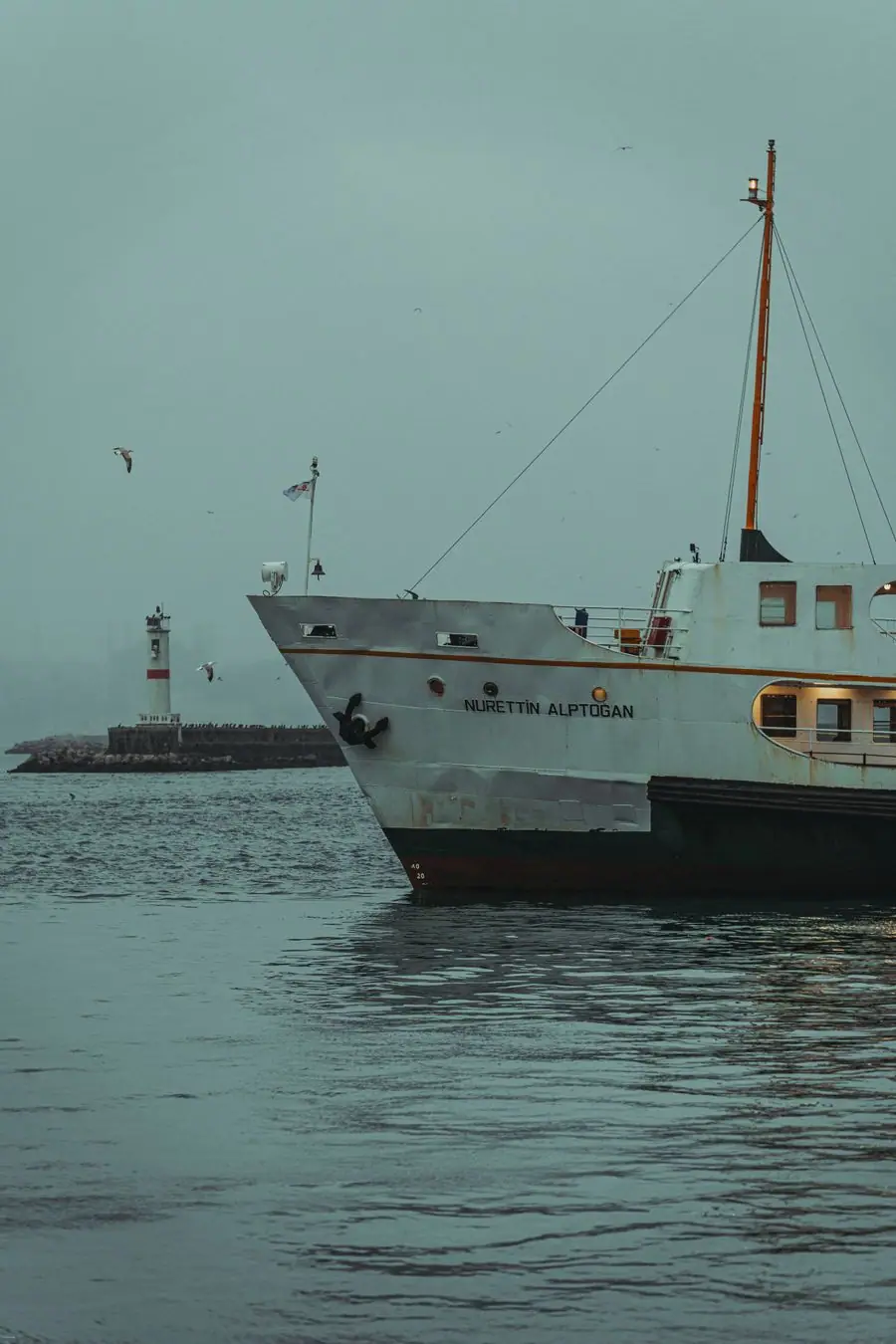
In the centre of the Zhifu district, about 2 km from Yantai Mountain
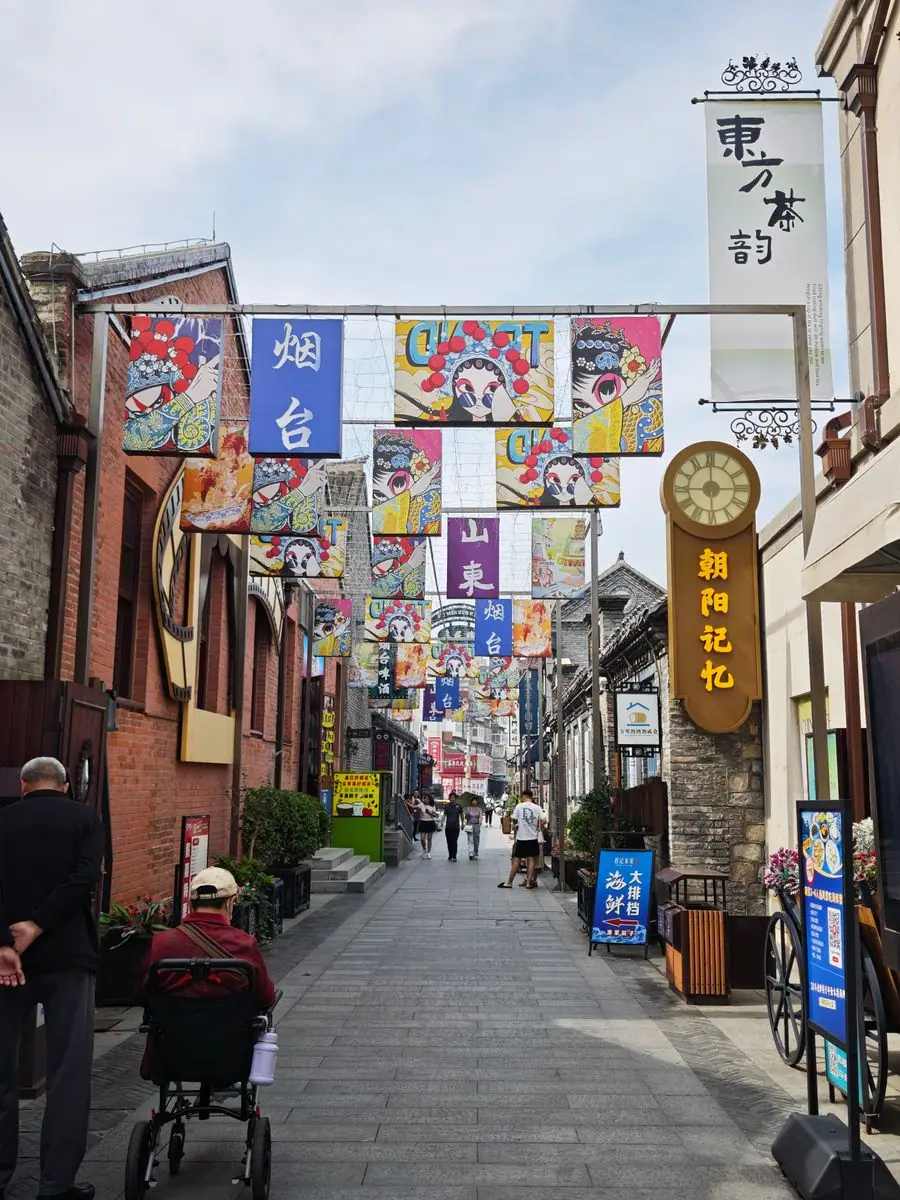
Where to stay in Yantai
Stay downtown around Yantai Mountain, Chaoyang Street and Suochengli — the historic sights, the old port and the food streets are walkable and the buses run from there. The Laishan–Zhifu Bay side has the newer business hotels and sea views; Golden Beach in the development zone suits the beach crowd but is 30 km out; Penglai and Changdao are better as day trips or an overnight on the islands.
Budget
$14–28 / nightChain hotels (Hanting, JI, 7 Days) around Yantai station, Nan Avenue and Suochengli — clean doubles, foreign-passport registration is routine at the chains.
Mid-range
$35–70 / nightJI Hotel, Vienna and local full-service hotels downtown and along the Zhifu Bay waterfront — the sweet spot; sea views cost a little more.
Splurge
$84–169 / nightThe international chains on the Laishan waterfront and in the development zone, plus the resort hotels at Golden Beach and on Penglai's coast — pools, sea views and the weekend business crowd.
Souvenirs & local crafts
Easy to pack, easy to explain at customs — and far cheaper at a supermarket than at a scenic stall.
-

Changyu wine (Zhang yu jiu)
The wine China's industry was built on — Changyu's dry reds, brandies and ice wine from the Yantai and Penglai vineyards, sold at the museum, the winery shops and the supermarkets; the museum's own bottlings are the honest souvenir.
-
Yantai apples (Yan tai ping guo)
Qixia, in Yantai's apple country, is one of China's two great apple centres — the red Fuji and Gala come off these hills from late September, and the fruit is sold in boxes across the city and at the roadside stalls in autumn.
-
Changdao dried seafood (Chang dao hai huo)
The islands' trade: dried scallops (gan bei), shrimp (hai mi), seaweed and kelp from the cold Bohai and Yellow Sea waters, sold by weight at the Changdao and Penglai markets — the classic Yantai gift, packed for travel.
-
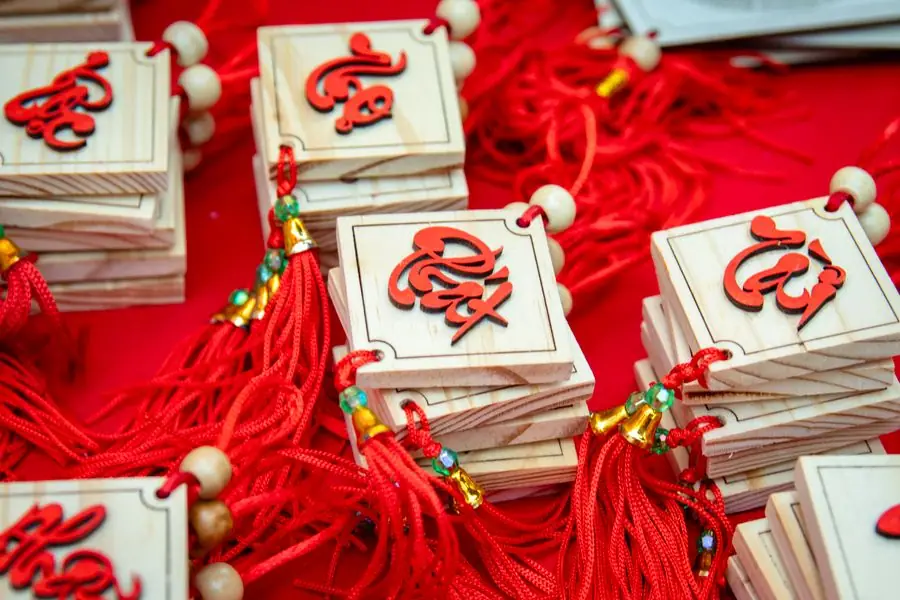
Laizhou jade carvings (Lai zhou yu diao)
Laizhou, a county city under Yantai, has carved its soft green stone for centuries — seals, brush pots, screens and small figures, sold at the Laizhou workshops and the city's craft shops.
-
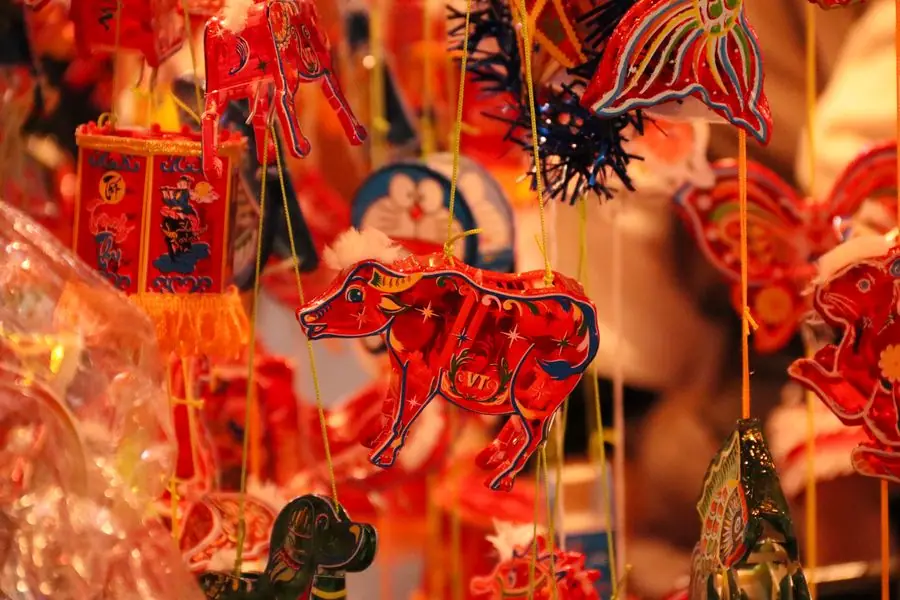
Jiaodong paper-cuts (Jiao dong jian zhi)
The folk art of the peninsula — red paper-cut patterns of fish, boats, peaches and the Eight Immortals, sold at Suochengli's intangible-heritage studios and the old-town shops, framed or flat.
Getting around Yantai
Yantai has no metro; it runs on buses, taxis, e-bikes and one high-speed line, with the Changdao ferries the island lifeline.
- High-speed rail
- Yantai South (Yantai Nan) is the high-speed stop on the Qingdao–Rongcheng line: Weihai about 30–40 minutes (73 km), Qingdao North about 1.5 hours (187 km), Jinan East about 2.7 hours (474 km) and Beijing South about 5.5 hours (949 km). Yantai station, in the centre, takes the conventional and some D trains; add a bus or taxi to the old town.
- Long-distance bus
- City buses are cheap (about $0.14–0.28 / RMB 1–2) and cover Yantai Mountain, Golden Beach, Yangma Island, the Fisherman's Wharf and the stations; long-distance buses reach Penglai, Qixia and Longkou. Tap the Alipay or WeChat transit QR code.
- Metro & bus
- There is no metro in Yantai — buses and taxis do the work; the airport bus links Penglai airport to downtown.
- Taxis
- Taxis are metered with a low flag fall (about $1.27 / RMB 9); the airport is about 45 km out and roughly $35–42 (RMB 250–300) to the centre.
- Ride-hailing
- DiDi is the default for Yangma Island, Golden Beach and the Fisherman's Wharf, and the only practical way to chain Mou's Manor and Taixu Palace in Qixia.
- Shared bikes
- Shared e-bikes are everywhere at about $0.28–0.56 (RMB 2–4) a ride; on Yangma Island they are the way round the island, and the coastal road is a ride in itself.
- Intercity carpool
Plan your 1, 2 or 3 days in Yantai
Pick the length of your stay. Each plan is its own page, anchored at the city centre and written from real traveller itineraries — including splits for sightseeing, shopping, landscape, families and older travellers.
Yantai in one day: the old port town
Morning up Yantai Mountain's consulate hill and lighthouse, the old town lanes of Suochengli and Chaoyang Street for lunch, then the Zhifu Bay waterfront at sunset and dinner on mackerel dumplings.
Read the plan → 2-dayYantai in two days: + Golden Beach and the wine cellars
Day two runs the coast and the wine country: Zhangyu's underground cellars in the morning, Golden Beach and the 'Lonely Whale' at the development zone in the afternoon, the Fisherman's Wharf at dusk.
Read the plan → 3-dayYantai in three days: + Penglai and Changdao
Give the third day to the immortal coast: the early drive to Penglai Pavilion and the Yellow-Bohai seam, the ferry out to Changdao for the Jiuzhang cliffs and the Yueya Bay pebbles, back after sunset.
Read the plan →Frequently asked questions
- When is the best time to visit Yantai?
- May–June and September–October are warm, bright and comfortable; July–August is the beach season and the busiest; winter is cold, windy and clear — the quietest months and the best odds of the Penglai mirage. Changdao sailings are weather-dependent, so keep a spare day.
- Do I need a visa for Yantai?
- Good news: Yantai Penglai International Airport is one of China's 240-hour visa-free transit ports, so eligible nationals (57 countries, transiting to a third country) can enter visa-free and stay up to 10 days — Shandong province is covered province-wide by the scheme. Otherwise arrange a Chinese visa in advance; check the current qualifying list with a consulate before booking.
- How do I get to Changdao (the Long Islands)?
- Ferries run from Penglai's Changdao Port, about 75 km north-west of downtown Yantai — roughly 40 minutes to the islands, with sailings through the day (weather permitting). Buy the Changdao scenic-area tickets on the official channels; the islands' main sights — Jiuzhang Cliff, Yueya Bay, Linhai and Fengshan — are ticketed in pairs.
- Can I see the Yellow Sea and Bohai Sea dividing line?
- Yes — the seam where the two seas meet runs off Changdao's Linhai and Fengshan parks and is visible from the Penglai Pavilion tower and the Changdao clifftops on a clear day. It is a matter of light and tide, so give it a clear morning and check the forecast.
Page last reviewed: 2026-11-02.