Yanji 2026: Korean Culture, Changbai Mountain & a 1–3 Day Plan
Yanji is the capital of Yanbian — China's Korean autonomous region, where the signboards are bilingual, the cold noodles are legendary and the Tumen River is the border with North Korea. It is the launch pad for Changbai Mountain's Heaven Lake and the Fangchuan spot where China, Korea and Russia meet. Below: the best time, the history, the food, where to stay, every major sight with its own guide, and 1/2/3-day plans.

History & culture
Yanji is the capital of the Yanbian Korean Autonomous Prefecture — a region where ethnic Koreans have lived for over a century, since migrants crossed the Tumen River from the Korean peninsula in the late 19th and early 20th centuries. Today Korean is written alongside Chinese on nearly every sign, and the culture is lived, not staged.
The Tumen River on the city's east is the border with North Korea — a thin, green river you can stand beside and see the DPRK on the far bank. The nearby Fangchuan area is the eastern tip of China where the borders of China, North Korea and Russia meet at the 'Tumen triangle'.
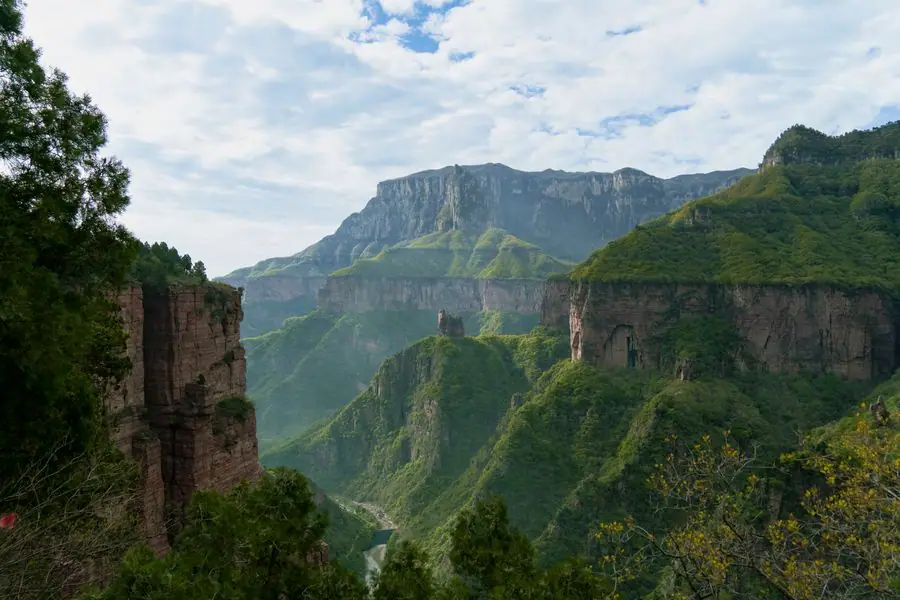
West of the city rises Changbai Mountain (Changbai Shan) — a sacred volcano of the Manchu and Korean peoples and the source of the Yalu and Tumen rivers, crowned by the crater lake Heaven Lake (Tianchi), one of the highest and most dramatic lakes in the world.
Today Yanji is a lively, bilingual, food-obsessed border city and the gateway to both the Korean culture of Yanbian and the volcanic wonders of Changbai — reachable by air from Beijing, Shanghai and Seoul, and by high-speed rail from Changchun and Harbin.
Best time to visit Yanji
Yanji has a cool, continental climate — warm, humid summers and cold, snowy winters. It is milder than the plains to the south because of the mountains.
Budget for Yanji: hotels from $14 a night, average ticket $$13.76 — see the full cost breakdown, or start from a ready-made route.
Cuisine of Yanji
Signature dishes worth seeking out — prices are typical per-person or per-dish ranges, not fixed quotes.
-
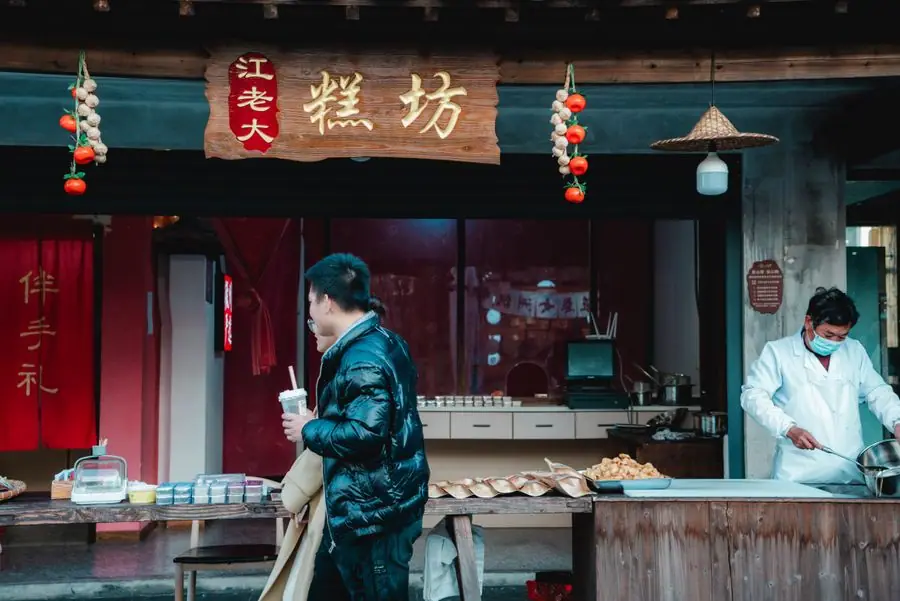
Korean cold noodles (naengmyeon)
Yanji's signature — buckwheat noodles in icy beef broth with pear, egg and mustard, the dish the city is famous for and a summer essential.
-
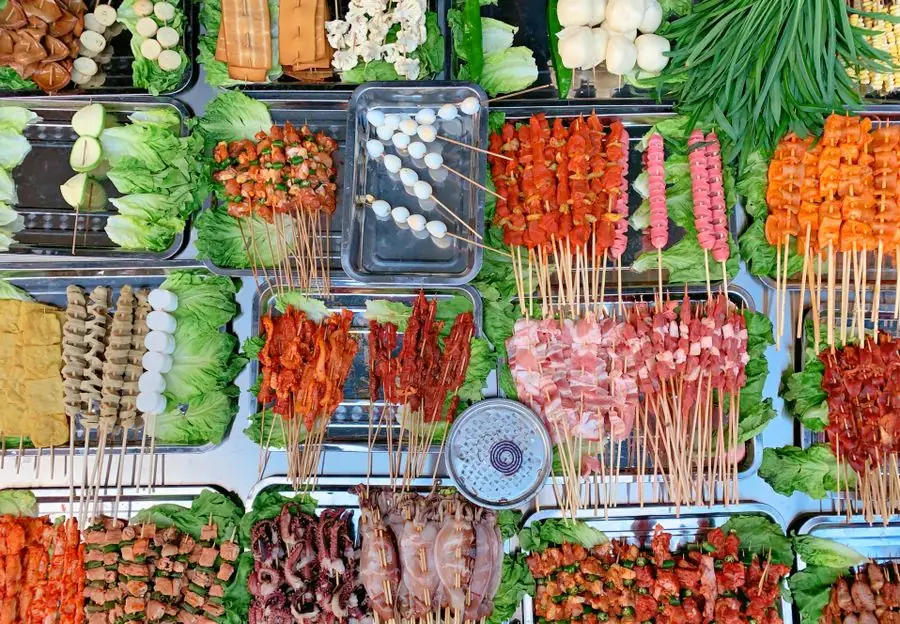
Bibimbap & stone-pot rice
The Korean rice bowl with vegetables, egg and gochujang, served sizzling in a stone pot — the everyday Korean meal of Yanbian.
-
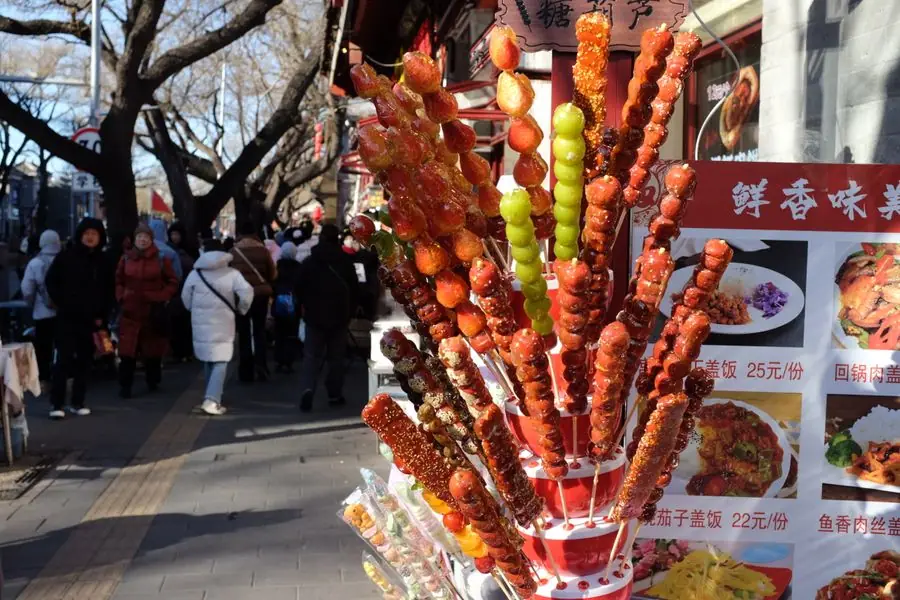
Kimchi & cabbage (paocai)
The fermented chilli cabbage and the dozens of Yanbian pickles — on every table and the soul of the local diet.
-
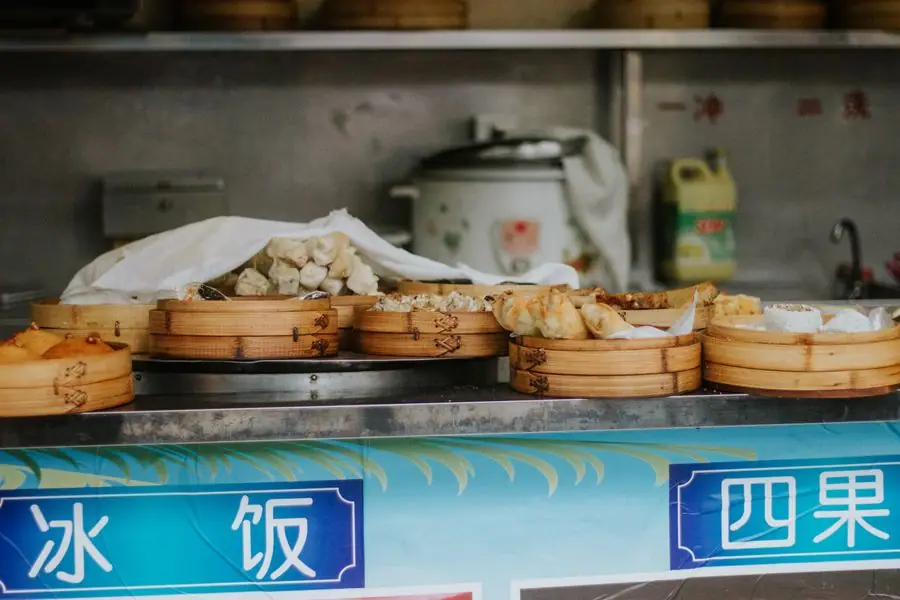
Rice cake (dagao) & rice sausage (miyang)
The pounded glutinous-rice cake and the Korean blood-rice sausage — cheap, filling street and market staples.
-
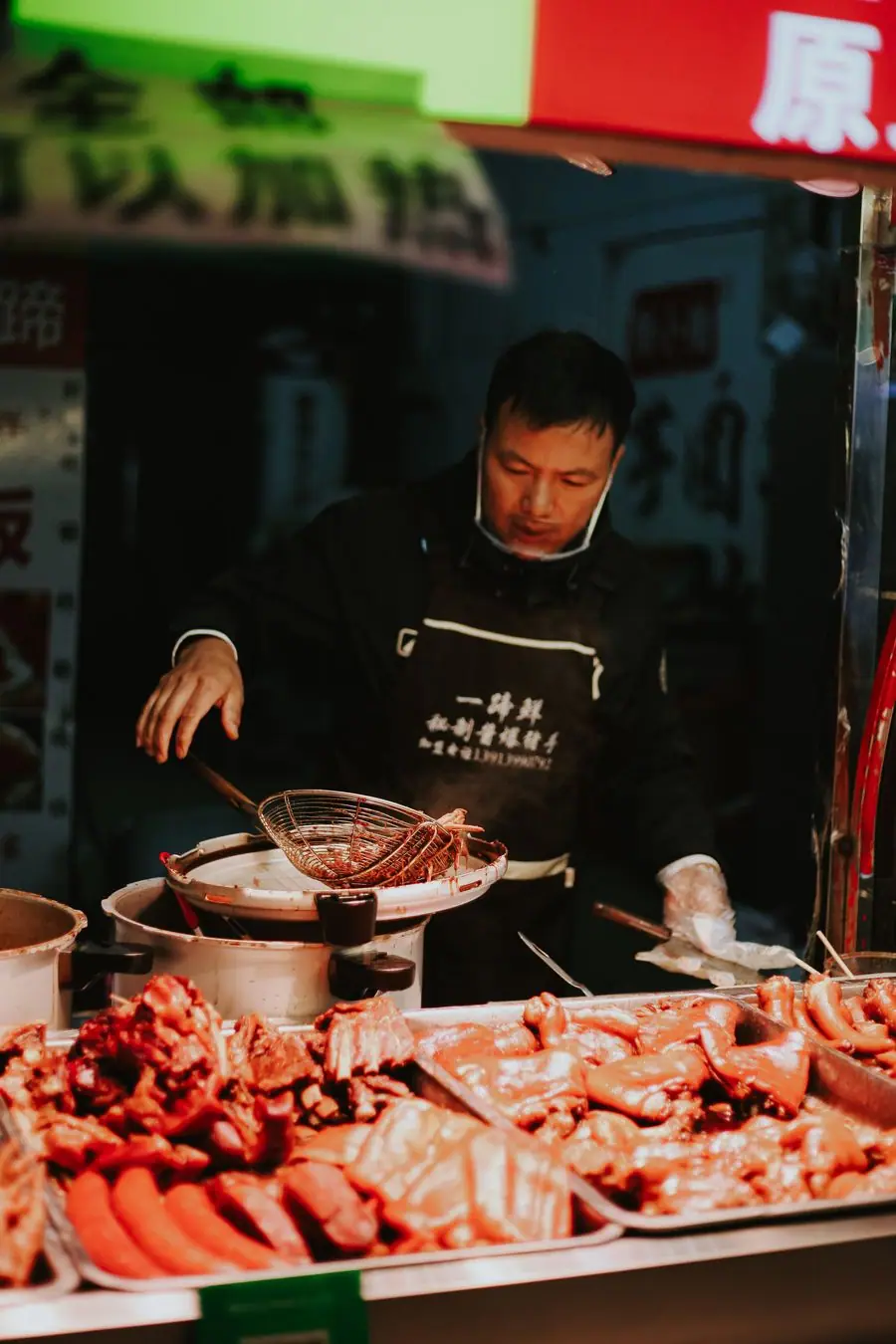
Pollock (mingtaiyu) & Korean fried chicken
The dried pollock of the Tumen fishery and the Korean-style fried chicken with beer — the casual, social eats of the city.
Every major sight — with its own guide
Right after the food above, here are the sights — each one links to its own full guide (what to see, how to get there, facilities and the best season). Names follow each sight's official English signage.
Yanji city (centre, by the university)
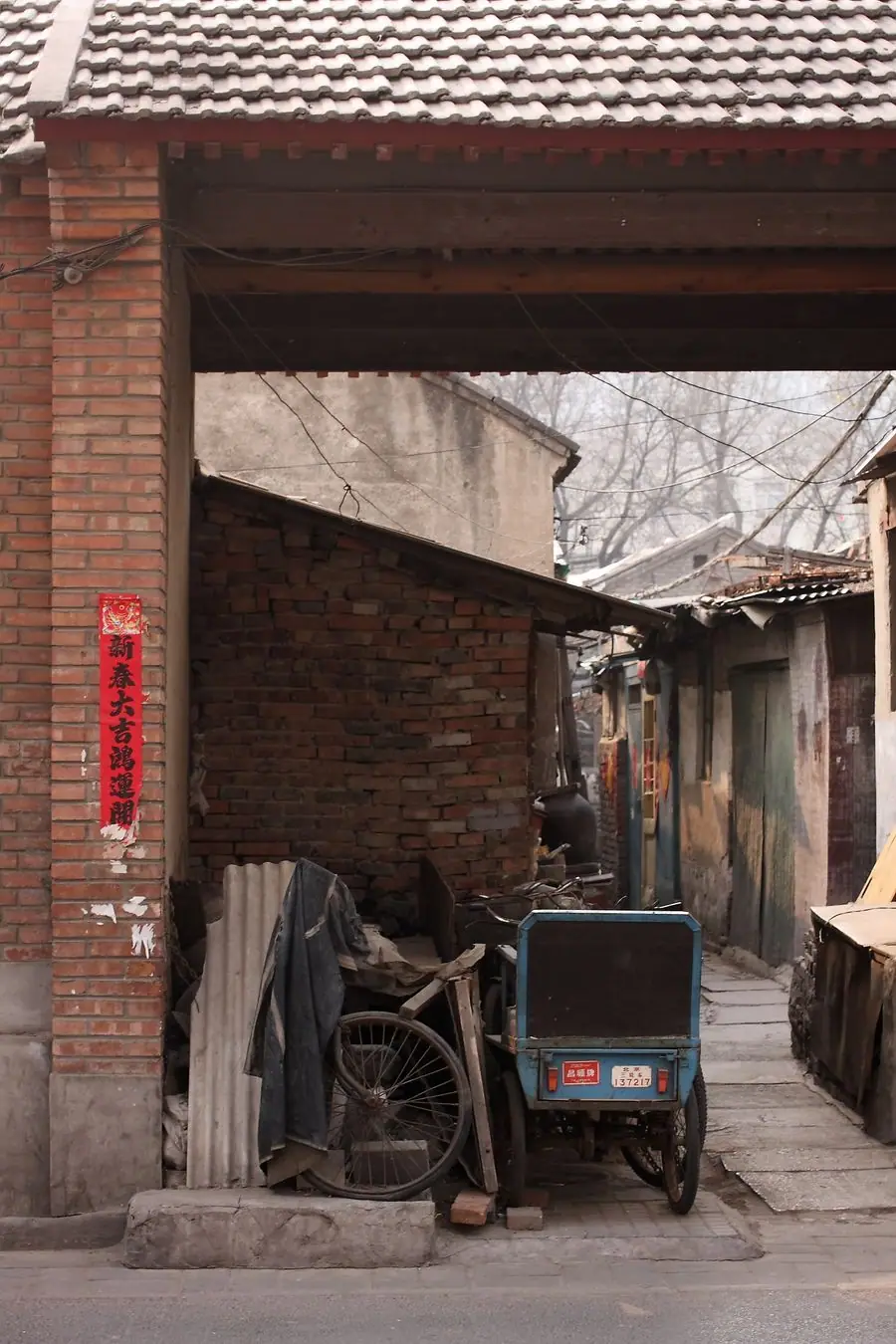
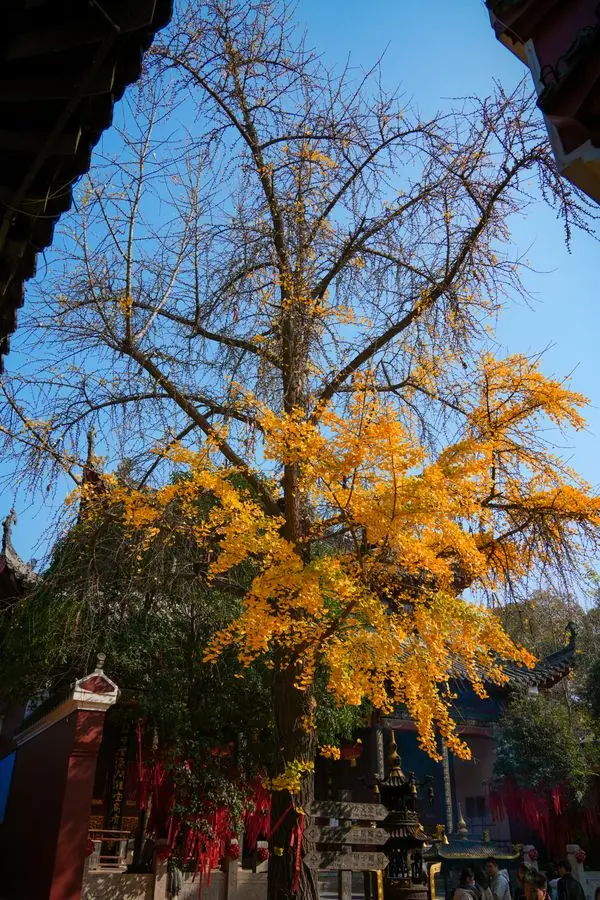
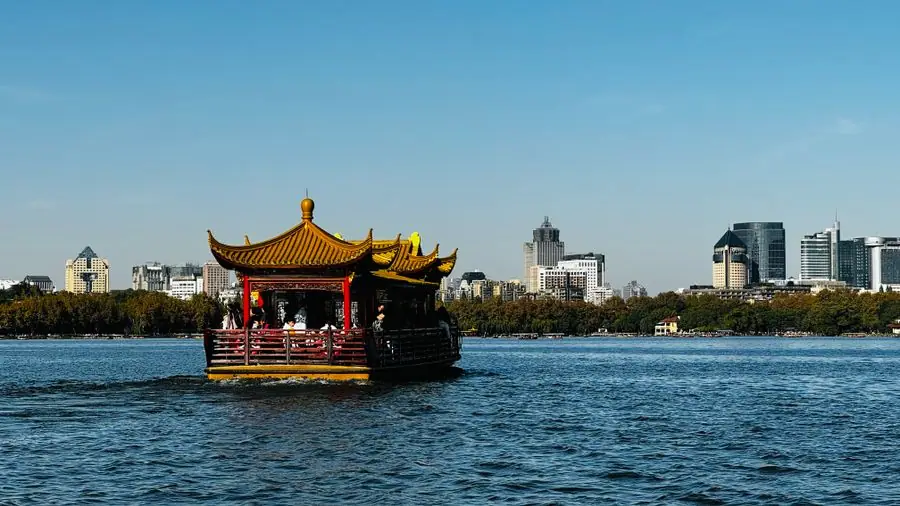
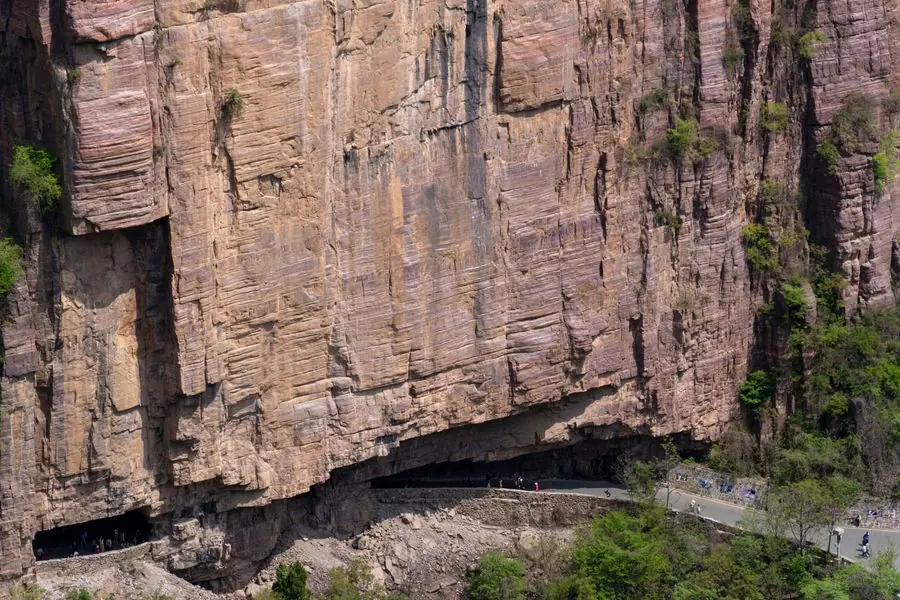
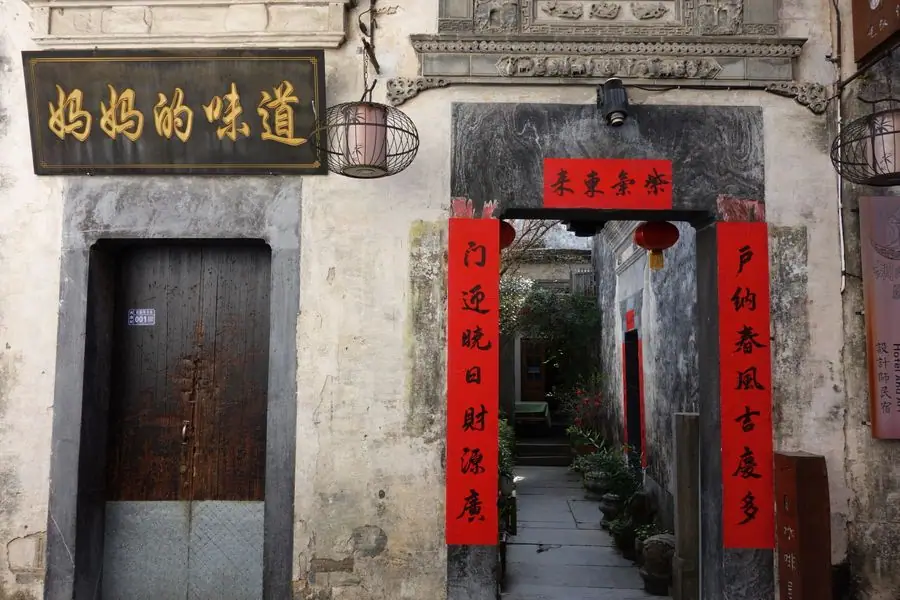
Yanji city (centre)
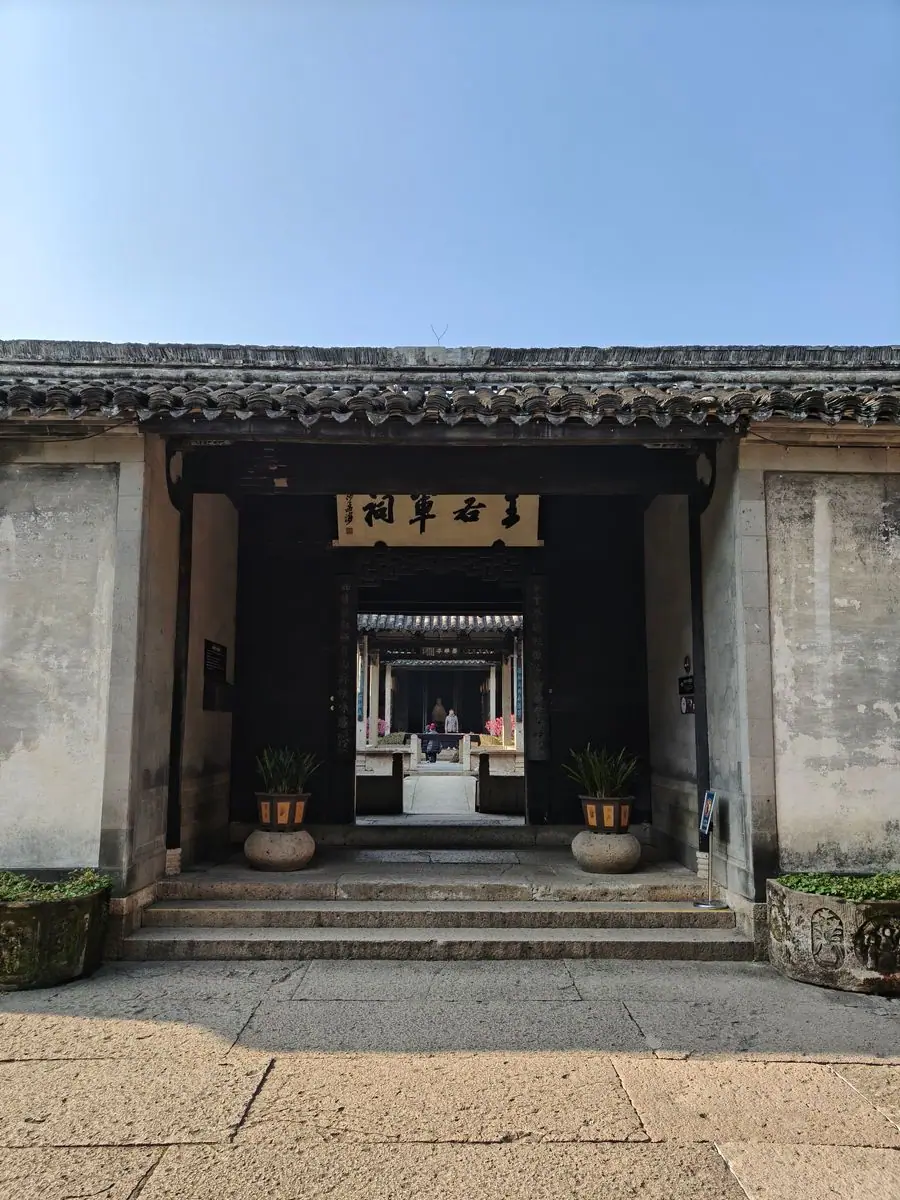
Yanji West Market 延吉西市场
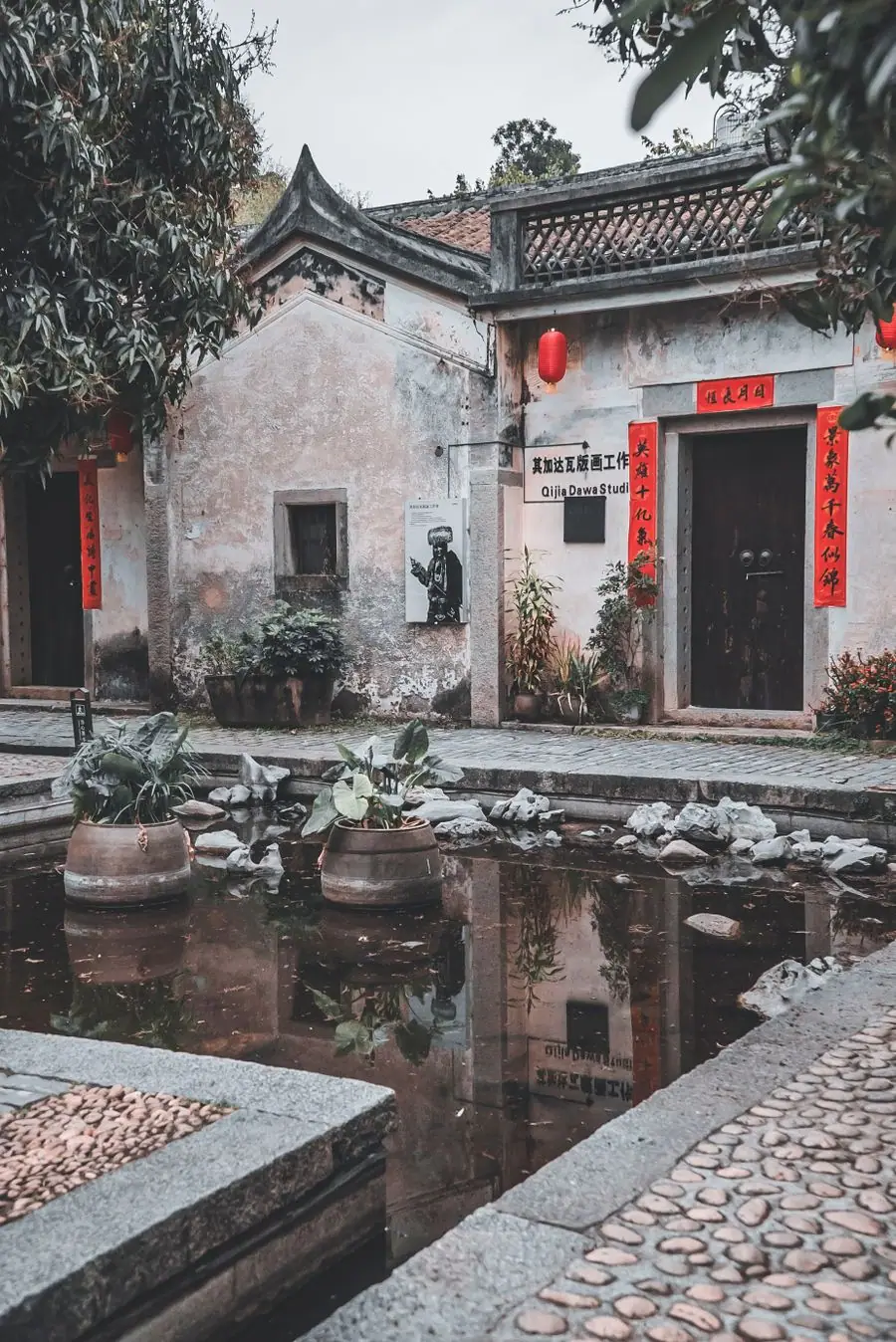
The central market of Yanji — stalls of kimchi, dried pollock, Korean snacks, hanbok and mountain products, the edible and wearable heart of Yanbian and the best place to shop and graze. The cheapest, most local hour in the city.
Yanji Park 延吉公园
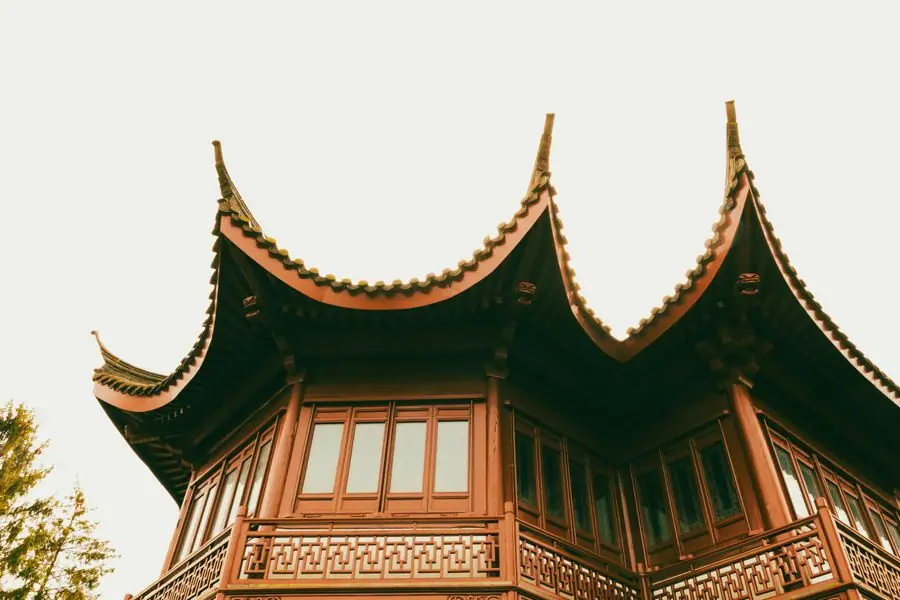
The central city park — a green, lake-and-pavilion escape with the morning-exercise crowd, the evening strollers and a taste of everyday Yanji. The easy, free local break.
Yanji Food Street 延吉美食街
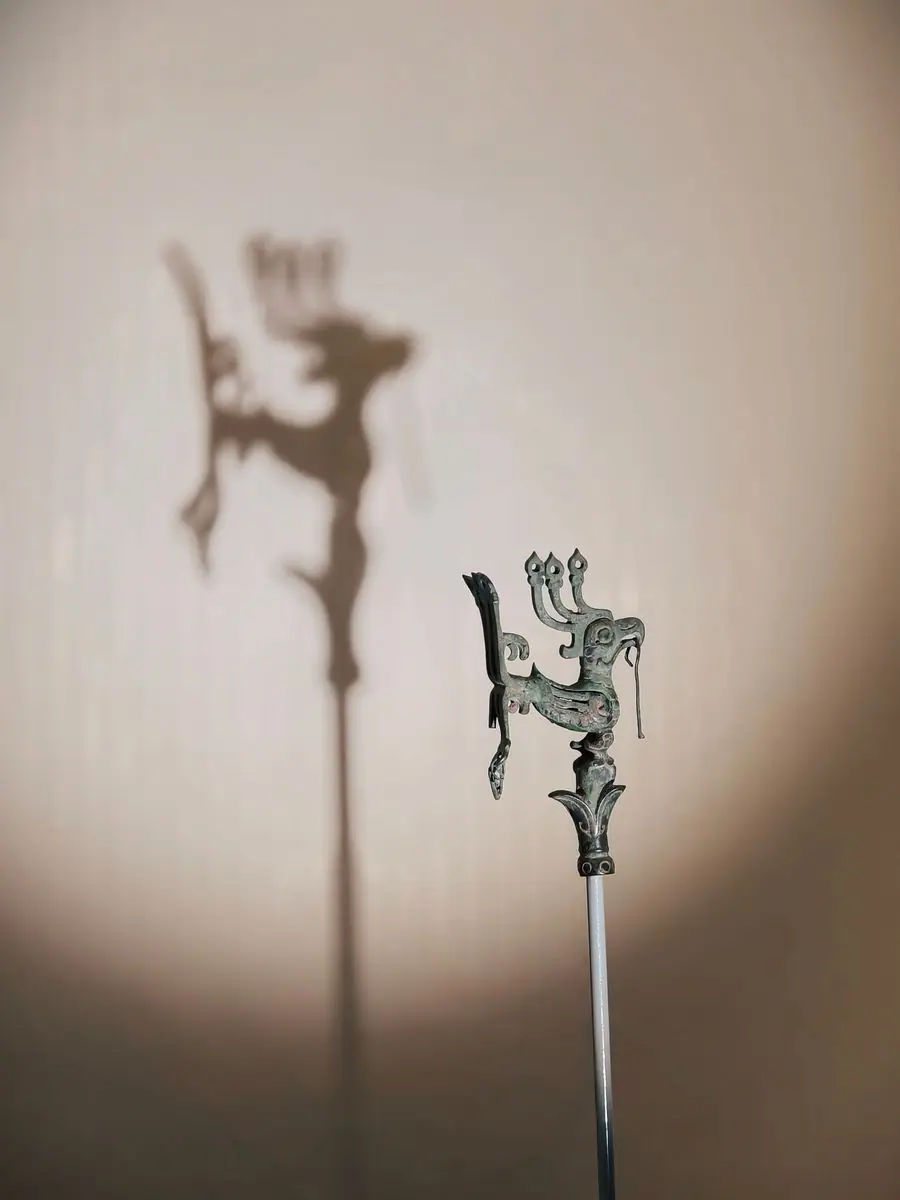
The evening food streets of the centre — cold-noodle shops, BBQ, fried-chicken joints and snack stalls, the social, delicious heart of Yanbian after dark. The best cheap-eats and local-life hour in the city.
Yanbian Museum 延边博物馆
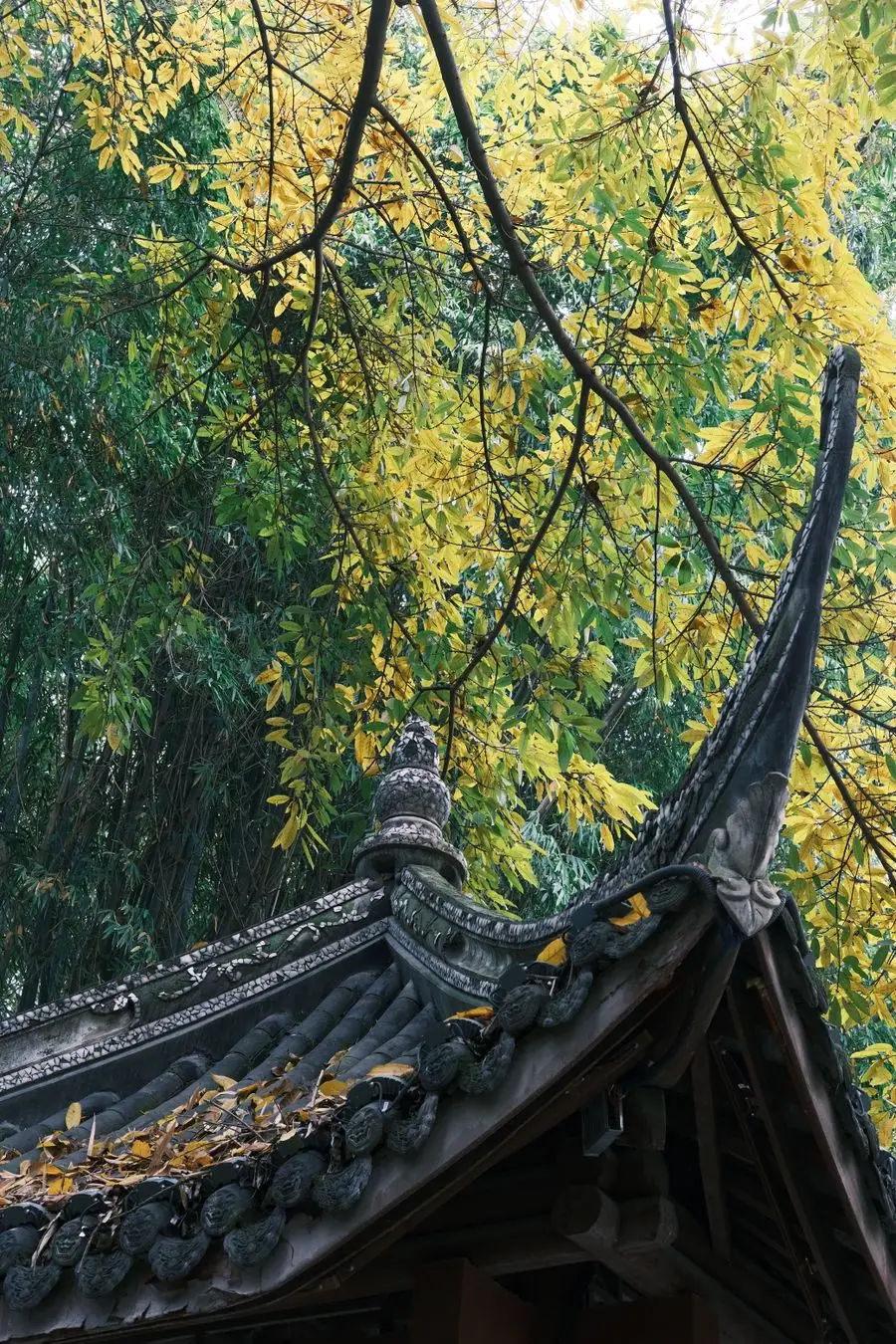
The regional museum of Yanbian — the Korean history, the migration story, the folk culture and the Changbai heritage under one roof, the calm, air-conditioned primer on the prefecture. The best any-weather cultural stop.
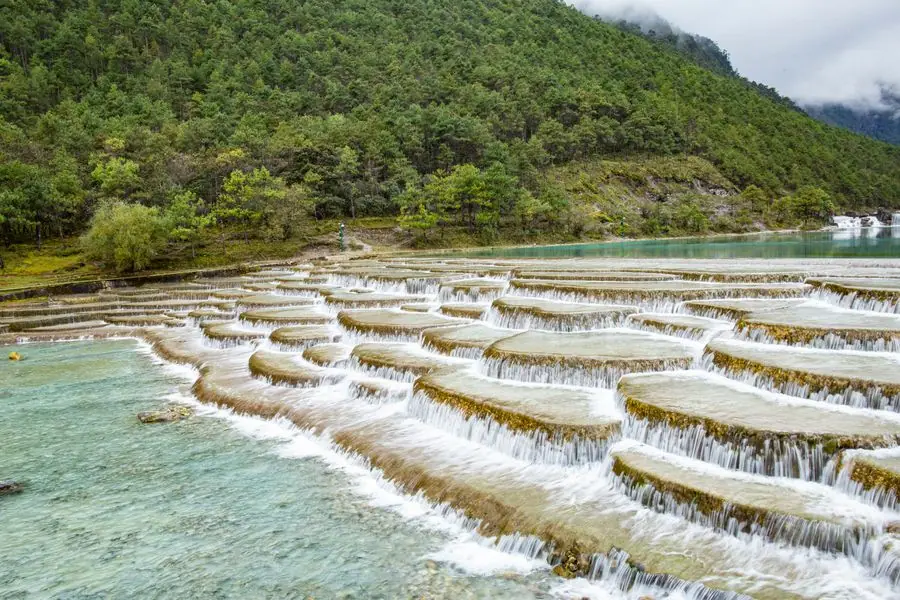
Antu county, on the north slope
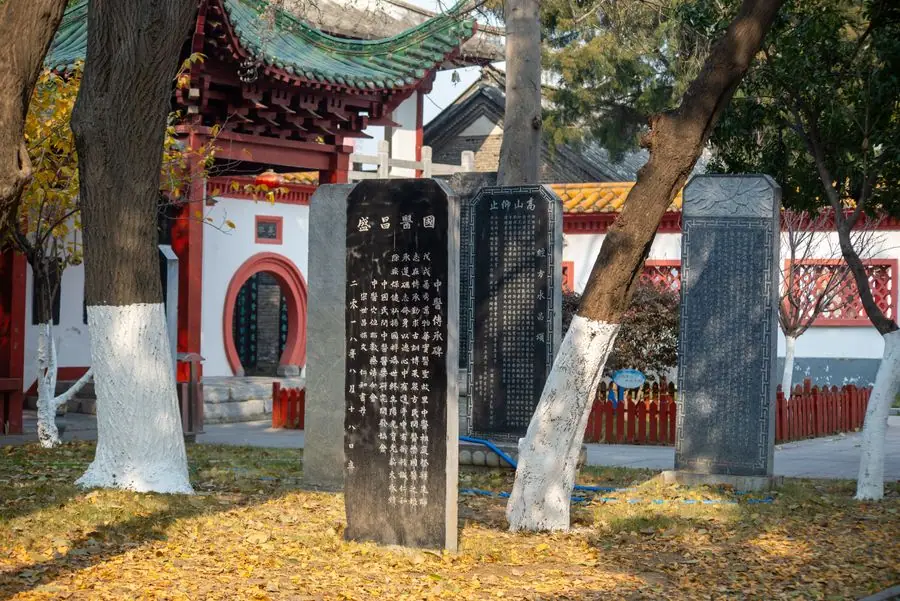
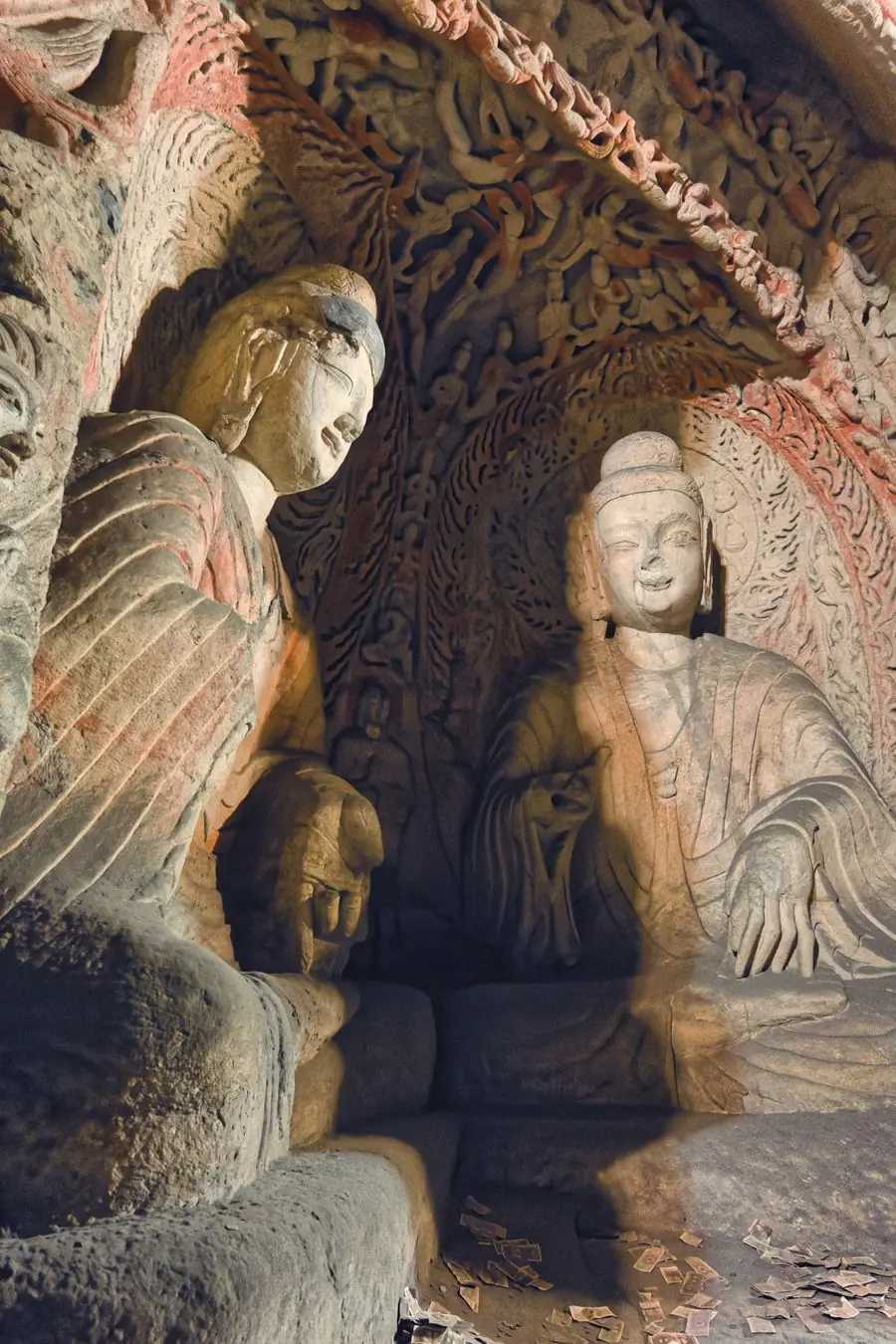
Where to stay in Yanji
Stay in Yanji city (near Yanji West high-speed station and the main food streets) for the Korean restaurants, the markets and the nightlife. For Changbai Mountain, base in the north-slope town of Erdaobaihe (about 2 h away) or the ski resorts; Fangchuan needs a day trip from Yanji or Hunchun.
Budget
$14–28 / nightChain hotels (Hanting, JI, 7 Days) around the station and the centre; clean doubles and foreign-passport registration is routine at the chains.
Mid-range
$35–70 / nightJI Hotel, Vienna and local full-service hotels downtown and by the West station — the sweet spot; book ahead in summer and autumn.
Splurge
$85–170 / nightThe international chains and new business hotels near the high-speed station and the mountain resorts — pools, views and the corporate crowd.
Souvenirs & local crafts
Easy to pack, easy to explain at customs — and far cheaper at a supermarket than at a scenic stall.
-
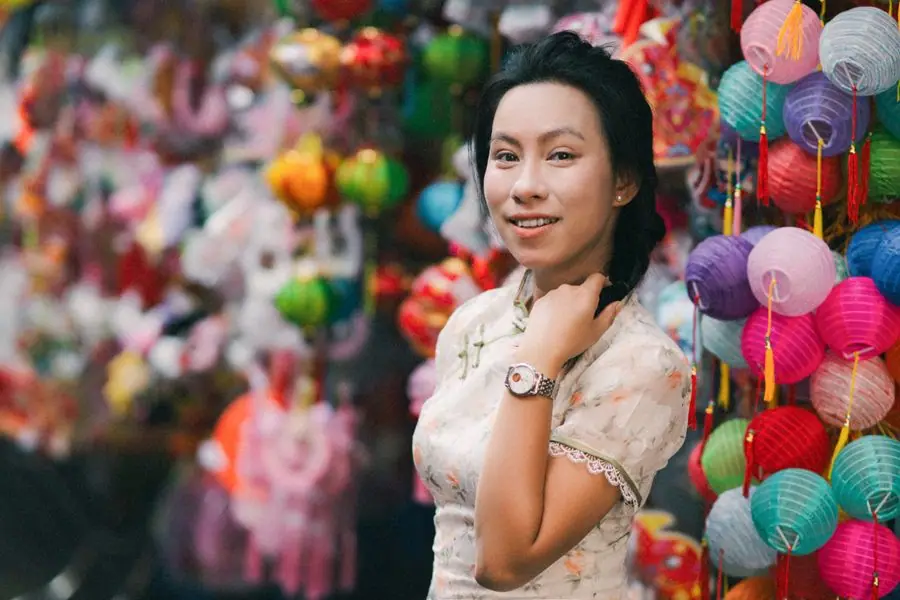
Korean traditional dress (hanbok)
The colourful Yanbian hanbok — a wearable, photogenic gift and the on-theme Yanji souvenir.
-
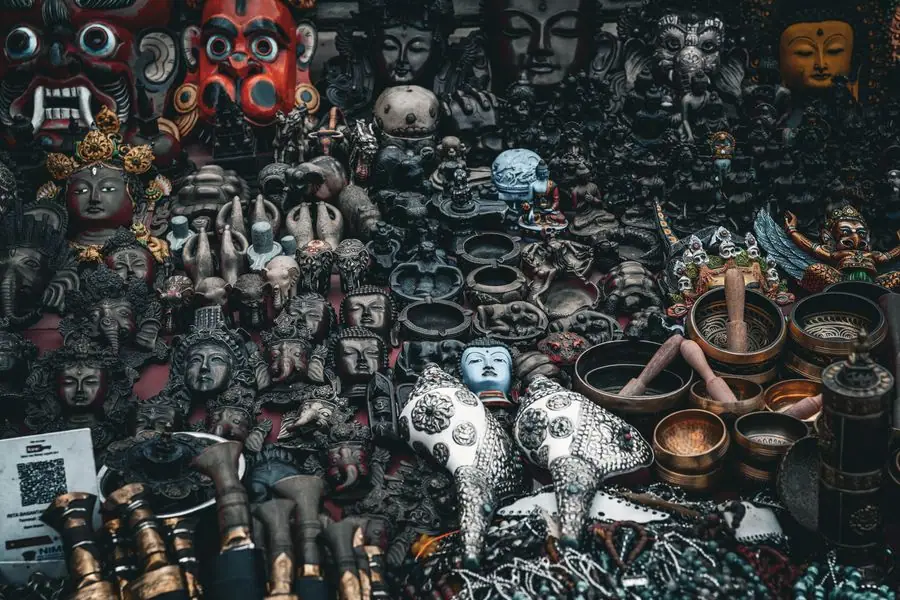
Kimchi & chilli paste
Vacuum-packed kimchi and gochujang — a practical, packable taste of Yanbian.
-
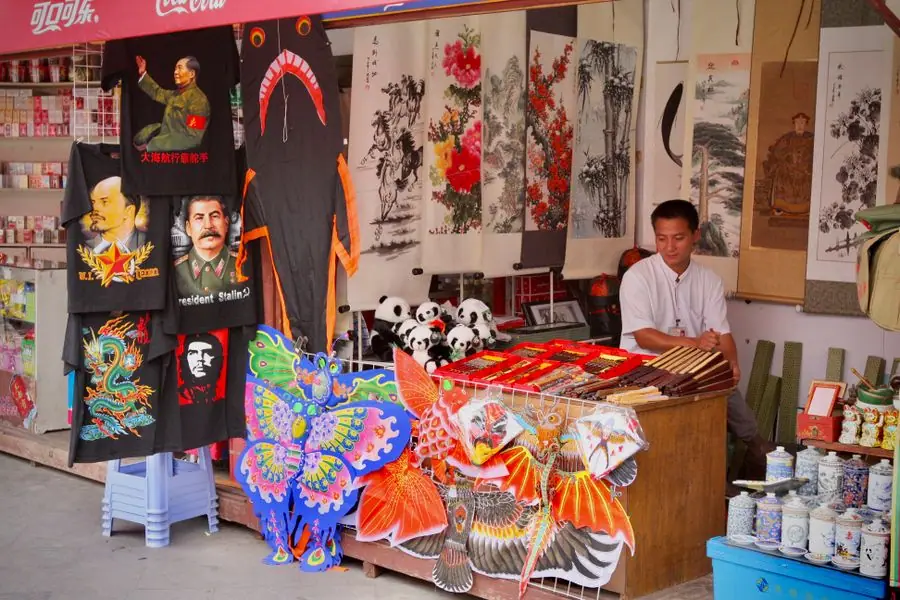
Ginseng (gaolishen)
The Changbai Mountain ginseng — the traditional, premium gift of the region.
-
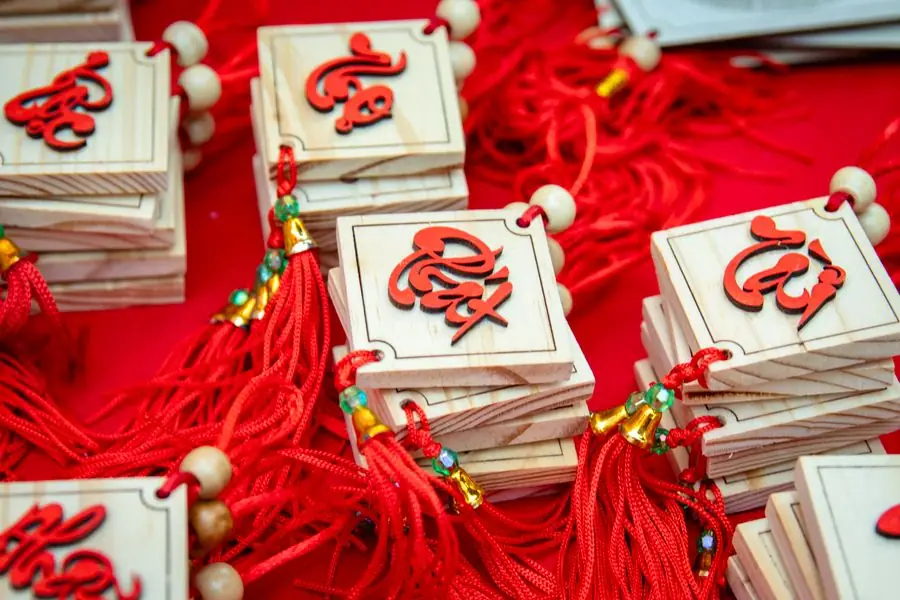
Dried pollock & mountain products
The Tumen dried pollock and the wild mushrooms and herbs of Changbai — light and packable.
-
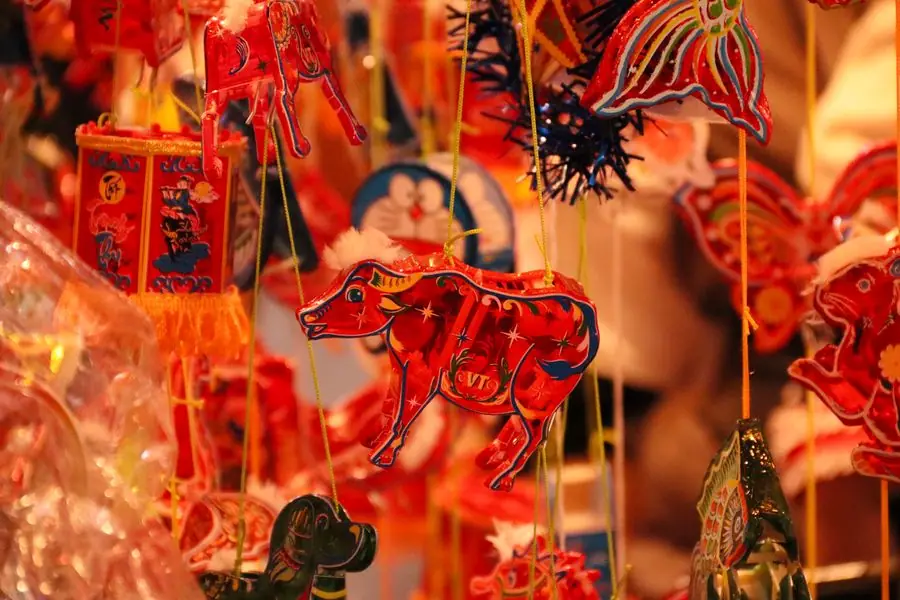
Korean crafts & makgeolli
Embroidery, folk crafts and the milky rice wine (makgeolli) — a cultural, drinkable gift.
Getting around Yanji
Yanji Chaoyangchuan International Airport (YNJ) is itself a participating port of the 240-hour transit scheme and has flights from Beijing, Shanghai and Seoul; the high-speed rail connects Yanji West with Changchun and Harbin.
- High-speed rail
- Yanji West (Yanji Xi) is on the Changchun–Tumen–Hunchun high-speed line: Changchun about 2.5–3 h, Harbin about 4 h, and Hunchun about 1 h. Add a bus or taxi to the sights.
- Long-distance bus
- Long-distance and tourist buses run from Yanji to Changbai Mountain (Erdaobaihe), Tumen, Hunchun and Fangchuan; within the city the buses are cheap (about $0.28 / RMB 2).
- Metro & bus
- Yanji has no metro — the compact city centre is walkable and the sights need a bus, taxi or booked car.
- Taxis
- Taxis are metered from about $1.13 (RMB 8); the station and the food streets are a short ride apart.
- Ride-hailing
- DiDi is the default for the Changbai Mountain, Tumen and Fangchuan day trips — the region is spread out.
- Shared bikes
- Shared e-bikes are handy around the flat city centre and the riverside.
- Intercity carpool
- The high-speed trains link Yanji with Changchun, Harbin and Hunchun; for Changbai Mountain a booked car or the Yanji tourist buses are easiest.
Plan your 1, 2 or 3 days in Yanji
Pick the length of your stay. Each plan is its own page, anchored at the city centre and written from real traveller itineraries — including splits for sightseeing, shopping, landscape, families and older travellers.
Yanji in one day: Korean culture in the city
The China Korean Folk Park, the Yanbian University sign wall, the West Market and the food streets — a full day of Yanbian culture and cold noodles in the city. The classic Yanji day.
Read the plan → 2-dayYanji in two days: + Changbai Mountain
Day two heads west to Changbai Mountain's north slope and Heaven Lake — the volcano, the falls and the crater lake, overnight in Erdaobaihe or back in Yanji.
Read the plan → 3-dayYanji in three days: + Tumen & Fangchuan
Give the third day to the Tumen River border and the Fangchuan tri-border (China–Korea–Russia) — the frontier scenery and the eastern tip of China.
Read the plan →Frequently asked questions
- When is the best time to visit Yanji?
- September–October is the best all-round month — crisp, golden and the clearest for Changbai Mountain's Heaven Lake. June–August is mild and green (high season for the mountain); December–February is snowy and good for skiing and the frozen border. Spring is short and muddy.
- Do I need a visa for Yanji?
- Yanji Chaoyangchuan International Airport (YNJ) is itself a participating port of China's 240-hour (10-day) visa-free transit scheme, and Changchun Longjia (CGQ) nearby is too. If your nationality is among the 57 countries eligible for the 240-hour transit waiver and you continue to a third country, you can enter at Yanji (or Changchun) and stay in Jilin (which includes Yanji) for up to 10 days. Otherwise arrange a Chinese visa in advance; confirm the current qualifying list and ports with a consulate before booking. Note that simply viewing North Korea across the Tumen River does not require entering the DPRK.
- Can you see North Korea from Yanji?
- Yes — the Tumen River east of the city is the border with North Korea, and from the Tumen city bridge and the riverside you can see the DPRK on the far bank. Fangchuan, further southeast, is the spot where China, North Korea and Russia meet; you view all three without crossing any border.
- How much do the sights cost?
- The China Korean Folk Park is free or a small ticket (about $4.23 / RMB 30); the Yanbian University wall and the West Market are free; Maor Mountain is free or about $4.23 (RMB 30); Changbai Mountain north slope is about $31.69 (RMB 225, peak, including the shuttle); Fangchuan is about $12.68 (RMB 90); the Yanbian Museum is free (booking). Verify the exact combo and price on site.
- How many days do I need?
- Two days covers the city's Korean culture and a Changbai Mountain day trip. Three adds the Tumen border and Fangchuan. The city culture alone is a relaxed one-day highlight.
- What is the food scene like?
- Yanji is the most Korean city in China — bilingual signboards, cold-noodle shops on every block, kimchi and bibimbap everywhere, and the West Market for snacks and souvenirs. It is a food destination in its own right, especially for Korean cuisine outside Korea.
Page last reviewed: 2026-11-02.