Yangzhou 2026: Slender West Lake, Ge Garden & a 1–3 Day Plan
Yangzhou was one of the richest cities in imperial China — a salt-trade capital on the Grand Canal where merchants spent fortunes on gardens and Huaiyang cuisine. Two and a half hours from Shanghai by high-speed rail, it delivers the classic Jiangnan package: a willow-lined lake, bamboo and rockery gardens, an old street, and a food culture that produced the original fried rice. It is also one of the easiest Chinese cities to walk.
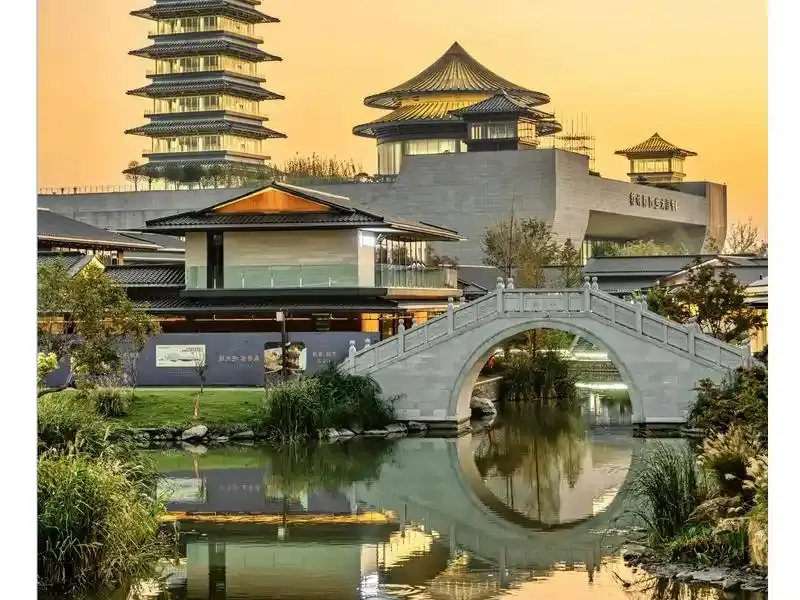
History & culture
Yangzhou's rise was built on salt and the Grand Canal. From the Sui dynasty onward, the canal made the city the collection point for salt from the coast and grain from the south, and by the Tang dynasty it was one of the empire's great commercial ports — a byword for wealth that poets wrote about and merchants flocked to.
In the Qing dynasty the salt monopoly made Yangzhou fabulously rich. Merchant families spent their fortunes on scholar gardens, libraries and painting collections, and the city became a centre of the 'eight eccentrics' painters and of Huaiyang cuisine, the refined cooking style that still defines the region.
The nineteenth century hit hard: the canal silted, the salt monopoly was reformed and the Taiping war devastated the city. Yangzhou spent the next century as a quiet provincial town while Shanghai and Nanjing grew around it.
Today Yangzhou is a mid-sized Jiangsu city of about 4.5 million, rebuilding its old identity: the Grand Canal was inscribed on the UNESCO World Heritage list in 2014, the China Grand Canal Museum opened in 2021, and the lake gardens and old streets have been restored as the city's main draw.
Best time to visit Yangzhou
Yangzhou has a humid subtropical climate with a plum-rain stretch in early summer and cold, damp winters. Spring is the classic season here — the willows come out along Slender West Lake and the gardens are at their greenest.
Budget for Yangzhou: hotels from $25 a night, average ticket $$5.09 — see the full cost breakdown, or start from a ready-made route.
Cuisine of Yangzhou
Signature dishes worth seeking out — prices are typical per-person or per-dish ranges, not fixed quotes.
-
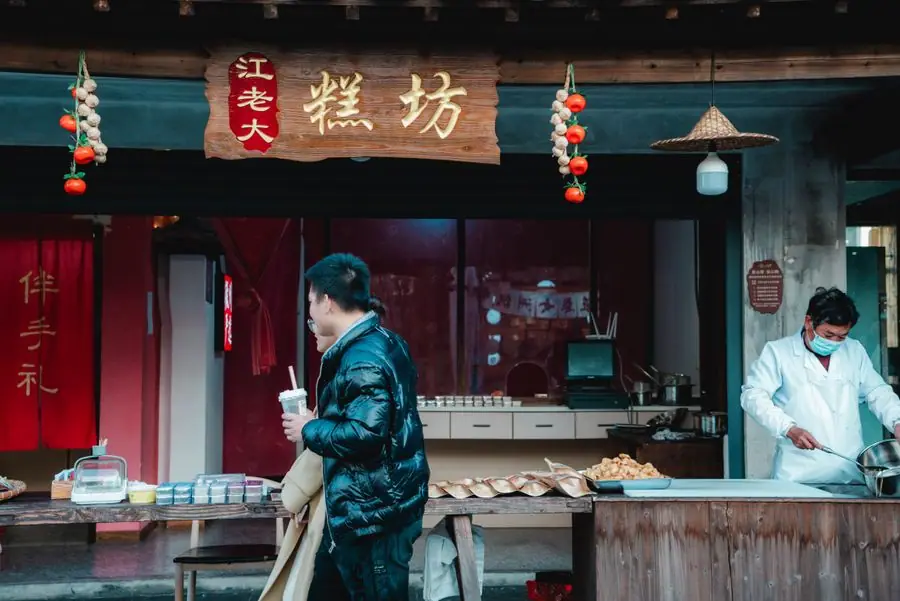
Yangzhou fried rice
The dish the city claims to have invented: rice stir-fried with egg, ham, shrimp and peas, fried separately and folded together. Done properly it is lighter and less greasy than the takeaway version.
-
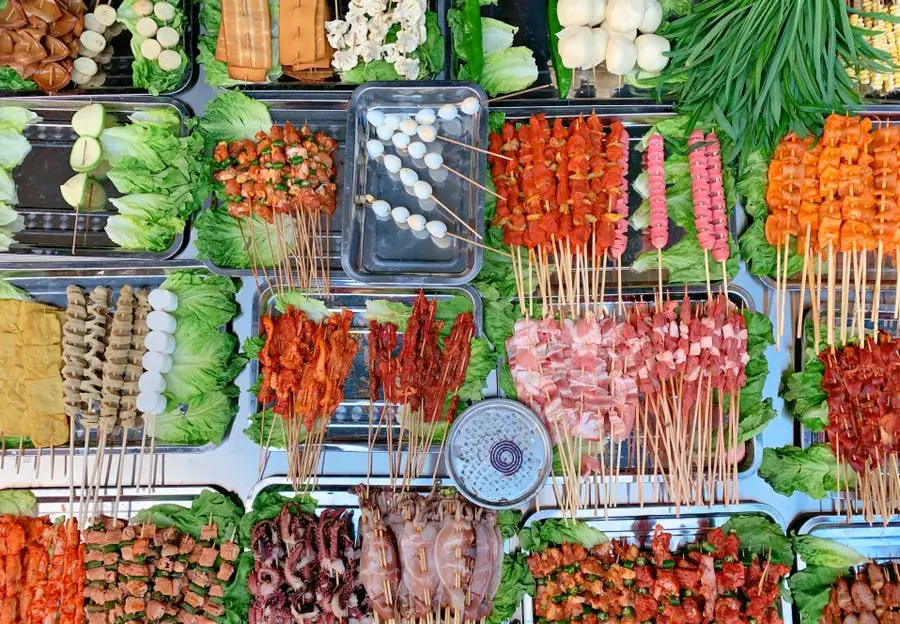
Lion's head meatballs
Large, tender pork meatballs braised with cabbage or in a clear broth — a Huaiyang classic that shows the style's preference for gentle seasoning over chilli and heavy sauce.
-
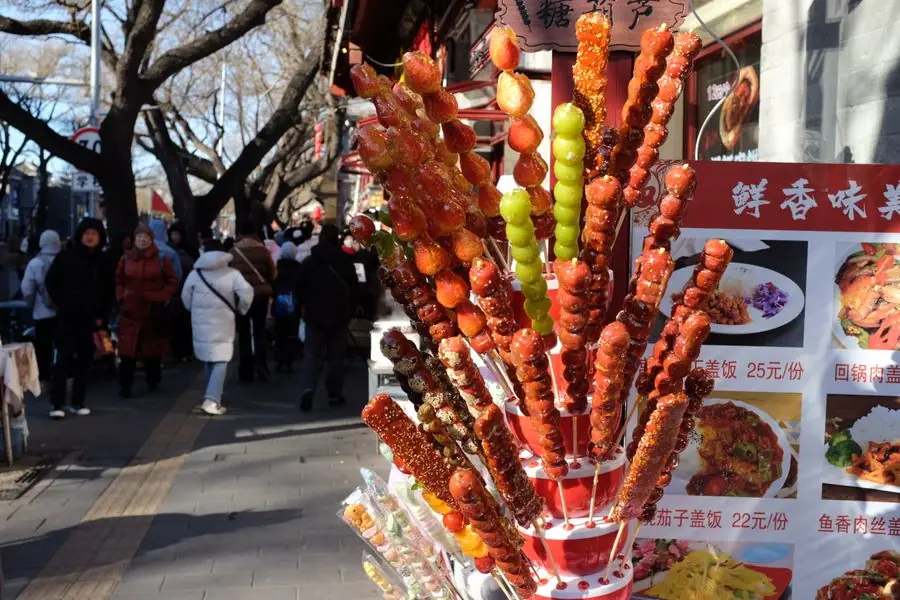
Wensi tofu
Tofu cut into thousands of silk-thin strands in a clear broth — the knife-work showpiece of Huaiyang cuisine, usually served as a shared soup at a banquet.
-
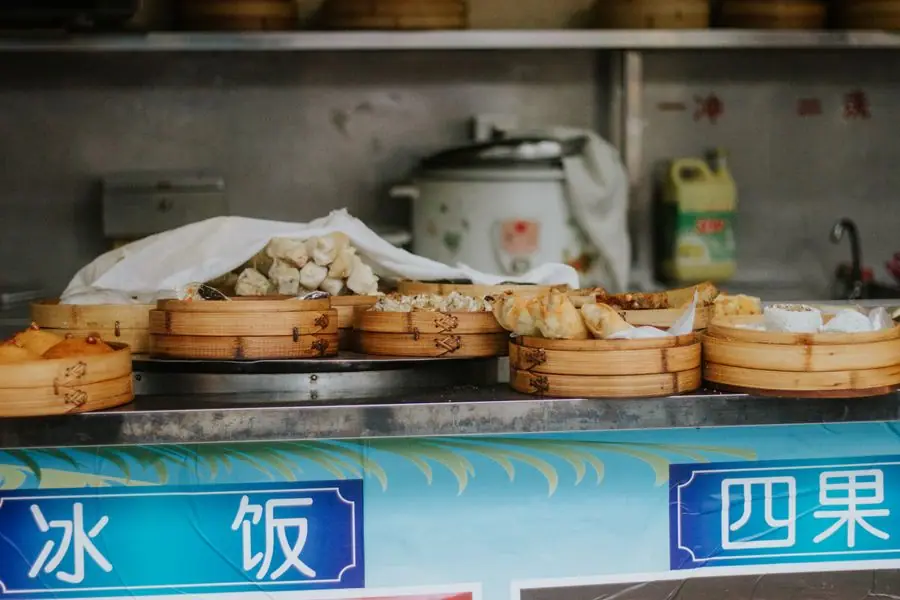
Three-delicacy steamed bun
Yangzhou baozi: steamed buns filled with chicken, pork and bamboo shoots in a savoury sauce, a breakfast institution served with tea at the old teahouses.
-
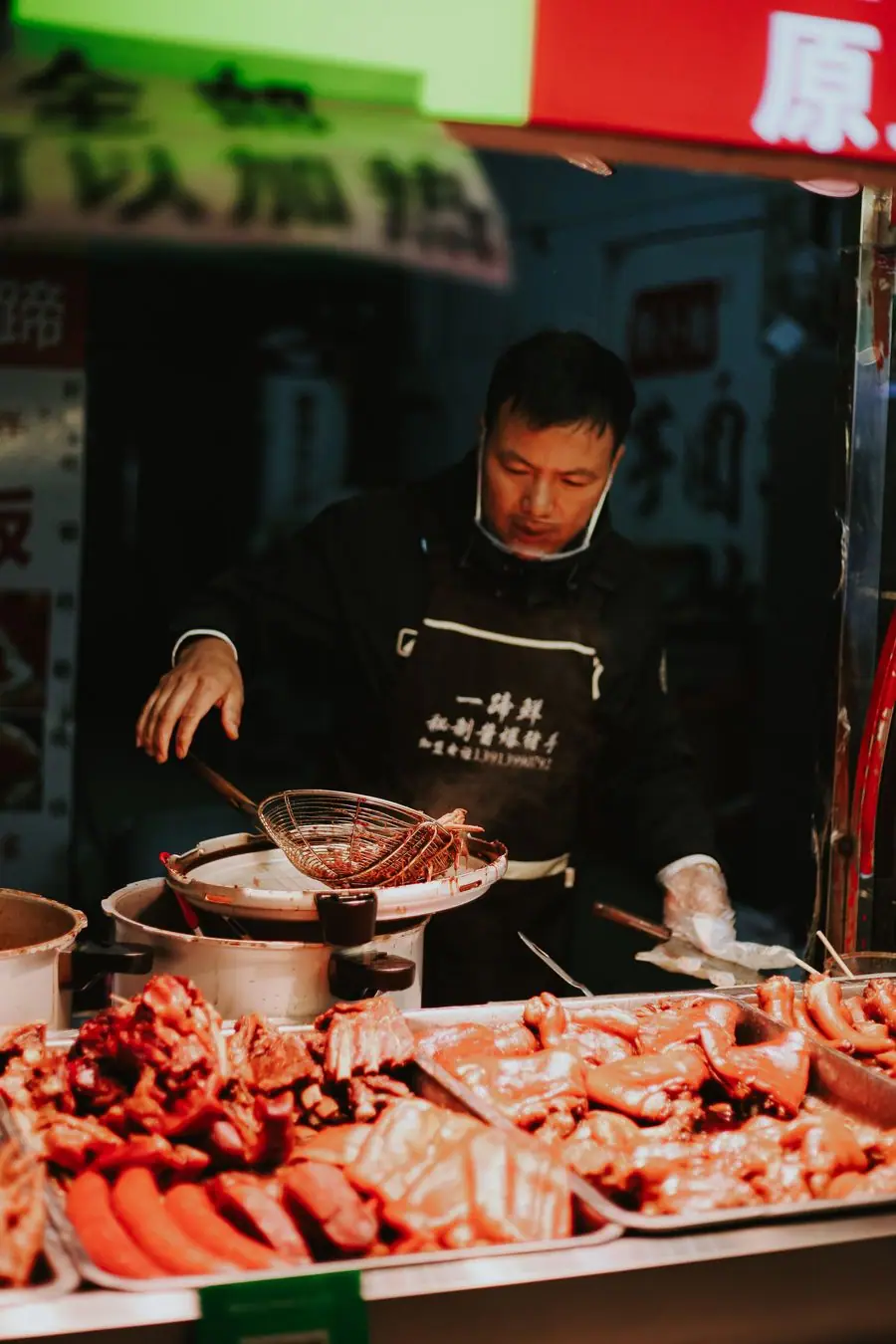
Salted goose
Yangzhou's salted and boiled goose, sliced and served cold — a local favourite with beer, sold at street-side shops throughout the old city.
Every major sight — with its own guide
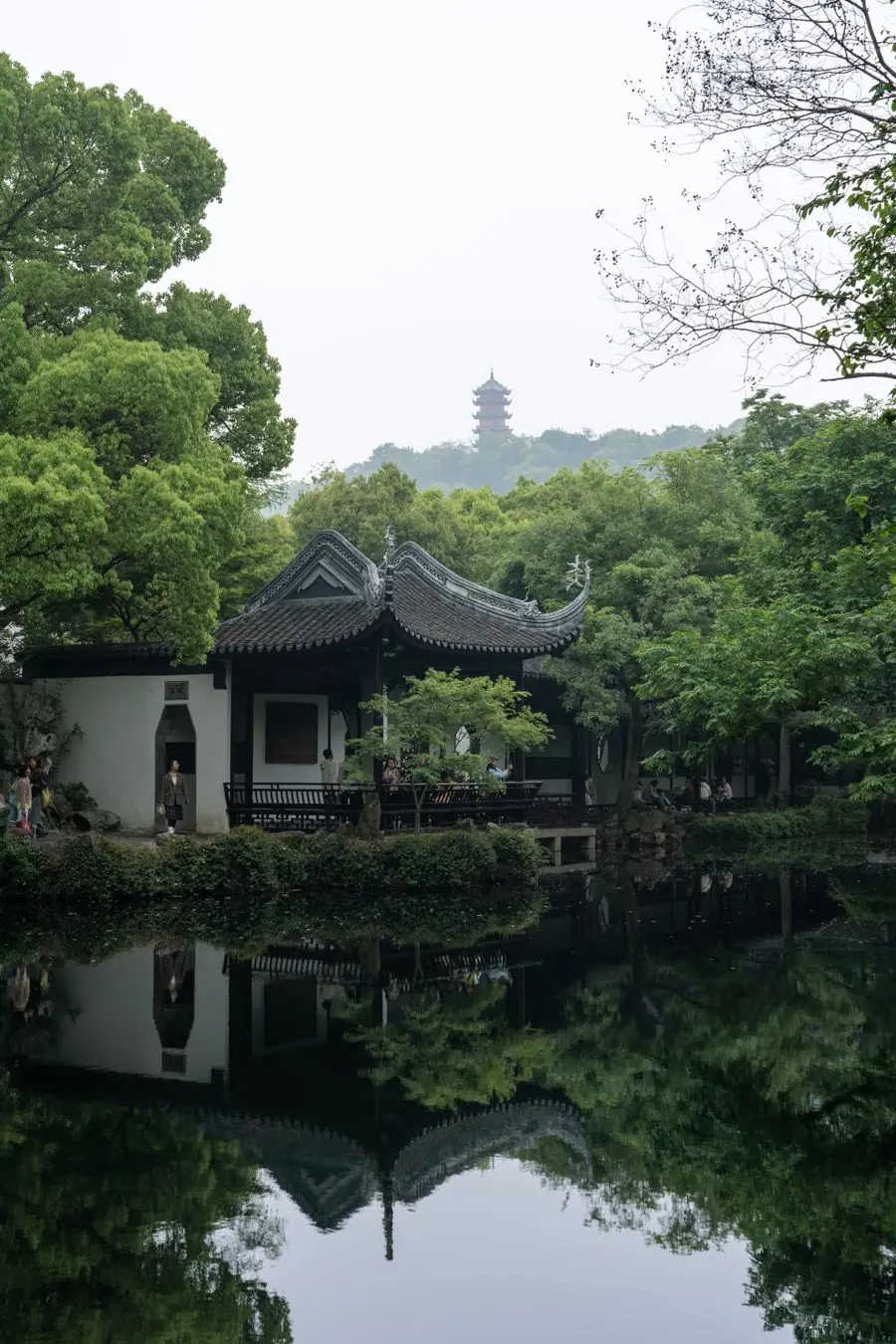
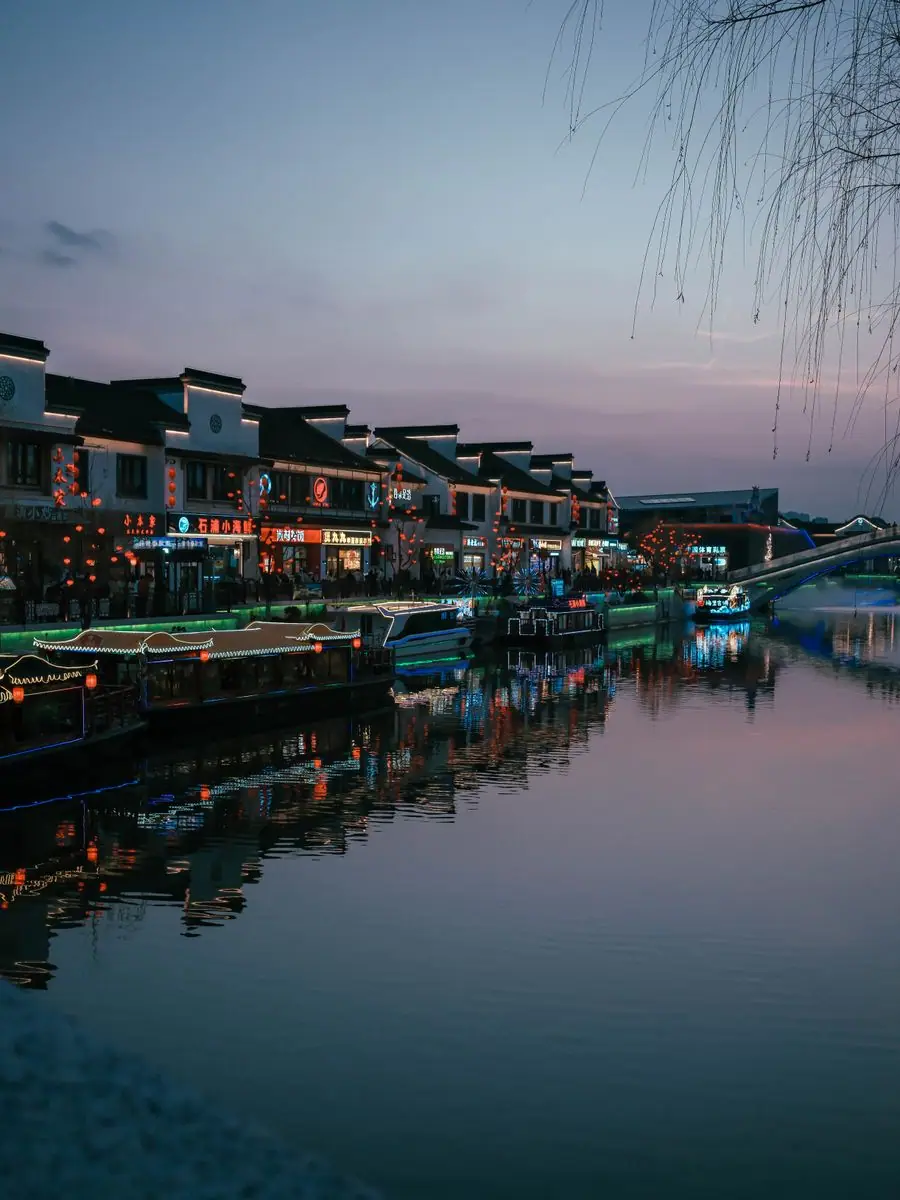
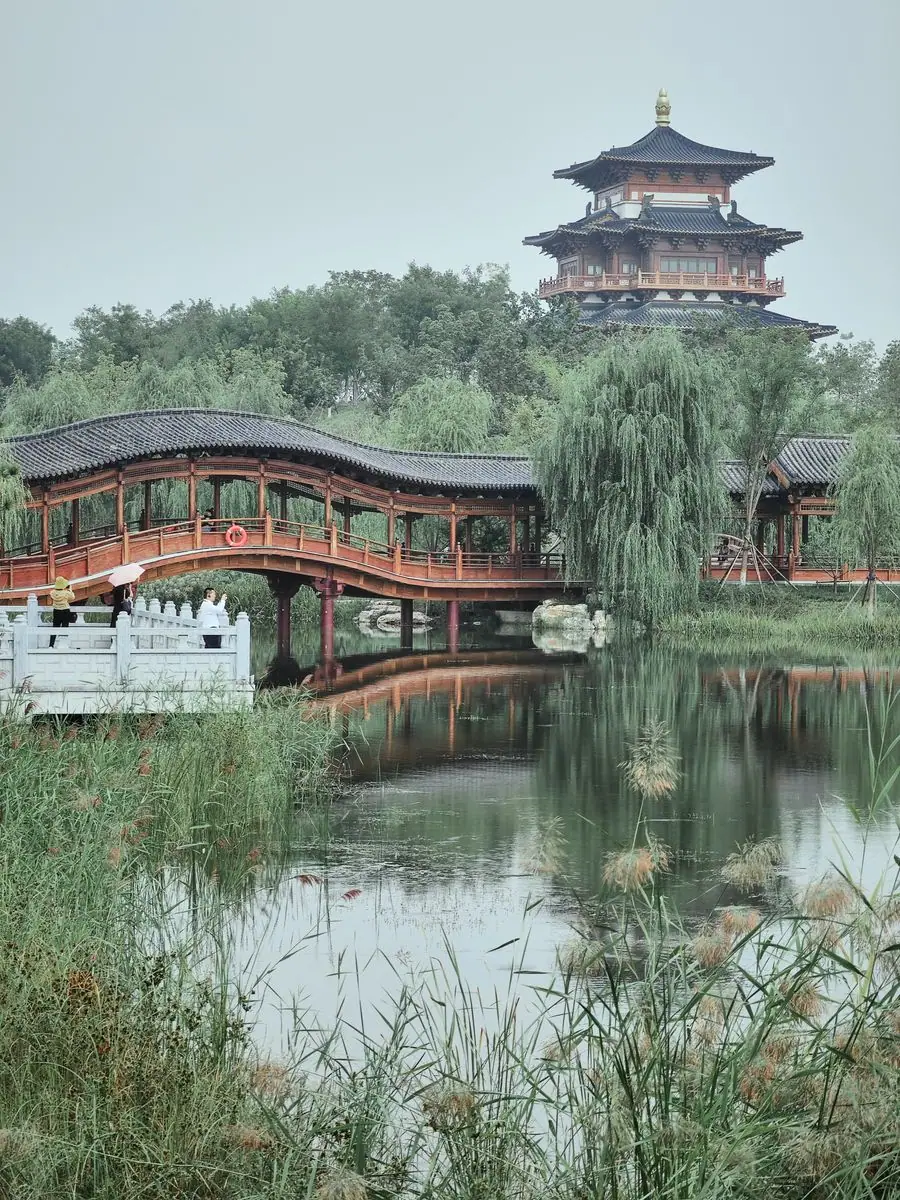
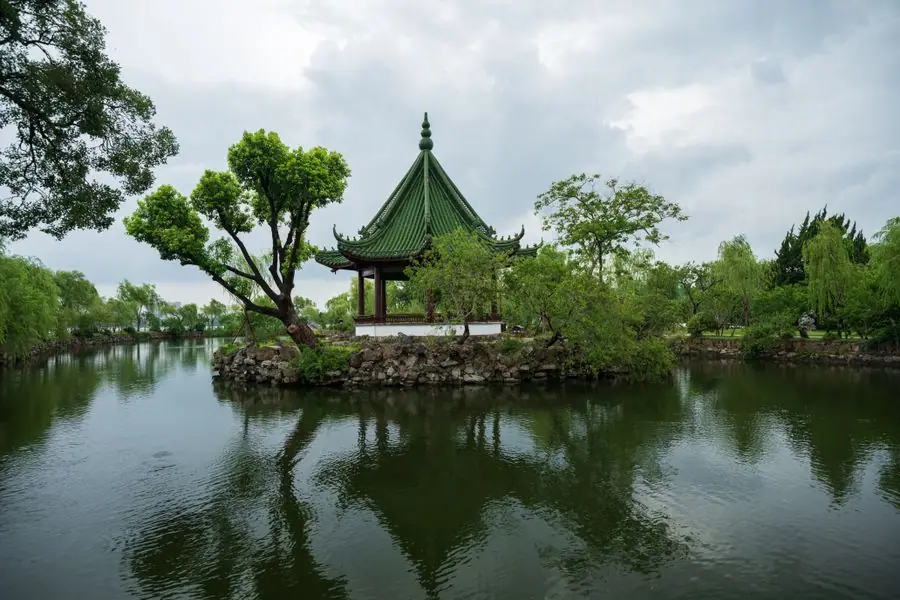
Right after the food above, here are the sights — each one links to its own full guide (what to see, how to get there, facilities and the best season). Names follow each sight's official English signage.
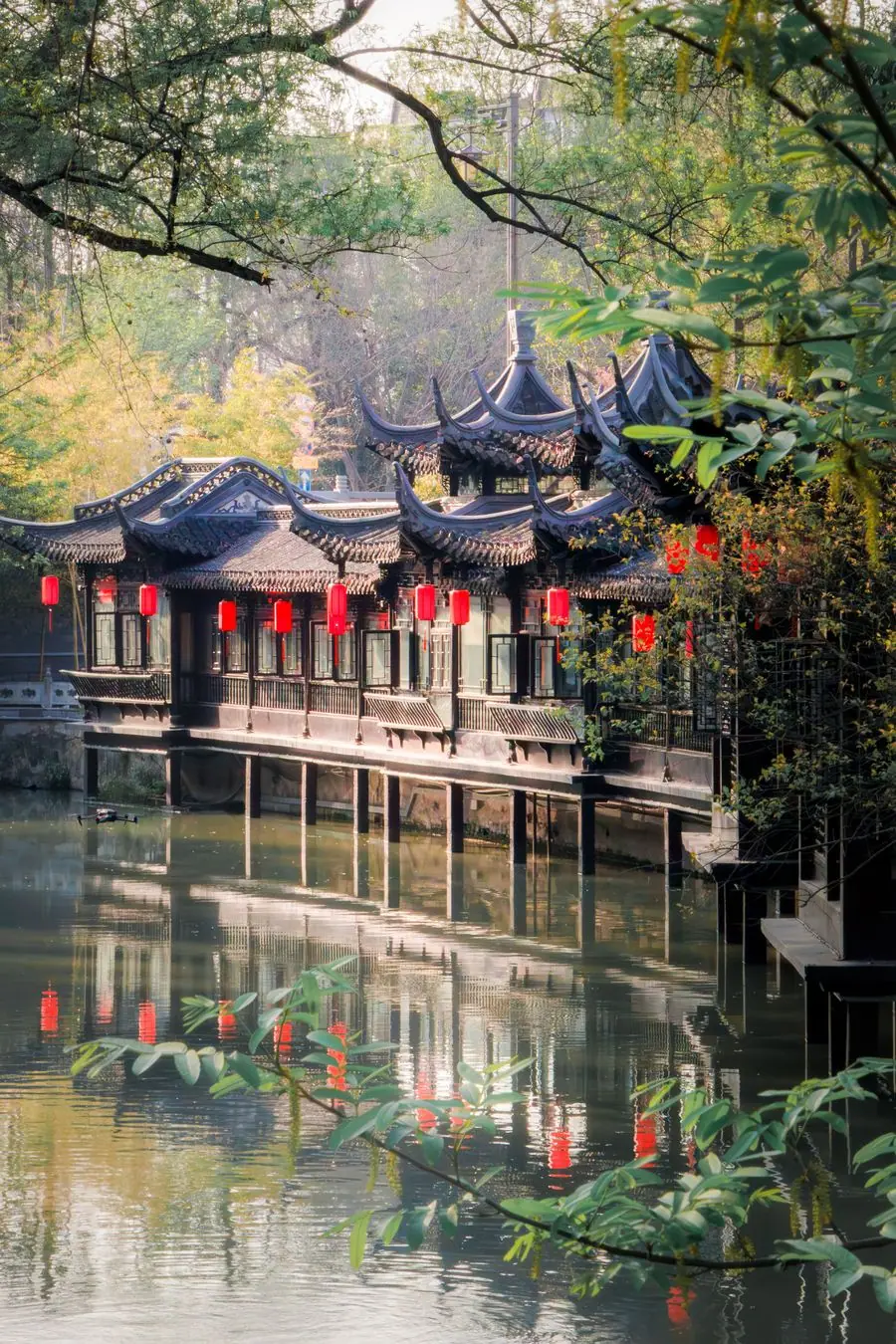
Old town, east of Dongguan Street
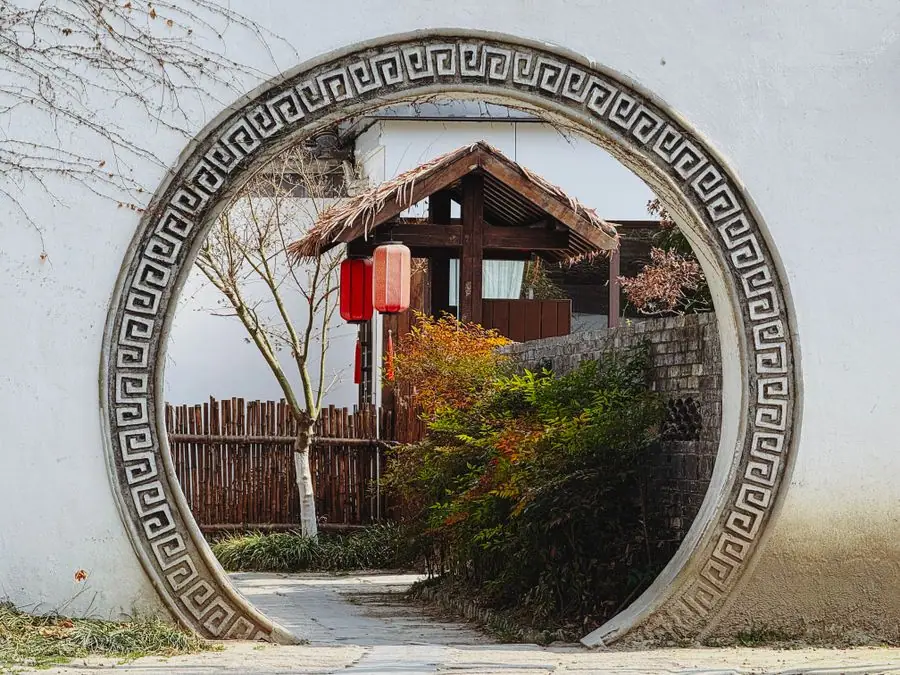
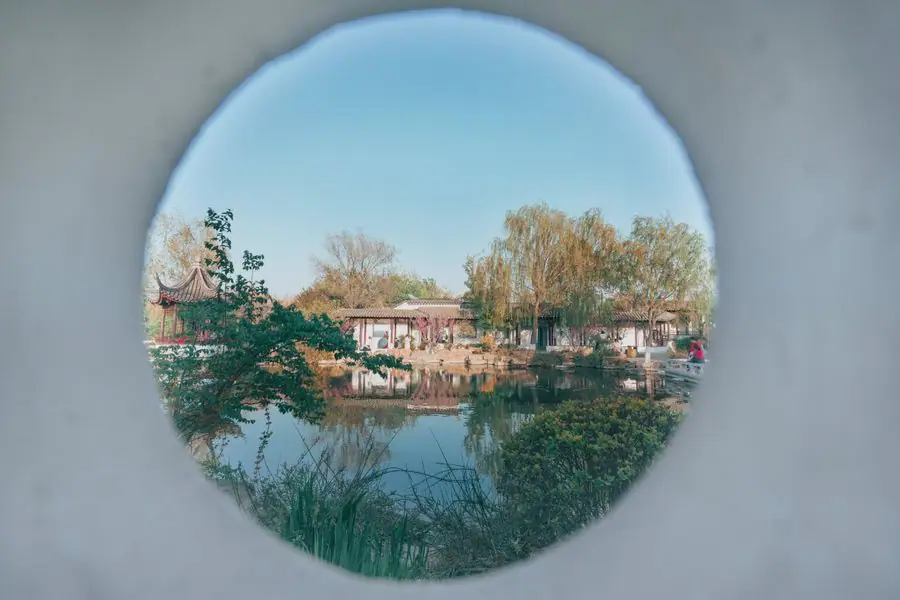
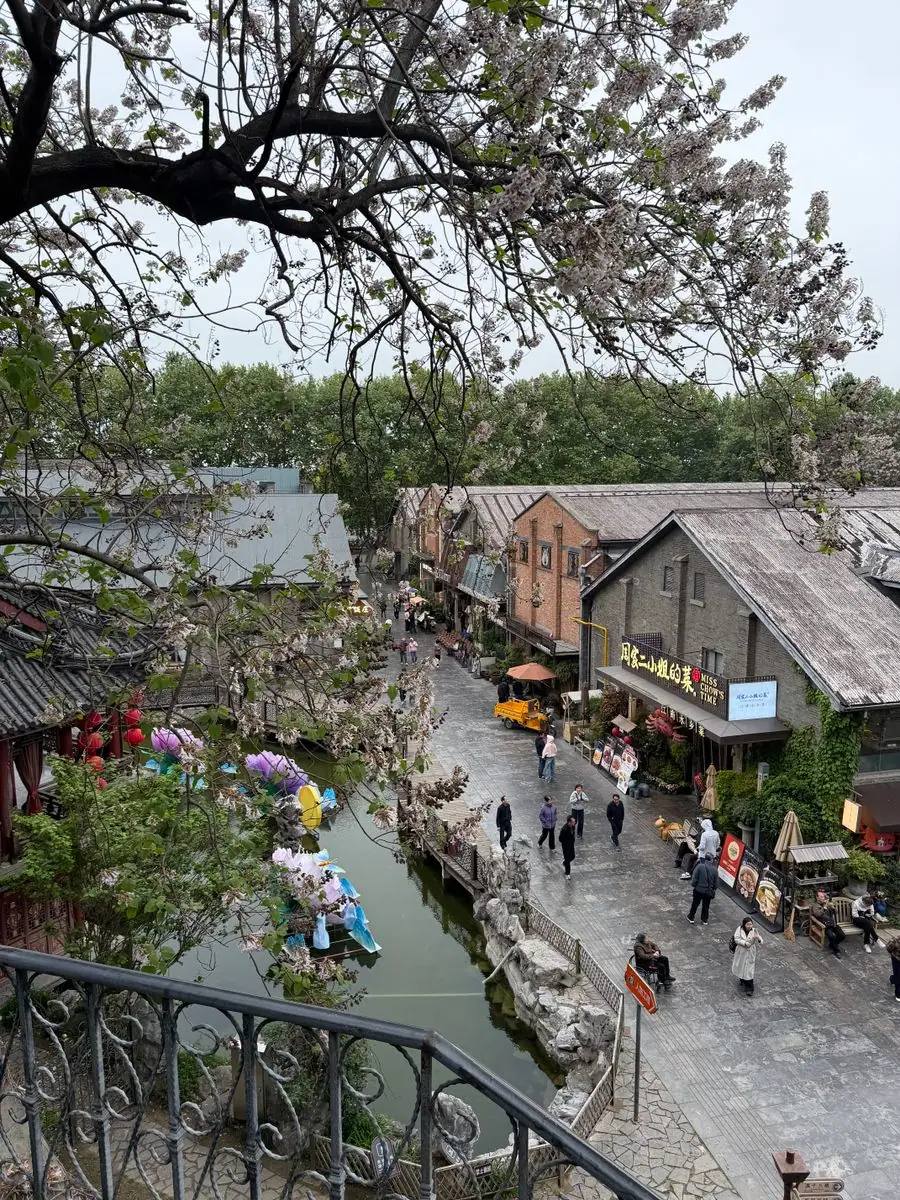
Old town, east bank of the canal
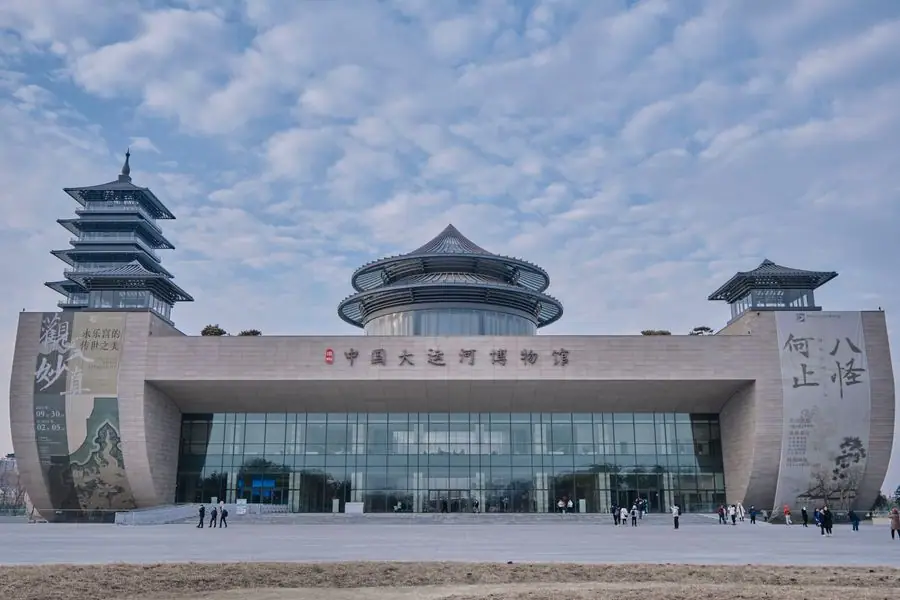
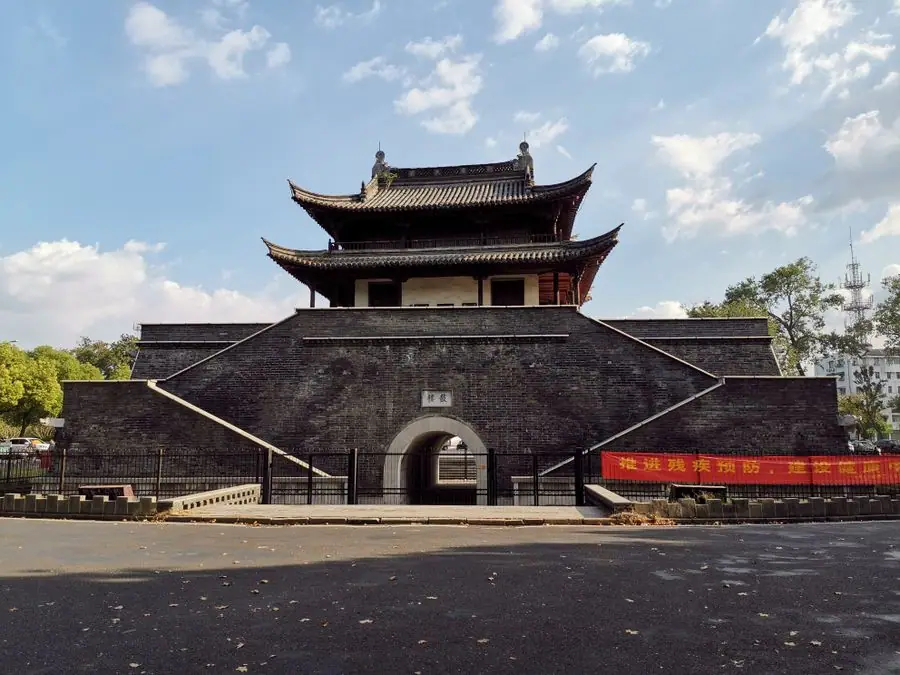
North, near Slender West Lake
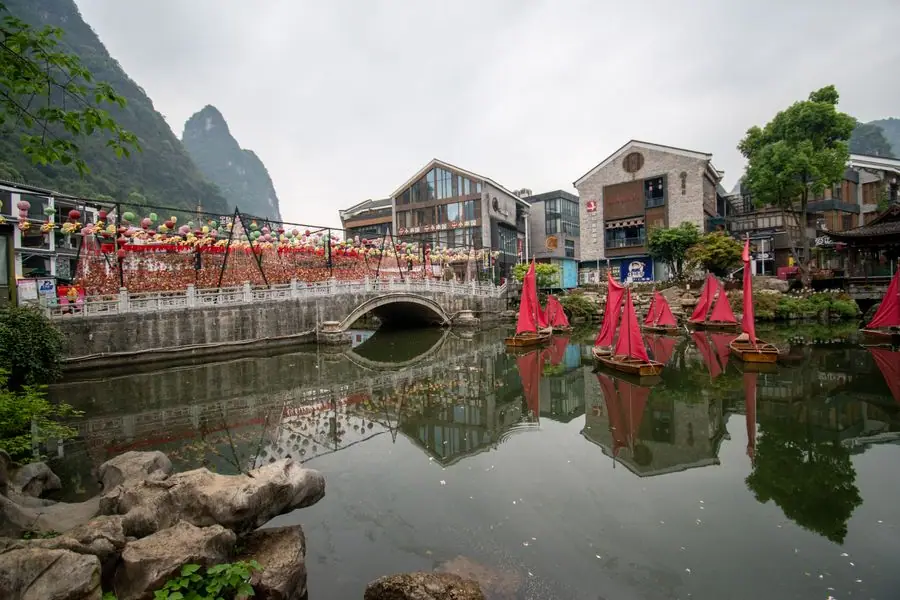
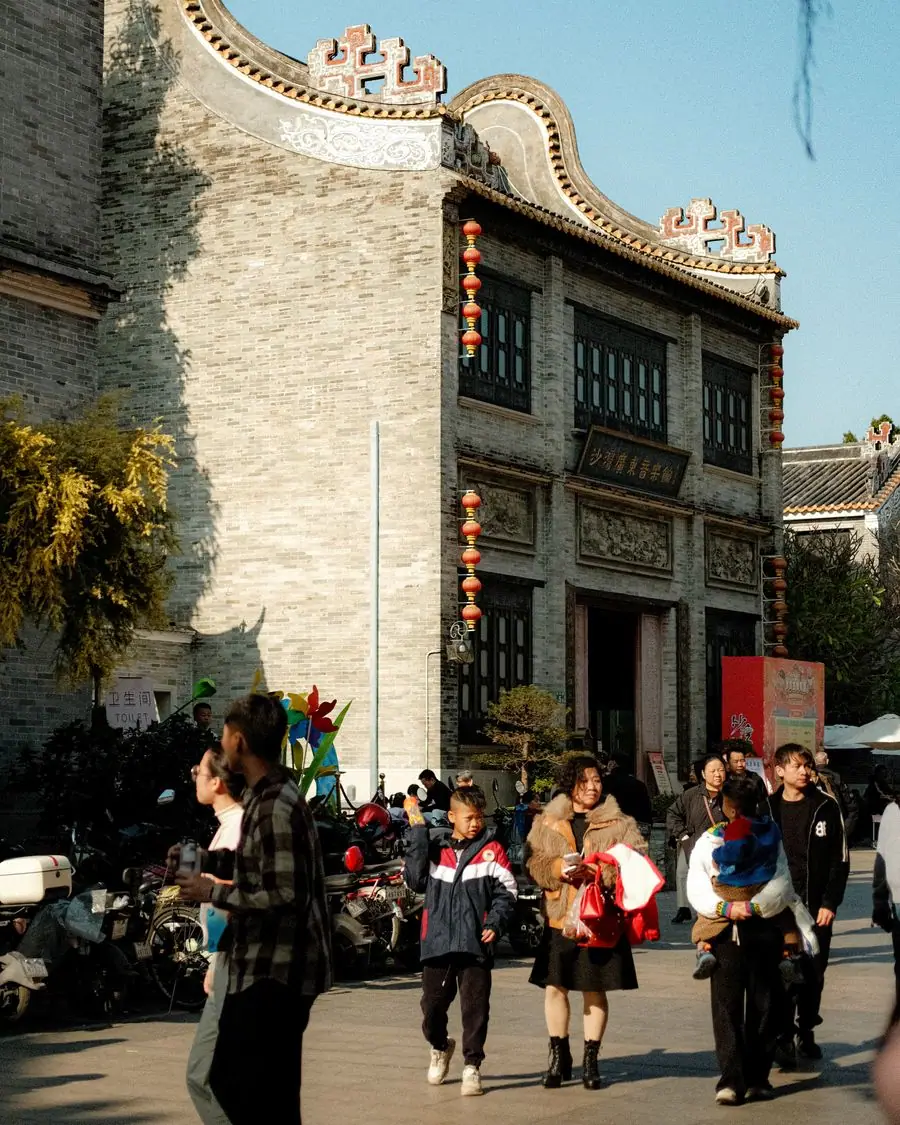
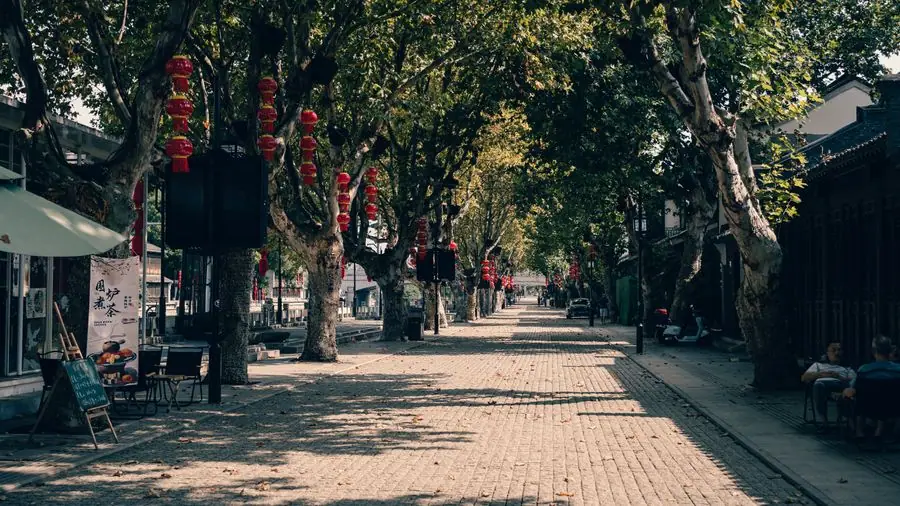
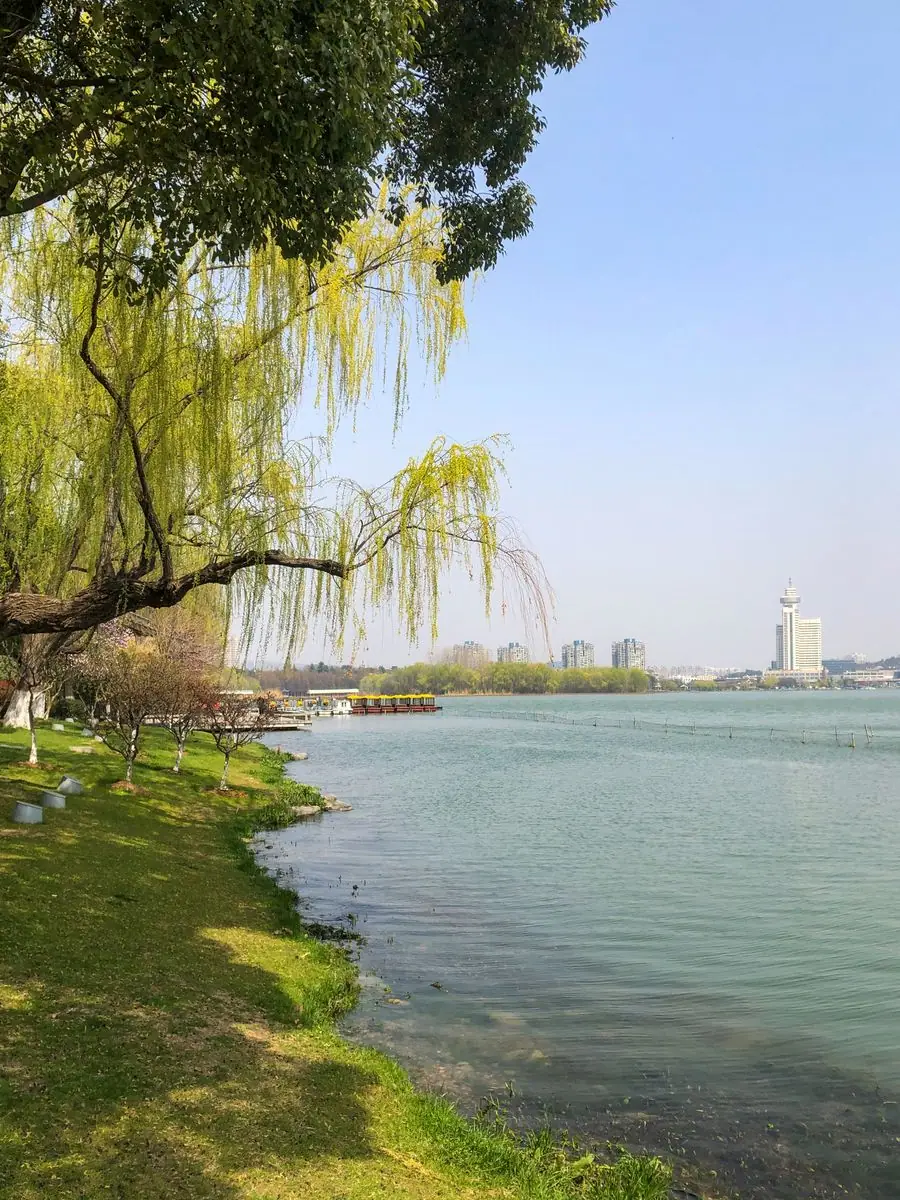
Where to stay in Yangzhou
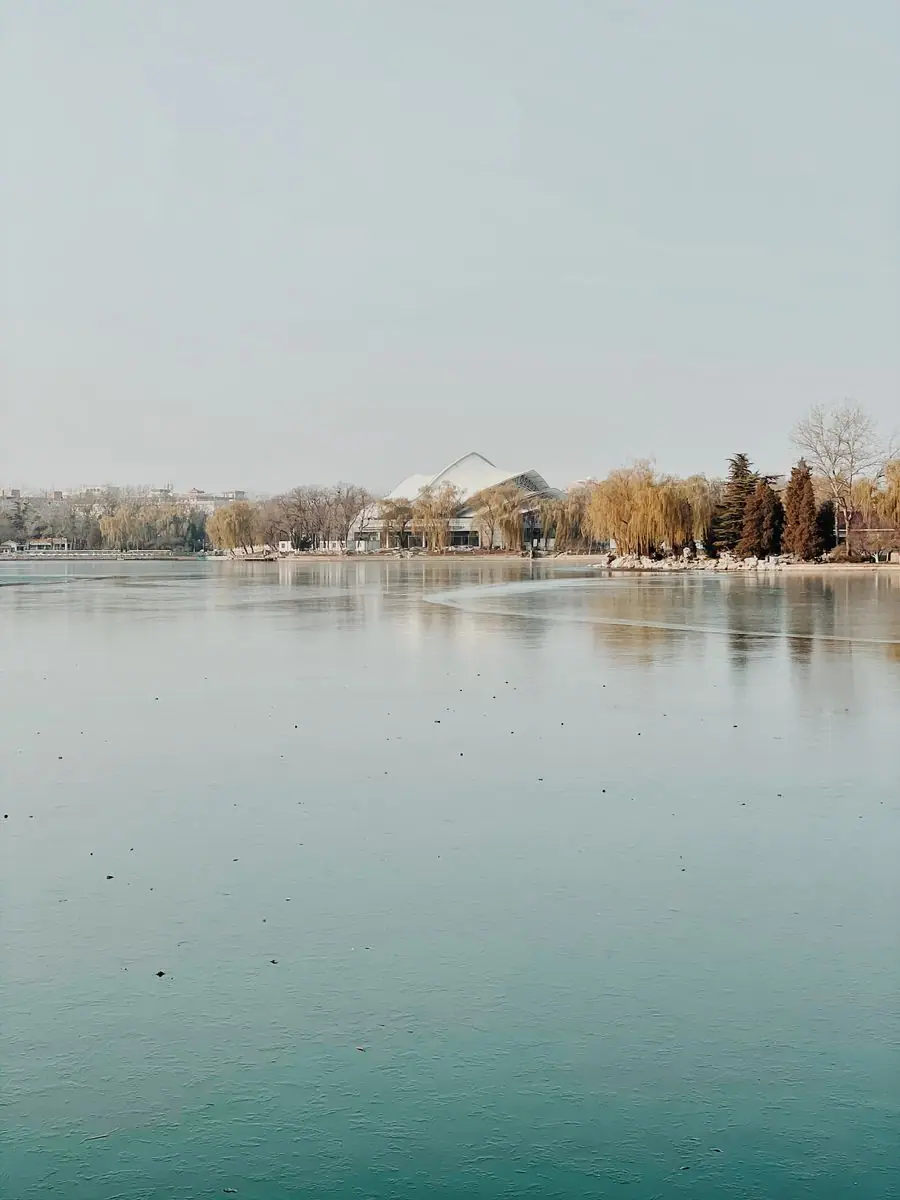
Rates are for a standard double room in 2026. Staying near the Slender West Lake south gate or Wenchang Pavilion puts you within walking distance of the gardens and Dongguan Street; the HSR station at Yangzhou East is 8 km east of the old town.
Budget
$25–50 / nightChain hotels and guesthouses around the railway station and Wenchang Pavilion; the old town lanes have a handful of small family-run inns.
Mid-range
$70–140 / nightWell-kept business hotels near Wenhe Road and Slender West Lake's south gate — the best base for walking to the gardens and Dongguan Street.
Upper mid-range
$150–280 / nightLake-view and garden-style hotels along the Slender West Lake causeway, some with Huaiyang restaurants attached.
Luxury
$280–550+ / nightInternational-brand resorts on the lake's north shore and in the new city district east of the Grand Canal, with spa pools and banquet halls.
Souvenirs & local crafts
Easy to pack, easy to explain at customs — and far cheaper at a supermarket than at a scenic stall.
-

Yangzhou lacquerware
Carved and inlaid lacquer ware — the city's most exported craft, with a technique going back to the Tang dynasty. Genuine pieces run $20–200; the big workshops sell near the old town.
-

Yangzhou jade carving
The city has been a jade-carving centre since the Han dynasty, famous for large vessels and delicate figures. Expect $30–300 for a decent small piece from a reputable shop.
-
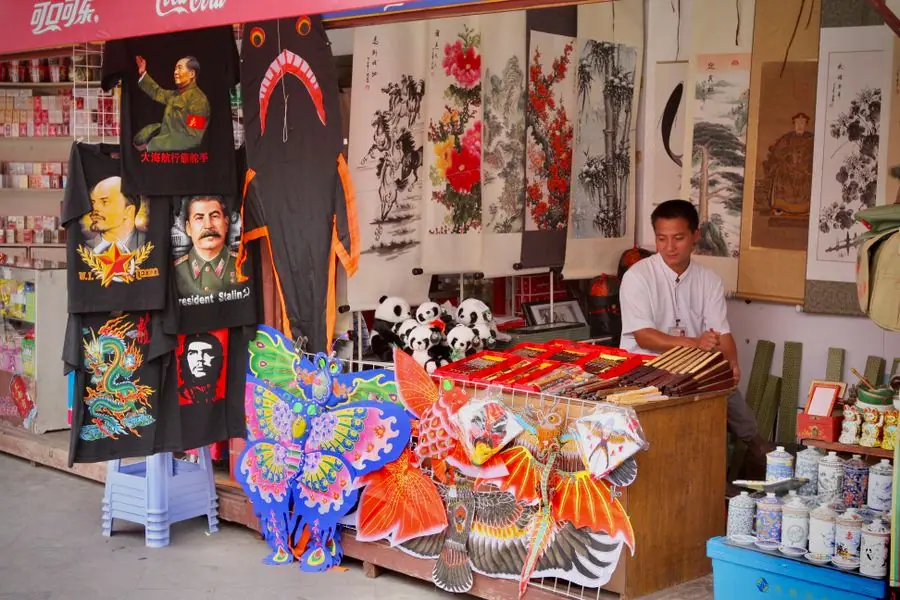
Yangzhou paper cutting
Fine, dense paper-cut art sold folded in envelopes at the old-street craft shops — cheap, light and genuinely local, $5–25.
-
Pickled vegetables
Yangzhou's famous jiangcai from the old Sanhe Simei brand — crisp pickled mustard and radish sold in tins and vacuum packs, a classic edible gift, $3–10.
-
Luyangchun green tea
The local Yangzhou green tea, lightly roasted and sold in tins at tea shops around Wenhe Road — an easy, portable gift, $8–30.
Getting around Yangzhou
Yangzhou sits on the Grand Canal just across the Yangtze from Zhenjiang, with high-speed rail on the Lianhuai–Yangzhen line. The city itself is flat, compact and walkable, and the old town sights cluster within a few kilometres.
- High-speed rail
- Yangzhou East station links the city to the national HSR network: roughly 2–2.5 hours to Shanghai Hongqiao, 1–1.5 hours to Nanjing, and about 4 hours to Beijing via Zhenjiang. Frequent daily services.
- Long-distance bus
- City buses cover every sight including Slender West Lake, Daming Temple and Guazhou; fares are a few yuan. The special tourist line 1 links the station, the lake and the old town.
- Metro & bus
- Yangzhou's metro was still under construction in 2026 — buses, taxis and walking are the practical options inside the city, and the flat grid makes cycling easy.
- Taxis
- Taxis start around $2–3 and almost nothing in the city is more than $10–15 away; Guazhou Ferry on the Yangtze side is about $15–20.
- Ride-hailing
- DiDi works well and is the simplest way to reach Phoenix Island and Guazhou; have the destination typed in Chinese characters.
- Shared bikes
- The city is flat with good cycling lanes, and shared bikes are everywhere — the best way to do the lake causeway and the old town in one loop.
- Intercity carpool
- Carpool apps help for the outlying sights (Phoenix Island, Guazhou) where bus frequency is thin.
Plan your 1, 2 or 3 days in Yangzhou
Pick the length of your stay. Each plan is its own page, anchored at the city centre and written from real traveller itineraries — including splits for sightseeing, shopping, landscape, families and older travellers.
Yangzhou in 1 Day
Slender West Lake, Ge Garden and the Dongguan Street evening.
Read the plan → 2-dayYangzhou in 2 Days
Add He Garden, the Grand Canal Museum, Daming Temple and the canal night cruise.
Read the plan → 3-dayYangzhou in 3 Days
A slow day at Guazhou Ancient Ferry, Phoenix Island and the old town's back streets.
Read the plan →Frequently asked questions
- Do I need a visa to visit Yangzhou?
- Foreign visitors need a Chinese visa or a qualifying visa-free transit arrangement (the 240-hour transit visa-free policy applies at eligible ports). Check the current rules for your nationality before booking.
- How do I get to Yangzhou from Shanghai?
- High-speed trains from Shanghai Hongqiao take about 2–2.5 hours to Yangzhou East station, with changes at Zhenjiang on some services. Trains run frequently.
- What is the best time to visit Yangzhou?
- March–May and September–November. April is the classic month for the lake willows; July–August is hot and humid.
- How many days do I need in Yangzhou?
- Two days covers the essentials: the lake and the old town on day one, the Grand Canal Museum and Daming Temple on day two. Three days lets you add Guazhou and Phoenix Island.
- What food is Yangzhou famous for?
- Yangzhou fried rice, lion's head meatballs, Wensi tofu and Huaiyang cuisine generally — one of the four great traditions of Chinese cooking.
- Is Yangzhou worth visiting if I have already seen Suzhou?
- Yes — Suzhou is about gardens, Yangzhou is about a lake, the canal and food. The two are 90 minutes apart by rail and pair well.
Page last reviewed: 2026-11-02.