Xishuangbanna 2026: Tropical Yunnan, Dai Temples & a 1–3 Day Plan
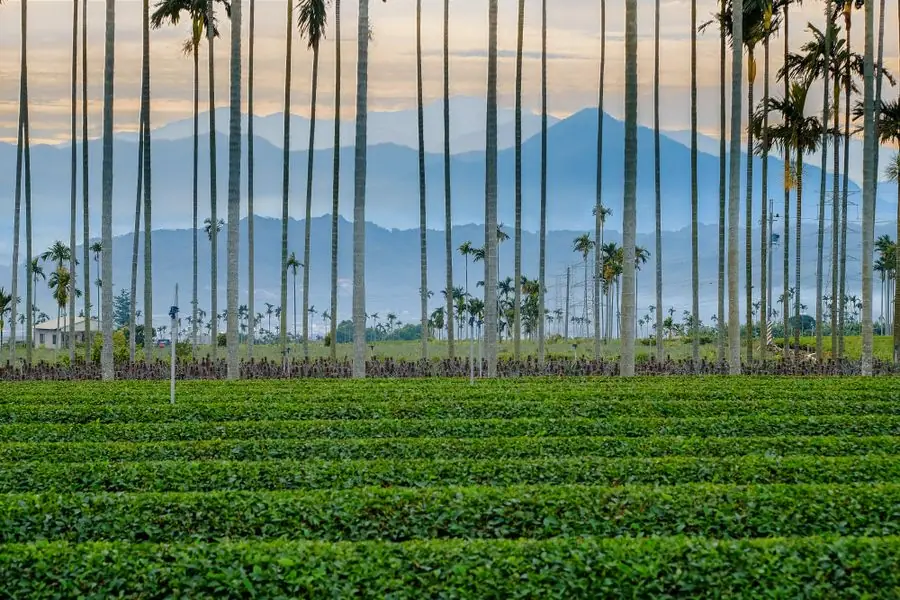
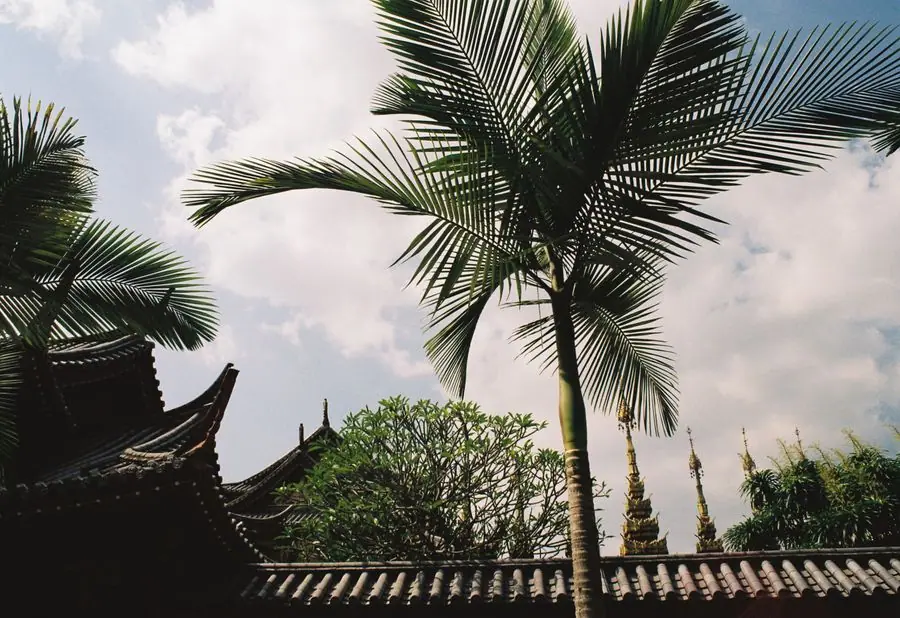
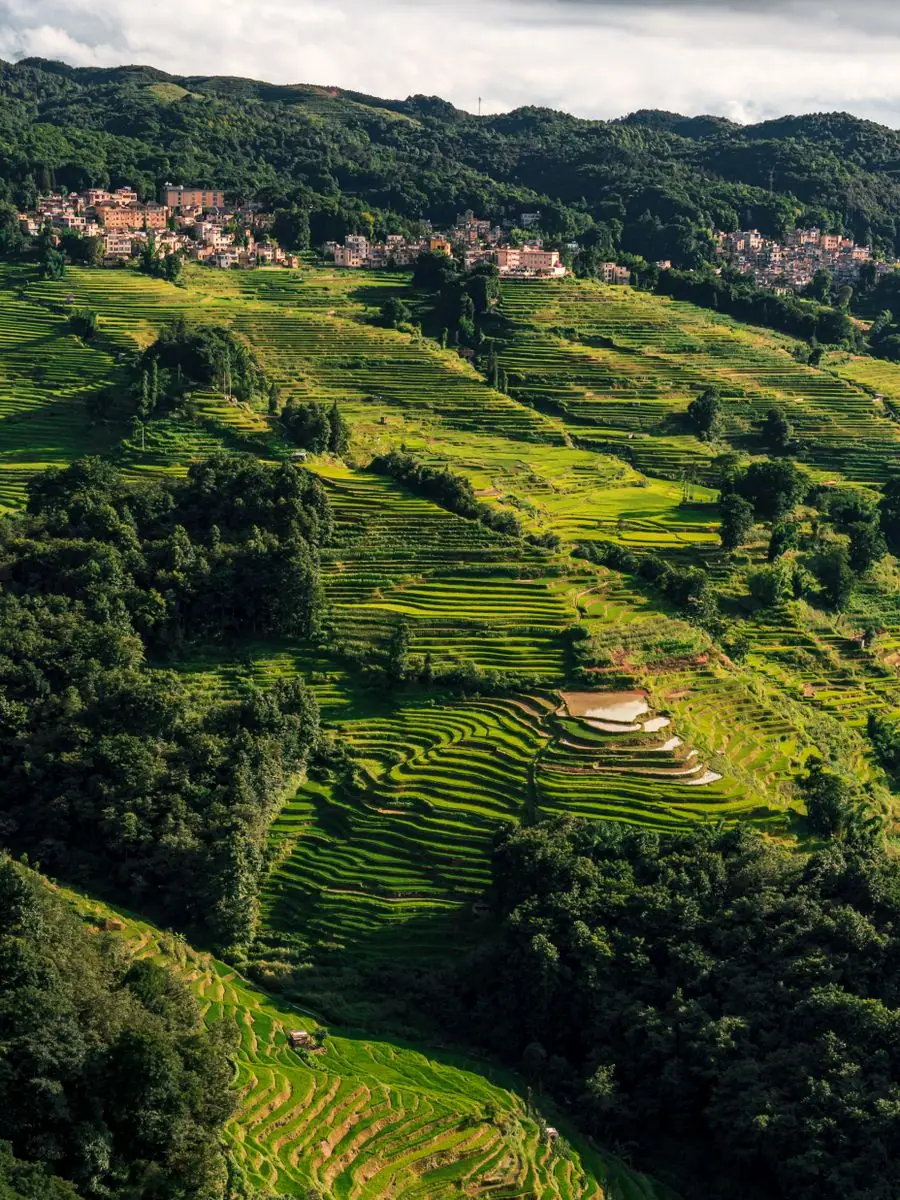
Xishuangbanna is the tropical corner of China: palm trees, Dai Buddhist temples with golden spires, rainforest, wild elephants and a food culture built on lemongrass, lime and sticky rice. It feels closer to Southeast Asia than to Beijing, which is exactly the point — and it is now on the China–Laos railway, so it is easier to reach than it has ever been. Two to three days from Kunming makes an easy escape from Chinese winter.
History & culture
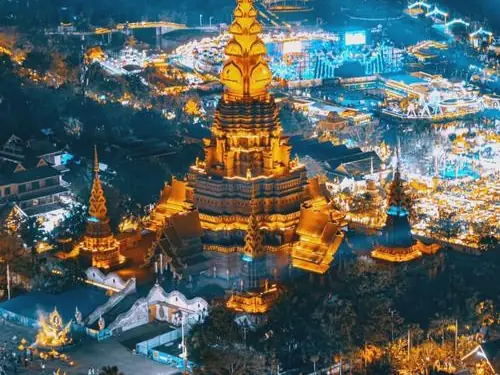
Xishuangbanna means 'twelve thousand rice fields' in the Dai language, and the region was the core of the ancient Dai kingdom of Mong Loon — a Tai state whose culture, Theravada Buddhism and alphabet tie it more closely to Thailand and Laos than to the Chinese heartland.
The Chinese empire absorbed the region gradually from the Yuan onward, ruling it through local chieftains under the tusi system. Dai culture survived: the temple-centred village layout, the Theravada Buddhist monasteries where boys traditionally spent time as novices, and the Dai script all persisted well into the twentieth century.
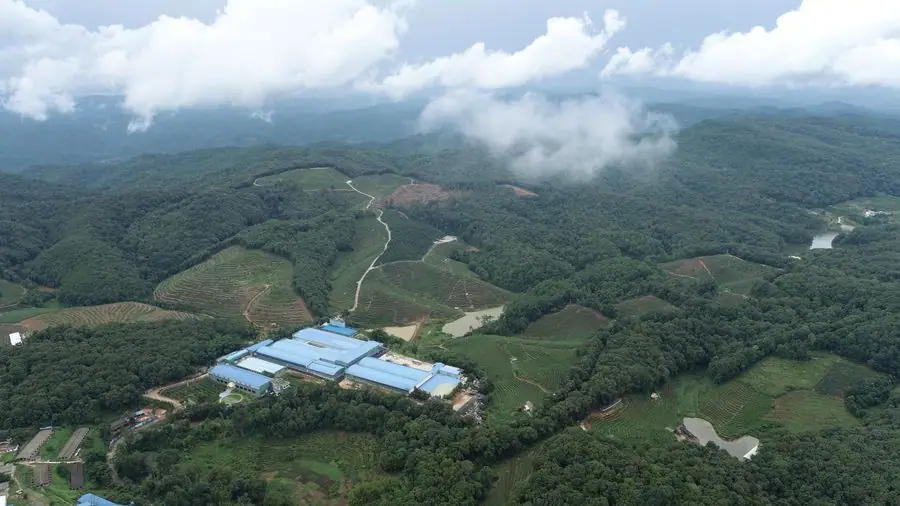
In 1953 the Xishuangbanna Dai Autonomous Prefecture was established, and rubber planting transformed the economy — the region became one of China's main natural-rubber producers. The tropical forest was cleared for plantations in places, which is part of why the remaining rainforest reserves matter so much now.
Tourism arrived in the 1990s and has grown steadily, boosted by the tropical botanical garden's reputation, the wild elephants, and Pu'er tea from the southern mountains. The China–Laos railway opened a station here in December 2021, putting the prefecture on a real international rail corridor for the first time.
Best time to visit Xishuangbanna
Xishuangbanna has a tropical climate with only two real seasons: a cool dry season from November to April and a hot wet season from May to October. The dry season is the travel window; the wet season is green, humid and cheap.
Budget for Xishuangbanna: hotels from $20 a night, average ticket $$7.42 — see the full cost breakdown, or start from a ready-made route.
Cuisine of Xishuangbanna
Signature dishes worth seeking out — prices are typical per-person or per-dish ranges, not fixed quotes.
-
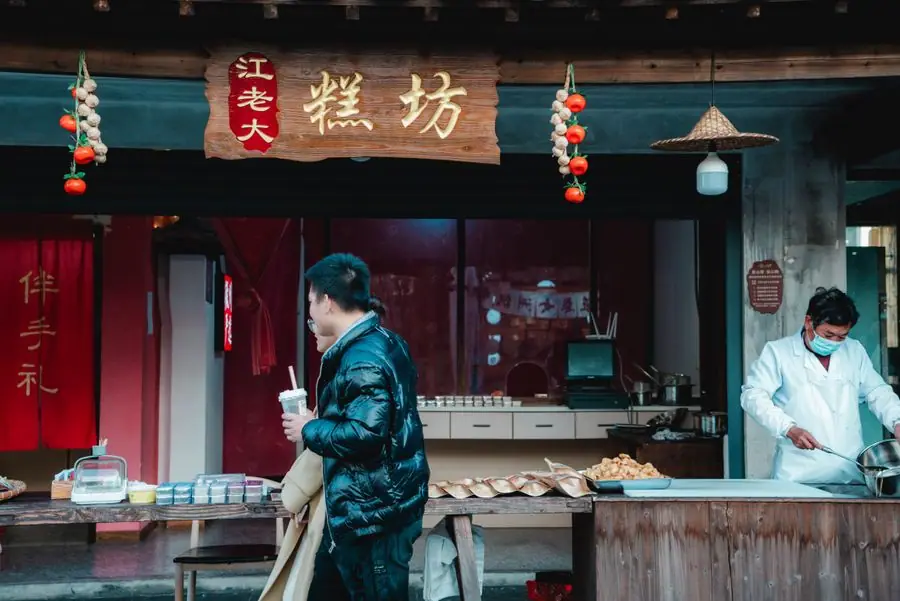
Dai pineapple rice
Sticky rice steamed inside a hollowed pineapple with raisins and coconut — the region's most photogenic dish, sweet and served in the fruit itself.
-
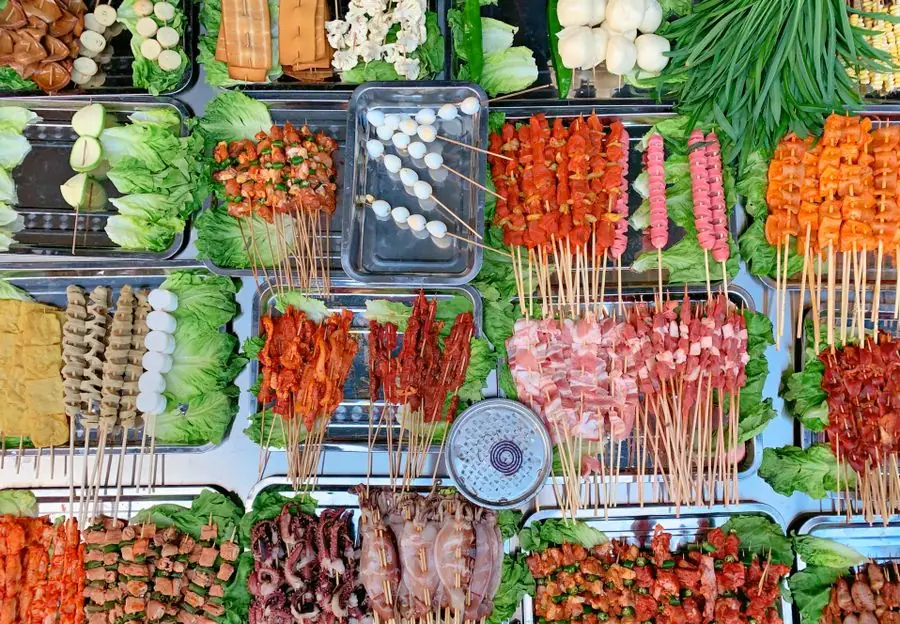
Lemongrass grilled fish
Whole freshwater fish stuffed with lemongrass, coriander and chilli, wrapped and grilled over charcoal until smoky — a Dai classic eaten with herbs and a sour dip.
-
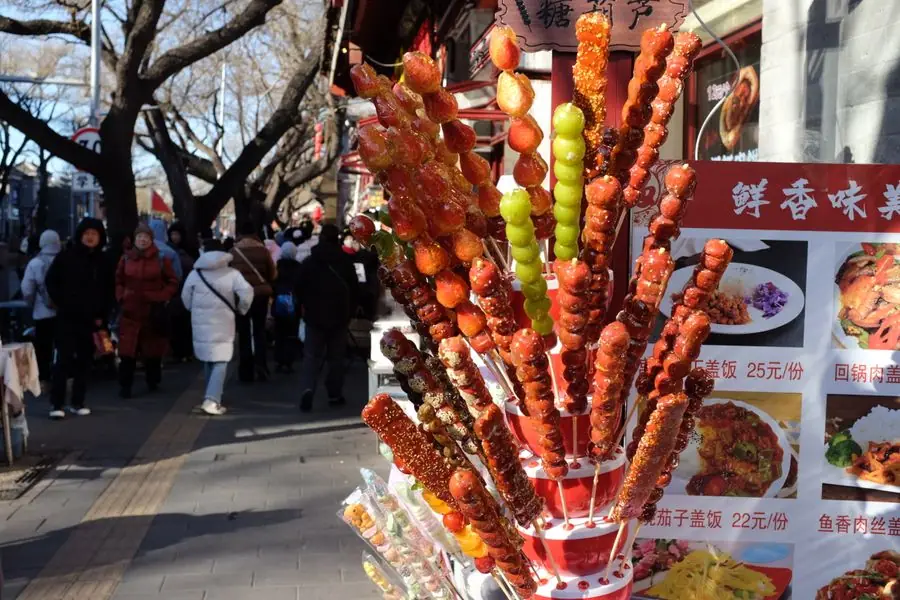
Dai hand rice platter
A communal platter of sticky rice served with a dozen small dishes around it, eaten with the hands — the traditional way to share a Dai meal.
-
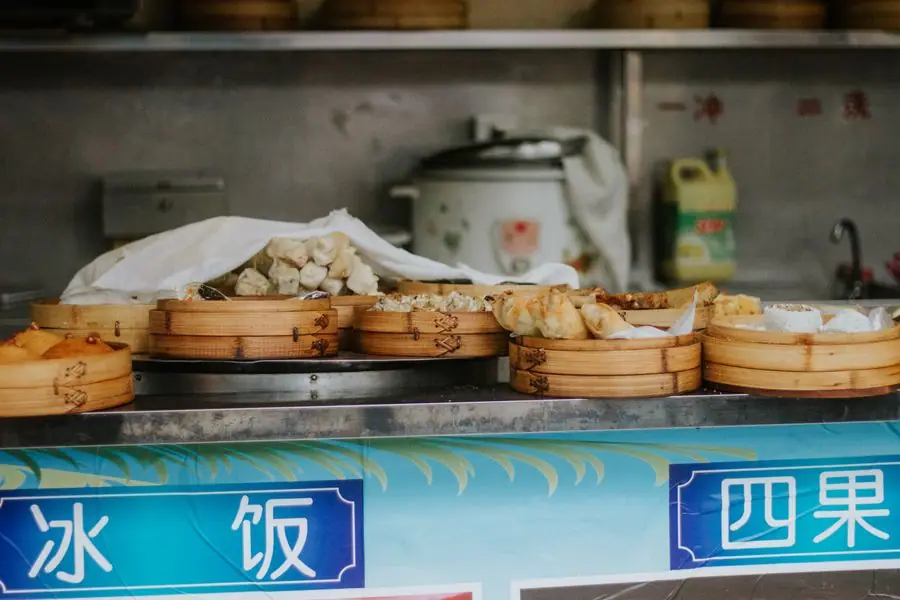
Bamboo-tube rice
Glutinous rice cooked inside a segment of green bamboo over an open fire, so the grain takes on the bamboo's fragrance — a hill-people staple sold along the roadsides.
-
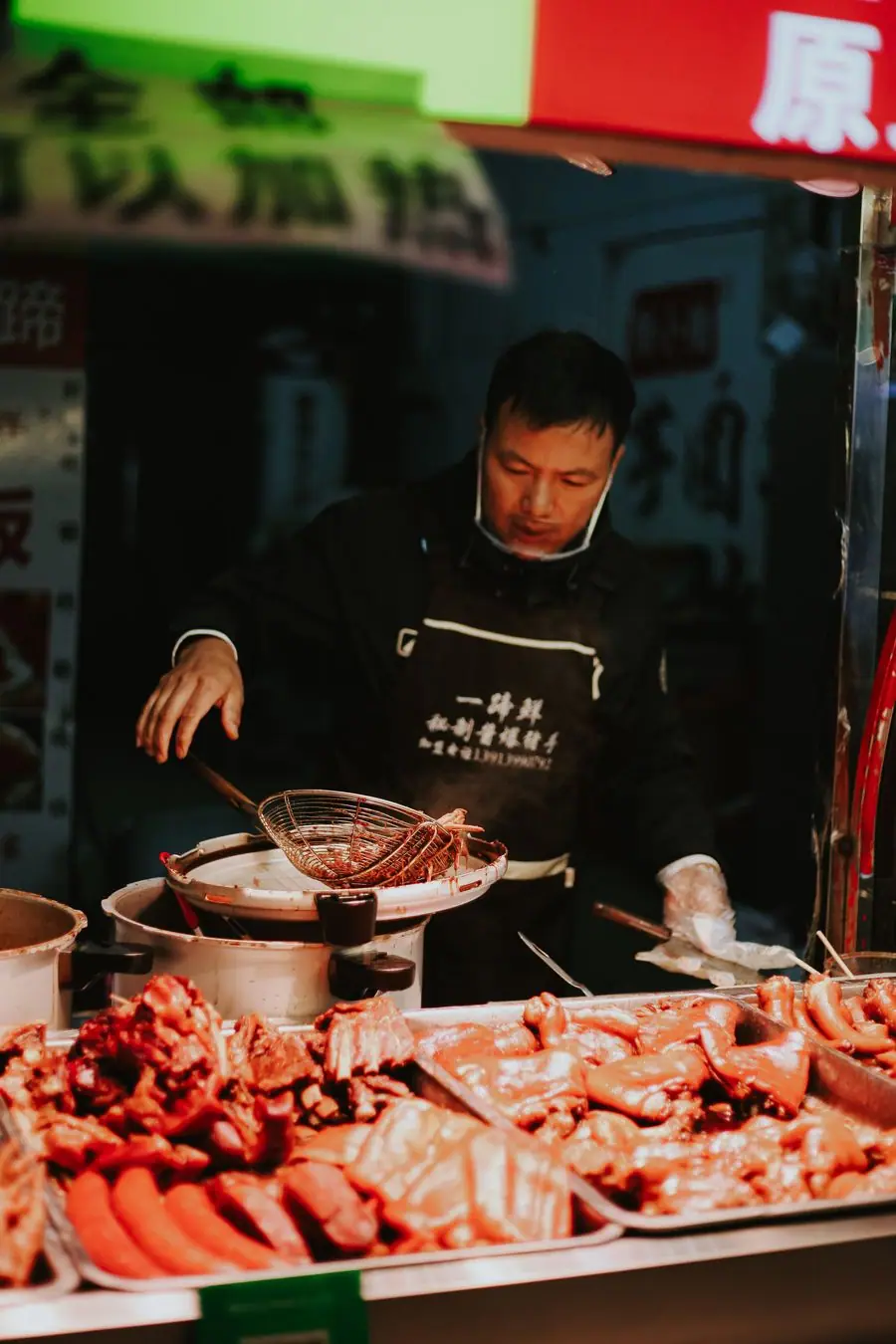
Pounded chicken feet
Chong jijiao: cold chicken feet pounded in a mortar with lime, chilli, tomato and herbs — sour, numbing and very moreish, sold at every night market stall.
Every major sight — with its own guide
Right after the food above, here are the sights — each one links to its own full guide (what to see, how to get there, facilities and the best season). Names follow each sight's official English signage.
Central Jinghong
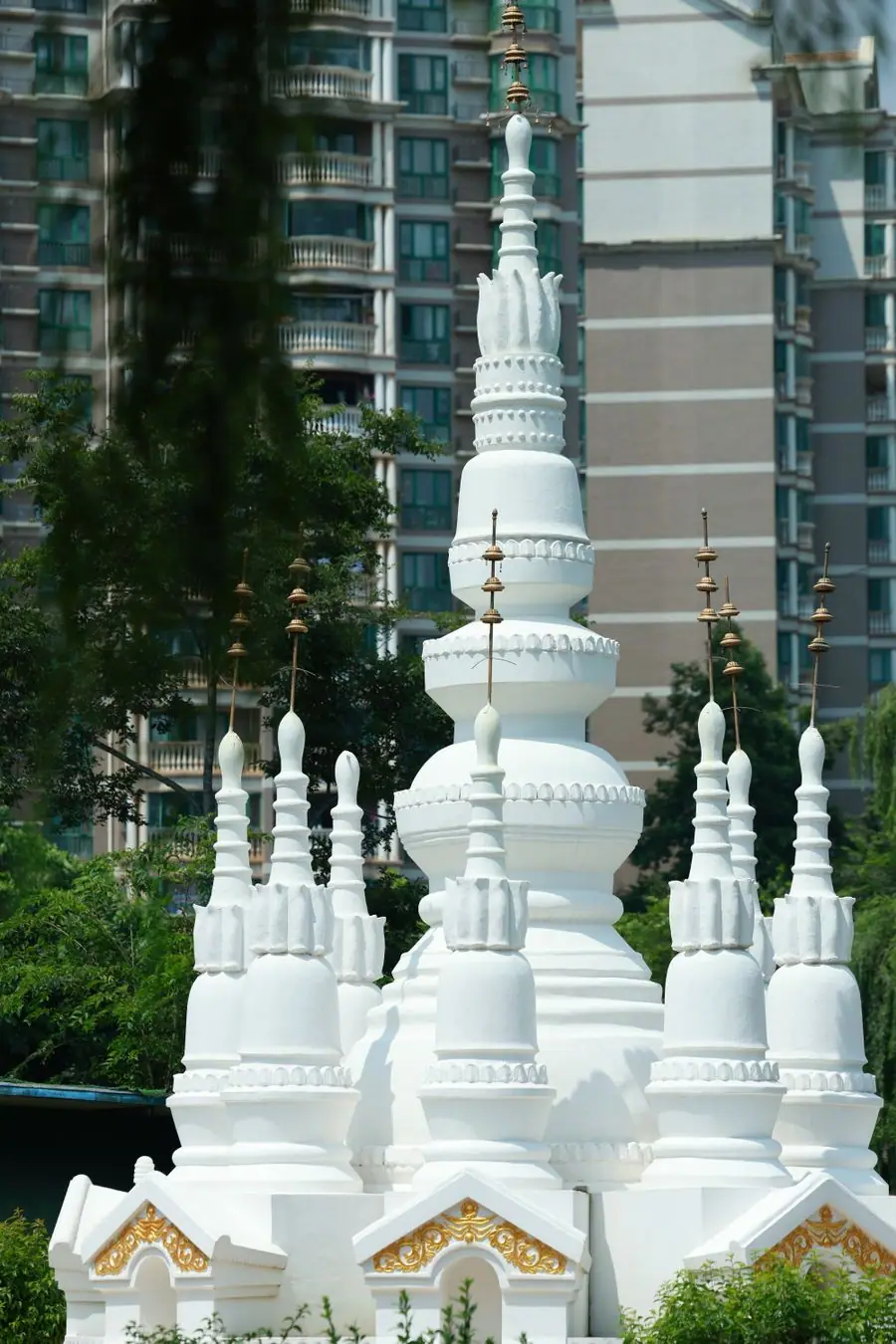
Manting Park 曼听公园
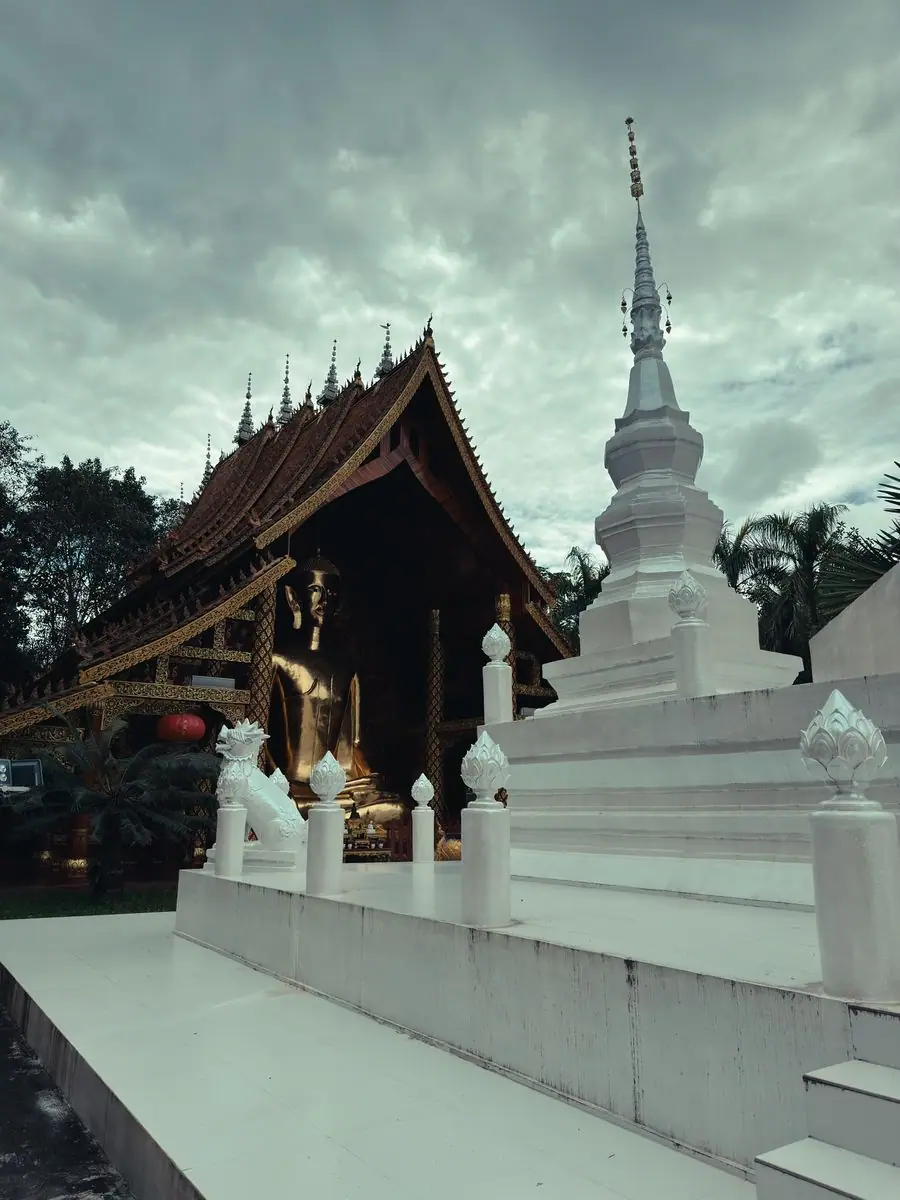
The former garden of the Dai royal family, now a central park with a white stupa, lakes, tropical planting and a stage where Dai song-and-dance shows run in the evening. It is the most convenient introduction to Dai aesthetics in the city itself.
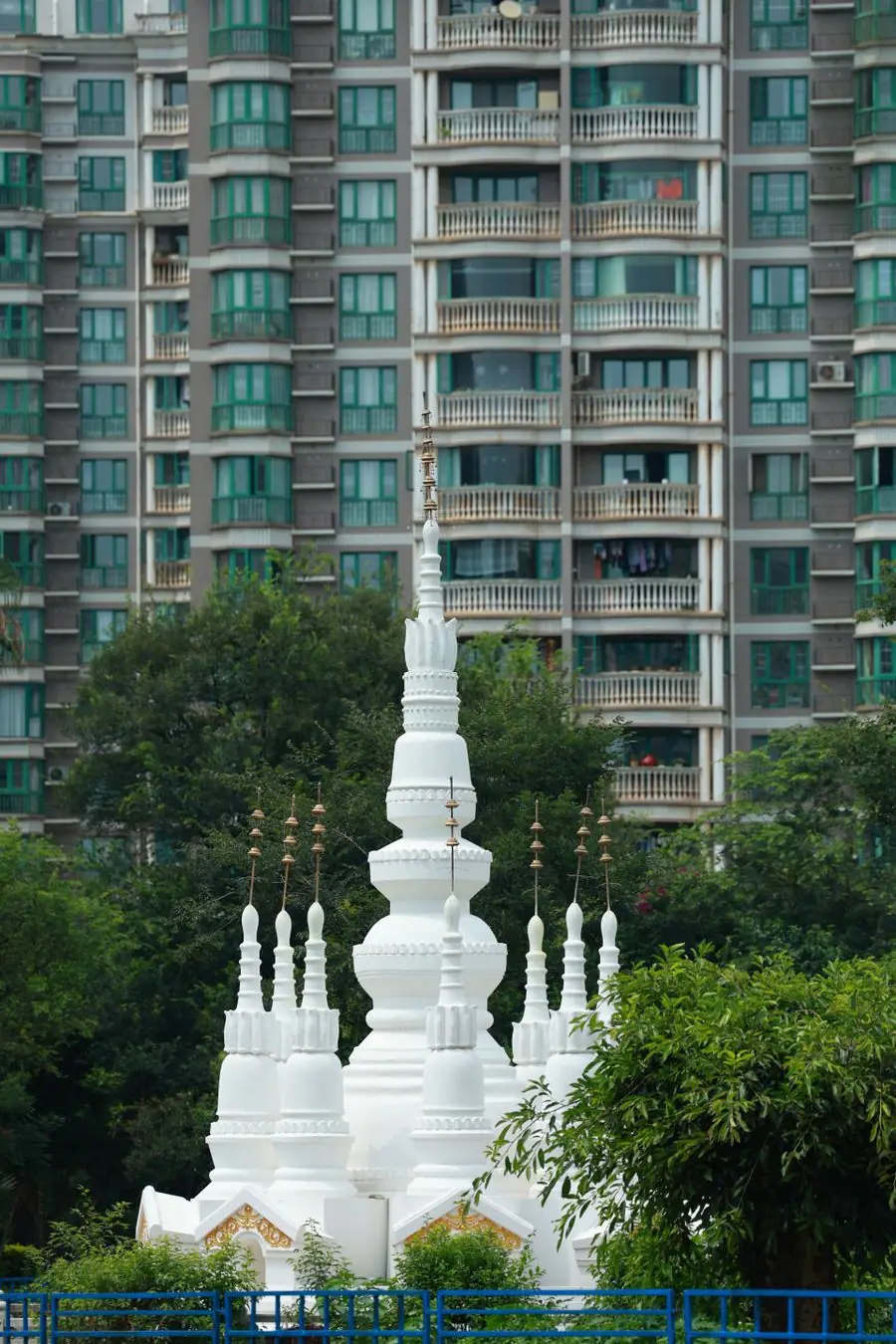
Xishuangbanna Nationalities Museum 西双版纳民族博物馆
The prefecture's main museum, covering the region's ethnic groups — Dai, Hani, Lahu, Blang, Jinuo and others — with displays on Theravada Buddhism, the tusi chieftain system, the tea trade and the rubber plantations that reshaped the economy.
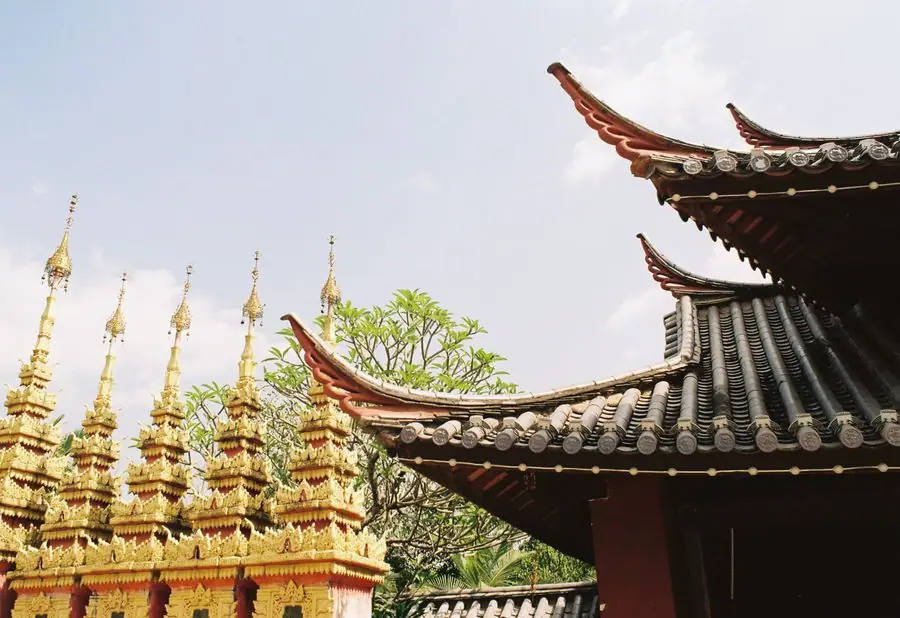
Xishuangbanna General Buddhist Temple 西双版纳总佛寺
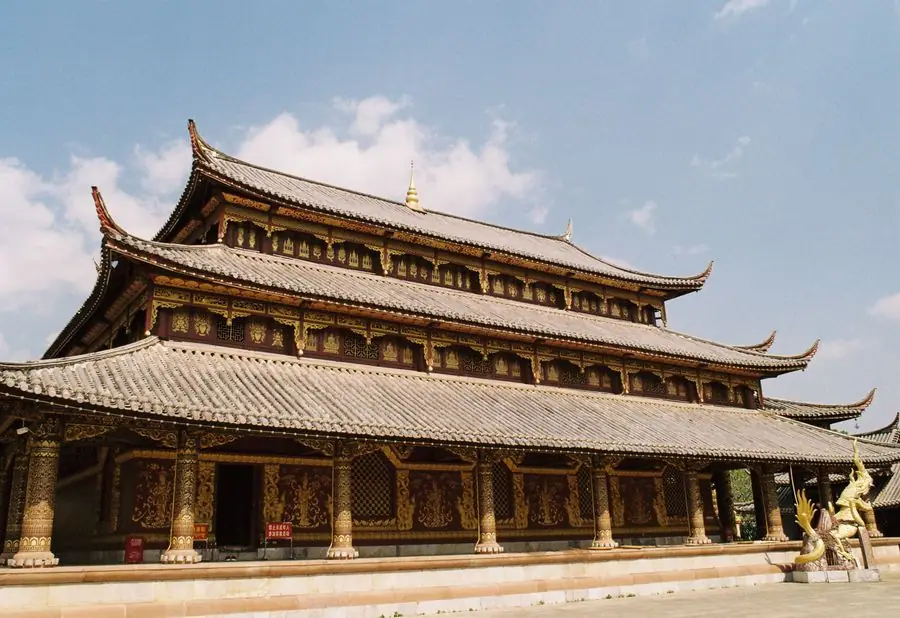
The region's central Theravada monastery, where the senior monks of the prefecture are trained — the Dai Buddhist equivalent of a cathedral chapter. The halls and the monks' quarters sit in a walled compound in the city, calm and working rather than theatrical.
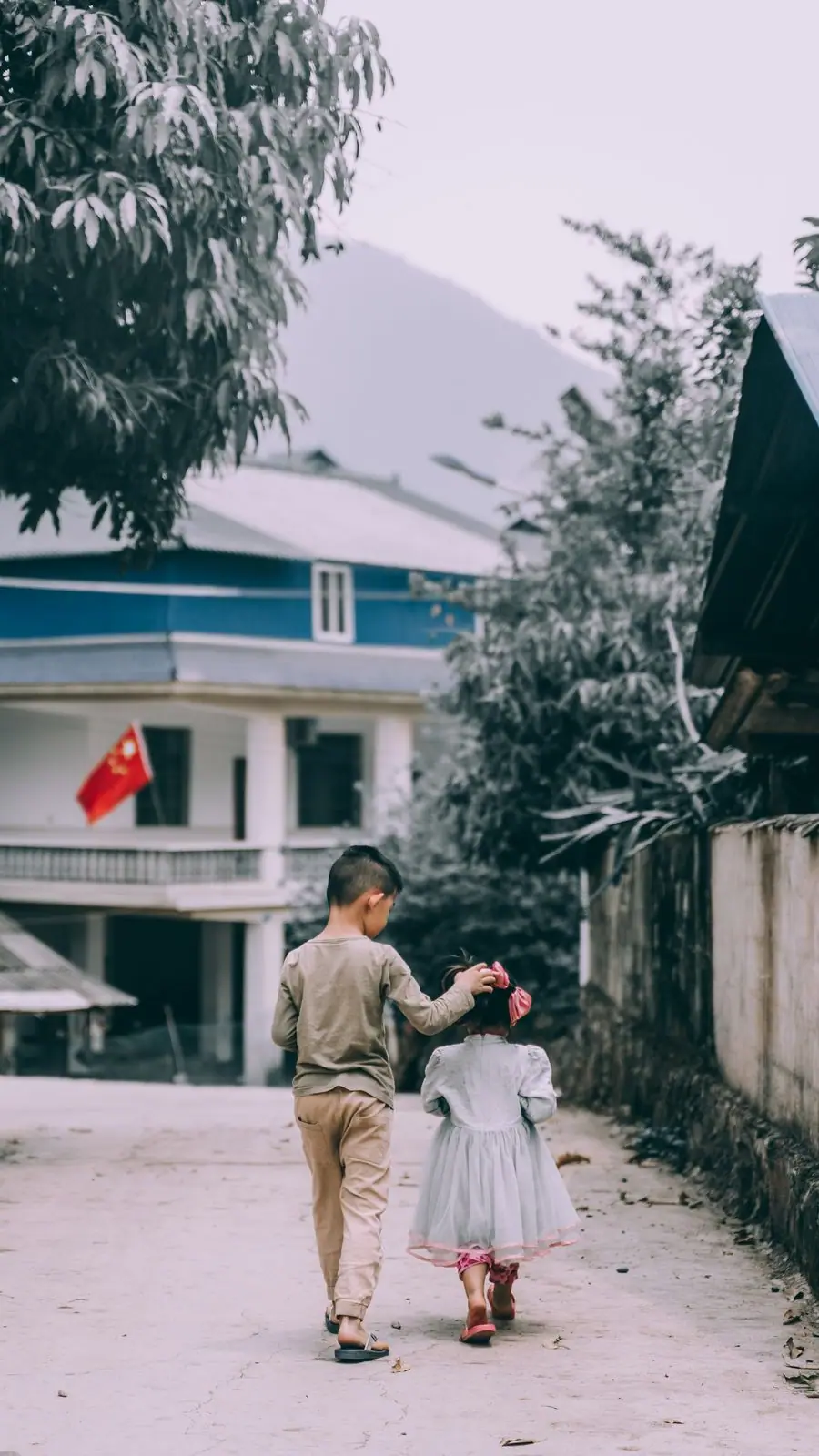
Where to stay in Xishuangbanna
Rates are for a standard double room in 2026. The dry season (November–April) is high season — book ahead for the Water-Splashing Festival in mid-April. Staying in Jinghong keeps you central for the temples and the night markets; the botanical garden and elephant valley need day trips.
Budget
$20–45 / nightGuesthouses and chain hotels in Jinghong's older streets; Dai-style family inns in the villages around the橄榄坝 area are cheaper still.
Mid-range
$60–120 / nightComfortable hotels around the city centre and the Gao Zhuang night-market district — the best base for evening food and the Mekong cruises.
Upper mid-range
$130–250 / nightResort-style hotels with pools on the Lancang river front and around the botanical garden road, popular with families in the dry season.
Luxury
$260–500+ / nightInternational-brand resorts in the new districts east of the river, several with spa pools and tropical gardens aimed at winter escapees.
Souvenirs & local crafts
Easy to pack, easy to explain at customs — and far cheaper at a supermarket than at a scenic stall.
-
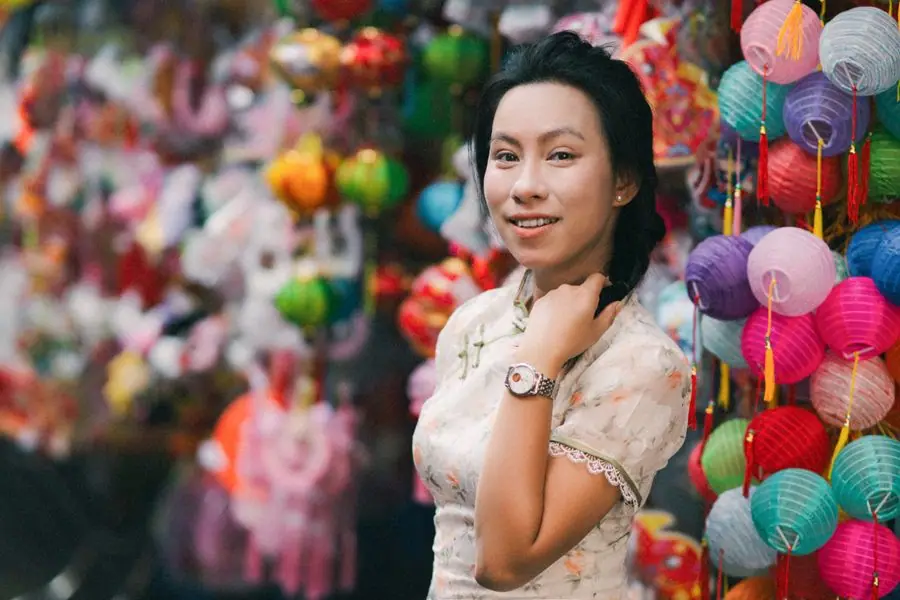
Pu'er tea
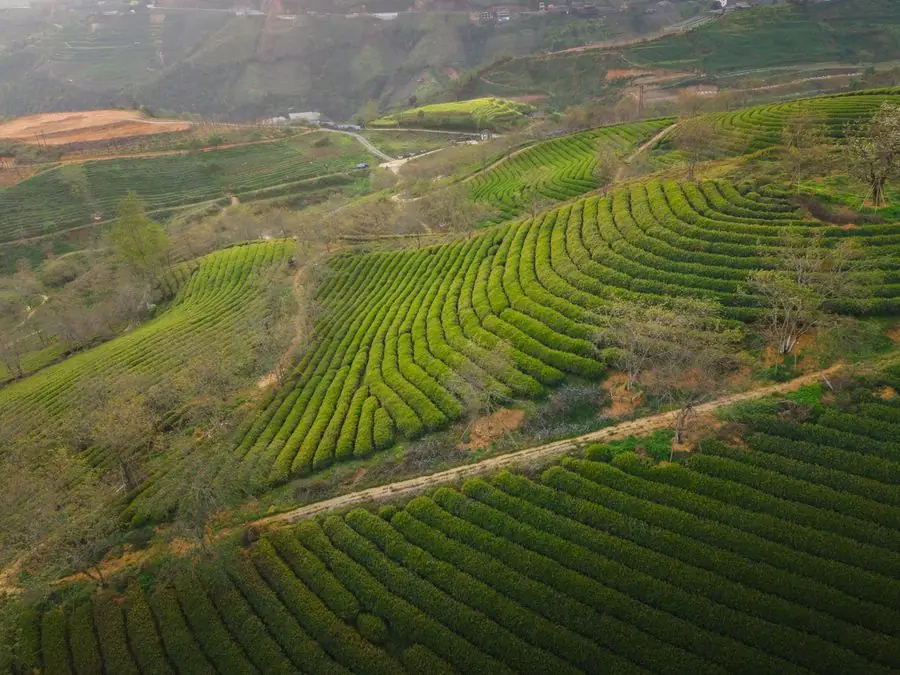
The mountains south of Jinghong grow the leaf for Pu'er, the fermented dark tea that made the region's name. Buy a small cake from a tea shop and let it age — $10–100.
-
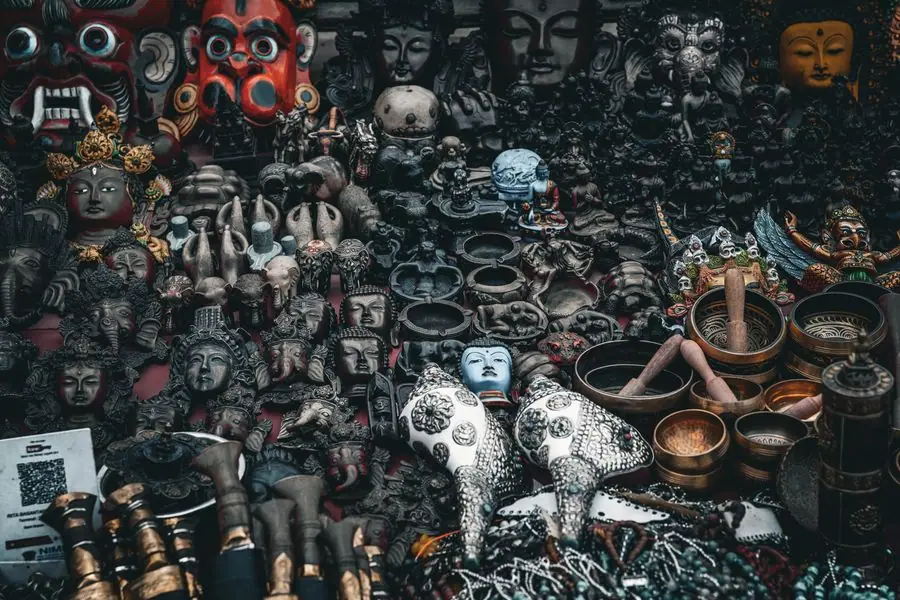
Dai brocade
Dai jin: handwoven cotton and silk brocade with geometric patterns, used traditionally for women's tube skirts. Sold by the metre or as bags and runners, $10–80.
-
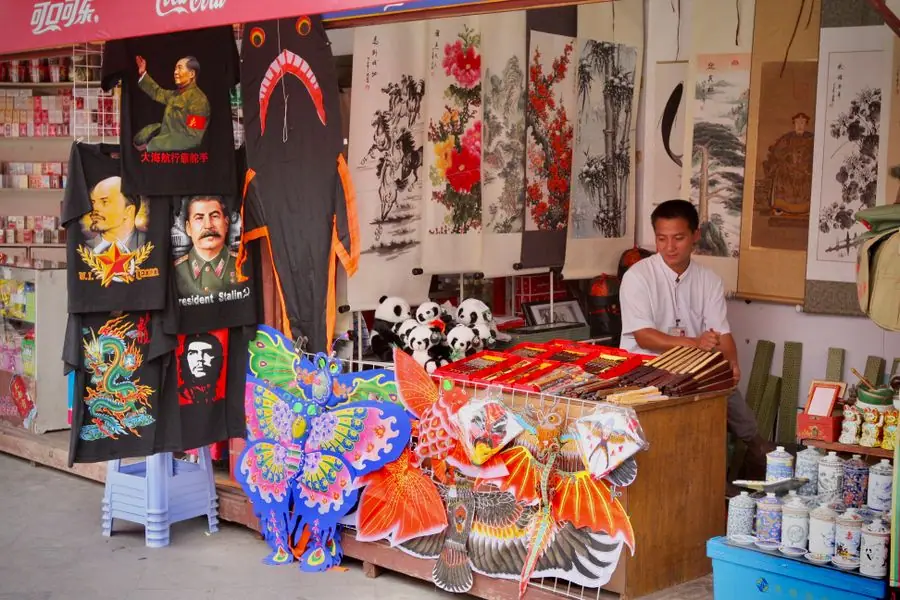
Dai silver jewellery
Heavy silver bracelets, belts and ear ornaments in the Dai style — a genuine minority-craft buy, though check the silver content, $15–150.
-
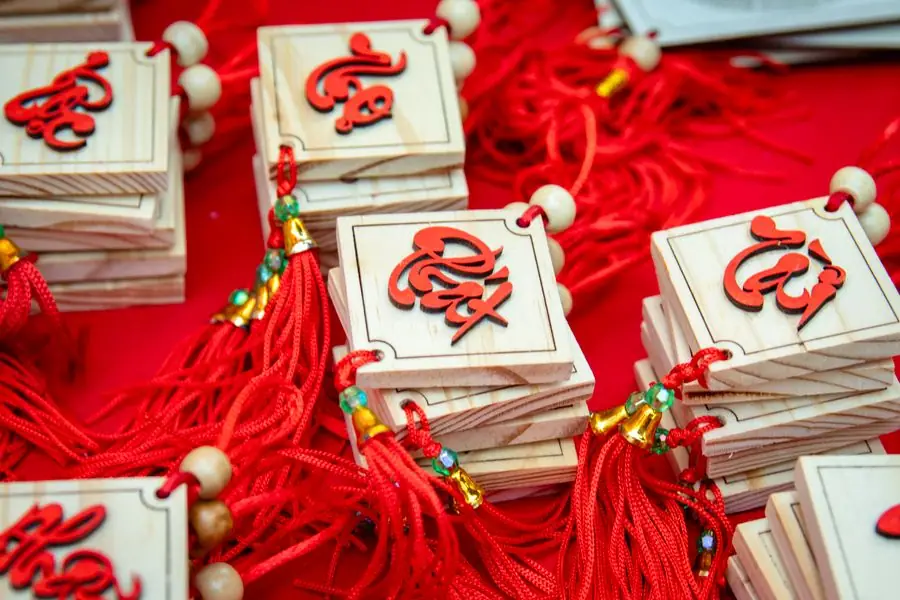
Tropical dried fruit
Dried mango, pineapple and banana from the region's orchards, sold in bags at the markets — light, cheap and genuinely local, $3–10.
-
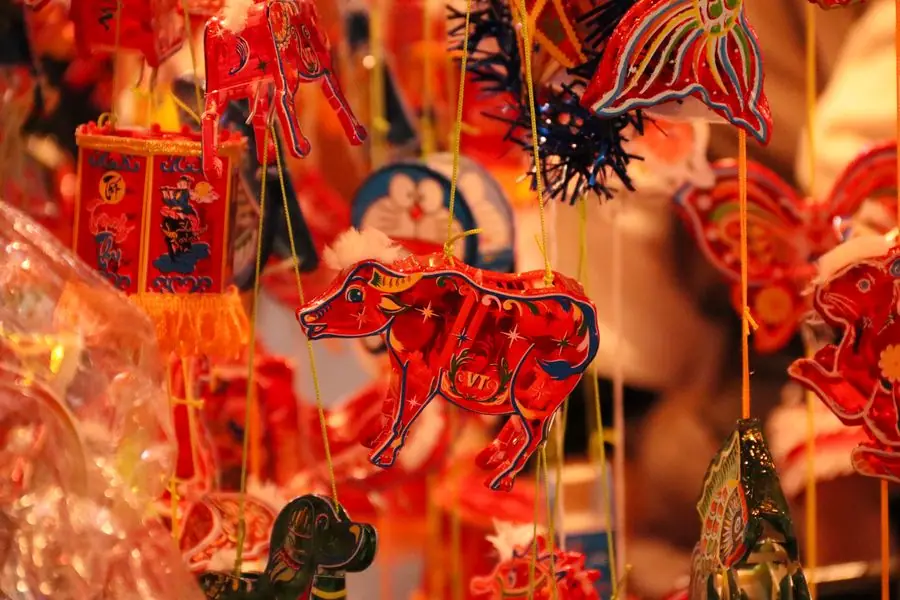
Wood and root carvings
Root and wood carvings from the hill villages, from small figurines to heavy decorative pieces; the big market halls have the range, $10–200.
Getting around Xishuangbanna
Xishuangbanna is reachable by air and, since 2021, by the China–Laos railway. Inside the prefecture, sights are spread over a wide area — the botanical garden and the elephant valley are hour-long trips — so a car or tour is the practical way to see the outlying sites.
- High-speed rail
- The China–Laos railway serves Jinghong at Xishuangbanna station: about 3.5 hours from Kunming, with stops including Wild Elephant Valley station. The same line continues south to Boten on the Laos border, connecting through to Luang Prabang and Vientiane.
- Long-distance bus
- Buses run from Jinghong's long-distance station to every county and major sight — the botanical garden, the Dai garden, Nannuo mountain and the elephant valley all have services, though frequencies are thin in the afternoon.
- Metro & bus
- There is no metro in Jinghong; the city is small and flat, with taxis and shared bikes covering the centre.
- Taxis
- Taxis start around $2–3; the airport is 15 minutes from the centre, the botanical garden about $25–35 by ride-hail.
- Ride-hailing
- DiDi works well inside Jinghong and for the nearer sights; for the distant valleys and mountains, hire a car with a driver for the day.
- Shared bikes
- The city centre is flat and bikeable, but the heat makes cycling a dry-season morning activity rather than an all-day one.
- Intercity carpool
- Carpool apps work for county towns; for tea mountains and rainforest sites, a hired car with driver is the normal arrangement.
Plan your 1, 2 or 3 days in Xishuangbanna
Pick the length of your stay. Each plan is its own page, anchored at the city centre and written from real traveller itineraries — including splits for sightseeing, shopping, landscape, families and older travellers.
Xishuangbanna in 1 Day
Manting Park, the General Buddhist Temple and the Gao Zhuang night market.
Read the plan → 2-dayXishuangbanna in 2 Days
Add Mengle Temple, the Dai Ethnic Garden and a Mekong river cruise.
Read the plan → 3-dayXishuangbanna in 3 Days
A full day at the Tropical Botanical Garden or the Wild Elephant Valley, plus Nannuo Mountain tea.
Read the plan →Frequently asked questions
- Do I need a visa to visit Xishuangbanna?
- Foreign visitors need a Chinese visa or a qualifying visa-free transit arrangement (the 240-hour transit visa-free policy applies at eligible ports). Check the current rules for your nationality before booking.
- How do I get to Xishuangbanna?
- Fly to Jinghong's Gasa airport, or take the China–Laos railway to Xishuangbanna station — about 3.5 hours from Kunming.
- What is the best time to visit Xishuangbanna?
- November–April, the cool dry season. The Water-Splashing Festival in mid-April is the highlight but also the most crowded and expensive week.
- How many days do I need in Xishuangbanna?
- Two days covers Jinghong's temples and the Dai garden; three days lets you add the Tropical Botanical Garden or the Wild Elephant Valley properly.
- Is Xishuangbanna good in winter?
- It is one of the best winter escapes in China — 22–30°C and dry from November to April, when the north of the country is freezing.
- Can I continue to Laos from here?
- Yes — the China–Laos railway runs south from Xishuangbanna to the Lao border at Boten, with onward connections toward Luang Prabang and Vientiane.
Page last reviewed: 2026-11-02.