Xining Travel Guide 2026: Ta'er Monastery, Qinghai Lake & a 1–3 Day Plan
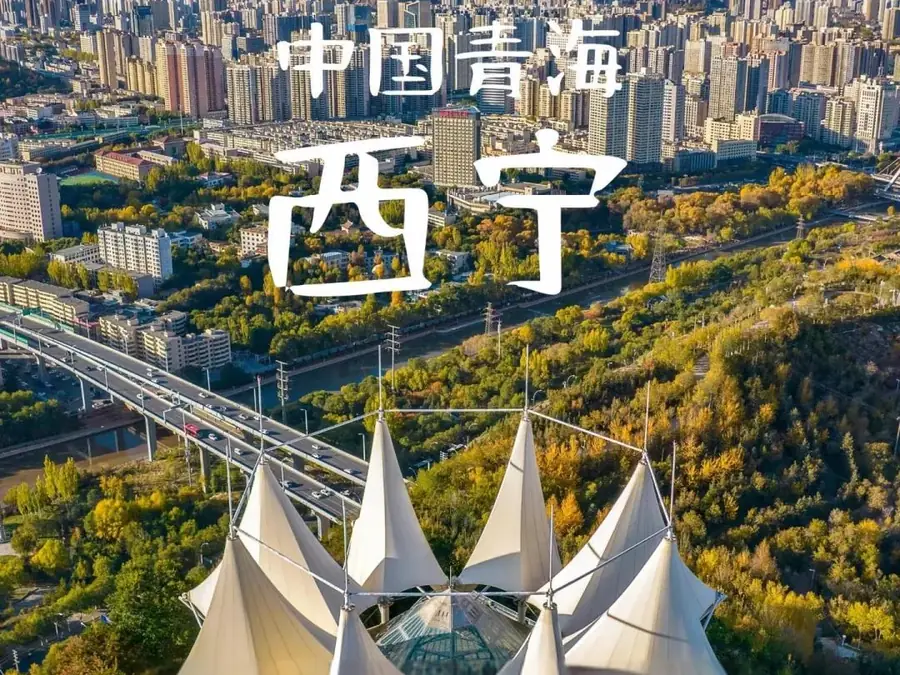
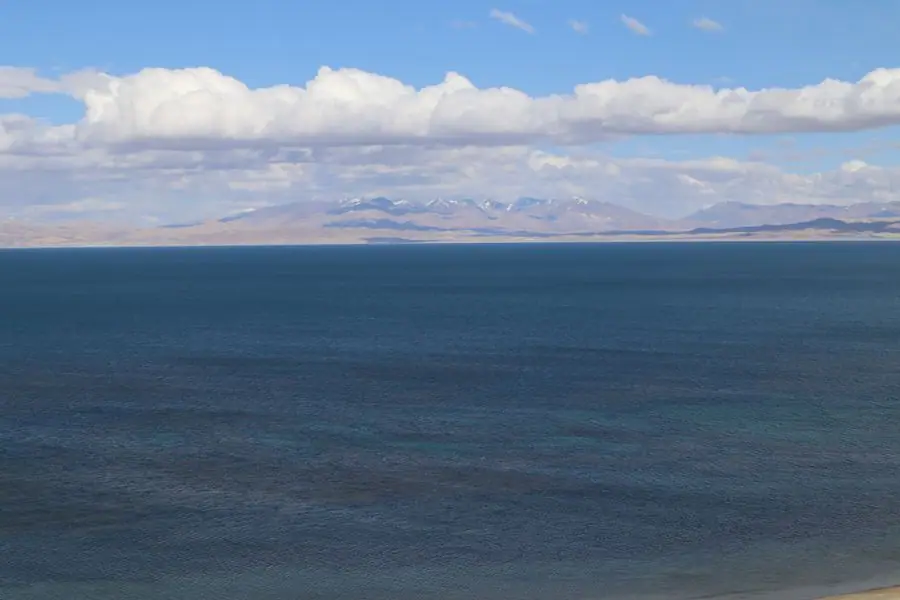
Xining, capital of Qinghai at 2,275 m, is where the Chinese plains meet the plateau. Inside the city, a great Tibetan Buddhist monastery and one of northwest China's largest mosques sit a few kilometres apart along the Huangshui River; outside, the road runs west to Qinghai Lake and the mountain passes towards Lhasa. Almost every traveller to the plateau passes through here — use it as a base, not a stopover.
History & culture
Xining has been a frontier city for two thousand years. The Han dynasty established a garrison here in 121 BC as Xipingting to control the routes to the Western Regions, and the city became the eastern anchor of the Silk Road's southern route. For most of its history it was a military town at the edge of Chinese agricultural settlement, facing the Tibetan and Mongol pasturelands across the mountains.
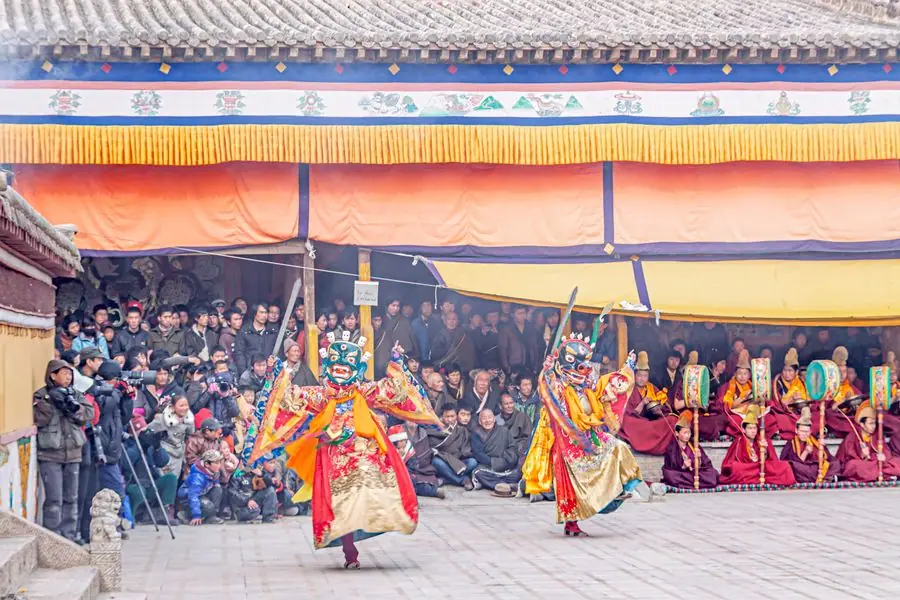
Religion arrived with the traders and the armies. Kumbum Monastery — Ta'er Temple — was founded in 1379 on the birthplace of Tsongkhapa, the founder of the Gelug school of Tibetan Buddhism, and grew into one of the great monasteries of the plateau with a peak of several thousand monks. The Hui Muslim community came with the caravan trade; the Dongguan Grand Mosque has anchored the Muslim quarter since the Ming, and Xining's lamb, yogurt and flatbreads are that heritage on a plate.
The modern city was shaped by the Qing, who made Xining the seat of the Qinghai amban, and by the railways. The Lanzhou–Xining line arrived in 1959, the Qinghai–Tibet Railway to Lhasa opened in 2006, and the Lanzhou–Xinjiang high-speed line passes through today — Xining is now the rail hub where the train to Lhasa is boarded. In 1928 the province of Qinghai was created with Xining as its capital.
Today Xining is a city of 2.5 million spread along a mountain valley — long, narrow and shaped by the Huangshui River. For travellers it is the staging post for Qinghai Lake, Kumbum, the Tibetan prefectures and the road to Lhasa; the city itself is a genuine multicultural place where Tibetan, Hui, Tu, Salar and Han communities share the same streets and markets.
Best time to visit Xining
Xining sits at 2,275 m with a highland climate: cool summers, dry cold winters, strong sun and big day-night swings. The plateau seasons matter more than the temperature.
Budget for Xining: hotels from $25 a night, average ticket $$6.2 — see the full cost breakdown, or start from a ready-made route.
Cuisine of Xining
Signature dishes worth seeking out — prices are typical per-person or per-dish ranges, not fixed quotes.
-
Hand-grabbed lamb
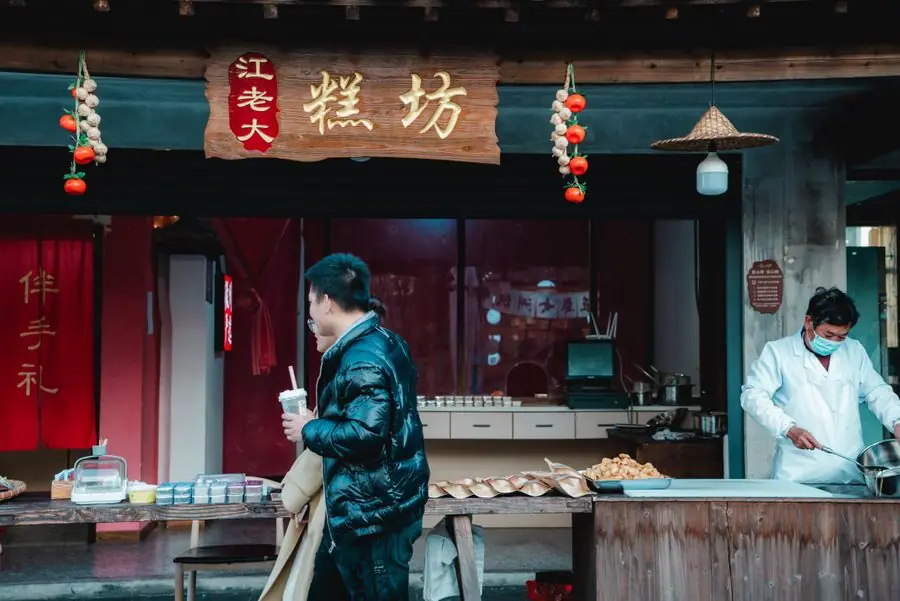
Chunks of Qinghai lamb boiled with ginger and salt and eaten by hand with a chilli-and-vinegar dip — the signature plateau dish, served on the Muslim quarter's lamb streets.
-
Xining yogurt
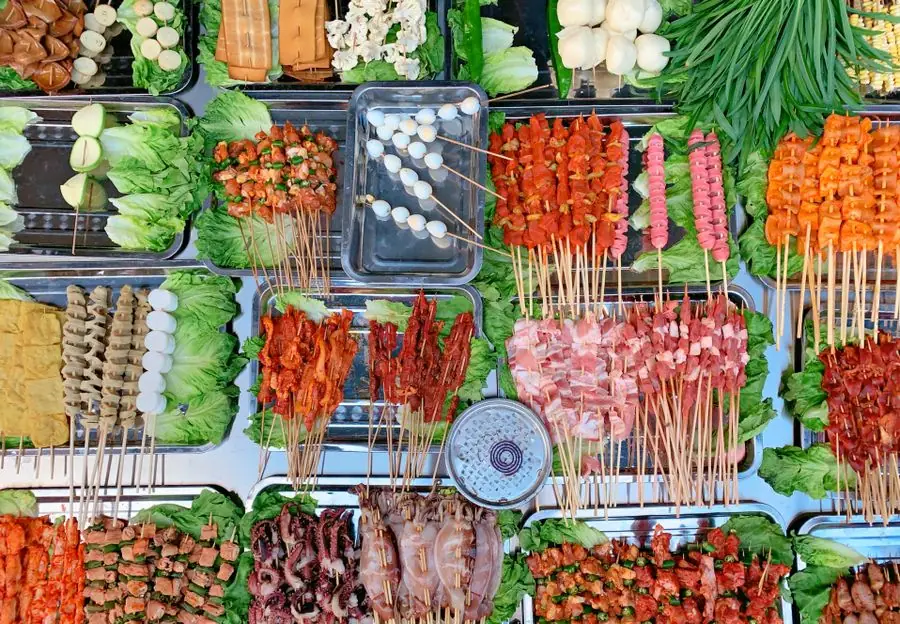
Thick, tart yogurt set in bowls and eaten with a spoon of sugar — the city's most famous snack, sold from yellow carts in every market; the Huangzhong version near Kumbum is the classic.
-
Liangfen with mustard oil
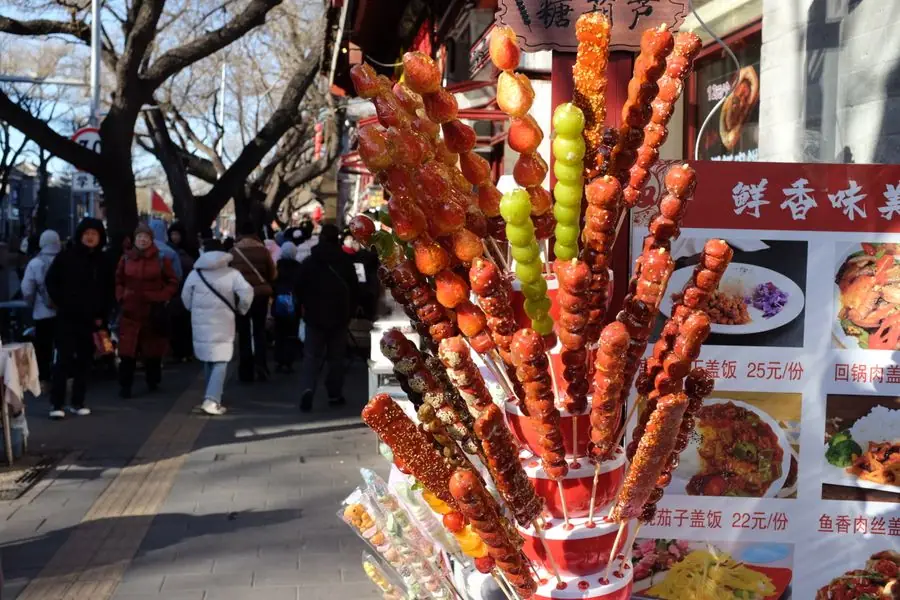
Cool mung-bean sheets sliced into ribbons with cucumber, garlic and a sharp mustard-oil dressing — Xining's own take on the northwest snack, sold by weight at the old-town stalls.
-
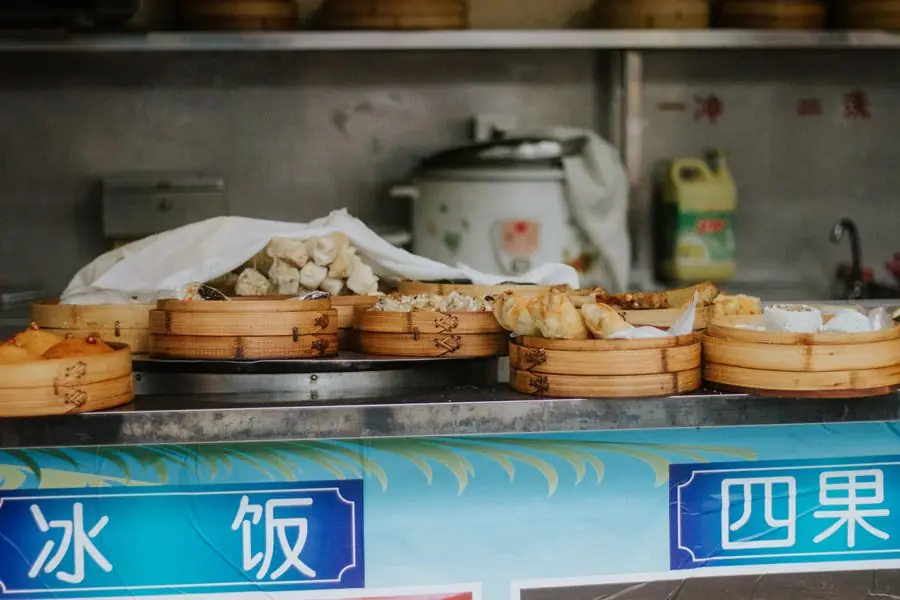
Noodle flakes (mianpian)
Hand-torn dough flakes pulled into a mutton-and-tomato broth with spinach and peppers — the everyday bowl of the Huangshui valley, eaten for breakfast and supper.
-
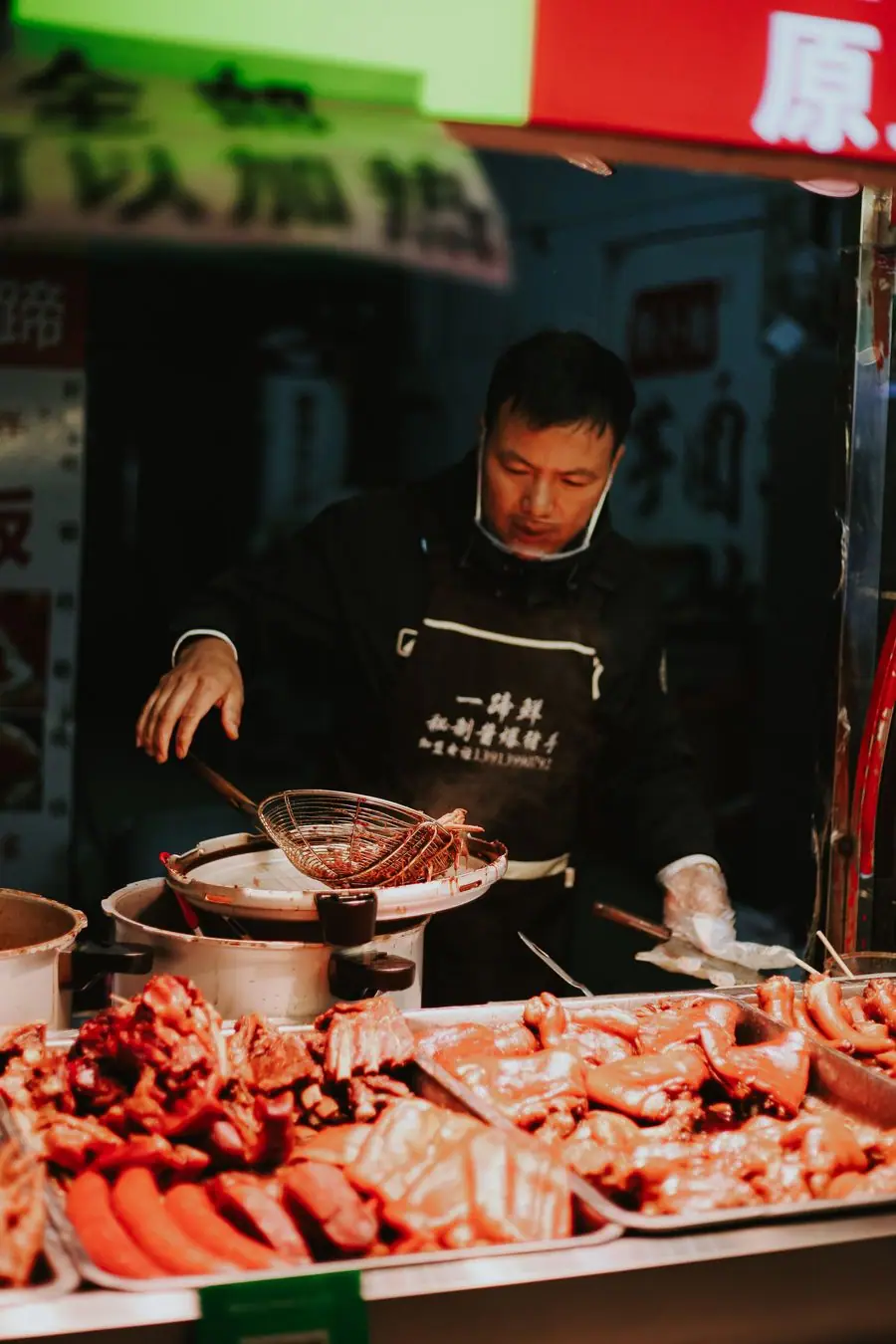
Gangguo bread
A huge baked wheat loaf with a patterned top, sold whole from the alley ovens — the Qinghai staple, torn and dipped into milk tea or mutton soup.
Every major sight — with its own guide
Right after the food above, here are the sights — each one links to its own full guide (what to see, how to get there, facilities and the best season). Names follow each sight's official English signage.
Southwest — Huangzhong
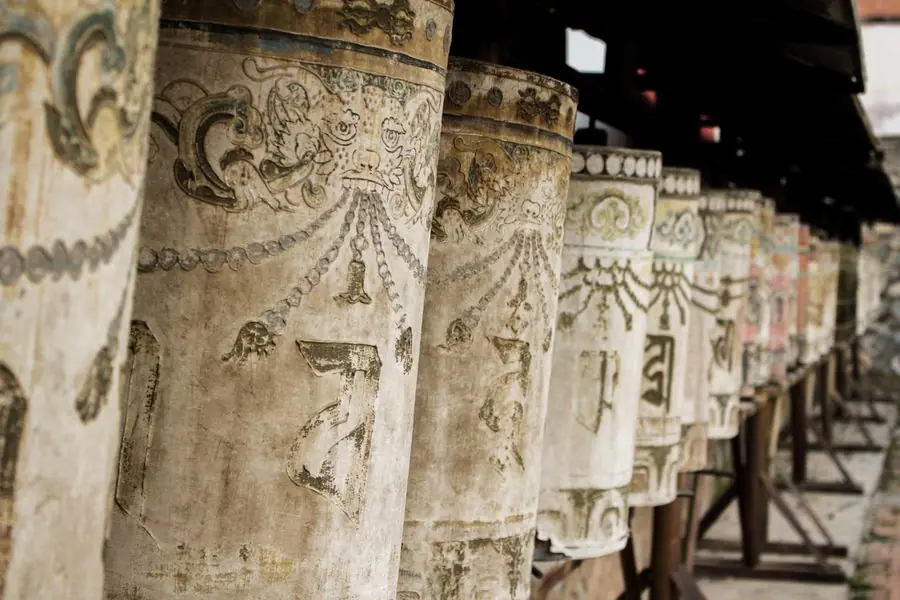
Kumbum Monastery (Ta'er Temple) 塔尔寺
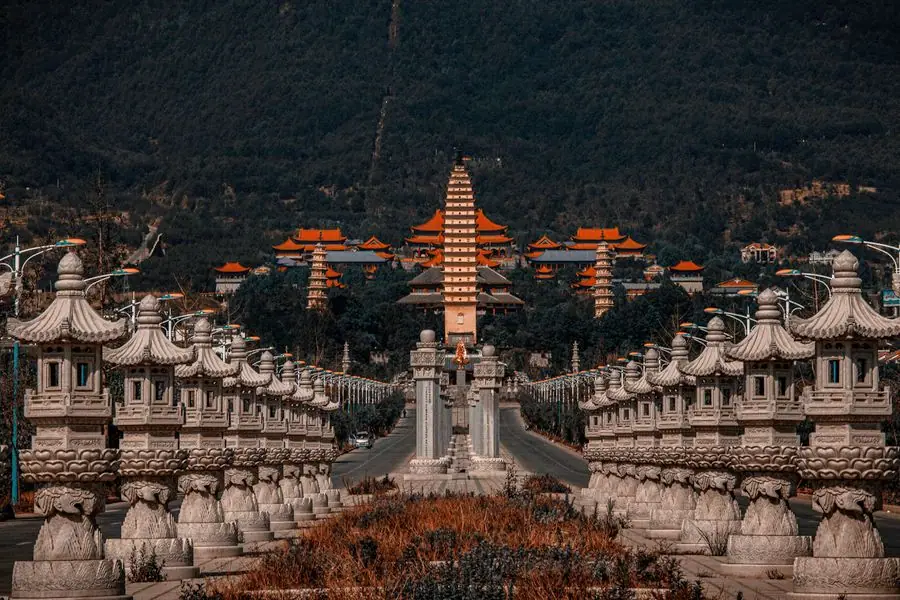
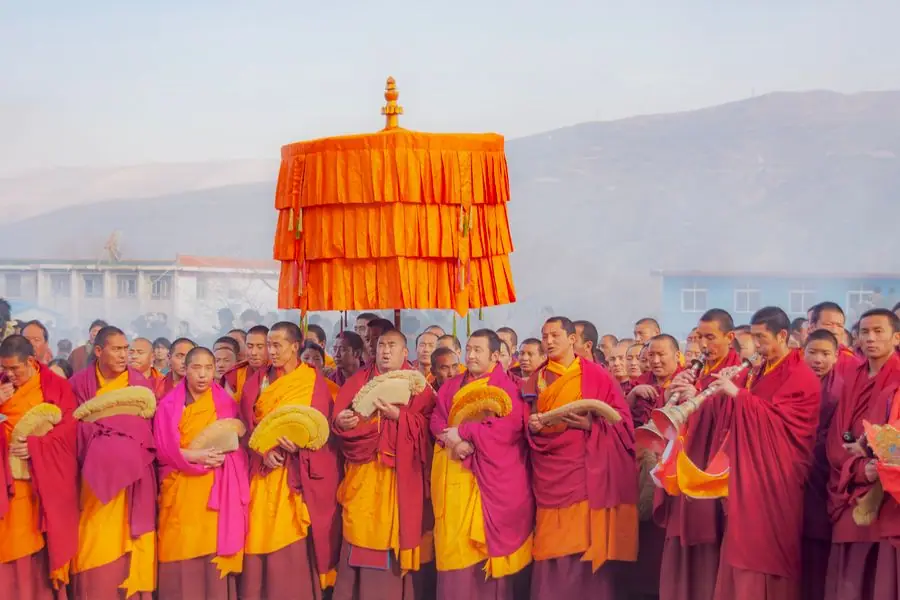
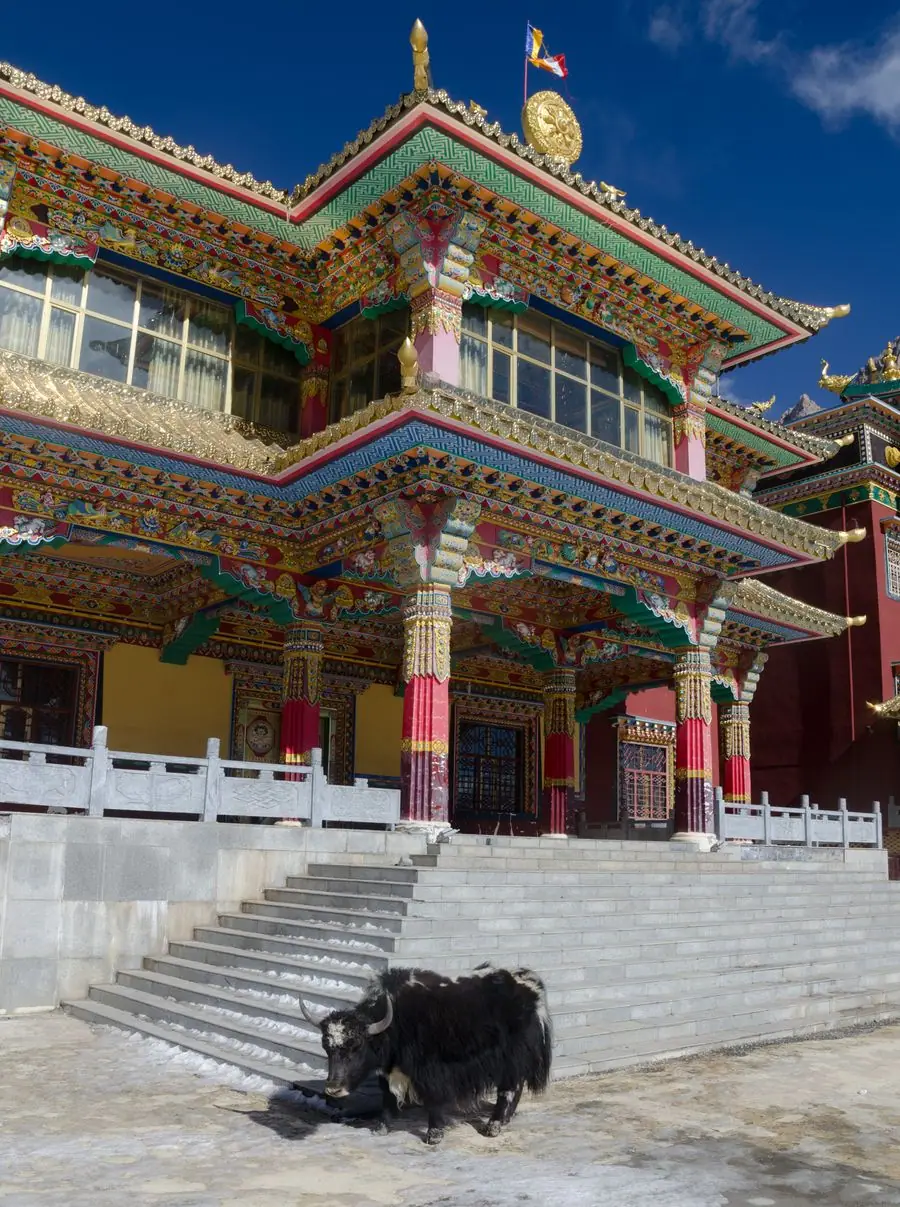
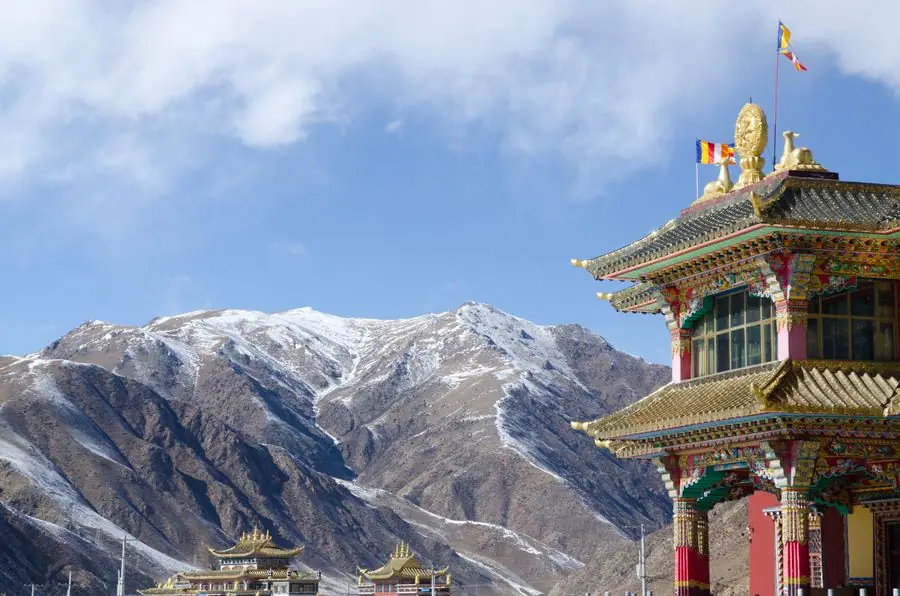
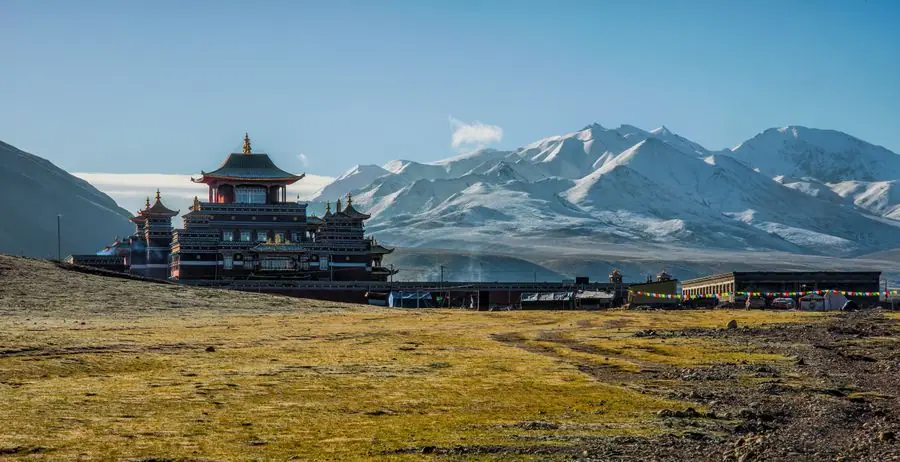
One of the great monasteries of Tibetan Buddhism, founded in 1379 on the birthplace of Tsongkhapa — a hillside complex of butter-scented halls, yak-butter sculptures, murals and appliqué thangkas, still home to several hundred monks.
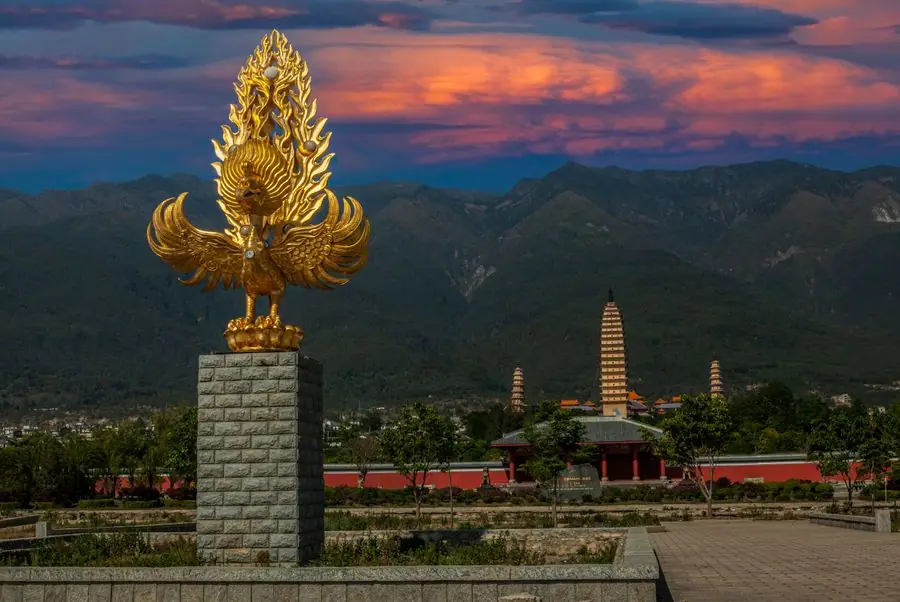
Qinghai Tibetan Culture Museum 青海藏文化博物院
A private museum near Kumbum holding the world's longest hand-embroidered thangka — over 600 m of Tibetan religious art — plus a full display of Tibetan medicine, costumes and scriptures.
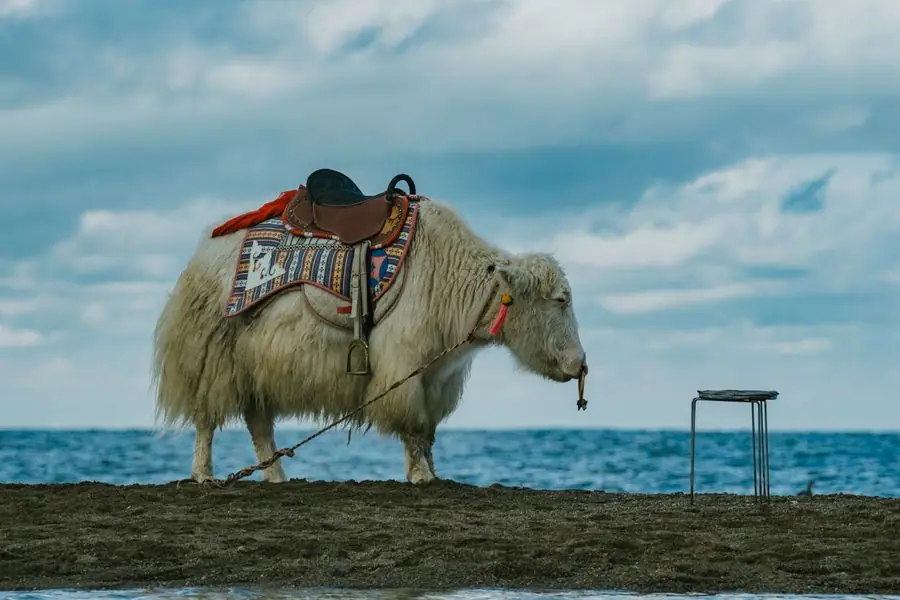
Where to stay in Xining
Rates are for a standard double room in 2026. Stay central — near Dashizi or the west railway station — for the food streets and the mosque; hotels near the lake are only worth it for the sunrise. Confirm the USD price at booking.
Budget
$25–45 / nightChain hotels and guesthouses around the west railway station and the old town; clean doubles with kettles and 24-hour hot water. The cheapest useful beds are a walk from the Dongguan food streets.
Mid-range
$60–120 / nightWell-kept business hotels on Qilian Avenue and near Dashizi — the sweet spot for travellers heading to Qinghai Lake, with buffet breakfasts and oxygen in the rooms.
Upper mid-range
$130–250 / nightNewer towers with gyms and restaurants in the city's core districts, plus Tibetan-themed hotels near Kumbum with shuttle service to the monastery.
Luxury
$280–500+ / nightInternational-brand hotels clustered around the CBD and the convention centre; the only real luxury is in the city — the lake has good mid-range camps, not five-star towers.
Souvenirs & local crafts
Easy to pack, easy to explain at customs — and far cheaper at a supermarket than at a scenic stall.
-

Black goji berry
Qinghai's wild black goji from the Qaidam basin, sold by weight in the markets — the region's signature health food; buy from reputable shops, not street touts.
-
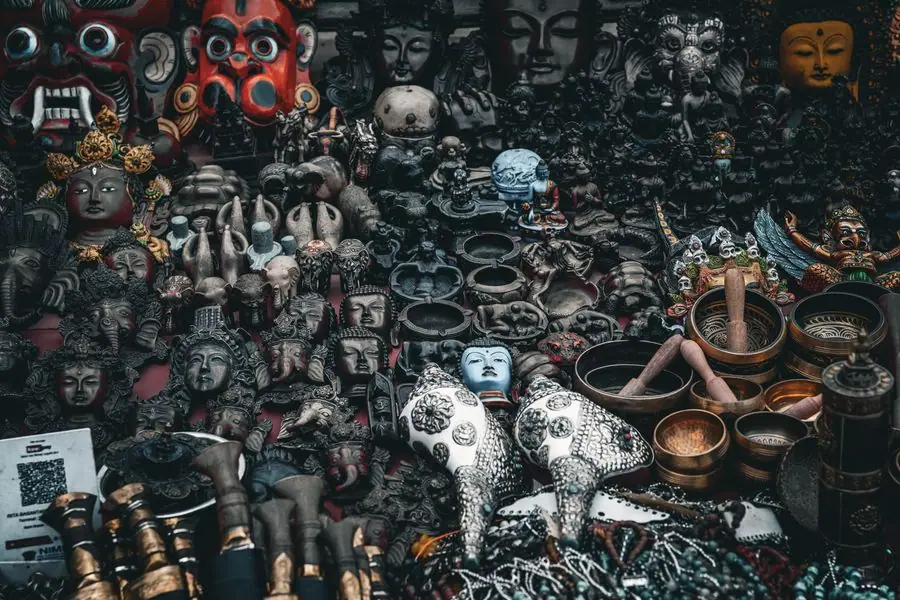
Kunlun jade
White and celadon jade from the Kunlun range, worked into bangles and pendants in the city's jade shops; insist on a certificate for anything expensive.
-
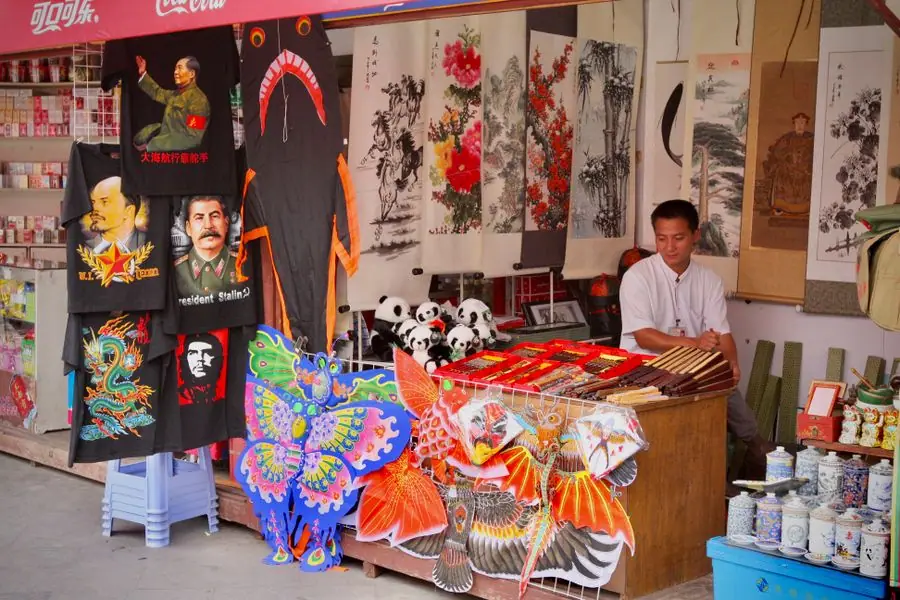
Yak jerky
Dried and spiced yak meat, sold vacuum-packed in the markets and at the railway station — the standard plateau travel snack.
-
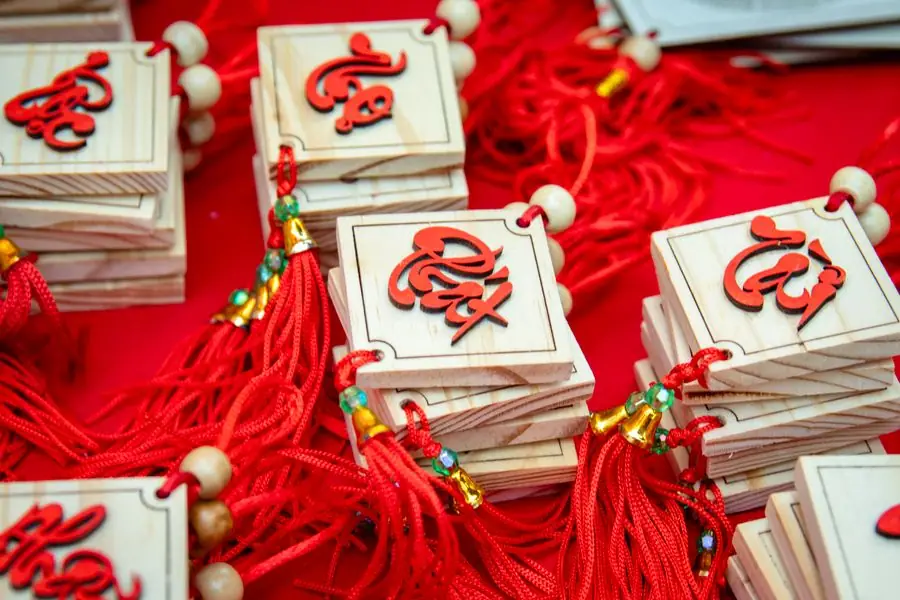
Tibetan carpets
Hand-knotted wool carpets from the Tibetan prefectures with classic geometric and flower patterns; the city's carpet workshops are the honest place to buy.
-
Cordyceps (chongcao)
The plateau's famous (and expensive) fungus, sold by the gram — prices vary wildly and fakes are common, so buy only from established Tibetan-medicine shops with a receipt.
Getting around Xining
Xining is the rail hub of the plateau: the Lanzhou–Xinjiang high-speed line runs through, and the Qinghai–Tibet Railway to Lhasa leaves from Xining station. The city itself has no metro — buses, BRT, taxis and DiDi cover everything.
- High-speed rail
- Xining Station sits on the Lanzhou–Xinjiang high-speed line — trains to Lanzhou take about an hour and to Xi'an about four; buy real-name tickets with your passport through 12306 or a travel app.The Qinghai–Tibet Railway to Lhasa (about 21 hours) also departs from Xining; tickets for foreign passengers need a Tibet Travel Permit issued through a travel agency, so book well ahead.
- Long-distance bus
- Long-distance buses run from the west bus station to Kumbum, Qinghai Lake, Huzhu and the Tibetan prefectures; the airport bus links Caijiabao Airport (about 30 km west) to the city centre.
- Metro & bus
- Xining has no metro or light rail in service — the city runs on buses, BRT corridors and taxis, with suburban trains on the existing rail lines towards Ping'an and Ledu. DiDi is the practical way to the temples.
- Taxis
- Ride-hailing
- DiDi works citywide for the mosque, the museum and the old town; for Qinghai Lake, Kanbula and the Tibetan prefectures, hire a private car with driver (about $70–120 per day) — the standard way to do the lake loop.
- Shared bikes
- Shared bikes and e-bikes cover the flat city core along the Huangshui; the mountain roads out of the valley are for cars only.
- Intercity carpool
- Day-trip minibuses to Kumbum and Qinghai Lake leave from the west railway station each morning; they are cheap but rigid — most foreign travellers hire a car instead.
Plan your 1, 2 or 3 days in Xining
Pick the length of your stay. Each plan is its own page, anchored at the city centre and written from real traveller itineraries — including splits for sightseeing, shopping, landscape, families and older travellers.
Xining in one day: monastery, mosque and old town
The city's two great religious houses — Kumbum in the morning, the Dongguan Grand Mosque and the Muslim quarter's lamb streets at dusk.
Read the plan → 2-dayTwo days: Kumbum and Qinghai Lake
Day one is the Huangzhong monasteries; day two is the long run west over Riyue Mountain to Qinghai Lake's shore and rapeseed fields.
Read the plan → 3-dayThree days: the plateau loop
Adds the southeastern gorge day — Mengda Tianchi's forest lake and the Salar terraces at Xunhua — or the northern Salar and grassland variant.
Read the plan →Frequently asked questions
- Do I need a visa to visit Xining?
- Foreign visitors need a Chinese visa (or to qualify for the 240-hour visa-free transit / unilateral visa-free entry where applicable). Xining itself is fully open; carry your passport for real-name ticketing and hotel check-in.
- Do I need a permit for Tibet?
- Xining needs no permit. Travel into the Tibet Autonomous Region does — a Tibet Travel Permit arranged through a travel agency, which is also required to buy the Xining–Lhasa train ticket as a foreign passenger. Organise it days in advance, not at the station.
- How high is Xining and will I feel the altitude?
- The city sits at 2,275 m — most people feel nothing, though alcohol hits harder. Qinghai Lake is 3,200 m and the passes are higher; take it easy for the first day and drink extra water.
- How do I get to Qinghai Lake from Xining?
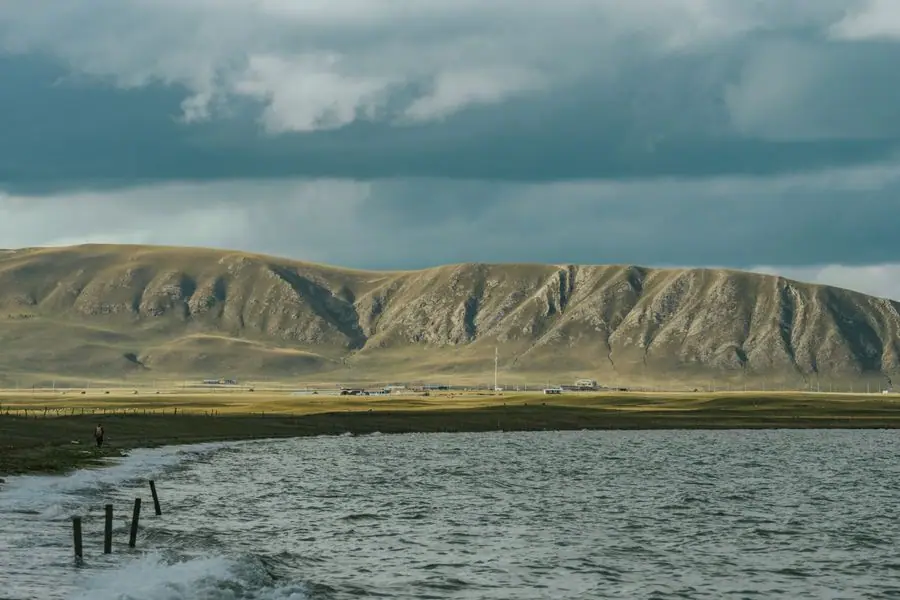
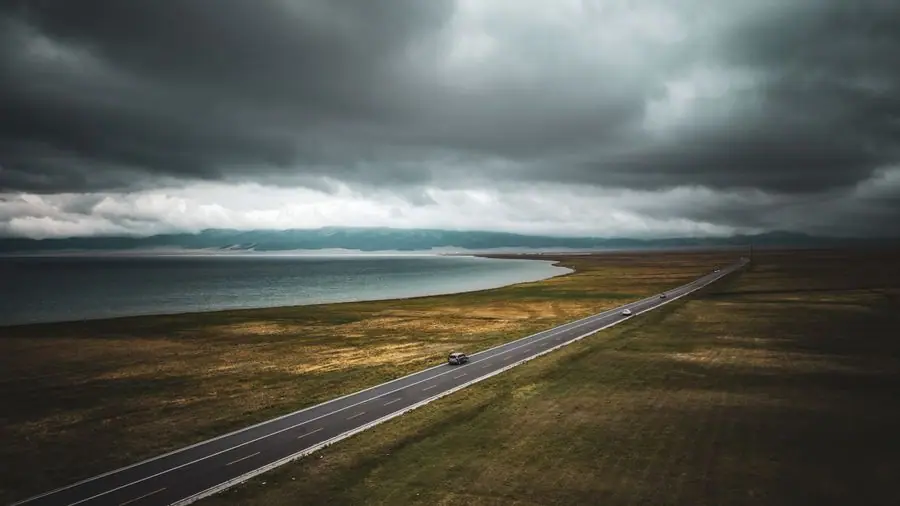
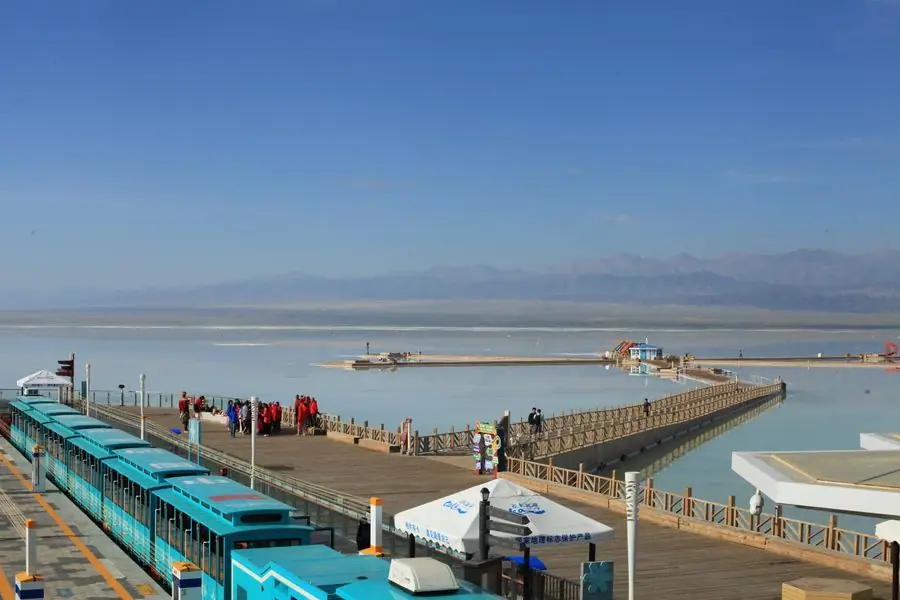
- 150 km west, 2.5–3 hours by car via Riyue Mountain; day-trip cars and buses leave the west railway station each morning. An overnight near the lake gives you the sunrise and the empty shore.
- When is the best time to visit Xining?
- June–September for the green plateau and the July rapeseed; May and October for clear, quiet weather. Winter is cold but the city sights work and the lake wind is fierce.
- Can I use Alipay/WeChat Pay and cards in Xining?
- Alipay and WeChat Pay with a linked foreign card work almost everywhere including street stalls; international cards work at hotels and larger restaurants. Carry a little cash for village stops.
Page last reviewed: 2026-11-02.