Xiamen 2026: Gulangyu, Beaches & a Beautiful University on a 1–3 Day Plan
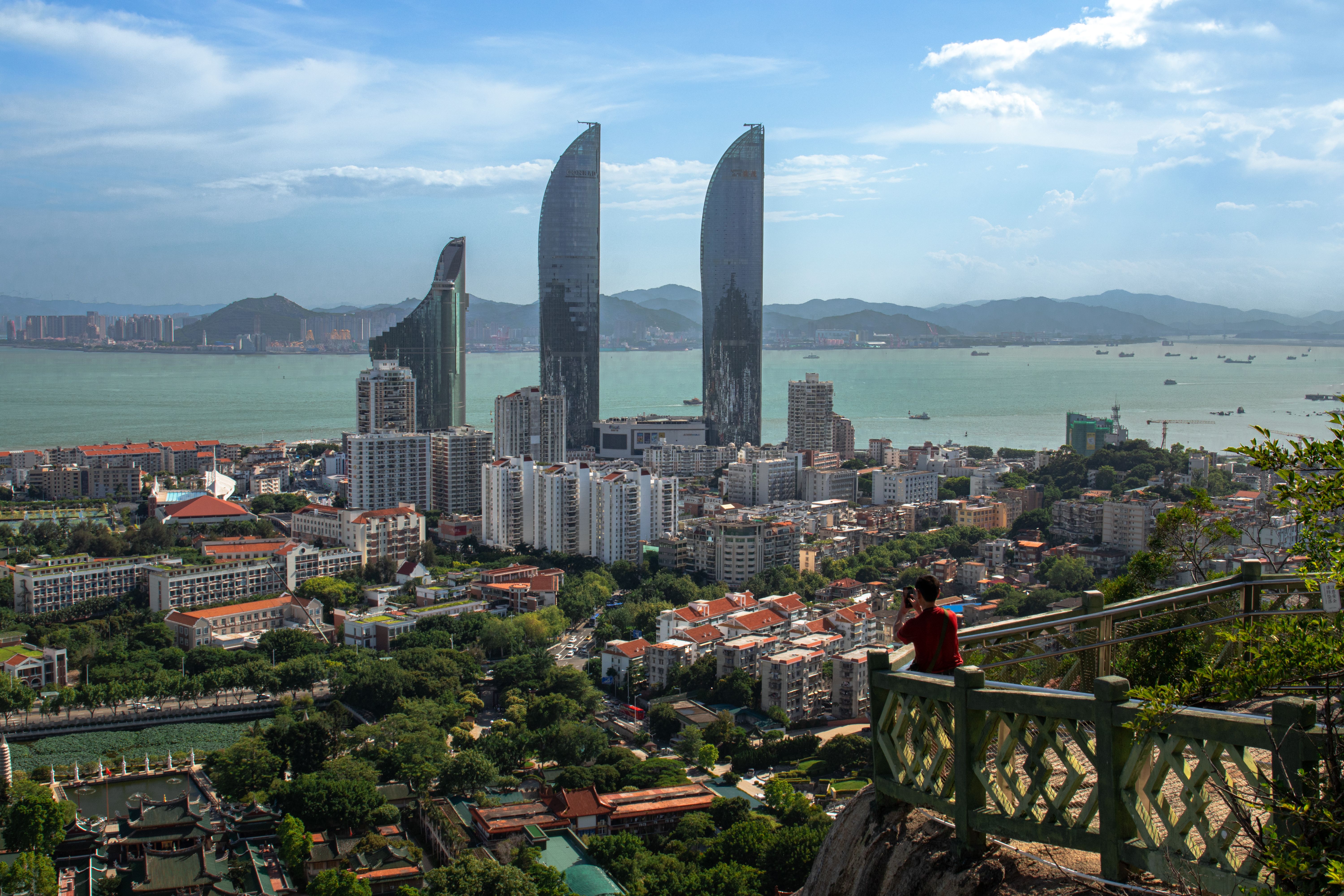
Xiamen is a gentle coastal city built around a car-free UNESCO island and a walkable seafront. You reach Gulangyu by ferry, then loop the beaches, a famous university and old lanes on foot or bike. Mild winters make it an easy year-round break from China’s bigger metros.
History & culture
Xiamen grew from a small fishing port into a treaty port after 1842, when Gulangyu became a foreign settlement shared by several nations, leaving the colonial lanes you walk today.
In the 20th century the overseas-Chinese philanthropist Tan Kah Kee (Chen Jiageng) built Jimei School Village and Xiamen University, shaping the city’s education and its southern-style architecture.
Today Xiamen is a Special Economic Zone and a cruise and ferry hub, best known to visitors for Gulangyu, its beaches and a mild coastal climate that draws travellers year-round.
Best time to visit Xiamen
Xiamen has a subtropical coast climate: warm winters, hot humid summers and a typhoon season. Plan around comfort and crowds more than cold.
Cuisine of Xiamen
Signature dishes worth seeking out — prices are typical per-person or per-dish ranges, not fixed quotes.
-
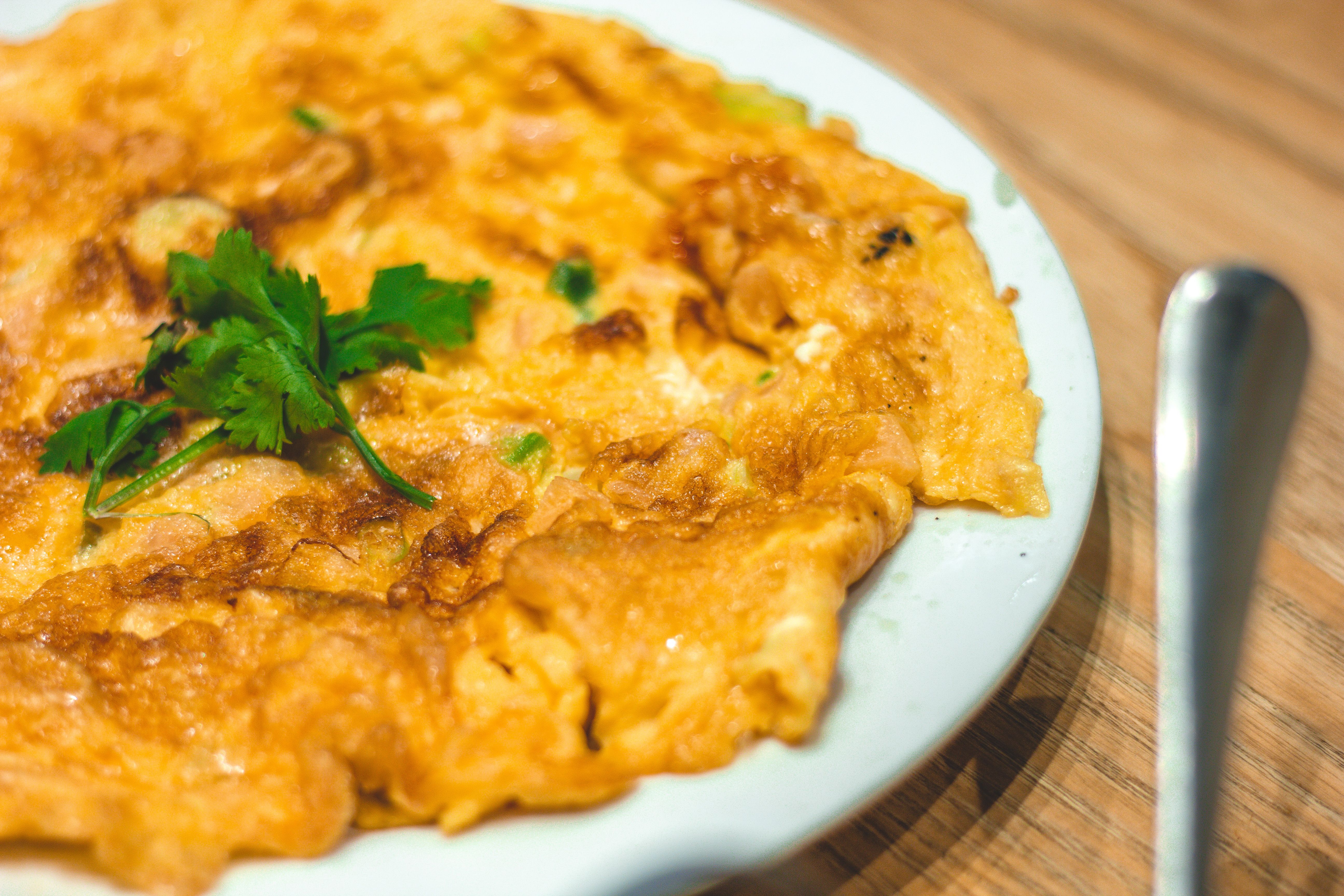
Oyster Omelette
A hot plate of eggs, starch and fresh oysters, crisped at the edge and served with a sweet-chilli sauce. A Xiamen street staple.
-
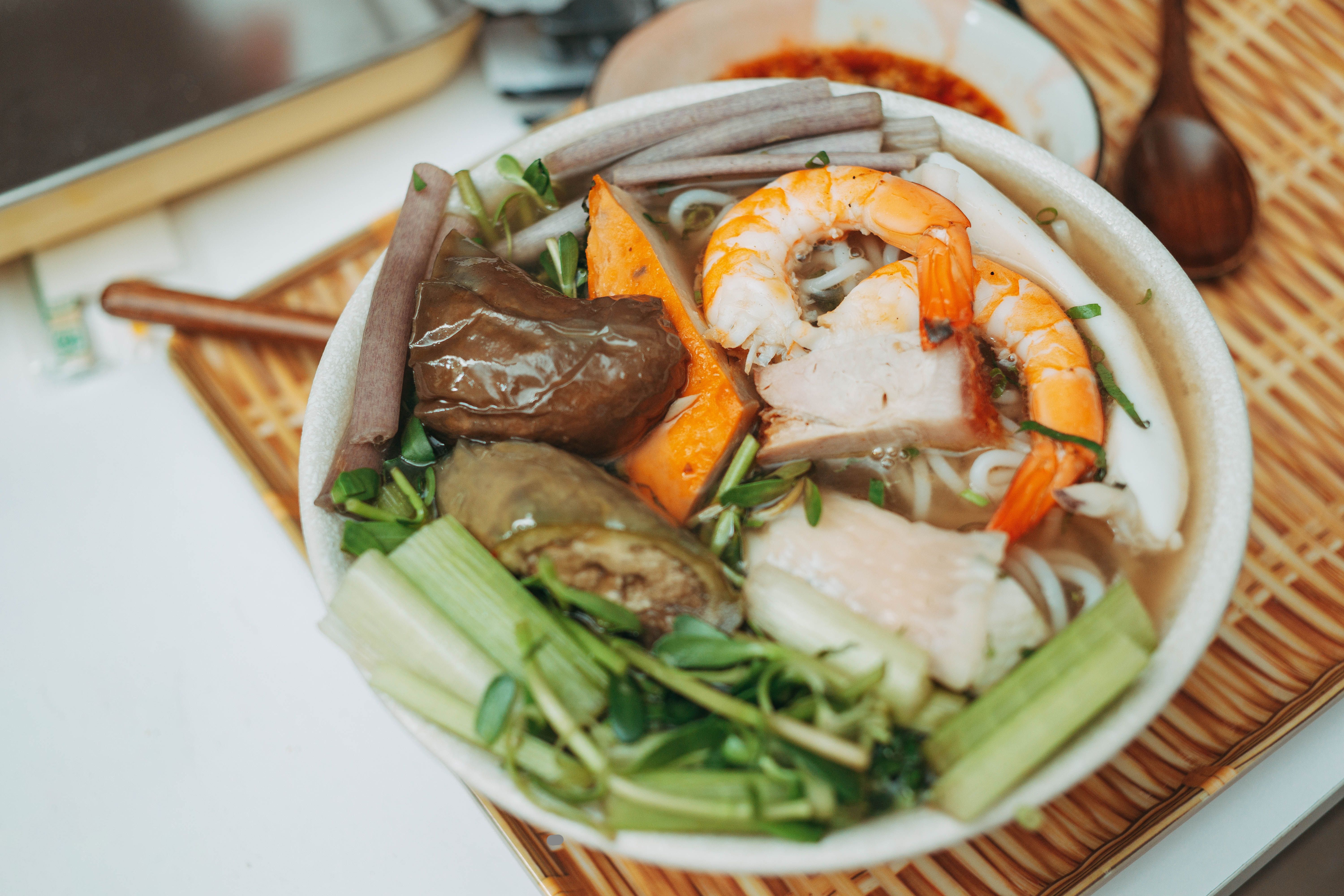
Shacha Noodles
Wheat noodles in a nutty, smoky shacha (barbecue) sauce, topped with seafood, pork and greens. Comfort food in a bowl.
-
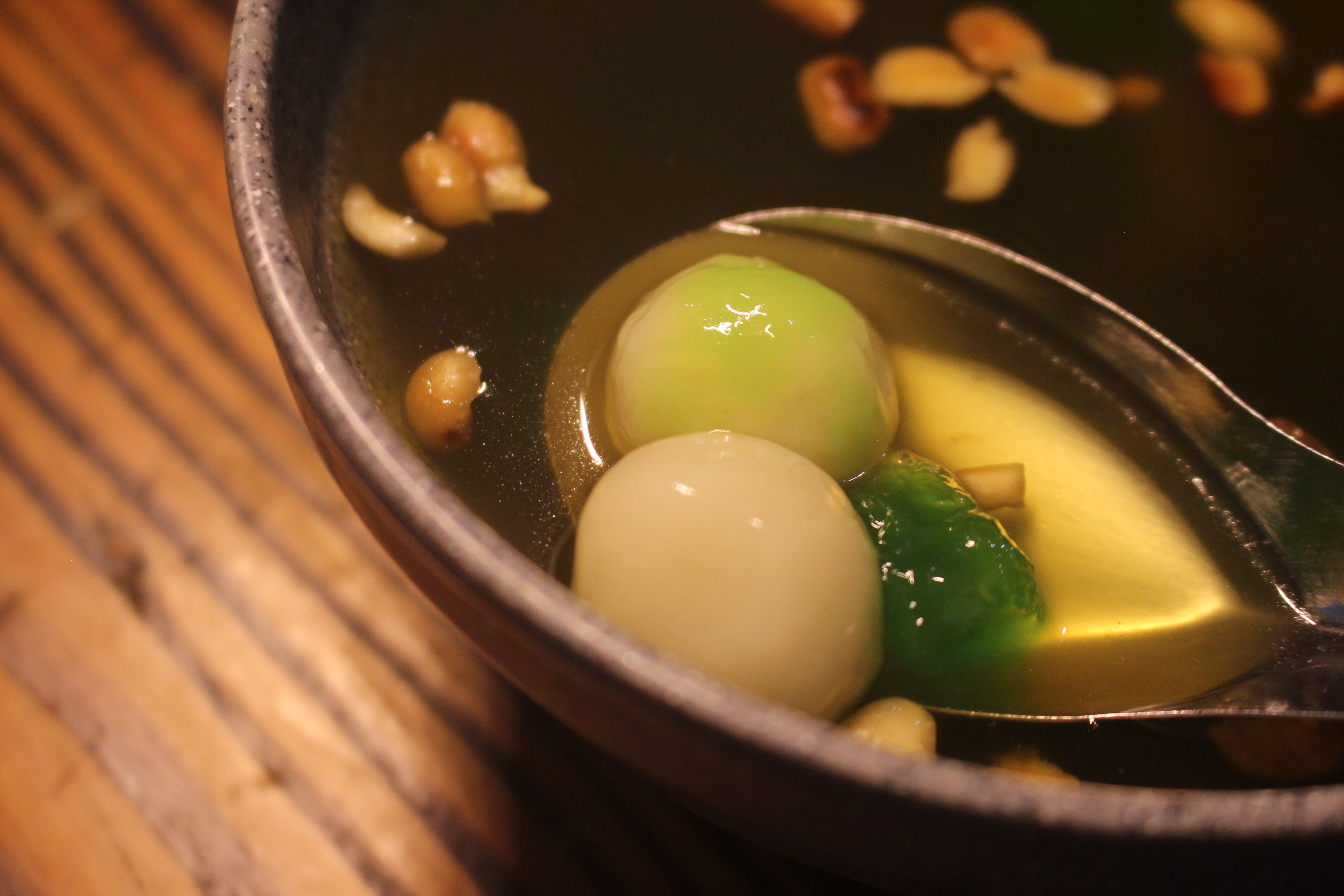
Peanut Soup
A warm, sweet peanut broth served at breakfast or as a dessert, smooth and mild. Order it with a fried dough stick.
-
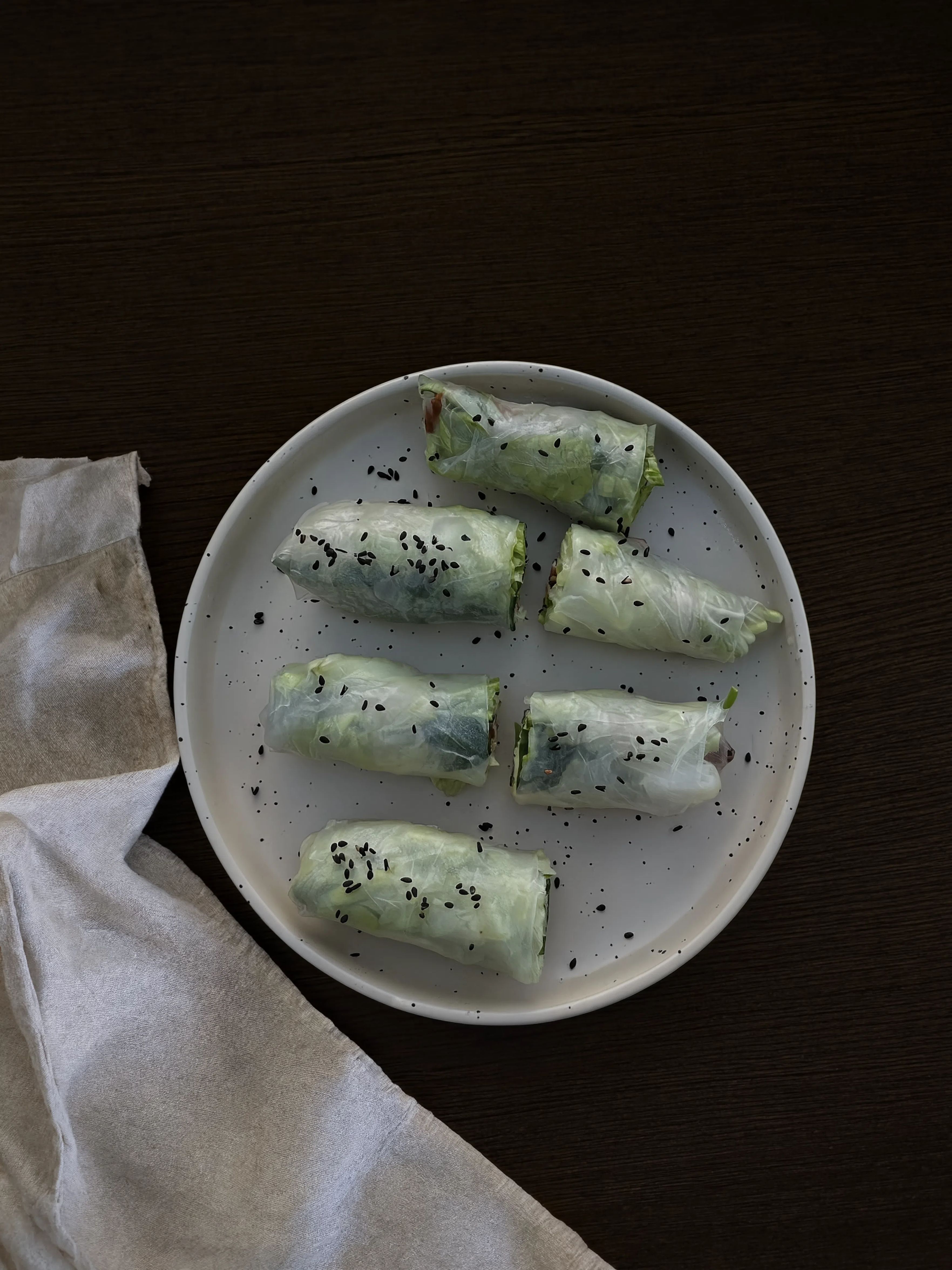
Popiah
A Fujian spring roll with a soft skin wrapped around cooked vegetables, bean sprouts and shrimp. Fresh, not fried.
-
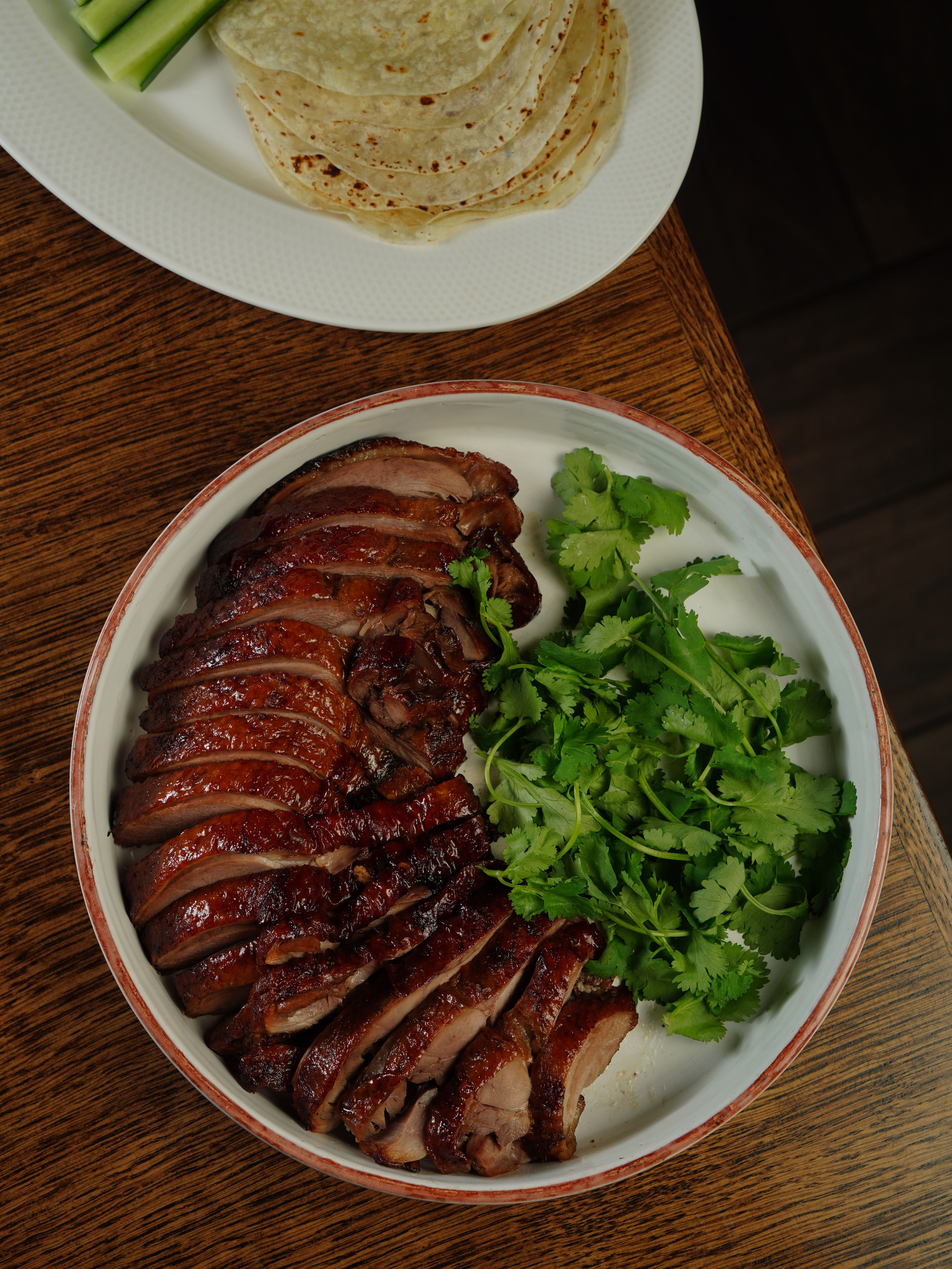
Ginger Duck
A slow braise of duck with old ginger and rice wine, warming and rich. A winter favourite across the south.
-

Five-Spice Roll
A spiced pork-and-vegetable roll wrapped in tofu skin, fried crisp and sliced. A common banquet and street bite.
Every major sight — with its own guide
Right after the food above, here are the sights — each one links to its own full guide (what to see, how to get there, facilities and the best season). Names follow each sight's official English signage.
Gulangyu Island

Gulangyu Island 鼓浪屿
A car-free UNESCO island of colonial lanes, beaches and piano houses, 4 km offshore and reached only by ferry.
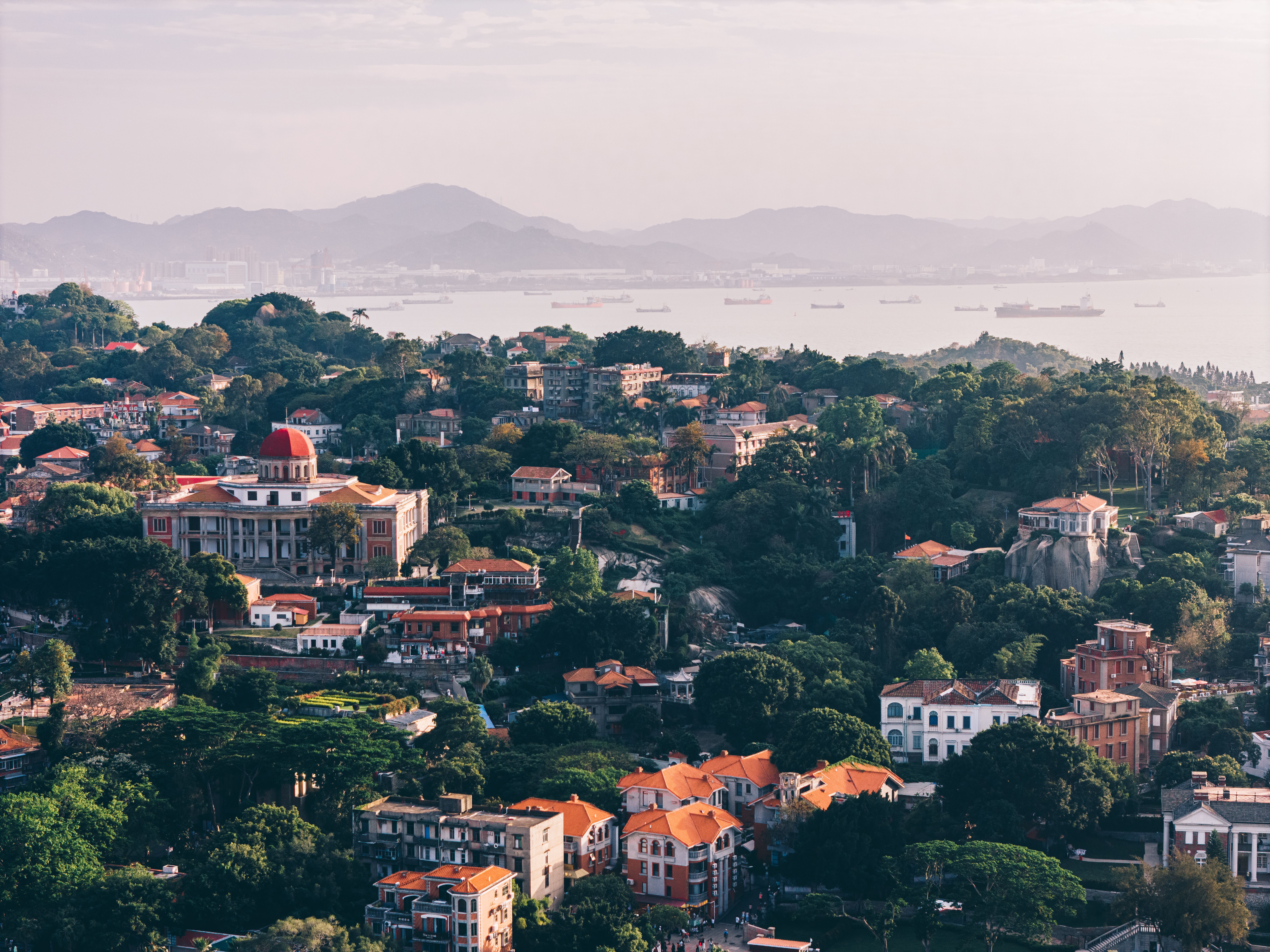
Sunlight Rock 日光岩
The highest point on Gulangyu, a short climb with the island’s best 360° view over the sea and rooftops.
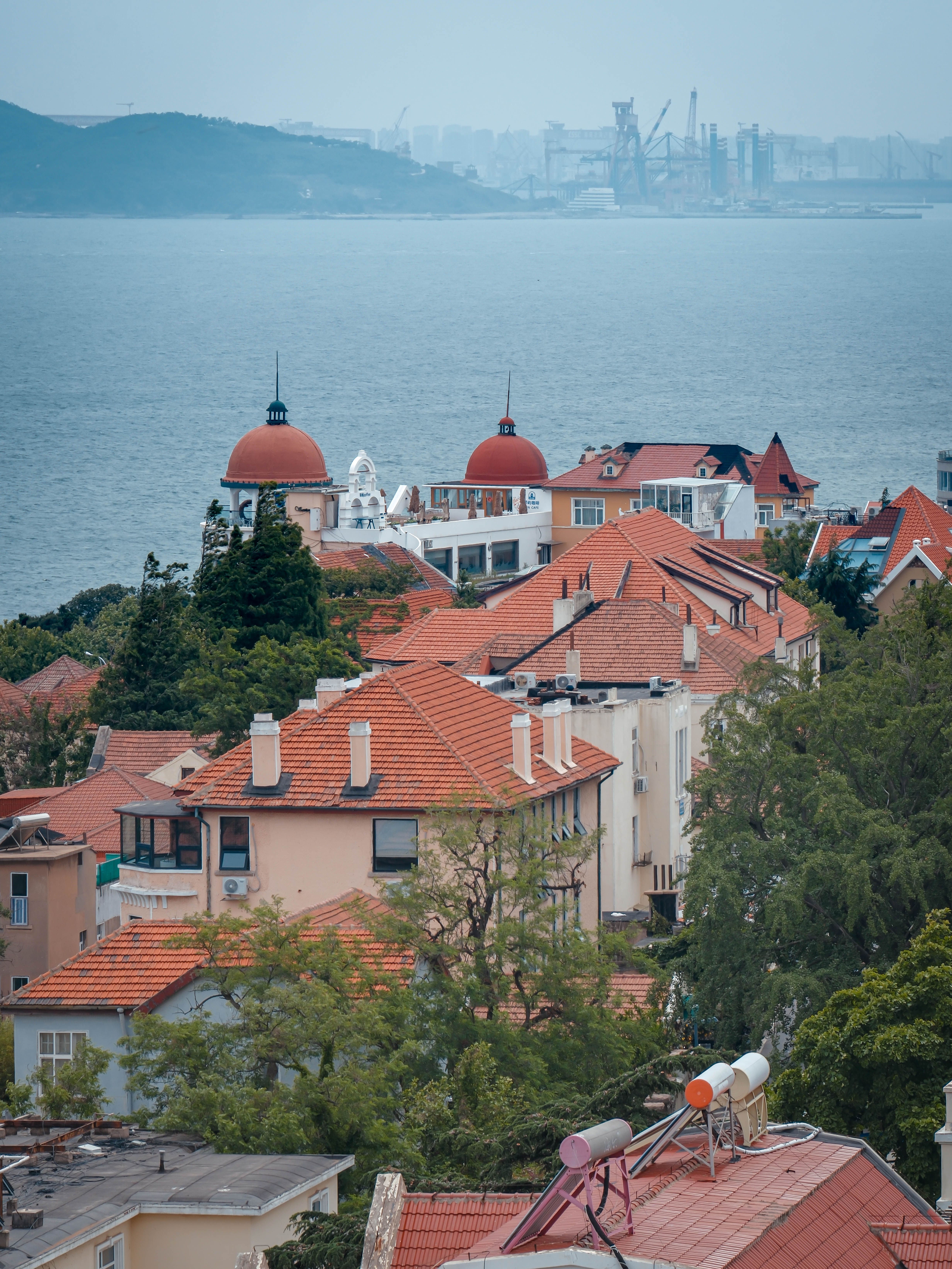
Shuzhuang Garden 菽庄花园
A seaside garden on Gulangyu with hidden courts, a piano museum and a causeway that walks into the water.
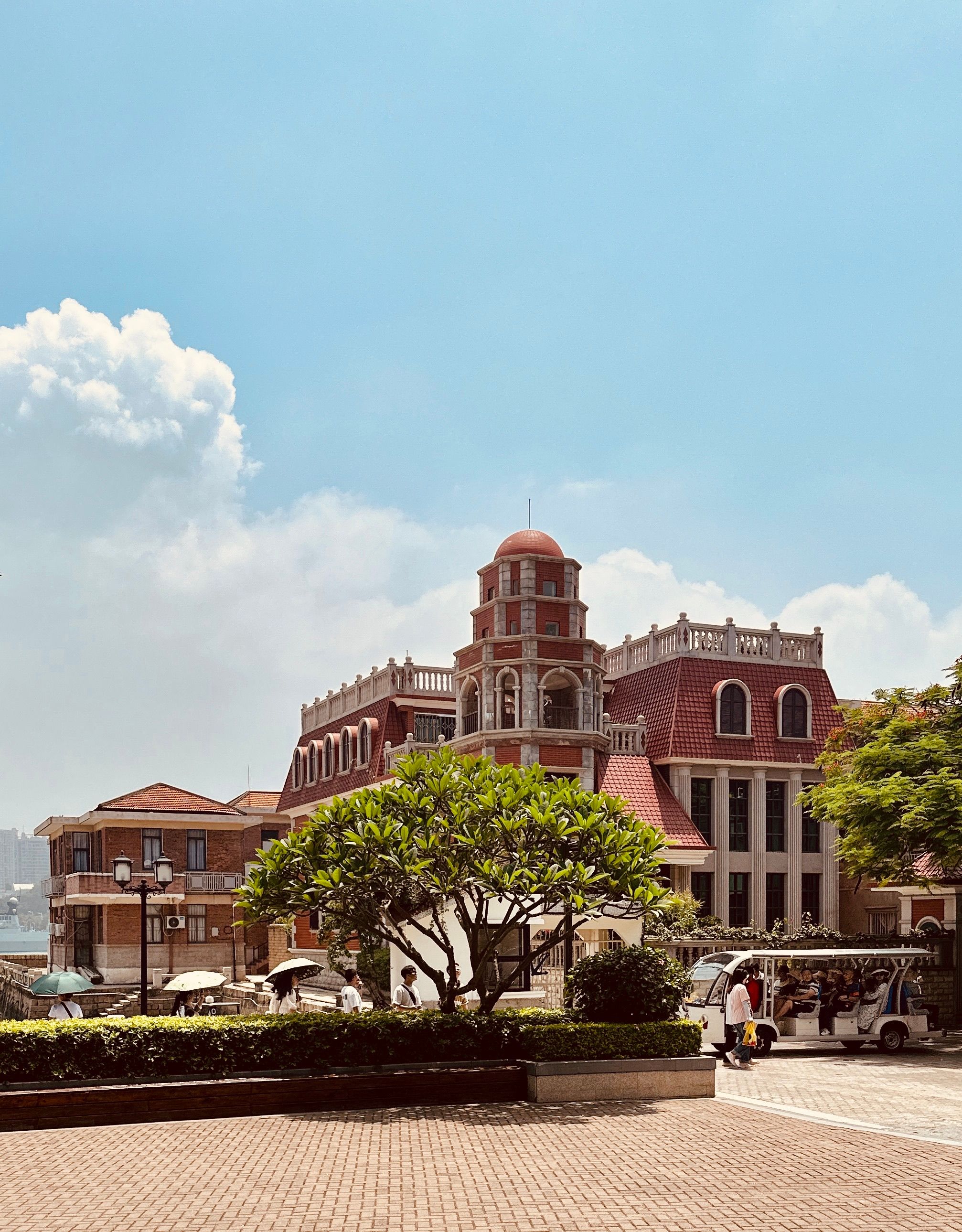
Gulangyu Piano Museum 鼓浪屿钢琴博物馆
A museum inside Shuzhuang Garden holding rare historic pianos, a nod to the island’s "Piano Island" nickname.
Island South
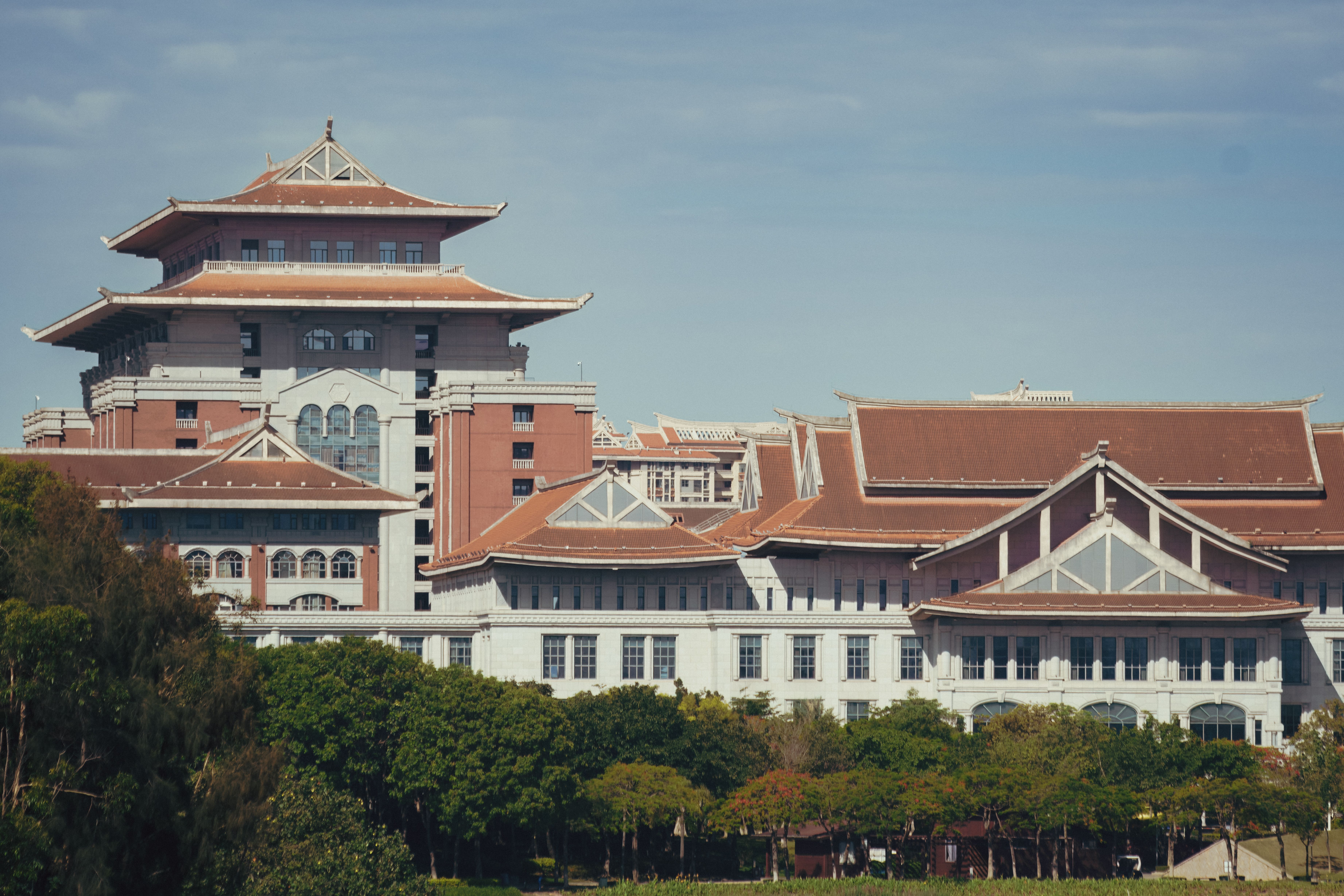
Xiamen University 厦门大学
One of China’s most beautiful campuses, with white towers, a lake and a seaside view beside Nanputuo Temple.
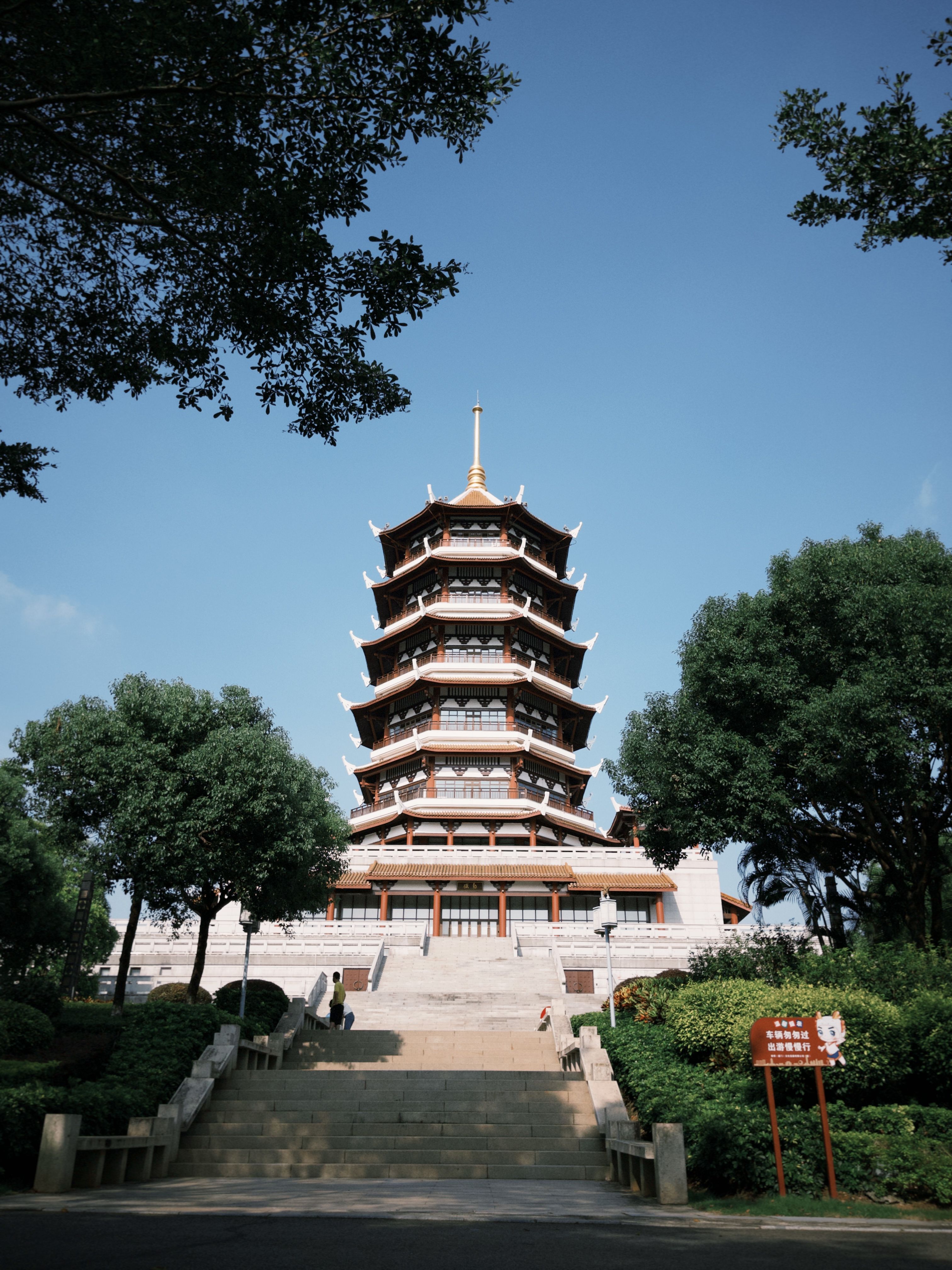
Nanputuo Temple 南普陀寺
A busy seaside Buddhist temple at the foot of Wulao Peak, with a sea-facing hall and a vegetarian kitchen.

Xiamen Botanical Garden 厦门园林植物园
A hillside garden of themed plant houses, including a misty rainforest greenhouse popular for photos.
City core
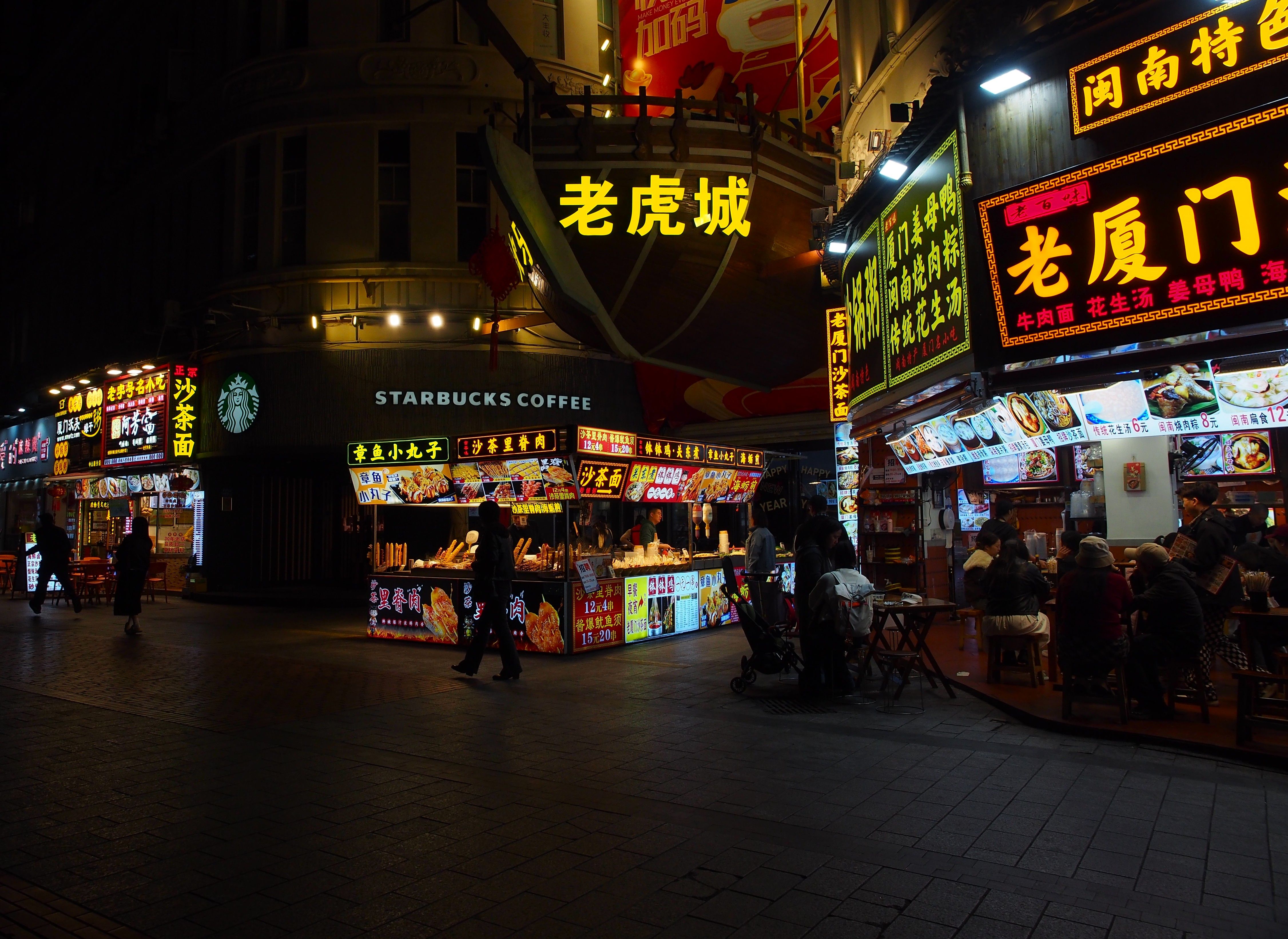
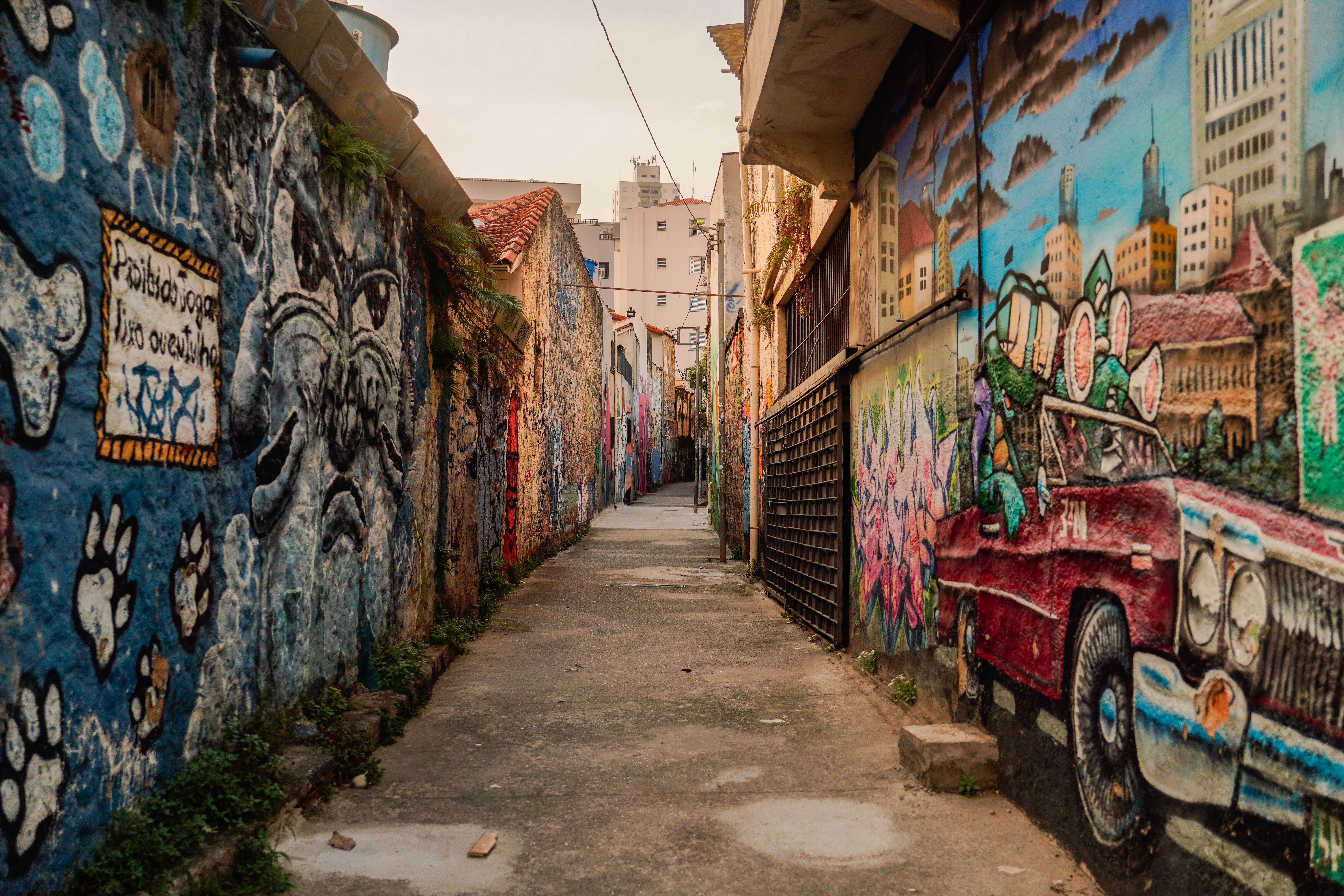
Coast & East
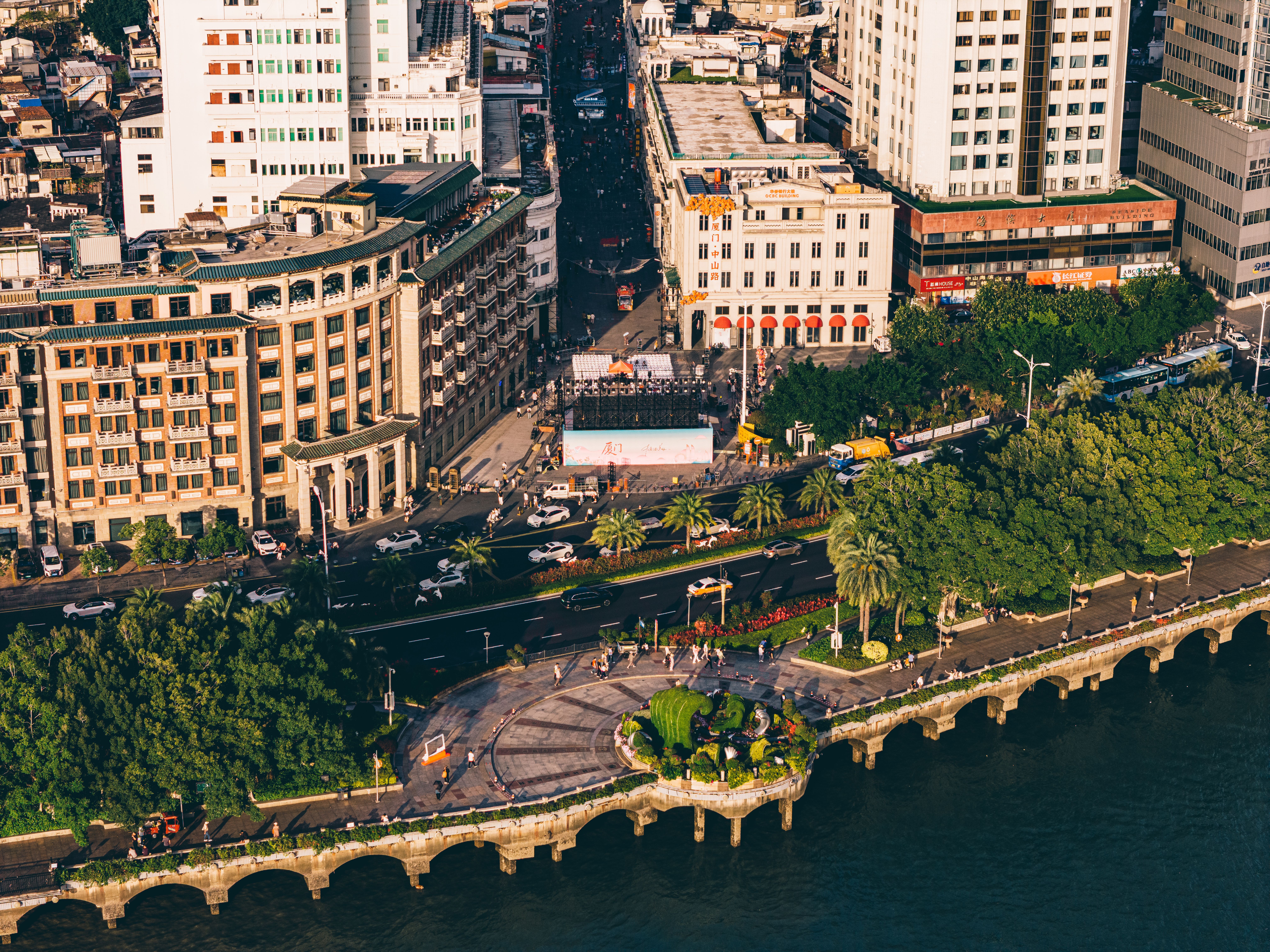
Island Ring Road 环岛路
A scenic coastal road and bike path along Xiamen Island’s southeast shore, with beaches and the "Wind Roar Stone".
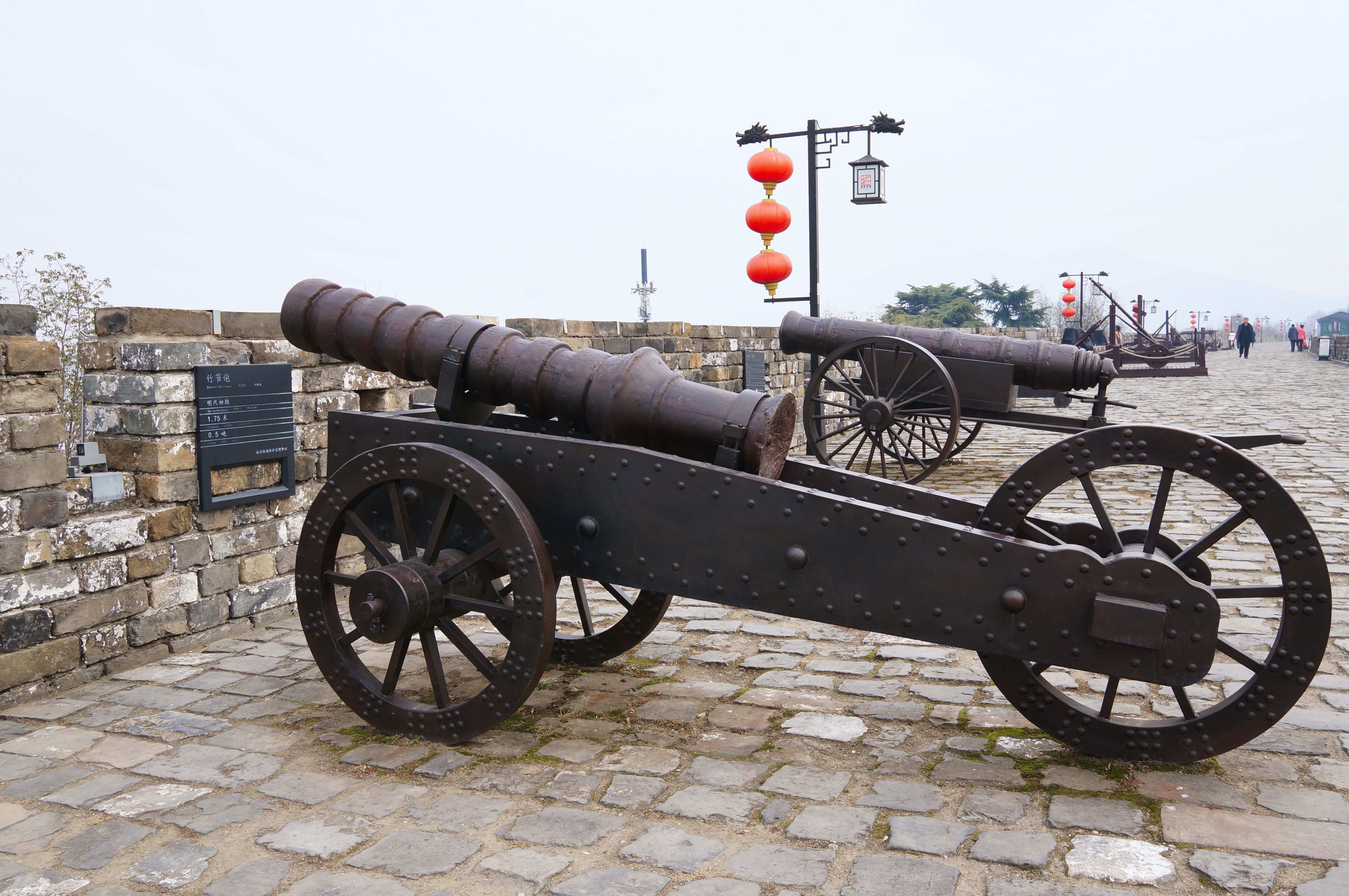
Hulishan Fortress 胡里山炮台
A Qing-era coastal fort with a huge Krupp cannon and sea walls, at the start of the Island Ring Road.
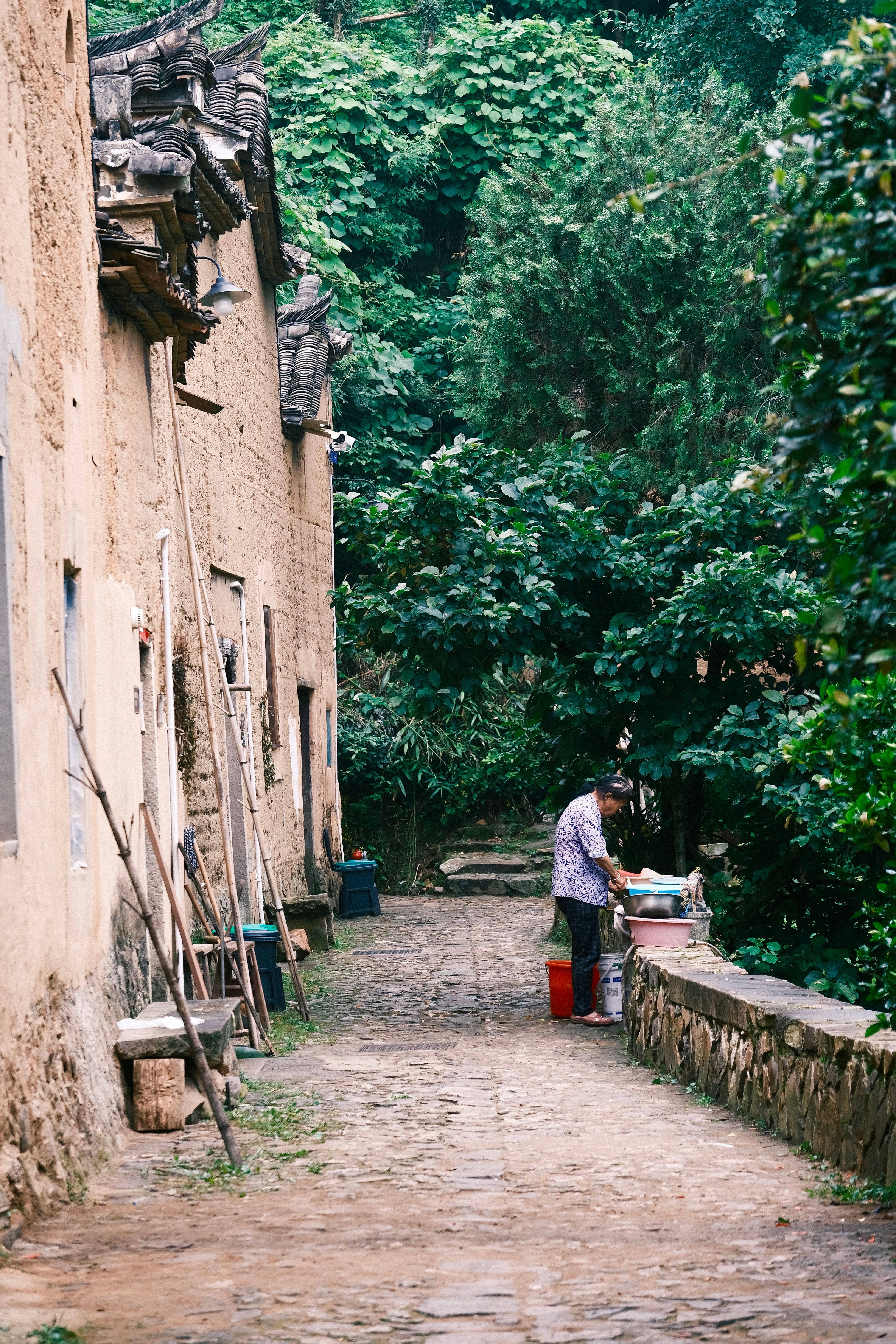
Zengcuo’an Village 曾厝垵
A former fishing village turned guesthouse lane, packed with snack stalls, bars and cheap stays near the beach.
Jimei & North
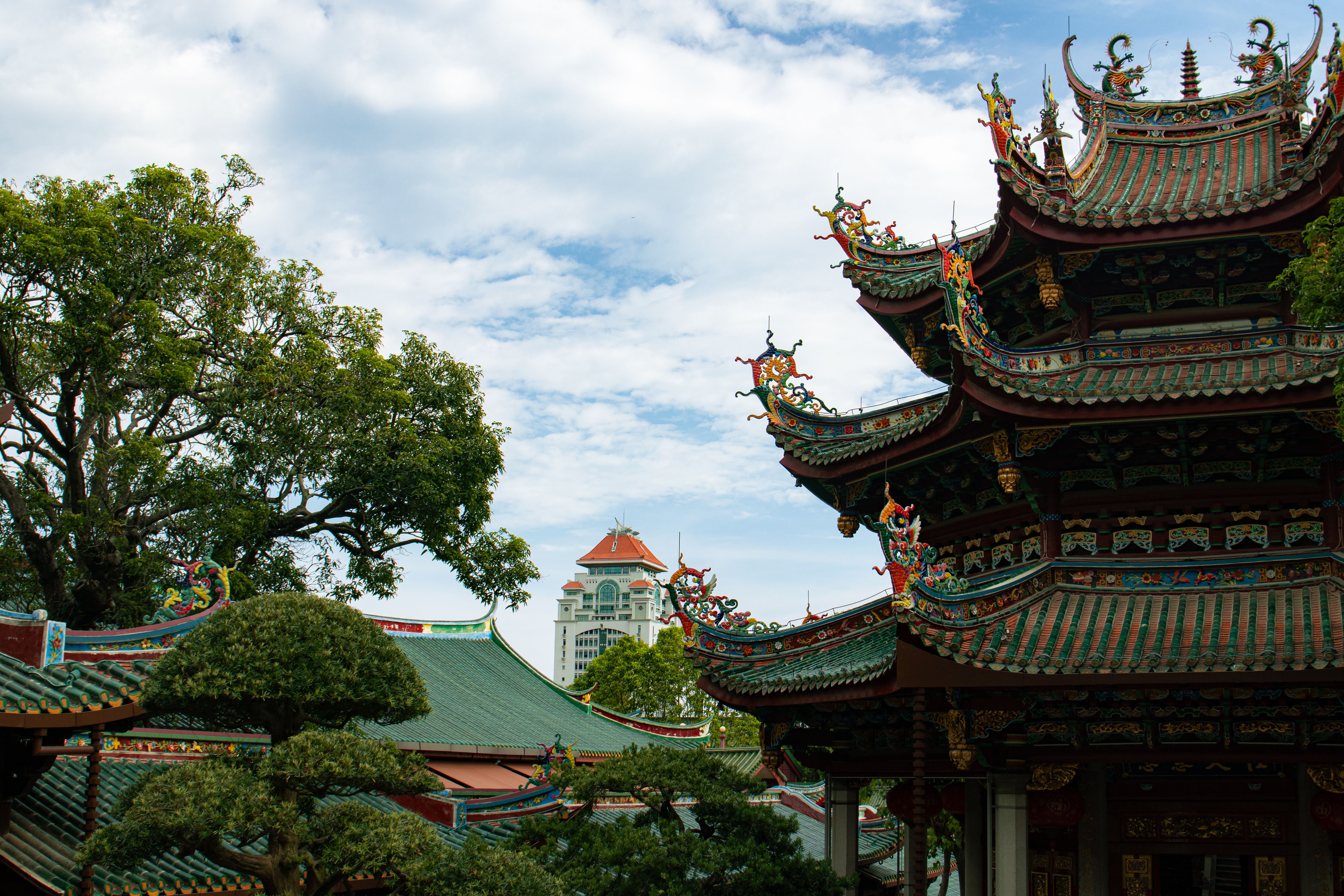
Jimei School Village 集美学村
A riverside cluster of southern-style schools and the tomb of philanthropist Tan Kah Kee, across the bridge north of the city.
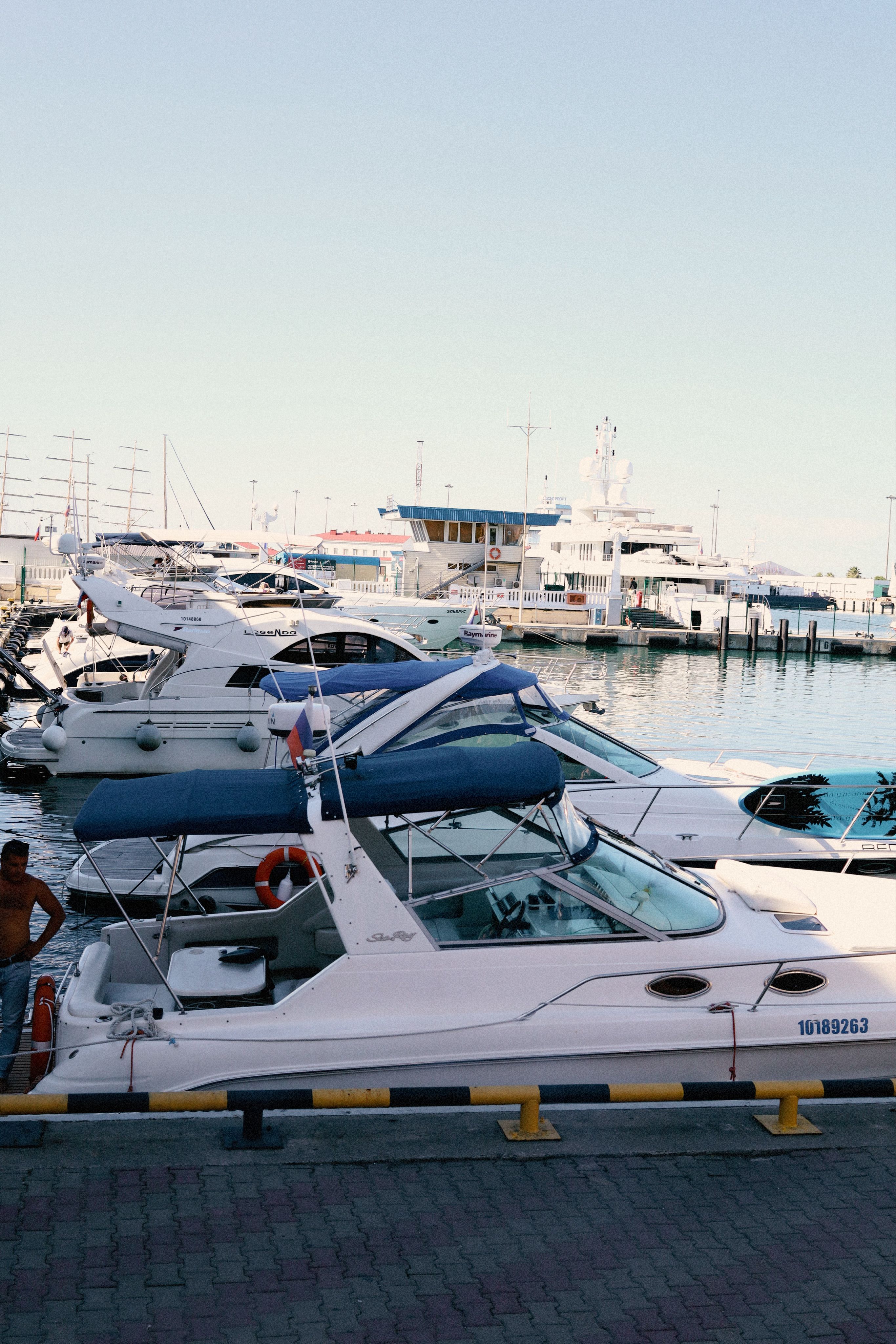
Wuyuan Bay 五缘湾
A calm northern bay with a wetland, a yacht marina and a seaside walk, quieter than the island core.
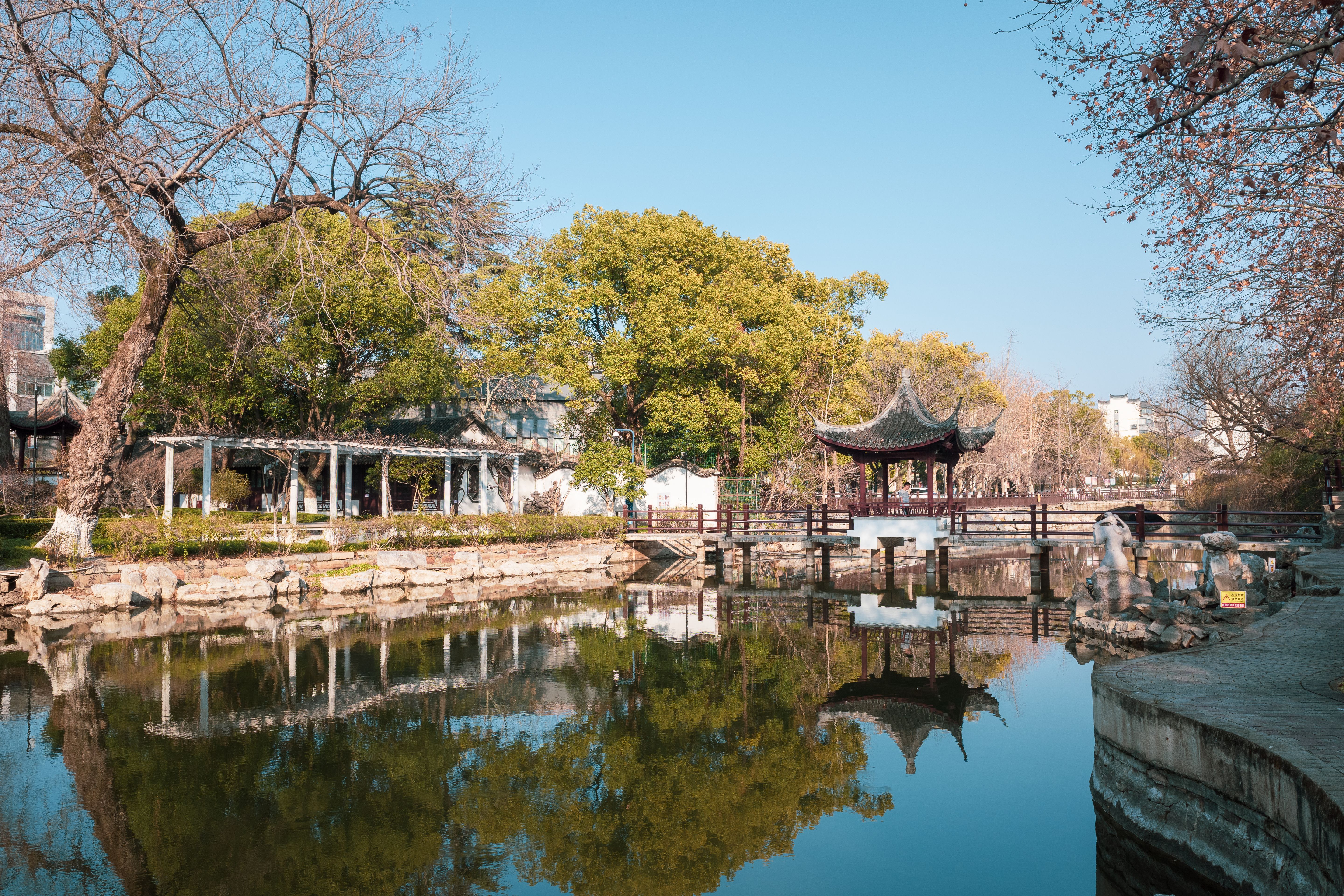
Xiamen Garden Expo Park 厦门园博苑
A vast park of gardens from across China on islands in the water, linked by bridges, near the Jimei bridge.
Where to stay in Xiamen
Rates are for a standard double room in 2026. Book through international platforms or Alipay; Gulangyu stays cost more and need the ferry. Confirm the USD price at booking, as rates swing in peak season.
Luxury (island & seafront)
$110–280 / nightFive-star and seafront hotels on the island core and near the ferry, with sea or garden views.
Upper mid-range
$55–110 / nightInternational-brand hotels around the railway station and Zhongshan Road, a short metro ride to the sights.
Mid-range
$30–55 / nightClean Chinese business hotels 10–20 minutes from the coast by metro or bike.
Budget
$16–30 / nightGuesthouses and older hotels near Zhongshan Road and Zengcuo’an, simple but central.
Hostels
$10–16 / nightSocial hostels in Zengcuo’an and Shapowei, popular with backpackers; dorms and privates.
Souvenirs & local crafts
Easy to pack, easy to explain at customs — and far cheaper at a supermarket than at a scenic stall.
-
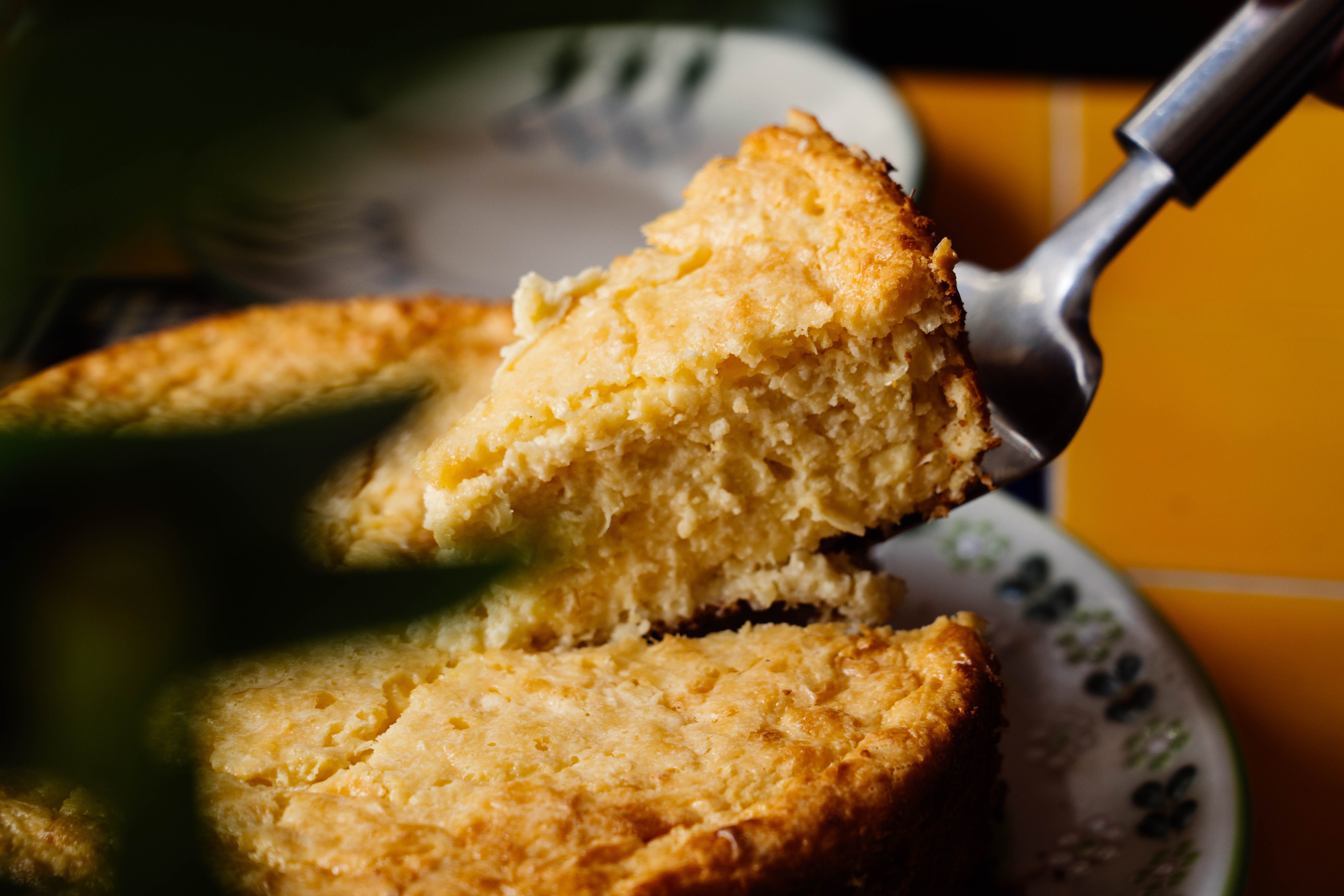
Xiamen Pastry (Xianbing)
Buttery filled shortbread (often taro or pineapple), a light, packable gift sold in tins near Zhongshan Road.
-

Nanputuo Vegetarian Cakes
Plain, slightly sweet sesame or red-bean cakes from the temple kitchen; buy at the Nanputuo gift counter.
-
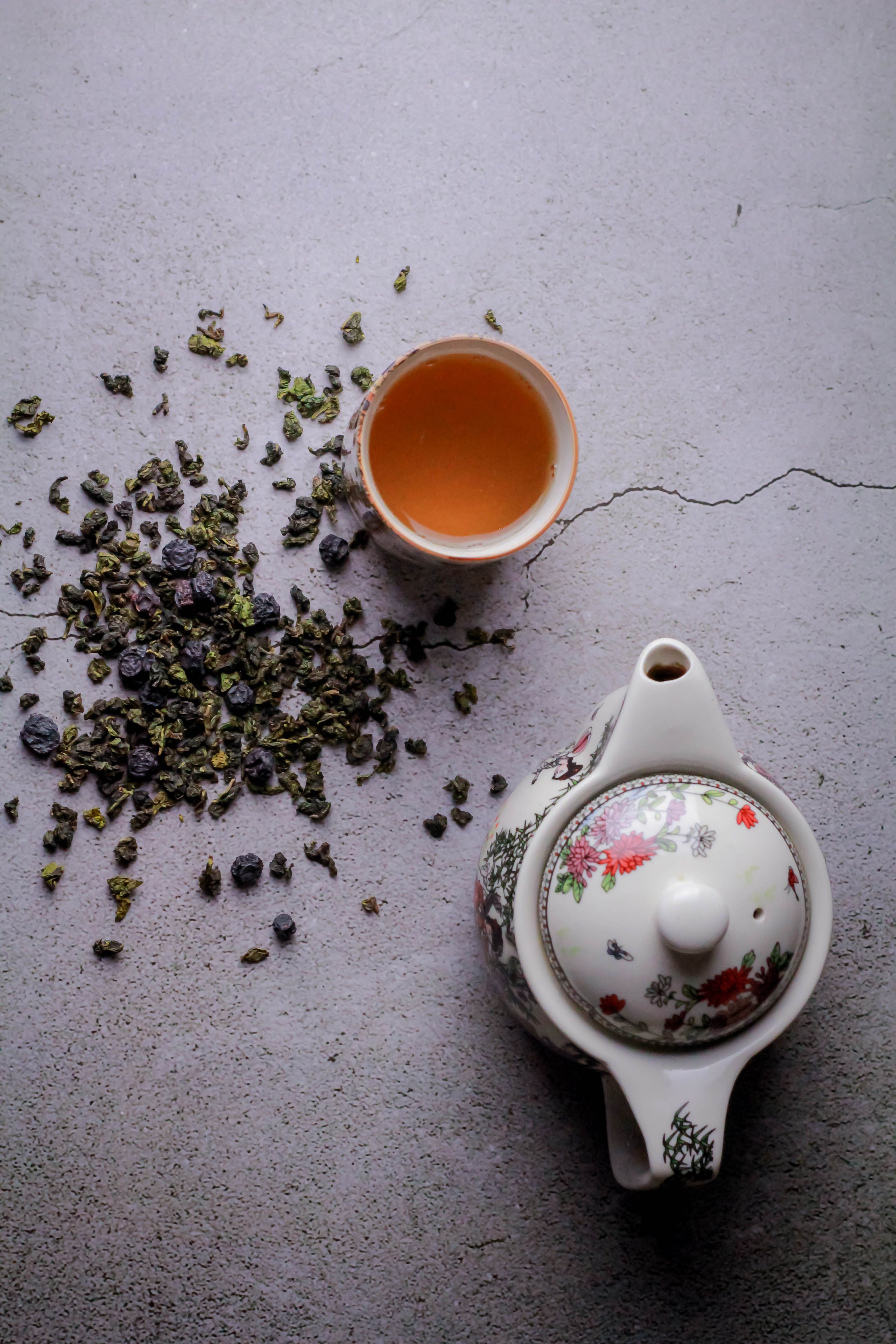
Anxi Tieguanyin Tea
The local oolong from nearby Anxi, floral and roasted; buy loose or in tins from tea shops in the old town.
-

Lacquer Thread Sculpture (Qixian Diao)
A Xiamen craft of coiled lacquer thread on figures and vases, glossy and detailed; a true local souvenir.
-
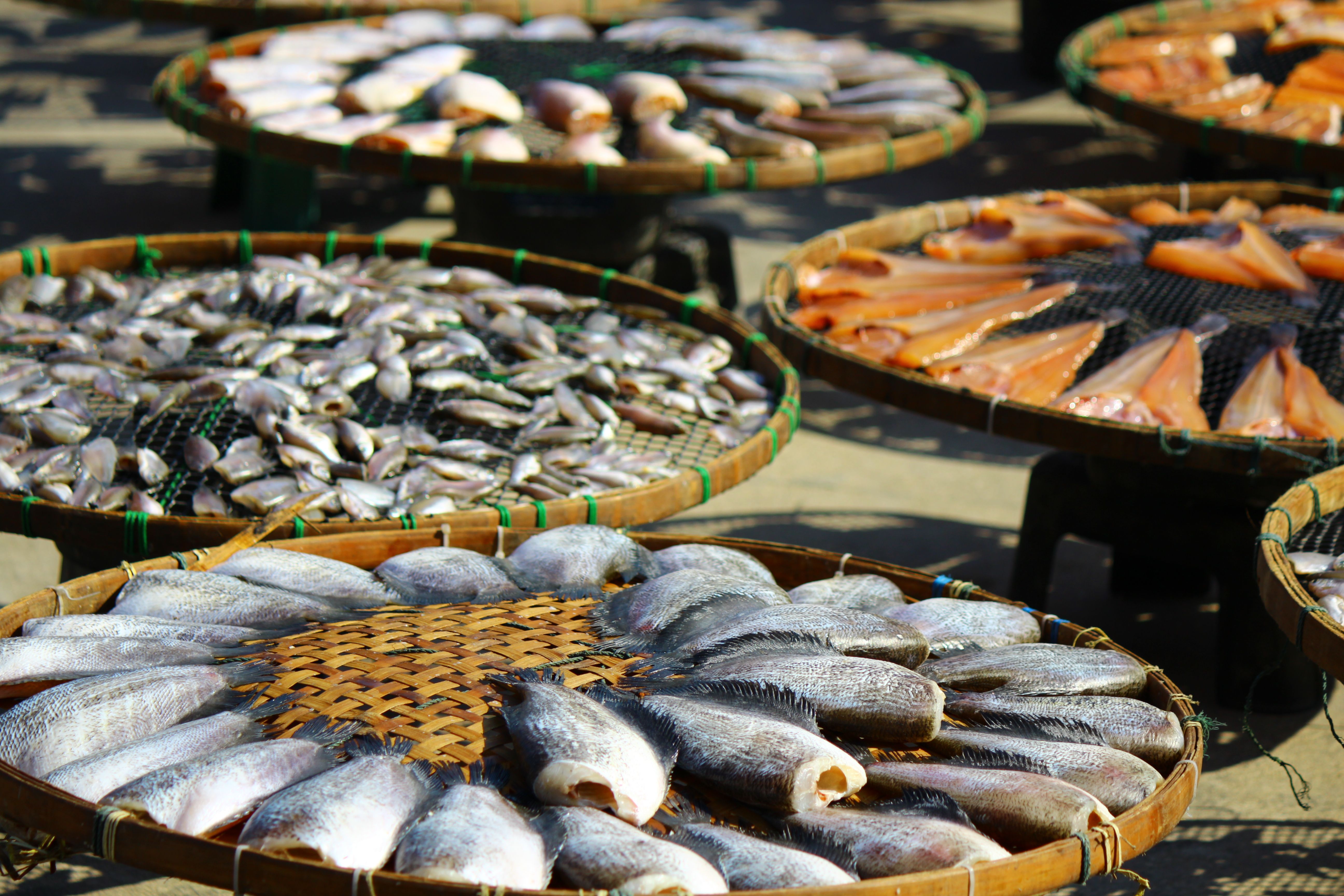
Dried Seafood
Sun-dried shrimp, fish and seaweed from the coast, sold by weight in the old harbour markets; keep it sealed.
Getting around Xiamen
Xiamen is compact and coastal; the island core, Gulangyu and the beaches are easy without a car. Set up Alipay for the metro QR and DiDi before you arrive.
- High-speed rail
- Xiamen North Railway Station (Xiamen Bei) is the main high-speed hub, about 30–40 min from the island core by metro line 1.High-speed rail reaches Fuzhou in about 1 hour ($8–12) and Shenzhen in about 3.5 hours; the older Xiamen Station sits inside the city.
- Long-distance bus
- Airport buses run from Gaoqi International Airport (XMN) to the city (about 30–50 min, $3–5); long-distance coaches serve the wider Fujian coast.
- Metro & bus
- Three metro lines cover the island, the station and the bridge to Jimei; use the Alipay metro QR. Trains run roughly 06:30–23:00.
- Taxis
- Taxis start around $2 and are metered; flag one on the street or call via the DiDi app inside Alipay.
- Ride-hailing
- DiDi (inside Alipay) is the easiest way to hail a car with card payment and an English map; prices match taxis.
- Shared bikes
- Shared bikes (Alipay Haibike / Meituan) are ideal along the flat Island Ring Road and the old town grid.
- Intercity carpool
- Ride-pooling exists but is less useful for foreign visitors; for Tianzhu Mountain or Jimei, the metro or a DiDi is simpler.
Reservations & real-name booking
China runs a real-name, timed-entry reservation system for major sights. Foreign passports are accepted on the official WeChat mini-programs and booking sites — but during China's travel boom, popular slots vanish within minutes of release, so book the moment the window opens. See the full system on the reservations guide.
- South Putuo Temple (Nanputuo) — up to 4 days ahead · reservation required (Real-name, time-slot entry since 9 Feb 2026; bring the PHYSICAL document.)
Plan your 1, 2 or 3 days in Xiamen
Pick the length of your stay. Each plan is its own page, anchored at the city centre and written from real traveller itineraries — including splits for sightseeing, shopping, landscape, families and older travellers.
Xiamen in 1 Day
Gulangyu plus the island-core loop of Nanputuo, Xiamen University and the seafront, with food and easy-pace variants.
Read the plan → 2-dayXiamen in 2 Days
Day one on Gulangyu, day two on the island core, the Botanical Garden and the coast road.
Read the plan → 3-dayXiamen in 3 Days
Add a Jimei or Tianzhu Mountain day trip to the Gulangyu and island-core plan.
Read the plan →Frequently asked questions
- Do I need a visa for Xiamen?
- Xiamen Gaoqi airport is part of China’s 144-hour visa-free transit scheme for eligible nationalities in transit to a third country; otherwise arrange a Chinese visa before you fly. Check the current list with a consulate.
- How do I get to Gulangyu and how much is the ferry?
- There is no island ticket — you buy a round-trip ferry. The ordinary cabin is $4.90 and the premium cabin $11.30, booked only on the official "Yujian Xiamen" mini-program. Foreign visitors register a real-name Alipay account and use the passport number as the boarding pass.
- Is Xiamen University open to visitors?
- It is free but entry needs an online reservation and a random lottery; the passport is an accepted ID. Book ahead on the official system, as daily slots are limited.
- When is the best time to visit Xiamen?
- October to April has the mildest, driest weather. Avoid May Day, the summer school holidays and National Day if you dislike crowds, and watch for typhoons from June to September.
- How many days should I spend in Xiamen?
- One full day covers Gulangyu and the island core. Two to three days let you add the Botanical Garden, the coast road and a Jimei or mountain day trip at a relaxed pace.
- How do I pay for things in Xiamen?
- Set up Alipay with an international card and passport verification before you arrive; it runs the metro QR, DiDi and most shops. Carry some cash for tiny stalls and ferries.
- Is Nanputuo Temple free?
- Yes. It is free but uses real-name, time-slot reservation via a mini-program; the passport is a valid document. Arrive in your reserved window with the ID used to book.
Page last reviewed: 2026-10-17.