Wuxi 2026: Taihu Lake, Lingshan Grand Buddha & a 1–3 Day Plan
Wuxi sits on the shore of Taihu Lake, one of China's great freshwater lakes, and packs a surprising amount into a short trip: a 88-metre bronze Buddha on a mountain ledge, classical gardens that influenced the Qing emperors' own, and a canal-side old street that lights up after dark. It is also the easiest Jiangnan side trip from Shanghai — about an hour by high-speed rail — which makes it a strong base for travellers who want gardens, lake views and Wuxi-style sweet cooking without the Shanghai crowds.

History & culture
Wuxi is one of the old Jiangnan towns, with a recorded history going back more than 3,000 years to the Wu kingdom of the Spring and Autumn period. Its name is usually read as 'without tin' — a folk explanation says the local tin mines ran out, though modern scholars treat the etymology as unsettled.
The city grew rich on the Grand Canal and the Taihu water network. From the Ming dynasty onward it became a rice, silk and textile centre, and by the Qing dynasty Wuxi was one of the wealthiest counties in the empire, famous for its 'tin' — the copper coin mints and merchant houses that lined the canal.
In the late 1800s and early 1900s Wuxi was a cradle of Chinese light industry: the Rong and the Tang families built cotton mills, silk filatures and flour plants here, and the city was nicknamed 'little Shanghai'. That merchant wealth paid for the gardens, ancestral halls and clan academies that still stand in Huishan.
Today Wuxi is a modern manufacturing and electronics hub in the Shanghai economic sphere, with a metro network, a growing semiconductor industry and Taihu Lake as its leisure lung — a mix that makes it a genuinely pleasant two- or three-day stop rather than just a transit point.
Best time to visit Wuxi
Wuxi has a humid subtropical climate with four distinct seasons: plum rains in early summer, hot and sticky Julys and Augusts, and cold, damp winters. Spring and autumn are the comfortable windows for lake walks and garden visits.
Budget for Wuxi: hotels from $30 a night, average ticket $$10.17 — see the full cost breakdown, or start from a ready-made route.
Cuisine of Wuxi
Signature dishes worth seeking out — prices are typical per-person or per-dish ranges, not fixed quotes.
-
Wuxi spareribs
Wuxi's signature dish: pork ribs braised with rock sugar and black vinegar until glossy and deeply red. The city's sweet-and-savoury style is stronger here than almost anywhere else in China.
-
Wuxi xiaolongbao
Steamed soup dumplings in the Wuxi style — thinner-skinned and sweeter than the Shanghai version, filled with pork and a sip of hot broth.
-
Silver-thread noodles
Yinsimian: hair-thin wheat noodles served in a clear broth, a local breakfast classic that is soft, comforting and sold everywhere for a few dollars.
-
Taihu Three Whites
Whitebait, white shrimp and white fish from Taihu Lake, usually steamed or battered — the regional speciality to order at a lakefront restaurant.
-
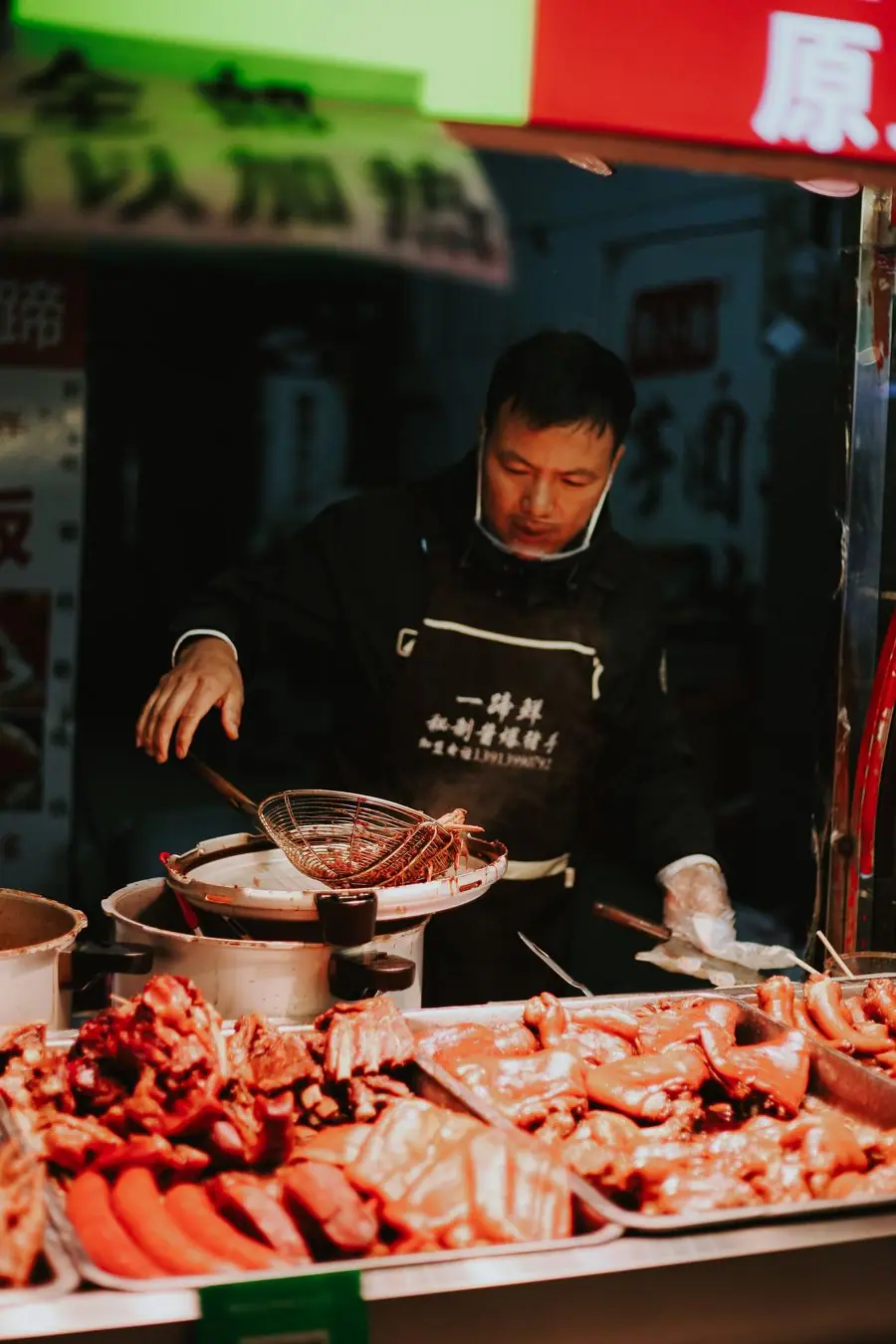
Magnolia cake
Yulanbing: glutinous rice cakes pan-fried with a crisp shell and filled with sesame, red bean or pork — a Wuxi street snack sold from early morning.
Every major sight — with its own guide
Right after the food above, here are the sights — each one links to its own full guide (what to see, how to get there, facilities and the best season). Names follow each sight's official English signage.
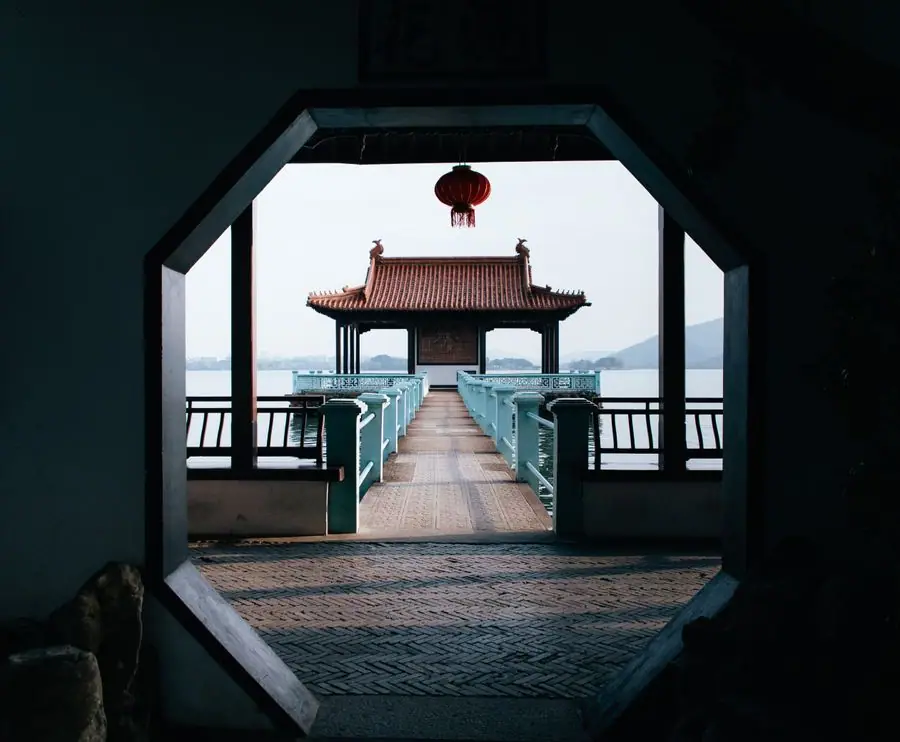

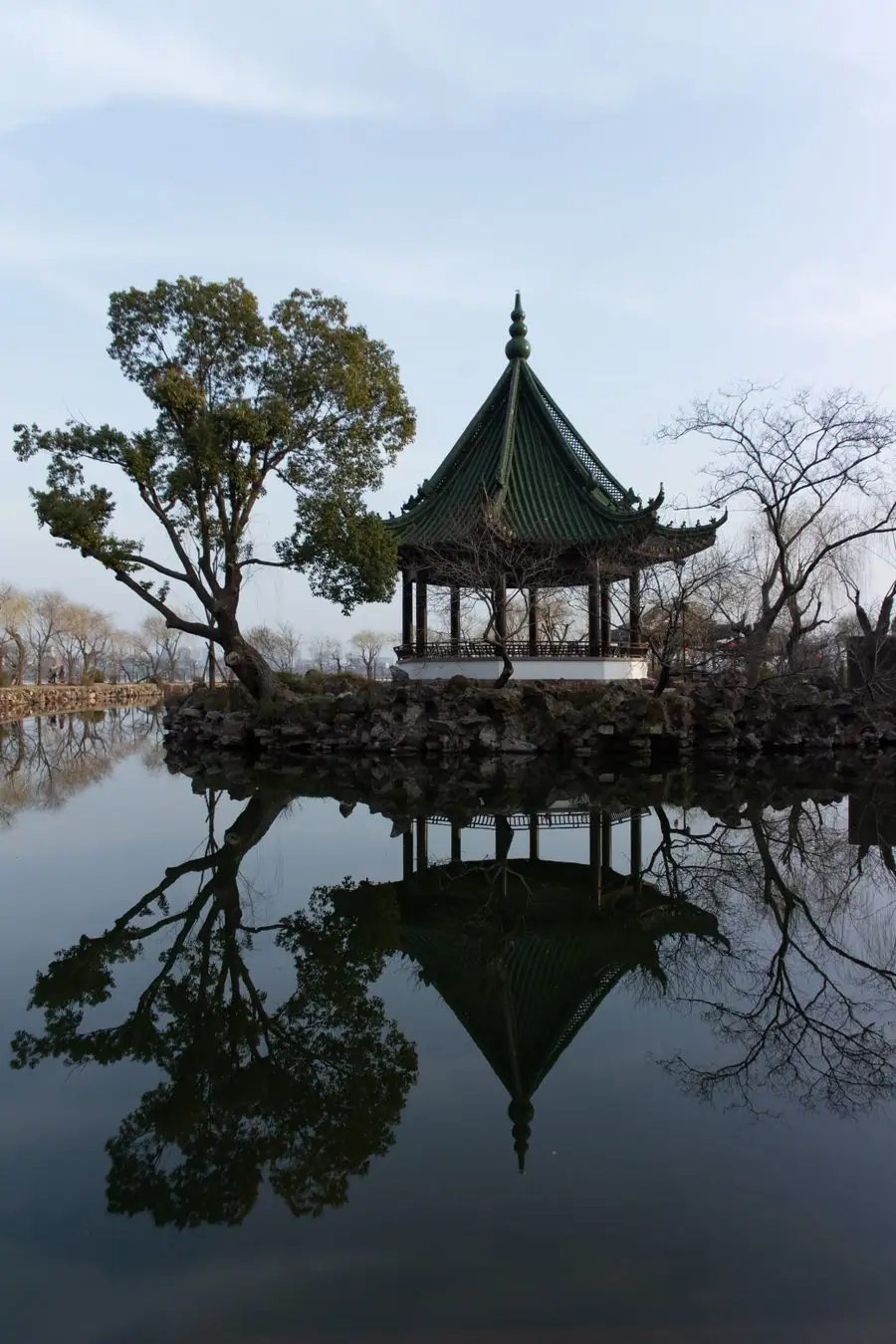
Lake shore, north and east of the city
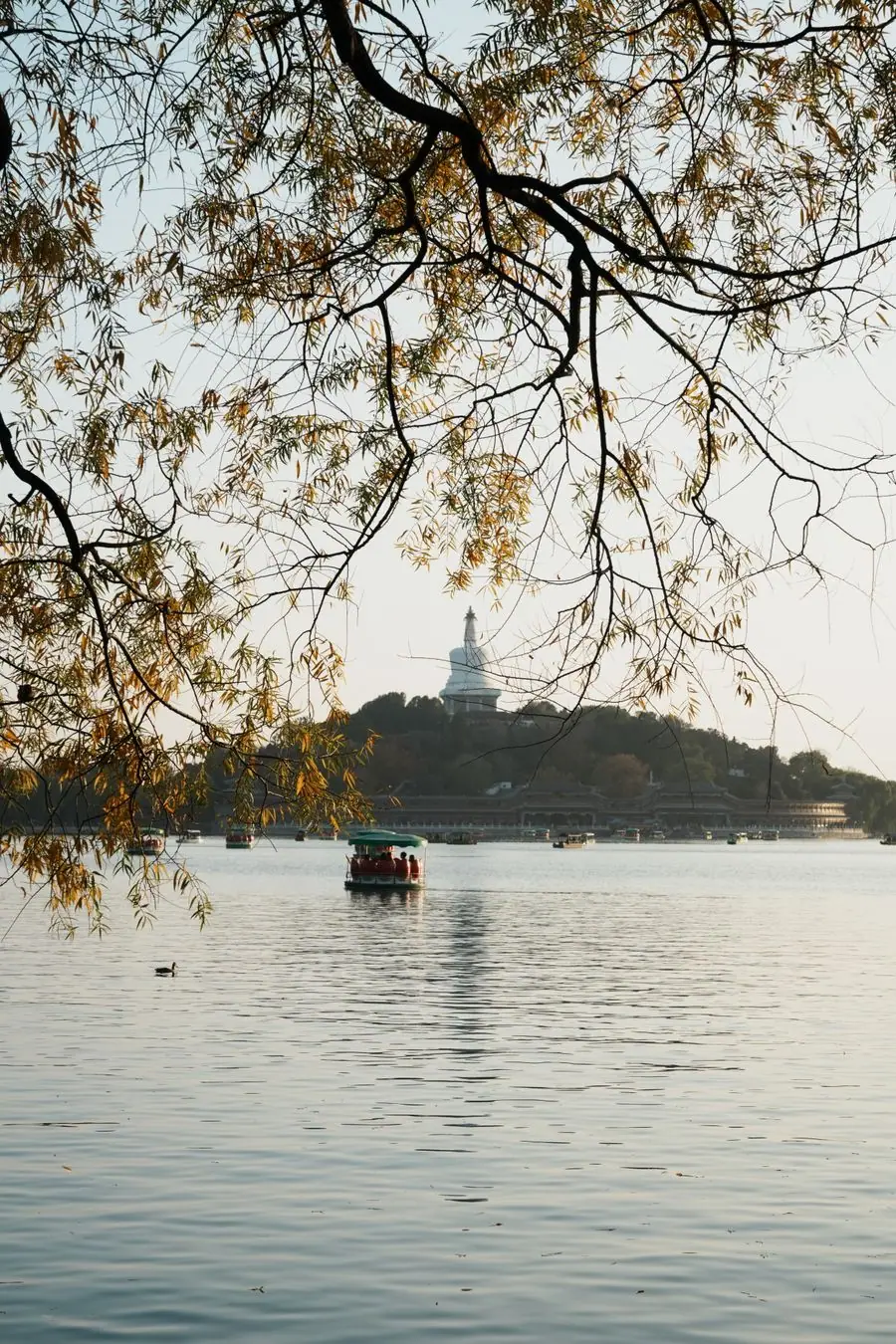
Central Wuxi, along the old Grand Canal
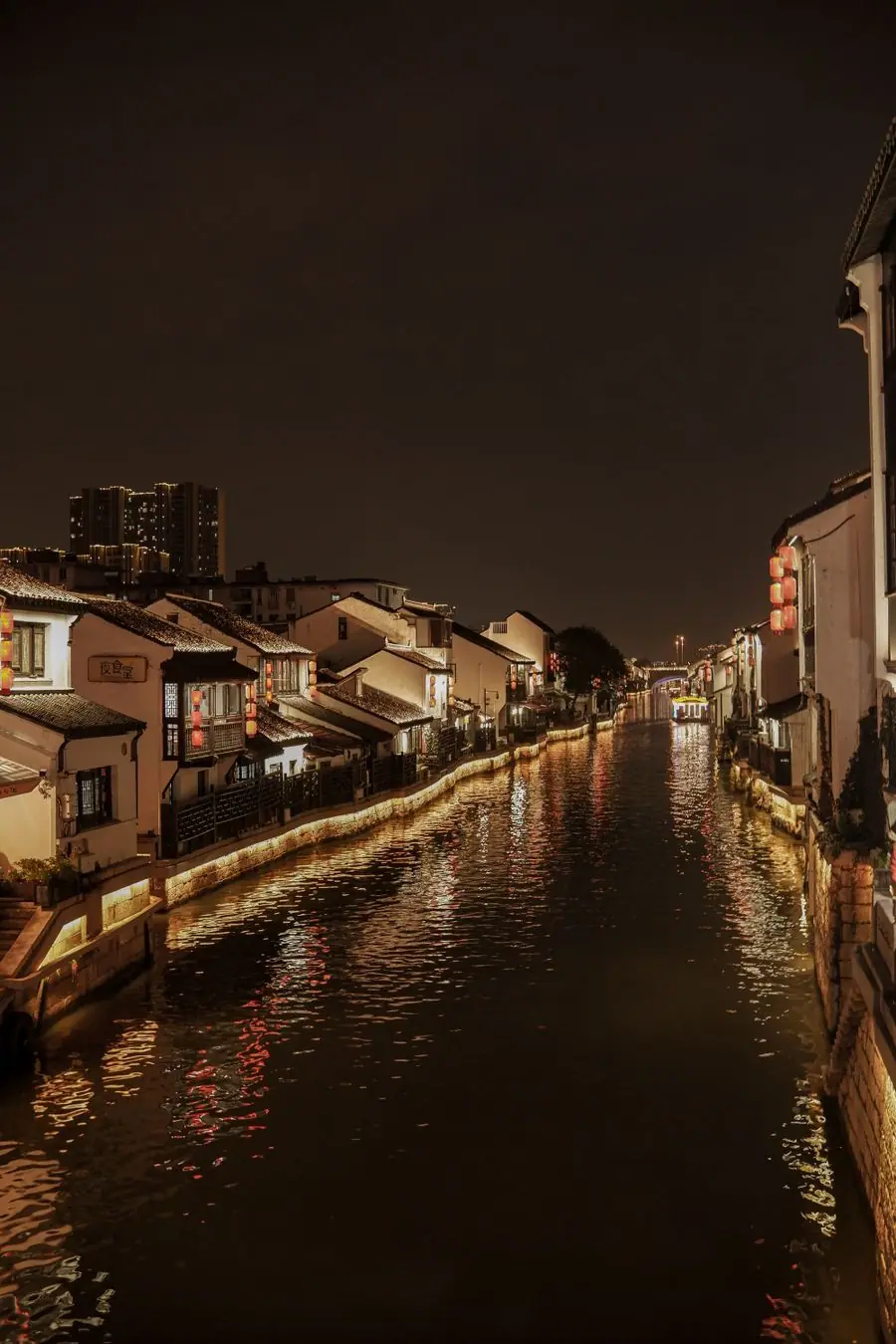
West, at the foot of Huishan hill
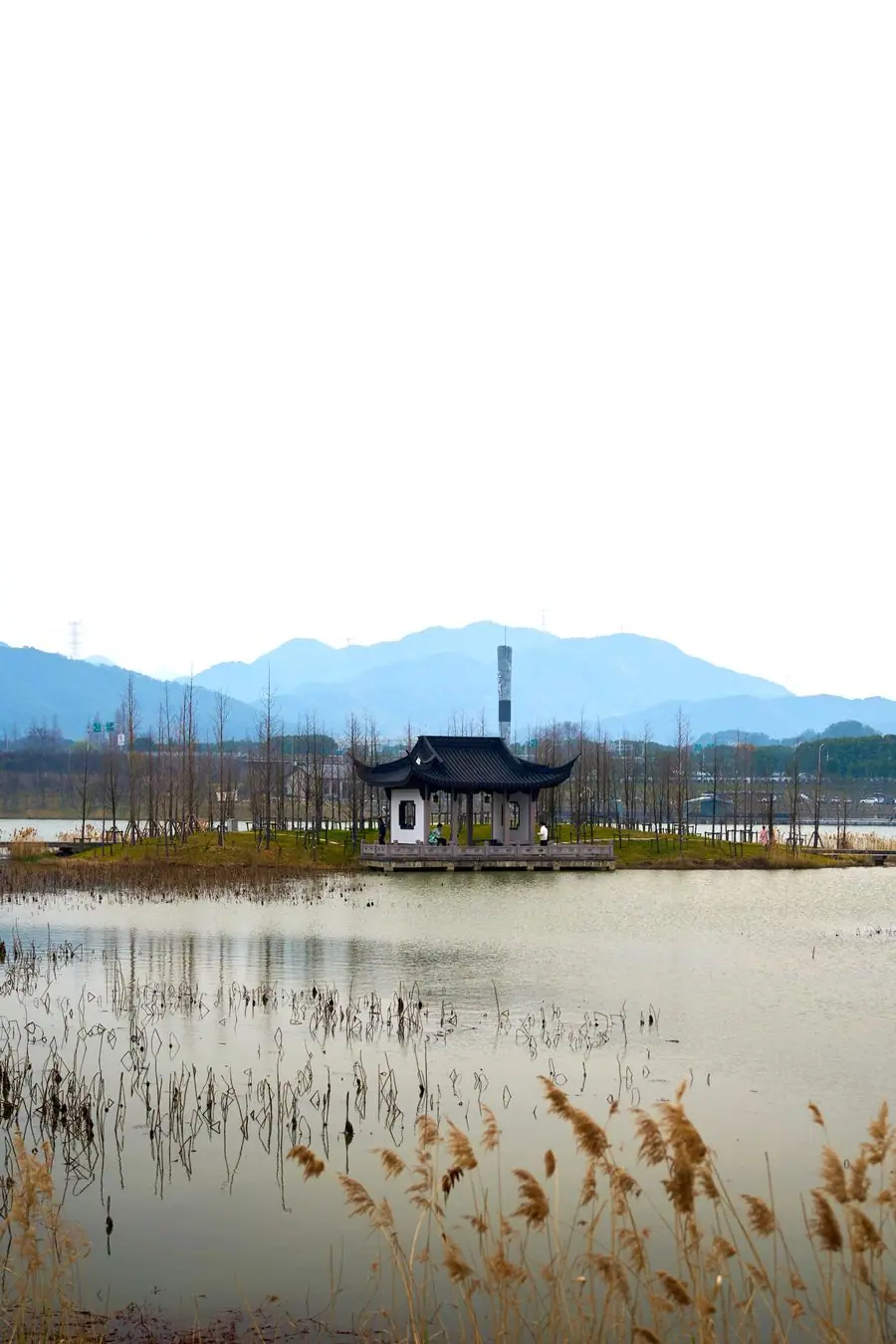
Taihu Lake film and TV base, southwest
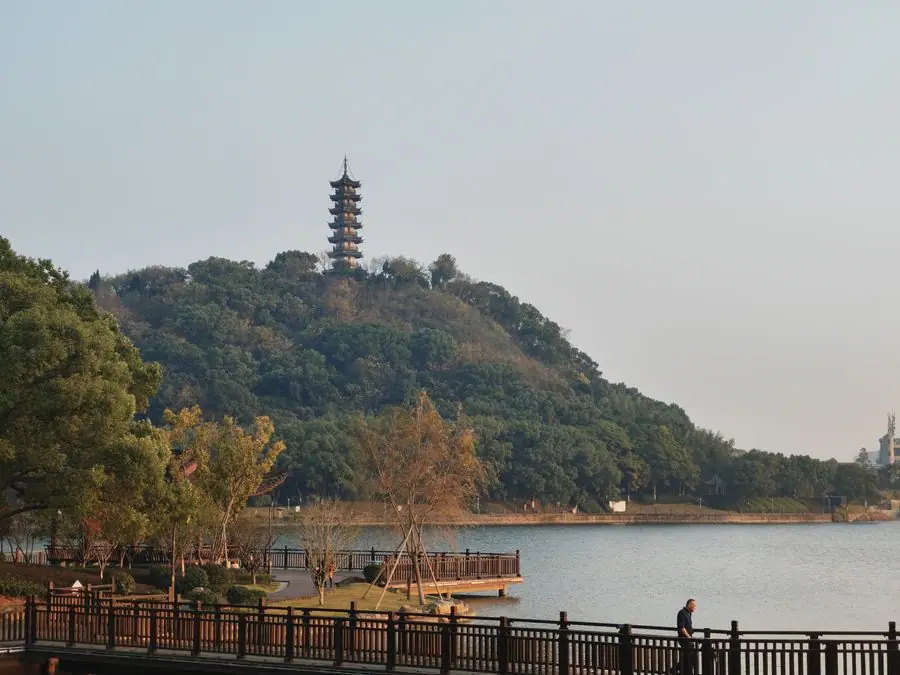
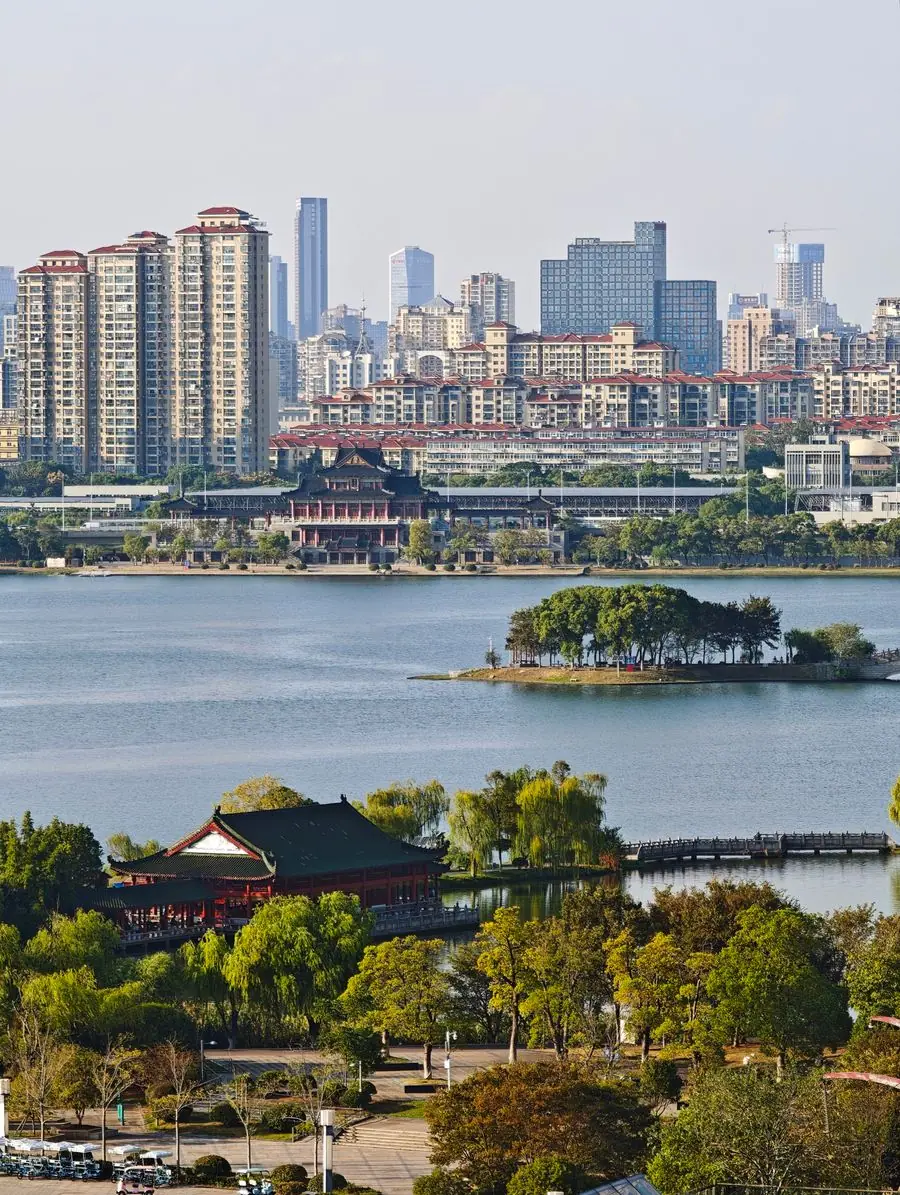
West, on the Liangxi river
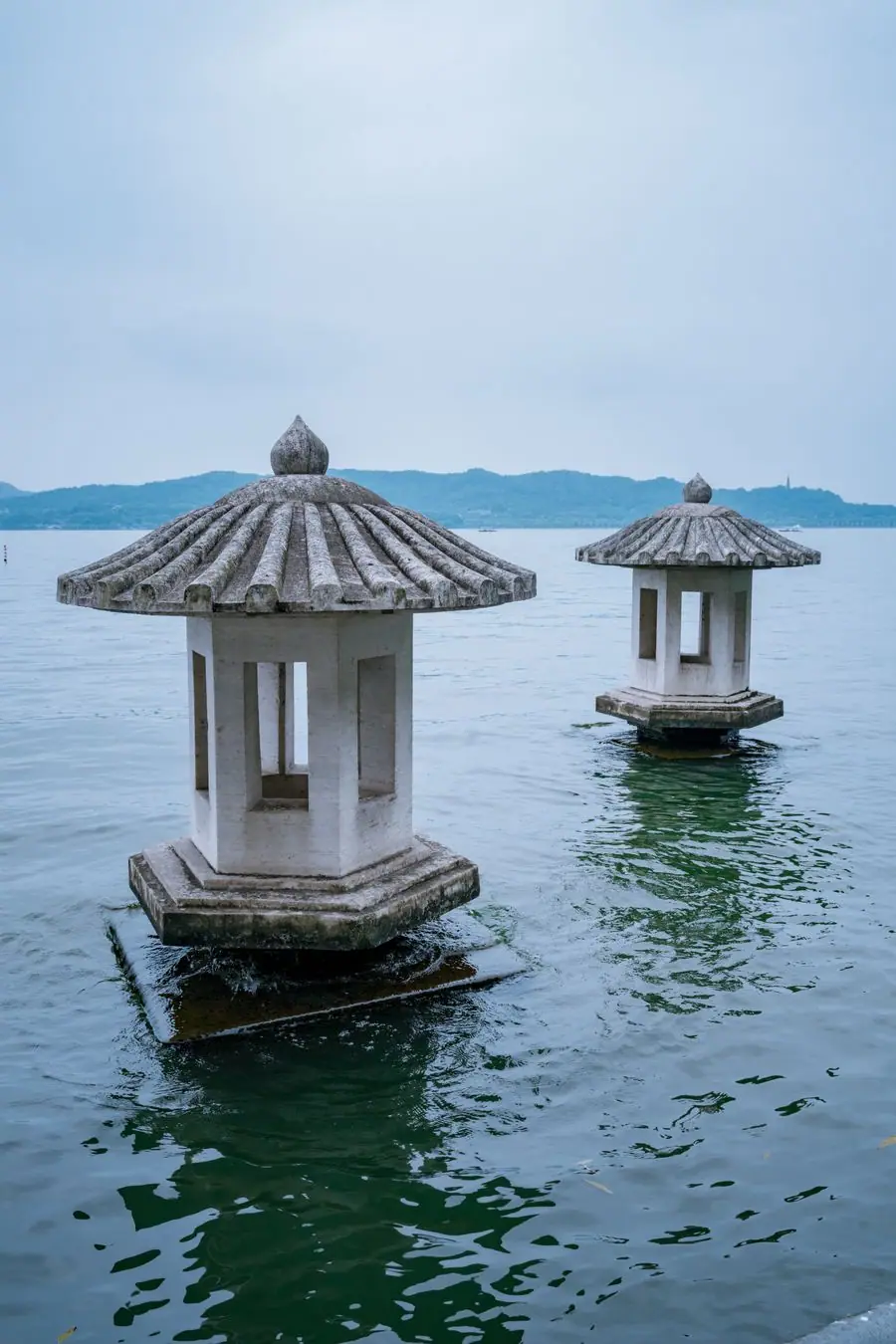
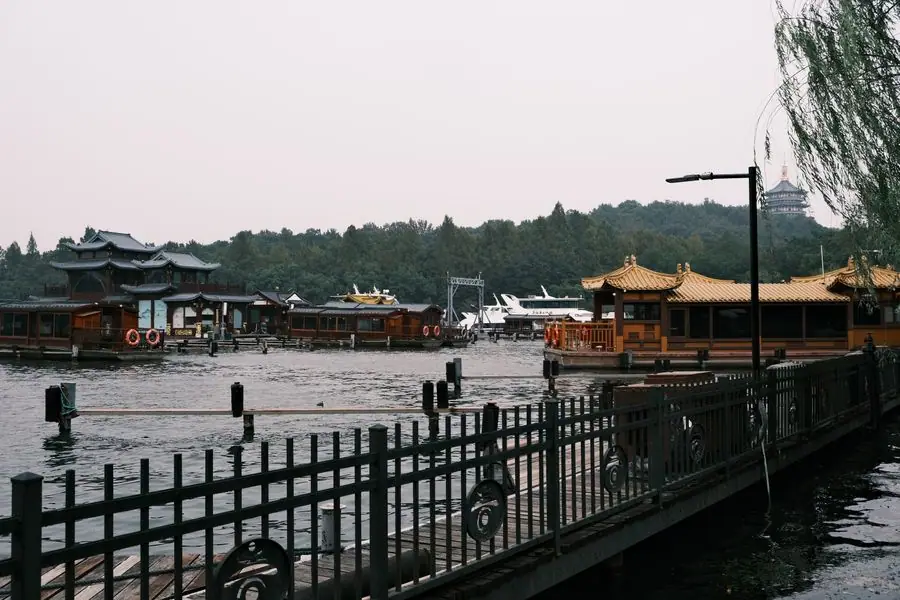
Central, near Taihu Square
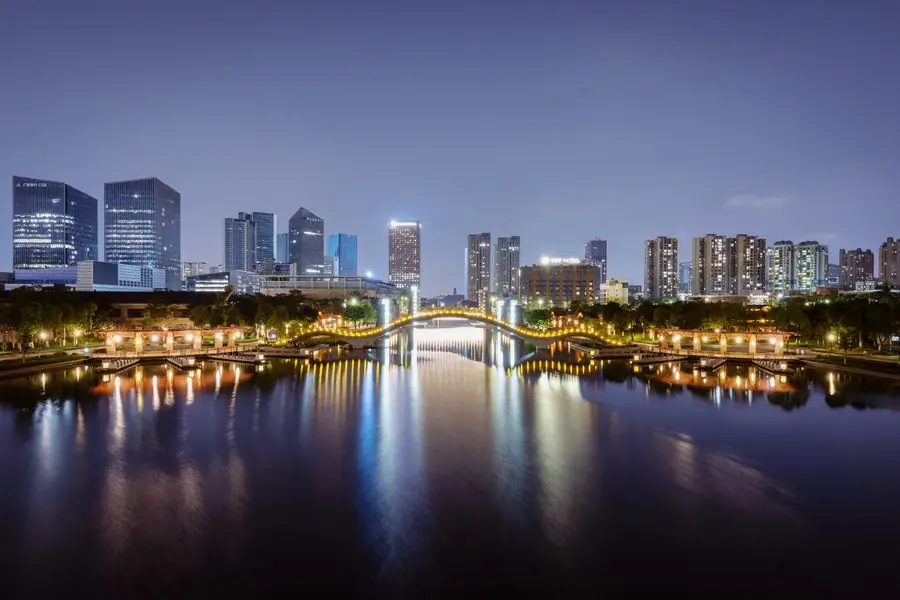
Central, south of the old city

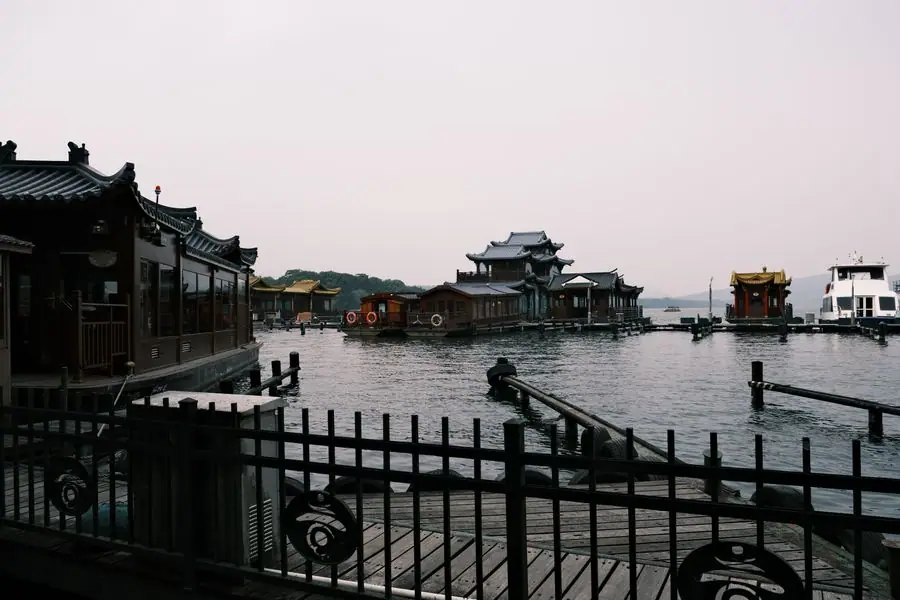
Central, on the Grand Canal
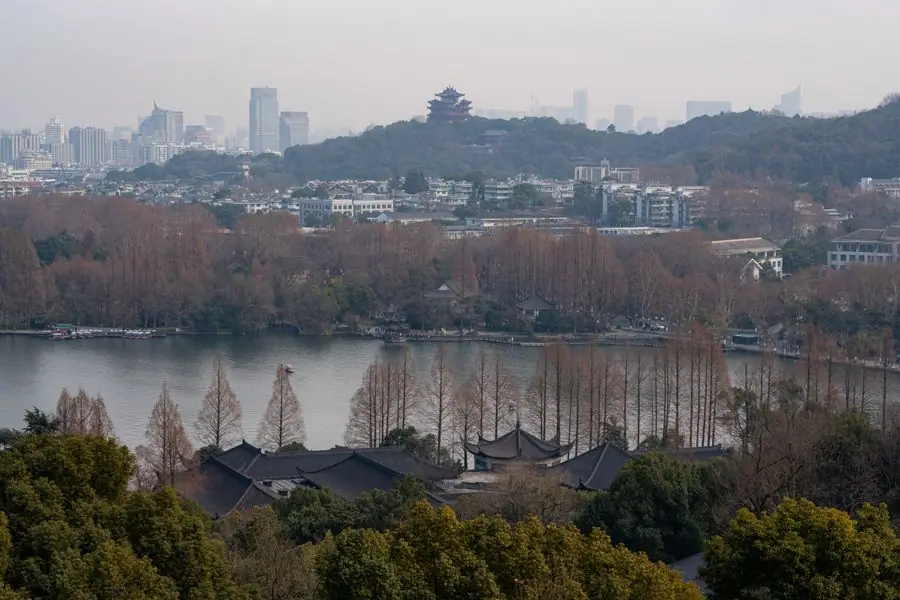

Where to stay in Wuxi
Rates are for a standard double room in 2026 and swing with trade fairs — book two months out for cherry-blossom weeks. Staying within 2 km of Sanyang Plaza puts you walking distance from Nanchang Street and the metro to Taihu Lake.
Budget
$30–55 / nightChain hotels along Metro Line 1 near the railway station and Chong'an Temple give clean doubles; hostel-style guesthouses near Nanchang Street are cheaper still.
Mid-range
$80–150 / nightThe mid band covers well-kept business hotels near Sanyang Plaza and Nanchang Street — the best value for travellers who want to walk to the canal at night.
Upper mid-range
$160–280 / nightLake-view and garden-themed hotels near Yuantouzhu and Lihu Lake, with pools and in-house restaurants serving Taihu white fish.
Luxury
$300–600+ / nightInternational-brand towers cluster around Taihu Plaza and the Lihu Lake convention district, with club lounges and spa pools aimed at business travellers.
Souvenirs & local crafts
Easy to pack, easy to explain at customs — and far cheaper at a supermarket than at a scenic stall.
-

Huishan clay figurines
Huishan niren: hand-pinned clay figures, the most famous local folk craft — the chubby 'Da A Fu' lucky dolls are the classic buy. Expect $10–60 for genuine pieces.
-

Yixing purple clay teapot
Yixing, a county-level city under Wuxi, produces the unglazed zisha teapots used in Chinese tea ceremony. Buy from a reputable shop; $30 gets an entry-level pot, hundreds a master piece.
-
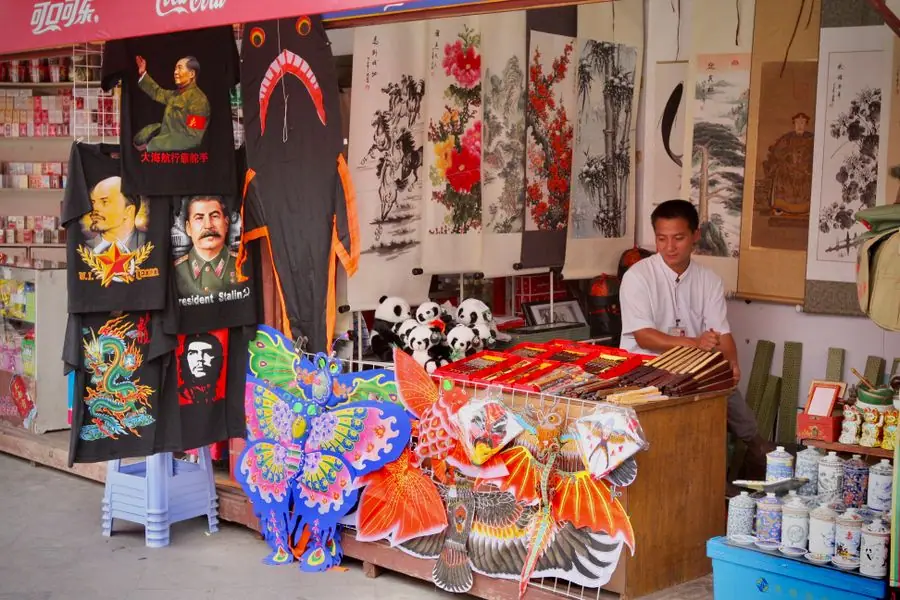
Wuxi silk floss quilt
Light, warm silk quilts from the region's silk tradition; a bulky but genuinely local purchase, $80–250 depending on silk weight.
-
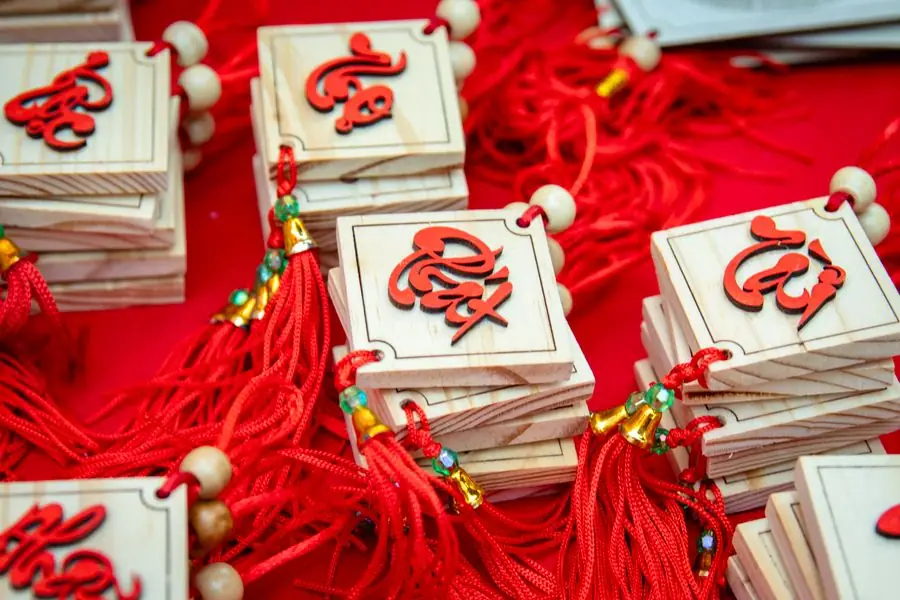
Taihu green tea
Taihu Cuiya and other green teas grown on the lake's hills — lightly roasted, cheap to ship, and sold by the tin at tea shops around Chong'an Temple.
-
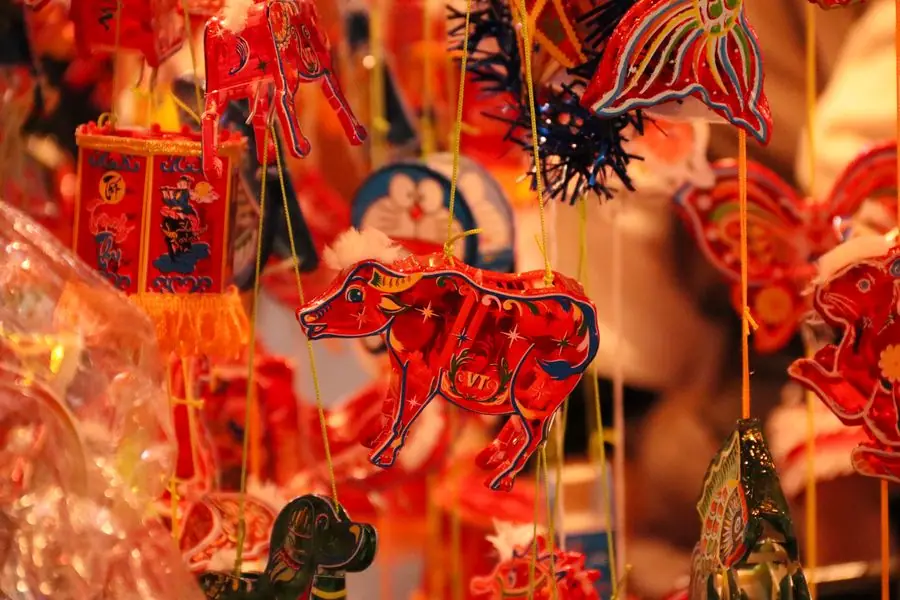
Huishan shortbread
Crispy, sweet flaky pastries from Huishan Ancient Town's old bakeries — a cheap, genuinely local edible souvenir, $3–8 a box.
Getting around Wuxi
Wuxi is on the Beijing–Shanghai high-speed corridor, which makes it one of the easiest day trips from Shanghai or Nanjing. Inside the city, a metro system plus dense bus network covers the main sights, and the Taihu causeway needs a bus, taxi or ride-hail.
- High-speed rail
- Wuxi Railway Station and Wuxi East (HSR) both serve the Beijing–Shanghai line: about 40–60 minutes from Shanghai, 60–90 minutes from Nanjing, and 4–5 hours from Beijing. Trains are frequent and cheap for the distance.
- Long-distance bus
- City buses reach every sight, including Taihu Lake and Lingshan; fares are a few yuan. The K1 sightseeing bus links Yuantouzhu, the railway station and the city centre.
- Metro & bus
- Lines 1, 2, 3, 4 and S1 cover the centre: Sanyang Plaza is the hub. For Yuantouzhu, ride to Changjiang Road or take a bus from the station; Lingshan has a dedicated tourist shuttle in season.
- Taxis
- Taxis start around $2–3 and Taihu crossings rarely exceed $15–25; the airport is 15–20 minutes from the centre.
- Ride-hailing
- DiDi works well and is the simplest way to reach Lingshan and Huishan; have your destination typed in Chinese characters for drivers.
- Shared bikes
- The Lihu Lake and Taihu Lake shorelines have good cycling paths, and shared bikes cover the flat city centre; the old town around Nanchang Street is best walked.
- Intercity carpool
- Carpool apps are handy for Three Kingdoms City and the Taihu film base area, where metro coverage is thin.
Plan your 1, 2 or 3 days in Wuxi
Pick the length of your stay. Each plan is its own page, anchored at the city centre and written from real traveller itineraries — including splits for sightseeing, shopping, landscape, families and older travellers.
Wuxi in 1 Day
Jichang Garden, Nanchang Street by night and the Taihu Lake shore.
Read the plan → 2-dayWuxi in 2 Days
Add Yuantouzhu, Huishan Ancient Town and the Lingshan Grand Buddha.
Read the plan → 3-dayWuxi in 3 Days
A slow Lihu Lake day, Three Kingdoms City and the canal-side old town.
Read the plan →Frequently asked questions
- Do I need a visa to visit Wuxi?
- Foreign visitors need a Chinese visa or a qualifying visa-free transit arrangement (240-hour transit visa-free policy applies at eligible ports). Check the current rules for your nationality before booking.
- How do I get to Wuxi from Shanghai?
- High-speed trains from Shanghai Hongqiao or Shanghai station take 40–60 minutes to Wuxi or Wuxi East. Trains run frequently from early morning to late evening.
- What is the best time to visit Wuxi?
- April–June and September–November for comfortable weather; late March–early April for cherry blossom at Yuantouzhu and February–March for plum blossom at Plum Garden.
- How many days do I need in Wuxi?
- Two days covers the essentials: Taihu Lake and Yuantouzhu on day one, Lingshan and the gardens on day two. Three days lets you add Lihu Lake and Three Kingdoms City at a relaxed pace.
- Is Wuxi better as a day trip or an overnight stay?
- Overnight. The canal street and the lake sunsets are the highlights, and both need evening light that a day trip from Shanghai will miss.
- Is Wuxi worth visiting if I have already seen Suzhou?
- Yes — Suzhou is about gardens, Wuxi is about Taihu Lake and the big Buddha. They make a natural two-centre Jiangnan trip.
Page last reviewed: 2026-11-02.