Weinan 2026: Mount Hua, the Yellow River & a 1–3 Day Plan
Weinan sits on the eastern Guanzhong Plain where the Wei River meets the Yellow River — the base for Mount Hua, China's most dramatic sacred mountain, and a corridor of history: the Tongguan pass that guarded the kingdom, the shrine of the historian Sima Qian, Tang imperial tombs and the Qing courtyard villages of Hancheng. Below: the best time, the history, the food, where to stay, every major sight with its own guide, and 1/2/3-day plans.
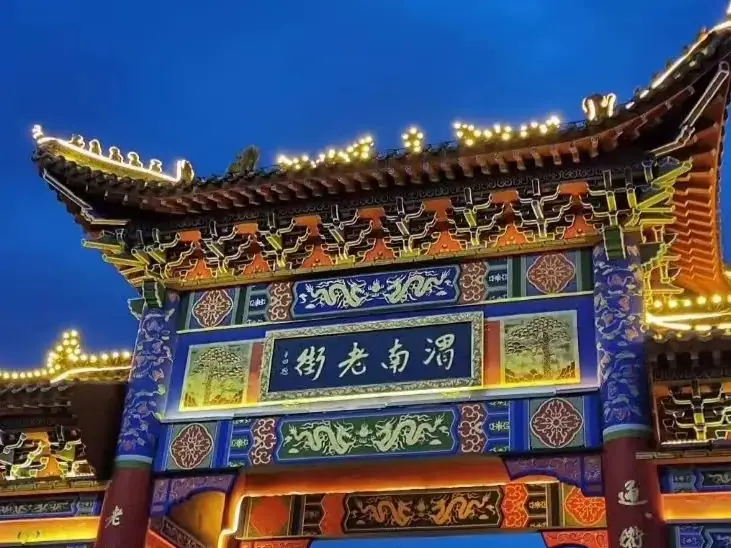
History & culture
Weinan is the eastern gate of the Guanzhong Plain, where the Wei River joins the great Yellow River bend at Tongguan — the choke point that guarded the capital region for two thousand years, hence the old saying that Tongguan was where 'the throat of Qin' lay.
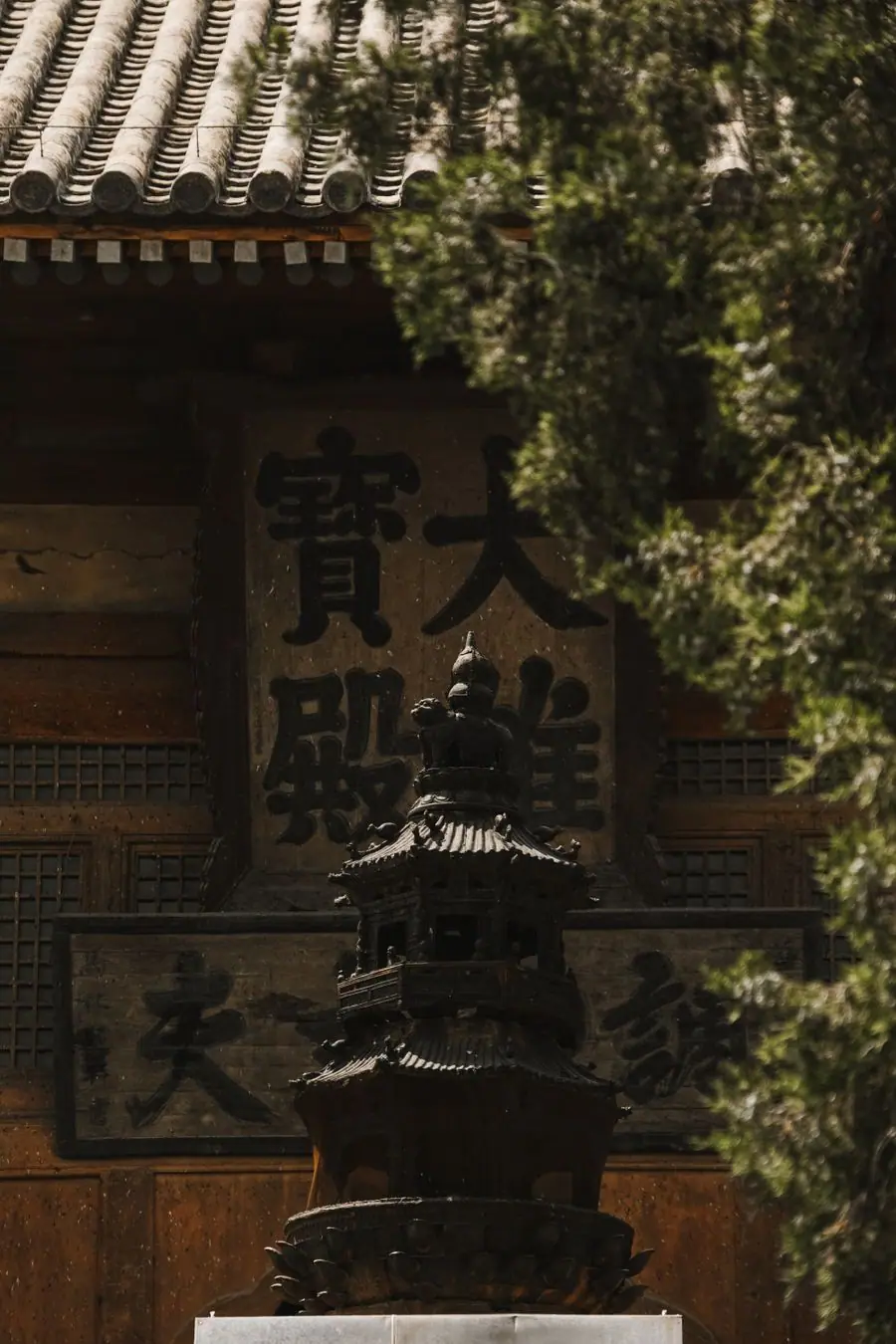
Mount Hua, 10 km south of the plain, is the Western Great of China's Five Sacred Mountains — a single gigantic granite block whose sheer faces have drawn Taoist hermits, pilgrims and, since the 1990s, cliff-walkers on the famous plank roads. Its foothills hold the Xiyue Temple, the imperial shrine of the mountain god, laid out like a small Forbidden City.
The corridor east along the Yellow River is densely historical: Hancheng holds the shrine and tomb of Sima Qian, the Han-dynasty historian, and the Qing courtyard village of Dangjia; Pucheng holds the Tang imperial Qiaoling tomb; Baishui holds the temple of Cangjie, the legendary inventor of Chinese writing; and the Weihua Uprising of 1928 left its memorial in Huazhou.
Modern Weinan is a mid-sized Shaanxi city 60 km east of Xi'an on the high-speed line — most visitors pass through for Mount Hua, but the plain's food (water-basin mutton, tofu pao) and the old-town lanes reward a day.
Best time to visit Weinan
Weinan has a continental Guanzhong climate — hot, wet-ish summers and cold, dry winters. Mount Hua is 1,000+ m higher than the plain and much colder and windier: check the mountain forecast separately from the city.
Budget for Weinan: hotels from $14 a night, average ticket $$6.71 — see the full cost breakdown, or start from a ready-made route.
Cuisine of Weinan
Signature dishes worth seeking out — prices are typical per-person or per-dish ranges, not fixed quotes.
-
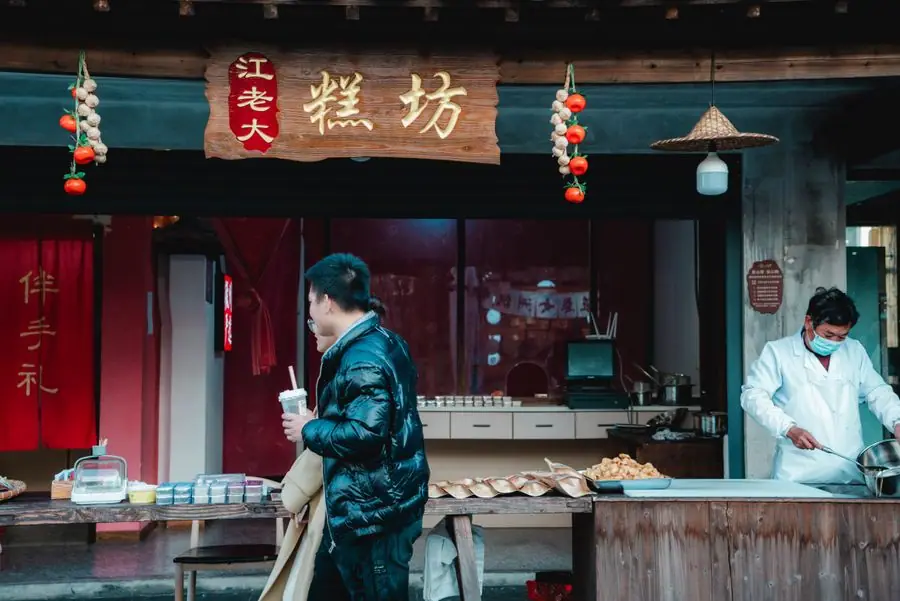
Water-basin mutton (Shuipen yangrou)
The Weinan–Pucheng classic — tender mutton in a clear, warm broth served with flaky moon-cakes (yueya bing) for dipping; the region's signature breakfast, eaten with pickled garlic.
-
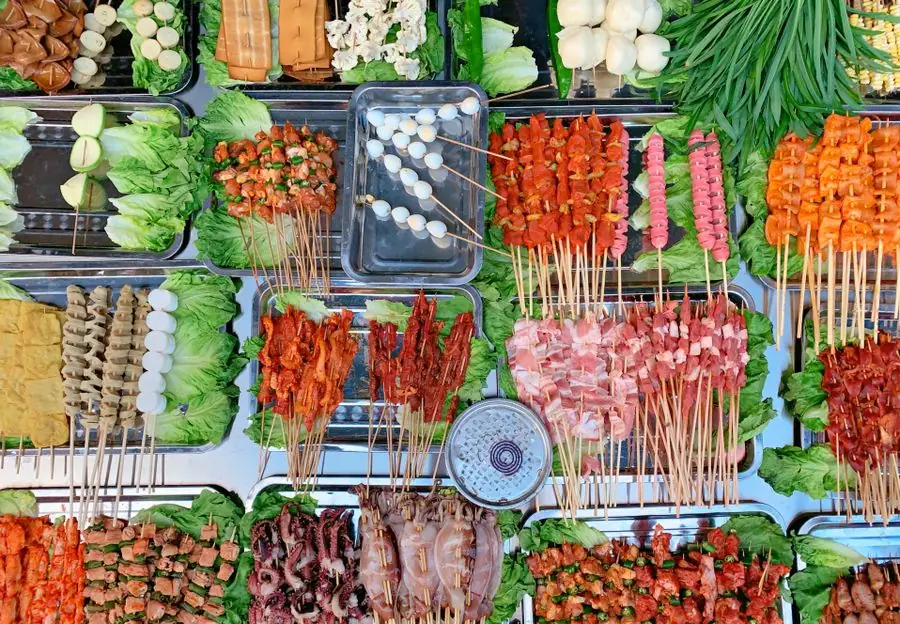
Tofu pao (Doufu pao)
The Weinan breakfast bowl — soft tofu cubes soaked in a hot, savoury broth with chilli oil and coriander; cheap, warming and on every morning street.
-
Shichen baozi (Shichen steamed buns)
The old-town Weinan steamed bun — a thin-skinned pork-and-vegetable bun eaten at the right 'hour' with a bowl of soup; a local institution.
-
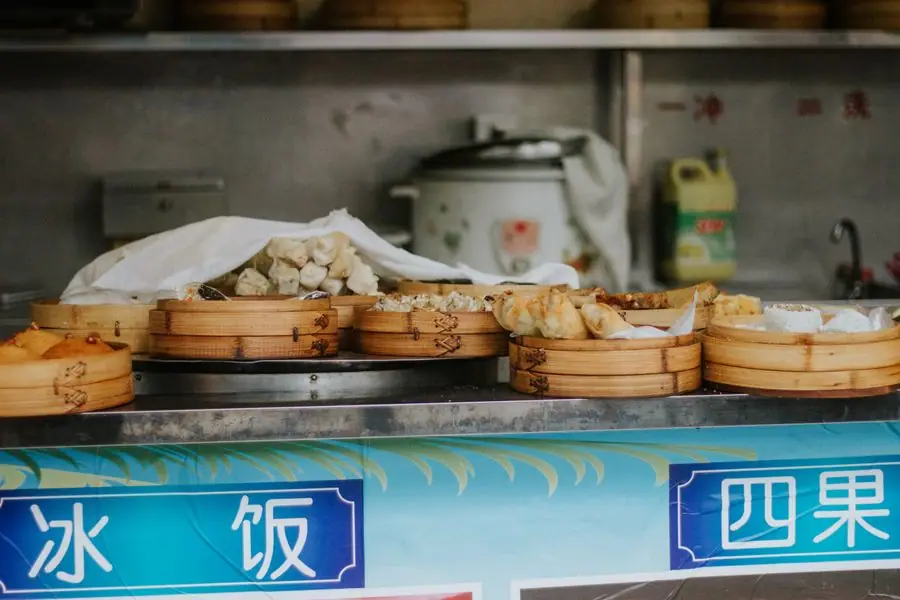
Dali da-ba zhuzi (Carried-elbow pork)
The famous Dali dish — a whole smoked pork knuckle plated with the bone, the showpiece of the old Shaanxi banquet table; order it shared at a Dali restaurant.
-
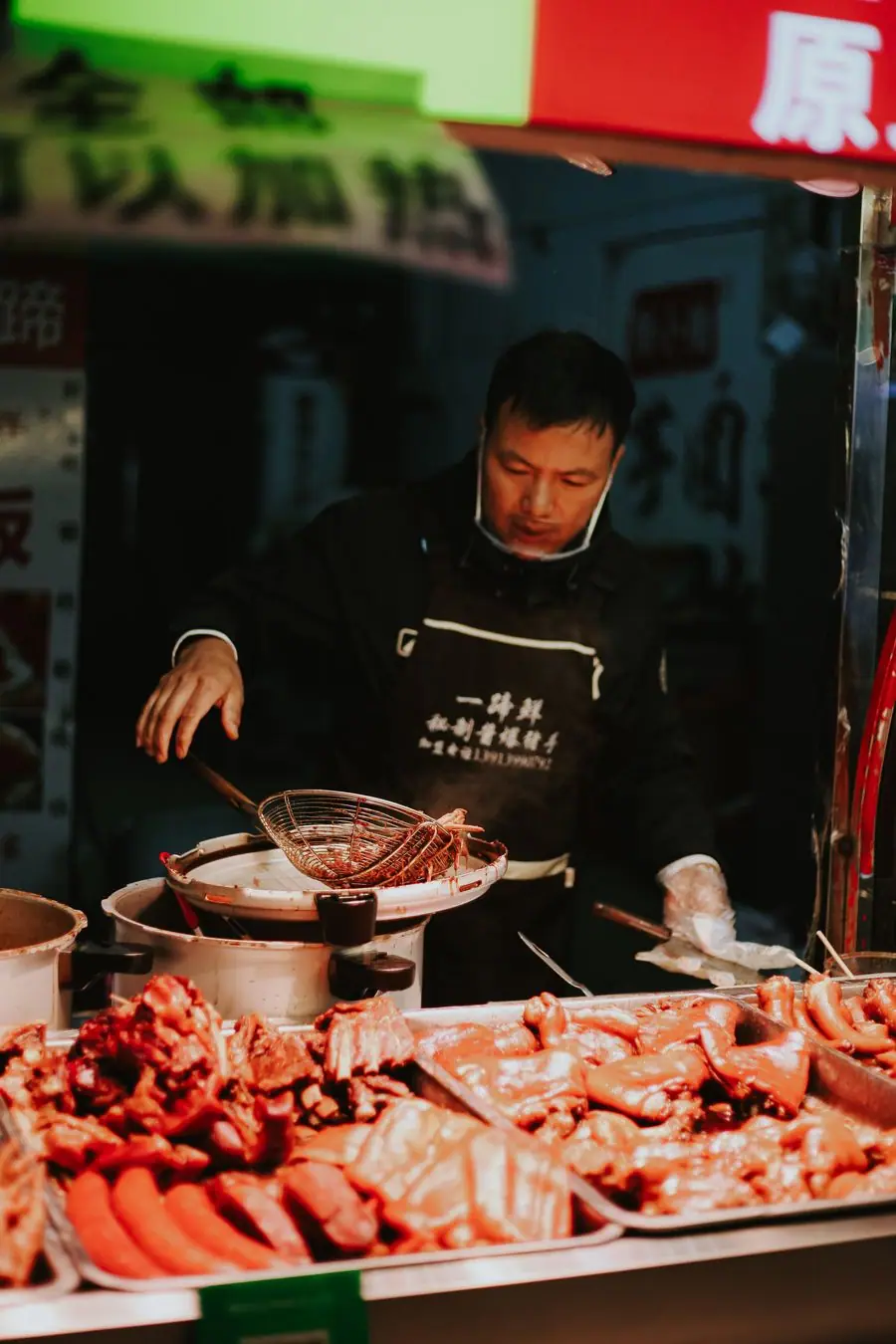
Pucheng bangbang mo (Bangbang crackers)
The crisp, dry wheat crackle of Pucheng — baked on stones, carried by traders on a pole; the local travel bread, good with mutton soup.
Every major sight — with its own guide
Right after the food above, here are the sights — each one links to its own full guide (what to see, how to get there, facilities and the best season). Names follow each sight's official English signage.
At the foot of Mount Hua, ~5 km from the tourist centre
Huazhou district, ~50 km SE of the city centre
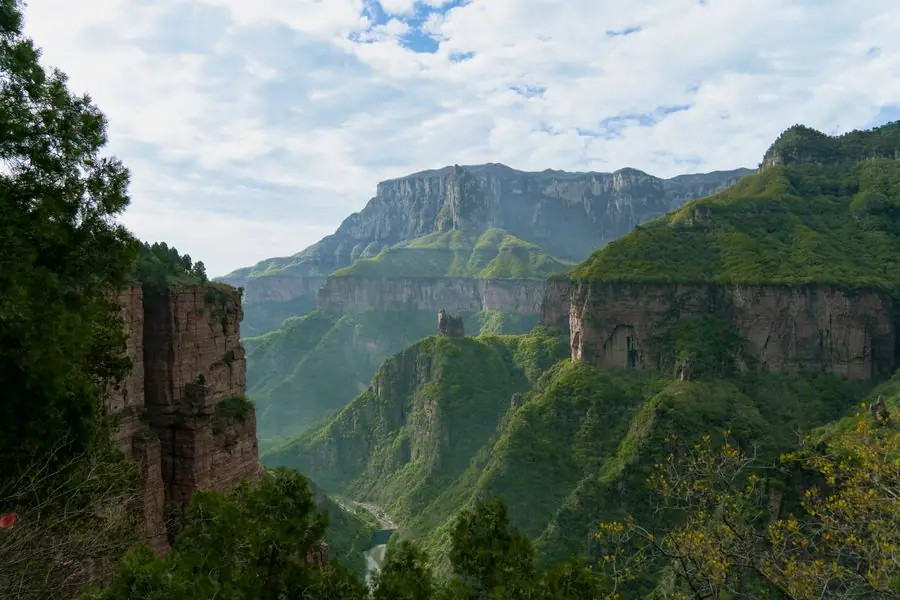
Shaohua Mountain (Shaohua Shan) 少华山
A forested national park in the Qinling foothills south-east of the plain — a smaller, gentler cousin of Mount Hua, with a gorge stream, red cliff scenery and a quiet half-day of wooded ridges and waterfalls. The local escape when Huashan's queues are too much.
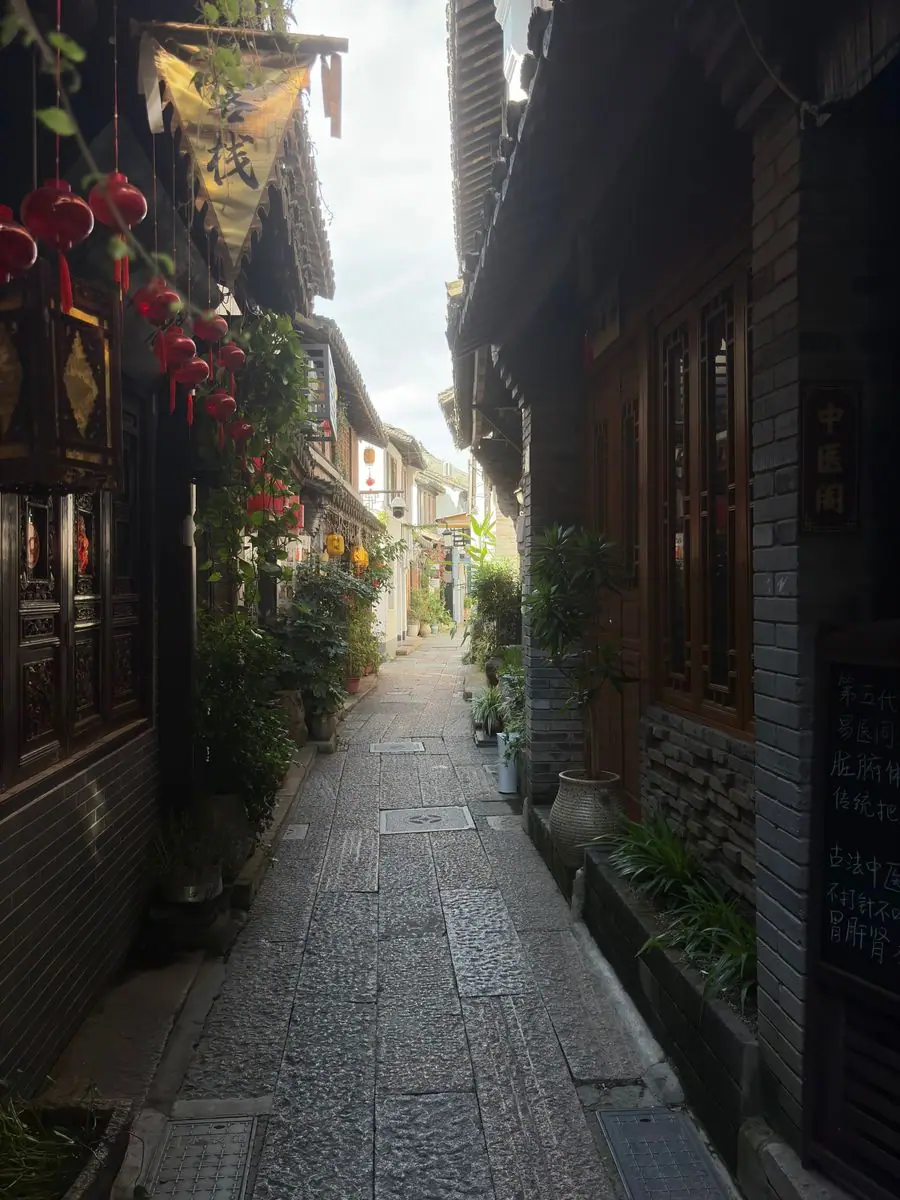
Huazhou Shadow Puppetry (Huaxian Piying) 华州皮影
Huazhou (formerly Huaxian) is a home of Chinese shadow puppetry — the carved-leather puppets and the wanwanqiang vocal style are national intangible heritage, with workshops and small theatres around the old lanes where you can watch a show and buy the figures. The living folk-art stop of Weinan.
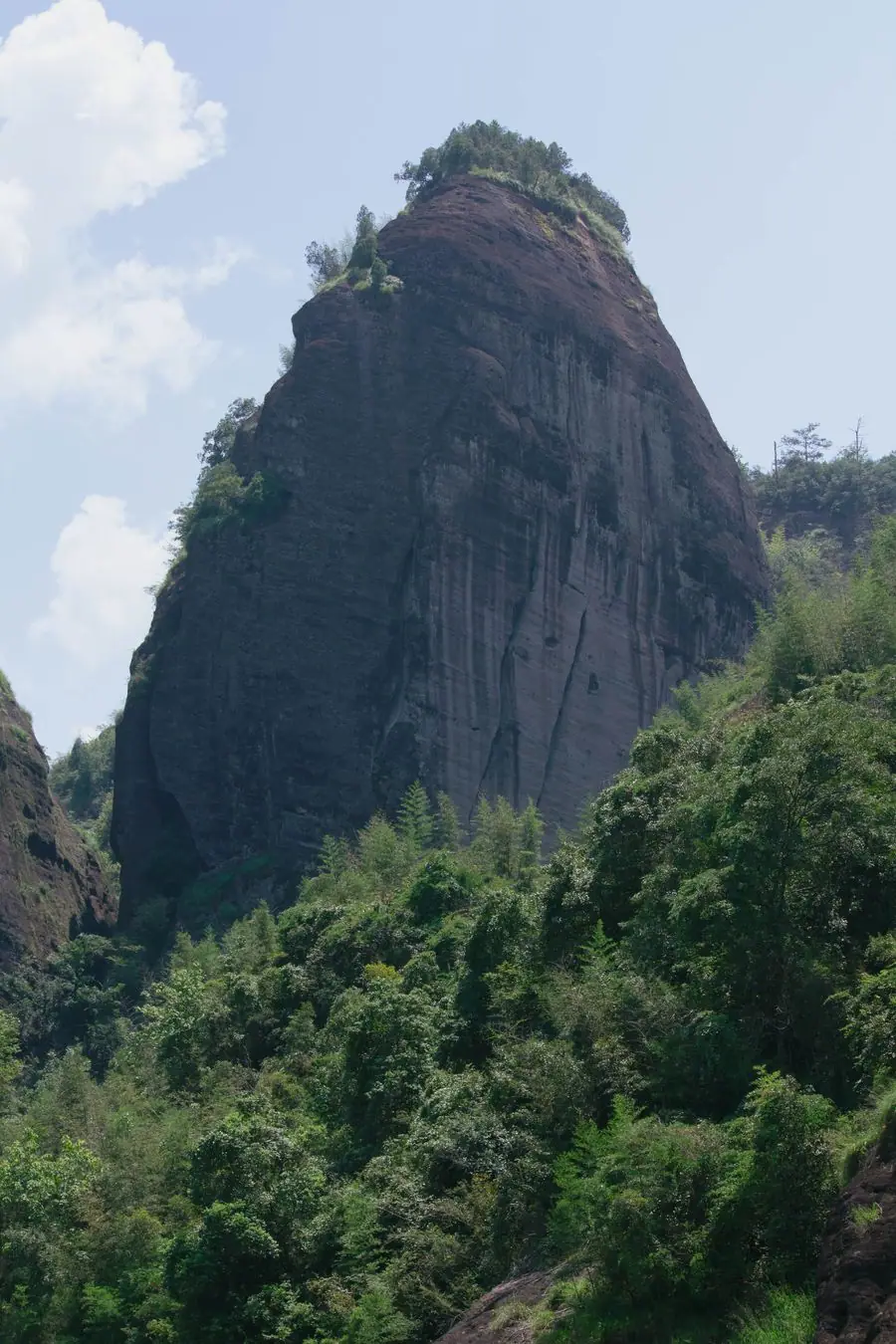
Hancheng, ~90 km NE of the city centre
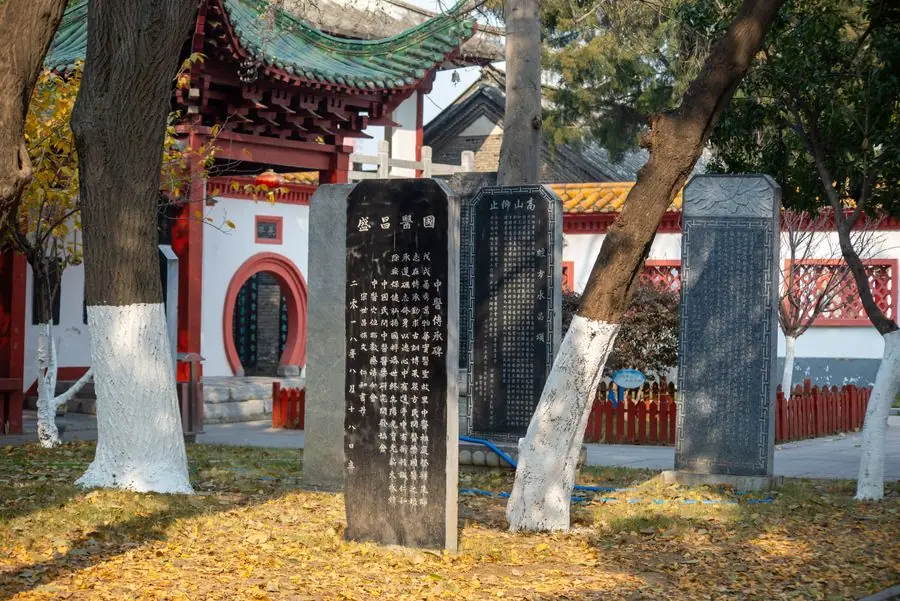
Sima Qian Shrine & Tomb (Sima Qian Ci) 司马迁祠墓
The shrine and tomb of Sima Qian, the Han-dynasty historian whose 'Records of the Grand Historian' founded Chinese historiography — a steep stone stair climbs the Yellow River bluff to the Song-dynasty temple and the tomb, with the river and the plain spread below. A pilgrimage site for anyone who cares about Chinese history.
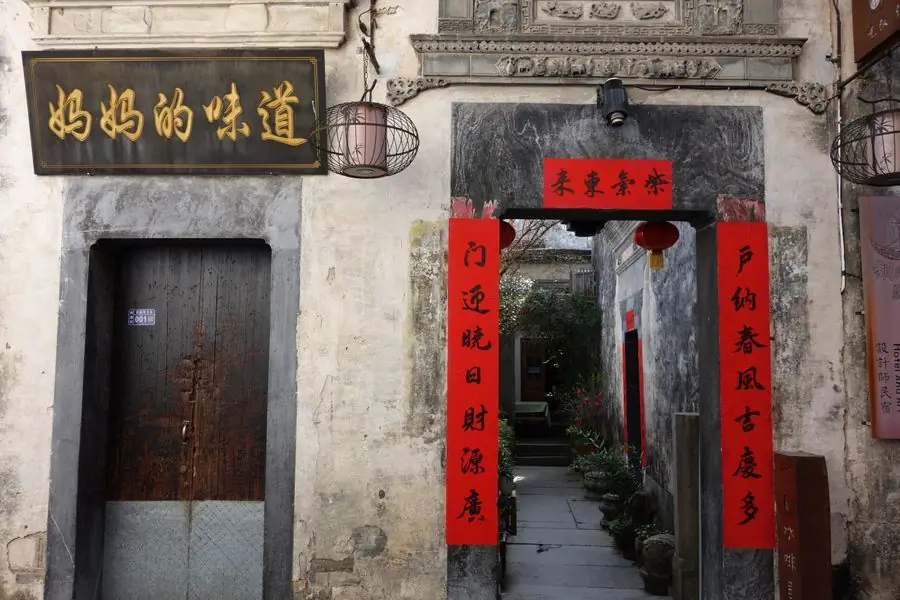
Dangjia Village (Dangjia Cun) 党家村
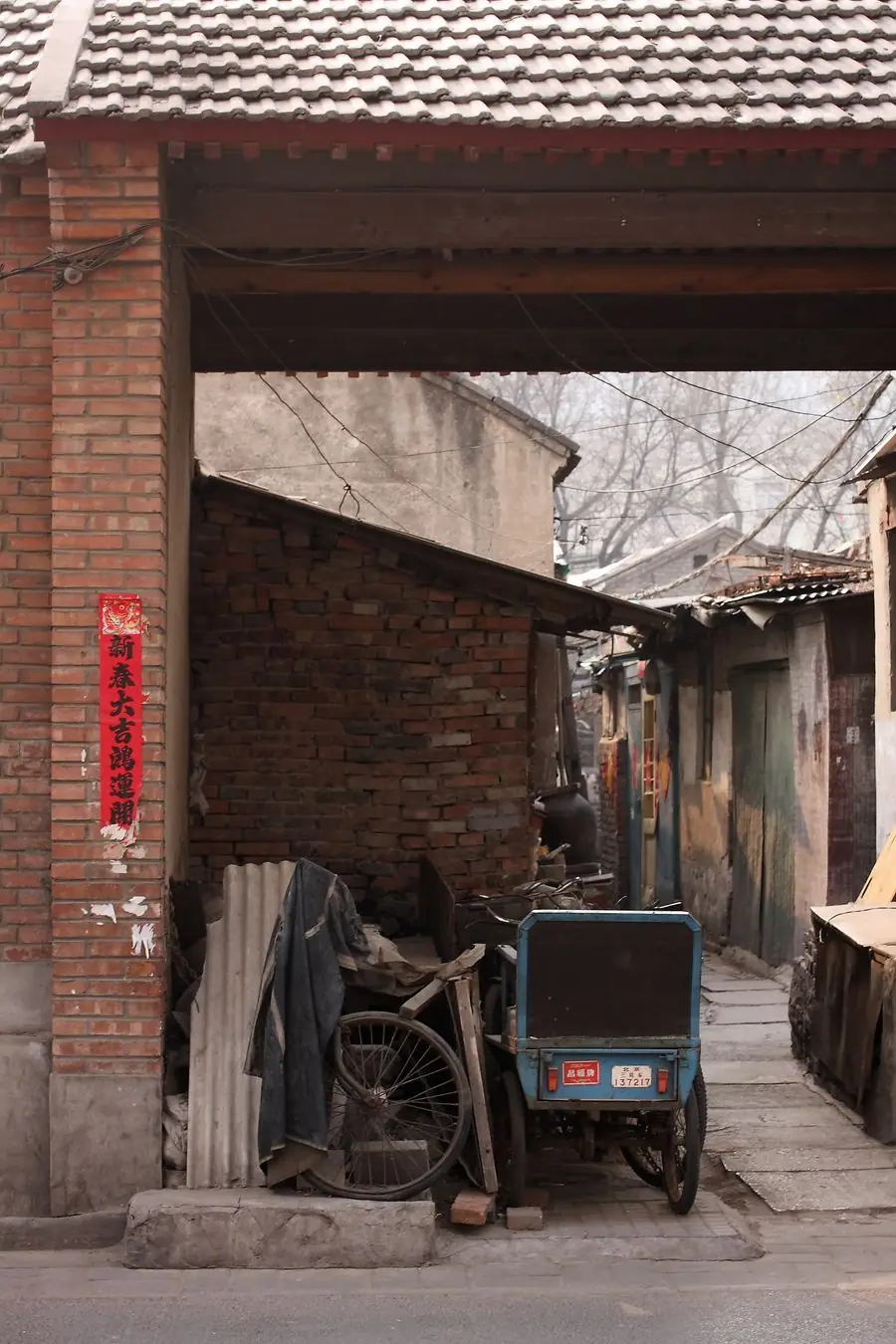
A Qing-dynasty courtyard village in the Hancheng loess hills — over a hundred traditional courtyard compounds, decorated gate towers, winding lanes and the family's old walls, a rare intact example of a prosperous rural Chinese lineage village. The calm, architectural counterpoint to the tombs and temples.
Hancheng Old Town & the Three Temples 韩城古城·三庙
The old town of Hancheng — a grid of Ming-Qing lanes and courtyard shops, with the 'three temples' (Confucius Temple, Dongying Temple and City God Temple) and their ancient cypresses and steles, plus the old-city wall line. The walkable, everyday-history half-day of the corridor.
Baishui county, ~100 km N of the city centre
Pucheng county, ~70 km NW of the city centre
Gaotang, Huazhou district, ~60 km SE of the city centre
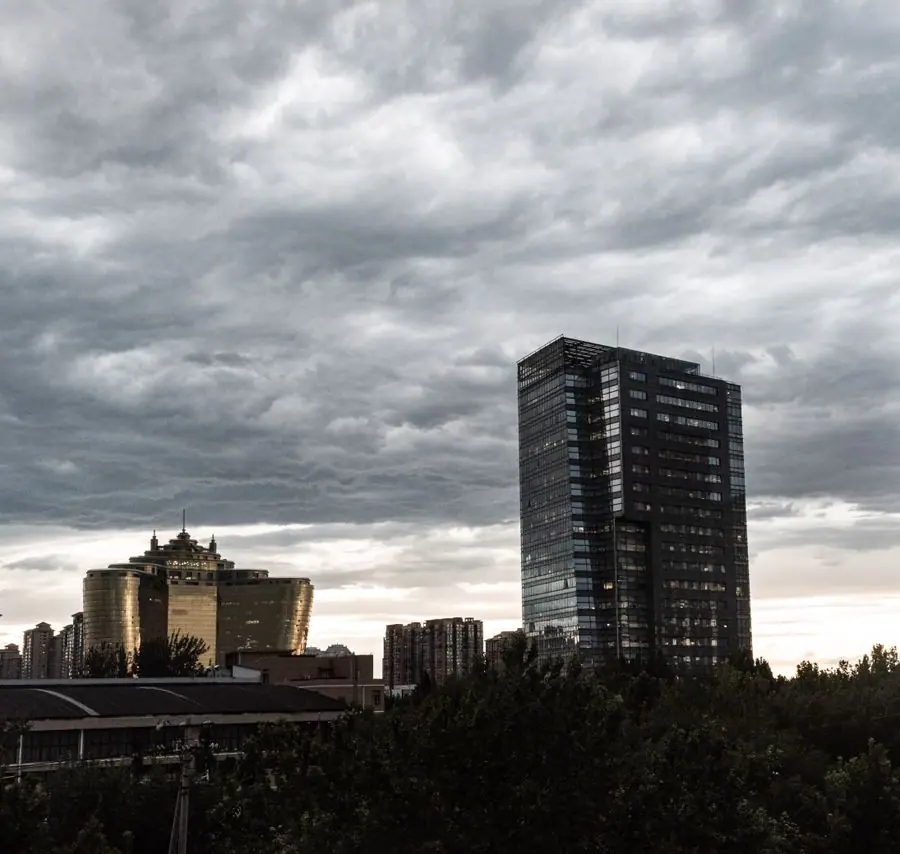
Chengcheng county, ~90 km NE of the city centre
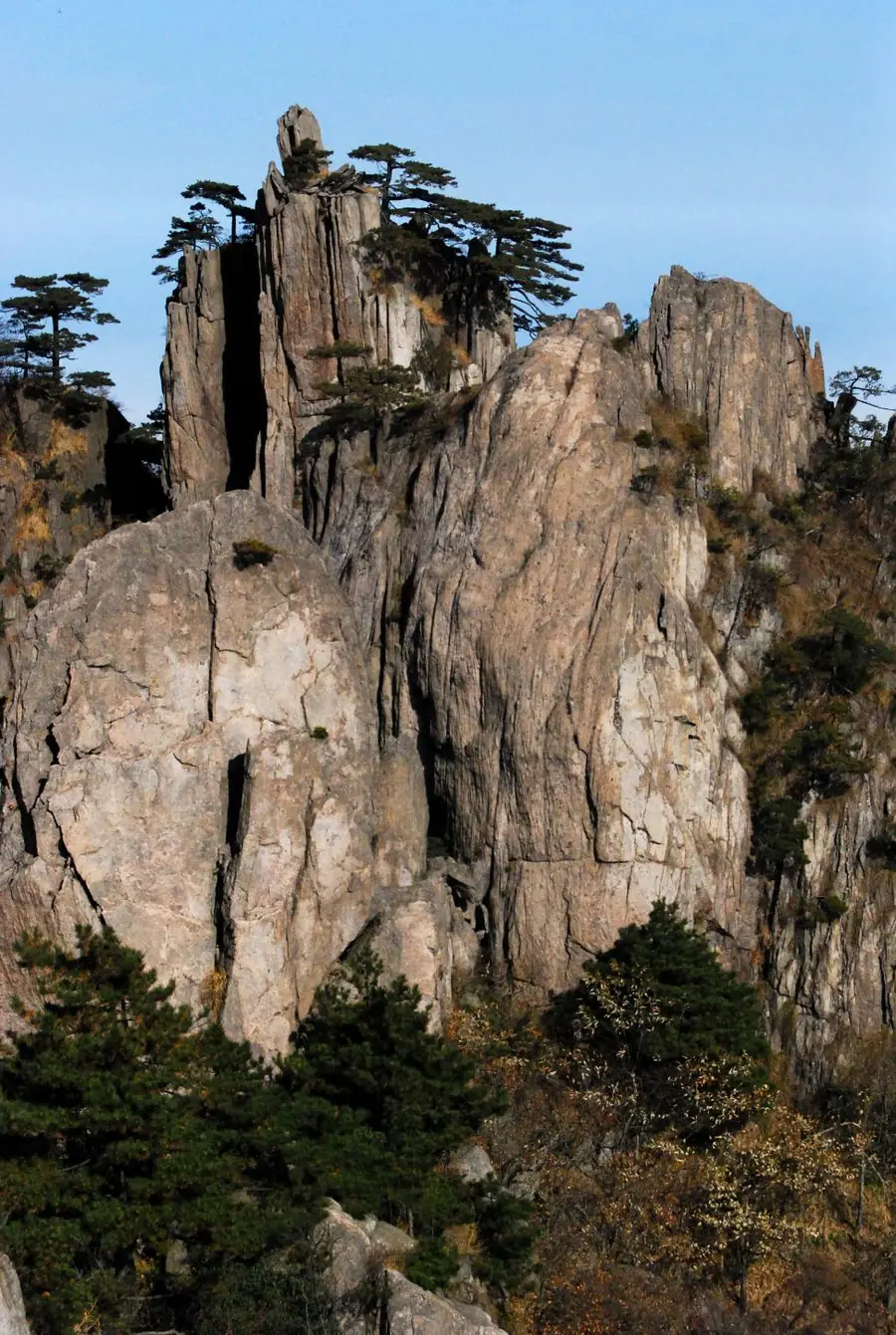
Dali county, ~80 km N of the city centre
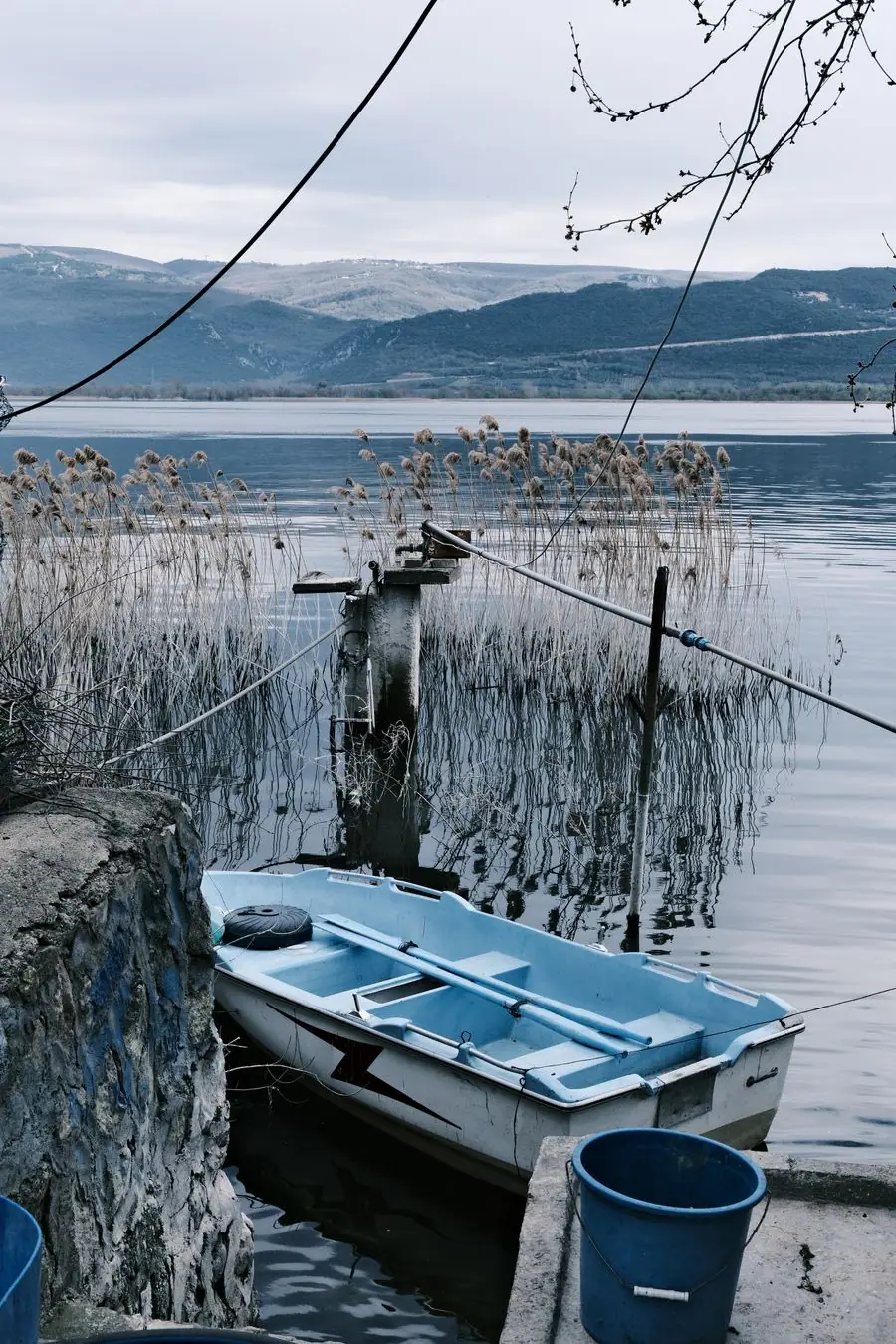
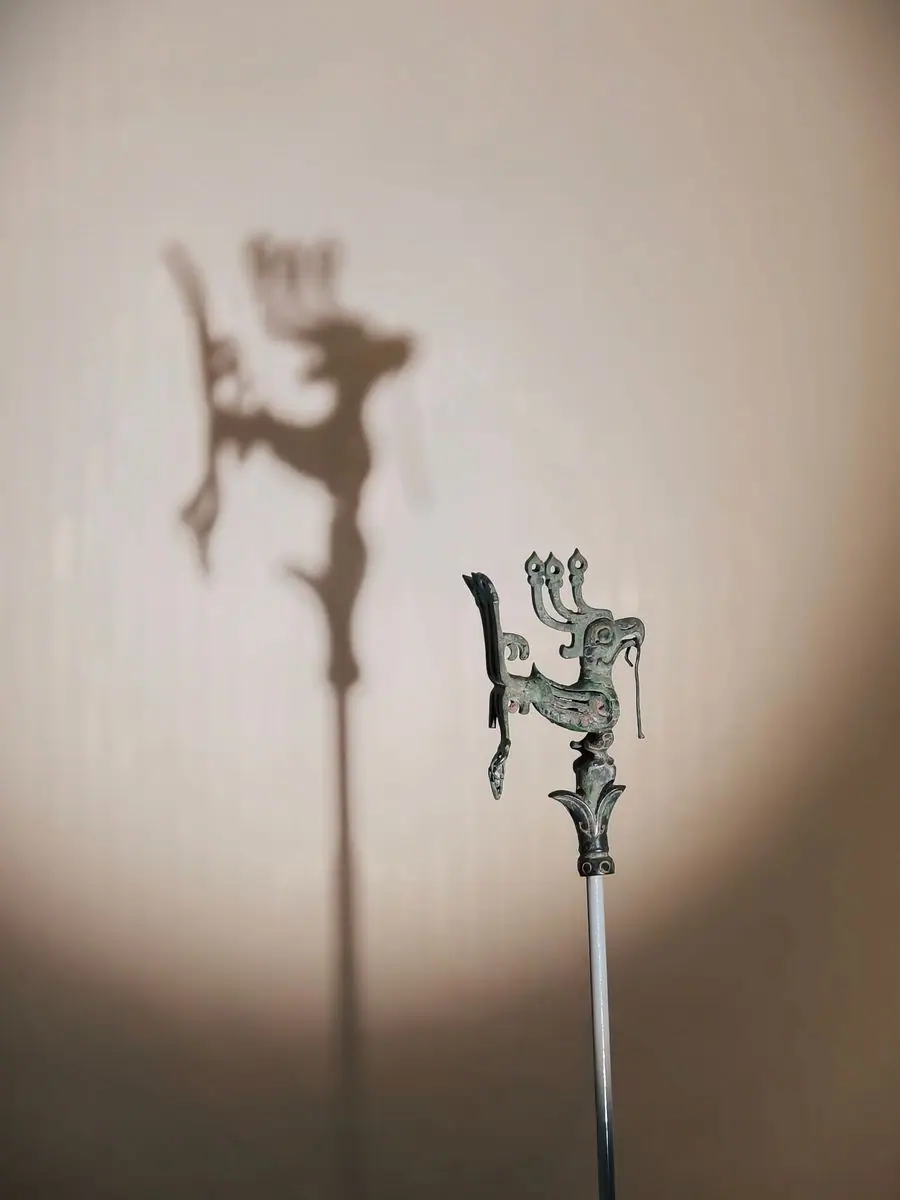
Where to stay in Weinan
For Mount Hua, stay at the foot of the mountain (Huayin town, the tourist centre at the foot of the mountain) for an early start, or in Weinan city centre (Linwei district, by the station) for the food and city sights. Hancheng and Pucheng are day trips.
Budget
$14–28 / nightChain hotels (Hanting, JI, 7 Days) by Weinan station and in Linwei district; clean doubles, foreign-passport registration is routine at the chains.
Mid-range
$28–56 / nightJI Hotel, Vienna and local full-service hotels downtown; at Huashan's foot the mountain-view hotels are the practical pick for an early climb.
Splurge
$70–140 / nightThe international and new business hotels in the city centre, plus the larger resort hotels by the Huashan tourist centre.
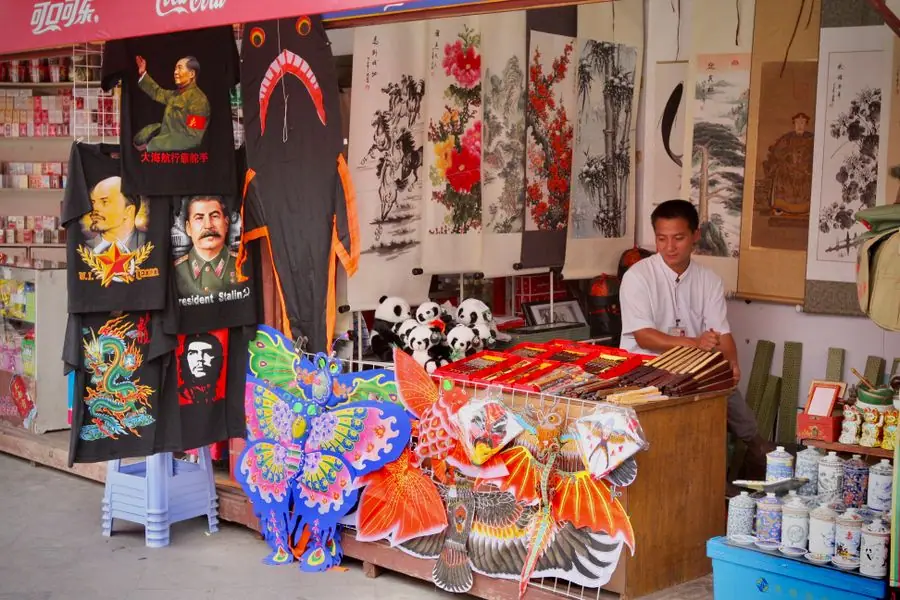
Souvenirs & local crafts
Easy to pack, easy to explain at customs — and far cheaper at a supermarket than at a scenic stall.
-

Huazhou shadow puppets (Huaxian piying)
The carved-leather shadow puppets of Huazhou (Huazhou district) — a national intangible heritage, sold as display pieces and marionettes, genuinely local.
-

Heyang marionettes (Heyang tixian muou)
The string-puppet figures of Heyang — the Heyang marionette show is a provincial heritage; the carved figures are a distinctive, packable craft.
-
Yaotou black pottery (Yaotou heitao)
The black pottery of the Yaotou kiln site (Chengcheng) — a millennium-old kiln tradition revived; rustic pots and tea sets, genuinely from the county.
-
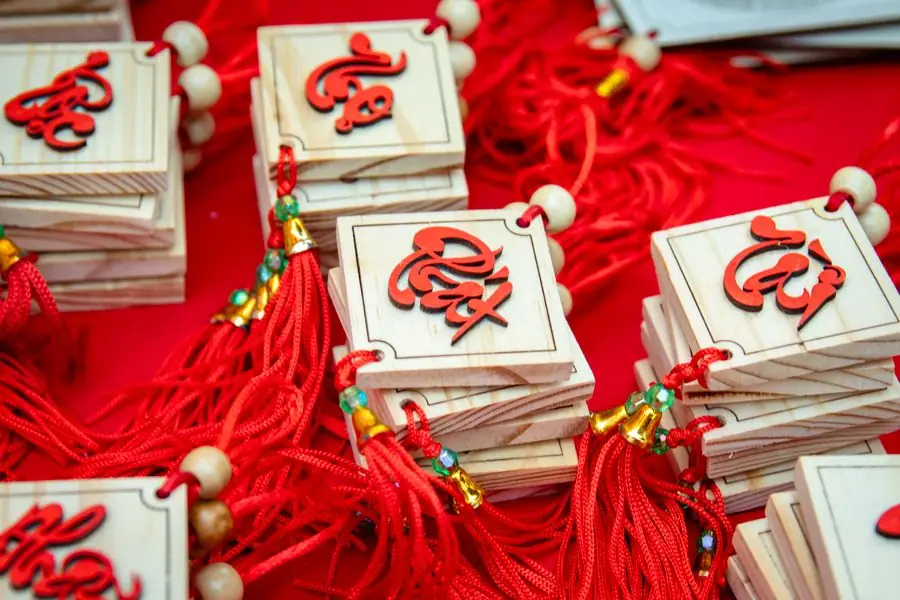
Fuping qiongguo candy (Qiongguo tang)
The honey-sesame candy of Fuping — a brittle, old-fashioned local sweet that travels well; the classic Weinan gift snack.
-
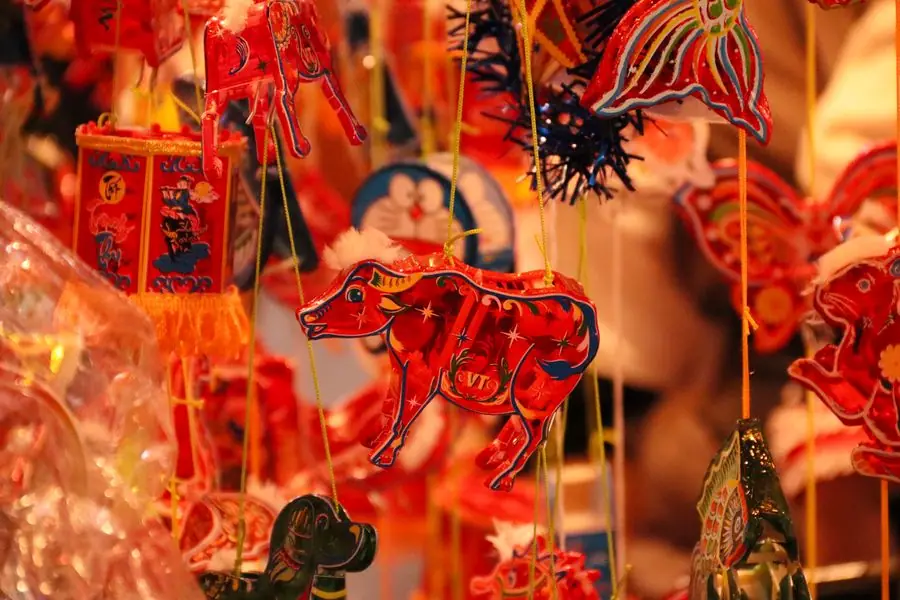
Hancheng red pepper (Dahongpao huajiao)
The famous Hancheng 'big red robe' pepper — one of Shaanxi's best; bagged peppercorns are the sharp, fragrant local souvenir.
Getting around Weinan
Weinan is on the Xuzhou–Lanzhou high-speed line: Weinan North is about 30–40 min from Xi'an North, and Huashan North (by the mountain) about 30 min further east; Xi'an Xianyang International (XIY), the region's 240-hour transit port, is about 1 h from the city by rail.
- High-speed rail
- Weinan North links Xi'an North (~30–40 min), Huashan North (~20 min) and Zhengzhou (~1.5 h); Huashan North Station is a 10-min bus or taxi from the Mount Hua tourist centre.
- Long-distance bus
- Buses run from Weinan and Huashan North to the Mount Hua tourist centre, Xiyue Temple and Tongguan; the mountain shuttle buses are included with the ticket.
- Metro & bus
- No metro; taxis, DiDi and the tourist buses cover the sights.
- Taxis
- Taxis are metered from about $1.13 (RMB 8); the city is compact and cheap to cross.
- Ride-hailing
- DiDi is the default for the mountain, Tongguan and the Hancheng sights.
- Shared bikes
- Shared bikes are handy in the city centre; the mountain needs boots, not bikes.
- Intercity carpool
- The high-speed trains are the main link to Xi'an and Zhengzhou; local buses and DiDi cover the sights around Weinan.
Plan your 1, 2 or 3 days in Weinan
Pick the length of your stay. Each plan is its own page, anchored at the city centre and written from real traveller itineraries — including splits for sightseeing, shopping, landscape, families and older travellers.
Weinan in one day: Mount Hua
The classic day: early train to Huashan North, cable car or the mountain path to the peaks, the cliff walks and the sunset, back down for a mutton dinner.
Read the plan → 2-dayWeinan in two days: + Xiyue Temple & Tongguan
Day two gives the Xiyue Temple at the mountain's foot and the Tongguan old pass where the Yellow River bends — the mountain-and-river culture of the eastern plain.
Read the plan → 3-dayWeinan in three days: + Hancheng & the Yellow River corridor
Give the third day to the Hancheng sights — the Sima Qian Shrine, the Dangjia courtyards and the old town — or the Qiachuan wetlands and Cangjie Temple further north.
Read the plan →Frequently asked questions
- When is the best time to visit Weinan and Mount Hua?
- April–June and September–November are best — clear and mild for the climb and the river sights. July–August is hot on the plain but cool on the peaks (and busy); December–March brings ice on the mountain paths but empty trails and low prices. Start any summit climb before dawn.
- Do I need a visa for Weinan?
- If your nationality is among the 57 countries eligible for China's 240-hour (10-day) visa-free transit and you continue to a third country, you can enter at a participating port — the nearest is Xi'an Xianyang (XIY), about 1 h away by high-speed rail, and stay within the permitted area for up to 10 days. Otherwise arrange a Chinese visa in advance. Confirm the current qualifying list and ports with a consulate before booking.
- How hard is the Mount Hua climb?
- Mount Hua has routes for every level: the North Peak cable car (Sanle line) plus a 2–3 h walk over the connected ridges covers the classic sights; the West Peak cable car (Taihua line) skips most of the climbing; the old soldier's path up from the valley is a steep 4–5 h hike. The famous cliff walks — the Changkong Plank Road at the South Peak and the Yaozizi Turn — are short but exposed harnessed sections. Train shoes and gloves; no luggage lockers beyond the base.
- How much do the sights cost?
- Mount Hua is about $22.54 (RMB 160) peak season / $14.08 (RMB 100) off-season, with the mountain shuttles extra and cable cars about $11–39 (RMB 80–280) depending on line and direction; the Xiyue Temple about $4.23 (RMB 30); Shaohua Mountain about $8.45 (RMB 60); Tongguan scenic zone about $8.45 (RMB 60); the Sima Qian Shrine about $7.04 (RMB 50); Dangjia Village about $5.63 (RMB 40); Qiachuan about $8.45 (RMB 60); Cangjie Temple about $7.04 (RMB 50); Tang Qiaoling about $4.23 (RMB 30); the Weinan Museum is free. Verify the exact combo and price on site.
- How many days do I need in Weinan?
- One full day covers Mount Hua by cable car with the ridge walks; two days add the Xiyue Temple and Tongguan; three days add the Hancheng corridor (Sima Qian, Dangjia, old town) or the northern wetlands and temples. Weinan is an easy weekend trip from Xi'an.
- Can I visit Mount Hua as a day trip from Xi'an?
- Yes — it is the standard way to do it: an early high-speed train from Xi'an North to Huashan North (about 30 min), bus or taxi to the tourist centre, the mountain by cable car, and a late train back. For sunrise on the East Peak, sleep at the mountain's foot or start the night climb.
Page last reviewed: 2026-11-02.