Weihai Travel Guide 2026: Liugong Island, Chengshantou, Swans and the Peninsula Coast
Weihai sits on the eastern tip of the Shandong peninsula, wrapped by nearly a thousand kilometres of the cleanest coast in northern China — a city of harbour islands, fishing villages with seaweed-thatched roofs, and the easternmost point of the Chinese mainland. Its defining hour was 1894–95, when the Beiyang Fleet made its base on Liugong Island and lost the war with Japan in these waters; the island's admiralty, dockyard and naval school are kept as a national memorial. Around it: Chengshantou where the mainland ends, the Siberian swans that winter at Yandunjiao, the free beaches and the Torch Eight Street that netizens call the little Kamakura. Below: the best time, the history, the food, where to stay, every major sight with its own guide, transport, and 1/2/3-day plans.
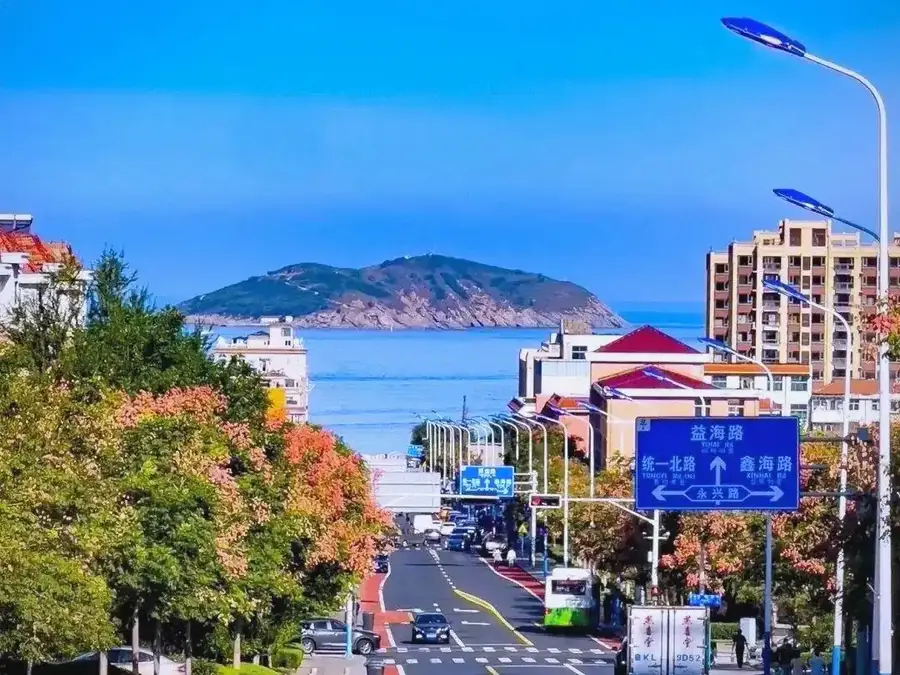
History & culture
The Weihai shore was the far east of the Qi state and then the coastal frontier of every dynasty that followed — the Ming built the Wei Garrison (Weihai Wei) here in 1398 against the Japanese pirates, and the town's name is that garrison's. For five centuries Weihai was a fishing and garrison port at the end of the peninsula, with the fishing villages of Rongcheng building their seaweed-thatched houses out of stone and kelp from the shallows, a craft now on the provincial intangible-heritage list.
The decisive century was the nineteenth. After the 1894–95 war with Japan broke out, the Beiyang Fleet — China's first modern navy — made its winter base in Weihai harbour, with Liugong Island as its anchorage, the admiralty (提督署) on the island, and the naval school founded there in 1889 as the country's first modern naval academy. The fleet was destroyed in the harbour in early 1895; Admiral Ding Ruchang killed himself rather than surrender. The island keeps the admiralty, the dockyard, the battery sites and the school, and the Sino-Japanese War galleries are the reason the island is a national memorial. In 1898 Britain leased Weihai Wei as a counterweight to the Russian lease at Port Arthur, holding it until 1930.
The twentieth century added a chapter few know: in the First World War some 140,000 Chinese labourers were recruited to dig trenches and handle ammunition on the Western Front — the largest share of them from Shandong, many shipped out through Weihai's ports, and some twenty thousand never came home. Weihai's First World War Chinese Labourers Memorial keeps their story, and it is the stop that speaks most directly to a foreign visitor.
After 1949 Weihai grew into the cleanest and greenest city on the peninsula — a national sanitary city, a 'most liveable' award winner, and today a prefecture of two districts and three county-level cities (Rongcheng, Rushan, Wendeng) strung along the coast. The economy is fishing and aquaculture (Rongcheng is China's kelp and seaweed capital), the Korean trade that fills Weihai's Korean quarter, shipbuilding, and the tourism of a coastline with the swans, the islands and the cleanest water in northern China. Weihai Dashuipo Airport and the Qingdao–Rongcheng high-speed line make it the hub for the eastern peninsula.
Best time to visit Weihai
Weihai has a temperate maritime monsoon climate: a sea breeze that keeps summers the coolest in Shandong, clean dry autumns, and winters that are cold but sunny and the best season of all for the swans.
Budget for Weihai: hotels from $14 a night, average ticket $$13.44 — see the full cost breakdown, or start from a ready-made route.
Cuisine of Weihai
Signature dishes worth seeking out — prices are typical per-person or per-dish ranges, not fixed quotes.
-
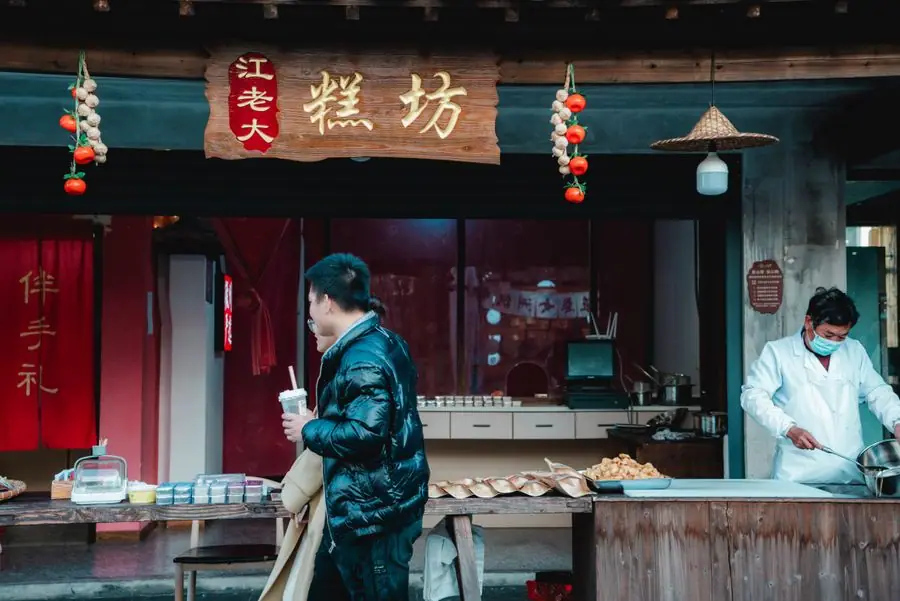
Mackerel dumplings (Bao yu shui jiao)
The Jiaodong signature and Weihai's own: minced mackerel beaten with pork fat and chives into a soft, almost soup-filled dumpling, boiled and eaten with vinegar and garlic. The old-town houses near the Korean quarter and the ferry pier are the institutions, and the local chains ('Lao Ma Ge Da Tang') built their name on them.
-
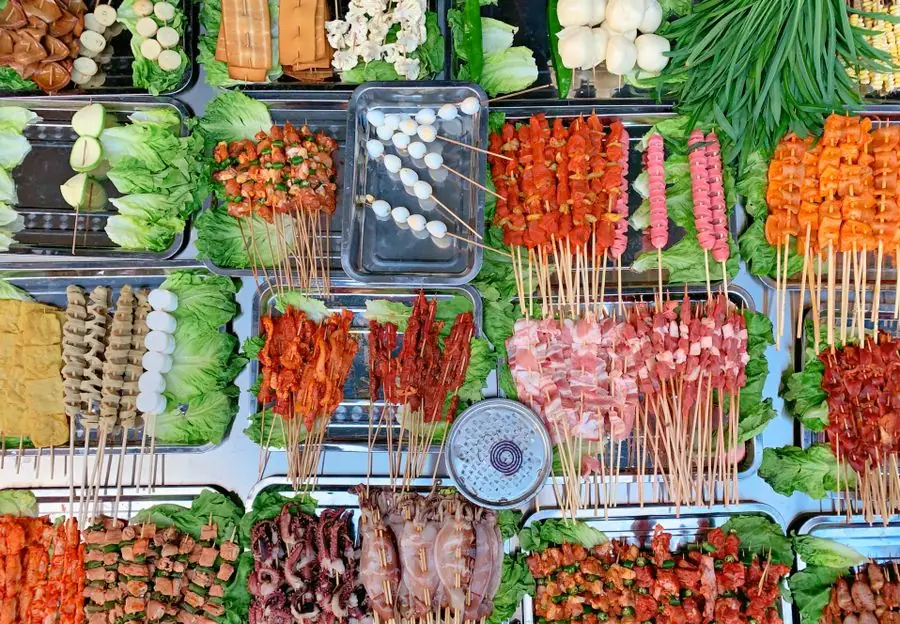
Fish pot with corn cakes (Yu guo bing zi)
The harbour home cooking: a iron pot of stewed sea fish — yellow croaker, blackfish, whatever came in — with cornmeal cakes stuck round the rim to steam in the fish juices. It is the Jiaodong fisherman's lunch, served by the pot at the village restaurants.
-
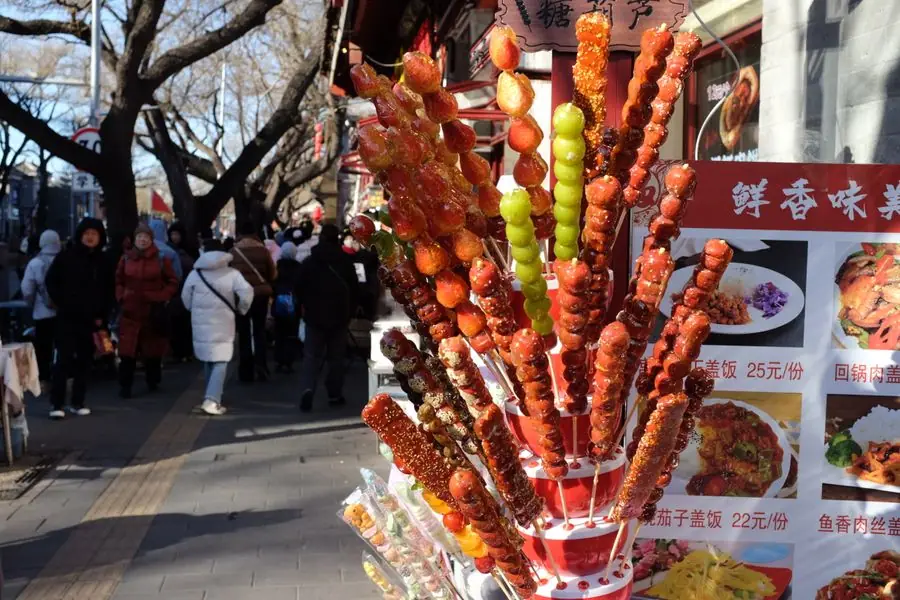
Sea-intestine rice and sea-urchin custard (Hai chang dao fan, hai dan zheng dan)
The two Shandong plates that made the peninsula's name: sea intestines stir-fried with scallion and folded over hot rice, and sea urchin steamed with egg into a savoury custard. Both are everyday food in the fishing villages and the standard order at the Rongcheng and Yandunjiao farmhouse restaurants.
-
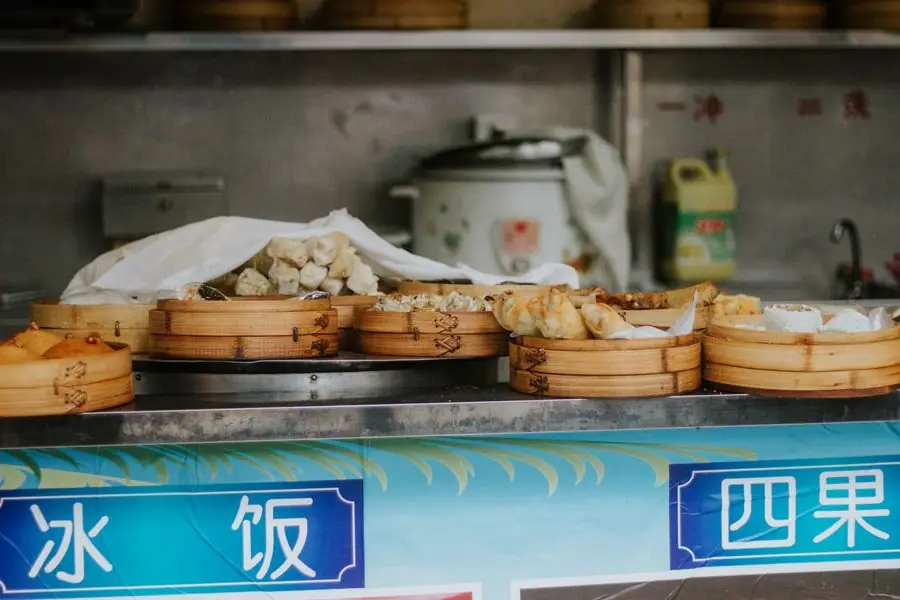
Seafood dumpling soup (Hai xian ge da tang)
The local comfort bowl: hand-pulled wheat 'dumplings' (ge da) in a thick broth with shrimp, clam and cabbage — the Weihai institution that gave the local restaurant chains their name, eaten by the bowl from lunch to late night.
-
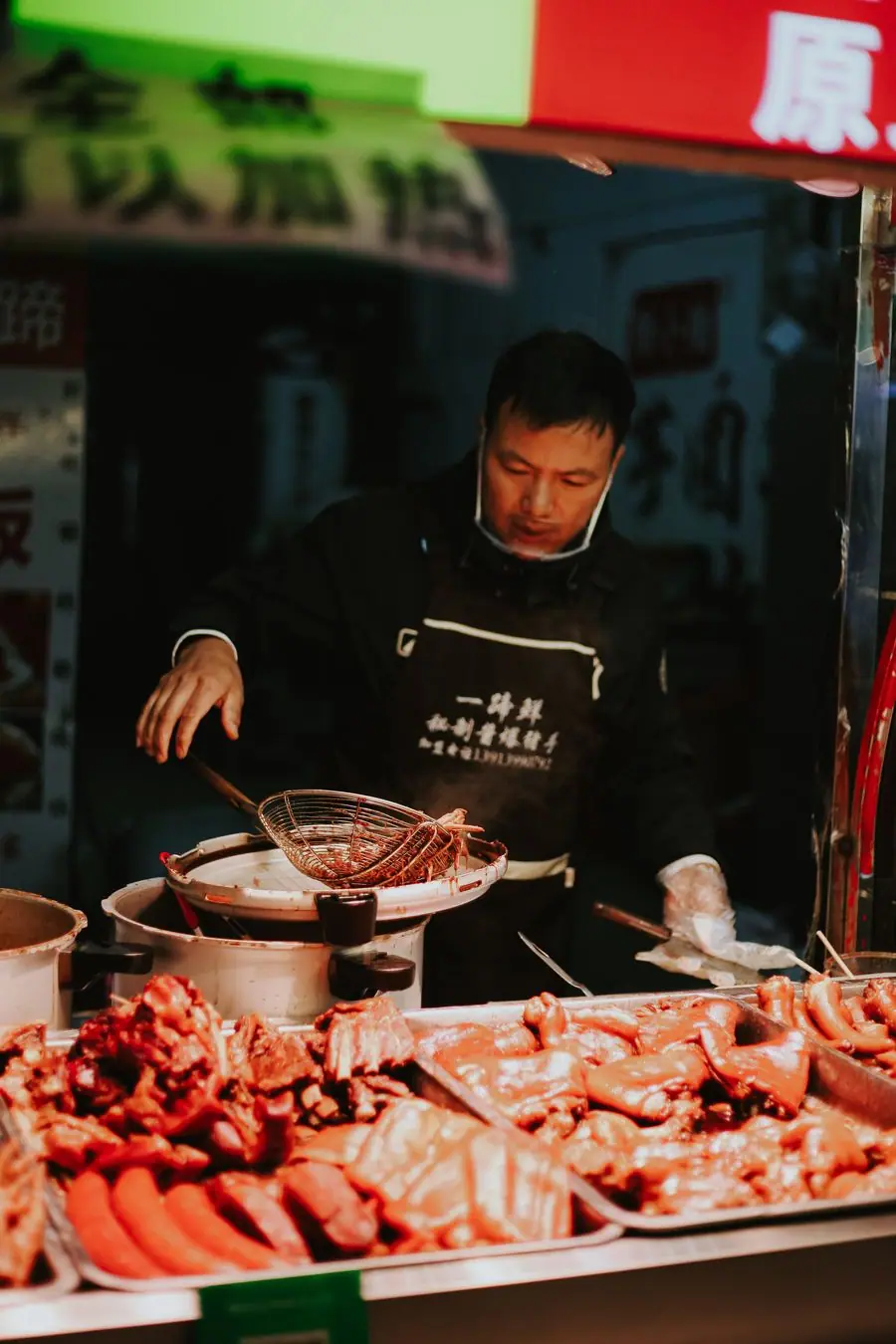
Korean food in the Korean quarter (Han can)
Weihai's Korean quarter grew out of the trade across the Yellow Sea and the Korean community that came with it: Korean barbecue, kimchi stew, cold noodles, gimbap and the Korean groceries, cheap and honest in the lanes behind the main street. It is the cheapest good meal in the city and the one thing you cannot get elsewhere on this coast.
Every major sight — with its own guide
Right after the food above, here are the sights — each one links to its own full guide (what to see, how to get there, facilities and the best season). Names follow each sight's official English signage.
In Weihai Bay at the mouth of the harbour, Huancui district — ferries from the Liugong Island tourist pier on Haibin North Road, about 2 km from downtown
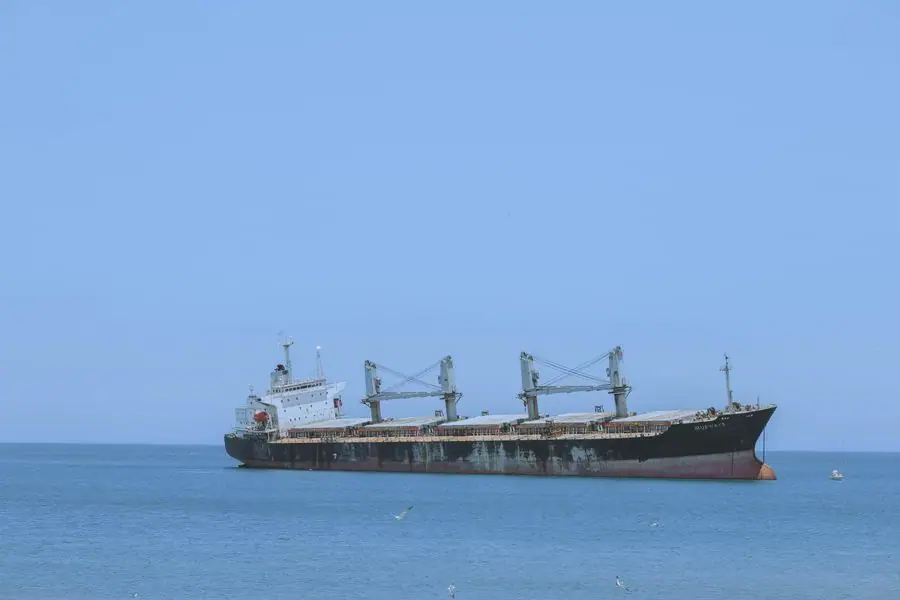
At Chengshan town in Rongcheng, about 75 km east of downtown Weihai — the easternmost point of the Chinese mainland coast
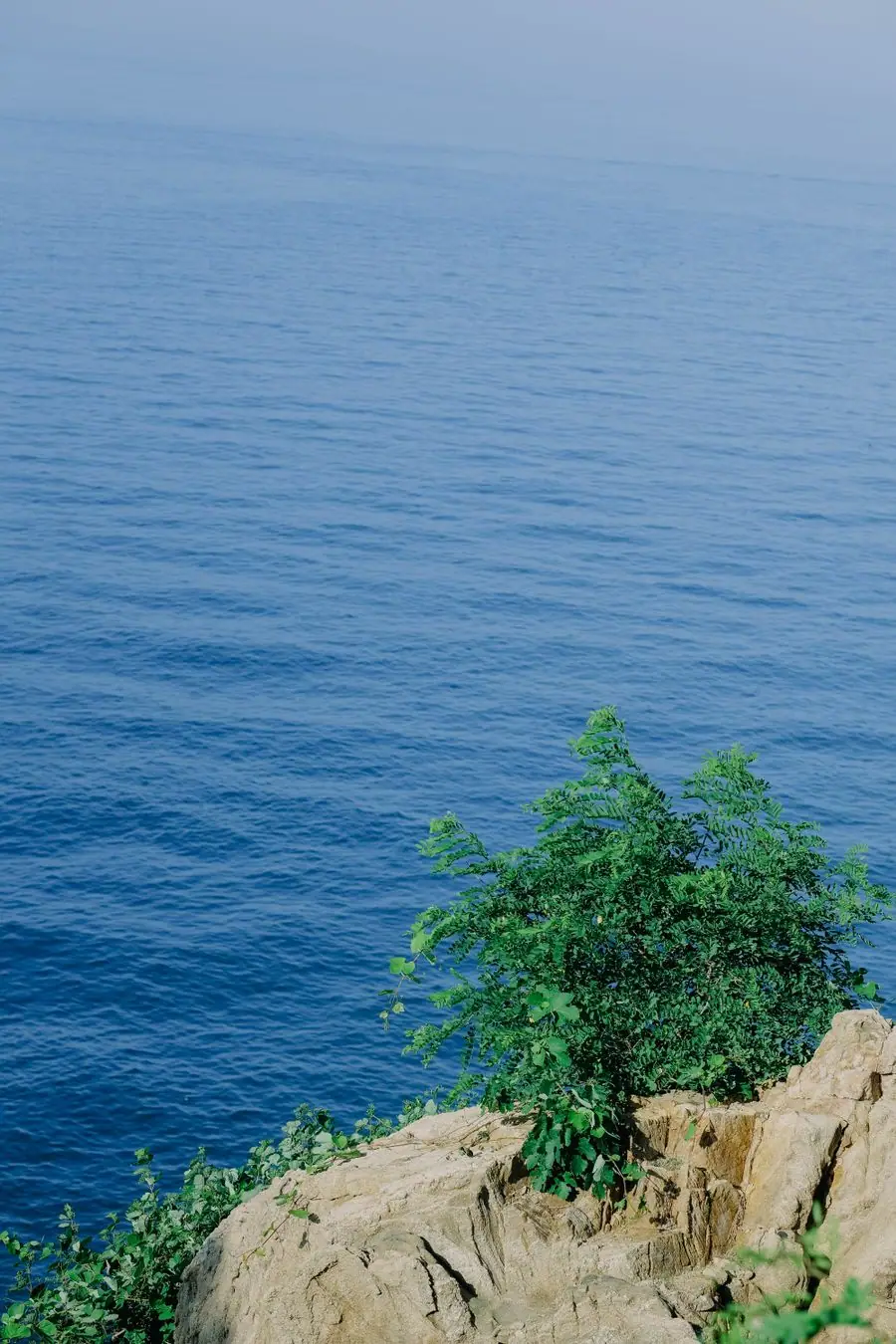
On North Ring-Sea Road (Bei Huan Hai Lu) in the high-tech development zone, about 10 km north-west of downtown
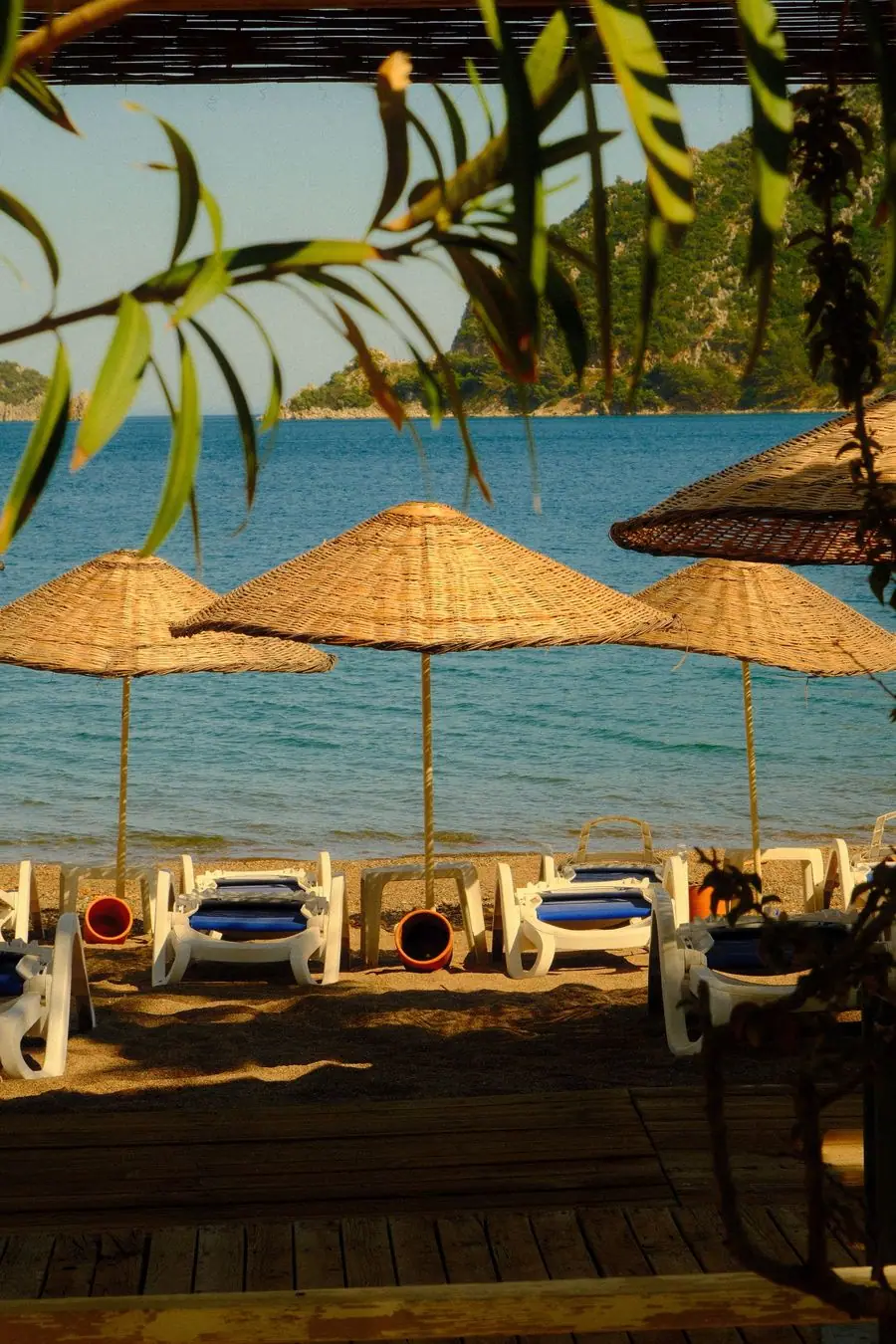
On Huaxia Road in the Huancui district, about 8 km south-east of downtown
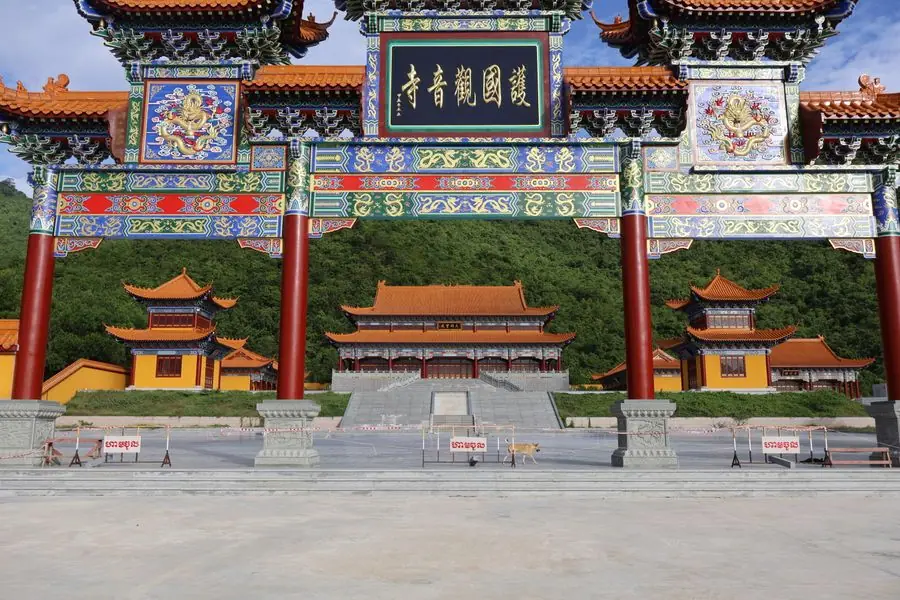
On Huaxia City Road beside Huaxia City, about 8 km south-east of downtown
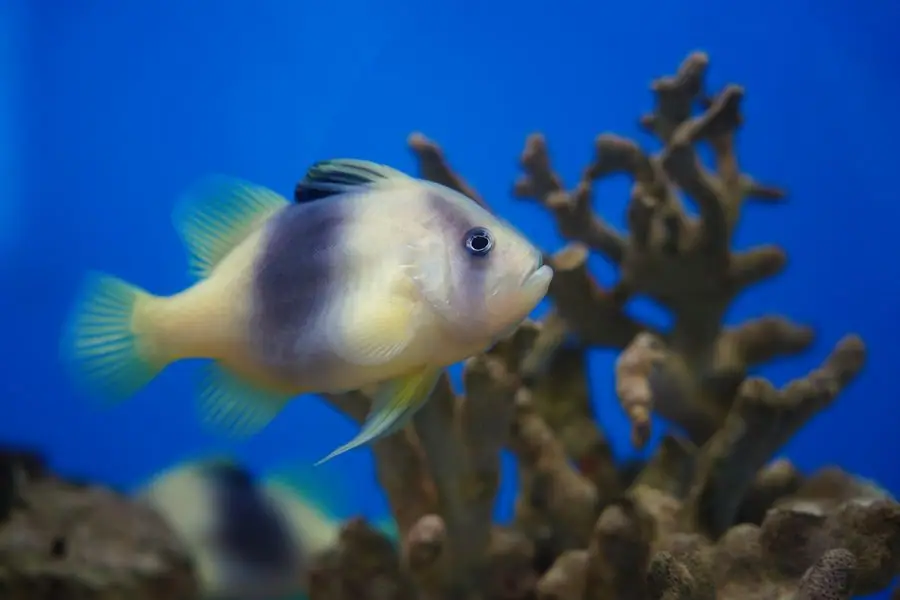
At Xixiakou in Chengshan town, Rongcheng, about 55 km east of downtown Weihai
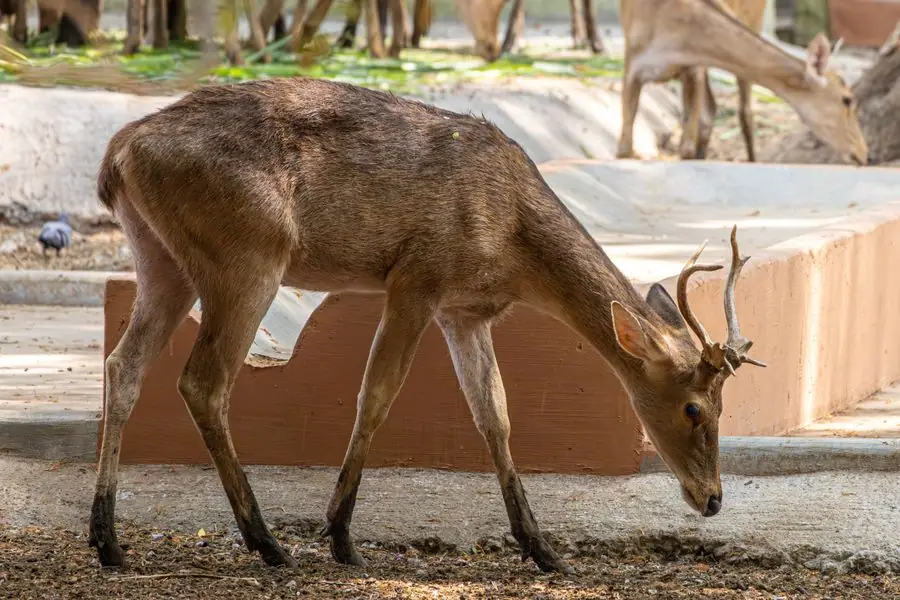
Two nautical miles off the Longyan harbour at Xixiakou, Rongcheng, about 55 km east of downtown Weihai
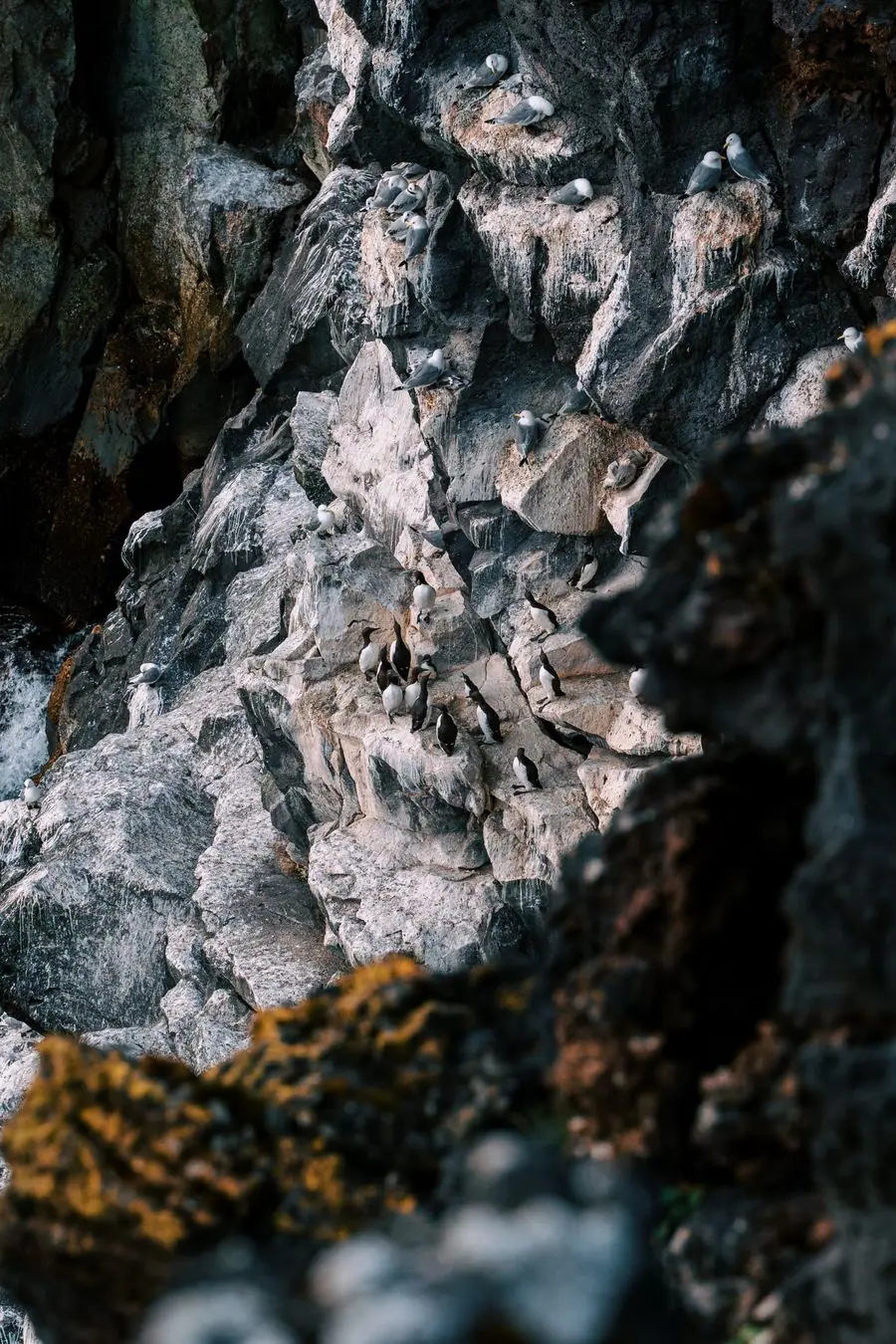
Off Gangxi town in Rongcheng, about 40 km east of downtown Weihai — reached by boat from the Na Xiang Hai pier

In the Yiyuan subdistrict of the high-tech development zone, about 5 km north-west of downtown — running south from Wenhua West Road down to the International Bathing Beach

At Gangxi town in Rongcheng, about 40 km east of downtown Weihai — on the ring-coast highway
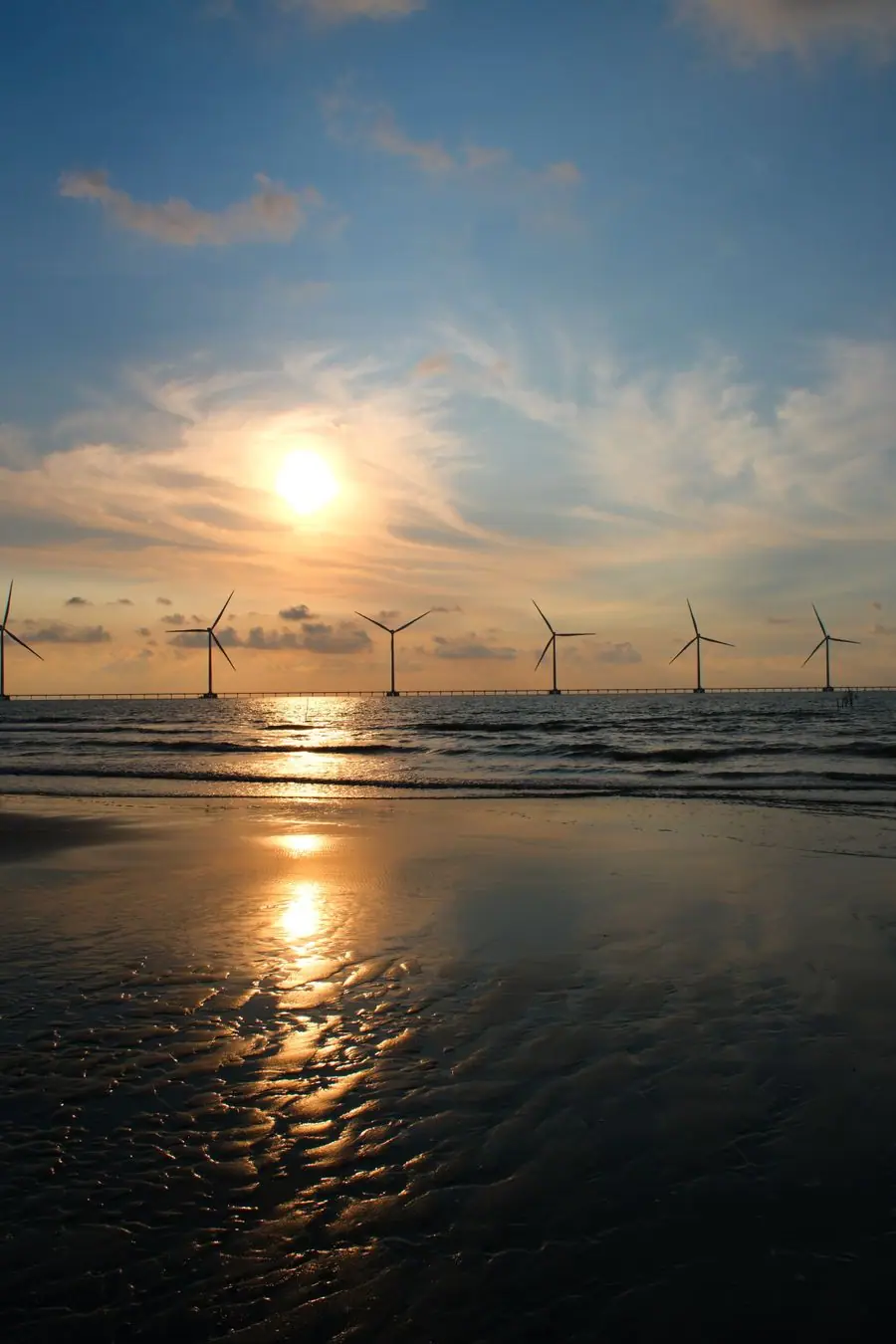
At Yandunjiao village in Lidao town, Rongcheng, about 50 km east of downtown Weihai
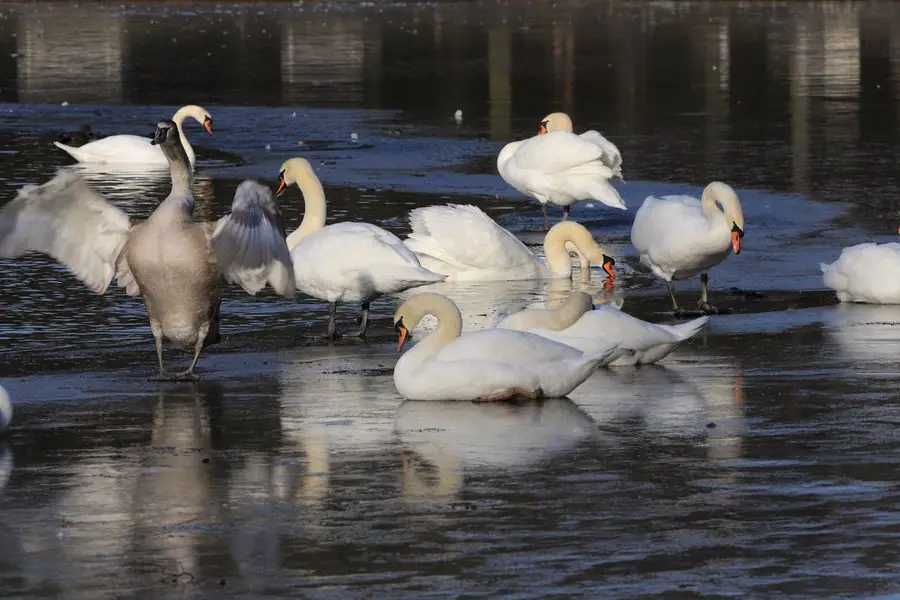
On the ring-sea road north of the Chengshantou scenic area in Rongcheng, about 70 km east of downtown Weihai
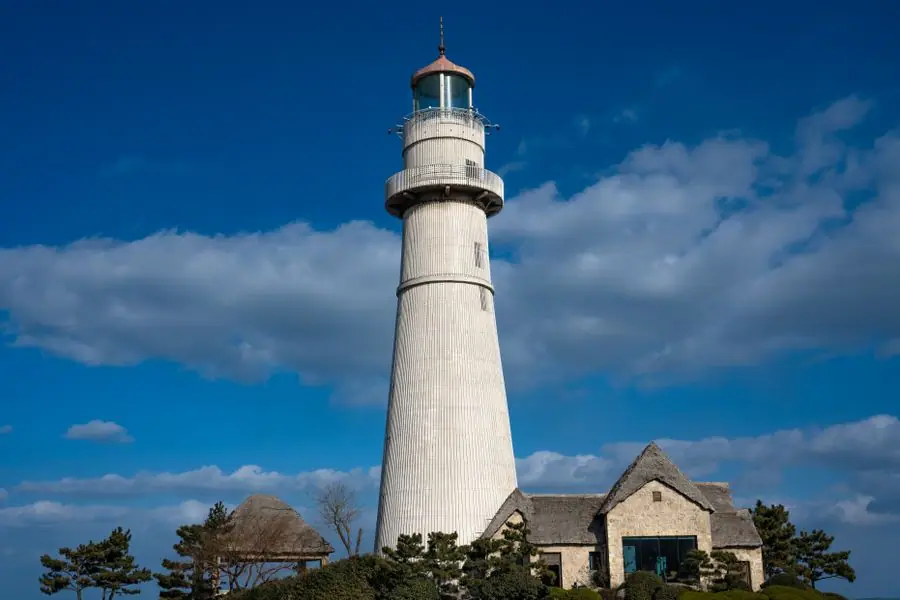
In the Yiyuan subdistrict of the high-tech development zone, about 8 km north-west of downtown
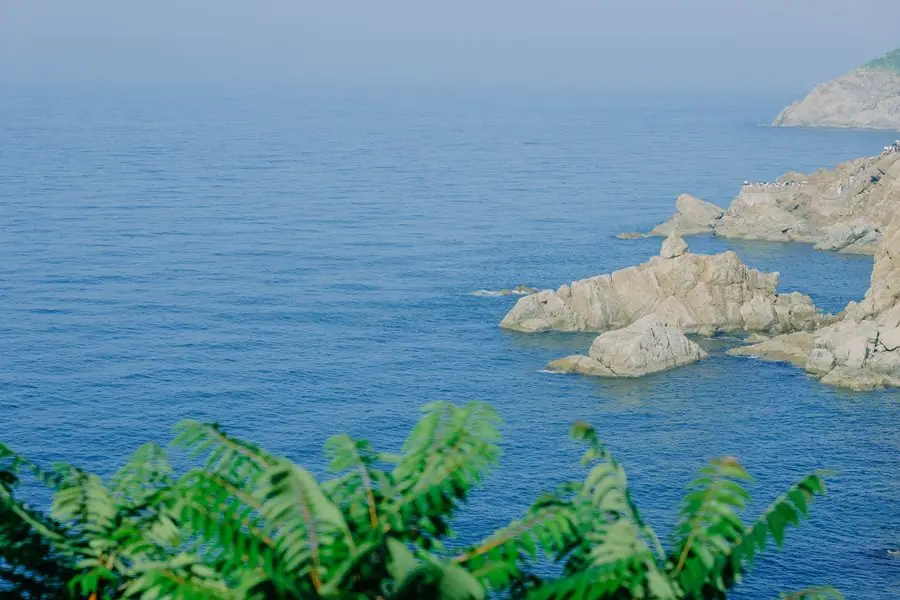
On the hill in the centre of the Huancui district, about 1 km from downtown
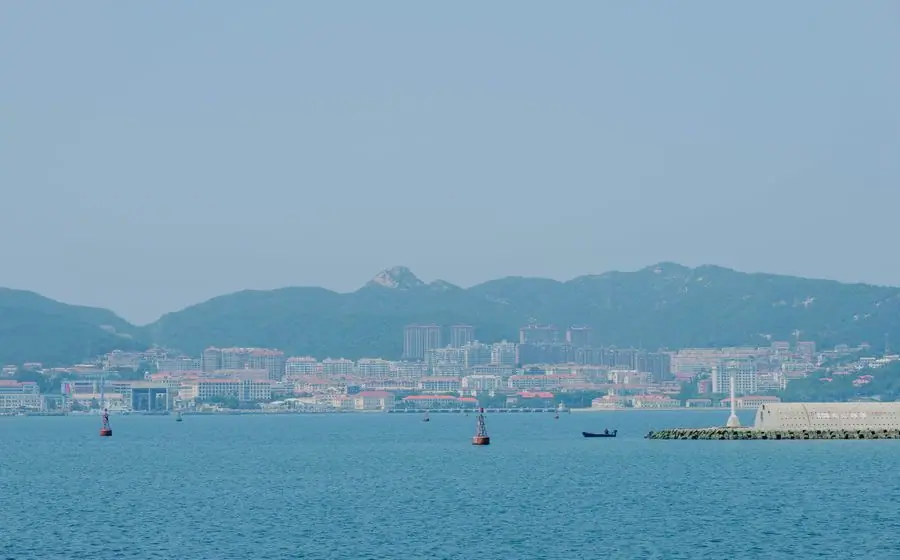
On the Qingdao Middle Road side of the city centre, about 5 km from Huancui Tower Park
Where to stay in Weihai
Stay downtown around Huancui Tower Park, the Liugong ferry pier and the Korean quarter — the historic sights, the ferries and the food streets are walkable, and the buses run from there. The high-tech zone (Torch Eight Street and the International Bathing Beach) puts you on the beach; Rongcheng's Na Xiang Hai and Chengshantou are better as day trips or an overnight at the resort.
Budget
$14–28 / nightChain hotels (Hanting, JI, 7 Days) around the station, the Korean quarter and Huancui Tower — clean doubles, foreign-passport registration is routine at the chains.
Mid-range
$35–70 / nightJI Hotel, Vienna and local full-service hotels downtown and on the high-tech-zone waterfront — the sweet spot; sea views cost a little more.
Splurge
$84–169 / nightThe international chains on the Zhifu waterfront and the resort hotels at Na Xiang Hai and the Rongcheng coast — pools, sea views and the summer holiday crowd.
Souvenirs & local crafts
Easy to pack, easy to explain at customs — and far cheaper at a supermarket than at a scenic stall.
-

Rongcheng kelp and seaweed (Rong cheng hai dai)
Rongcheng is China's kelp capital — the cold Bohai and Yellow Sea waters grow the country's largest crop, dried and sold in sheets and bundles across the city's markets; the kelp of Chengshantou is the famous one.
-

Weihai dried seafood (Wei hai hai huo)
The coast's trade: dried scallops, shrimp, oysters and the Rongcheng kelp, sold by weight at the Yandunjiao and Shidao markets — the classic Weihai gift, packed for travel.
-
Weihai figs (Wei hai wu hua guo)
The peninsula's fruit: the small green figs of Rongcheng and Weihai, sold fresh in season and dried through the year, sweet and local — the roadside stalls of the Rongcheng coast are the place to buy them.
-
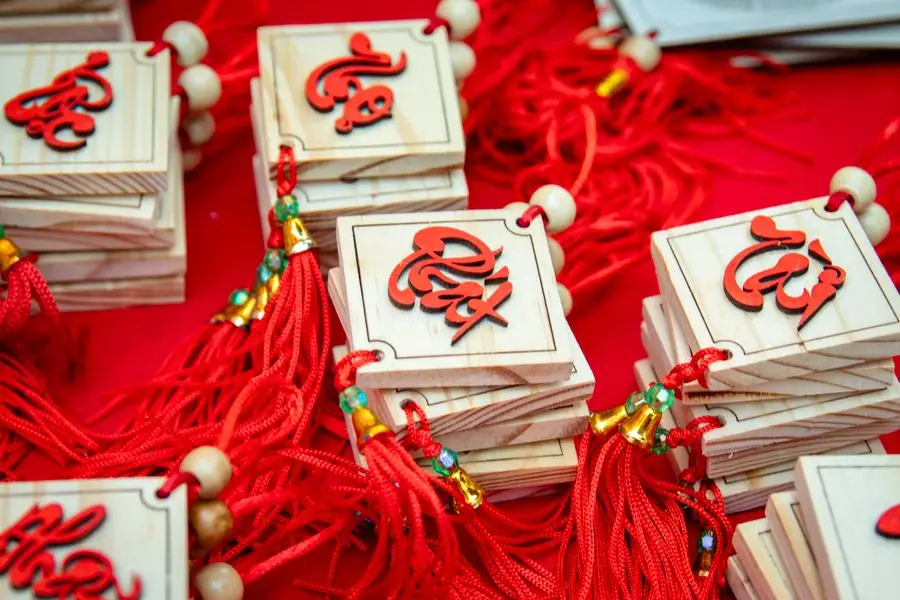
Jiaodong paper-cuts (Jiao dong jian zhi)
The folk art of the peninsula — red paper-cut patterns of fish, boats, peaches and the swans, sold at the Rongcheng craft shops and the old-town studios, framed or flat.
-
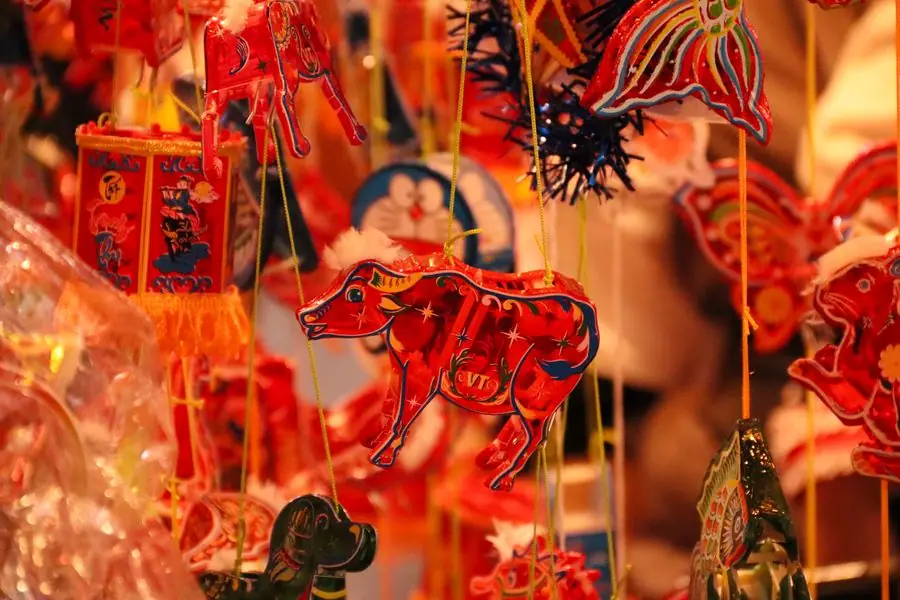
Korean groceries (Han guo shi pin)
The Korean quarter's own trade: Korean snacks, instant noodles, kimchi, sauces and cosmetics imported across the Yellow Sea, sold in the Korean supermarkets and the lanes behind the main street.
Getting around Weihai
Weihai has no metro; it runs on buses, taxis, e-bikes and one high-speed line, with the Liugong and island ferries the lifelines.
- High-speed rail
- Weihai station and Weihai North are on the Qingdao–Rongcheng line: Yantai South about 30–40 minutes (73 km), Qingdao North about 1.5 hours (187 km) and Jinan East about 2.7 hours (474 km). Rongcheng station serves the eastern coast — Chengshantou, Na Xiang Hai and Yandunjiao — about 30–50 minutes from downtown.
- Long-distance bus
- City buses are cheap (about $0.14–0.28 / RMB 1–2) and cover the bathing beach, the Korean quarter, Huancui Tower and the Liugong pier; the K-line buses reach Rongcheng's sights, and the airport bus links Dashuipo to downtown.
- Metro & bus
- There is no metro in Weihai — buses and taxis do the work; tap the Alipay or WeChat transit QR code on the buses.
- Taxis
- Taxis are metered with a low flag fall (about $1.27 / RMB 9); the airport is about 40 km out and roughly $28–35 (RMB 200–250) to the centre.
- Ride-hailing
- DiDi is the default for the beaches, Torch Eight Street and the Rongcheng sights; the peninsula's sights are far apart, so a car or a chartered driver is the flexible option.
- Shared bikes
- Shared e-bikes are everywhere at about $0.28–0.56 (RMB 2–4) a ride; the coastal road and the Torch Eight Street loop are the scenic rides, and the island piers are the limit.
- Intercity carpool
Plan your 1, 2 or 3 days in Weihai
Pick the length of your stay. Each plan is its own page, anchored at the city centre and written from real traveller itineraries — including splits for sightseeing, shopping, landscape, families and older travellers.
Weihai in one day: the war island and the old town
The early ferry to Liugong Island for the admiralty and the war galleries, back to the old town for mackerel dumplings, then Huancui Tower Park for the city view and the Korean quarter at dusk.
Read the plan → 2-dayWeihai in two days: + the beaches and Torch Eight Street
Day two runs the north coast: Torch Eight Street at first light, the International Bathing Beach through the day, Xiaoshi Island for the sunset and dinner in the Korean quarter.
Read the plan → 3-dayWeihai in three days: + Chengshantou and the swans
Give the third day to the eastern coast: the drive to Chengshantou for the mainland's last sunrise, the Motianling cable car over the sea, and the seaweed-house village and swans at Yandunjiao before dark.
Read the plan →Frequently asked questions
- When is the best time to visit Weihai?
- June–September for the beaches, September–October for the clear air and the seafood, and November–March for the swans — Yandunjiao and the Swan Lake hold the Siberian whooper swans all winter. Summer weekends are the only time the beaches crowd.
- Do I need a visa for Weihai?
- Good news: Weihai Dashuipo Airport is one of China's 240-hour visa-free transit ports, so eligible nationals (57 countries, transiting to a third country) can enter visa-free and stay up to 10 days — Shandong province is covered province-wide by the scheme. Otherwise arrange a Chinese visa in advance; check the current qualifying list with a consulate before booking.
- How do I get to Liugong Island?
- Ferries run from the Liugong Island tourist pier on Haibin North Road in downtown Weihai — about 20 minutes across, with sailings through the day (weather permitting). The ticket includes the round-trip ferry and the island's sights; book a day ahead on the island's official channel.
- Can I see the Siberian swans?
- Yes, in winter — the whooper swans arrive from Siberia around November and stay until March, gathering at Yandunjiao village and the Swan Lake near Chengshantou. Both are free to visit; the birds are most active in the early morning and late afternoon, and the swan season runs its own shuttle buses.
Page last reviewed: 2026-11-02.