Urumqi Travel Guide 2026: The Grand Bazaar, Tianshan Mountains & Silk Road Treasures
Urumqi — 'beautiful pasture' in the old Mongol name — is the capital of the Xinjiang Uygur Autonomous Region and the modern hub of the Silk Road's northern route: a dry, mountain-ringed city of 4 million where Han, Uyghur, Kazakh and Hui life share the same avenues. Come for the museum's desert mummies, the Grand Bazaar's domes, the snow peaks of the Tianshan an hour and a half east, and the best noodles and grilled meat in China.
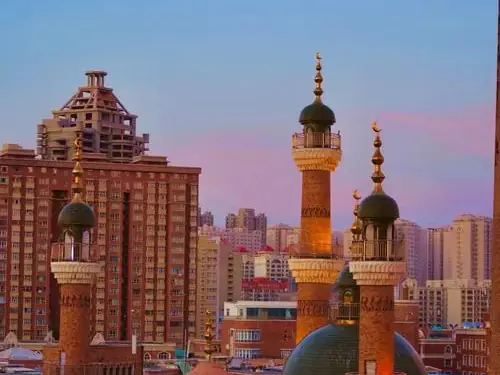
History & culture
The Urumqi basin was homeland to the Jushi people on the northern Silk Road route, and the Tang dynasty ran a garrison county called Luntai in this very valley — its mud walls still stand at Wulabo, 15 km south of the city, under the military administration that watched the route north of the great desert.
The name Urumqi comes from the Dzungar Mongols who pastured the valley — 'beautiful pasture' — and the grassland economy ran until the Qing armies took the region in the 1750s. The Qing then rebuilt the valley as a walled garrison town, naming it Dihua, 'to enlighten', as the seat of the regional military governor.
Dihua became the administrative and trade capital of the whole region, renamed Urumqi in 1954 when the Xinjiang Uygur Autonomous Region was established. The railways arrived in the 1960s and turned the oasis town into the northwest's industrial and transport hub, drawing Han, Hui, Uyghur, Kazakh and Mongolian settlers into one city.
Today Urumqi is a 4-million-person regional capital and the departure point for the Hexi Corridor trains to Dunhuang and the China–Europe freight lines west to Almaty and beyond. Public life runs with visible security checks at metro stations, malls and scenic gates — carry your passport and expect bag scans as routine.
Best time to visit Urumqi
Urumqi sits at about 800 m on the northern slope of the Tianshan: a continental extreme — hot dry summers, very cold winters, fierce sun and little rain. The mountains behind the city decide the season more than the city itself.
Budget for Urumqi: hotels from $25 a night, average ticket $$7.5 — see the full cost breakdown, or start from a ready-made route.
Cuisine of Urumqi
Signature dishes worth seeking out — prices are typical per-person or per-dish ranges, not fixed quotes.
-
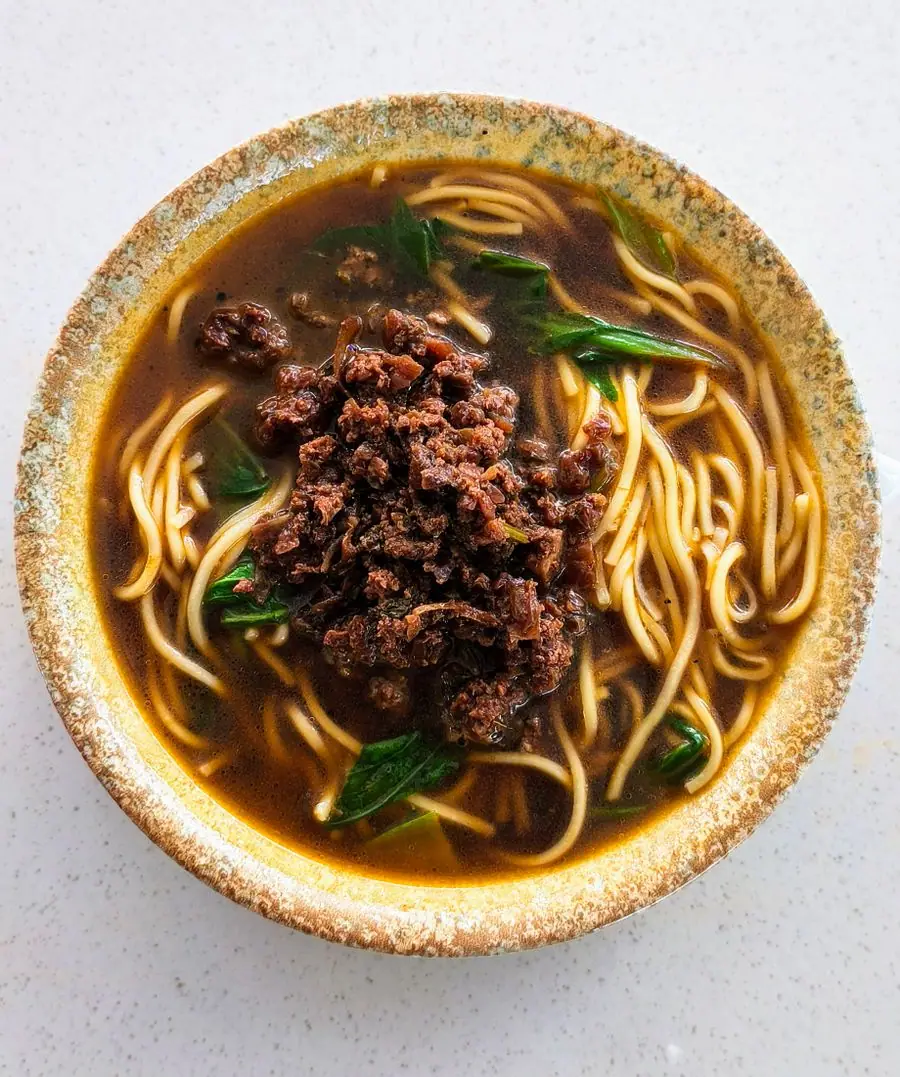
Big-plate chicken (dapanji)
Chunky chicken stewed with potatoes, peppers and spices, then served over wide hand-pulled belt noodles added at the end — a Xinjiang institution born in the highway towns on the road to Korla. A full plate feeds two to three people for about $8–12.
-
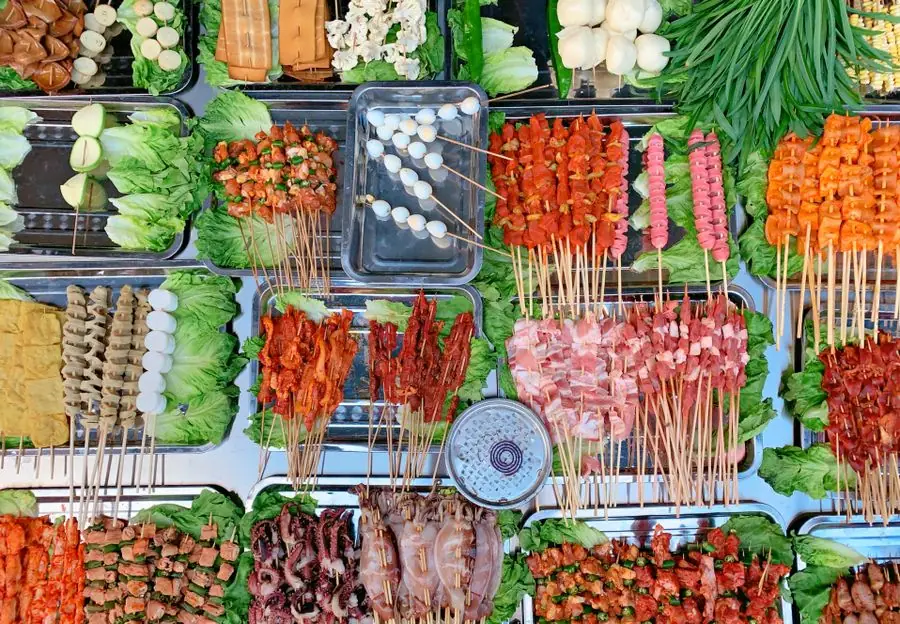
Laghman (hand-pulled noodles)
Wheat noodles pulled by hand and stir-fried or souped with tomato, lamb and peppers — the everyday Uyghur meal, about $2–4 a plate. Ask for 拌面 (dry, mixed) or 汤饭 (soup); the noodles come in widths from thin to belt.
-
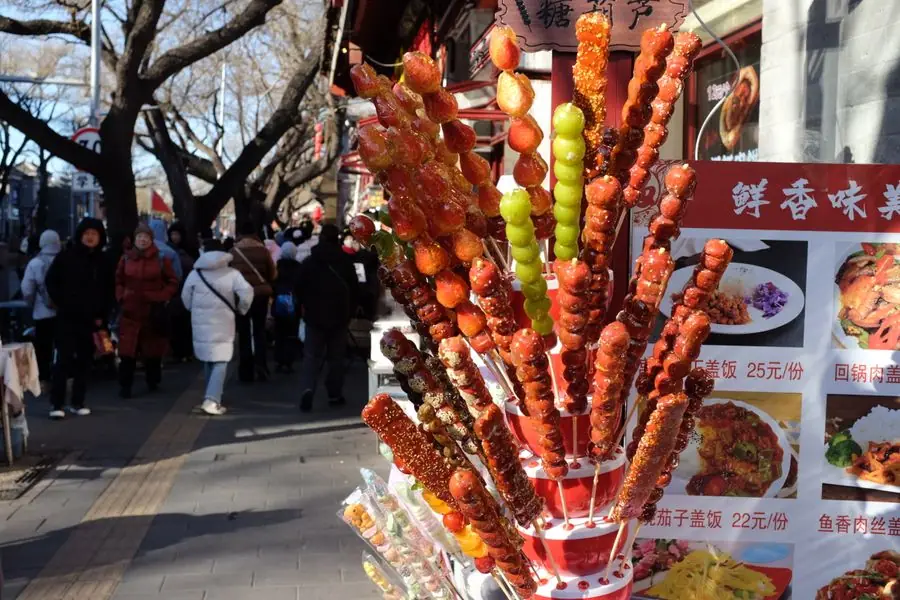
Polo (lamb pilaf)
Rice pilaf cooked with lamb chunks, carrots and raisins in a great iron pot, served with pickled vegetables — the region's celebration dish, about $3–6 a portion. The best versions come from the 抓饭 specialists around the old town.
-
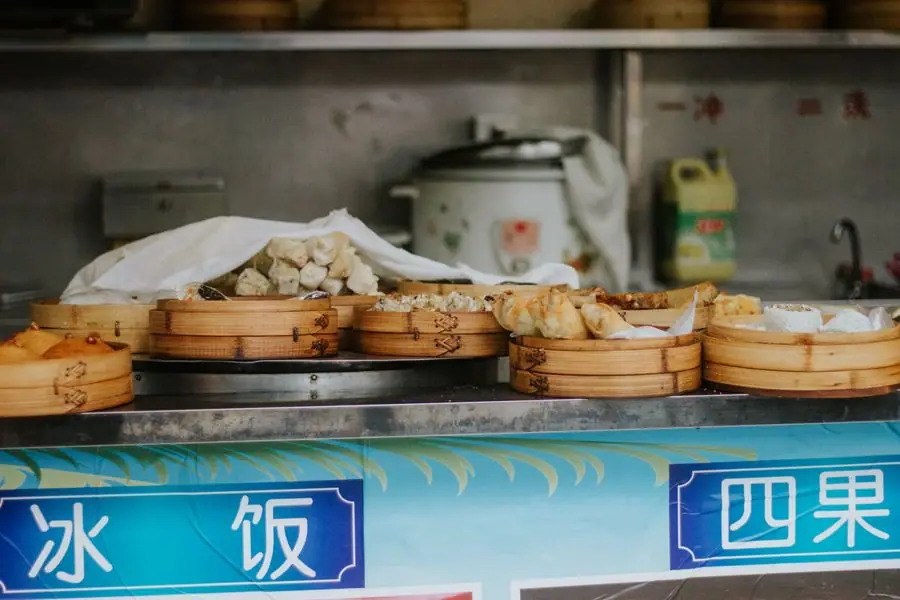
Samsa (baked lamb pies)
Lamb-and-onion pies baked against the walls of a tandoor clay oven until blistered and dripping — sold by the piece for under $1 from the oven shops near the bazaar. Eat them hot, with the juices running.
-
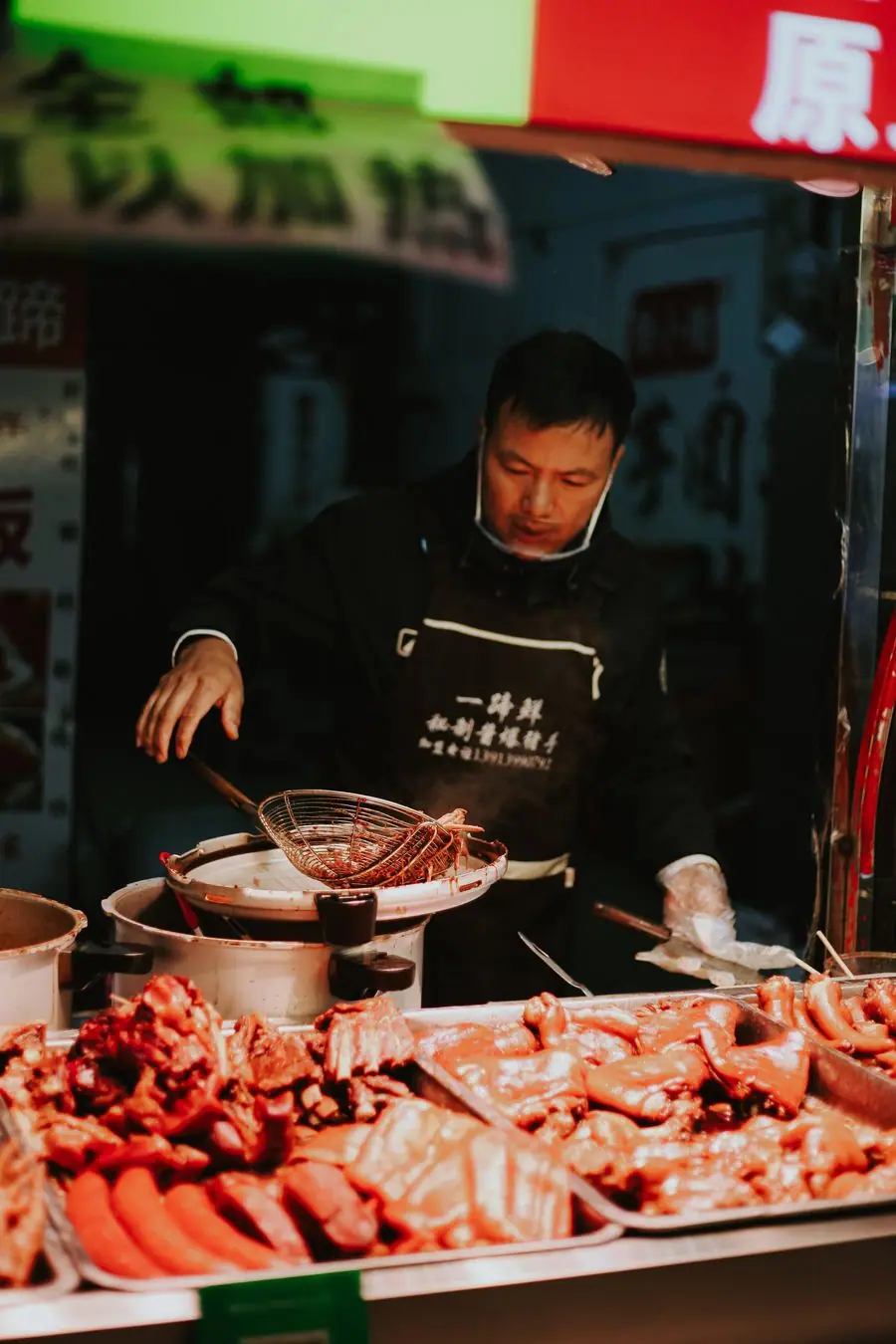
Naan bread
The great sesame-sprinkled flatbread of the region, stamped and baked in a tandoor — the everyday bread of Xinjiang, about $0.50–1 a wheel. Fresh from the oven in the morning, it keeps for days and travels well.
Every major sight — with its own guide
Right after the food above, here are the sights — each one links to its own full guide (what to see, how to get there, facilities and the best season). Names follow each sight's official English signage.
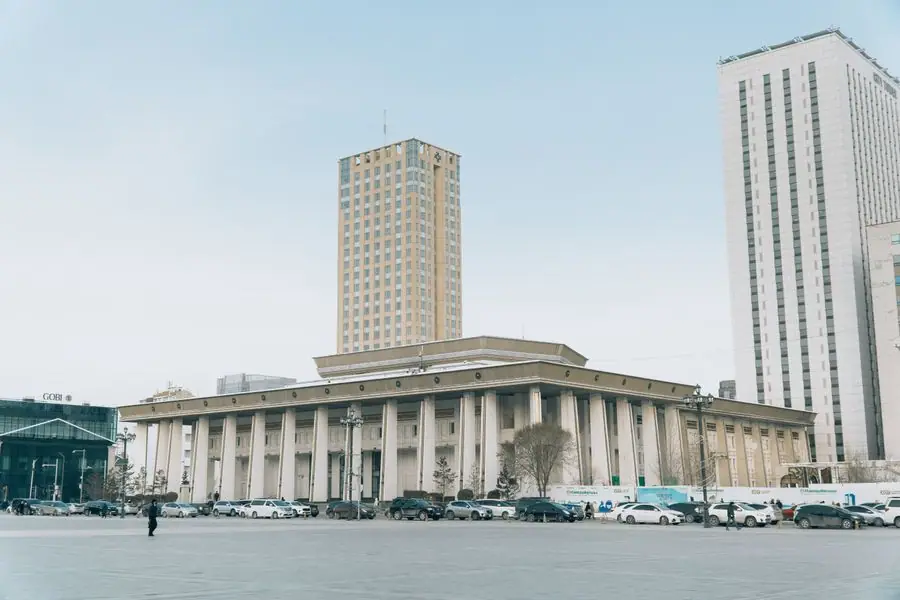
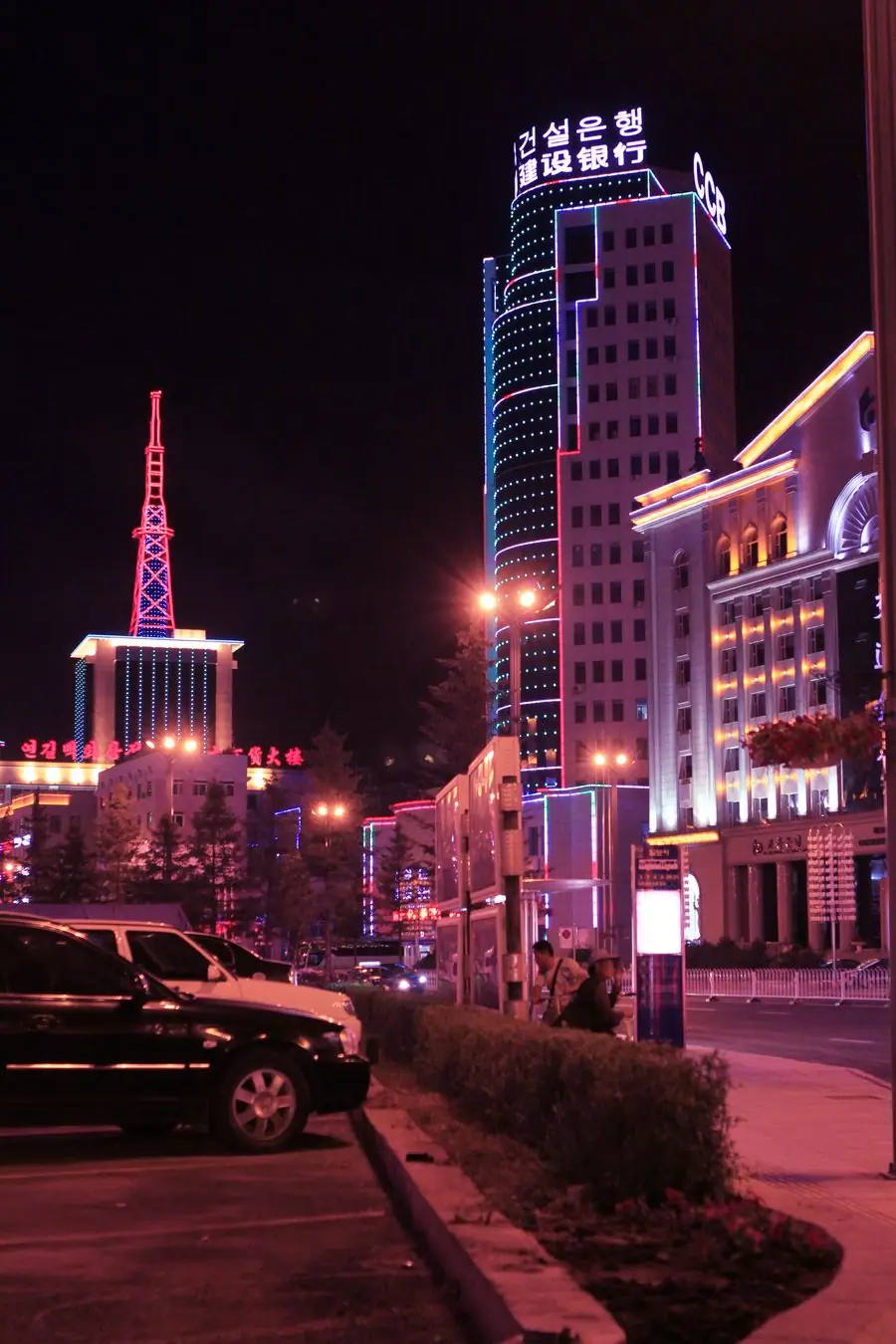
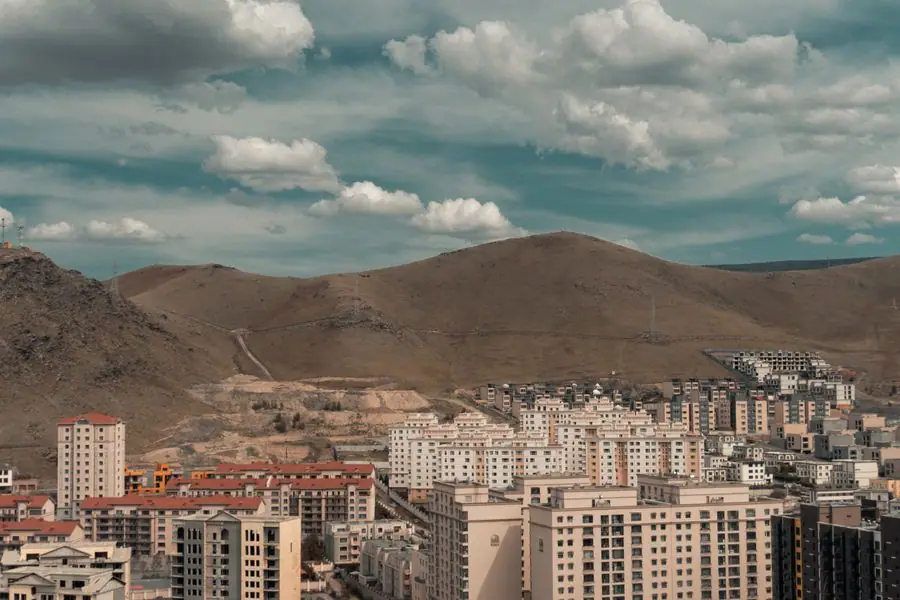
Centre — the city hill
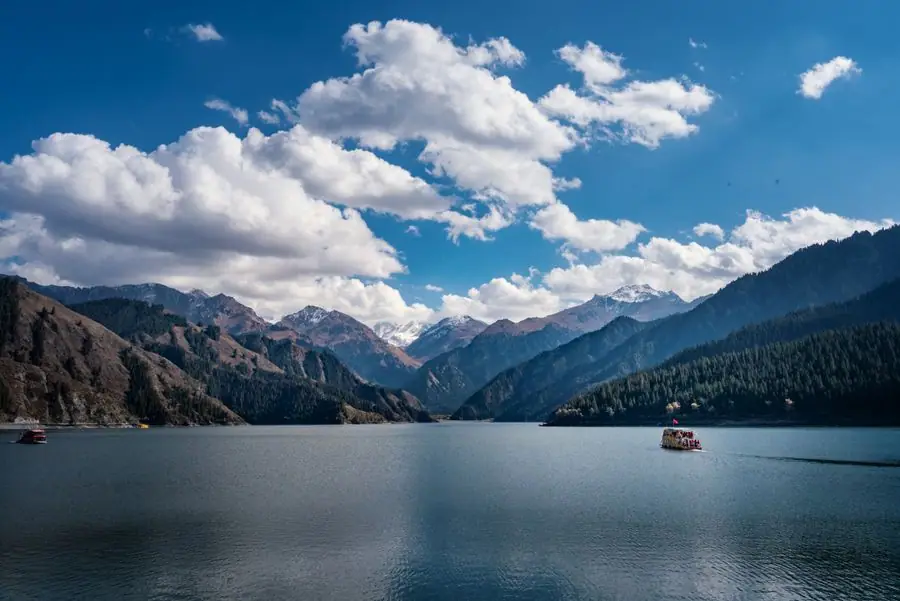
East — Fukang, in the Tianshan
Southwest — Banfanggou
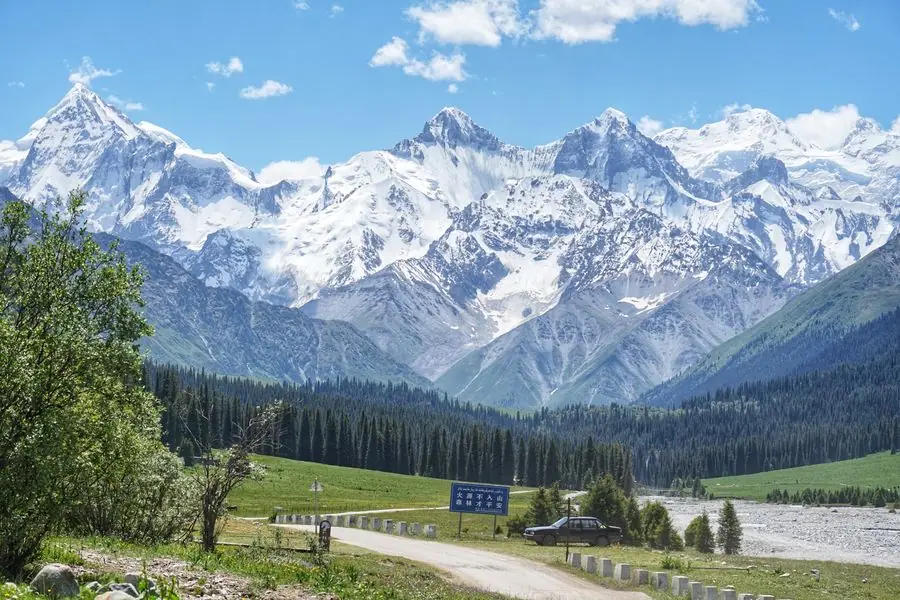
Tianshan Grand Canyon 天山大峡谷
The 5A canyon park 60 km southwest of the city — a steep-sided gorge of red rock and snow-fed streams in the southern Tianshan, with Kazak herders' summer camps in the upper valley.
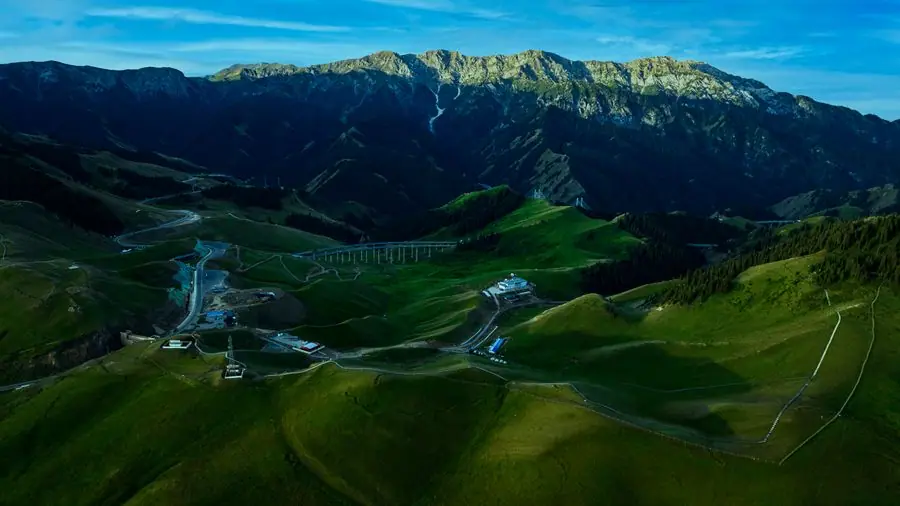
Baiyanggou (White Poplar Valley) 白杨沟
The poplar valley 60 km southwest of the city — a green gorge of white-barked trees and snowmelt streams where Kazak families run summer camps, the quiet alternative to the Grand Canyon.
South — the southern Tianshan pastures
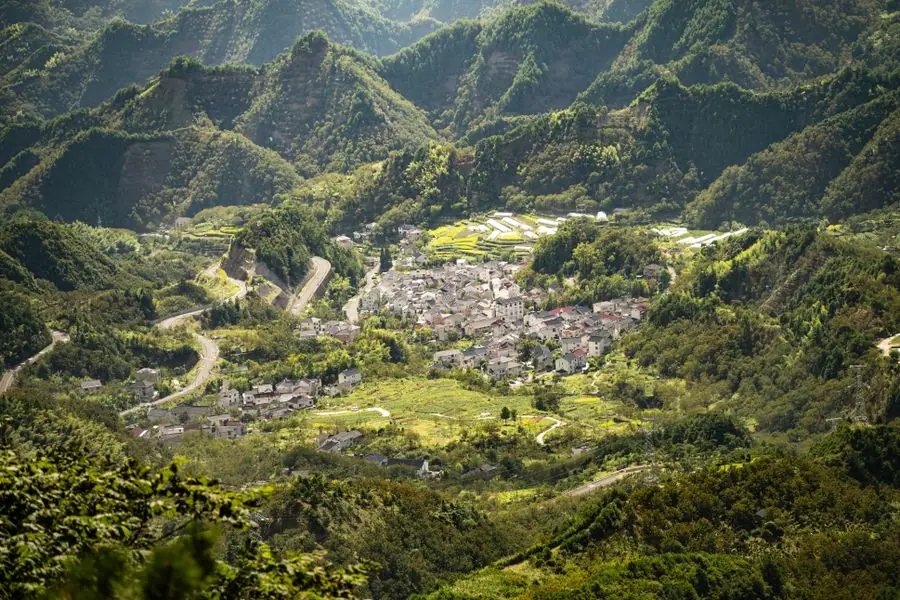
Northeast — Shuimogou district
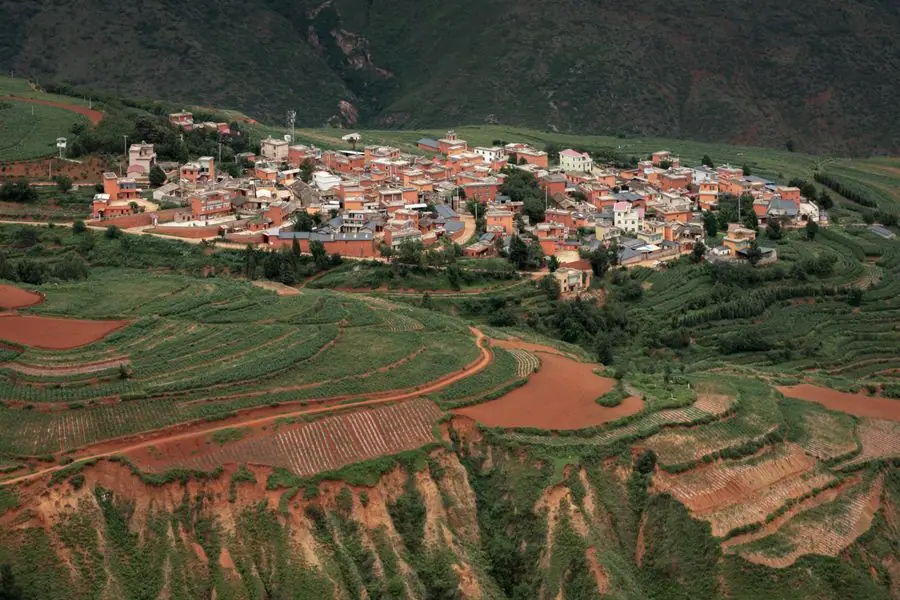
Southeast — near Chaiwobao
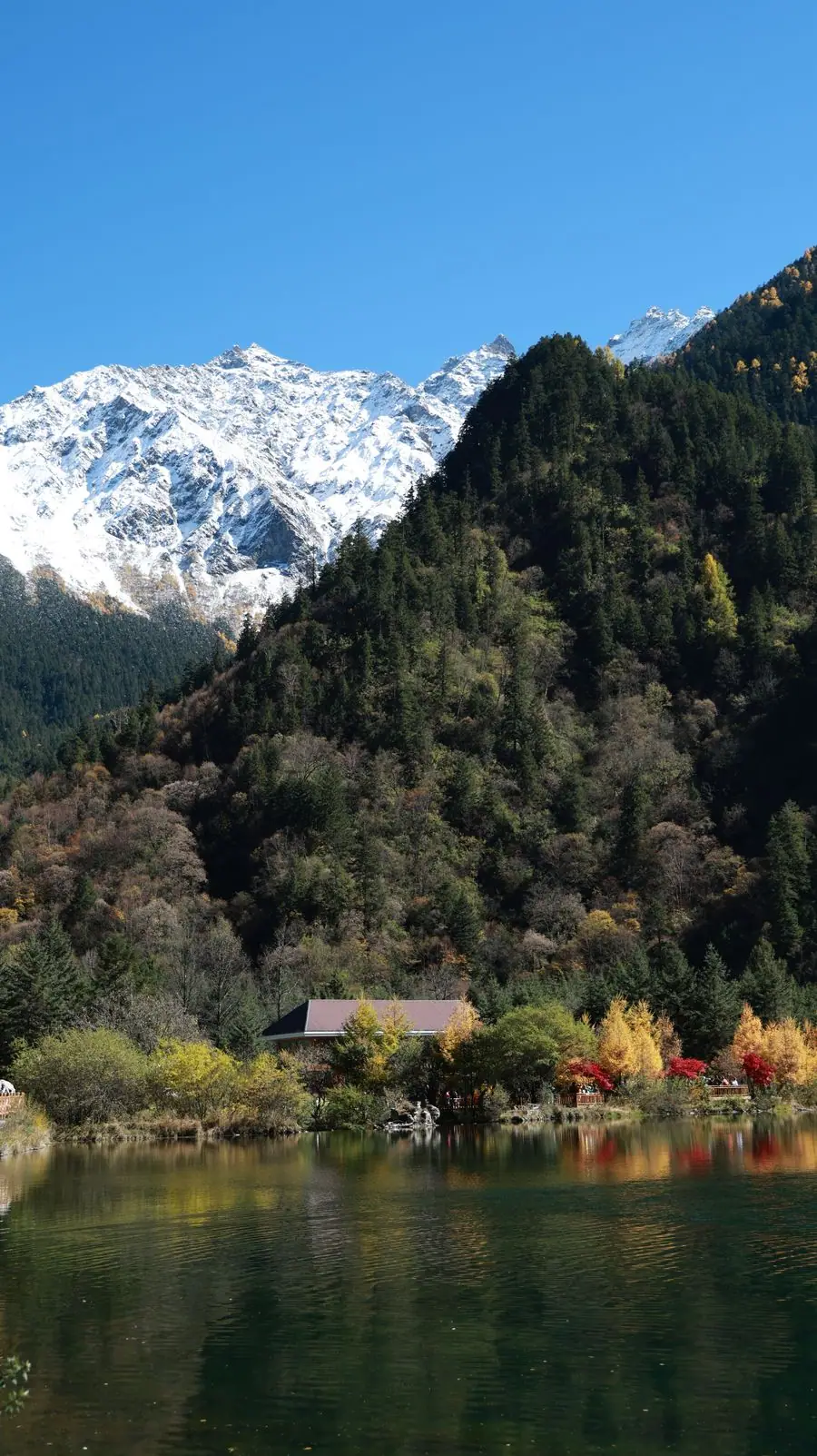
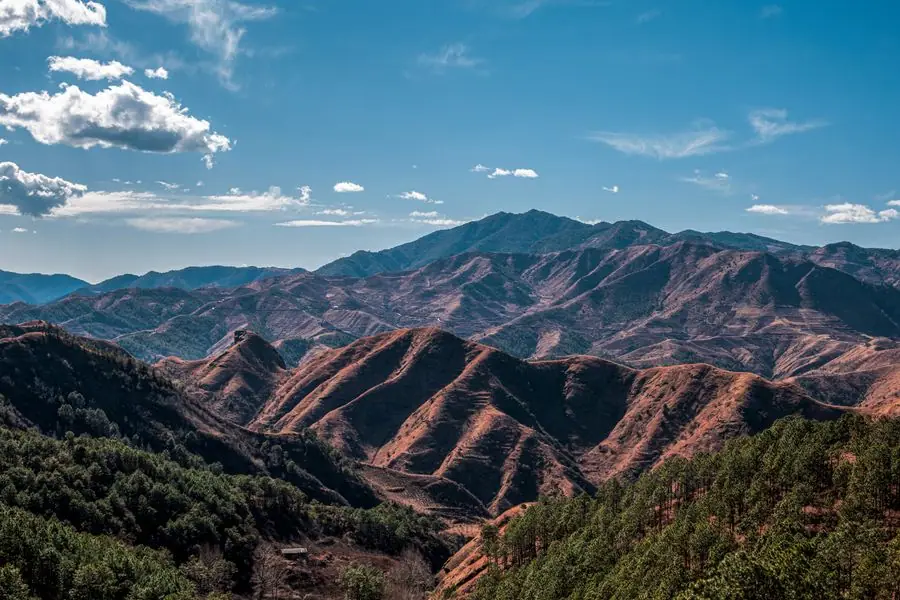
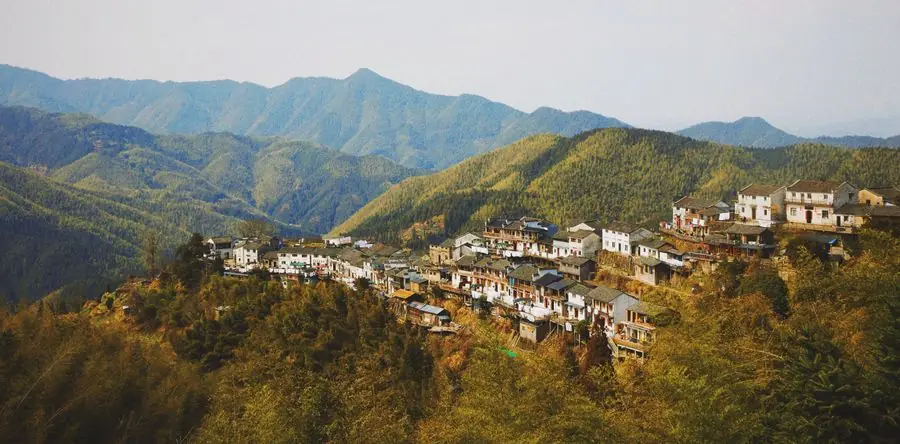
Northeast — Midong district
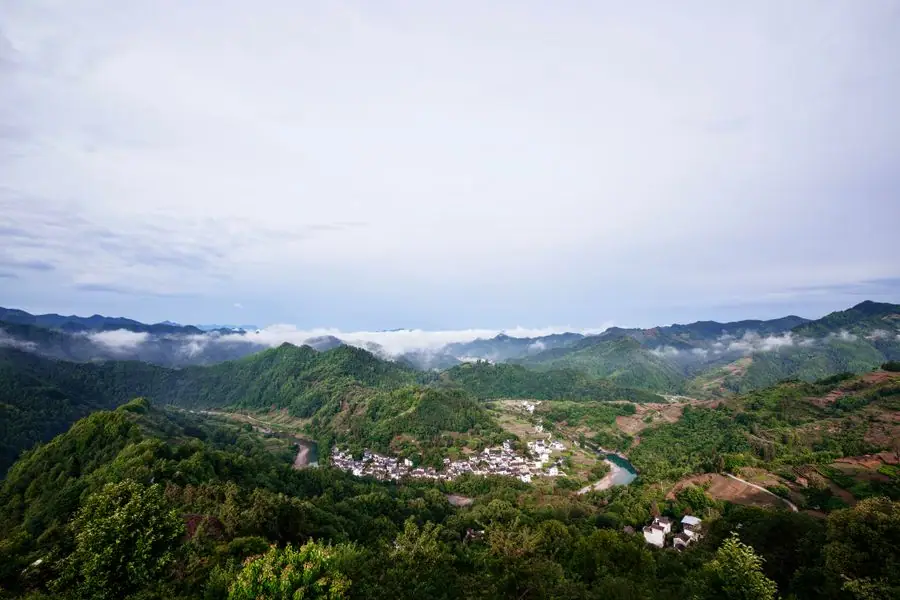
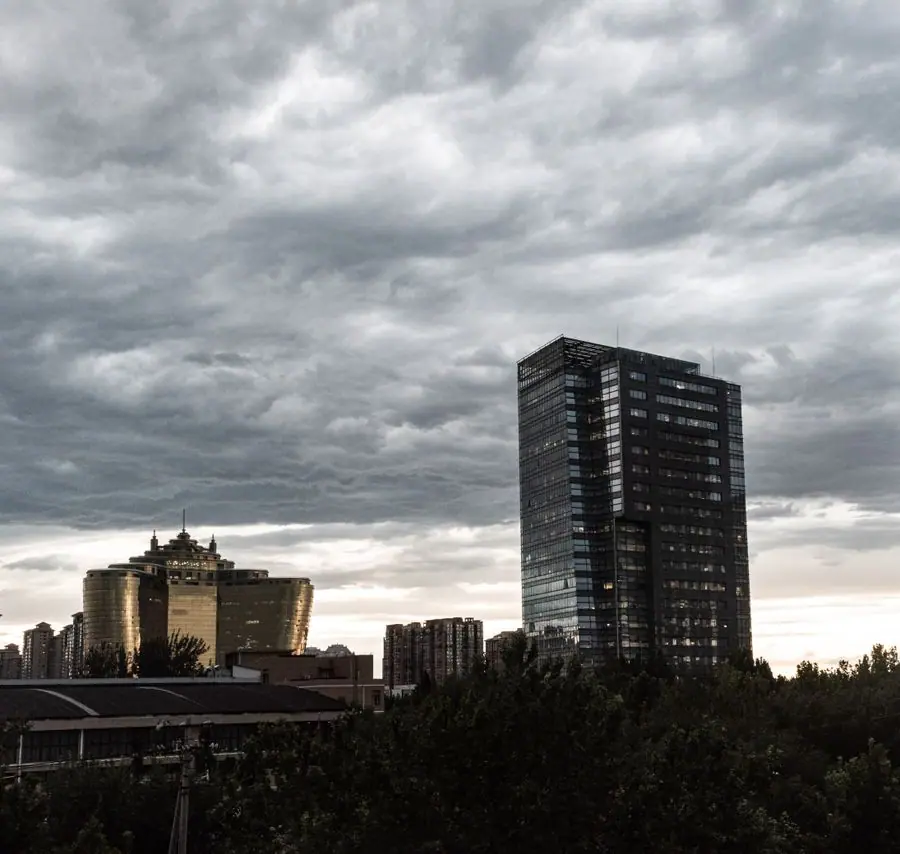
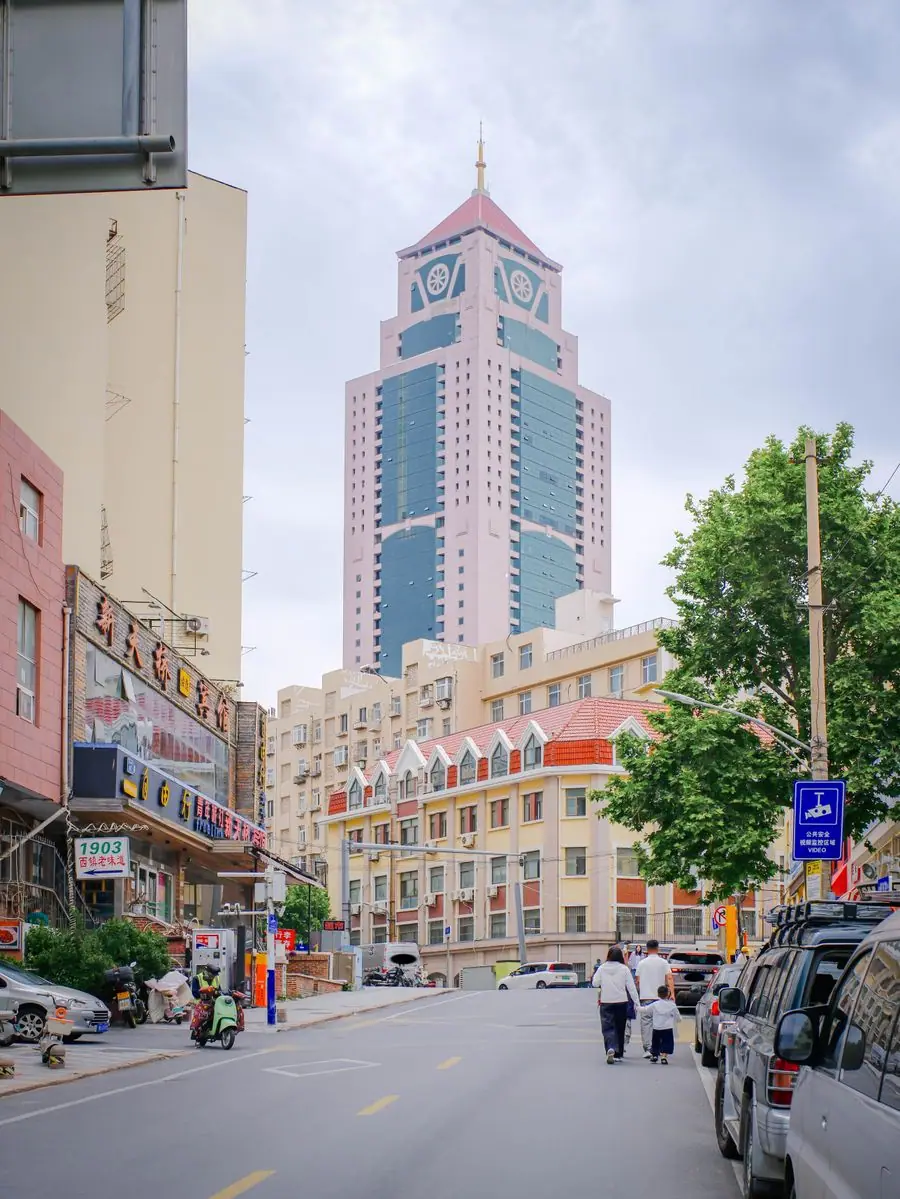
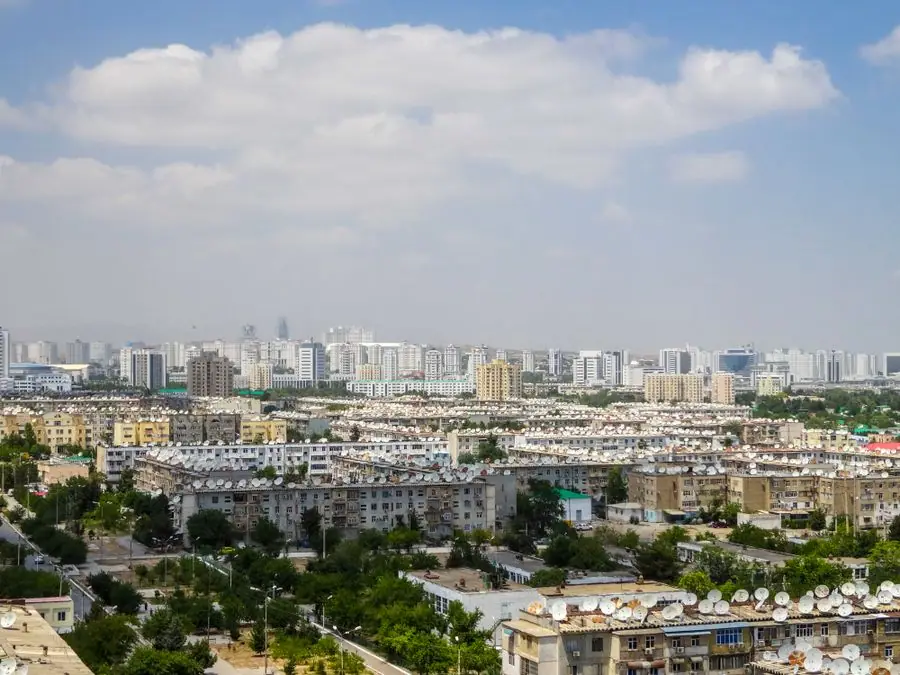
Where to stay in Urumqi
Xinjiang hotel registration is the practical trap: many mid-range and budget hotels cannot register foreign passports, and front desks turn away walk-ins without one. Book hotels that explicitly accept foreign guests — the international chains and verified city-centre chains are the safe play — and confirm by message before paying. Carry your passport at all times; there are routine passport checks at scenic-area gates and on the roads out of town. Rates spike in August and the first week of October.
Budget
$25–50 / nightChain hotels and guesthouses near the railway station, Hongshan and the bazaar district; clean doubles with kettles and 24-hour hot water. Confirm foreign-passport registration when booking — not every mid-range hotel can register one.
Mid
$60–120 / nightFull-service Chinese chains in the centre and Qingshui district, walking distance to the bazaar and the museum area; breakfast, decent AC and river-park views on upper floors. Book ahead for National Day week.
Top
$150–300 / nightInternational-brand towers along the tree-lined avenues near People's Square, with pools, gyms and the city's best service. The safest bet for guaranteed foreign-guest registration.
Souvenirs & local crafts
Easy to pack, easy to explain at customs — and far cheaper at a supermarket than at a scenic stall.
-

Hotan jade (hetian yu)
White and green nephrite from the Hotan riverbeds in southern Xinjiang, sold in the city's jade shops by the piece or by weight. The classic Xinjiang luxury buy — insist on a certificate and buy from established shops.
-

Atlas silk (aidelesi)
The bright Uyghur silk with its wave-pattern dyeing, woven in the south and sold in the bazaar by the metre — dresses, scarves and bolts of colour, about $10–30 a piece.
-
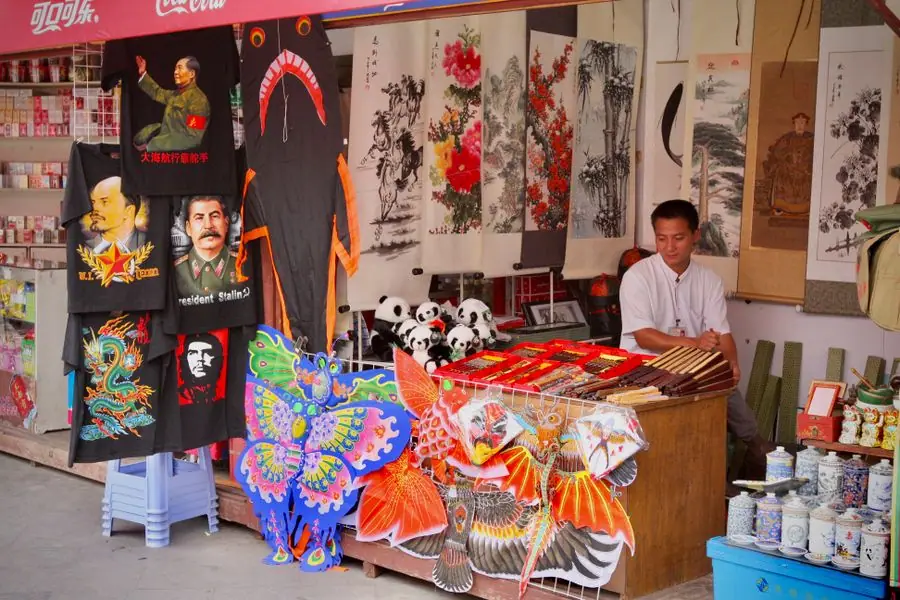
Doppa (embroidered cap)
The traditional Uyghur skullcap, embroidered in regional patterns — the most wearable and most gifted item in the bazaar, from a few dollars for cotton to real silk versions.
-
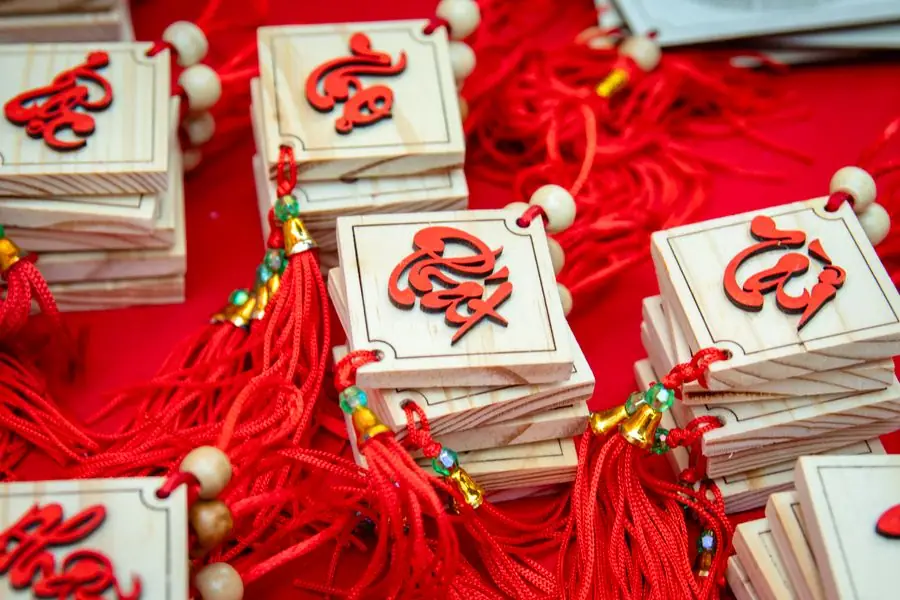
Turpan raisins
The green and red raisins of the Turpan depression, dried in the desert air and sold everywhere by weight — sweet, dusty and cheap; the valley's most famous fruit and the easiest gift to carry home.
-
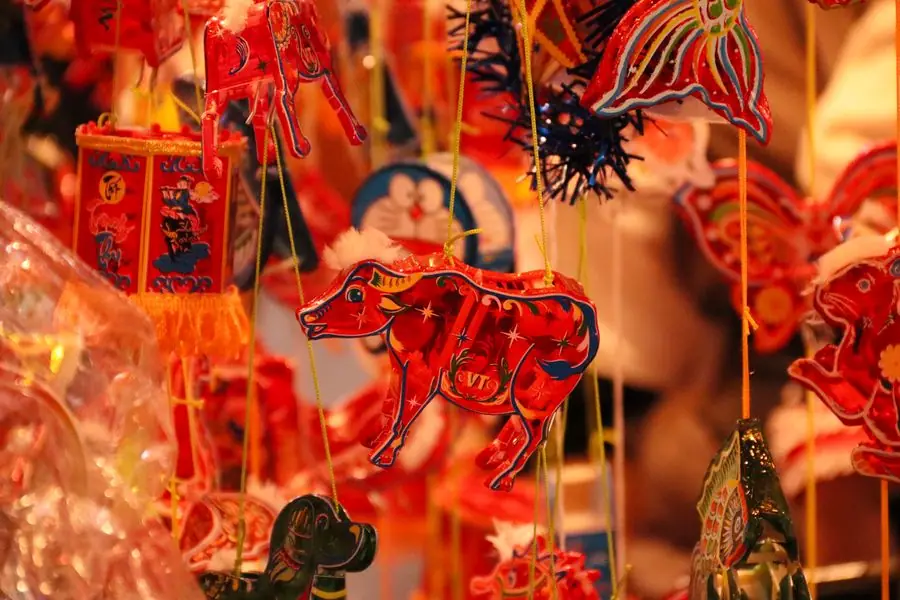
Yengisar knife
The fine folded-blade knives of Yengisar in southern Xinjiang, sold with brass sheaths in the bazaar craft shops. Note: knives cannot go in cabin baggage or be posted domestically — arrange surface shipping or leave it.
Getting around Urumqi
Urumqi is a compact, flat, grid-planned city with real mountains an hour away — easy to move around, but the sights worth the trip (Tianchi, the Grand Canyon, Nanshan) all need a car or a tour.
- High-speed rail
- Urumqi station is the northern-route rail hub: Lanzhou about 10–11 h east, Turpan about 1 h, Korla 3–4 h, and Hami 3–4 h toward Dunhuang. Buy tickets by real-name ID; foreign passports work at the station windows. The older Urumqi South station takes conventional trains.
- Long-distance bus
- City buses and BRT corridors cover the centre cheaply, and airport buses link Diwopu airport with the city; useful for the bazaar and Hongshan, but not for the mountain day trips.
- Metro & bus
- Line 1 links the international airport with the southern city, with stops at the station district and the centre. The network is still small — buses, taxis and DiDi do most of the work.
- Taxis
- Metered taxis start around $2 and cross-town runs rarely pass $5 — the easiest way to cover the city. Have destinations in Chinese; most drivers do not speak English.
- Ride-hailing
- DiDi works throughout the city and is the practical default, including airport runs (about 16 km, $8–12). For Tianchi and the canyon, hire a car with driver (about $80–120 a day).
- Shared bikes
- The city is flat and dry with shared bikes across the central districts — fine for the bazaar-to-Hongshan corridor on a summer evening, though winter ice rules it out.
- Intercity carpool
Plan your 1, 2 or 3 days in Urumqi
Pick the length of your stay. Each plan is its own page, anchored at the city centre and written from real traveller itineraries — including splits for sightseeing, shopping, landscape, families and older travellers.
Urumqi in one day: museum, bazaar and the hill
The Xinjiang Regional Museum in the morning for the mummies and the Five-Stars armguard, lunch on naan and polo, the Grand Bazaar in the afternoon, and Hongshan's pagoda for sunset over the grid.
Read the plan → 2-dayUrumqi in two days: the city and the Tianshan shore
Day one covers the museum, bazaar and Hongshan; day two drives out to the Tianshan — Heavenly Lake in the morning, back through the city for a dapanji dinner.
Read the plan → 3-dayUrumqi in three days: lake, canyon and the Gobi
Two days in the city, then a choice on day three: Tianchi in the east, the Grand Canyon and Baiyanggou in the southwest, or the Salt Lake and Dabancheng wind farm in the southeast.
Read the plan →Frequently asked questions
- Can foreign tourists visit Urumqi and Xinjiang?
- Yes — Urumqi and the main sights are open to foreign visitors with no special permit. Carry your passport at all times (there are routine checks), and expect security scans at metro stations, malls and scenic gates.
- What is the best time to visit Urumqi?
- May to October, with September the sweet spot — clear air, harvest fruit and thin crowds. July–August is peak; winter is cold but clear, with skiing in the mountains.
- What should I know about booking hotels in Xinjiang?
- Not every hotel can register a foreign passport. Book hotels that explicitly accept foreign guests — international chains and verified city-centre hotels are the safe play — and confirm before paying.
- Can I fly a drone in Xinjiang?
- Effectively no. Drone flying is restricted across much of Xinjiang, and the airport, city centre, military sites and border areas are no-fly zones. Assume you cannot fly.
- How far is Heavenly Lake of Tianshan from Urumqi?
- About 110 km east — 1.5 to 2 hours each way, so a full day trip. It is the classic alpine-lake-and-snow-peak day out from the city.
- Is Urumqi a good base for the Silk Road?
- Yes — it is the northern route's rail hub, with high-speed trains to Turpan (1 h), Korla and Hami toward Dunhuang, and the corridor's museums, bazaars and mountain scenery all within a day.
Page last reviewed: 2026-11-02.