Turpan 2026: Jiaohe & Gaochang Ruins, Bezeklik Caves, Karez & Grape Valley on a 1–3 Day Plan
Turpan is a below-sea-level Silk Road oasis where two UNESCO earthen cities, cliff-cut Buddhist caves, a 2,000-year-old underground canal system and Uyghur vineyards sit within a short drive of a small, hot city. High-speed rail from Urumqi, clear ticket rules and a compact layout make the ruins and the Karez straightforward — plan for the heat and the routine ID checks and the rest is easy.
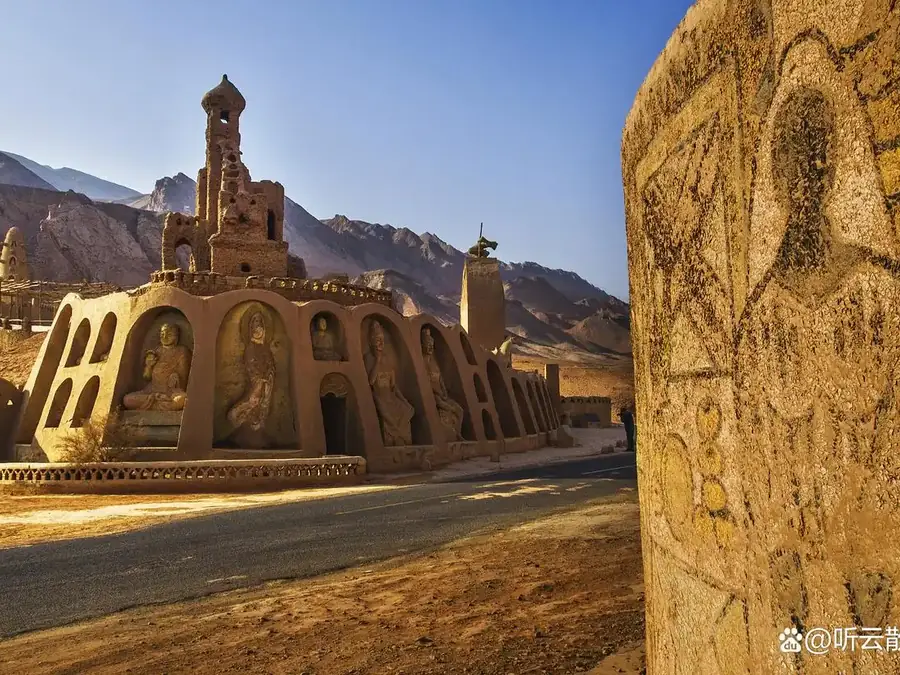
History & culture
Turpan sits in a depression below sea level on the northern Silk Road, where oasis towns grew rich moving silk, Buddhism and goods between China and the west. The kingdoms of Jiaohe and Gaochang ruled here for over a thousand years, leaving the earthen cities you can still walk today.
From the 1st century the region became a centre of Buddhist art — the Bezeklik caves and others carried murals and statues along the trade routes. Tang China held Gaochang directly after 640, and Uyghur rule from the 9th century slowly brought Islam, visible now in the Emin Minaret and the region’s living Uyghur culture.
The Karez underground canal system, built over two millennia, is why any of this is habitable: it carries snowmelt under the desert to the fields. Under the Qing and into the 20th century Turpan stayed a key oasis market, and today it is prized for grapes, raisins and its deep Silk Road heritage.
Modern Turpan is a small, hot city that packages all of this for visitors — ruins, caves, mosques, vineyards and the Karez — within an hour or two of the centre. It is also one of the most checked regions in China, so foreign visitors should carry ID and expect routine security stops.
Best time to visit Turpan
Turpan is a desert basin, so it is scorching in summer and freezing at night in winter. Spring and autumn are the comfortable windows, and they also dodge the worst crowds.
Budget for Turpan: hotels from $10 a night, average ticket $$5.37 — see the full cost breakdown, or start from a ready-made route.
Cuisine of Turpan
Signature dishes worth seeking out — prices are typical per-person or per-dish ranges, not fixed quotes.
-
Turpan Seedless Grapes & Raisins
The region’s fame — sweet table grapes in summer and sun-dried raisins (gutong) sold by the bag in every market.
-
Uyghur Polo (Pilaf)
A hearty rice pilaf with carrot, lamb and raisins, the everyday Uyghur staple, eaten from a shared plate.
-
Laghman Hand-Pulled Noodles
Springy hand-pulled wheat noodles in a tomato, pepper and lamb sauce — a filling, cheap lunch.
-
Samsa (Sampsa)
Uyghur baked meat pastries, lamb and onion in crisp dough, cooked in a tandoor and eaten hot.
-
Kebab (Kawap)
Cumin and chilli lamb skewers grilled over coals at night markets — the classic Turpan street food.
-
Nang Flatbread
The round, sesame-studded flatbread baked in a tandoor, eaten at every meal and perfect for travel.
Every major sight — with its own guide
Right after the food above, here are the sights — each one links to its own full guide (what to see, how to get there, facilities and the best season). Names follow each sight's official English signage.
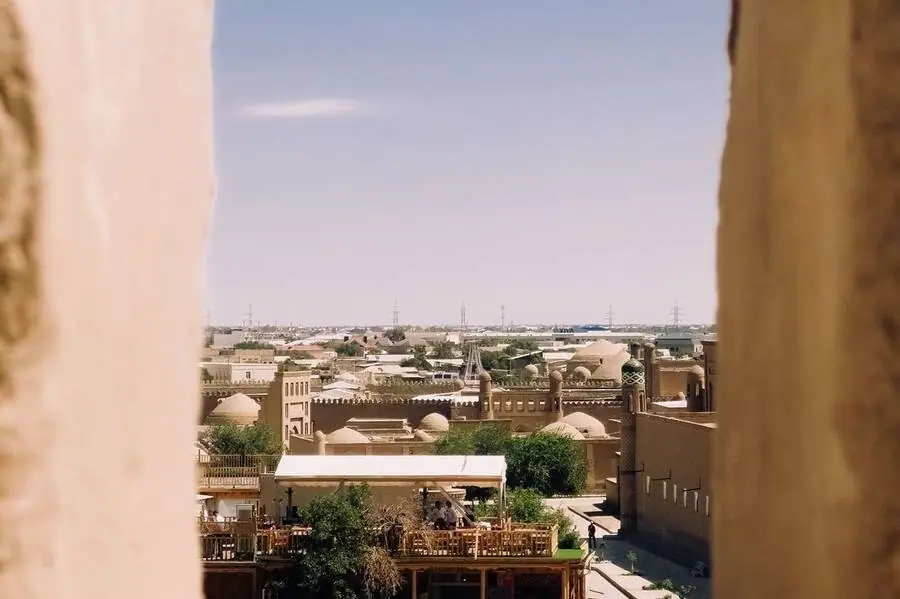
East of Turpan
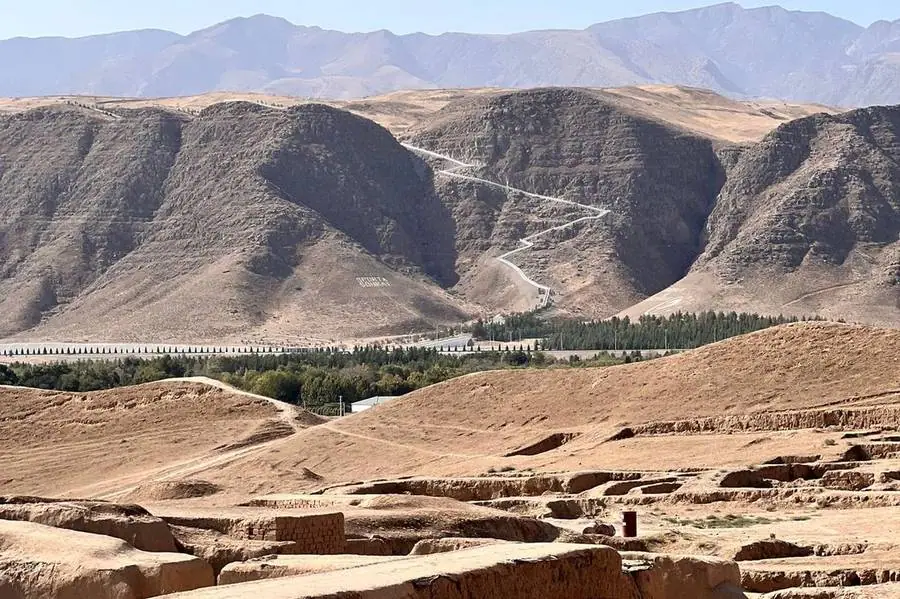
Gaochang Ruins 高昌故城
The vast twin of Jiaohe — a walled desert kingdom where Tang merchants and Buddhist monks once met; explored by cart or on foot for 1.5–2 hours.
Carry your passport — Xinjiang has routine ID checks at hotels and scenic gates.
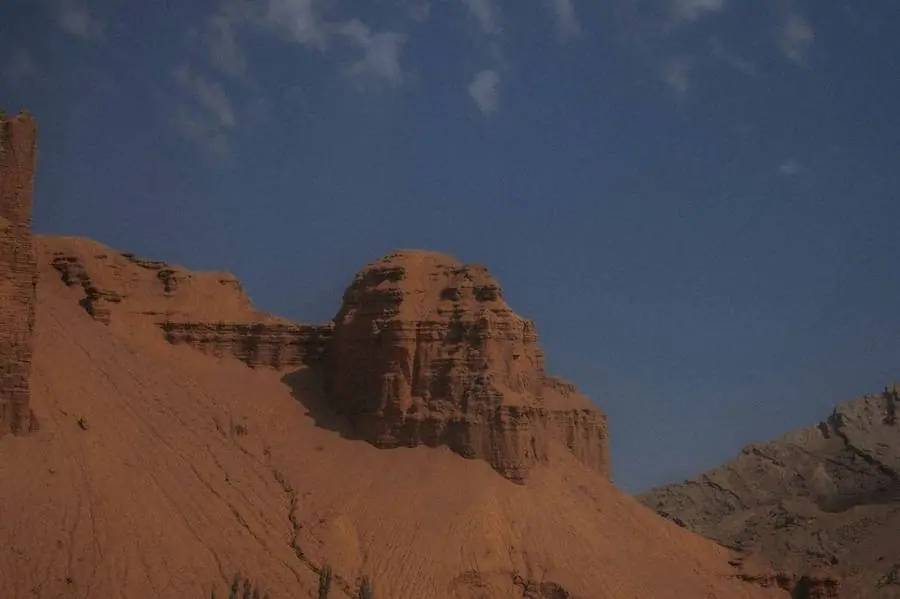
Flaming Mountain 火焰山
The bare red mountain made famous by Journey to the West — brutally hot and photogenic, with a giant thermometer; 1–1.5 hours.
Carry your passport — Xinjiang has routine ID checks at hotels and scenic gates.
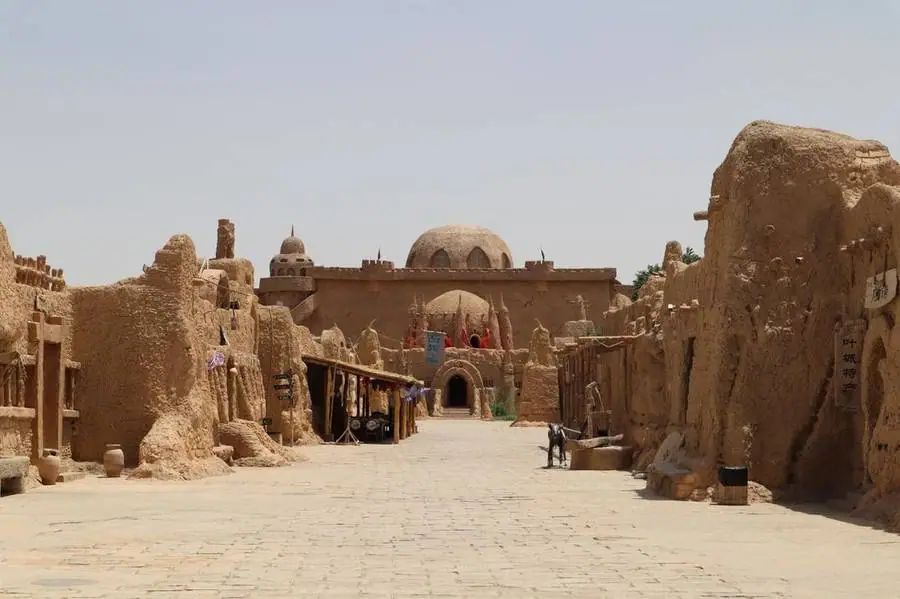
Tuyugou 吐峪沟
A living Uyghur village of mud-brick homes in a red canyon, with nearby cave temples and a timeless Silk Road feel; 2–3 hours.
Carry your passport — Xinjiang has routine ID checks at hotels and scenic gates.
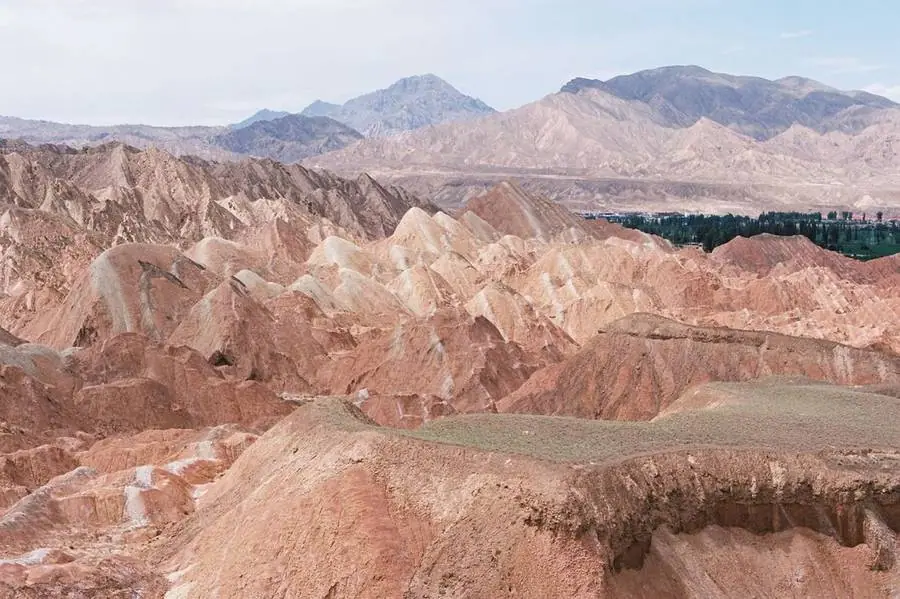
Huoyan Mountain Geopark 火焰山地质公园
The geological park of the same red range — sculpted sandstone, viewing platforms and the story of the flaming rock; 1–1.5 hours.
Carry your passport — Xinjiang has routine ID checks at hotels and scenic gates.
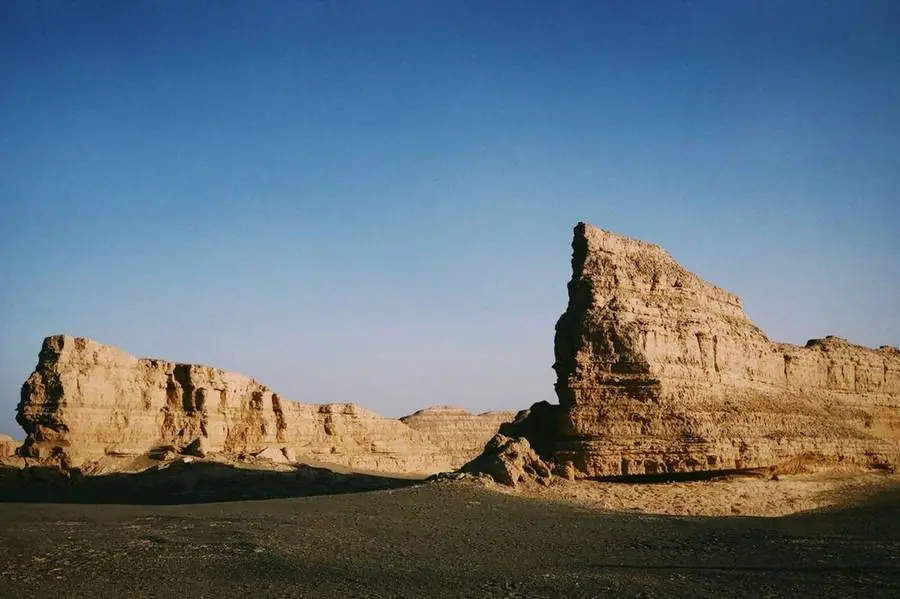
Astana Tombs 阿斯塔那古墓群
The Tang-era cemetery of Gaochang, source of the famous Turpan mummies and vivid figurines; a short, eerie 1-hour stop.
Carry your passport — Xinjiang has routine ID checks at hotels and scenic gates.
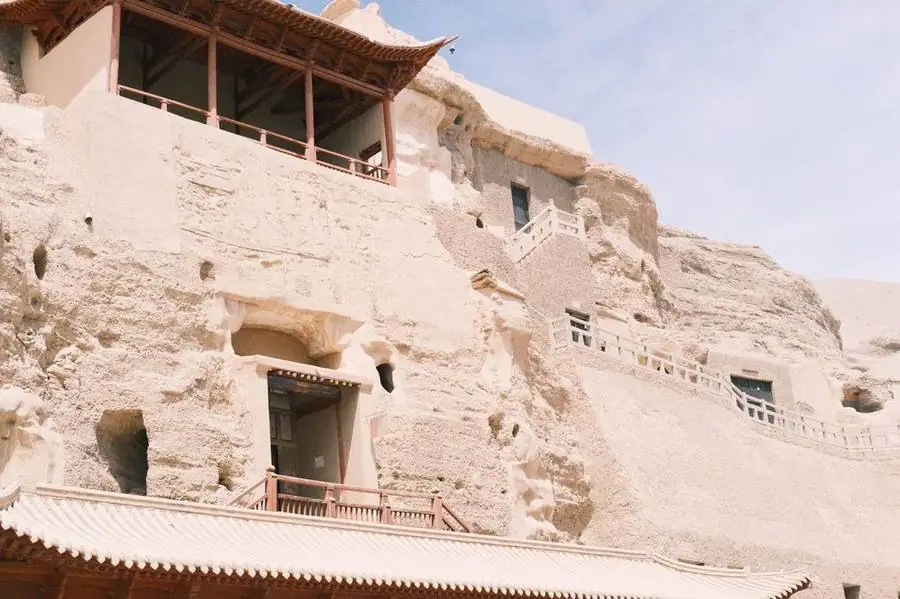
Turpan city
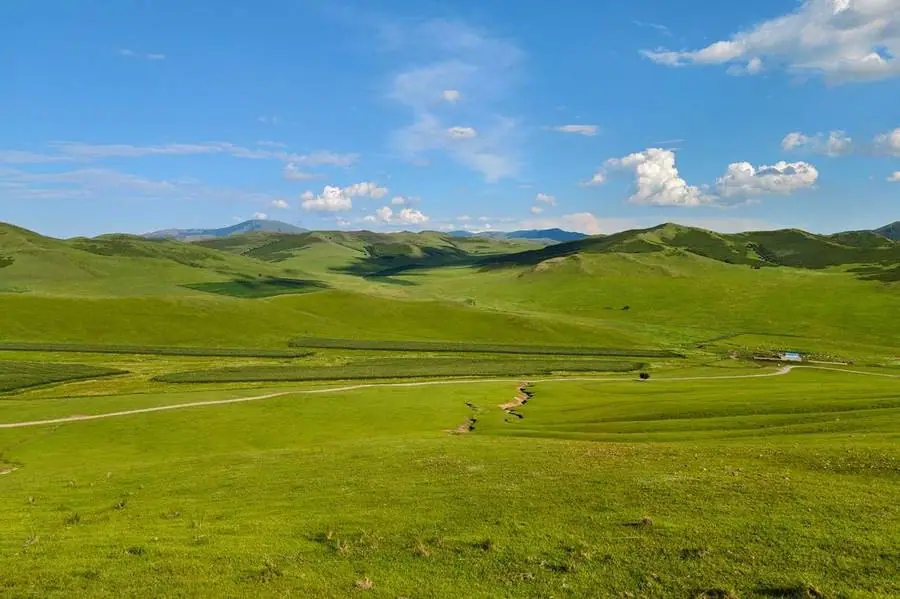
Karez System 坎儿井
The 2,000-year-old underground canal network that waters Turpan through the desert — walk the cool tunnels and see the ingenious wells in 1–1.5 hours.
Carry your passport — Xinjiang has routine ID checks at hotels and scenic gates.
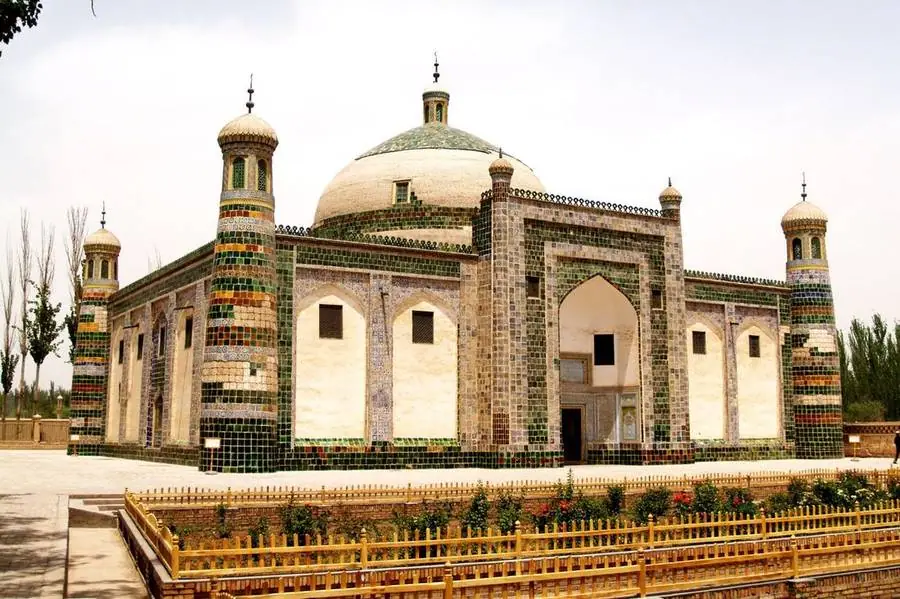
Emin Minaret 苏公塔
The 44 m brick minaret built in 1777, Turpan’s most elegant Islamic monument, beside a working mosque — 0.5–1 hour.
Carry your passport — Xinjiang has routine ID checks at hotels and scenic gates.

Turpan Museum 吐鲁番博物馆
The best place to understand the region — Silk Road artefacts, desert mummies and Uyghur culture under one roof; 1.5–2 hours.
Carry your passport — Xinjiang has routine ID checks at hotels and scenic gates.
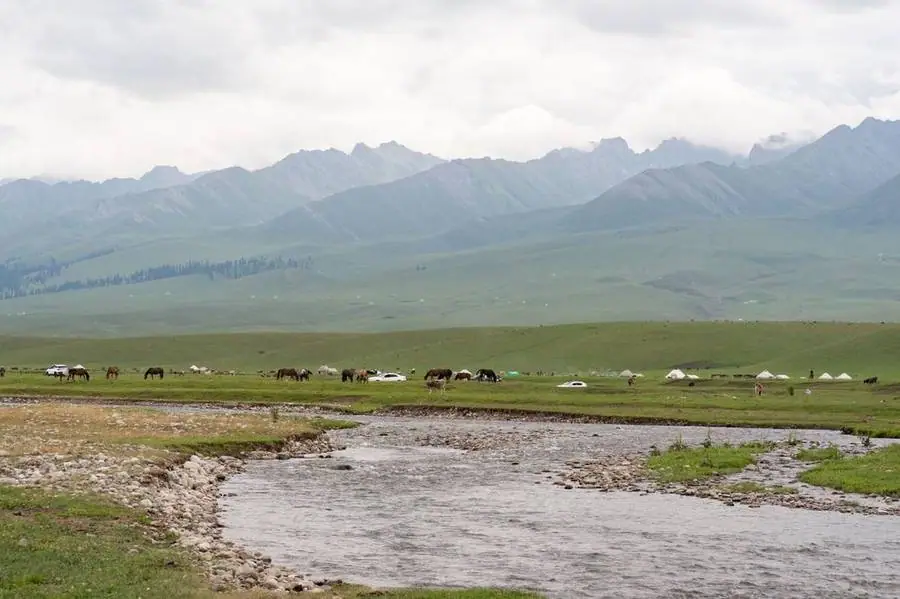
Turpan Desert Botanical Garden 吐鲁番沙漠植物园
A research garden showing how plants survive the desert — a calm, shady 1-hour look at Turpan’s hardy flora.
Carry your passport — Xinjiang has routine ID checks at hotels and scenic gates.



Where to stay in Turpan
Rates are for a standard double room in 2026. Turpan is compact, so most hotels sit within a short taxi ride of the ruins and bazaar. Confirm the USD price at booking, and register your passport at check-in — standard in Xinjiang.
Luxury
$70–140 / nightModern four- and five-star hotels in Turpan city with pools and restaurants.
Upper mid-range
$40–70 / nightComfortable Chinese business hotels near the centre and rail station; easy base for the ruins.
Mid-range
$25–40 / nightClean, good-value hotels within a short ride of the old bazaar; $25–40 / night.
Budget
$15–25 / nightSimple guesthouses and budget hotels near the station and bazaar; $15–25 / night.
Hostels
$10–15 / nightA few backpacker hostels with dorms and privates; $10–15 / night.
Souvenirs & local crafts
Easy to pack, easy to explain at customs — and far cheaper at a supermarket than at a scenic stall.
-
Turpan Raisins (Gutong)
Sun-dried seedless raisins, the signature buy — packed light and shipped easily.
-
Uyghur Embroidery (Etles)
Colourful silk (atlas) and cotton embroidery from local workshops — scarves, caps and pouches.
-
Jade (Hetian Yu)
Xinjiang nephrite jade carvings and beads, sold in the bazaar; buy from shops that certify quality.
-
Handmade Uyghur Knives
Decorative inlaid knives — a distinctive regional souvenir; check export rules before you fly.
-
Grape-Pattern Crafts
Wood and ceramic items printed with grape and vine motifs, easy, light gifts from the Grape Valley.
Getting around Turpan
Turpan is small and hot, so you move by taxi, DiDi and pre-booked drivers rather than walking between sites — the headline ruins are 10–90 km out. There is no metro; high-speed rail now links it to Urumqi and beyond.
- High-speed rail
- Turpan North Railway Station (Turpanbei) sits about 10 km from the city centre on the Lanzhou–Xinjiang high-speed line; Urumqi is about 1 hour by train.Trains use real-name booking with a passport; buy through 12306 or a travel app and bring the same passport to the gate.
- Long-distance bus
- Long-distance coaches run from the Turpan bus station to Urumqi, Shanshan and other Xinjiang towns; book at the station or via apps.
- Metro & bus
- There is no metro in Turpan. The city is compact and sites are spread out, so use taxis, DiDi and booked drivers.
- Taxis
- Taxis start around $1.50 and are metered; agree a half-day rate with a driver for the out-of-town ruins (Jiaohe, Gaochang, Bezeklik).
- Ride-hailing
- DiDi runs inside Alipay with an English map and card payment — the easiest way to hail a car without Chinese cash or a local SIM.
- Shared bikes
- Shared bikes exist but the heat and distances make them impractical for sightseeing; use them only for short in-town hops.
- Intercity carpool
- Ride-pooling is awkward for foreigners; for the ruins and the desert, book a private driver or join a tour for the day.
Plan your 1, 2 or 3 days in Turpan
Pick the length of your stay. Each plan is its own page, anchored at the city centre and written from real traveller itineraries — including splits for sightseeing, shopping, landscape, families and older travellers.
Turpan in 1 Day
The Jiaohe Ruins, Karez, Grape Valley and Flaming Mountain on a hot-weather highlights loop.
Read the plan → 2-dayTurpan in 2 Days
Day one on Jiaohe, Karez and the city; day two Gaochang, Bezeklik and the Flaming Mountains.
Read the plan → 3-dayTurpan in 3 Days
Add Tuyugou, Ayding Lake and Kumtag Desert to the ruins and the city for a full Silk Road plan.
Read the plan →Frequently asked questions
- Do I need a visa for Turpan?
- Turpan has no border entry of its own, so you enter China via a gateway city (Urumqi, Beijing, etc.) on a standard Chinese visa or visa-free scheme, then fly or take the high-speed train to Turpan. Check current visa rules with a consulate before you book.
- When is the best time to visit Turpan?
- April–May and September–October are best — warm, clear and not crowded. Avoid summer (Jun–Aug): it is brutally hot, often above 40°C, and it is the busy domestic season. Winter is cold but quiet.
- Is Turpan open to foreign passport holders?
- Yes. Turpan is open to foreign visitors with normal entry checks. Expect routine passport and ID verification at hotels and scenic gates — this is standard across Xinjiang, not a ban. Carry your passport everywhere.
- How do I get to the Jiaohe and Gaochang ruins?
- Both are east and west of the city. Jiaohe is ~10 km (taxi or DiDi, ~20 min); Gaochang is ~40 km (book a driver or join a tour for half a day). A combined Jiaohe + Gaochang + Bezeklik loop is the classic day trip.
- Is it safe to visit in the heat?
- The heat is the real hazard, not crime. Drink water, wear a hat, use sunscreen, and do outdoor ruins in the early morning or late afternoon. Most sites have little shade.
- How many days do I need in Turpan?
- Two full days cover the city sights (Jiaohe, Karez, Emin Minaret, museum, Grape Valley) plus a Gaochang–Bezeklik day. Add a third for Tuyugou, Ayding Lake or Kumtag Desert.
- How do I pay and get around without Chinese apps?
- Set up Alipay with an international card and passport before you arrive — it runs DiDi, bikes and most payments. Hotels and big sites may take cards, but carry some cash for small bazaar stalls.
Page last reviewed: 2026-11-02.