Tianshui Travel Guide 2026: Maijishan Grottoes, Fuxi Temple & the Cradle of Chinese Civilization
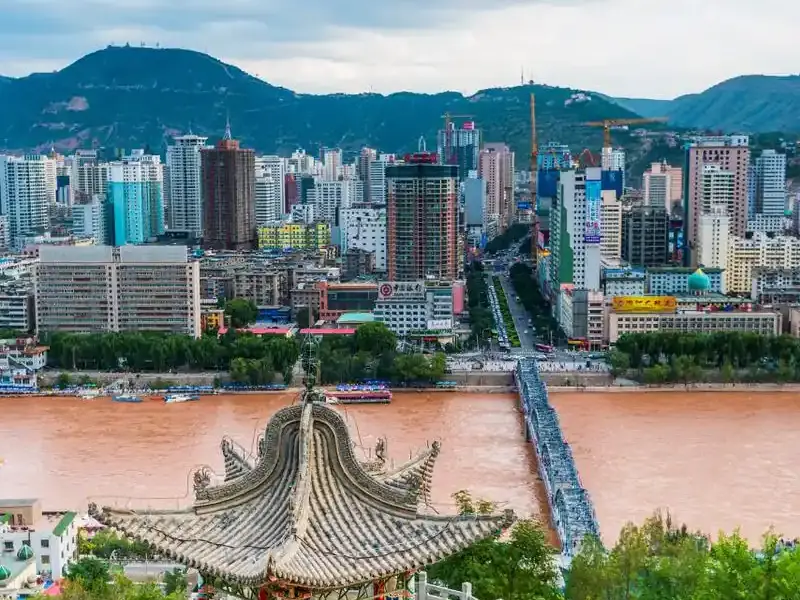
Tianshui sits where the Wei River breaks out of Gansu's mountains onto the loess plateau, a Silk Road stop and the traditional birthplace of Fuxi, the first of China's mythic sovereigns. The headline sight is the Maijishan Grottoes — a honeycomb of Buddhist cave-temples clinging to a sheer rock face — but the city also keeps working temples, a rebuilt old town and a food scene that went viral across China in 2024.
History & culture
Tianshui's recorded story starts as Qinzhou under the Qin and Han, a garrison and market town where the Wei River route met the road south to Sichuan. It guarded the eastern gateway of what became the Hexi Corridor.
It is honoured as the birthplace of Fuxi, the culture hero credited with inventing the bagua (eight trigrams), fishing and domestication. The Fuxi Temple in the west of the old city is the largest surviving Fuxi shrine and still hosts a spring sacrifice.
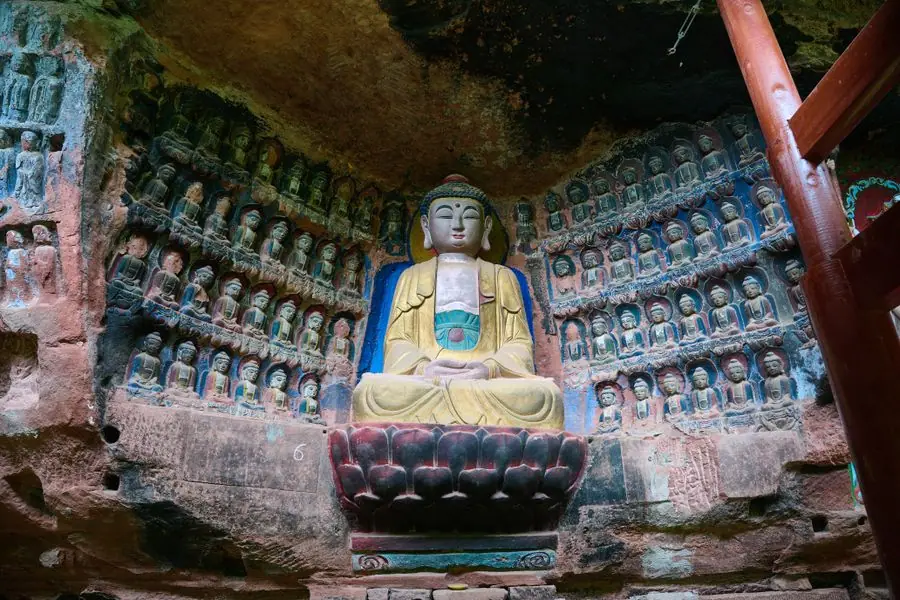
On the Silk Road, Tianshui was a Buddhist transmission point; the Maijishan Grottoes were begun in the Later Qin (4th century) and expanded across 1,600 years into more than 190 caves with 7,000-plus clay and stone sculptures.
Modern Tianshui grew around rail and industry, but the 2024 fame of Tianshui malatang — a numbing-hot potato-and-vegetable hotpot — turned the city into a mass-domestic tourism stop almost overnight, straining hotels and trains for the first time.
Best time to visit Tianshui
Tianshui lies in a warm river valley at about 1,100 m, so it is greener and milder than the Hexi Corridor to its west; springs and autumns are the comfortable windows.
Budget for Tianshui: hotels from $20 a night, average ticket $$3.88 — see the full cost breakdown, or start from a ready-made route.
Cuisine of Tianshui
Signature dishes worth seeking out — prices are typical per-person or per-dish ranges, not fixed quotes.
-
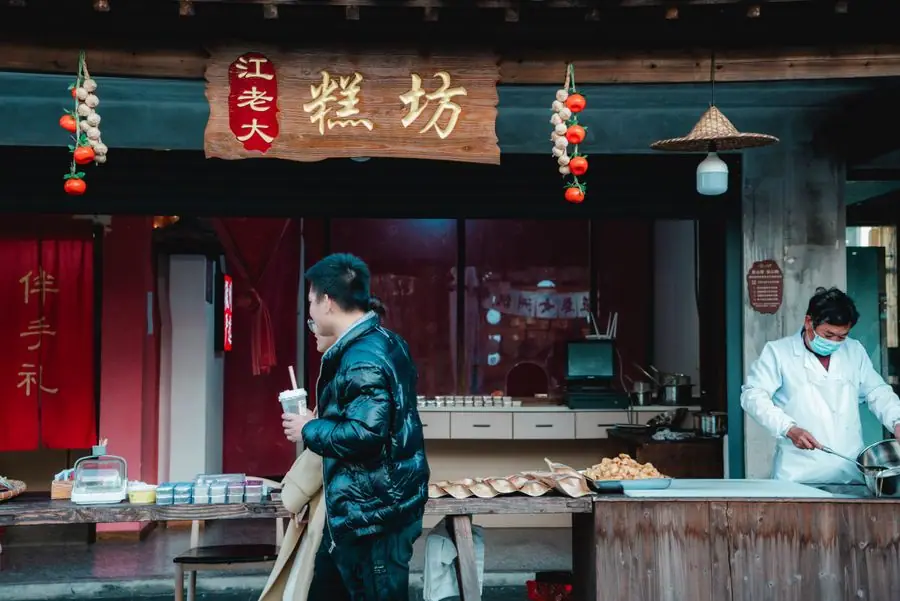
Tianshui malatang (Tianshui mala tang)
The oily, numbing-hot potato, leaf-vegetable and noodle hotpot that made the city famous in 2024; eaten with hand-rubbed noodles and a local pepper oil.
-
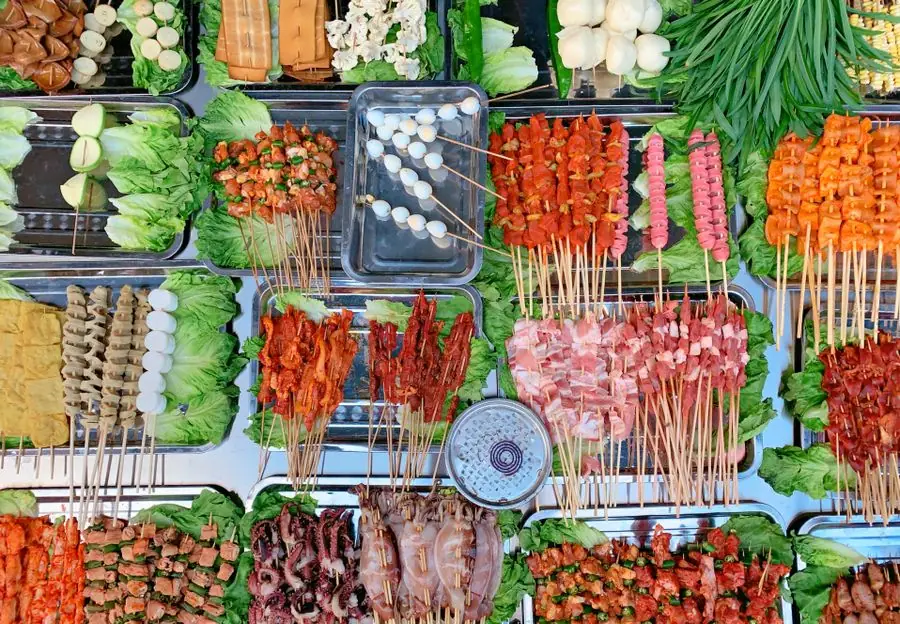
Guagua (Gua gua)
A chickpea-flour paste steamed then torn by hand, dressed with sesame paste, chilli and vinegar — Tianshui's signature breakfast street snack.
-
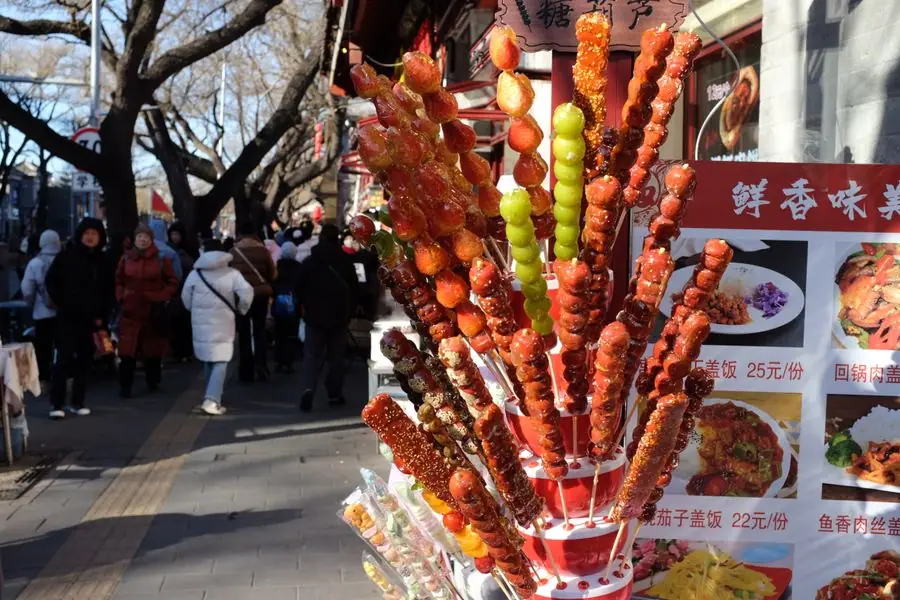
Jiangshui mian (Jiang shui mian)
Cold noodles in a sour fermented-vegetable broth, the city's summer cooler.
-
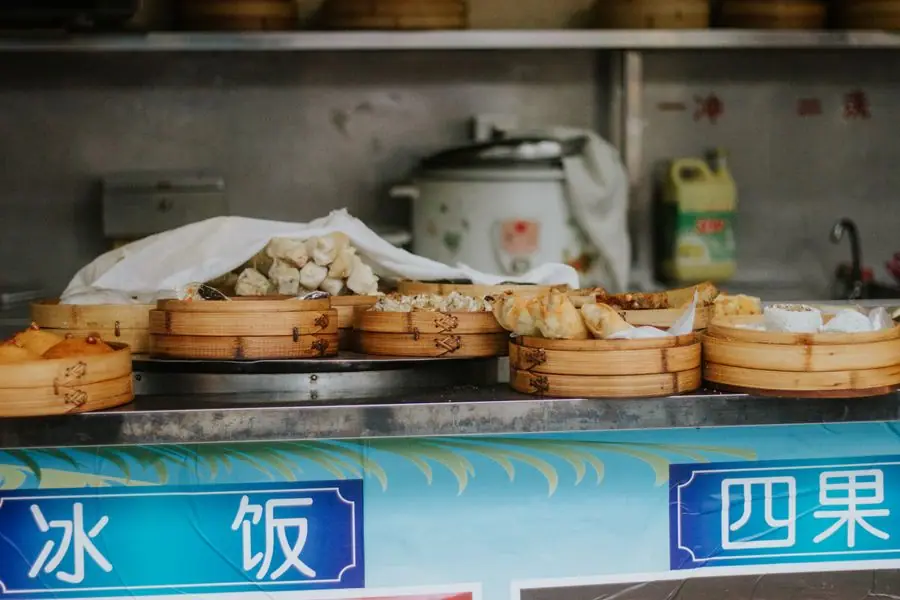
Zhuyou he (Zhu you he)
A crisp lard-pastry ring, flaky and savoury, sold at morning markets.
-
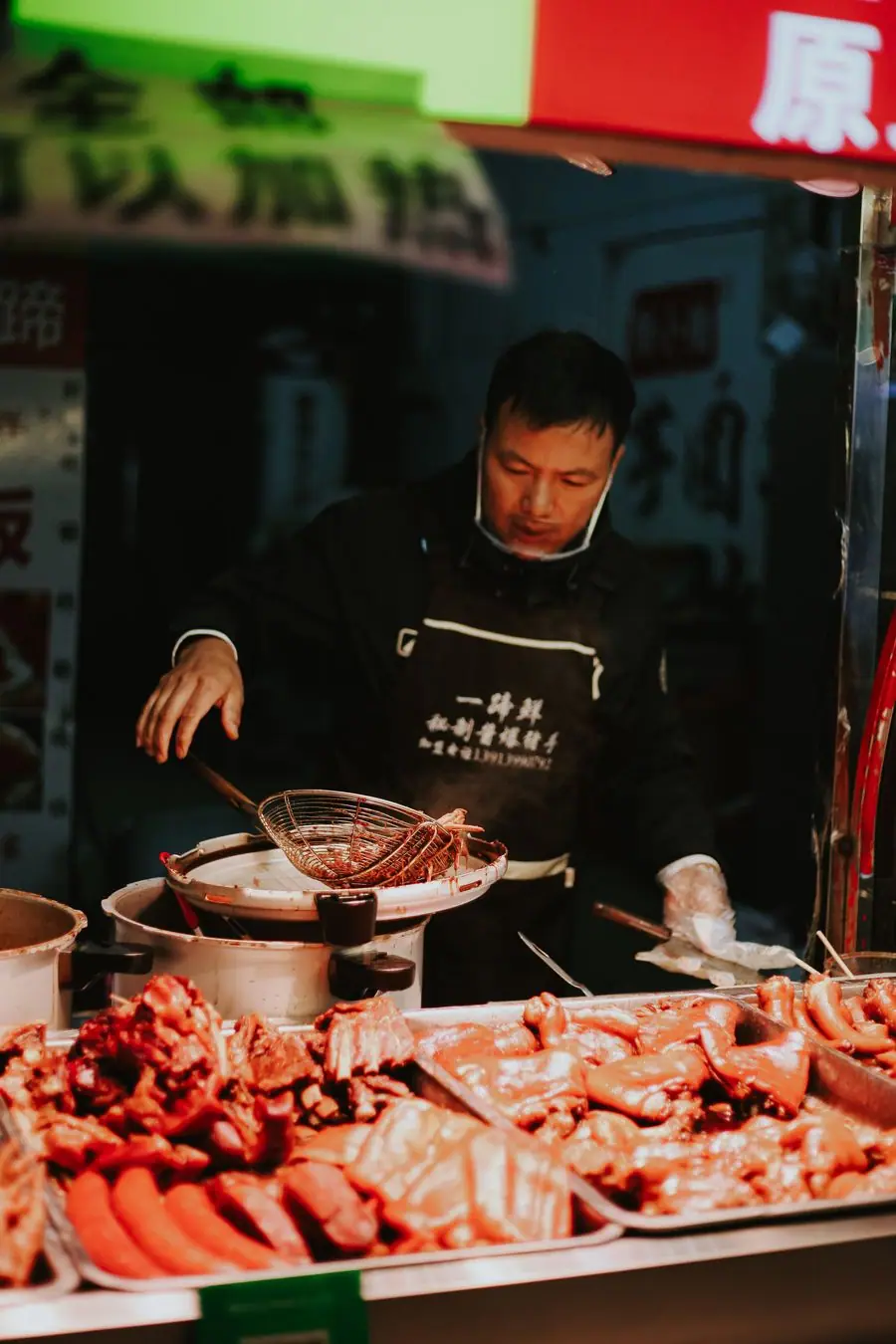
Liangfen & Hui-quarter eats
Mung-bean jelly and the city's Hui-quarter halal lamb and noodles round out the street food.
Every major sight — with its own guide
Right after the food above, here are the sights — each one links to its own full guide (what to see, how to get there, facilities and the best season). Names follow each sight's official English signage.
Maiji district, ~45 km SE
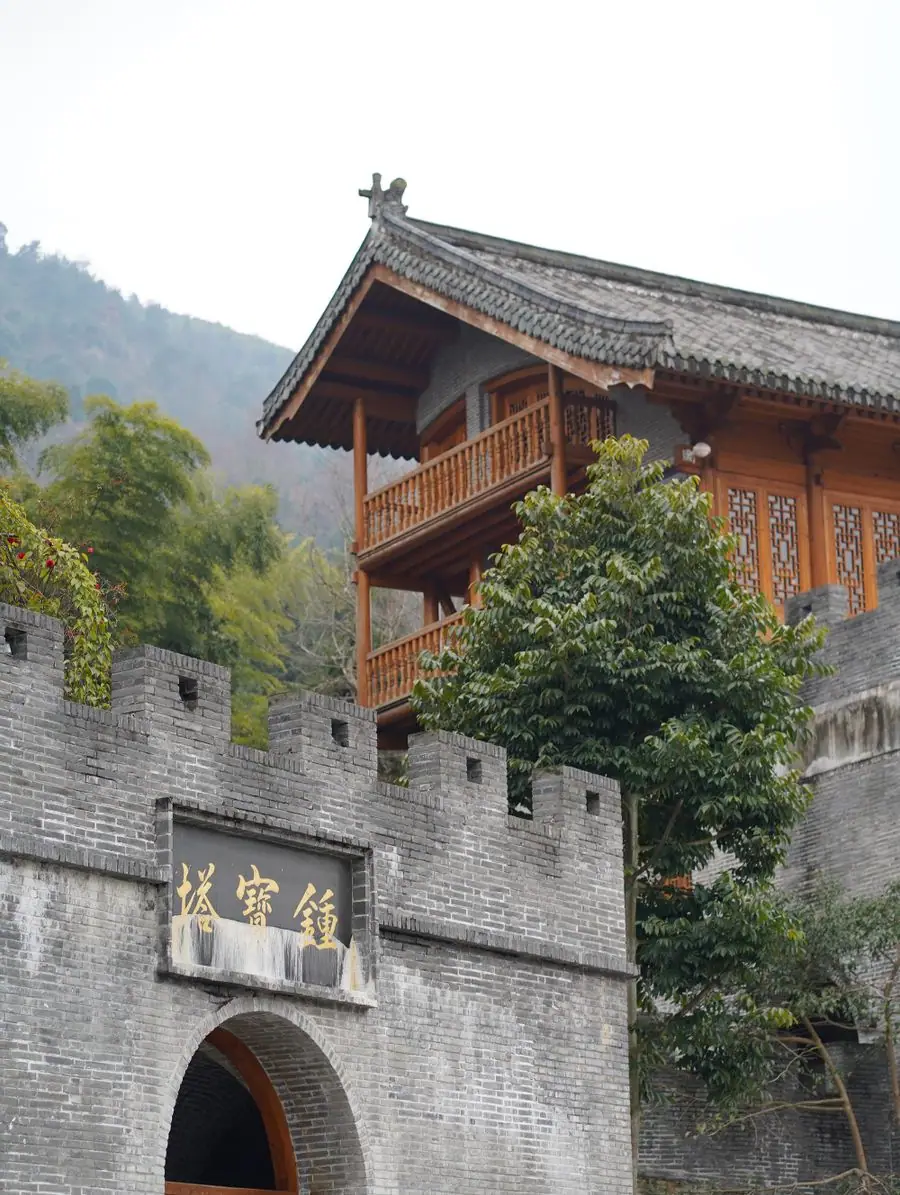
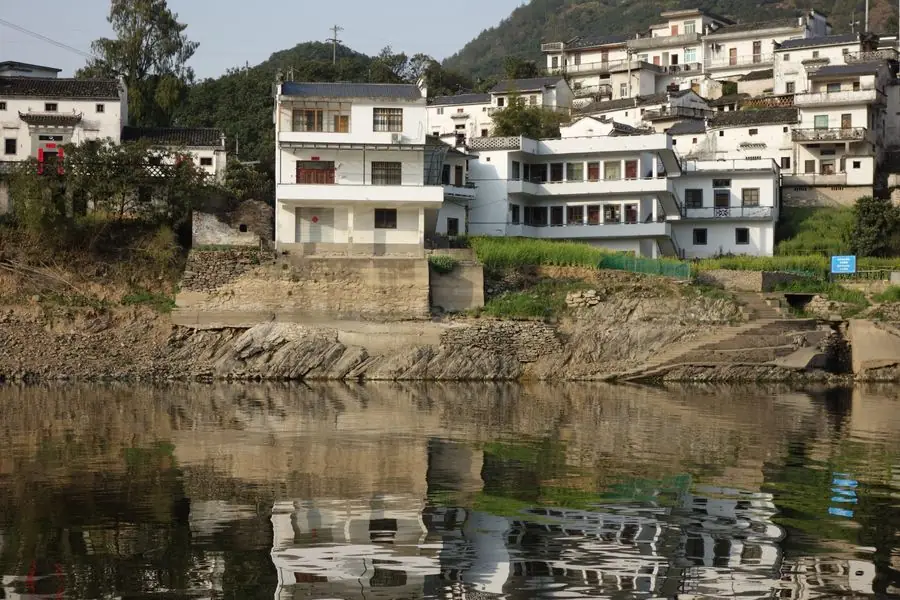
south of city
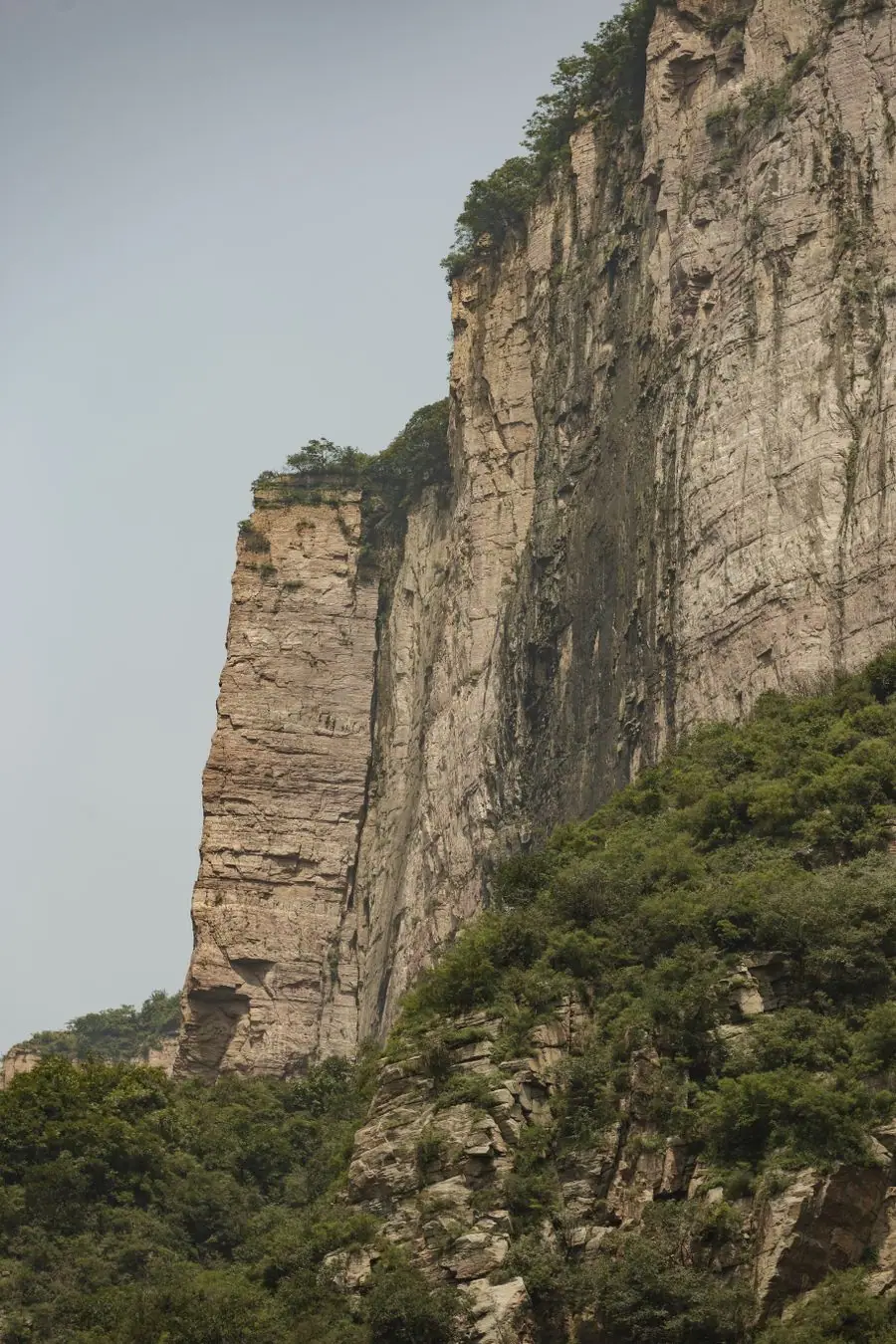
Nanguo Temple 南郭寺
An ancient hillside temple famed for a 2,500-year-old cypress and a quiet poetry-yard setting, mentioned by the Tang poet Du Fu.
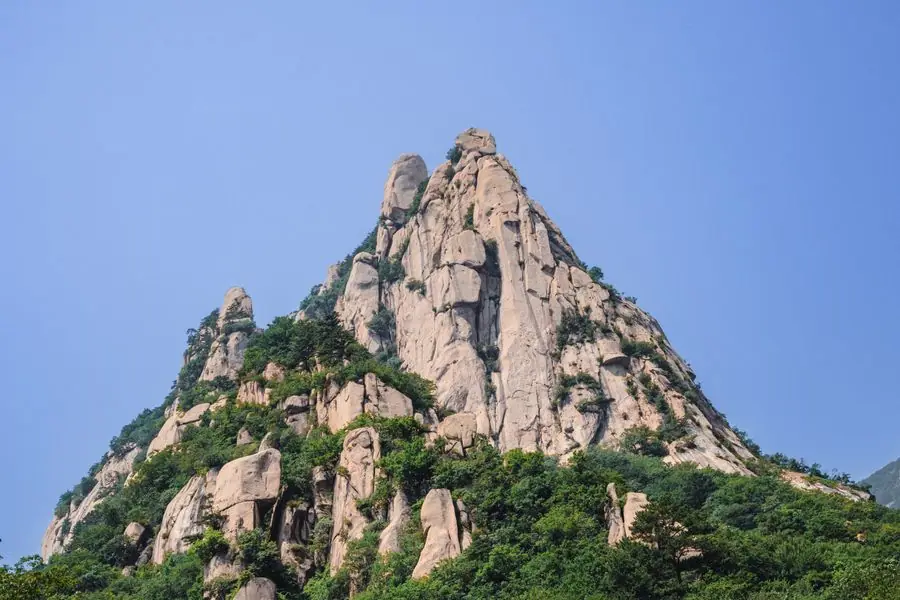
Tomb of Li Guang 李广墓
The memorial tomb of Li Guang, a famed Han-dynasty general ('the Flying General'), a small walled grave mound with a stele and gardens.
near Maijishan
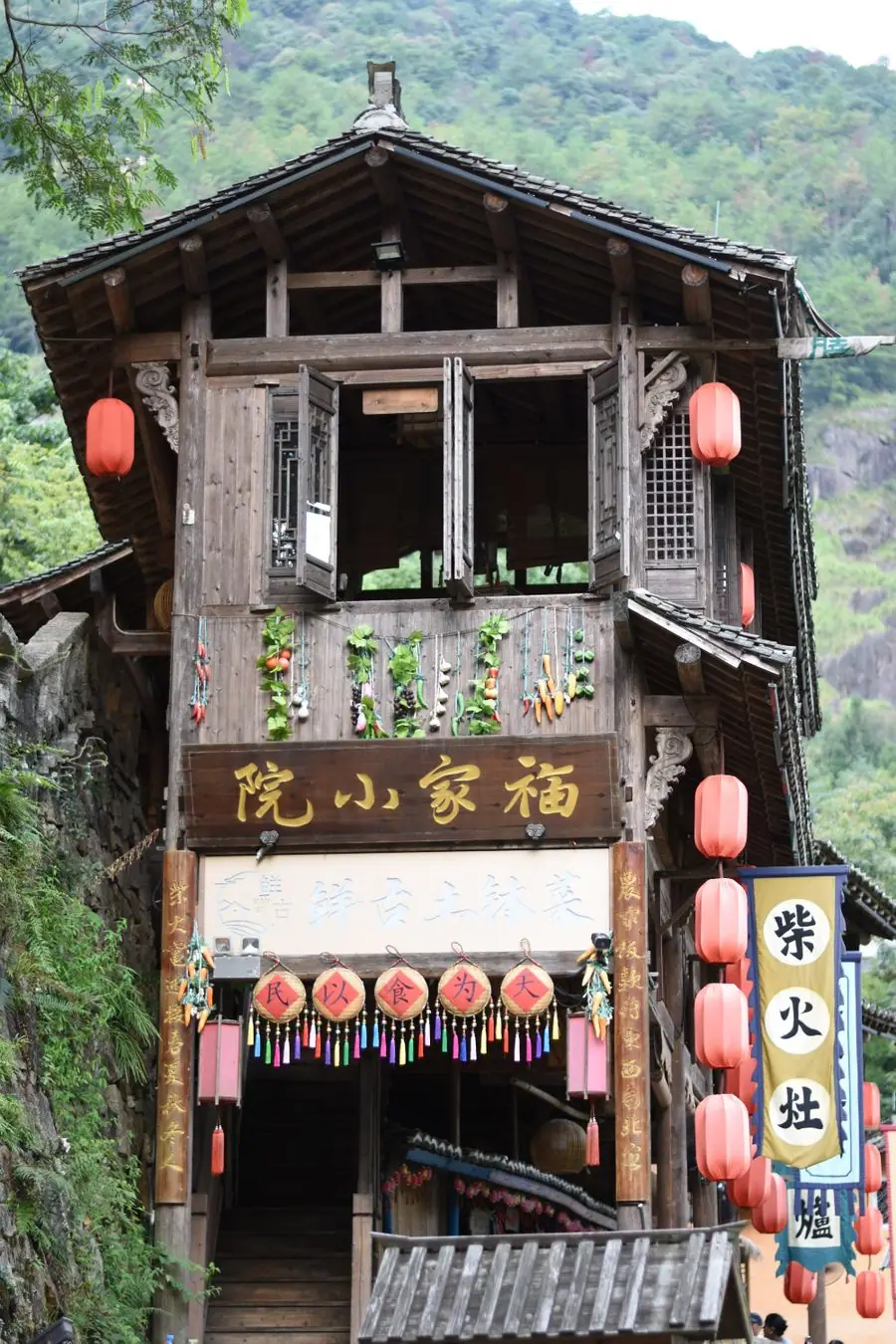
Xianren Cliff 仙人崖
A cluster of cliff temples and caves where monastic cells were cut into the rock, quieter and wilder than Maijishan, often visited on the same trip.
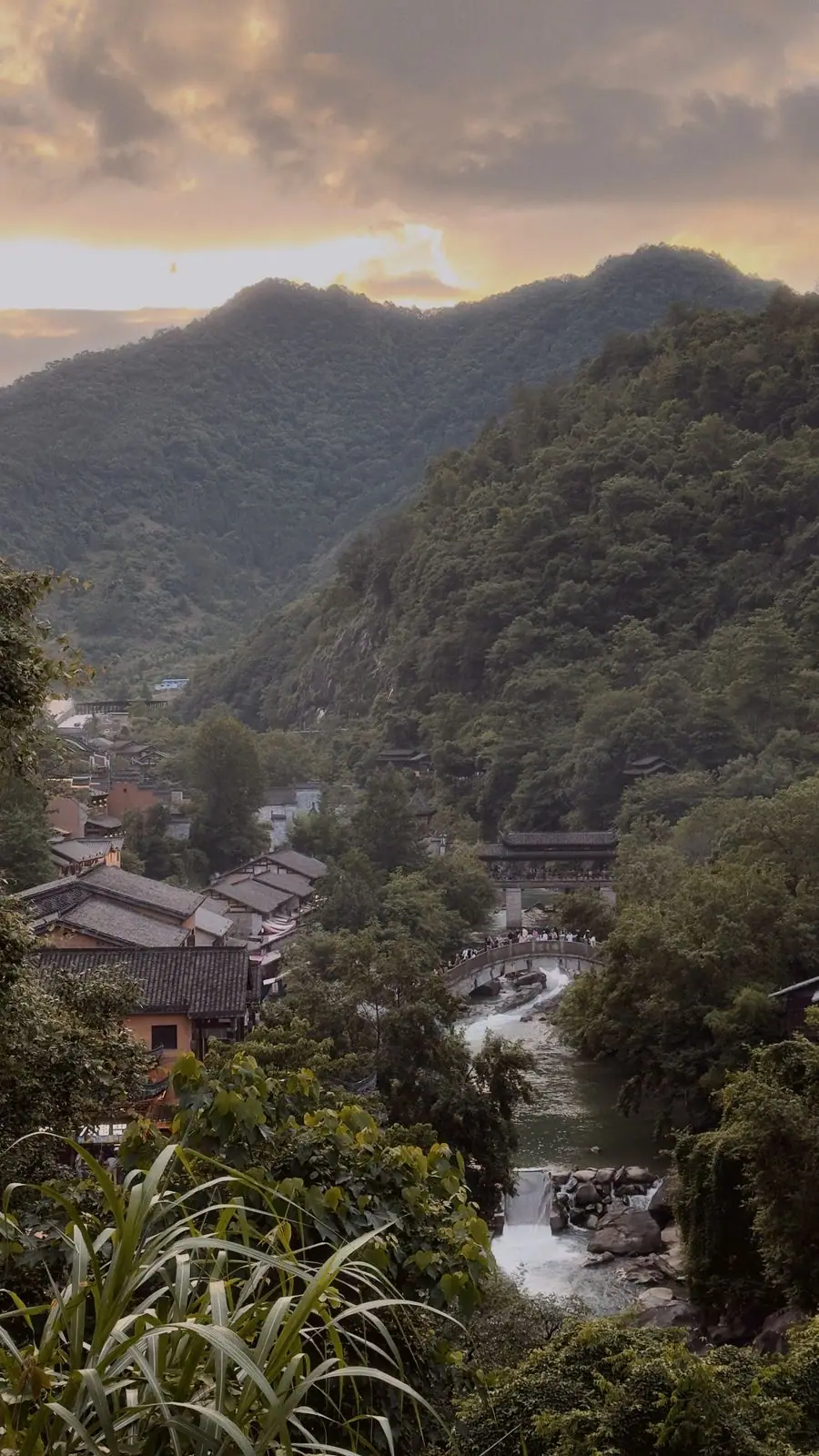
Jingtu Temple 净土寺
A hillside Buddhist temple near the Maijishan area, set among trees with a calm courtyard and a view over the valley.
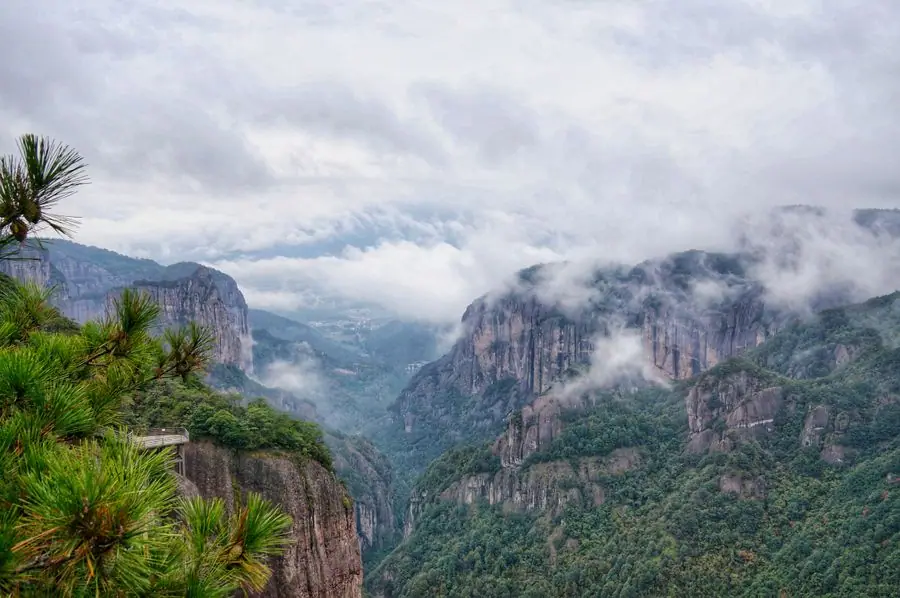
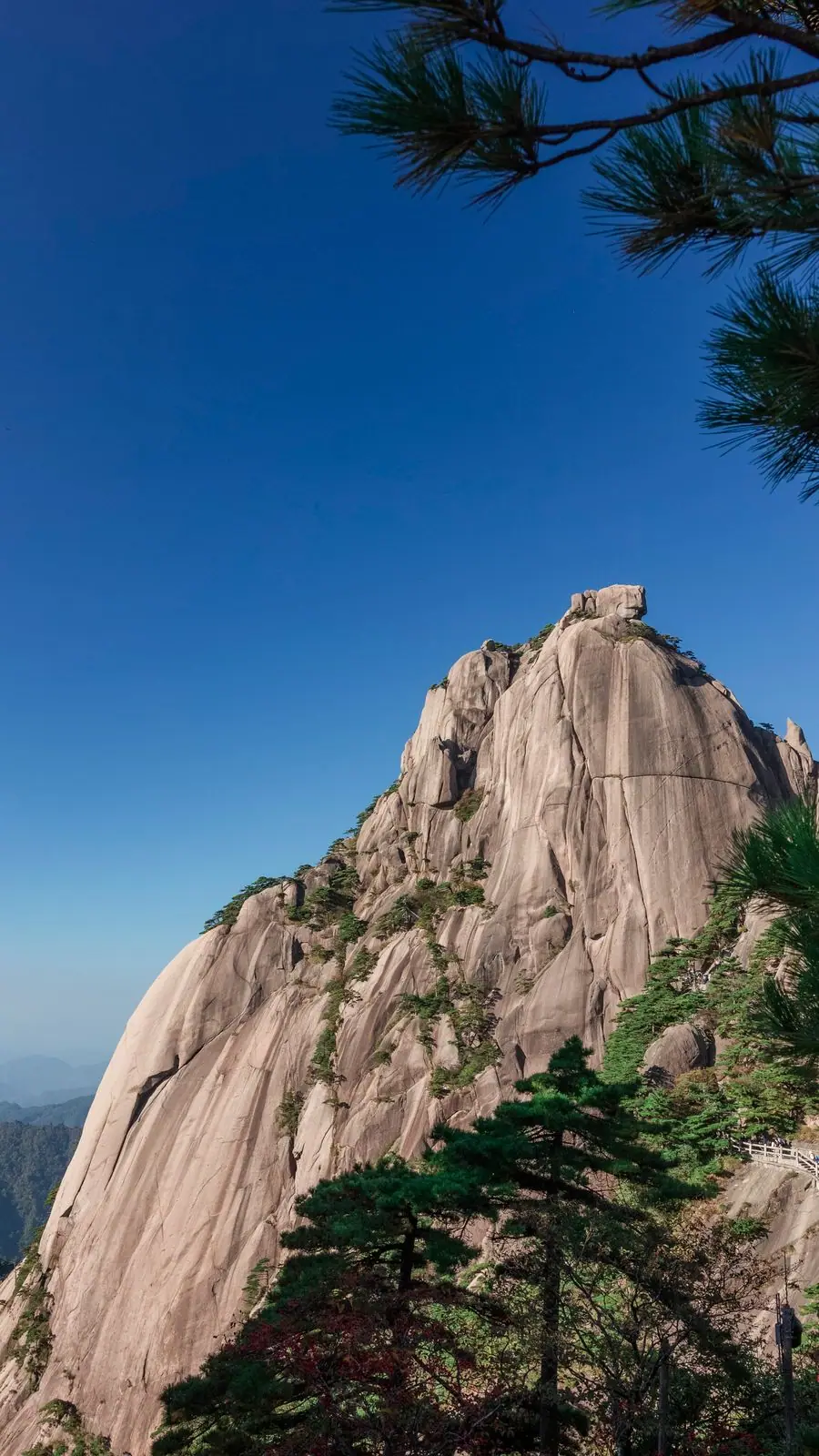
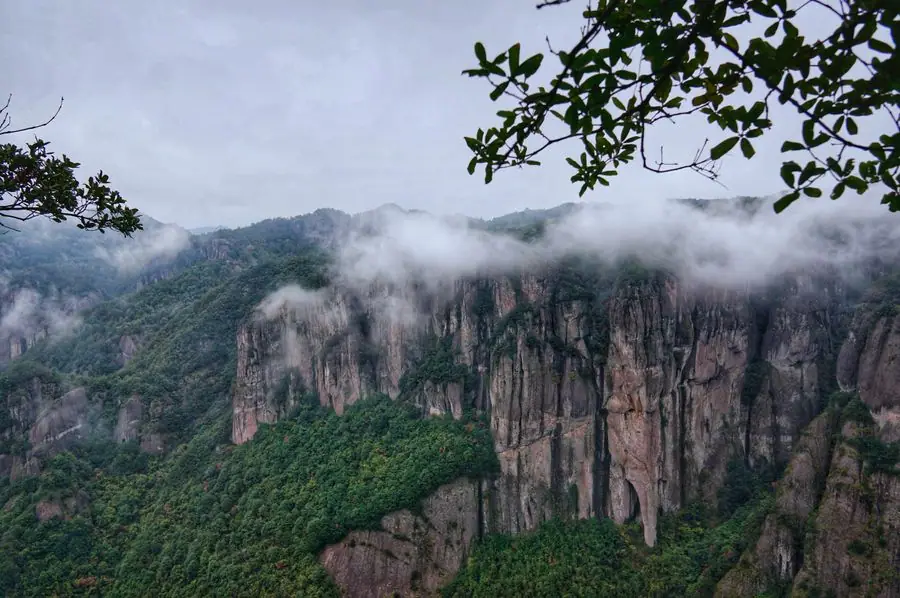
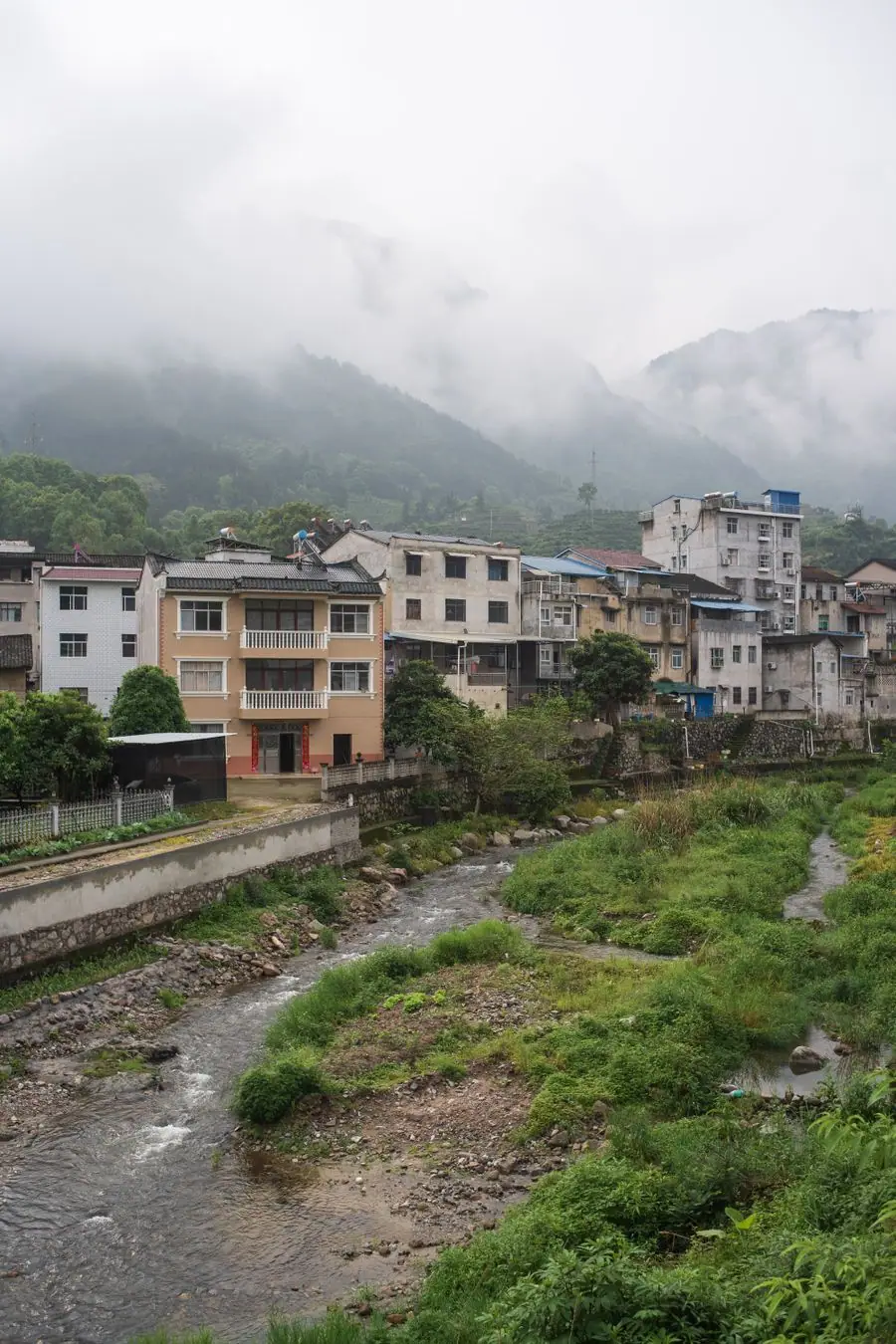
Maiji district
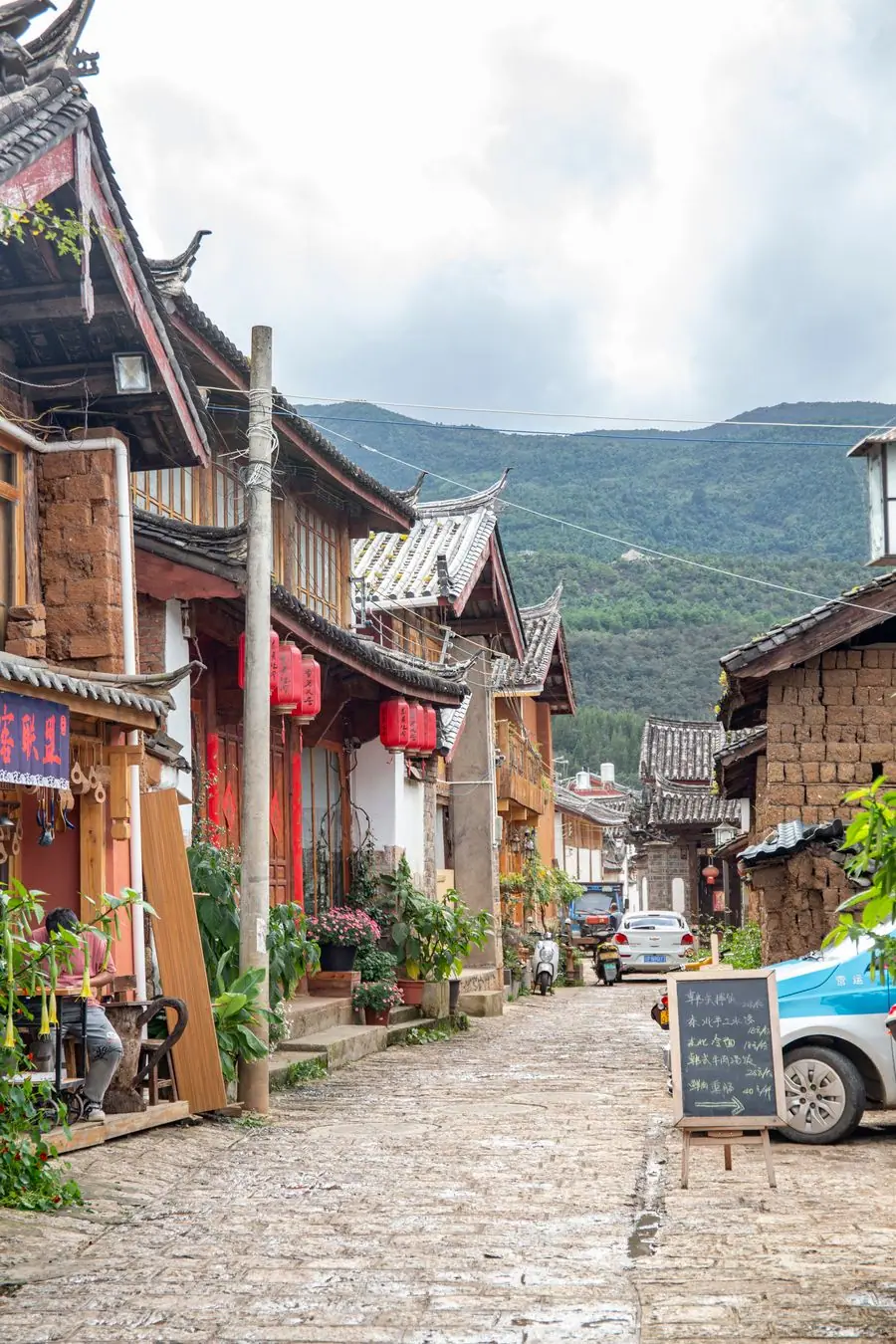
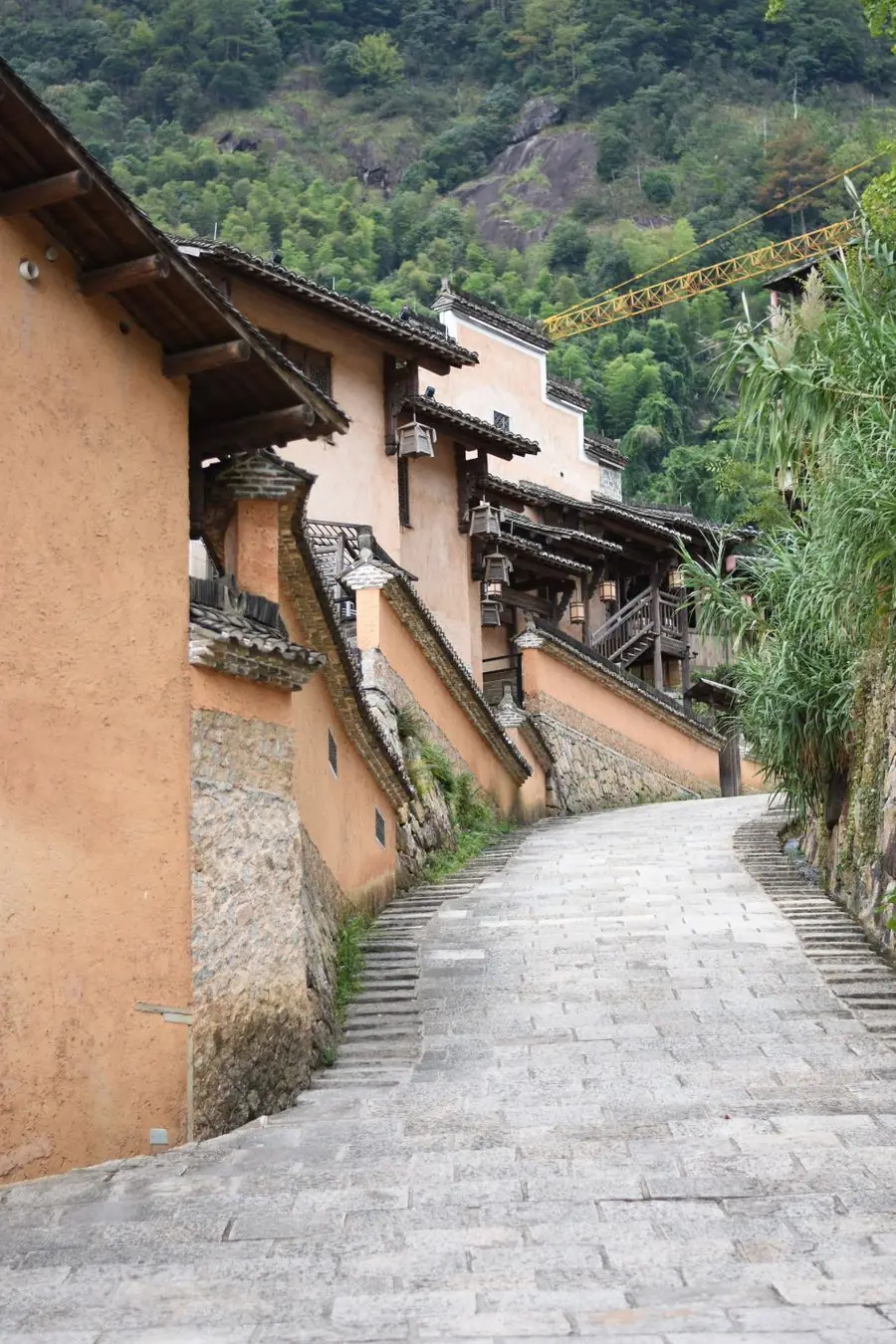
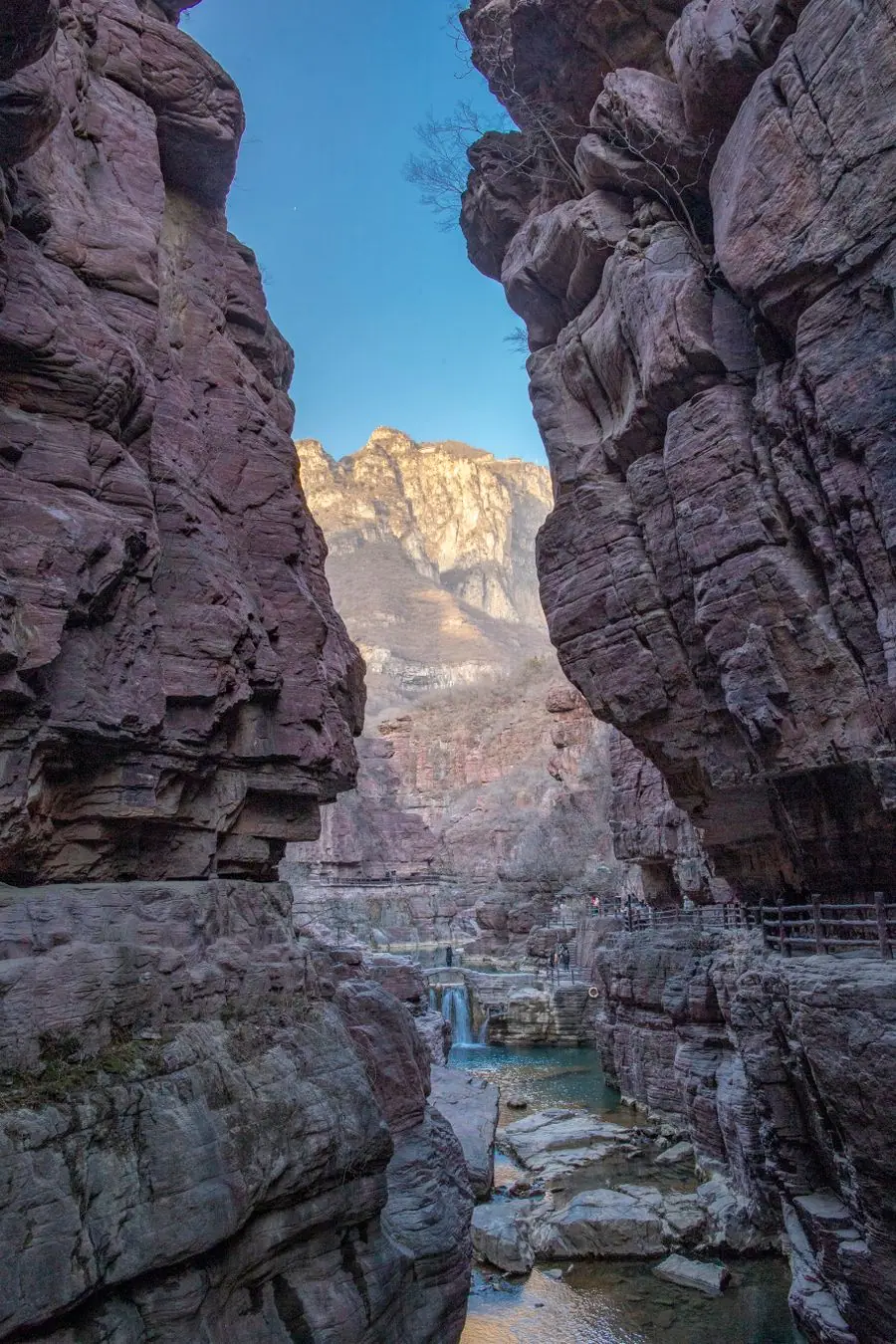
Fuxi Temple grounds
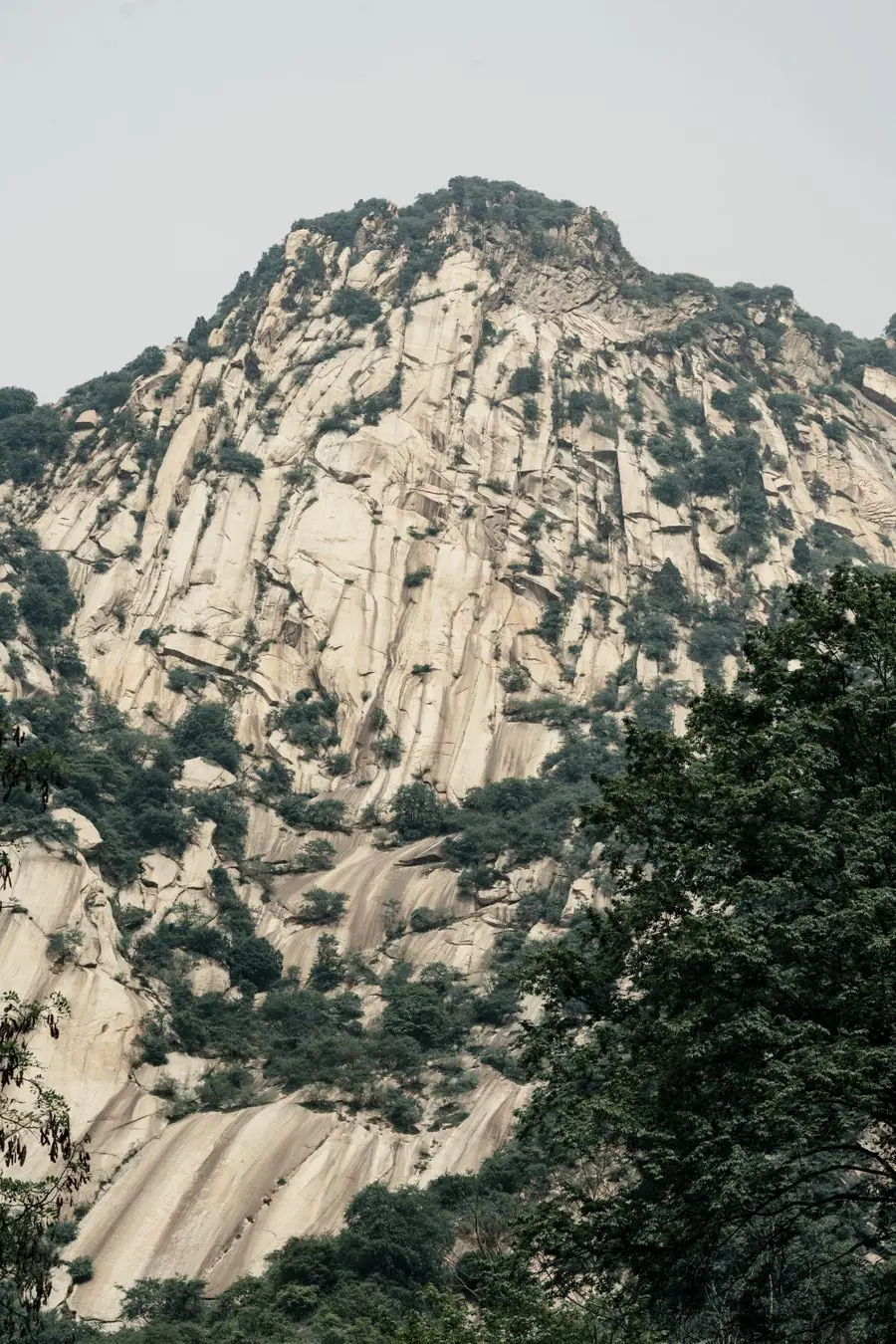
Where to stay in Tianshui
Stay in the city centre (near Tianshui station or the Qinzhou district) — it walks to Fuxi Temple, Yuquan Temple and the old town, and taxis to Maijishan (about 45–60 min east) are cheap. Book ahead in the malatang peak months and National Day week, when rooms spike and sell out.
Budget
$20–40 / nightChain hotels and guesthouses around Tianshui station and Qinzhou Ave; clean doubles, foreign-passport registration available at larger chains.
Mid-range
$40–80 / nightFour-star business hotels near the centre and south station with breakfast and gyms; book these for the malatang surge.
Top
$80–150 / nightThe best city-centre hotels with river or mountain views; limited inventory, so reserve ahead for National Day.
Souvenirs & local crafts
Easy to pack, easy to explain at customs — and far cheaper at a supermarket than at a scenic stall.
-

Huaniu apples (Hua niu ping guo)
Tianshui's signature red apple, sweet and crisp, sold by the box at the station and markets.
-
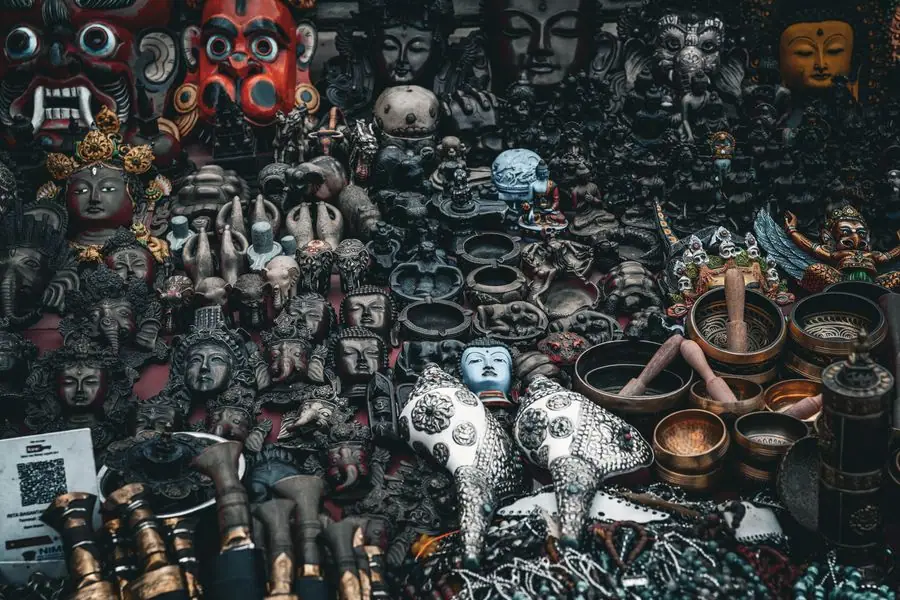
Gangu chilli (Gan gu la jiao)
Gangu county's mild, fragrant dried chillies and chilli powder, a staple of the malatang oil.
-
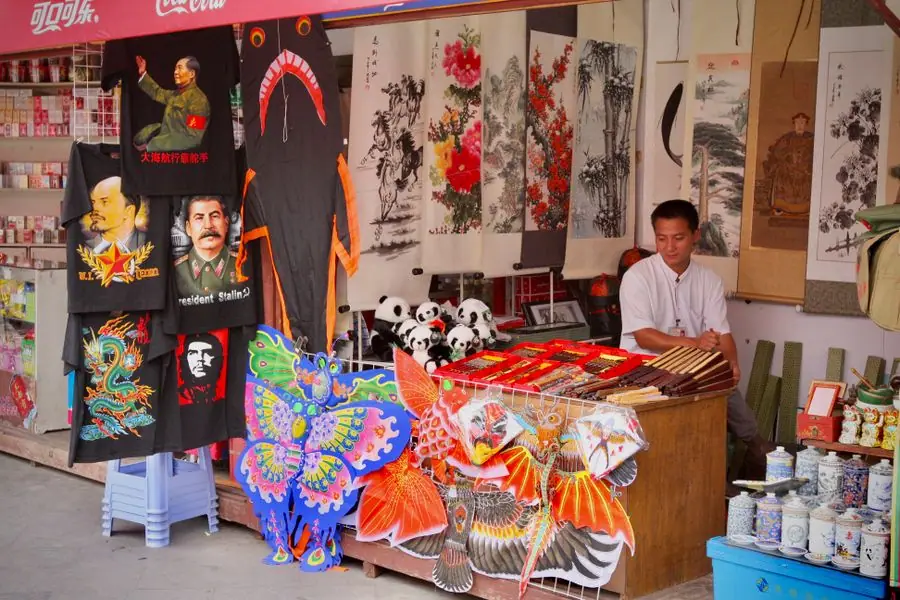
Qin'an peppercorn (Qin an hua jiao)
Qin'an's fragrant red peppercorn, prized in Sichuan-style cooking.
-
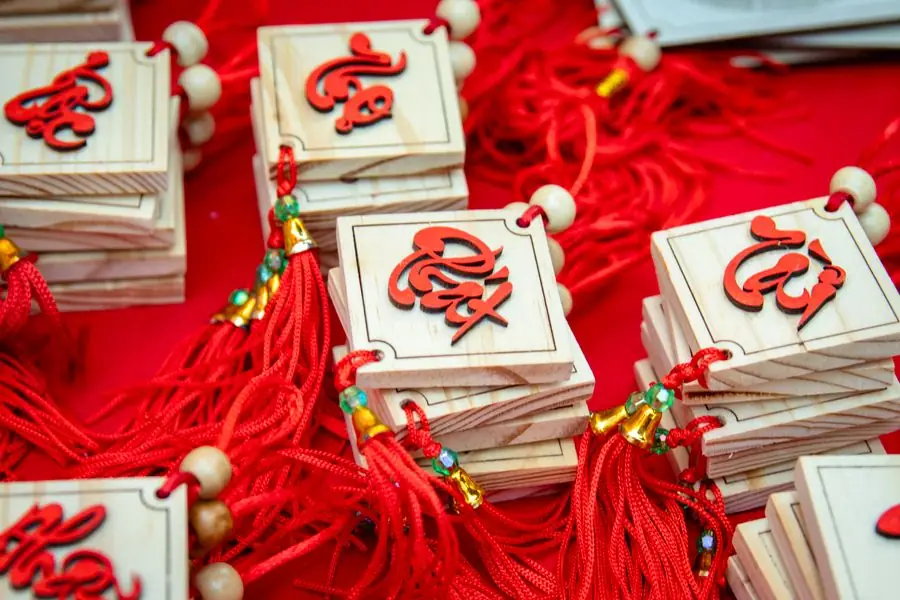
Wushan vermicelli (Wu shan fen tiao)
Wushan's sweet-potato vermicelli, the noodle in the local hotpot.
-
Tianshui carved lacquer (Tianshui diao qi)
Local carved lacquerware, a Gansu craft, in trays, boxes and screens.
Getting around Tianshui
Tianshui is a regular stop on the Lanzhou–Tianshui–Xi'an high-speed line and has its own airport, so it is an easy break from Xi'an (about 2 h by train) or Lanzhou (about 1.5 h).
- High-speed rail
- Tianshui South railway station (Tianshui Nan) is on the high-speed line: Xi'an North about 1.5–2 h east, Lanzhou about 1–1.5 h west, Baoji roughly 1 h. Ordinary Tianshui station handles slower trains. From the south station, bus or taxi reaches the centre in 20–30 min.
- Long-distance bus
- City buses are cheap and cover the centre, Fuxi Temple and the north-mountain temples; long-distance buses run to Maiji district, Gangu, Wushan and the grottoes area.
- Metro & bus
- No metro — Tianshui is a compact valley city that runs on buses, taxis and ride-hail.
- Taxis
- Metered taxis start around $1.50; cross-town runs rarely pass $4. To Maijishan, expect about $12–18 each way by taxi from the centre (45–60 min).
- Ride-hailing
- DiDi works across the city and is the default for the airport, the south station and the run out to Maijishan; agree the grottoes fare or watch the meter.
- Shared bikes
- The flat river-bank paths and the old-town grid are bikeable with shared bikes, pleasant for a morning loop past the Wei River.
- Intercity carpool
Plan your 1, 2 or 3 days in Tianshui
Pick the length of your stay. Each plan is its own page, anchored at the city centre and written from real traveller itineraries — including splits for sightseeing, shopping, landscape, families and older travellers.
Tianshui in one day: the grottoes + the old city
Morning at Maijishan Grottoes (allow 3–4 h with the shuttle), back to the city for Fuxi Temple and Yuquan Temple, then dinner on malatang in the old town.
Read the plan → 2-dayTianshui in two days: caves + cliffs + old town
Day 1 the grottoes and Xianren Cliff; Day 2 Fuxi Temple, Yuquan Temple, Nanguo Temple and a walk through the rebuilt Tianshui Ancient City.
Read the plan → 3-dayTianshui in three days: out to Gangu & Wushan
Day 3 a hired car southwest to Daxiang Mountain (Gangu) and the Water Curtain Cave cliff temples (Wushan), or north to Guatai Mountain where Fuxi drew the bagua.
Read the plan →Frequently asked questions
- What is Tianshui famous for?
- The Maijishan Grottoes — a 1,600-year cliff of Buddhist cave-temples — and as the traditional birthplace of Fuxi. Since 2024 it is also famous for Tianshui malatang, a numbing-hot hotpot that went viral across China.
- How long do I need for Maijishan Grottoes?
- Allow half a day: 1 h each way from the city, plus 3–4 h for the caves, the plank-walk climb and the shuttle. Go early to beat tour groups and the midday sun.
- When is the best time to visit Tianshui?
- April–June and September–October for mild, green weather. Avoid the May Day, summer-holiday and National Day peaks if you can; winter is quiet and cheap.
- Is Tianshui a good stop between Xi'an and Lanzhou?
- Yes — it is about 1.5–2 h by high-speed train from Xi'an and 1–1.5 h from Lanzhou, making it an easy one- or two-night break on the Silk Road route.
- What food must I try?
- Tianshui malatang first, then guagua (chickpea snack), jiangshui mian (sour cold noodles), zhuyou he (lard pastry) and the Hui-quarter halal eats.
- Are the outlying sites worth it?
- If you have a third day and a car, Daxiang Mountain (Gangu) and Water Curtain Cave (Wushan) add cliff-carved Buddhas and quieter temples; Guatai Mountain (where Fuxi drew the bagua) is a shorter trip north.
Page last reviewed: 2026-11-02.