Tai'an 2026: Mount Tai Sunrise, Dai Temple & a 1–3 Day Plan
Tai'an exists for one reason: Mount Tai. The city sits at the foot of the 1,545 m sacred peak, a UNESCO site that emperors climbed to report to heaven. Below: the best time, the history, the food, where to stay, every major sight with its own guide, and 1/2/3-day plans built around the climb.

History & culture
Tai'an's name means 'peace and stability' (泰 = peace, 安 = calm) — a blessing drawn from the mountain it serves. Mount Tai has been a place of state worship for over 3,000 years; emperors of every major dynasty climbed it to perform the fengshan ceremonies reporting their rule to heaven.
Confucius is said to have climbed Tai to 'small the world', and the mountain is layered with more than 1,800 stone inscriptions and poems carved by rulers, scholars and calligraphers across two millennia. The Dai Temple at its foot was the emperors' palatial base before the ascent.
Today Tai'an is the service town for the mountain: a high-speed rail stop between Beijing and Shanghai, a base for climbers attempting the pre-dawn summit, and a calm place to recover afterward. The drama is entirely on the mountain.
Best time to visit Tai'an
Tai'an has a continental climate: cold, dry winters and hot, humid summers. The climb is doable year-round, but the mountain is most comfortable and photogenic in spring and autumn.
Budget for Tai'an: hotels from $9 a night, average ticket $$10.83 — see the full cost breakdown, or start from a ready-made route.
Cuisine of Tai'an
Signature dishes worth seeking out — prices are typical per-person or per-dish ranges, not fixed quotes.
-
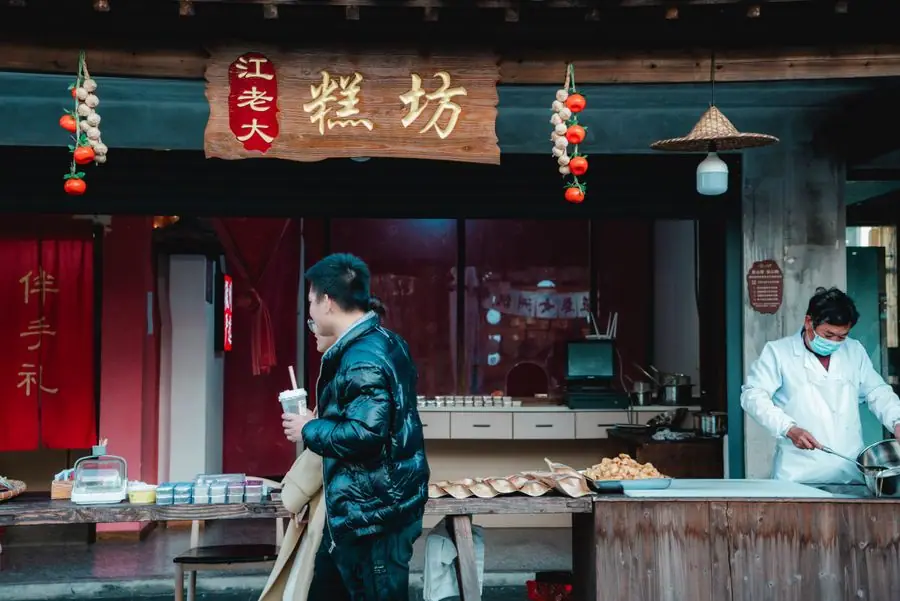
Tai'an Pancake (泰安煎饼)
Thin, crisp millet or sorghum pancakes — the local staple, rolled with scallions or sesame.
-
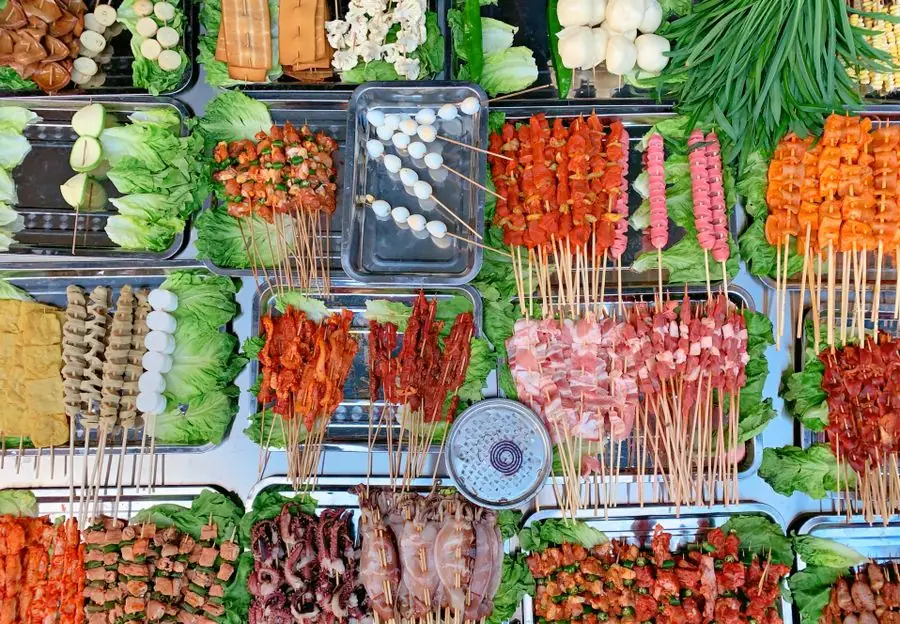
Mount Tai Tofu (泰山豆腐)
Soft tofu dishes from mountain springs, served braised or in hot pots in the town's restaurants.
-
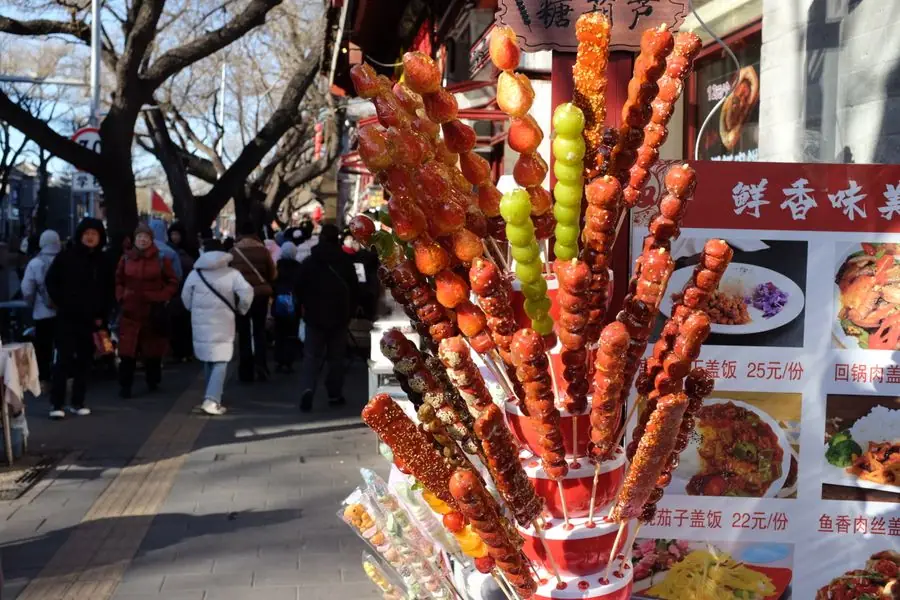
Wild Mountain Vegetables (山野菜)
Seasonal greens foraged near the peak — blanched and dressed, a light counterpoint to heavier Shandong food.
-
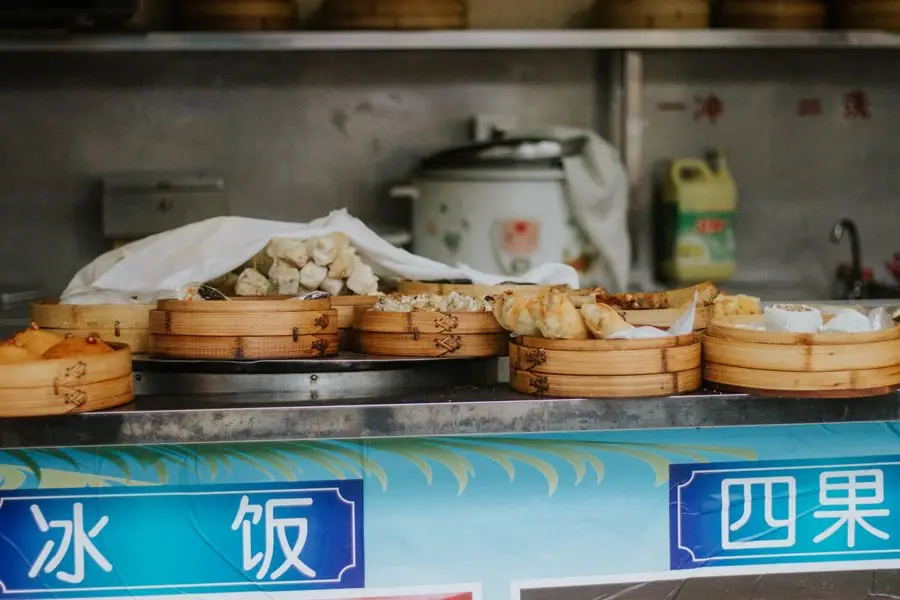
Shandong Dumplings (山东水饺)
Plump dumplings in pork, leek or cabbage, a dependable cheap meal near the stations.
-
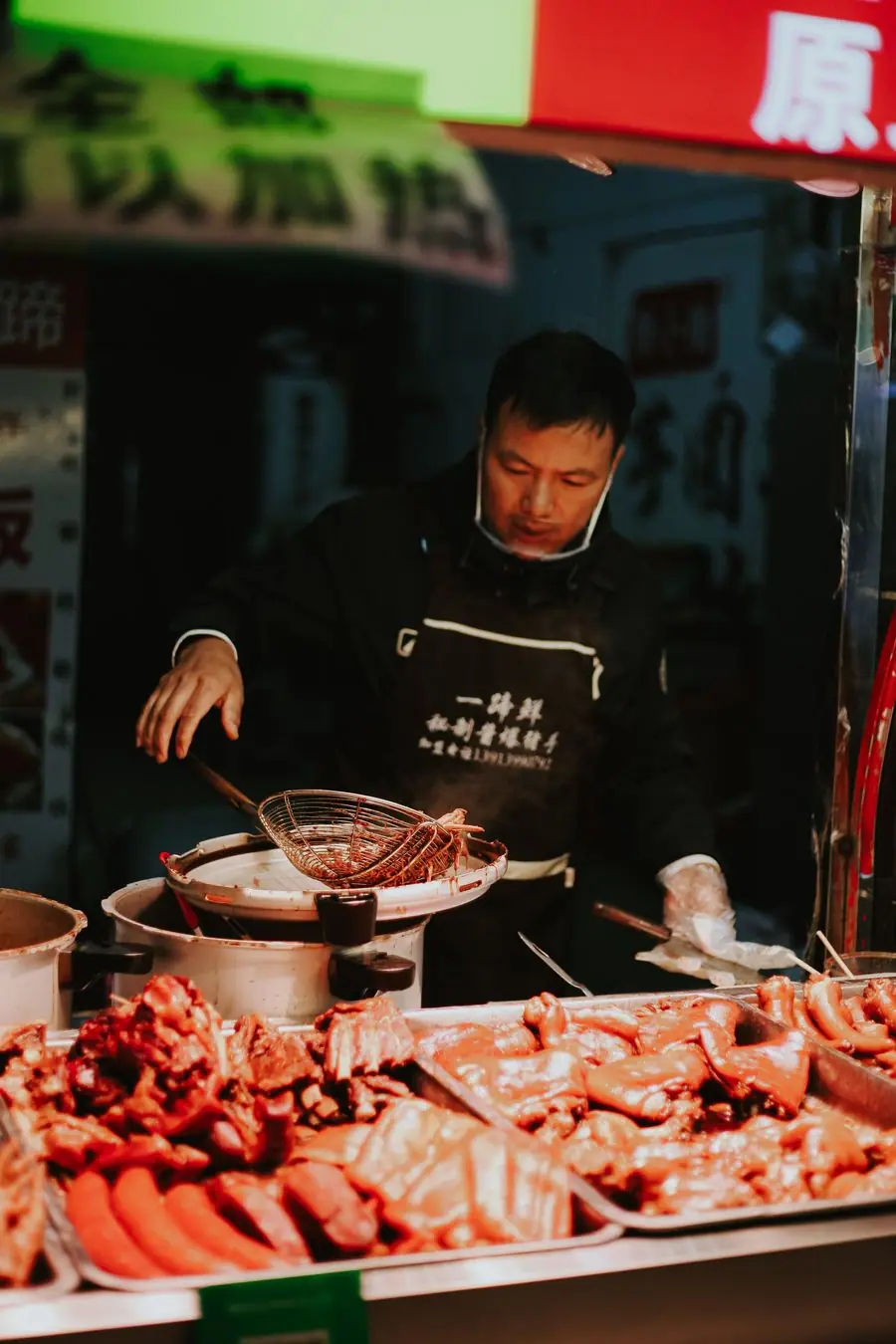
Lu Cuisine Staples (鲁菜)
Tai'an sits in Shandong, the birthplace of Lu cuisine — try braised prawns or sweet-and-sour carp at the better tables.
Every major sight — with its own guide
Right after the food above, here are the sights — each one links to its own full guide (what to see, how to get there, facilities and the best season). Names follow each sight's official English signage.
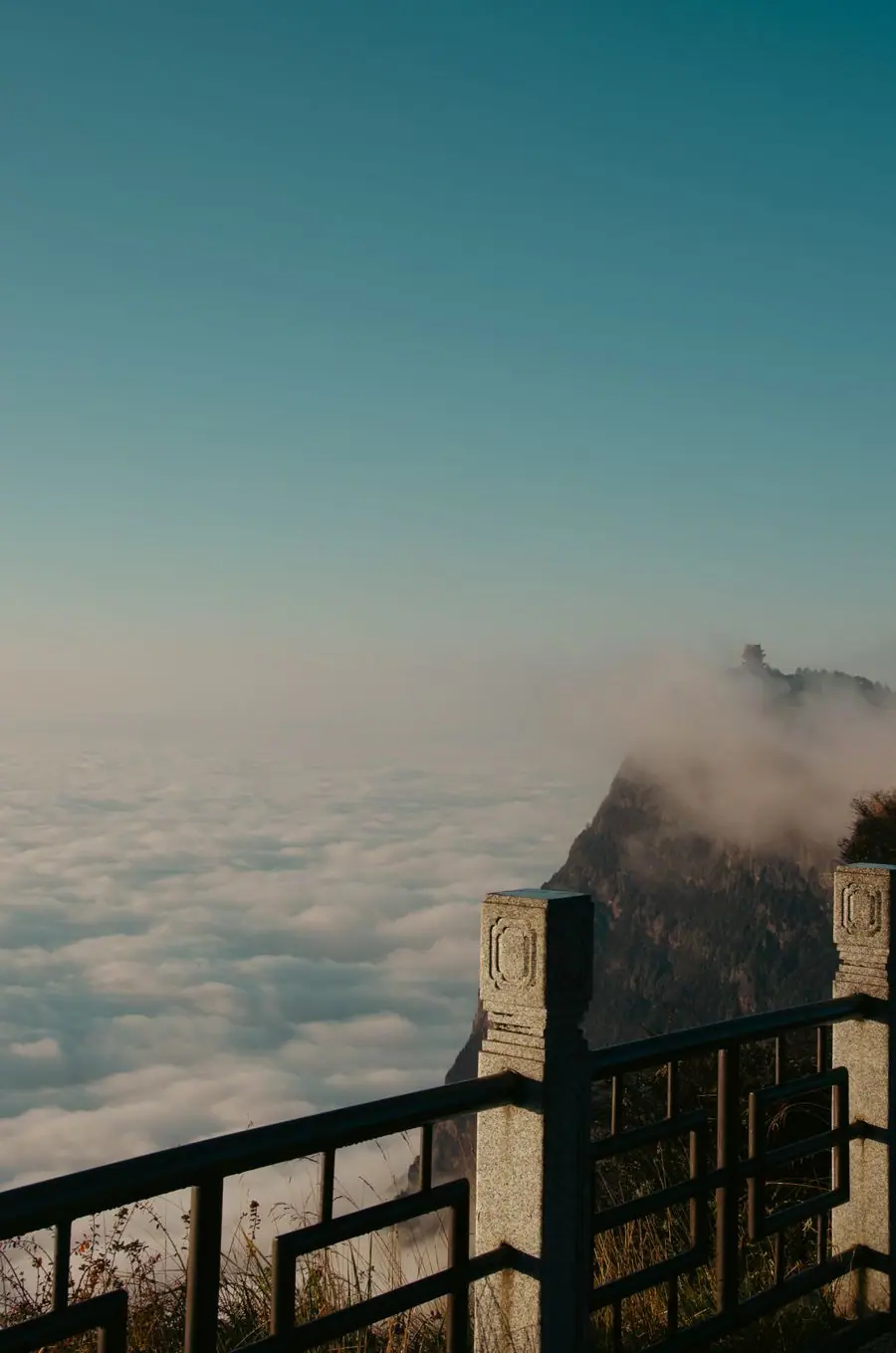
Foot of the mountain
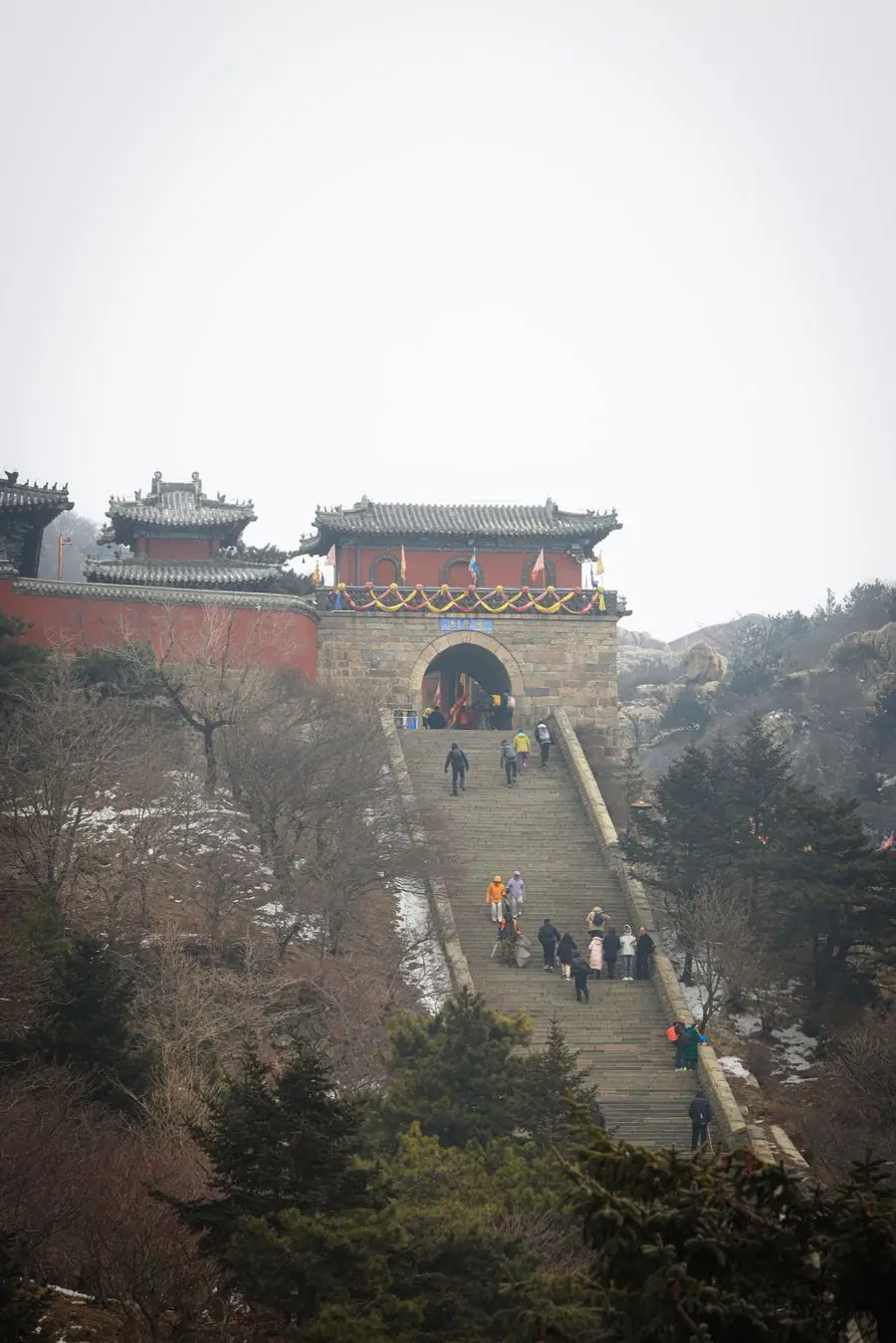
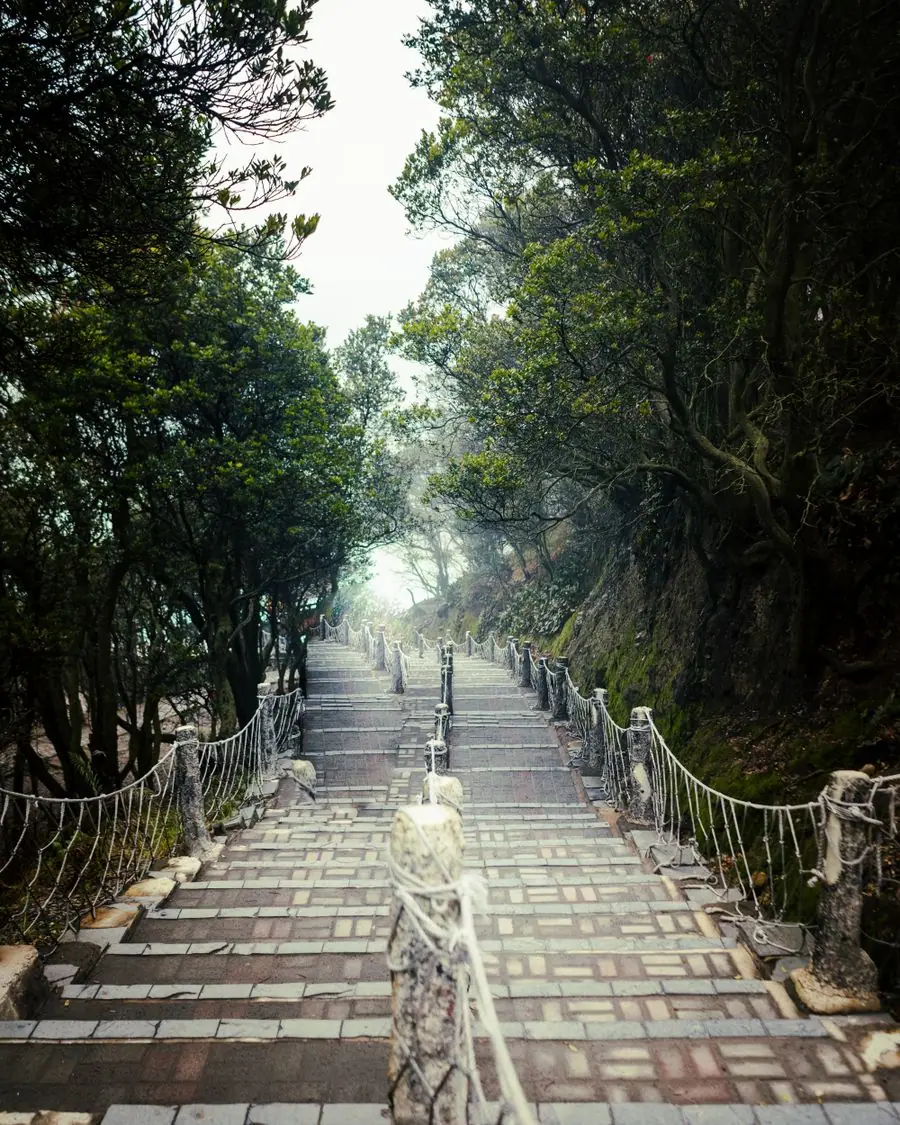
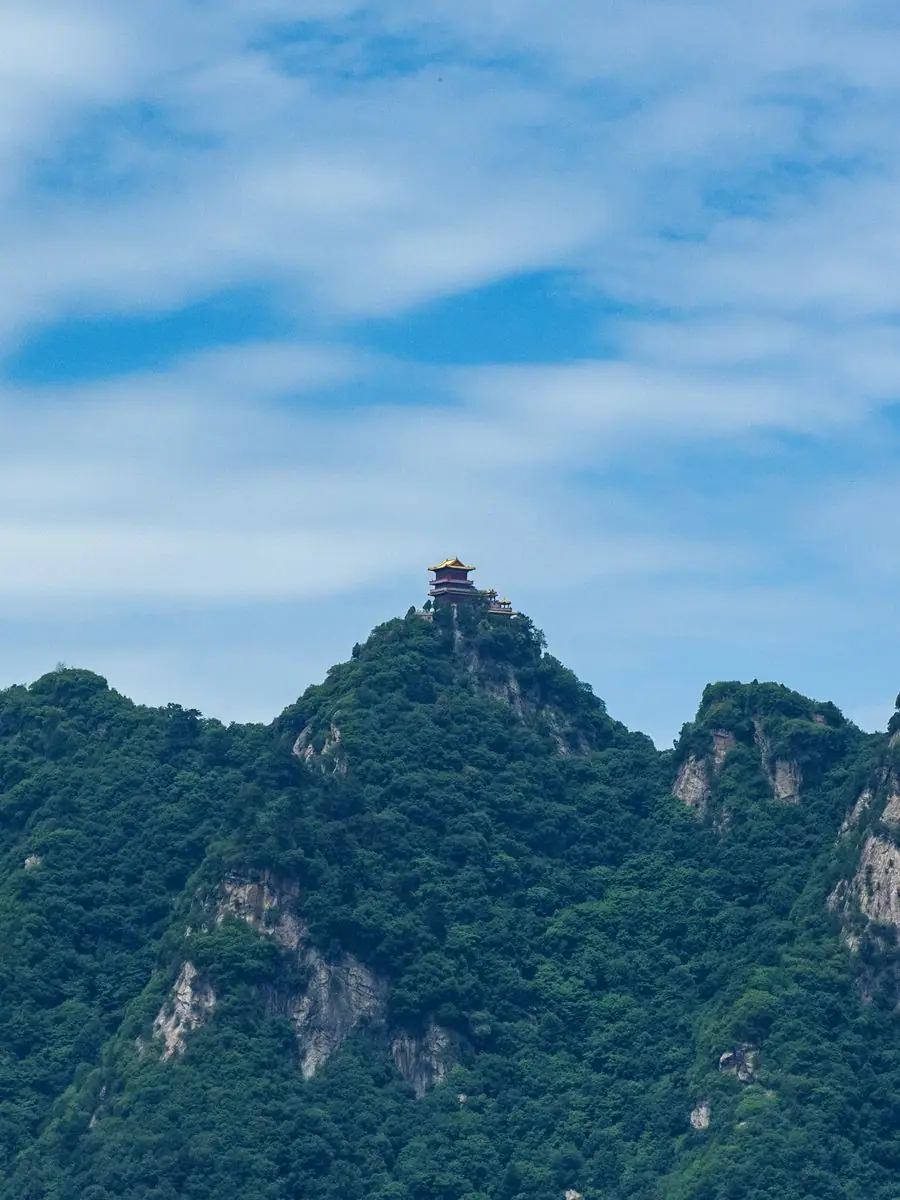
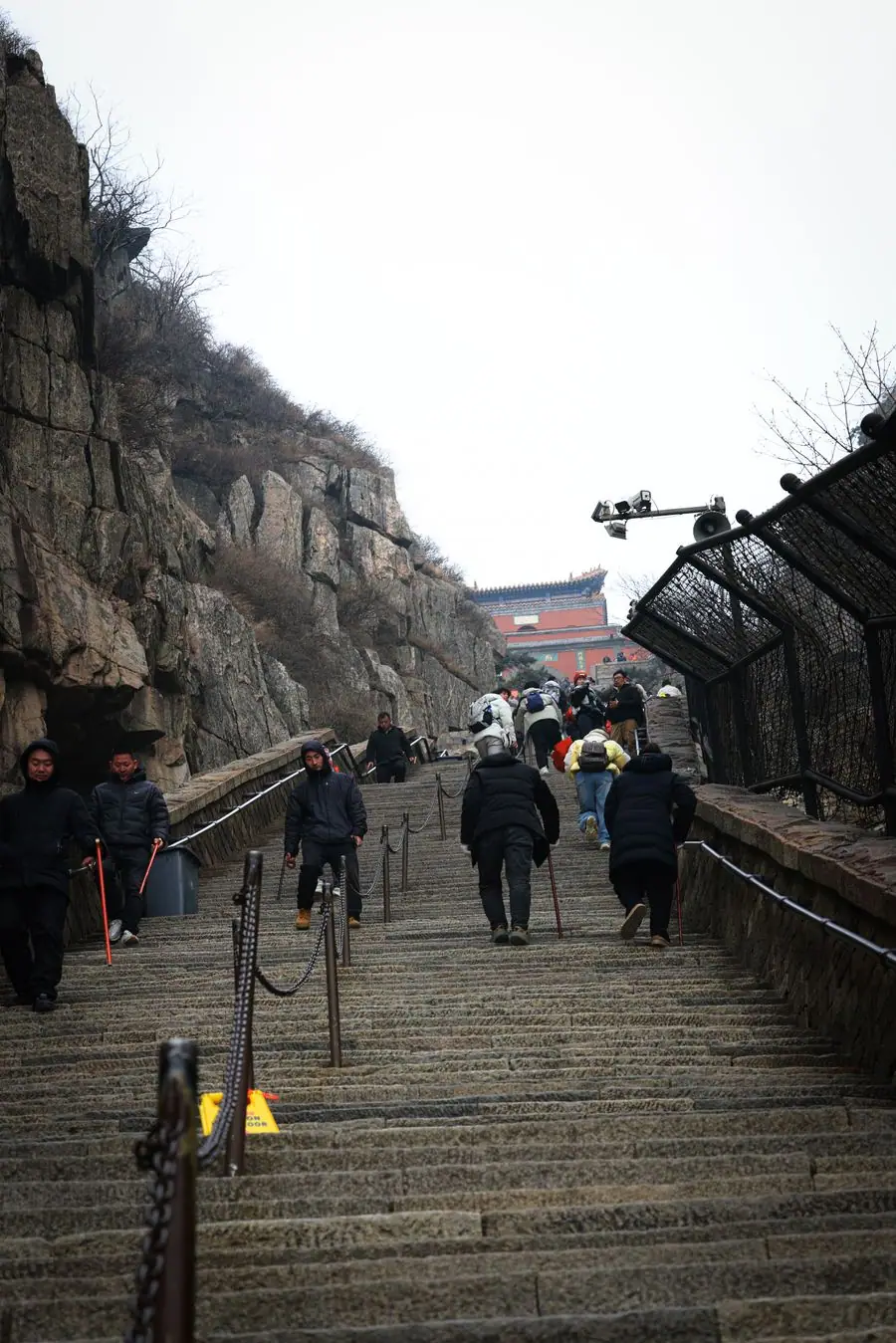
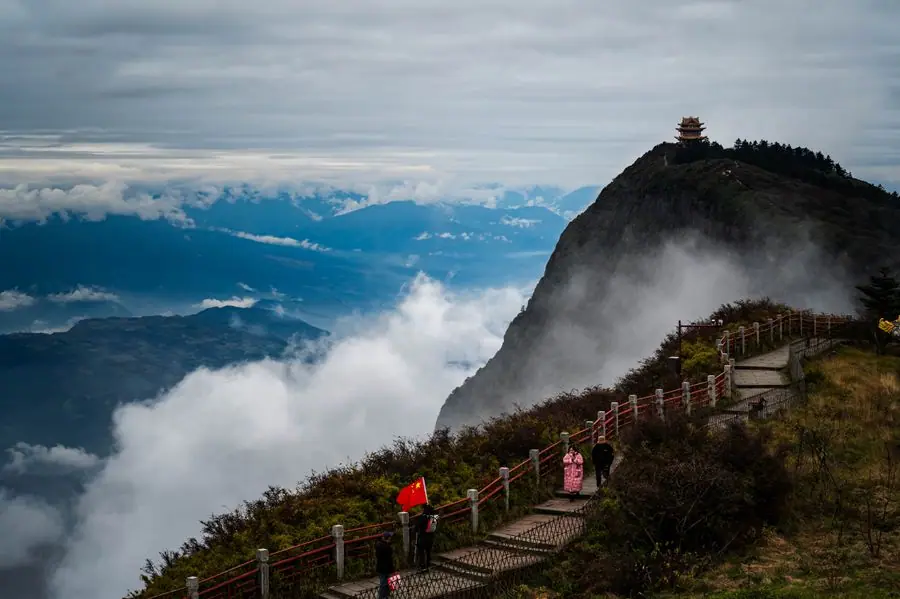
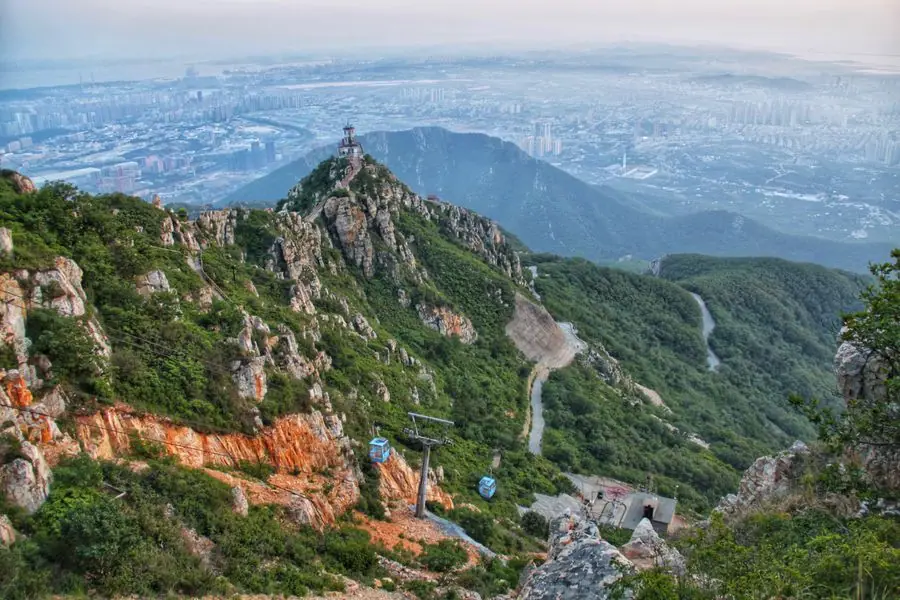
Summit
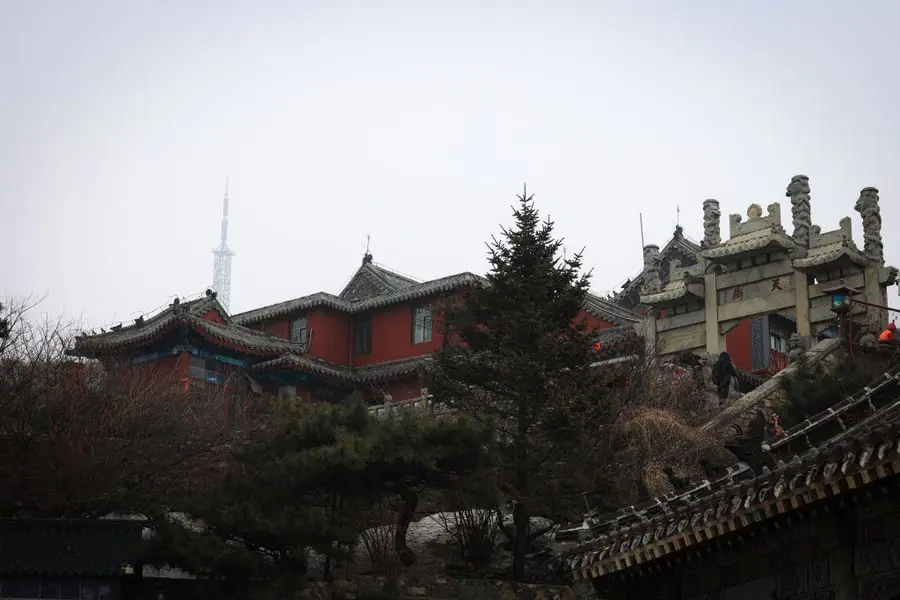
Azure Cloud Temple 碧霞祠
The most important daoist temple on the summit, dedicated to the Goddess of Mount Tai (Bixia Yuanjun) — a gilded, bronze-tiled shrine busy with pilgrims.
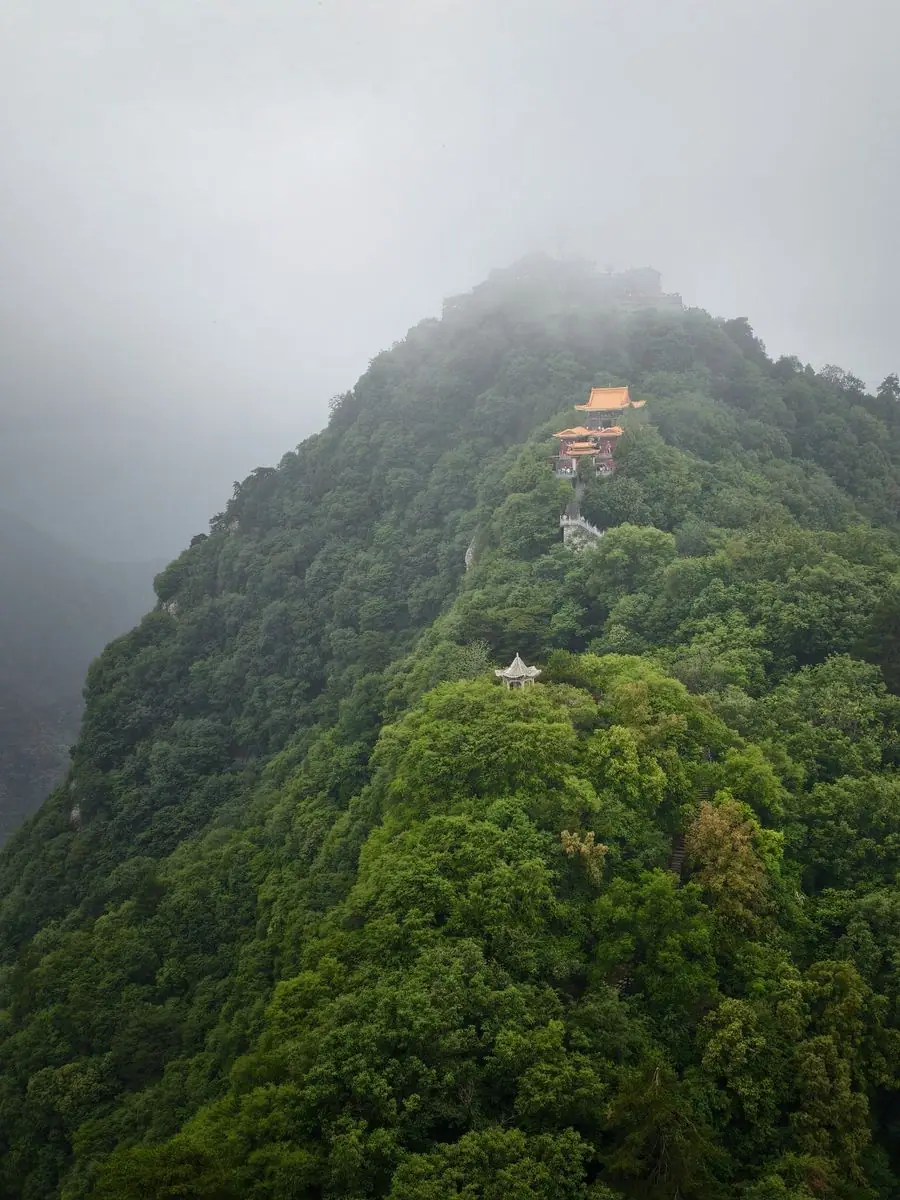
Heavenly Street (Tianjie) 天街
The short street in the sky along the summit ridge — a row of stalls and snack shops where climbers eat, buy badges and warm up between viewpoints.
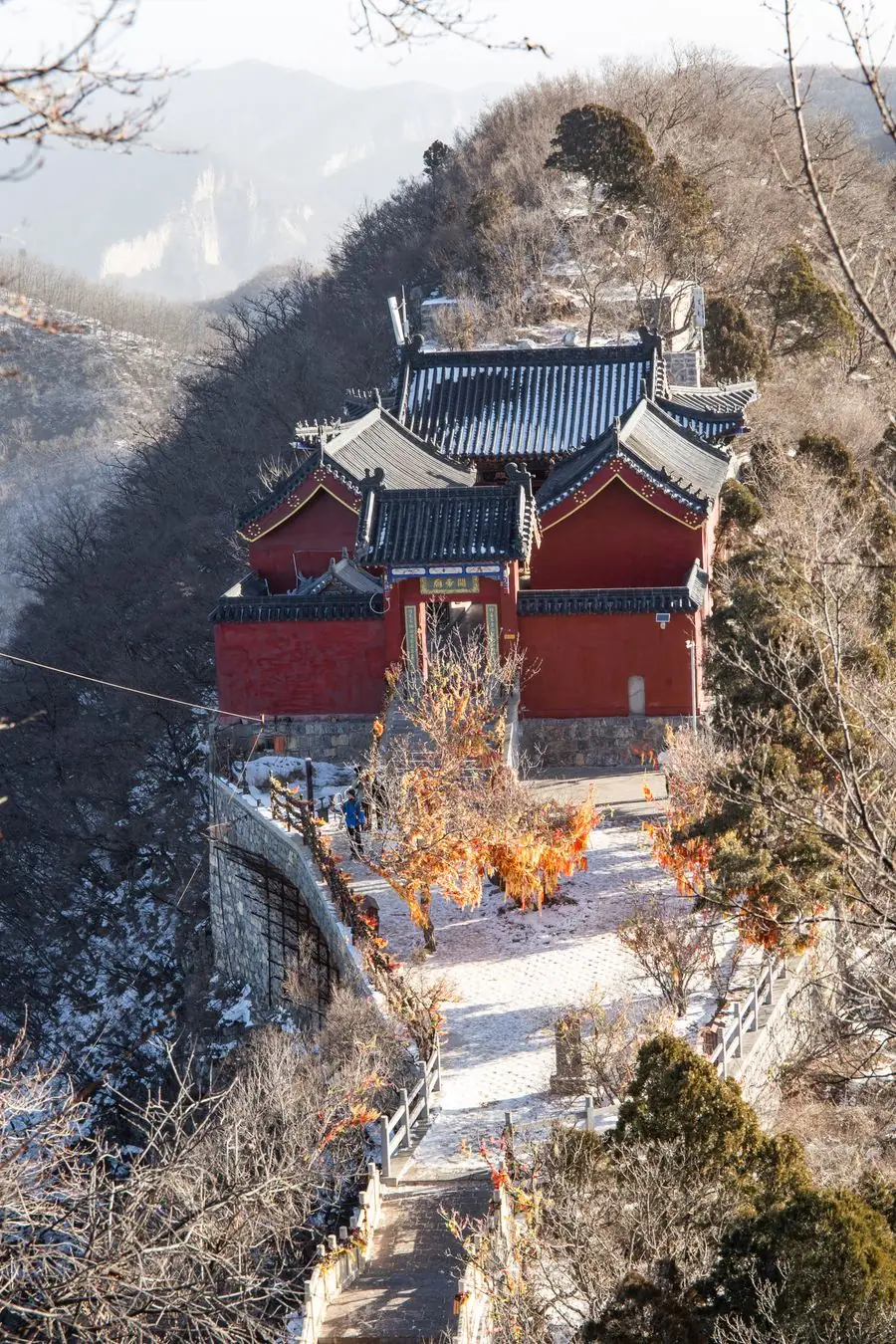
City Centre
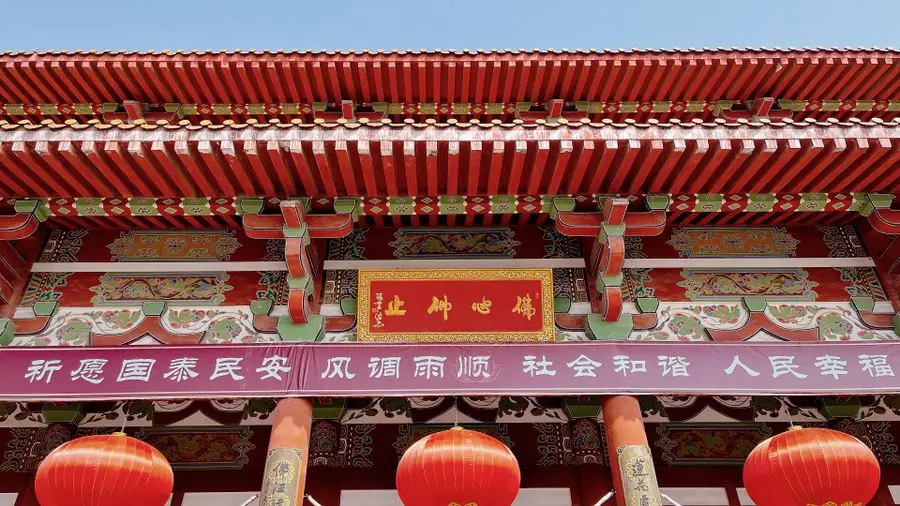
Tongtian Street (Old Town) 通天街
Tai'an's pedestrian old street running from the centre toward the mountain, lined with lanterns, snack stalls and shops selling climb gear and souvenirs.
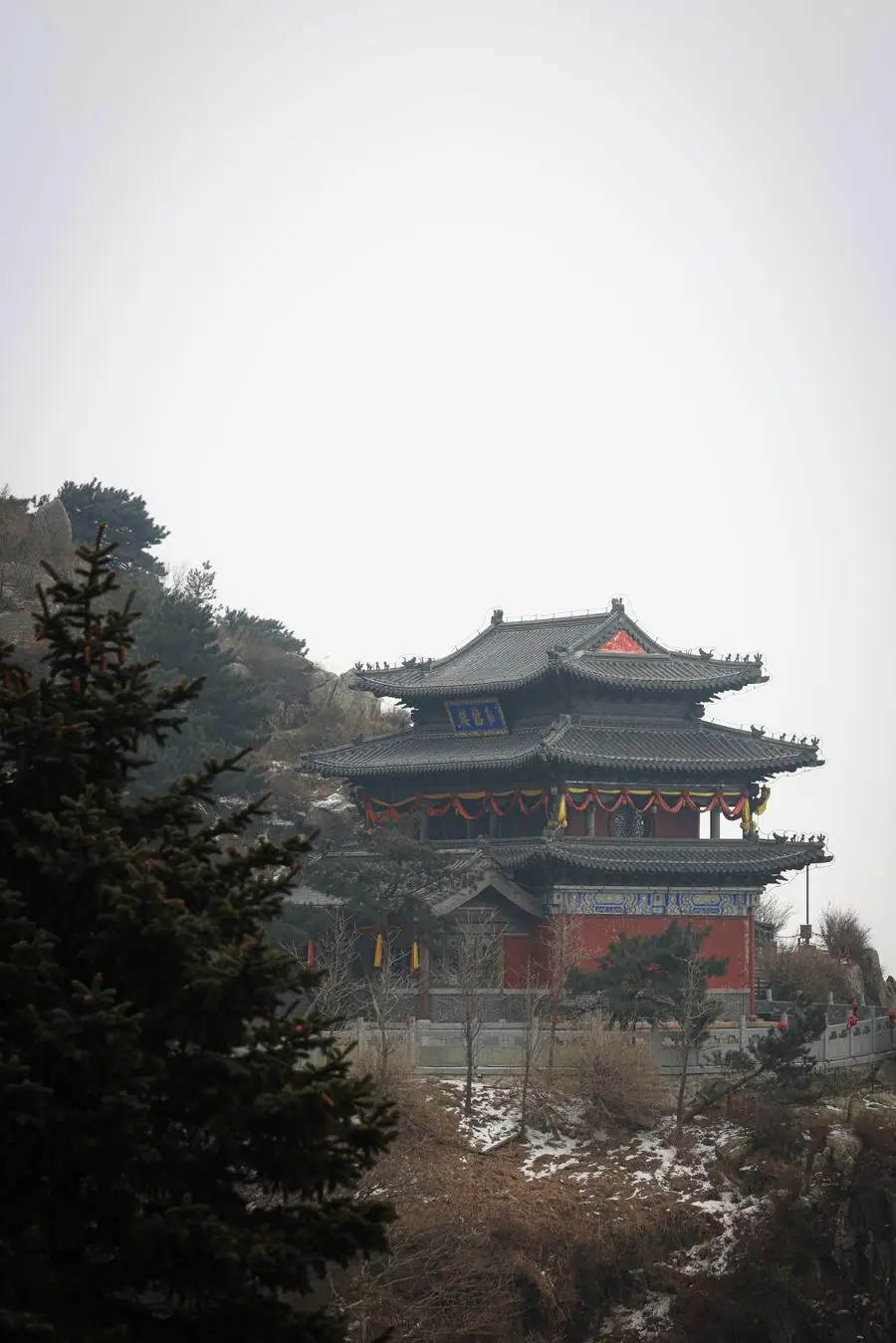
Tai'an Night Market 泰安夜市
The evening food and shopping strip near the centre where Tai'an relaxes after the climb — skewers, pancakes, fruit and cheap clothes under string lights.
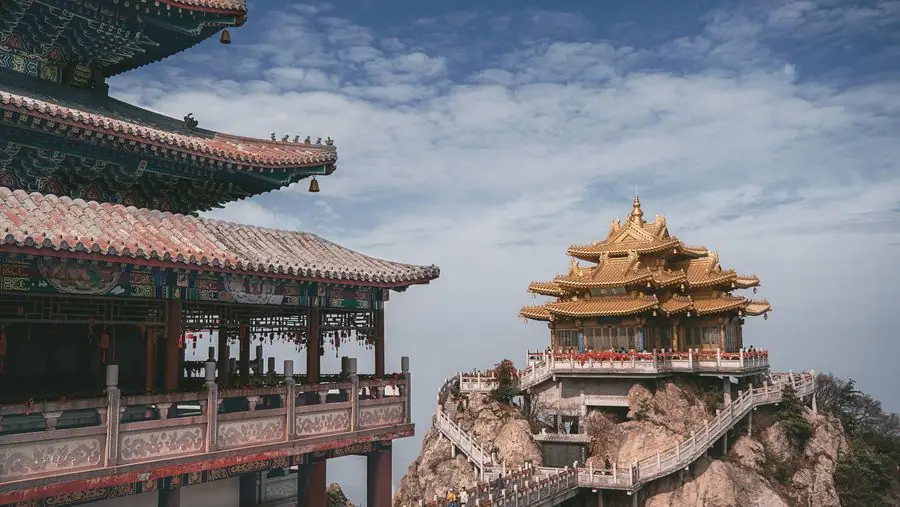
Where to stay in Tai'an
Rates are for a standard double room in 2026. Stay within 2 km of the Red Gate (Hongmen) if you plan a pre-dawn climb; the high-speed station is 5 km north. Confirm the USD price at booking.
Luxury
$70–140 / nightHotels near the mountain entrance and the high-speed station, some with summit-view rooms.
Upper mid-range
$40–70 / nightComfortable hotels along Tai'an's main drag and around Dai Temple.
Mid-range
$25–40 / nightChinese business hotels a short walk from the Red Gate climb start.
Budget
$14–25 / nightGuesthouses near the mountain gate for pre-dawn starters.
Hostels
$9–16 / nightClimber hostels with early-breakfast deals near the trailhead.
Souvenirs & local crafts
Easy to pack, easy to explain at customs — and far cheaper at a supermarket than at a scenic stall.
-

Mount Tai Stone Rubbings (泰山石刻拓片)
Paper rubbings of the mountain's famous cliff inscriptions — the signature Tai'an keepsake.
-

Tai'an Pancake Mix
Packets of the local millet pancake mix to take home.
-
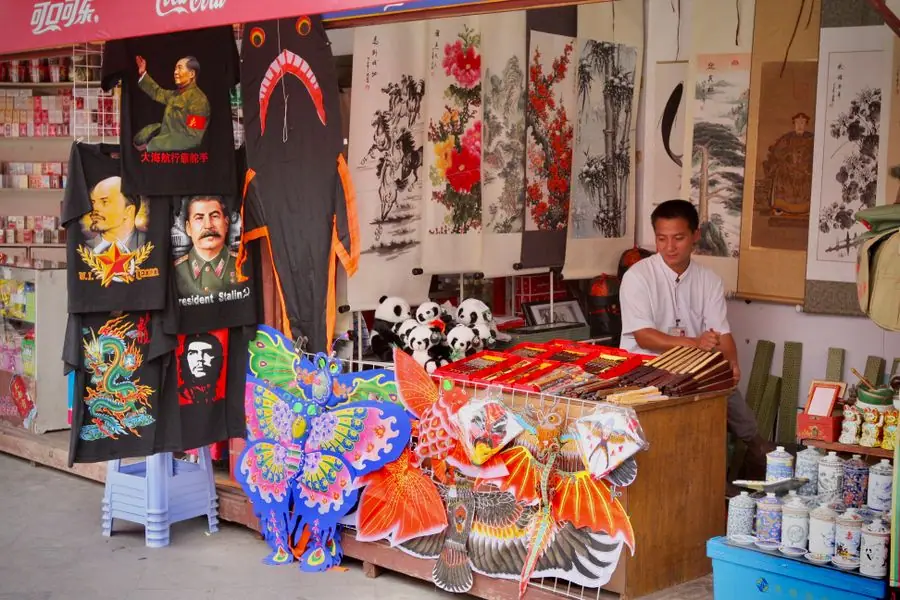
Jade & Quartz Carvings
Small mountain-jade and quartz figurines sold around the temple and the gate.
-
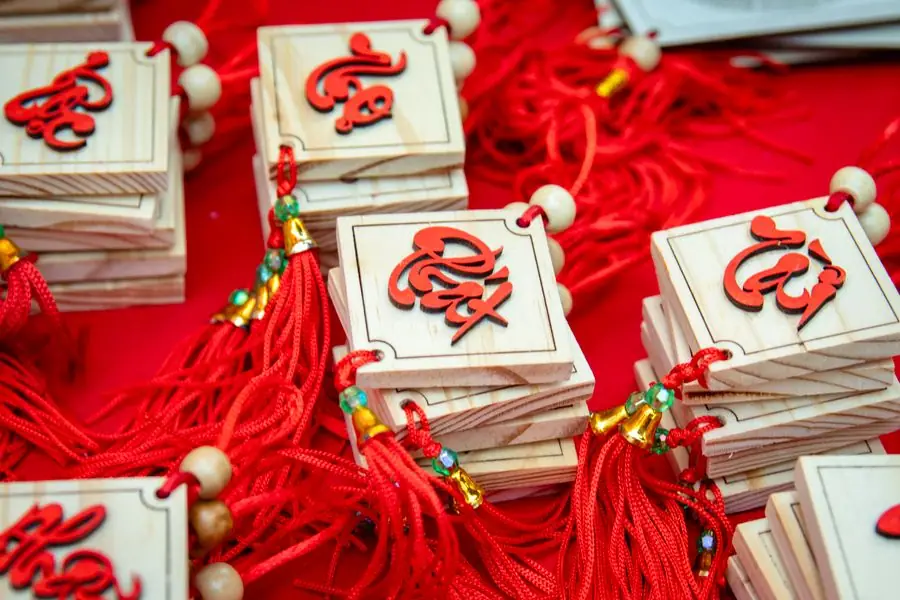
Local Tea (泰山女儿茶)
Tai'an's 'daughter tea' grown on the mountain slopes, sold in small tins.
-
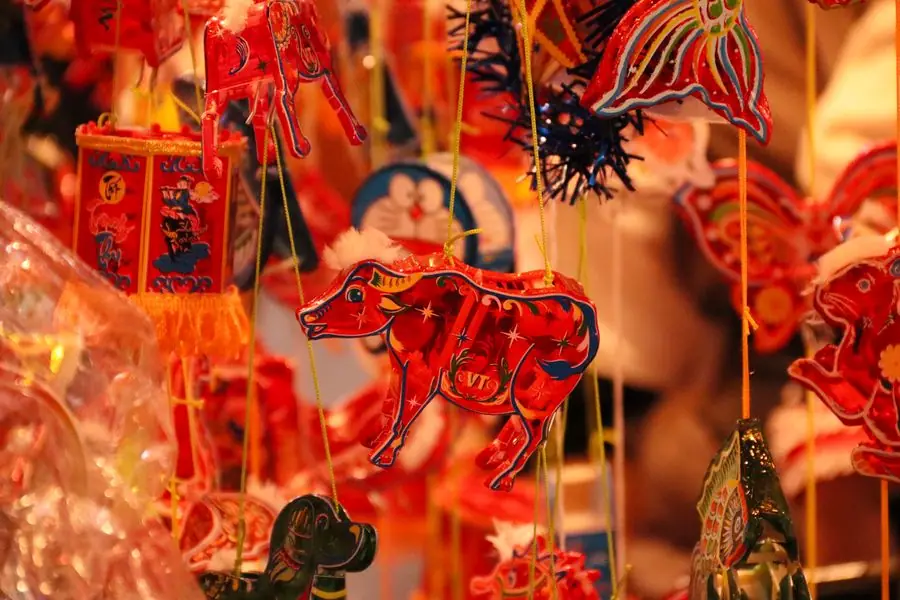
Calligraphy Scrolls
Reproductions of classic Tai inscriptions and poems, rolled for travel.
Getting around Tai'an
Tai'an is on the Beijing–Shanghai high-speed line, about 2 h from Beijing and 2.5 h from Shanghai. The centre is flat and walkable; the mountain begins at the Red Gate on the city's north edge.
- High-speed rail
- Tai'an Station (and the newer Tai'an West) sits on the Beijing–Shanghai HSR; trains reach Beijing in about 2 h and Qufu (Confucius' home) in about 30 min.Book real-name tickets with your passport through 12306 or a travel app; the station is a short DiDi or bus ride from the Red Gate.
- Long-distance bus
- Local buses run from the station to the Red Gate and to the Taohua Yuan (Peach Blossom Ravine) western entrance.
- Metro & bus
- Tai'an has no metro; the centre is walkable and DiDi covers longer hops.
- Taxis
- Taxis are metered from about $1.50; agree a flat fare for the dawn drop to the trailhead.
- Ride-hailing
- DiDi runs inside Alipay with an English map and card payment — the easiest way to reach the gates.
- Shared bikes
- Shared bikes cover the flat town but not the mountain.
- Intercity carpool
- For the western Taohua Yuan entrance or a summit hotel, book a car; drivers quote a flat rate.
Plan your 1, 2 or 3 days in Tai'an
Pick the length of your stay. Each plan is its own page, anchored at the city centre and written from real traveller itineraries — including splits for sightseeing, shopping, landscape, families and older travellers.
Tai'an in 1 Day
Dai Temple, then the cable-car-assisted summit for sunset or a fast sunrise.
Read the plan → 2-dayTai'an in 2 Days
Day one the temple and old town, day two the overnight climb for sunrise.
Read the plan → 3-dayTai'an in 3 Days
Add the western Taohua Yuan entrance and a recovery day in town.
Read the plan →Frequently asked questions
- Do I need a visa to visit Tai'an?
- Foreign visitors need a Chinese visa (or to qualify for the 240-hour visa-free transit / unilateral visa-free entry where applicable). Mount Tai is open to foreign tourists; carry your passport for real-name entry.
- When is the best time to visit Mount Tai?
- April–May and September–October are best — clear skies and comfortable heat. Winter is freezing but stunning after snow; summer is hot and crowded.
- How do I climb Mount Tai for sunrise?
- Most start around 10 pm–midnight from the Red Gate and reach the summit in 5–8 h, or take an early cable car from the western Taohua Yuan entrance. Book summit hotels ahead in peak season.
- Can I take a cable car instead of climbing?
- Yes — cable cars run from the Midway Gate and from Taohua Yuan to the upper mountain, each about $12 one-way. You still walk the final short stretch to the peaks.
- How do I get to Tai'an?
- High-speed rail from Beijing (about 2 h) and Shanghai (about 2.5 h) on the Beijing–Shanghai line; the station is a short DiDi or bus from the Red Gate.
- How many days do I need in Tai'an?
- One full day covers Dai Temple and a cable-car summit trip; two days lets you do the classic overnight climb for sunrise; add a third for the western entrance and a rest day.
Page last reviewed: 2026-11-02.