Shiyan 2026: Wudang Mountains, Tai Chi & a 1–3 Day Plan
Shiyan exists because of the Wudang Mountains. The range south of the city is a UNESCO Taoist sanctuary where emperors built a skyline of gold-roofed temples and where tai chi was born. Below: the best time, the history, the food, where to stay, every major sight with its own guide, and 1/2/3-day plans built around the mountain.

History & culture
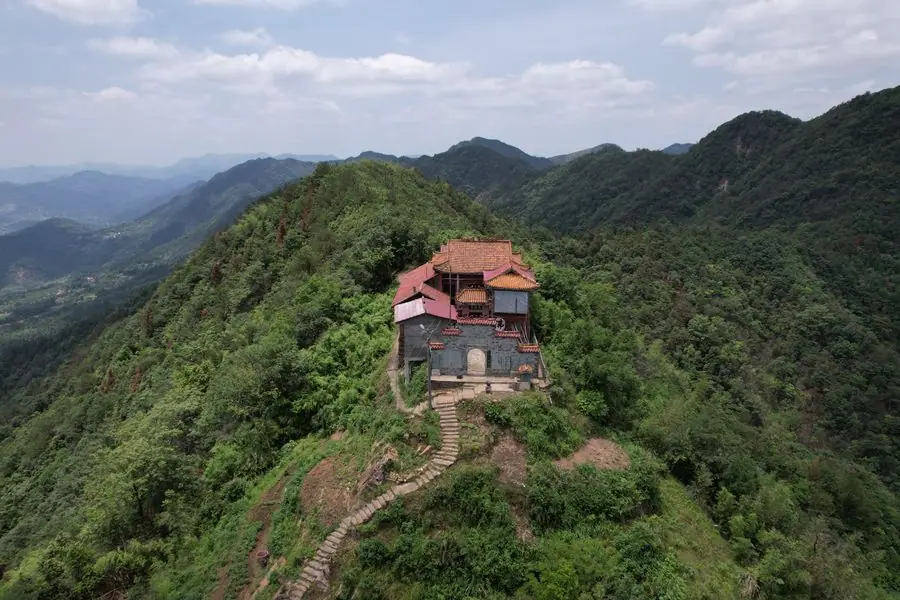
The Wudang Mountains have been a Taoist sacred site for over 1,000 years. From the Tang dynasty, hermits and priests built monasteries on the peaks; the mountain became the spiritual home of the Taoist deity Zhenwu (the Perfected Warrior).
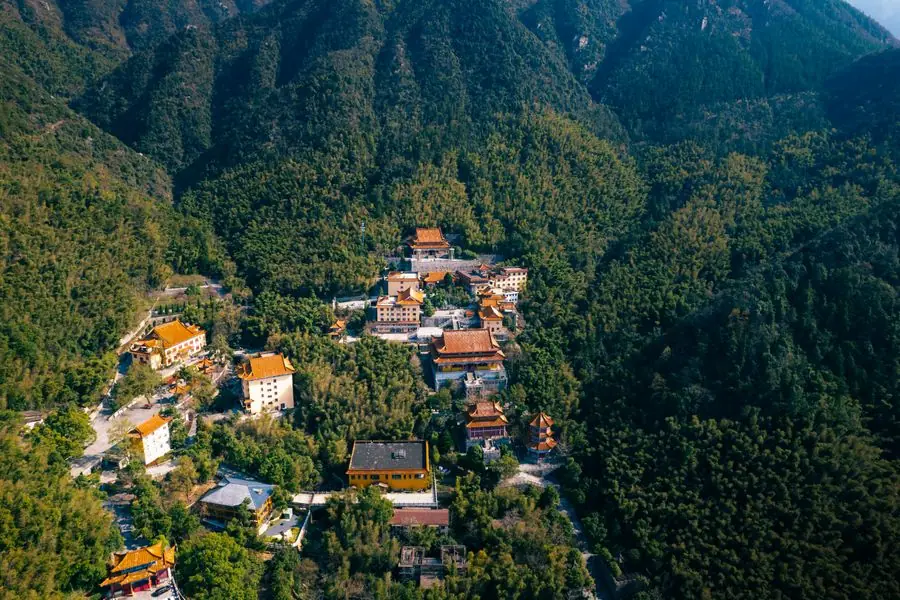
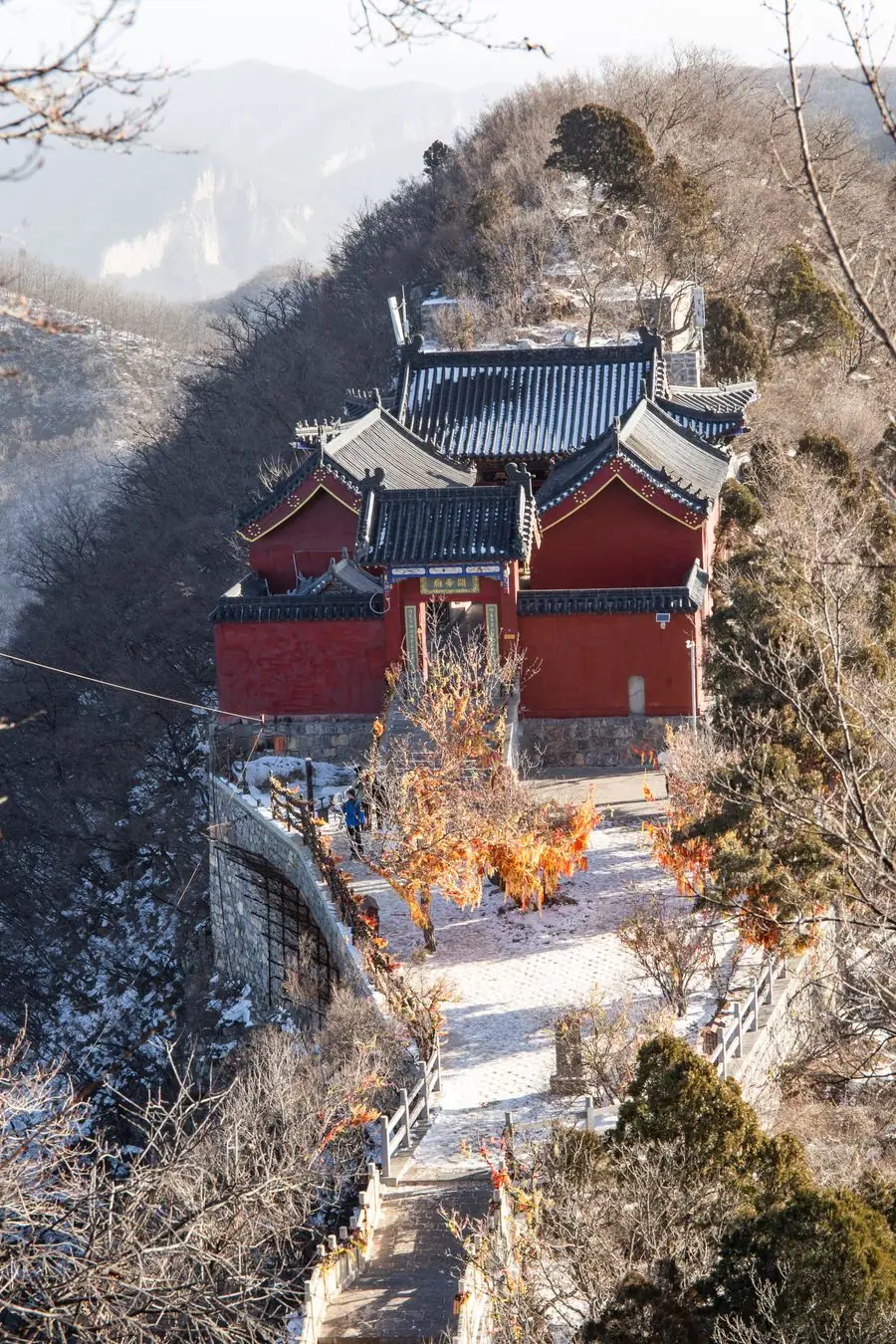
In the early 1400s the Yongle Emperor of the Ming dynasty ordered a huge building campaign — reportedly 300,000 workers — to construct the nine palaces and thirty-six monasteries that still crown the slopes, making Wudang the empire's ritual centre of Taoism. The legendary Zhang Sanfeng is said to have founded Wudang martial arts here, the root of tai chi.
Modern Shiyan was built around the Second Auto Works (Dongfeng motor) from 1969, and the nearby Danjiangkou Reservoir became the source of China's South–North Water Transfer Project. Today the city is the service base for the mountain and a stop on the Wuhan–Xi'an high-speed line.
Best time to visit Shiyan
Shiyan has a humid subtropical climate: hot, wet summers and cold, dry winters. The mountain is best in the mild, clear seasons, with mist adding atmosphere year-round.
Budget for Shiyan: hotels from $8 a night, average ticket $$11.2 — see the full cost breakdown, or start from a ready-made route.
Cuisine of Shiyan
Signature dishes worth seeking out — prices are typical per-person or per-dish ranges, not fixed quotes.
-
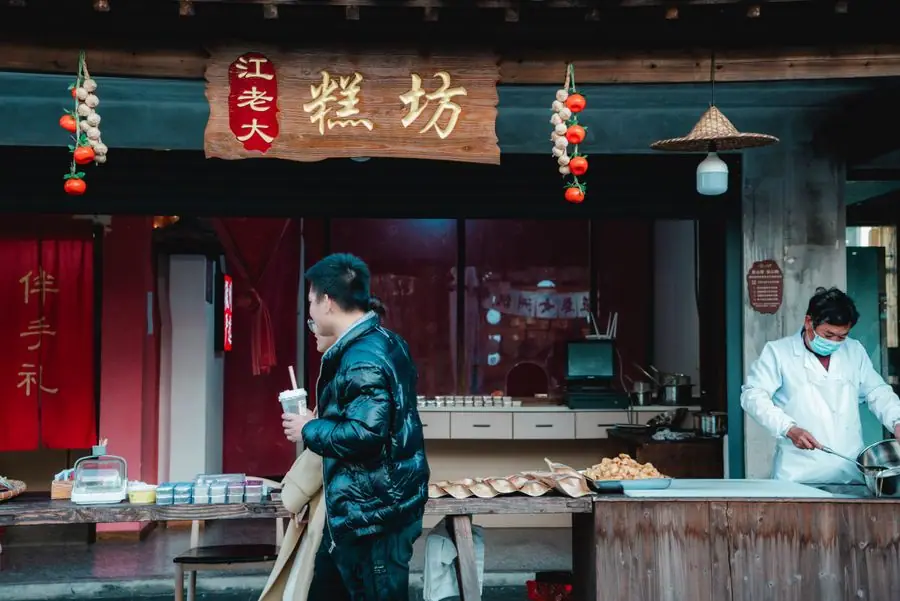
Wudang Taoist Vegetarian Cuisine (武当道家素斋)
Meat-free temple cooking — braised tofu, wild greens and mushroom broths developed by the mountain's monks.
-
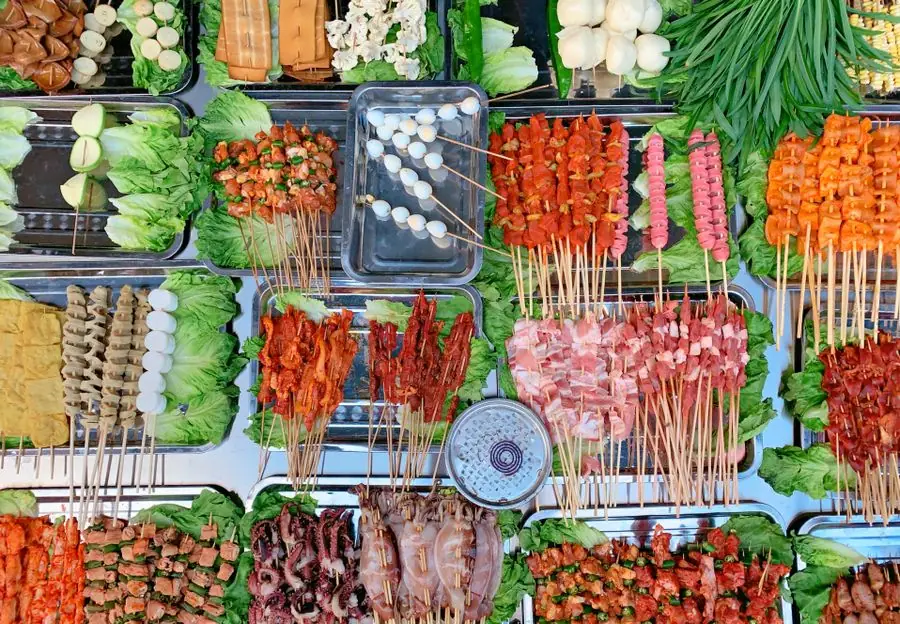
Yunyang Sanhe Soup (郧阳三合汤)
A peppery local soup of beef, meatballs and tripe, a Shiyan breakfast staple.
-
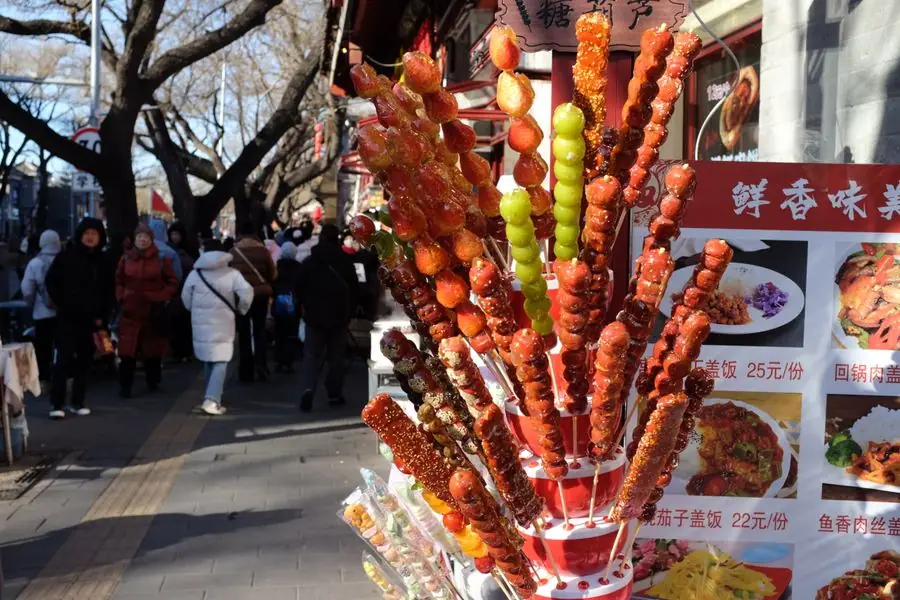
Danjiangkou White Fish (丹江口翘嘴鲌)
Fresh fish from the reservoir, steamed or braised — a clean, mild specialty of the water town.
-
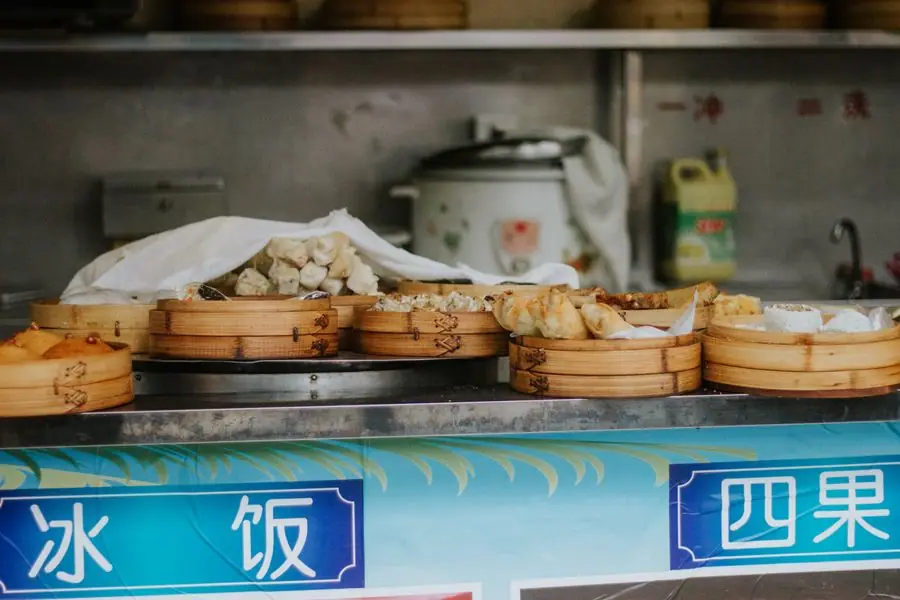
Fangxian Yellow Wine (房县黄酒)
A sweet, low-alcohol fermented rice wine from Fangxian county, drunk warm in winter.
-
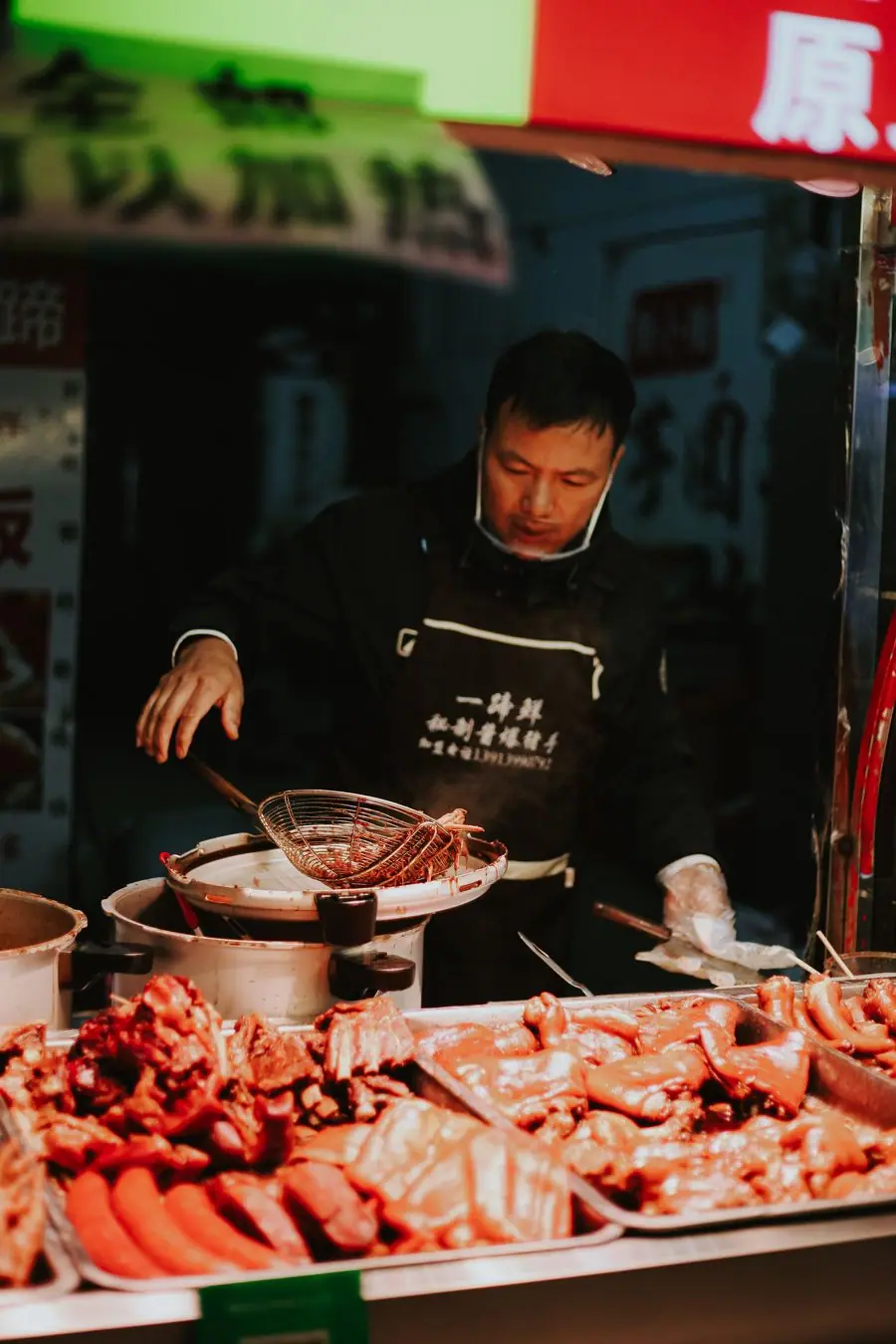
Mountain Wild Mushrooms (武当山珍)
Seasonal foraged mushrooms from the Wudang forests, stir-fried or in hot pots.
Every major sight — with its own guide
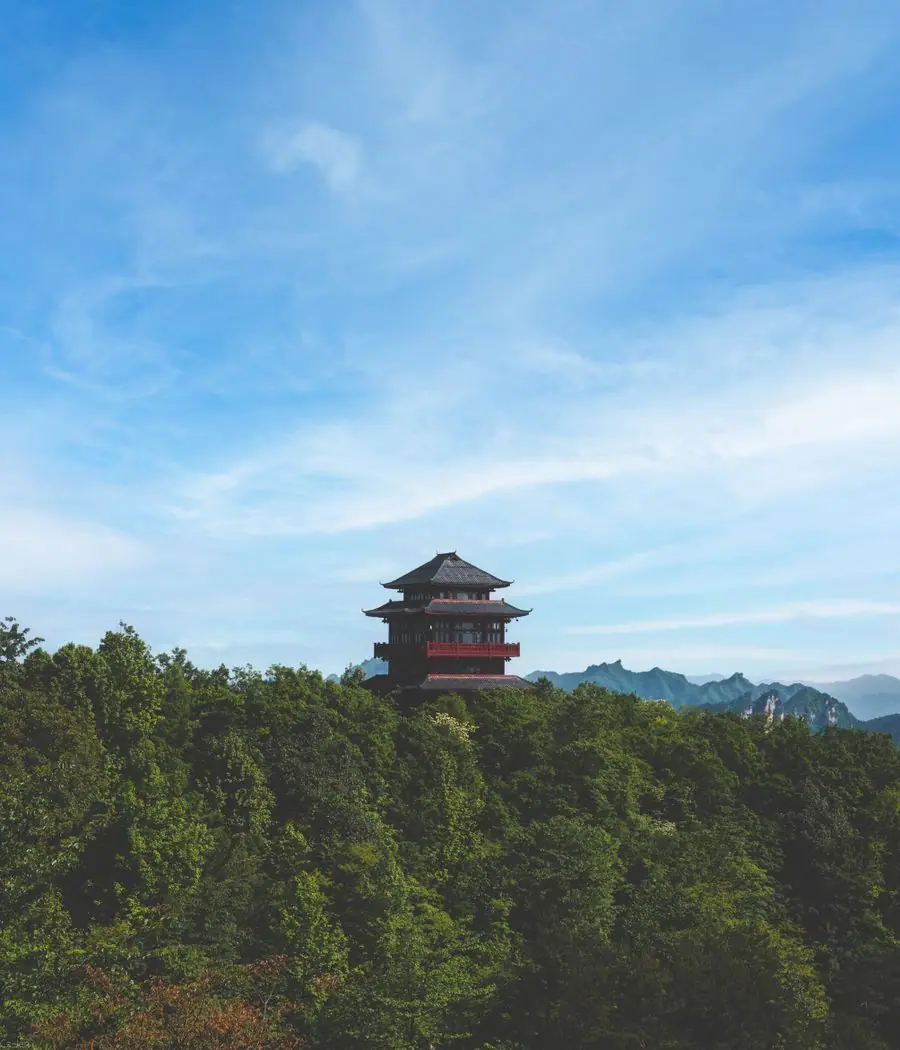
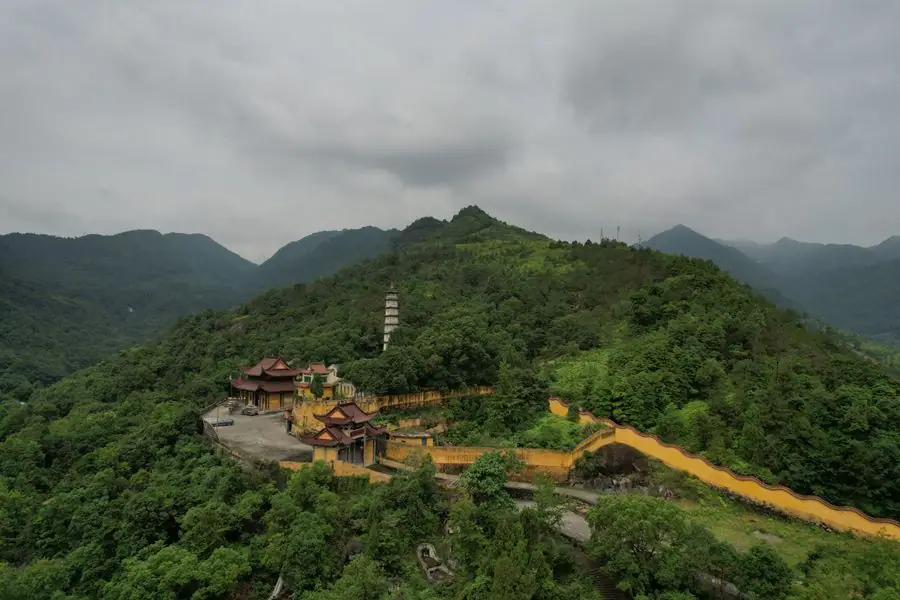
Right after the food above, here are the sights — each one links to its own full guide (what to see, how to get there, facilities and the best season). Names follow each sight's official English signage.
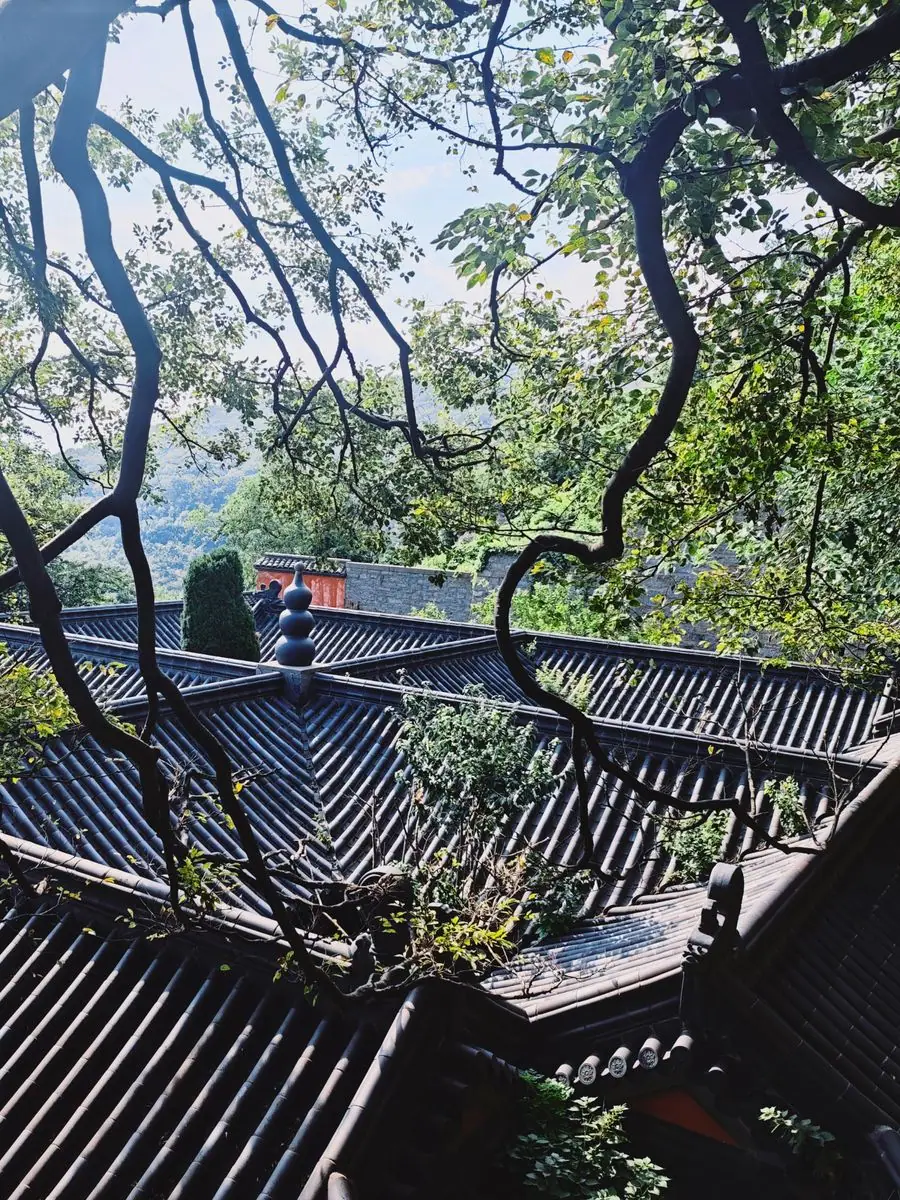
Foot of the mountain

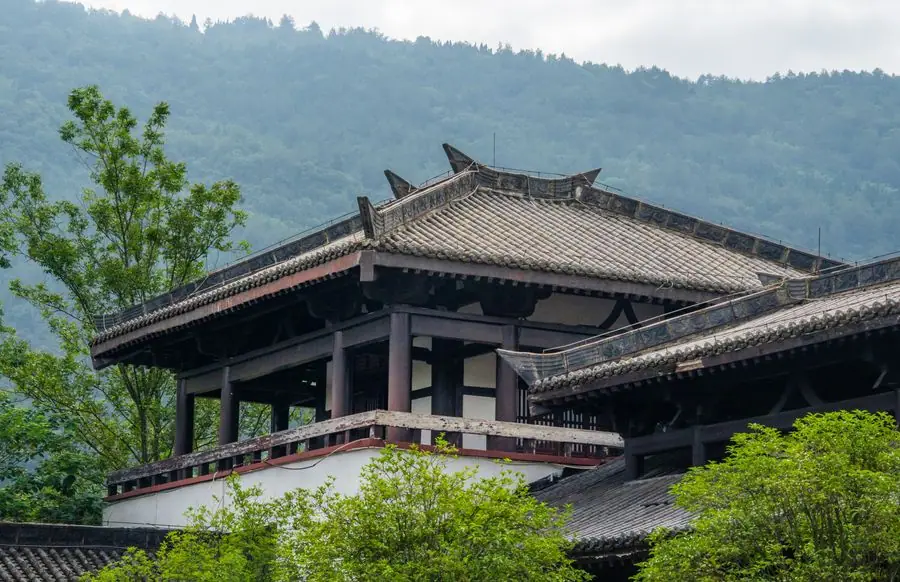
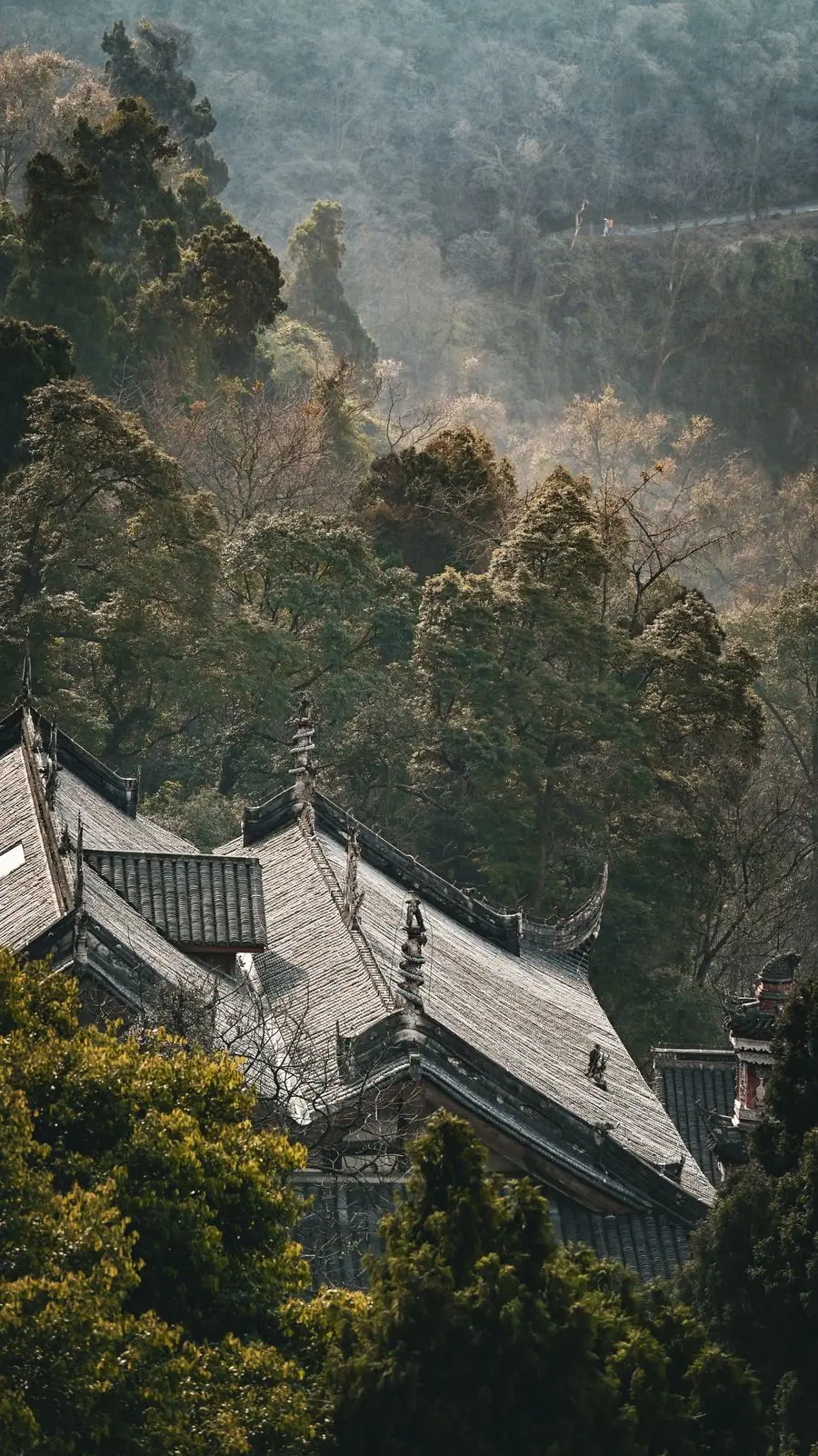
Yuxu Palace (Yuxu Gong) 玉虚宫
The largest palace complex at the foot of Wudang, built by the Yongle Emperor — a vast walled enclosure of gates and halls.
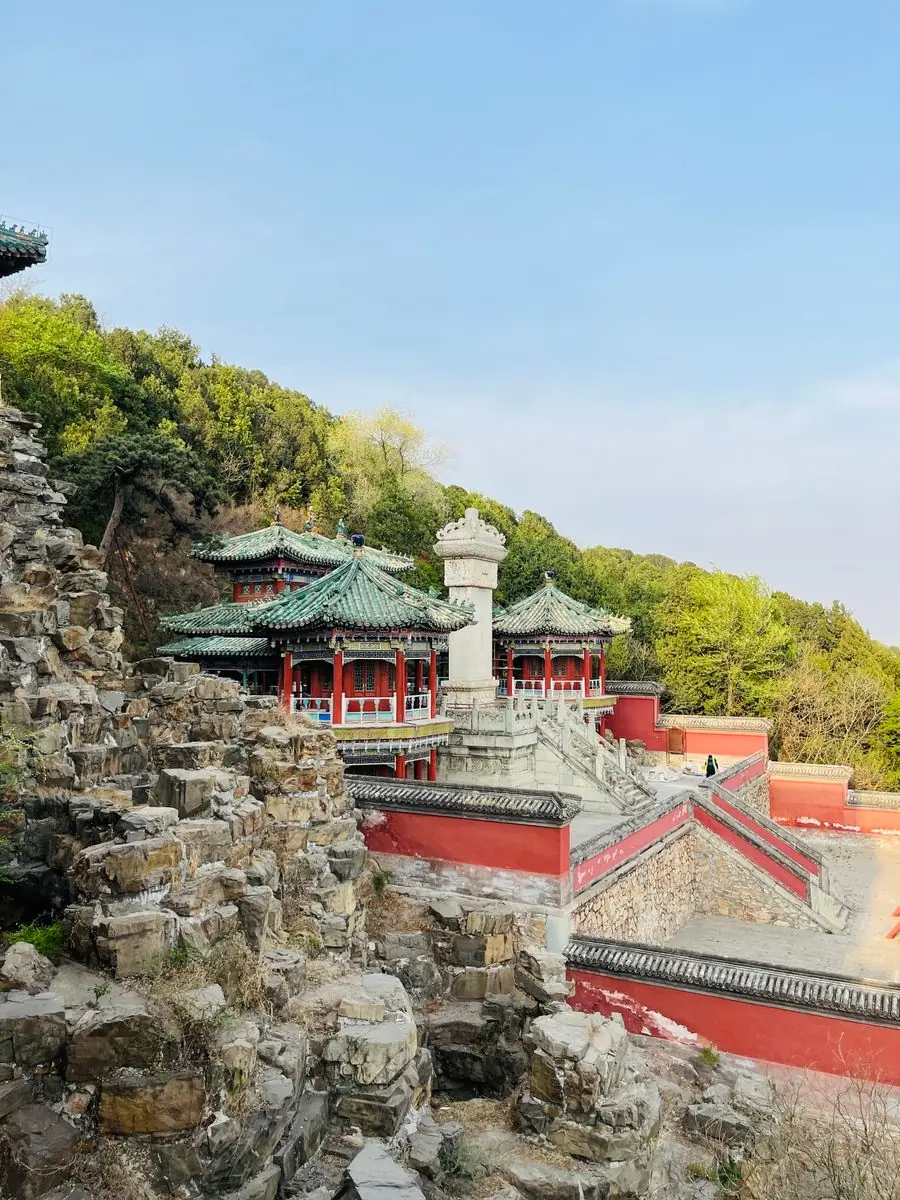
Yuzhen Palace (Yuzhen Gong) 遇真宫
The palace built where the legendary Zhang Sanfeng is said to have taught — a restored complex of gates and halls at the mountain's foot.
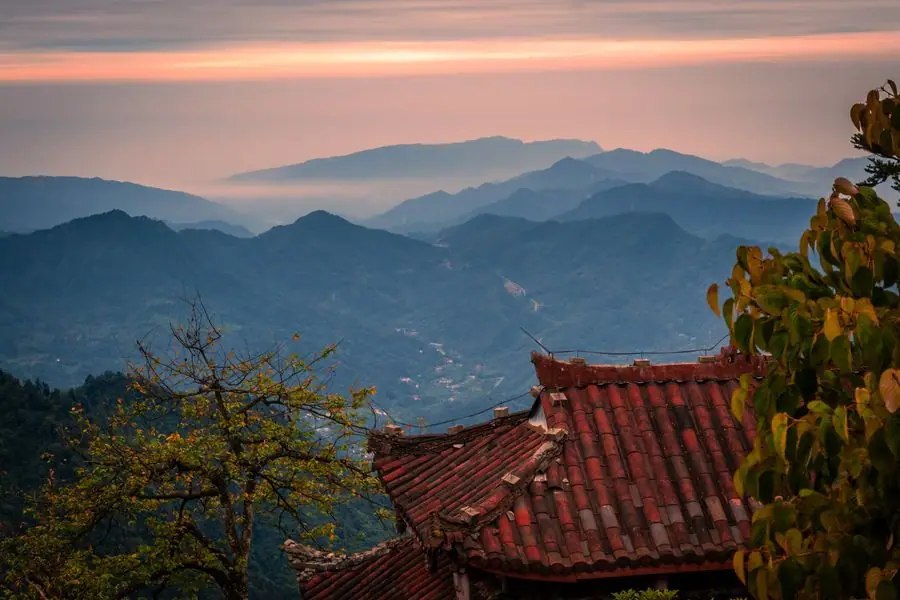
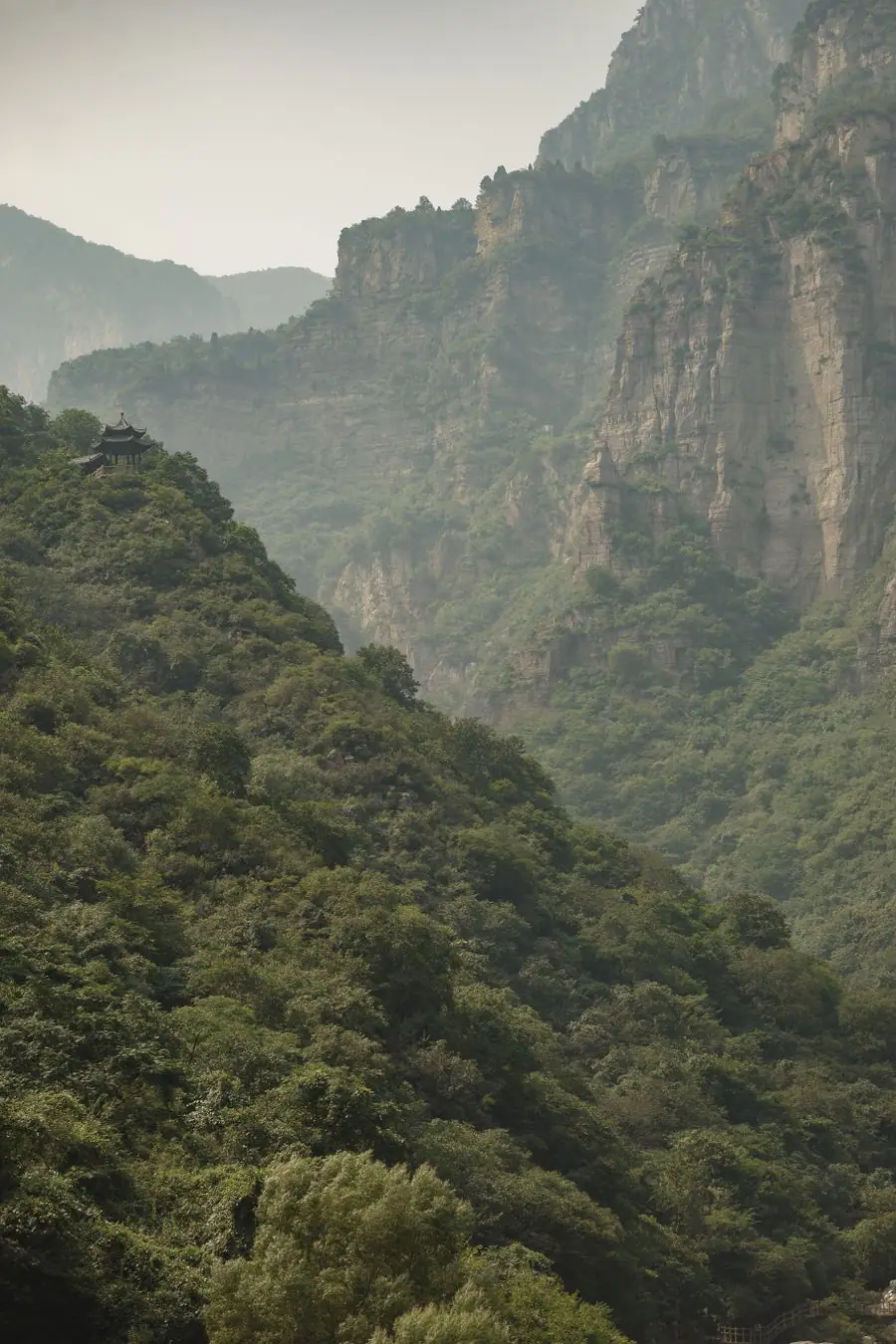
West of the mountain
Where to stay in Shiyan
Rates are for a standard double room in 2026. Stay at the Wudang scenic-area base if you want dawn tai chi on the mountain; stay in Shiyan city for transport and cheaper rooms. Confirm the USD price at booking.
Luxury
$60–120 / nightResort hotels at the mountain base and around Taiji Lake with spa and views.
Upper mid-range
$35–60 / nightComfortable hotels in Shiyan city and near the Wudang scenic entrance.
Mid-range
$22–35 / nightChinese business hotels a short DiDi from the stations.
Budget
$13–22 / nightGuesthouses near the scenic-area gate for early starters.
Hostels
$8–15 / nightTraveller hostels in the city and at the mountain base.
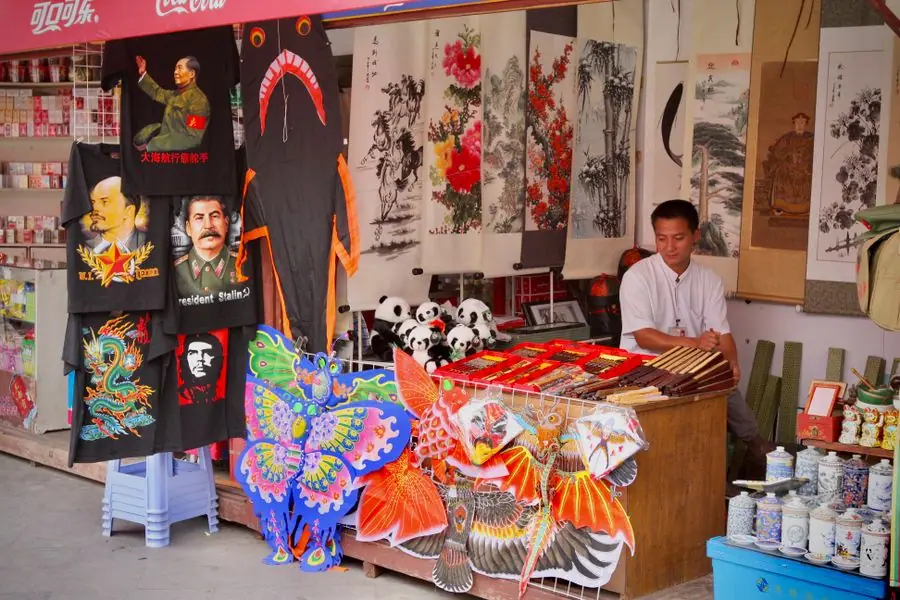
Souvenirs & local crafts
Easy to pack, easy to explain at customs — and far cheaper at a supermarket than at a scenic stall.
-

Wudang Tai Chi Figurines
Small statues and figures of tai chi postures — the signature Wudang keepsake.
-

Taoist Talismans & Charms
Printed talismans and jade charms sold at the temples and the gate.
-
Wudang Tea (武当道茶)
Mountain-grown green tea from the slopes, sold in plain tins.
-
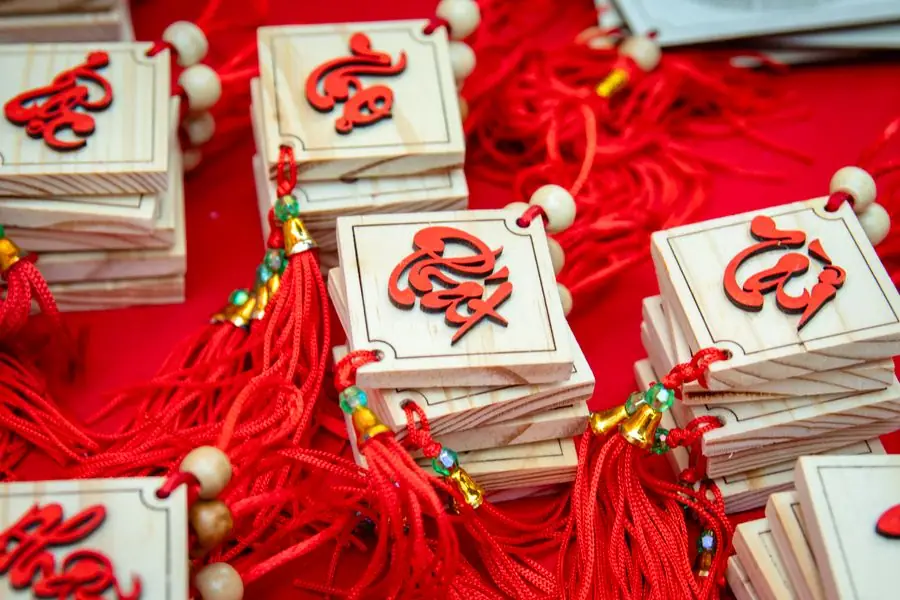
Local Chestnuts & Walnuts
Bagged mountain nuts from the surrounding hills.
-
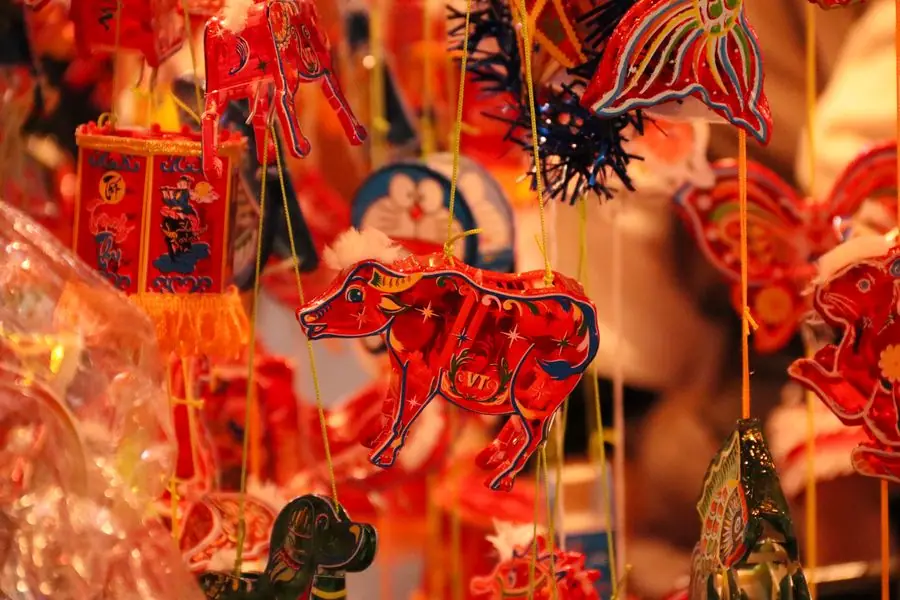
Wudang Scrolls & Calligraphy
Reproductions of Taoist art and tai chi diagrams, rolled for travel.
Getting around Shiyan
Shiyan sits on the Wuhan–Xi'an high-speed line, about 2 h from Wuhan and 2.5 h from Xi'an. The centre is flat and walkable; the Wudang scenic area is about 40 km southwest of the city.
- High-speed rail
- Shiyan East Station (十堰东) is on the Wuhan–Xi'an HSR; trains reach Wuhan in about 2 h and Xi'an in about 2.5 h.Book real-name tickets with your passport through 12306 or a travel app; the station is a DiDi or bus ride from the city and the mountain.
- Long-distance bus
- Tourist and long-distance buses run from Shiyan to the Wudang scenic area and the Danjiangkou Reservoir.
- Metro & bus
- Shiyan has no metro; the city is walkable and DiDi covers longer hops.
- Taxis
- Taxis are metered from about $1.50; agree a flat fare for the 40 km trip to the mountain.
- Ride-hailing
- DiDi runs inside Alipay with an English map and card payment — the easiest way to the scenic area.
- Shared bikes
- Shared bikes cover the flat city but not the mountain.
- Intercity carpool
- For the mountain or the reservoir, book a car; drivers quote a flat day rate.
Plan your 1, 2 or 3 days in Shiyan
Pick the length of your stay. Each plan is its own page, anchored at the city centre and written from real traveller itineraries — including splits for sightseeing, shopping, landscape, families and older travellers.
Shiyan in 1 Day
The Wudang through ticket: shuttle to the mid-mountain, cable car to the Golden Summit, Purple Cloud Temple.
Read the plan → 2-dayShiyan in 2 Days
Day one the summit and upper temples, day two Nanyan, Yuxu Palace and a tai chi class.
Read the plan → 3-dayShiyan in 3 Days
Add Taiji Lake, Danjiangkou Reservoir and a relaxed mountain-base recovery day.
Read the plan →Frequently asked questions
- Do I need a visa to visit Shiyan?
- Foreign visitors need a Chinese visa (or to qualify for the 240-hour visa-free transit / unilateral visa-free entry where applicable). The Wudang scenic area is open to foreign tourists; carry your passport for real-name entry.
- When is the best time to visit Wudang?
- April–May and September–November are best — mild and clear. Winter is cold but the frosted temples are beautiful; summer is hot and rainy.
- How do I visit the Wudang Mountains?
- Buy the through ticket at the visitor centre with your passport, take the shuttle to the mid-mountain, then a cable car or steps to the Golden Summit. Budget a full day for the main temples.
- Can I learn tai chi at Wudang?
- Yes — dawn practice happens on the temple terraces and base schools offer drop-in classes for about $10–20. Watching the sunrise sessions is free.
- How do I get to Shiyan?
- High-speed rail from Wuhan (about 2 h) and Xi'an (about 2.5 h) on the Wuhan–Xi'an line; the station is a DiDi or bus from the city and the mountain.
- How many days do I need in Shiyan?
- One full day covers the Golden Summit and Purple Cloud Temple; two days adds Nanyan and a tai chi class; three lets you include the lakes and a rest day.
Page last reviewed: 2026-11-02.