Shenyang 2026: Imperial Palace, Royal Tombs & a 1–3 Day Qing-Capital Plan
Shenyang was the Qing dynasty’s first capital, and its UNESCO Imperial Palace is the only royal palace in China besides Beijing’s Forbidden City. You can walk the palace, the two royal tombs and a Qing-era street in two busy days, then add museums and a Korean food district. Below: history, food, where to stay, what to buy, every major sight with its own guide, transport and 1/2/3-day plans.
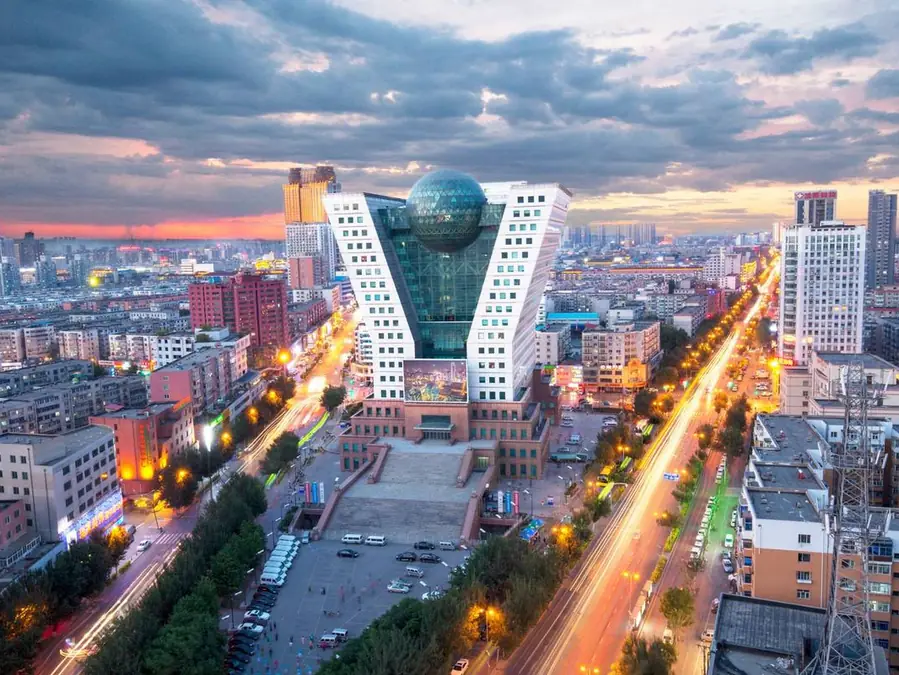
History & culture
Shenyang began as a Ming dynasty garrison town, then became the capital of the rising Manchu state in 1625 under Nurhaci and his son Hong Taiji. They built the Shenyang Imperial Palace — a smaller, distinctively Manchu cousin of Beijing’s Forbidden City — as the seat of the early Qing court.
In 1644 the Qing moved its capital to Beijing, but Shenyang kept the title “secondary capital,” and the royal tombs of Nurhaci (Fuling, East Tomb) and Hong Taiji (Zhaoling, North Tomb) were built on its outskirts. The palace and both tombs were inscribed as a UNESCO World Heritage Site in 2004 as extensions of the “Imperial Tombs of the Ming and Qing Dynasties.”
The city grew into a major industrial and railway hub under Russian and Japanese influence in the early 20th century, then as a flagship of China’s northeast heavy industry. Today it pairs that industrial past — seen in the Zhang family mansion and the old factories turned art parks — with its well-preserved Qing core.
The 9.18 Incident of 1931, which began Japan’s occupation of northeast China, is memorialised at a dedicated museum in the city — a sobering but important stop for understanding modern China.
Best time to visit Shenyang
Shenyang sits in northeast China with real winters and warm summers; the imperial sights are indoors-friendly, so the city works in most months, but spring and autumn are the most comfortable for walking the tombs and parks.
Budget for Shenyang: hotels from $12 a night, average ticket $$6.39 — see the full cost breakdown, or start from a ready-made route.
Cuisine of Shenyang
Signature dishes worth seeking out — prices are typical per-person or per-dish ranges, not fixed quotes.
-
Guobaorou (Sweet & Sour Pork)
A northeastern special: pork in a crisp batter, flash-fried and tossed in a sweet-sour sauce — Shenyang’s most famous local dish.
-
Korean Cold Noodles (Naengmyeon)
Buckwheat noodles in cold broth with brisket and pear, a staple of the city’s large Korean community around West Tower.
-
BBQ Skewers (Liaoning Style)
Street and restaurant skewers of lamb, chicken and vegetables, grilled over charcoal and dusted with cumin — a northeast night-out ritual.
-
Dumplings (Jiaozi)
Boiled or pan-fried dumplings stuffed with pork, cabbage or mushroom; eaten year-round and especially at festivals.
-
Stewed Pork with Vermicelli
A homestyle braise of pork, glass noodles and cabbage in a soybean-paste broth — hearty cold-weather northeast comfort food.
-
Sugar-Coated Hawthorn (Tanghulu)
Candied skewers of hawthorn berries, crisp and sweet-tart, sold from street carts through the winter.
Every major sight — with its own guide
Right after the food above, here are the sights — each one links to its own full guide (what to see, how to get there, facilities and the best season). Names follow each sight's official English signage.
City Centre (Shenhe)
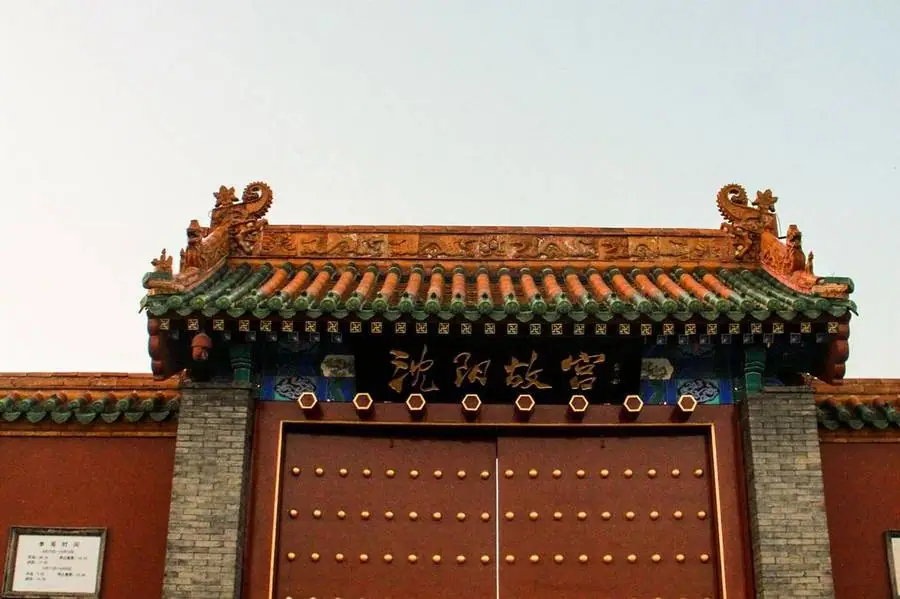
Shenyang Imperial Palace 沈阳故宫
The UNESCO palace of the early Qing court — a smaller, distinctively Manchu cousin of Beijing’s Forbidden City, and the city’s headline sight.
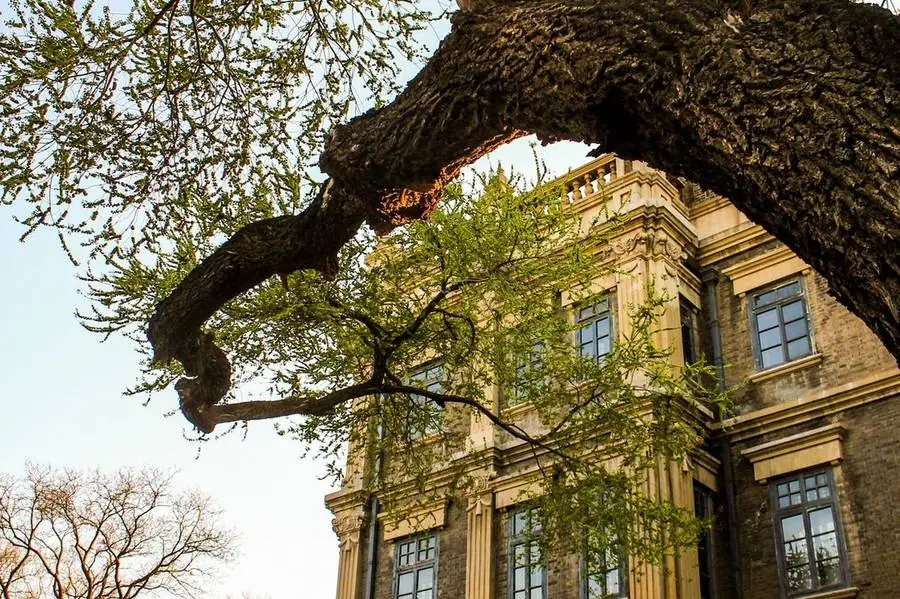
Zhang Mansion (Zhang Zuolin Residence) 张氏帅府
The sprawling former home of warlord Zhang Zuolin and his son Zhang Xueliang, next to the palace — a blend of Chinese and Western architecture.
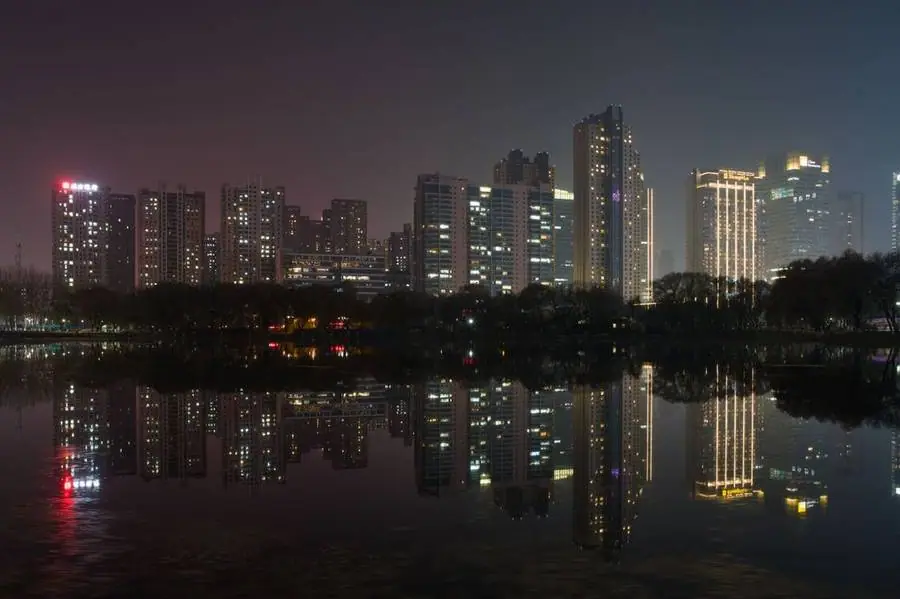
Middle Street (Zhongjie) 中街
Shenyang’s main pedestrian shopping street, running from the palace — Qing-era facades mixed with malls, food and the city’s busiest stroll.
North (Beiling)
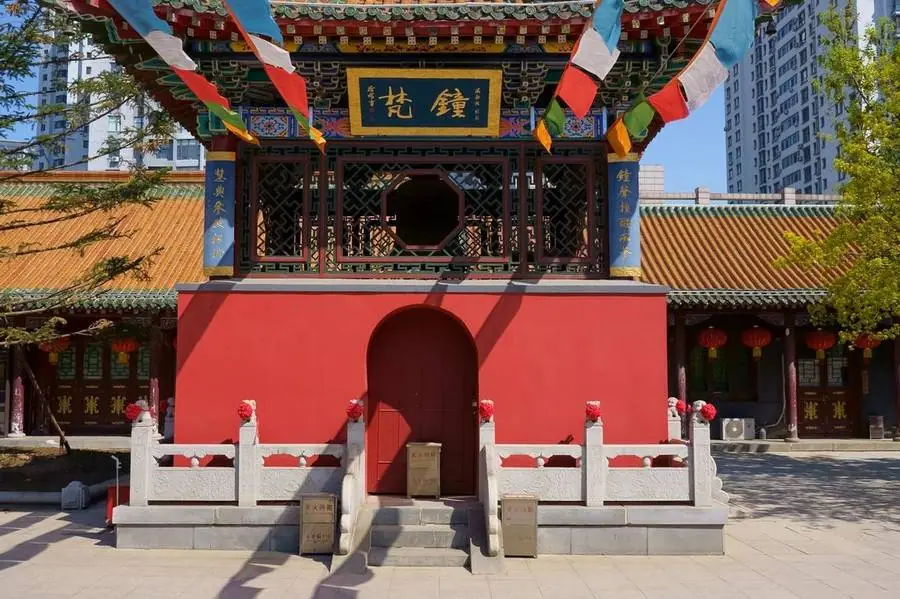
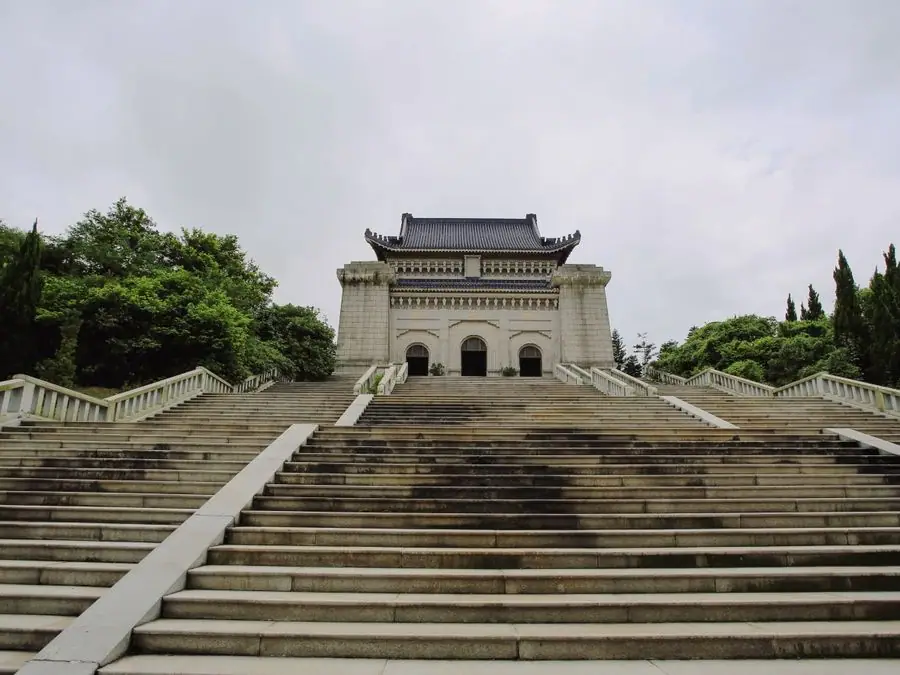
Zhaoling Mausoleum (North Tomb) 昭陵
The UNESCO tomb of Qing emperor Hong Taiji, set inside Beiling Park — the grandest of Shenyang’s two royal tombs and an easy half-day north of the centre.
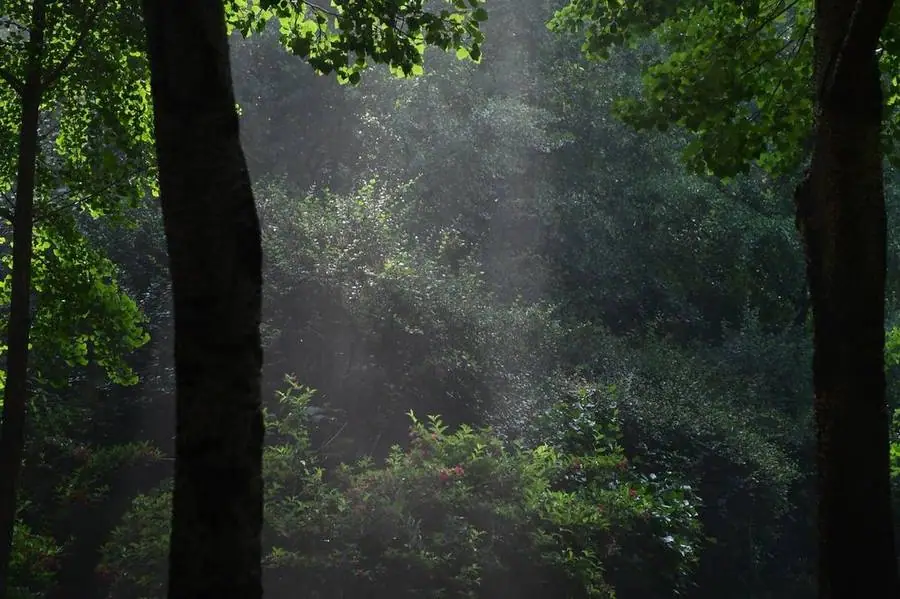
Beiling Park 北陵公园
The large urban park that wraps around Zhaoling (North Tomb) — pine avenues, a lake and open space, free to enter and popular with locals.
South (Hunnan)
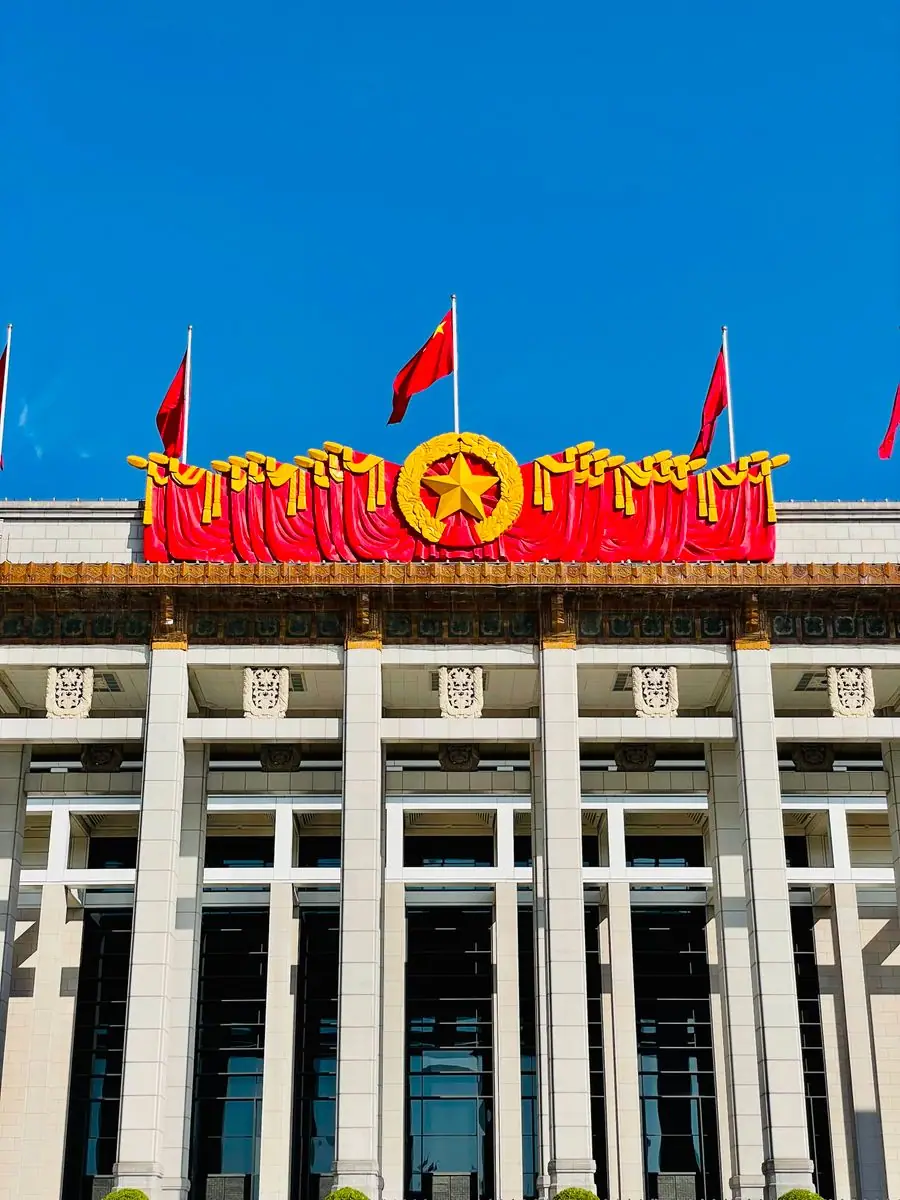
Liaoning Provincial Museum 辽宁省博物馆
The province’s flagship museum — Liao, Qing and northeast artefacts, including a strong jade and porcelain collection, in a modern hall south of the centre.
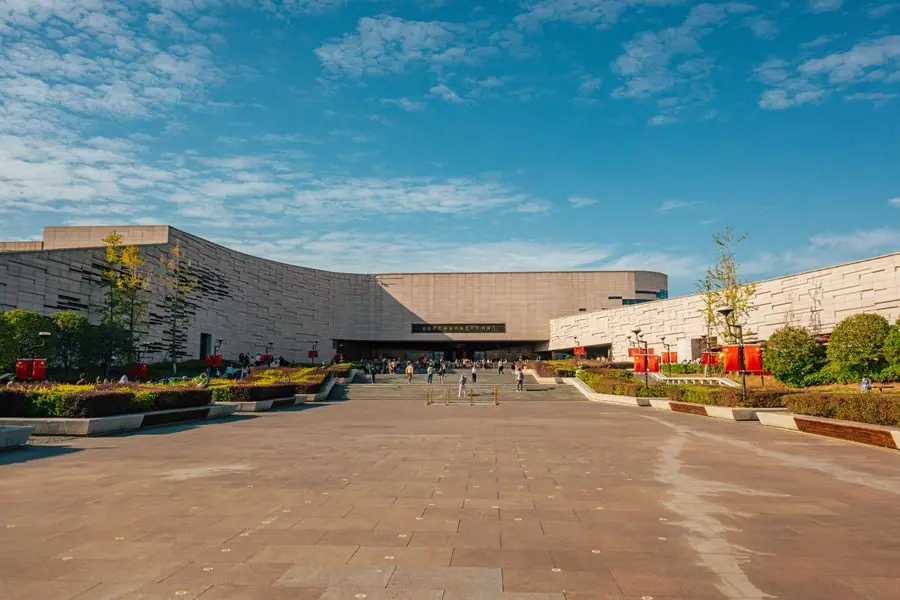
Liaoning Science and Technology Museum 辽宁省科学技术馆
A large, hands-on science museum south of the centre beside the provincial museum — interactive exhibits good for families and rainy days.
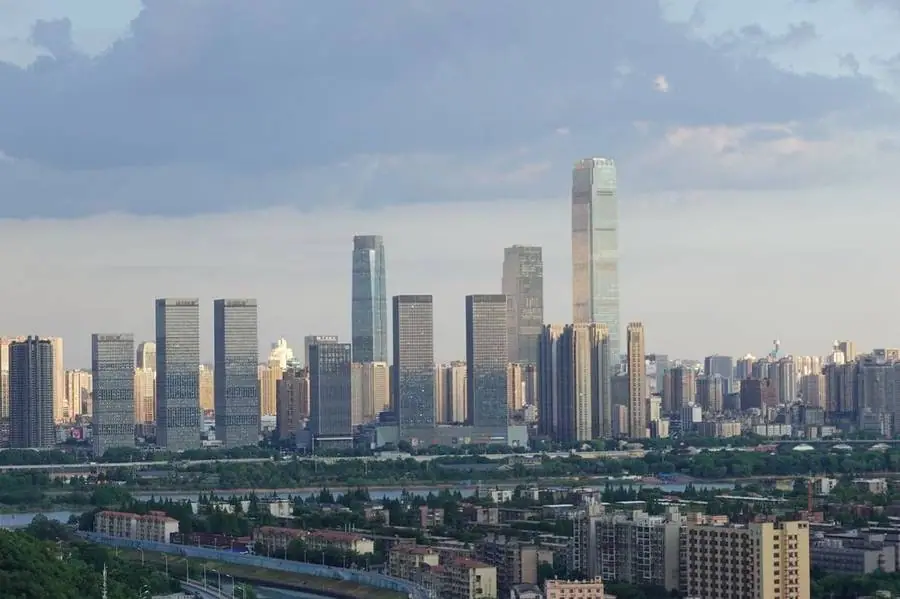
Shenyang Museum 沈阳博物馆
The city museum near the provincial museum, telling Shenyang’s own story from the Qing capital to the industrial era — a tidy overview before the big sites.
Northeast (Qipanshan)
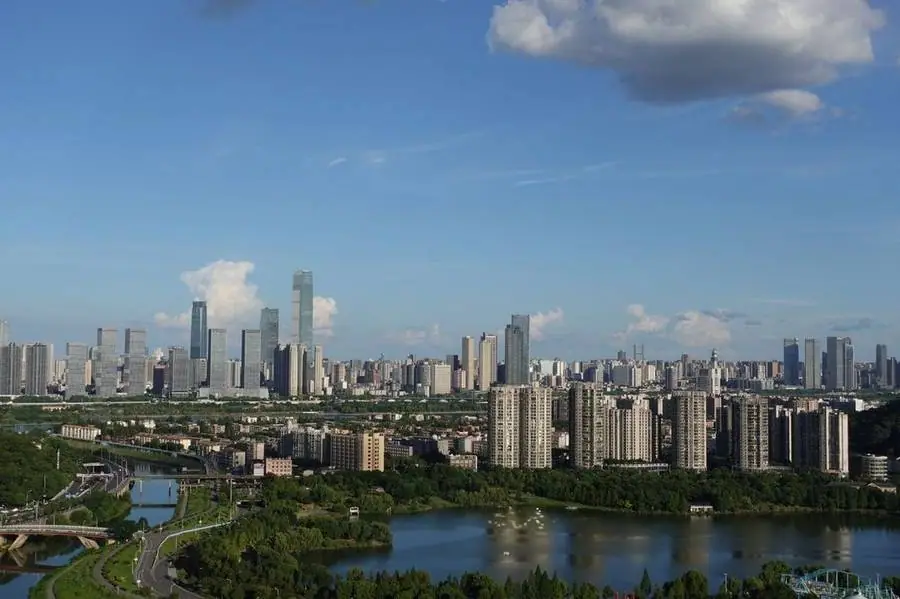
Qipan Mountain 棋盘山
The forested mountain and reservoir northeast of the city — hiking, a lake and the nearby Botanical Garden, a half-day nature escape from the core.
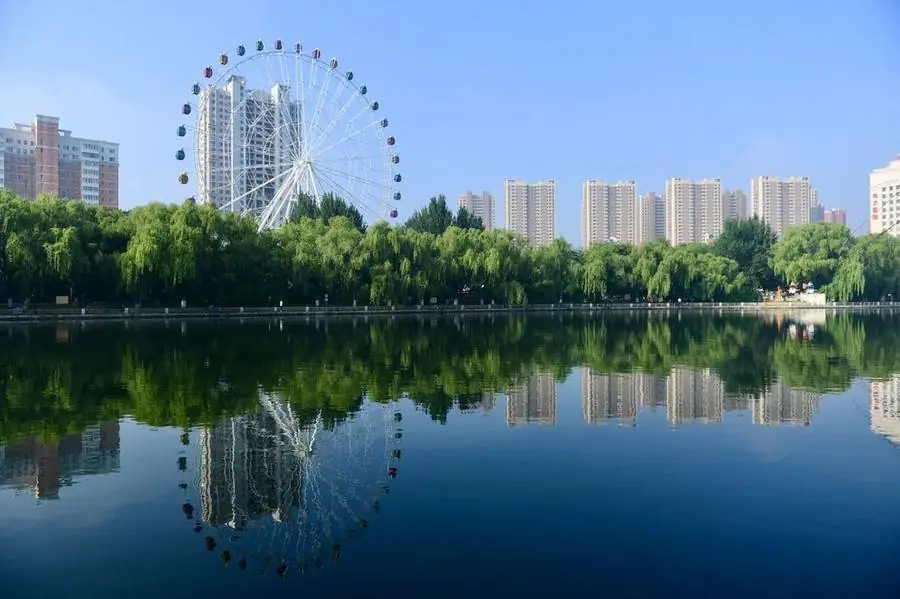
Shenyang Botanical Garden (Expo Park) 沈阳植物园
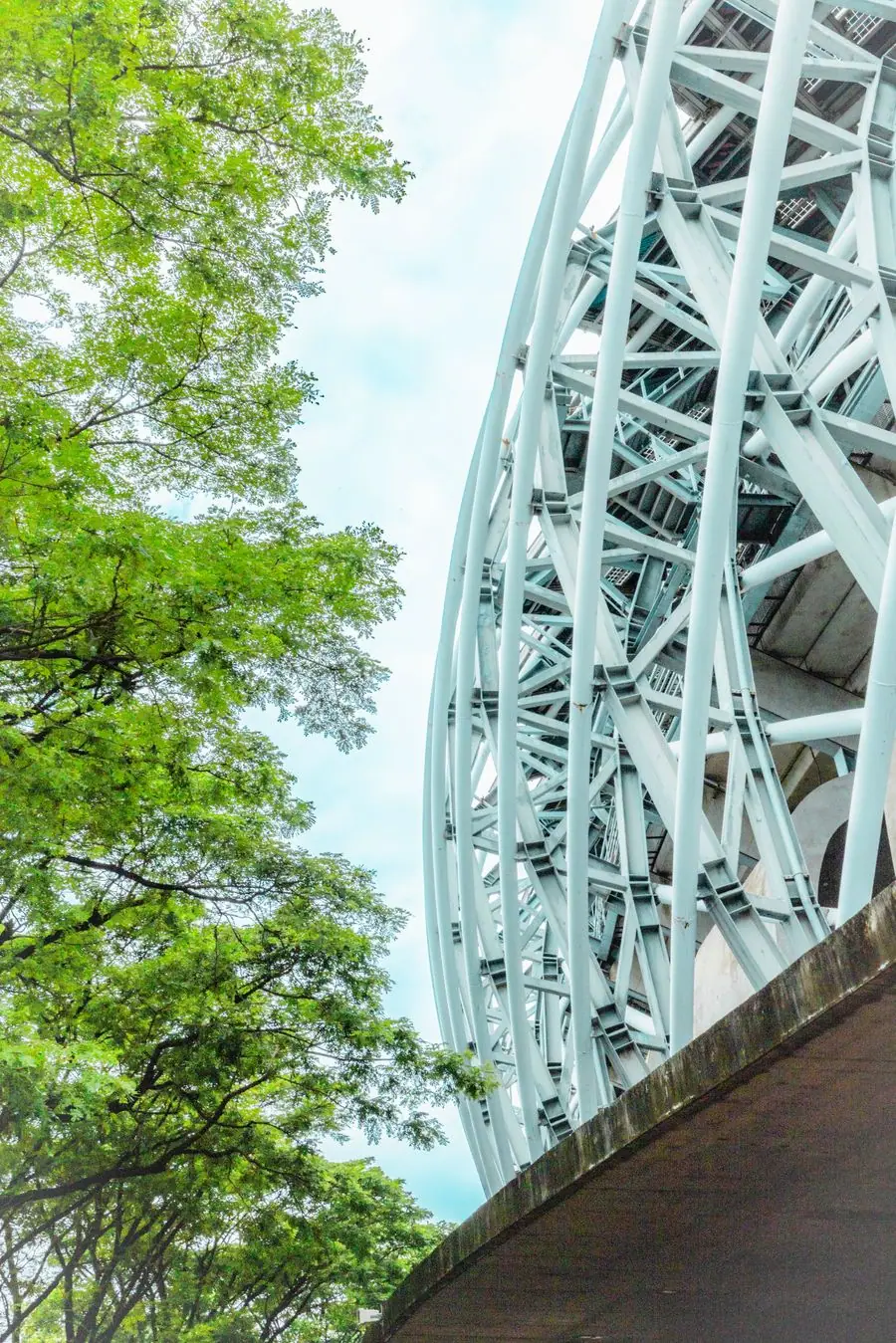
The large garden and former world horticultural expo park by Qipan Mountain — themed gardens, a ferris wheel and seasonal blooms, a half-day east of the core.
North/Northeast (Shenbei)

Where to stay in Shenyang
Rates are for a standard double room in 2026. The Imperial Palace and Zhongjie sit in the compact centre, so almost everything is a short metro or DiDi ride away; confirm the USD price at booking.
Luxury
$110–260 / nightFive-star hotels near the Imperial Palace and along the main avenues, with spas and city views.
Upper mid-range
$55–110 / nightComfortable chain hotels by Zhongjie and the railway stations; $55–110 / night.
Mid-range
$35–55 / nightClean Chinese business hotels near the metro and the palace; $35–55 / night.
Budget
$18–35 / nightGuesthouses and budget hotels around Zhongjie and the stations; $18–35 / night.
Hostels
$12–18 / nightSocial backpacker hostels near the city centre, dorms and privates; $12–18 / night.
Souvenirs & local crafts
Easy to pack, easy to explain at customs — and far cheaper at a supermarket than at a scenic stall.
-
Qing Palace Replicas
Small reproductions of palace items — enamelware, embroidery and seals — sold at the Imperial Palace gift shops.
-
Manchu Embroidery
Hand-embroidered pouches and panels with Manchu floral motifs, a regional craft tied to the city’s Qing past.
-
Korean Snacks & Goods
Korean rice cakes, seaweed and cosmetics from the West Tower district — easy, edible souvenirs from Shenyang’s Korean community.
-
Liaoning Jade & Agate
Carved jade and the region’s famous Xiuyan agate, sold as pendants and figurines in the city’s jade markets.
-
Industrial-Era Curios
Retro badges, old factory signs and art prints from the 1905 Creative Culture Park’s maker shops.
Getting around Shenyang
Shenyang is a major rail and air hub with two metro lines that reach most sights; the Qing core is compact and walkable, and DiDi covers the rest.
- High-speed rail
- Shenyang North (Shenyangbei) and Shenyang stations sit on the Beijing–Harbin and Beijing–Shenyang high-speed lines; Beijing is about 2.5–3.5 hours by train.Trains use real-name booking with a passport; buy through 12306 or a travel app and bring the same passport to the gate.
- Long-distance bus
- Long-distance coaches run from the long-distance bus stations to nearby towns and the airport; book at the station or via apps.
- Metro & bus
- Two metro lines (Line 1 and Line 2) cross the centre and reach the railway stations, Zhongjie and the museum district; foreign visitors use the ticket machines or a transit QR in Alipay.
- Taxis
- Taxis start around $1.40 and are metered; useful for the tombs and Qipan Mountain, which sit outside the core.
- Ride-hailing
- DiDi runs inside Alipay with an English map and card payment — the easiest way to hail a car without Chinese cash or a phone plan.
- Shared bikes
- Shared bikes (Alipay Haibike / Meituan) suit the flat rides along the palace and Zhongjie; the tomb parks have wide paths too.
- Intercity carpool
- Ride-pooling exists but is awkward for foreigners; for Qipan Mountain and the Strange Slope, book a driver or join a tour.
Plan your 1, 2 or 3 days in Shenyang
Pick the length of your stay. Each plan is its own page, anchored at the city centre and written from real traveller itineraries — including splits for sightseeing, shopping, landscape, families and older travellers.
Shenyang in 1 Day
The Imperial Palace, Zhang Mansion, Zhongjie and an optional royal tomb.
Read the plan → 2-dayShenyang in 2 Days
Day one on the palace and tombs, day two the museums and the West Tower food district.
Read the plan → 3-dayShenyang in 3 Days
Add Qipan Mountain, the Botanical Garden and the 1905 art park to the palaces and museums.
Read the plan →Frequently asked questions
- Do I need a visa for Shenyang?
- Shenyang’s airport is not a 144-hour transit port, so arrange a Chinese visa before you fly unless you already qualify for visa-free entry through a major gateway city. Check the current list with a consulate before booking.
- When is the best time to visit Shenyang?
- April–June and September–October bring mild weather and the best walking at the palace and tombs. Summer is hot and humid; winter is cold but quiet, with striking snow scenes at the palaces. Avoid the May Day and National Day holidays if you dislike crowds.
- How do I get to the Imperial Palace?
- The palace is in the city centre next to Zhongjie. Take metro Line 1 to Zhongjie station, then walk a few minutes, or a DiDi to the palace gate; it is flat and easy on foot from there.
- Is the Shenyang Imperial Palace worth it if I have seen Beijing’s Forbidden City?
- Yes — it is smaller but distinctly Manchu, with octagonal halls and a different layout you will not see in Beijing. Budget 2–3 hours, and combine it with the Zhang Mansion next door.
- Are the royal tombs (Zhaoling and Fuling) open to foreign visitors?
- Yes — both UNESCO tombs are open to all visitors. Zhaoling sits inside Beiling Park (a short metro or DiDi ride north); Fuling is further east. Each needs a separate ticket from the park entry.
- How many days do I need in Shenyang?
- Two full days cover the palace, the Zhang Mansion, one royal tomb and the museums; add a third for the second tomb, Qipan Mountain or the West Tower food district. A single day can hit the palace and Zhongjie.
- Can foreigners use the Shenyang metro and DiDi?
- Yes — metro ticket machines take cash and some cards, and Alipay’s transit QR works after passport verification. DiDi inside Alipay takes international cards and shows an English map, the easiest option for foreigners.
Page last reviewed: 2026-11-02.