Only 1–3 Days in Shanghai? The Bund, Lujiazui & the Old Concessions (2026)
Shanghai is where modern China is loudest: the neon of the Bund facing the towers of Pudong, the lanes of the former French Concession, the scholars' bronze at Shanghai Museum and the gardens of Yu Yuan. Below: the best time, the history, the food, where to stay, every major sight with its own guide, and 1/2/3-day plans built around the city.
History & culture
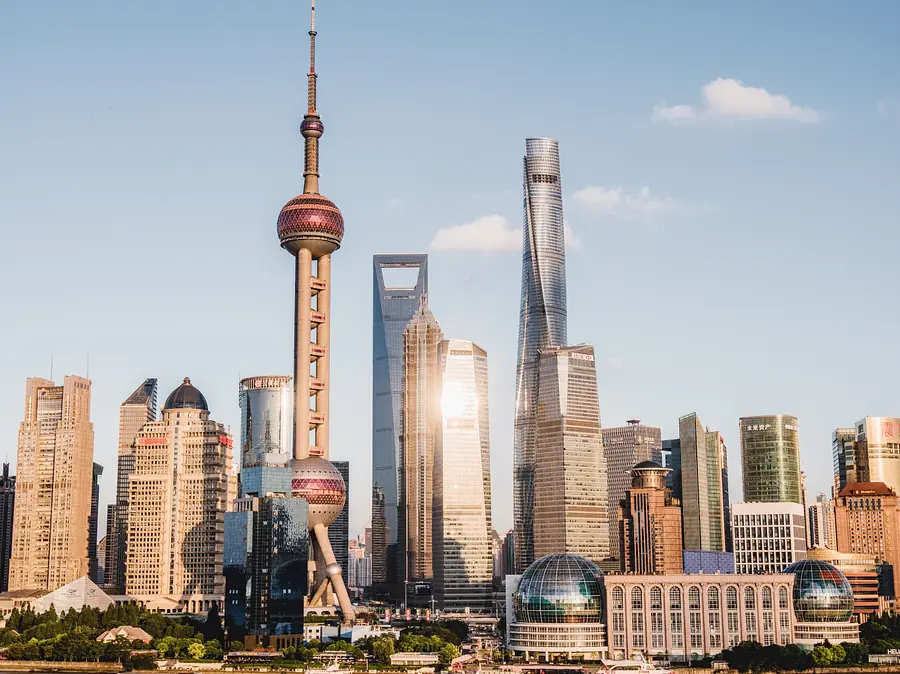
Shanghai was a minor fishing and market town until 1842, when the Treaty of Nanking opened it as a treaty port after the First Opium War. Foreign concessions (British, French, American, later International) turned the muddy Huangpu riverbank into a grid of banks, hotels and mansions — the art-deco Bund you see today.
The Chinese city grew beside the concessions, and after 1949 Shanghai became the industrial and financial engine of the PRC. The 1990 decision to develop Pudong turned farmland across the river into Lujiazui — the Oriental Pearl, the Jin Mao Tower, the Shanghai World Financial Center and the twisting Shanghai Tower — in barely two decades.
Today Shanghai is China's largest city (about 24 million) and its global face: a deep-water port, a stock exchange, two international airports and a metro system among the world's busiest. It wears its concession-era architecture and its futurist skyline side by side.
The city's character is the mix — the former French Concession's plane-tree lanes and shikumen houses, the socialist-era boulevards of People's Square, and the glass towers of Lujiazui — all feeding one of the world's great food and shopping scenes.
Best time to visit Shanghai
Shanghai has a humid subtropical climate: hot, sticky summers and cool, damp winters. Spring and autumn are the most comfortable for walking the Bund and the lanes.
Budget for Shanghai: hotels from $21 a night, average ticket $$7.94 — see the full cost breakdown, or start from a ready-made route.
Cuisine of Shanghai
Signature dishes worth seeking out — prices are typical per-person or per-dish ranges, not fixed quotes.
-
Xiaolongbao (soup dumplings)
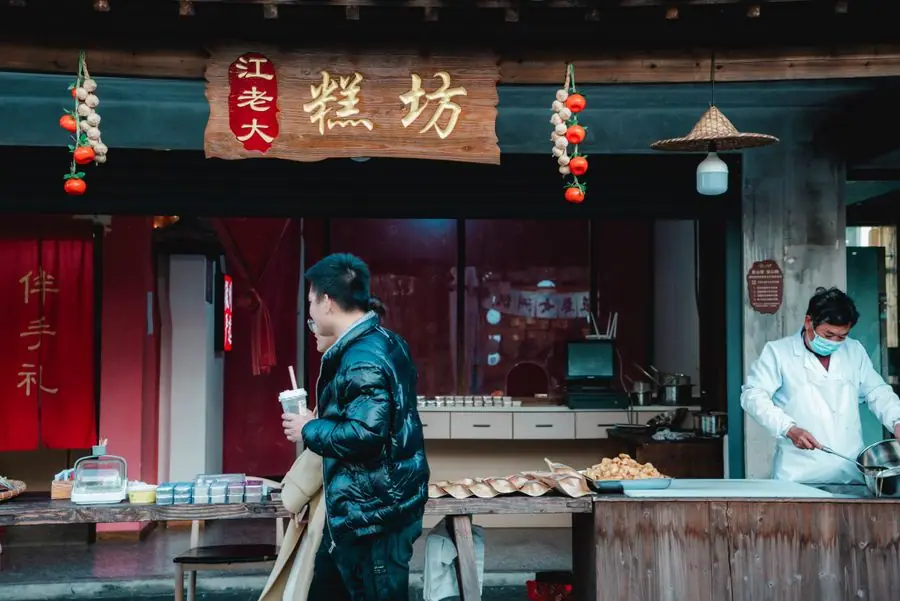
Shanghai's signature bite — delicate steamed buns with hot broth and pork, from Nanxiang in Yu Garden to Din Tai Fung and the corner breakfast shops.
-
Shengjian (pan-fried buns)
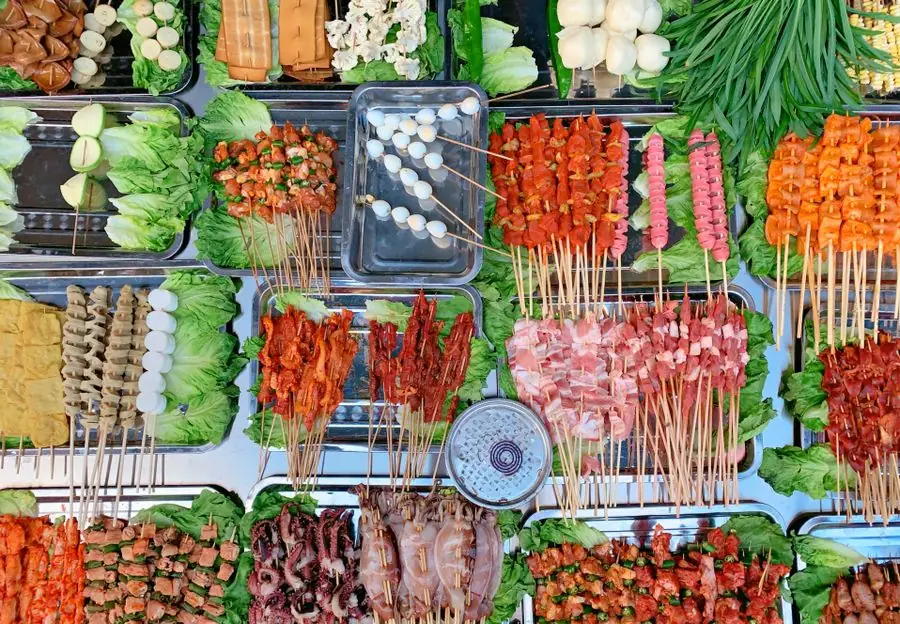
The crispy-bottomed, juicy fried-bun breakfast of Shanghai — a few for a dollar or two at any lane shop.
-
Hairy crab (autumn)
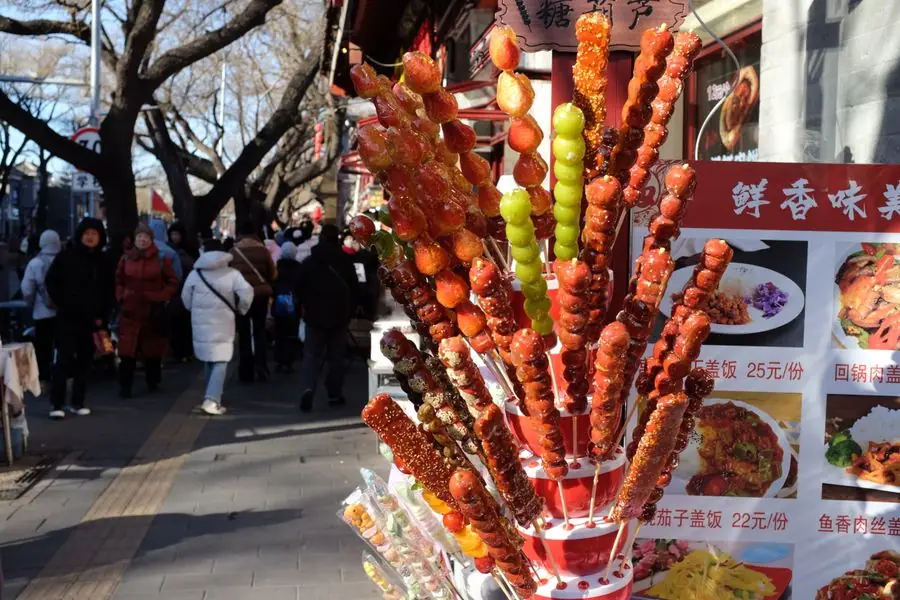
The hairy river crab of the Yangtze, in season roughly September–November, steamed and dipped in ginger-vinegar — a Shanghai autumn ritual.
-
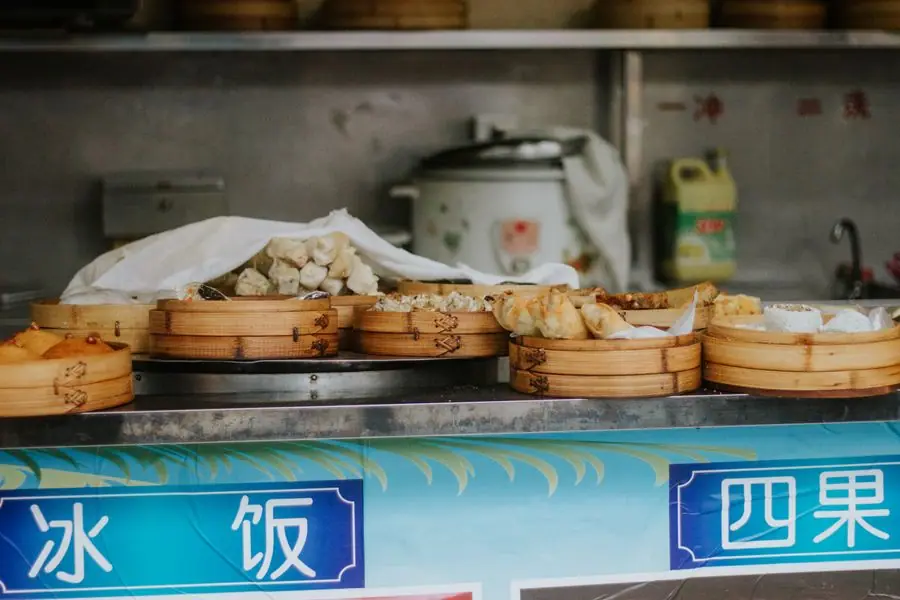
Cong you bing (scallion pancake)
A flaky, savoury fried scallion pancake — the street snack you grab walking the lanes.
-
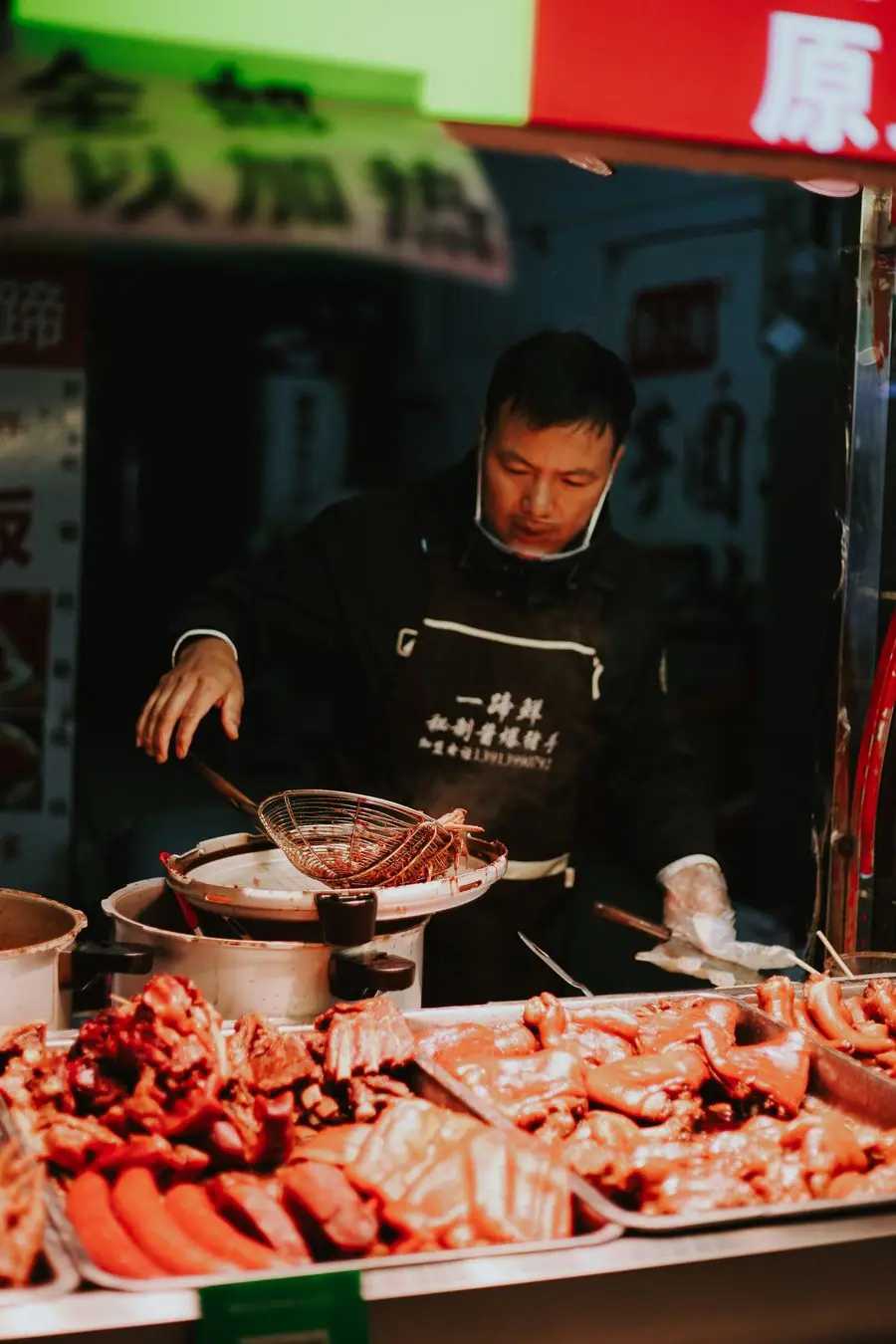
Shanghai-style noodles & braises
The local cuisine (benbang) of braised pork (hongshao rou), eel noodles and drunken chicken — heavier and sweeter than the south, found at the old-city and concession eateries.
Every major sight — with its own guide
Right after the food above, here are the sights — each one links to its own full guide (what to see, how to get there, facilities and the best season). Names follow each sight's official English signage.
Huangpu district, E bank of the Huangpu River
Pudong district, E bank of the Huangpu River
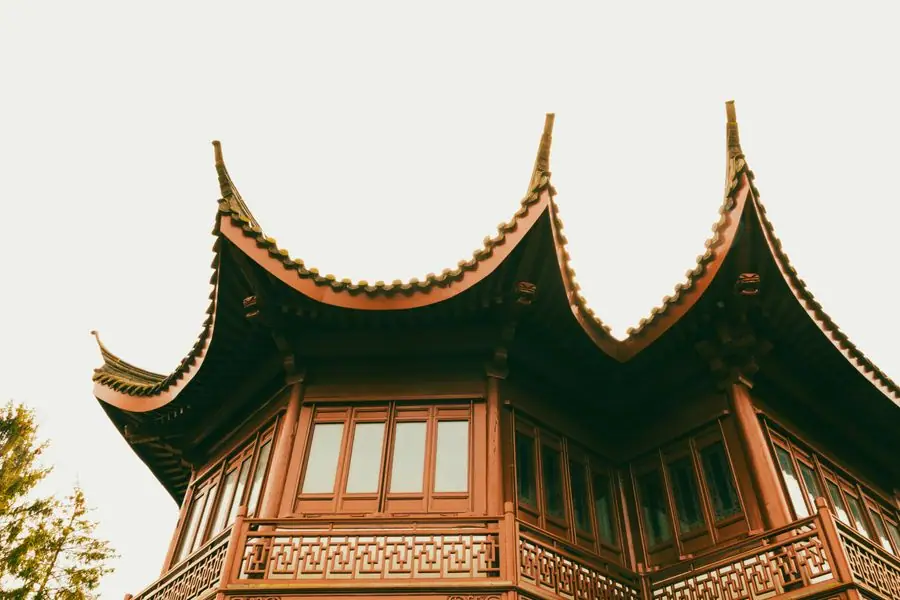
Huangpu district (old city), ~3 km SE
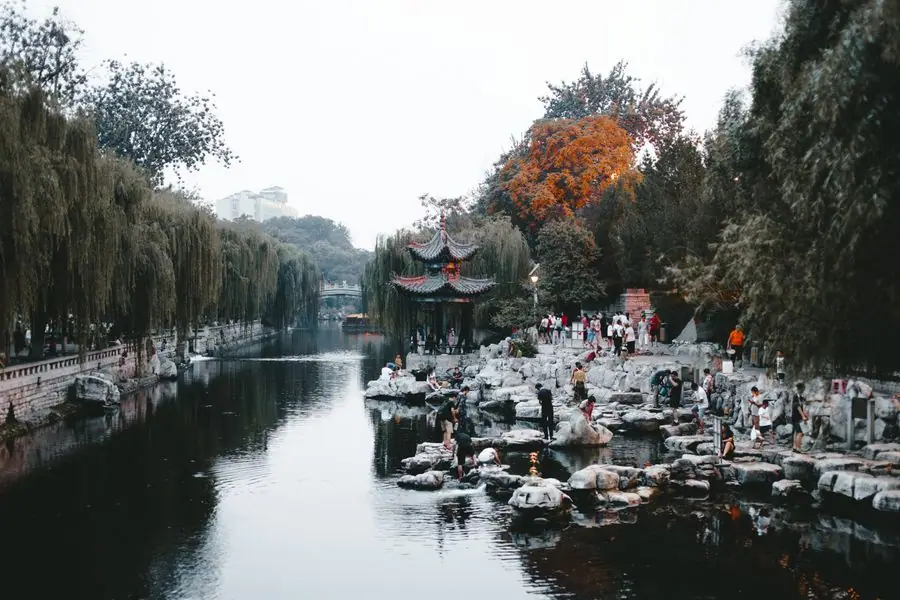
Huangpu district (centre)
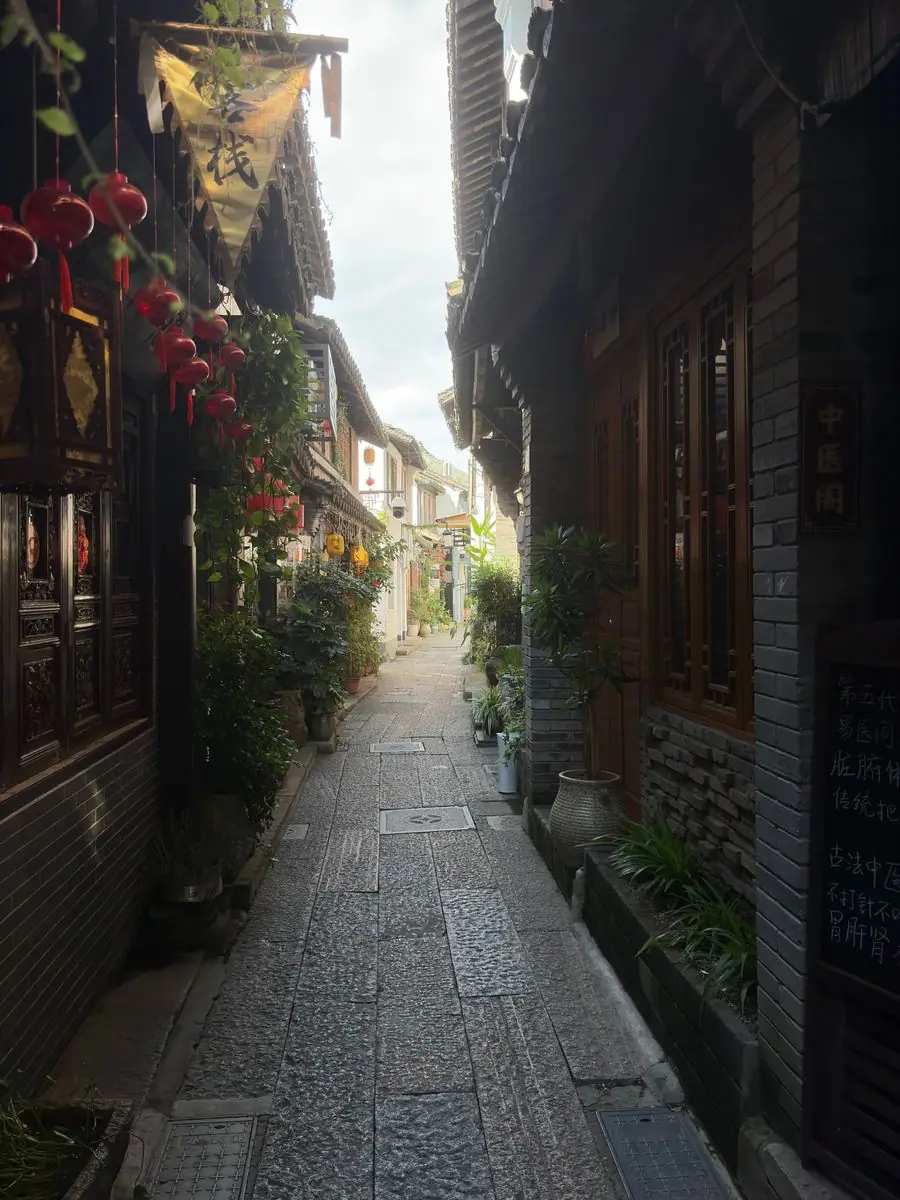
Nanjing Road 南京路
Shanghai's flagship shopping street — a 5 km pedestrian-and-tram artery from People's Square east to the Bund, lined with department stores, malls, neon and street performers. It is the commercial pulse of the city and the easiest car-free stroll to the river.
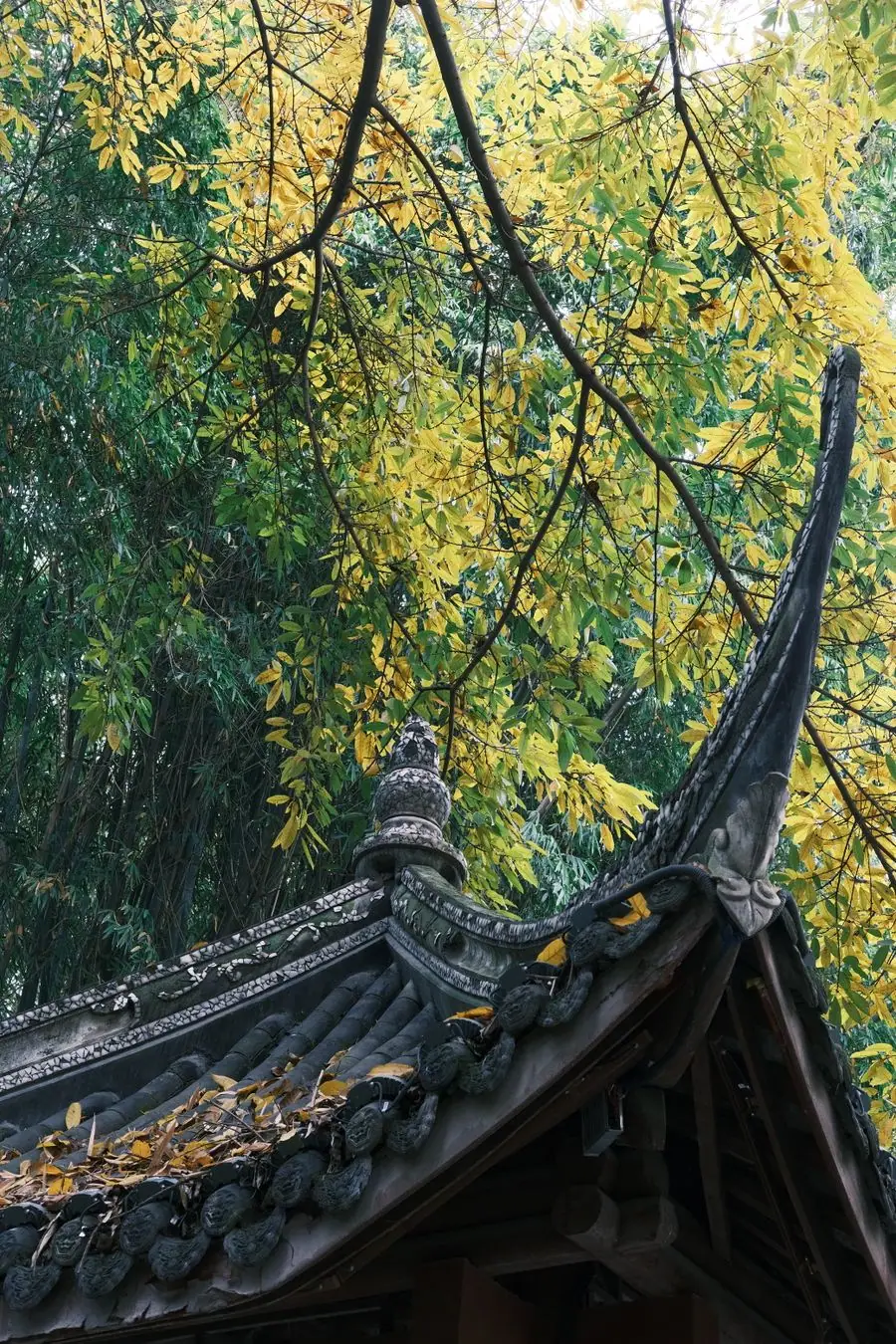
People's Square & Nanjing Rd Hub 人民广场
The civic heart of central Shanghai — a broad plaza holding the city hall, the Shanghai Museum, the urban-planning exhibition and the metro's busiest interchange, where Nanjing Road begins and the Bund is a 15-minute walk. The green, fountain square is the natural orientation point of the city.
Putuo district (NW), ~6 km NW
Huangpu district (French Concession)
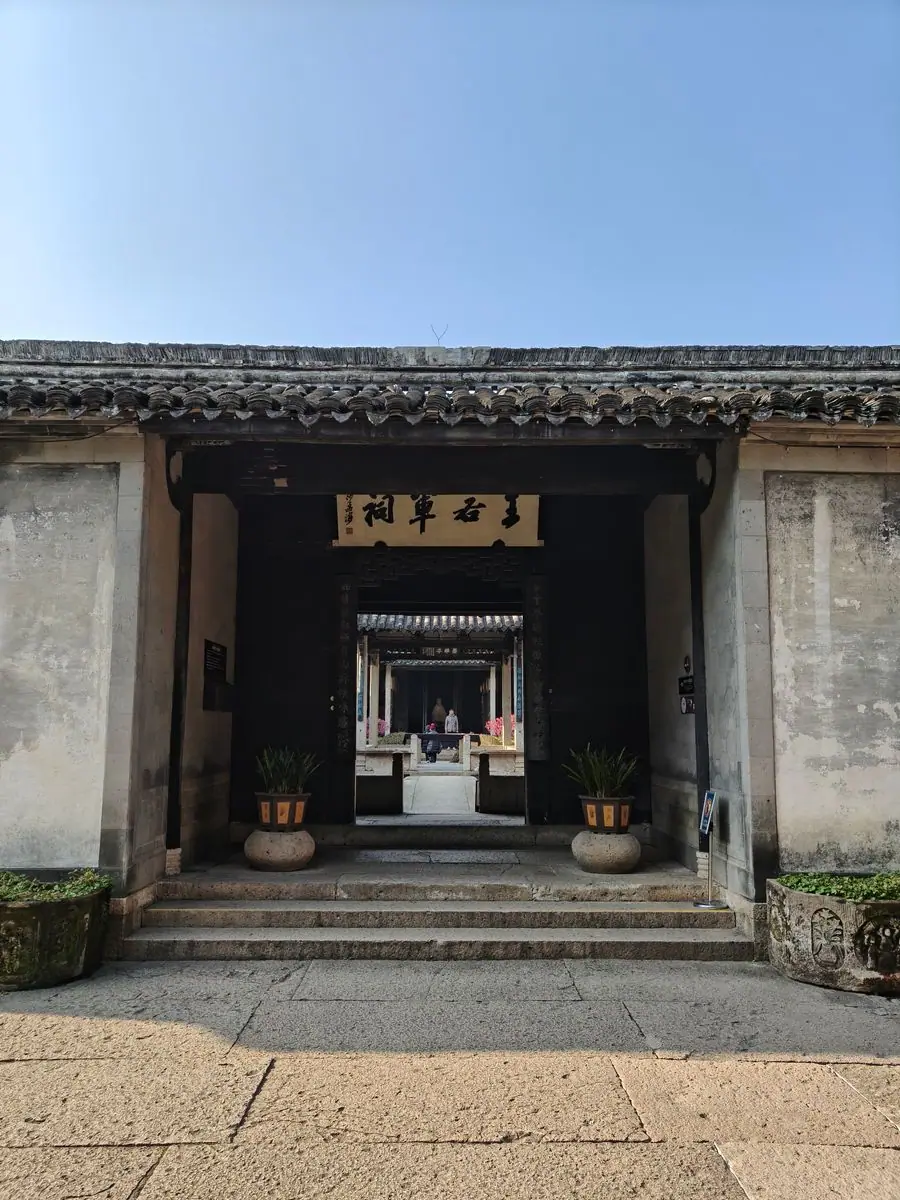
Jing'an district (French Concession edge)
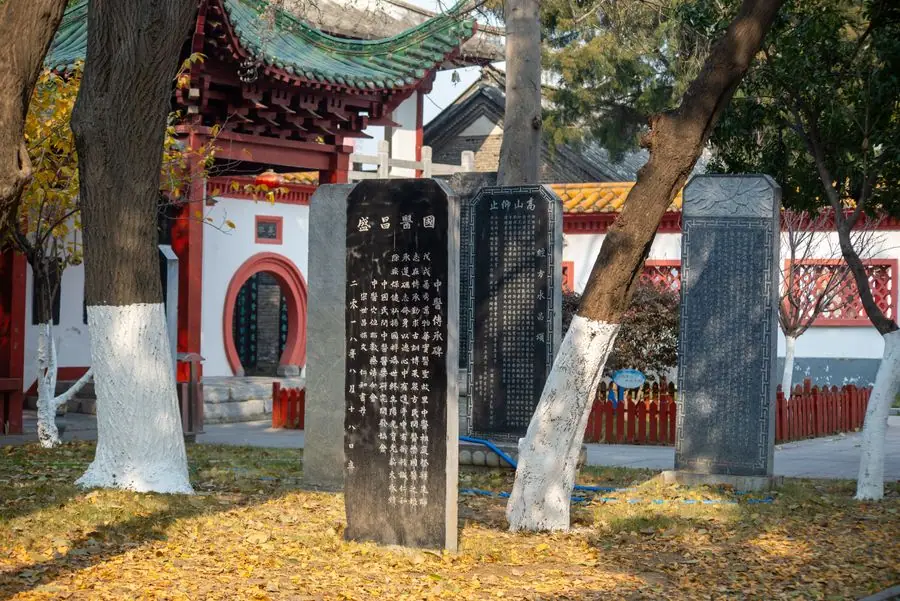
Huangpu district (French Concession edge)
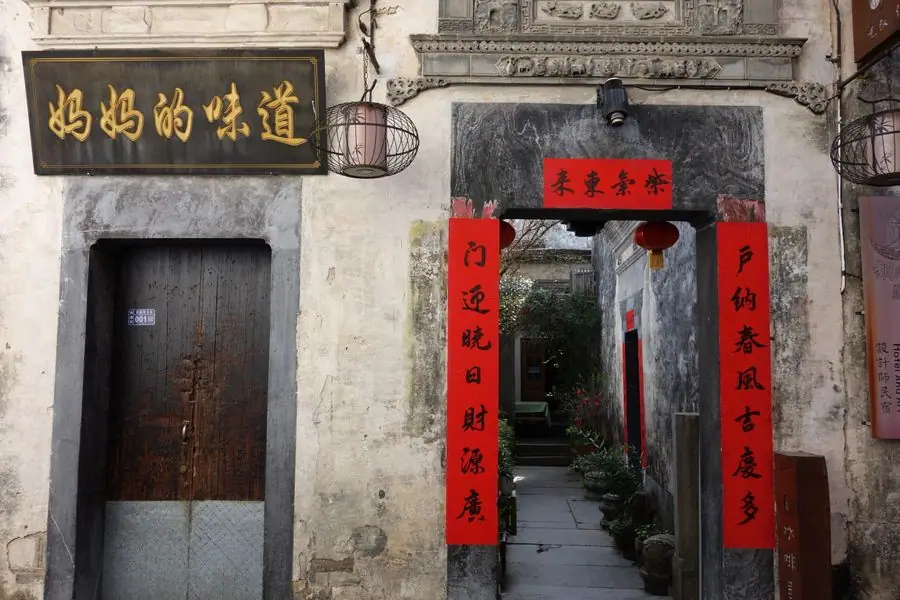
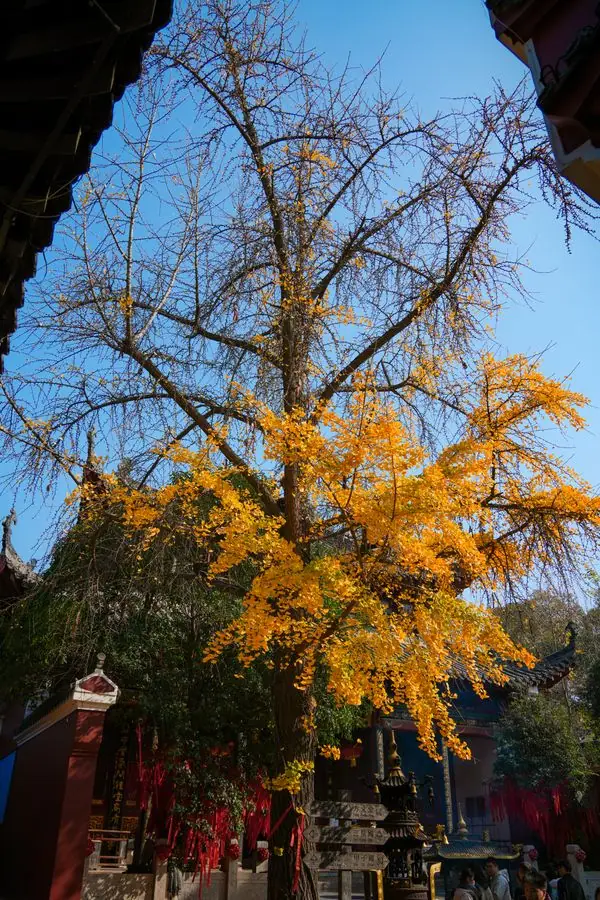
Pudong district (SE), ~30 km SE
Where to stay in Shanghai
Stay in or near the centre: the People's Square / Nanjing Road area puts the Bund, the museum and the metro hub within walking or short-ride distance. The former French Concession (Jing'an / Xintiandi) is greener, quieter and full of cafés and lane hotels; Lujiazui is for the skyline view; Hongqiao / the expo riverside is practical for the high-speed station and the zoo.
Budget
$21–42 / nightChain hotels (Hanting, JI, 7 Days) around People's Square, the stations and the French Concession; clean doubles and foreign-passport registration is routine at the chains.
Mid-range
$55–110 / nightJI Hotel, Vienna and local full-service hotels near Nanjing Road, Jing'an and Xintiandi — the sweet spot; Bund-view and lane rooms cost a little more.
Splurge
$140–350 / nightThe Bund and Lujiazui international towers (Peninsula, Waldorf, Ritz, Shangri-La) — river views, sky bars and the corporate crowd.
Souvenirs & local crafts
Easy to pack, easy to explain at customs — and far cheaper at a supermarket than at a scenic stall.
-

Shanghai vintage & art-deco prints
Reproduction Bund and art-deco posters and postcards — the obvious, on-theme Shanghai gift from the museum shops and the Bund stalls.
-
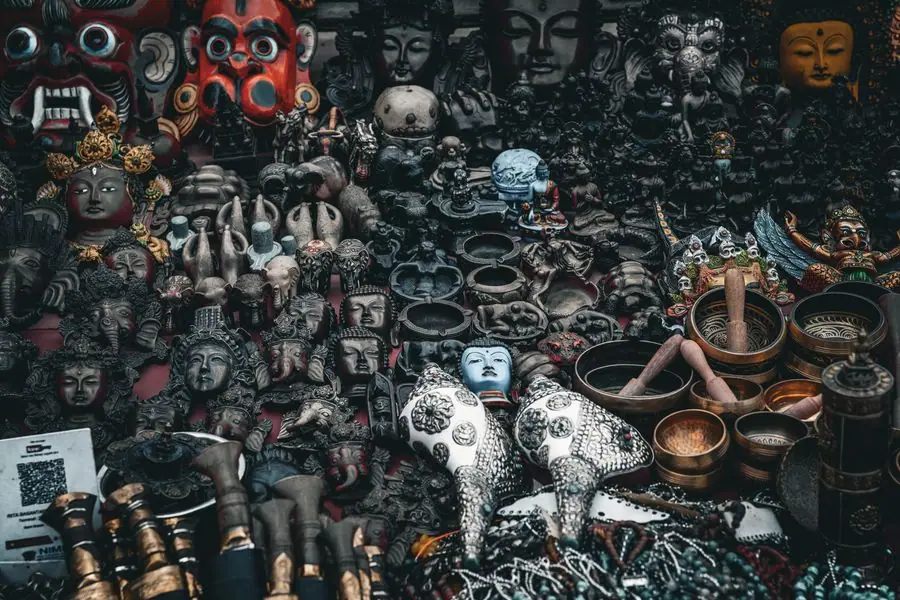
Qipao & silk
A tailor-made qipao (cheongsam) or a length of silk from the South Bund fabric market — a classic Shanghai splurge.
-
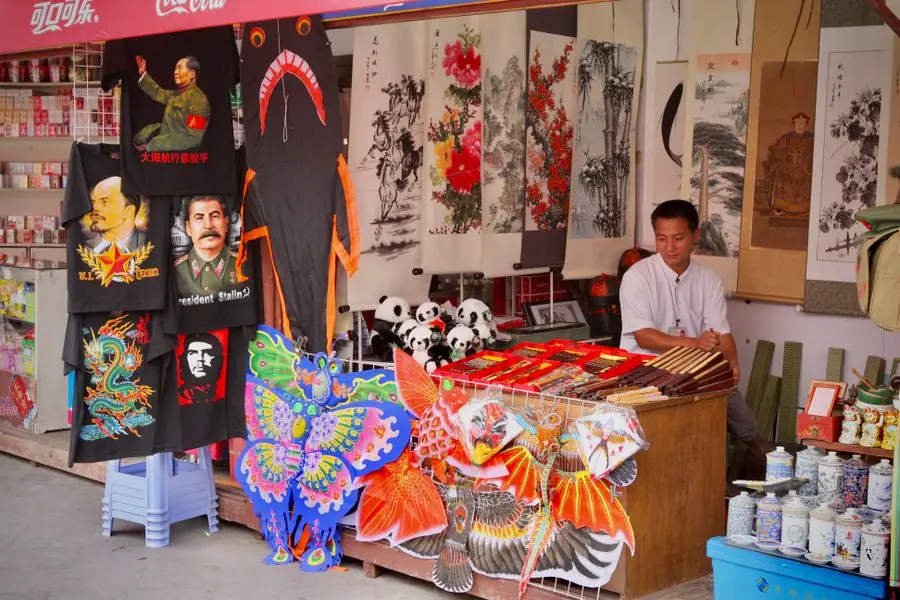
Shikumen miniatures & lane-culture kitsch
Tianzifang and Xintiandi sell shikumen-house models, enamel mugs and lane-culture trinkets — light and packable.
-
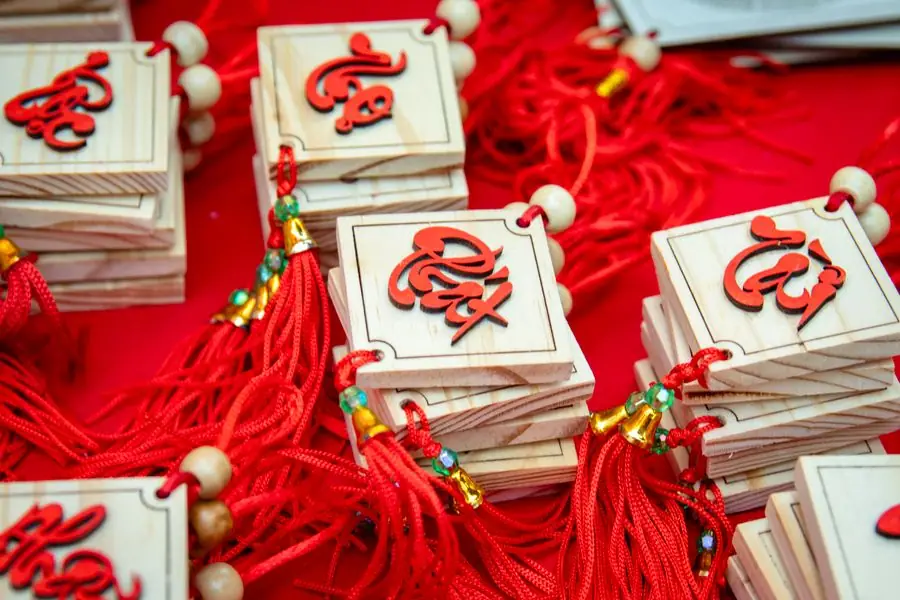
Hairy-crab gift sets (autumn)
Vacuum-packed crab or crab-roe sauce from the autumn season — an edible, very local Shanghai souvenir.
-
Pearl & jade jewellery
The Jade Buddha Temple area and the jewellery markets sell jade and freshwater-pearl pieces — a practical, packable gift.
Getting around Shanghai
Shanghai is China's best-connected city: two airports, the busiest rail hub and a metro that goes almost everywhere.
- High-speed rail
- Shanghai Hongqiao is the high-speed hub: Beijing South about 4.5 h (G-train), Hangzhou about 1 h, Suzhou about 30 min, Nanjing about 1.5 h, Huangshan about 2.5 h. Add metro or taxi to the centre.
- Long-distance bus
- Long-distance buses run to the Yangtze towns and Zhejiang; within Shanghai the city buses are cheap (about $0.28 / RMB 2) and reach most sights.
- Metro & bus
- Shanghai has one of the world's largest metros (lines 1–20+ and growing) covering the Bund, Lujiazui, the airports, Hongqiao and every district — the default way to move.
- Taxis
- Taxis are metered from about $2.11 (RMB 15); the airports and stations are a short ride from the centre, but traffic is heavy at peak.
- Ride-hailing
- DiDi is the default for door-to-door trips and the late-night Bund run; the Maglev and metro cover the airport.
- Shared bikes
- Shared bikes are handy in the flat French Concession and along the river; the Bund waterfront is best on foot.
- Intercity carpool
- The high-speed trains link Shanghai with Beijing, Hangzhou, Suzhou, Nanjing and Huangshan; for the water towns a metro + bus or a booked car is easiest.
Plan your 1, 2 or 3 days in Shanghai
Pick the length of your stay. Each plan is its own page, anchored at the city centre and written from real traveller itineraries — including splits for sightseeing, shopping, landscape, families and older travellers.
Shanghai in one day: the river and the centre
Morning at Yu Garden and the old city, then People's Square and Shanghai Museum, the Bund at golden hour, and a Lujiazui skyline finish across the river.
Read the plan → 2-dayShanghai in two days: + the French Concession
Day two walks the former French Concession (Jing'an Temple, Tianzifang, Xintiandi), the Jade Buddha Temple and the lane cafés, with a Huangpu river cruise at night.
Read the plan → 3-dayShanghai in three days: + Zhujiajiao
Give the third day to Zhujiajiao water town (easy metro + bus west), or use it for Shanghai Disney Resort or a deeper museum / Century Park relax day.
Read the plan →Frequently asked questions
- When is the best time to visit Shanghai?
- April–May and September–November are mild and dry, ideal for the Bund and the lanes. Summer is hot and humid (often 35°C+); winter is cold but crowd-free and cheap.
- Do I need a visa for Shanghai?
- Shanghai Pudong International Airport (PVG) is a participating port of China's 240-hour (10-day) visa-free transit scheme. If your nationality is among the 57 countries eligible for the 240-hour transit waiver and you continue to a third country, you can enter at Shanghai and stay in the Shanghai area for up to 10 days. Hongqiao (SHA) is domestic; most other visitors fly into PVG or arrive by high-speed rail from Beijing, Hangzhou or Suzhou. Otherwise arrange a Chinese visa in advance; confirm the current qualifying list and ports with a consulate before booking.
- What is the Bund?
- The Bund is the riverside promenade on the west bank of the Huangpu River, lined with 1920s–30s art-deco and neoclassical bank and hotel buildings — the postcard face of old Shanghai, facing the futurist towers of Pudong across the water.
- How much do the sights cost?
- Many are free: the Bund, Nanjing Road, the French Concession lanes, Tianzifang, Xintiandi, People's Square, the Shanghai Museum (timed reservation) and Zhujiajiao old town. Paid: Yu Garden $5.63 (RMB 40); the Oriental Pearl $22.54 (RMB 160, upper+lower) / $16.90 (RMB 120, lower); Shanghai Tower $25.35 (RMB 180); Jin Mao $16.90 (RMB 120); Jing'an Temple $7.04 (RMB 50); Century Park $1.41 (RMB 10); Shanghai Disney $66.90 (RMB 475, peak) / $52.11 (RMB 370, off). The Maglev to PVG is $7.04 (RMB 50) single.
- How many days do I need?
- Two days covers the centre (Bund, Yu Garden, museum, the lanes). Three adds Zhujiajiao or Disney. The city alone is a relaxed one-day highlight tour.
- How do I get from the airport to the centre?
- From Pudong (PVG) take the Maglev (8 min to Longyang Road, then metro) or metro line 2 directly to the centre (about 1 h); a taxi is about $21–28 (RMB 150–200). Hongqiao (SHA) is on metro line 2/10 and 20–30 min to the centre.
Page last reviewed: 2026-11-02.