Qufu 2026: The Three Confucian Sites, Nishan & the Kong Legacy on a 1–3 Day Plan
Qufu is the hometown of Confucius and a small city built around the UNESCO Three Confucian Sites — the Temple of Confucius, the Kong Family Mansion and the Cemetery of Confucius — all within a 3 km walk. Nishan, where Confucius was born, is a half-day south-east. High-speed rail from Beijing (about 2 h) and Jinan makes it easy, and one combined ticket covers the three headline sights — plan the ticket and the crowds and the city is simple.
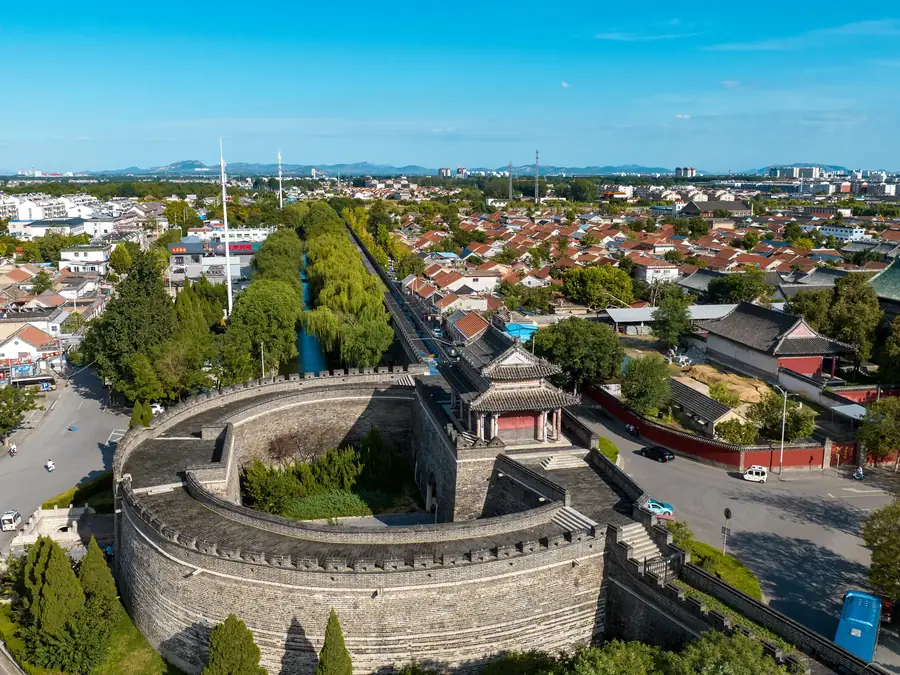
History & culture
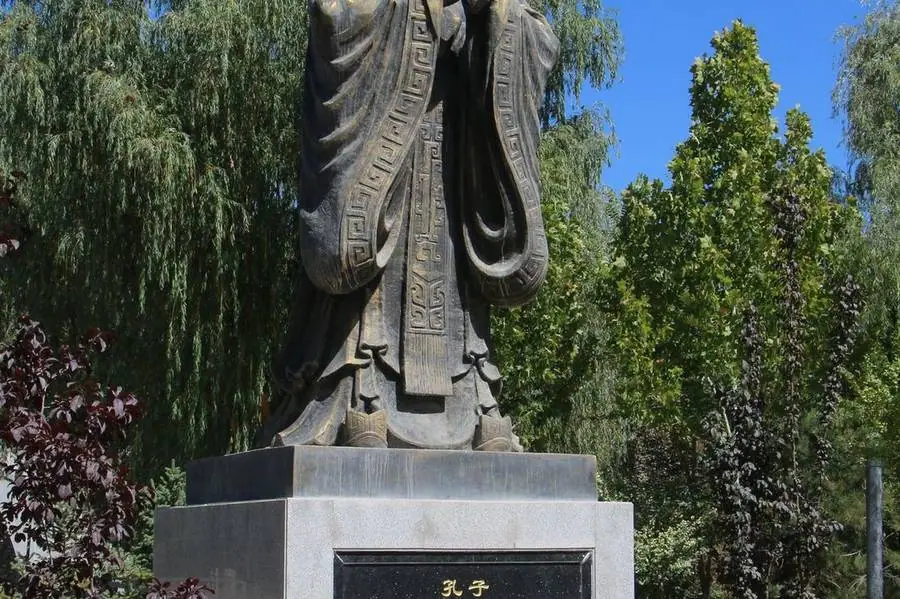
Qufu was the capital of the state of Lu during the Zhou dynasty, and in 551 BCE it became the birthplace of Kong Qiu — Confucius — who taught and died here. Lu was a centre of early Chinese learning, and the teacher’s reputation outgrew the small state around it.
After his death his three-room house was made into a temple, and his descendants grew into a hereditary noble line — the Dukes Yansheng — who lived in the Kong Family Mansion beside it for more than 2,000 years. Emperors from the Han dynasty onward expanded the temple, the mansion and the family cemetery into the largest Confucian complex in China.
In 1994 the Three Confucian Sites — the Temple of Confucius, the Kong Family Mansion and the Cemetery of Confucius — were inscribed as a UNESCO World Heritage Site. Today Qufu is a small city that lives around that legacy: a compact old core, a museum of the sage, and Nishan, the hill south-east of town where he was born.
Best time to visit Qufu
Qufu has a temperate northern climate: spring and autumn are mild and clear, and the stone courtyards of the Three Sites feel best then. Summer is hot and humid; winter is cold but quiet.
Budget for Qufu: hotels from $10 a night, average ticket $$10.08 — see the full cost breakdown, or start from a ready-made route.
Cuisine of Qufu
Signature dishes worth seeking out — prices are typical per-person or per-dish ranges, not fixed quotes.
-
Kong Family Cuisine (Kongfu Cai)
The refined banquet cooking developed in the Kong mansion — delicate, ceremonial dishes once served to emperors; order a set meal in the old city.
-
Qufu Smoked Tofu (Xun Doufu)
Firm tofu smoked over cypress and sugar until amber and chewy — the city’s signature snack, sold cold-sliced from street stalls.
-
Kong Mansion Pastries
Small baked pastries from the Kong household kitchen — sesame, jujube and honey flavours, boxed as gifts around the temple.
-
Shandong Jianbing
A crisp millet-and-wheat crepe with egg and scallion, folded hot from the griddle — the everyday northern breakfast.
-
Bazi Rou (Braised Pork Belly)
Slabs of soy-braised pork belly served with steamed buns — hearty Shandong comfort food at old-city restaurants.
-
Shandong Mutton Soup
A clear, warming mutton broth with noodles and pepper — a winter staple in Qufu’s small soup shops.
Every major sight — with its own guide
Right after the food above, here are the sights — each one links to its own full guide (what to see, how to get there, facilities and the best season). Names follow each sight's official English signage.
Qufu city centre
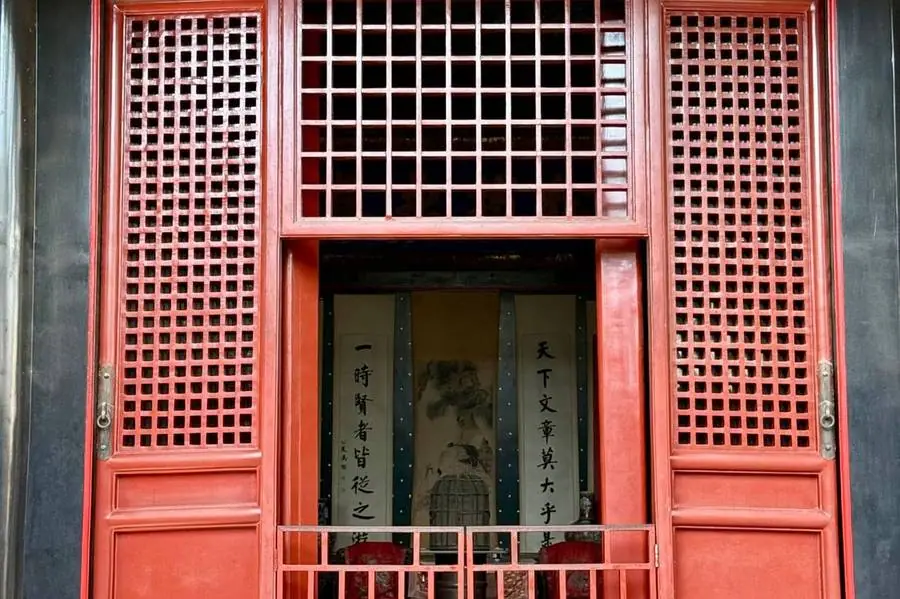
Temple of Confucius 孔庙
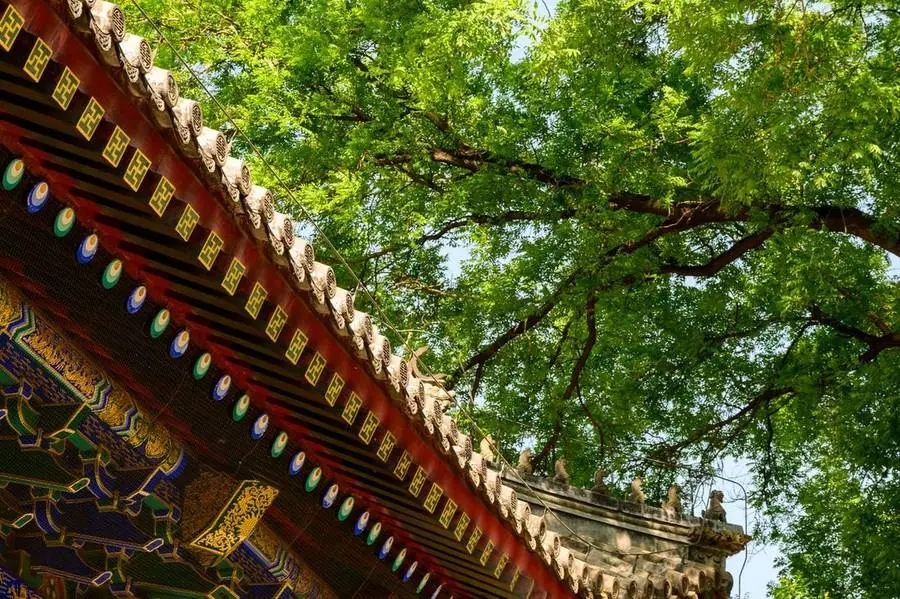
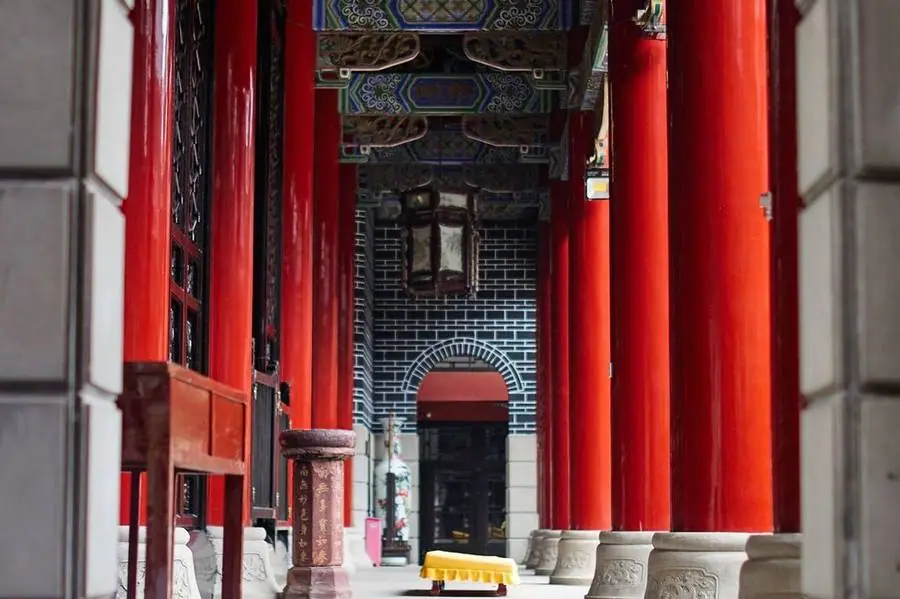
The imperial temple complex raised on Confucius’s own house — stele pavilions, cypress courts and the great Dacheng Hall, the heart of Qufu.
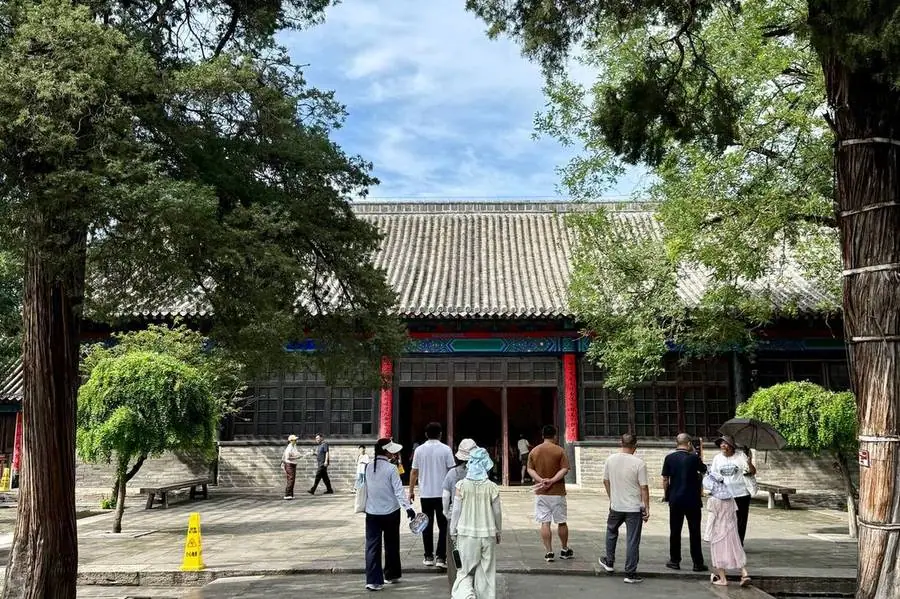
Kong Family Mansion 孔府
The walled residence of Confucius’s descendants — offices, halls and courtyards of a noble house that held office for 2,000 years.
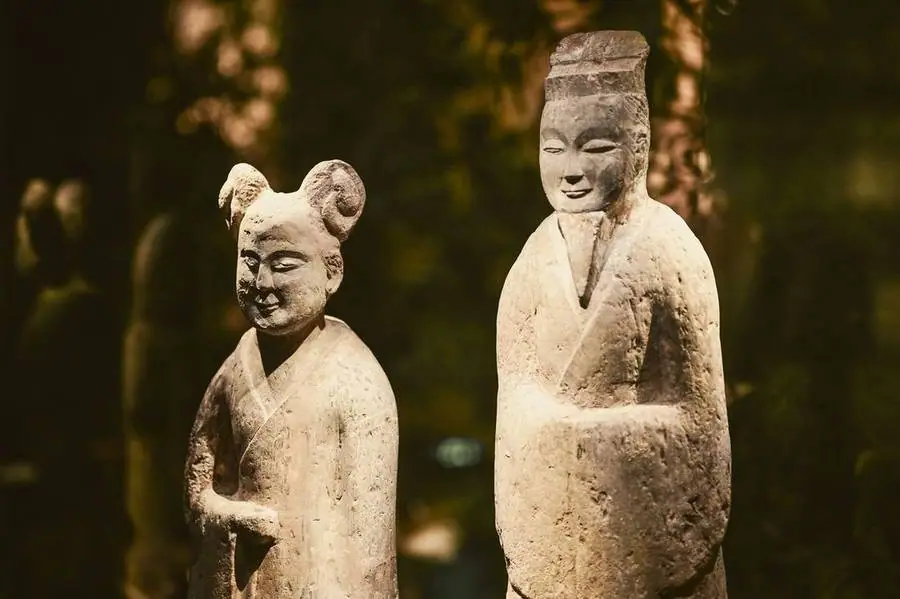
Confucius Museum 孔子博物馆
The large modern museum of Confucius’s life and the Kong family — artefacts, steles and the story of the mansion, all under one roof.
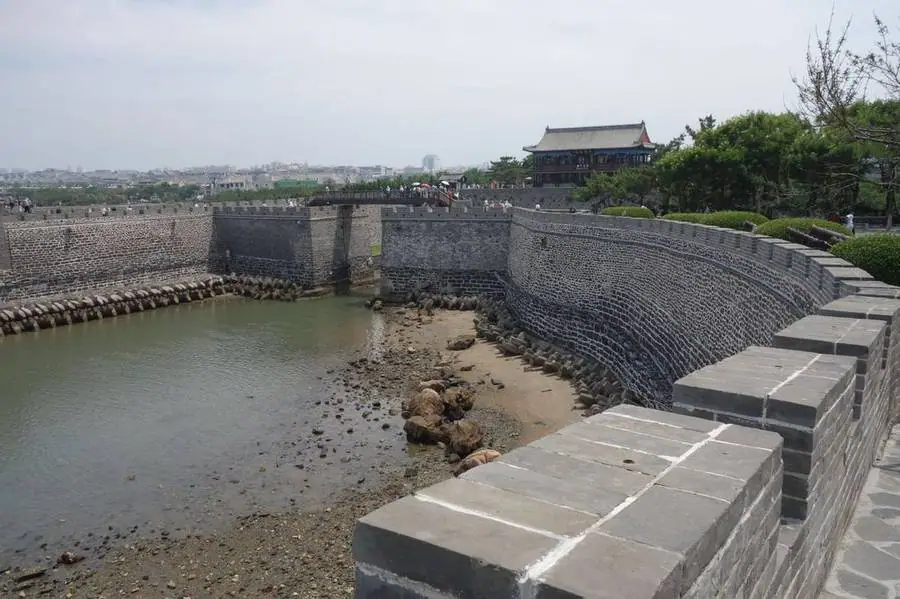
Ming Ancient City Wall and Drum Tower 明故城鼓楼
The Ming-era wall and the central Drum Tower that frame the old city — a short, free walk between the main gates.
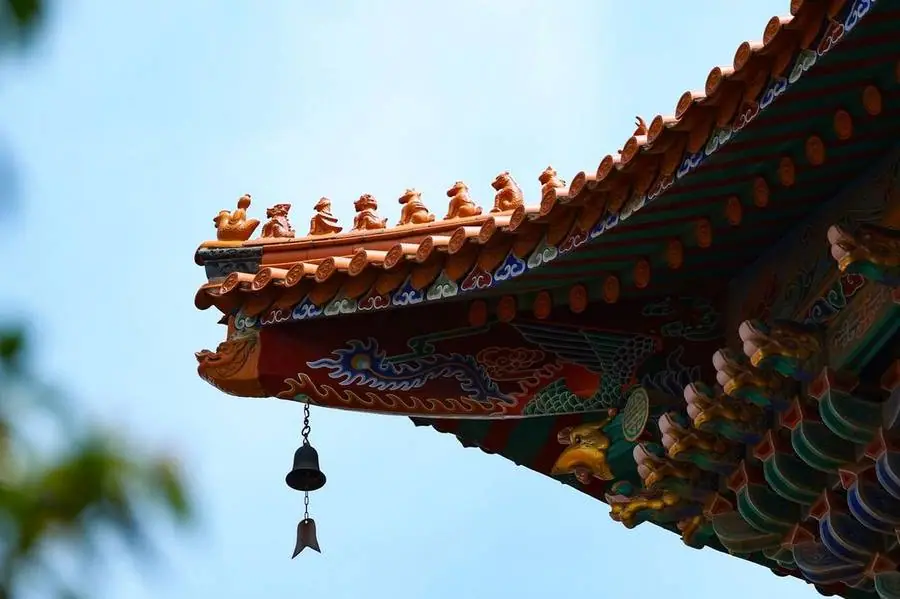
Temple of Yan Hui 颜庙
The temple to Confucius’s favourite disciple, just north of the Temple of Confucius — a calm, uncrowded courtyard complex.
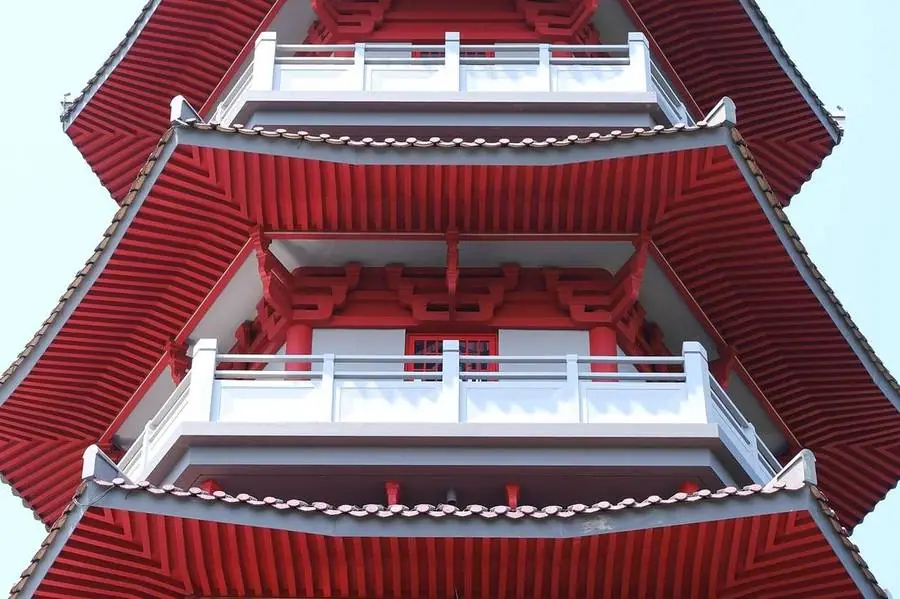
Confucius Six Arts City 孔子六艺城
A modern theme park of the six Confucian arts — ritual, music, archery, charioteering, calligraphy and numbers — light and family-friendly.
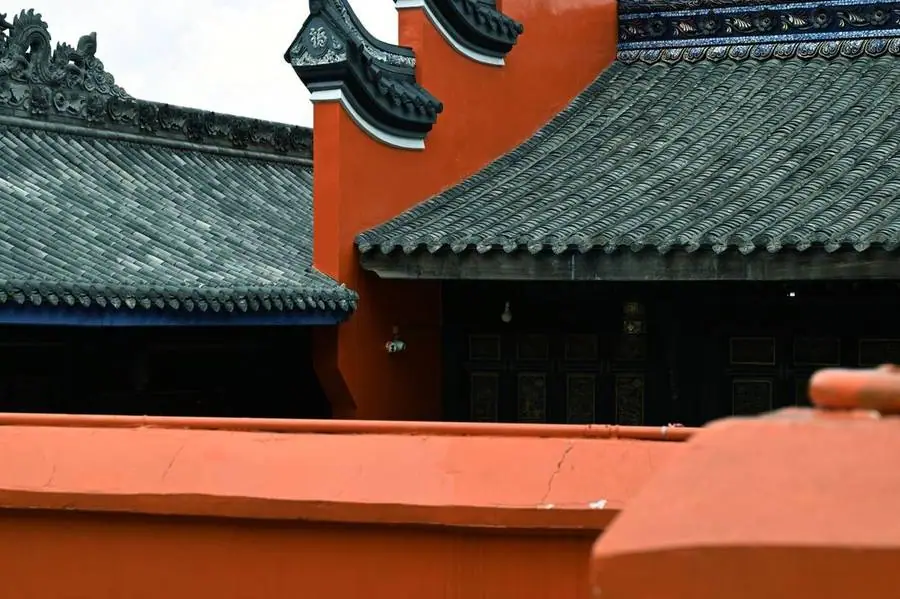
Confucius Research Institute 孔子研究院
The scholarly campus of Confucian studies — modern architecture on classical lines and a small exhibition, open to visitors.
North of Qufu centre
Nishan (SE of Qufu)
East of Qufu centre
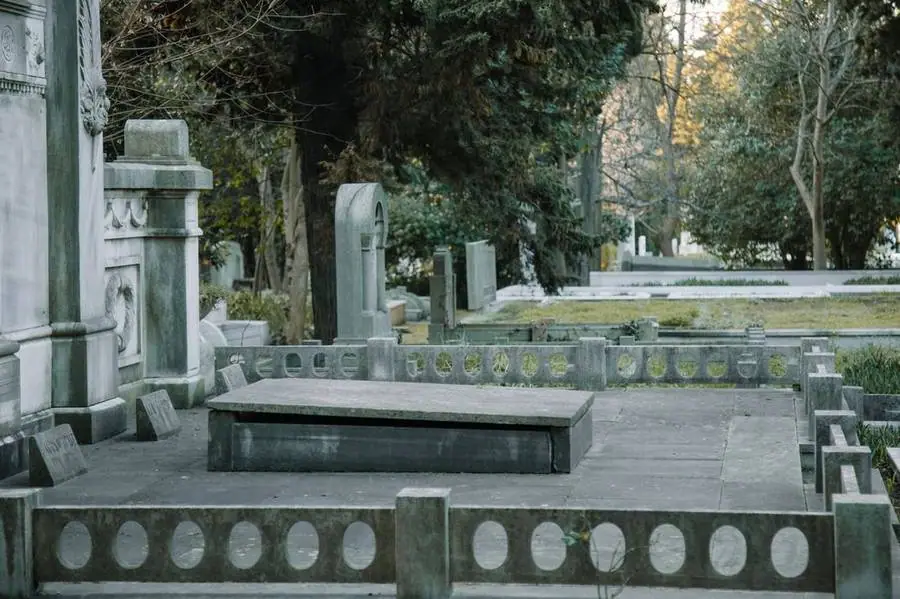
North of Qufu

Shimen Mountain 石门山
The forested hill park north of town — temples, stone stairs and a cool escape from the city in summer.
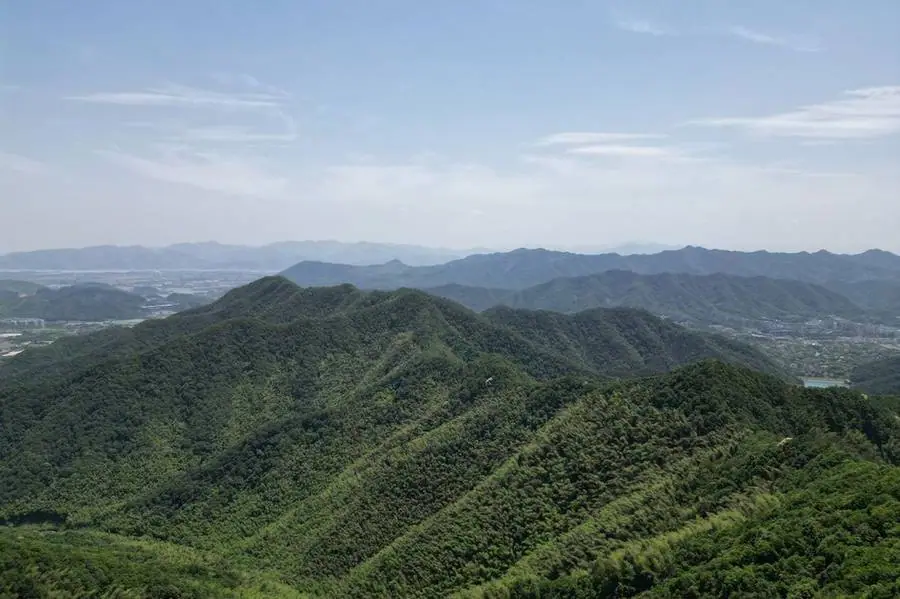
Jiuxian Mountain 九仙山
A quieter hill reserve north of Qufu — pines, farm terraces and small shrines, popular with local hikers.
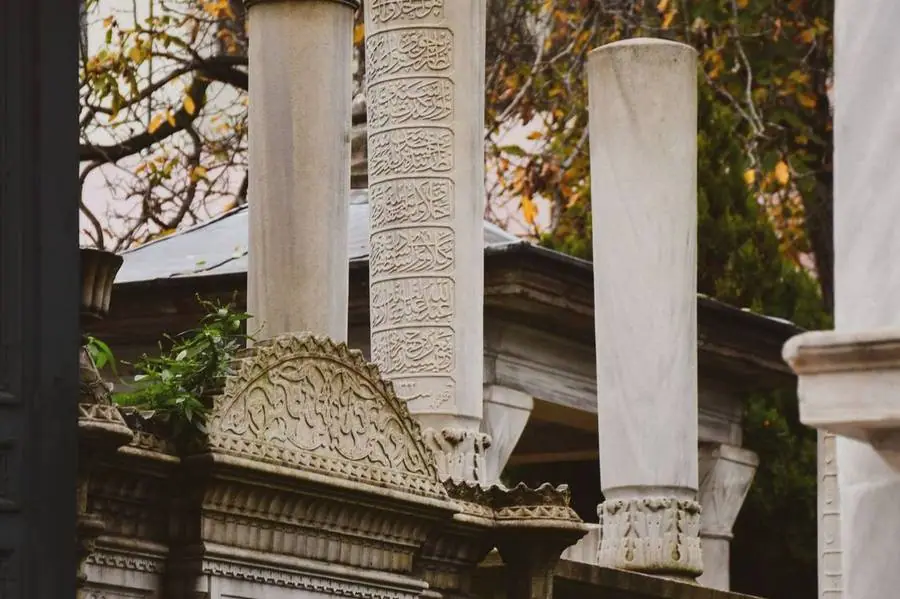
Liang Gonglin 梁公林
The small tomb garden of Confucius’s parents north of town — a rarely visited annex of the Kong burial ground.
Where to stay in Qufu
Rates are for a standard double room in 2026. Qufu is compact — rooms inside the Ming city wall put the Three Sites a few minutes’ walk away. Confirm the USD price at booking.
Luxury
$90–180 / nightBoutique heritage hotels inside the Ming city wall and international-brand hotels near the south gate.
Upper mid-range
$45–90 / nightComfortable hotels a short walk from the Three Sites with modern rooms and breakfast.
Mid-range
$25–45 / nightClean Chinese business hotels near the old city and Qufu East railway station.
Budget
$15–25 / nightSimple guesthouses inside and just outside the old city wall — basic doubles, steps from the Temple.
Hostels
$10–15 / nightA few small backpacker hostels near the south gate with dorms and bike hire.
Souvenirs & local crafts
Easy to pack, easy to explain at customs — and far cheaper at a supermarket than at a scenic stall.
-
Stele Rubbings (Ta Pian)
Ink rubbings taken from Qufu’s stele forest, rolled and packed flat — a direct link to the Confucian classics.
-
Kong Mansion Pastries
The boxed sesame and jujube pastries of the Kong household kitchen — edible, light and easy to carry.
-
Qufu Smoked Tofu
Vacuum-packed smoked tofu from the street makers — the city’s most distinctive taste in a small gift pack.
-
Calligraphy & Jade Sets
Brush-and-ink sets and small Confucius-word jade pendants, sold around the Temple of Confucius gate.
-
Confucius Books in English
The Analects in bilingual editions from the museum bookshop — the most meaningful souvenir of the city.
Getting around Qufu
Qufu is small and walkable, with no metro — buses, taxis, DiDi and bikes cover the rest, and high-speed rail links it to Beijing and Jinan.
- High-speed rail
- Qufu East Railway Station sits about 10 km east of the old city on the Beijing–Shanghai high-speed line; Beijing is about 2 hours and Jinan about 40 minutes.Trains use real-name booking with a passport; buy through 12306 or a travel app and bring the same passport to the gate.
- Long-distance bus
- City buses and a tourist shuttle link Qufu East Station to the old city and the Three Sites; book long-distance coaches at the bus station.
- Metro & bus
- There is no metro in Qufu. The heritage core is compact; get around on foot, by bus or by taxi.
- Taxis
- Taxis start around $1.50 and are metered; ask to be dropped at a gate of the old city and walk the last stretch.
- Ride-hailing
- DiDi runs inside Alipay with an English map and card payment — the easiest way to hail a car without Chinese cash or a phone plan.
- Shared bikes
- Shared bikes (Alipay Haibike / Meituan) suit the flat rides between the Three Sites, the wall and the museum.
- Intercity carpool
- Ride-pooling exists but is awkward for foreigners; for Nishan and Mount Yi, book a driver or join a day tour.
Plan your 1, 2 or 3 days in Qufu
Pick the length of your stay. Each plan is its own page, anchored at the city centre and written from real traveller itineraries — including splits for sightseeing, shopping, landscape, families and older travellers.
Qufu in 1 Day
The Three Confucian Sites in one loop, plus kids, easy-pace and Nishan day-trip routes.
Read the plan → 2-dayQufu in 2 Days
Day one on the Temple, Mansion and wall; day two the Cemetery, the museum and Nishan.
Read the plan → 3-dayQufu in 3 Days
Add the outlying temples, tombs and hills — or a Mount Yi hiking day — to the Confucian core.
Read the plan →Frequently asked questions
- Do I need a visa for Qufu?
- Qufu has no 144-hour transit port, so arrange a Chinese visa before you go unless you already qualify for visa-free entry through a major gateway. Check the current list with a consulate before booking.
- When is the best time to visit Qufu?
- April–May and September–October bring mild weather and comfortable courtyard walking. Summer is hot and humid; winter is cold but quiet. Avoid Spring Festival, Labour Day (May 1–5) and National Day (Oct 1–7) if you dislike crowds.
- How do I buy the Three Confucian Sites ticket?
- One combined ticket, about $19.70, covers the Temple of Confucius, the Kong Family Mansion and the Cemetery of Confucius. Buy it at the Temple gate or online with your passport number. Verify the price on site.
- Is Qufu walkable?
- Yes — the Three Sites sit within about 3 km of each other and the old city is flat. The Cemetery of Confucius is the only long one; an electric cart runs to the far end.
- How do I get to Qufu?
- Take high-speed rail to Qufu East Station on the Beijing–Shanghai line — about 2 hours from Beijing and 40 minutes from Jinan. Buses and taxis run the 10 km to the old city.
- How many days do I need in Qufu?
- One day covers the Three Confucian Sites at a relaxed pace. Two days add the museum, the city wall and Nishan. Three days let you include the smaller temples, tombs and a hike on Mount Yi.
- Can foreigners visit all the sites?
- Yes — the Three Sites, the museum and Nishan are open to foreign passport holders. Bring your passport for real-name ticketing; the manual desk handles foreign passports.
Page last reviewed: 2026-11-02.