Qinhuangdao 2026: Great Wall at the Sea, Beidaihe & a 1–3 Day Plan
Qinhuangdao is the place where the Great Wall meets the ocean — the Shanhaiguan pass and the Old Dragon Head where the Ming ramparts plunge into the Bohai Sea. Add the Beidaihe beaches and the design-forward Aranya community, and you have a rare mix of wall, sea and art. Below: the best time, the history, the food, where to stay, every major sight with its own guide, and 1/2/3-day plans.
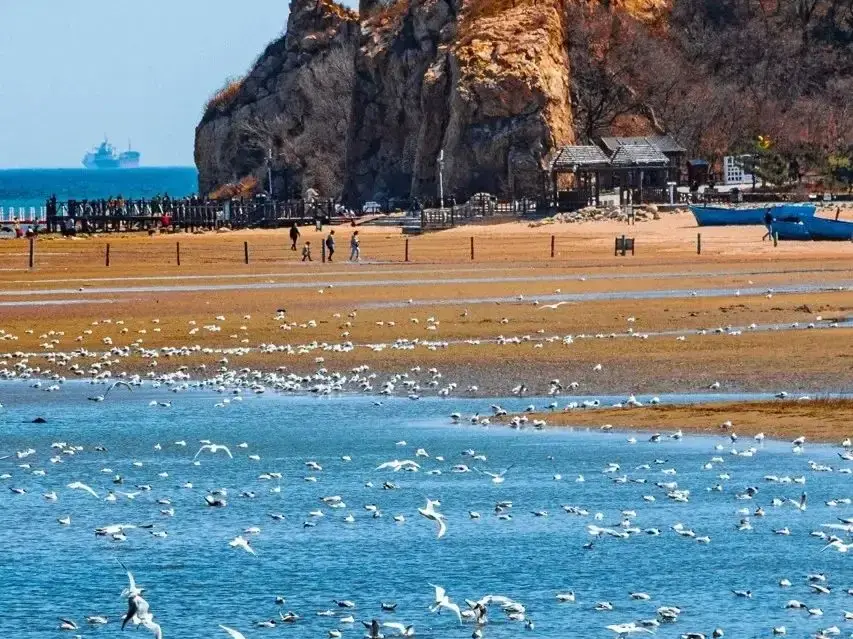
History & culture
Qinhuangdao takes its name from the First Qin Emperor, who is said to have come here to seek the elixir of immortality by sending ships east to the mythical immortals' isles — the Qin Emperor Seashore Park marks the spot.
The city's real fame is the Great Wall's eastern end. At Shanhaiguan the Ming wall reaches the sea, guarded by the 'First Pass Under Heaven' gate tower; a few kilometres south the Old Dragon Head (Laolongtou) is where the wall is built right into the water — the only place in China where the Great Wall meets the ocean.
Beidaihe, north of the city, became China's favourite summer seaside resort in the late 19th century and through the 20th — a leafy beach town of villas, pines and the Pigeon Nest sunrise that became the holiday of choice for China's leaders and writers.
Today Qinhuangdao is a coastal city that pairs the Wall-and-sea history of Shanhaiguan with the beaches of Beidaihe and the design culture of Aranya — reachable by high-speed rail from Beijing in about two hours.
Best time to visit Qinhuangdao
Qinhuangdao has a temperate continental climate on the Bohai coast — warm, humid summers and cold, dry winters.
Budget for Qinhuangdao: hotels from $14 a night, average ticket $$8.38 — see the full cost breakdown, or start from a ready-made route.
Cuisine of Qinhuangdao
Signature dishes worth seeking out — prices are typical per-person or per-dish ranges, not fixed quotes.
-
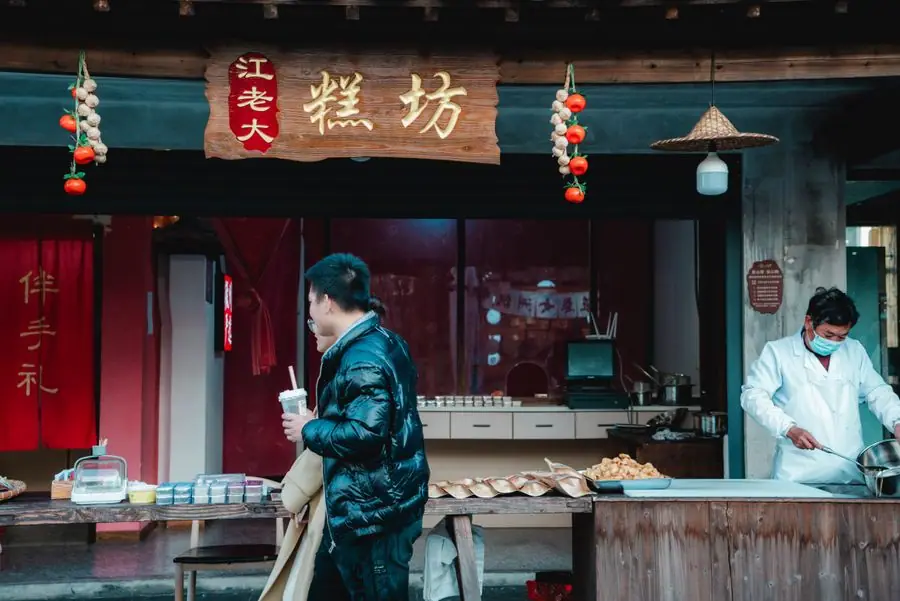
Seafood (Bohai catch)
The Bohai Sea's crabs, prawns, clams and flatfish, steamed or in a seafood hotpot — the thing to order along the coast, freshest at the Beidaihe and port restaurants.
-
Shanhaiguan cold noodles & baked cakes
The local wheat noodles and the sesame baked cakes (shaobing) of the wall town — cheap, filling northern staples.
-
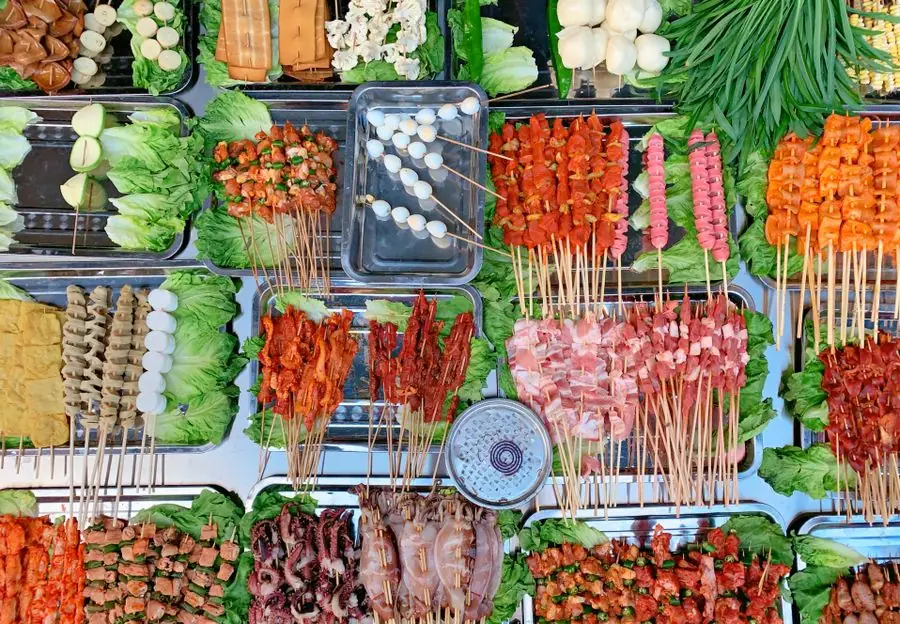
Grilled oysters & squid
The beachfront barbecue of the summer nights — grilled oysters, squid and clams by the sea in Beidaihe and Nandaihe.
-
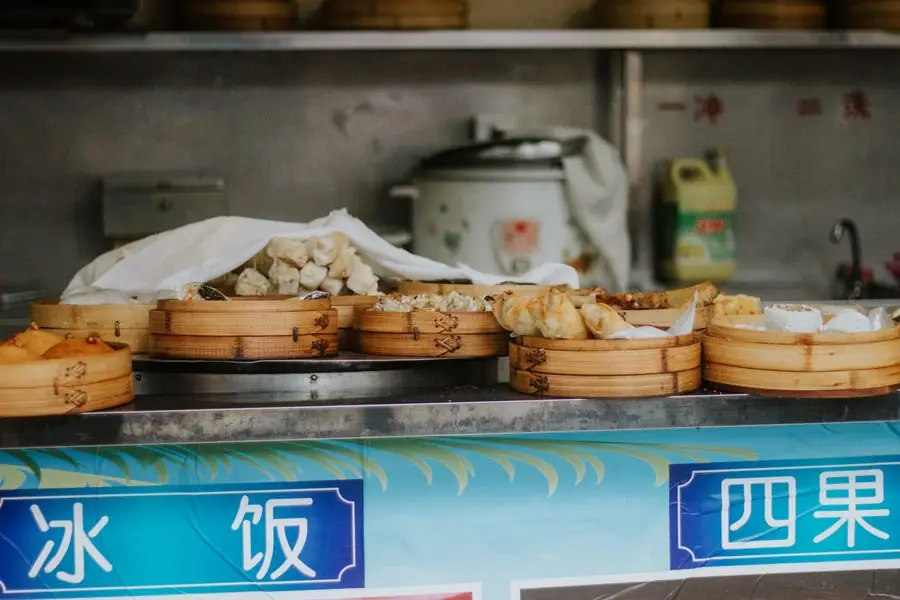
Stewed sea cucumber & abalone
The festival-protein dishes of the Hebei coast — braised sea cucumber and abalone at the smarter seafood houses.
-
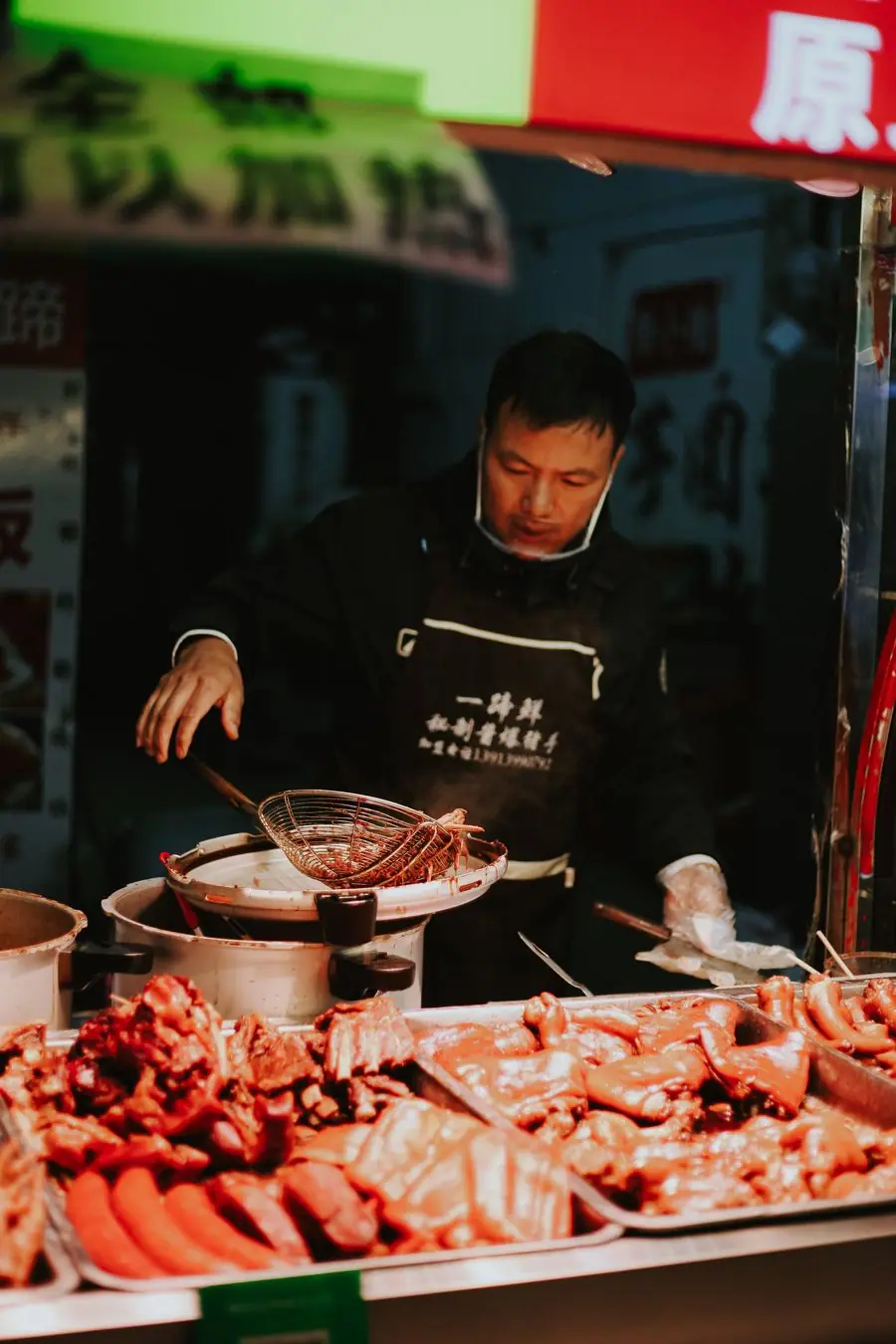
Chestnut & fruit (Lulong)
The inland chestnuts and the orchard fruits of the Lulong hills behind the city — a sweet, local counterpoint to the seafood.
Every major sight — with its own guide
Right after the food above, here are the sights — each one links to its own full guide (what to see, how to get there, facilities and the best season). Names follow each sight's official English signage.
Shanhaiguan district, ~15 km NE
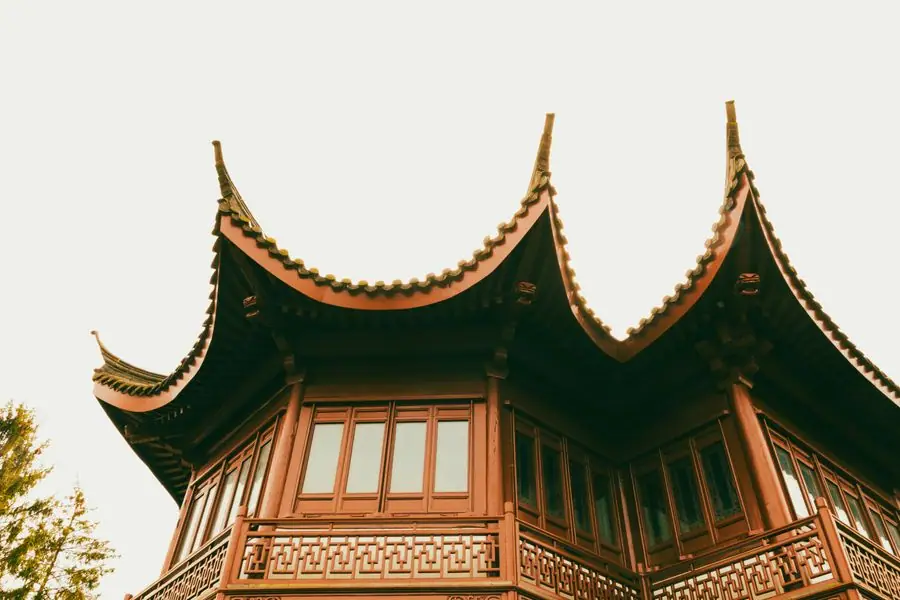
Shanhaiguan (First Pass Under Heaven) 山海关
The eastern end of the Ming Great Wall and its 'First Pass Under Heaven' (Tianxia Diyi Guan) gate tower — the most famous wall-pass in China, where the ramparts turn from the mountains to the sea. The headline historical sight of Qinhuangdao.
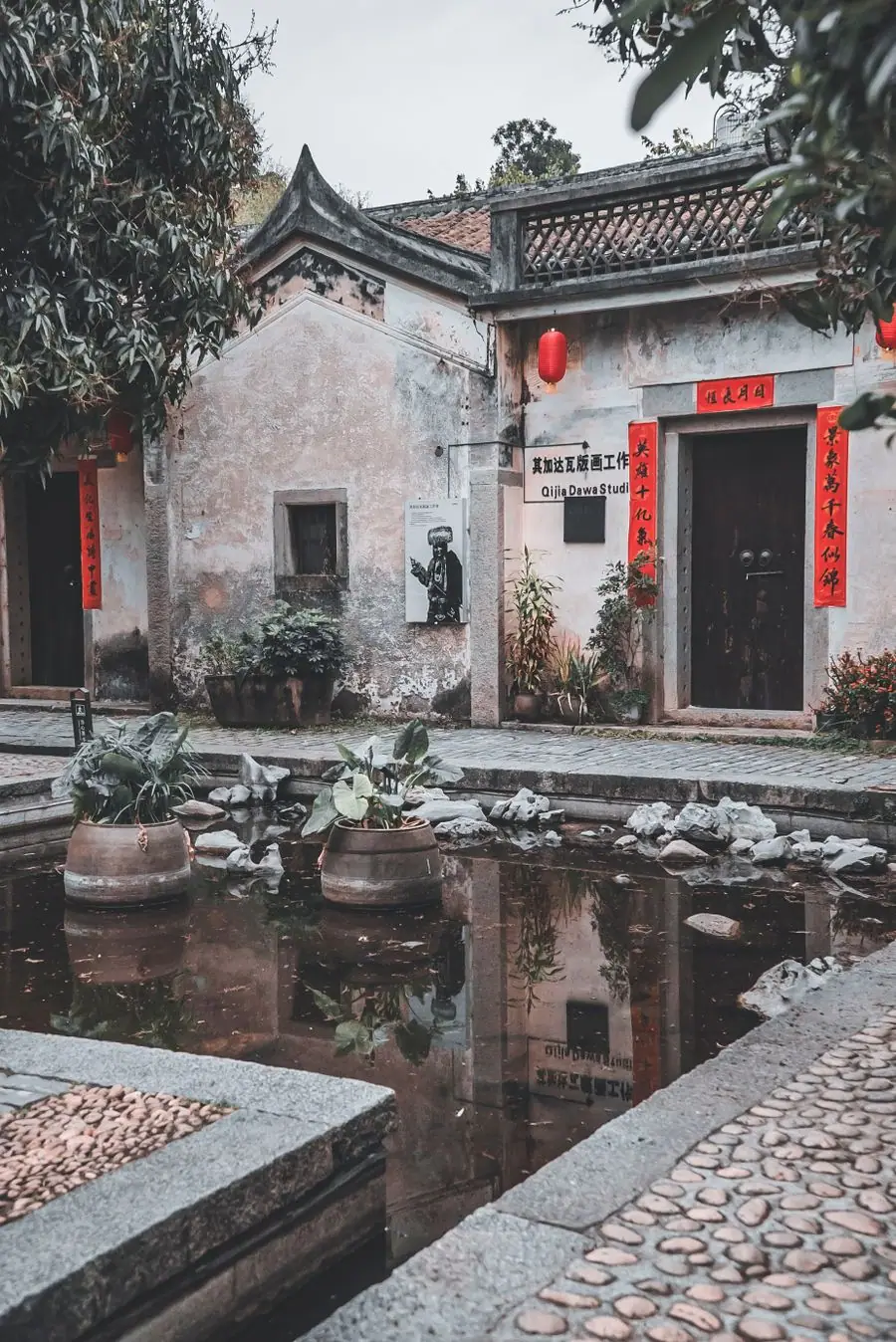
Shanhaiguan Ancient City 山海关古城
The walled old town of Shanhaiguan — Ming-Qing lanes, the Drum Tower and the everyday life around the 'First Pass', the free, walkable complement to the gate tower. A relaxed history stroll.
Shanhaiguan district, ~20 km NE
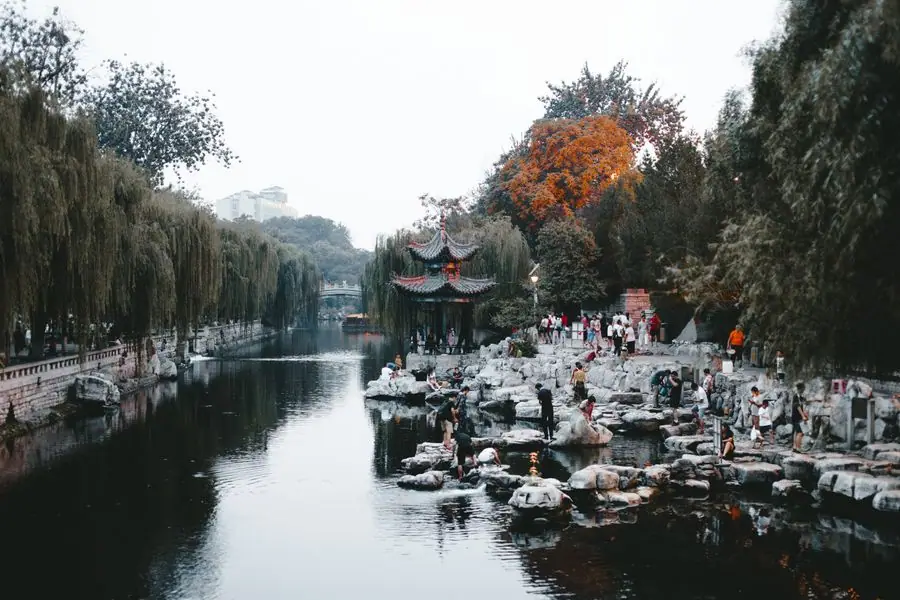
Old Dragon Head (Laolongtou) 老龙头
The southern tip of the Ming Great Wall built right into the Bohai Sea — the 'Old Dragon Head' where the ramparts and a stone jetty plunge into the water, the only spot in China where the Great Wall meets the ocean. The most photogenic Wall scene in Qinhuangdao.
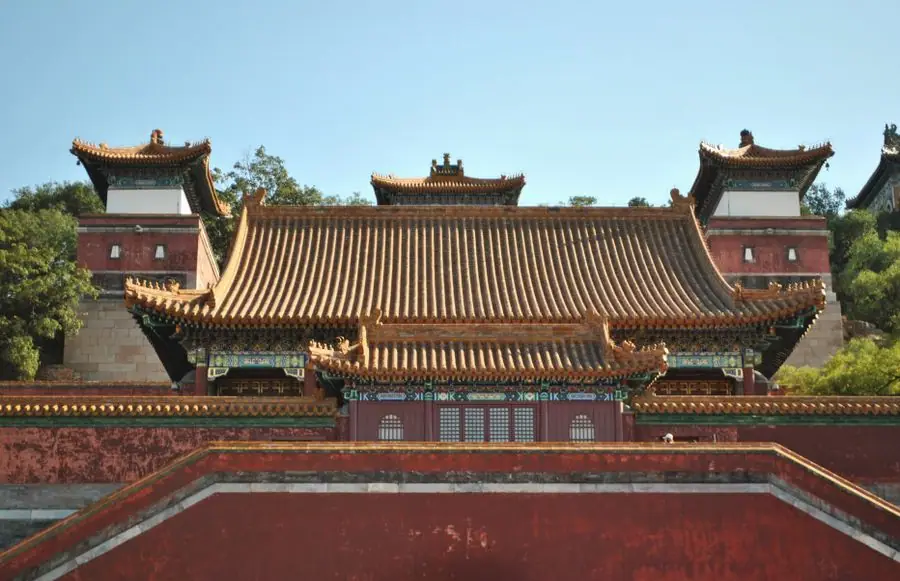
Mengjiangnu Temple 孟姜女庙
The temple to Mengjiangnu — the folk heroine whose tears collapsed a section of the Great Wall, the human, legendary face of the Wall-building story, on a hillside above Shanhaiguan. A short, atmospheric stop.
Beidaihe district, ~25 km SW
Changli county, ~50 km SW (Golden Coast)
Beidaihe district, ~28 km SW
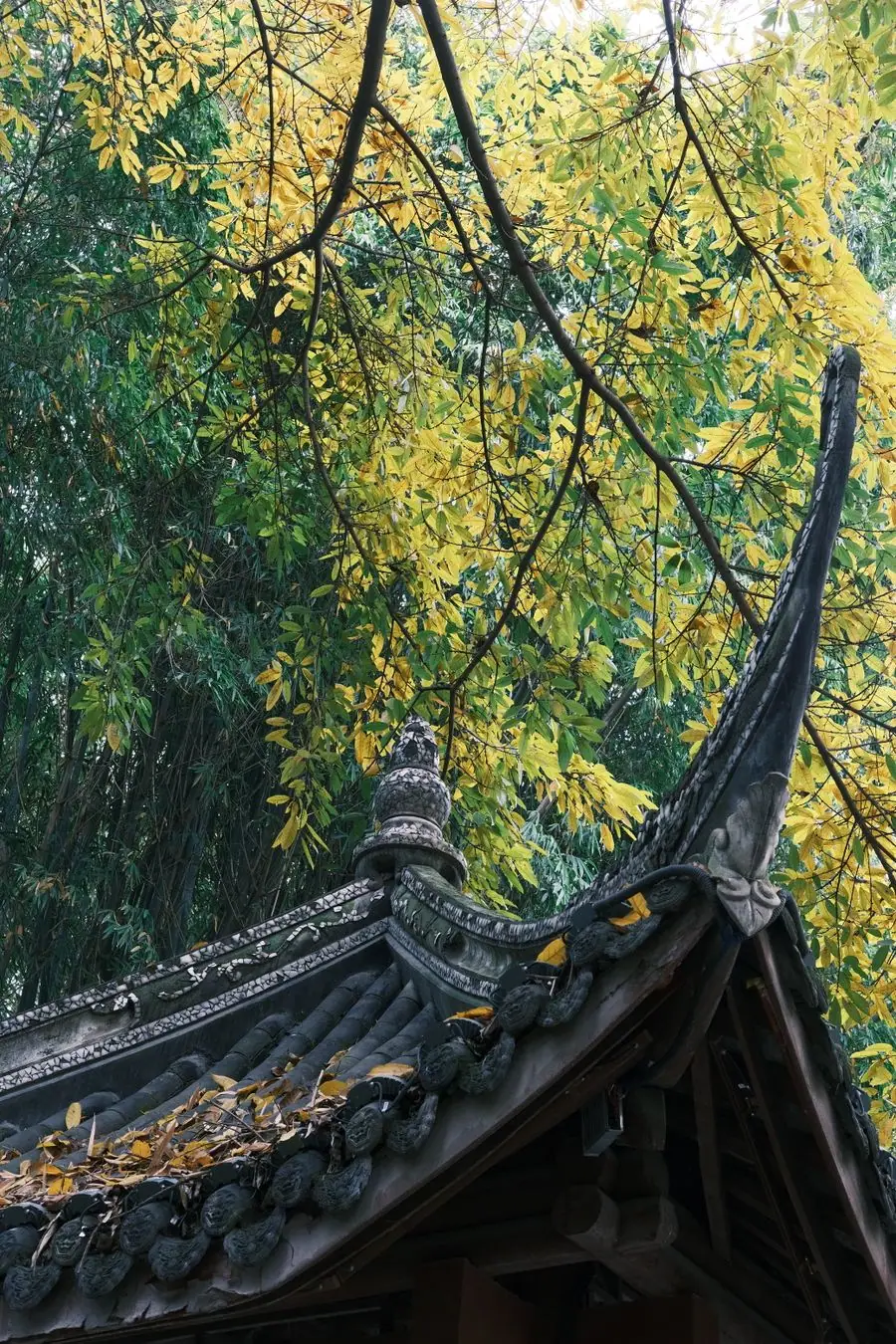
Pigeon Nest Park (Gezipu) 鸽子窝公园
The headland park of Beidaihe — a rocky point with a cliff pavilion for the famous Pigeon Nest sunrise over the sea and the migrating birds, the classic Beidaihe view and a gentle coastal walk.
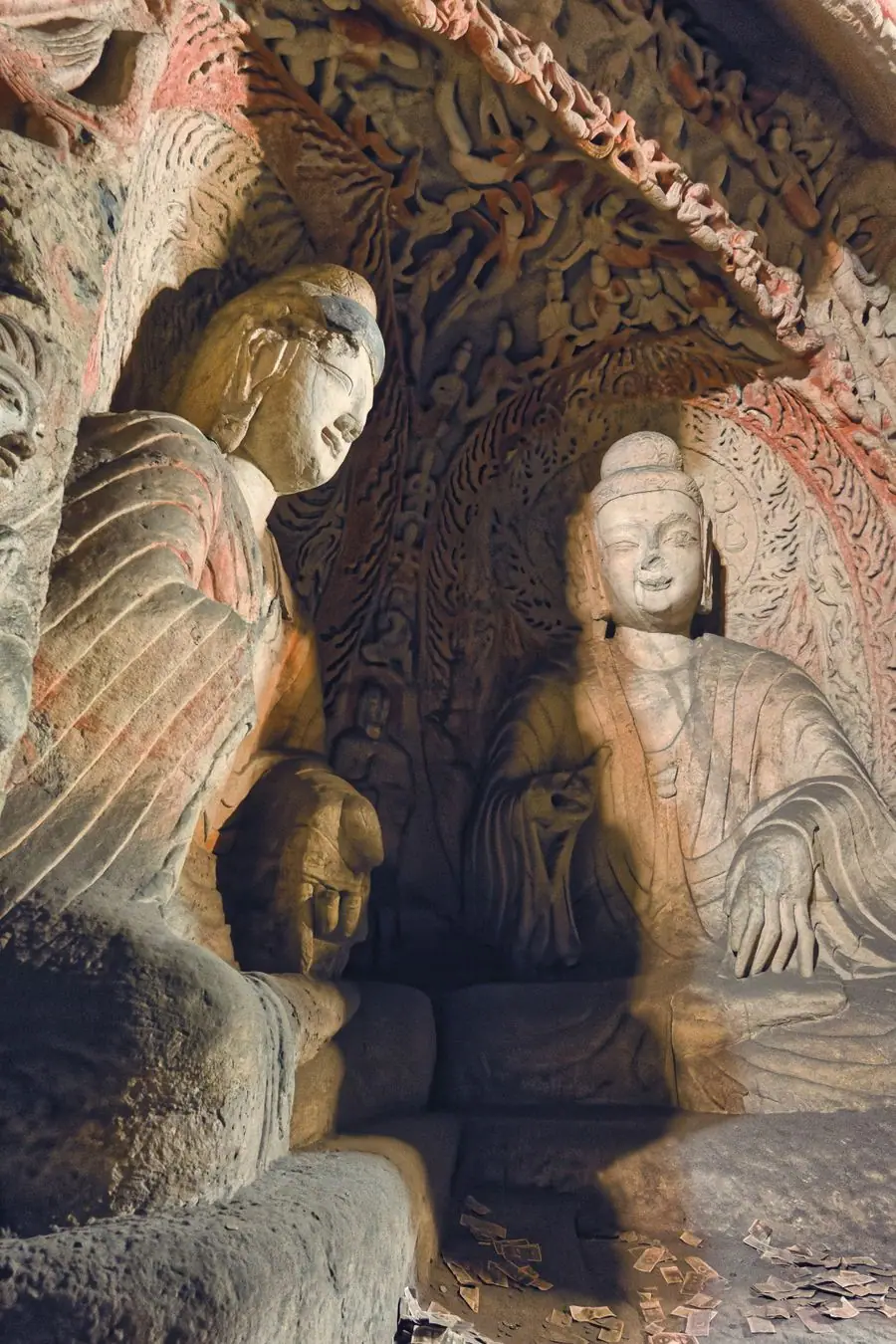
Lianfeng Mountain (Beidaihe) 联峰山
The wooded hill behind Beidaihe — a pine forest with a summit view over the resort and the sea, the green escape and the best Beidaihe panorama, popular for the morning hike.
Shanhaiguan district, ~18 km NE
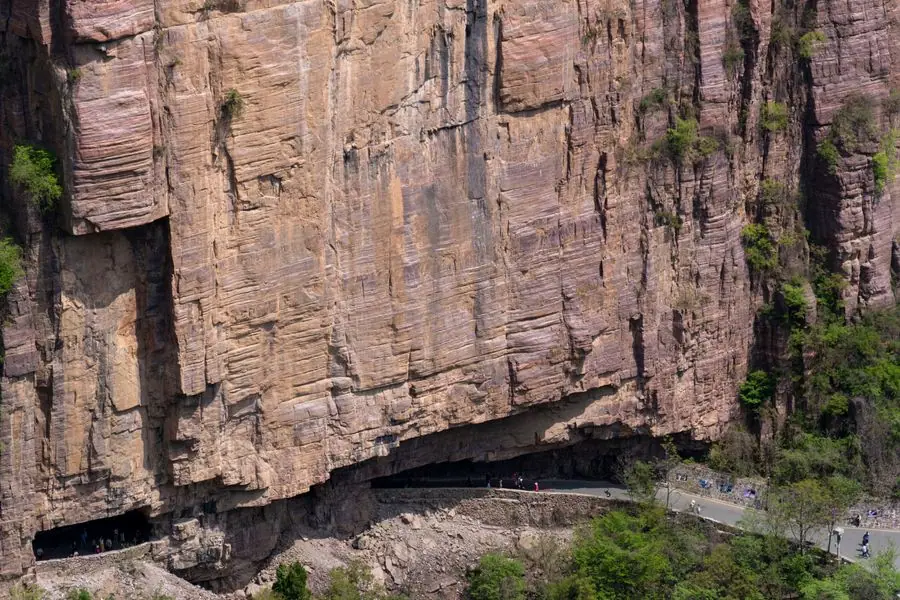
Shanhaiguan district, ~22 km NE
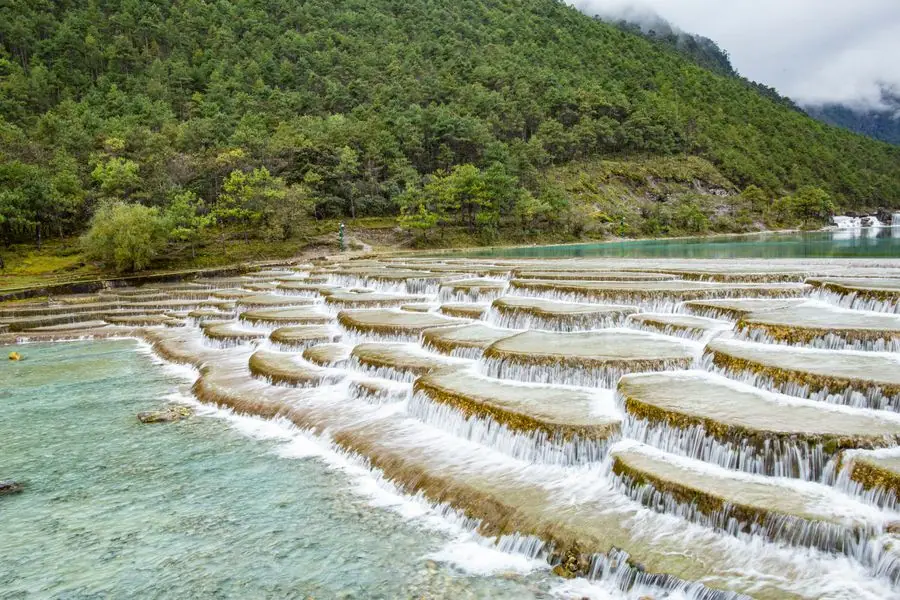
Funing district, ~35 km SW
Changli county, ~50 km SW
Beidaihe district, ~22 km SW
Beidaihe district, ~26 km SW
Where to stay in Qinhuangdao
Stay in Beidaihe for the beach and the resort atmosphere, in Shanhaiguan for the Wall, or in the Aranya community for design and the 'lonely library'. The city centre (Haigang) is the transport and food base. Summer books out — reserve ahead.
Budget
$14–28 / nightChain hotels (Hanting, JI, 7 Days) around the stations and the city centre; clean doubles and foreign-passport registration is routine at the chains.
Mid-range
$35–70 / nightJI Hotel, Vienna and local full-service hotels in Beidaihe and by the stations — the sweet spot; book ahead in July–August.
Splurge
$85–170 / nightThe Aranya resorts, the Beidaihe sea-view hotels and the new business hotels — pools, sea views and the design crowd.
Souvenirs & local crafts
Easy to pack, easy to explain at customs — and far cheaper at a supermarket than at a scenic stall.
-

Great Wall & Shanhaiguan crafts
The brick-and-tower models and the wall-themed keepsakes of Shanhaiguan — the on-theme Qinhuangdao gift.
-

Dried & vacuum seafood
Dried shrimp, squid and fish of the Bohai catch — a practical, packable taste of the coast.
-
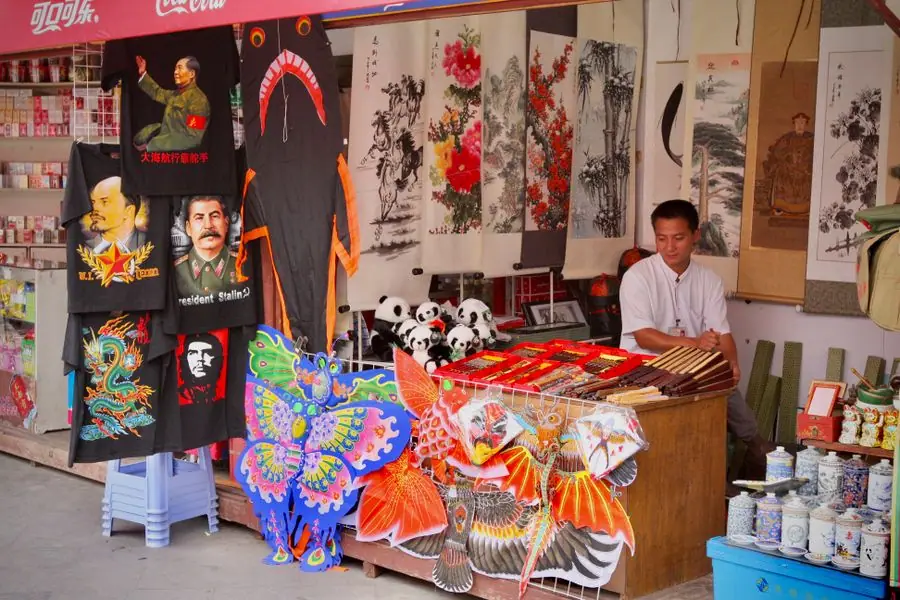
Shell & pearl jewellery
The beach-shell and freshwater-pearl jewellery sold along Beidaihe — a light, local souvenir.
-
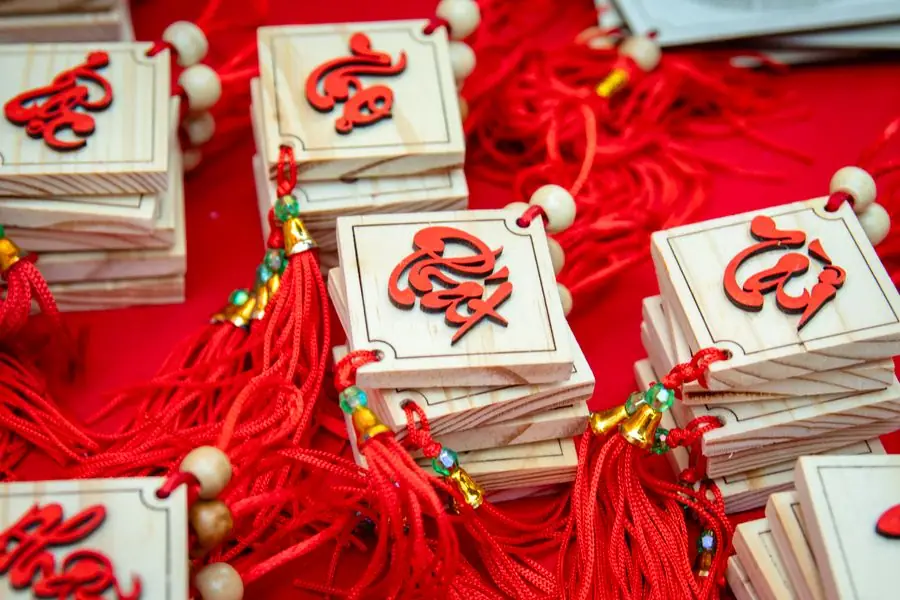
Aranya design goods
The minimalist books, prints and homeware from the Aranya shops — a design-forward, unusual gift.
-
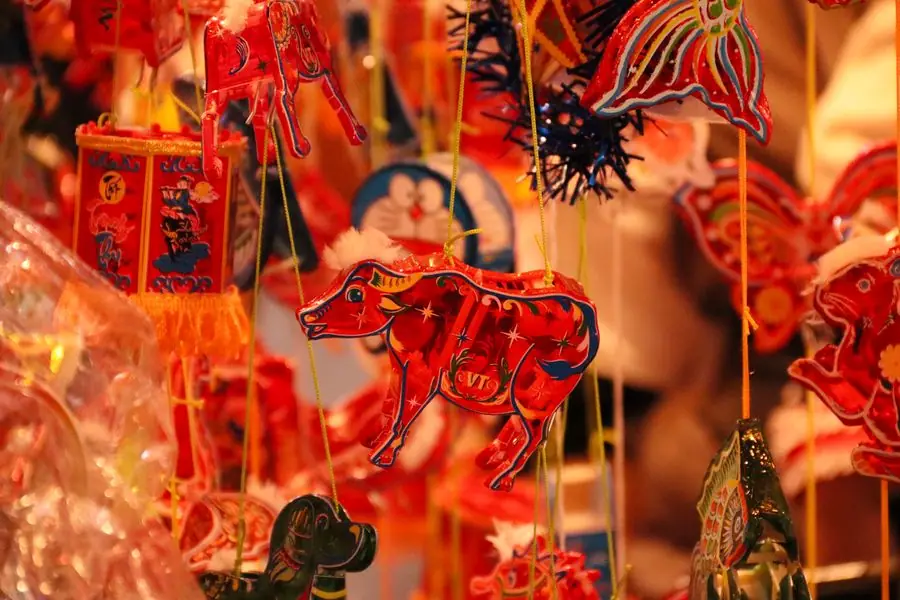
Lulong chestnuts & preserves
The hill-country chestnuts and fruit preserves — a sweet, packable local product.
Getting around Qinhuangdao
Qinhuangdao is on the Beijing–Shenyang high-speed line (Beijing ~2 h, Tianjin ~1.5 h, Shenyang ~2.5 h) and has Beidaihe and Qinhuangdao stations. The city's own passenger seaport is a designated 240-hour transit port, and Beijing/Tianjin international airports are the usual air gateways.
- High-speed rail
- Qinhuangdao and Beidaihe stations are on the Beijing–Harbin high-speed line: Beijing about 1.5–2 h, Tianjin about 1–1.5 h, Shenyang about 2.5 h. Add a bus or taxi to the sights.
- Long-distance bus
- Local and tourist buses link the city centre, Shanhaiguan, Beidaihe and the Golden Coast; within the towns the buses are cheap (about $0.28 / RMB 2).
- Metro & bus
- Qinhuangdao has no metro — the coastal towns are spread out; buses, taxis and the walkable beachfronts cover the town, and the sights need a bus or booked car.
- Taxis
- Taxis are metered from about $1.13 (RMB 8); the stations and the beachfronts are a short ride apart.
- Ride-hailing
- DiDi is the default for the Shanhaiguan, Beidaihe and Golden Coast hops — the coast is long and spread out.
- Shared bikes
- Shared bikes and the beachfront paths are lovely around Beidaihe and the Golden Coast in the mild months.
- Intercity carpool
- The high-speed trains link Qinhuangdao with Beijing, Tianjin and Shenyang; within the coast a booked car or the tourist buses are easiest.
Plan your 1, 2 or 3 days in Qinhuangdao
Pick the length of your stay. Each plan is its own page, anchored at the city centre and written from real traveller itineraries — including splits for sightseeing, shopping, landscape, families and older travellers.
Qinhuangdao in one day: Shanhaiguan & the Old Dragon Head
The Great Wall at the sea — the Shanhaiguan 'First Pass' gate tower and the Old Dragon Head where the wall meets the ocean, back in the city for seafood. The classic Qinhuangdao day.
Read the plan → 2-dayQinhuangdao in two days: + Beidaihe & Aranya
Day two gives the Beidaihe beach, the Pigeon Nest sunrise and the Aranya art community (lonely library and seaside chapel) — the coast and the design culture.
Read the plan → 3-dayQinhuangdao in three days: + Jiaoshan, YanSai Lake & Golden Coast
Give the third day to the Jiaoshan Great Wall, the YanSai Lake and the Golden Coast beaches — the deep Wall and the long, empty sand.
Read the plan →Frequently asked questions
- When is the best time to visit Qinhuangdao?
- May–June and September are the best all-round months — mild, less crowded, and good for both the Wall and the beach. July–August is the lively, hot beach peak (book ahead); October is crisp and golden. November–March is cold and quiet, with empty beaches.
- Do I need a visa for Qinhuangdao?
- Qinhuangdao's own passenger seaport is a designated port of China's 240-hour (10-day) visa-free transit scheme, and the usual air gateways — Beijing (PEK/PKX) and Tianjin (TSN) — are also 240-hour ports about 1.5–2 h away by high-speed rail. If your nationality is among the 57 countries eligible for the 240-hour transit waiver and you continue to a third country, you can enter at Beijing or Tianjin and take the train to Qinhuangdao within the 10 days. Otherwise arrange a Chinese visa in advance; confirm the current qualifying list and ports with a consulate before booking.
- Is the Great Wall really at the sea here?
- Yes — at the Old Dragon Head (Laolongtou) the Ming Great Wall is built into the Bohai Sea, the only place in China where the Wall meets the ocean, and a few kilometres north the Shanhaiguan pass ('First Pass Under Heaven') is where the Wall reaches its eastern end on land.
- How much do the sights cost?
- The Shanhaiguan 'First Pass' is about $7.04 (RMB 50); the Old Dragon Head about $7.04 (RMB 50); the Jiaoshan Great Wall about $5.63 (RMB 40); Pigeon Nest Park about $4.93 (RMB 35); the Qin Emperor Seashore Park about $4.93 (RMB 35); the YanSai Lake about $12.68 (RMB 90) with boat; the wildlife park about $14.08 (RMB 100); the Biluota night park about $14.08 (RMB 100); Beidaihe's public beaches and the Aranya grounds are free (Aranya needs a booking). Verify the exact combo and price on site.
- How many days do I need?
- Two days covers Shanhaiguan, the Old Dragon Head and the Beidaihe/Aranya coast. Three adds the Jiaoshan Wall, YanSai Lake and the Golden Coast. The Wall-and-sea alone is a relaxed one-day highlight.
- What is Aranya?
- Aranya is a design-led seaside community south of Beidaihe, famous for its minimalist 'lonely library' and the white seaside chapel on the sand — an Instagram-famous, art-forward counterpoint to the traditional resorts, best visited with a booked stay or restaurant.
Page last reviewed: 2026-11-02.