Pingyao 2026: The Walled City, Draft Banks & Temples on a 1–3 Day Plan
Pingyao is a complete walled town from the Ming and Qing eras, and the birthplace of Chinese banking. The old grid of lanes, merchant courtyards and former draft banks still stands inside a 600-year-old wall. High-speed rail and a walkable core make the city pass, the temples and the night streets easy to reach — plan the ticket and the town is straightforward.
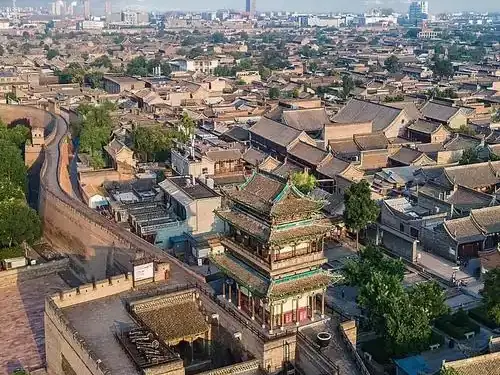
History & culture
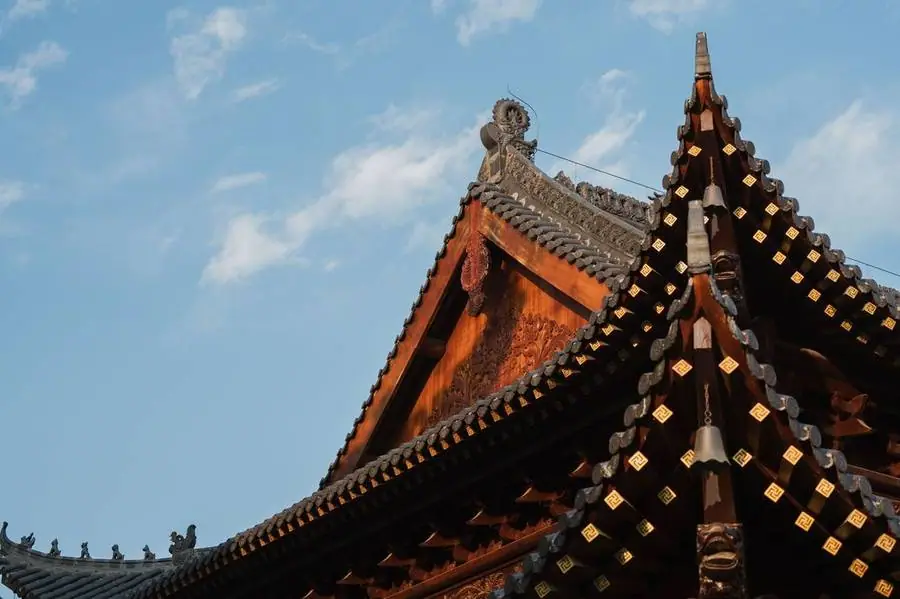
Pingyao grew from a county seat first walled in the Western Zhou and rebuilt in 1370 under the Ming Hongwu Emperor; the rectangular wall you walk today is roughly 600 years old and still encloses the old grid of four main streets and lanes.
In the Qing dynasty the town became China’s financial capital. In 1823 the first draft bank, Rishengchang, began moving money by bill instead of by cart, and at its height more than half of the country’s draft-bank networks ran through Pingyao’s streets.
The town kept its Ming–Qing form almost intact while other cities tore theirs down, and in 1997 UNESCO listed "Pingyao Ancient City" with the Shuanglin and Zhenguo temples as a World Heritage Site — a rare whole walled town preserved as a living place.
Best time to visit Pingyao
Pingyao is best in cool, dry weather with clear light; spring and autumn give the best conditions for walking the wall and photographing the lanes.
Budget for Pingyao: hotels from $15 a night, average ticket $$15.81 — see the full cost breakdown, or start from a ready-made route.
Cuisine of Pingyao
Signature dishes worth seeking out — prices are typical per-person or per-dish ranges, not fixed quotes.
-
Pingyao Beef
The local cured, pressed beef, eaten cold in thin slices; the town’s most famous food product and a common gift to take home.
-
Shanxi Vinegar Snacks
Pingyao sits in China’s vinegar heartland; try vinegar-dressed snacks and the pickled items sold along the main street.
-
Mianpi
Cold wheat noodles with chili oil and vinegar, a cheap Shanxi staple sold from street carts across the old city.
-
Knife-Cut Noodles
Shanxi dao xiao mian, ribbons of dough shaved into broth; a filling lunch found at almost every noodle shop in town.
-
Pingyao Wantuo
A steamed buckwheat or millet jelly sliced and dressed with vinegar and garlic — a local snack unique to the Pingyao area.
-
Candied Hawthorn
Candied hawthorn and dried fruit sold on sticks and in bags along the lanes; a cheap, sour-sweet bite while you walk.
Every major sight — with its own guide
Right after the food above, here are the sights — each one links to its own full guide (what to see, how to get there, facilities and the best season). Names follow each sight's official English signage.
Walled town
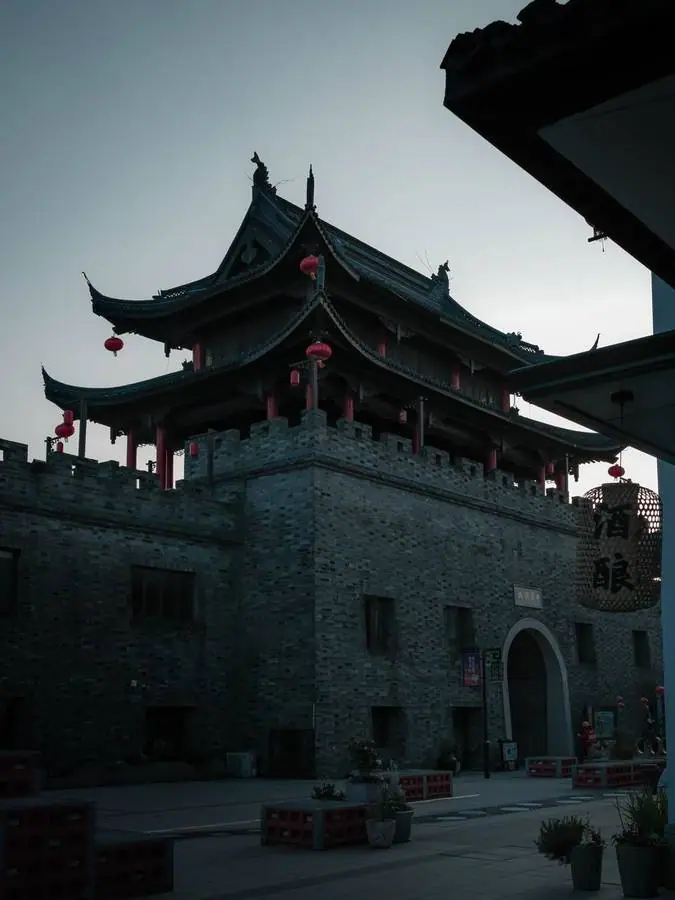
Pingyao Ancient City 平遥古城
The walled Ming–Qing county town itself — a living UNESCO grid of lanes, merchant courtyards and old banks you explore on foot.
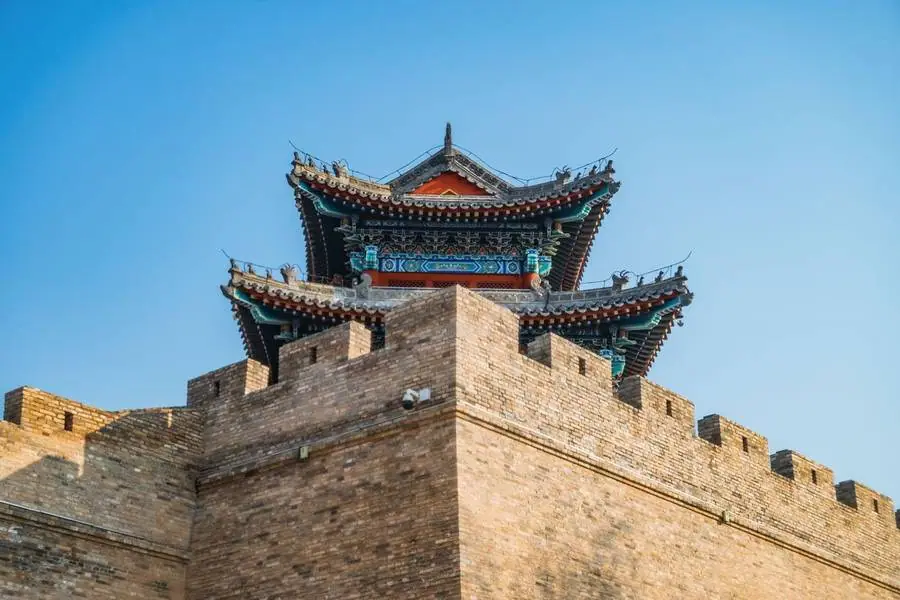
Pingyao City Wall 平遥城墙
The 600-year-old Ming wall, about 6 km around and 12 m tall, with rampart walks and watchtowers giving the best view over the town.
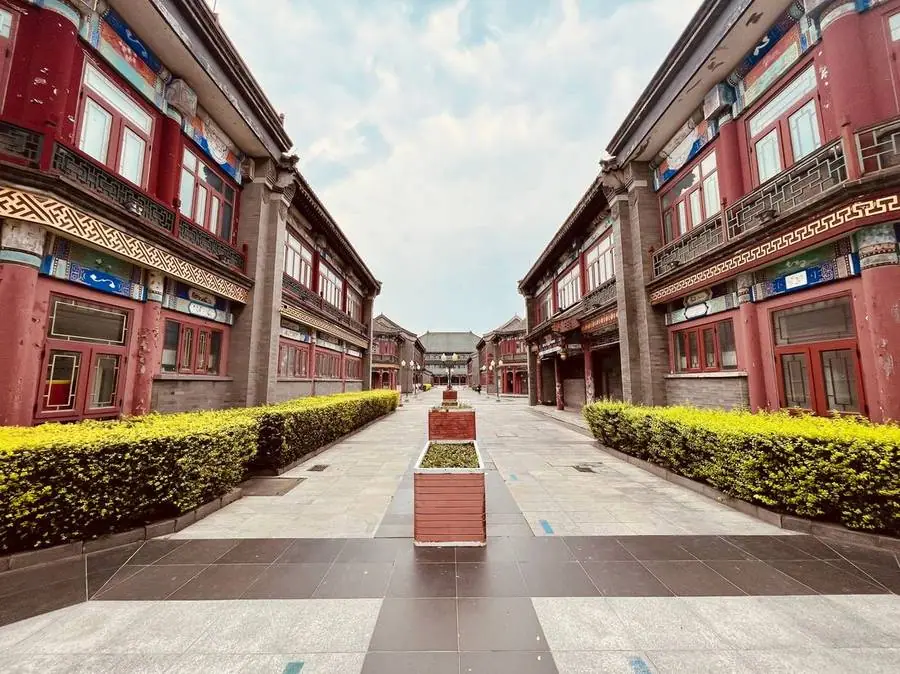
Rishengchang Draft Bank 日升昌票号
China’s first draft bank (1823), now the Draft Bank Museum, telling how Pingyao moved the nation’s money by bill.
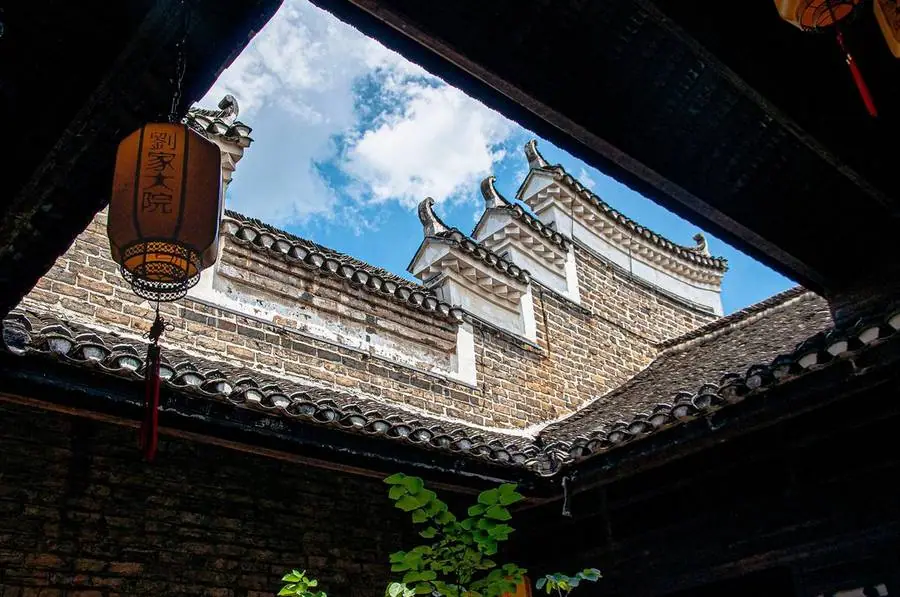
Pingyao County Government Office 平遥古县衙
The best-preserved county yamen in China, a large courtyard compound with a daily "judgment" re-enactment performance.
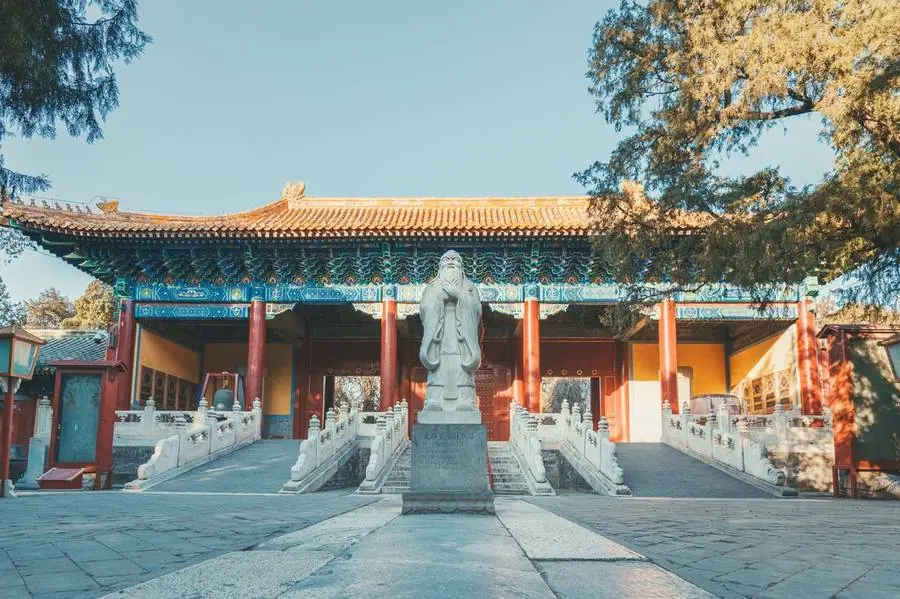
Pingyao Confucian Temple 平遥文庙
One of China’s oldest Confucian temples, with a main hall dated to the Jin dynasty and a quiet courtyard set away from the crowds.
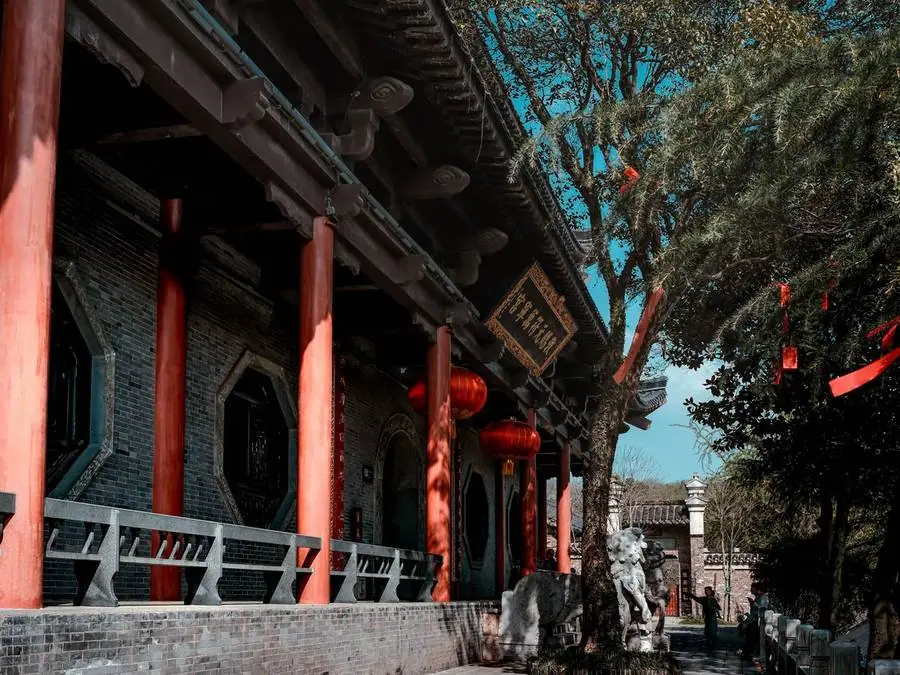
Temple of the City God 城隍庙
A Qing-dynasty temple complex of glazed roofs and courtyards, also housing the God of Wealth and Kitchen God shrines.
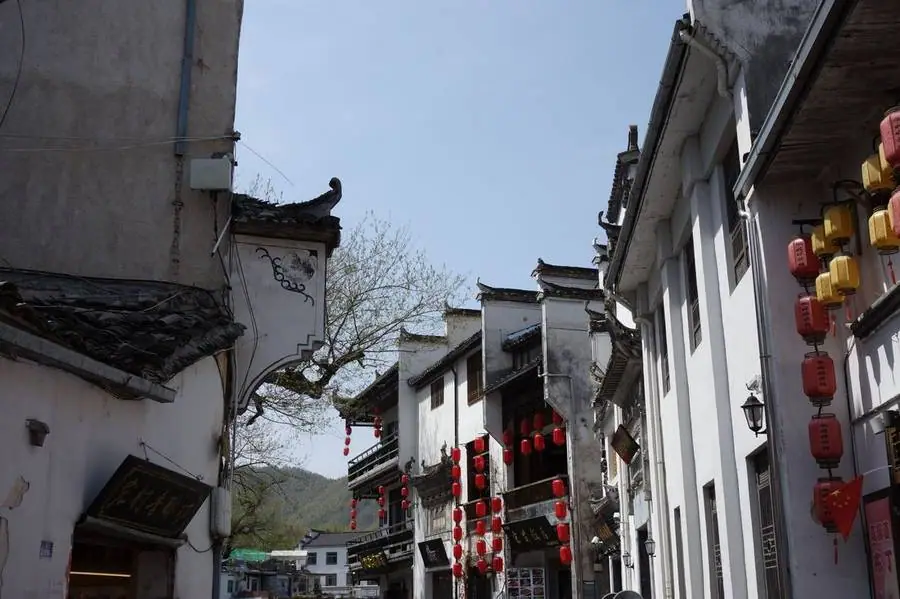
Ming–Qing Street 明清街
The central spine of the old town — a lantern-lit lane of former banks, shops and eateries, the easy place to start a walk.
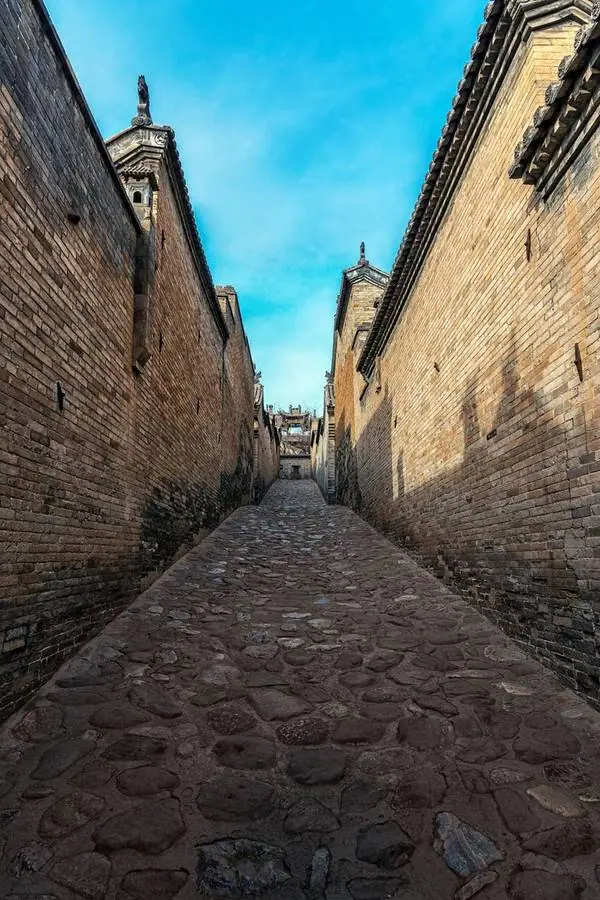
Xietongqing Draft Bank 协同庆票号
A five-courtyard draft bank famous for its underground vault you can walk into, with a dragon-pillar said to be carved by a Ming architect.
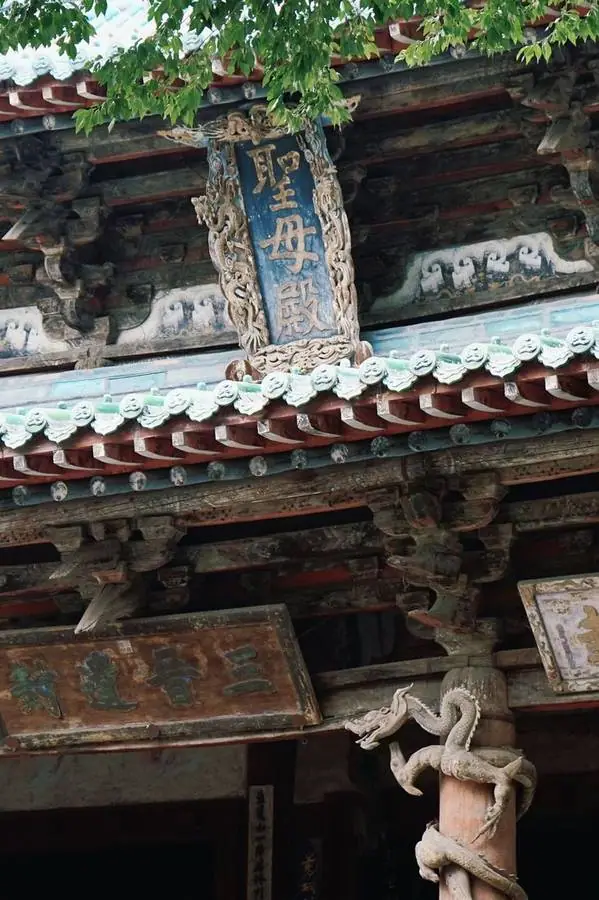
Qingxu Temple 清虚观
The largest Taoist temple in Pingyao, with Yuan- and Ming-dynasty halls and a quiet courtyard away from the main drag.
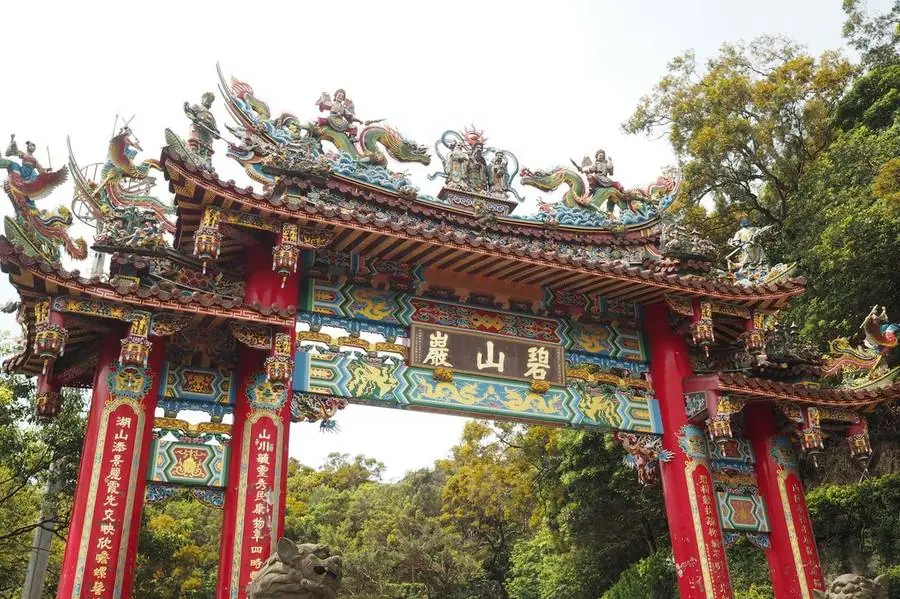
Pingyao Escort Agency 同兴公镖局
A restored Qing-dynasty escort bureau where armed guards once protected the money moved by the town’s draft banks.
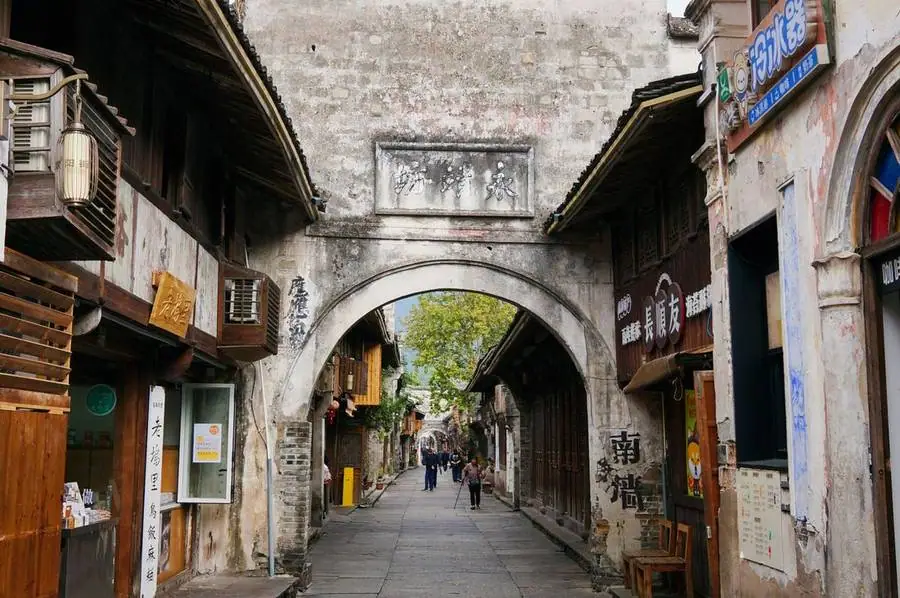
Baichuan Tong Draft Bank 百川通票号
A former draft bank turned commerce museum, with period account rooms and the living quarters of a Qing banking family.
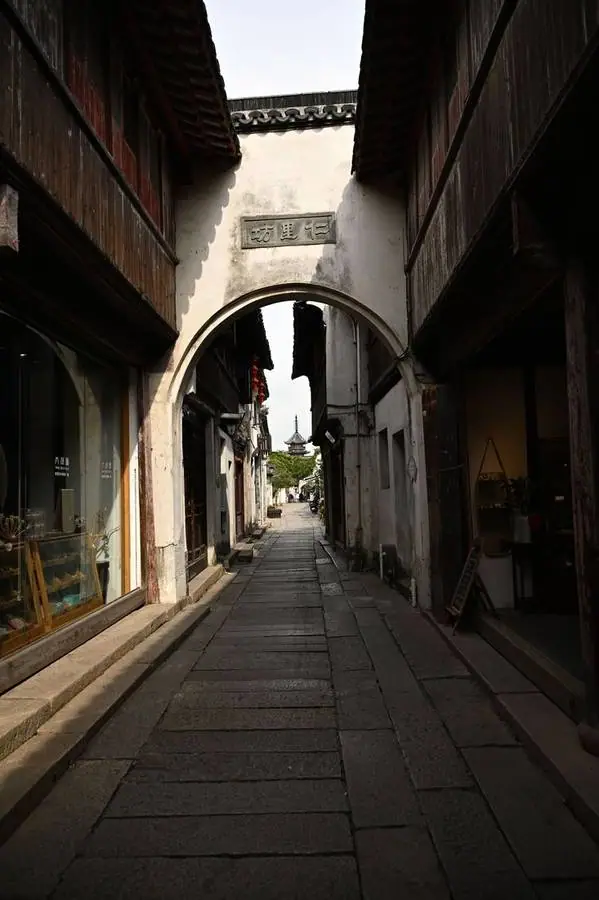
Lei Lütai’s Residence 雷履泰故居
The former home of Lei Lütai, the founder of Rishengchang and the credited father of China’s draft-bank system.
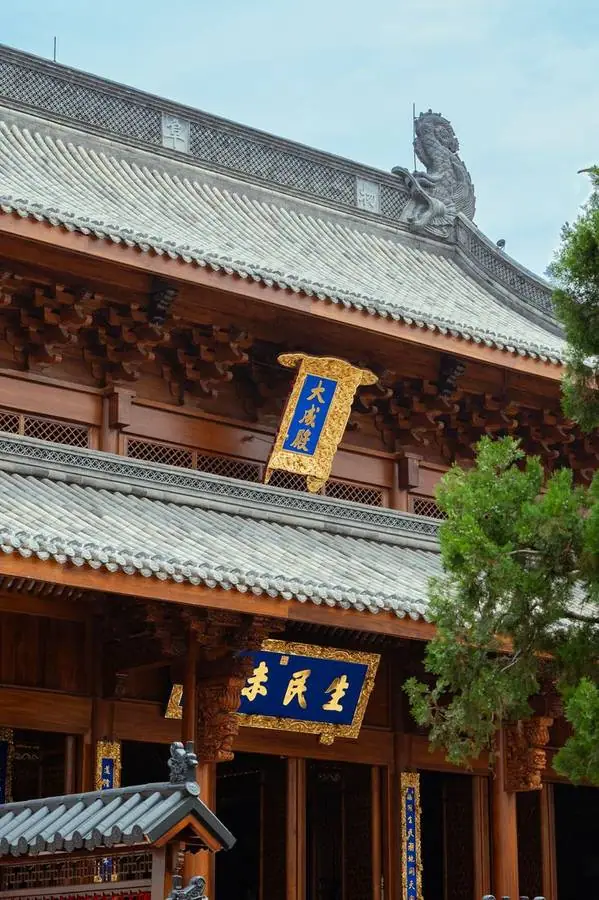
Erlang Temple 二郎庙
A small walled-town temple to the deity Erlang, with an old opera stage and a cluster of folk shrines in one courtyard.
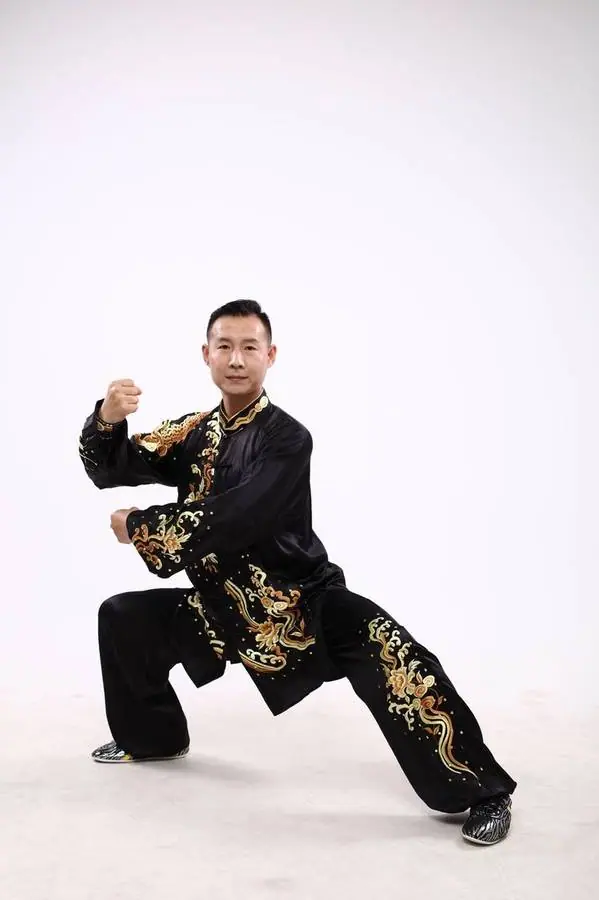
Huiwulin Martial Arts Museum 汇武林
A martial-arts museum in a former master’s residence, showing the boxing and weapon traditions that guarded the town’s money.
Where to stay in Pingyao
Rates are for a standard double room in 2026. Book a room inside the walls if you want the old-town atmosphere after day-trippers leave; rooms near the South Gate cost more. Confirm the USD price at booking, as rates swing in peak season.
Luxury
$80–200 / nightBoutique courtyard hotels inside the walls, converted from merchant mansions and walkable to the main sights — the premium old-town stay.
Upper mid-range
$45–80 / nightChain and independent hotels just outside the South and West gates, a 5–15 min walk into the walled core.
Mid-range
$30–45 / nightClean Chinese business hotels near the railway and gate areas, a short taxi or bike ride to the walls.
Budget
$15–30 / nightHostels and guesthouses inside the walls, often in old courtyards with kang-style beds; social and central.
Souvenirs & local crafts
Easy to pack, easy to explain at customs — and far cheaper at a supermarket than at a scenic stall.
-
Pingyao Lacquerware
Smooth polished lacquer boxes and trays, one of China’s four famous lacquerwares and a Pingyao speciality with a national intangible-heritage technique.
-
Shanxi Aged Vinegar
Mature aged vinegar in gift bottles; the town is part of the Shanxi vinegar heartland and it travels well.
-
Paper-Cut
Red paper-cut folk designs sold by the sheet; light, cheap and easy to pack as a souvenir.
-
Beef Gift Packs
Vacuum-packed Pingyao beef, the town’s signature food gift, sold at shops along the main street.
-
Clay Bank Figurines
Small clay figures and draft-bank themed keepsakes nodding to Pingyao’s banking past, found in the lane shops.
Getting around Pingyao
Pingyao is small and walkable inside the walls; the high-speed rail brings you to Pingyao Ancient City station about 10 km out. Set up Alipay with an international card for DiDi, the tourist cart and bike share before you arrive.
- High-speed rail
- Pingyao Ancient City station (high-speed) is about 10 km from the old town; a taxi takes 15–25 min and costs roughly $3–5. From Beijing it is about 3.5–4.5 hours by high-speed rail, and from Taiyuan about 40 minutes.The older Pingyao station (regular rail) sits about 1 km from the walls and is walkable into the town in about 15 minutes.
- Long-distance bus
- Long-distance coaches run from Taiyuan and Jinzhong to Pingyao, about 1.5 hours; use them mainly if you are not on the rail network.
- Metro & bus
- Pingyao has no metro; the old town is pedestrian and the attractions sit within a 2 km walled core you cover on foot or by cart.
- Taxis
- Taxis and DiDi cars wait at the station and gates; short hops inside and just outside the walls cost around $2–4.
- Ride-hailing
- DiDi (inside Alipay) is the easiest way to hail a car with an English map and card payment; use it for the station run and the temple trips.
- Shared bikes
- Shared bikes (Alipay Haibike / Meituan) suit the flat lanes; cars are banned inside the walls, so walking or the electric cart is how you move.
- Intercity carpool
- Ride-pooling is less useful here; for Shuanglin and Zhenguo temples (outside the walls) book a taxi or driver and agree a waiting time before you leave.
Plan your 1, 2 or 3 days in Pingyao
Pick the length of your stay. Each plan is its own page, anchored at the city centre and written from real traveller itineraries — including splits for sightseeing, shopping, landscape, families and older travellers.
Pingyao in 1 Day
The wall, Rishengchang, the county office and a night on the main street.
Read the plan → 2-dayPingyao in 2 Days
Day one on the walled town, day two the Shuanglin and Zhenguo temples.
Read the plan → 3-dayPingyao in 3 Days
Add the temples, the side lanes and a courtyard stay to the core sights.
Read the plan →Frequently asked questions
- Do I need a visa for Pingyao?
- Pingyao has no separate visa rule; it follows China’s national policy, including the 240-hour (10-day) visa-free transit scheme for eligible nationalities connecting through a Chinese city. Check the current list with a consulate before you book.
- Is the old city free to enter?
- Yes. Walking the walled town is free. The $17.60 (125 RMB) city pass covers 22 individual sights — the wall, Rishengchang, the county office and more — and is valid for three days. Book it on arrival; seniors and children get discounts.
- Which temples are outside the walls?
- Shuanglin Temple (about $4.90 / 35 RMB) is roughly 6 km southwest, and Zhenguo Temple (about $3.50 / 25 RMB) about 12 km north. Both are separate from the city pass and need a taxi; plan a half-day for the two.
- How many days do I need in Pingyao?
- One full day covers the wall and the main walled-town sights; two days lets you add Shuanglin and Zhenguo temples. Stay inside the walls for the lanes after the day-trippers leave — that is what most visitors remember.
- When is the best time to visit Pingyao?
- April to May and September to October have the best weather and light. Avoid the May Day and National Day holidays for crowds, and note the ticket "peak season" (Apr–Oct, 125 RMB) is a separate calendar from the crowd season.
- How do I get to Pingyao?
- High-speed rail to Pingyao Ancient City station, about 10 km out (taxi 15–25 min, roughly $3–5); from Beijing it is about 3.5–4.5 hours, from Taiyuan about 40 minutes. The older Pingyao station is a 15-minute walk from the walls.
- Can foreign visitors book and enter the sights?
- Yes. There is no foreigner restriction on the walled town or temples; the city pass uses real-name booking, so carry your passport and book through the official platform or on arrival. Verify the price and opening hours on site.
Page last reviewed: 2026-11-02.