Nanping Travel Guide 2026: The Wuyi Mountains, Nine Bend Creek & Da Hong Pao Tea
Nanping is the mountain prefecture of northern Fujian, and its reason to exist for travellers is one place: the Wuyi Mountains, a UNESCO World Heritage site of Danxia peaks, cliff temples and the birthplace of oolong rock tea. The classic experience is the bamboo raft down the Nine Bend Creek, but the area rewards a slow three days — tea gardens, cliff inscriptions, Zhu Xi's hometown villages and the Zhang Yimou mountain show. Below: the best time, the history, the food, where to stay, every major sight with its own guide, transport, and 1/2/3-day plans.

History & culture
The mountains were the frontier of the ancient Minyue lands before Han Chinese settlement spread south; by the Tang and Song the valleys were administered from Jianzhou (today's Jian'ou), one of Fujian's earliest prefectural seats.
The Wuyi Mountains became a state cult site: from the Song dynasty, emperors sent envoys to sacrifice at the Wuyi Palace, and the mountains filled with Daoist and Buddhist retreats — the cliff temples, the 300-plus cliff inscriptions and the ruined mountain academies date from this era.
Tea made the region. The Beiyuan tribute gardens in the Jian'ou-Jianyang basin were the imperial tea works of the Northern Song, and the oolong rock tea grown between the Wuyi cliffs — Da Hong Pao above all — became one of China's most famous. The Qing tea merchants of Xiamei village shipped it north as the start of the Tea Road to Russia.
The same Jianyang basin fired Jian ware (jian zhan), the iron-black tea bowls prized across East Asia and now treasured in Japan. Zhu Xi, the Neo-Confucian philosopher who shaped East Asian thought for centuries, was raised in the Wuyi foothills, taught in Wufu and finished his academy at Kaoting in Jianyang.
Modern Nanping is a quiet prefecture: its county-level cities — Wuyishan, Jian'ou, Shaowu — keep the old towns and tea economy, while the mountain scenery was listed by UNESCO as mixed cultural and natural heritage in 1999.
Best time to visit Nanping
Nanping's Wuyi Mountains sit at about 350–700 m in a humid subtropical zone: green, wet and mild, with real summer heat and damp, cool winters.
Budget for Nanping: hotels from $21 a night, average ticket $$18.03 — see the full cost breakdown, or start from a ready-made route.
Cuisine of Nanping
Signature dishes worth seeking out — prices are typical per-person or per-dish ranges, not fixed quotes.
-
Langu smoked goose (Lan gu xun e)
Wuyishan's signature dish: goose smoked with local tea leaves and rice husks until the skin turns tea-red, served in numbing-spicy chunks. Order it in the resort's old streets or Langu village itself.
-
Wuyi rock tea (Wu yi yan cha)
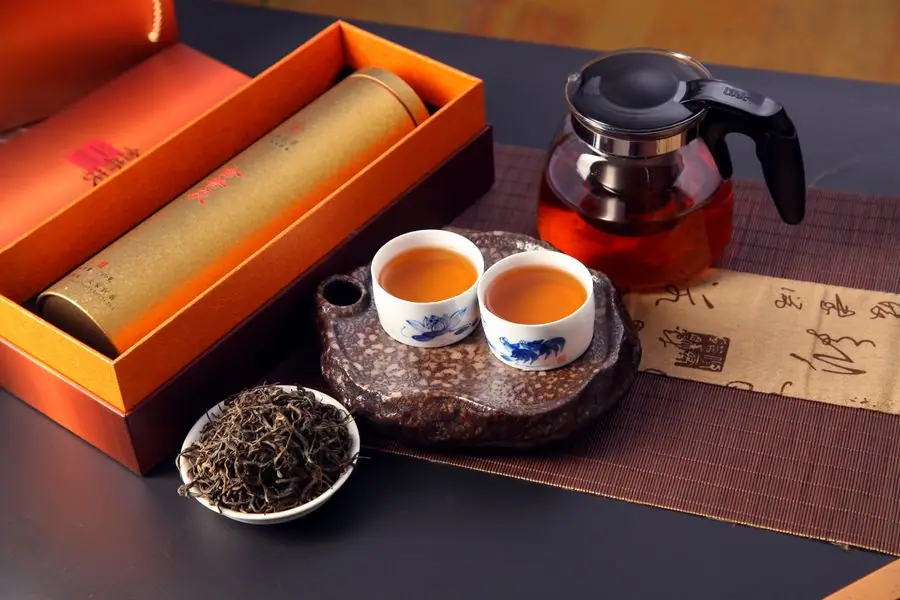
The oolong grown between the Wuyi cliffs — Da Hong Pao, Rougui and Shuixian — brewed dark and mineral. Tea houses across the resort offer tastings; the free Tea Expo Park explains the grades.
-
Jian'ou soy-milk noodles (Jian'ou dou jiang fen)
Jian'ou's breakfast institution: bright wheat noodles in a hot, savoury soy-milk broth that curdles into clouds, dressed with scallion and chilli — eaten across the old town from dawn.
-
Jian'ou guangbing (Jian'ou guang bing)
The sesame-crusted flatbread of old Jianzhou, baked on the wall of a clay oven until blistered; the local saying ties it to the region's old examination culture. Best eaten hot from a market stall.
-
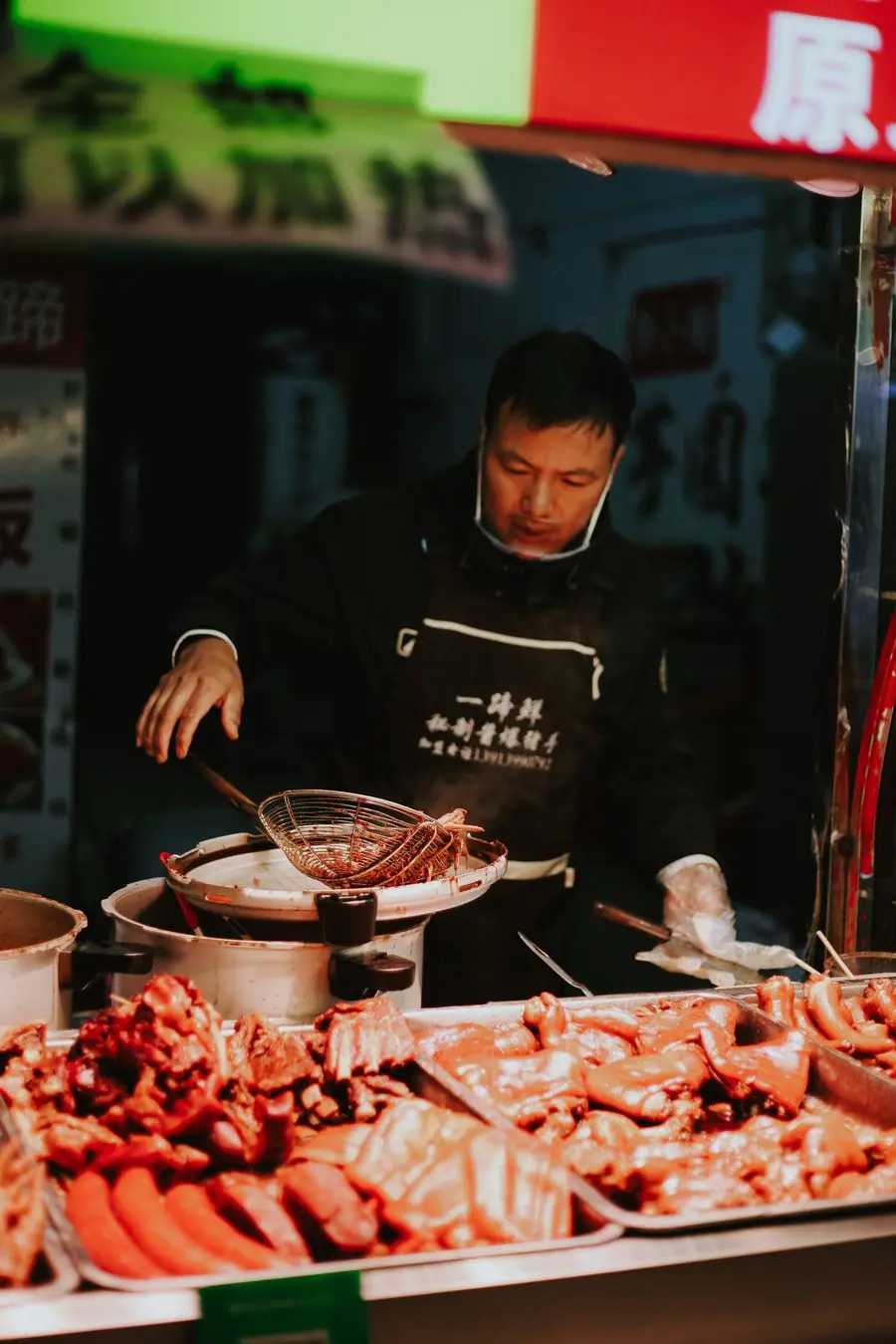
Wufu white lotus (Wu fu bai lian)
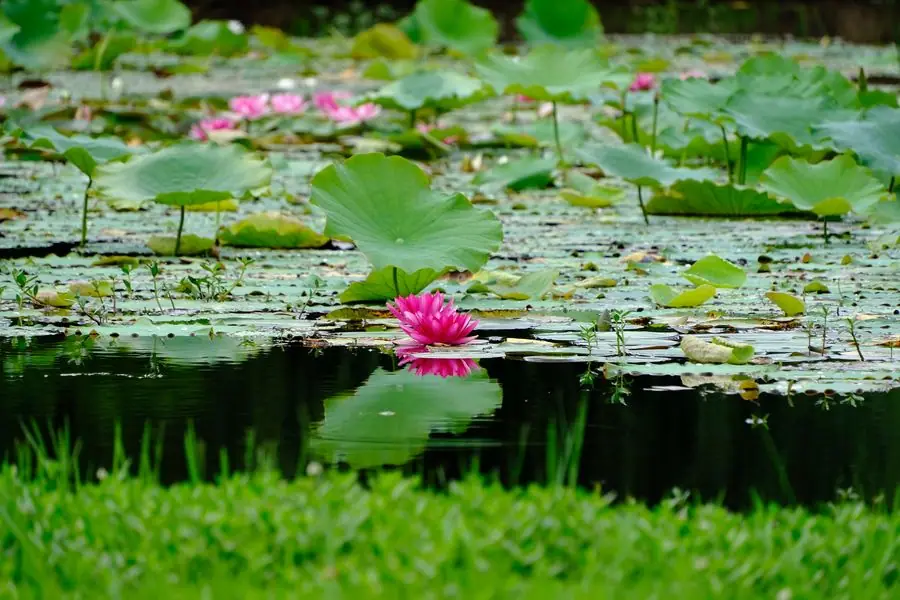
The dried lotus seeds of Wufu Town, plump and starch-sweet, used in sweet soups and with sesame; Zhu Xi's hometown has grown them for a thousand years.
Every major sight — with its own guide
Right after the food above, here are the sights — each one links to its own full guide (what to see, how to get there, facilities and the best season). Names follow each sight's official English signage.
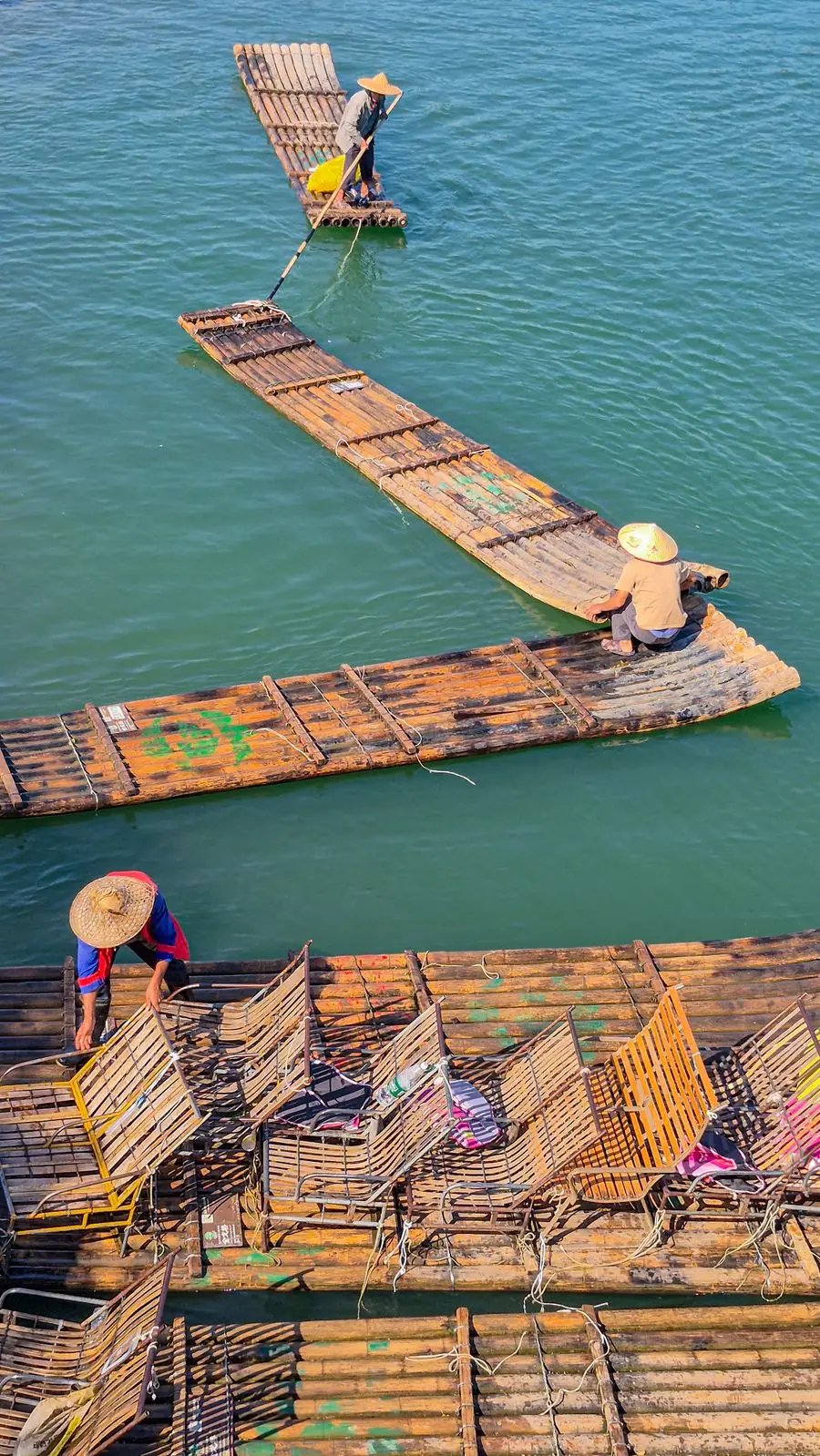
Raft pier by the Sangu resort, ~2 km
Central scenic area, ~5 km SW of the resort
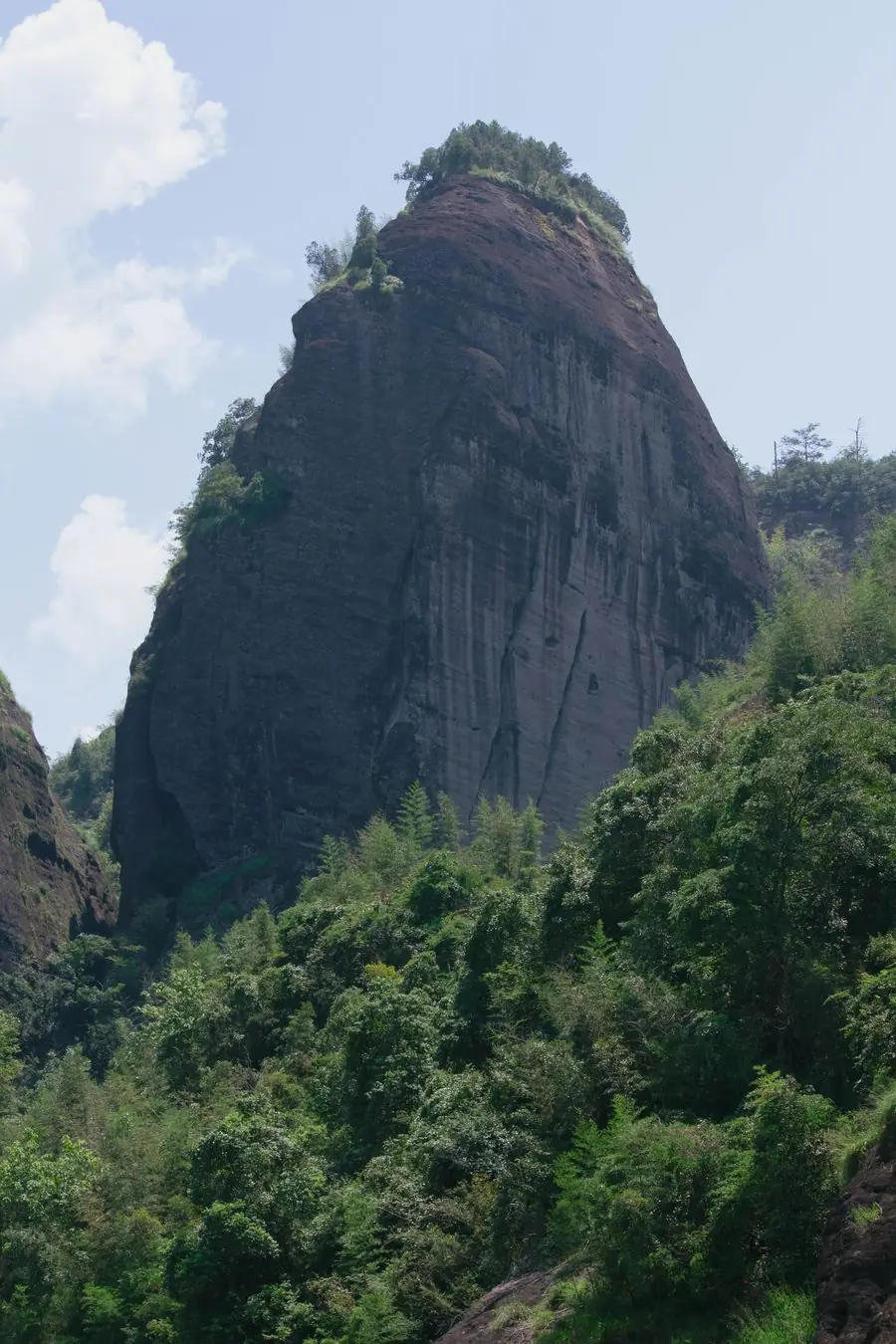
Da Hong Pao scenic area, ~8 km W of the resort
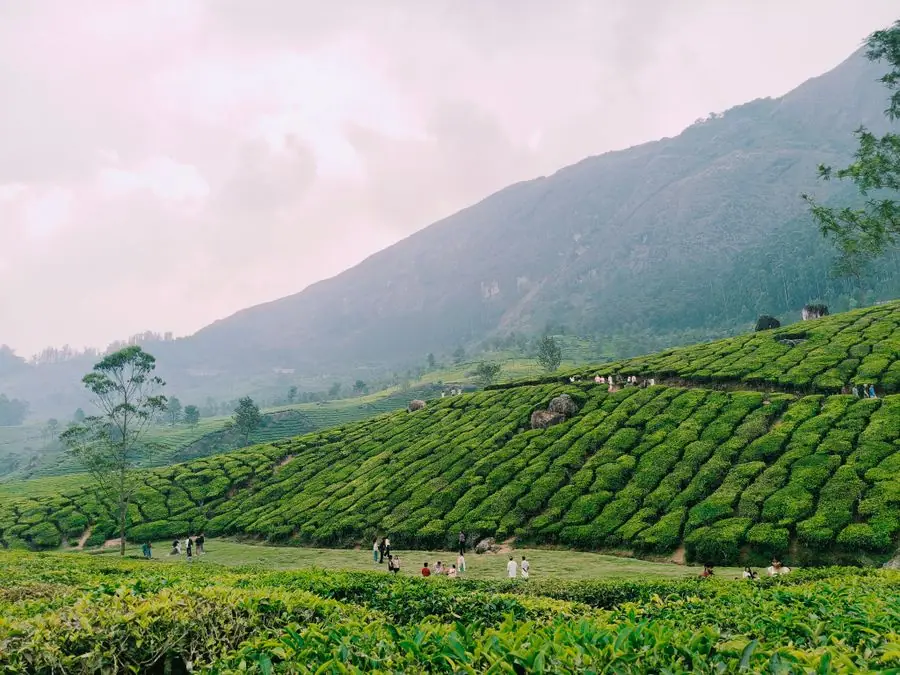
East end of the scenic area, ~3 km from the resort
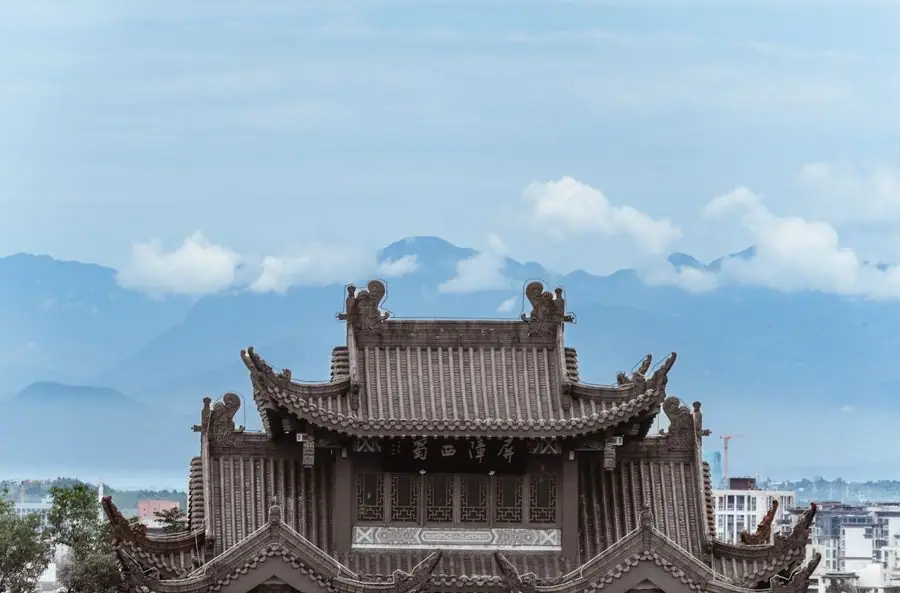
Impression theatre, Sangu resort, ~2 km

Xiamei village, ~12 km E of the resort
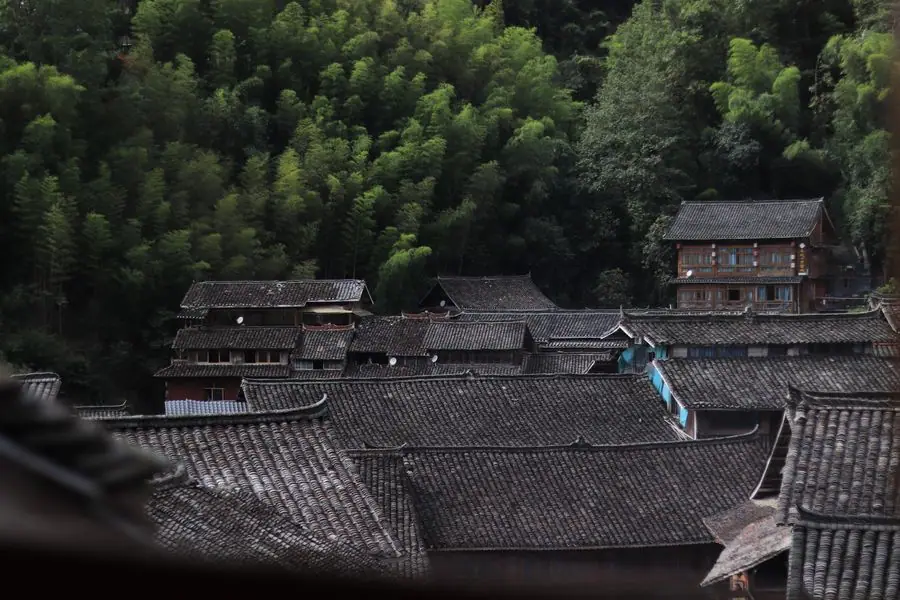
Da Hong Pao area, ~12 km W of the resort
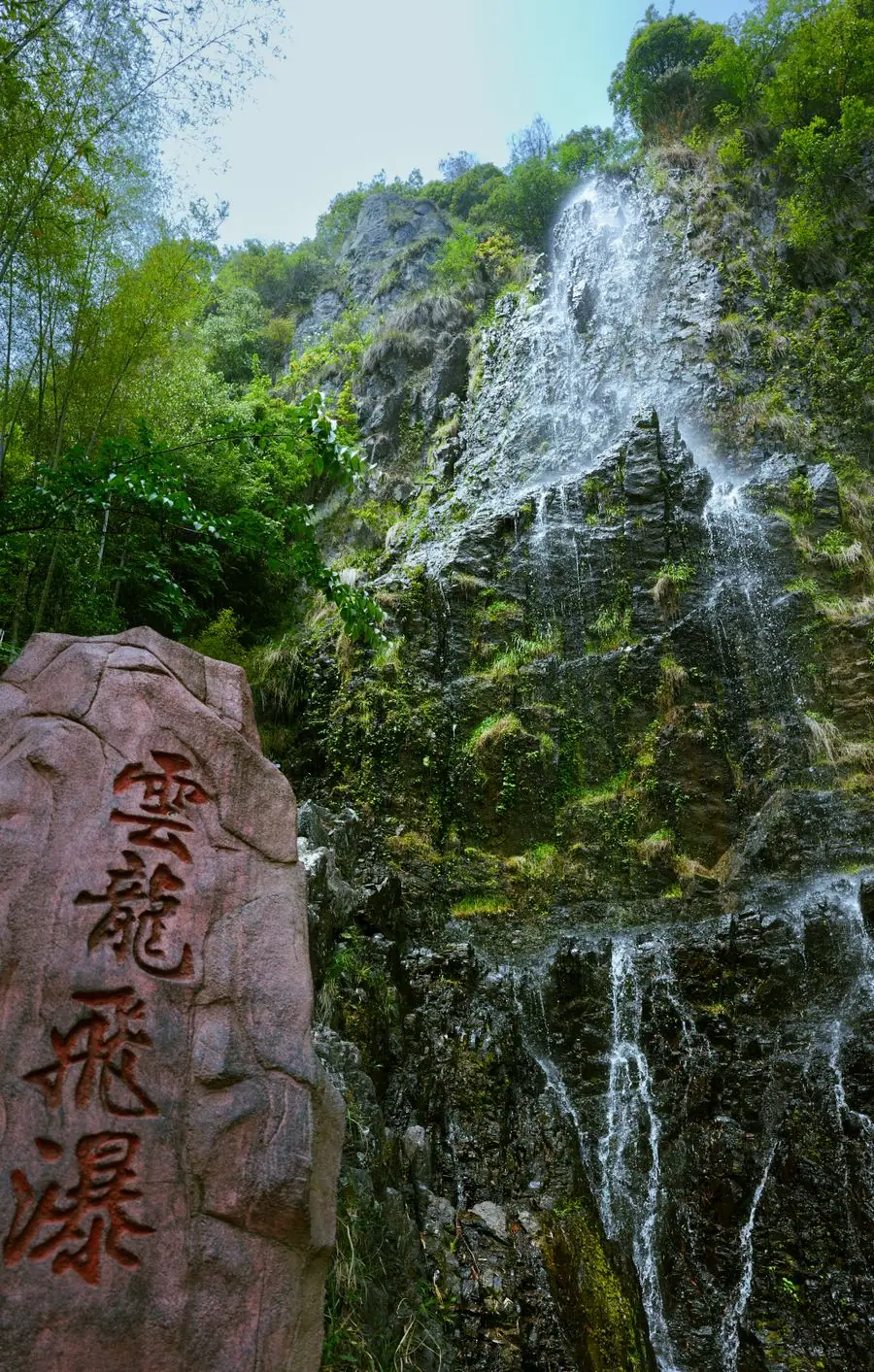
Southern scenic area, ~7 km from the resort
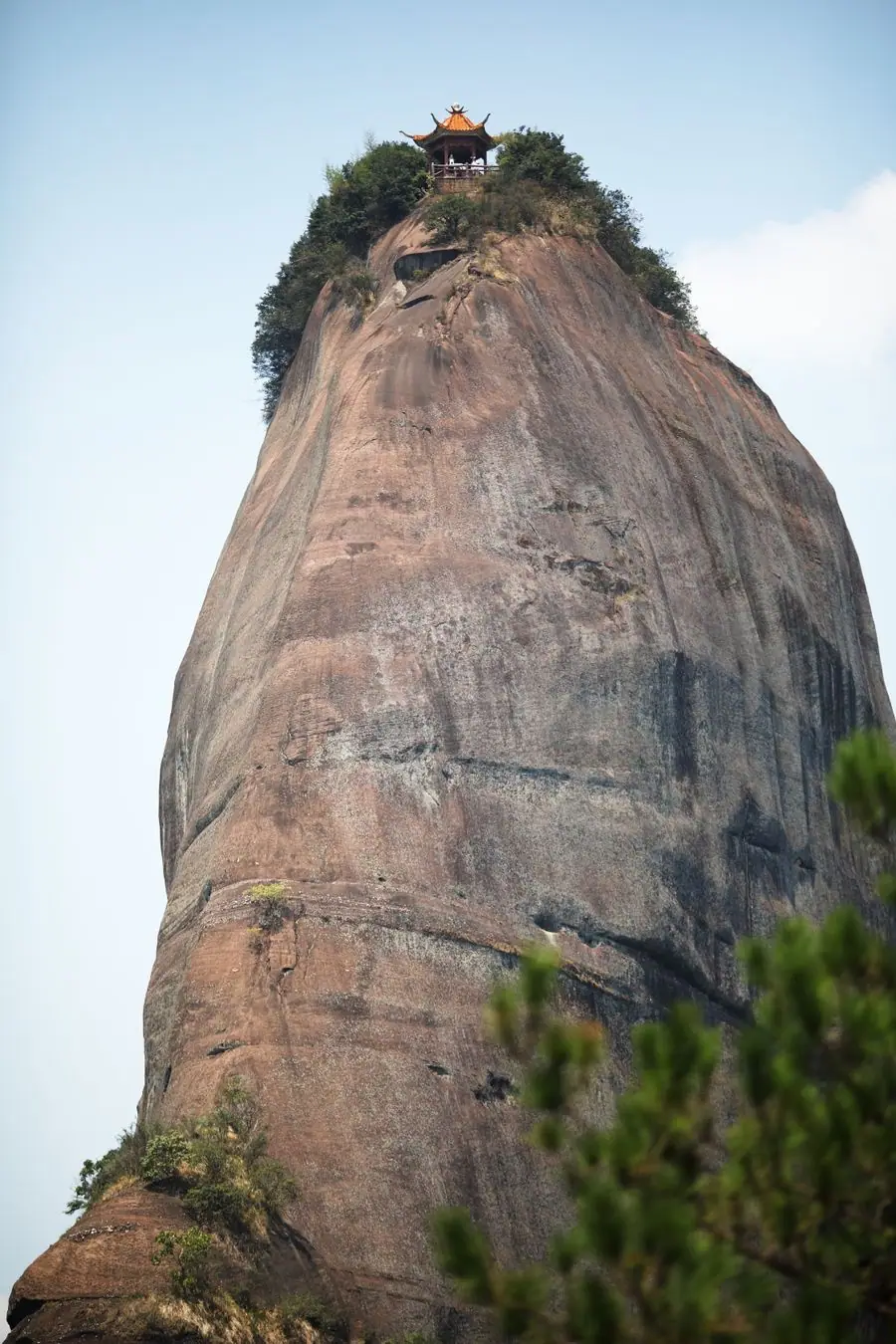
Southern scenic area, ~6 km from the resort
Xingcun town, ~30 km SW of the resort
Wufu town, ~40 km S of the resort
Jian'ou city, ~85 km S of the resort
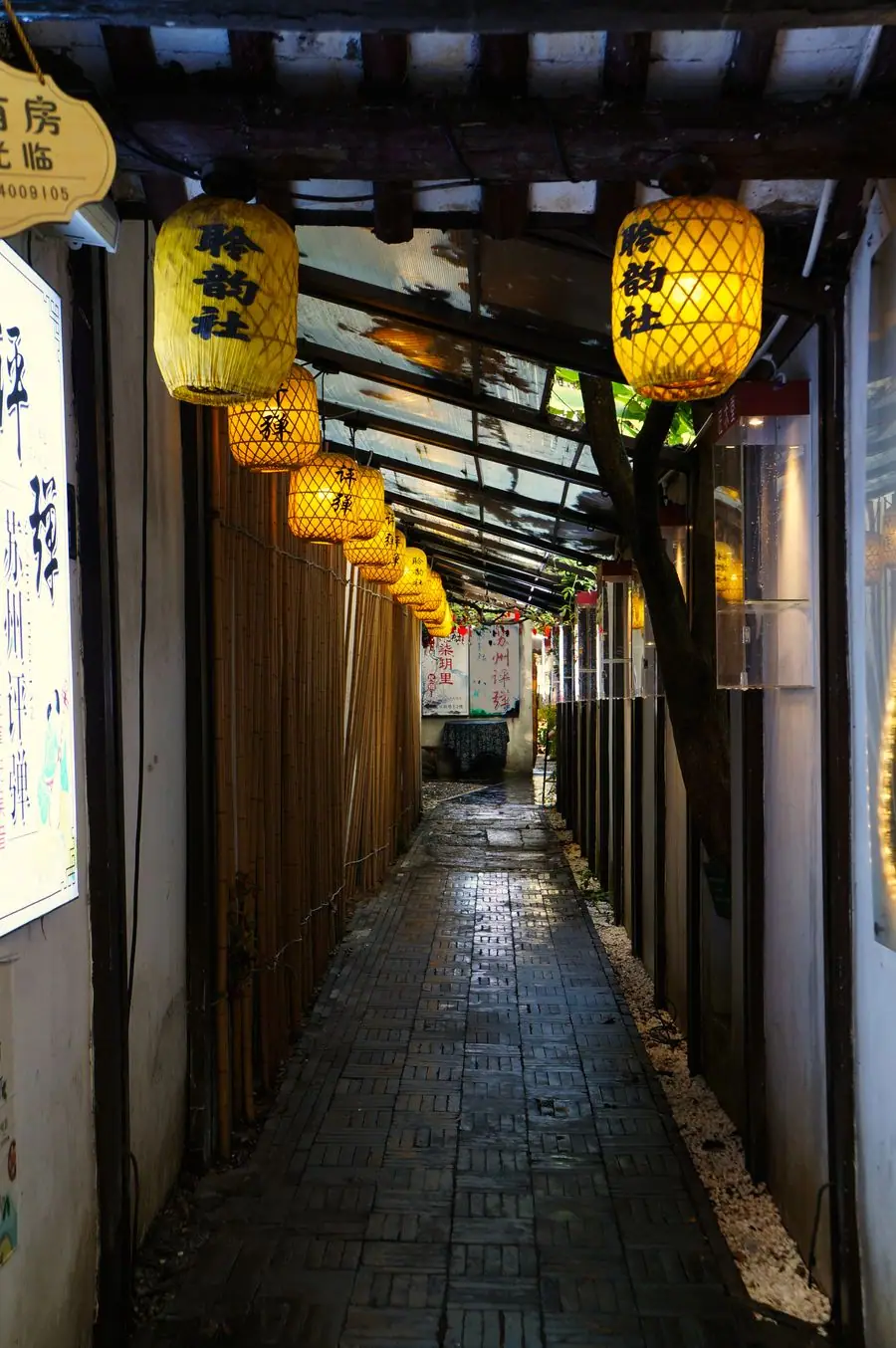
Heping town, Shaowu, ~130 km SW of the resort
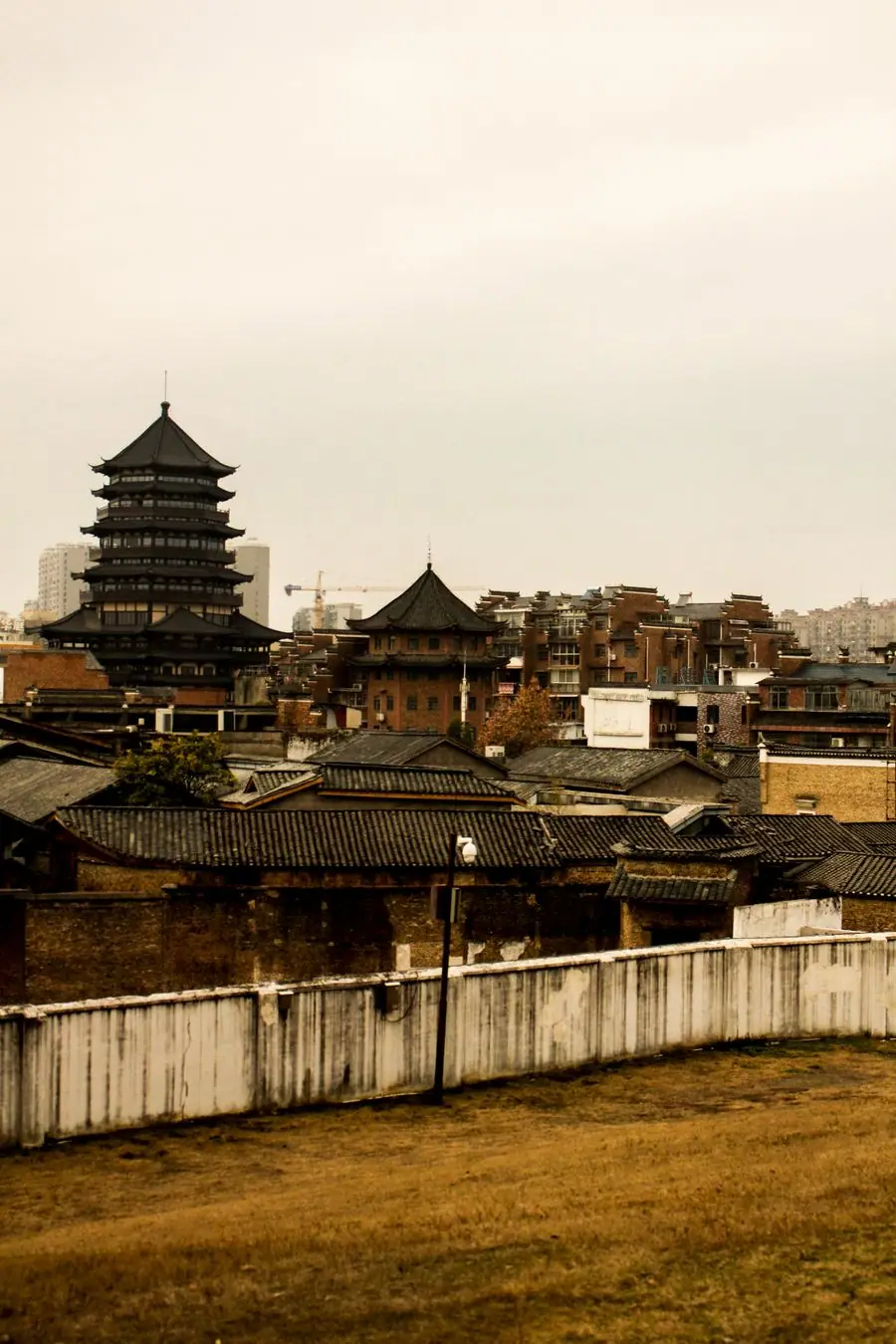
Yanping district, the prefecture seat, ~155 km S of the resort
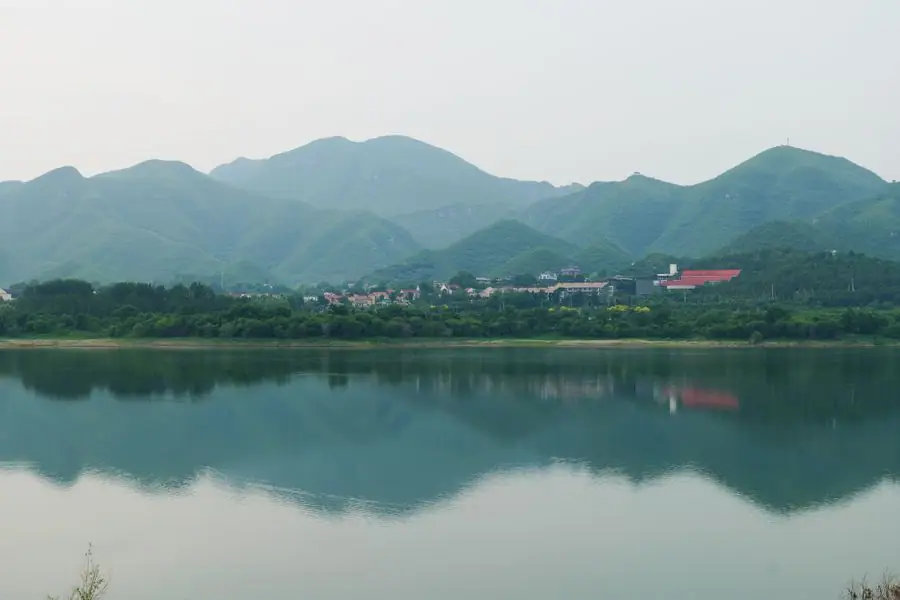
Where to stay in Nanping
Almost everyone stays in the Sangu resort area (San Gu du jia qu) beside the Wuyi Mountains' south gate — it is walkable to the raft pier and the Impression theatre, and every sightseeing bus starts there. The prefecture seat in Yanping is 150 km south and only worth a night if you arrive late by slow train; Jian'ou and Shaowu are useful stops if you are touring the whole prefecture.
Budget
$21–39 / nightChain hotels (Hanting, JI) around Wuyishan North station and town, plus family guesthouses in the Sangu resort lanes; clean doubles, foreign-passport registration fine at the chains.
Mid-range
$49–85 / nightJI Hotel, Vienna and similar in Sangu, walking distance to the south gate and the Impression theatre; the sweet spot for a two- or three-day mountain stay.
Splurge
$113–197 / nightWuyishan Yuehua and the international resort hotels near the tea valleys — pools, mountain views and the quietest beds in the prefecture.
Souvenirs & local crafts
Easy to pack, easy to explain at customs — and far cheaper at a supermarket than at a scenic stall.
-

Da Hong Pao & Rougui rock tea
The genuine cliff teas, sold by the ta in tea houses and the Tea Expo Park; buy from named shops with prices per 500 g, and beware the too-cheap 'mother tree' tins.
-

Jian ware tea bowls (Jian zhan)
Iron-black glazed bowls from Jianyang's Song-dynasty kilns, reborn as a modern craft — hare's-fur and oil-spot glazes, made for rock tea. Workshops in Jianyang sell straight from the kiln.
-
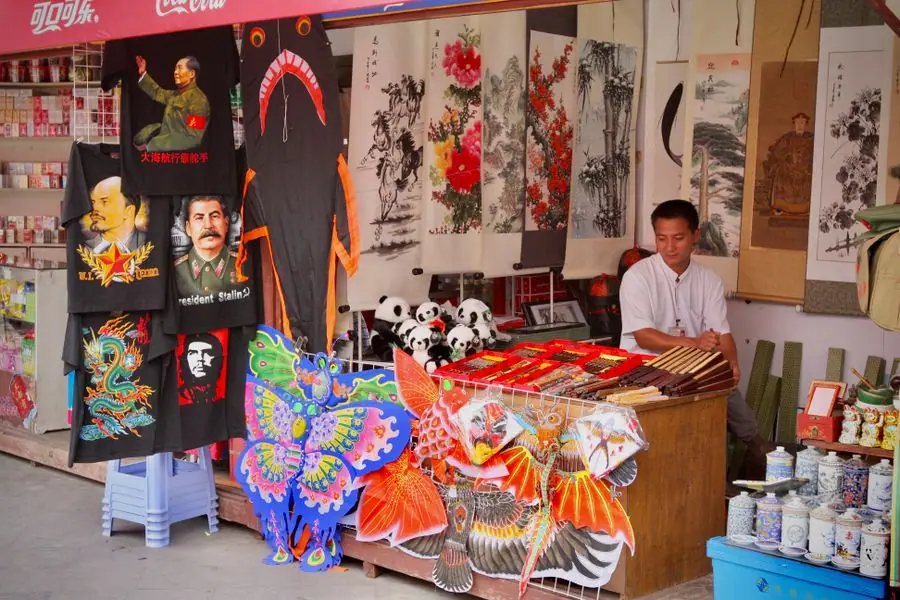
Jian'ou roasted chestnuts (Jian'ou zhui li)
Small, sweet, chestnut-roasted-in-sand cones sold by the bag across Jian'ou in autumn — the prefecture's other famous nibble.
-
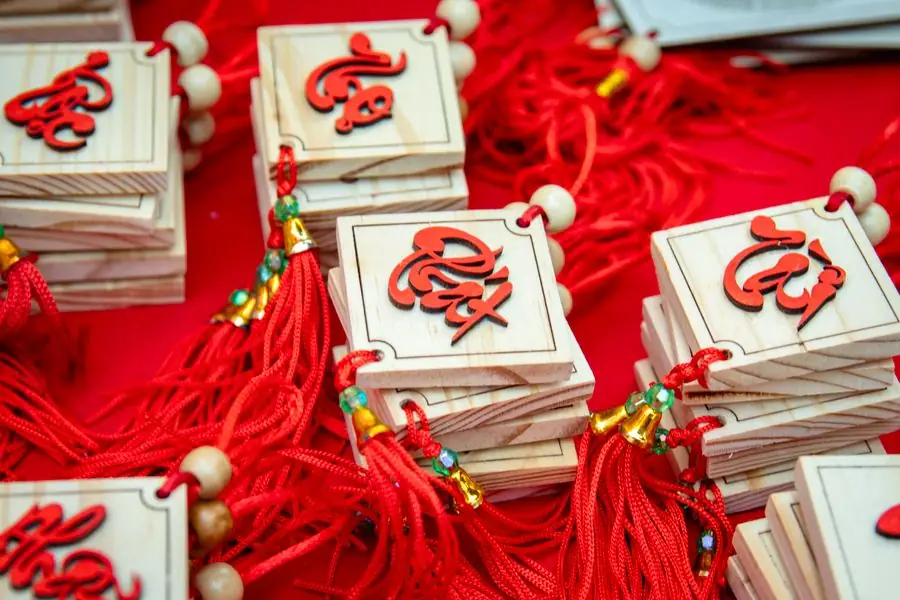
Wuyi root carving (Wu yi gen diao)
Wuyishan's root-wood carving workshops turn tea-tree and vine roots into scholars, mountains and cranes; the resort streets have galleries large and small.
-
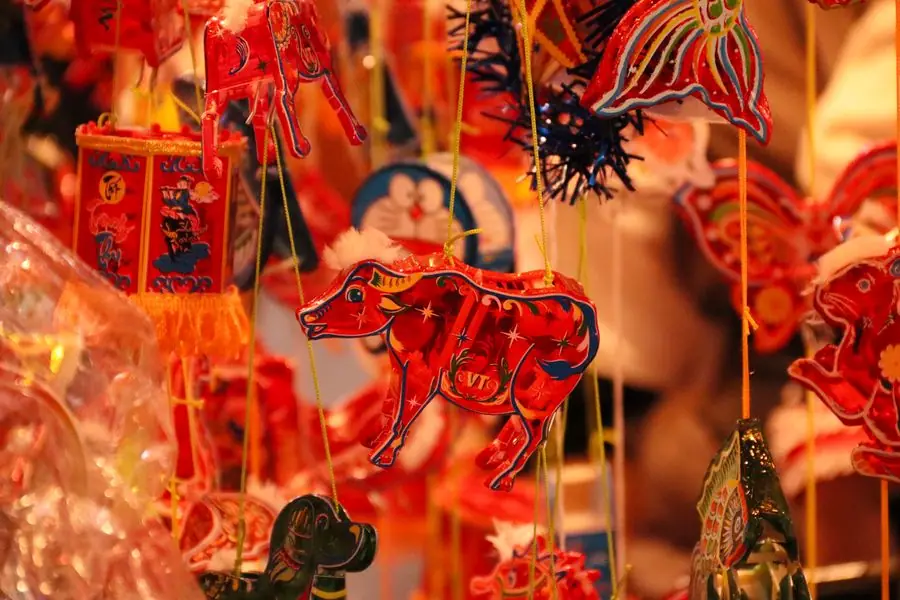
Wufu lotus-seed paste & dried lotus
Soups, pastes and bagged dried seeds from Wufu Town — a light, packable taste of the Zhu Xi country.
Getting around Nanping
The gateway is Wuyishan: high-speed rail, a small airport and the G15 expressway all reach it within half an hour of the mountains. Nanping's prefecture seat (Yanping) is a further 1.5–2 h south.
- High-speed rail
- Wuyishan North station is the closest stop to the Sangu resort — free buses 6/7/9 take 25–30 min, or a taxi is about $3.50–4.20 (RMB 25–30). Nanping City station (formerly Wuyishan East) is a second stop on the line; the K1 bus takes about 40 min to Sangu. Beijing is about 7–8 h, Shanghai about 3 h, Fuzhou about 1 h and Xiamen about 2.5–3 h by high-speed train.
- Long-distance bus
- Long-distance buses link Wuyishan, Jian'ou, Shaowu and Nanping's Yanping district; inside the resort, shuttle buses and taxis cover the short hops. K1 connects Nanping City station to the Sangu resort.
- Metro & bus
- No metro anywhere in Nanping — the resort runs on sightseeing buses, taxis and ride-hail.
- Taxis
- Taxis in the Sangu resort are cheap and plentiful; the airport is about $2.80–3.50 (RMB 20–25) and the north station about $3.50–4.20. Agree fares for outlying runs like Qinglong Waterfall or Wufu Town before setting off.
- Ride-hailing
- DiDi works in Wuyishan and the resort area and is the default for the airport, the stations and dinner runs; in the mountains, signal can drop in the valleys.
- Shared bikes
- Shared bikes and e-scooters cover the flat resort lanes and the Jiuquxi riverside paths; the mountain sights are far too steep for them.
- Intercity carpool
Plan your 1, 2 or 3 days in Nanping
Pick the length of your stay. Each plan is its own page, anchored at the city centre and written from real traveller itineraries — including splits for sightseeing, shopping, landscape, families and older travellers.
Wuyi Mountains in one day: the raft + Tianyou Peak
Dawn bamboo raft down the Nine Bend Creek (book ahead), then the 848-step climb of Tianyou Peak for the view over the bends; finish on Song Street by Wuyi Palace.
Read the plan → 2-dayWuyi Mountains in two days: tea cliffs + the mountain show
Day two walks the tea cliffs — Da Hong Pao Mother Trees along the rock-fragrance trail to Water Curtain Cave, then A Thread of Sky and Tiger Roaring Rock; stay for the Impression Da Hong Pao show at night.
Read the plan → 3-dayNanping in three days: Wuyi + the old towns
Add a third day to the prefecture beyond the mountain: Xiamei's Qing tea-merchant village and the Tea Road story, or Wufu Town's lotus fields and Zhu Xi heritage; tea-road fans can push on to Jian'ou's old streets.
Read the plan →Frequently asked questions
- When is the best time to visit Nanping?
- April–June and September–November are the comfortable, clear windows. The raft runs year-round but the water is best after spring and autumn rain; summer is hot and typhoon-adjacent, winter is quiet and cheap.
- Do I need a visa for Nanping?
- Good news: Wuyishan Airport is one of China's 240-hour visa-free transit ports, so eligible nationals (54 countries, transiting to a third country) can enter visa-free and stay up to 10 days anywhere in Fujian. Otherwise arrange a Chinese visa in advance. Check the current qualifying list with a consulate before booking.
- Is the Wuyi Mountains scenic area free?
- Since 2026 the main gate ticket is free, but you must reserve a zero-yuan real-name ticket a day ahead on the WeChat mini-program (foreign passport holders exchange at the window). The mandatory sightseeing bus costs about $10–13.40 (RMB 70–95) for 1–3 days, and the bamboo raft is a separate $18.30 (RMB 130).
- How do I book the Nine Bend Creek bamboo raft?
- Reserve online 3–7 days ahead (longer for holidays) — summer slots sell out in minutes. The raft runs about 90 minutes downstream, costs about $18.30 (RMB 130), and a $2.80 (RMB 20) tip to the boatmen buys the full commentary. Morning departures have the best light and mist.
- How many days do I need?
- Two full days cover the raft, Tianyou Peak and the tea cliffs without rushing; add a third for Xiamei village, Wufu Town or Jian'ou. A single day is possible but tight — do the raft at dawn and Tianyou before noon.
- How do I get to the Wuyi Mountains?
- High-speed rail to Wuyishan North station (free buses 6/7/9 to the Sangu resort, 25–30 min) is easiest; the airport is even closer (about 20 min). From Fuzhou it is about 1 h by train or 2.5 h by car; from Xiamen about 2.5–3 h by train.
Page last reviewed: 2026-11-02.