Mohe 2026: Arctic Village, Aurora & a 1–3 Day Plan
Mohe is the end of the map — China's northernmost county, where the aurora flickers in winter, the 'Arctic Village' marks the country's top point, and the birch forests and the Amur River edge against Russia. Below: the best time, the history, the food, where to stay, every major sight with its own guide, and 1/2/3-day plans.
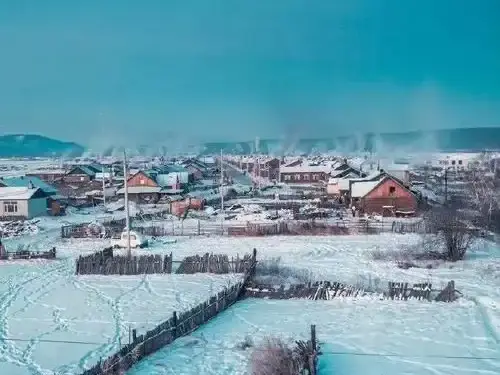
History & culture
Mohe sits at the top of the Greater Khingan Range, on the south bank of the Amur (Heilong) River that forms the border with Russia. It is the northernmost county of China — the 'Arctic Village' (Beijicun) at about 53° N is the country's geographic top.
The land is the homeland of the Oroqen, Ewenki and Daur peoples — reindeer herders and hunters of the taiga — and only became a Han Chinese settlement in the late 19th and 20th centuries with the gold rush (the 'Yanzhi Gully') and the railway.
The 20th century put Mohe on the map twice: the famous 1987 'Great Fire of Daxing'anling' — the worst forest fire in modern Chinese history — and the later 'Mohe Ballroom', a song that turned a small-town dance hall into a national memory of that fire.
Today Mohe is a cold, green, frontier town and the base for China's only Arctic tourism — the aurora, the midnight-sun white nights, the birch forests and the river border with Russia, reachable by air from Harbin or by the long train north.
Best time to visit Mohe
Mohe has a severe subarctic continental climate — long, brutally cold winters (down to −40 °C / −40 °F) and short, mild summers. It is the coldest place in China.
Budget for Mohe: hotels from $21 a night, average ticket $$6.04 — see the full cost breakdown, or start from a ready-made route.
Cuisine of Mohe
Signature dishes worth seeking out — prices are typical per-person or per-dish ranges, not fixed quotes.
-
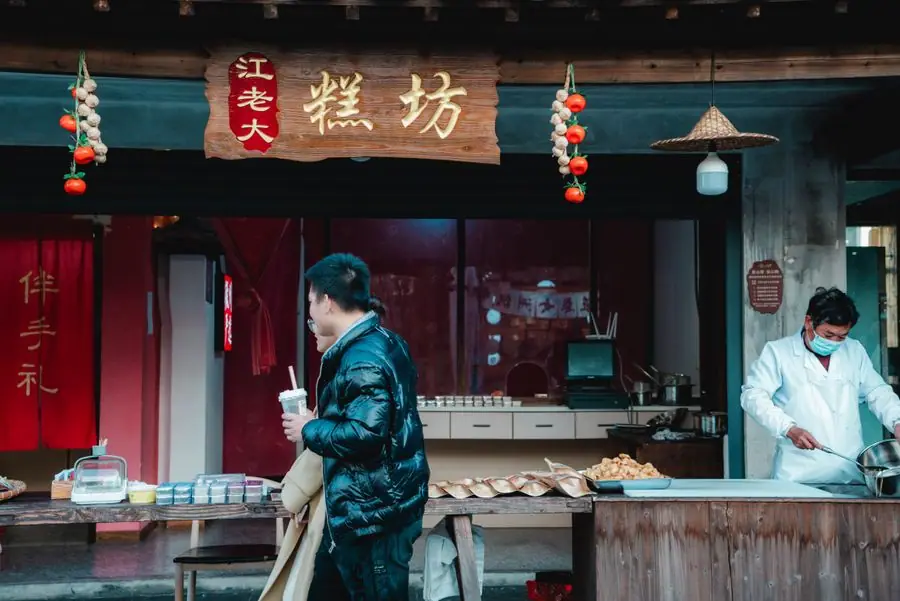
Heilongjiang river fish (Amur fish)
Fresh fish from the Amur River — boiled, braised or as a hotpot; the signature of the border region and the thing to order in winter.
-
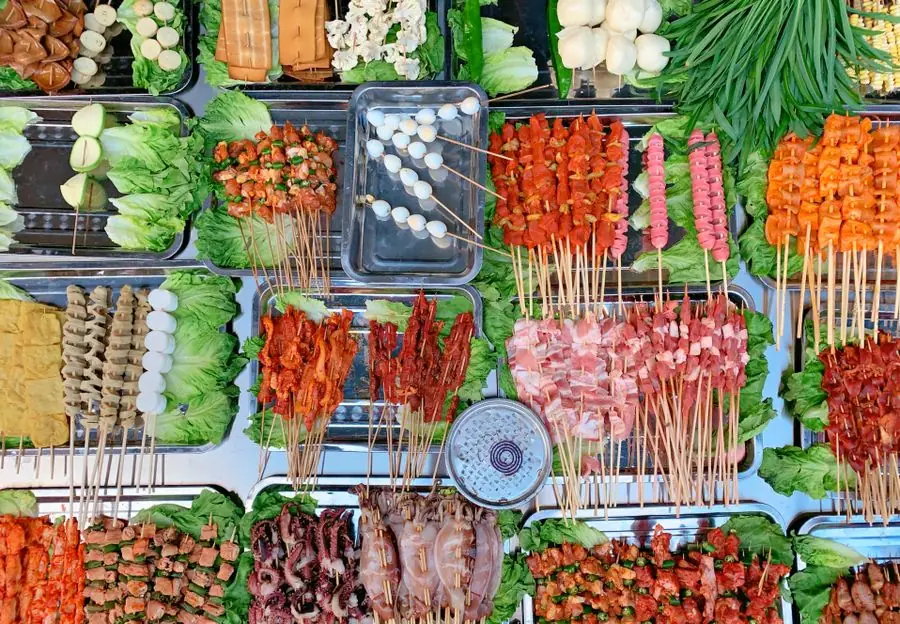
Guo bao rou (sweet-sour pork)
The northeastern classic — crispy pork in a sweet-and-sour sauce, the comfort food of the cold north.
-
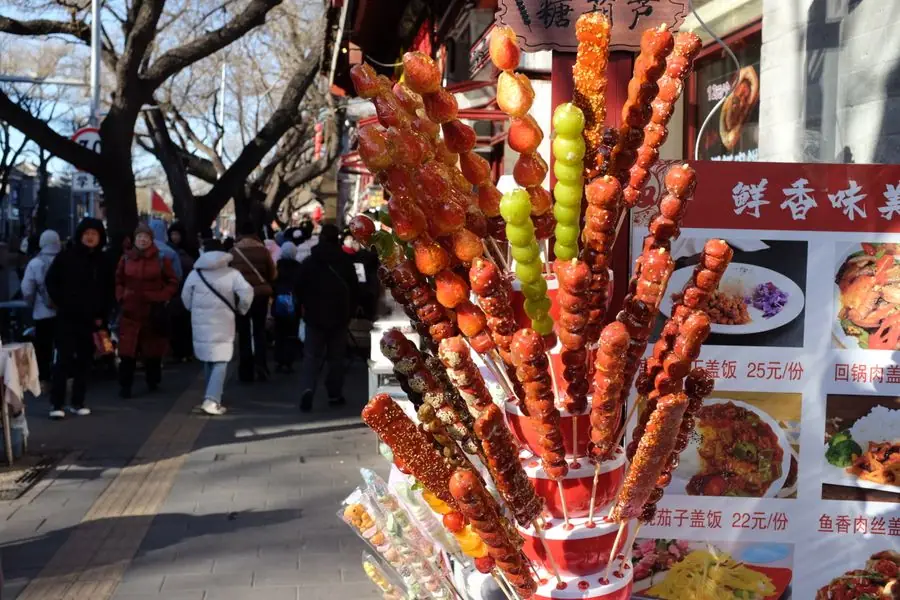
Oroqen & Ewenki reindeer and game
The taiga peoples' traditional foods — reindeer, venison and wild mushrooms — available in the villages and as a cultural meal.
-

Iron-pot stew (tie guo dun)
The northeastern one-pot stew of pork, cabbage, potato and wide noodles cooked at the table over coal — the warming group meal of Mohe.
-
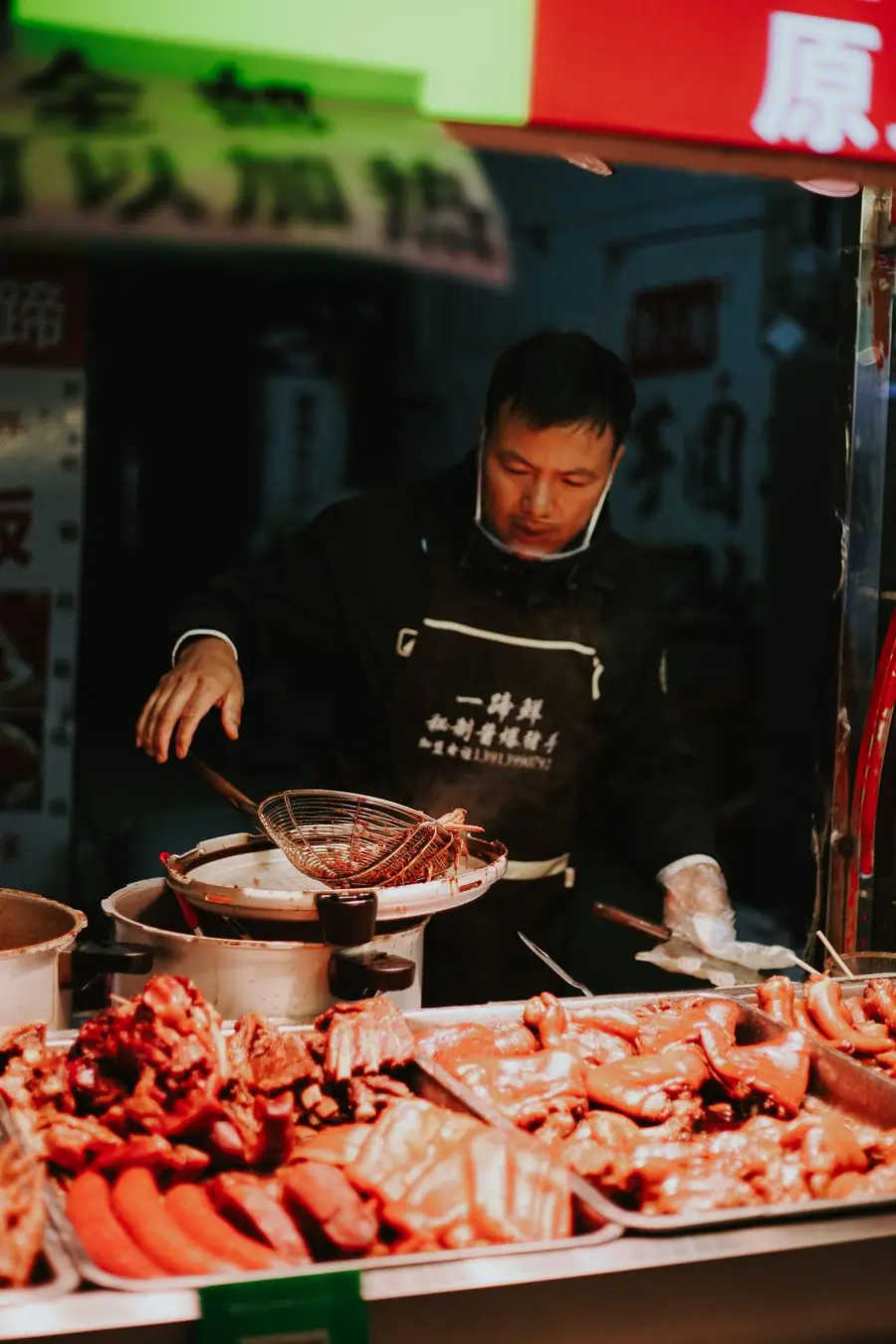
Frozen fruit & berries (ya mei)
Wild blueberries (ya mei) and frozen pears, eaten half-frozen in winter — the local sweet and a packable gift.
Every major sight — with its own guide
Right after the food above, here are the sights — each one links to its own full guide (what to see, how to get there, facilities and the best season). Names follow each sight's official English signage.
Mohe town (centre)
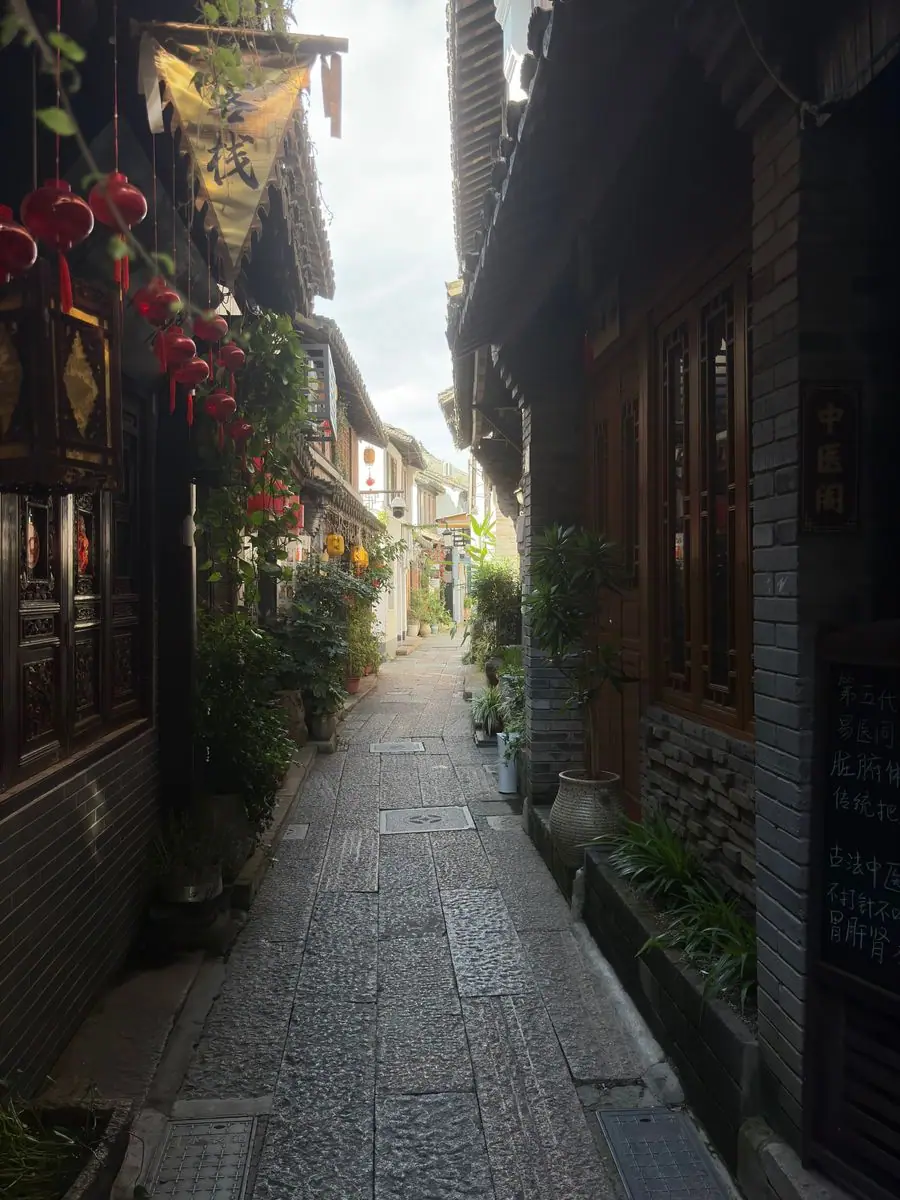
Mohe Ballroom 漠河舞厅
The small dance hall made famous by the song 'Mohe Ballroom', which memorialises a local who lost his wife in the 1987 Great Fire. It is a poignant, everyday piece of the town's recent memory rather than a grand sight — a warm, musical stop on a cold day.
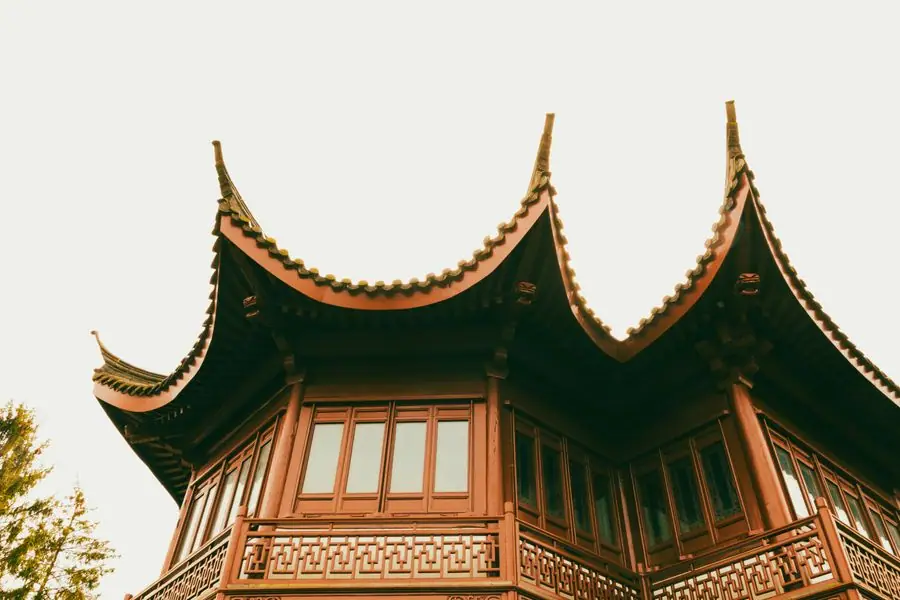
North Star Square 北极星广场
The central square of Mohe town crowned by a north-star monument marking the town's Arctic identity — the gathering point, the evening promenade and the easiest 'northernmost' photo in the county seat.
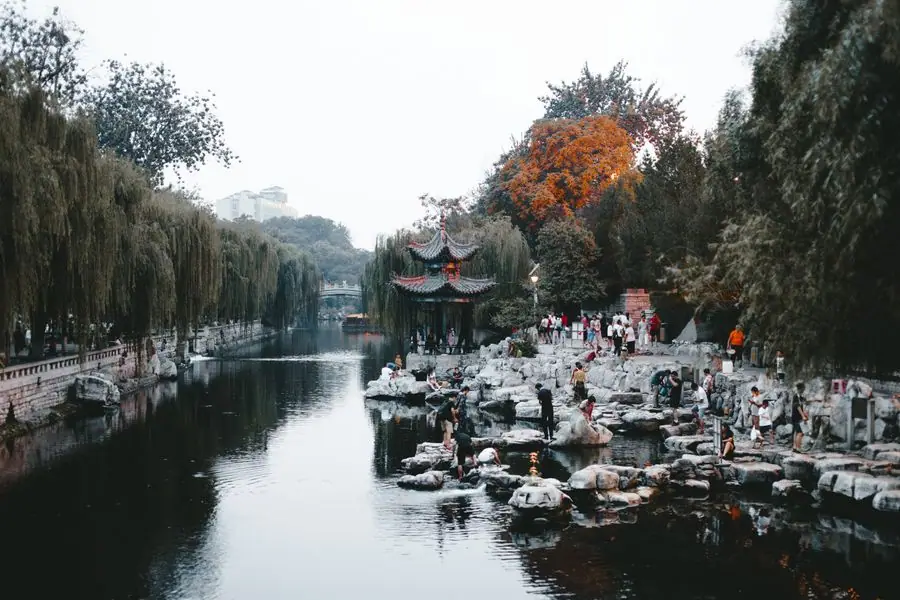
Near the Arctic Village, ~20 km N of it
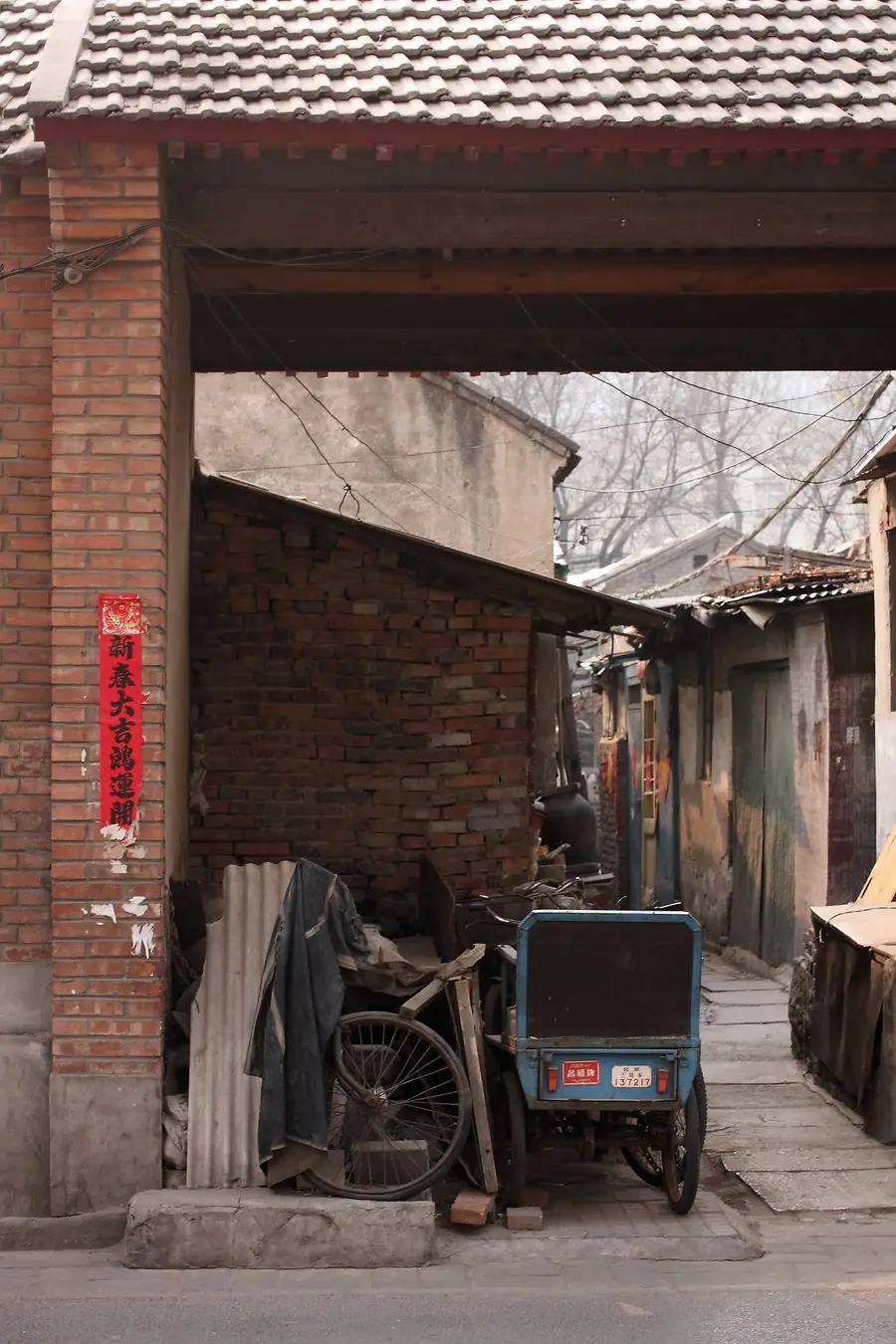
Huzhong district, ~100 km S of town
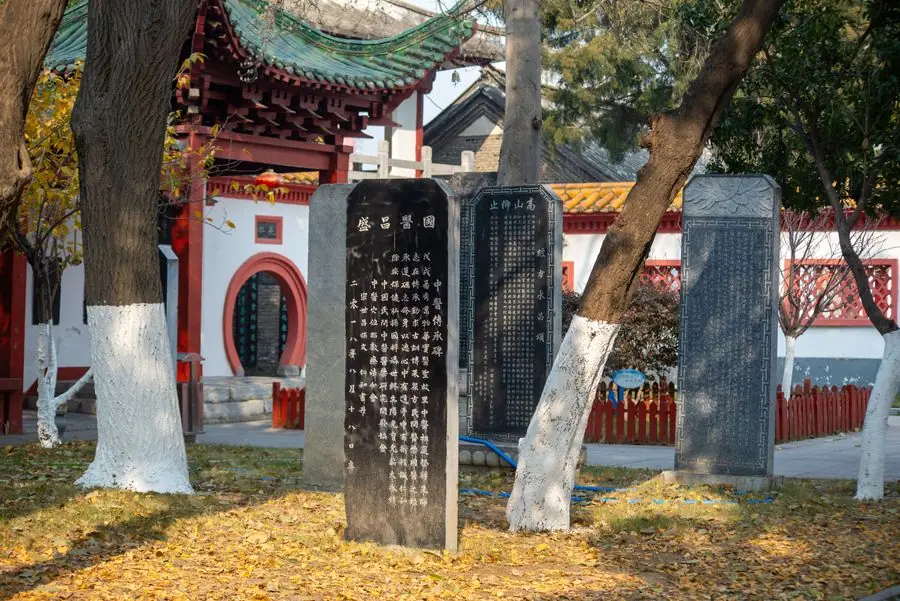
Near the Arctic Village, ~80 km N
Around Mohe (the county forest)
Mohe county seat (centre)
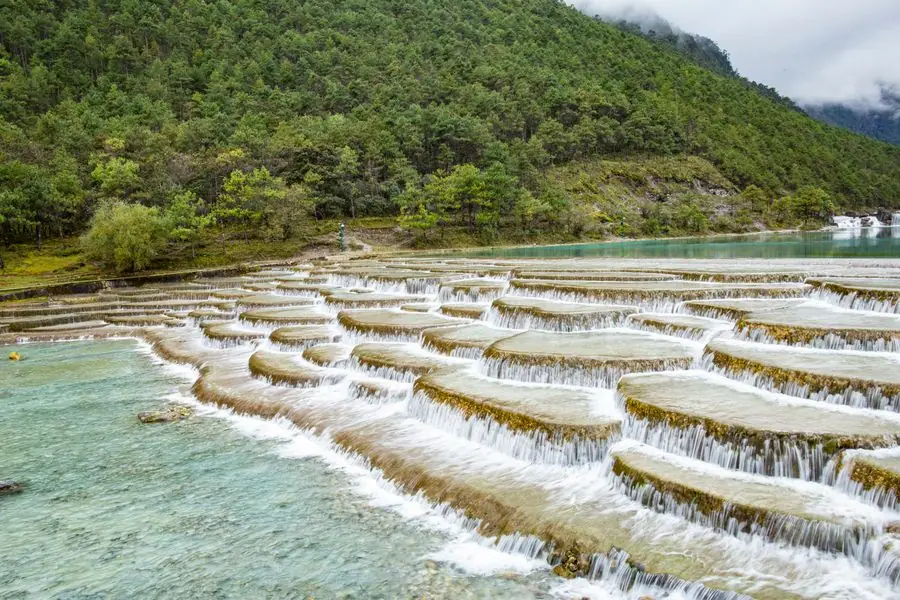
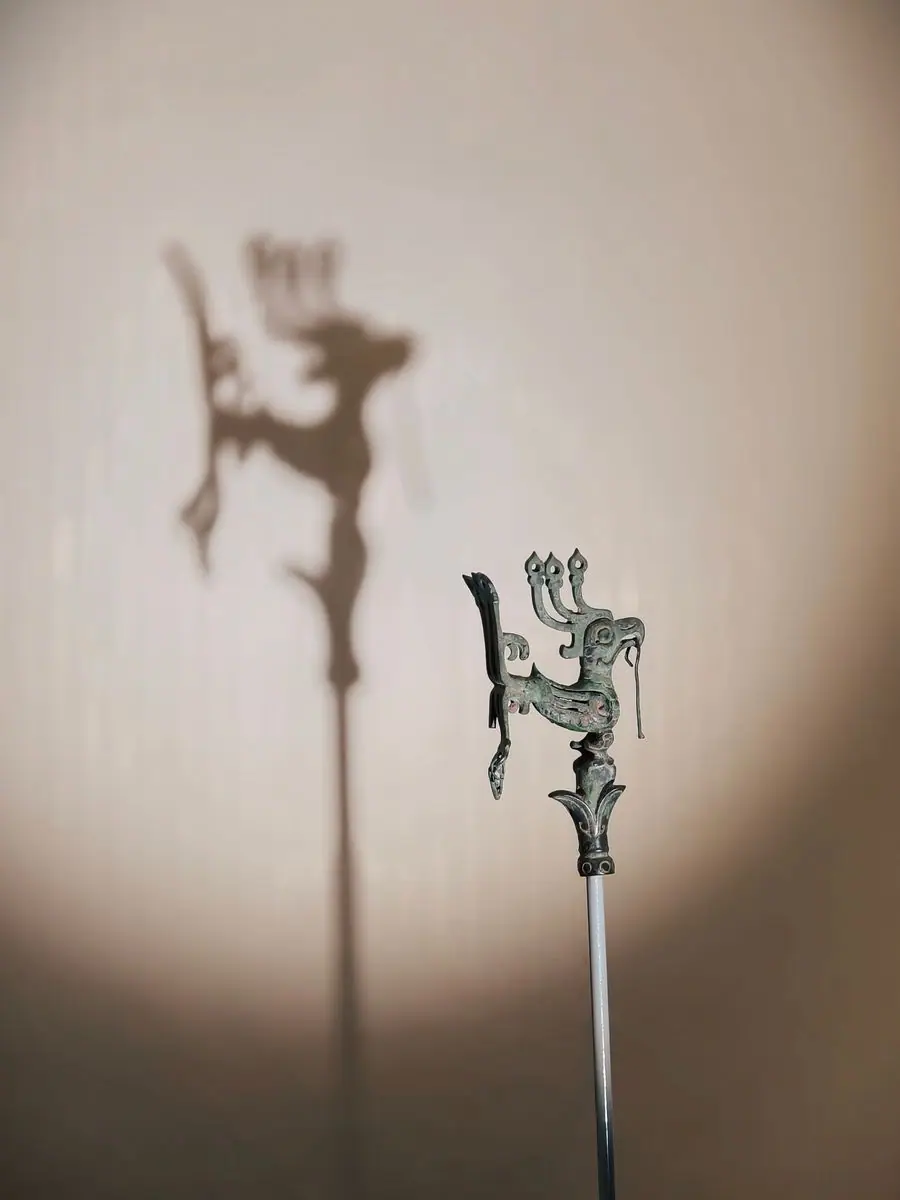
Arctic Village & Beihong (best dark sky)
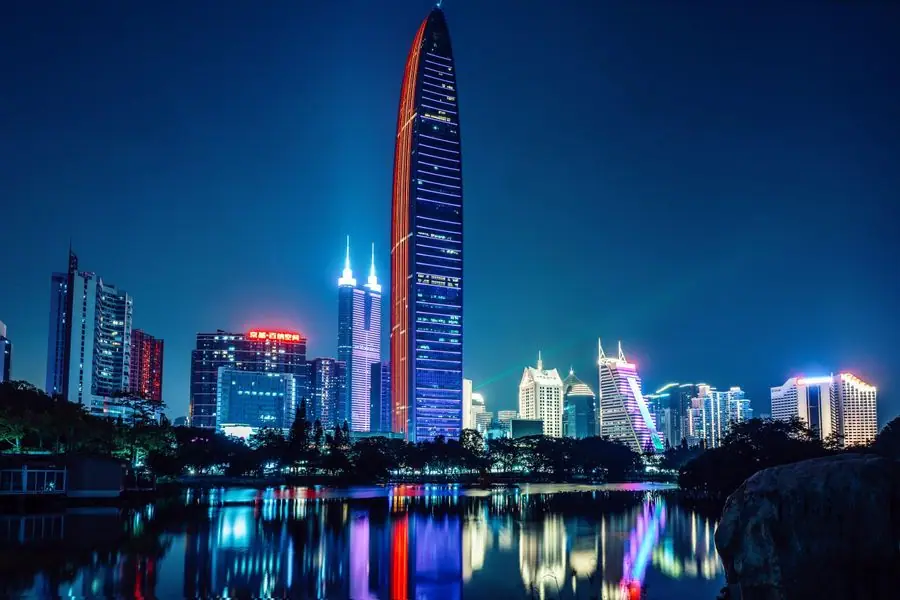
Where to stay in Mohe
Stay in Mohe town (the county seat, near the train station and airport) for transport, or in the Arctic Village itself for the aurora and the 'End of the North' atmosphere (pricier and booked out in winter). Beihong Village is the quieter, more authentic northern village for a slower stay.
Budget
$21–35 / nightChain hotels (Hanting, JI, 7 Days) in Mohe town near the station; clean doubles and foreign-passport registration is routine at the chains.
Mid-range
$42–85 / nightFull-service hotels in Mohe town and the Arctic Village lodges — the sweet spot; the village costs more in winter peak.
Splurge
$99–170 / nightThe better Arctic Village resorts and the new town hotels with heating and aurora-view terraces — booked out at Spring Festival and the white nights.
Souvenirs & local crafts
Easy to pack, easy to explain at customs — and far cheaper at a supermarket than at a scenic stall.
-

Wild blueberries (ya mei) products
The freeze-dried and jam forms of the local wild berry — the on-theme Mohe gift, light and packable.
-

Aurora & 'End of the North' fridge magnets
The tourist staple of the Arctic Village — magnets and postcards stamped 'China's Northernmost Point'.
-
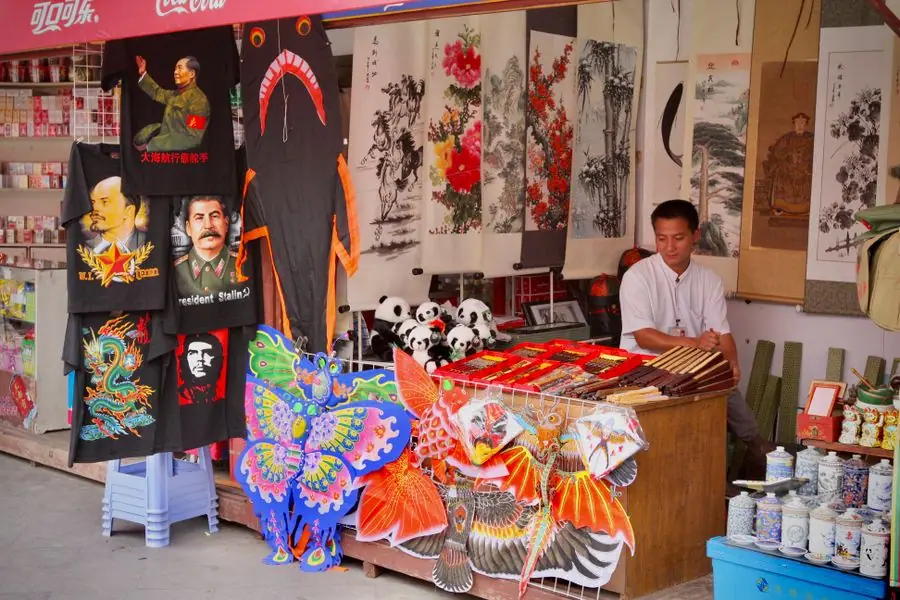
Oroqen birch-bark crafts
The bark boxes, boats and carvings of the Oroqen people — a genuine ethnic souvenir of the taiga.
-
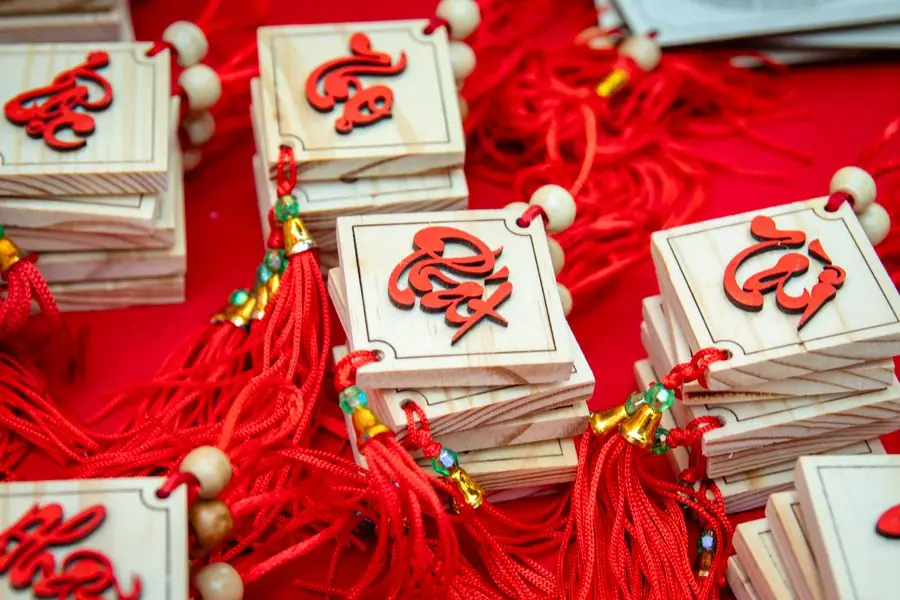
Reindeer-themed goods
Plush and carved reindeer from the Ewenki herding culture — a cute, local memento of the north.
-
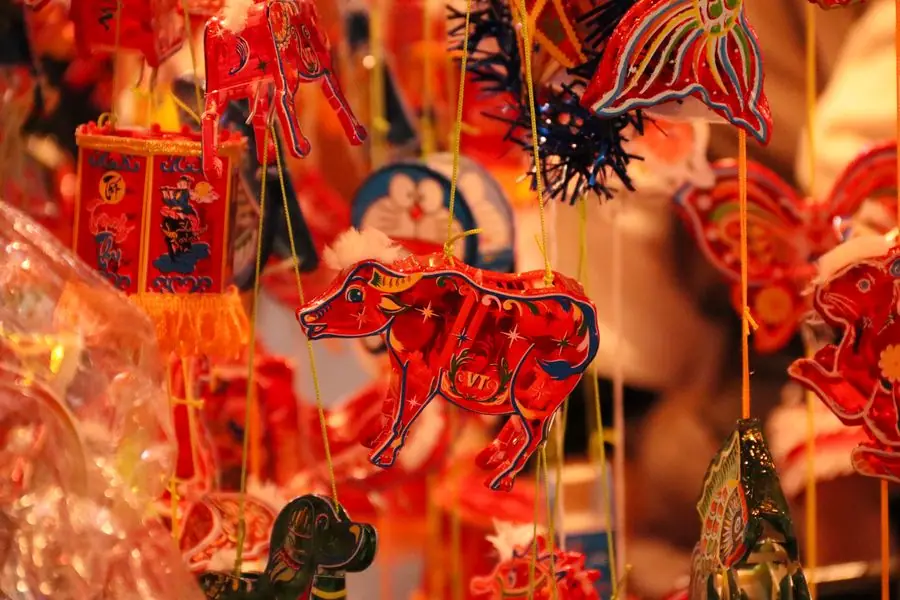
Mohe fire-memory keepsakes
Books, prints and small items recalling the 1987 Great Fire and the Mohe Ballroom — the town's modern history as a souvenir.
Getting around Mohe
Mohe's own airport (Mohe Gulian, OHE) is domestic only; the nearest international airport for the 240-hour transit scheme is Harbin Taiping (HRB). The town is also the end of a long railway from Harbin.
- High-speed rail
- There is no high-speed rail to Mohe. The conventional railway runs from Harbin (about 12–16 h by sleeper, or a faster daytime service of roughly 10–12 h) to Mohe station; a domestic flight from Harbin (HRB) to Mohe (OHE) is about 1.5 h.
- Long-distance bus
- Local buses and tourist shuttles run from Mohe town to the Arctic Village, Beihong, the Longjiang First Bay and the Stone Forest; the distances are long on snowy winter roads.
- Metro & bus
- Mohe has no metro — the town is walkable and the sights need a tourist bus, a booked car or the station shuttle.
- Taxis
- Taxis and the station shuttles cover the small town; a metered ride across town is a few dollars.
- Ride-hailing
- DiDi works in Mohe town but is thin in the villages; for the Arctic Village and the First Bay a booked car or the tourist shuttle is easiest.
- Shared bikes
- Not practical in winter — the snow and cold make cycling impossible for most of the year; summer is short.
- Intercity carpool
- The flight from Harbin (HRB) or the train from Harbin is the main link to Mohe; within the county a booked car or the tourist buses cover the sights.
Plan your 1, 2 or 3 days in Mohe
Pick the length of your stay. Each plan is its own page, anchored at the city centre and written from real traveller itineraries — including splits for sightseeing, shopping, landscape, families and older travellers.
Mohe in one day: the Arctic Village
A full day at the Arctic Village — the 'End of the North' monument, the birch forest, the aurora tower and the Amur riverbank — back in Mohe town for the night. The classic Mohe day.
Read the plan → 2-dayMohe in two days: + Longjiang First Bay and Beihong
Day two drives north to the Longjiang (Amur) First Bay and the quieter Beihong Village — the river border with Russia and the most authentic northern village.
Read the plan → 3-dayMohe in three days: + Stone Forest and the white nights
Give the third day to the Mohe Stone Forest to the south and the Nine-Bend wetlands, with a white-night or aurora evening if the season allows — the deep north and the midnight light.
Read the plan →Frequently asked questions
- When is the best time to visit Mohe?
- Winter (December–February) is the headline for snow, ice and the aurora; late June to early July brings the white nights (the sky never fully dark) and the best summer aurora chance. September–October is golden birch autumn; spring is slushy. Dress for −30 to −40 °C in deep winter.
- Do I need a visa for Mohe?
- Mohe's own airport (Gulian, OHE) is domestic only. Most foreign visitors fly into Harbin Taiping International Airport (HRB) — a participating port of China's 240-hour (10-day) visa-free transit scheme — then take a domestic flight (~1.5 h) or train to Mohe. If your nationality is among the 57 countries eligible for the 240-hour transit waiver and you continue to a third country, you can enter at Harbin and travel on to Mohe within the 10 days. Otherwise arrange a Chinese visa in advance; confirm the current qualifying list and ports with a consulate before booking.
- Can you really see the aurora in Mohe?
- Yes — Mohe is the only place in China with a real aurora record. The aurora season runs roughly September to March, with the best odds on cold, clear, geomagnetically active nights around the Arctic Village and Beihong. It is never guaranteed, but the dark, high-latitude sky gives a genuine chance, especially in winter.
- How much do the sights cost?
- The Arctic Village is about $9.86 (RMB 70); the Longjiang First Bay about $8.45 (RMB 60); the Mohe Stone Forest about $7.04 (RMB 50); the Christmas Village about $8.45 (RMB 60); the Nine-Bend wetland and the North Star Square are free; some village museums are a small ticket. Verify the exact combo and price on site.
- How many days do I need?
- Two days covers the Arctic Village and the Longjiang First Bay with Beihong. Three adds the Stone Forest and the wetlands, plus a white-night or aurora evening. The Arctic Village alone is a relaxed one-day highlight.
- What is the 'Mohe Ballroom'?
- The Mohe Ballroom is a small dance hall made famous by a song of the same name that memorialises the 1987 Great Fire of Daxing'anling — the worst forest fire in modern Chinese history, which destroyed much of Mohe. It is now a piece of the town's recent memory rather than a major sight, but a poignant local stop.
Page last reviewed: 2026-11-02.