Liuzhou 2026: Karst Peaks, Liu River & a 1–3 Day Plan
Liuzhou surprises first-time visitors: a working industrial city ringed by the limestone towers of the Guangxi karst, split by the green Liu River and fuelled by the pungent, viral bowl of Luosifen noodles. Below: the best time, the history, the food, where to stay, every major sight with its own guide, and 1/2/3-day plans built around the river and the hills.

History & culture
Liuzhou's story is written by the river and the stone. A county seat for more than two thousand years, it grew as a hub on the Xiang–Gui corridor linking Hunan to Guangxi. In the Tang dynasty the poet-official Liu Zongyuan was exiled here as governor and died in the city in 819, leaving a literary legend still woven into the local identity.
In the twentieth century Liuzhou became one of China's great industrial centres — steel at Liuzhou Steel, engines and the Wuling minivans that crossed the country — earning its reputation as the engine of the southwest. That industry still shapes the skyline and the working rhythm of the city.
The surrounding hills belong to the Guangxi karst, and the counties to the north and east are home to Zhuang, Miao, Yao and Dong communities. The Sanjiang Drum Tower and the Chengyang Wind-Rain Bridge stand as wooden masterpieces of the Dong people, a short drive into the mountains.
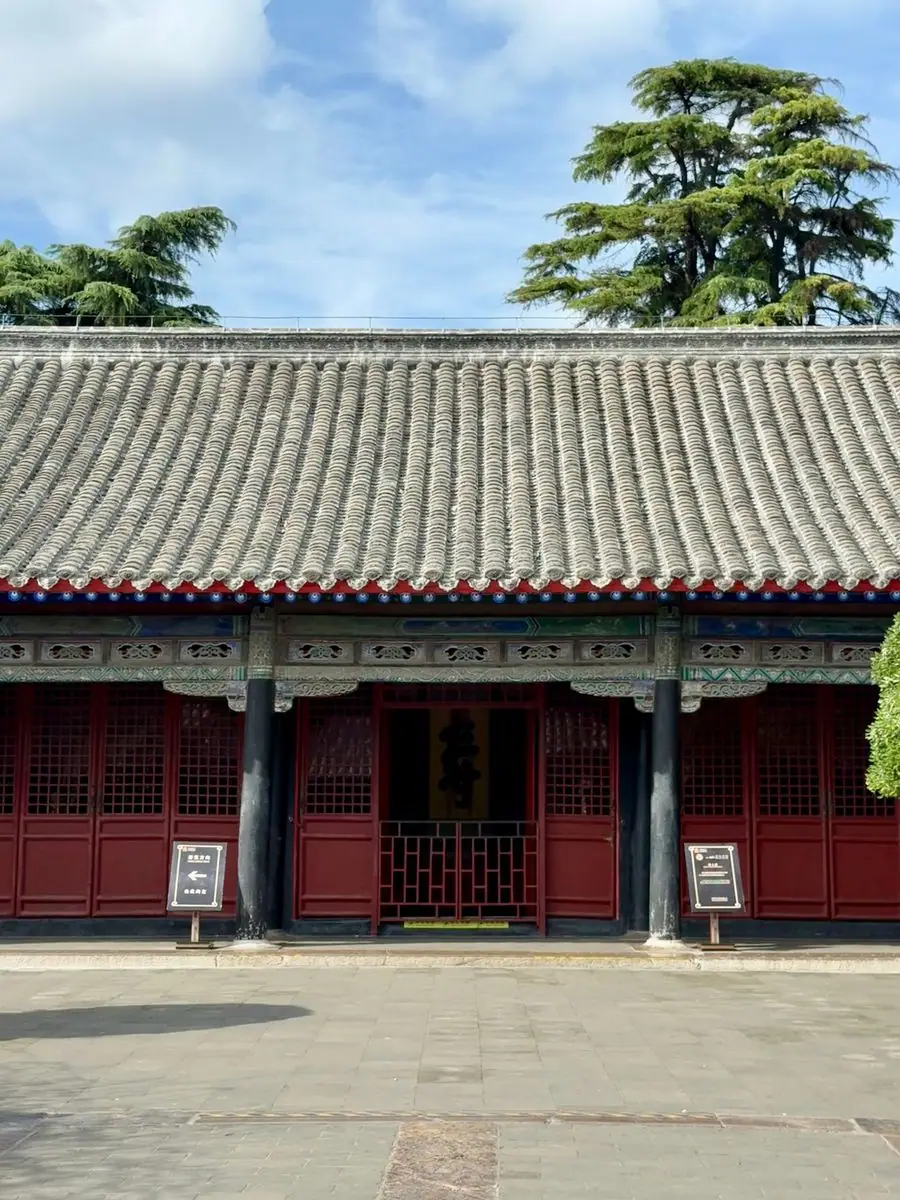
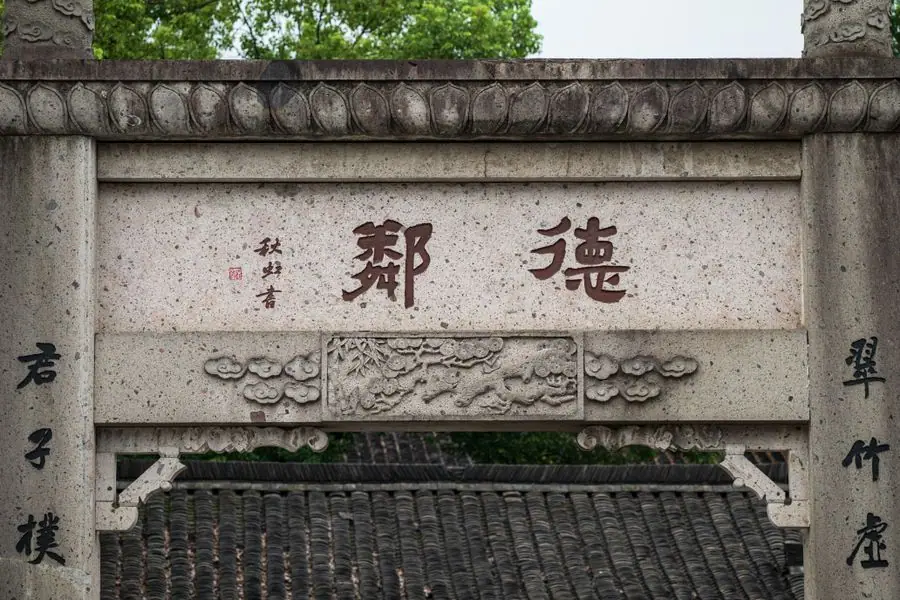
Today Liuzhou is a confident, mid-sized city balancing smokestack heritage with riverside promenades, a rebuilt Confucius temple lit at night, and a national obsession with Luosifen, the river-snail noodles that began in the night markets here.
Best time to visit Liuzhou
Liuzhou is subtropical and humid: long, hot summers, a damp rainy season and mild, short winters. The karst is clearest and the river pleasant in spring and autumn.
Budget for Liuzhou: hotels from $9 a night, average ticket $$4.83 — see the full cost breakdown, or start from a ready-made route.
Cuisine of Liuzhou
Signature dishes worth seeking out — prices are typical per-person or per-dish ranges, not fixed quotes.
-
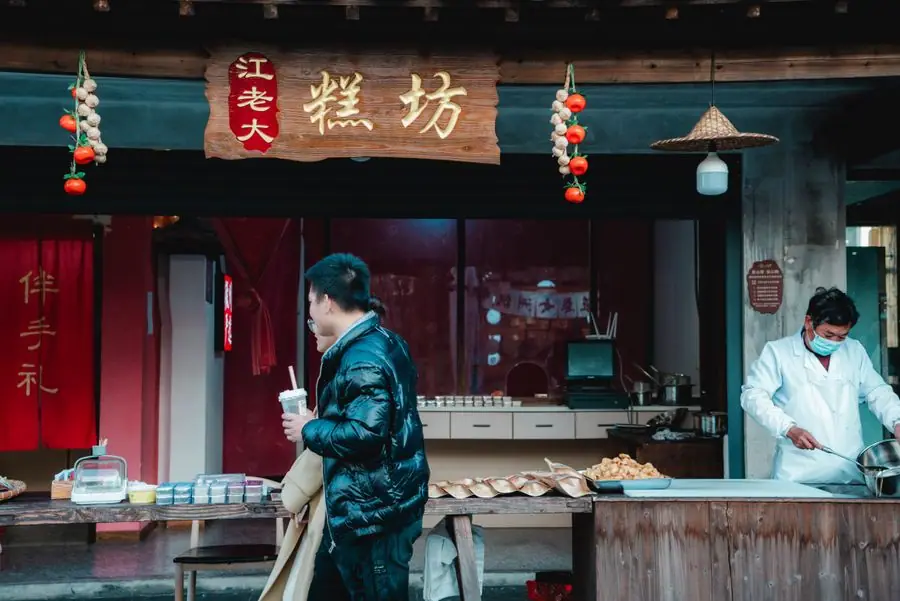
Liuzhou Luosifen (柳州螺蛳粉)
The city's viral signature — rice noodles in a sour, pungent river-snail broth with pickled bamboo, peanuts and chilli oil. Love it or, at first, fear it.
-
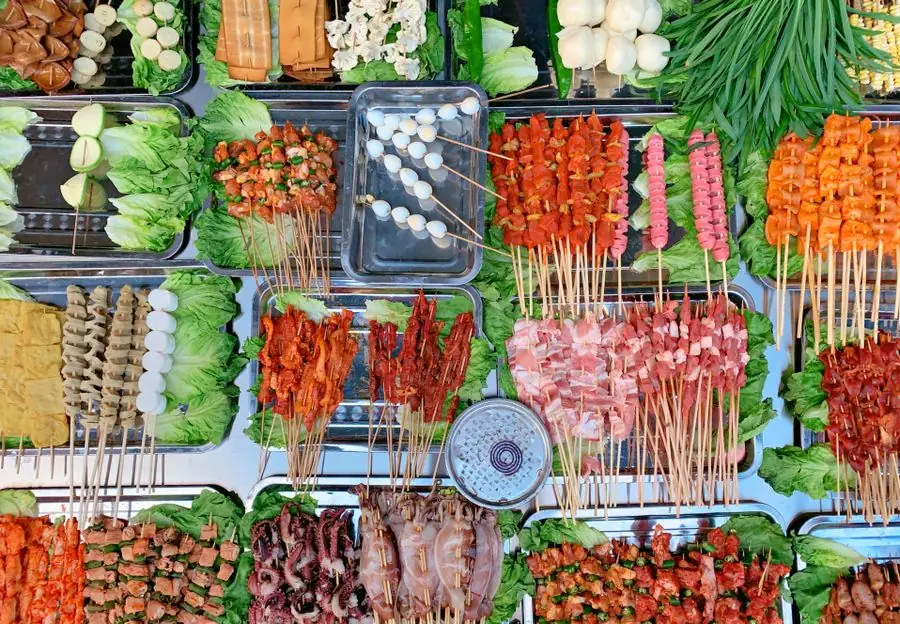
Stir-fried Field Snails (炒螺蛳)
Small river snails wok-fried with chilli, garlic and perilla — the classic late-night beer snack.
-
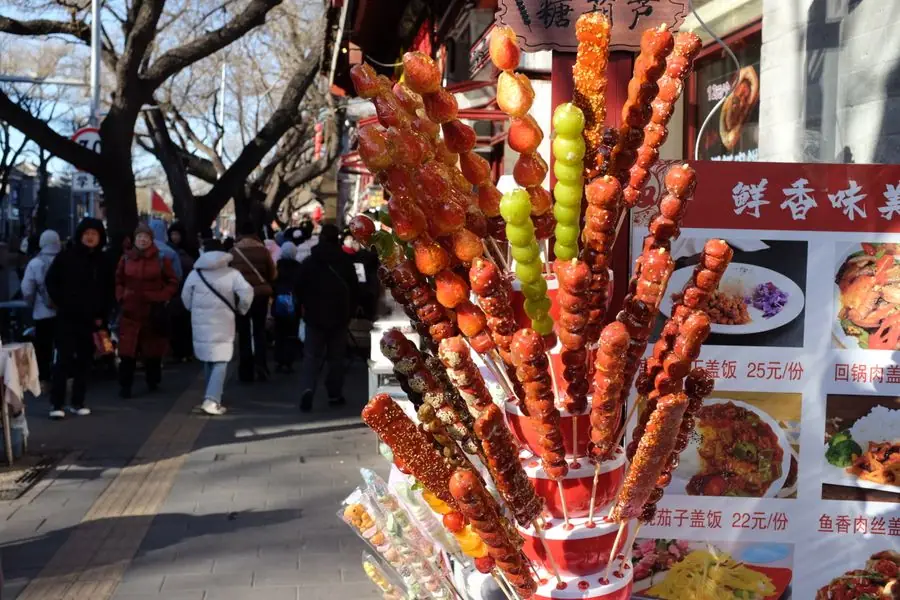
Guangxi Oil Tea (恭城油茶)
A savoury tea pounded with ginger and fried rice, sipped with peanuts and rice noodles — a local wake-up ritual.
-
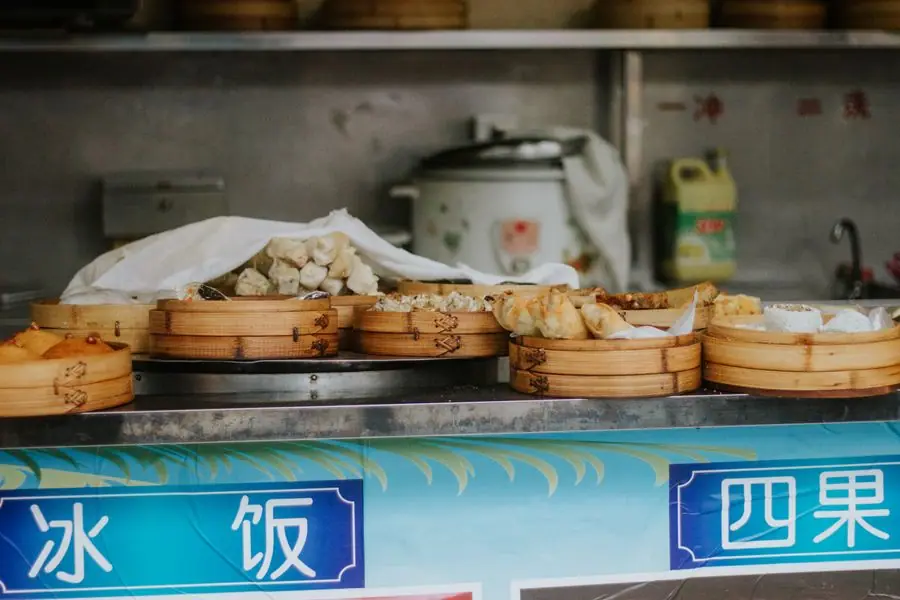
Zhuang Grilled Fish (壮家烤鱼)
Whole fish grilled over charcoal with Zhuang herbs and a mountain of chilli, a regional feast dish.
-
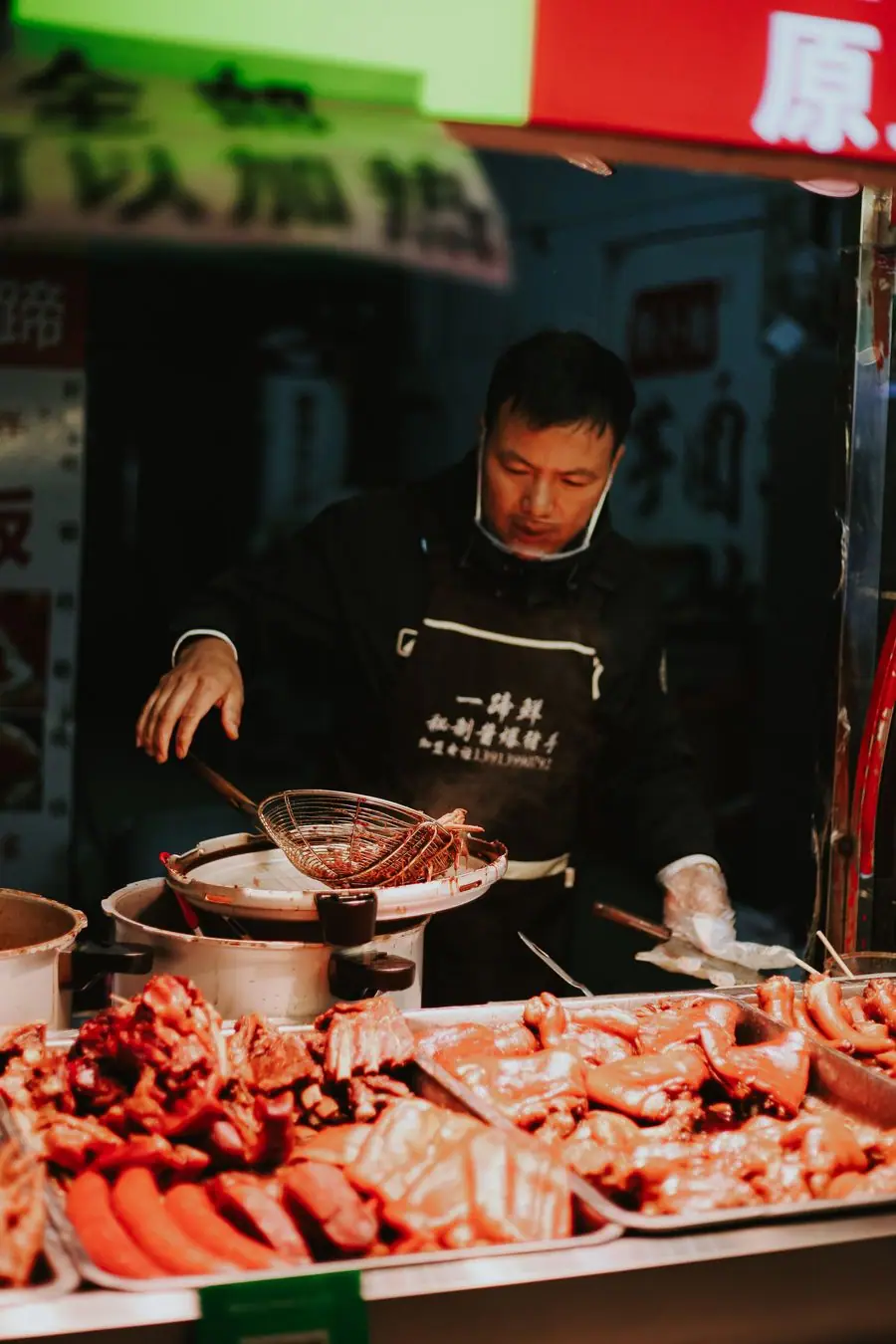
Yunpian Cake (柳城云片糕)
Paper-thin layered rice-and-sugar wafers from nearby Liucheng — a delicate local sweet.
Every major sight — with its own guide
Right after the food above, here are the sights — each one links to its own full guide (what to see, how to get there, facilities and the best season). Names follow each sight's official English signage.
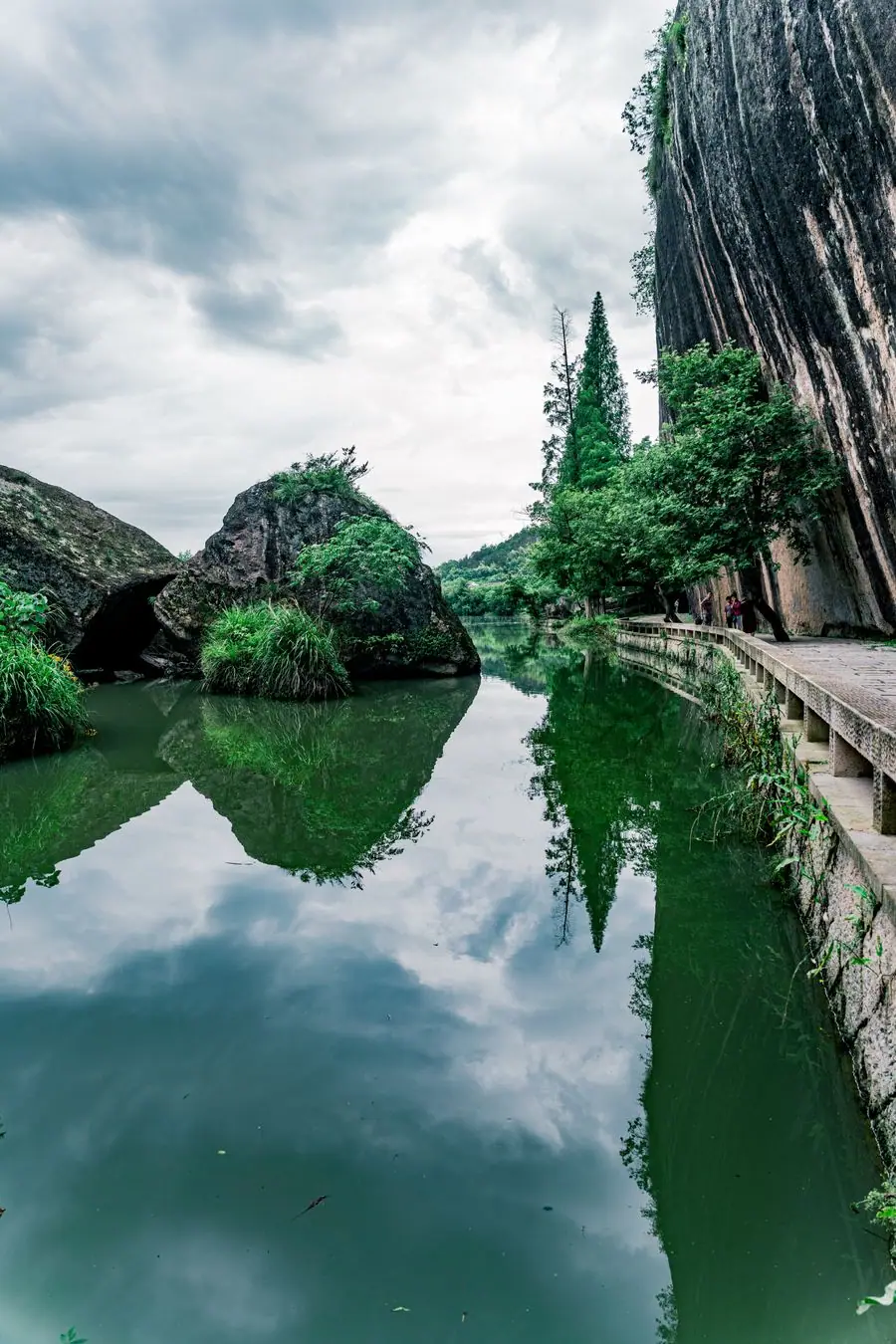

Riverfront
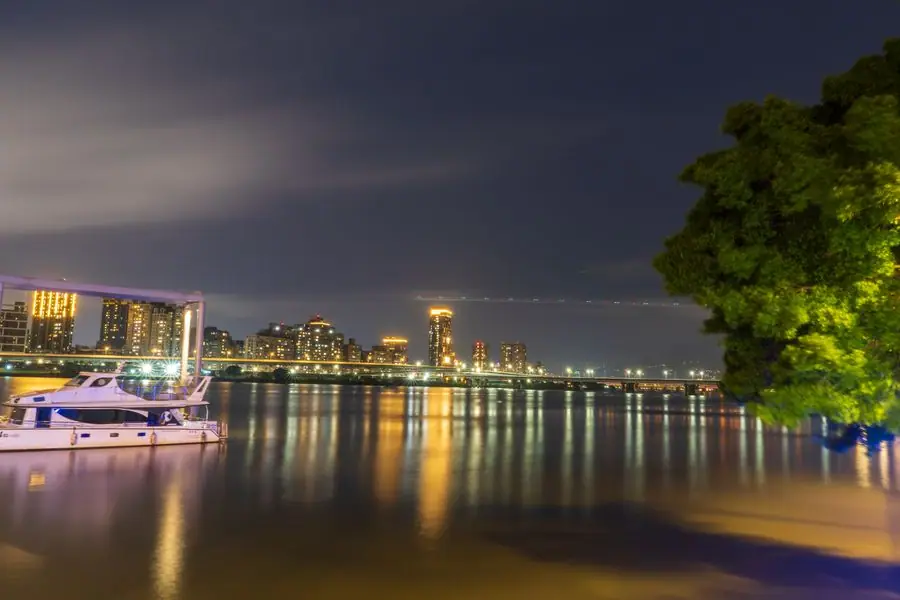
Liu River Night Cruise 柳江夜游
An evening boat trip along the Liu River as the bridges and the waterfront light up — the best way to see Liuzhou's skyline from the water.

Liu River Water Show 柳江音乐喷泉
The musical fountains and light-and-water screens on the Liu River, a free riverside spectacle that draws crowds every evening.
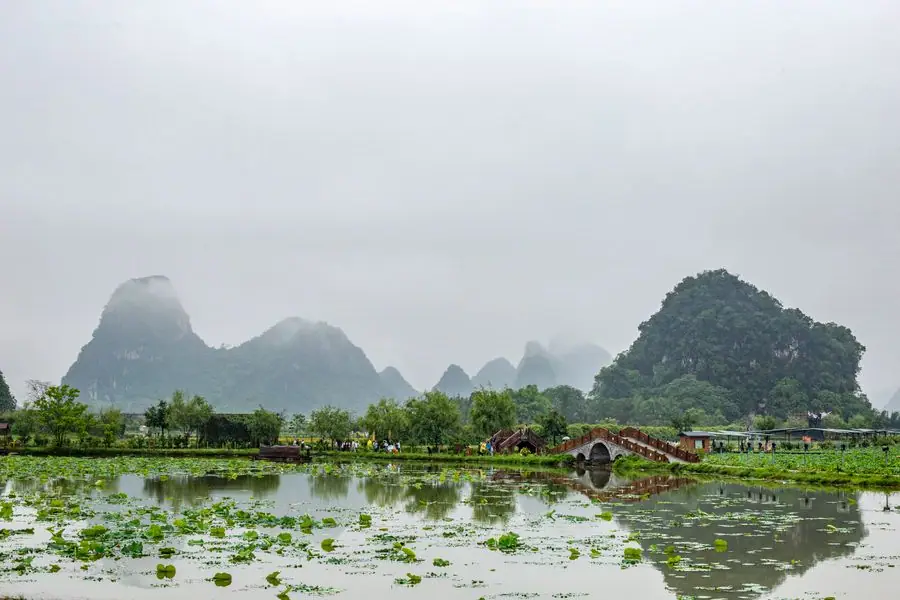
Liujiang Riverside Promenade 柳江滨水长廊
The long riverside walk along both banks of the Liu River, linking the cruise dock, the fountains, the Confucius temple and the evening crowds.
Sanjiang County (~2.5h)
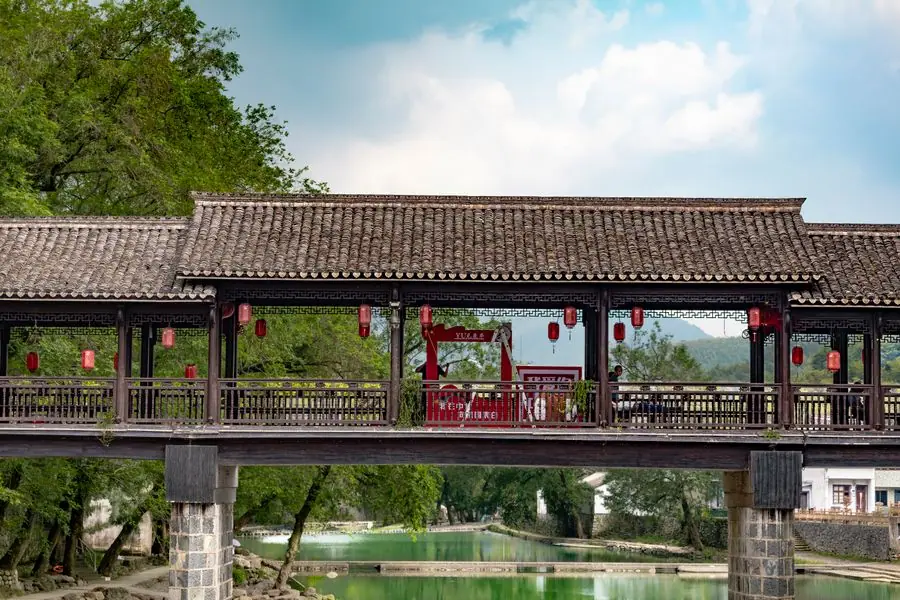
Sanjiang County
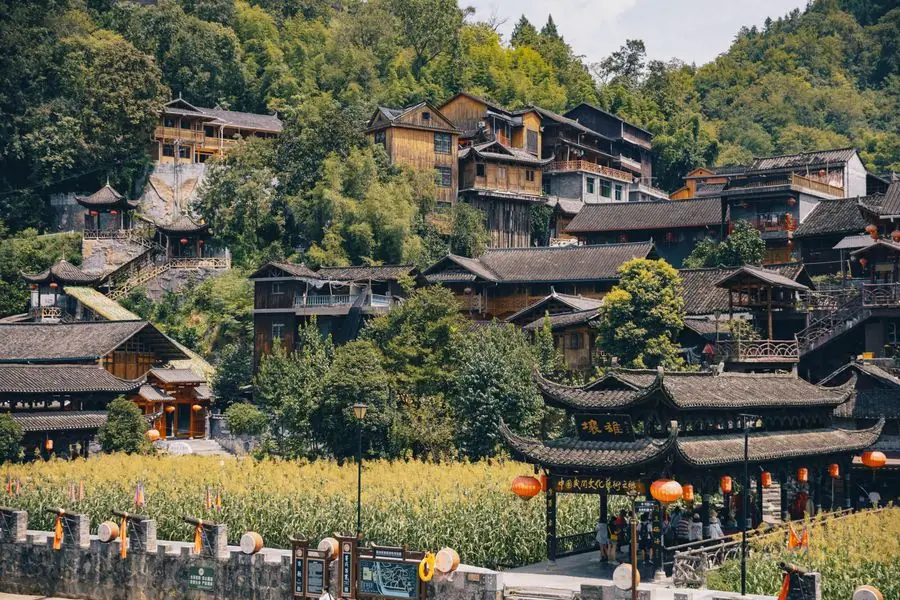
Sanjiang Drum Tower 三江鼓楼
A soaring Dong wooden drum tower in Sanjiang town — a tall, multi-eaved structure built with mortise-and-tenon joinery and no nails.
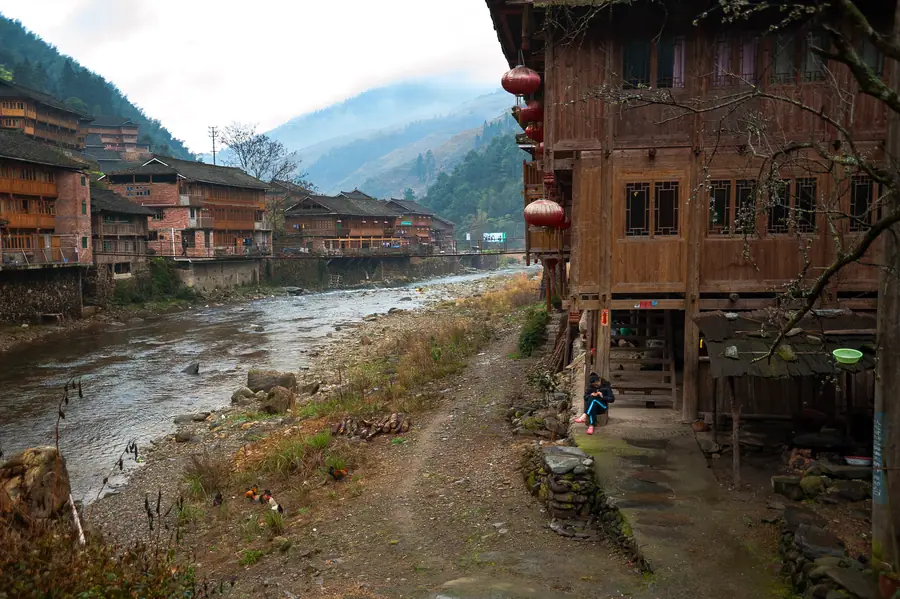
Chengyang Bazhai Dong Villages 程阳八寨
A cluster of eight Dong villages strung along the river under karst hills, with drum towers, wind-rain bridges, wooden stilt houses and rice terraces.
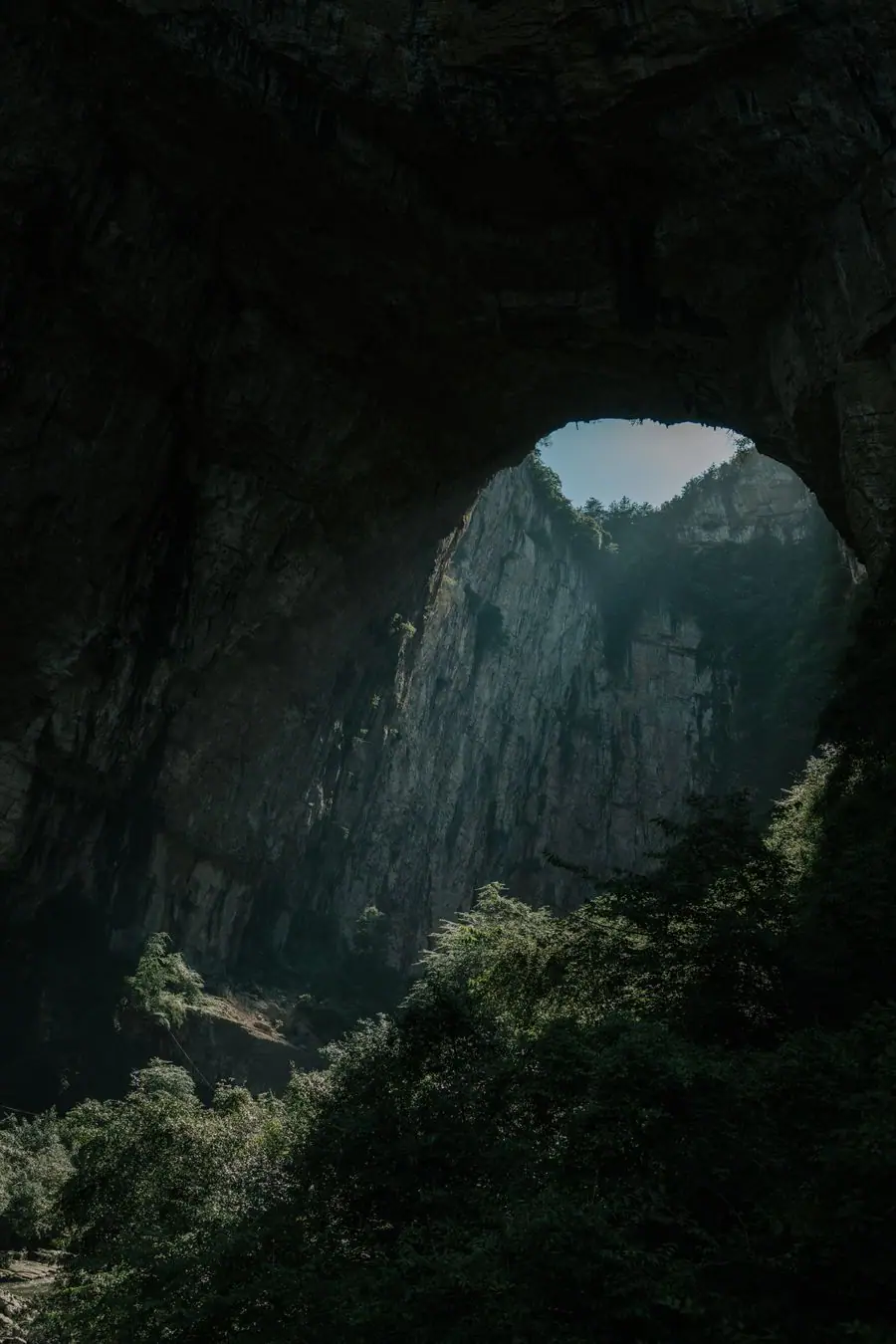
City Centre (Wuxing St)

Where to stay in Liuzhou
Rates are for a standard double room in 2026. Stay within 2 km of the Liu River and Wuxing Street to walk to the cruise dock and the food lanes; the high-speed station is about 10 km south. Confirm the USD price at booking.
Luxury
$55–110 / nightInternational hotels near the Liu River and the central business district.
Upper mid-range
$35–55 / nightComfortable riverside and central hotels with city views.
Mid-range
$22–35 / nightChinese business hotels around Wuxing Street and the stations.
Budget
$13–22 / nightGuesthouses and inns near the old town and the river.
Hostels
$9–15 / nightSocial hostels in the centre, dorms and privates.
Souvenirs & local crafts
Easy to pack, easy to explain at customs — and far cheaper at a supermarket than at a scenic stall.
-

Packaged Luosifen (预包装螺蛳粉)
Boxed river-snail noodles — the souvenir everyone flies home with; rehydrate and cook in minutes.
-

Liuzhou Strange Stones (柳州奇石)
The city is China's stone capital; galleries sell prized Gui stones and fluorite by the kilo.
-
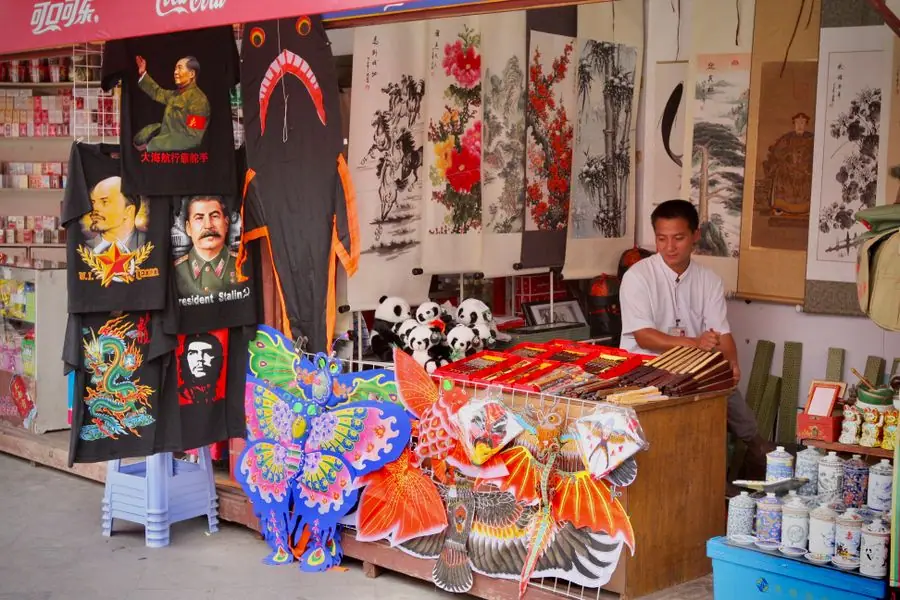
Dong Embroidery (侗绣)
Vivid cross-stitch textiles from the Dong villages of Sanjiang, sold as panels and pouches.
-
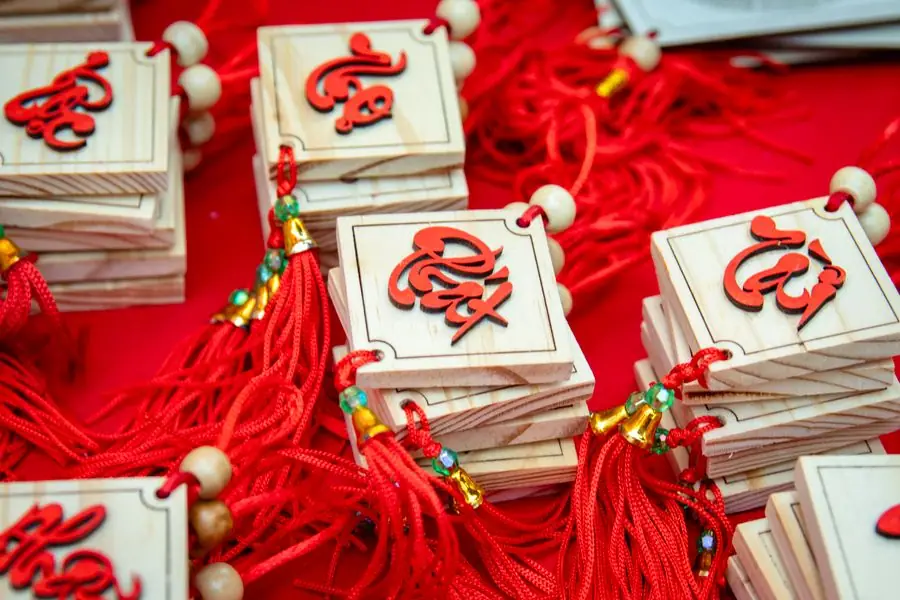
Guangxi Oil-tea (油茶料包)
Pre-mixed pounded tea-and-ginger packs to brew oil tea at home.
-
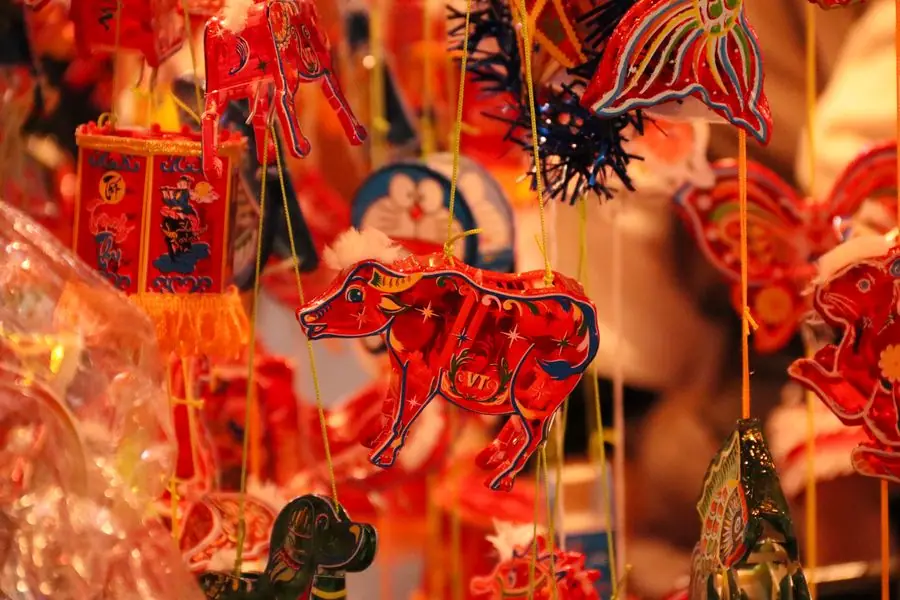
Yunpian Cake (云片糕)
Boxed layered rice wafers from Liucheng — a fragile, giftable sweet.
Getting around Liuzhou
Liuzhou is reached by high-speed rail (Liuzhou and Liuzhou South stations), by air via Liuzhou Bailian Airport, and by road from Guilin (about 2h). The riverfront core is walkable; DiDi and buses cover the rest.
- High-speed rail
- Liuzhou South Station is on the Hunan–Guangxi high-speed line; Guilin is about 1.5–2h away, Nanning about 1h, with onward links to Guangzhou and Beijing.Book real-name tickets with your passport through 12306 or a travel app; a bus or DiDi reaches the riverfront from the station in about 20 min.
- Long-distance bus
- Long-distance buses serve Sanjiang and Rongshui counties (the Dong and Miao areas); a shuttle links the airport and the city.
- Metro & bus
- A light-rail line links the station area and the east bank; DiDi fills the gaps.
- Taxis
- Taxis are metered from about $1.50; agree the fare for trips out to Bailian Cave or Sanjiang.
- Ride-hailing
- DiDi runs inside Alipay with an English map and card payment — the easiest way to move around.
- Shared bikes
- Shared bikes are common along the Liu River promenades.
- Intercity carpool
- For Sanjiang, Chengyang and the mountain villages, book a car or join a day tour; the bridges are a 2h+ drive.
Plan your 1, 2 or 3 days in Liuzhou
Pick the length of your stay. Each plan is its own page, anchored at the city centre and written from real traveller itineraries — including splits for sightseeing, shopping, landscape, families and older travellers.
Liuzhou in 1 Day
Longtan Park, Ma'an Mountain and the Liu River night cruise.
Read the plan → 2-dayLiuzhou in 2 Days
Day one the city and river, day two Sanjiang's Wind-Rain Bridge and Dong villages.
Read the plan → 3-dayLiuzhou in 3 Days
Add the museums, the strange-stone galleries and a slow Luosifen food crawl.
Read the plan →Frequently asked questions
- Do I need a visa to visit Liuzhou?
- Foreign visitors need a Chinese visa (or to qualify for visa-free transit / unilateral visa-free entry where applicable). Liuzhou is open to foreign tourists; carry your passport for real-name ticketing.
- When is the best time to visit Liuzhou?
- April–May and September–October are best — warm and green. Summer is hot and rainy; winter is mild but often overcast.
- How do I get to Liuzhou?
- High-speed rail from Guilin (about 1.5–2h) or Nanning (about 1h), by air via Liuzhou Bailian Airport, or by road from Guilin. The riverfront is a short hop from the stations.
- What is Liuzhou famous for?
- Its karst peaks, the Liu River, and Luosifen — the pungent river-snail rice noodles that became a national craze. It is also the industrial capital of southwest China.
- Is Liuzhou worth a stop on the way to Guilin?
- Yes — it is on the Guilin–Nanning route and offers the same karst with fewer crowds, plus a real working-city feel and the Luosifen home ground.
- How do I see the Sanjiang Wind-Rain Bridge?
- It is about 150 km north in Sanjiang county — a 2.5h drive each way, so go on a guided day tour or stay one night in the Dong villages.
Page last reviewed: 2026-11-02.