Lhasa 2026: Potala Palace, Permits & a 1–3 Day Tibet Plan
Lhasa is the heart of Tibet — the Potala Palace, the Jokhang Temple and the Barkhor pilgrimage circuit, all at 3,650 m. Foreign visitors must hold a Tibet Travel Permit and travel with a licensed group, arranged through a China-licensed agency before flying in. Below: the permit rules, history, food, where to stay, every major sight, and 1/2/3-day plans built around a guided tour.
History & culture
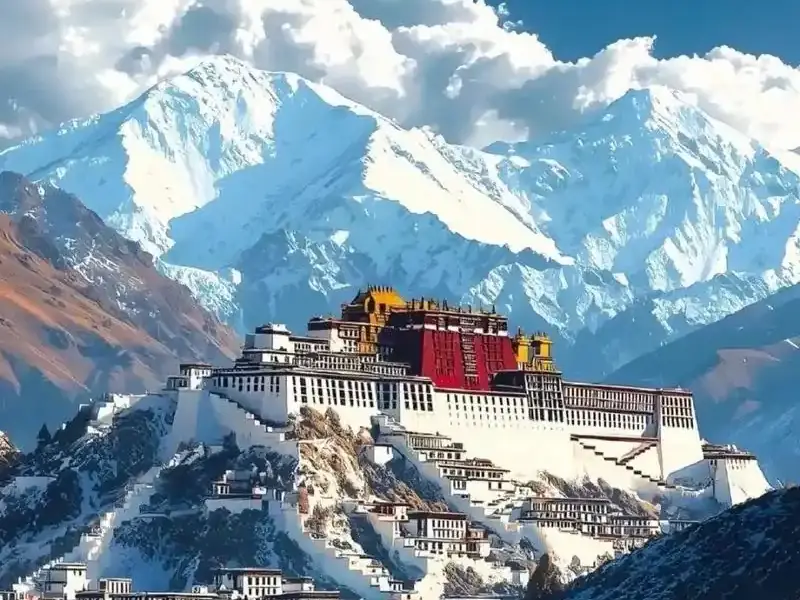
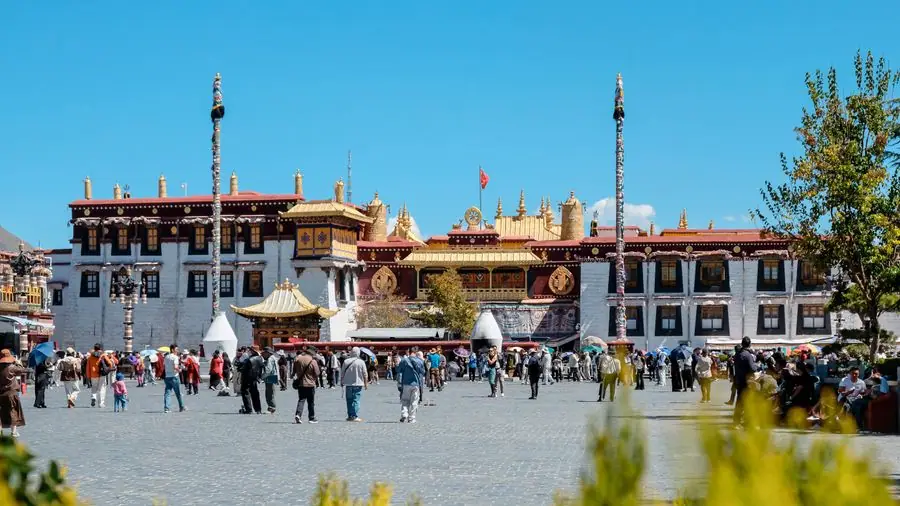
Lhasa’s significance began in the 7th century when the Tibetan king Songtsen Gampo made it his capital and built the Jokhang Temple to house a statue brought by his Tang-dynasty wife, Princess Wencheng.
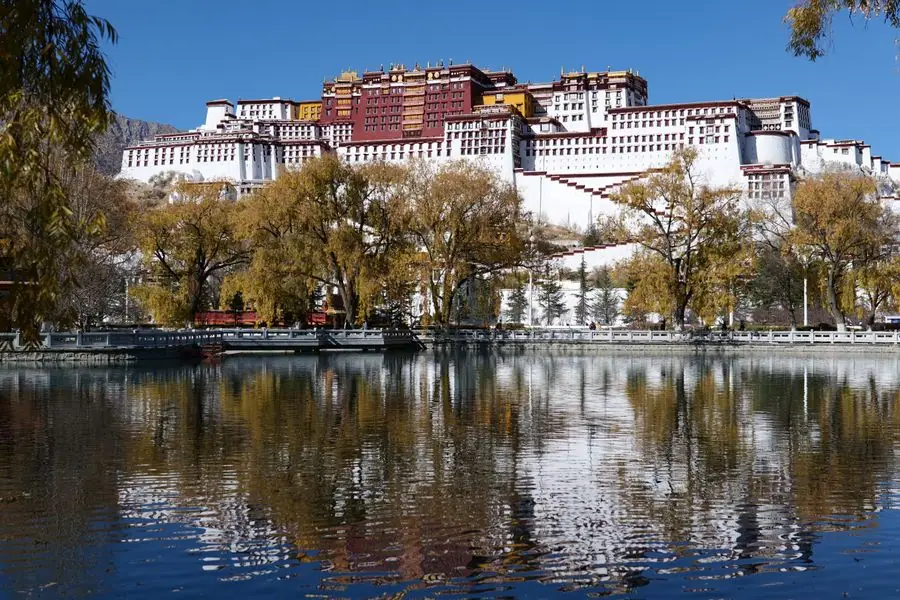
The Potala Palace was first built on Marpo Ri (Red Hill) in that era and rebuilt into its current form by the 5th Dalai Lama in the 17th century as the winter palace of the Dalai Lamas and the seat of the Ganden Phodrang government.
After 1951 Lhasa became the capital of the Tibet Autonomous Region. The city mixes its pilgrimage core — the Jokhang and the Barkhor circuit — with newer Chinese-built districts and the Norbulingka, the Dalai Lamas’ summer palace.
Today Lhasa is both a living religious centre and a high-altitude travel hub: the gateway to the monasteries of the valley and the sacred lakes Namtso and Yamdrok, reached on guided tours.
Best time to visit Lhasa
Lhasa is high and dry: summers are mild and rainy, winters are cold and sunny. Most travellers come May–October when the roads to the lakes are open and the oxygen is at its yearly best.
Budget for Lhasa: hotels from $12 a night, average ticket $$6.22 — see the full cost breakdown, or start from a ready-made route.
Cuisine of Lhasa
Signature dishes worth seeking out — prices are typical per-person or per-dish ranges, not fixed quotes.
-
Tibetan Butter Tea (Po Cha)
Salty tea churned with yak butter and salt — an acquired but essential highland drink.
-
Tsampa (Roasted Barley Flour)
The staple: barley flour mixed with butter tea into a dough, eaten daily by Tibetans.
-
Yak Meat (Beef) Dishes
Dried or stewed yak meat, hearty fuel against the altitude and cold.
-
Momos (Dumplings)
Tibetan meat or veg dumplings, steamed or fried, found across the old town.
-
Thenthuk (Hand-Pulled Noodles)
A warming noodle soup with vegetables and meat, good for altitude chills.
-
Sweet Tea (Nga Cha)
Milky sweet tea served in the old-town tea houses — the social default.
Every major sight — with its own guide
Right after the food above, here are the sights — each one links to its own full guide (what to see, how to get there, facilities and the best season). Names follow each sight's official English signage.
City Centre
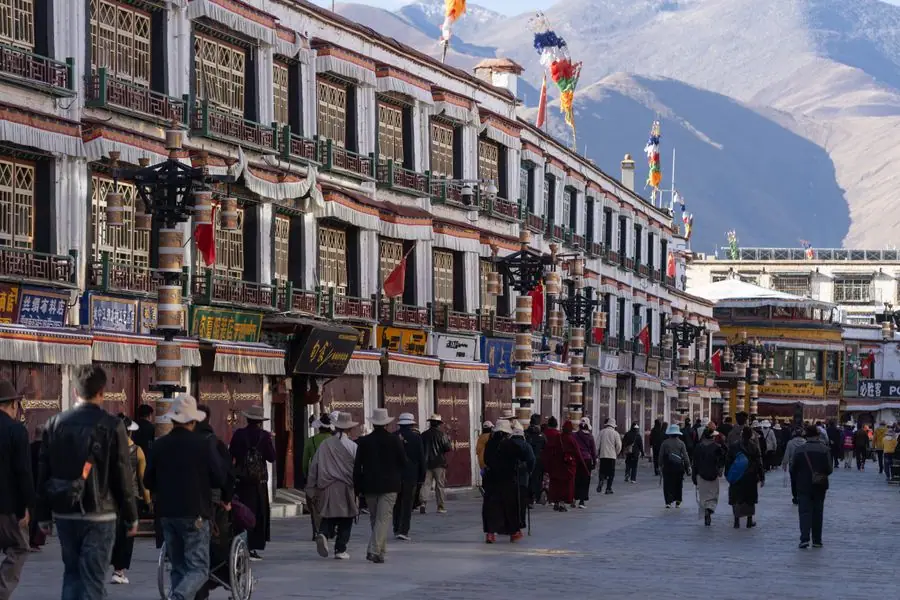
Barkhor Street 八廓街
The pilgrimage circuit and market ring around the Jokhang — prayer wheels, vendors and the most alive corner of old Lhasa.
Foreign visitors need a Tibet Travel Permit and must join a licensed group tour — arrange the permit through a China-licensed travel agency before flying to Lhasa.
Yak Hill (Chakpori) 药王山
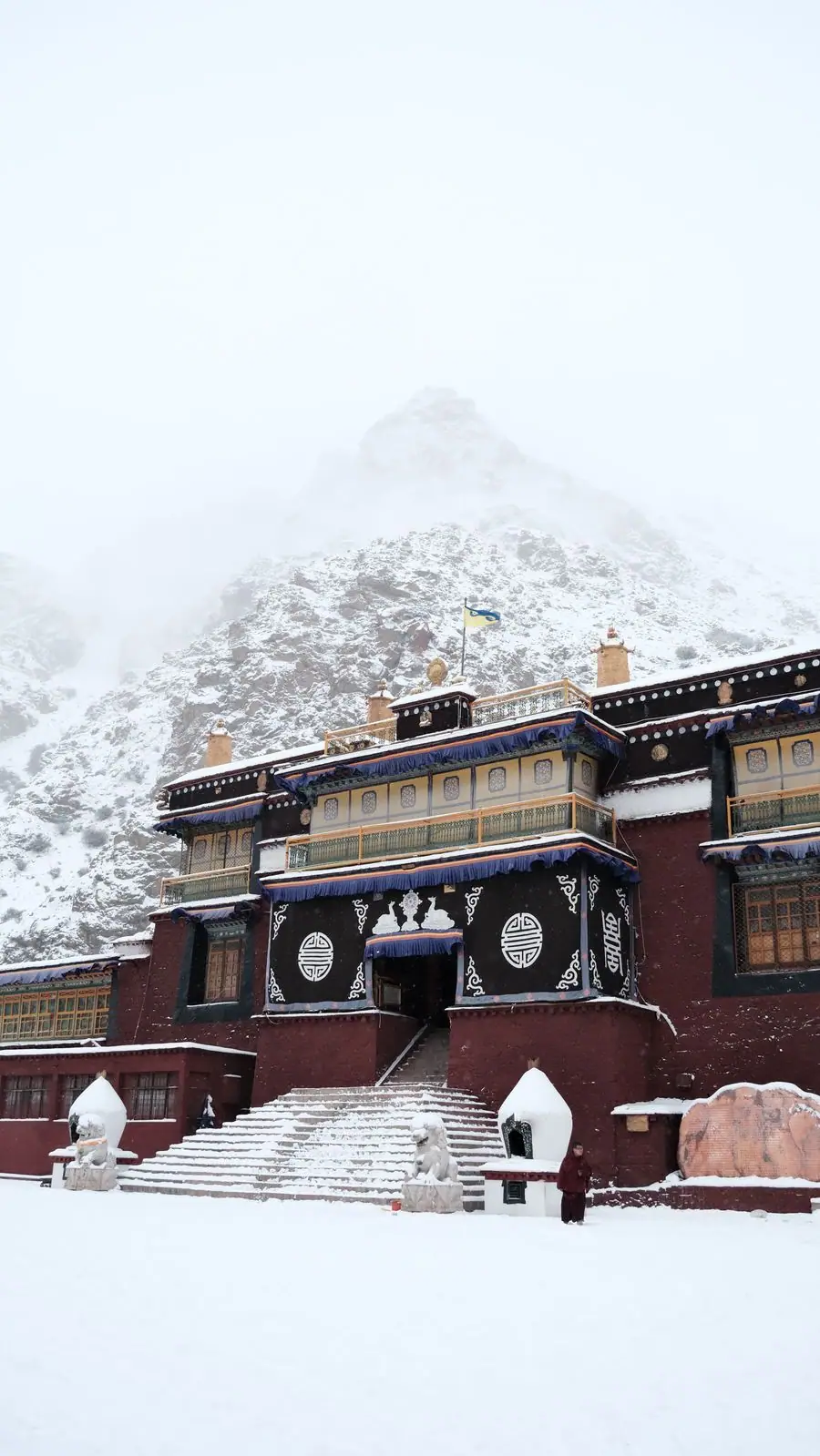
The hill opposite the Potala with the classic photo viewpoint and a small medical-college chapel.
Foreign visitors need a Tibet Travel Permit and must join a licensed group tour — arrange the permit through a China-licensed travel agency before flying to Lhasa.
North
Sera Monastery 色拉寺
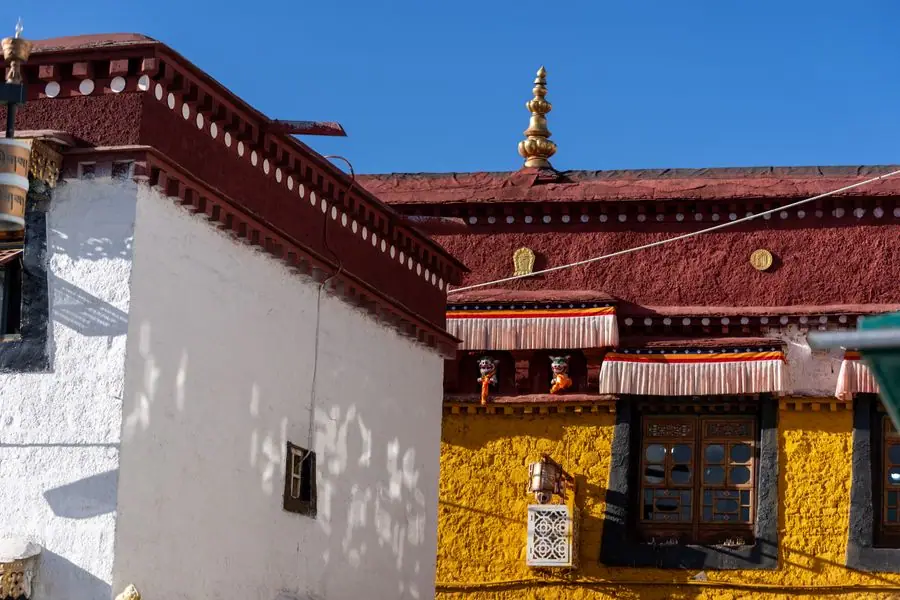
The monastery famous for its afternoon debating sessions, where monks argue doctrine in a clap of wooden slips.
Foreign visitors need a Tibet Travel Permit and must join a licensed group tour — arrange the permit through a China-licensed travel agency before flying to Lhasa.
Pabonka Monastery 帕邦喀
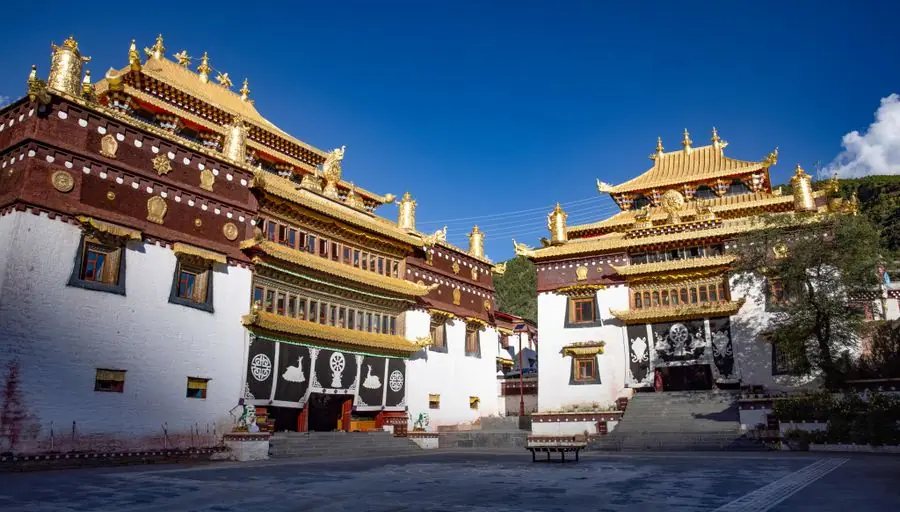
A small, ancient hillside monastery north of the city with old rock-carved scriptures and quiet gardens.
Foreign visitors need a Tibet Travel Permit and must join a licensed group tour — arrange the permit through a China-licensed travel agency before flying to Lhasa.
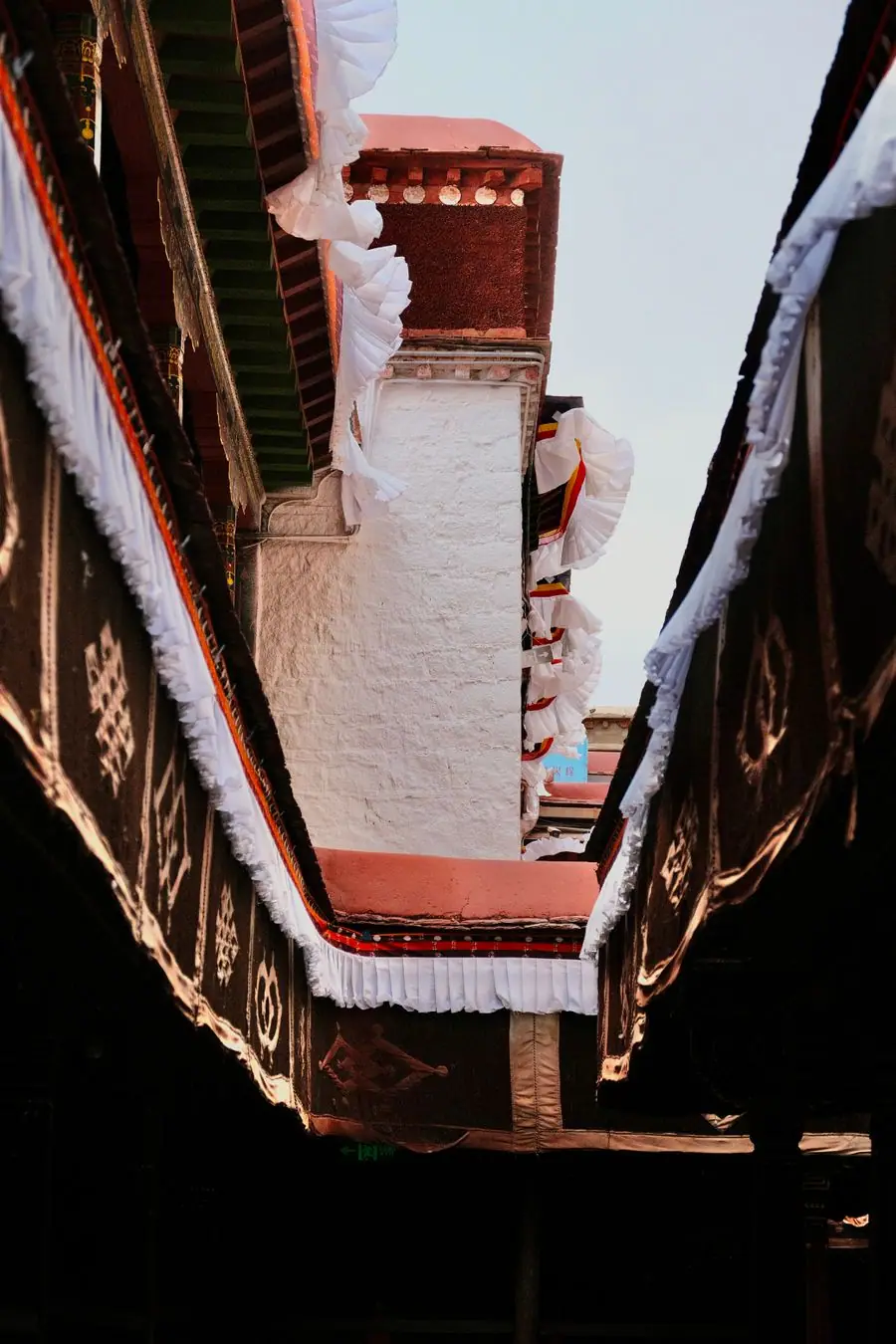
City Centre (West)
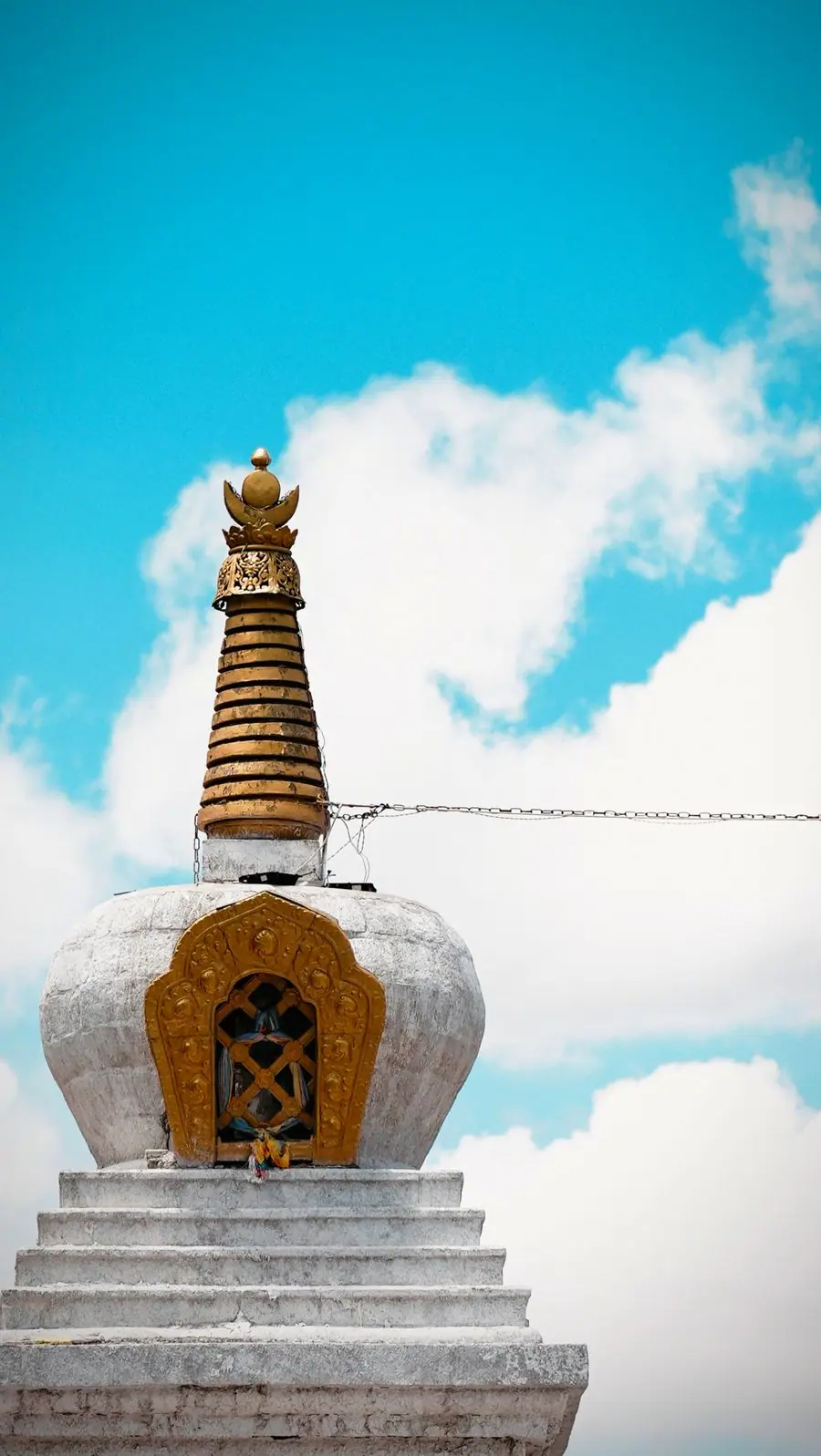
Norbulingka 罗布林卡
The Dalai Lamas’ summer palace — landscaped gardens, pavilions and a quieter green escape in the city.
Foreign visitors need a Tibet Travel Permit and must join a licensed group tour — arrange the permit through a China-licensed travel agency before flying to Lhasa.
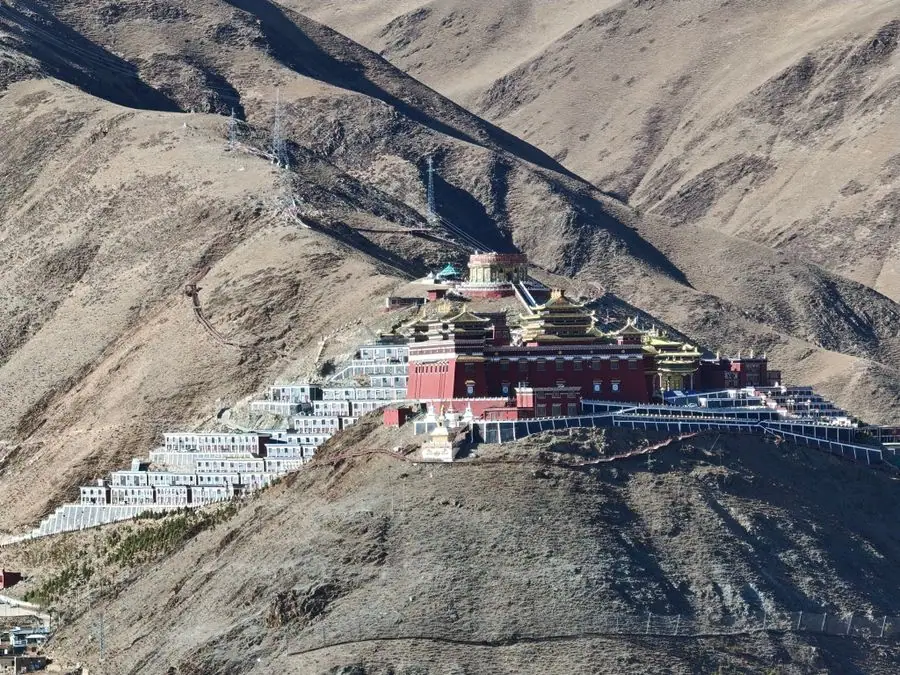
Tibet Museum 西藏博物馆
The region’s flagship museum — Tibetan art, artefacts and a clear overview of plateau history and culture.
Foreign visitors need a Tibet Travel Permit and must join a licensed group tour — arrange the permit through a China-licensed travel agency before flying to Lhasa.
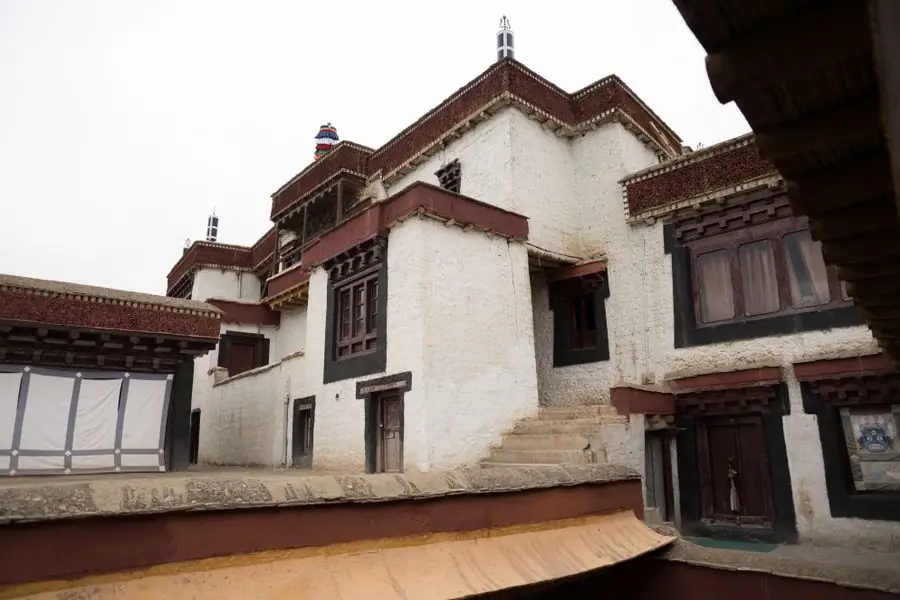
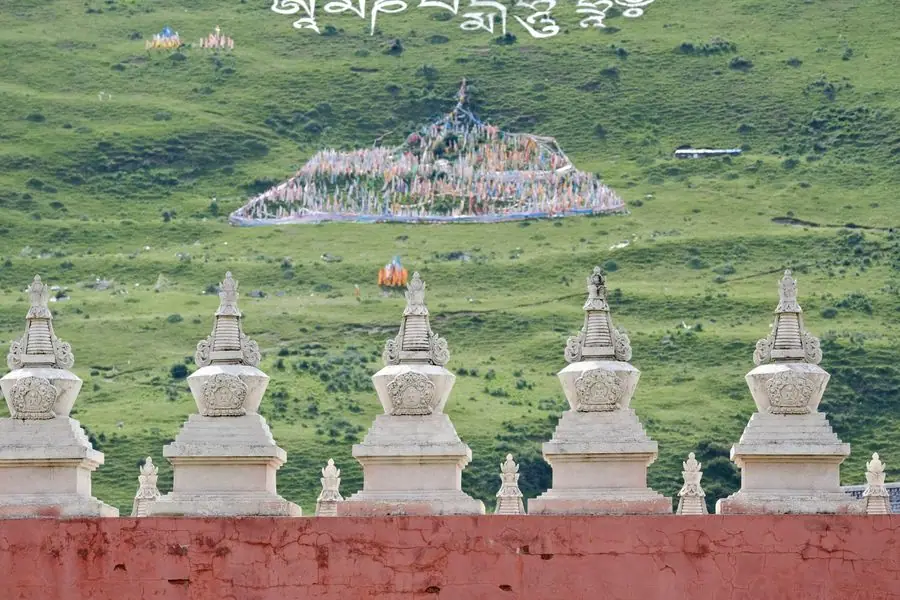
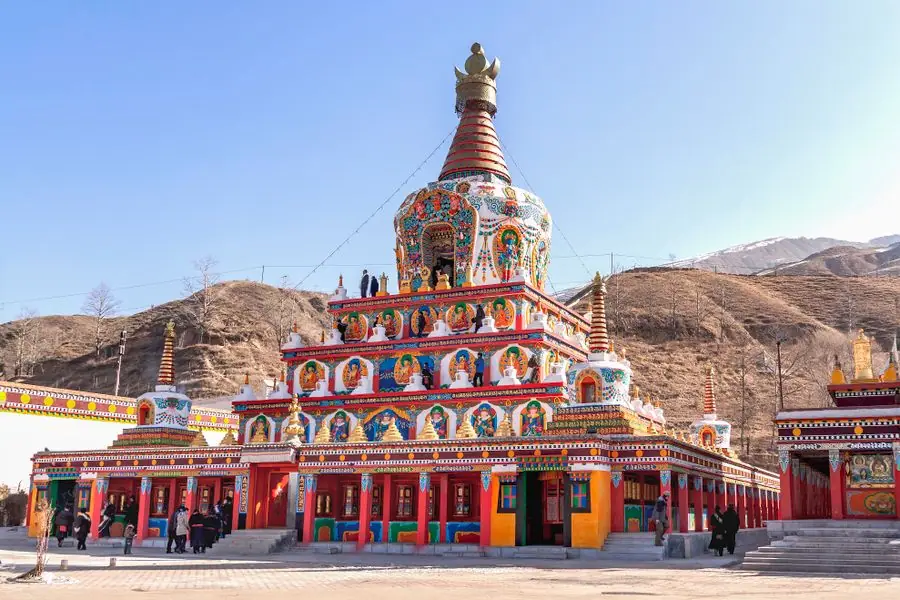
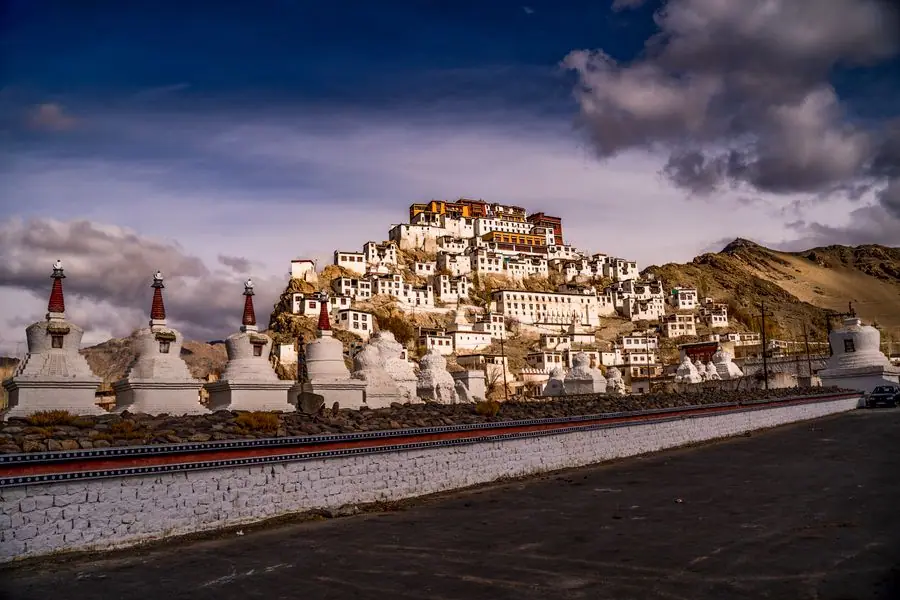
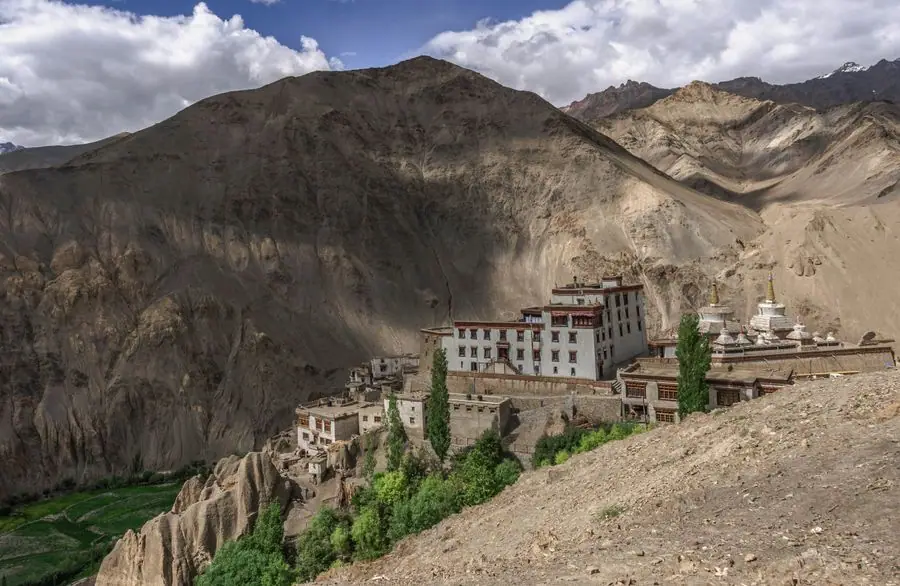
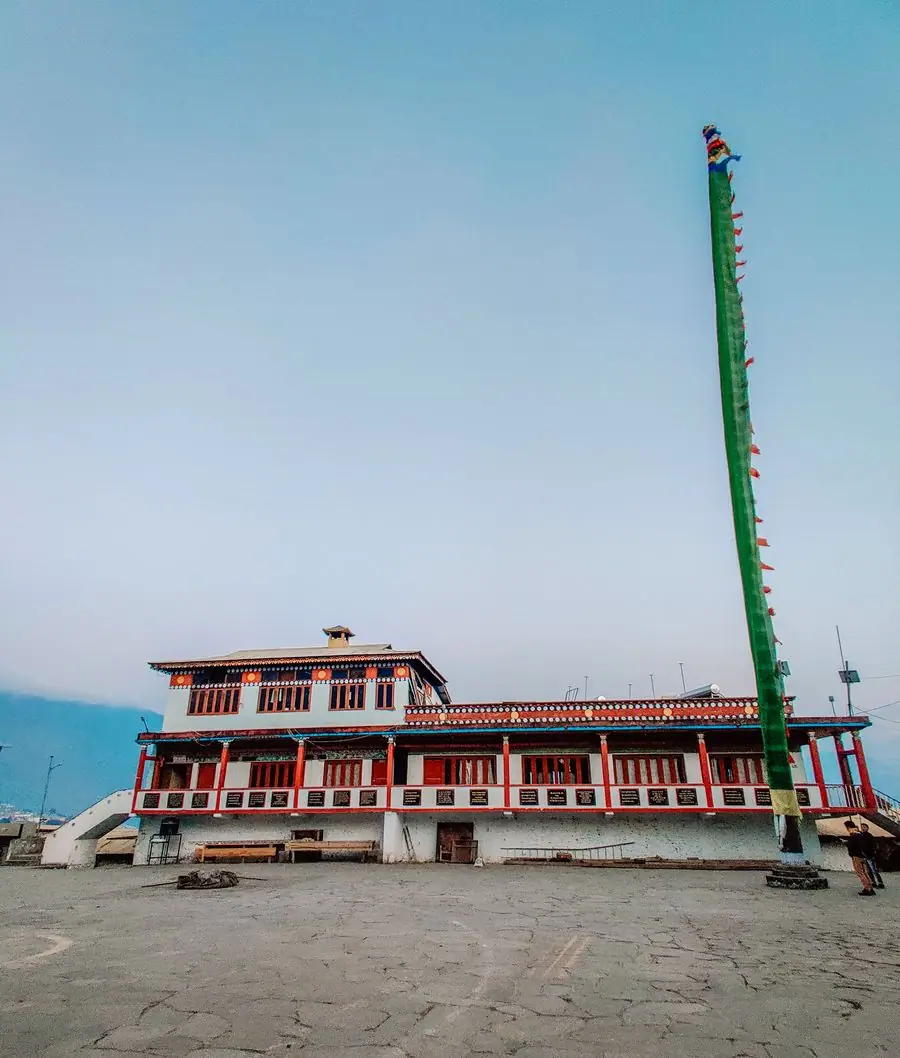
Where to stay in Lhasa
Rates are for a standard double room in 2026. Lhasa’s centre is compact; most hotels are a short walk or DiDi from the Potala and Barkhor. Ask about in-room oxygen if you are worried about altitude. Confirm the USD price at booking.
Luxury
$110–240 / nightInternational and Tibetan-style hotels near the Potala and the river, with oxygen and heated rooms.
Upper mid-range
$60–110 / nightComfortable hotels in the city centre with oxygen available; $60–110 / night.
Mid-range
$35–60 / nightClean Chinese and Tibetan hotels near the Barkhor; $35–60 / night.
Budget
$18–35 / nightGuesthouses around the old town catering to backpackers; $18–35 / night.
Hostels
$12–20 / nightSocial backpacker hostels near the Barkhor, dorms and privates; $12–20 / night.
Souvenirs & local crafts
Easy to pack, easy to explain at customs — and far cheaper at a supermarket than at a scenic stall.
-
Prayer Flags & Wheels
Strings of wind prayers and small hand wheels, sold around the Jokhang and Barkhor.
-
Tibetan Incense
Locally made incense from Himalayan herbs, a fragrant, packable souvenir.
-
Thangka (Scroll Paintings)
Reproduced or commissioned Buddhist scroll paintings — buy from registered shops and confirm export rules.
-
Yak Wool & Cashmere
Warm scarves and blankets from yak and goat wool, sold in the old town.
-
Tibetan Jewellery
Silver and turquoise pieces from registered sellers near the Barkhor.
Getting around Lhasa
Lhasa is reached by plane (Lhasa Gonggar Airport, ~60 km south) or the train from Xining/Chengdu — both require your Tibet Permit in hand. The centre is flat and walkable; DiDi and fixed-price taxis cover the monasteries.
- High-speed rail
- The Qinghai–Tibet railway reaches Lhasa from Xining (and via Chengdu/Kunming connections); you must show your Tibet Travel Permit to board.Flights from major Chinese cities land at Gonggar; the airport bus or a pre-arranged tour transfer meets permit-holders.
- Long-distance bus
- Within the city, local buses are cheap but seldom used by foreigners; the monastery trips are run by tour vehicles.
- Metro & bus
- Lhasa has a single light-rail line under development; for now use DiDi, taxis or your tour vehicle.
- Taxis
- Taxis are metered from about $1.40; agree the fare for trips to Drepung, Sera and the lakes with your driver.
- Ride-hailing
- DiDi runs inside Alipay with an English map and card payment — but as a permit-holder you will mostly move with your group’s vehicle.
- Shared bikes
- Shared bikes exist but the altitude makes cycling hard; walk the flat Barkhor instead.
- Intercity carpool
- Independent travel is not permitted for foreign visitors — all sightseeing is with your licensed group tour’s vehicle.
Plan your 1, 2 or 3 days in Lhasa
Pick the length of your stay. Each plan is its own page, anchored at the city centre and written from real traveller itineraries — including splits for sightseeing, shopping, landscape, families and older travellers.
Lhasa in 1 Day
The Potala, Jokhang and the Barkhor circuit with your guide.
Read the plan → 2-dayLhasa in 2 Days
Day one the palace core, day two Drepung and Sera monasteries.
Read the plan → 3-dayLhasa in 3 Days
Add Norbulingka, the Tibet Museum and a guided lake day trip (Namtso or Yamdrok).
Read the plan →Frequently asked questions
- Do I need a permit to visit Lhasa as a foreigner?
- Yes. Foreign visitors must hold a Tibet Travel Permit (issued to those already holding a Chinese visa) and travel with a licensed group tour arranged through a China-licensed travel agency. You cannot fly to Lhasa independently on a normal tourist visa. Arrange it 15–30 days ahead.
- How do I get the Tibet Travel Permit?
- Book a guided Tibet tour with a China-licensed agency; they use your Chinese visa and passport to apply for the permit, which is delivered to you before you board the flight or train to Lhasa. You cannot apply for it on arrival.
- When is the best time to visit Lhasa?
- May–October is best — mild, with the high passes to Namtso and Yamdrok open and the clearest light. Winter is cold but clear and crowd-free. Avoid pushing the altitude if you have heart or lung issues.
- How do I handle the altitude?
- Lhasa is 3,650 m. Arrive, rest the first day, drink water, go easy on alcohol, and consider mild medication. Most healthy visitors acclimatise in a day or two; severe symptoms need descent and a clinic.
- Can I visit the Potala Palace independently?
- No — as a foreign visitor you visit on your guided tour with a timed, pre-booked ticket. The palace limits daily entries, so your agency books the slot; bring your passport.
- How many days do I need in Lhasa?
- Two full days cover the Potala, Jokhang, Barkhor and two monasteries; add a third for Norbulingka, the Tibet Museum and a guided lake trip. A single day can hit the palace core with your guide.
- Are the monasteries open to foreign visitors?
- Yes — the Potala, Jokhang, Drepung, Sera and others are open to foreign visitors on a guided, permitted visit. Each needs a separate ticket booked through your tour; photography rules vary by hall.
Page last reviewed: 2026-11-02.