Lanzhou Travel Guide 2026: The Yellow River, Beef Noodles & Silk Road Treasures
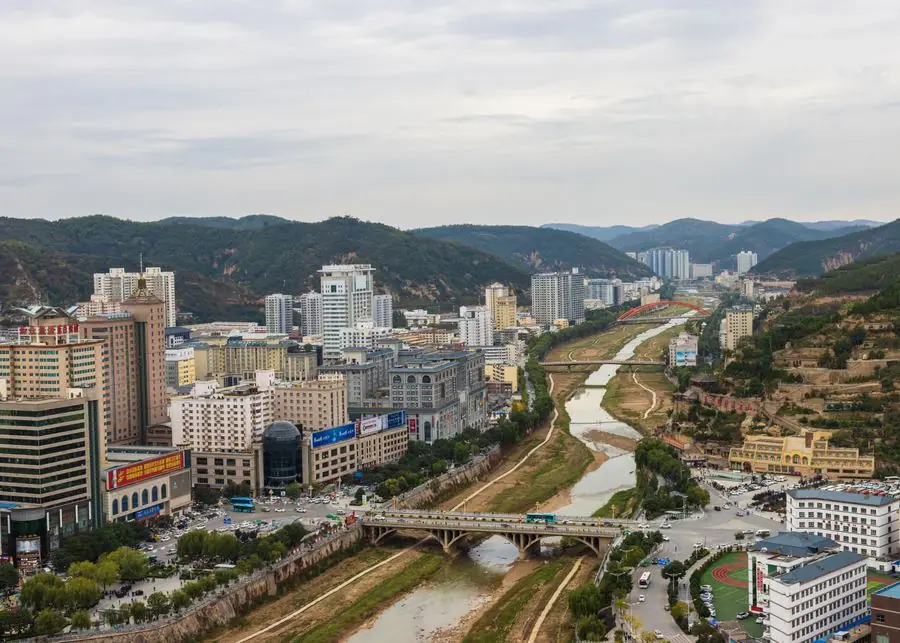
Lanzhou is the only provincial capital the Yellow River flows through — a dry, sunny city of 4.4 million packed into a 30-kilometre mountain valley at 1,600 m. It is the gateway to the Hexi Corridor: eat the original beef noodles for breakfast, cross the 1909 iron bridge, see the Bronze Galloping Horse at the provincial museum, and use the city as your rail hub for Zhangye, Dunhuang and Xinjiang.
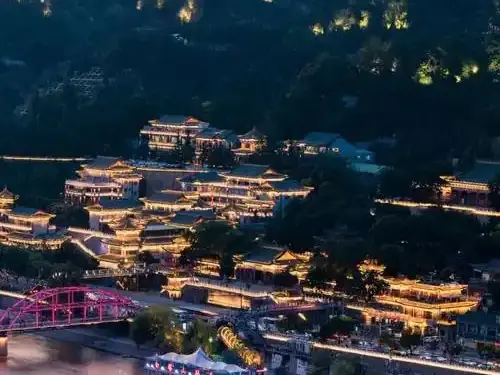
History & culture
The Han dynasty made this Yellow River crossing a county seat — Jincheng, 'Gold City' — and it became the hinge between the Guanzhong plain and the Hexi Corridor that ran out to Dunhuang and Central Asia. The current name dates to 581–583, taken from the Gaolan mountain south of town; the Silk Road traffic that carried silk, glass and ideas west passed through this valley for the next thousand years.
From the 760s Lanzhou spent nearly a century inside the Tibetan empire, then passed through the Western Xia, Jin and Yuan before the Ming walled it as a garrison town. That border history left a city of soldiers, merchants and monasteries — and the Muslim quarter around Xiguan, which grew with Hui traders and caravan drivers from the Qing onward.
The 1909 Zhongshan Bridge was the first permanent bridge ever built across the Yellow River — German steel, five arches, 233 metres — and it turned a ferry crossing into a rail-and-road junction. Telegraph, wool and then oil moved through Lanzhou; by the 1930s and 40s it was already the northwest's transport capital.
After 1949 the valley filled with refineries, chemical works and machinery plants, and Lanzhou was called the cradle of China's petrochemical industry. The smog years of the 1990s and 2000s have genuinely improved — the sky over the river is often clear now — and today the city trades on the museum, the noodles and the corridor.
Best time to visit Lanzhou
Lanzhou sits at 1,520–1,600 m in a semi-arid valley: dry, big day-night swings, fierce summer sun and little rain. Seasons here are about dust, fruit and comfort more than temperature.
Budget for Lanzhou: hotels from $25 a night, average ticket $$6 — see the full cost breakdown, or start from a ready-made route.
Cuisine of Lanzhou
Signature dishes worth seeking out — prices are typical per-person or per-dish ranges, not fixed quotes.
-
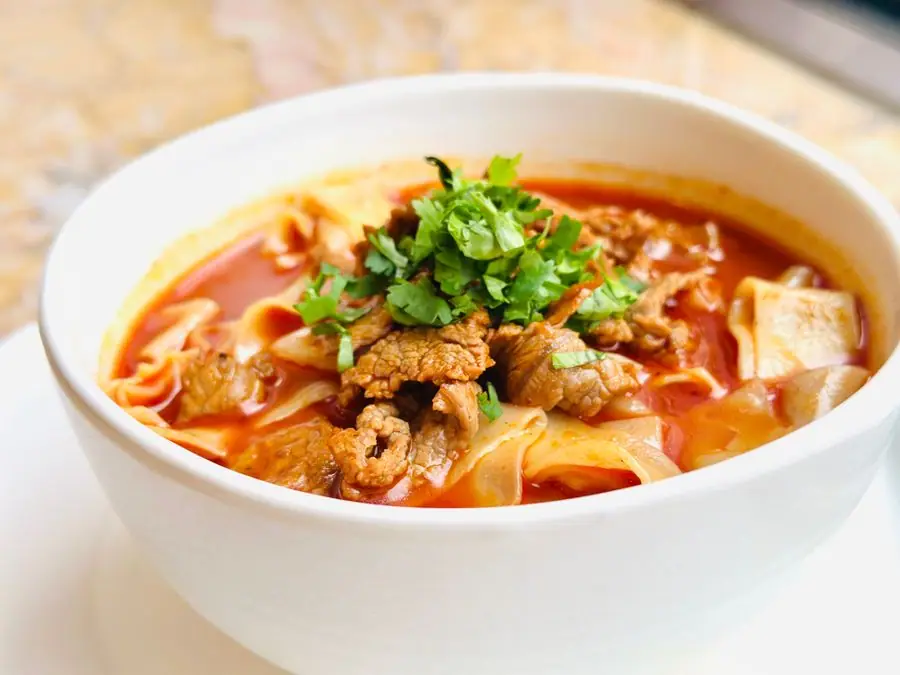
Lanzhou beef noodles
Hand-pulled noodles in clear beef-bone broth with white radish, red chilli oil, green coriander and garlic sprouts — the 'one clear, two white, three red, four green' bowl. Locals eat it for breakfast; order by noodle width (thin, thinnest, thick, wide) and it costs about $1.50–3 a bowl.
-
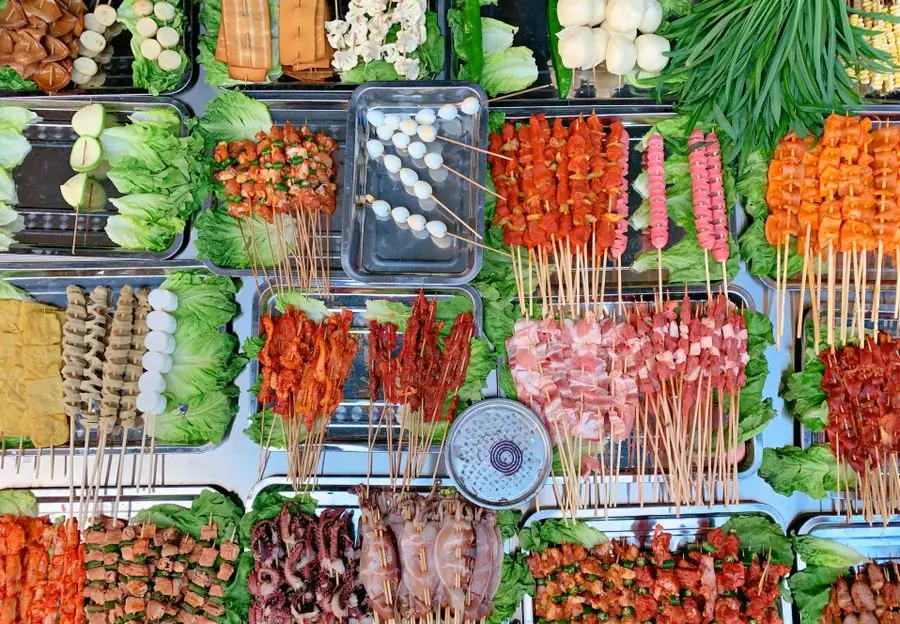
Lamb skewers (yangrou chuan)
Charcoal-grilled lamb cubes rolled in cumin and chilli — Lanzhou's night-street staple. Skewer stalls cluster around the night markets and the Muslim quarter; a proper feast is a dozen skewers plus a bottle of local beer or a cup of tea.
-
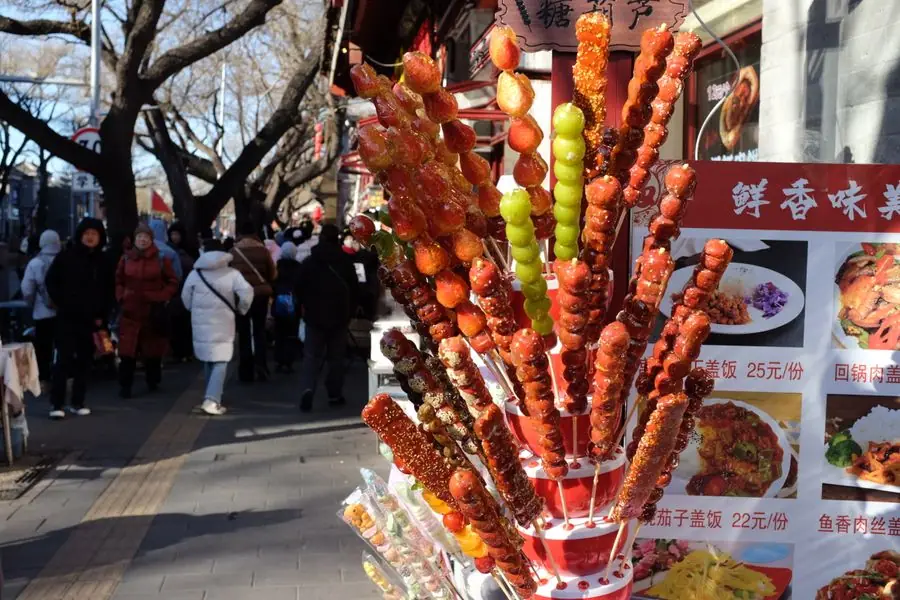
Niangpi (fermented starch noodles)
Lanzhou's cold dish: translucent starch 'noodles' cut into strips with vinegar, chilli oil, sesame paste and cucumber — sour, nutty and icy cold, about $1–2 a bowl. The city's version is thicker and darker than the Gansu high plateau styles.
-
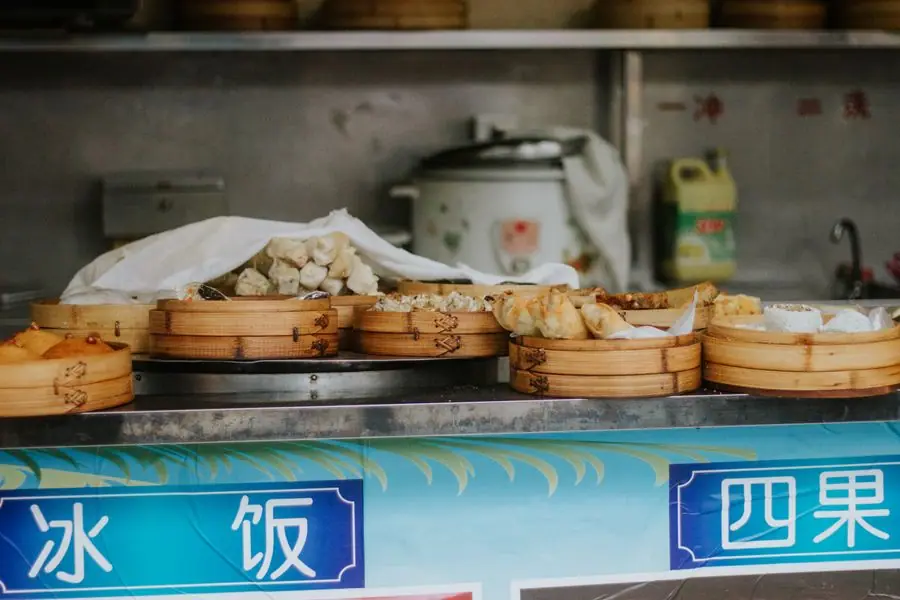
Tianpeizi (sweet fermented barley)
Fermented barley grupp with a faint alcoholic fizz, eaten cold from a cup — the valley's traditional summer cooler, about $1. Sold everywhere on the food streets; the taste is somewhere between rice porridge and sweet sake.
-
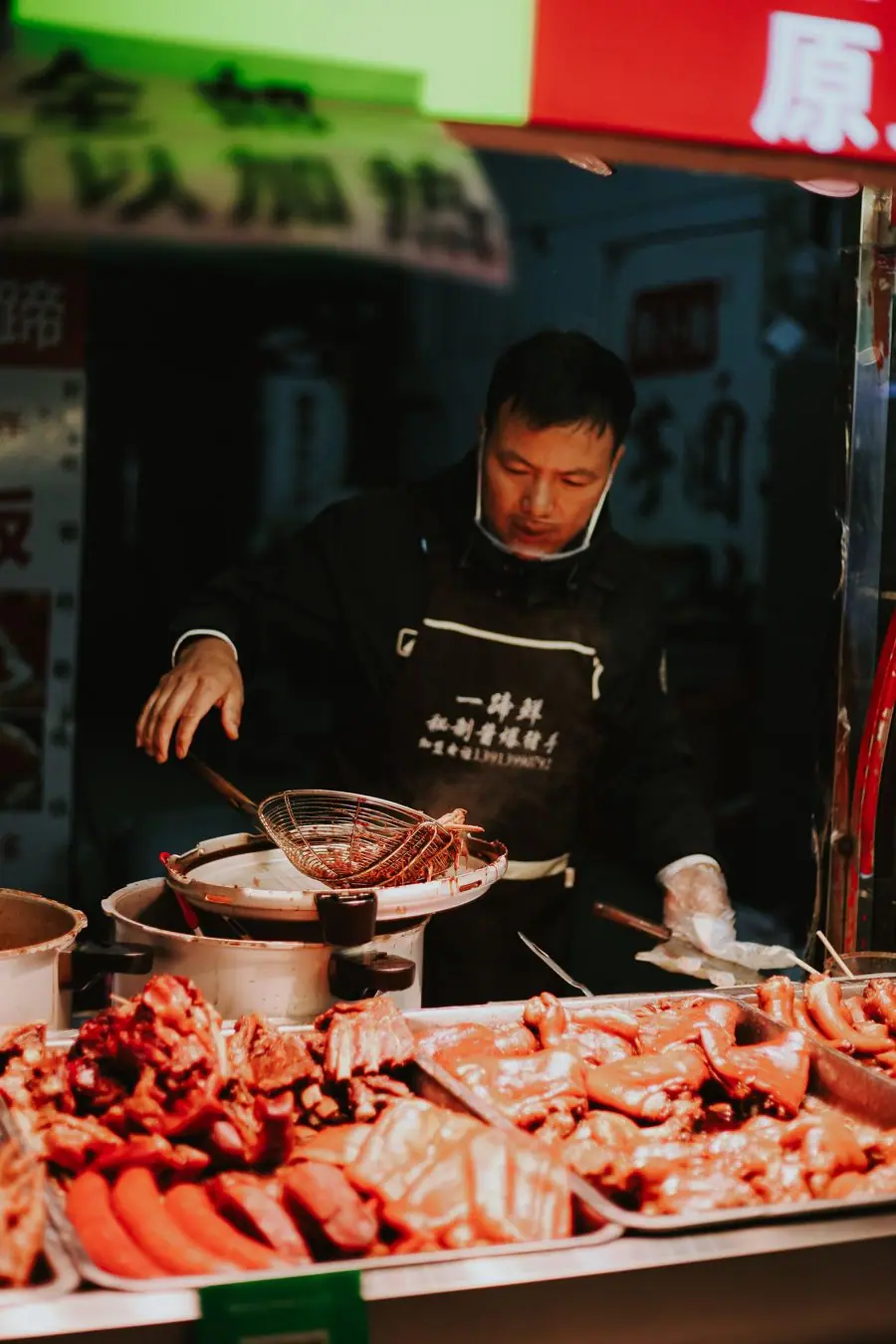
Bailan melon
Lanzhou's famous honeydew-type melon, grown in the irrigated valleys north of the city — fragrant, pale green flesh, peak season July–September. Sold by weight everywhere in summer; a whole melon runs about $3–6.
Every major sight — with its own guide
Right after the food above, here are the sights — each one links to its own full guide (what to see, how to get there, facilities and the best season). Names follow each sight's official English signage.
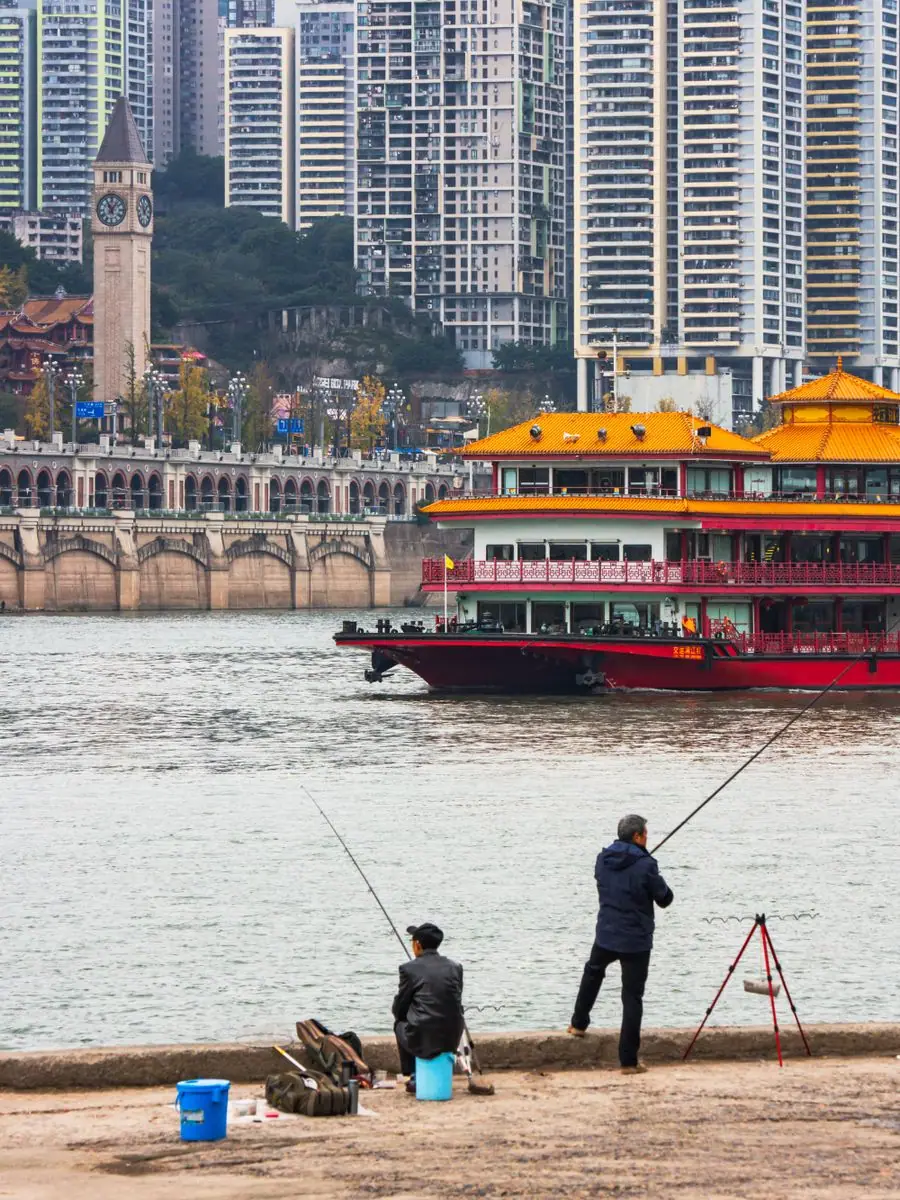
North bank — opposite the bridge
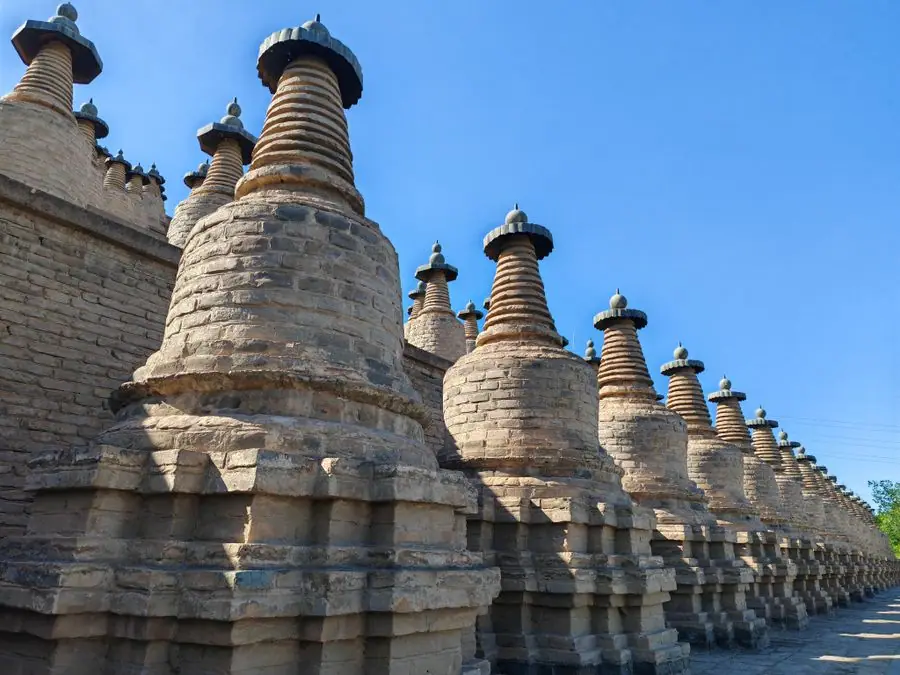
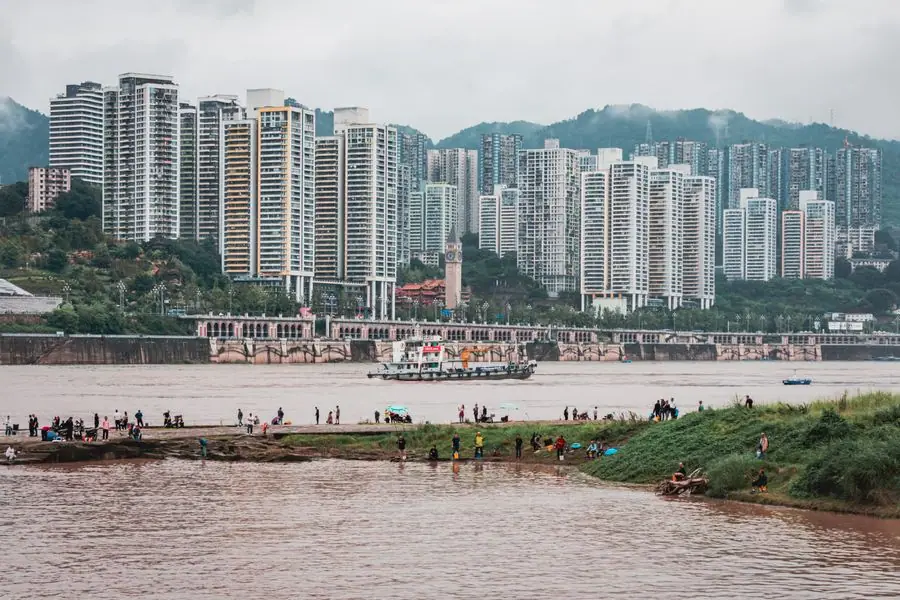
South — foot of the mountains
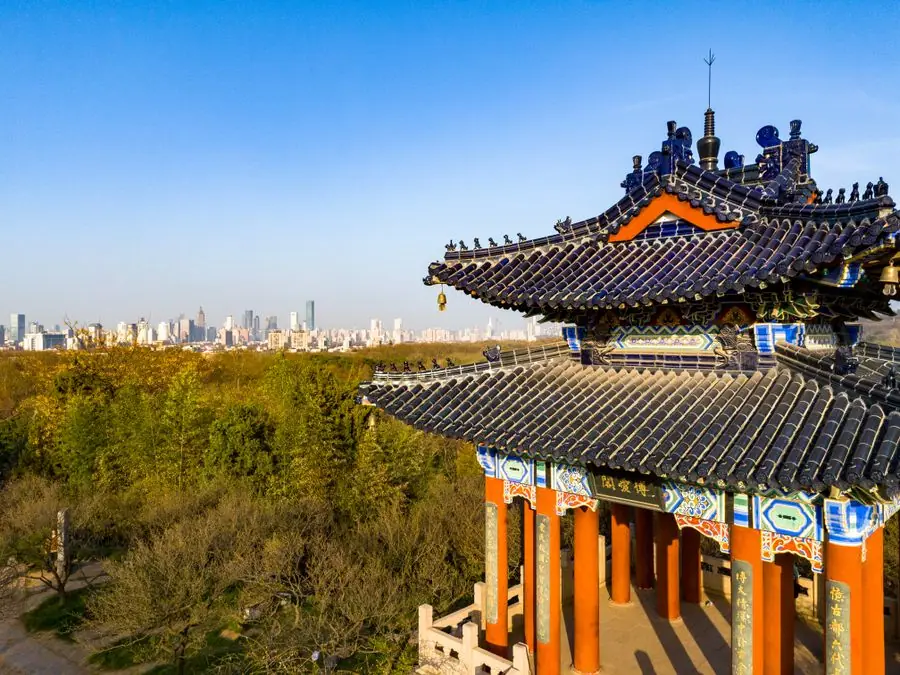
Centre — Xiguan crossing
Centre — Nanguan crossing
South — Gaolan mountain
Northwest — Anning district
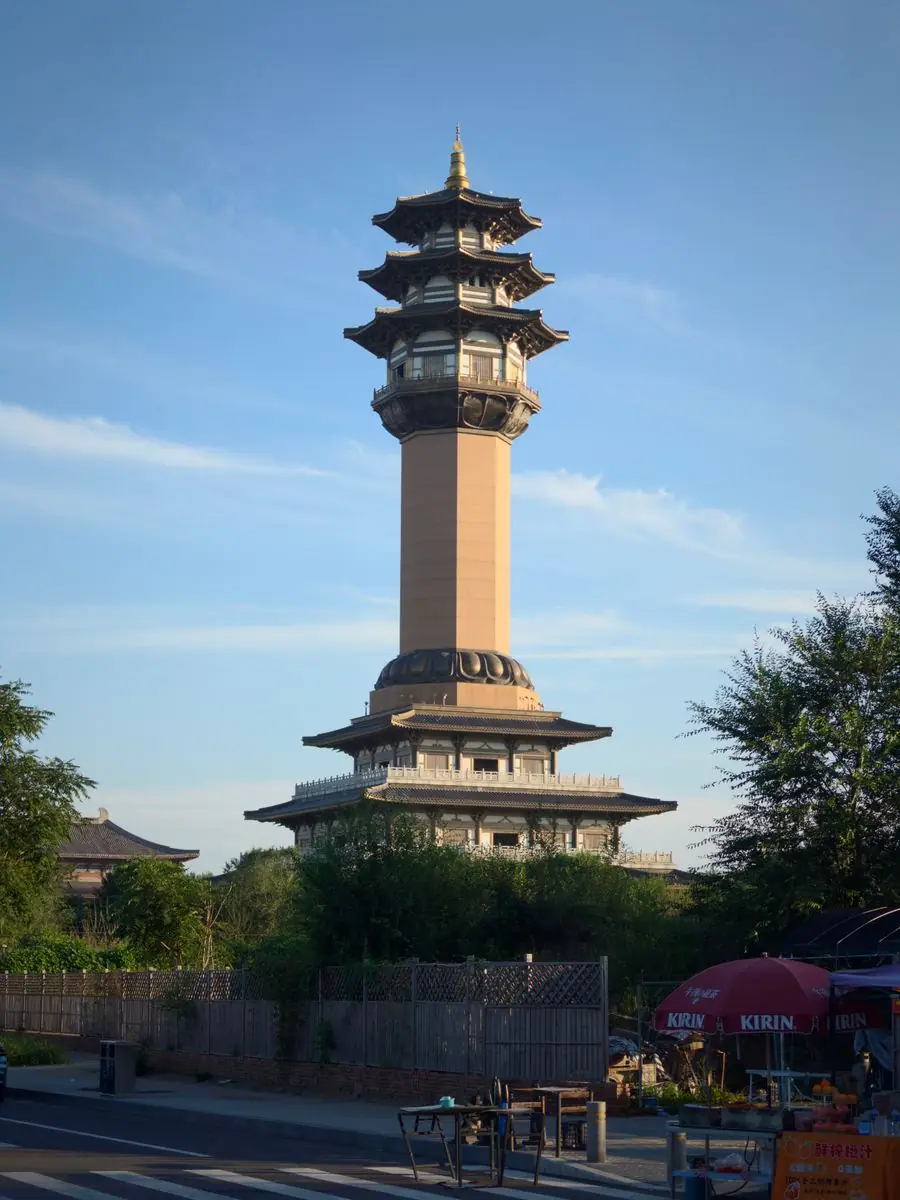
Southwest — Yuzhong county
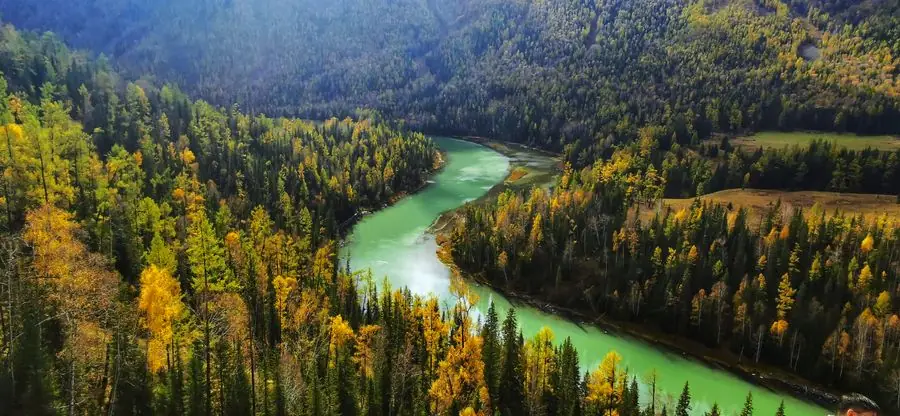
West — Yongjing county
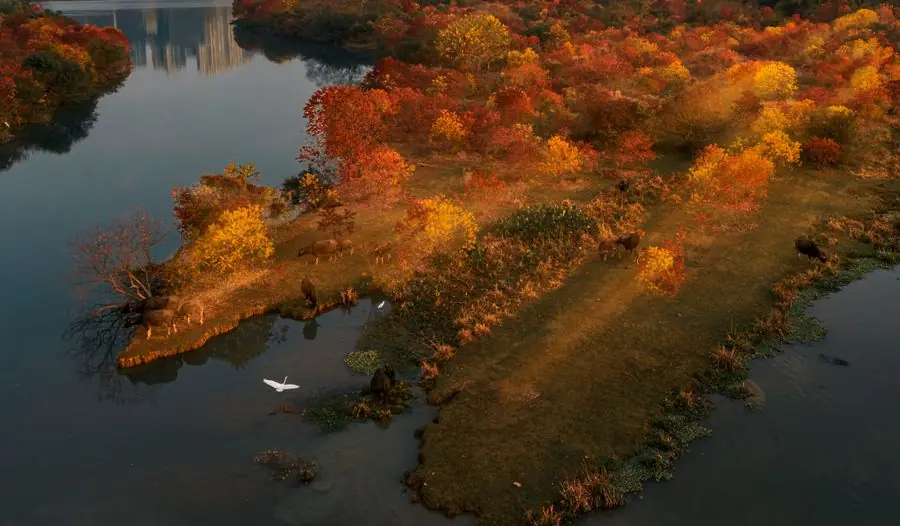
West — on the reservoir
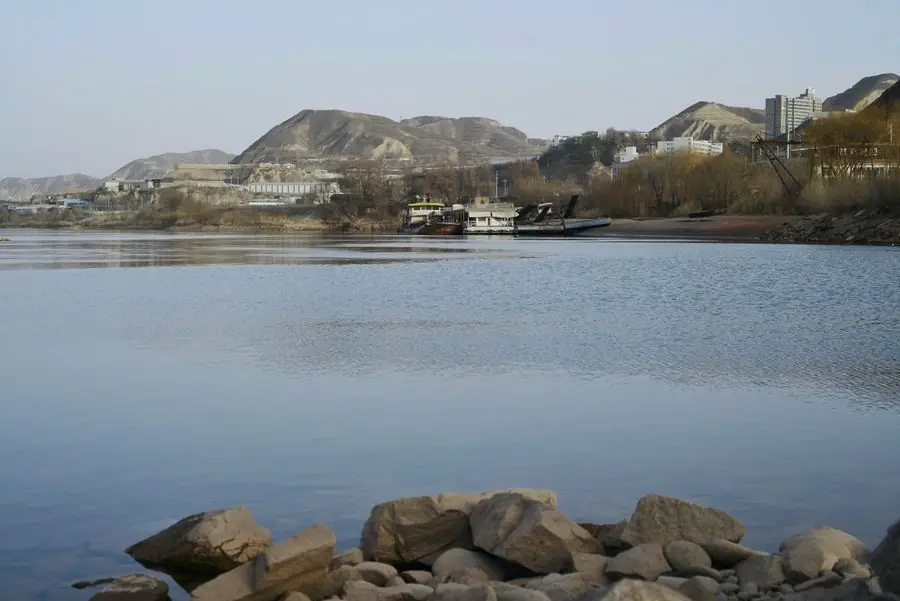
Where to stay in Lanzhou
Lanzhou is a 30-kilometre valley, so choose by district, not by map pin: Chengguan (central) for the museum, bridge, mosque and food streets; Qilihe for the west railway station and the museum; Anning for the universities and quieter lanes. Traffic along the corridor is heavy at peaks — staying central saves an hour a day. Hotel rates spike in August and the first week of October.
Budget
$25–45 / nightChain hotels and guesthouses around the west railway station, Xiguan crossing and the university district; clean doubles with kettles and 24-hour hot water. The cheapest useful beds are one metro stop from the food streets.
Mid
$50–100 / nightFull-service Chinese chains in the Chengguan and Qilihe districts, near the bridge and the old town; breakfast, decent AC and river-view rooms on the upper floors. Book ahead for National Day week.
Top
$120–250 / nightInternational-brand towers along the Yellow River waterfront in Chengguan, with pools, gyms and the valley's best skyline views. River-facing rooms are worth the premium at sunset.
Souvenirs & local crafts
Easy to pack, easy to explain at customs — and far cheaper at a supermarket than at a scenic stall.
-

Lanzhou lily (baihe)
The sweet, edible lily bulbs grown in the valleys around Lanzhou — a genuine local speciality, sold fresh in season or dried by weight. Boiled, they taste like a cross between chestnut and lotus root.
-
Yeguang jade cup
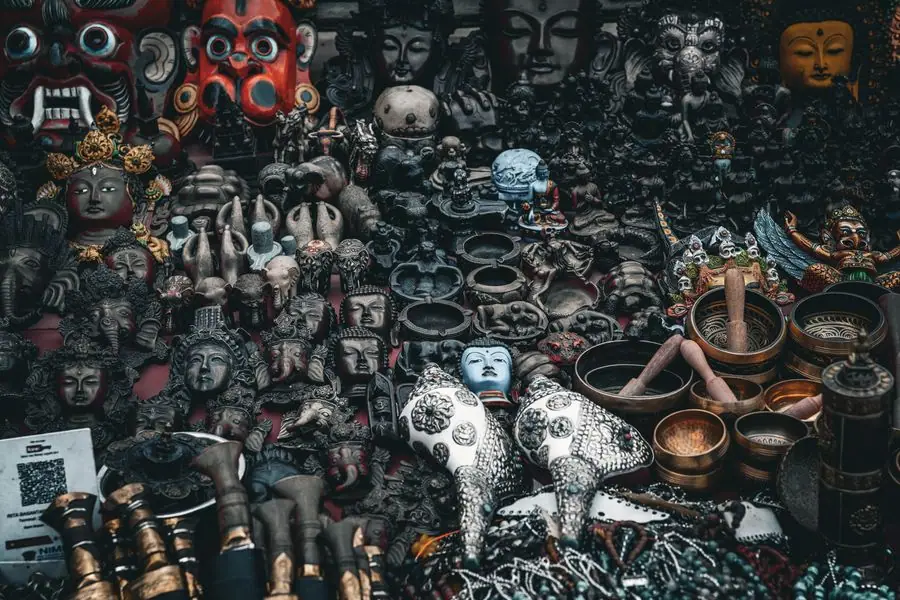
The 'night-shining cup' of Gansu poetry, made from Jiuquan jade down the Hexi Corridor and sold in the city's craft shops. A classic small gift; quality varies wildly, so buy from established shops.
-
Bronze Galloping Horse replica
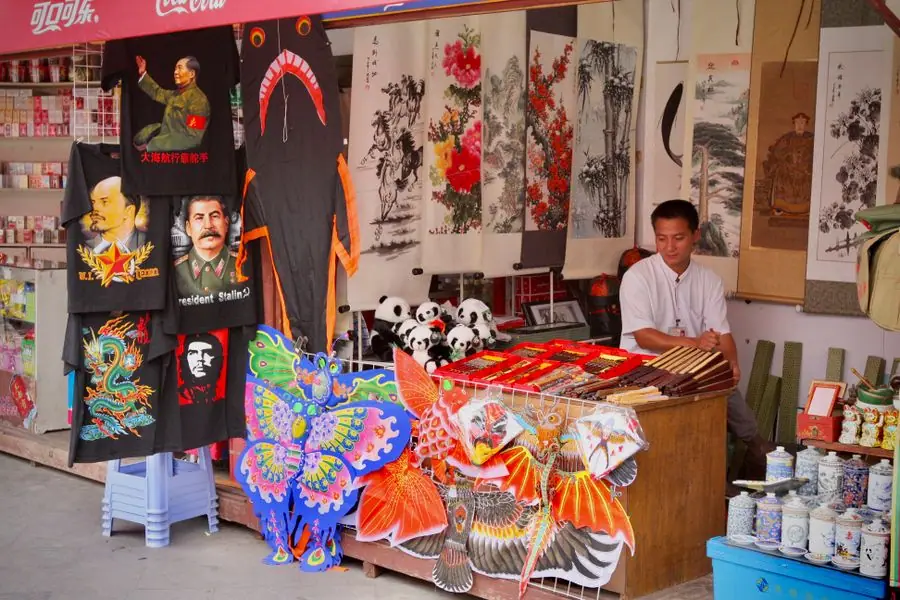
The museum-shop replica of the Eastern Han bronze that made the Gansu Provincial Museum famous — the flying horse balanced on one hoof. Sizes from desk ornament to shelf piece; the shop originals beat the street versions.
-
Gansu angelica (danggui)
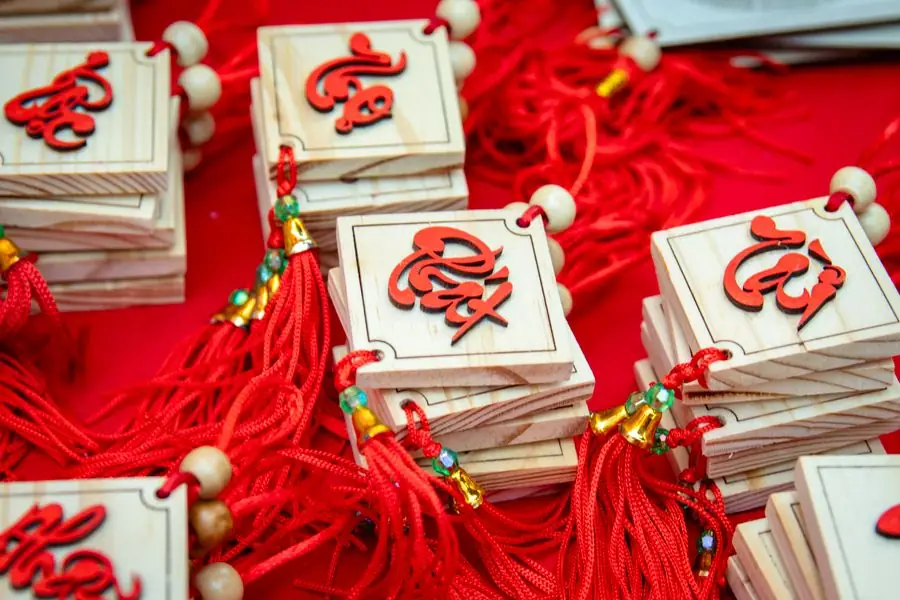
Minxian county in southern Gansu grows China's most prized angelica root, sold in the herb markets by the bundle. A classic pharmacy-and-market buy — check your own country's import rules before packing roots.
-
Linze red dates (jujube)
Small, dense red dates from the oasis farms of the Hexi Corridor, sold by weight in the markets — the valley's everyday dried fruit, eaten plain or in porridge.
Getting around Lanzhou
Lanzhou runs 30-plus kilometres along the Yellow River between two mountain walls, so getting around is a corridor problem, not a grid problem. The metro, BRT and taxis all run east–west; the airport is 70 km north of town.
- High-speed rail
- Lanzhou West is the high-speed hub: Xi'an about 3 h, Xining 1 h, Tianshui 1.5 h, Zhangye 3–4 h and Urumqi 10–11 h west. Downtown Lanzhou station takes conventional trains to Dunhuang and the corridor. Buy tickets by real-name ID; international passports work at the station windows.
- Long-distance bus
- City buses and BRT corridors run the length of the valley and cost cents; the airport coach links Zhongchuan airport with the west station and Xiguan. Useful for the far sights when paired with a taxi for the last leg.
- Metro & bus
- Two metro lines run along the valley: Line 1 links the west railway station area with eastern Chengguan, and Line 2 crosses between the river banks through the centre. Trains run roughly 6:00–22:30; fares are a few yuan (under $1).
- Taxis
- Metered taxis start around $2 and cross-town runs rarely pass $5 — the cheapest way to cover the valley's length. Show the destination in Chinese; most drivers do not speak English.
- Ride-hailing
- DiDi is the practical default and works for the airport run (about 70 km, $25–35). It also handles the language gap for the far day-trip trailheads.
- Shared bikes
- The riverside promenade has a proper cycle lane along the Yellow River, and shared bikes blanket the central districts — good for the bridge–waterwheel–pagoda cluster on a calm evening.
- Intercity carpool
Plan your 1, 2 or 3 days in Lanzhou
Pick the length of your stay. Each plan is its own page, anchored at the city centre and written from real traveller itineraries — including splits for sightseeing, shopping, landscape, families and older travellers.
Lanzhou in one day: museum, bridge and the river
The Gansu Provincial Museum in the morning for the Bronze Galloping Horse, lunch on the beef-noodle streets, the Zhongshan Bridge and waterwheel park in the afternoon, and the White Pagoda hill for dusk over the valley.
Read the plan → 2-dayLanzhou in two days: the city and the old quarter
Day one covers the museum, bridge and river; day two takes the Xiguan mosque and Muslim quarter, Five Spring Mountain Park, and an evening at the Nanguan night market.
Read the plan → 3-dayLanzhou in three days: the Silk Road caves
Two days in the city, then the full Bingling Temple day trip — drive to Liujiaxia pier, boat across the reservoir, and the cliff caves before the afternoon return.
Read the plan →Frequently asked questions
- What is Lanzhou famous for?
- Lanzhou beef noodles, the Yellow River — the only provincial capital the river flows through — the 1909 Zhongshan iron bridge, and the Bronze Galloping Horse at the Gansu Provincial Museum. It is also the rail hub for the Hexi Corridor to Zhangye and Dunhuang.
- Is Lanzhou worth a stop between Xi'an and Dunhuang?
- Yes — one to two days covers the museum, the bridge riverfront and the food streets, and the high-speed rail makes it a natural break on the Xi'an–Zhangye–Dunhuang route.
- Where should I eat Lanzhou beef noodles?
- Any busy shop near Xiguan crossing or Dashizi at breakfast time — locals eat the bowl before 9:00. A bowl runs about $1.50–3; order by noodle width (thin, thinnest, thick, wide) and add the chilli oil yourself.
- Do I need a special permit to visit Lanzhou or Bingling Temple?
- No permit is needed for Lanzhou or Bingling Temple — they are open to foreign visitors. Carry your passport for hotels and real-name ticketing. Tibet permits are a separate matter for trips further southwest.
- Is the Yellow River really yellow at Lanzhou?
- Usually it is a loess-tinted ochre or green here, not bright yellow — the colour comes from the silt the river carries down from the plateau. Upstream reaches near the source are clearer; the Lanzhou stretch is the working river.
- How many days do I need in Lanzhou?
- One day for the museum, bridge and river; two to add the Muslim quarter, Five Spring Mountain and the night market; three if you want the Bingling Temple day trip.
Page last reviewed: 2026-11-02.