Kaifeng 2026: Millennium City Park, Iron Pagoda & a 1–3 Day Plan
Kaifeng is the ancient capital you can walk. Once the world's biggest city under the Northern Song, it is recreated today in the Millennium City Park, crowned by the glazed Iron Pagoda and ringed by lakeside temples and a legendary night market. Below: the best time, the history, the food, where to stay, every major sight with its own guide, and 1/2/3-day plans built around the old town.
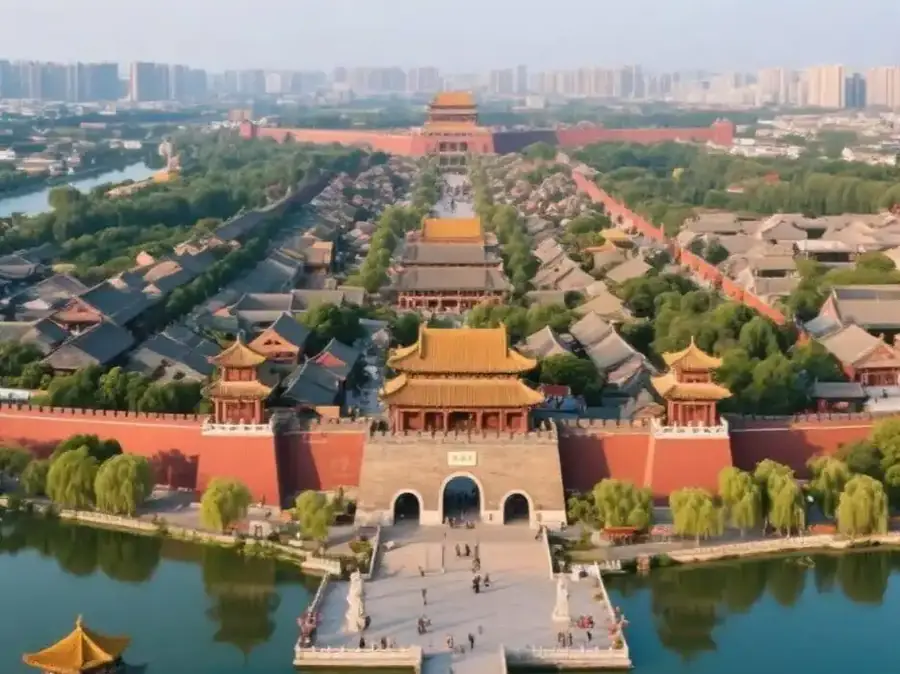
History & culture
Kaifeng's story is one of China's great urban sagas. Known in the Northern Song dynasty as Bianjing, it was the world's largest city around 1000 AD — the bustling capital painted in the famous scroll 'Along the River During the Qingming Festival'. Seven dynasties and kingdoms chose it as their capital across more than a thousand years.
The city sat on the floodplain of the Yellow River and was repeatedly buried by its breaches; archaeologists have found layers of up to six successive cities stacked beneath today's streets. The Jewish community that settled here in the Song–Yuan era left one of the earliest known synagogue sites outside the Middle East.
Today Kaifeng is a calm, mid-sized city in eastern Henan, proud of its Song-dynasty heritage rather than its size. The drama is in the recreated parks, the glazed pagodas, the lakes and the night markets — a place to walk slowly and imagine the medieval metropolis that once stood here.
Best time to visit Kaifeng
Kaifeng has a humid continental climate: hot, wet summers and cold, dry winters. The old capital is most comfortable in spring and autumn, when the parks and lakes are at their greenest.
Budget for Kaifeng: hotels from $9 a night, average ticket $$3.92 — see the full cost breakdown, or start from a ready-made route.
Cuisine of Kaifeng
Signature dishes worth seeking out — prices are typical per-person or per-dish ranges, not fixed quotes.
-
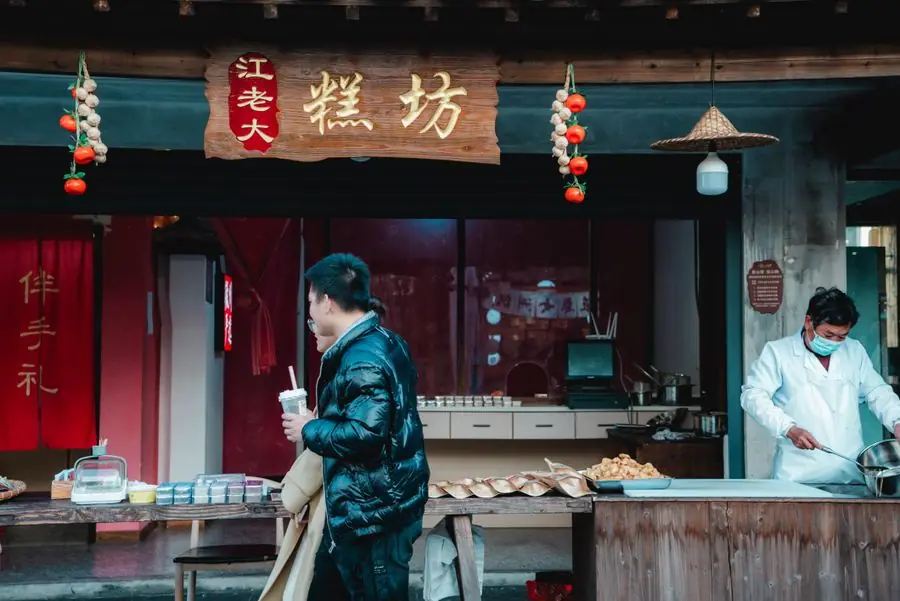
Kaifeng Steamed Buns (开封灌汤包)
Soup-filled xiaolong-style buns, the city's signature bite — a parcel of pork broth and minced meat you sip before you chew.
-
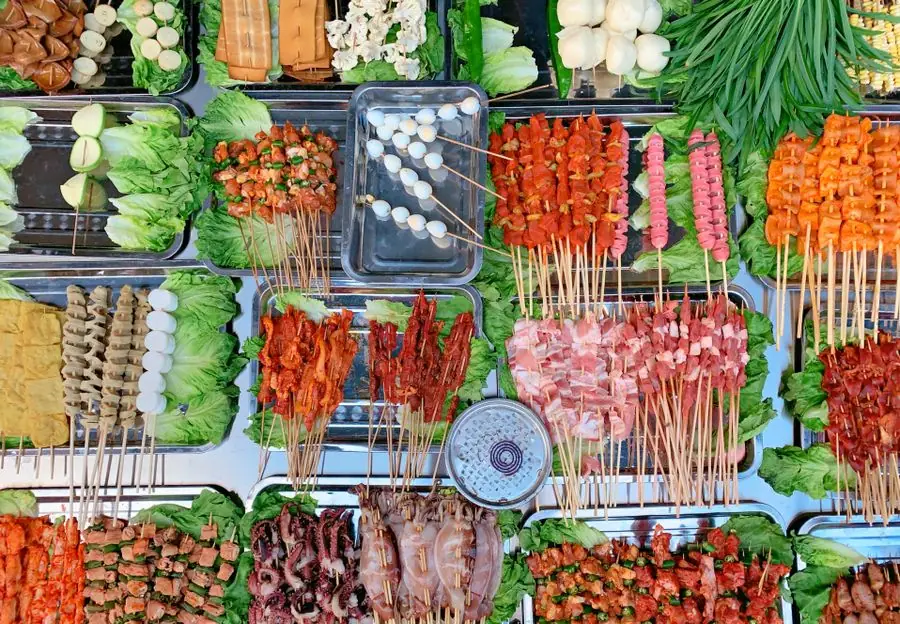
Bianjing Roast Duck (汴京烤鸭)
Kaifeng's older cousin of Beijing duck — crisp-skinned, carved and rolled with scallion and sauce.
-
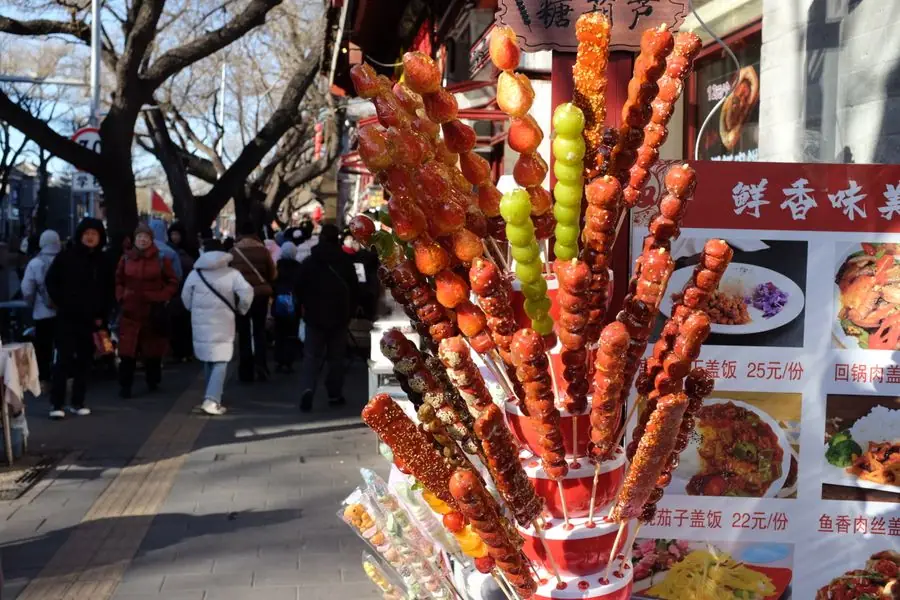
Kaifeng Liangfen (开封凉粉)
Cold mung-bean jelly with garlic, vinegar and chilli, a summer street staple.
-
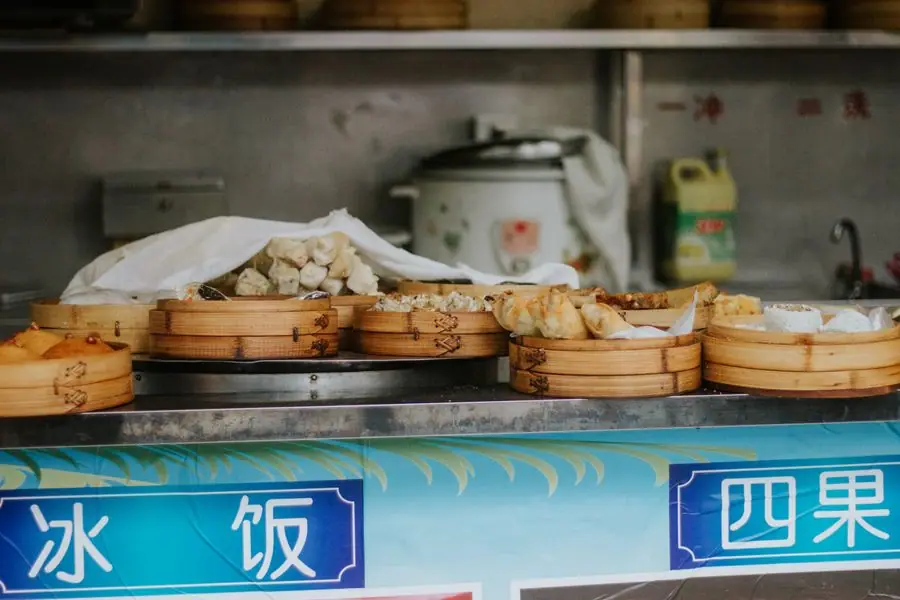
Wonton & Vermicelli Soup (馄饨粉丝)
Light wonton broth with glass noodles, a cheap warm-up from the night-market stalls.
-
Peanut Cake (花生糕)
Crumbly glutinous peanut sweet, a packable Kaifeng souvenir snack.
Every major sight — with its own guide
Right after the food above, here are the sights — each one links to its own full guide (what to see, how to get there, facilities and the best season). Names follow each sight's official English signage.
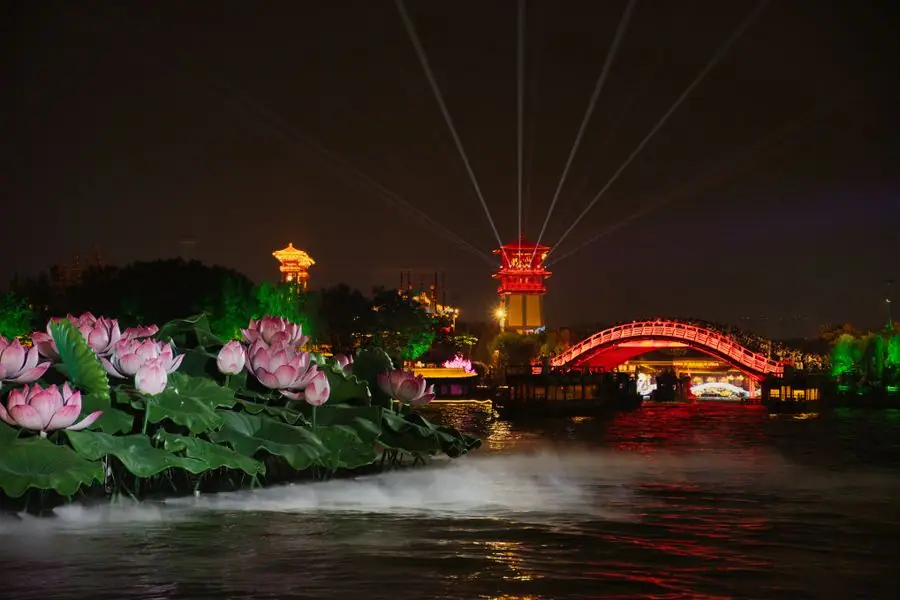
North
Iron Pagoda 铁塔
A graceful glazed-brick pagoda from the 1040s, sheathed in brown iron-coloured tiles that give it its name — one of the best-preserved pagodas of the Northern Song.
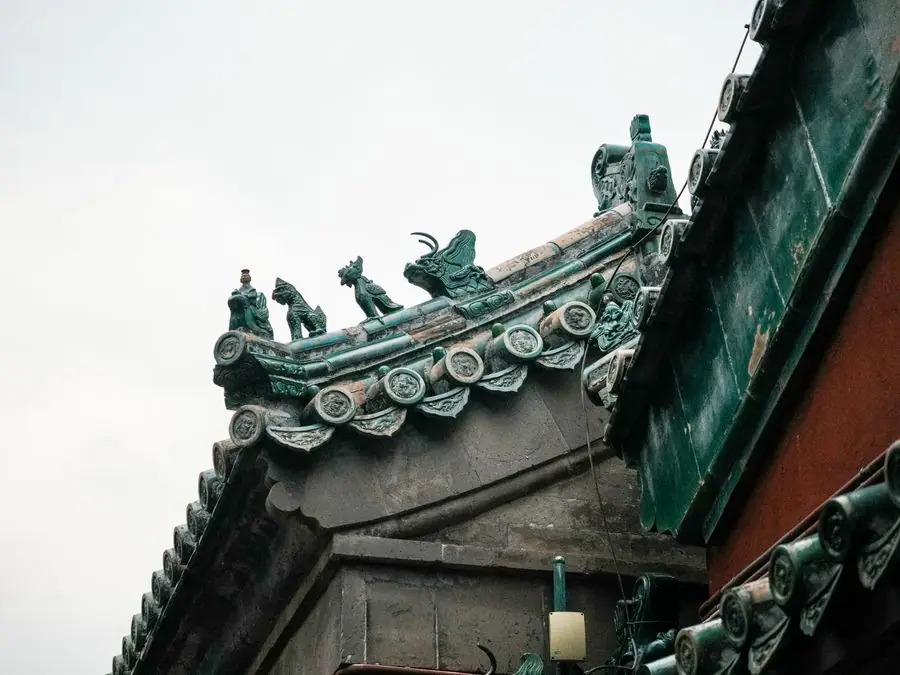
Tianbo Yang Mansion 天波杨府
A reconstructed Song-dynasty mansion and garden tied to the legendary Yang family generals — courtyards, a lake and martial-themed displays.
North (Longting Lake)
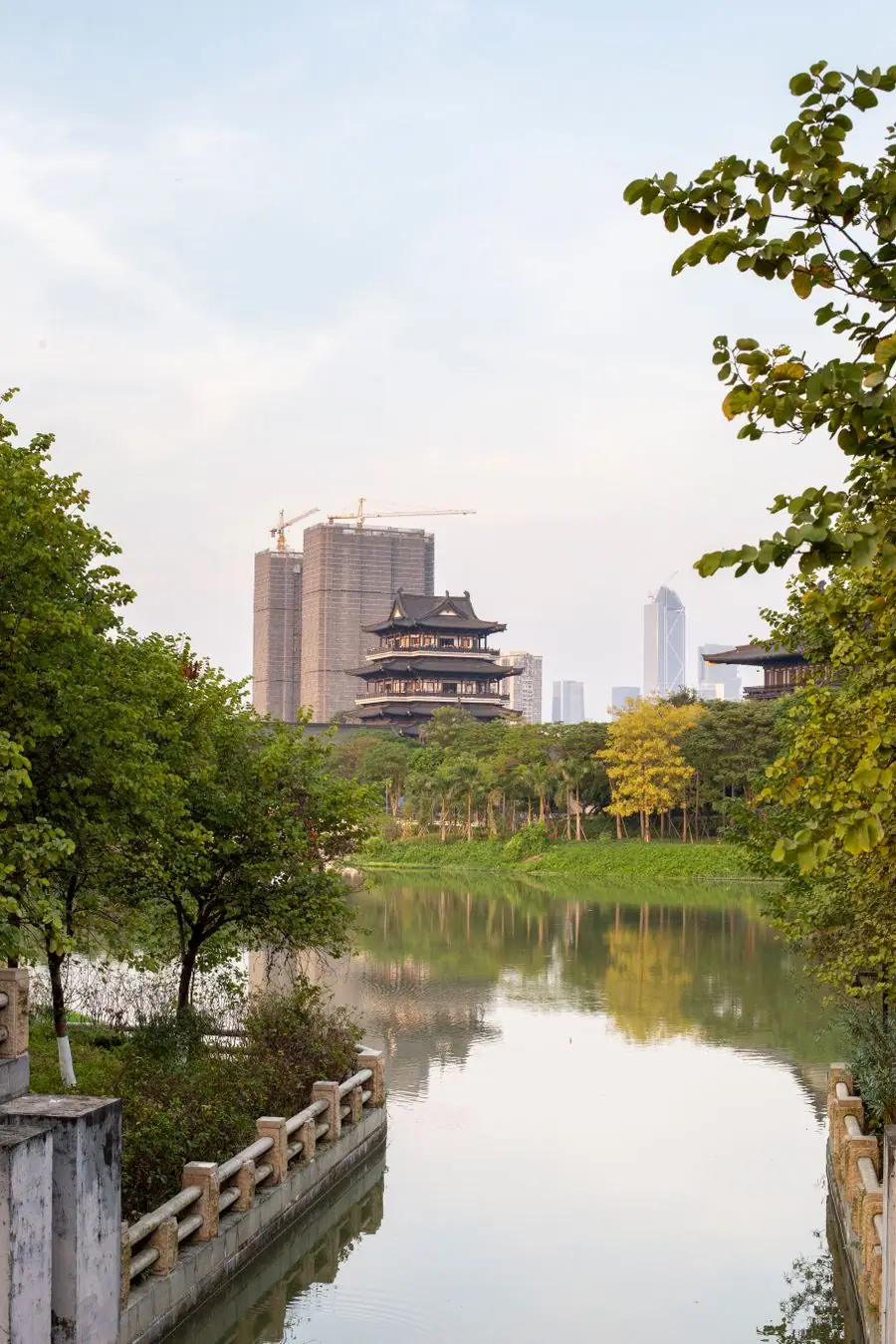
City Centre
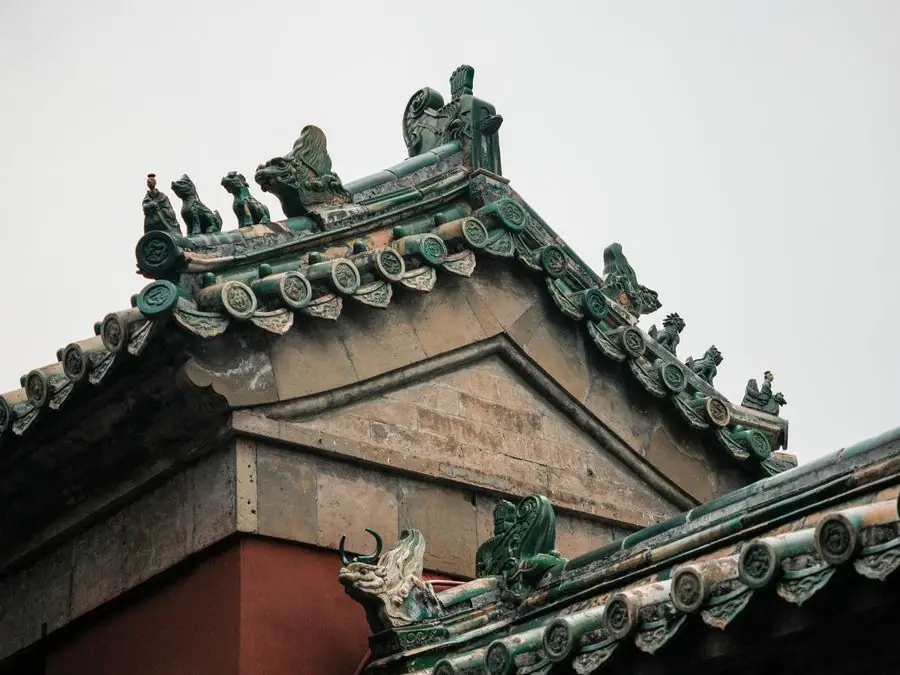
Daxiangguo Temple 大相国寺
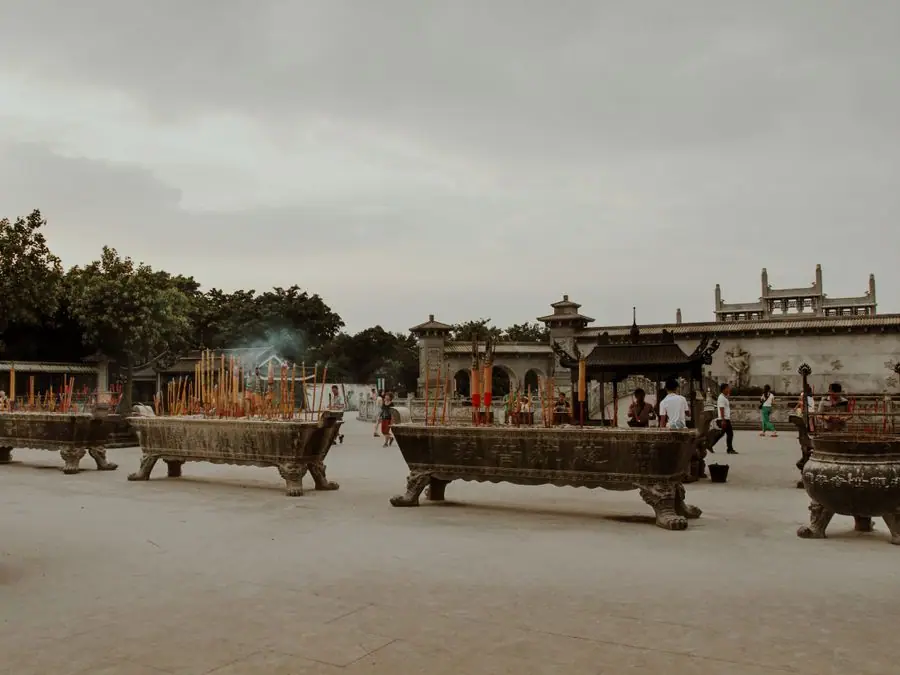
One of China's most famous Buddhist temples, a thriving Song-dynasty monastic centre with a huge iron incense burner and a towering wooden pagoda hall.
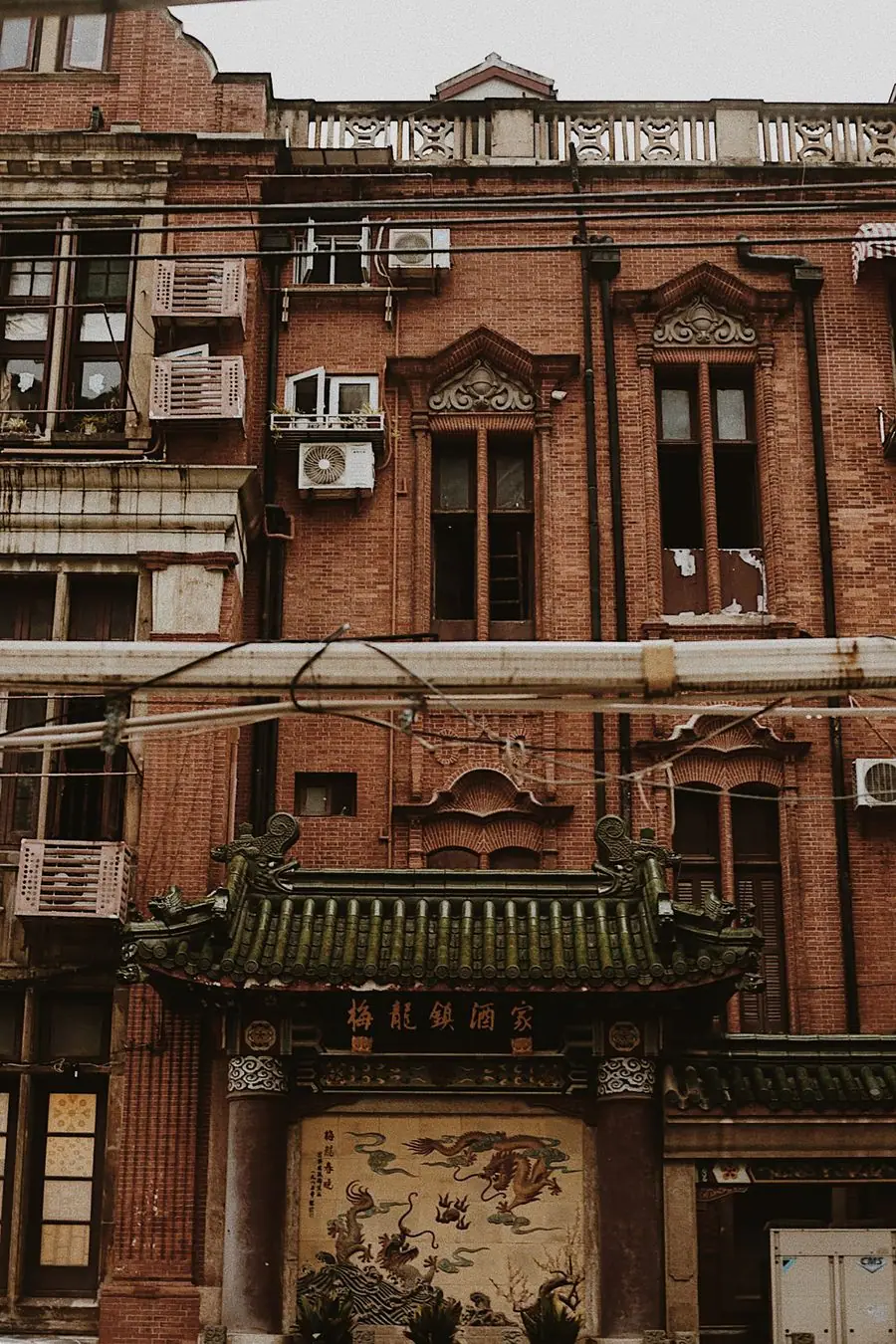
Kaifeng City Wall 开封城墙
Sections of the Ming-era city wall that still ring the old town — a rare survivor of the Yellow River floods that buried earlier cities.
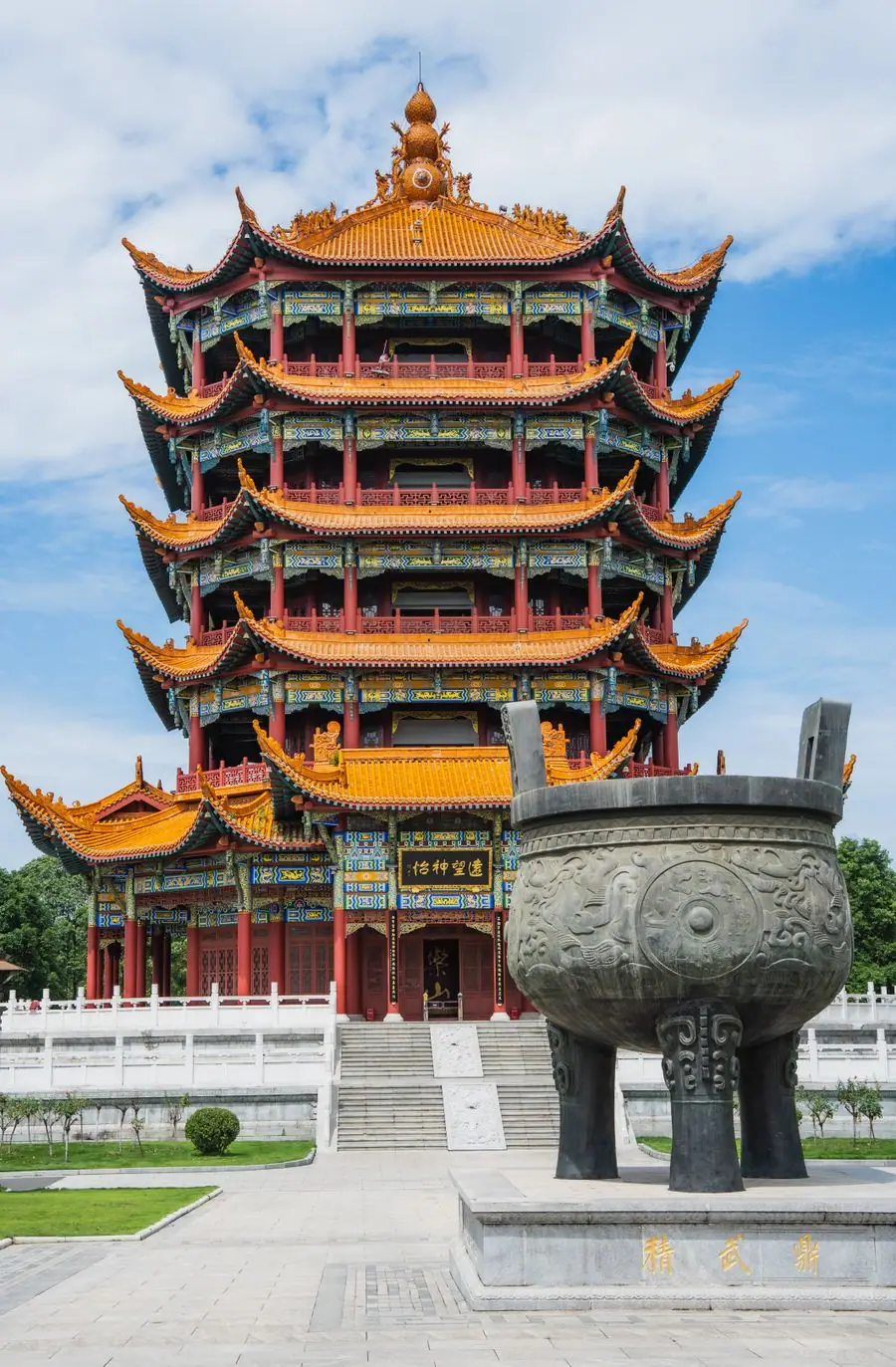
Kaifeng Jewish Heritage 开封犹太遗踪
Kaifeng's remarkable Jewish community, settled in the Song–Yuan era and one of the earliest outside the Middle East — marked today by a former synagogue site and a small museum of steles.
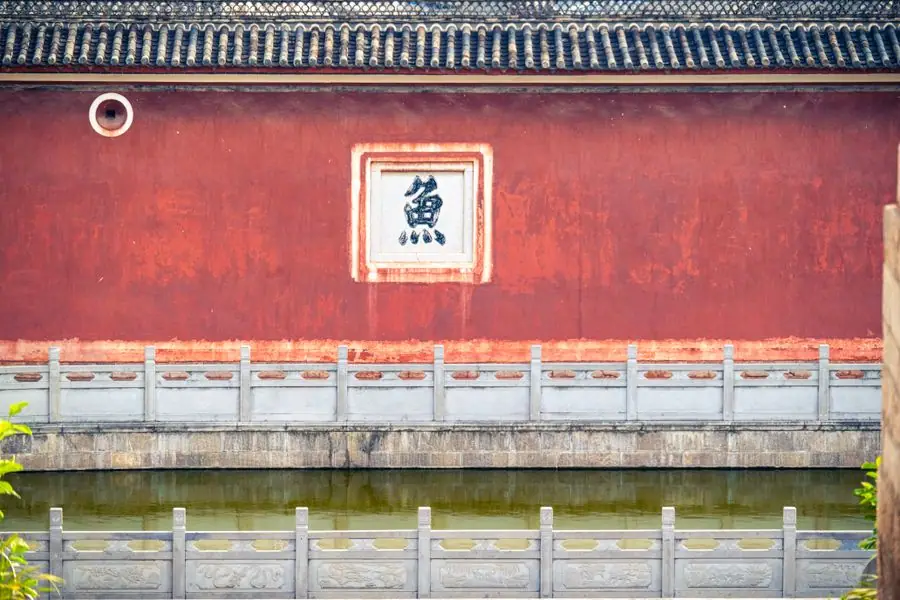
Zhouqiao Ruins 州桥遗址
The excavated remains of the Zhouqiao bridge and the Grand Canal waterfront — a recent archaeological find that reveals the street level of medieval Bianjing.
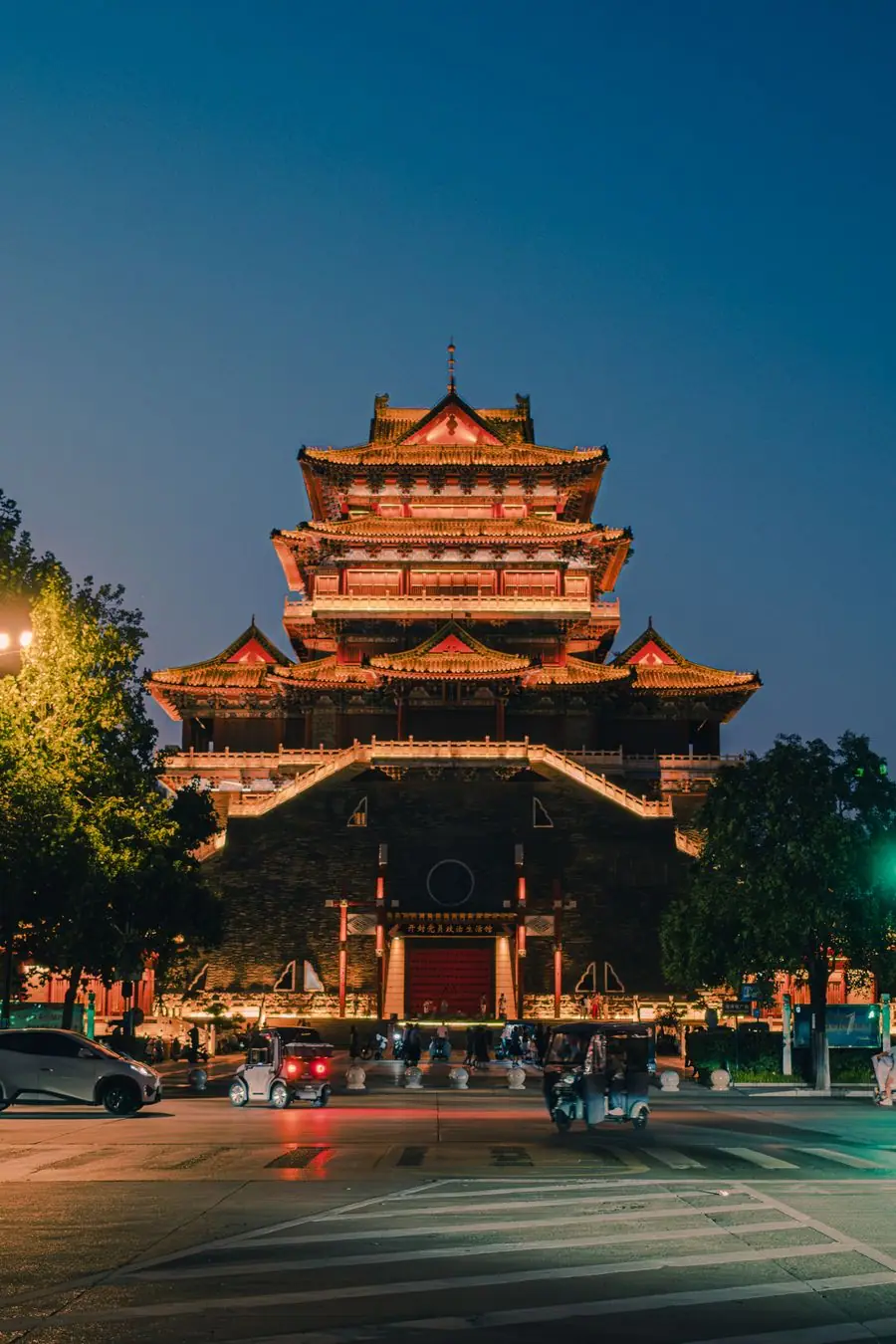
Drum Tower Night Market 鼓楼夜市
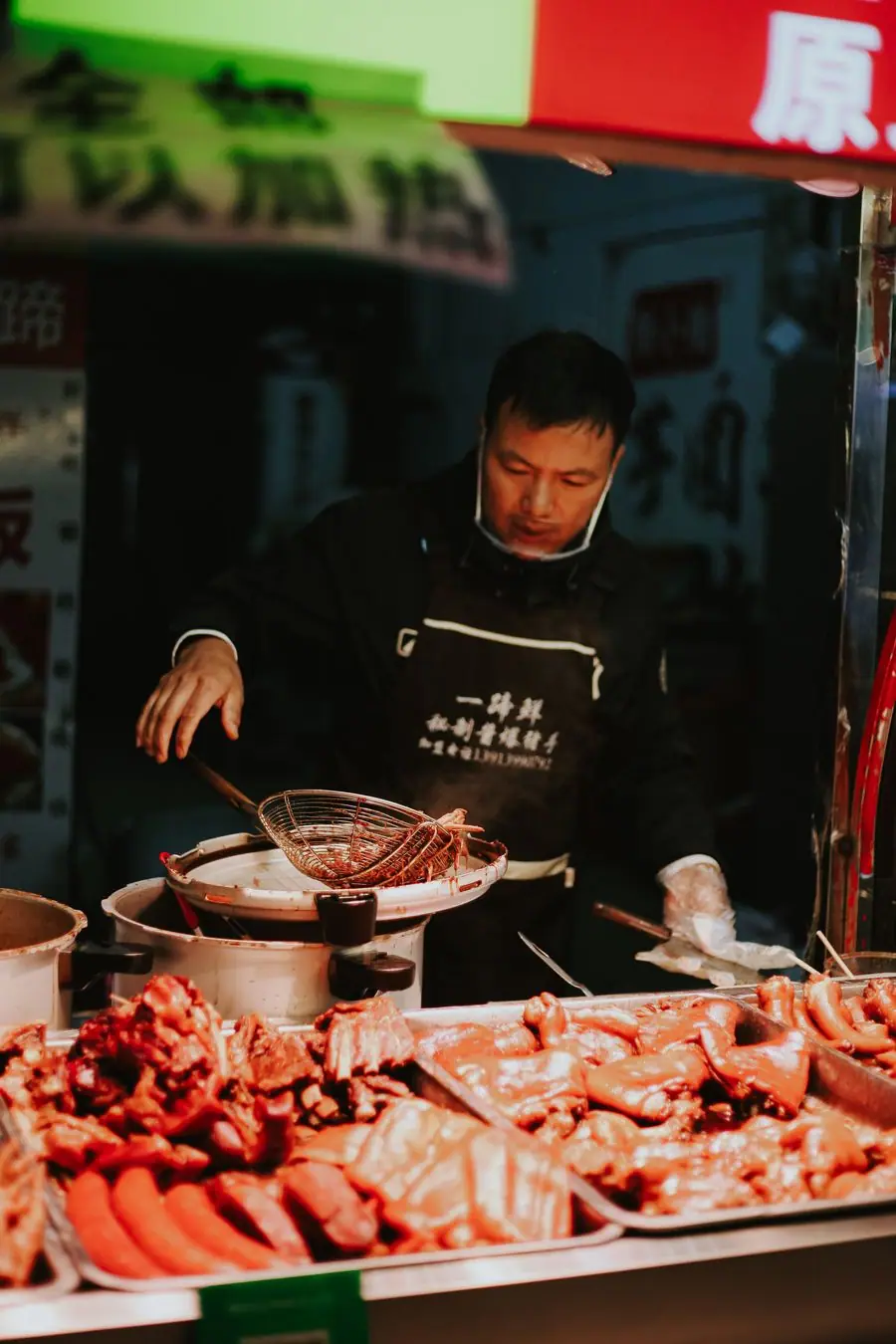
Kaifeng's signature night market by the Drum Tower — rows of stalls selling soup buns, peanut cake, lamb skewers and sweet snacks under string lights.
City Centre (near Baogong Lake)
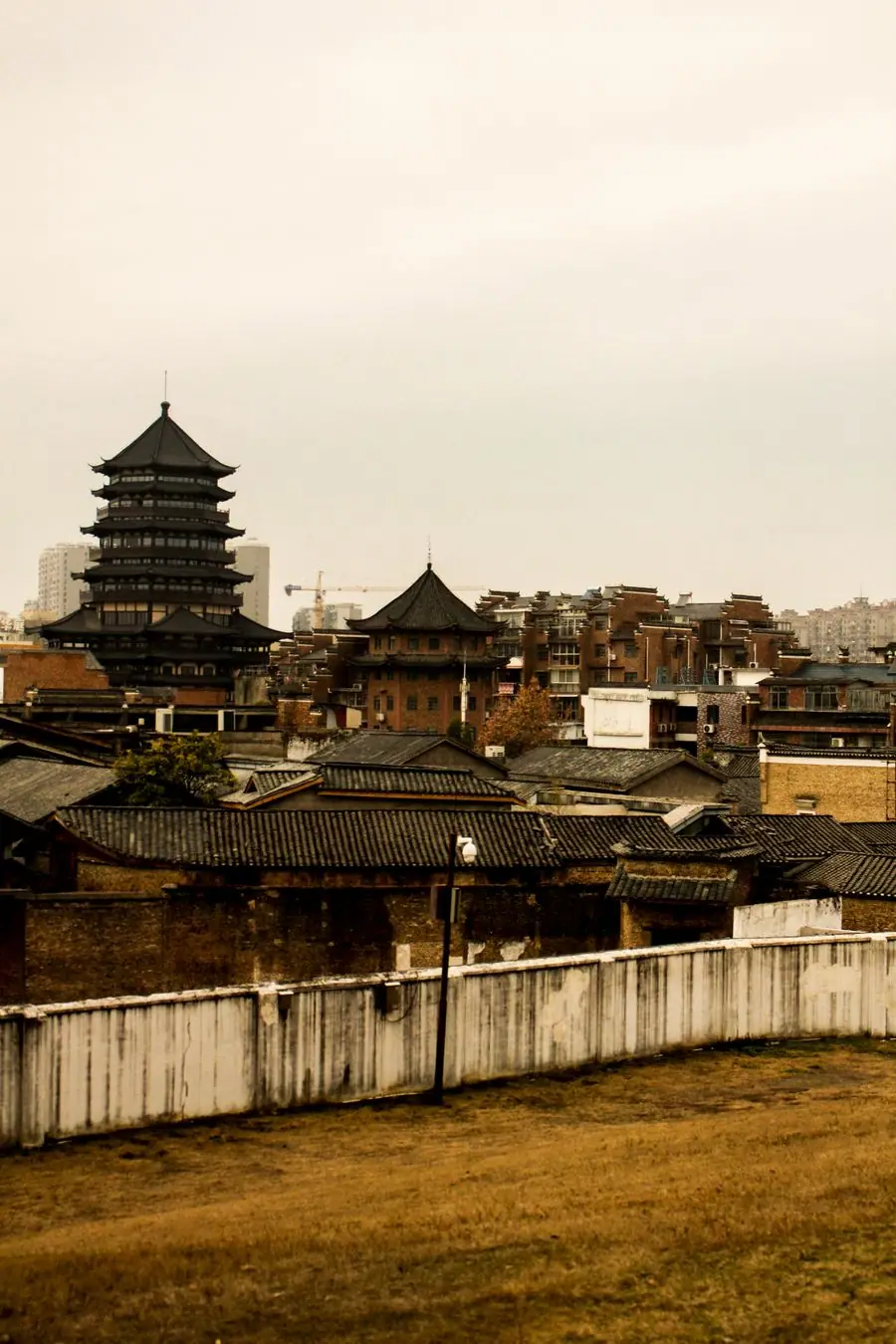
South (Baogong Lake)
Southeast
Kaifeng Museum 开封博物馆
The city museum telling Kaifeng's story across six buried cities, with Song-dynasty artefacts, the famous scroll copies and the Zhuxian prints.
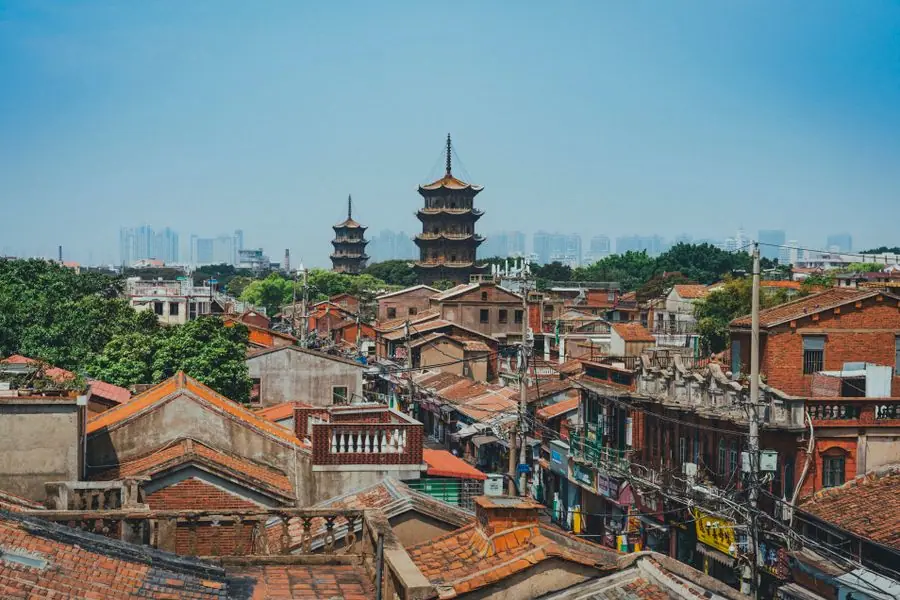
Yuwang Terrace 禹王台
A leafy terrace park said to honour Yu the Great, with Ming–Qing pavilions, old trees and a quiet escape from the city.
Where to stay in Kaifeng
Rates are for a standard double room in 2026. Stay within 2 km of the Drum Tower and Baogong Lake to walk to most sights; the high-speed station is about 10 km north. Confirm the USD price at booking.
Luxury
$55–110 / nightRiverfront and lake-view hotels near the old town and Longting Lake, with pools and spas.
Upper mid-range
$35–55 / nightComfortable hotels around the city centre and the Drum Tower.
Mid-range
$22–35 / nightChinese business hotels near the main drag and the stations.
Budget
$13–22 / nightGuesthouses near the old town and the night market.
Hostels
$9–15 / nightSocial hostels in the centre, dorms and privates.
Souvenirs & local crafts
Easy to pack, easy to explain at customs — and far cheaper at a supermarket than at a scenic stall.
-

Zhuxian Woodblock Prints (朱仙镇木版年画)
Vivid hand-carved New Year prints from Zhuxian Town — Kaifeng's most famous folk art.
-
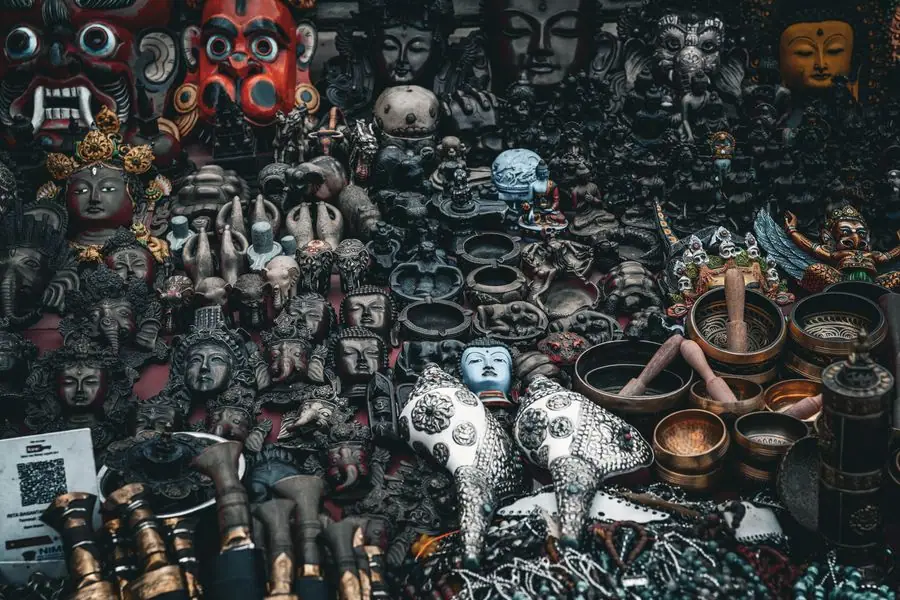
Kaifeng Peanut Cake (花生糕)
Boxed crumbly peanut sweet, the classic edible souvenir.
-
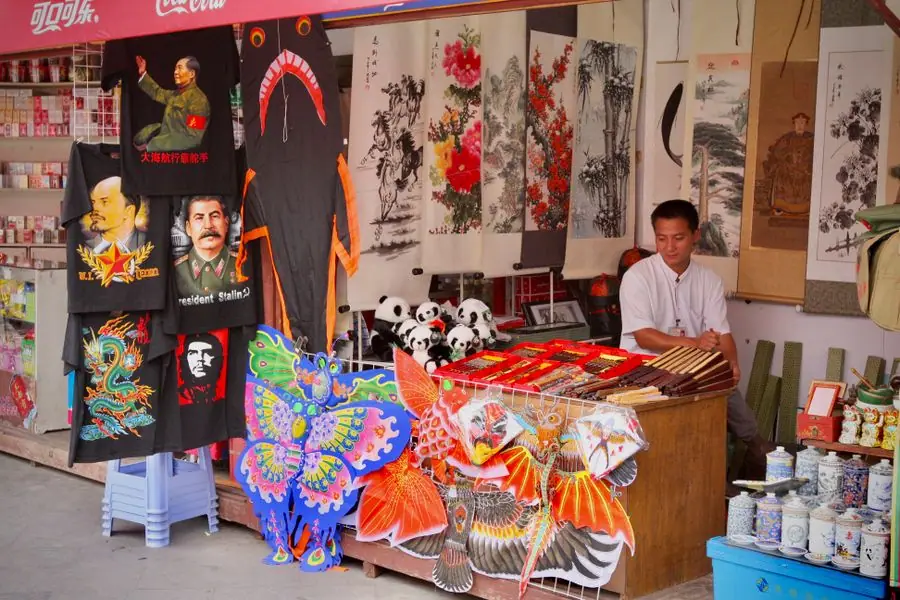
Song-Dynasty Style Crafts (宋式工艺品)
Reproduction pottery, fans and stationery inspired by the Northern Song capital.
-
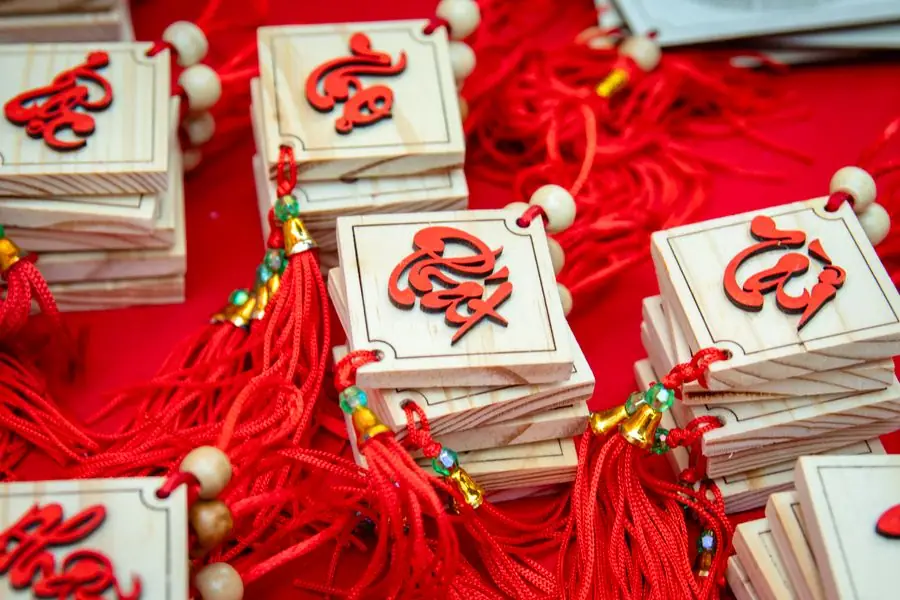
Local Jade & Agate (汴绣玉件)
Small jade and agate carvings sold around the temples and the lake.
-
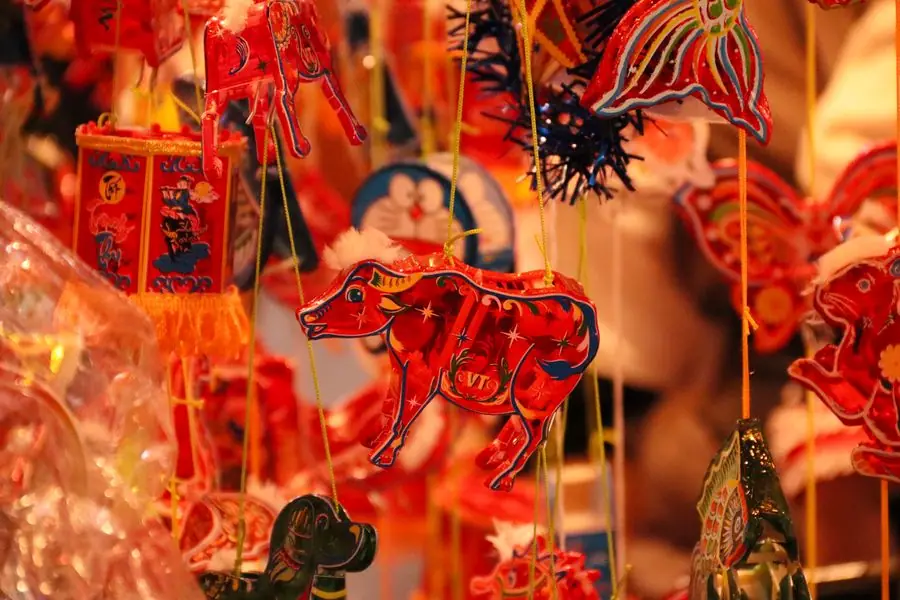
Kaifeng Embroidery (汴绣)
Fine silk embroidery from the Kaifeng tradition, sold as small panels.
Getting around Kaifeng
Kaifeng has no airport; it is reached by high-speed rail from Zhengzhou (about 20–30 min) and by rail from Kaifeng's own station, plus a shuttle from Zhengzhou airport. The old town is flat and walkable; DiDi and buses cover the rest.
- High-speed rail
- Kaifeng North Station sits on the line from Zhengzhou; trains reach Zhengzhou in about 20–30 min and connect onward to Beijing, Xi'an and Wuhan.Book real-name tickets with your passport through 12306 or a travel app; from the station a bus or DiDi reaches the old town in about 20 min.
- Long-distance bus
- Long-distance buses run from the central bus station to Zhuxian Town and nearby counties; a shuttle links Zhengzhou airport.
- Metro & bus
- Kaifeng has no metro yet; the old town is walkable and DiDi covers longer hops.
- Taxis
- Taxis are metered from about $1.50; agree the fare for the trip to Zhuxian Town.
- Ride-hailing
- DiDi runs inside Alipay with an English map and card payment — the easiest way to move around.
- Shared bikes
- Shared bikes are common along the lakes and the old-town lanes.
- Intercity carpool
- For Zhuxian Town or a day trip, book a car; drivers quote a flat day rate.
Plan your 1, 2 or 3 days in Kaifeng
Pick the length of your stay. Each plan is its own page, anchored at the city centre and written from real traveller itineraries — including splits for sightseeing, shopping, landscape, families and older travellers.
Kaifeng in 1 Day
Millennium City Park, the Iron Pagoda and the Drum Tower night market.
Read the plan → 2-dayKaifeng in 2 Days
Day one the parks and pagodas, day two the temples, Kaifeng Fu and Zhuxian Town.
Read the plan → 3-dayKaifeng in 3 Days
Add the museums, the Jewish heritage lane and a slow old-town food crawl.
Read the plan →Frequently asked questions
- Do I need a visa to visit Kaifeng?
- Foreign visitors need a Chinese visa (or to qualify for the 240-hour visa-free transit / unilateral visa-free entry where applicable). Kaifeng is open to foreign tourists; carry your passport for real-name entry.
- When is the best time to visit Kaifeng?
- April–May and September–October are best — mild and clear. Summer is hot and sticky; winter is cold but crowd-free.
- How do I get to Kaifeng?
- High-speed rail from Zhengzhou in about 20–30 min, then a bus or DiDi to the old town. There is no airport; Zhengzhou is the air gateway.
- Is Kaifeng walkable?
- The old town is flat and walkable around the Drum Tower and Baogong Lake; DiDi and shared bikes cover longer hops to the northern parks and Zhuxian Town.
- What is Kaifeng famous for?
- The Northern Song capital Bianjing, the Millennium City Park recreated from the famous scroll, the glazed Iron Pagoda, and one of China's great night markets.
- How many days do I need in Kaifeng?
- One full day covers the Millennium City Park and the night market; two days adds the temples, Kaifeng Fu and Zhuxian Town; three lets you include the museums and a slow food crawl.
Page last reviewed: 2026-11-02.