Jingdezhen 2026: Porcelain Capital, Ancient Kilns & a 1–3 Day Plan
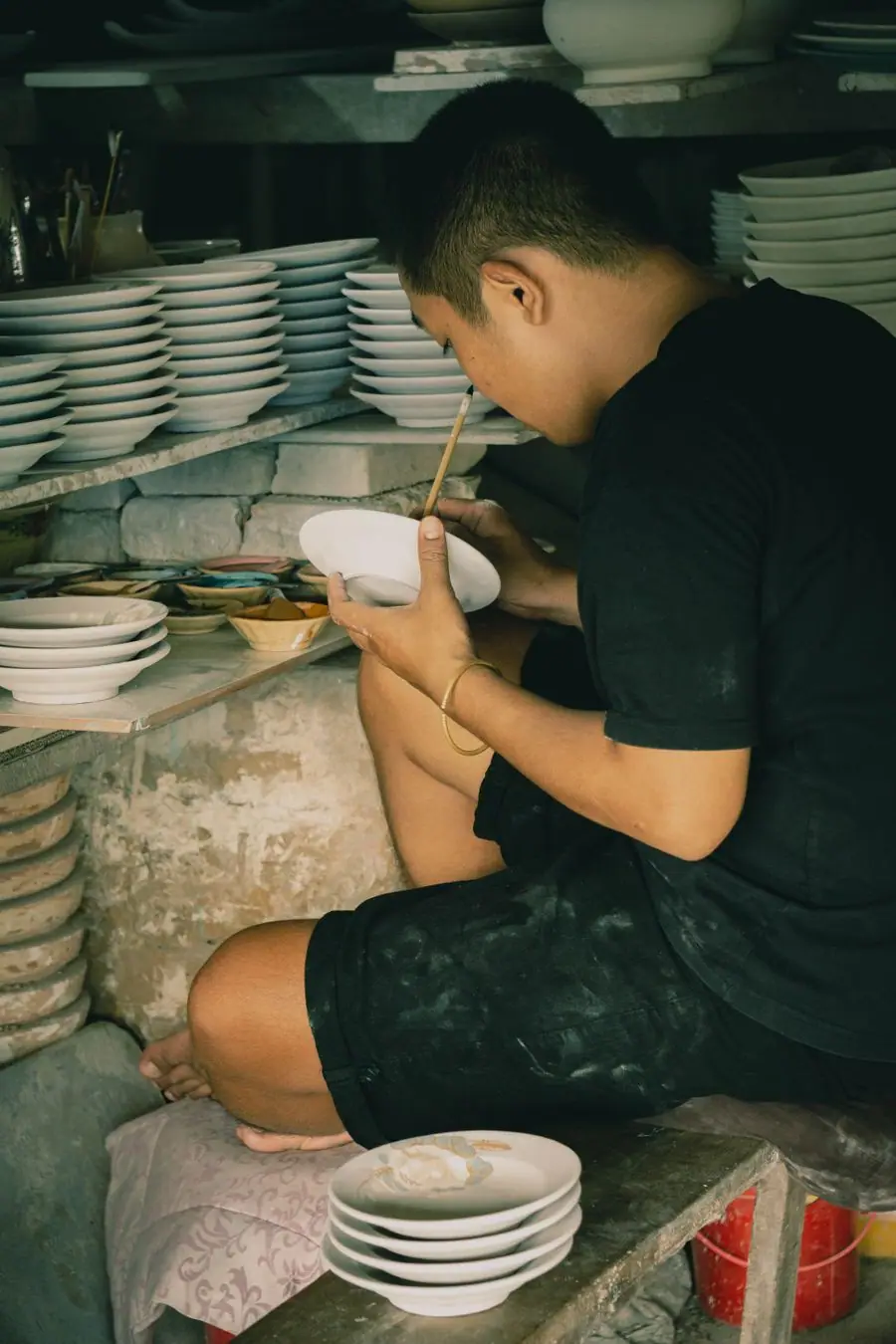
Jingdezhen has been making porcelain for the imperial court for more than a thousand years — the city's name is almost inseparable from the word china itself. For travellers it is one of the most unusual Chinese cities to visit: a working craft town where you can watch potters throw clay, fire a kiln, buy blue-and-white straight from the studio, and see the village that gave kaolin its name. Two to three days is right, and it pairs naturally with Huangshan or Nanchang.

History & culture
Jingdezhen has made porcelain since the Han dynasty, but its rise began under the Tang, when it was known for a bluish-white ware so fine that the emperor gave the town his reign name — Jingde — as its own. The name has stuck for a thousand years.
From the Song through the Qing, Jingdezhen was the imperial kiln: the court ordered its porcelain here, and the town's workshops supplied the palace, the bureaucracy and the export trade. The technique stack built up over centuries — qinghua blue-and-white, fencai famille rose, linglong pierced porcelain — and the city's craftsmen were famous for dividing a single piece across dozens of specialists.
The industry faltered in the twentieth century with wars and the end of the court, and for decades the city produced utilitarian ware for the whole country. Since the 2000s it has rebuilt itself around contemporary art: thousands of young artists from across China have moved into the old kiln districts and villages, opening studios and galleries.
Today Jingdezhen is a prefecture-level city of about 1.6 million in northeast Jiangxi, where the porcelain industry still dominates the economy. The imperial kiln site is a national archaeological park, the China Ceramics Museum is one of the best of its kind anywhere, and the surrounding villages — Yaoli, Sanbao, the kaolin mines — hold the raw history of the craft.
Best time to visit Jingdezhen
Jingdezhen has a humid subtropical climate: warm springs, long hot summers with plum rains, and cool damp winters. The city's craft workshops run year-round, so the main travel consideration is weather and heat rather than season.
Budget for Jingdezhen: hotels from $20 a night, average ticket $$6.8 — see the full cost breakdown, or start from a ready-made route.
Cuisine of Jingdezhen
Signature dishes worth seeking out — prices are typical per-person or per-dish ranges, not fixed quotes.
-
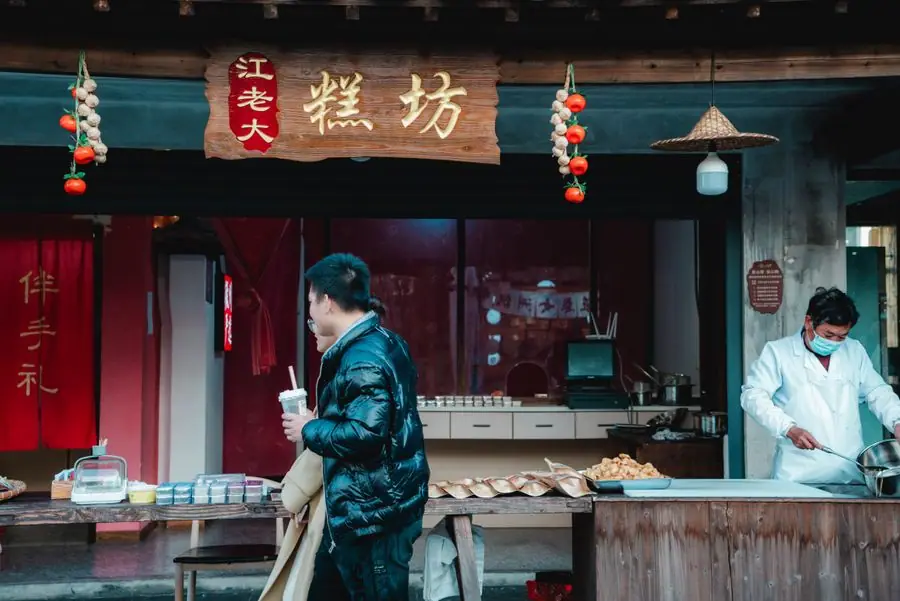
Jingdezhen cold rice noodles
Lengfen: chewy rice noodles dressed cold with soy, chilli oil, pickled beans and garlic — the city's signature street breakfast, eaten from stalls in every neighbourhood.
-
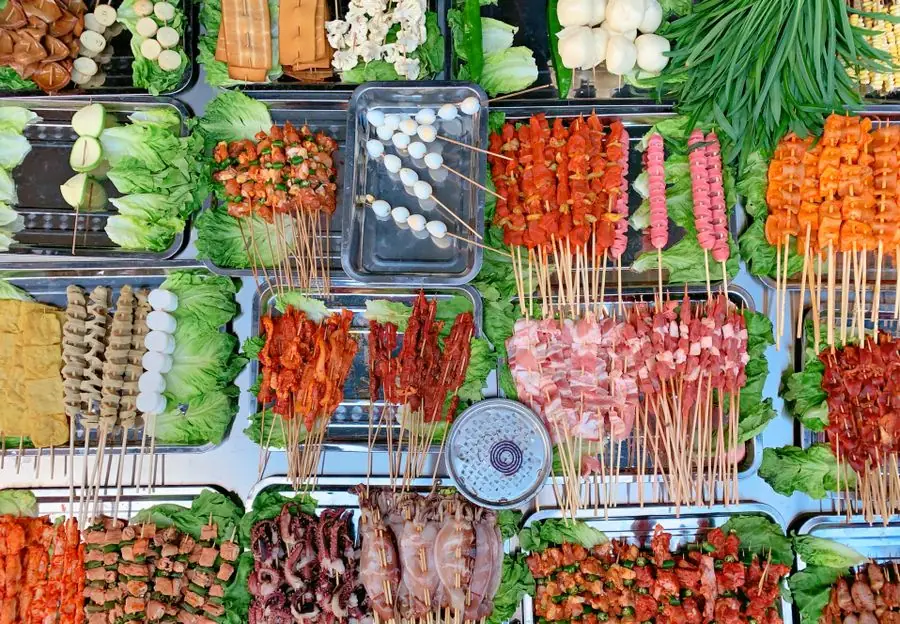
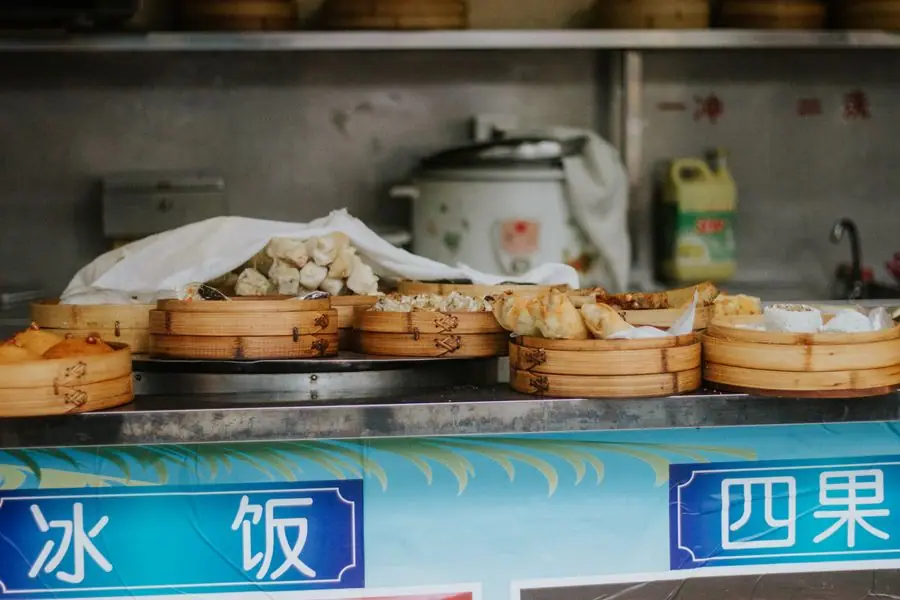
Jiaoziba dumpling cakes
Small steamed dumplings made from rice-flour skins rather than wheat, filled with pickled vegetables, mushrooms or spiced meat — a local snack found at morning markets.
-
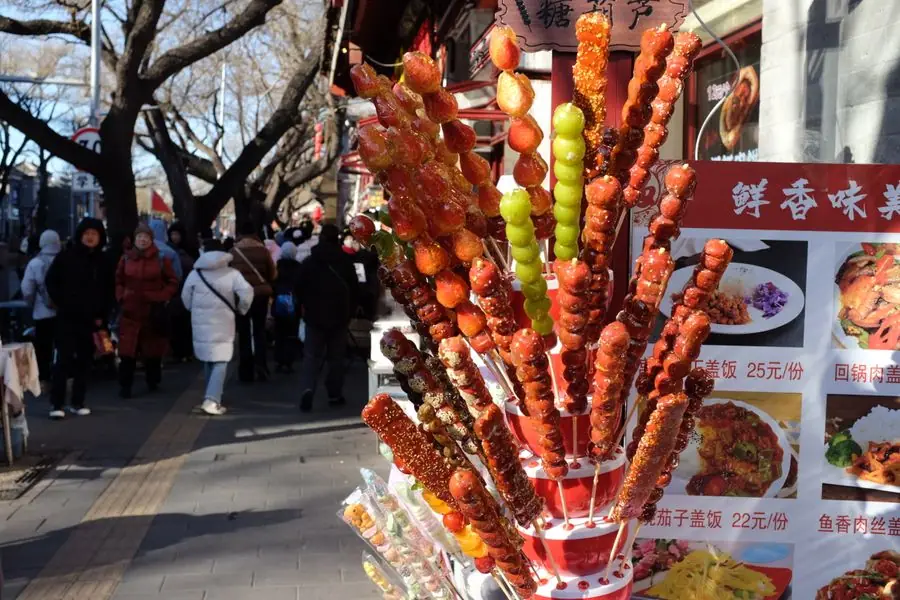
Clay-roasted chicken
Niweiji: a chicken wrapped in clay and roasted in a fire until the clay cracks open and the meat falls off the bone — a rustic Jiangxi dish with a theatrical presentation.
-
Alkali rice cakes
Jianshuiba: firm rice cakes made with plant ash water, sliced and stir-fried with pork and pickles — dense, chewy and distinctly local.
-
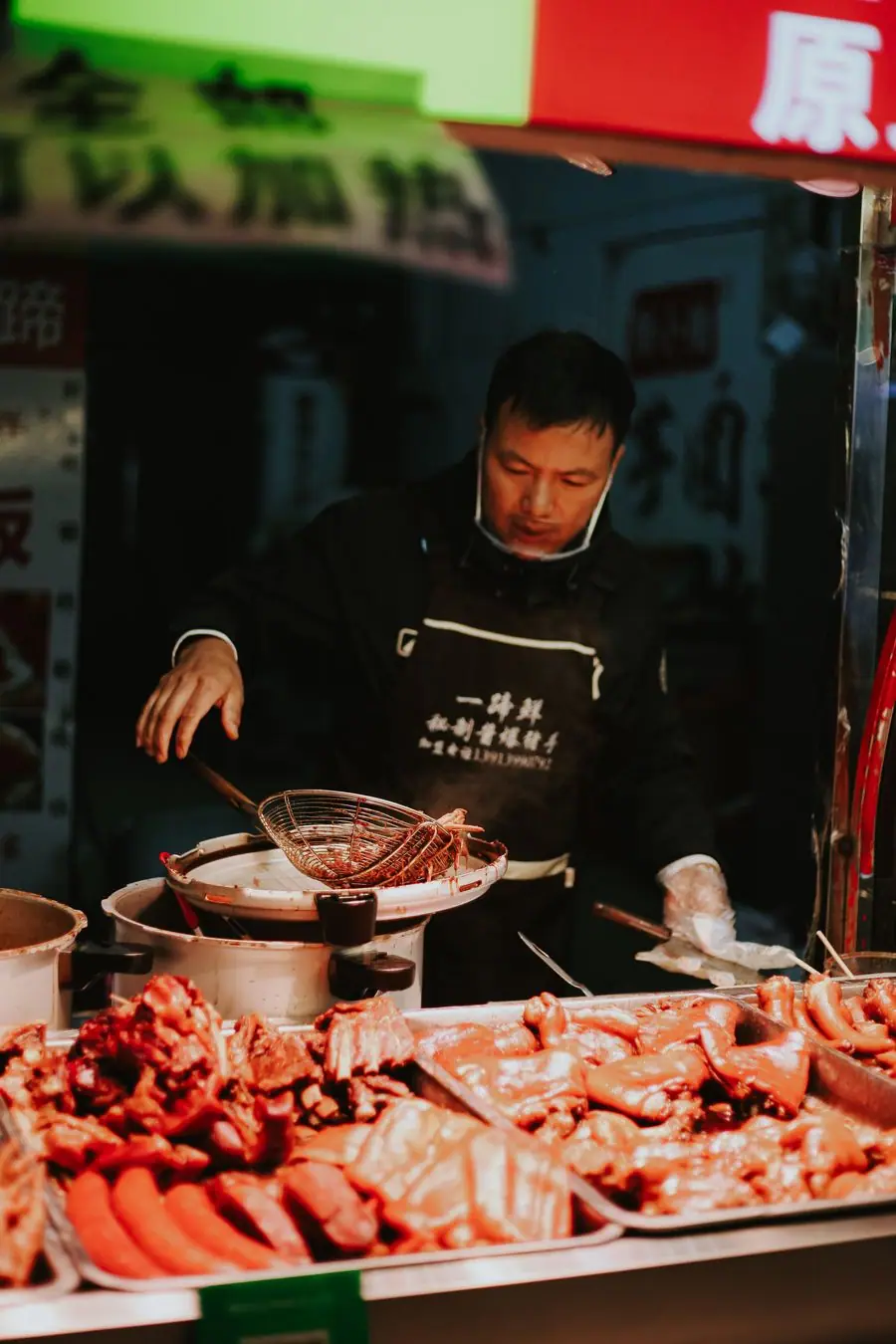
Kuzhu tofu
Tofu made from the seeds of the local kuzhu oak, firmer and darker than soybean tofu and usually stewed with pork — a mountain speciality from the villages south of the city.
Every major sight — with its own guide
Right after the food above, here are the sights — each one links to its own full guide (what to see, how to get there, facilities and the best season). Names follow each sight's official English signage.
Old kiln district, south of the centre
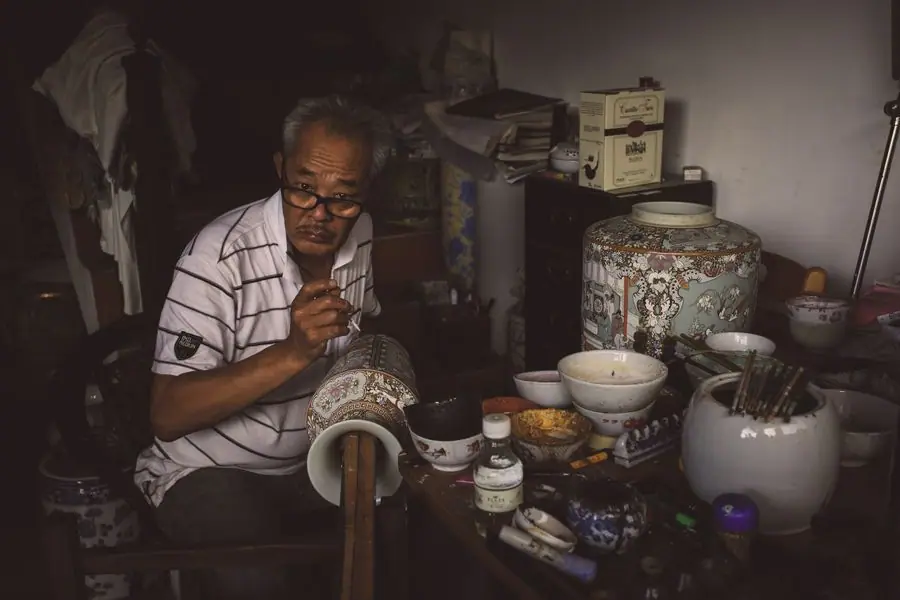
West of the centre
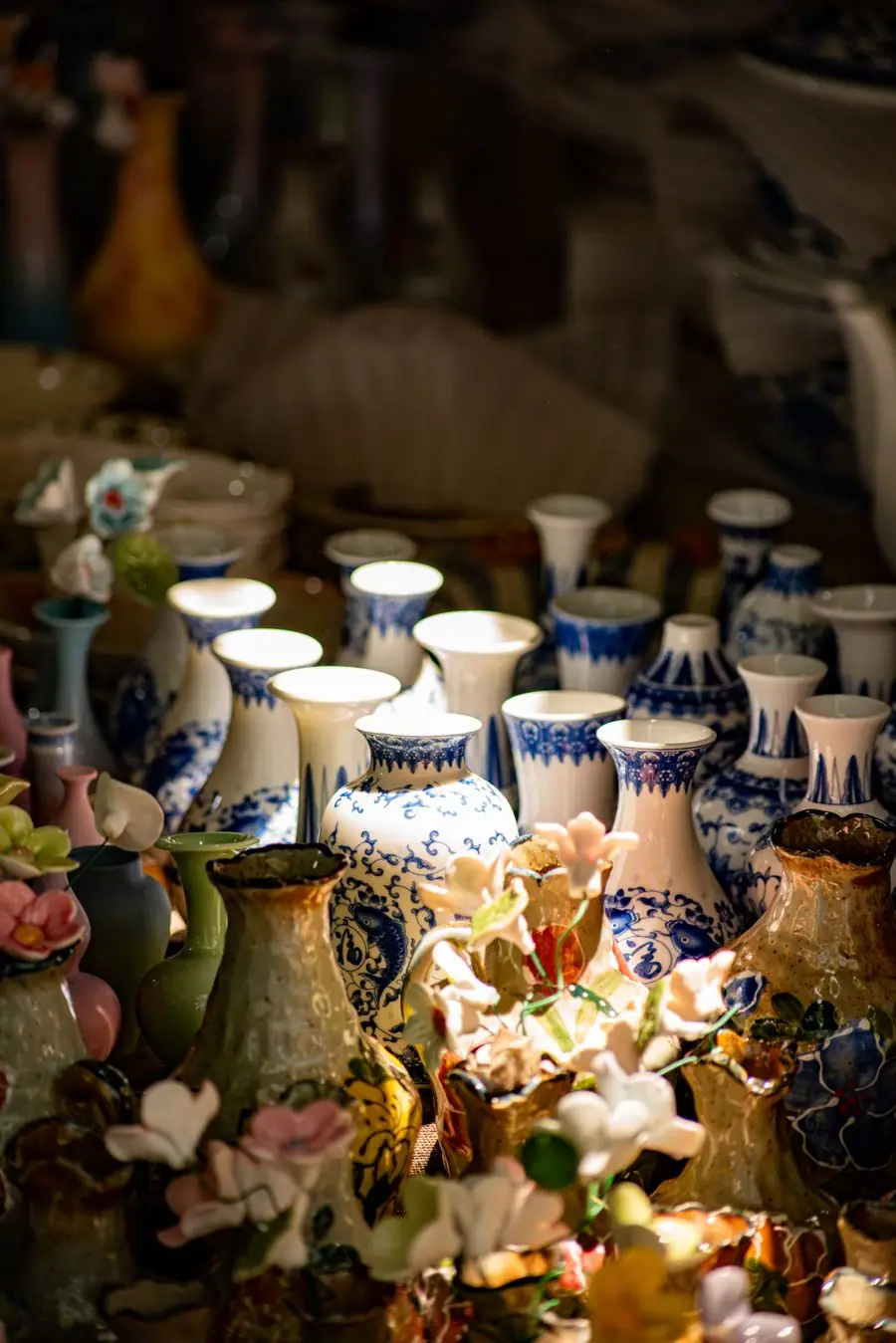
China Ceramics Museum 中国陶瓷博物馆
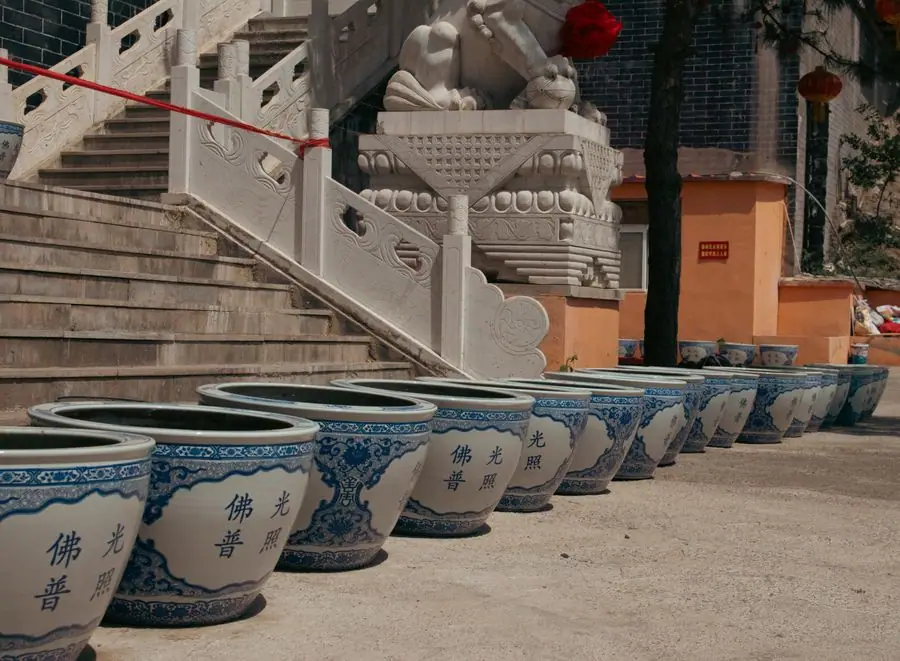
The national ceramics museum: a modern building holding the country's deepest collection of Chinese porcelain, from Neolithic pottery through the imperial kilns of Jingdezhen to contemporary studio work. The blue-and-white and famille-rose rooms are the core of the visit.
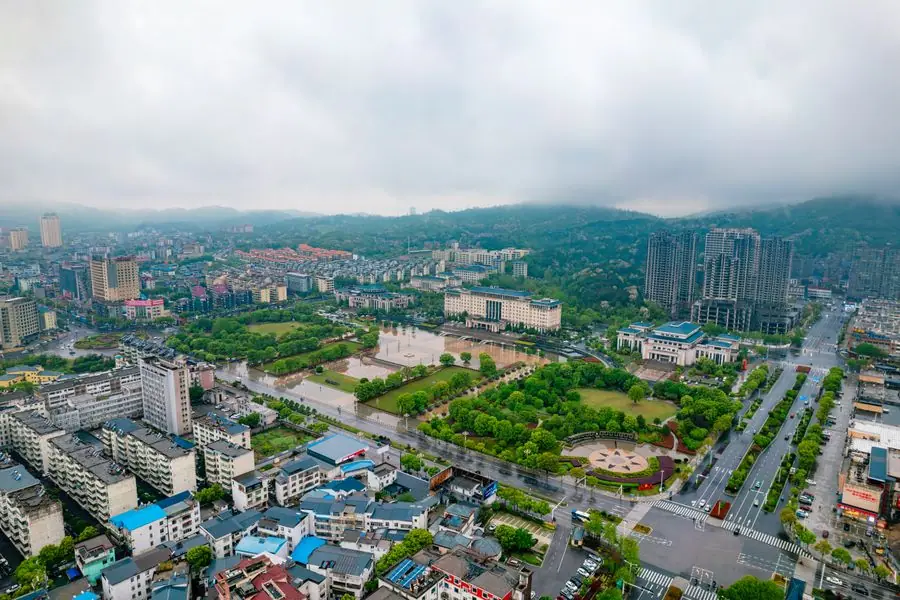
Moon Lake 月亮湖
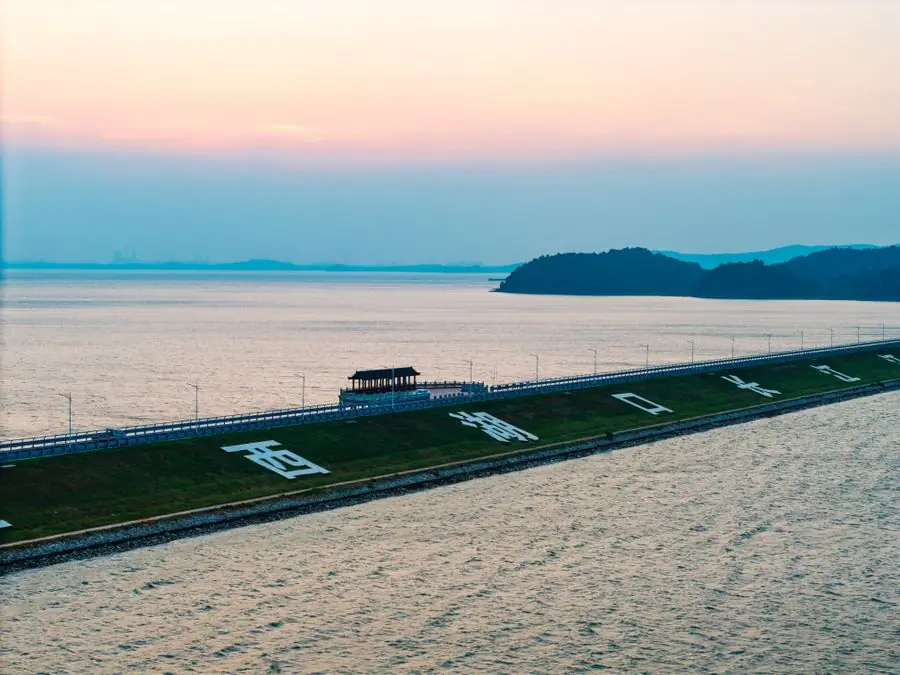
A small city park lake west of the centre, with a causeway, pavilions and a slow walking loop where locals spend their evenings. A pleasant, unremarkable hour — exactly what a craft town needs after a day in the workshops.
Central, near the old kiln district


Fuliang county, on the Chang river
Where to stay in Jingdezhen
Rates are for a standard double room in 2026. Staying near Zhushan Bridge or in the old kiln district puts you within walking distance of the ceramic market and the imperial kiln site; the HSR station is 5 km north of the centre.
Budget
$20–40 / nightChain hotels and guesthouses around the railway station and the city centre; a few small studios in the ceramic districts rent rooms by the night.
Mid-range
$60–110 / nightWell-kept business hotels near Zhushan Bridge and the ceramic market — the best base for the studios and the old kiln district.
Upper mid-range
$120–220 / nightDesign hotels in the restored kiln districts and the Sanbao ceramic village, several run by artists with galleries attached.
Luxury
$220–400+ / nightInternational-brand hotels in the new city district near the high-speed rail station, with the usual pools and banquet halls.
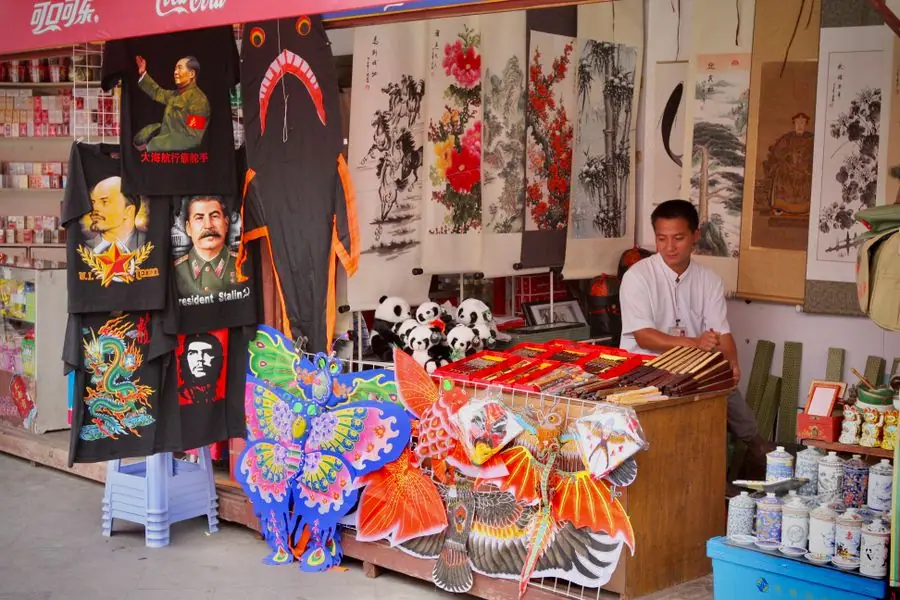
Souvenirs & local crafts
Easy to pack, easy to explain at customs — and far cheaper at a supermarket than at a scenic stall.
-

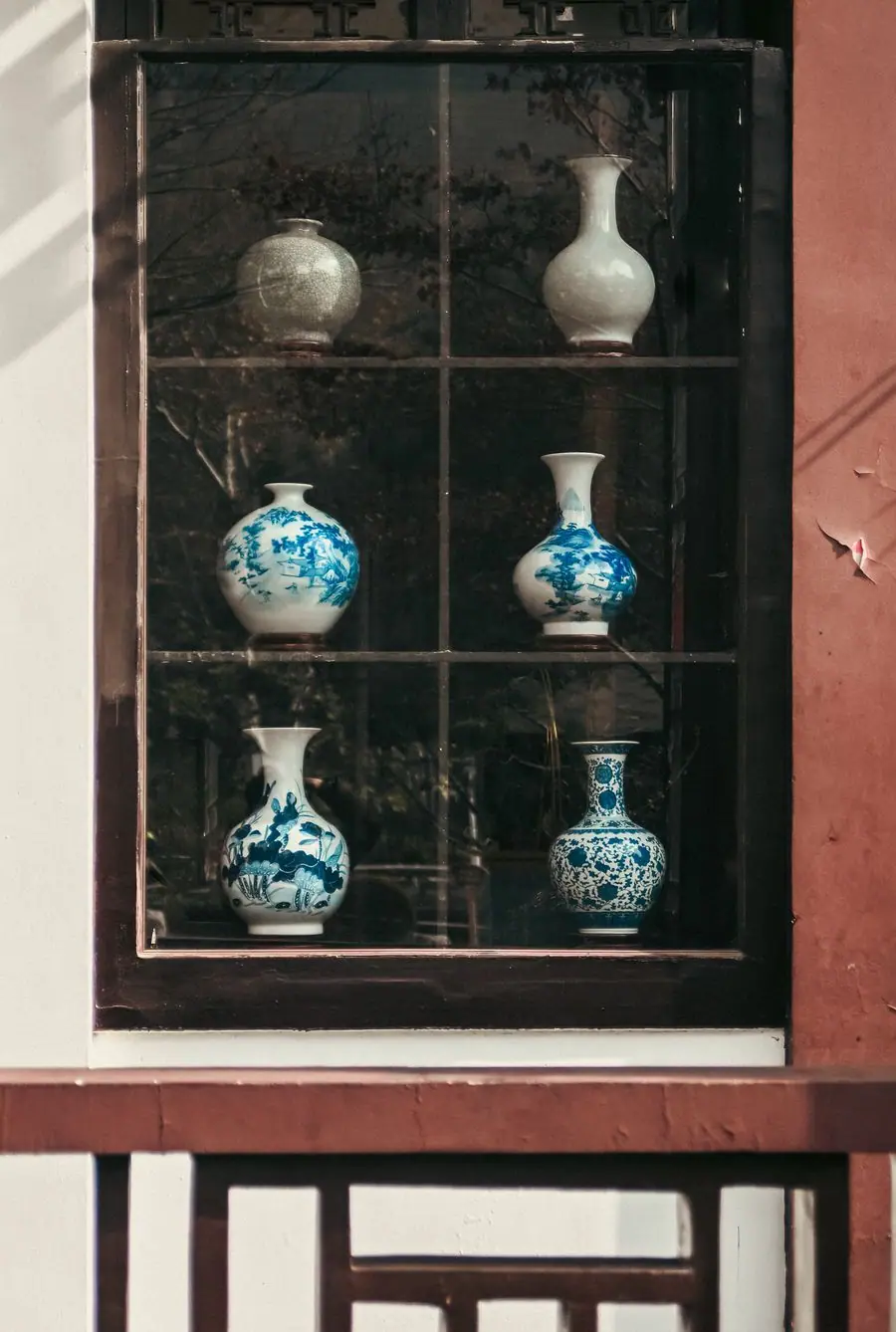
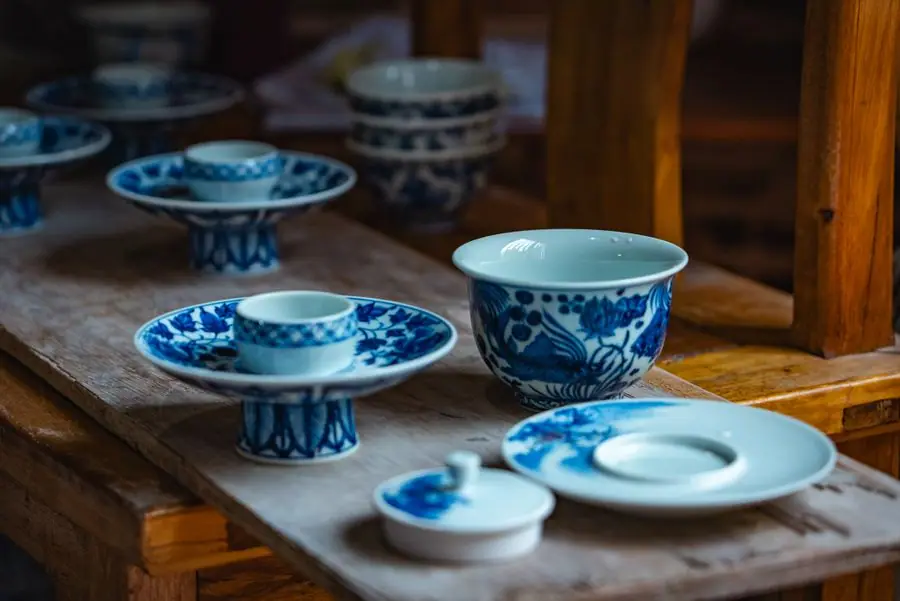
Blue-and-white porcelain
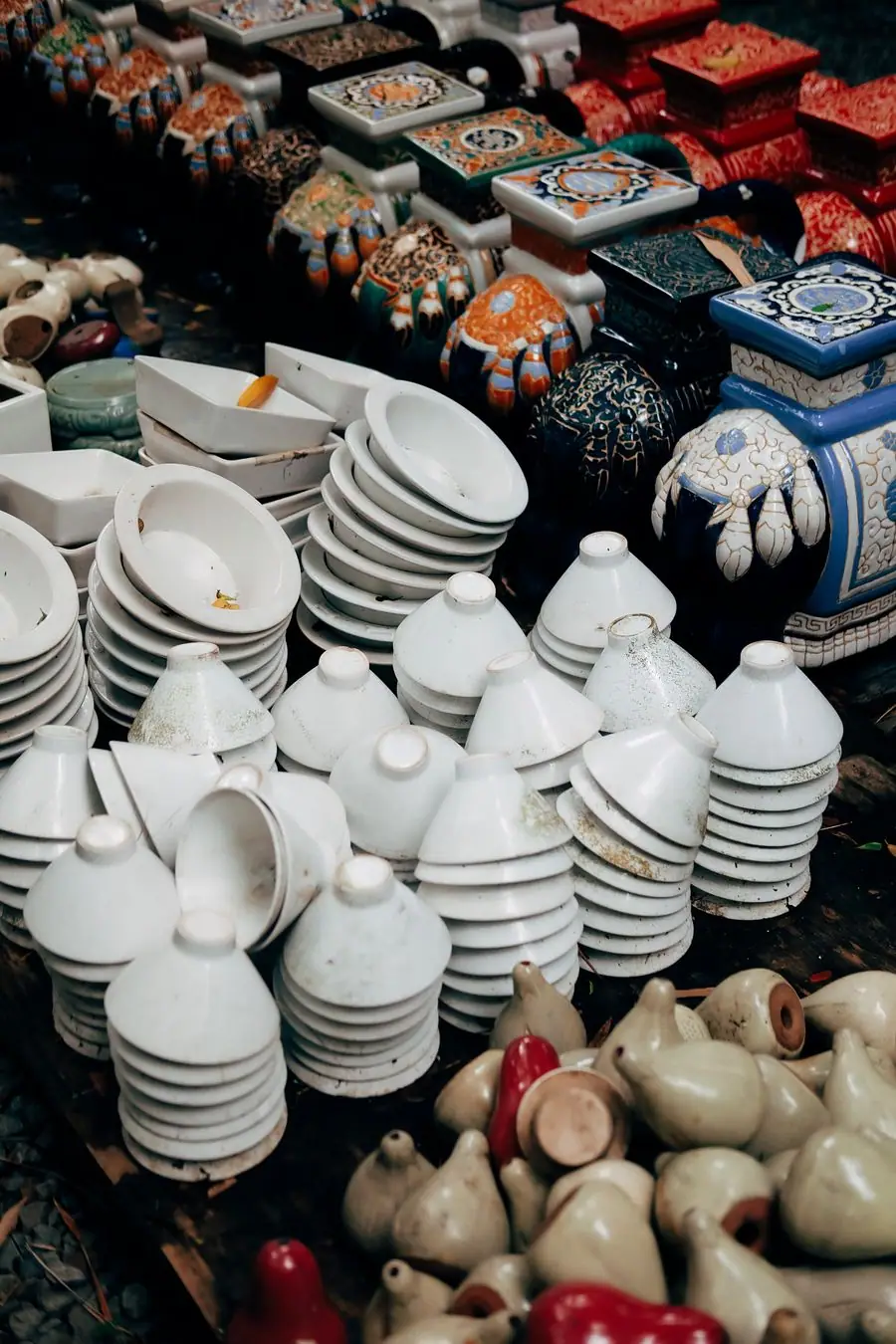
Qinghua: the cobalt-painted ware Jingdezhen is most famous for, from $10 bowls to $100+ vases. Buy from a working studio where you can watch it painted.
-
Famille-rose porcelain
Fencai: the opaque enamel overglaze style perfected in the Qing, often with dense flower-and-bird painting — more delicate and more expensive than blue-and-white.
-
Linglong pierced porcelain
Linglong: ware pierced with tiny holes that are glazed over so light shows through — a Jingdezhen speciality, most often seen in tea sets.
-
Ceramic tea sets
Small gaiwan and cup sets from the Sanbao village studios; the classic buy, easy to pack, and priced from a few dollars to hundreds.
-
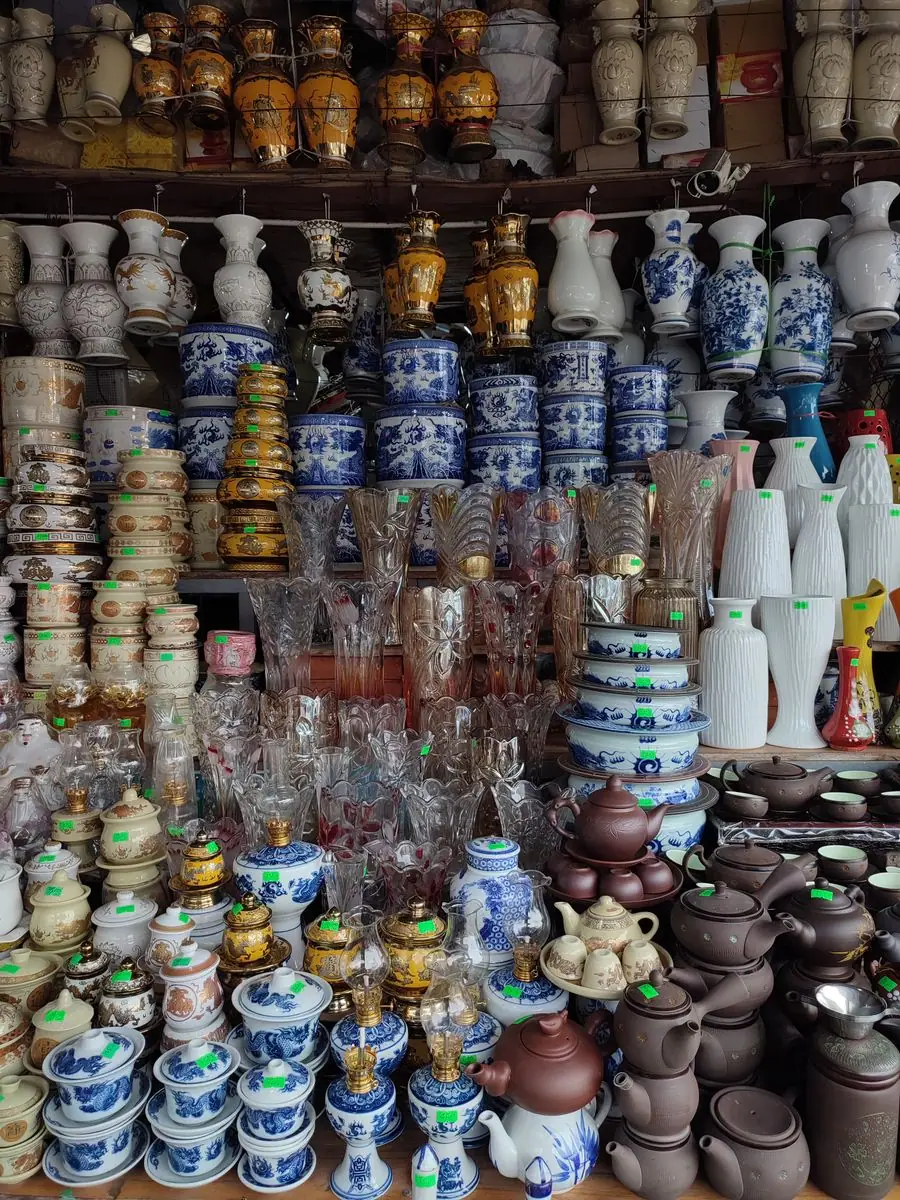
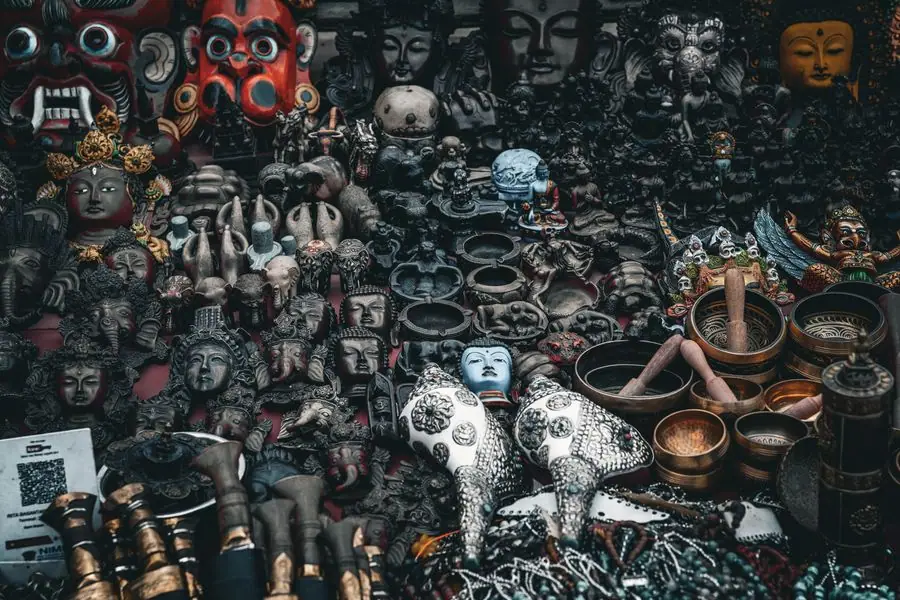
Porcelain figurines
Hand-modelled figures — Buddhas, animals, Guanyin — from the market stalls; charming and cheap, but check the modelling for machine-pressed seams.
Getting around Jingdezhen
Jingdezhen sits in northeast Jiangxi, within reach of Lushan, Huangshan and Nanchang. The city itself is compact, with a small airport and a high-speed rail station on the Jiujiang–Quzhou line.
- High-speed rail
- Jingdezhen North station links to the national HSR network: about 1 hour to Nanchang, 1.5 hours to Huangshan, 2–3 hours to Jiujiang and Lushan, and 4–5 hours to Shanghai via Nanchang.
- Long-distance bus
- City buses reach every main sight; the special tourist line links the station, the ceramic market and the imperial kiln site. Fares are a few yuan.
- Metro & bus
- Jingdezhen has no metro; the city is flat, compact and walkable, and buses and taxis cover the rest.
- Taxis
- Taxis start around $2–3 and almost nothing in the city is more than $10 away; Yaoli village is about $20–25 by ride-hail.
- Ride-hailing
- DiDi works well and is the simplest way to reach the outlying villages, kiln sites and the airport.
- Shared bikes
- The city centre is flat with good cycling lanes; shared bikes cover the old kiln district and the market easily.
- Intercity carpool
- Carpool apps help for Yao Li and the kaolin villages, where buses are infrequent.
Plan your 1, 2 or 3 days in Jingdezhen
Pick the length of your stay. Each plan is its own page, anchored at the city centre and written from real traveller itineraries — including splits for sightseeing, shopping, landscape, families and older travellers.
Jingdezhen in 1 Day
The ancient kiln museum, the imperial kiln site and the ceramic street evening.
Read the plan → 2-dayJingdezhen in 2 Days
Add the China Ceramics Museum, Sanbao ceramic village and a studio class.
Read the plan → 3-dayJingdezhen in 3 Days
A day out to Yaoli village, the Fuliang yamen and the kaolin valley.
Read the plan →Frequently asked questions
- Do I need a visa to visit Jingdezhen?
- Foreign visitors need a Chinese visa or a qualifying visa-free transit arrangement (the 240-hour transit visa-free policy applies at eligible ports). Check the current rules for your nationality before booking.
- How do I get to Jingdezhen?
- High-speed rail to Jingdezhen North — about 1 hour from Nanchang, 1.5 hours from Huangshan and 4–5 hours from Shanghai. There is also a small domestic airport, Luojia.
- What is the best time to visit Jingdezhen?
- March–May and September–November for comfortable weather. The workshops and museums run year-round, so the craft does not depend on season.
- How many days do I need in Jingdezhen?
- Two days covers the city's kilns, museums and studios; three days lets you add Yaoli village and the kaolin valley without rushing.
- Is Jingdezhen good for buying porcelain?
- It is the best place in China to buy it — you can watch pieces being made, buy straight from the studio, and compare across hundreds of workshops.
- Can I combine Jingdezhen with other destinations?
- Yes — it pairs naturally with Huangshan (1.5 hours by HSR), Lushan and Jiujiang, and Nanchang, all on the same rail corridor.
Page last reviewed: 2026-11-02.