Jiayuguan Travel Guide 2026: The Greatest Pass Under Heaven at the End of the Great Wall
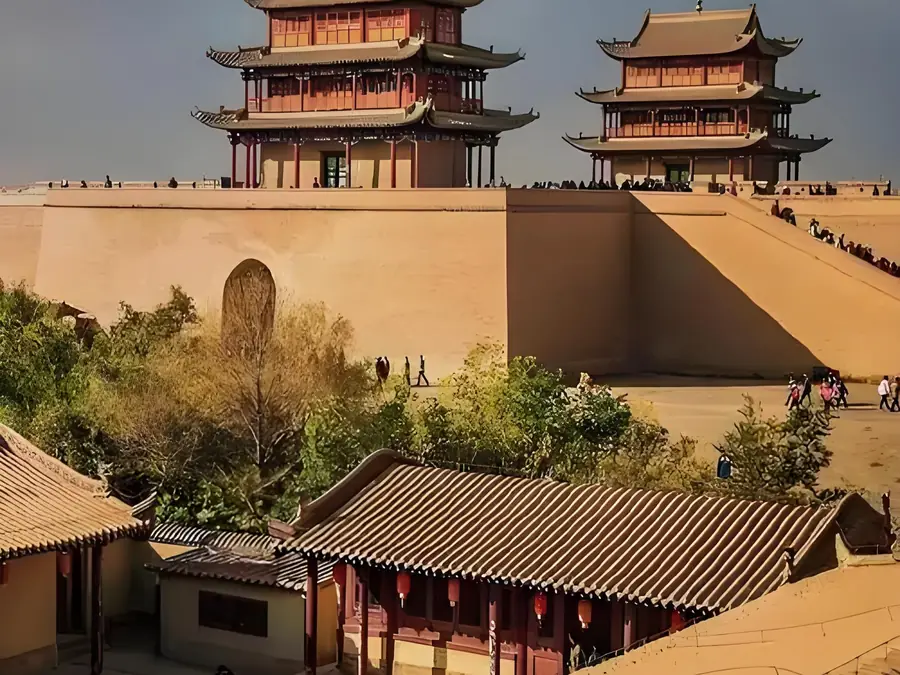
Jiayuguan is where the Ming Great Wall runs out of continent. The fort here calls itself the Greatest Pass Under Heaven, and for a jiayuguan travel guide built around one unmissable sight, this is it: a complete earthen walled fortress guarding the narrowest throat of the Hexi Corridor, with the Silk Road's traffic funneling past its gates for six centuries. This guide covers the fort and its 5A scenic-area companions — the Overhanging Wall and the First Beacon Tower — the underground brick galleries of the Wei-Jin tombs, the desert rock carvings of the Heishan ridge, and the glacier that sits two hours into the Qilian mountains, all with USD prices, verified October 2026, and 1–3 day plans.
History & culture
The pass takes its name from the ridge it guards: the Jiayu slope where the corridor pinches between the Qilian mountains and the Heishan hills, the only wagon route between China proper and the Western Regions for two thousand years. The Han dynasty pushed the Great Wall west from here to the Jade Gate near Dunhuang, and the Hexi Corridor's four commanderies were supplied through this throat. When the Han lost the mountains south of the corridor, the Xiongnu lament that their women lost their colour — the same loss that made this ground strategic.
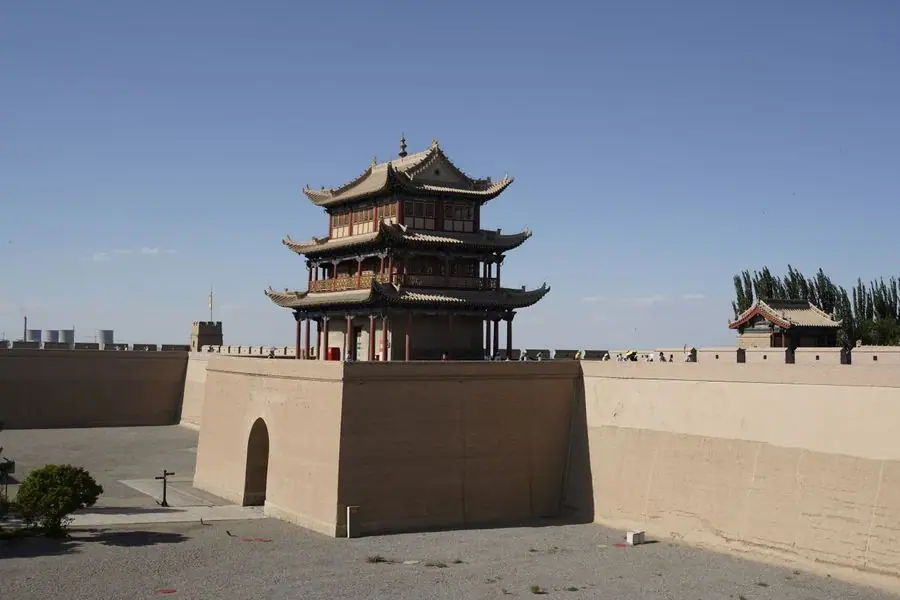
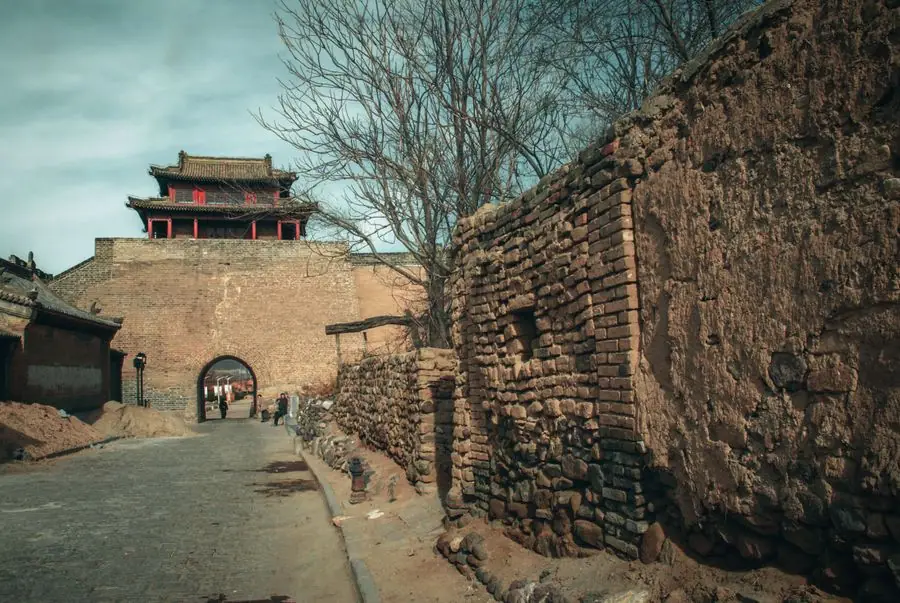
The Ming dynasty rebuilt the frontier as an earthen wall in 1372 and finished the fort that still stands: a three-line defence of the outer moat, the outer city and the inner walled town, with the gate tower flying the 'Greatest Pass Under Heaven' plaque. From here the garrison watched the westward road, taxed the Silk Road's caravans and passed dispatches by beacon tower — the first of which still stands 13 km south where the wall meets the Taolai River canyon. The fort was never stormed; it worked by controlling the one road.
After the Qing took the west in the 18th century the pass became an interior customs post, then a quiet county town as the caravans thinned. Everything changed in 1958, when iron ore was found at Jingtieshan in the Qilian foothills: the state built the Jiuquan Steel works here from nothing, and a city of a quarter of a million rose out of the Gobi to serve it — one of the youngest cities in China, built for steel and the railway rather than trade.
Today Jiayuguan pairs that industrial present with a world-class heritage site: the fort and its companions form a single 5A scenic area, the Wei-Jin tomb gardens 20 km away have been called an underground art gallery for their brick murals, and the high-speed railway put the old garrison town 90 minutes from Zhangye's rainbow mountains and three hours from Dunhuang. Foreign visitors face no special restrictions here — Gansu's main sights are open to foreign passports; carry your passport for hotels and trains, and only Tibet and Xinjiang's border zones need extra permits.
Best time to visit Jiayuguan
Jiayuguan sits at about 1,600 m where the Taolai River crosses the corridor's narrowest point between the Qilian mountains and the Heishan ridge. The climate is extreme-continental desert: very dry, big day-night swings, fierce sun and almost no rain — the same desert light that makes the old walls glow at dawn.
Budget for Jiayuguan: hotels from $20 a night, average ticket $$12.19 — see the full cost breakdown, or start from a ready-made route.
Cuisine of Jiayuguan
Signature dishes worth seeking out — prices are typical per-person or per-dish ranges, not fixed quotes.
-
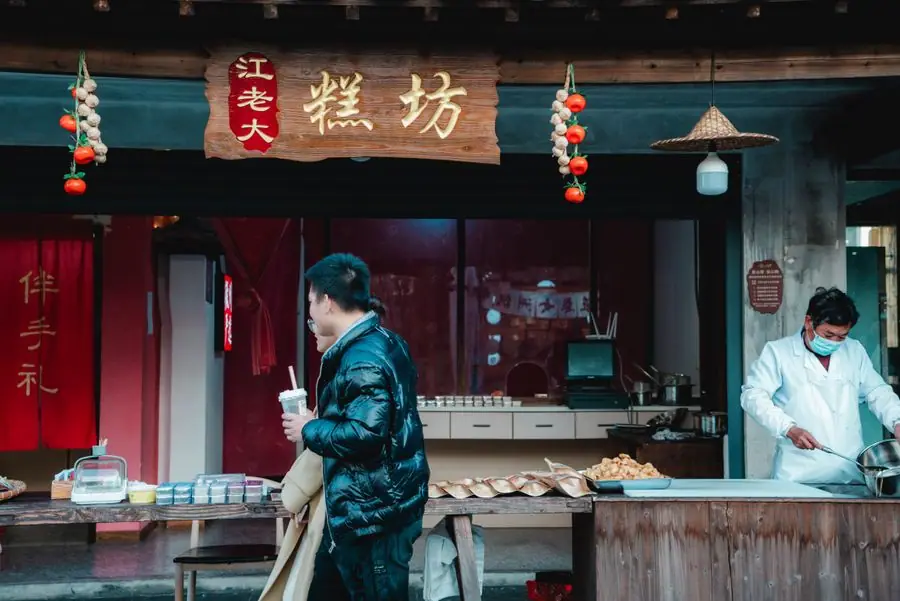
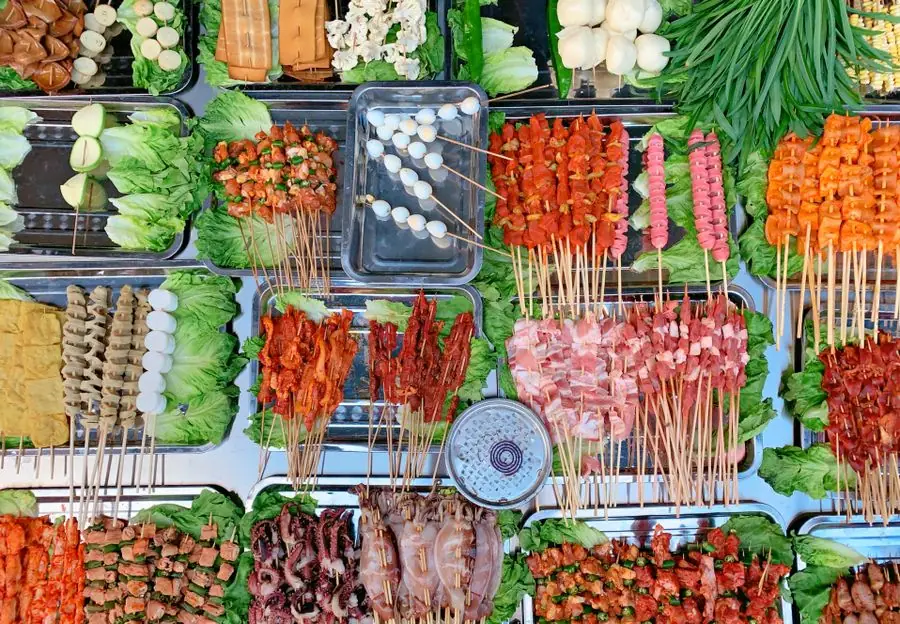
Jiayuguan lamb skewers (kaorou)
The northwest's barbecue religion, at its most serious in the corridor cities: charcoal-grilled lamb skewers dusted with cumin and chilli, sold by the string of five. A stick costs well under a dollar, and the night stalls by the old town and East Lake grill until late. Order more than you think you need — they arrive fast and disappear faster.
-
Lanzhou-style beef noodles (niurou mian)
The corridor's breakfast: hand-pulled noodles in a clear halal beef-bone broth with radish slices, chilli oil and coriander, at $1.50–3 a bowl. 'One bowl, one noodle width' is the ordering ritual — say it in Chinese or point. The good shops open at first light and sell out by mid-morning.
-
Hu guo (thick-pot stew)
The Jiuquan–Jiayuguan breakfast institution: a thick, peppery broth of gluten puffs, vermicelli, tofu and fried dough pieces, ladled over a base of mashed potato or corn-flour mush. Hearty, savoury and made for desert mornings, at about $2–3 a bowl. A local original you will not find south of the corridor.
-
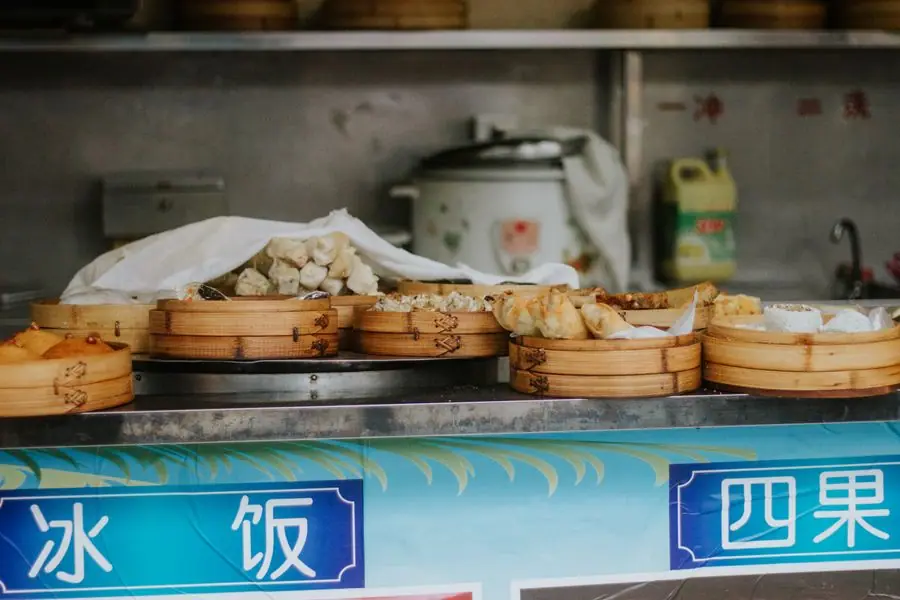
Clear lamb soup (qingtang yangrou)
Lamb bones and mutton simmered for hours into a pale, clean soup with white radish, served with flatbread for dipping — the northwest's restorative. A big bowl runs $4–7, and the same shops grill the skewers. Corridor winters are exactly what this soup was invented for.
-
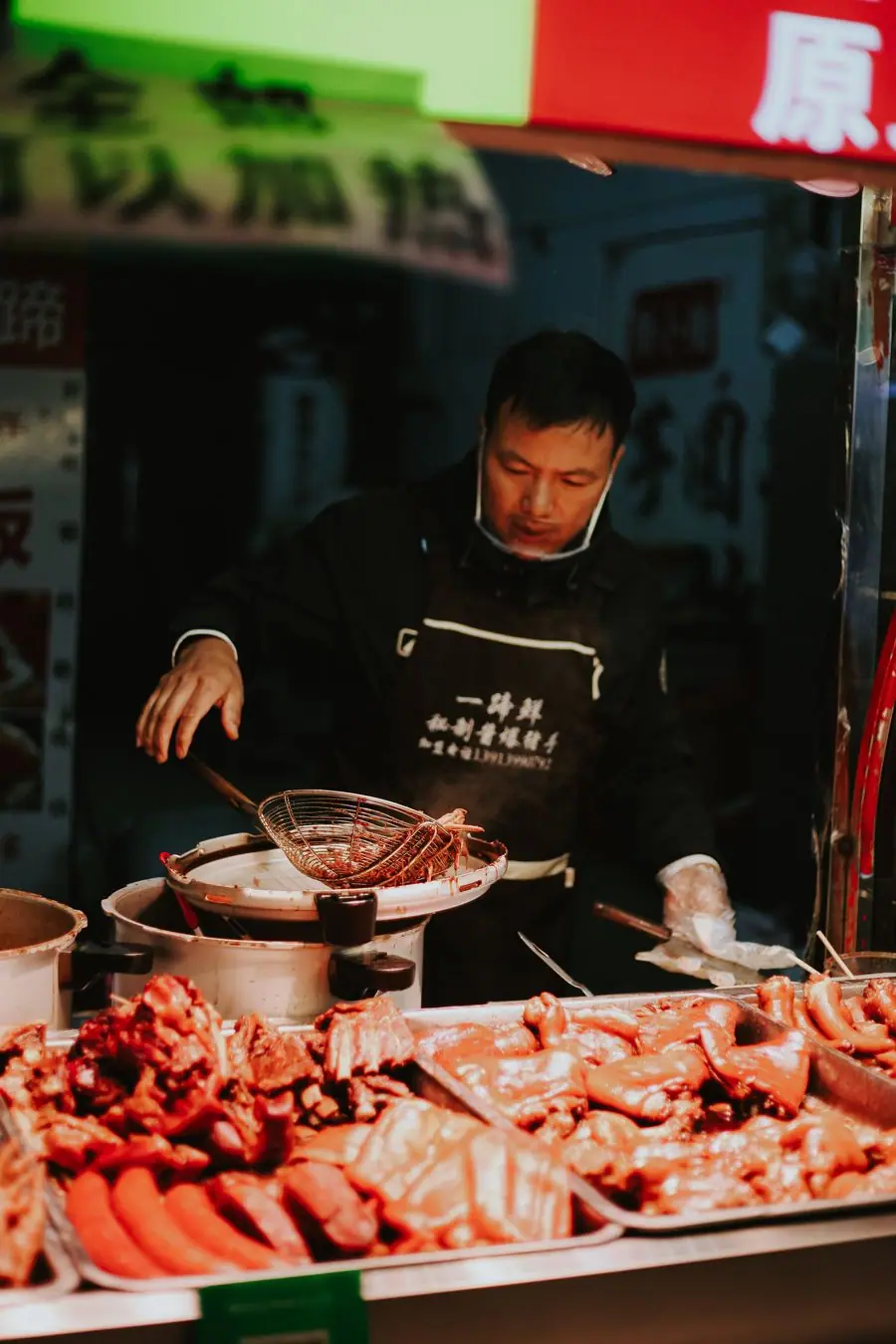
Cuoyuzi (fish-roe noodles)
Short hand-rolled wheat noodles pinched into little fish shapes, stir-fried dry with lamb, tomato and peppers at $2–4 a plate. The name is the shape; there is no fish in it. A corridor lunch standard, quick, smoky and filling before an afternoon on the walls.
Every major sight — with its own guide
Right after the food above, here are the sights — each one links to its own full guide (what to see, how to get there, facilities and the best season). Names follow each sight's official English signage.
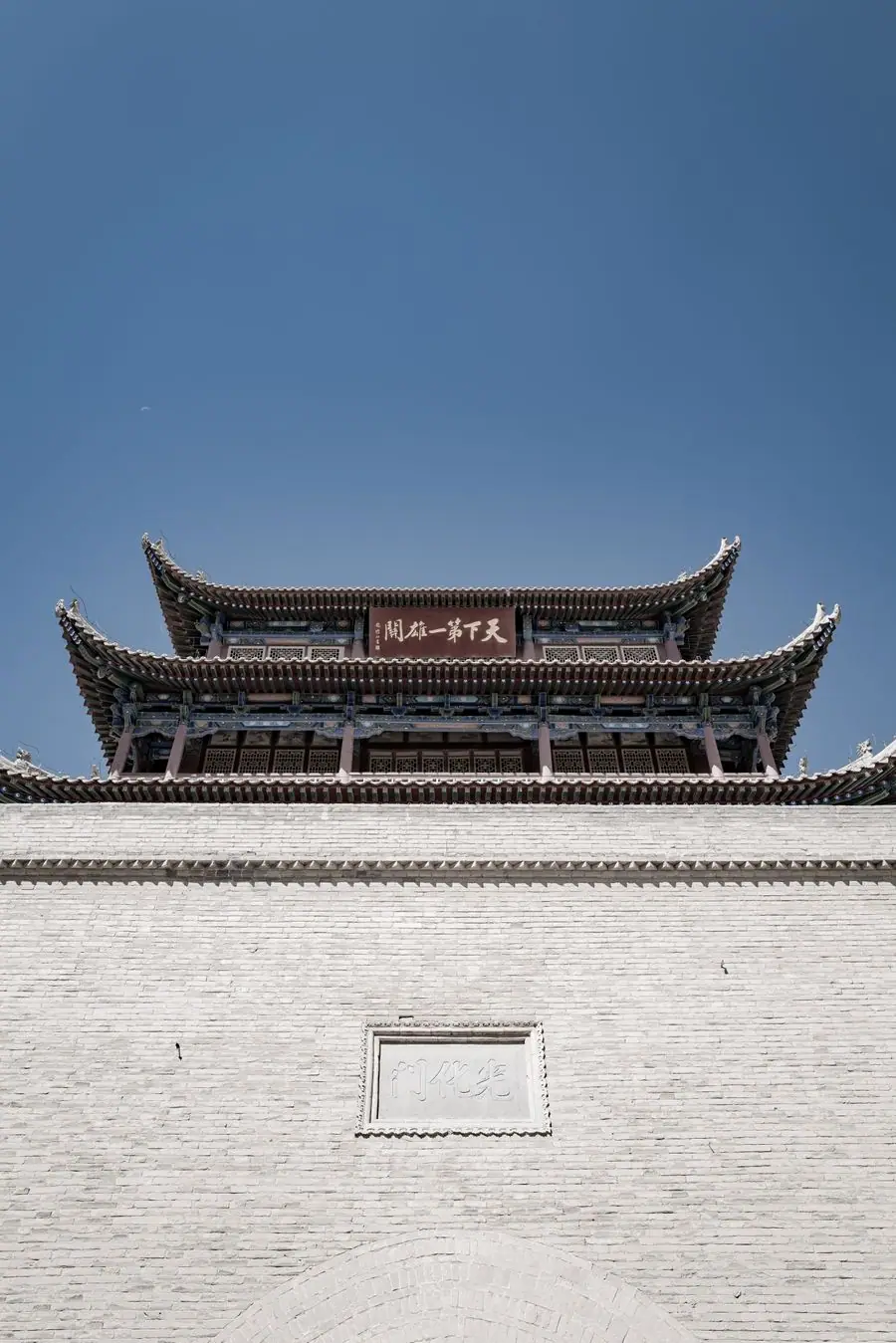
Heishan ridge — 11 km north
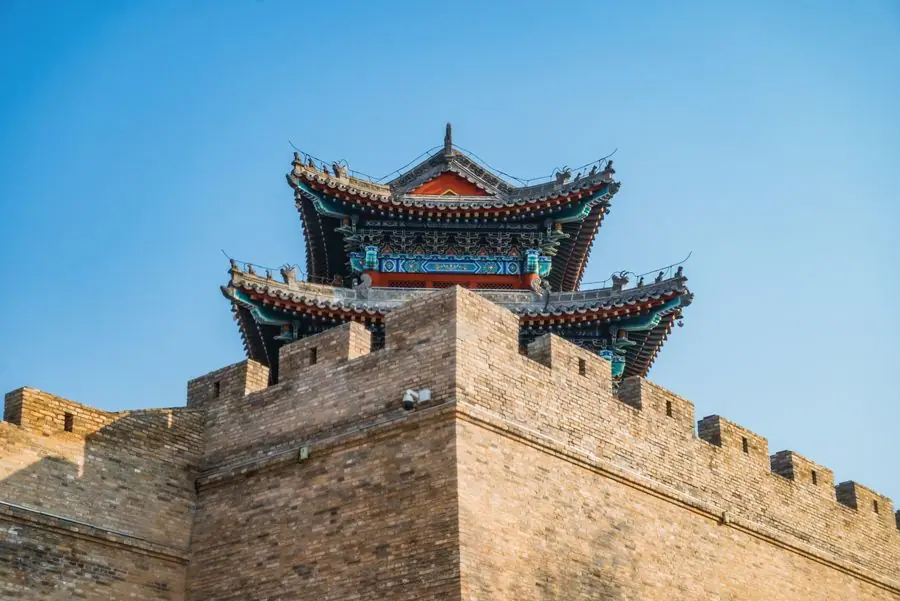
Taolai River canyon — 13 km south
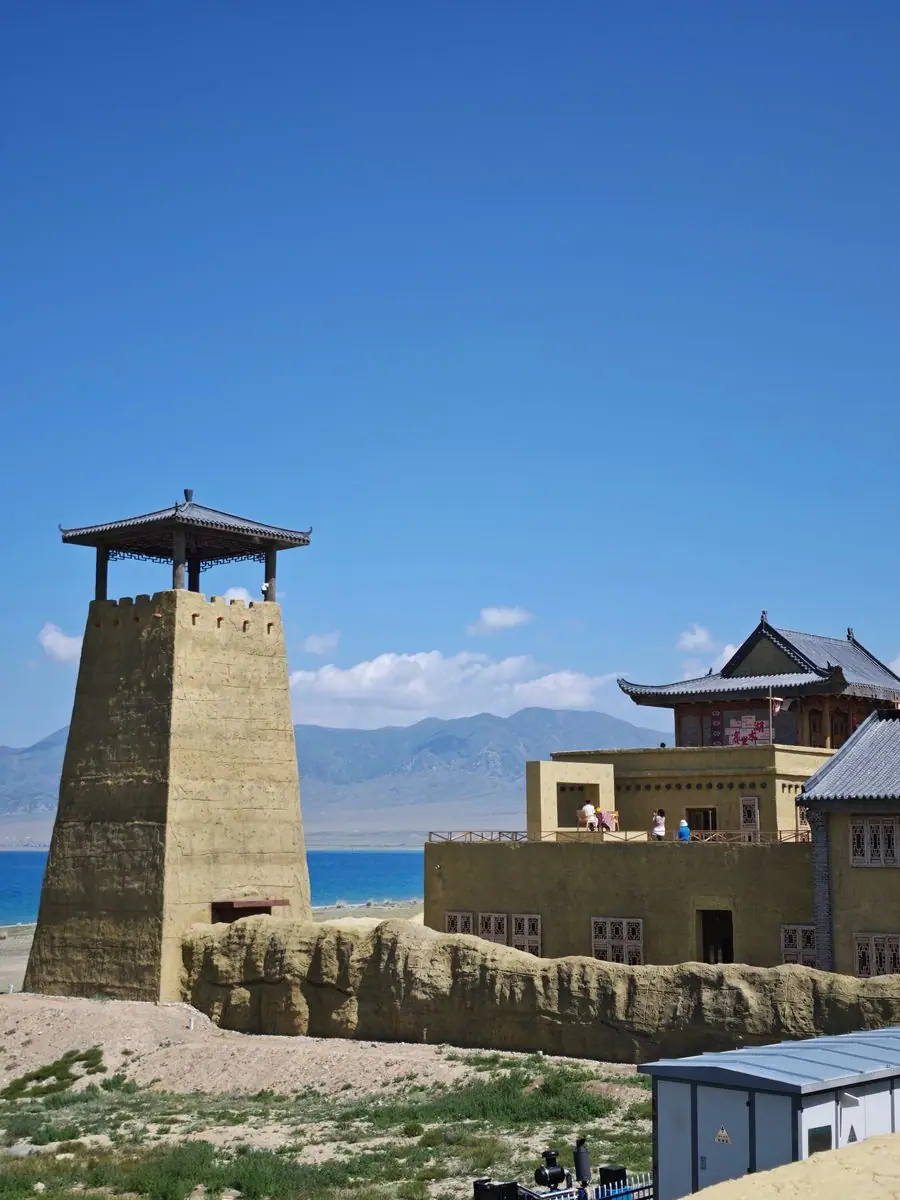
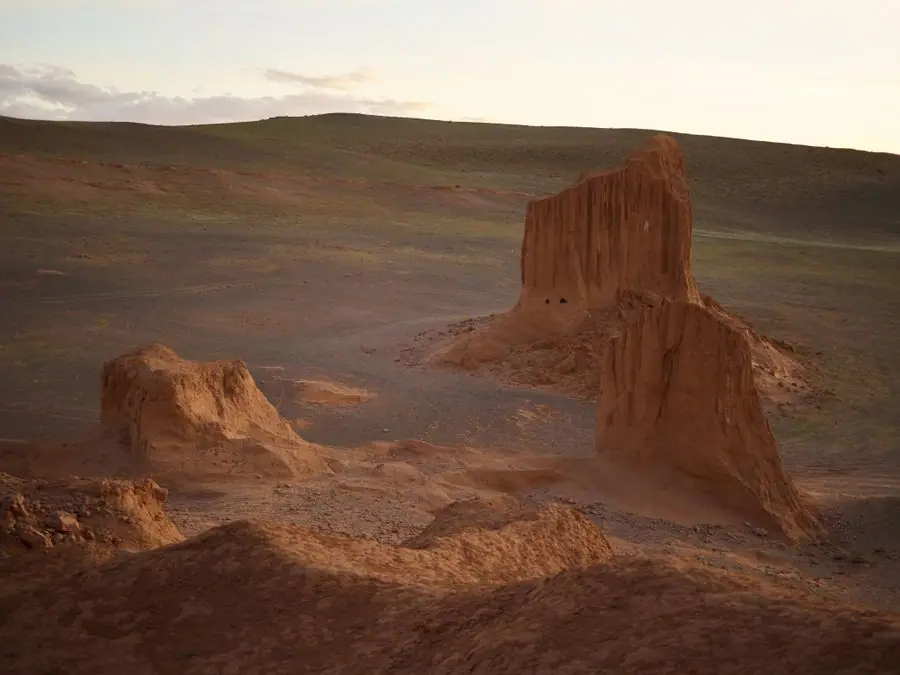
Heishan ridge — 20 km north-west
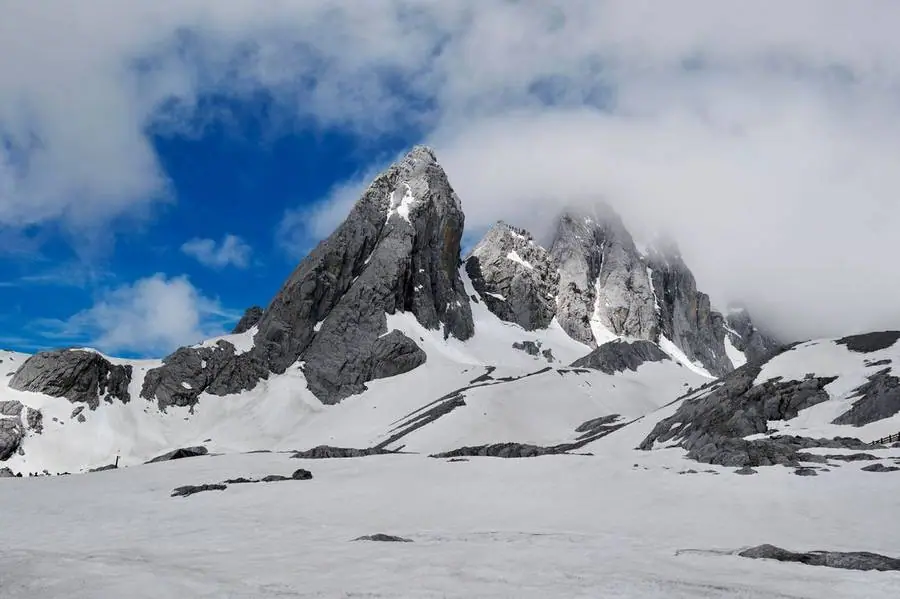
Qilian mountains — 115 km south-west
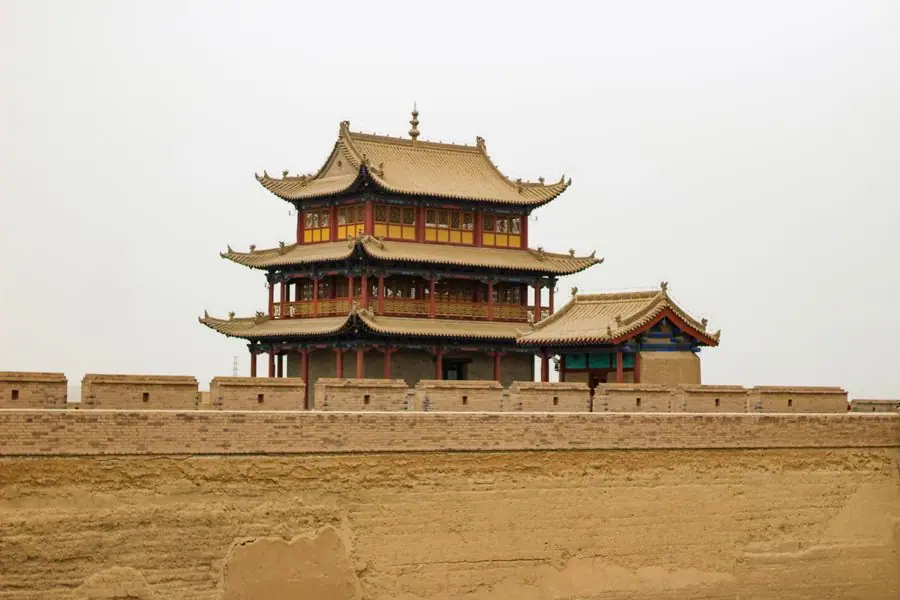
Yuchanzhen, in the scenic area — 6 km
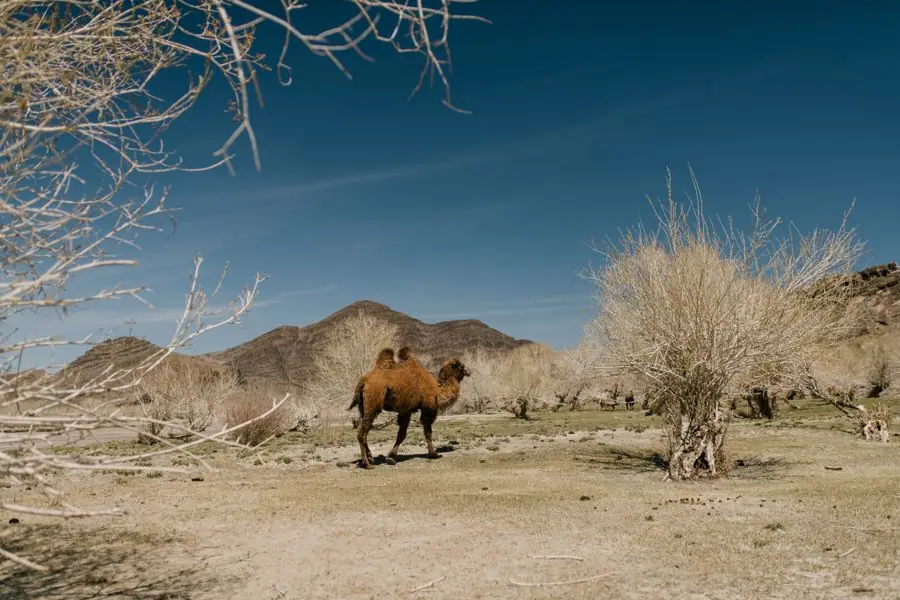
Where to stay in Jiayuguan
One base beats two here: Jiayuguan is compact and the fort is only 6 km out, so sleep in the city and taxi to the scenic area at opening or for the night tour. Hotels spike on National Day week and summer weekends — book ahead. Foreign passports register normally across the city's chains; carry the passport for train tickets and hotel desks.
Budget
$20–40 / nightChain hotels and guesthouses around the railway station and the main avenues; clean doubles with kettles and 24-hour hot water. Foreign-passport registration works at the city's chains without fuss, and the fort is a short taxi ride from anywhere in this price band.
Mid
$50–100 / nightFull-service Chinese chains in the city centre and along the Taolai riverfront, with breakfast and decent AC; the best base for the scenic-area days. Rooms in this band are the value pick — the top end rarely buys much more in a city this size.
Top
$120–250 / nightThe city's international-brand hotels near East Lake and the government district, with pools, gyms and the best service in town. For the fortress at dawn, the real luxury play is a night at the guesthouses inside the 5A scenic area instead, when they are running.
Souvenirs & local crafts
Easy to pack, easy to explain at customs — and far cheaper at a supermarket than at a scenic stall.
-

Yeguang cups (night-glowing jade cups)
The jade wine cups of the 'grape wine, night-glowing cup' poem, carved in the Jiuquan–Jiayuguan area from local jade — the corridor's classic gift, from a few dollars for a small cup to a serious price for a carved set. Buy from established shops and ask for a receipt.
-
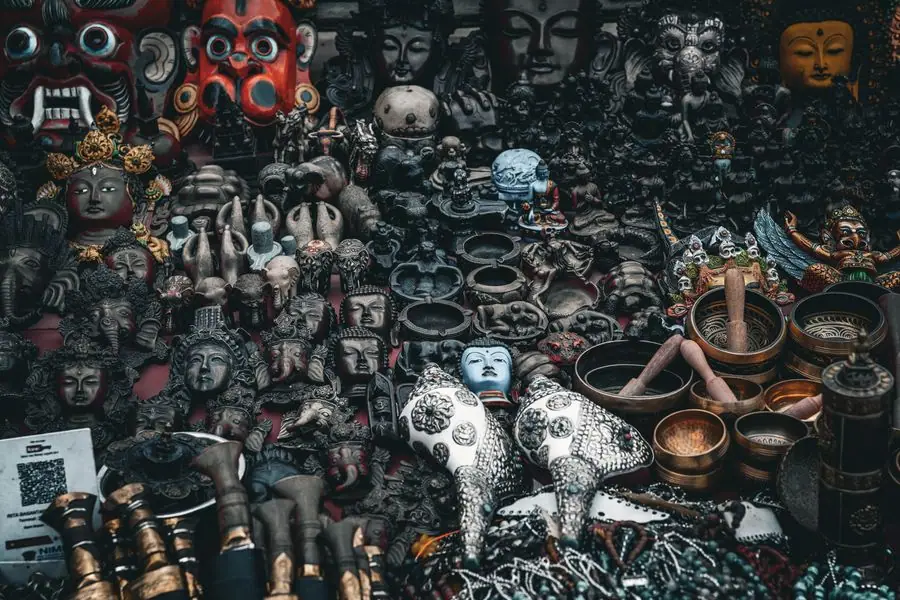
Jiayuguan inkstones
Inkstones cut from the green stone of the local Jiayu slopes, polished and often carved with Great Wall motifs — a genuinely local craft with a working stone rather than a tourist pastiche. Sold in the city's craft shops; expect $15–60 for a decent desk stone.
-
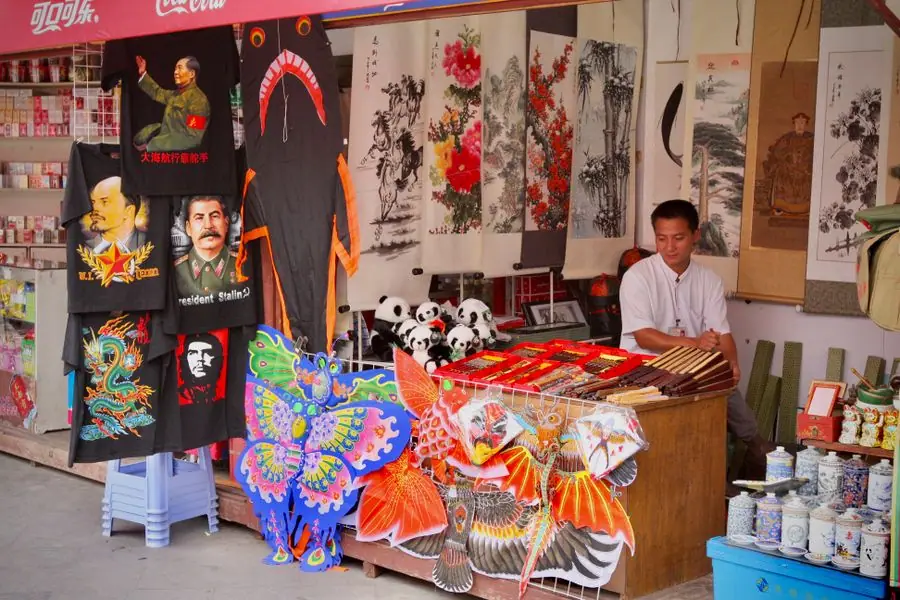
Gobi stones and Qilian jade
The desert around the city yields polished gobi pebbles and Qilian serpentine jade, sold by weight and by piece in the markets. Small, cheap, genuinely from this ground — the easiest authentic souvenir to carry home, and the shops will box and ship.
-
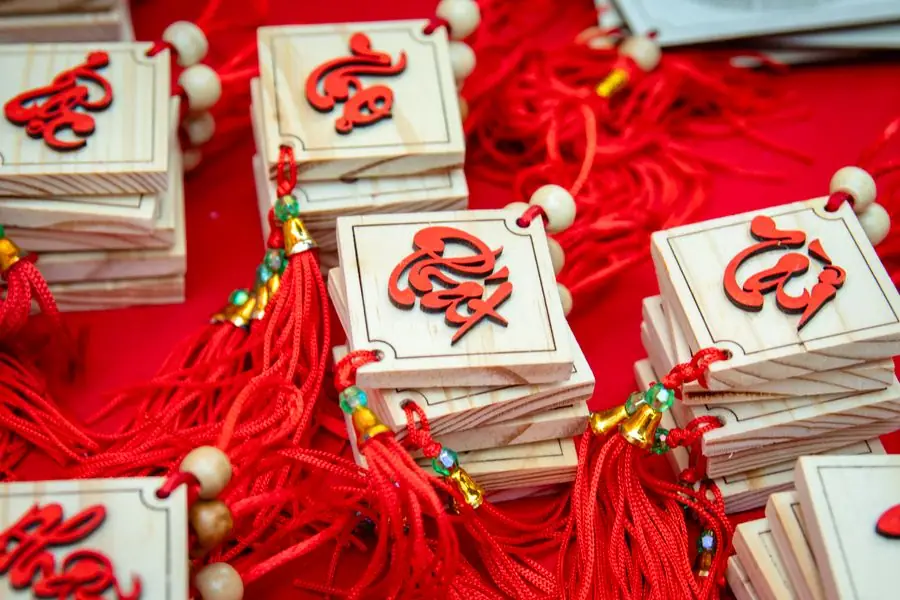
Camel-wool textiles
Felt and woven camel-wool goods — hats, saddle cloths and rugs — from the corridor's herding country. Warm, practical and unmistakably northwest; a good hat runs $10–20 and packs flat. Check the label: pure camel wool, not a blend.
-
Zixuan wine
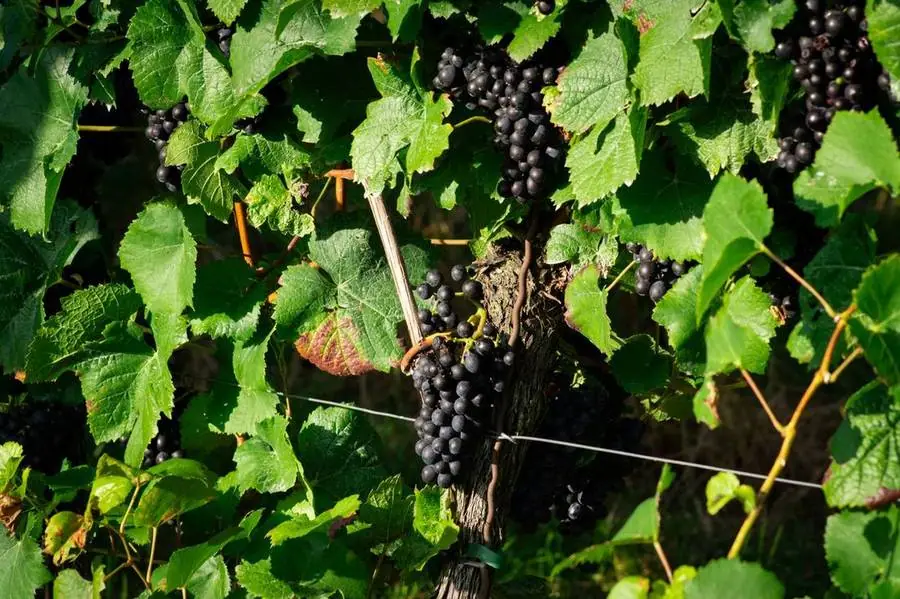
Bottled at the city's own 4A wine estate 8 km out — the Hexi Corridor's high-altitude grapes, with the ice wine the region is known for. Sold in the estate shop and city supermarkets from about $5–15 a bottle; travels fine and makes a tasteful gift.
Getting around Jiayuguan
Jiayuguan is a compact industrial city — the centre walks in half an hour — but the headline sights strung along the corridor need a day each. Plan one city day, one full day for the 5A scenic area and long driving days for the mountains.
- High-speed rail
- Jiayuguan South station is on the Lanzhou–Xinjiang high-speed line: Lanzhou West about 4–5 h east, Urumqi roughly 5–6 h west, and Zhangye West about 1.5 h toward the rainbow mountains. For Dunhuang, ride to Liuyuan and change to the conventional line (allow about 2 h more in total). The older Jiayuguan station in the city takes conventional trains. Buy by real-name ID; foreign passports work at the station windows.
- Long-distance bus
- City buses cover the centre and East Lake cheaply, and the west bus station runs corridor buses toward Jiuquan and Dunhuang plus tourist buses to the fort. For the Wei-Jin tombs, the Heishan carvings and the Qiyi Glacier, public transport is thin — hire a car or join a day tour.
- Metro & bus
- No metro or light rail — Jiayuguan runs on city buses, taxis and DiDi, which is all a compact Gobi grid needs.
- Taxis
- Metered taxis start around $1.50 and cross-town runs rarely pass $4.50 — the practical way to reach the fort and the tombs. Have destinations in Chinese; most drivers do not speak English.
- Ride-hailing
- DiDi works throughout the city and is the default. For the Heishan carvings, the Caohu wetlands and the Qiyi Glacier, hire a car with driver — about $60–90 a day for the corridor and mountain roads.
- Shared bikes
- The centre is flat and dry with shared bikes across the districts — fine for the old-town-to-East-Lake corridor on a summer evening, though winter ice and summer midday heat rule it out.
- Intercity carpool
Plan your 1, 2 or 3 days in Jiayuguan
Pick the length of your stay. Each plan is its own page, anchored at the city centre and written from real traveller itineraries — including splits for sightseeing, shopping, landscape, families and older travellers.
Jiayuguan in one day: the Greatest Pass Under Heaven
The fort's gate tower and walls at opening, the Great Wall Museum at noon, the Overhanging Wall and First Beacon Tower in the afternoon, and grilled lamb skewers at the old-town night market.
Read the plan → 2-dayJiayuguan in two days: the wall, the tombs and the desert evening
Day one covers the 5A Great Wall scenic area end to end; day two takes the Wei-Jin tomb galleries and the Heishan carvings, then an evening walk around East Lake and the Taolai riverfront.
Read the plan → 3-dayJiayuguan in three days: the wall, the tombs and the Qilian foothills
Two days for the fort and the city, then a long day into the Qilian foothills — the Caohu wetlands and, when access allows, the Qiyi Glacier — with a wine-estate stop on the way back.
Read the plan →Frequently asked questions
- What is Jiayuguan famous for?
- The fort at the western end of the Ming Great Wall — the 'Greatest Pass Under Heaven' — guarding the Hexi Corridor's narrowest throat, plus the underground brick murals of the Wei-Jin tombs 20 km away, including the famous post messenger painted without a mouth. Unlike the restored wall at Badaling near Beijing, this is the earthen frontier fortress itself, and the city behind it was built from nothing in 1958 to serve a steel works in the Gobi.
- How do I get to Jiayuguan?
- Jiayuguan South station is on the Lanzhou–Xinjiang high-speed line: about 4–5 h to Lanzhou West, 5–6 h to Urumqi and 1.5 h to Zhangye West. For Dunhuang, ride to Liuyuan and change to the conventional line (allow about 2 h more). The older city station takes conventional trains. Foreign passports buy tickets at the station windows with the passport as ID.
- Can I visit the Qiyi Glacier?
- Sometimes — it is the glacier closest to a city in Asia, about 115 km into the Qilian mountains, but access has been restricted in recent years for ecological protection and closures are frequent. Confirm the current status with the local tourism office or your hotel on the day, and treat it as a bonus rather than building a fixed itinerary around it.
- When is the best time to visit Jiayuguan?
- May to October, with September–October the sweet spot: clear air, harvest and the best light on the walls. Summer evenings are ideal for the fort's night tour. Winter is cold and windy but nearly empty. National Day week (Oct 1–7) is the crowd peak — book hotels ahead.
- Do foreign visitors face any restrictions in Jiayuguan?
- No. Gansu's main sights are open to foreign passports, the scenic-area tickets are sold to everyone, and hotels register foreign guests normally. Carry your passport for hotels and real-name train tickets; only Tibet and Xinjiang's border zones need extra permits, and neither applies here.
- How much does it cost to see the Jiayuguan fort?
- The Jiayuguan scenic-area ticket is about $15.20 (RMB 108) and covers the fort, the Overhanging Wall, the First Beacon Tower and the Great Wall Museum — verified October 2026. Add about $2.55 for the shuttle bus or about $4 for the night tour of the fort. Tomb, museum and wine-estate prices vary; most sit between free and $7.
Page last reviewed: 2026-11-02.